







































S1. Emerging Technologies and Integrated Solutions for Sustainable, Resilient Cities and Planet
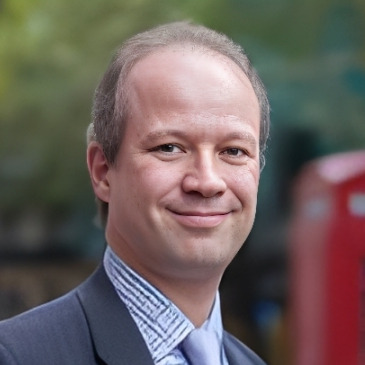
Session Chairs



The human history has validated that while technologies playing an increasingly important role in shaping and reshaping the development of human society, its associated creative destruction impact brought also many challenges to human society. Therefore, how to seek for an integrated solution to maximize the positive effects of new technologies while to minimize their negative ones has always been the hot topic for exploration. The objective of this session is to dive in and digest the emerging cutting-edge technologies and their ground applications in real society, any challenges faced in the application, and any good practices in the application process so that we may harvest the promising solutions for sustainable, resilient cities and planet through the decent debates and fruitful discussions in this session.
Both theoretical advances and practical case studies at local, regional, and global scales are invited. Please note that literature reviews will not be accepted.
S2. Resilient Urban Energy Infrastructure
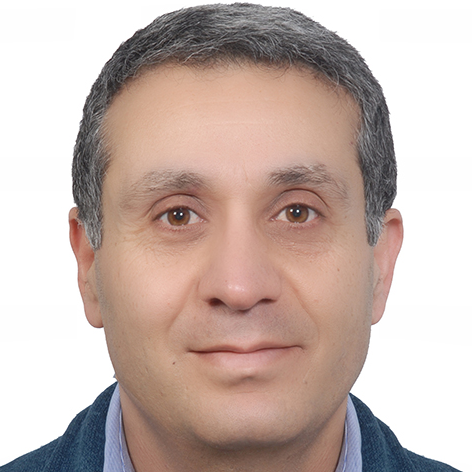
Session Chairs


Submission of both theoretical advances and applied case studies at neighborhood, city, and metropolitan scales are welcome.
S3. Sustainability Education and Innovative Approaches
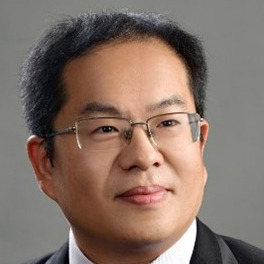
Session Chairs



The “Sustainability Education and Innovative Approaches” session explores how education can cultivate the knowledge, skills, and values essential for addressing complex sustainability challenges. It invites contributions on pedagogical strategies, curriculum design, and innovative teaching practices that integrate sustainability principles across disciplines. Emphasis is placed on transformative, inclusive, and action-oriented approaches that empower learners, foster interdisciplinary collaboration, and support just transitions toward resilient societies. The session highlights evidence-based initiatives and theoretical perspectives that advance sustainability education and promote systemic change in educational ecosystems.
Types of abstracts welcome:
- Empirical or conceptual studies on sustainability education across formal, non-formal, and informal contexts
- Innovative pedagogical models, curriculum design, and assessment aligned with Education for Sustainable Development (ESD)
- Interdisciplinary, technology-enhanced, community-engaged, or policy-informed approaches
- Evidence-based practices demonstrating impact on learners, institutions, or communities
Abstracts likely outside the session scope:
- Technical sustainability research without an explicit educational dimension
- Purely environmental or engineering studies lacking pedagogical focus
- Opinion pieces without clear theoretical grounding or empirical support
S4. Climate Change and Socio-Ecological Systems
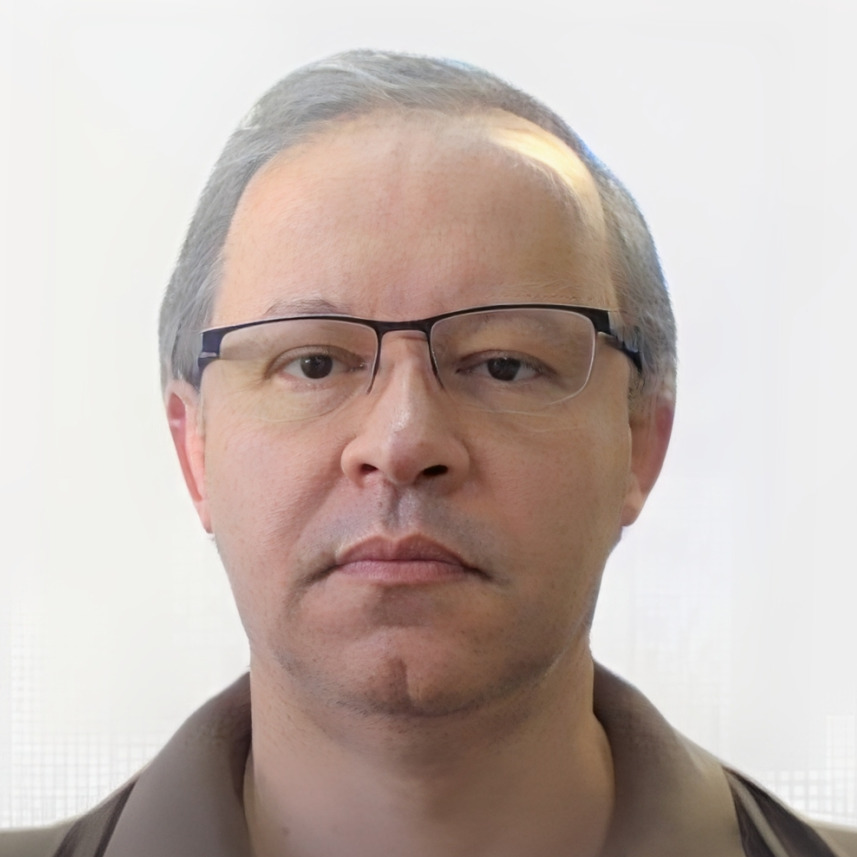
Session Chairs


We welcome papers that examine climate impacts, adaptation strategies, and mitigation pathways through the lenses of socio-ecological resilience, environmental justice, and systemic vulnerability. This session particularly encourages contributions that integrate natural sciences, social sciences, and policy perspectives, and emphasize the roles of community engagement, multi-level governance, and transformative action in building sustainable and resilient socio-ecological systems in the face of climate change.
Specifically, this session aims to present globally informed yet context-sensitive approaches, solutions, policies, and projects addressing climate change challenges. These contributions are intended to enhance climate adaptation and mitigation, strengthen biodiversity, and improve overall environmental quality.
Submission of both theoretical advances and applied case studies at local, regional, and global scales are welcome.