AI-Enhanced Bioelectronics
This symposium aims to explore the forefront of intelligent bioelectronic systems. The topics will include, but will not be limited to, the following:
1. Smart and Integrated Flexible/Wearable/Implantable Bioelectronic Systems;
2. Closed-Loop Bioelectronic Medicine and Adaptive Therapeutic Intervention;
3. AI-Enhanced Design and Signal Processing of Bioelectronics;
4. Intelligent Sensory-Motor Feedback and Human–Machine Interaction.
Symposium chair
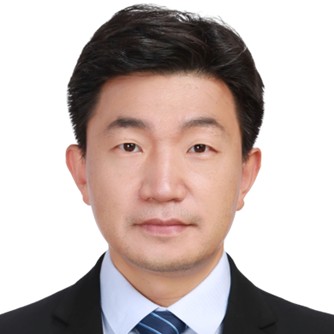 Prof. Zhou Li Tsinghua University |
Brain-Computer Interface
Symposium chair
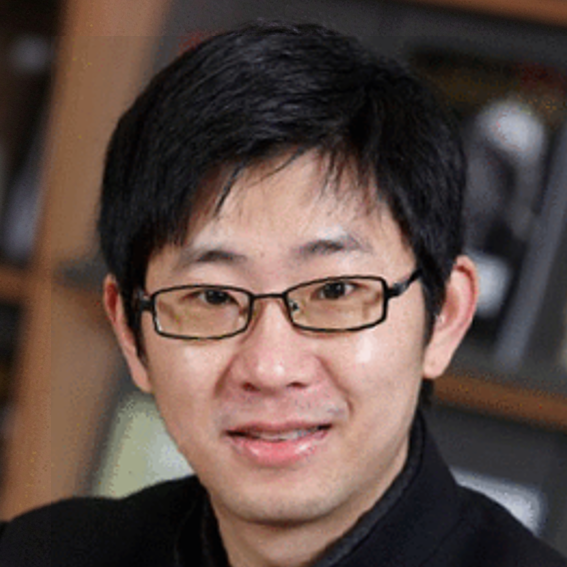 Prof. Min Chen South China University of Technology |
Sensory Interfaces for Embodied AI
This symposium focuses on most advanced sensing and feedback technologies to empower embodied AI with enhanced sensory functions. Topics include, but are not limited to, the following:
1. Advanced tactile and force sensors;
2. Gas sensors as robotic nose;
3. Data glove or haptic glove for dexterous hands;
4. Biomimetic robotic eyes, ears or mouth/tongue;
5. Robotic hair or cilia;
6. Sensing technologies in microrobots and soft robots
7. Chemical sensing interfaces.
Symposium chair
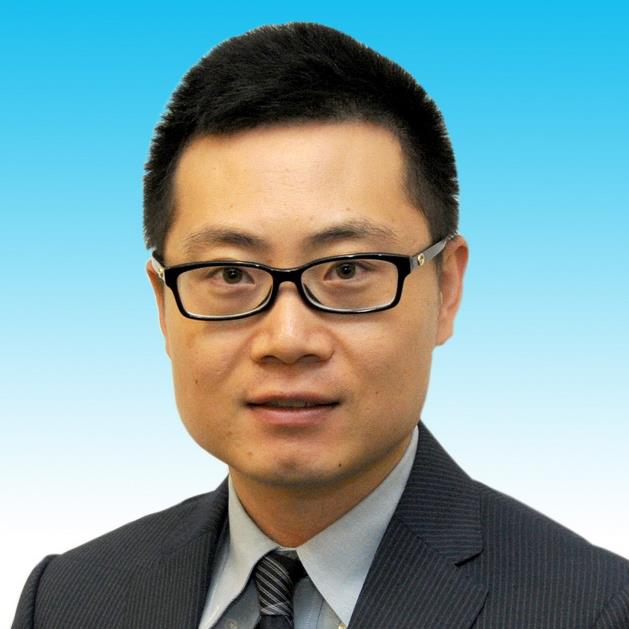 Prof. Xinge Yu City University of Hong Kong |
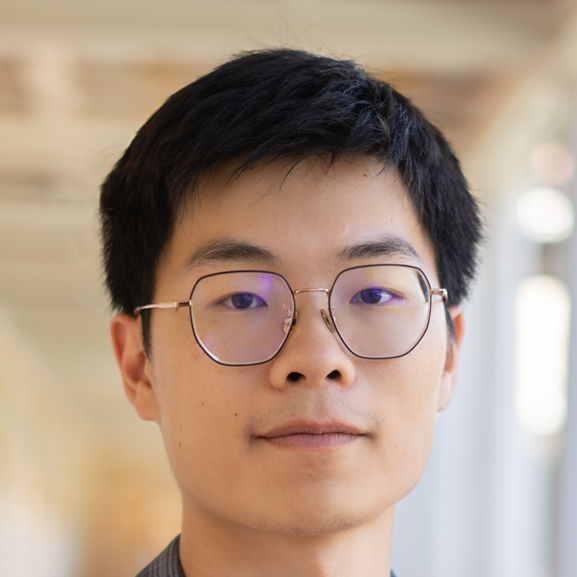 Prof. Kuanming Yao The Hong Kong University of Science and Technology |
Sensing Technology for Natural and Harsh Environment
This symposium focuses on sensor technologies designed to operate reliably in extreme natural and demanding conditions. Topics include, but are not limited to, the following:
1. High-temperature, high-pressure, and corrosion-resistant sensors for deep-sea, polar, and space exploration;
2. Advanced sensing systems for climate monitoring and natural disaster prediction;
3. Energy harvesting and self-powered solutions for long-term operation in remote locations;
4. Robust packaging and protection techniques for sensor durability under physical and chemical stress;
5. Wireless sensor networks for data collection in challenging environments;
6. Applications in oil and gas, mining, smart agriculture, and infrastructure monitoring.
Symposium chair
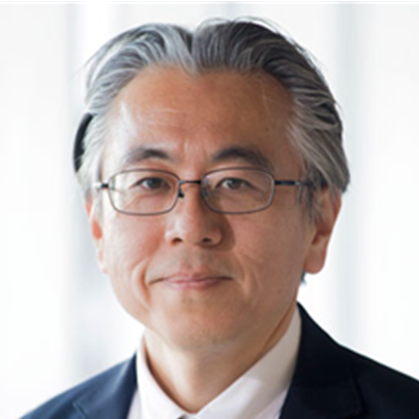 Prof. Toshihiro Itoh The University of Tokyo |
Intelligent Optical Sensing and Imaging
Symposium chairs
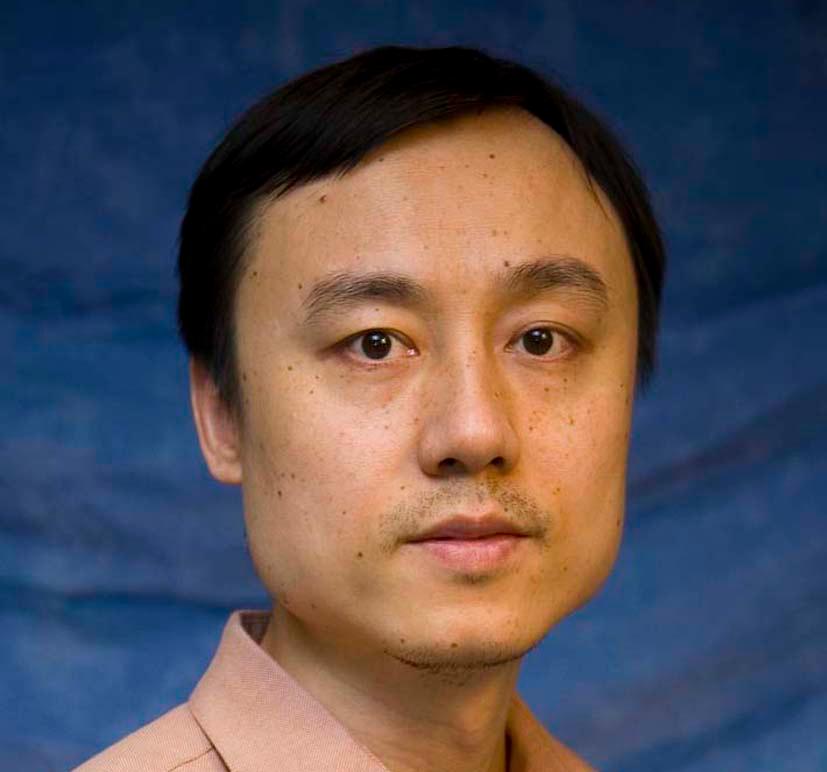 Prof. Xiaogang Liu National University of Singapore |
 Prof. Hongyu Bian Jilin University |
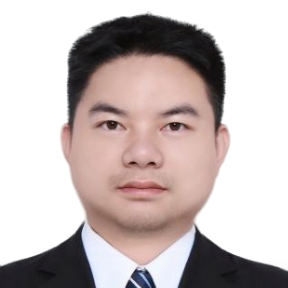 Prof. Zhigao Yi Suzhou Institute of Biomedical Engineering and Technology, Chinese Academy of Sciences |
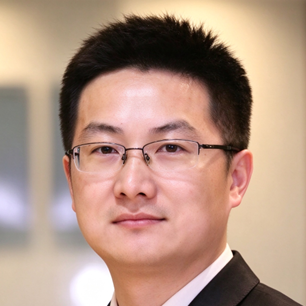 Prof. Zichao Luo Fudan University |
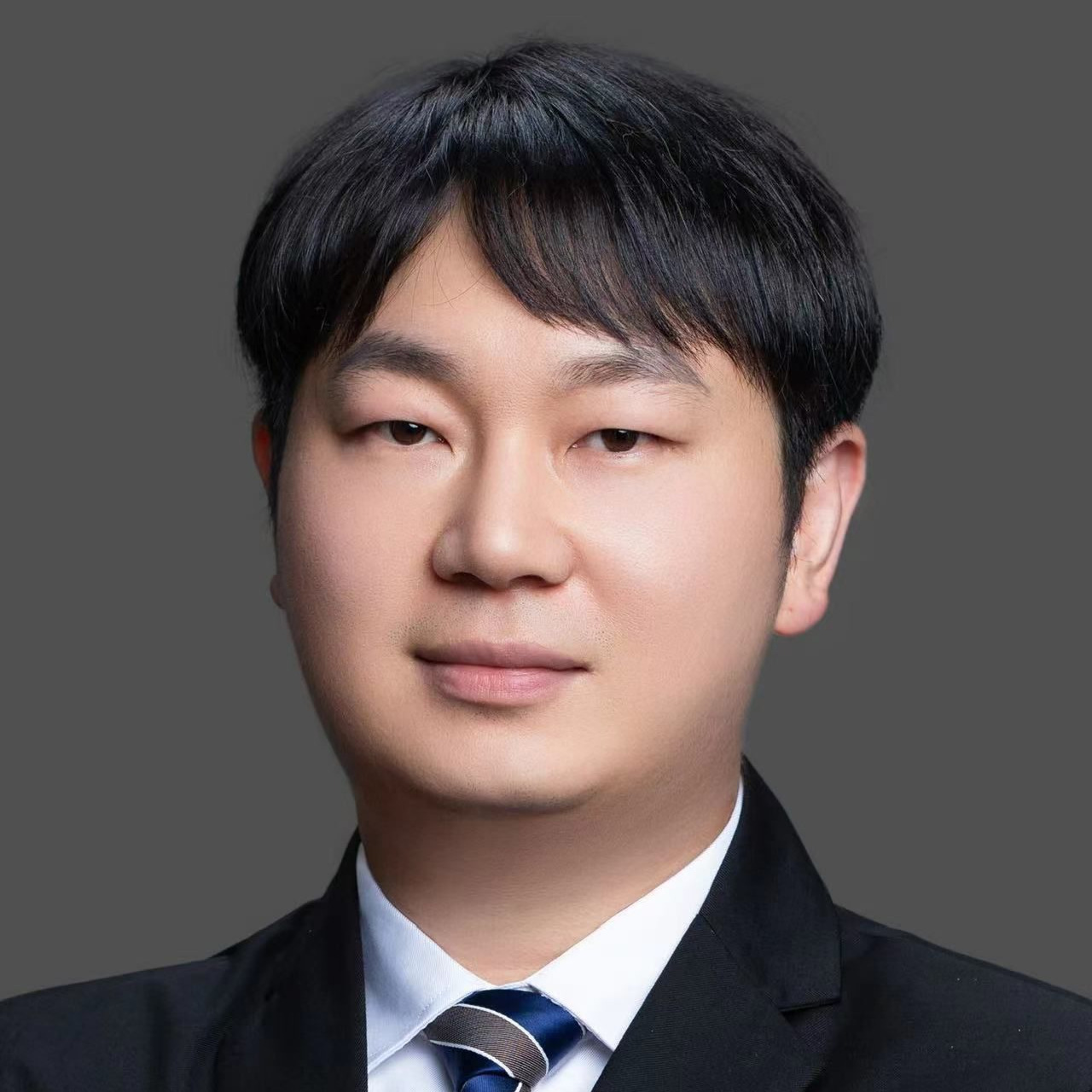 Prof. Yiming Wu Xiamen University |
Energy Harvesting Technology and Intelligent Sensing Applications
This symposium's topics will include, but will not be limited to, the following:
1. Vibration-based energy harvester materials/structures for intelligent sensors;
2. Multi-source (vibration/thermal) harvesting–sensing integration;
3. Intelligent sensing designs enabled by energy harvesting;
4. Vibration-driven system performance optimization;
5. Packaging/reliability of energy harvesting sensing units;
6. Applications in smart IoT, industrial monitoring, and wearable devices.
Symposium chairs
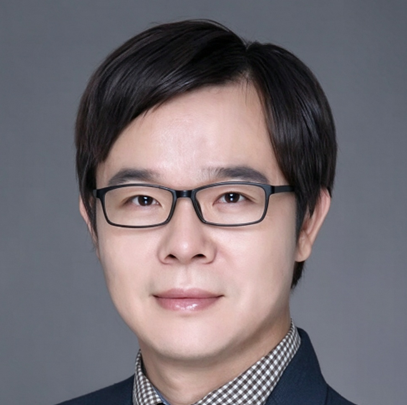 Prof. Shengxi Zhou Northwestern Polytechnical University |
 Prof. Zhihui Lai Shenzhen University |
 Prof. Junlei Wang Zhengzhou University |
MEMS/NEMS Devices & Microsystems
This symposium's topics will include, but will not be limited to, the following:
1. Reconfigurable Photonic Integrated Circuits (PICs)
2. Optical Circuit Switch (OCS)
3. Micro/Nano Scale Optomechanics
4. Agile beam steering
5. Optomechanical sensing
6. Optical spatial light modulators and phase arrays
7. MEMS-driven nanophotonic structures and metasurfaces
Symposium chairs
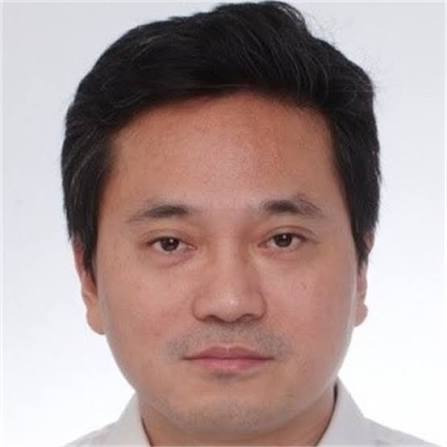 Prof. Guangya Zhou National University of Singapore |
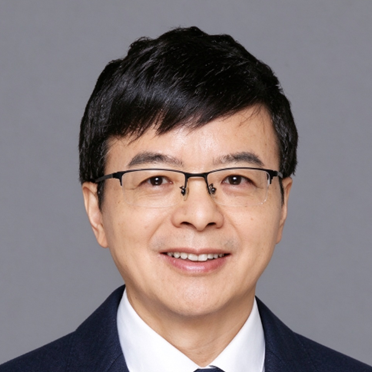 Prof. Huikai Xie Beijing Institute of Technology |
Materials for flexible electronics
Symposium chair
 Prof. Chuanfei Guo Southern University of Science and Technology |
Flexible, Stretchable and Wearable Sensors
This symposium will focus on the latest advances in flexible, stretchable, and wearable sensor technologies. Topics include, but are not limited to, the following:
1. Novel flexible substrates and stretchable conductive materials—design and fabrication.
2. High-performance wearable sensors for monitoring physiological signals (ECG, EMG, EEG, body temperature, sweat, etc.).
3. Multi-modal integrated sensing systems and flexible hybrid electronics.
4. Anti-interference, self-healing, and high-stability design strategies for wearable sensors.
5. Applications of flexible sensors in human motion monitoring, human–machine interaction, healthcare, intelligent rehabilitation, and robotic e-skin.
Symposium chair
 Prof. Qiongfeng Shi Southeast University |