Sessions & Session Chairs
Sessions
S1. Light, Energy, and Molecular Excited States
S2. Molecular Recognition and Functional Supramolecular Systems
S3. Catalysis: Methodology and Mechanisms
S4. Molecular Architecture: From Design to Stereo- and Chemoselective Synthesis
S5. Molecules for Life: From Natural Products to Drug Discovery
S6. Electrochemistry for Synthesis and Energy: Molecules, Materials, and Mechanisms
S7. Chemistry in Silico: Theory, Computation, and Molecular Modeling
S8. AI and Big Data in Chemistry: From Catalysis to Molecular Design
S9. Advances in Synthesis: New Reactions, Methods, and Applications
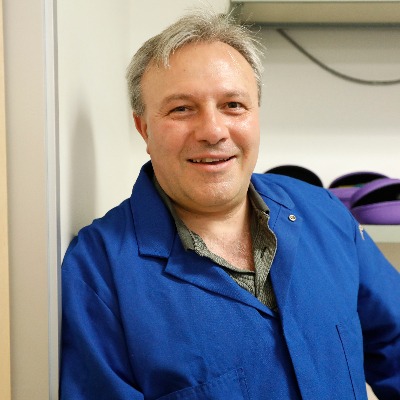
University of California Riverside, USA
Valentine I. Vullev received the B.S. degree in chemistry and physics from Keene State College, St. Keene, NH, USA, and the Ph.D. degree in chemistry from Boston University, Boston, MA, USA, where his research was in the area of photochemistry and biophysics. As a Postdoctoral Fellow at Harvard University, his research expanded into the areas of surface chemistry and microfluidics. He is currently an Associate Professor in bioengineering, chemistry, biochemistry, and materials science and engineering at the University of California, Riverside, CA, USA. His current areas of research encompass photoinduced charge transfer in engineered bioinspired electrets, optomicrofluidics, photoactive and bioactive interfaces, and photophysics of organic agents for imaging and other biomedical applications.
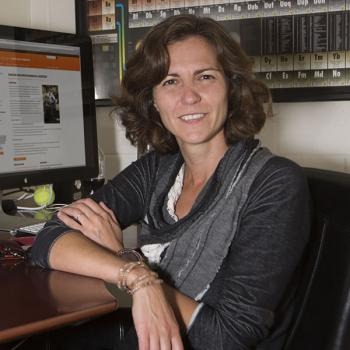
Prof. Dr. Ksenija D. Glusac
University of Illinois Chicago, USA
Ksenija Glusac holds a Joint Appointment at the Solar Energy Conversion Group, Chemical Sciences and Engineering Division, at the Argonne National Laboratory and is a Professor of Chemistry at the University of Illinois at Chicago. She obtained her B. Sc. from University of Belgrade, Serbia and PhD from University of Florida. After postdoctoral studies at Stanford University, Ksenija started her independent research career at Bowling Green State University in 2006, where she was also a member of the Center for Photochemical Sciences. In 2015, Ksenija performed research as a Visiting Professor at the University of Michigan. In 2017, she took a joint position as the Associate Professor of Chemistry at the University of Illinois at Chicago and the Joint Appointment at the Argonne National Laboratory. Ksenija has been promoted to Professor of Chemistry at UIC in 2021.
Ksenija studies molecular structures for artificial photosynthesis and energy storage applications. She investigates ways to capture CO2 and convert it photochemically or electrochemically to value-aded chemical and fuels. Ksenija’s research interests are centered around the following three general themes: (i) photo-reductive CO2 capture: combined capture of CO2 and its photochemical reduction; (ii) studies of molecule/electrode hybrid electrocatalysts for CO2 and O2 reduction. Ksenija is a recipient of BGSU Outstanding Young Scholar Award, 2012 NSF Career Award, ACS PRF Postdoctoral Fellowship and 2002 Jones Award for creativity and Originality.
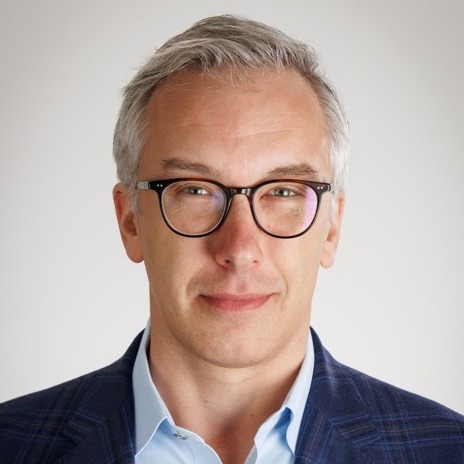
Prof. Dr. Ognjen Miljanić
University of Houston, USA
Ognjen Š. Miljanić was born in 1978 in Belgrade, then Yugoslavia. He studied Chemistry at the University of Belgrade, before moving to California in 2000, where he completed his PhD in 2005 at UC Berkeley with Prof. Peter Vollhardt. Between 2005 and 2008, he was a postdoctoral scholar in the group of Sir Fraser Stoddart (2016 Nobel Laureate) at UCLA. Since 2008, he has been a faculty at the University of Houston, where he is currently a Moores Professor of Chemistry and Associate Dean for Research. His research team studies porous molecular crystals, complex chemical mixtures, and environmental chemistry. He has been honored with a number of awards, including the Alexander von Humboldt fellowship for experienced researchers, and a CAREER award of the US National Science Foundation. He has delivered more than 150 invited lectures on his research at universities and conferences in over 30 countries and published more than 100 articles in international literature. His first book, titled Introduction to Energy and Sustainability, was published by Wiley in 2021.
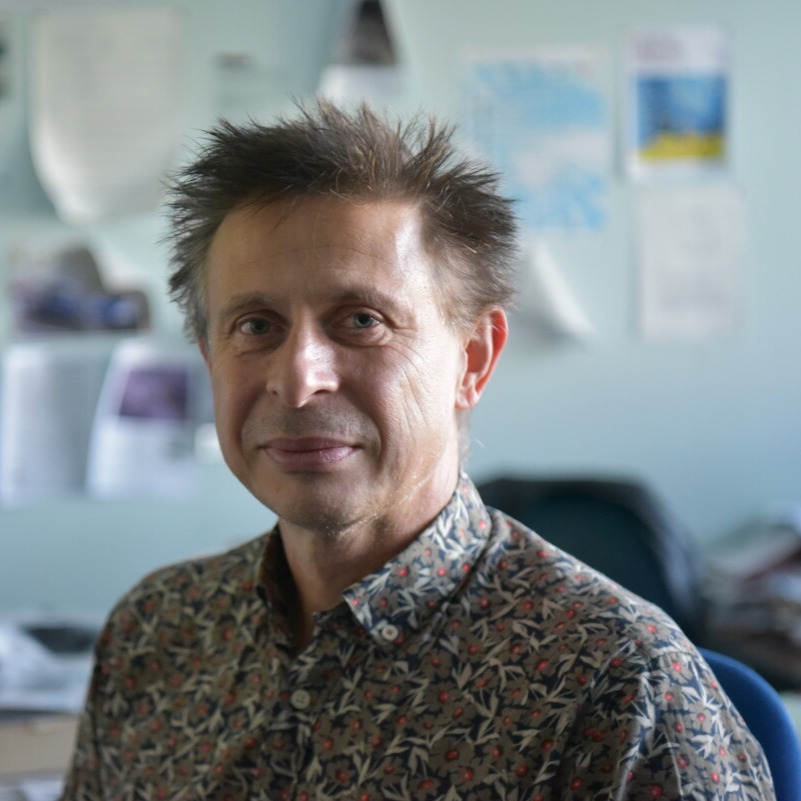
CNRS / University of Angers, France
Born in Iași, Romania in 1971, he graduated from Alexandru Ioan Cuza University in 1994. He then pursued postgraduate studies at the École polytechnique, obtaining his Master's degree in organic and organometallic chemistry in 1995 and PhD in Chemistry in 1998. He researches on molecular materials, coordination chemistry, and chirality, including tetrathiafulvalene derivatives, metal dithiolene complexes, functional helicenes, and coordination polymers.
Silver medal at the International Chemistry Olympiad, Halle (1989)
Award of the Coordination Chemistry Division of the French Chemical Society (2007)
Gheorghe Spacu medal of the Romanian Chemical Society (2007)

School of Chemical Engineering, Nanjing University of Science and Technology, China
Jiajun Fu, Professor, Doctoral Supervisor, currently serves as the Vice Dean of the School of Chemistry and Chemical Engineering at Nanjing University of Science and Technology. He received his Doctor of Engineering degree from Shanghai Jiao Tong University in 2007. In recent years, his main research has focused on the fundamental studies of constructing intelligent nano-containers through supramolecular self-assembly techniques, self-healing functional materials, and their applications in aerospace, marine engineering, and other fields. He has published more than 70 SCI papers in journals such as Matter and Angew. Chem. Int. Ed., cited over 2800 times, and holds more than 20 authorized invention patents.
University of Calabria, Italy
Bartolo received the degree in Chemistry (with honors) in 1990 from the University of Calabria (Italy), where he completed his PhD in 1994. In 1991, he joined the Professor Chiusoli's group at the University of Parma (Italy) for 7 months, working on the development of new catalytic systems for carbonylation reactions. In 1995, he became a Researcher in the field of Organic Chemistry at the University of Calabria. In 1997, he joined Professor Ronald Breslow's group at Columbia University (New York, USA) for 1 year as a NATO-CNR fellow; during this period, he worked on the development of new artificial enzymes. In 1998, he went back to the University of Calabria, where he was promoted to Associate Professor in 2002 and to Full Professor of Organic Chemistry in 2006. Since 2006 to 2012, he was the Coordinator of the PhD course "Methodologies for the Development of Molecules of Pharmacological Interest" - University of Calabria. Professor Gabriele has been invited speaker in the framework of the Erasmus Project, in PhD Schools, and in National and International Conferences. He is an international referee and editor in the field of Organic, Multidisciplinary and Materials Chemistry. His current scientific production includes 276 papers in international peer-reviewed journals, 21 chapters in international books, 20 industrial patents, and more than 350 communications in national or international conferences. (H-index: 59, total citations: 10975; Scopus, 19.10.2026). Prof. Gabriele received the “Research Award” in 2013 from the Organic Chemistry Division of the Italian Chemical Society in the field "Synthetic Organic Chemistry (Methodologies and Products)" and the “Senior Award” in the field of Organometallic Chemistry in 2024 from the Interdivisional Group of Organometallic Chemistry of the Italian Chemical Society. From 2019 to date, he has been consistently included in the Stanford-Elsevier World's Top 2% Scientist list.
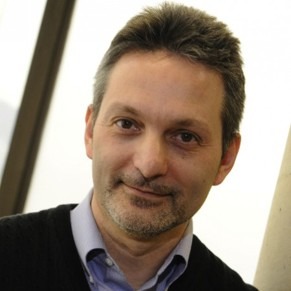
Prof. Dr. Vladimir Gevorgyan
The University of Texas at Dallas, USA
Professor Vladimir Gevorgyan is the Robert A. Welch Distinguished Chair in Chemistry at the University of Texas at Dallas and a Professor at the University of Texas Southwestern Medical Center. His research focuses on the discovery and development of innovative catalytic methodologies, reaction mechanisms, C–H functionalization, and sustainable synthetic approaches, with applications in the synthesis of valuable molecules and biologically relevant compounds.
Professor Gevorgyan received his Ph.D. in Organic Chemistry from the Latvian Institute of Organic Synthesis and completed postdoctoral fellowships at Tohoku University in Japan. Throughout his distinguished career, he has received numerous honors, including the Markovnikov Medal, election as a Foreign Member of the Latvian Academy of Sciences, the Lilly Lectureship at Imperial College London, and the University Scholar Award from the University of Illinois. He was also named UIC Researcher of the Year and has received honorary professorships and international academic distinctions.
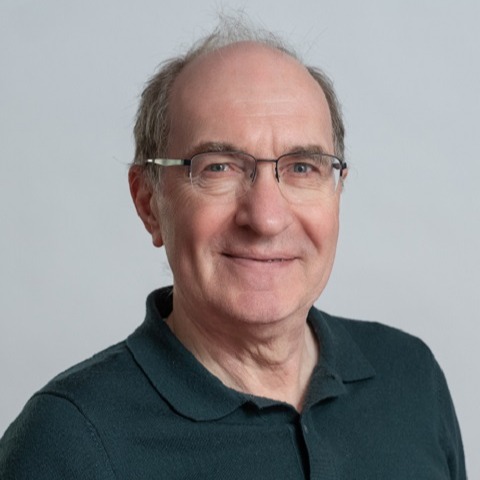
Prof. Dr. Andrei Malkov
Loughborough University, UK
Andrei Malkov received his MS (with Honours) from Moscow State University, Russia, in 1982, followed by a PhD from the Institute of Organo-Element Compounds of the Russian Academy of Sciences, Moscow, in 1986. In 1992, he moved to the UK to undertake postdoctoral research at the University of East Anglia (1992–1995) and the University of Leicester (1995–1999). In December 1999, he joined the University of Glasgow as a Research Fellow. He was subsequently promoted to Reader in Organic Chemistry in 2005. In June 2008, he was appointed Professor of Organic Chemistry at Loughborough University, where he remained until December 2025. He currently holds the position of Professor Emeritus of Organic Chemistry at Loughborough University.
Andrei Malkov is a Fellow of the Royal Society of Chemistry (FRSC) and a Chartered Chemist (CChem). He is also a member of the EPSRC Peer Review College.
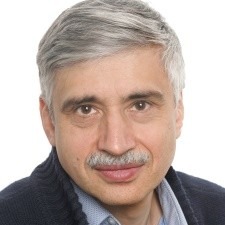
Novosibirsk Institute of Organic Chemistry, Russia
Prof. Konstantin Volcho is a distinguished academic researcher with a strong focus on medicinal chemistry and natural products. The main scientific results are related to the development of new physiologically active compounds based on natural substances and their analogues. Particular attention is also paid to the development of approaches for targeted selective catalytic transformations of natural compounds and their derivatives into new chiral substances, promising for the study of their biological activity. His work has been recognized by prestigious institutions such as the Russian Academy of Sciences and Novosibirsk State University, where he has been involved in groundbreaking research and innovation. Scientific achievements: Unique synthetic approaches have been developed that allow catalytic transformation of monoterpenoids and available natural substances to obtain a variety of compounds that are promising for the study of their biological activity. As a result of the studies carried out, a compound with outstanding antiparkinsonian activity, Prottremine®, which is the first in its class to successfully pass the first phase of clinical trials, and analgetic drug "Metomenol® has been recently approved as a veterinary drug. Moreover, substances with high neuroprotective, anticonvulsant, antidepressant, analgesic, antitumor and antiviral properties, were found. More than 300 articles have been published in peer-reviewed scientific journals, more than 60 patents have been obtained, mainly protecting new physiologically active compounds.
List of awards: Medal of the Ministry of Science and Higher Education of the Russian Federation "For Impeccable Work and Distinction" III degree.
Jubilee Medal "300 Years of the Russian Academy of Sciences".
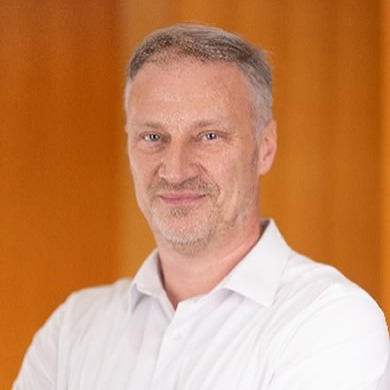
Prof. Dr. Andrei K. Yudin
University of Toronto, Canada
Andrei Yudin is the Tier I Canada Research Chair in Medicine by Design and Professor of Chemistry at the University of Toronto. He received his undergraduate degree from Moscow State University in 1992 and earned his Ph.D. in 1996 at the University of Southern California under the supervision of G. K. S. Prakash and Nobel Laureate George A. Olah. He then pursued postdoctoral studies with Nobel Laureate K. Barry Sharpless at The Scripps Research Institute before beginning his independent career at the University of Toronto in 1998. He was promoted to Associate Professor in 2002 and to Full Professor in 2007. Professor Yudin’s research has pioneered new concepts in chemical reactivity, macrocycle synthesis, and peptide modification, with broad impact on drug discovery and fundamental chemical reactivity. His contributions have been recognized with numerous honors, including the 2025 Liebig Fellowship (University of Giessen, Germany), the 2024 Arthur C. Cope Scholar Award (American Chemical Society), the 2024 IOCF Zen-ichi Yoshida Lectureship (Kyoto University), the 2022 Konrad Adenauer Award from the Humboldt Foundation (Germany), and the 2023 Organic Reactions Lectureship at the University of California–Irvine. In the past 3 years he has also served as a Visiting Professor at Sorbonne University, Hokkaido University, and the Australian National University. He is currently an Associate Editor for Chemical Science (Royal Society of Chemistry).
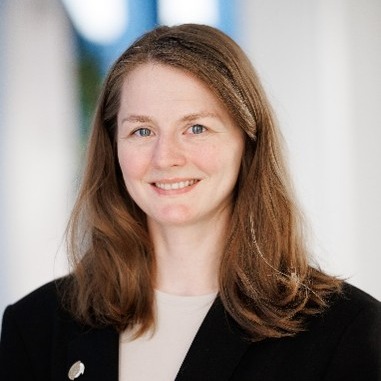
Zelinsky Institute of Organic Chemistry, Russia
Vera Vil’s fundamental research focuses on the creation of new bonds using peroxides, the study of the mechanisms of these reactions and their control, as well as the formation of new chemical bonds using another “ideal oxidant” — electric current.
Vera Vil’s work has already found applications in several areas of chemical technology. The reactions she discovered are used to create and produce new materials based on cross-linked polyethylene macromolecules (for example, for the cable industry), as well as plant protection products.
The VYZOV Prize is awarded for developing methods of chemical bond construction using electric current and organic peroxides.
Vera A. Vil’ was born in 1990 in Angarsk. In 2007, she enrolled at the Mendeleev University of Chemical Technology, Faculty of Chemical and Pharmaceutical Technologies and Biomedical Products. Since 2012, Vera Vil’ has been working at the N.D. Zelinsky Institute of Organic Chemistry RAS. She defended her PhD in 2017 and her Doctor of Chemistry degree in October 2025. She currently leads the Laboratory of Industrially Useful Products Chemistry at Zelinsky Institute. In 2024, Vera Vil’ won a competition to establish youth laboratories in the field of “Low-tonnage Chemistry”.
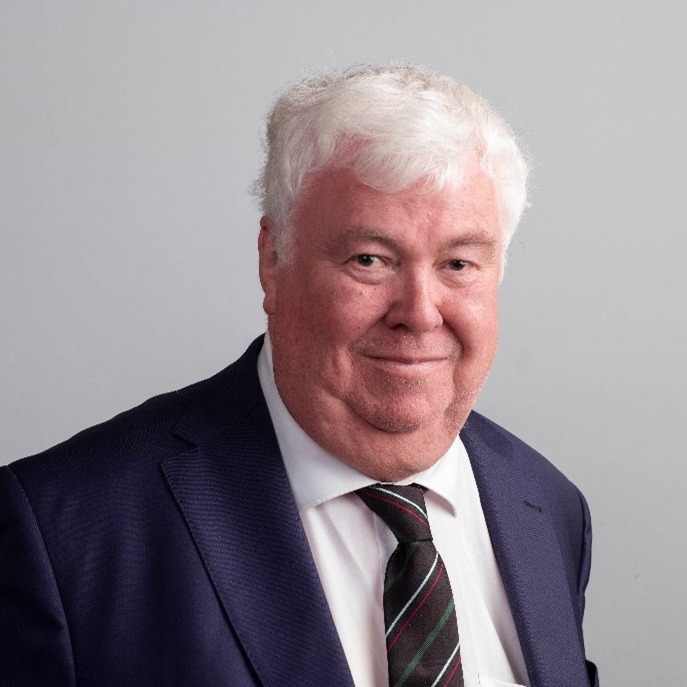
Trinity College Dublin, The University of Dublin, Ireland
Prof. Michael Lyons is a distinguished academic and researcher in the field of Physical Chemistry. He has been a significant figure at Trinity College Dublin for over four decades, contributing to various research centers and serving as a Senior Fellow. His research interests span Physical and Analytical Electrochemistry and nanomaterials, with a publication output that includes two books and over 200 peer-reviewed papers. Prof. Lyons has received numerous accolades, including election to the Royal Irish Academy and the Trinity College Dublin Fellowship. His work has been recognized with a high impact research index, indicating his influence and contributions to the field.
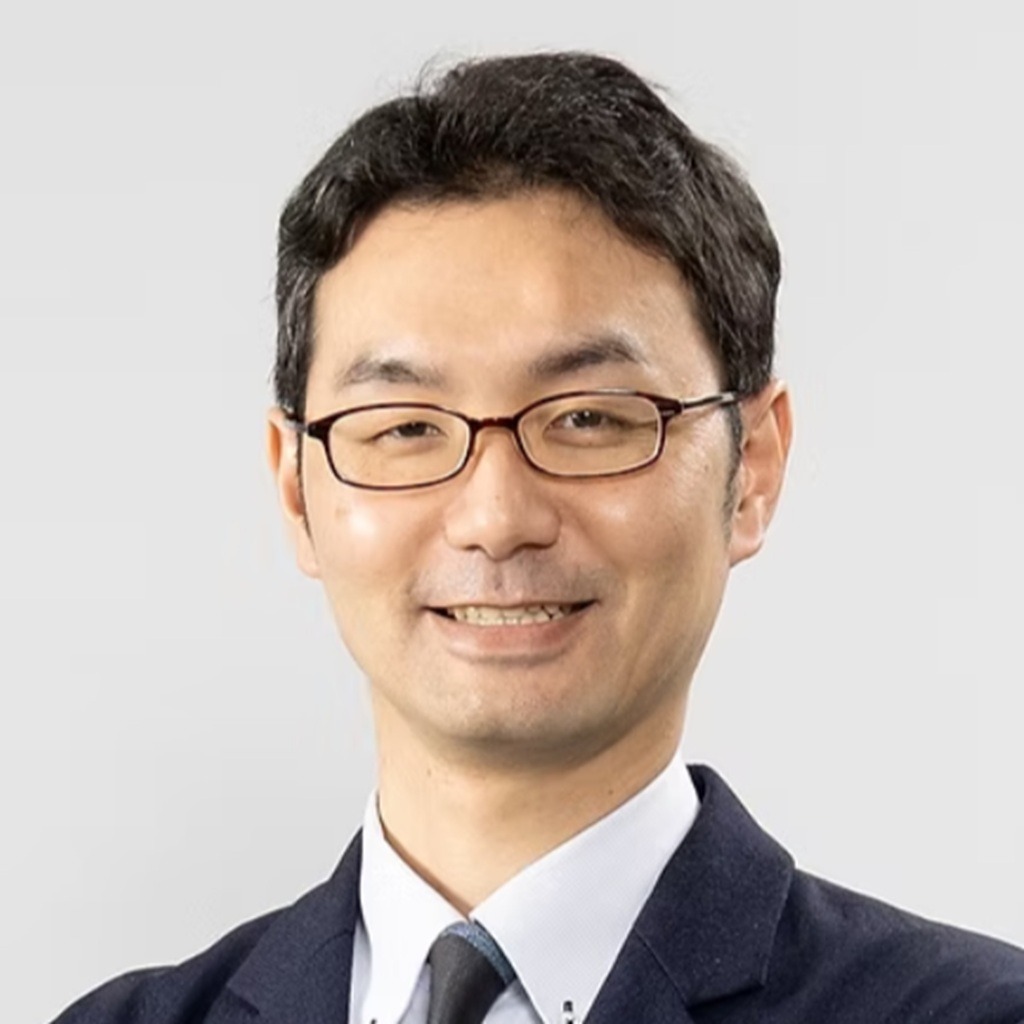
Hiroshima University, Japan
Ryohei Kishi was born in May 1981, in Hyogo, Japan. He accomplished his master’s degree at Osaka University in 2006. During his doctoral course at Osaka University, he was selected as a Research Fellow for Young Scientists by the Japan Society for the Promotion of Science (JSPS) from 2006 to 2007. In February 2007, before completing the doctoral course, he left the course and became a Research Associate in the Department of Materials Engineering Science, Graduate School of Engineering Science, Osaka University, under the direction of Prof. Dr. Masayoshi Nakano. In April 2007, he became an Assistant Professor in the same department. He received his Ph.D. in 2009 from Osaka University under the supervision of Prof. Dr. Masayoshi Nakano. The title of his Ph.D. thesis was “Development of Theoretical Method for Electron Dynamics and Its Application to Energy Migration and Optical Responses.” In May 2020, he was promoted to Associate Professor at Osaka University, and he served in that position until September 2026. In October 2026, he was promoted to Professor and moved to Hiroshima University, Department of Chemistry, Graduate School of Advanced Science and Engineering, where he established and directs the Quantum Chemistry Laboratory. His recent research focuses on the development of novel theoretical methods for describing electron dynamics based on ab initio electron correlation theory and their application to optical responses and relaxation processes; modeling linear and nonlinear optical phenomena of open-shell molecules; the design of novel quantum functional molecular materials.
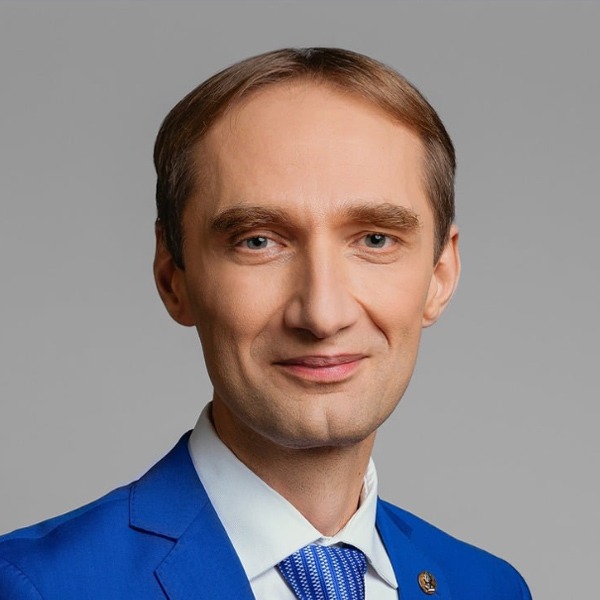
Russian Academy of Sciences Zelinsky Institute of Organic Chemistry Moscow, Russia
Prof. Dr. Valentine P. Ananikov is a distinguished Russian chemist and academician with a rich academic career. He holds multiple prestigious positions, including the head of the Zelinsky Institute of Organic Chemistry at the Russian Academy of Sciences and an honorary academician of the National Academy of Sciences of the Bashkortostan Republic. Ananikov has been recognized with numerous awards and honors, including the International Markovnikov Prize by Tatarstan Republic for distinguished contribution to organic chemistry and the Gravity International Prize for outstanding achievements in artificial intelligence. His research interests span AI in chemistry, catalysis, nanotechnology, and organic synthesis, among others. Ananikov's contributions to the field have been recognized with the "Gravity" International Prize for outstanding achievements in artificial intelligence and the Zelinsky Prize for outstanding achievements in organic chemistry.