Please login first

5th Coatings and Interfaces Online Conference

Part of the Coatings and Interfaces Conference series
29–31 March 2027
Event's Timezone: Central European Summer Time
Abstract Submission Deadline
30 November 2026
Abstract Acceptance Notification
30 December 2026

Registration Deadline
23 March 2027

DLC, Coatings Technology, Surface and Interfaces, Thin Films, Tribology, Corrosion, Ceramic, Polymer Coatings
Bookmark
Bookmark event Remove event from bookmarks
Add this event to bookmarks
Event Registration Contact Us Become a Sponsor
The CIC 2027 is Now OPEN for Abstract Submission and Registration.

Instructions for authors are available online.
Submit your abstracts HERE.

For any inquiries, please contact us at cic2027@mdpi.com.

Welcome from the Chair

Dear Colleagues,

After the continued success of our previous virtual editions, we are delighted to announce the 5th Coatings and Interfaces Online Conference (CIC 2027). Over the years, CIC has become a leading global platform for scientists, engineers, and industry innovators to exchange cutting-edge research, explore emerging technologies, and foster meaningful collaborations in the rapidly advancing field of coatings and interfaces.

The influence of coatings and interface technologies continues to expand across scientific disciplines and industrial sectors. From next-generation manufacturing and sustainable energy solutions to cultural heritage preservation and biomedical innovation, this field plays a pivotal role in addressing both longstanding challenges and future societal needs.

CIC 2027 promises to deliver an even more inspiring and forward-looking program. Participants will gain insights into the latest breakthroughs, engage in interdisciplinary discussions, and explore innovative applications that are reshaping the landscape of materials science.

The conference will feature exciting sessions in the following thematic areas:
S1. Plasma and Laser Coatings, Surfaces, and Interfaces;
S2. Diamond-Like Carbon and AI in Coatings;
S3. Coatings and Thin Film Deposition;
S4. Corrosion, Erosion, and the Tribological and Mechanical Aspects of Coatings;
S5. Ceramic Coatings;
S6. Protective Coatings in Cultural Heritage, Conservation, and Preservation;
S7. The Biomedical Application of Coatings;
S8. Functional Polymer Coatings and Films.

As always, Coatings will welcome high-quality submissions to the Conference Special Issue, offering all participants a 20% APC discount.

We truly look forward to your participation in CIC 2027, where scientific excellence, innovation, and collaboration come together.

Download the conference flyer and share it with your colleagues!

On behalf of the Organizing Committee
The Conference Chair
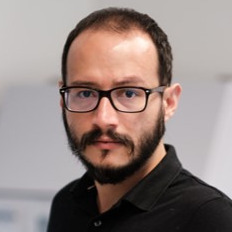
Dr. Emerson Coy
Adam Mickiewicz University in Poznań, Poland


Follow the conference organizer on Social Media


Event Chair

Adam Mickiewicz University in Poznań, Poznań, Poland

Introduction
Bio
Dr. Emerson Coy currently works as an Associate Professor at the NanoBioMedical Centre of the Adam Mickiewicz University in Poznań. His interests are Thin Films/Coatings, Hybrid Materials, Nanoindentation, Composite Materials and Energy Harvesting. Dr Coy received his habilitation in Material Sciences from (AGH University of Science and Technology-2019). He holds a PhD in Nanosciences (University of Barcelona -2016), two Masters degrees in Applied and Computational Physics (Polytechnic University of Catalonia—2009) and Nanotechnology (University of Barcelona- 2008). Additionally, Dr Coy holds an Engineering degree (Manuela Beltran University—2006).

Session Chairs

Prof. Dr. Rafael Comesaña

Materials Engineering, Applied Mechanics and Construction, University of Vigo, Vigo, Spain

Introduction
Biography
Research lines: Laser materials processing. Biomaterials processing and mechanical characterization. Osseous remodelling based on mechanical stimuli.

Prof. Dr. Qi Hua Fan

College of Engineering, Michigan State University, East Lansing, USA

Introduction
Biography
Dr. Qi Hua Fan received his Ph.D. in applied physics from the University of Aveiro in 1999. He is currently an Associate Professor at Michigan State University with joint appointment in the Department of Electrical and Computer Engineering and the Department of Chemical Engineering and Materials Science. He is also a member of the Fraunhofer Center for Coatings and Diamond Technologies. Dr. Fan’s research interests include plasma sources for large-area coatings and plasma processing of nanostructured materials for energy harvesting, energy storage, and electro-optical devices. Dr. Fan teaches both undergraduate and graduate courses in ECE and CheMS departments. Typical courses include Plasma-Assisted Materials Processing, Thin Film Optics and Engineering, and Materials Science.

Prof. Dr. Hyung-Ho Park

Aerogel Materials Research Center (ERC), Yonsei University, Seoul, South Korea

Introduction
Biography
Hyung-Ho Park is a Distinguished University Professor of Yonsei University in Korea. His research is mainly focused on the preparation, characterization, and application of various functional materials including thin film materials, nanomaterials, and nanoporous materials including aerogels. Concerning with aerogels research, Park established a ‘Aerogel Materials Research Center’ from 2020, supported by a National Research Foundation of Korea. In AMRC, synthesis of inorganic, organic, and inorganic-organic hybrid aerogels are being investigated, especially formation of compound aerogels is included. Furthermore, to overcome the brittle nature of aerogel materials, multi-compositional, multi-dimensional, and multi-scaling approaches are being investigated. Through these works, applications of aerogels to thermal insulation systems, in aeronautical domains, for environment clean up and protection, heat storage devices, transparent windows, thickening agents in paints, etc. are also being studied.

Dr. Minjae Kim

School of Materials Science and Engineering, Yeungnam University, Gyeongsan, South Korea

Introduction
Biography
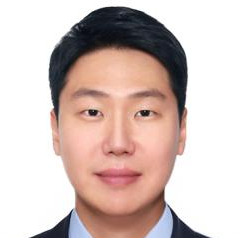
Minjae Kim is an Assistant Professor in the School of Materials Science and Engineering at Yeungnam University. His research focuses on oxide-based memristor devices and next-generation neuromorphic hardware. His work centers on functional oxide thin-film processing using Atomic Layer Deposition (ALD), the design of resistive switching memory (RRAM) and memristor devices, and the realization of large-area crossbar array-based artificial intelligence computing platforms. Prof. Kim investigates defect and doping control in oxide thin films to implement self-rectifying memristor devices and to develop device architectures that minimize sneak current issues during array operation. Beyond single-device characterization, his research extends to the integration of 32×32 and 64×64 crossbar arrays, multi-level switching, and the implementation of synaptic plasticity behaviors, thereby broadening the application potential of neuromorphic systems. His research group participates in national programs such as the ‘Semiconductor Specialized University Support Project’ and the ‘BrainKorea21 Four’ Program’ to strengthen its research capabilities. The laboratory conducts fundamental and applied research on memristor devices and is currently advancing research aimed at promoting the development of an oxide-memristor-based Physical AI platform. The group has established a full-cycle research framework spanning materials, devices, arrays, and systems, with the long-term goal of contributing to next-generation low-power AI hardware and highly reliable memory device technologies.

Dr. Signo T. Reis

Department of Materials Engineering, Federal University of São Carlos, São Carlos, Brazil

Introduction
Biography
Dr. Signo T. Reis is a glass scientist, a member of the American Ceramic Society, an Adjunct Professor of materials science at the Missouri University of Science and Technology in the United States, and a Visiting Professor at Federal University of Sao Carlos (UFSCar) in Brazil. He has worked on glass science and glass ceramics in the United States, Turkey, and Brazil, and brings extensive experience from both industrial and academic settings. Dr. Reis has been involved in research and development related to sealants for SOFC, enamel coating for metals, glass ceramics for abrasives materials, and general glass science across various countries. He also serves on several industrial, research, and institutional boards. He holds over 10 patents and has authored more than 100 publications, including peer-reviewed articles, conference papers, and book chapters, contributing as both an author and editor.
Prof. Dr. Claudia Pelosi

Department of Economics, Engineering, Society and Business Organization, the University of Tuscia (UNITUS), Viterbo, Italy

Introduction
Biography
Claudia Pelosi is an Associate Professor of Chemistry for the Environment and Cultural Heritage at the University of Tuscia (UNITUS) in Viterbo, Italy. She obtained the National Scientific Qualification (Abilitazione Scientifica Nazionale) for Full Professor in Analytical Chemistry, valid from 1 June 2022 to 1 June 2034. She is the co-author of 124 scientific articles indexed in Scopus.

Event Committee

School of Materials Science and Engineering, Huazhong University of Science and Technology, Wuhan, China

Introduction
Bio
Cheng Zhang is a Professor at Huazhong University of Science and Technology (HUST) and currently serves as Vice Dean of the School of Materials Science and Engineering. He received his Ph.D. from HUST in 2012. In 2011 and 2016, he conducted collaborative research at the Department of Systems and Industrial Engineering, The Hong Kong Polytechnic University. His current research focuses on amorphous coatings and additive manufacturing (3D printing). He has served as Principal Investigator for three projects funded by the National Natural Science Foundation of China and one National Key R&D Program (International Cooperation). He has published over 90 SCI-indexed papers in leading international journals. Prof. Zhang has been selected for the National Young Talent Program, the Hubei Provincial Young Top Talent Program, the Hubei Provincial Outstanding Young Scientists Fund, and the Huazhong Distinguished Scholar Program. He received the 2019 Outstanding Young Scientist Award from the Amorphous/High-Entropy Alloys Division of the Chinese Materials Research Society. He serves as an Editorial Board Member of Surface & Coatings Technology and Coatings, and as a Young Editorial Board Member of Materials Future, Journal of Materials Science & Technology, and Corrosion Communications. He also regularly serves as a reviewer for leading international journals.

Department of Applied Science and Technology, Polytechnic University of Turin, Turin, Italy

Introduction
Bio
SARA FERRARIS is associate professor at the Department of Applied Science and Technology (DISAT) in Politecnico di Torino. She obtained the PhD in Biomedical Engineering in 2010 from Politecnico di Torino and worked as fellow and researcher in materials science in the same institution. Her main research interests are surface modification and characterization of advanced materials and biomaterials, bioactive, natural and protective coatings and sustainable materials. She participated to more than 20 national and international projects, supervised more than 50 students in their master degree thesis and 5 in their PhD ones. Sara Ferraris is author of 161 papers on international journals and 6 patents, she has 4874 total citations and H-index of 36 (data from Scopus). She is also active in dissemination and communication activities for the general public such as Researchers’ Night and activity for primary schools.

School of Materials Science and Engineering, Chongqing University, Chongqing, China

Introduction
Bio
Lidong Sun is a professor at School of Materials Science and Engineering, Chongqing University, China. Dr. Sun received his PhD degree from Nanyang Technological University, Singapore and worked as a postdoctoral research fellow at National University of Singapore. His research interests include electrochemistry for surface science under confined space, with a particular focus on surface modification and functionalization for metal wires/tubes/microchannels by electrochemical approaches. Dr. Sun is the Fellow of the Institute of Materials, Minerals & Mining, UK and the Fellow of the International Association of Advanced Materials.

Department of Physical Chemistry, the University Complutense of Madrid (UCM), Madrid, Spain

Introduction
Bio
Eduardo Guzmán (www.ucm.es/gsc/eduardo-guzman-solis) was born in 1981 in Madrid (Spain) and is Associate Professor of Physical Chemistry at the University Complutense of Madrid (UCM), Spain. He received his Ph.D. in Chemistry at the University Complutense of Madrid in 2009 under the supervision of Prof. Ramón González Rubio and Francisco Ortega, where he carried out studies on the fabrication and physico-chemical properties of polyelectrolyte multilayers obtained by the Layer-by-Layer method. From 2010 to 2014 he worked as a postdoctoral researcher with Dr. Libero Liggieri and Dr. Francesca Ravera (Istituto per l'Energetica e le Interfasi-CNR, Genoa, Italy) on the effect of nanoparticles in the interfacial properties of layers mimicking the behavior of the lung surfactant layer. In 2014, he returned to the UCM as Juan de la Cierva Fellow, obtaining an Assistant Professor position in February 2016 and then in March 2020 he was appointed as Associate Professor. He is currently co-author of around 150 publications in JCR journals. He has co-supervised two Doctoral Thesis, and now he is supervising one more. He has been involved several EU and Spanish funded I+D grants, and has been scientific responsible of 6 cooperation projects between academia and industry. He is member of the editorial board of different scientific journals, including Coatings (Editor in Chief of the Section “Liquid-Fluid Interfaces”), Polymers, Advances in Colloid and Interface Science, and Colloids and Interfaces. From 2022, he is co-editor (together with Dr. Reinhard Miller) of the book series "Progress in Colloid and Interface Science".

Faculty of Chemical Engineering and Biotechnologies, National University of Science and Technology POLITEHNICA Bucharest, Bucharest, Romania

Introduction
Bio
Anton FICAI (born 1981) is full professor and PhD advisor in the Faculty of Chemical Engineering and Biotechnologies, National University of Science and Technology POLITEHNICA Bucharest being actively involved in both academic and scientific life of the university. His major academic interests are related to Composite Materials for Medicine, NanoBioMaterials for Tissue Engineering and Drug Delivery Systems. The research interests are much broader, having the chemical approaches in the center, and cover the following topics: tissue engineering; drug delivery systems; multifunctional materials; composite materials; coatings, antimicrobial / antitumoral materials; nanoparticles synthesis and characterization; surface modification; etc. Till now, over 370 scientific papers, from which over 330 ISI papers and 24 books or chapters (including 3 edited books) were published along with 28 patent applications (14 of them being already released). The international recognition of the R&D activity can be highlighted by the multiple invitations for participate as speaker at international conferences, the positions of guest editors, member of the editorial boards of different national and international journals as well as Section Editor in Chief of Coatings. Valedictorian of UPB, former participant and laureate of the National Chemistry Olympiads he was awarded with over 150 Gold Medals, Special Awards or Best Paper Awards and recently, he was awarded with the Special Award for Transfer of the Research Results into Economy by the Ministry of Resort during the First edition of the “Gala Cercetării Româneşti”. He is also full member of The Academy of Romanian Scientists and several professional societies.

Polytechnic School of Engineering of Ferrol, University of A Coruña, Ferrol, Spain

Introduction
Bio
Armando José Yáñez Casal is a Professor (Catedrático de Universidad) of Mechanical Engineering at the University of A Coruña (UDC) in Spain.With a career spanning four decades, his expertise bridges the fields of high-energy physics and industrial laser applications. Dr. Yáñez Casal began his research career in 1986 at CERN (Geneva), contributing to the NA36 and NA47 experiments. He earned his PhD in December 1991. Since joining the Escuela Politécnica Superior in 1992, he has held various academic ranks at the University of A Coruña, culminating in his appointment as a Full Professor in 2016. He has held significant leadership roles within the university, including: Director of the Research Center for Naval and Industrial Technologies (CITENI) (since 2021). Director of the Escuela Politécnica Superior (2017-2021). Director of the Department of Industrial Engineering II (2002–2005). Quality and Convergence Manager for the Escuela Politécnica Superior (2005–2009).

School of Engineering, The Royal Melbourne Institute of Technology (RMIT), Melbourne, Australia

Introduction
Bio
Dr Shadi Houshyar received her PhD from RMIT University. Following her graduation, she joined PolyNovo Biomaterials, and her research focus was on biomaterials for human application. She then started a post-doctoral position at CSIRO, where she carried on her research in the field of bioconjugated polymer for drug delivery and the development of nanocomposites for medical applications. In 2013, she joined RMIT University as a material scientist and was awarded a Vice Chancellor’s Research Fellowship in 2018. Since 2023, she has been a senior lecturer at RMIT University. She has more than 13 years of research experience developing and fabricating polymer composites, mainly at the micro- and nanoscale. She has over 2400 citations with an h-index of 29 and an i-10-index of 55. She has three patents and more than 100 publications and conference proceedings, and has obtained over AUD 4.5 million in funding in the last four years. Her published work and funding sources show her strong collaboration with national and international institutions in the multidisciplinary field. Her research interests are in the field of biomaterials, bio-conjugated polymers, flexible implants, medical textiles and advanced manufacturing, including electrospinning and 3D printing for tissue engineering and regenerative medicine applications.

Aveiro Institute of Materials, Department of Materials and Ceramic Engineering, University of Aveiro, Aveiro, Portugal

Introduction
Bio
Dr. Oleksandr Tkach is a researcher at the CICECO - Aveiro Institute of Materials, Department of Materials and Ceramic Engineering, University of Aveiro. He works in the field of Materials Science & Engineering and Solid State Physics. A particular area of his scientific activity is related to oxide electroceramics. Present research interests of Dr. Tkach include the development of thermoelectric and piezoelecric oxide materials and composites for energy harvesting technologies; giant permittivity dielectric oxides for energy storage; nanostructured magnetoelectrics for sensor and electronic applications; and alternative energy efficient concepts for current assisted ceramic sintering.

Invited Speakers

School of Materials Science and Engineering, Yeungnam University, Gyeongsan, South Korea

Introduction
Bio
Minjae Kim is an Assistant Professor in the School of Materials Science and Engineering at Yeungnam University. His research focuses on oxide-based memristor devices and next-generation neuromorphic hardware. His work centers on functional oxide thin-film processing using Atomic Layer Deposition (ALD), the design of resistive switching memory (RRAM) and memristor devices, and the realization of large-area crossbar array-based artificial intelligence computing platforms. Prof. Kim investigates defect and doping control in oxide thin films to implement self-rectifying memristor devices and to develop device architectures that minimize sneak current issues during array operation. Beyond single-device characterization, his research extends to the integration of 32×32 and 64×64 crossbar arrays, multi-level switching, and the implementation of synaptic plasticity behaviors, thereby broadening the application potential of neuromorphic systems. His research group participates in national programs such as the ‘Semiconductor Specialized University Support Project’ and the ‘BrainKorea21 Four’ Program’ to strengthen its research capabilities. The laboratory conducts fundamental and applied research on memristor devices and is currently advancing research aimed at promoting the development of an oxide-memristor-based Physical AI platform. The group has established a full-cycle research framework spanning materials, devices, arrays, and systems, with the long-term goal of contributing to next-generation low-power AI hardware and highly reliable memory device technologies.

Registration


The registration for CIC 2027 will be free of charge! The registration includes attendance to all conference sessions.

If you are registering several people under the same registration, please do not use the same email address for each person, but their individual university email addresses. Thank you for your understanding.

Please note that the submission and registration are two separate parts. Only scholars who registered can receive a link to access the conference live streaming.
The deadline for registration is 23 March 2027.

Instructions for Authors

Procedure for Submission

5th Coatings and Interfaces Online Conference will accept abstracts only. The accepted abstracts will be available online on Sciforum.net during and after the conference.

Important Deadlines

Deadline for abstract submission: 30 November 2026.
Abstract acceptance notification: 30 December 2026.
Please note:
An abstract acceptance email only confirms that your abstract has been accepted. Oral or poster presentation invitations are determined separately by the conference chairs, and you will receive an additional email with the presentation result.

Abstract submission
Abstract submissions should be completed online by registering with www.sciforum.net and using the "Submit Abstract" function once logged into the system. No template is required.
Abstract Requirements
1. Types of Submissions
- Accepted: Original research abstracts; systematic reviews or meta-analyses abstracts (must comply with PRISMA 2020).
- Not accepted: Narrative, scoping, comparative, perspective, opinion, or essay-style reviews
2. Content Requirements
- Length: 200–300 words
- Structure: Introduction, Methods, Results, Conclusions
- Language: Clear, publication-ready English
- Originality: Must be original and unpublished; previously published abstracts will not be considered
3. Authorship
- The submitting author must ensure all co-authors approve the content.
- Authors may submit multiple abstracts, but only one abstract per author may be selected for an oral presentation.
Presentation Requirements
  1. Each abstract must designate one presenter. To change the presenter, please contact us after you receive the oral/poster presentation invitation.
  2. Only live presentations are accepted.
  3. Presenters who do not attend the live session will not be eligible for awards or presentation certificates.

Oral Presentation and Slides Preparation
The slot for the oral presentation is 15 mins. We advise that your presentation lasts for a maximum of 12 mins, leaving at least 3 mins for the Q&A session.

Authors are encouraged to prepare presentations using PowerPoint or equivalent software for online display alongside their abstract. If provided, slides will be presented directly on the conference website via the Sciforum.net slide viewer and should be prepared in the same format as a traditional conference presentation of research results. All slides must be converted to PDF format prior to submission to ensure accurate online display.

Each presentation should:
- Communicate the research question or objective, methodology, key results, and scientific novelty;
- Use a clear and logical structure, typically Introduction-Methods-Results&Discussion structure (IMRaD) or a field-appropriate alternative;
- Emphasize the relevance of the work;
- Support key findings with clear figures or tables where appropriate;
- Conclude with a critical interpretation of the results and their impact.

Poster Gallery

Posters should be designed to allow independent understanding of the research and clearly present the essential elements of the study.

Each poster should include:
- Title, authors, affiliations, and contact details (clearly displayed at the top);
- Brief introduction outlining the research objective;
- Concise methodology summary;
- Main results, supported by clear, well-labeled figures or tables where appropriate;
- Short conclusion summarizing key findings and their relevance.

Technical specifications:
Dimensions (cm): 84.1 × 118.9 (A0 - portrait)
Resolution:300 dpi
Pixel size (portrait, 300 dpi):9933 × 14043 px
Minimum font size:≥24

The poster template can be downloaded HERE. We will reach out to you closer to the dates of the conference with more information.

Note: The uploaded poster may be used as provided and serves as a reference. However, as long as the technical specifications are followed, scholars are welcome to use any poster template of their choice.

Potential Conflicts of Interest

It is the authors' responsibility to identify and declare any personal circumstances or interests that may be perceived as inappropriately influencing the representation or interpretation of clinical research. If there is no conflict, please state "The authors declare no conflicts of interest." This should be conveyed in a separate "Conflict of Interest" statement preceding the "Acknowledgments" and "References" sections at the end of the manuscript. Any financial support for the study must be fully disclosed in the "Acknowledgments" section.

Copyright

MDPI, the publisher of the Sciforum.net platform, is an open access publisher. We believe authors should retain the copyright to their scholarly works. Hence, by submitting an abstract to this conference, you retain the copyright to the work, but you grant MDPI the non-exclusive right to publish this abstract online on the Sciforum.net platform. This means you can easily submit your full paper (with the abstract) to any scientific journal at a later stage and transfer the copyright to its publisher if required.

Publication Opportunity

1. Coatings Journal Publication
Participants in this conference are cordially invited to contribute a full manuscript to the conference's Special Issue (to be updated), published in Coatings (ISSN: 2079-6412, Impact Factor 2.8), with a 20% discount on the publication fee. Please note, if you have IOAP/association discounts, conference discounts will be combined with IOAP/association discounts. Conference discounts cannot be combined with reviewer vouchers. All submitted papers will undergo MDPI’s standard peer-review procedure. The abstracts should be cited and noted on the first page of the paper.

2. Proceeding Paper Publication
If participants wish to publish an extended proceeding paper (4–8 pages) to Materials Proceeding (ISSN: 2673-4605), please submit it after the conference.
Authors are asked to disclose that it is a proceeding paper of the CIC 2027 conference paper in their cover letter. Carefully read the rules outlined in the 'Instructions for Authors' on the journal’s website and ensure that your submission adheres to these guidelines.
Proceedings submission deadline: 15 May 2027.

Manuscripts for the proceedings issue must be formatted as follows:

Title.
Full author names.
Affiliations (including full postal address) and authors' e-mail addresses.
Abstract.
Keywords.
Introduction.
Methods.
Results and Discussion.
Conclusions.
Acknowledgements.
References.

Please click HERE to submit your proceeding paper to the Materials Proceeding.
materials proceedings template

Event Awards


To acknowledge the support of the conference's esteemed authors and recognize their outstanding scientific accomplishments, we are pleased to announce the establishment of the Best Oral Presentation Award and Best Poster Award.

The Awards
Best Oral Presentation Award and Best Poster Award

Number of Awards Available: 6

  1. Best Oral Presentation Award
    Eligibility: Open to all authors selected as oral speakers who have delivered their presentation. Failure to present, delegation of the presentation to another person, or use of AI-generated voice or similar substitutes will result in disqualification.
    Criteria: Evaluation considers scientific rigor (clear, literature-supported research question or hypothesis, appropriate methodology, robust analysis and critical discussion of the results), IMRaD/field-appropriate structure, clarity of presented data (clear, well-labeled figures and tables), presentation skills and audience engagement, demonstrated scientific novelty and impact.
    Prize: A prize of CHF 400 and a certificate in recognition of your outstanding contribution.
    1. Best Poster Award
      Eligibility: Open to all authors who have presented their work through posters. Failure to present, delegation of the presentation to another person, or use of AI-generated voice or similar substitutes will result in disqualification.
      Criteria: Evaluation considers scientific rigor (clear, literature-supported research question or hypothesis, appropriate methodology, robust analysis, and critical discussion of the results), IMRaD/field-appropriate structure enabling independent understanding, clarity of presented data (clear, well-labeled figures and tables), presentation skills (if orally presented), demonstrated scientific novelty and impact.
      Prize: A prize of CHF 200 and a certificate in recognition of your outstanding contribution.

    Winner Announcement: The award winners will be evaluated and selected by the scientific committee after the conference. Results will be announced on the website and all winners will be individually contacted via email.

    Sponsors and Partners

    For information regarding sponsorship and exhibition opportunities, please click here.

    Organizers


    Media Partners

    Conference Secretariat

    Ms. Vivien Zhang
    Ms. Riley Liu
    Ms. Ann Li
    Email: cic2027@mdpi.com
    For inquiries regarding submissions and sponsorship opportunities, please feel free to contact us.
    Top