The 3rd International Electronic Conference on Antibiotics
Rise of Antibiotic Resistance: Mechanisms Involved and Solutions to Tackle it
ECA 2023 is closed. Thank you for your participation.
The accepted papers will be published as one dedicated volume in the MDPI Medical Sciences Forum journal (ISSN: 2673-9992). Publication of proceedings paper is free of charge.
Certificates of participation are available HERE.
The open access journal Antibiotics published a dedicated conference Special Issue: Rise of Antibiotic Resistance: Mechanisms Involved and Solutions to Tackle It. The conference participants are encouraged to submit a full paper to the dedicated Special Issue and will receive a 20% discount.
the chairs
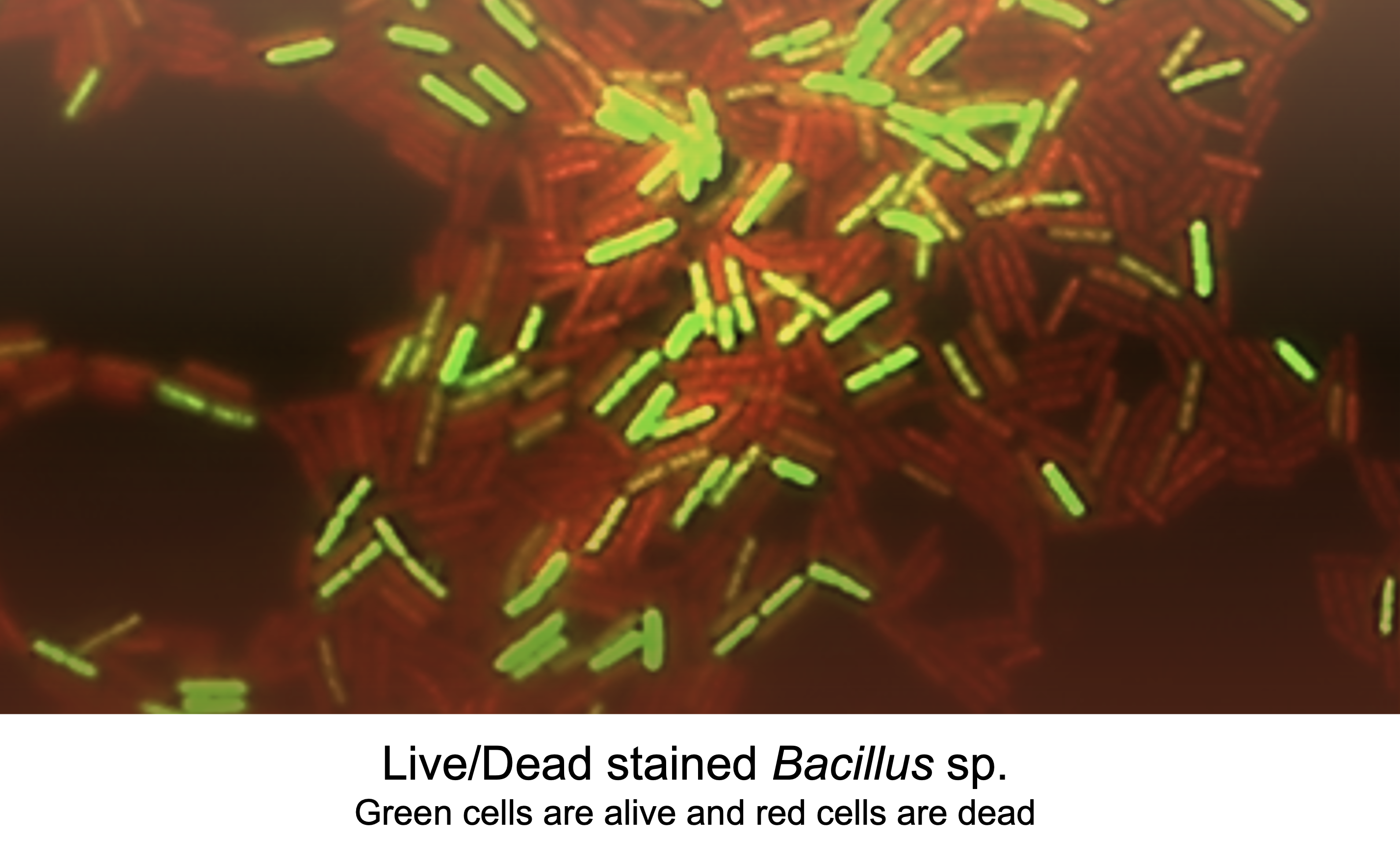
Antibiotics have revolutionized modern medicine and established unprecedented patterns of public and animal health. However, their misuse has exposed bacteria to selective pressure, leading to the development of critical and therapeutically untreatable bacterial resistance. Our current arsenal of effective antibiotics accompanied by the lack of alternatives is prompting the beginning of the “post-antibiotic era”, which threatens all the achievements of modern medicine. The worldwide spread of multidrug-resistant bacteria is increasingly drawing global surveillance from authorities and the media due to its potentially catastrophic implications. The pharmaceutical industry’s limited interest in the discovery of new antibiotics or developing new therapeutic strategies is a critical issue, despite considering the impact such new developments may have on investment returns. Bacteria have demonstrated a rapid ability to develop resistance mechanisms to every new antibiotic. Considerable technological advances, particularly these omics, have allowed for the thorough investigations into and characterization of the mode of action and resistance of antibiotics. Considering the rate of demand, such advances seem to be insufficient in discovering novel antibiotics. Specific and targeted actions are needed to ensure antibiotic sustainability and halt the advance of the “post-antibiotic era”. While the discovery of innovative therapeutic solutions and the comprehension of their action mechanism is fundamental, patient access requirements need to be properly integrated. SARS-COV-2 highlighted the existing interactions between viral and bacterial/fungal infections. However, both the COVID-19 pandemic and Ukrainian/Russian conflict causing a shortage in amoxicillin have presented an unfortunate realization of what the global health situation may become once all commercial antibiotics fail to treat bacterial infections.
Epidemiology, Prevalence and Mechanisms of Microbial Resistance.
Making Old Antibiotics Great Again: How to Reverse Resistance to Antibiotics.
New Antimicrobial Approaches, Targets and Mechanisms of Action.
Social Challenges and Political Strategies to Prevent Antibiotic Resistance.
Antimicrobial Testing and Rapid Diagnostics.
Impact of Inter-relationship between Viral and Bacterial Infections.
Kind regards,
Follow us on Social Media



Meet Our Chairs
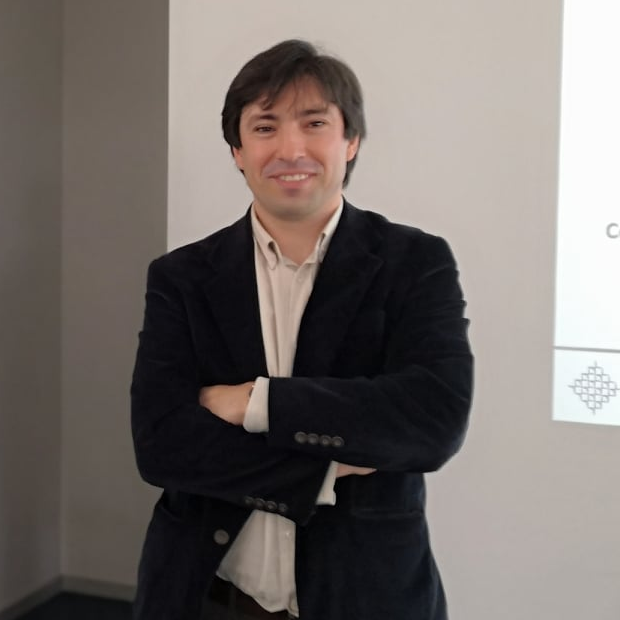
Department of Chemical Engineering, Faculty of Engineering, University of Porto, Portugal;Manuel Simões has a PhD in Chemical and Biological Engineering and is currently Associate Professor with Habilitation at the Faculty of Engineering of the University of Porto, where he is Pro-Director. He has more than 180 papers published in journals indexed in JCR (h-index = 48), 4 books (1 as author and 3 as editor) and more than 40 chapters in books. His research focusses on biofilms and antimicrobial action and resistance. He has been highlighted as a highly cited author in 2020 and 2021 by Clarivate Analytics. SCOPUS ID: 55608338000; Orcid ID: 0000-0002-3355-4398.
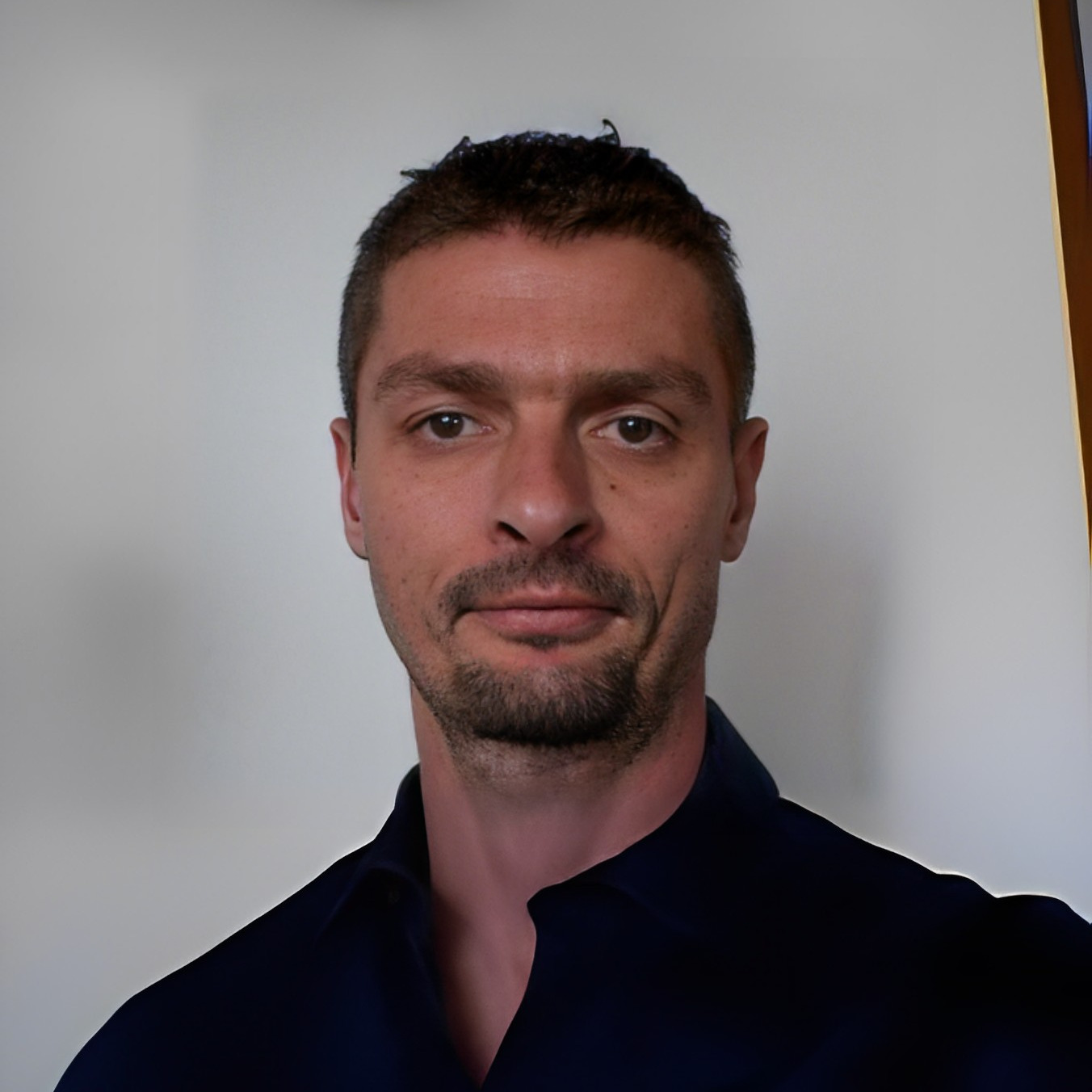
CNRS, Aix-Marseille University, Centrale Marseille, iSm2, Marseille, France;Dr. Marc Maresca is currently a researcher at Aix-Marseille Université. He received his Ph.D. in Biochemistry from the Université Paul Cézanne (France, 2003) working on food contaminants named mycotoxins. In 2003, he moved to England to work on enteropathogenic E coli in Brendan Keny’s lab. Then, he moved back to France to continue his work on mycotoxins and their effects on human health. He is currently working at Aix-Marseille Université and his research aims to identify and develop new molecules—natural, synthetic, or bio-inspired—with antimicrobial properties. He focuses on antimicrobial peptides and their mimics as well as on plant derivatives; in addition to their antimicrobial effects, they may possess additional activities such as anti-inflammatory and anti-tumorigenic effects.
Important Dates
15 Oct
2023
20 Oct
2023
29 Oct
2023
Meet Our Speakers
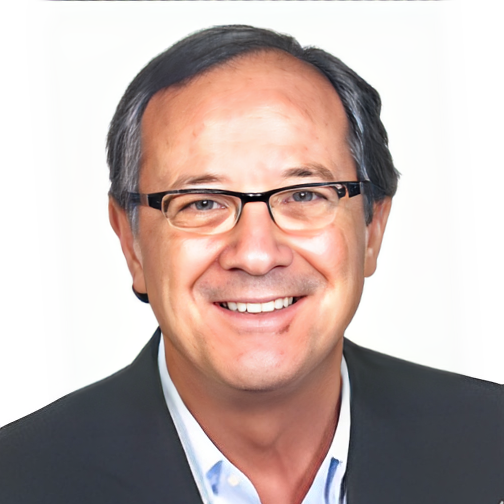
Department of Clinical Microbiology, Hospital Clinic, Spain;Dr. Vila is currently the Head of the Department of Clinical Microbiology of the Hospital Clinic in Barcelona, Full Professor of the School of Medicine, University of Barcelona, and Research Professor in the Institute for Global Health (ISGlobal) of Barcelona, Spain. His present main field of interest is in the investigation of the molecular bases of antimicrobial resistance and the development of new drugs against bacteria and molecular tools for rapid diagnosis of infectious diseases. Dr. Vila was the Programme Director of the Congress of the European Society of Clinical Microbiology (ESCMID) from 2009 to 2014 and he has been a member of the ICAAC Scientific Program Committee (USA) for 4 years. He received an Award of the National Plan against Antibiotic Resistance (PRAN) 2018 for the Micro-combat card game, presented by the Barcelona Global Health Institute Foundation (ISGlobal) in the category of better communication and public awareness initiative on the antibiotic resistance. He is also leading the Initiative of Antimicrobial Resistance in ISGlobal. He has published 476 articles in peer-reviewed journals, 44 book chapters and directed 25 doctoral theses (number of citations, 29.536 and H-index of 84, Google Scholar). He has patented three molecules.

Antimicrobial Discovery Center, Department of Biology, Northeastern University, USA;Kim Lewis is a University Distinguished Professor and Director, Antimicrobial Discovery Center at Northeastern University in Boston. He is a Fellow of the American Society of Microbiology, and a Fellow of the American Association for the Advancement of Science. He is a Highly Cited Researcher (Clarivate Analytics) and an Expertscape World Expert in Microbial Drug Resistance (top 0.1% of scholars in the field). He obtained his Ph.D. in Biochemistry from Moscow University in 1980, and has been on the Faculty of MIT, University of Maryland, and Tufts University prior to coming to Northeastern. Dr. Lewis has authored over 100 papers and is an inventor on several patents. His notable findings include the development of general methods to grow previously uncultured bacteria that make up >99% of biodiversity on the planet, the discovery of the culprit of recalcitrant biofilm infections, drug-tolerant persister cells; and several novel antibiotics, including teixobactin and darobactin. Dr. Lewis has served as a panelist and contributor to reports on antimicrobial resistance (AMR) by National Academies Institute of Medicine, the Pew Charitable Trust, and the European Academies of Science. Dr. Lewis is a member of Faculty 1000, a world-wide panel of experts evaluating research advancements. He is a recipient of the MIT C.E. Reed Faculty Initiative Award, the NIH Director’s Transformative Award, and the American Society for Microbilogy Applied Biology and Biotechnology Research Award. Apart from his work in Academia, Dr. Lewis has served as a consultant to the Pharmaceutical Industry, The Biotech, and is a co-founder of NovoBiotic Pharmaceuticals, Arietis Pharma, Holobiome, Flightpath and Odyssey Therapeutics.
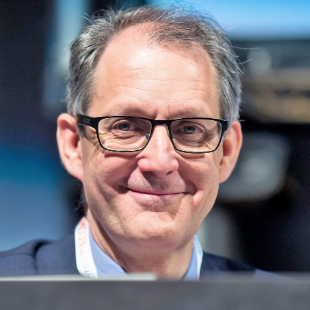
Prof. Dr. Rafael Cantón
Ramón y Cajal's University Hospital, Spain;Rafael Cantón is a Clinical Microbiology specialist, Head of the Clinical Microbiology Department at the University Hospital Ramón y Cajal in Madrid (Spain) and associated Professor of Clinical Microbiology at Complutense University in Madrid. His research activity is developed within the Spanish Network CIBER in Infectious Diseases (CIBERINFEC, https://www.ciberinfec.es/en/groups/research-group?id=27645) and Institute Ramón y Cajal for Health Research (IRYCIS, https://www.irycis.org/en/research/research-groups/6/biology-and-evolution-of-microorganisms) in which he coordinates the Microbiology, Immunology and Infection Area. This activity is focused on antimicrobial resistance mechanisms, including extended-spectrum beta-lactamases and carbapenemases, antimicrobial susceptibility testing with new technology, respiratory tract infections (mainly in bronchiectasis and cystic fibrosis), and interplay of clonal epidemiology and resistance. He is currently the clinical data coordinator of the European Committee for Antimicrobial Susceptibility Testing (EUCAST) (former president 2012 - 2016). He has been President of the Spanish Society of Infectious Diseases and Clinical Microbiology (SEIMC) (2015-2017). Since 2018 he is in the Advisory Board of the Joint Programing Initiative on Antimicrobial Resistance (JPIAMR). He has several publications in peer-review journals, book chapters and frequently participate on international meeting and congresses. He is associated editor of Diagnostic Microbiology and Infectious Diseases journal and member of the editorial board of Microbial Drug Resistant, Drug Resistance Updates, Enfermedades Infecciosas y Microbiología Clinica and Revista Española de Quimioterapia journals. He has been editor of the Clinical Microbiology Procedures of the SEIMC (https://seimc.org/).

Prof. Dr. Christian Giske
Karolinska Insititute, Solna, Sweden;
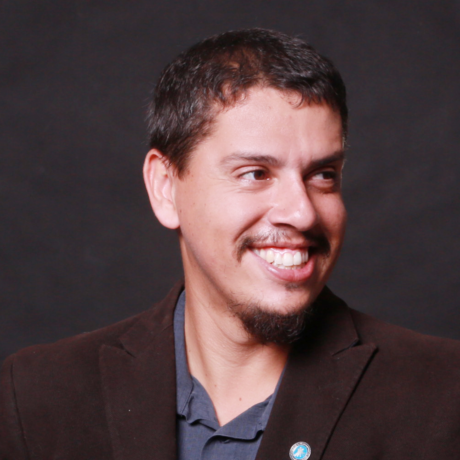
Proteomics and Biochemical Analysis Center, Brasília Catholic University, Brazil;S-Inova Biotech, Pós-Graduação em Biotecnologia, Universidade Católica Dom Bosco, Brazil;
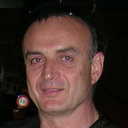
Faculté de pharmacie, Aix-Marseille Universite, France;
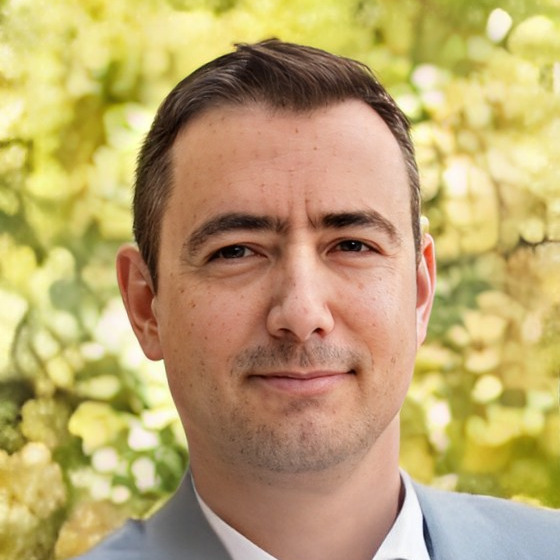
Department of Food Science and Nutrition, Faculty of the Environment, University of the Aegean, Greece;
Sessions
Explore more details


Live Session 1 (1 December 2023)
Live Session 2 (8 December 2023)
Live Session 3 (15 December 2023)
Ms. Jocelyn Yang
Ms. Kelsey Li
Mr. Russell Wang
Email: eca2023@mdpi.com
For inquiries regarding submissions and sponsorship opportunities, please feel free to contact us.