The 4th International Electronic Conference on Catalysis Sciences
The Best Oral Presentation Awards and Best Poster Awards of ECCS 2026 will be announced soon.
The Certificate of Participation is available for download HERE.
Click HERE for the Abstract Book.
Click HERE for the Poster Gallery.
Participants are eligible to submit to a Special Issue of Catalysts (ISSN: 2073-4344, Impact Factor: 4.5), with a 20% discount on the publication fee.
Click HERE for more details.
the chairs
It is our great pleasure to welcome you to the 4th International Electronic Conference on Catalysis Sciences (ECCS 2026). We are honored to host participants from around the world for this dynamic and fully virtual event.
ECCS 2026 serves as a premier platform for researchers, scholars, and professionals in the field of catalysis to present their latest discoveries, share innovative ideas, and exchange practical insights. This year's conference will feature a rich and diverse program, with specialized sessions covering a broad range of cutting-edge topics in catalysis:
S1. Catalytic Materials
S2. Environmental Catalysis
S3. Photocatalysis and Electrocatalysis
S4. Biocatalysis
S5. Biomass Catalysis
S6. Industrial Catalysis
S7. Catalysis in Organic and Polymer Chemistry
S8. Catalysts Synthesis and Characterization
These sessions are designed to foster engaging discussions, highlight recent advancements, and promote collaboration across different subfields of catalysis science.
We are confident that ECCS 2026 will provide valuable opportunities to connect with leading experts, explore emerging research directions, and build lasting professional networks. Your active participation and contributions are key to the success of this event and to the continued advancement of the field.
Thank you for joining us at ECCS 2026. We hope you have an inspiring, productive, and enjoyable conference experience!
Prof. Dr. Raffaella Mancuso, University of Calabria, Cosenza, Italy
Prof. Dr. Maria A. Goula, University of Western Macedonia, Western Macedonia, Greece
Prof. Dr. Gonzalo de Gonzalo, University of Seville, Seville, Spain
Chairs of the 4th International Electronic Conference on Catalysis Sciences
Follow the conference organizer on Social Media



Meet Our Chairs
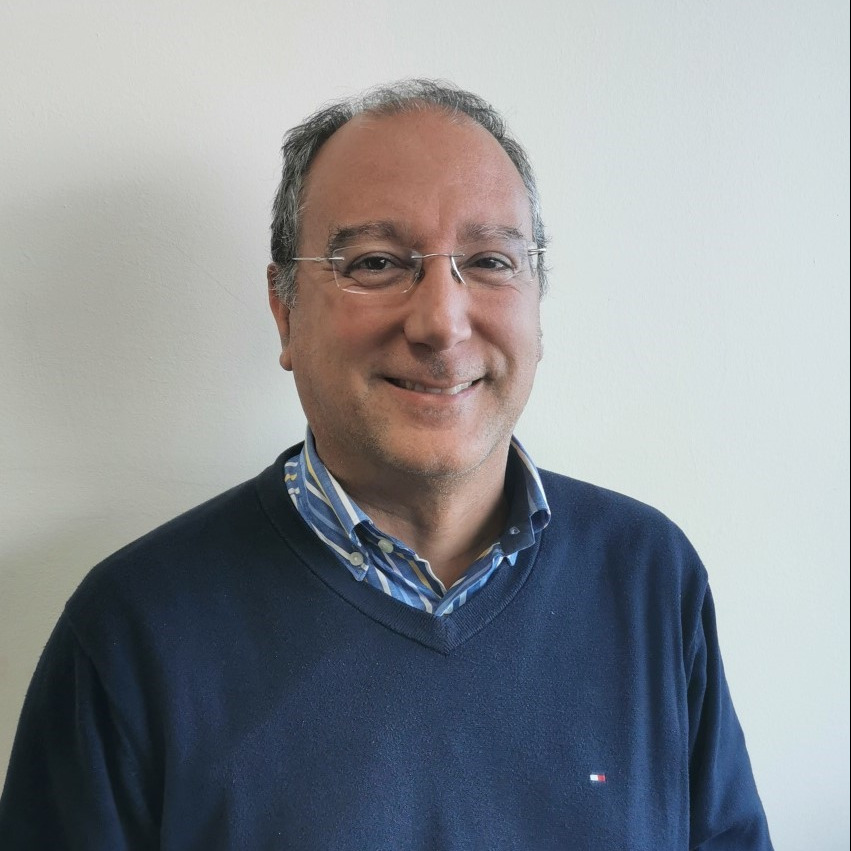
Institute of Advanced Technology for Energy "Nicola Giordano", National Research Council, Messina, Italy;Vincenzo Baglio is a Research Director at the CNR – Institute for Advanced Energy Technologies "Nicola Giordano" in Messina, Italy. He holds a B.Sc. in Chemistry from the University of Messina and a Ph.D. in "Materials for Environment and Energy" from the University of Rome "Tor Vergata". His research is primarily focused on energy conversion and storage, with particular emphasis on fuel cells and water electrolysis. Dr. Baglio has authored over 250 articles in international peer-reviewed journals, with a citation count exceeding 11,000 and an H-index of 60 according to Scopus, and over 14,000 citations and an H-index of 68 based on Google Scholar. In addition, he has contributed 10 book chapters, 1 book, and approximately 300 presentations at national and international conferences, including more than 20 invited or keynote talks. His scientific contributions span a wide range of topics within the field of electrochemical energy conversion and storage, including fuel cells, electrolysers, batteries, and third-generation photovoltaics.
Department of Chemistry and Chemical Technology, University of Calabria, Cosenza, Italy;Prof. Raffaella Mancuso received her Bachelor's degree in Chemistry at University of Calabria (Italy) in 2002 and her first PhD in “Methodologies for the Development of Molecules of Pharmacological Interest” at the some university in 2006. Prof. Mancuso won a “young investigator research project” in 2007 at the University of Calabria. In 2008 she was a post-doc researcher at Iowa State University (USA) with Prof. Richard Larock. In 2012 she joined the group of Prof. Daniel Solé (University of Barcelona-Spain) as invited researcher. Prof. Mancuso received a “Research Award” in September 2017 in the field "Innovation in Organic Synthesis". In 2018 she received her second PhD degree in “Environmental, Construction and Energy Sciences and Engineering” at the University of Calabria. In 2018 she was Researcher in Organic Chemistry at University of Calabria. From 2021 she is Associate Professor of Organic Chemistry at the Department of Chemistry at the University of Calabria (Italy). Prof. Mancuso current scientific production include 167 papers in international peer-reviewed journals (h-index: 41), 8 patents, 9 book chapter and more than 260 communications in national or international conferences. She is an international referee in the field of Multidisciplinary and Organic Chemistry, an editorial board member of reputed international journals. Her current research interests include organometallic catalysis for the synthesis of high value molecules of pharmacological interest, use of nonconventional solvents in advanced organic synthesis and synthesis of novel materials for advanced applications and for cultural heritage.
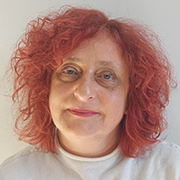
School of Engineering, University of Western Macedonia (UOWM), Western Macedonia, Greece;Dr. Maria A. Goula is a Professor of Catalysis at the Department of Chemical Engineering and the Director of the “Laboratory of Alternative Fuels & Environmental Catalysis (LAFEC)” of the University of Western Macedonia (UoWM). She is also a Member of the “Council for Research & Innovation” of the Region of Western Macedonia, a Collaborating Faculty Member at the Centre for Research & Technology Hellas (CERTH), Chemical Process and Energy Resources Institute (CPERI), an External Collaborator/Scientific Team Leader at the Centre for Catalysis and Separation (CeCaS) of Khalifa University of Science and Technology in the United Arab Emirates (UAE), and an External Collaborator at Beijing University of Chemical Technology in China. Additionally, she serves as the Deputy Director of the Interdepartmental Master’s Program “Hydrogen Science and Technologies” at UoWM and as a Collaborating Faculty Member at the Master’s Program “Environmental Catalysis for Pollution Control and Clean Energy Production” of the Hellenic Open University (HOU). Within the Department of Chemical Engineering, she is the Erasmus+ Program Coordinator and Chair of the Internal Evaluation Committee. Prof. M.A. Goula has published more than 125 papers in peer-reviewed international journals, 185 papers in peer-reviewed international conference proceedings, and 100 papers in National conference proceedings. She has also contributed two chapters to collective volumes (Wiley & Elsevier), authored educational materials for 16 courses, one book, and over 50 Technical Reports. Her published research work has attracted more than 6,350 citations in Scopus (>7,700 in Google Scholar), with an h-index of 44 in Scopus (47 in Google Scholar). She has been included for six consecutive years (2019-2025) in the "Data for updated science-wide author databases of standardized citation indicators" list by Stanford University (top 2% of scientists worldwide).
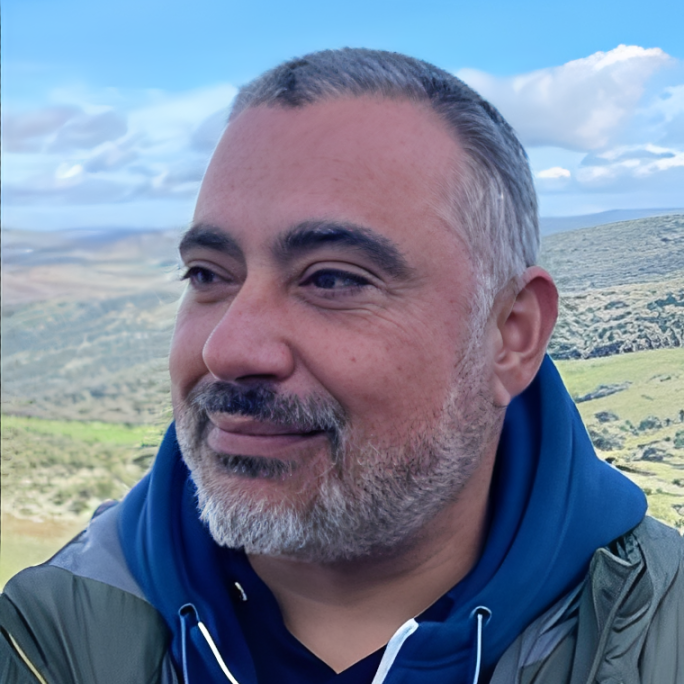
Department of Organic Chemistry, University of Seville, Seville, Spain;Prof. Dr. Gonzalo de Gonzalo got his Degree (1998) and PhD in Chemistry (2003) at the University of Oviedo. He spent two years at the Consiglio Nazionale delle Ricerche (Milan, Italy) after returning to University of Oviedo for a Juan de la Cierva research contract. In 2010 he spent one year at the University of Groningen with Prof. Marco W. Fraaije. He has worked in industry for more than two years (2011-2014) at the pharmaceutical Antibióticos S.A.U. (Spain). From 2014 to 2019 he was a Ramon y Cajal Researcher (MINECO, Spain) at the University of Seville, getting his position in 2019 as Assistant Professor at the Department of Organic Chemistry. His research is focused on the development of chemoenzymatic methodologies for the synthesis of valuable chiral molecules as well as the application of Deep Eutectic Solvents as solvents and catalysts in organic chemistry. He has been co-author of over 100 scientific publications and book chapters (h-index 37 from WOS), has edited three books related to Biocatalysis and is editor of Molecules and Biocatalysis and Biotransformations, apart from being Editor-in-Chief of the Catalysis for Pharmaceuticals section of Catalysts. He is involved in two European projects, the Doctoral Network DECADES devoted to the study of Deep Eutectic Solvents, and the Staff Exchange program NET4FLOW, in which he is the coordinator, focused on the application of (bio)catalytic systems in flow processes.
Important Dates
12 Jun
2026
12 Jul
2026
16 Sep
2026
16 Sep
2026
Meet Our Speakers
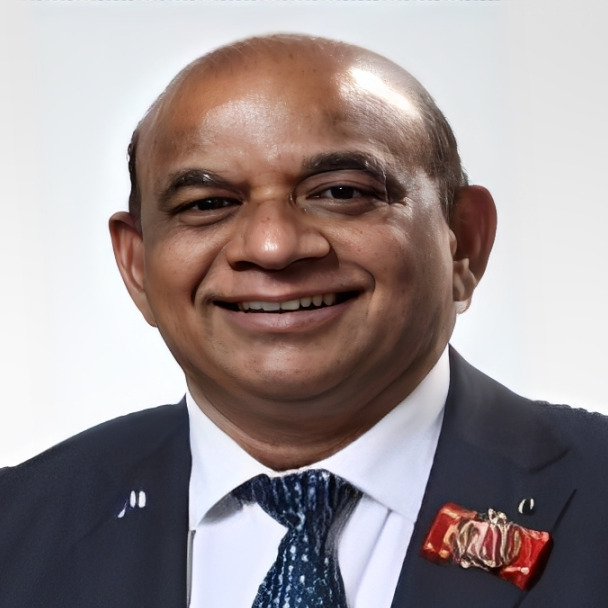
Faculty of Science and Engineering, Åbo Akademi University, Turku, Finland;Prof. Dr. Narendra Kumar is a Senior Researcher at the Laboratory of Industrial Chemistry and Reaction Engineering, Åbo Akademi University, Finland, where he has been affiliated since 1990. He received his Dr. Tech. in Chemical Engineering from Åbo Akademi in 1996. His research encompasses catalysis, catalytic materials, synthesis and characterization, microporous and mesoporous materials, petrochemicals, oil refining, biofuels, environmental catalysis, and the synthesis of fine chemicals, pharmaceuticals, and specialty chemicals. He has authored 498 peer-reviewed publications in high-impact international journals and holds an H-index of 47. He has co-supervised over 75 Doctoral, Licentiate, and MSc theses. In recognition of his three decades of service, he was awarded the Åbo Akademi University Bronze and Silver Medals. Dr. Kumar has evaluated doctoral dissertations and served as opponent and examiner for universities in Finland, Sweden, Italy, and Spain. He is a member of scientific committees for FEZA, IZA, the International Conference on Waste and Biomass Valorization, and major catalysis symposia, and serves as a reviewer for these events. He is also an expert evaluator for EU projects and Horizon Europe (2021–2027). He holds memberships in the Finnish Association of Graduate Engineers, Finnish Catalysis Society, EFCE, British Zeolite Association, and IZA. He reviews for over 35 journals from Elsevier, ACS, RSC, Springer Nature, MDPI, and other publishers. His editorial roles include board membership for Universal Journal of Catalysis, Catalysis Research, Current Catalysis, Waste and Biomass Valorization, J. American Chemical Engineering, Catalysts, and Explora Environment Resource. He serves as Academic Editor for Catalysts, Guest Editor of a Special Issue, and Associate Editor, Review Editor, and Topic Editor for Frontiers in Chemical Engineering.
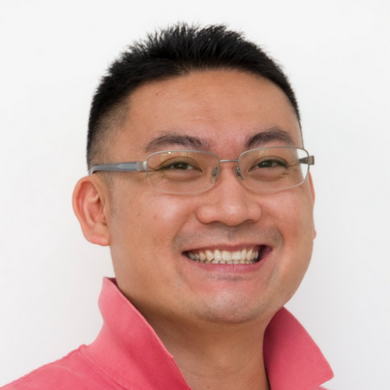
Institute of Applied Physics and Materials Engineering, University of Macau, Macao SAR, China;Kwun Nam Hui is an Associate Professor at the Institute of Applied Physics and Materials Engineering (IAPME), University of Macau. He received his PhD in Electrical and Electronic Engineering from the University of Hong Kong in 2009 and held academic appointments at Pusan National University before joining the University of Macau in 2015. Dr. Hui research focuses on advanced electrode and catalytic materials for energy storage and conversion, including lithium–sulfur, potassium-ion, sodium-ion, and aluminum-ion batteries, as well as supercapacitors and electrocatalytic systems (ORR, OER, HER, CO₂RR, NRR). His group combines nanostructure design, lattice/strain engineering, molecular dynamics, and DFT calculations to accelerate charge transfer and reveal fundamental reaction mechanisms. Dr. Hui has published over 290 SCI-indexed papers in top journals including Advanced Materials, Angewandte Chemie International Edition, Advanced Energy Materials, Advanced Functional Materials, Advanced Science, and EES Batteries. He has an h-index of 71 with more than 16,000 citations (Google Scholar). Recognized among the World’s Top 2% Scientists (Stanford/Elsevier) since 2021, he is also a Fellow of the Royal Society of Chemistry.
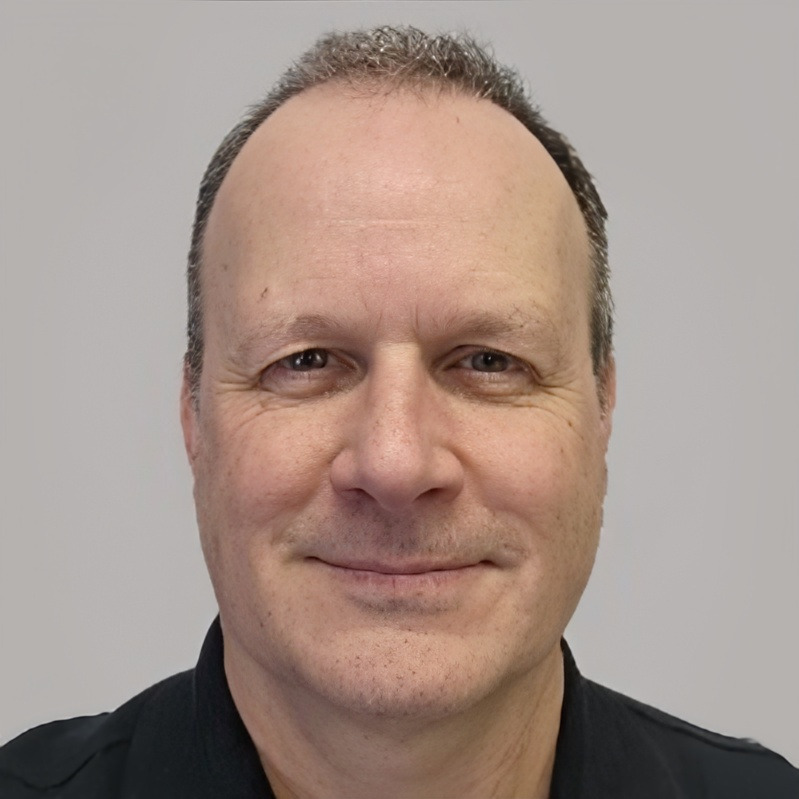
Department of Chemistry, University of Iowa, Iowa City, USA;Ed Gillan is a Professor in the Department of Chemistry at the University of Iowa, joining the faculty in 1997 after postdoctoral research at Harvard and Rice Universities. He obtained a B.S. in Chemistry from University of California, Berkeley and a Ph.D. in Inorganic Materials Chemistry from the University of California, Los Angeles. His research interests are in thermochemically-driven synthetic inorganic materials chemistry targeting materials such as polymeric carbon nitrides and crystalline metal oxides, nitrides, phosphides, or borides. Some of these materials have been investigated as photocatalysts or electrocatalysts in environmental or energy applications. Professor Gillan has published over 60 research papers and book chapters and given more than 70 presentation at national and international conferences and academic institutions. He has also received several university awards for sustained activities in mentoring faculty and students in laboratory chemical safety best practices.
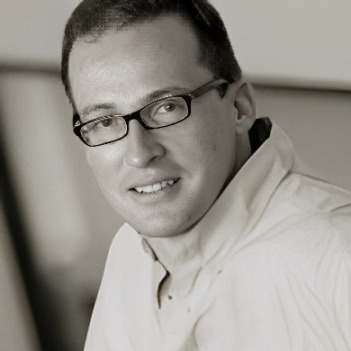
Institute of Research on Catalysis and the Environment of Lyon (IRCELYON), Université Claude Bernard Lyon 1, CNRS, Villeurbanne, France;Dr F.C. Meunier is a CNRS researcher based at IRCELYON. He received a joined PhD in Physical-Chemistry from the University of Strasbourg (France) and Limerick (Irlande) in 1995. His main interests regard the investigation of the mechanisms of heterogeneous catalytic reactions, in particular by using in situ and operando FTIR spectroscopy, themes that were initiated with Prof Julian Ross during his post-doctoral stay in Limerick from 1996 until 1999. He carried out a von Humboldt fellowship in Munich with Prof Johannes Lercher from 1999-2000, where he studied acid-base catalysis and diffusion in zeolites. He was previously senior lecturer at Queen’s University Belfast (United Kingdom) over 2000-2007, period during which he researched in the CenTACat group led by Prof Robbie Burch on hydrogen production and environmental catalysis. He has supervised 16 PhD theses. Dr Meunier has published more than 100 papers in the field of heterogeneous catalysis and spectroscopy applied to catalysis. He has two worldwide patents, and he was awarded the 2009 prize of the Catalysis Division of the French Chemical Society.
Department of Chemical Engineering, College of Chemical Sciences, Complutense University of Madrid, Madrid, Spain;Miguel Ladero holds a PhD in industrial chemistry and has 29 years of experience in the development and optimization of bioprocesses and catalytic processes in green chemistry. He is also an Associate Professor in the Department of Chemical and Materials Engineering at the Complutense University of Madrid (UCM). He earned his bachelor's degree in chemistry in 1992. His doctoral thesis focused on lactose hydrolysis using free and immobilized beta-galactosidases from various sources, applying novel mathematical techniques and kinetic models to reflect the effects of key phenomena occurring in the reacting systems, including enzyme deactivation by heat, pH, and chemical agents. Subsequently, his research has encompassed different aspects (process development, kinetic modeling, and phenomenological studies) studying various microbial (microalgae, fungi and bacteria), enzymatic, and catalytic systems: biodesulfurization of diesel with R. erythropolis and P. putida; anaerobic and microaerobic bioprocesses with biosafety class 1 microorganisms to obtain 2,3-butanediol, D-lactic, fumaric, and succinic acids; sun protection ingredients (UVB chemical filters) by thermal and catalytic procedures; plasticizers and prodrugs with industrial lipases; rosin derivatives by esterification and disproportionation through catalytic and thermal processes; and enzyme stabilization by immobilization and reaction media engineering. His research also focuses on green thermal and catalytic processes for obtaining carbonates and ketals from glycerol in biphasic-monophasic media and the development of physicochemical, enzymatic, and microbial processes in integrated lignocellulosic/oilseed biorefineries. This research effort has resulted, to date, in 10 doctoral theses, with him directing 4 more, and over 100 undergraduate and master's theses. Since 1993, he has participated in 23 research projects (regional, national, and international), serving as principal investigator on 5 of them and as ge
Ms. Alethea Liu
Ms. Ann Li
Ms. Cassia Mao
Email: eccs2026@mdpi.com
For inquiries regarding submissions and sponsorship opportunities, please feel free to contact us.