Please login first

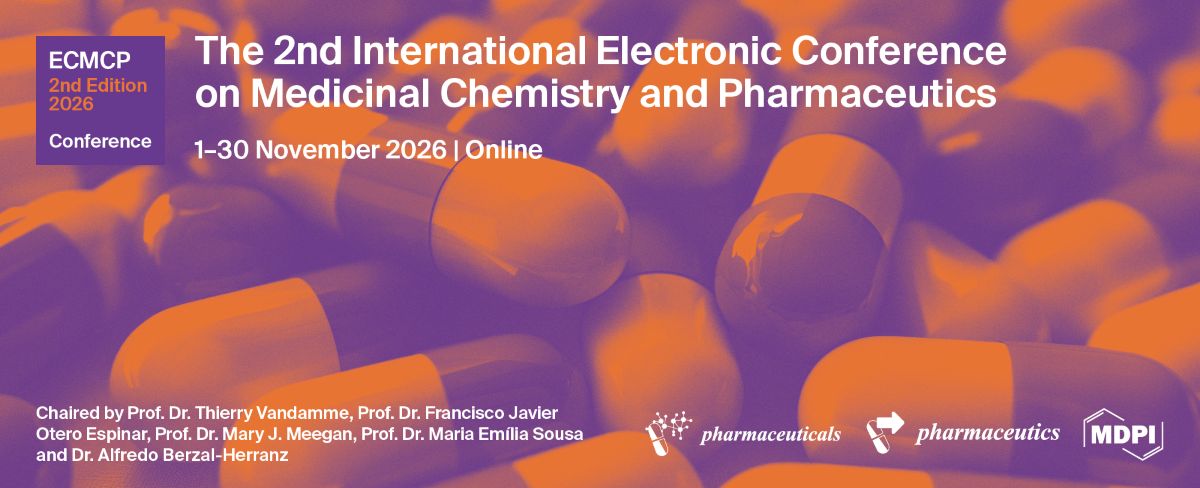
The 2nd International Electronic Conference on Medicinal Chemistry and Pharmaceutics

The 11th International Electronic Conference on Medicinal Chemistry & The 3rd International Electronic Conference on Pharmaceutics

Part of the International Electronic Conference on Pharmaceutics series
Part of the International Electronic Conference on Medicinal Chemistry series
1–30 November 2026
Event's Timezone: Central European Time
Abstract Submission Deadline
10 September 2026
Abstract Acceptance Notification
30 September 2026

Registration Deadline
30 October 2026

Pharmacokinetics, Pharmacodynamics, Drug Candidates, Radiopharmaceutical Sciences, Biomolecules
Bookmark
Bookmark event Remove event from bookmarks
Add this event to bookmarks
Event Registration Contact Us

Welcome from the Chairs

Dear Colleagues,

We cordially invite you to join us at the 2nd International Electronic Conference on Medicinal Chemistry and Pharmaceutics (ECMC-P 2026), sponsored by MDPI’s open access journals Pharmaceuticals and Pharmaceutics.

This platform seeks to provide a forum for discussion for scientists from around the world to share recent developments and innovative ideas in medicinal chemistry and pharmaceutics. This will allow students, researchers, and experts to share their latest theories, results, models, and applications within this multidisciplinary area of knowledge. This is an entirely online conference that will be held in November at https://sciforum.net/event/ECMC-P2026. No registration fee will be charged to participants, and an added advantage is the lack of cost for flights, hotels, etc.

The conference will be organized around the aims and scope of the journals Pharmaceuticals and Pharmaceutics, which includes the following general topics:

S1. Invited Lectures;
S2. General;
S3. New Small Molecules as Drug Candidates;
S4. Natural Products and Biopharmaceuticals;
S5. Novel Methodologies and AI;
S6. New Modalities in Drug Discovery;
S7. Radiopharmaceuticals;
S8. Nanomedicine and Nanotechnology;
S9. Formulation, Drug Delivery, and Controlled Release;
S10. Biopharmaceutics, Disposition, Pharmacokinetics and Pharmacodynamics.

Researchers are invited to provide a short abstract (250 words maximum without figures and references) online, through this link from now until 10 September 2026.

Each participant can submit only one abstract as a presenting author and a maximum of three submissions per research group (each author can only sign a maximum of three contributions). An institutional email address is required to submit contributions. The authors will be notified in October 2026 about the acceptance status of their abstract(s). At that point, they will be asked to present their work (in English) as a poster, a slideshow, or a video using the templates provided by the conference (see Instructions for Authors). All accepted submissions will be displayed online and be open for discussion, comments, and questions during the entire conference at conference website on 1–30 November 2026.

All participants will be invited to submit a full paper describing their work. The papers will be peer-reviewed and, upon acceptance, published in the conference's Special Issue. A 20% discount on the article processing charge will be applied.

The scientific committee will select the most outstanding works, which will be rewarded with grants offered by the sponsoring journals, Pharmaceuticals and Pharmaceutics.

We look forward to engaging in exciting discussions and hearing new ideas and perspectives from experts in the field. All participants are welcome to join the online conference.

Kind regards,

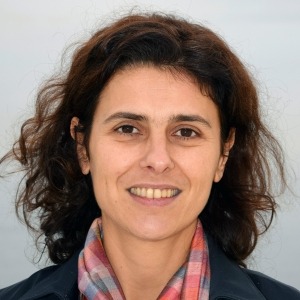
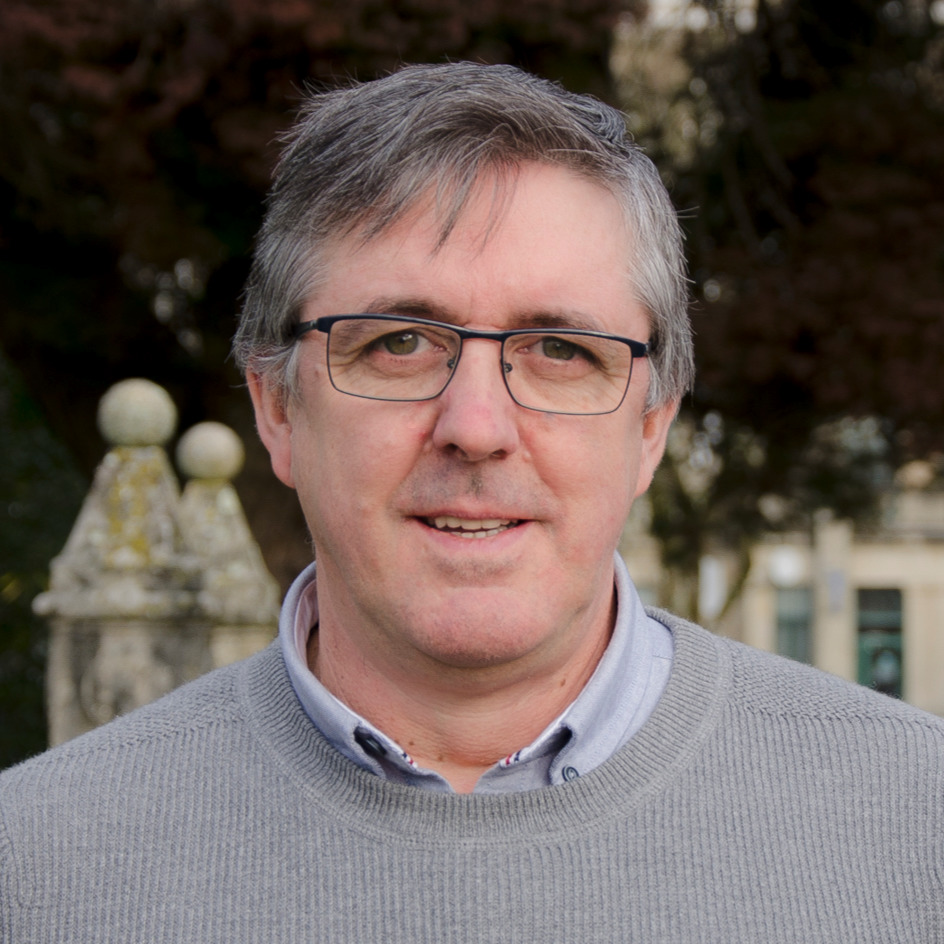
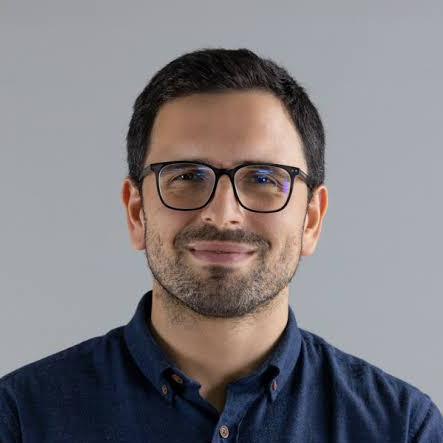
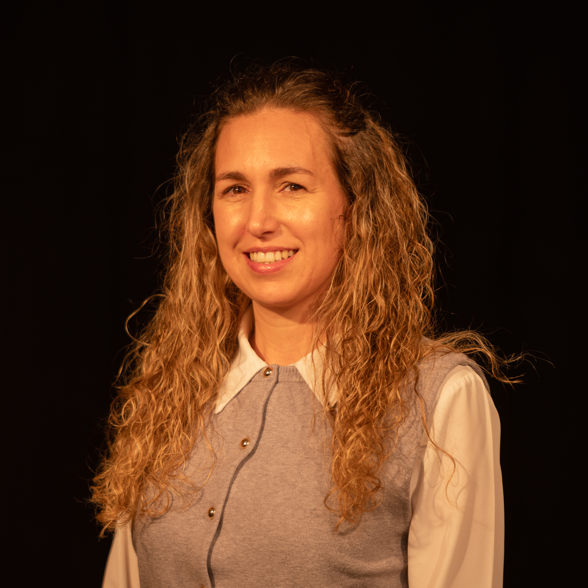
Prof. Dr. Maria Emília Sousa—Interdisciplinary Centre of Marine and Environmental Research (CIIMAR) and University of Porto, Porto, Portugal
Prof. Mary J. Meegan—School of Pharmacy and Pharmaceutical Sciences, Trinity Biomedical Sciences Institute, Trinity College Dublin, Ireland
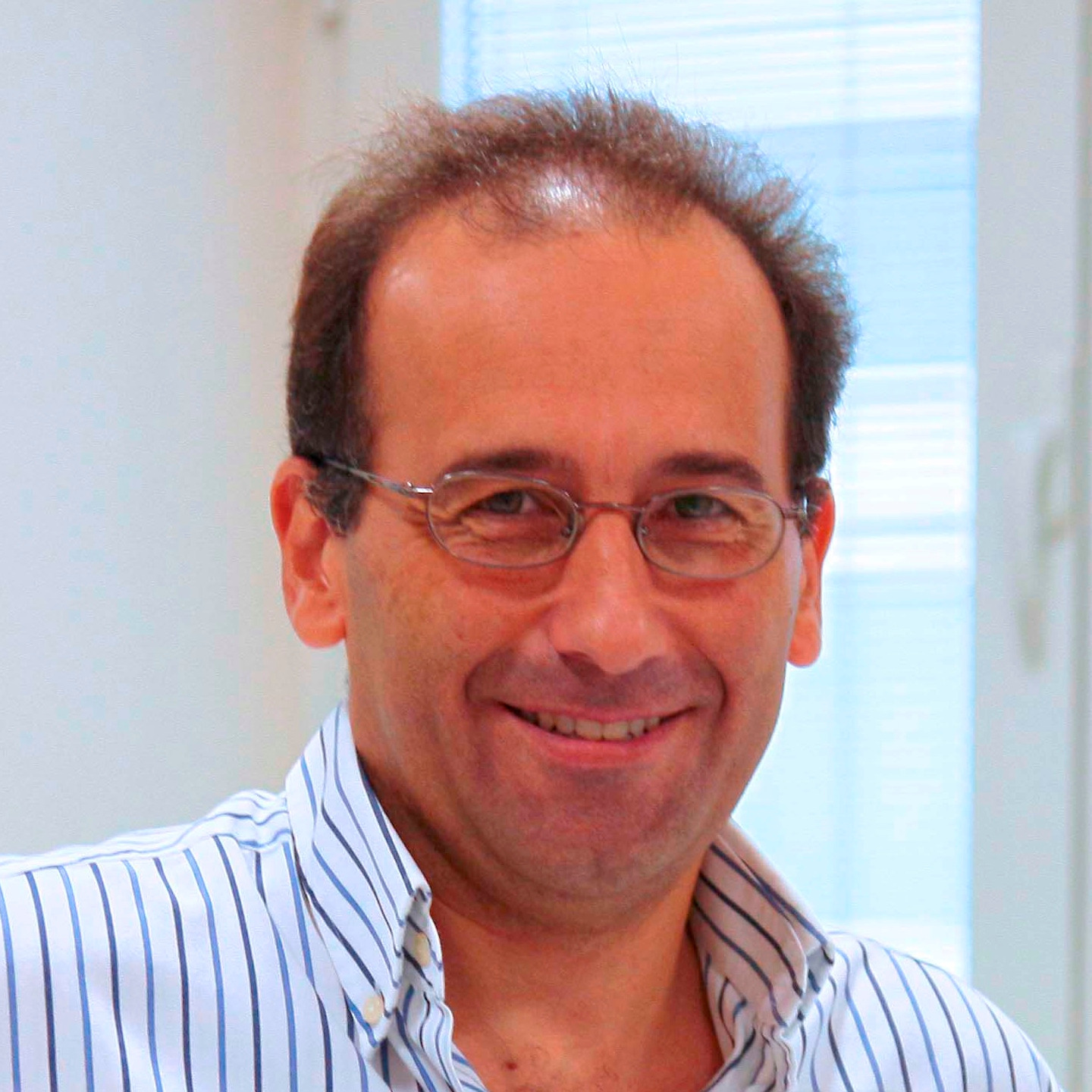
Dr. Alfredo Berzal-Herranz—Instituto de Parasitología y Biomedicina López-Neyra, (IPBLN-CSIC), Spain
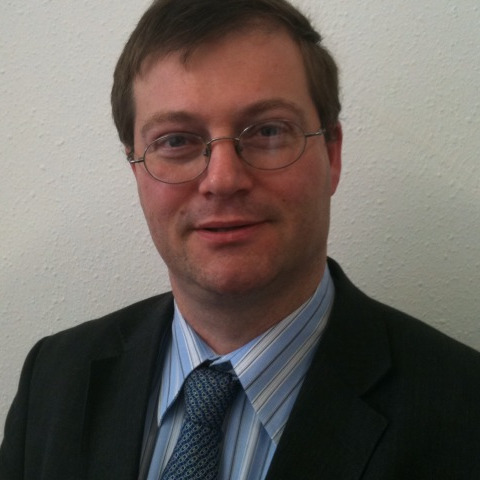
Prof. Dr. Thierry Vandamme—Laboratory for the Conception and Application of Bioactive Molecules, Faculty of Pharmacy, University of Strasbourg, France
Prof. Dr. Francisco Javier Otero Espinar
—Department of Pharmacy and Pharmaceutical Technology, University of Santiago de Compostela, Spain

Follow the conference organizer on Social Media


Event Chairs

Interdisciplinary Centre of Marine and Environmental Research (CIIMAR), Porto, Portugal; Laboratory of Organic and Pharmaceutical Chemistry, Faculty of Pharmacy, University of Porto, Porto, Portugal

Department of Molecular Biology, Instituto de Parasitología y Biomedicina López-Neyra, (IPBLN-CSIC), Spain

School of Pharmacy and Pharmaceutical Sciences, Trinity Biomedical Sciences Institute, Trinity College Dublin, Ireland

Laboratory for the Conception and Application of Bioactive Molecules, Faculty of Pharmacy, University of Strasbourg, France

Department of Pharmacy and Pharmaceutical Technology, University of Santiago de Compostela, Spain

Scientific Committee Members

Department of Pharmacy, University of Naples Federico II, Italy

Introduction
Bio
Dr. Stefano D’Errico graduated in Chemistry in 2004 from the University of Naples Federico II, presenting an experimental thesis in organic chemistry titled “Synthesis of L-Iminosugars, Potential Glycosidase Inhibitors.” He earned his Ph.D. in Biotechnology Sciences in 2009, defending a thesis titled “Synthesis and Structural Characterization of Quadruplex-Forming Oligonucleotides and Studies on Solid-Phase Synthesis of Nucleoside and Nucleotide Analogues.” Since 2022, he has been working as tenure-track researcher at the Department of Pharmacy, University of Naples Federico II. During his doctoral and postdoctoral studies, Dr. D’Errico focused on developing innovative synthetic strategies for the preparation of small molecules inspired by marine natural products. Additionally, he specialized in the synthesis of modified nucleosides and nucleotides, as well as the solid-phase synthesis of oligonucleotides, with applications in medicinal and supramolecular chemistry. His scientific profile is demonstrated by 80 papers published in peer-reviewed international journals and participation in research projects funded by European and national grants. Additionally, he has been speaker at numerous schools and conferences on organic synthesis and is member of the editorial boards of several peer-reviewed scientific journals.

Faculté de Pharmacie, Université Libre de Bruxelles, Belgium

Department of Agriculture and Forestry, University of Warmia and Mazury, Poland

Department of Pharmacy, “G. d’Annunzio” University of Chieti-Pescara, Italy

Introduction
Bio
Alessandra Ammazzalorso is an Associate Professor in Medicinal Chemistry at the Department of Pharmacy, “G. d’Annunzio” University of Chieti-Pescara (Italy). She obtained her degree in Pharmaceutical Chemistry and Technology and Ph.D. in Pharmaceutical Sciences from the same University. Her research work is focused on the synthesis of novel compounds targeting Peroxisome Proliferator-Activated Receptors, with a special attention to the antitumor activity of their agonists and antagonists. She is also involved in the identification of enzyme inhibitors as anticancer agents.

UCL School of Pharmacy, University College London, UK

Introduction
Bio
Gareth received a MChem (Hons) degree from the University of Oxford in 2002. He remained in Oxford for a DPhil (PhD), supervised by Prof Dermot O’Hare, which was completed in 2005. Gareth’s PhD work was focused on the use of synchrotron techniques to monitor intercalation reactions in situ. After graduation, he worked as a post-doctoral researcher and in science program management. In September 2010 he joined London Metropolitan University as a Senior Lecturer in Pharmaceutical Science, and in November 2012 was appointed to the UCL School of Pharmacy as a Lecturer in Pharmaceutics. He was promoted to Associate Professor in 2016 and to full Professor in 2020, when he also became Head of Pharmaceutics. Gareth leads a group of around 15 researchers applying inorganic and polymer-based nanomaterials to overcome drug delivery challenges. Key areas of interest include the use of synchrotron techniques (still!) and developing theranostic systems – and the latter forms the theme of this presentation

Associate Laboratory i4HB—Institute for Health and Bioeconomy;,
UCIBIO—Applied Molecular Biosciences Unit, MEDTECH, Laboratory of Pharmaceutical Technology, Department of Drug Sciences, Faculty of Pharmacy, University of Porto;,
RISE-Health, Faculty of Health Sciences, Fernando Pessoa University, Fernando Pessoa Teaching and Culture Foundation, Porto, Portugal.

Introduction
Bio
Assistant Professor of Pharmaceutical Technology in the Faculty of Health Sciences at University Fernando Pessoa (Porto, Portugal) and researcher at the CEBIMED/FP-ENAS (UFP, Portugal). Graduated in Pharmaceutical Sciences (2002) and PhD in Pharmaceutical Technology from the Faculty of Pharmacy, University of Porto (2006). Currently research interests: I. Controlled delivery of drugs across biological barriers II. Design, characterization and evaluation of colloidal carriers for different applications (pharmaceutical,biotechnology, cosmetic). Editor of two academic books. Author or co-author of various papers in international scientific periodicals and of various book chapters. Reviewer for several national and international journals related to the field of Pharmaceutical Technology; Nanotechnology and Biotechnology. Co-adviser and adviser of PhD and master thesis and several graduation thesis.

Department of Health Sciences, University "Magna Graecia" of Catanzaro, Italy

Introduction
Bio
Donato Cosco is Associate Professor in Pharmaceutical Technology at the Department of Health Sciences, University of Catanzaro “Magna Græcia”. He graduated in Pharmacy magna cum laude. He earned his Ph.D. in Pharmaceutical Sciences in 2010. In 2013 (Jan-Dec) he was a visiting scientist at the University Paris-Sud working on novel hyaluronan-coated vesicular systems. His research activity is focused on the development of innovative biocompatible formulations for drug delivery purposes. He is a co-author of more than 100 peer-reviewed manuscripts as well as a member of both the Controlled Release Society-Italian Chapter and of SITELF (Società Italiana di Tecnologia e Legislazione Farmaceutiche).

Department of Medicine, Surgery and Pharmacy, University of Sassari, Italy

Introduction
Bio
Giovanna Rassu is an Associate Professor at the Department of Medicine, Surgery and Pharmacy of the University of Sassari, where she conducts her research and teaching activities in the field of drug delivery. Her research primarily focuses on the design, preparation, and in-vitro, ex-vivo, and in-vivo characterization of novel drug delivery systems for various administration routes (nasal, oral, and cutaneous) to treat diseases such as cancer and neurodegenerative disorders. She is particularly involved in developing micro- and nanoparticles for nose-to-brain drug delivery, collaborating with multiple national and international research groups. To date, she has (co)authored 89 scientific publications (h-index 33) and over 100 congress communications/proceedings. Additionally, she is the inventor of a patent titled "Permeation Cells" (number: 102017000089514; European extension application PCT/IB2018/055726), which is suitable for permeation studies of substances through membranes or tissues.

Department of Oral Immunology and Infectious Diseases, University of Louisville School of Dentistry, USA

Introduction
Bio
Gill Diamond received his BA in Biochemistry from the University of Pennsylvania, and his PhD in Genetics from the Hebrew University of Jerusalem. He then returned to Philadelphia to do postdoctoral research at the Children’s Hospital of Philadelphia, where he began to work on antimicrobial peptides, discovering the first beta-defensin. He was a faculty member at the University of Medicine and Dentistry of New Jersey (now part of Rutgers University) from 1993-2013, and the University of Florida from 2013-2019. Since then, he have been a professor in the Department of Oral Immunology and Infectious Diseases at the University of Louisville School of Dentistry, where he studies innate immunity of mucosal epithelium, and the development of novel antimicrobial agents based on antimicrobial peptides.

Department of Pharmaceutical Sciences, University of Perugia, Italy

Introduction
Bio
She is an Associate Professor of Medicinal Chemistry in the Department of Pharmaceutical Sciences at the University of Perugia (Italy). Her research activities entail selecting new druggable targets for innovative therapies, designing new chemical entities with desired biological activities, developing synthetic procedures for preparing compounds and conducting SAR studies. She has participated in several national and international projects and has led on various funded projects. Her research, documented by 80 scientific publications in peer-reviewed journals, has mainly focused on developing novel small drug-like molecules that act as antiviral agents. More recently, her work has focused on discovering antitumour agents, such as PARP, AKT1 and PolQ inhibitors, and identifying small molecules that target RNA.

Faculty of Pharmacy and Pharmaceutical Sciences, Katz Group-Rexall Centre for Pharmacy & Health Research, University of Alberta, Canada

Department of Pharmaceutics, School of Pharmacy, Fudan University, China

Department of Drug Science and Technology, University of Torino, Italy

Introduction
Bio
Tania Limongi has a master’s degree in biology, and a PhD in Microsystems Engineering. She is currently Assistant Professor at the Department of Drug Science and Technology of the University of Turin. She has built a solid network of collaborations both in Italy and abroad and her research interests are primarily in nanomedical, pharmaceutical and technological applications of biology, biochemistry and physics. Her main research interest is extracellular vesicles nanoengineering for pharmaceutical applications. She has been the coordinator of the PoC Instrument Project, granted by Fondazione Compagnia di San Paolo, related to the prototyping and validation of a vesicular nanotechnological device, aimed at Technology Readiness Level increase of the last of her 4 patents. “ She is author of 85 scientific publications (H-index: 23, WoS) and member of the editorial board of the journals Pharmaceutics and Materials of the MDPI and of the Frontiers in Bioengineering and Biotechnology Journal. Homepage: https://people.unito.it/do/docenti.pl/Alias?tania.limongi#tab-profilo

Pharmacy department, Health Faculty; University Rouen Normandie;

Department of Health Sciences, University of Basilicata, Italy

Department of Pharmacognosy, Faculty of Pharmacy, Lokman Hekim University, Türkiye

Center of Health Sciences, Laboratory of Molecular Modeling and Computational Structural Biology, Federal University of Rio de Janeiro, IPPN, Brazil

Introduction
Bio
Professor of Computational Biophysical Chemistry at the Walter Mors Natural Products Research Institute, Health Sciences Center of the Federal University of Rio de Janeiro, Brazil. B.A in Industrial Chemistry (1992); postgraduate degree (lato sensu) in Economic Engineering and Industrial Management from the Polytechnic School of the Federal University of Rio de Janeiro, Brazil (1995); M.Sc. and a Ph.D. in Computational Chemistry from the Military Institute of Engineering, where I did research with J. Daniel Figueroa-Villar, Brazil, and Anton J. Hopfinger, USA (2000). Before assuming my (tenured) position as a university professor, I worked as: chemist in Brazilian chemical, and aviation and aerospace component manufacturing companies; postdoctoral scientist at the Institute of Chemistry of the Federal University of Rio de Janeiro, Brazil; Research Specialist at The Chem21, Inc., USA; senior postdoctoral scientist at the University of Illinois at Chicago College of Pharmacy, USA; Research Associate at University of British Columbia Department of Medicine, Canada; senior scientist at the Institute of Drug Technology (Farmanguinhos)/Fiocruz; and visiting scientist at the Inflammation Laboratory of IOC/Fiocruz, Brazil. My main scientific interests are: Medicinal Chemistry; Structural Biology; Immunology; Virology; Organic Reaction Mechanisms; and Enzyme Catalysis.

Faculty of Pharmacy, Aristotle University of Thessaloniki, Greece

Introduction
Bio
Kyriakos Kachrimanis is a Professor in Pharmaceutics, currently employed at the Laboratory of Pharmaceutical Technology of the School of Pharmacy of the Aristotle University of Thessaloniki. He received his degree in Pharmacy in 1992, and a doctorate degree in 1998, both from the School of Pharmacy of the Aristotle University of Thessaloniki. In 2001 he was appointed to the School of Pharmacy as a Lecturer in Pharmaceutics. He was promoted to Assistant Professor in 2007, to Associate Professor in 2015, and to Full Professor in 2020. He served as deputy Chair of the School of Pharmacy from 2017 to 2020, and he has been Chair of the School since 2020. His research interests include the study of solid-state properties of pharmaceuticals with focus on the solubility/dissolution enhancement of poorly soluble substances by means of crystal and particle engineering employing environmentally friendly mechanochemical processes and computational simulations.

Physiology, Department of Biochemistry and Physiology, Universitat de Barcelona, Spain

Introduction
Bio
Associate Professor at the Section of Physiology (Biochemistry and Physiology Dept., Faculty of Pharmacy and Food Sciences, UB). Her research interest focused on preclinical toxicology including nanotoxicology and extract bioactive characterization emphasizing the application of 3Rs concept. Member of the Cellular responses to xenobiotics leaded by Professor M. Pilar Vinardell, since 2001. She has participated in several national and international projects and has been the responsible of different granted projects. More than 120 published articles in indexed journals. Currently she participates in a specialization course aimed to evaluate the toxicological risk of cosmetics and in a doctoral course related to the 3Rs concept. She is vocal of the Ethics Committee for animal experimentation in Universitat de Barcelona. In summary, her expertise is mainly focused on the field of preclinical toxicology, and in the development of in vitro methods.

Centro de Química Estrutural, Instituto Superior Técnico, Universidade de Lisboa, Portugal

Introduction
Bio
M. Matilde Marques was born in Santarém, Portugal. She holds B.S. and Ph.D. degrees in Chemical Engineering and a Habilitation title (D.Sc.) in Chemistry from Instituto Superior Técnico (IST), University of Lisbon, Portugal. She conducted postdoctoral work in Chemical Carcinogenesis at the FDA National Center for Toxicological Research, USA, and is currently a full professor of Organic and Medicinal Chemistry at IST, where she has coordinated the M.Sc. and Ph.D. Chemistry Programs and held multiple institutional positions. She recently served as vice-chair of IST’s Scientific Council (2017-2024). Her research focuses on the molecular mechanisms of toxicity induced by environmental (e.g.,aromatic amines, acrylamide) and therapeutic (e.g., antiestrogens, anti-HIV drugs) xenobiotics, on the development/validation of analytical methodologies for the detection and quantitation of biomarkers of exposure to toxic agents, and on the design, synthesis, and biological evaluation of potential therapeutic agents. She has served as Chair of the Division of Medicinal Chemistry of the Portuguese Chemical Society and Council Member of the European Federation for Medicinal Chemistry (2016-2020). She serves on the Editorial Board for Pharmaceuticals, has served several terms on the Editorial Advisory Board for Chemical Research in Toxicology, and has served as team-member, subgroup chair, and overall chair on multiple working groups for WHO’s International Agency for Research on Cancer.

Institute of Pharmaceutical and Medicinal Chemistry, PharmaCampus, Universität Münster, Germany

Introduction
Bio
Joachim Jose studied biology at Saarland University, Saarbrücken, and obtained his doctoral degree in 1994 with a thesis on the structure and reaction mechanism of bacterial ureases. During his time as a Post-Doc in the group of Prof. Thomas F. Meyer at the Max-Planck-Institute for Biology in Tübingen, he was involved in the discovery of a new family of secreted proteins: the autotransporters. The family of ‘autotransporter’ proteins was first described in his publication together with F. Jähnig and T.F. Meyer in Molecular Microbiology (1995, 18: 380-82). From 1998 until 2003, he was Assistant Professor (C1) in the group of Prof. Rolf W. Hartmann, Pharmaceutical and Medicinal Chemistry at Saarland University and obtained his habilitation with a thesis on the evolutive design of drugs and biocatalysts by bacterial surface display. In 2004, Joachim Jose accepted an offer of the Heinrich-Heine-University Düsseldorf for a Professorship (C3) in Bioanalytics at the Institute for Pharmaceutical and Medicinal Chemistry, where he was appointed Head of the Institute in 2008. Since March 2011, he is a Full professor (W3) and Chair for Pharmaceutical and Medicinal Chemistry at the University of Münster. His awards include the GDCh/DPhG Innovation Award in Medicinal Chemistry in 1998, the SaarLB Science Award in 2004 and the "Phoenix Pharmazie Wissenschaftspreis" (award for best publication in the field of Pharmaceutical chemistry) in 2023. Moreover, he was awarded a corresponding member of the French National Academy of Pharmacy in 2009. From 2020 to 2022, he was Dean of FB 12 - Faculty of Chemistry and Pharmacy at University of Münster.

UCIBIO/REQUIMTE, MedTech-Laboratory of Pharmaceutical Technology, Department of Drug Sciences, Faculty of Pharmacy, University of Porto, Portugal

Department of Biomolecular Sciences, University of Urbino Carlo Bo, Italy

Introduction
Bio
Associate professor (Medicinal chemistry, Drug design and development) – School of Pharmacy and Department of Biomolecular Sciences at the University of Urbino Carlo Bo (March 2015 - today). Assistant professor (medicinal chemistry field) – School of Pharmacy and Department of Biomolecular Sciences at the University of Urbino Carlo Bo (November 1997 - February 2015). Assistant professor (medicinal chemistry field) – Faculty of Pharmacy and Department of Pharmaceutical Sciences at the University of Chieti “G. D’Annunzio” (AY 1996-1997). UNIVERSITY STUDIES PhD in Medicinal chemistry – Drug-chemical Department at the University of Bari Master Degree in Pharmacy – Faculty of Pharmacy at the University of Urbino RESEARCH FIELDS Design, synthesis, structure-activity relationships and pharmacological activity of molecules belonging to various classes of drugs, mainly those interacting with the endocannabinoid system and fatty acid ethanolamides (CB ligands, FAAH, MGL and NAAA inhibitors), anticancer and antiviral drugs, and antibiofilm surfactants. The results, based on collaborations with international and national scientific groups, led also to both international patents and clinical trials in the field of endocannabinoid enzyme inhibitors. Published papers and patents are available on the web page https://scholar.google.com/citations?user=LGrccH8AAAAJ&hl=en. INTERESTS: medicinal chemistry; drug design; cannabinoids; sugar-based surfactants REFEREE ACTIVITY A various number of articles in international journals, such as Archiv der Pharmazie, Bioorganic & Medicinal Chemistry, Biochimie, ChemMedChem, Current Drug Targets, Current Topics in Medicinal Chemistry, Drugs and Drug Candidates, European Journal of Medicinal Chemistry, Food chemistry, International Journal of Molecular Sciences, Journal of Medicinal Chemistry, Marine Drugs, Molecules and Pharmaceuticals have been referenced.

Center for Discovery and Innovation in Parasitic Diseases; Skaggs School of Pharmacy and Pharmaceutical Sciences; University of California San Diego, USA

Introduction
Bio
Conor Caffrey is a Professor in the Skaggs School of Pharmacy and Pharmaceutical Sciences at the University of California San Diego. He is also the Director of the Center for Discovery and Innovation in Parasitic Diseases (CDIPD) which was founded in 2001 with the mission to advance preclinical drug discovery and development for, and education regarding, neglected tropical diseases (NTDs), which primarily affect low- and middle-income countries. Conor completed his PhD studies in molecular and biochemical parasitology at University College Dublin, Ireland in 1994, and then performed post-doctoral research at the University of Heidelberg in Germany, and the University of California San Francisco. After a brief faculty position at the University of Wales in the UK, Conor returned to UC San Francisco in 2001 to lead his own group within the newly-formed CDIPD. In 2015, Conor relocated his team to UC San Diego. In addition to NIH and international philanthropic research project support, Conor’s team and the CDIPD routinely host national and international scholars and trainees. Finally, the CDIPD offers didactic and hands-on training in drug discovery and development for a number of NTD pathogens, and is engaged in capacity-building projects with institutions in Africa and South America.

Helmholtz-Zentrum Dresden-Rossendorf (HZDR), Institute of Radiopharmaceutical Cancer Research, Germany

Introduction
Bio
Univ. Prof. Dr. Klaus Kopka (HZDR, Germany) is a radiopharmaceutical chemist and holds a full professorship (W3) for Bioinorganic and Radiopharmaceutical Chemistry at Technical University Dresden, Germany, which is combined with the directorship of the Institute of Radiopharmaceutical Cancer Research at Helmholtz-Zentrum Dresden-Rossendorf [HZDR] [https://www.hzdr.de/db/Cms?pNid=130]. Between 2013 and 2019 he held a W3 position at Ruprecht-Karls-University of Heidelberg, Germany. At the same time he was head of the Division of Radiopharmaceutical Chemistry at the German Cancer Research Center [DKFZ] in Heidelberg. In 2018 Klaus Kopka was honoured together with his colleagues Michael Eisenhut, Matthias Eder and Uwe Haberkorn with the highly recognized “The Stifterverband Science Award – Erwin Schrödinger Prize” of the Helmholtz Association. He was involved in the development of the theranostic prostate-specific membrane antigen (PSMA)-targeting radiotracers, i.e. PSMA-617 (approved as Pluvicto), PSMA-914 and PSMA-1007 (approved as Radelumin). His current research interests focus on radiopharmaceutical drug development; radiopharmaceutical sciences; medicinal radiochemistry; radionuclide production and radionuclide theranostics; targeted endoradiotherapy; noninvasive molecular imaging. His scientific output includes 279 publications, corresponding to 14,322 citations (h-index 58) (Scopus, 11-April-2025).

Faculty of Pharmacy & Pharmaceutical Sciences, Katz Group-Rexall Centre for Pharmacy & Health Research, University of Alberta, Canada

Faculdade de Farmácia, Universidade de Lisboa, Portugal

Department of Environmental Biology, Sapienza University of Rome, Italy

Introduction
Bio
Daniela De Vita is an Associate Professor at the Department of Environmental Biology at Sapienza University of Rome. She earned her Master’s degree in Pharmaceutical Chemistry and Technology from Sapienza in 2004 and has been working ever since pursued research in the fields of phytochemistry and pharmaceutical chemistry. Her work focuses on the study of natural compounds and their potential therapeutic applications, with particular interest in plant-derived substances and their biological activities. Professor De Vita has published extensively in international scientific journals and actively participates in multidisciplinary research projects exploring the relationship between plant chemistry and human health.

Department of Pharmaceutics, National Institute of Pharmaceutical Education and Research (NIPER), India

Laboratory of Medicinal Chemistry, Faculty of Pharmacy and Food Sciences, Institute of Biomedicine (IBUB), University of Barcelona, Spain

Introduction
Bio
Prof. Dr. Diego Muñoz-Torrero graduated in pharmacy at the University of Barcelona (1989), where he received a PhD degree (Medicinal Chemistry) in 1994. From January 1996 to December 1997, he was a postdoctoral researcher at the Institut für Organische Chemie of the Georg-August Universität (Göttingen, Germany). In 2001 he was appointed associate professor of organic and medicinal chemistry at the Department of Pharmacology, Toxicology and Therapeutic Chemistry, Faculty of Pharmacy and Food Sciences, University of Barcelona (UB), and since July 2022 he has been full professor at the same department. He was Vice Dean of Research at the Faculty of Pharmacy and Food Sciences (UB) from November 2009 until March 2018. He is currently head of the Laboratory of Medicinal Chemistry of his faculty and member of the Governing Board of the Institute of Biomedicine of the UB (IBUB) since its founding in 2007. He is a member of the Spanish Society of Medicinal Chemistry (SEQT) and the Spanish Royal Society of Chemistry (RSEQ), Organic Chemistry Division. He currently serves as the Editor-in-Chief of the Medicinal Chemistry Section of the MDPI journal Molecules and belongs to the editorial advisory board of several medicinal chemistry journals.

Department of Life and Environmental Sciences, University of Cagliari, Sardinia, Italy

Invited Speakers

CICS-UBI-Health Sciences Research Centre, Universidade da Beira Interior, Av. Infante D. Henrique, Covilhã, Portugal

Department of Pharmacy, Pharmaceutical Technology and Physical Chemistry, Faculty of Pharmacy and Food Sciences, University of Barcelona, Barcelona, Spain

Introduction
Bio
Elena Sánchez López is Lecturer Professor at the Department of Pharmacy, Pharmaceutical Technology and Physical Chemistry of the Faculty of Pharmacy at the University of Barcelona. She has also worked as independent researcher for the Bosch and Gimpera foundation.She graduated in 2012 in Pharmaceutical Sciences from the Faculty of Pharmacy, University of Barcelona. She holds a Master in Science degree in Research, Development and Control of Drugs from the University of Barcelona and also an Experimental Master in Pharmaceutical Sciences. Elena Sánchez carried out her Ph.D. funded by Spanish Ministry of Science and innovation (FPI scholarship/contract) and she obtained her Ph.D. on 2017. During this period, she also did two stages in International Universities (University of Trás-ós-Montes e Alto Douro and University College of London) and obtained the first award from the Pharmaceutical Federation. In addition, at the end of her Ph.D. she carried out an intership in a Pharmaceutical Company. Her field of expertise is to the design, development, and characterization of new drug delivery systems. Other research interests include the controlled delivery of drugs across biological barriers, e.g. skin, gastrointestinal tract and blood-brain-barrier. Elena Sánchez is part of the Editorial board of the Matrige Journal of Pharmaceutical Research and served as a reviewer for high-impact factor journals. She is also a member of the Institute of Nanoscience and Nanotechnology, EVER and CIBERNED.

Registration


The registration for ECMC-P 2026 will be free of charge! The registration includes attendance to all conference sessions.

If you are registering several people under the same registration, please do not use the same email address for each person, but their individual university email addresses. Thank you for your understanding.

Please note that the submission and registration are two separate parts. Only scholars who registered can receive a link to access the conference live streaming. The deadline for registration is 30 October 2026.

Instructions for Authors

Submission Information

Submission should be completed online by the authors by registering with https://sciforum.net/ and using the “Submit Abstract” function on the conference homepage.

- Scholars interested in participating in the conference can submit their abstract (250 words maximum without figures and without references) online at this website until 10 September 2026.
- Based on the submitted abstract, the conference committee will conduct a pre-evaluation of whether a contribution from the authors of the abstract will be welcome for The 1st International Electronic Conference on Medicinal Chemistry and Pharmaceutics. All authors will be notified by 30 September 2026 with regard to the acceptance status of their abstract.
- If the abstract is accepted for this conference, the author will be invited to prepare a full description of their work in the form of a poster, slideshow, or video at their best convenience, until the submission deadline of 2 October 2026.
- Posters must be uploaded as a PDF file using the Poster template file available at the end of this section.
- Slideshows must be uploaded as a PDF file using the PPT template file available at the end of this section.
- Flash communications (5 minutes) and communications (10–20 minutes) must be uploaded as an mp4/.webm/.ogg (max size: 250Mb) file (video) using the PPT template file available at the end of this section.- Tips for authors: if you would like to prepare a video based on your PowerPoint presentation, you may use the "record slide" function in PowerPoint.

The presentation for accepted submission should be uploaded before 2 October 2026 via submission dashboard, for a final check and approval. Each work will be directed to the appropriate panel (posters, slideshows, flash communications, communications) by the conference organizing team.

Slides

- Length of the presentation: no more than 30 slides
- The slides should be in PDF format.
- Slide 1 (strictly one slide): Title, authors’ names, affiliation(s), email address of corresponding author, logos of the laboratory and/or institution (not mandatory).
- Slide 2 (strictly one slide): Graphical abstract; repeat the title of the presentation but avoid other text as far as possible.
- Slide 3 (strictly one slide): Abstract (max. 250 words) and 3–5 keywords, separated by semicolons.
- Slide 4 and following slides: These should contain (in the given sequence) Introduction, Results and Discussion, Conclusions.
- Last slide: Acknowledgments, and logos of sponsors (not mandatory).
- ECMC-P 2026 Slides Template should be used. And it will be added here soon.

Posters

Posters should be designed to allow independent understanding of the research and clearly present the essential elements of the study.

Each poster should include:

- Title, authors, affiliations, and contact details (clearly displayed at the top);
- Brief introduction outlining the research objective;
- Concise methodology summary;
- Main results, supported by clear, well-labeled figures or tables where appropriate;
- Short conclusion summarizing key findings and their relevance.

Technical specifications:
The poster should be in PDF format.
No copyright issues with any elements in the poster

Dimensions (cm): 84.1 × 118.9 (A0 - portrait)
Resolution:300 dpi
Pixel size (portrait, 300 dpi):9933 × 14043 px
Minimum font size:≥24

The poster template can be downloaded HERE. We will reach out to you closer to the dates of the conference with more information.

Note: The uploaded poster may be used as provided and serves as a reference. However, as long as the technical specifications are followed, scholars are welcome to use any poster template of their choice.

Video presentations

Flash communications (3–5 minutes) and communications (15 minutes maximum) must be uploaded as an mp4/.webm/.ogg (max size: 250Mb) file (video) using the PPT template file available at the end of this section.

- Communication (15 minutes maximum).
- Flash Communications (3–5 minutes).

Certificate of Attendance

After the event, the participants of ECMC-P 2026 will be able to download an electronic Certificate of Attendance by logging in to your Sciforum personal account. Once you are logged-in, go to your profile and click on 'My certificates'. A list of all Sciforum events you have attended is available and you simply have to click on "Download" next to the correct event.

Withdrawal Policy

Any request concerning abstract or proceedings paper withdrawal should be communicated to the Conference Organizing Team as early as possible, preferably prior to final acceptance and confirmation of the conference program. Please note that once abstracts are published in the Conference Report or once Proceedings papers are published in the Proceedings journal and assigned a DOI, they become part of the permanent scholarly record and cannot be fully removed.

AI Policy
The responsible use of generative AI tools in the preparation of abstracts, posters, and presentations is permitted; however, any such use must be clearly disclosed, specifying the tool employed and its role. Authors retain full responsibility for the accuracy and integrity of their work.

Potential Conflicts of Interest
Authors must disclose any financial, professional, or personal relationships that could reasonably be perceived as influencing the integrity, interpretation, or presentation of their work. Failure to provide accurate disclosures may result in the removal of the abstract from the conference program and associated publications.
If there is no conflict, please state "The authors declare no conflicts of interest." This should be conveyed in a separate "Conflict of Interest" statement preceding the "Acknowledgments" and "References" sections at the end of the manuscript. Any financial support for the study must be fully disclosed in the "Acknowledgments" section.

Copyright

1. Copyright Ownership
In accordance with Swiss copyright law, you, as the author, are the original creator of your work and retain full copyright ownership of your submitted abstract.

2. License Grant
By submitting your abstract for publication on the Sciforum.net platform, you grant MDPI, the platform’s publisher, a worldwide, royalty-free, non-exclusive license to:
- Publish, reproduce, and distribute the abstract online.
- Make the abstract publicly available in connection with the conference.

3. Author’s Retained Rights
This license is non-exclusive. As you retain full copyright, you are free to:
- Reuse, republish, and build upon your work in any way.
- Develop the abstract into a full paper for submission to other journals or publications.
- Enter into subsequent agreements, including granting an exclusive license or transferring copyright to another publisher for a future version of the work.

4. Author’s Responsibility
You remain solely responsible for complying with the policies of any other journal or publisher to which you may submit a subsequent version of your work, particularly concerning prior publication rules. MDPI and Sciforum.net bear no responsibility for any conflicts arising from your future submissions.

Publication Opportunities

All participants will be invited to submit a full paper describing their work. The papers will be peer-reviewed and, upon acceptance, published in conference's Special Issue covering the event using templates provided by the conference. A 20% discount on the article processing charge will be applied.

Selected Papers from the 2nd International Electronic Conference on Medicinal Chemistry and Pharmaceutics (ECMC-P 2026)

Authors can select for the same Special Issue, one of the two journals: Pharmaceuticals (ISSN 1424-8247) and Pharmaceutics (ISSN 1999-4923).

Additional information will be included here.

Event Awards


The open-access, peer-reviewed journals Pharmaceuticals and Pharmaceutics will present awards totaling 1600 CHF for the Best Poster, Best Slideshow, Best Flash Communication, and Best Communication. Additionally, one participant will be granted the opportunity to engage in a One-Day Microwave Practice/Test. All submissions will be evaluated independently of their respective sessions. Members of the Scientific Committee will be responsible for selecting the winning entries based on predefined criteria.

The Awards
Best Poster, Best Slideshow, Best Flash Communication, and Best Communication Awards

Number of Awards Available: 4

The open-access peer-reviewed journals Pharmaceuticals and Pharmaceutics will provide a prize of 400 CHF for each award.

One-Day Microwave Practice/Test

Number of Awards Available: 1

One Day Microwave Practice/Test for free offered by Microwave Technologies Consulting. Selection will be made by the Company following strict scientific criteria.

Terms and Conditions:

Award name: Best Oral Presentation Award and Best Poster AwardBest Poster, Best Slideshow, Best Flash Communication, and Best Communication & One-Day Microwave Practice/Test
Number of Awards Available: 5

1. Best Oral Presentation Award and Best Poster AwardBest Poster, Best Slideshow, Best Flash Communication, and Best Communication

Eligibility: Open to all authors selected as oral speakers who have delivered their presentation. Failure to present, delegation of the presentation to another person, or use of AI-generated voice or similar substitutes will result in disqualification.
Criteria: Evaluation considers scientific rigor (clear, literature-supported research question or hypothesis, appropriate methodology, robust analysis and critical discussion of the results), IMRaD/field-appropriate structure, clarity of presented data (clear, well-labeled figures and tables), presentation skills and audience engagement, demonstrated scientific novelty and impact.
Prize: 4 awards of CHF 400 and a certificate in recognition of your outstanding contribution.

2. One-Day Microwave Practice/Test
Eligibility: Open to all authors who have presented their work through posters. Failure to present, delegation of the presentation to another person, or use of AI-generated voice or similar substitutes will result in disqualification.
Criteria: Evaluation considers scientific rigor (clear, literature-supported research question or hypothesis, appropriate methodology, robust analysis, and critical discussion of the results), IMRaD/field-appropriate structure enabling independent understanding, clarity of presented data (clear, well-labeled figures and tables), presentation skills (if orally presented), demonstrated scientific novelty and impact.
Prize: one participant will be granted the opportunity to engage in a One-Day Microwave Practice/Test

Winner Announcement: The award winners will be evaluated and selected by the scientific committee after the conference. Results will be announced on the website and all winners will be individually contacted via email.

Sponsors and Partners

Organizers


Sponsors

Conference Secretariat

Ms. Teodora Sandru, PhD
Mr. Ionut Spatar
Mr. Russell Wang
Email:

For inquiries regarding submissions and sponsorship opportunities, please feel free to contact us.

Top