
Foods Webinar | Advances in Food Nutritional Biochemistry: Omics, Bioavailability and Gut Health
Meet Our Speakers
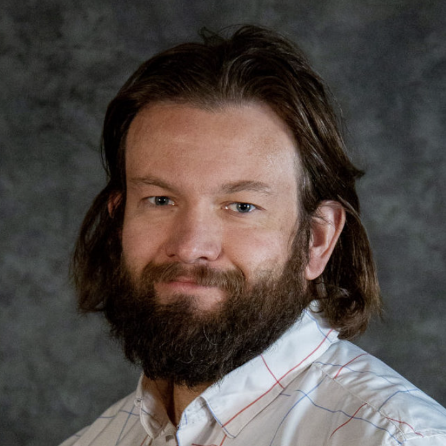
Plants for Human Health Institute, and Department of Food, Bioprocessing and Nutritional Sciences, North Carolina State University, Kannapolis, NC;Dr. Neilson received his BS in Food Science from Brigham Young University in 2005 and his PhD in Food Science from Purdue University in 2009. He completed a postdoc in colon cancer prevention at the University of Michigan Medical School from 2009-11. Dr. Neilson was a faculty member at Virginia Tech from 2011-18 and moved to North Carolina State in 2019. Dr. Neilson’s research focuses on interactions between dietary bioactives and the gut microbiome and how such interactions affect human health. Recent interest focuses on how polyphenols can inhibit production of deleterious gut microbial metabolites such as trimethylamine N-oxide. He is an associate editor for the journal Food & Function and a Fellow of the Royal Society of Chemistry (UK).
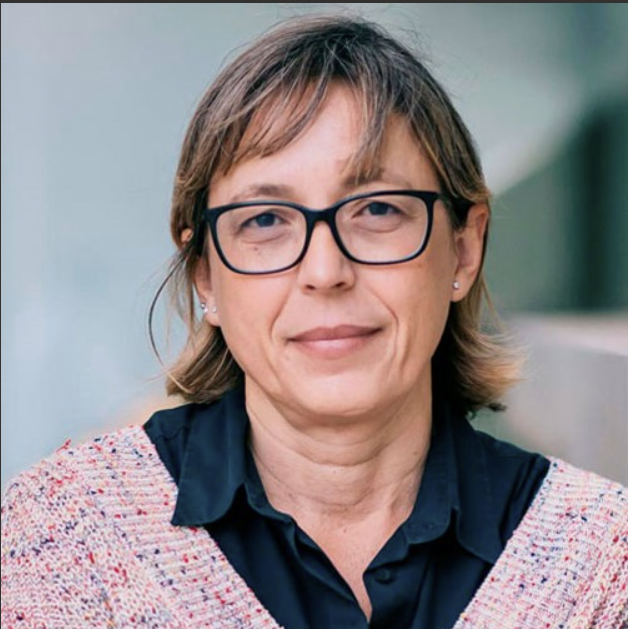
Dr. Carmen Espinòs
Department of Genetics, Universitat de València-INCLIVA, Valencia, Spain;Unit of Rare Neurodegenerative Diseases, Centro de Investigación Príncipe Felipe (CIPF), València, Spain;Centro de Investigación Biomédica en Red de Enfermedades Raras (CIBERER), Instituto de Salud Carlos III, Madrid, Spain;Dr. Carmen Espinós (ID ORCID: 0000-0003-4435-1809), Vice Dean of the Official College of Biologists of the Valencian Community, holds a PhD in Biology and her research has focused on characterizing the molecular basis of rare diseases. She is currently a professor in the Department of Genetics at the University of Valencia and a researcher affiliated with the INCLIVA Health Research Institute. She leads the GeBi laboratory (Genetics and Biomarkers of Rare Diseases), and her lines of research include: (1) Genetic basis of rare movement disorders; (2) miRNA and microbiota biomarkers for Wilson's disease; (3) Characterization of a miRNA signature for the diagnosis of epilepsy. She collaborates closely with patient associations and is the president of the Alliance for Translational Research in Rare Diseases of the Valencian Community.
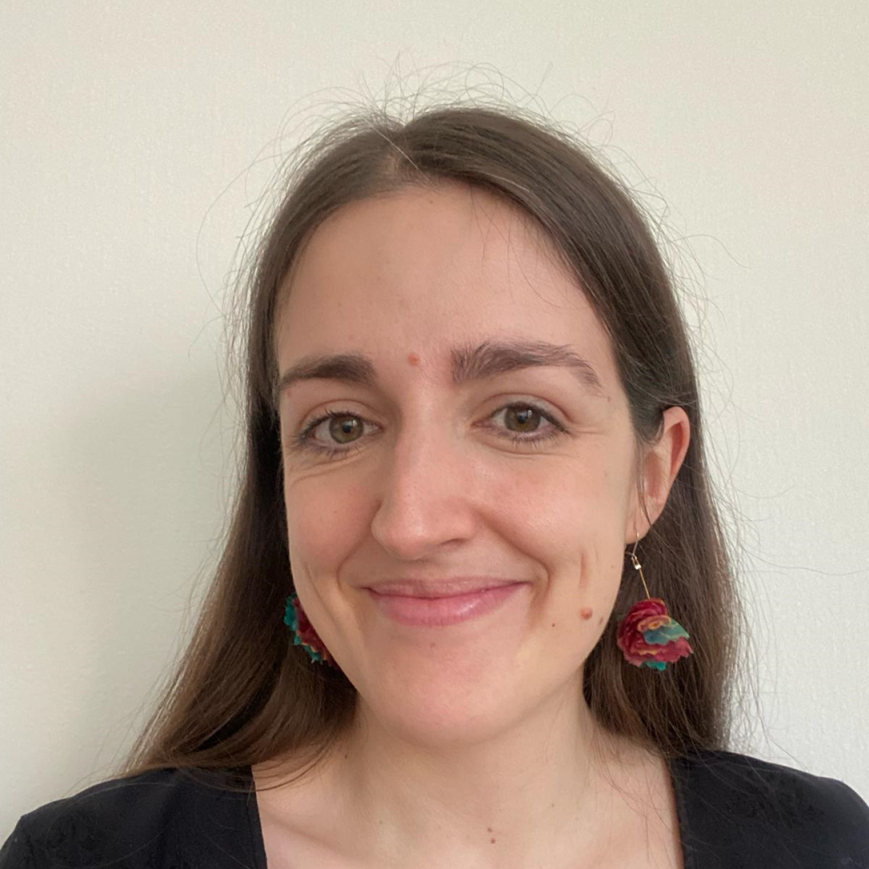
Department of Fundamental Neurosciences, University of Lausanne, Lausanne, Switzerland;Dr. Julia Castillo González, obtained her PhD in Biomedicine in Dr González-Rey's Lab in 2024 at the Spanish Research Council (CSIC) in Granada, Spain, where she investigated the role of neuropeptides in neuroinflammation and blood–brain barrier disruption in stroke. In 2024, she joined Prof Lorenz Hirt's Lab in the Lausanne University Hospital as a postdoctoral fellow supported by a Ramón Areces Foundation Fellowship, where she study bacterial translocation after stroke and the role of short-chain fatty acids. In 2026, she was awarded a Transition Grant from the University of Lausanne to start her independent research career.
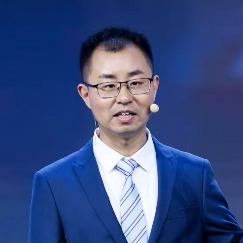
Department of Food Science and Health, College of Pharmacy and Food Science, Southwest Minzu University, Chengdu, Sichuan, China;Dr. Chenglin Zhu, Associate Professor and Deputy Director of the Department of Food Science and Health, College of Pharmacy and Food Science, Southwest Minzu University, holds a PhD in Food Science and Biotechnology from the University of Bologna, Italy (funded by the China Scholarship Council). He is a Postdoctoral Researcher at the Postdoctoral Scientific Research Workstation of Luzhou Laojiao, a High-level Returned Overseas Scholar of Sichuan Province, and a member of the Sichuan Society for Microbiology. He is also honored as the 2024 Sichuan Top Ten Excellent Science Popularization Envoys. His research has focused on the quality control and functional development of food based on multi-omics technologies, and he is currently engaged in teaching and research work at Southwest Minzu University. His lines of research include: (1) Application of multi-omics technologies in quality control of traditional fermented foods; (2) Molecular interaction mechanisms between gut microbiota and their small-molecule metabolites (e.g., short-chain fatty acids); (3) Screening of probiotics and the effects of fermentation on the flavor and nutritional quality of foods. He has presided over more than 10 provincial and ministerial-level scientific and technological projects, published more than 50 papers in domestic and foreign core journals, and serves as a young editorial board member and reviewer for several SCI journals including Industrial Crops and Products and Food Chemistry: X.
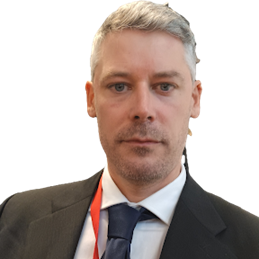
Università Telematica San Raffaele Roma;Lorenzo Nissen is an Associate Professor in Microbiology for Human Nutrition. He specializes in the interactions of the triad food-gut microbiota-host, featuring biotechnological simulations and omic analyses. He is one of the inventors of MICODE® (Multi-Unit In vitro Colon Model), a platform for studying food–gut microbiota interactions through in vitro models, omics approaches, and multivariate analyses. LN is also the WG1 Leader of the COST Action CA23110 INFOGUT (International Networking on In Vitro Colon Models). He serves as Associate Editor for several peer-reviewed journals, including Discover Foods, Antonie Van Leeuwenhoek, Foods, Open Life Science, and Frontiers in Microbiology.


7th Foods Webinar
Advances in Food Nutritional Biochemistry: Omics, Bioavailability and Gut Health
On Wednesday, 25th February 2026, the 7th Foods Webinar, entitled “Advances in Food Nutritional Biochemistry: Omics, Bioavailability, and Gut Health”, was successfully held within the framework of the Foods (MDPI) Special Issue dedicated to these topics.
The webinar was chaired by Dr. Gianfranco Picone and Dr. Mattia Santoni (University of Bologna, Italy).
This event focused on key themes including nutritional biochemistry, food bioactive compounds, omics technologies, nutrigenomics, metabolomics, bioavailability, food digestion, gut microbiota, diet and gut health, and functional foods. The aim was to foster interdisciplinary dialogue and promote multi-omics approaches to better understand the complex interactions between diet, metabolism, and human health.
The session featured the following distinguished speakers:
- Dr. Andrew P. Neilson (North Carolina State University, USA), who discussed the role of dietary polyphenols in inhibiting trimethylamine (TMA) and trimethylamine N-oxide (TMAO) production, highlighting a promising nutritional strategy to reduce cardiovascular risk through modulation of the gut microbiome.
- Dr. Carmen Espinòs (Universitat de València-INCLIVA & CIPF, Spain), who presented research on gut microbiota-associated biomarkers in Wilson disease, emphasizing the role of Akkermansia muciniphila and the impact of pharmacological treatments on microbiota composition.
- Dr. Julia Castillo González (University of Lausanne, Switzerland), who explored the role of microbiota-derived short-chain fatty acids in regulating gut barrier integrity and bacterial translocation in stroke, underlining their therapeutic potential in modulating the brain–immune–gut axis.
- Dr. Chenglin Zhu (Southwest Minzu University, China), who illustrated how probiotic, prebiotic, synbiotic, and postbiotic interventions can modulate the gene–metabolite–microbiota interplay in obesity using integrated multi-omics technologies.
- Dr. Lorenzo Nissen (Università Telematica San Raffaele Roma, Italy), who contributed to the discussion on microbiology and food-related biotechnological strategies within the broader context of food quality, safety, and gut health.
Together, these contributions provided a comprehensive overview of how omics technologies and gut microbiota research are shaping the future of food science, precision nutrition, and translational nutritional biochemistry.
We hope this recording will continue to stimulate scientific discussion, inspire new collaborations, and support further advances in the field.
In this section, you will find the recordings of this webinar to watch, re-watch and share with your colleagues!
Advances in Food Nutritional Biochemistry: Omics, Bioavailability and Gut Health
Edited by Gianfranco Picone and Mattia Santoni
Deadline for manuscript submissions: 5 October 2026