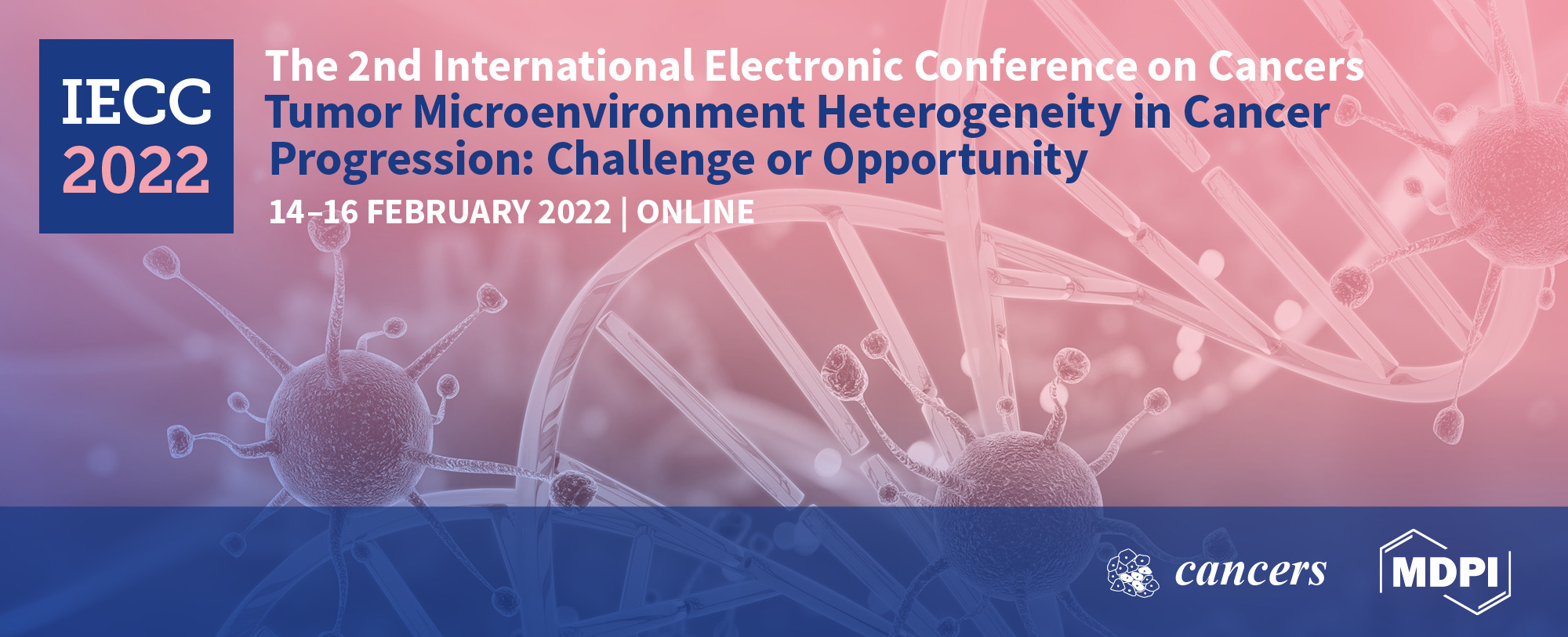
IECC 2022: Tumor Microenvironment Heterogeneity in Cancer Progression: Challenge or Opportunity
IECC 2022 has been a success!
Dear Colleagues,
IECC 2022 has officially come to an end! We would like to thank our chairs, session chairs, committee members, organizers, speakers, sponsors, and all the attendees for making this a great meeting.
If you wish to receive your certificate, please contact us at iecc2022@mdpi.com. The recordings of the live sessions can be found here on the conference website.
You are also welcome to submit your extended work to the Special Issue related to the event.
Welcome to the new electronic conference IECC 2023.
the chairs
Dear Colleagues,
We are pleased to announce the 2nd International Electronic Conference on Cancers (IECC 2022), entitled “Tumor Microenvironment Heterogeneity in Cancer Progression: Challenge or Opportunity”: 14–16 February 2022.
The tumor microenvironment is very complex and composed of tumor cells and a variety of non-tumor cells, including stromal, immune and cancer stem cells, all dispersed in the extracellular matrix. In recent decades, there has been an increased interest in the study and recognition of the importance of each of the mentioned components in cancer. Different cells and the matrix have a crucial role in determining the onset and progression of cancer as well its response to therapies. The tumor microenvironment can also be a reservoir of predictive, diagnostic and prognostic biomarkers and of novel therapeutic targets. This conference aims to promote and advance the coordinated progress in oncology research to foster the development of innovative therapeutic strategies. It will bring together experts in basic, translational and clinical research to discuss the current research and the opportunities and obstacles that lie ahead in the field.
The focus of this conference is the translation of basic science understanding of the tumor microenvironment and its dysregulation in cancer to its therapeutic exploitation. Topics of interest include, but are not limited to:
- Models to study tumor heterogeneity and clonality
- Targeted therapies exploiting tumor heterogeneity and components of the microenvironment
- Strategies to unleash the anti-tumor response and overcome intrinsic tumor resistance to therapies
- Clinical studies with tumor heterogeneity and tumor microenvironment-targeted therapies
Participants will have the opportunity to examine, explore and critically engage with issues and advances in these areas. We hope to facilitate discussions and exchange within the community.
The 2nd International Electronic Conference on Cancers (IECC 2022), entitled “Tumor Microenvironment Heterogeneity in Cancer Progression: Challenge or Opportunity” is sponsored by MDPI and the scientific journal Cancers. All participants are cordially encouraged to submit an extended full manuscript to Cancers Special Issue IECC2022: Tumor Microenvironment Heterogeneity in Cancer Progression: Challenge or Opportunity with a 20% discount off the APC. Cancers (ISSN 2072-6694; IF 6.649) is a peer-reviewed open access journal of oncology published semimonthly online by MDPI.
The best presentation will receive an award of 500 CHF, as well as an offer to publish an extended paper, with 20% discount, in the Special Issue of the journal Cancers.
We hope the community will share this enthusiasm and help make this conference a success.
Kind regards,
Prof. Samuel Mok
Prof. Dr. Paola Cappello
Dr. Sammy Ferri-Borgogno
Conference Secretariat
Ms. Dimity WangMs. Kathie Wu
Ms. Sara Ottolini
iecc2022@mdpi.com
Meet Our Chairs
Department of Gynecologic Oncology and Reproductive Medicine, The University of Texas MD Anderson Cancer Center, Houston, USA;Dr. Samuel Mok is an endowed Professor and the Chief of the Gynecologic Oncology Research section in the Department of Gynecologic Oncology and Reproductive Medicine at the University of Texas MD Anderson Cancer Center, Houston, Texas. He is also the Editor-In-Chief of Cancers. He was an Associate Professor in the Department of Obstetrics and Gynecology at Harvard Medical School, Boston before he joined his current institution in 2008. His laboratory has also been focusing on developing spatial transcriptomics and imaging mass cytometry pipelines to identify spatially resolved cellular and molecular phenotypes, and the identification of altered stromal-epithelial crosstalk networks that are of clinicopathological significance in ovarian cancer.
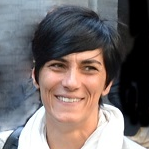
Department of Molecular Biotechnology and Health Sciences, University of Turin, Italy;During my PhD I developed that passion for cancer immunology that still fills my research today. First, I dealt with prophylactic vaccines in breast cancer and then for about fifteen years I have been dealing with pancreatic cancer. I collaborated to a project aimed at the identification of new antigens useful as diagnostic markers or novel therapeutic targets. My principal goal was to develop vaccines and define new therapeutic strategies to apply in the cure of this very aggressive tumor. Indeed, we have developed a DNA vaccine expressing alpha-enolase, which is promising in prolonging survival in pre-clinical models. In the meanwhile, we were interested in finding the right combination to increase the vaccine efficacy. To this, we are dissecting the anti-tumor response in pancreatic cancer patients and the crosstalk between stromal and immune cells in the tumor microenvironment.

Department of Gynecologic Oncology and Reproductive Medicine, The University of Texas MD Anderson Cancer Center, Houston, USA;Dr. Sammy Ferri-Borgogno is currently an Instructor in the Department of Gynecologic Oncology and Reproductive Medicine at UT MD Anderson Cancer Center (MDACC), where she is devoted to elucidating immune landscapes and crosstalk signaling networks that interplay in the ovarian tumor microenvironment to modulate clinical outcomes and chemoresistance utilizing utilize cutting-edge technologies such as spatial transcriptomics and imaging mass cytometry. During her doctoral training at the University of Turin, Italy, Dr. Ferri-Borgogno studied how cancer biology, -omics technologies and immunology might be integrated to understand host-tumor responses and identify new diagnostic markers and therapeutic targets for solid tumors like pancreatic cancer. Dr. Ferri-Borgogno started her postdoctoral training in the laboratory of Dr. Anirban Maitra at MDACC with the goal of develop and expand her passionate interest in cancer biology as well as explore a more translational research approach.
Important Dates
7 Jan
2022
19 Jan
2022
28 Jan
2022
7 Feb
2022
7 Feb
2022
Meet Our Speakers
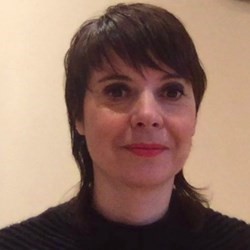
Senior Staff Scientist, Paediatric Solid Tumour Biology and Therapeutics, The Institute of Cancer Research, London;Dr Chiara Gorrini is a passionate cancer biologist with a strong interest in the evolution and plasticity of tumor microenvironment. After obtaining a degree in Biology at the University of Pavia (Italy), she spent her first postdoctoral years at The European Institute of Oncology in Milan (Italy) where she made a major discovery regarding a new role of the oncogene MYC in the response to DNA Damage. To strengthen her skills in cancer biology and mouse genetics, in 2007 she moved to Toronto (Canada) where she joined the team led by Prof. Tak Mak at the Princess Margaret Cancer Centre. In Toronto, she established a strong research program centred on the implications of oxidative stress in tumorigenesis and tumor microenvironment evolution. After having spent more than ten years in Canada, she recently moved to London, UK, to set a new path in cancer therapeutics and drug discovery at The Institute of Cancer Research. In London, she continues studying tumor microenvironment to find new biomarkers to diagnose cancer and predict its response to both chemotherapy and targeted therapies.

Dept. Molecular Biotechnology and Health Sciences, University of Turin, Italy;Dr. Laura Conti is Assistant Professor of Immunology and General Pathology at the University of Torino (Italy). Since 2019 she has started her research group in the Molecular Biotechnology Center of the University of Torino, where she studies the interactions between cancer and its immune microenvironment, with the aim to setup new combinatorial anti-cancer therapies. Dr. Conti graduated in Medical Biotechnology in 2003, and in 2007 she obtained a PhD in Immunology and Cell Biology. Early in her carrier, she focused on the influence of microenvironmental factors on normal and leukemic T lymphocytes, and contributed to the characterization of the IFN-γ/STAT1 pathway and its effects on neoplastic T cells. In later years, her research focus moved to solid tumors, and a fruitful collaboration with the chemists at University of Torino and Bracco Imaging Sp.A. led to her developing several theranostic agents and contrast media for optical and magnetic resonance imaging (MRI). In 2013, she received a grant from the Italian Ministry of Health (RF-2013-02354892) to develop MRI-based strategies for the follow-up of immunotherapy response in preclinical models of pancreatic cancer. Dr. Conti’s interest in cancer immunology has driven her to seek new immune-based strategies to counteract the tumor microenvironment’s immunosuppressive activity. Using high-throughput omics technologies, she identified new antigens expressed by breast cancer stem cells (CSCs), as reviewed in Quaglino, Conti, Cavallo, Semin Immunol 2020. These include the cystine/glutamate antiporter xCT. She has collaborated with international academic and industry research groups and developed several xCT-targeting vaccines based on DNA, VLPs or viral vectors, which effectively reduce breast cancer progression in preclinical models. She is listed among the inventors of DNA vaccines against xCT (US20200316147A1) and has authored important papers in this area. Dr. Conti has also had the opportunity to define some of the mechanisms involved in the crosstalk between cancer cells and their microenvironment,
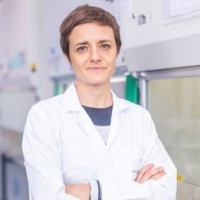
Humanitas Research Hospital, Milan, Italy;
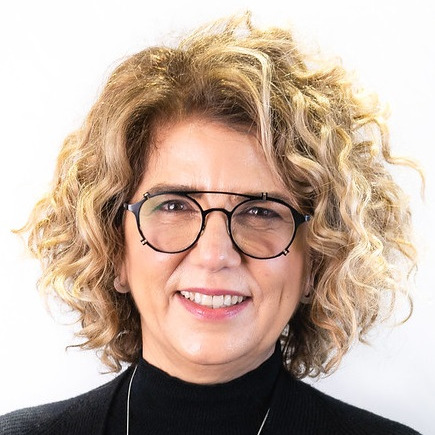
Department of Melanoma Medical Oncology, Division of Cancer Medicine, MDACC;Dr. Suhendan Ekmekcioglu is a Professor in the Department of Melanoma Medical Oncology, Division of Cancer Medicine at The University of Texas (UT), MD Anderson Cancer Center, in Houston, Texas. After she completed her PhD in Cancer Biology and Immunology program at University of Istanbul, Oncology Institute in Turkey, she joined MD Anderson Cancer Center at 1994 and continued her academic life as a cancer researcher. Dr. Ekmekcioglu has made a significant contribution to the identification of critical molecular pathways in melanoma progression and analysis of their targets, as well as their prognostic implications. Her expertise on nitric oxide biology and its potential inhibitors and regulated pathways play an important role as she continues research in the area of targeted therapies and personalized medicine of melanoma, as well as immunotherapy approaches. The major focus of her current research is to recognize the inflammatory pathways in melanoma progression. Her studies originally revealed that inducible Nitric Oxide Synthase (iNOS) and related pathways are major contributors in melanoma growth by modulating tumor inflammation. These have also identified tumor-derived inflammation by specific cytokine/chemokine characteristics in tumor microenvironment which drives the process of melanoma progression. As a result of these early discoveries, her team expanded their research area in collaborating factors, which are the basis of the current scientific interest. Immune modulation strategy for the treatment of melanoma brings a strong hope, specifically, in combinational approaches. Thus, her team’s research projects are designed to overcome melanoma cells’ contribution to tumor growth in an inflammatory microenvironment by inhibiting inflammation and also boosting the immune activators, microenvironmental T- lymphocytes (TIL), in one cellular cascade, which provides a unique advantage in a clinical setting. Besides research contribution, Dr. Ekmekcioglu is an active educator, faculty member of UT - Graduate School for Biomedical Science, mentorin
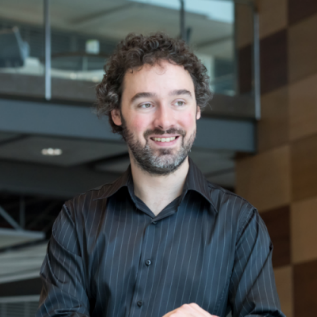
Department of Genetics, The University of Texas MD Anderson Cancer Center;Peter Van Loo is a Professor and CPRIT Scholar in Cancer Research at the Department of Genetics, MD Anderson Cancer Center. During his postdoctoral training at the University of Oslo, the University of Leuven, and the Wellcome Trust Sanger Institute, Dr. Van Loo pioneered computational techniques to study copy-number alterations in cancer genomes, and approaches to study the evolutionary history and subclonal architecture of tumors from whole-genome sequencing data, a field coined “molecular archeology of cancer”. Prior to joining MD Anderson, he was a Group Leader at the Francis Crick Institute in London, where he still leads a research group. His work has furthered our understanding of cancer development, intra-tumor heterogeneity, and metastatic dissemination. His research has sketched the typical evolutionary trajectories of many cancer types, allowing insight into the timelines and sequence of events in cancer development. At MD Anderson, Dr. Van Loo continues to spearhead molecular archeology of cancer approaches to advance our understanding of how cancer develops and evolves, how metastatic cancer spreads, and how resistance to therapy emerges. In recognition of his work, Dr Van Loo was awarded a Cancer Research UK Future Leaders in Cancer Research Prize in 2015 and a VIB Alumni Award in 2017.
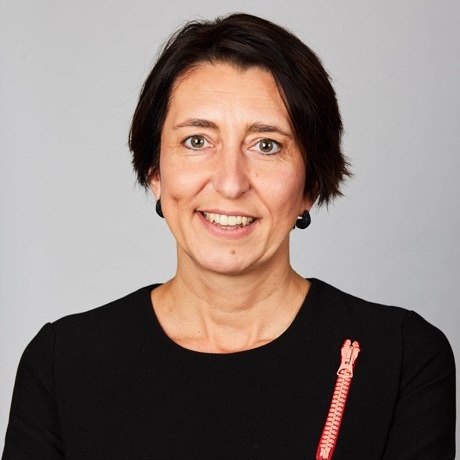
Prof. Ilse Rooman
Vrije University of Brussel, Belgium;Dr Ilse Rooman has a main interest and expertise in pancreatic cell biology and pancreatic cancer, in particular tumour development, cell plasticity and regeneration. Ilse Rooman was educated at the Vrije Universiteit Brussel (VUB), where she obtained her PhD in 2002, studying cellular plasticity in the pancreas in an attempt to regenerate insulin-producing cells. Moving away from diabetes research, she completed two postdoctoral research projects with a focus on pancreatitis and pancreatic cancer, one of which at the Institut Municipal d'Investigació Mèdica in Barcelona in the laboratory of Dr FX Real. In 2011, she was appointed as a group leader at the Garvan Institute of Medical Research in Australia where at the time Dr A Biankin started heading the International Cancer Genome Sequencing initiative for pancreatic cancer. Where hundreds of tumor specimens were squenced, Dr Rooman brought biology to the table helping to understand some of the genetic aberrations. In 2016, she moved back to Belgium and was granted a fellowship from the Fund for Scientific Research (FWO) to build a researchteam at the VUB with focus on pancreatic cancer. There are four research lines in the lab: (1) The role of axon guidance genes in pancreatic cancer, (2) Molecular characterization of pancreatic cancer with focus on molecular tumor subtypes. (3) Exocrine cell plasticity in pancreatitis and pancreatic cancer and (4) Drug repurposing in pancreatic cancer. In this seminar, she will discuss exocrine cell plasticity in pancreatic cancer and lessons that can be drawn from normal cell differentiation, loss thereof and its critical regulators, referring to research lines 1 to 3 above.
The University of Texas MD Anderson Cancer Center, Division of Cancer Medicine, Department of Leukemia - Flow Cytometry & Cell Imaging Core Facility;I started my career in science as a research assistant in Dr. Max D. Summers’ laboratory. We studied protein trafficking in baculovirus-infected cells where I became familiar with, and interested in, spinning-disk confocal imaging. This led to my enrollment in several imaging courses, and ultimately my entry into graduate school and back to Dr. Summers’ laboratory. During my PhD training, Dr. Summers placed me in charge of the confocal microscope, where I trained every user and developed imaging assays as a basic core service. Ultimately, I ended up identifying importin-alpha-16, which is a shuttling protein involved in moving integral membrane proteins through the lateral channel of the nuclear pore complex. This was based in large part on my previous imaging experiments with BV/ODV E26, which was identified as a viral homolog to the eukaryotic importin-alpha-16. After completing my PhD, I joined Dr. Xing Li Wang’s group at Baylor, where I continued to study viral protein trafficking in infected cells. In doing so, I also learned how to interact with people from other cultures and how to collaborate on a larger scale. I also mastered extensive problem-solving skills that allowed me to determine where technical errors were made in our research efforts, which facilitated in my resolving them quickly and efficiently. I found that I enjoyed this type of technical problem solving, albeit I was not able to perform as much imaging work as I had anticipated. Therefore, after my postdoctoral work, I sought employment in a shared resource facility that specialized in imaging. I secured a position with the Flow Cytometry and Cellular Imaging Core Facility at MD Anderson Cancer Center where I have flourished. In fact, I am now an Associate Professor and Co-Director of the facility. I have brought eight color imaging to the Institution through the use of FFPE sampling and multispectral microscopy. I have also introduced and established mass cytometry, CyTOF, (imaging and suspension) to our Institution. The latest iteration of CyTOF technology is imaging-based. It uses la

Department of Cancer Biology, The University of Texas MD Anderson Cancer Center;Julie studies the microenvironmental and cancer cell-intrinsic events that drive cancer metastasis and resistance to a broad range of therapies. During her graduate training at Baylor College of Medicine, she discovered cancer and stromal tissue-specific roles between the FGFR1, WNT, and TGFβ signaling pathways in prostate cancer. Her work yielded in vivo evidence of the stroma’s critical contribution to prostate cancer progression and underscored the importance of adding stromal pathology to Gleason scores for prognostic decisions. Her postdoctoral work with Dr. Raghu Kalluri at the University of Texas MD Anderson Cancer Center has focused on models of pancreatic cancer, which readily metastasize. She has published several works, which demonstrate the inhibition of mesenchymal transition in pancreatic cancer cells does not inhibit primary tumor progression nor metastatic abilities, but does sensitize the tumors to chemotherapy, dictate metastatic tropism and elicit differing spatial interactions with the microenvironment. Her current work investigates metabolic and immunotherapeutic targets in pancreatic cancer subtypes using cross-platform approaches, which combines transcriptomics, multiplex-immunohistochemistry-defined cellular populations, and genetically engineered mouse model systems.
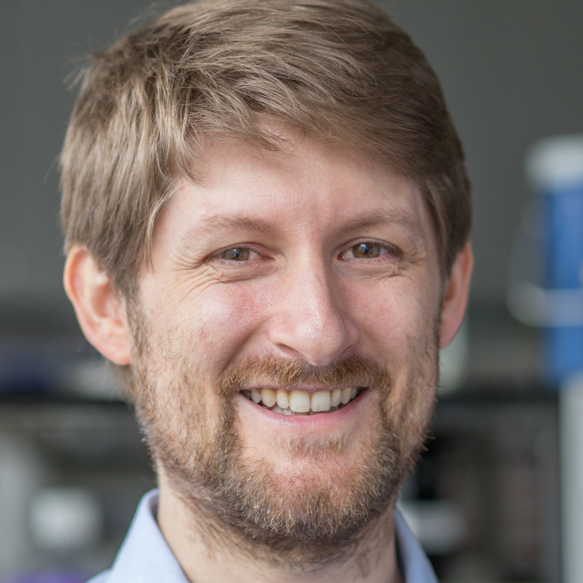
University of Zurich and ETH Zurich, Switzerland;Bernd Bodenmiller is a quantitative biologist who develops novel experimental and computational approaches for the quantitative analysis of tumor ecosystems to improve our understanding of the mechanisms of tumor development for the benefit of patients. He is the founding director of the Department of Quantitative Biomedicine (DQBM) at the University of Zurich, which fosters research and education at the interface of biomedical research, biotechnology, and computational biology to guide development of next-generation precision medicine. Prof. Bodenmiller obtained his PhD in the group of Ruedi Aebersold at ETH Zürich. For his postdoctoral training, he joined the laboratory of Garry P. Nolan at Stanford University. In 2012, he became a group leader and in 2013 an SNF/ERC assistant professor at the University of Zürich. In 2019, he was tenured and became the founding director of the DQBM. In October 2020 Prof. Bodenmiller has been appointed as Dual Professor for Quantitative Biomedicine at the UZH and at ETH Zurich. His group pioneered the development of imaging mass cytometry, an approach that enables simultaneously imaging of over 40 proteins and transcripts in tumor tissues (Nat. Methods, 2014; Cell Systems, 2017; Nature 2020) and the histoCAT software toolbox (Nat. Methods, 2017). His groups applies these methods to unravel how cells in the tumor ecosystem drive cancer development to identify mechanisms that might be exploited for therapeutic targeting (Nat. Biotechnology, 2017, Cell, 2017; Cell, 2019).
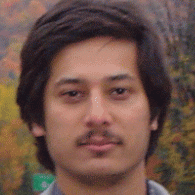
Associate Professor, Department of Computational Medicine and Bioinformatics, University of Michigan;Arvind Rao is an Associate Professor in the Department of Computational Medicine and Bioinformatics at the University of Michigan. His group uses image analysis and machine learning methods to link image-derived phenotypes with genetic data, across biological scale (i.e. single cell, tissue and radiology data). Such methods have found application in radiogenomics, spatial biology and drug repurposing based on phenotypic screens. Arvind received his PhD in Electrical Engineering and Bioinformatics from the University of Michigan, specializing in transcriptional genomics, and was a Lane Postdoctoral Fellow at Carnegie Mellon University, specializing in bioimage informatics.
'%3e%3cpath%20d='M12.6647%2010.9104C12.4176%2010.325%2012.0589%209.7933%2011.6088%209.34485C11.16%208.89511%2010.6283%208.53653%2010.0432%208.28891C10.038%208.28629%2010.0327%208.28498%2010.0275%208.28236C10.8437%207.69282%2011.3743%206.73252%2011.3743%205.64907C11.3743%203.85423%209.92005%202.40002%208.12522%202.40002C6.33038%202.40002%204.87618%203.85423%204.87618%205.64907C4.87618%206.73252%205.40677%207.69282%206.22296%208.28367C6.21772%208.28629%206.21248%208.2876%206.20724%208.29022C5.62031%208.53783%205.09365%208.89287%204.64167%209.34616C4.19192%209.79496%203.83334%2010.3266%203.58573%2010.9117C3.34247%2011.4846%203.21128%2012.0987%203.19925%2012.721C3.1989%2012.735%203.20135%2012.7489%203.20646%2012.7619C3.21157%2012.7749%203.21924%2012.7868%203.22901%2012.7968C3.23877%2012.8068%203.25045%2012.8148%203.26334%2012.8202C3.27623%2012.8256%203.29007%2012.8284%203.30406%2012.8284H4.09012C4.14776%2012.8284%204.19362%2012.7825%204.19493%2012.7262C4.22113%2011.7148%204.62726%2010.7676%205.34519%2010.0497C6.08802%209.30686%207.07452%208.89811%208.12522%208.89811C9.17592%208.89811%2010.1624%209.30686%2010.9052%2010.0497C11.6232%2010.7676%2012.0293%2011.7148%2012.0555%2012.7262C12.0568%2012.7839%2012.1027%2012.8284%2012.1603%2012.8284H12.9464C12.9604%2012.8284%2012.9742%2012.8256%2012.9871%2012.8202C13%2012.8148%2013.0117%2012.8068%2013.0214%2012.7968C13.0312%2012.7868%2013.0389%2012.7749%2013.044%2012.7619C13.0491%2012.7489%2013.0515%2012.735%2013.0512%2012.721C13.0381%2012.0947%2012.9084%2011.4856%2012.6647%2010.9104ZM8.12522%207.90243C7.52388%207.90243%206.95792%207.66793%206.53214%207.24215C6.10636%206.81636%205.87185%206.2504%205.87185%205.64907C5.87185%205.04773%206.10636%204.48177%206.53214%204.05599C6.95792%203.63021%207.52388%203.3957%208.12522%203.3957C8.72655%203.3957%209.29252%203.63021%209.7183%204.05599C10.1441%204.48177%2010.3786%205.04773%2010.3786%205.64907C10.3786%206.2504%2010.1441%206.81636%209.7183%207.24215C9.29252%207.66793%208.72655%207.90243%208.12522%207.90243Z'%20fill='%235D1EE1'/%3e%3c/g%3e%3c/svg%3e)
Immunotherapy Director; Associate Professor, Hematology&Oncology, Microbiology&Immunology, and Pathology; Co-Leader Cancer Therapeutics; Albert Einstein College of Medicine/ Montefiore Medical Center;

Department of Biomedical Engineering, University of Michigan, USA;Deepak Nagrath completed his Bachelors in Chemical Engineering at the Indian Institute of Technology Roorkee. He received his Ph.D. (Chemical Engineering) from Rensselaer Polytechnic Institute in 2003. He was a postdoctoral fellow at the Center for Engineering in Medicine at MGH/Harvard Medical School and later joined Rice University for his first faculty position in 2009. In Jan 2017, he moved to the Department of Biomedical Engineering at the University of Michigan where he is no Associate Professor. Currently, his lab is using organotypic approaches developed for cancer patients to uncover metabolic regulation of tissue infiltration of immune cells. His lab has made novel contributions towards regulation of cancer cell metabolism by stromal cells. He was recently named as a Forbes Scholar by Rogel Cancer Center at the University of Michigan. His research is supported by grants from NCI, Forbes Institute of Cancer Discovery, and Rogel Cancer Center.
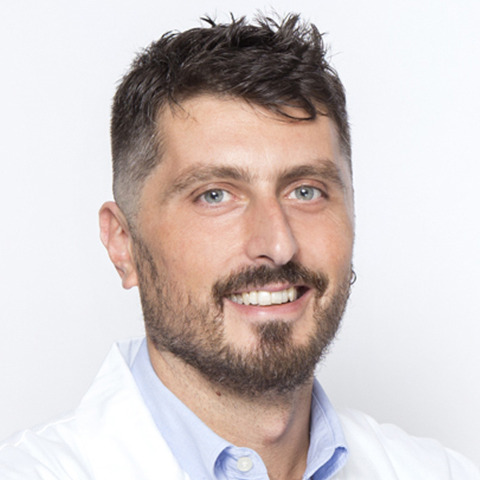
Department of Diagnostics and Public Health, University of Verona;Dr Vincenzo Corbo is associate professor at the Department of Diagnostics and Public Health, University of Verona, Italy. He received his PhD from the University of Verona in 2009. In Verona, he contributed to set up next generations sequencing platforms in the lab of Professor Aldo Scarpa, where he participated to international efforts to describe somatic alterations of pancreas cancers. He completed his training as Post-Doc in the laboratory of Prof David Tuveson at Cold Spring Harbor Laboratory, NY (USA), where he participated to the development of a novel three-dimensional culture system to study pancreatic cancer. During his post-doctoral training he also developed a therapeutic platform availing of organoids and participated to the definition of a novel-coculture system. He is now co-PI of an international initiative for the generation and characterization of organoids from different diseases. His work focuses on the description of the role of molecular anomalies in tumorigenesis and maintenance of different pancreatic cancer types. Recently, he started research projects aimed at understanding the molecular processes leading to the specification of the different molecular subtypes of pancreatic cancer.

Tumor Immunology and Immunoterapy Unit, IRCCS Regina Elena National Cancer Institute, Rome;Paola Nisticò has held the position of head of the Tumor Immunology and Immunotherapy Unit at Regina Elena National Cancer Institute since March 2016. She is a member of the Teaching Committee of the PhD Program in Innovation in Immuno-Mediated and Hematological disorders at Sapienza University in Rome, and is a member of the Consortium of Italian Universities. She is Co-coordinator of the Immunotherapy Working Group of Alleanza Contro il Cancro (ACC), a network of 21 cancer research institutes promoted by the Italian Ministry of Health. Paola Nisticò holds a medical degree with honours (summa cum laude) at the Sapienza University, Rome, a specialty degree in Pathology at the University of Parma. In the advancement of scientific knowledge in oncology, the major scientific accomplishments of the PI Paola Nisticò to be cited: her dedication to the field of tumor immunology, focusing on the role of the host immune response in carcinogenesis and progression leading to the identification of mechanisms of control or evasion of the adaptive immune response in patients. Dr. Nisticò and her group have more recently identified,from the antibody response of a long-surviving breast cancer patient, Mena,a cytoskeleton regulatory protein as well as different isoforms as biomarkers of invasion and metastases in breast, lung and pancreatic cancers (IJC,Cancer Research,Clinical Cancer Research, PNAS,Oncogene,Oncoimmunology). Her group has recently demonstrated that the MENA splicing affects TGF-beta signaling and extracellular matrix (ECM) composition, contributing to the mesenchymal traits of different solid tumors. Recently Paola the group demonstrated the role of Mena in a pro-tumoral subtype of cancer associated fibroblasts, by GAS6/AXL pathway activation ( Embo Reports 2020) She has been awarded honors and has been a visiting scientist in Lawrence Berkeley National Laboratory for an ongoing collaboration with Mina Bissell, II Medizinische Klinik Hamatologie Onkologie, Krankenhaus Nordwest of Frankfurt, and Mainz University, Medizinische Klinik und Poliklinik Johannes G
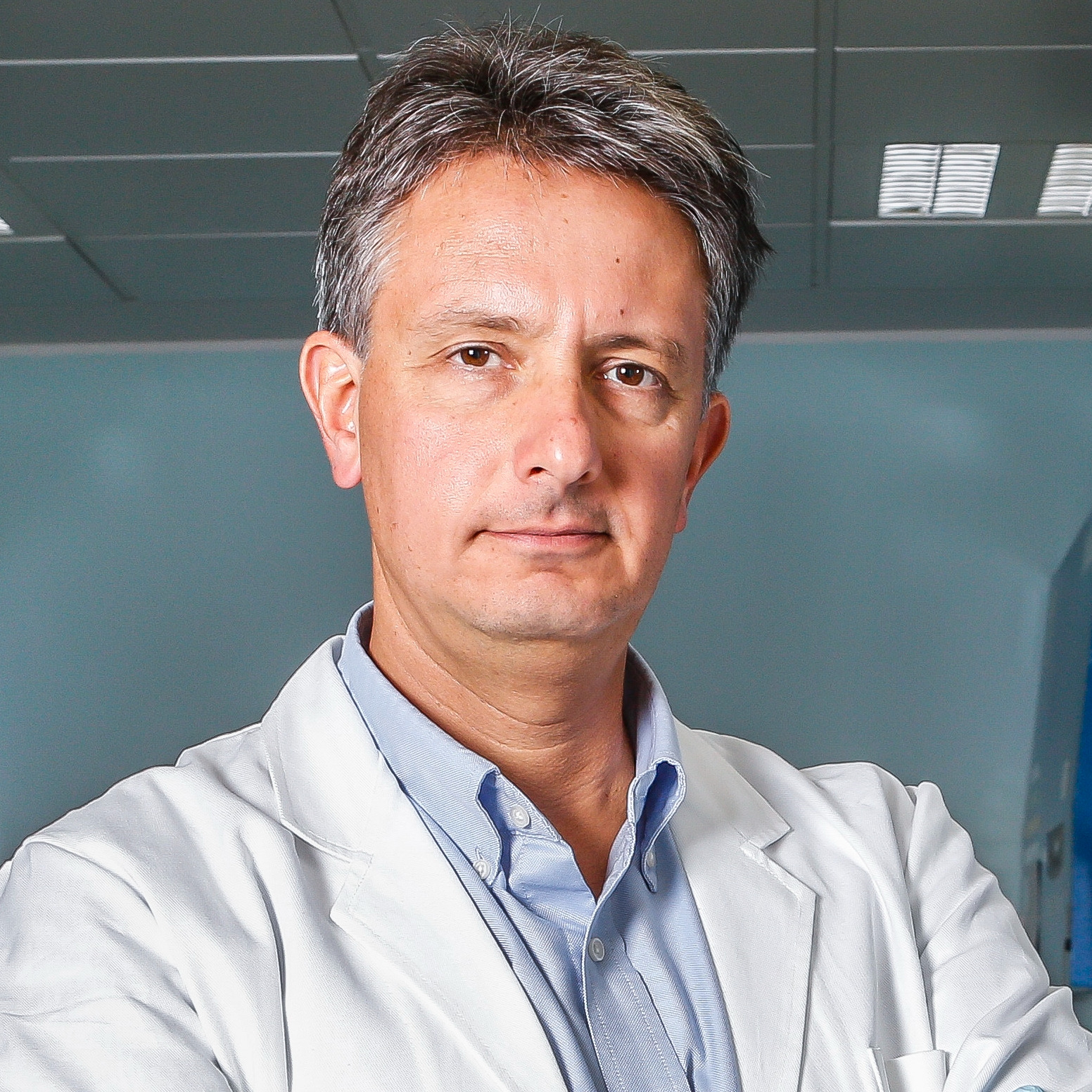
University of Turin, Dept. of Oncology;Candiolo Cancer Institute, FPO-IRCCS;Full Professor at the Dept. of Oncology, University of Torino, and Director of the Laboratory of Molecular Oncology, Candiolo Cancer Institute-IRCCS, Candiolo, Italy. As a postdoc at Johns Hopkins University (USA), in the group of Bert Vogelstein, he performed the first comprehensive mutational profile of protein and lipid kinases in colorectal cancers (CRC). As an independent investigator, he pioneered the combined use of genomics, patients’ avatars and liquid biopsies to accurately predict tumor's response and resistance to targeted agents. Discoveries from his group led to the development of innovative diagnostic tests, and therapeutic regimens currently in clinical use for colorectal cancer patients.
Columbia University NY, USA;Christine Chio studies Pancreatic ductal adenocarcinoma (PDAC) that represents the third leading cause of cancer death in the United States. Lethality of PDA owes largely to the advanced disease stage at the time of diagnosis and to its profound resistance to existing therapies. Targeted therapy is a cornerstone of precision medicine, and is currently the focus of much anticancer drug development. However, in the context of pancreatic cancer, no chemical inhibitors exist for the most common KRAS mutations (G12D, G12V) even though it is well established that the oncogenic KRAS promotes drug resistance. Thus, a detailed understanding of the role of specific genetic lesions and their signaling surrogates in the initiation and progression of PDA is critical to improving treatment efficacy and patient outcome for this disease. Using genetically engineered mouse models and ex vivo culture systems, the Chio lab seeks to understand the basic mechanisms underlying PDAC biology such that vulnerabilities can be identified and tested for therapeutic intervention.
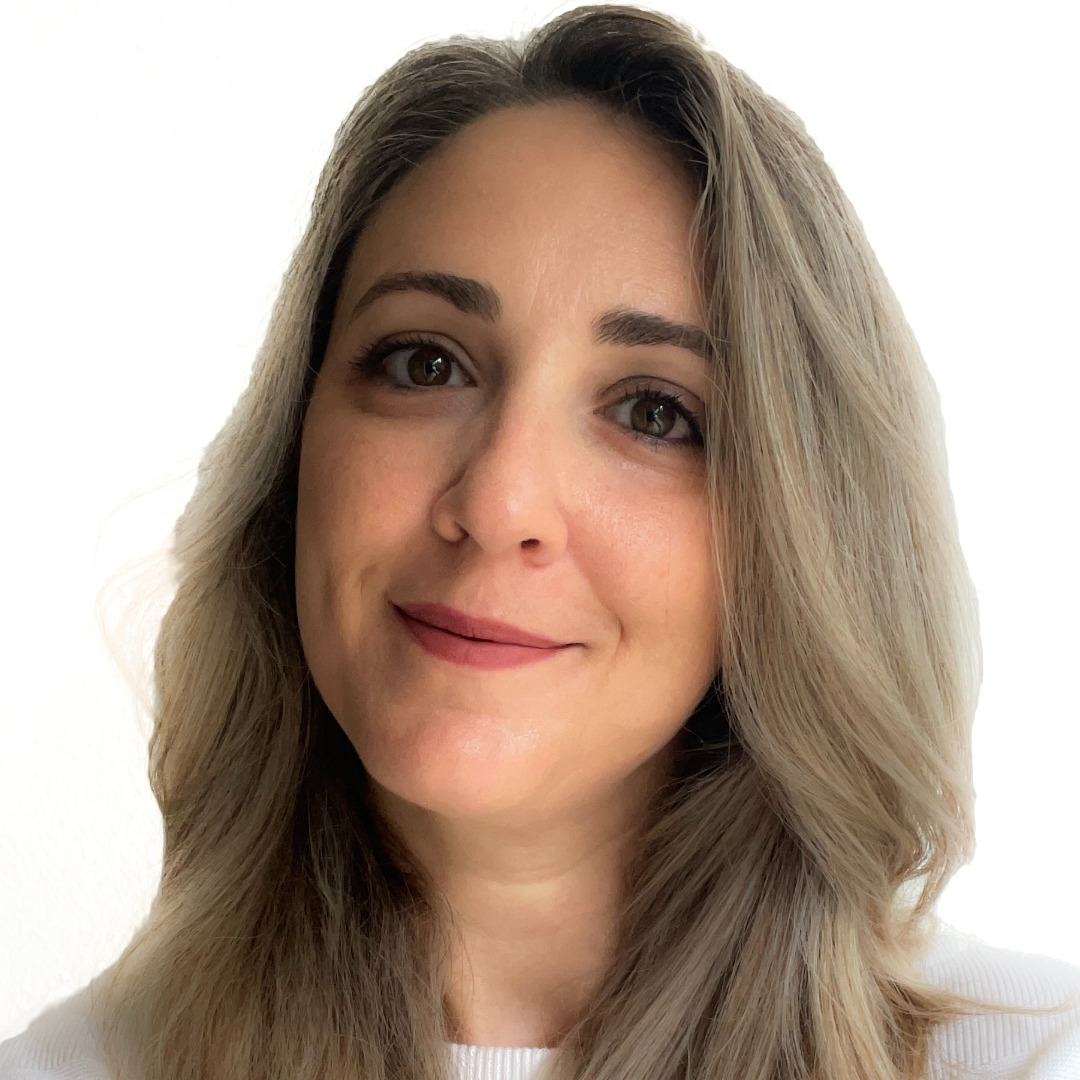
Singapore Immunology Network (SIgN) Agency for Science, Technology and Research;Dr. Giulia Adriani is Principal Investigator at the Singapore Immunology Network (SIgN) established by the Agency for Science, Technology and Research (A*STAR) and Adjunct Assistant Professor at the Department of Bioengineering of the National University of Singapore (NUS). She completed her bachelor and master degrees with honours in Mechanical Engineering at Polytechnic of Bari in Italy. She was awarded the Interpolytechnic Doctoral School Fellowship and she was visiting student at The Methodist Hospital Research Institute in Houston, Texas at the Department of Nanomedicine. After receiving her PhD in Biomedical and Biomechanical Engineering, she moved to Singapore to work at NUS and at the MIT’s research centre in Singapore (SMART Program) working with Prof. Roger D. Kamm. Dr. Adriani is now leading her research group in SIgN to design 3D microfluidic-based vascularized immuno-competent tumor models to study the interactions of cancer cells with their microenvironment consisting of stromal cells, immune cells, endothelial cells and an extracellular matrix. Her current research studies aim to understand the microenvironment-mediated response during anti-tumor therapy.
Prof. Dr. Paola Cappello
Dept. Molecular Biotechnology and Health Sciences, University of Turin, Italy;During my PhD I developed that passion for cancer immunology that still fills my research today. First, I dealt with prophylactic vaccines in breast cancer and then for about fifteen years I have been dealing with pancreatic cancer. I collaborated to a project aimed at the identification of new antigens useful as diagnostic markers or novel therapeutic targets. My principal goal was to develop vaccines and define new therapeutic strategies to apply in the cure of this very aggressive tumor. Indeed, we have developed a DNA vaccine expressing alpha-enolase, which is promising in prolonging survival in pre-clinical models. In the meanwhile, we were interested in finding the right combination to increase the vaccine efficacy. To this, we are dissecting the anti-tumor response in pancreatic cancer patients and the crosstalk between stromal and immune cells in the tumor microenvironment.
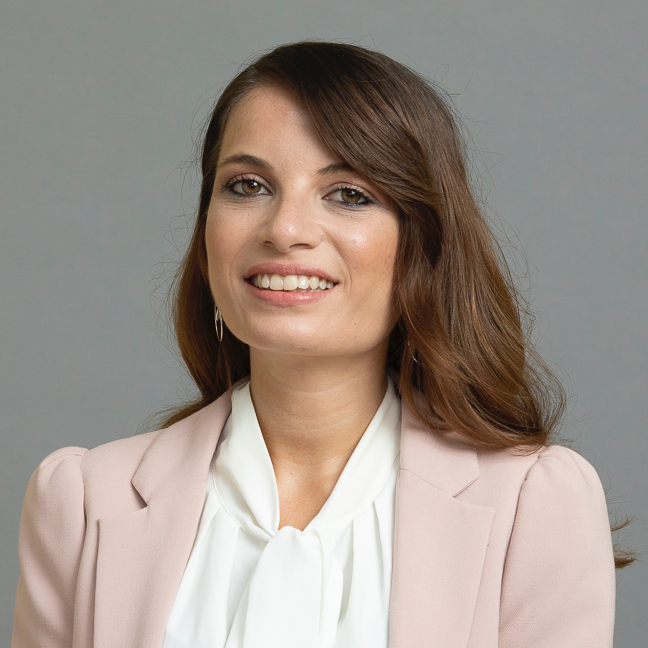
Experimental Immunology Unit, Division of Immunology, Transplantation and Infectious Diseases, IRCCS Ospedale San Raffaele, Milan, Italy;Dr. Giuseppina Arbore is Project Leader in Cancer Immunology in San Raffaele Research Hospital (Milan, Italy). Her research is currently focused on investigating the role of the immune system in the response to neoadjuvant chemo-radiation therapy in esophageal adenocarcinoma and the anti-tumoral immune responses directed against tumor neoantigens. The long-term impact of this research is the definition of more efficacious personalized immunotherapies for esophageal adenocarcinoma.
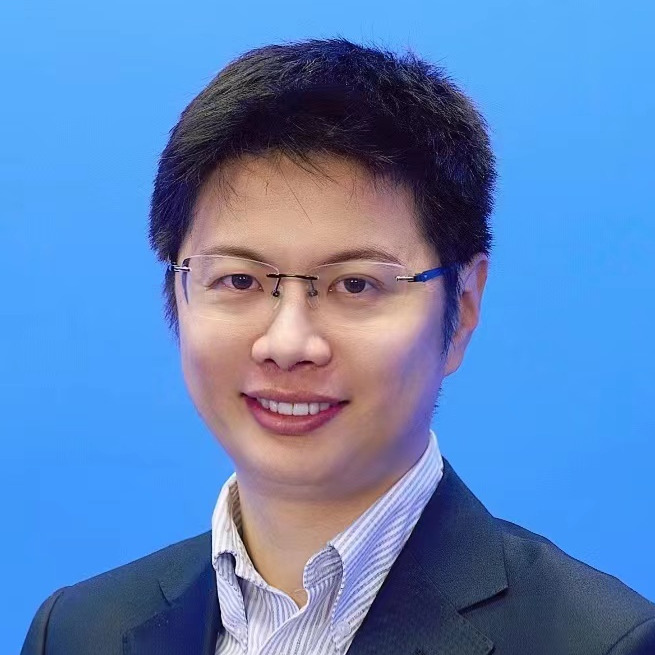
Shanghai Institute of Nutrition and Health, Chinese Academy of Sciences, Shanghai, China;Dr. Yang received his Ph.D from Rice University, Houston, Texas in 2016, and his research focused on the roles of glutamine metabolism in regulating cancer metastasis and the metabolic crosstalk between stroma and tumors. From 2017 till 2021, he got trained in Lewis Sigler Institute, Princeton University, New Jersey. His major scientific discoveries include 1) serine catabolism feeds NADH when respiration is impaired; 2) Ketogenic diet and chemotherapy combine to disrupt pancreatic cancer metabolism and growth. Currently he is the principle investigator in Shanghai Institute of Nutrition and Health, and his research interests include 1) developing in vivo isotope tracing strategy to understand the complexity of metabolic syndromes; 2) exploring nutrition interventions to treat cancer and liver diseases.