The 2nd International Electronic Conference on Entomology
Event has Concluded
Over 700+ registrants joined in engaging conversations from 19 to 21 May 2025.
An average participation of more than 120 attendees daily across 8 sessions.
Close to 600 authors from 201 final accepted abstracts.
A big Thank You to the 10 session chairs, 20 scientific committee members and 10 invited speakers for making this event a success.
What's Next?
Retrieve certificates (Only for attendees)
https://sciforum.net/event/IECE2025?section=#FAQ_Certificate
Publication Opportunities
https://sciforum.net/event/IECE2025?section=#Publication_Opportunity
Subscribe to insects (enter your email under "E-Mail Alert") to receive the latest updates
including news about future conferences: https://www.mdpi.com/journal/insects
the chair
S2. Biochemistry, Biotechnology, Genetics, and Genomics;
S3. Behaviour, Biology, and Physiology;
S4. Biodiversity, Climate Change, Conservation, Ecology, and Evolution;
S5. Pest Management, Pesticide Resistance, and Toxicology;
S6. Forest Entomology and Urban Entomology;
S7. Social Insects;
S8. Medical and Veterinary Entomology
The 2nd IECE is organized and sponsored by MDPI, a scholarly open access publisher. Ι look forward to your participations, contributions, and discussions.
Prof. Dr. Nickolas G. Kavallieratos,
Agricultural University of Athens, Greece
Chair of the 2nd International Electronic Conference on Entomology
Follow the conference organizer on Social Media



Meet Our Chair

Agricultural University of Athens, Athens, Greece;Nickolas G. Kavallieratos is an Associate Professor of Agricultural Entomology and Acarology at the Agricultural University of Athens. He has worked at several Universities and Institutes in Europe, USA, Asia, and Africa. He studies morphology, morphometry, systematics, zoogeography, phylogeny, genetics and behavior of the Aphidiinae parasitoids. He has also been working on the biology, ecology, demography, behavior and management of stored-product pests (insects, mites) with the use of biocontrol agents (entomopathogenic fungi, entomopathogenic nematodes, bacteria), chemical insecticides, and novel compounds (essential oils, nanoemulsions, microemulsions, diatomaceous earths/other inert dusts, pyrrole derivatives). Prof. Kavallieratos has published >325 papers in peer-reviewed journals.
Important Dates
18 Feb
2025
18 Mar
2025
16 May
2025
Meet Our Speakers

Dr. Christopher S. Bibbs
Salt Lake City Mosquito Abatement District, Salt Lake City, USA;Christopher Bibbs has over 15 years of experience as a public health, medical, and veterinary entomologist dealing with zoonotic infectious diseases at a local level. Amidst this experience, he has served on the American Mosquito Control Association’s joint CDC training intervention as a master trainer during the U.S. Zika virus outbreaks. After a number of years, he moved to industry for the design and registration of adulticides and larvicides for public health vector management. Now at the Salt Lake City Mosquito Abatement District, Chris directs applied research, vector surveillance, and internship programs ranging from high school to graduate students. His subject specialties emphasize insect physiology and behavior, particularly under environmental or insecticidal stress.
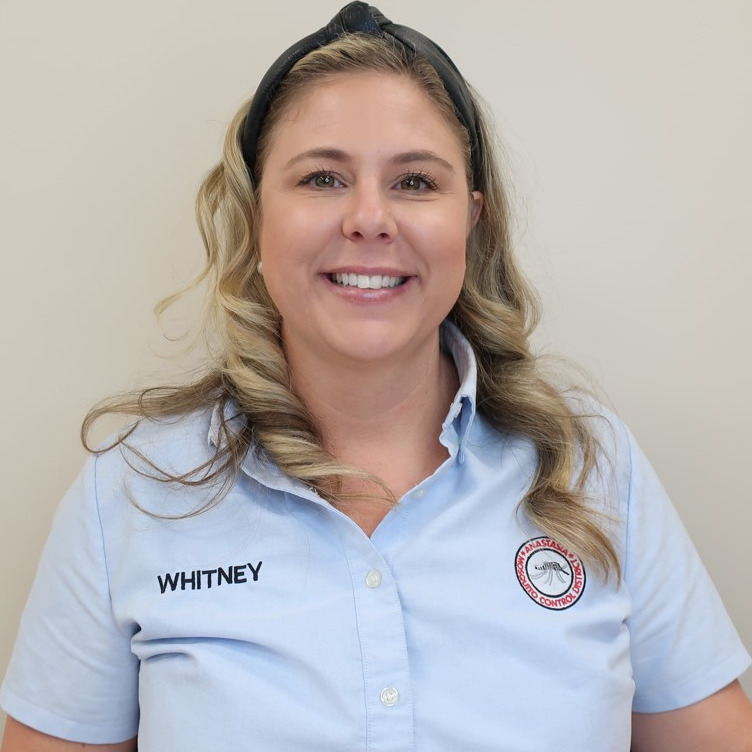
Anastasia Mosquito Control District of St. Johns County, St. Johns County, USA;Dr. Whitney Qualls obtained her B.S. in Biology from the University of the Cumberlands, Williamsburg, Kentucky, a M.S. in Medical Entomology from Auburn University, Auburn, AL, and a Ph.D in Medical Entomology from the University of Florida, Gainesville, Florida. Her expertise and training are in vector ecology and behavior and applied operational vector control strategies. She has over 20 years of experience working at the local and state level in mosquito surveillance and control. Dr. Qualls is the Assistant Director at Anastasia Mosquito Control District (AMCD), St. Johns County, Florida.
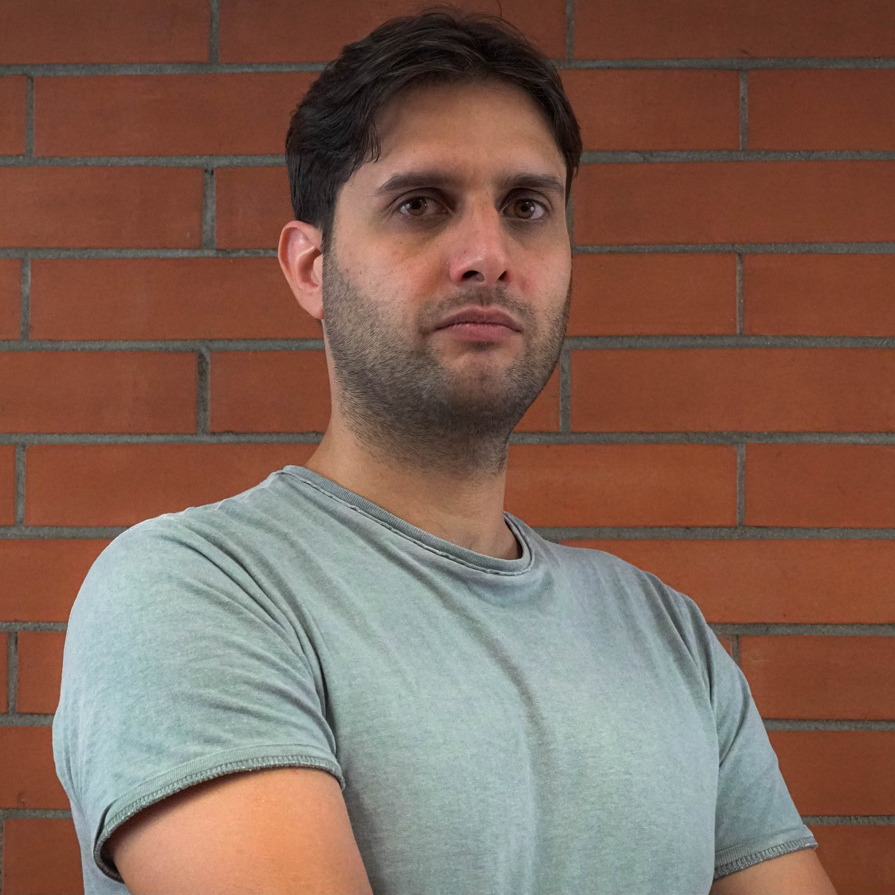
The BioRobotics Institute, The Sant'Anna School of Advanced Studies, Pontedera, Italy;Prof. Romano's research mainly focuses on bioinspired and biomimetic robotics, and in particular on animal-robot interaction and biohybrid intelligent systems. Prof. Romano’s research contributions represent a sophisticated approach to the study of behaviour in insects, with potential applications in agriculture, pest management, biodiversity preservation, and biohybrid multiagent systems. He is co-founder and R&D Director of the HUBILIFE srl (innovative start-up and spin-off of Scuola Superiore Sant’Anna). He also worked as visiting scholar at Khalifa University, Abu Dhabi (UAE). He received national and international recognitions for his research and is a Coordinator, PI, or partner of several national and international research projects.

University of Azores, Ponta Delgada, Portugal;Prof. Borges is a professor of Ecology at the University of Azores. My research focuses on arthropod macroecology patterns and processes on island ecosystems. His current research is driven by three overarching objectives: i) collect long-term ecological data to investigate the processes affecting patterns of species diversity, abundance and distribution at different spatial scales; ii) use Macaronesia as a model system to investigate ecological and evolutionary mechanisms responsible for shaping island biotas; iii) identify pathways that impact oceanic indigenous assemblages under global change for conservation purposes.
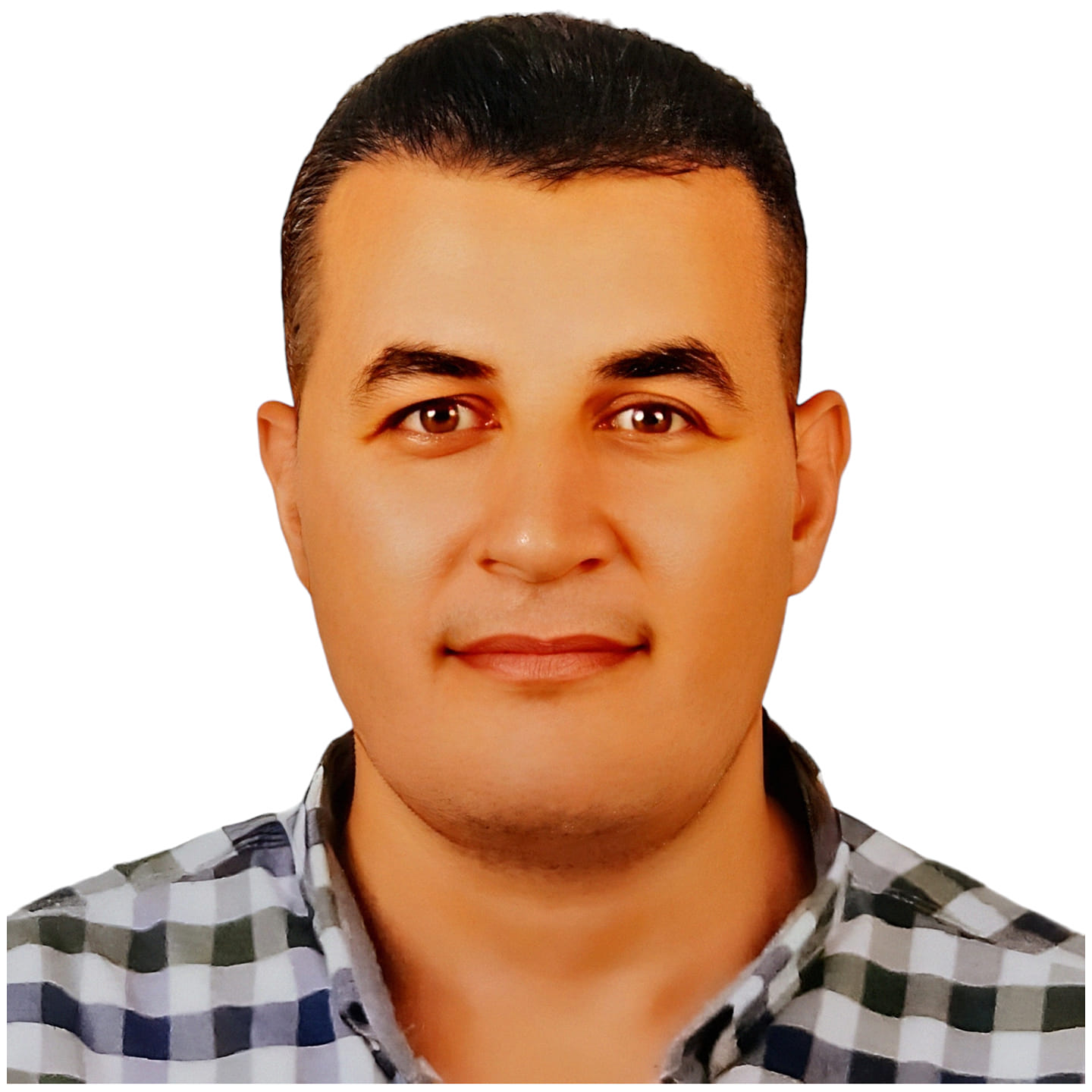
Tanta University, Tanta, Egypt;King Khalid University, Abha, Saudi Arabia;Dr. Al Naggar is an Associate Professor at Tanta University, Egypt, specializing in environmental stressors and pollinator health. His research focuses on the impacts of pesticides, heavy metals, nanoparticles, and microplastics on bee health, with emphasis on pathogen interactions and gut microbiome disruption. He has authored over 73 publications and actively promotes sustainable practices to protect pollinators globally.
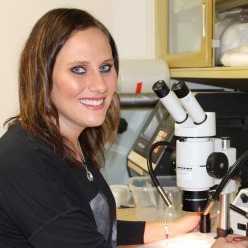
USDA – ARS Center for Grain and Animal Health Research, Manhattan, USA;Dr. Deanna Scheff is a Research Entomologist with the USDA – ARS Center for Grain and Animal Health Research in Manhattan, KS. She received her B.S. in Chemistry from the University of Wisconsin-Eau Claire, her M.S. in Food and Nutritional Sciences from the University of Wisconsin-Stout, and her Ph.D. in Grain Science at Kansas State University. Dr. Scheff has conducted multiple collaborative research projects on stored product protection throughout the entire post-harvest supply chain. Dr. Scheff’s Integrated Pest Management lab, focuses on researching applied pest management tools and techniques throughout the post-harvest supply chain to identify, manage and reduce pests to maintain food quality and safety. Dr. Scheff, as part of a team of USDA – ARS scientists and industry partners, have evaluated factors impacting aerosol insecticide efficacy and spatial patterns of distribution in food facilities, evaluate novel contact insecticides and grain protectants, explored the effect of material substrates on insecticidal efficacy, and evaluating new generation packaging to inhibit and infestations. Dr. Scheff currently serves on several industry advisory boards (IAOM, USAID) and executive boards for professional organizations (KCIFT and NC213). She holds adjunct appointments at Kansas State University in the Departments of Grain Science and Industry and Entomology and currently serves as co-major advisor for three master’s students, committee member four master’s and doctoral students, and has mentored 16 undergraduate research assistants. Dr. Scheff has authored/co-authored 30 refereed publications and 23 peer-reviewed technical reports, written 1 book chapter, given >60 invited presentations at academic conferences, stakeholder meetings, and industry workshops.

Rutgers University, New Jersey, USA;

Lee County Mosquito and Hyacinth Control Districts, Lehigh Acres, USA;Aaron Lloyd is the Assistant Director for the Lee County Mosquito and Hyacinth Control Districts in Lehigh Acres, Florida. He has over 25 years of service in mosquito control and mosquito research. Prior to joining the Districts in 2019, Aaron worked as the Assistant Director for Pasco County Mosquito Control District for 7 years. In addition to his experience working for special districts, Aaron was a research entomologist for the Navy Entomology Center of Excellence in Jacksonville, Florida for 2 years and the United States Department of Agriculture, Mosquito and Fly Research Unit for 10 years. Aaron has served on the Florida Mosquito Control Association board as the SW representative and was the lead chair for the FMCA-Dodd short courses committee for 8 years. Aaron is editor of the 2018 Florida Mosquito Control White Paper and has authored/co-authored over two dozen scientific publications. Currently, Aaron serves on the Florida Association for Special Districts’ legislative committee, Entomological Society of America’s Vector Borne Disease Network, the American Mosquito Control Associations’ By Laws, Pesticide Environmental Stewardship Program, Legislative and Regulatory Committees. In 2017, Aaron received the FMCA Presidential Citation, and he received the FMCA Meritorious Service Award in 2018 for his contributions to the Association. Aaron is President of the East Fort Myers Rotary and received the Paul Harris award for distinguished service in 2022 and was named Rotarian of the Year in 2023.

Chinese Academy of Sciences, Beijing, China;Dr. Ming Bai leads a research group on the morphology and evolution of Coleoptera of the Institute of Zoology, CAS. Additionally, Prof. Dr. Ming BAI is a professor from the University of the Chinese Academy of Sciences, a doctoral supervisor, and a chief scientist of a key project under the National Key Research and Development Program, as well as a Humboldt Scholar in Germany. With a publication record of over 200 academic papers, Prof. Dr. Ming BAI has made significant contributions, particularly as the first or corresponding author in reputable journals such as Cell, Nature Communications, Science Advances, Current Biology, Methods in Ecology and Evolution, etc.. He has also held 4 patents, 2 software copyrights, and 1 trademark. Prof. Bai has received numerous awards, including the 2019 CAS Young Scientist International Cooperation Award and the first prize of the 2016 Chou Io Entomological Classification Award Fundation. Prof. Bai has undertaken various research projects, including those funded by the Ministry of Science and Technology, the National Natural Science Foundation of China, CAS Belt and Road Initiative projects, Hong Kong Biodiversity projects, and the Hainan Yazhou Bay Seed Laboratory.

University of Basilicata, Potenza, Italy;Prof. Patrizia Falabella was a researcher for the scientific disciplinary sector AGR/11 (General and Applied Entomology) at the Faculty of Agriculture of the University of Basilicata, from 2002 to 2008. She was Associate Professor at the Faculty of Agriculture of the University of Basilicata, from 2008 to 2012 and at the Department of Sciences of the University of Basilicata from 2012 to 2021. She is Full Professor for the disciplinary scientific sector AGR/11 at the Department of Sciences of the University of Basilicata since December 16th 2021 to date. Since 2018 she has been Pro-Rector of Teaching. She is the Coordinator of the international PhD School in Sciences (cycles XXXVI and XXXVII) and of the PhD School in Scienze (cycles XXXVIII and XXXIX). Since 2022 she has been a member of the Board of Directors of the S.c.ar.l Tech4you created for the project "Tech4you-Technologies for climate change adaptation and quality of life improvement" - Ecosistemi dell'Innovazione - PNRR M4C2.








The conference certificate of participation is now available for downloading.
Please click on this link here to access and download your certificate of participation:
https://sciforum.net/dashboard/user/certificates
Kindly note these conditions to receive a certificate of participation:
A) Registered attendee before the registration deadline.
B) Attendance in the conference
"How to Download my Certificate of Participate?"
You can also access your sciforum account to download the certificate:
https://sciforum.net/dashboard/user/certificates
"Help! My sciforum account does not have the certificate available"
Please don't worry. There are few probable reasons:
1) Your submitting user had not registered the complete team of researchers (or there were new additions / changes to your team)
2) You had submitted an abstract but had not registered successfully before the deadline
3) You did not register by the deadline (due to technical issues), and we had to manually register for you upon request from 19-21 May
4) You registered but had not successfully logged-in to the online sessions during the 3 days. As we need to ensure the quality and integrity of our scientific event, we are only able to give certificates for participants who attended.
Only if you face difficulties accessing your downloadable certificate from the website / sciforum account "user/certificate", kindly email your request to iece@mdpi.com with this specific subject: [IECE, Certificate Request] sciforum-xxxxxx
Kindly note that while we can attend to your request to manually prepare the certificate, this will take time - therefore, please email us only for the reasons stated above.
Congratulations to all award winners!
We will be contacting the awardees on the next steps.
IECE 2025 Event Chair's Special Commendation for an Outstanding Submission:
| sciforum-116368 | Soybean leaf trichomes under drought and herbivory have differential effects on soybean looper (Chrysodeixis includens Walker) | Manish Gautam, Karen Alanis, Rupesh Kariyat |
The Best Poster Awards have been awarded to:
|
ID |
Title |
Authors |
|
sciforum-118285 |
Malaria Vector Composition, Abundance, and Plasmodium Infection Rates in Rural Southwestern Nigeria: Implications for Targeted Control Strategies. |
Florence Oluwaponmile Ajayi, Kolade T. Ibrahim, Victor Oguayo, Chiaka I. Anumudu, Mekeu Aline Edith Noutcha |
|
sciforum-114028 |
Deciphering Morphological Variability: Addressing Taxonomic Ambiguities in Contemporary Species Delimitation (Hymenoptera, Figitidae) |
Mar Ferrer-Suay, George E. Heimpel, Ehsan Rakhshani, Jesús Selfa |
|
sciforum-113512 |
Potential for automation of citrus psyllid pest identification using computer vision-based artificial intelligence recognition |
Dylan Andrew Pullock, Congliang Zhou, Yiannis Ampatzidis, Kerstin Krüger, Aruna Manrakhan, Christopher Weldon |
The Best Oral Presenter Awards have been awarded to:
|
ID |
Title |
Authors |
| sciforum-118165 | Molecular identification of the spongy moth parasitoid Phryxe heraclei (Tachinidae) in Kazakhstan. | Zarina Dairbekova, Alibek Makhambetov, Bakyt Dulat, Kirill Yanin, Aruzhan Mendybayeva, Abay Sagitov, Dilyara Gritsenko |
| sciforum-118383 | Toxicological effects of nicotinic acetylcholine receptor modulators on transgenic Drosophila expressing honey bee cytochrome P450s | Maria Michalopoulou, Ralf Nauen, Christian Maus |
| sciforum-118255 | Genetic data gives new insights on the species diversity of Macrotermes termites in Africa and Asia | Kristen Taylor Basson, Damien Gergonne, Barbara van Asch |
IECE 2025 DAY 1
Session 1. Morphology and Systematics and
Session 7. Social Insects
Flash Poster Presentation Session
Session 2. Biochemistry, Biotechnology, Genetics, and Genomics
Flash Poster Presentation Session
IECE 2025 DAY 2
S4. Biodiversity, Climate Change, Conservation, Ecology, and Evolution &
Flash Poster Presentation Session
S5. Pest Management, Pesticide Resistance, and Toxicology &
Flash Poster Presentation Session
IECE 2025 DAY 3
S3. Behaviour, Biology, and Physiology
Flash Poster Presentation Session
Session 6. Forest Entomology and Urban Entomology
Session 8. Medical and Veterinary Entomology
Flash Poster Presentation Session
Dear Authors and Participants,
Given the high volume of presentations to process and international timezones to manage, here are some common questions that we hope to address:
Is my submission (abstract previously accepted), selected for an Oral presentation / Flash Poster Session?
If your submission has been shortlisted by our chairs and scientific committee for an oral presentation or flash poster session, you would have received a notification from us by now.
If you have not been notified about an opportunity to present, you still have the opportunity to upload your Posters and display them at the poster gallery which will be 'Live' during the event.
How do I Submit my Poster for the Poster Gallery Option?
For authors with accepted submissions, please refer to the following steps to upload posters in the poster gallery:
Step 1: Go to sciforum account https://sciforum.net/dashboard/author/submissions
Step 2: Choose the correct conference and submission id, click upload button
Step 3: Upload poster (not oral presentation slides) and click submit button
Kindly note that if you have been nominated for a flash poster presentation, you would have received from us an email, informing you to confirm your slot. Upon confirmation before the deadline (as stated in the email), we will then send you another email updating you on uploading the poster - we seek your patience as we are currently scheduling the timeslots for this new initiative and will send the email as soon as possible.
We kindly seek your patience and understanding and our team is working hard round the clock to process and create as much opportunities for participants to engage during the event. We also seek your understanding that due to time constraints, not all accepted abstracts will have the opportunity to be presented via: Oral Presentation / Flash Poster Presentation. Nevertheless, we encourage all authors with accepted abstracts to upload their posters which will go live at the virtual poster gallery - it will be permanently displayed.