The 4th International Online Conference on Diversity
Biodiversity of Animals, Plants and Microorganisms
Important Announcement
The Detailed Program is now online. Click HERE to view the full conference agenda.
Registration Deadline: October 30, 2026
Register for free HERE.
For any inquiries, please contact us at iocdv2026@mdpi.com.
the chair
Key Themes: The conference will span various key themes, including the following:
- Animal diversity;
- Biodiversity conservation;
- Marine diversity;
- Microbial diversity and culture collections;
- Phylogeny and evolution;
- Plant diversity.
Awards and Opportunities: The best oral presentation award and best poster award will receive an award of CHF 200 and a 50% discount to publish an extended paper, in the Special Issue of Diversity.
This conference will be organized as an online event in order to enable participation from all over the world, with no restrictions related to travel effort and expenditure. Furthermore, active participation and attendance in this online conference are free of charge.
Selected extended versions of the papers will be published in a Special Issue of the journal Diversity with a 20% discount on the Article Processing Charge. We extend our warmest welcome to you as participants or attendees of this virtual conference.
Kind regards,
Prof. Dr. Michael Wink
Institute of Pharmacy and Molecular Biotechnology, Heidelberg University, Heidelberg, Germany



Meet Our Chair
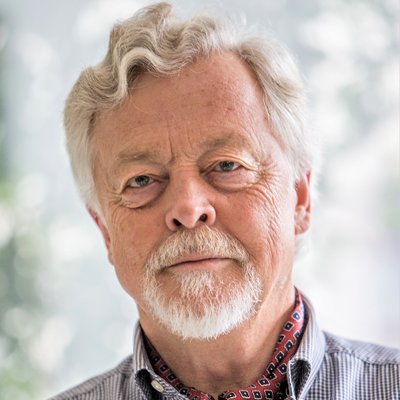
Institute of Pharmacy and Molecular Biotechnology, Heidelberg University, Heidelberg, Germany;Prof. Dr. Michael Wink completed his PhD in 1980 at Technische Universität Braunschweig. He is currently a senior professor at Heidelberg University, within the Institute of Pharmacy and Molecular Biotechnology, and is a visiting professor at CEPROBI, the Prince of Songkla University and Northeast Forestry University. He works in the areas of natural products, chemical ecology, medicinal and poisonous plants, molecular pharmacology, biotechnology, evolution (molecular systematics, phylogeny, phylogeography of plants and animals), and ornithology. To date, he has authored or coauthored more than 1200 papers published in international journals and conference proceedings. He is the Editor-in Chief of Diversity.
Important Dates
27 Jul
2026
10 Aug
2026
30 Oct
2026
30 Oct
2026
Meet Our Speakers
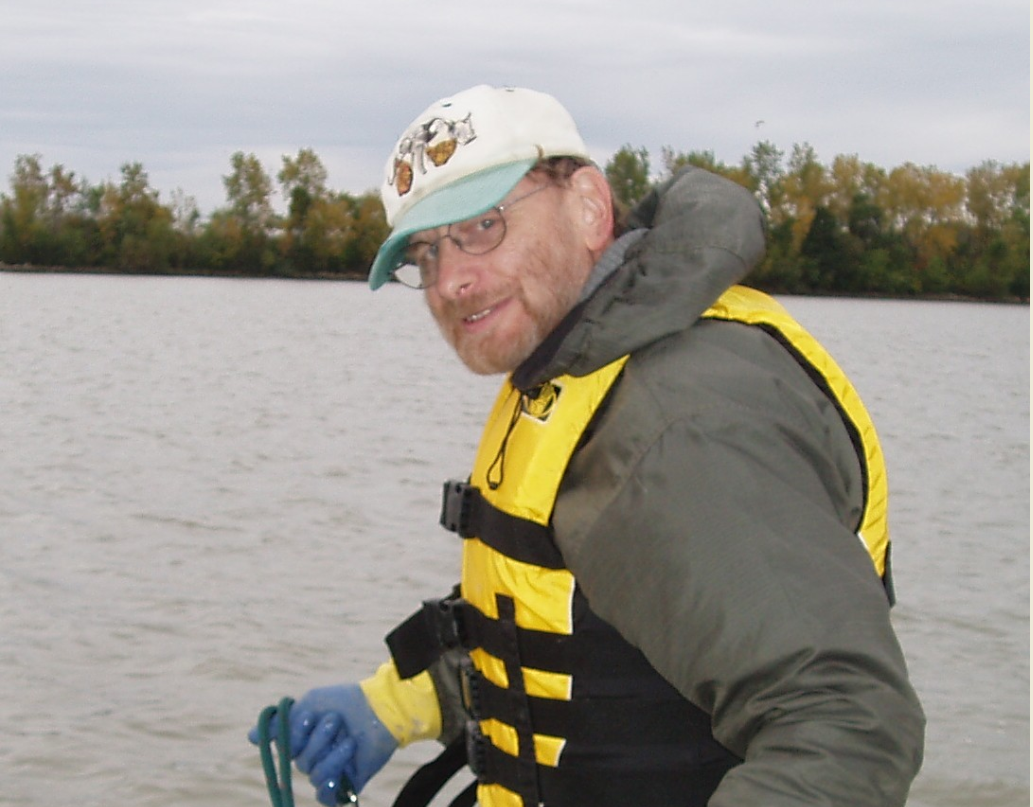
Department of Physiology, Wayne State University, USA;B.A., Physics, University of Pennsylvania Ph.D. Biology, California Institute of Technology (Caltech) post-doc, Biology and Neuroscience, University of California Santa Cruz Assistant, Associate, and Full Professor, Department of Physiology, Wayne State University. Visiting scientist research at the Technion (Israel), Dalhousie University (Halifax), Marine Biological Laboratory and Woods Hole Oceanographic Institute in Woods Hole, Hull University (England, UK), Stanford University (Palo Alto). Current biodiversity research interests on water mites, chironomids, and bacteria. Sequence-based taxonomy research.
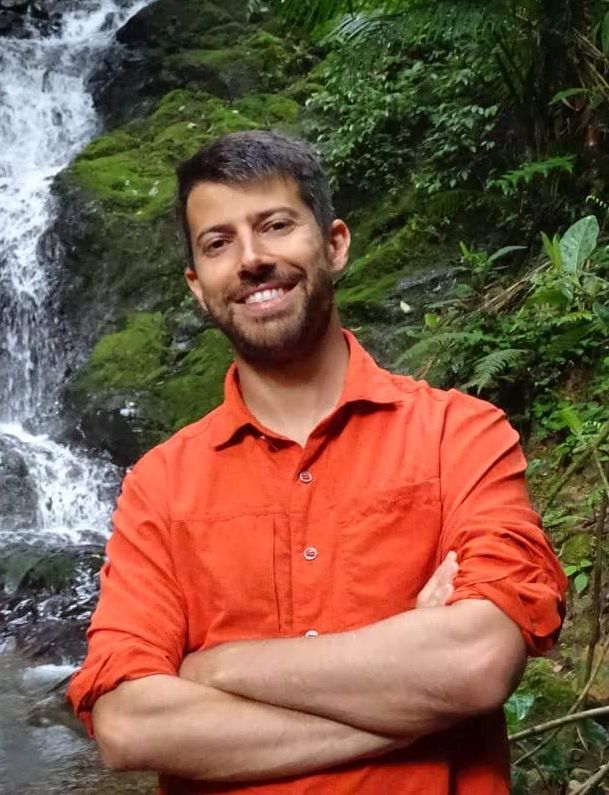
Department of Environmental Science and Policy, University of Milan, Italy; Stefano Canessa is Associate Professor of Zoology at the University of Milan, Italy. He received his PhD in Conservation Biology from the University of Melbourne, Australia. His research focuses on conservation of biodiversity, particularly recovery of endangered species and control of invasives. He is especially interested in rational decision making, including risk analysis and decision support. He works closely with managers and agencies on a number of projects, across all vertebrate taxa in Europe, Oceania and the Americas. Keywords: Adaptive management; bias; conservation translocations; cost-effectiveness; decision-making; risk; uncertainty.
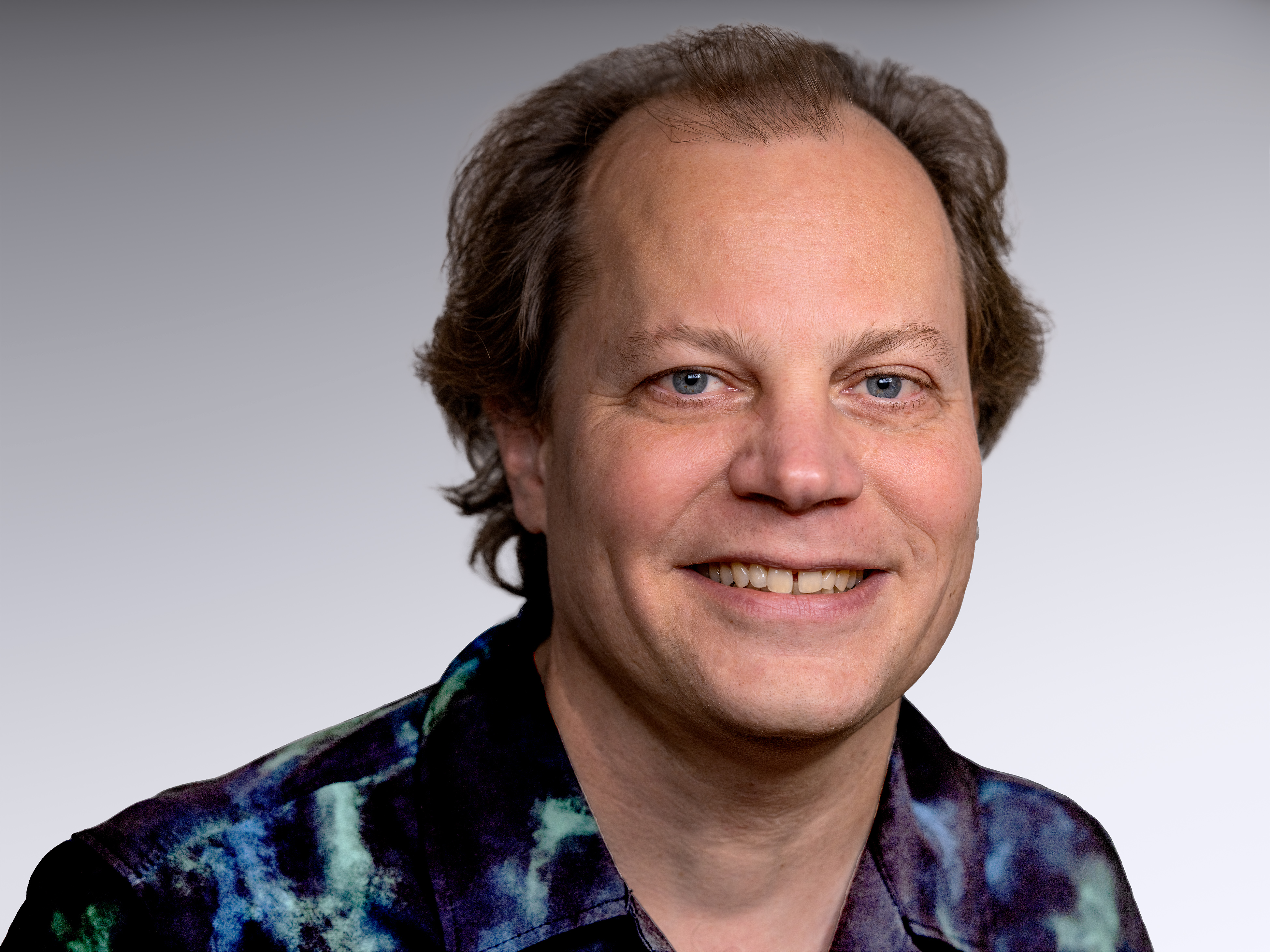
School of Biological Sciences, University of Aberdeen, UK;Professor Frithjof C. Küpper, Chair in Marine Biodiversity at the University of Aberdeen (Oceanlab) and Fellow of the Royal Society of Biology, previously held a readership/lectureship and was Head of the Culture Collection of Algae and Protozoa (CCAP) at the Scottish Association for Marine Science (SAMS) from 2003–2008. He has also been a visiting assistant professor at the University of California, Santa Barbara, a visiting professor at the University of Cyprus and an adjunct professor at San Diego State University. Over the past 35 years, Frithjof has studied the biodiversity, inorganic biochemistry, chemical ecology, and physiology of aquatic and marine plants/algae, especially in the context of biotic/abiotic stress and biogeochemical cycles (184 ISI-listed, peer-reviewed papers, >8,700 citations, h = 48; 5 book chapters). His work has resulted in the finding of iodide serving as an inorganic antioxidant in kelp, the first described from a living system, with implications for atmospheric and marine chemistry (PNAS 105(19), 6954–8). This work was selected as one of the 100 Science Stories of the Year 2008 by DISCOVER Magazine. He was elected Fellow of the Royal Society of Biology in 2024. His applied research focuses on the environmental impacts and sustainability of seawater desalination. Frithjof is also a certified scientific professional diver (AAUS in the USA and HSE Scuba IV in the UK) and has conducted diving-based expeditions worldwide, including the Canadian Arctic, the Eastern Mediterranean, Kuwait, French Polynesia, Malaysia, California, Antarctica, Ascension Island and the Falkland Islands. Keywords: Brown algae, iodine, iron, seawater desalination
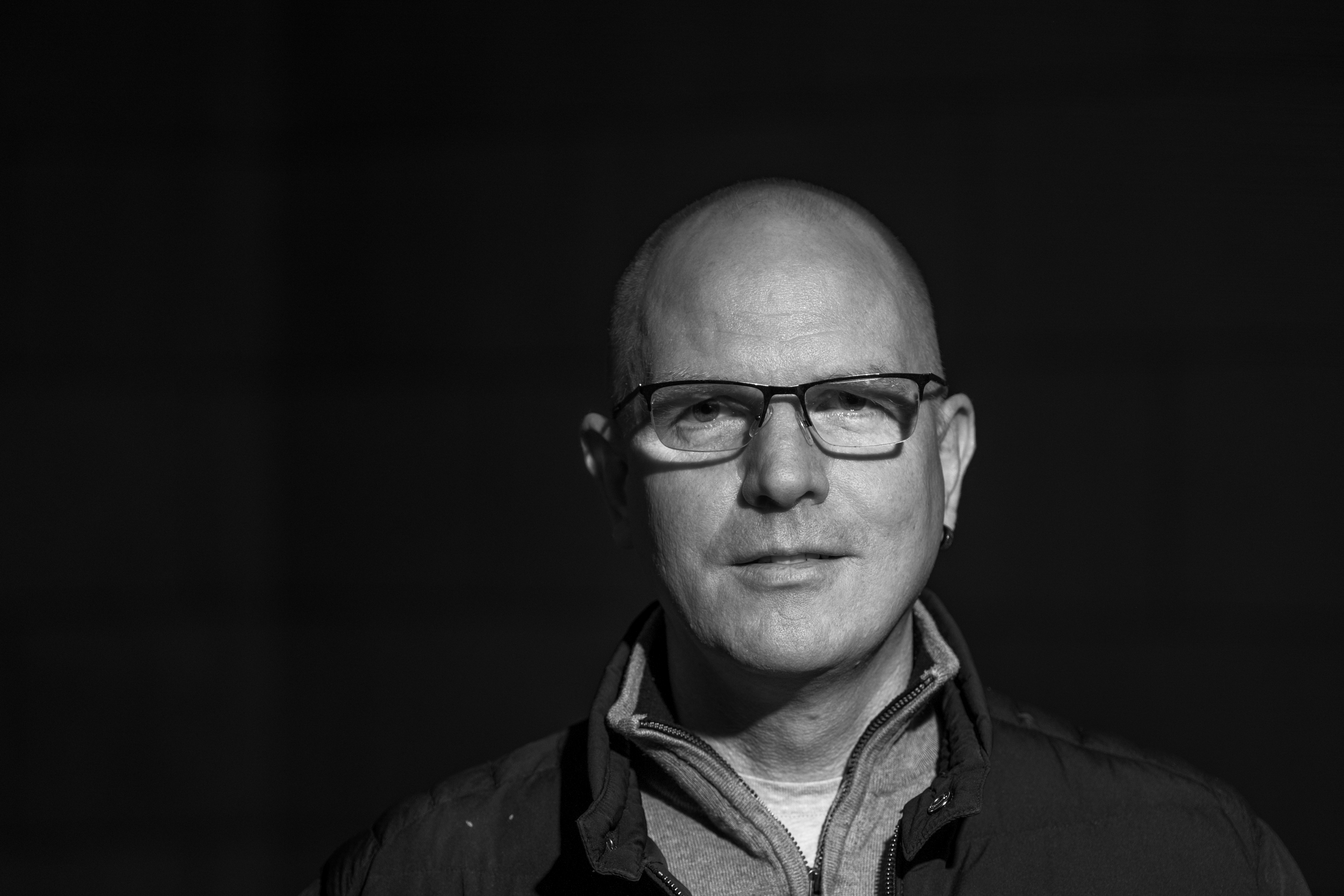
Faculty of Life and Environmental Sciences, University of Iceland, Reykjavík, Iceland;Department of Entomology, National Museum of Natural History, Smithsonian Institution, Washington, USA;Ingi Agnarsson is Professor of Zoology at the University of Iceland and Research Associate at the Smithsonian Institution. Ingi is an arachnologist and evolutionary biologist, focusing on spider systematics, biogeography, and evolution of behavior. His core research has included biogeography of Caribbean and Indian ocean arachnids, social and kleptoparasitic cobweb spiders, and Darwin's bark spider and its record-breaking silk. Ingi is a perpetual National Geographic Explorer and has participated in and led expeditions across the globe, with recent emphasis on Madagascar where he leads a biannual field course. Keywords: Argyrodinae, kleptoparasitism, host choice, kleptoteny, eSSD hypothesis, vibratory blind spot
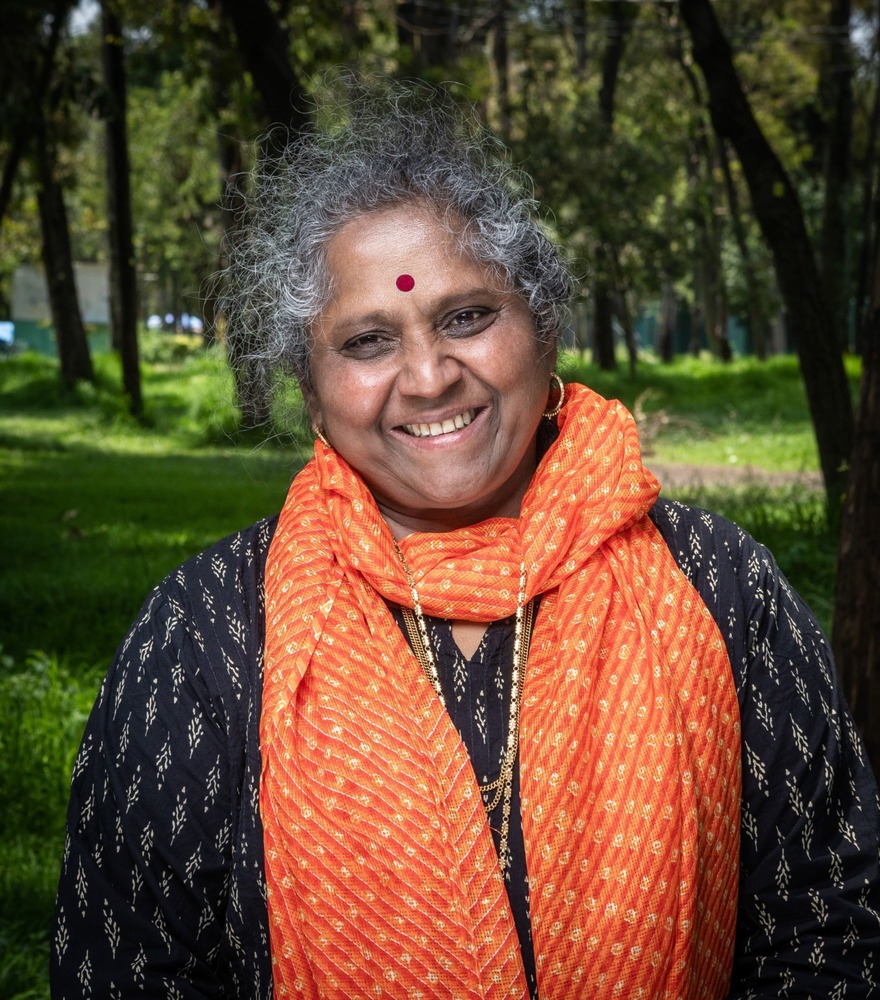
Laboratory of Aquatic Zoology, National autonomous University of Mexico, Ixtacala Tlalnepantla, México;From 1982 to 1995 (B.Sc, M.Sc., M.Phil, and PhD), I studied Zoology at the University of Delhi. After a couple of years of post-doctoral research in India and a training course in Lake Management at the University of Ghent, Belgium, I started working at FES Iztacala in 1997. My topics of interest are related to Aquatic Ecology, mainly cyanobacteria, zooplankton, and fish. I have published more than 300 research articles in highly reputed national and international scientific journals. Apart from our regular teaching duties, I have imparted 40 courses in Mexico and India on zooplankton culture, aquaculture, ecotoxicology, and the art of scientific writing. and have directed 75 students at the bachelor's, master's, and doctoral theses. Our laboratory has had the honour of hosting research giants from different European, American and Indian Universities to impart various courses to students and faculty of FES Iztacala. This has dramatically helped Mexican students and professors to expand their vision and improve their research and teaching skills. We have also organized four international conferences in Mexico and several national fora. I have attended more than 90 national and 50 international conferences during these years. As part of my responsibilities, I have been reviewing articles for more than 50 prestigious journals and have the highest level of national recognition for investigators (SNI III CONACyT and PRIDE-D UNAM) in Mexico. Key Words: Cyanobacteria, Zooplankton, Fish feeding, Ecotoxicology, Biological Indicators, Invasive species





Ms. Ann Li
Ms. Katrina Zhang
Dr. Alina-Andrada Igna
Ms. Danlu Lin
Email: iocdv2026@mdpi.com
For inquiries regarding submissions and sponsorship opportunities, please feel free to contact us.