Sessions & Session Chairs
Sessions
S1. Animal Diversity
S2. Biodiversity conservation
S3. Marine diversity
S4. Microbial diversity and culture collections
S5. Phylogeny and evolution
S6. Plant diversity

Laboratoire Ecologie Fonctionnelle et Environnement, Université Paul Sabatier, Toulouse, France
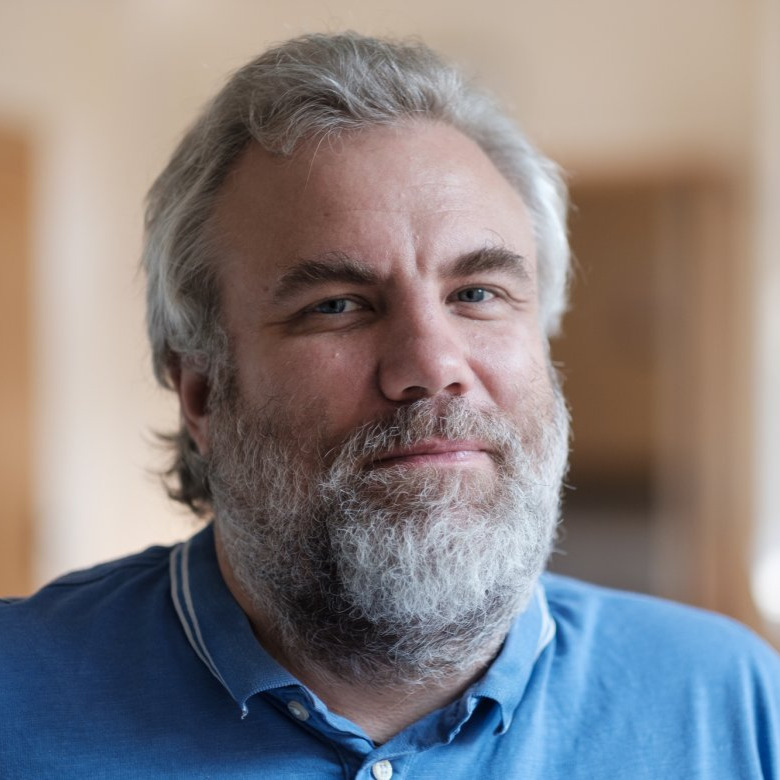
Department of Animal Taxonomy and Ecology, Faculty of Biology, Adam Mickiewicz University in Poznań, Poznan, Poland
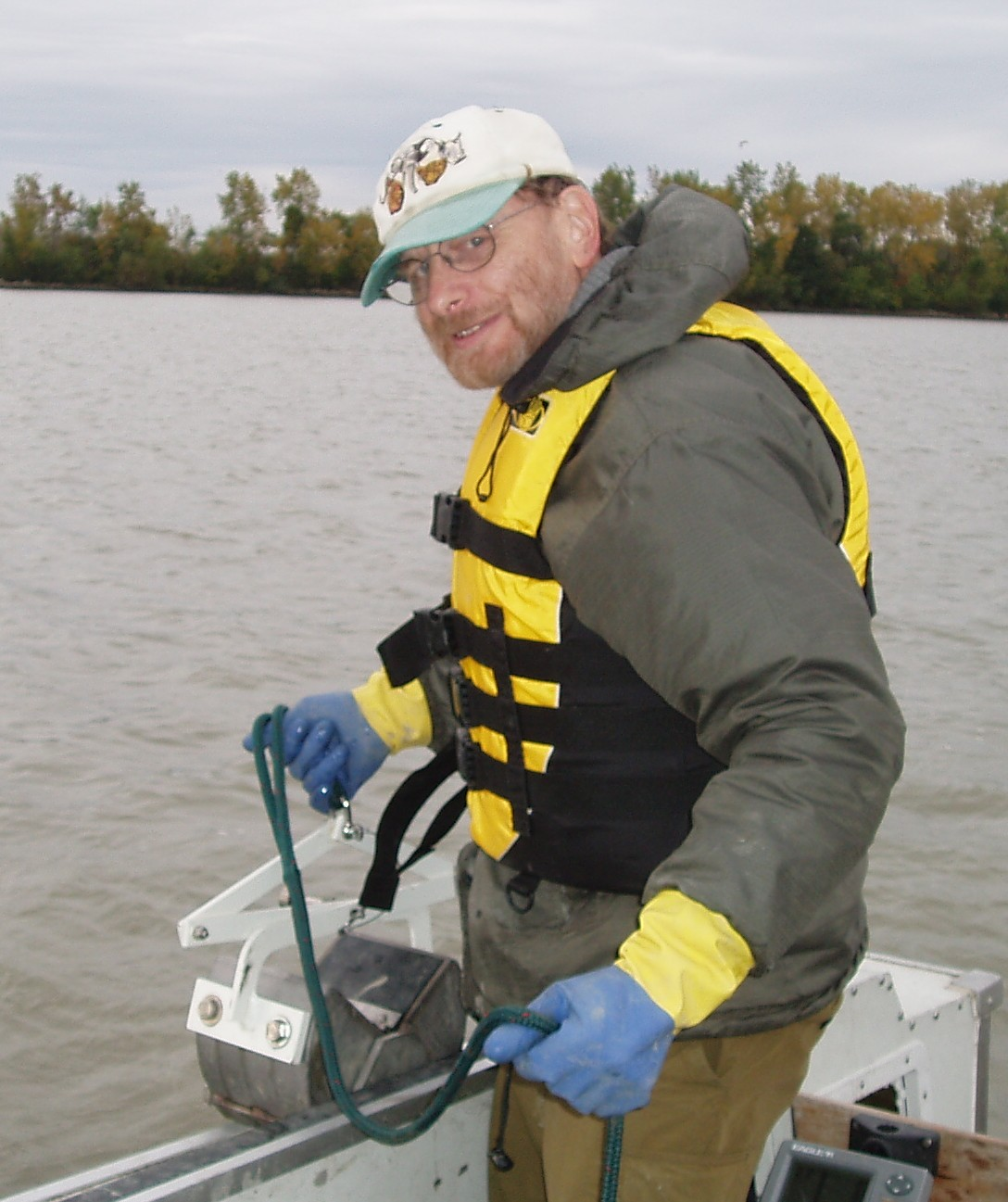
Department of Physiology, Wayne State University, USA
B.A., Physics, University of Pennsylvania
Ph.D. Biology, California Institute of Technology (Caltech)
post-doc, Biology and Neuroscience, University of California Santa Cruz
Assistant, Associate, and Full Professor, Department of Physiology, Wayne State University.
Visiting scientist research at the Technion (Israel), Dalhousie University (Halifax), Marine Biological Laboratory and Woods Hole Oceanographic Institute in Woods Hole, Hull University (England, UK), Stanford University (Palo Alto).
Current biodiversity research interests on water mites, chironomids, and bacteria. Sequence-based taxonomy research.
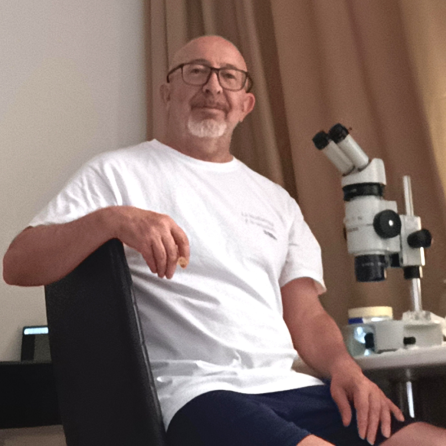
Department of Life Sciences, University of Modena and Reggio Emilia, Modena, Italy
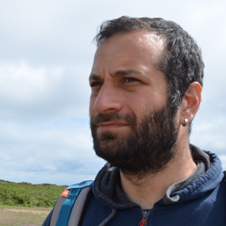
Faculty of Management, Economy, and Sciences, Université Catholique de Lille; Laboratoire Interdisciplinaire des Transitions de Lille (LITL), Lille, France
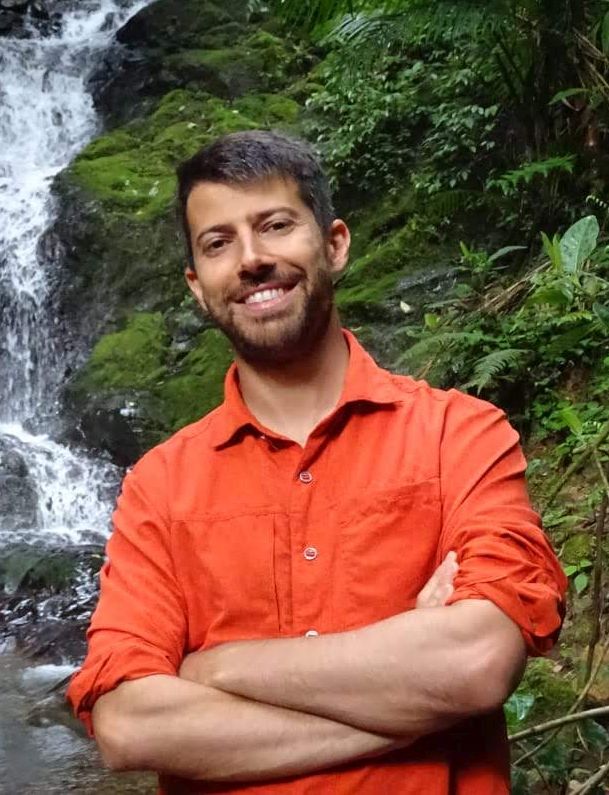
Department of Environmental Science and Policy, University of Milan, Italy
Stefano Canessa is Associate Professor of Zoology at the University of Milan, Italy. He received his PhD in Conservation Biology from the University of Melbourne, Australia. His research focuses on conservation of biodiversity, particularly recovery of endangered species and control of invasives. He is especially interested in rational decision making, including risk analysis and decision support. He works closely with managers and agencies on a number of projects, across all vertebrate taxa in Europe, Oceania and the Americas.
Keywords: Adaptive management; bias; conservation translocations; cost-effectiveness; decision-making; risk; uncertainty.

Heron Island Research Station, University of Queensland, Gladstone, Australia
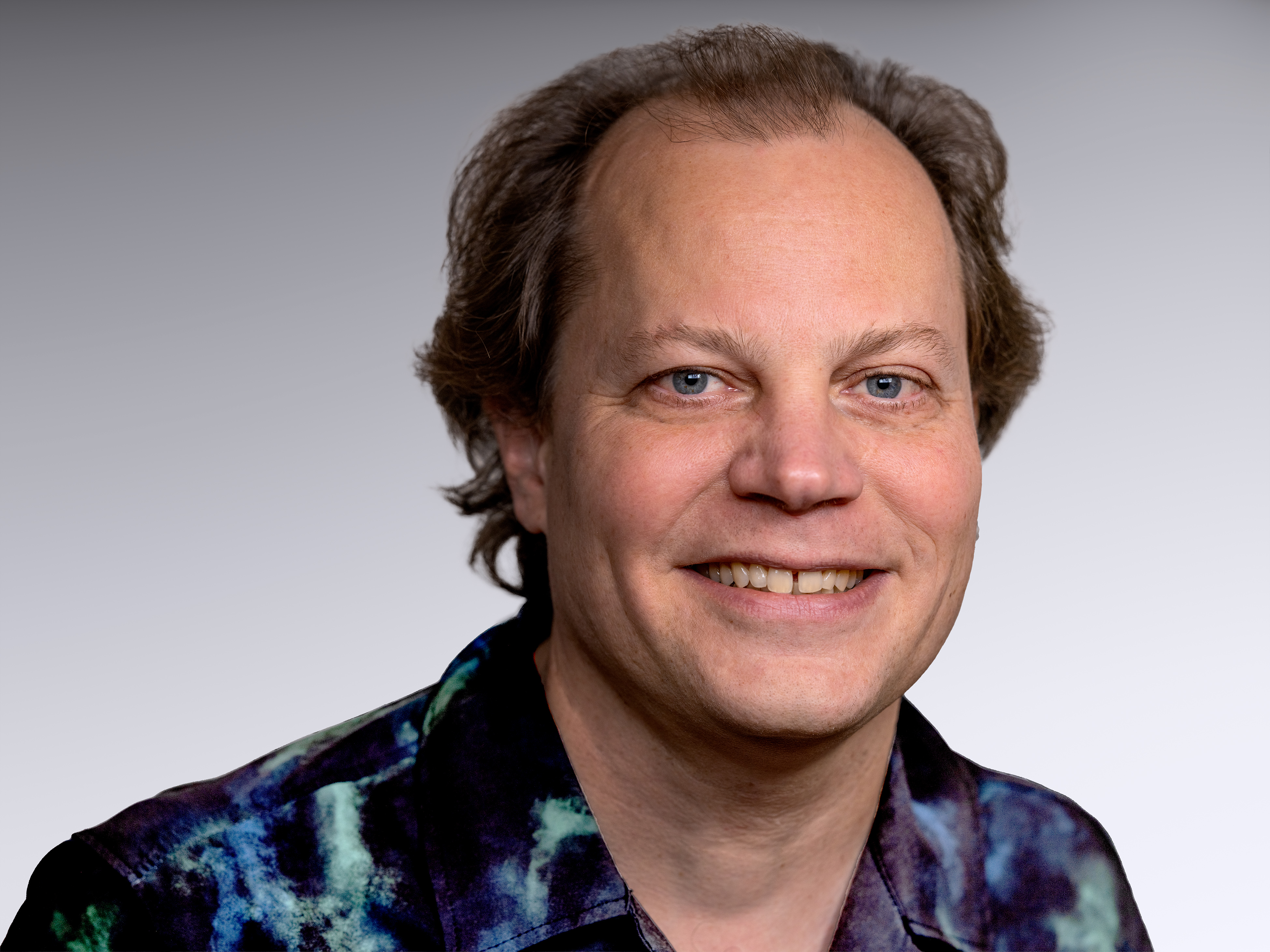
Prof. Frithjof C. Küpper
School of Biological Sciences, University of Aberdeen, UK
Professor Frithjof C. Küpper, Chair in Marine Biodiversity at the University of Aberdeen (Oceanlab) and Fellow of the Royal Society of Biology, previously held a readership/lectureship and was Head of the Culture Collection of Algae and Protozoa (CCAP) at the Scottish Association for Marine Science (SAMS) from 2003–2008. He has also been a visiting assistant professor at the University of California, Santa Barbara, a visiting professor at the University of Cyprus and an adjunct professor at San Diego State University. Over the past 35 years, Frithjof has studied the biodiversity, inorganic biochemistry, chemical ecology, and physiology of aquatic and marine plants/algae, especially in the context of biotic/abiotic stress and biogeochemical cycles (184 ISI-listed, peer-reviewed papers, >8,700 citations, h = 48; 5 book chapters). His work has resulted in the finding of iodide serving as an inorganic antioxidant in kelp, the first described from a living system, with implications for atmospheric and marine chemistry (PNAS 105(19), 6954–8). This work was selected as one of the 100 Science Stories of the Year 2008 by DISCOVER Magazine. He was elected Fellow of the Royal Society of Biology in 2024. His applied research focuses on the environmental impacts and sustainability of seawater desalination. Frithjof is also a certified scientific professional diver (AAUS in the USA and HSE Scuba IV in the UK) and has conducted diving-based expeditions worldwide, including the Canadian Arctic, the Eastern Mediterranean, Kuwait, French Polynesia, Malaysia, California, Antarctica, Ascension Island and the Falkland Islands.
Keywords: Brown algae, iodine, iron, seawater desalination
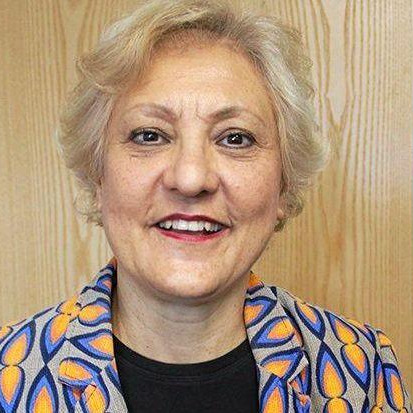
School of Science, Technology and Engineering, University of the Sunshine Coast, Maroochydore, Australia
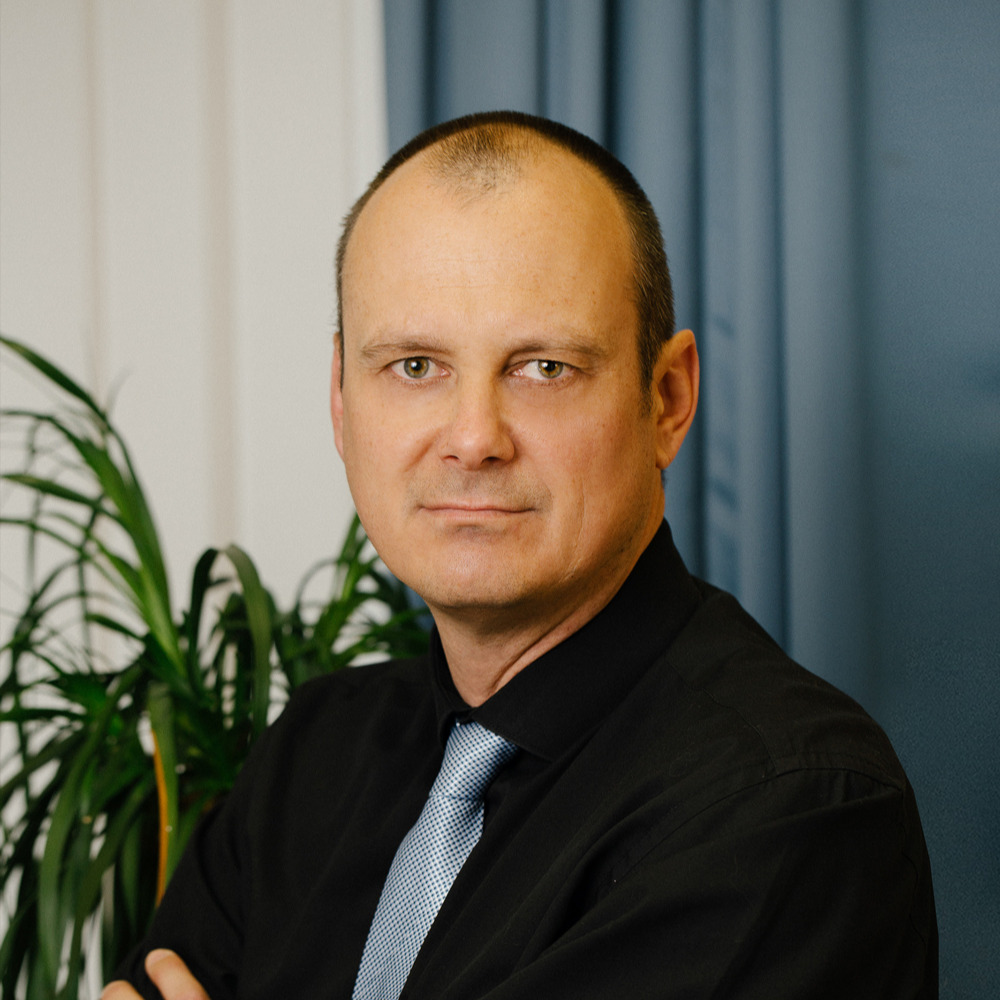
Department of Organisms and Ecosystems Research, National Institute of Biology, Ljubljana, Slovenia
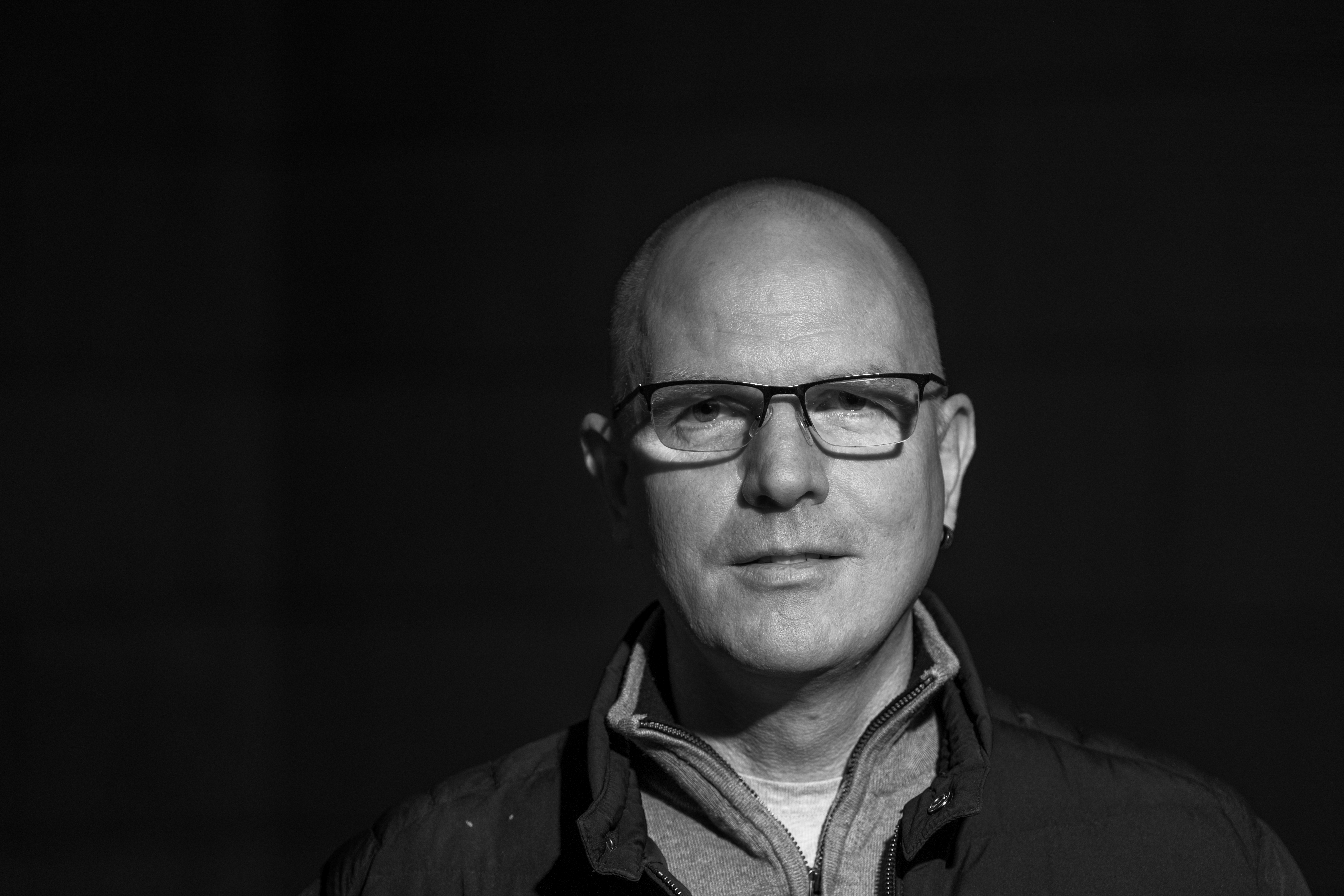
Prof. Ingi Agnarsson
Faculty of Life and Environmental Sciences, University of Iceland, Reykjavík, Iceland; Department of Entomology, National Museum of Natural History, Smithsonian Institution, Washington, USA
Ingi Agnarsson is Professor of Zoology at the University of Iceland and Research Associate at the Smithsonian Institution. Ingi is an arachnologist and evolutionary biologist, focusing on spider systematics, biogeography, and evolution of behavior. His core research has included biogeography of Caribbean and Indian ocean arachnids, social and kleptoparasitic cobweb spiders, and Darwin's bark spider and its record-breaking silk. Ingi is a perpetual National Geographic Explorer and has participated in and led expeditions across the globe, with recent emphasis on Madagascar where he leads a biannual field course.
Keywords: Argyrodinae, kleptoparasitism, host choice, kleptoteny, eSSD hypothesis, vibratory blind spot
Department of Agricultural and Forest Sciences, Tuscia University, Viterbo, Italy
Department of Environment, University of the Aegean, Greece