The 3rd International Online Conference on Genes
Part of the International Electronic Conference on Genes series
2–4 December 2026
4 August 2026
30 September 2026
26 November 2026
human genomics, medical genetics, functional genomics, precision medicine
- Go to the Sessions
-
- S1. Non-coding RNAs in Health and Diseases
- S2. Advances in Diagnosis, Treatment, and Prevention of Genetic Disorders
- S3. Microbial Genetics and Metagenomics
- S4. Epigenetics and Chromatin Remodeling
- S5. Cancer Genetics
- S6. Application of Machine Learning and Bioinformatics
- S7. Population Genetics and Genetic Epidemiology
- S8. Pharmacogenomics
- Event Details
The IOCGE 2026 is Now OPEN for Abstract Submission and Registration.
Instructions for authors are available online.
Submit your abstracts HERE.
For any inquiries, please contact us at iocge2026@mdpi.com.
Welcome from the Chair
Dear Colleagues,
We are delighted to announce the 3rd International Online Conference on Genes (IOCGE 2026), organized by the open-access journal Genes (ISSN: 2073-4425; Impact Factor: 2.8) and published by MDPI. The conference will be held virtually from 2–4 December 2026.
Building on the success of previous editions, IOCGE 2026 will once again serve as a dynamic global forum for scientists and researchers to share their latest discoveries, foster collaborations, and engage in stimulating discussions on the most pressing topics in genetics.
The scientific program will feature sessions spanning the breadth and depth of the field, including the following:
This event offers a unique opportunity to present novel findings, exchange innovative methodologies, and explore the latest breakthroughs transforming our understanding of genes and their role in health and disease. By bringing together leading experts, early-career scientists, and practitioners worldwide, IOCGE 2026 aims to promote interdisciplinary dialogue and inspire new avenues for both basic research and clinical translation.
All accepted abstracts will be published online on Sciforum.net, ensuring broad visibility and lasting impact.
We warmly invite you to be part of IOCGE 2026 and look forward to your contributions to this exciting scientific exchange.
Download the conference flyer and share it with your colleagues!
Kind regards,
Prof. Selvarangan Ponnazhagan
The University of Alabama at Birmingham, USA
Event Chair
Department of Pathology, The University of Alabama at Birmingham, USA
Dr. Ponnazhagan is a trained molecular geneticist with a focus on cancer. He is currently a Full Professor and holds an Endowed Professorship in Experimental Cancer Therapeutics. The major research areas of Dr. Ponnazhagan’s lab are experimental cancer therapeutics, including stem cell and gene therapy using adeno-associated virus (AAV), tumor microenvironment (TME), and cancer bone metastasis. In reference to cancer-bone interaction, Dr. Ponnazhagan’s lab models breast cancer to adopt strategies that target tumor cells, immune suppression, and aggressive osteoclast functions. To overcome limitations in current therapies, his lab developed novel molecular tools and targeted delivery mechanisms, utilizing mesenchymal stem cells as effective therapeutic vehicles for bone remodeling in breast cancer osteolytic pathology. Towards targeting receptor activator of nuclear factor kappa-B ligand (RANKL) activation using osteoprotegerin (OPG), a decoy receptor for RANKL, without interfering in tumor necrosis factor-related apoptosis-inducing ligand (TRAIL)-mediated apoptosis of tumor cells, his lab developed an OPG mutant by structural protein engineering that lacks TRAIL binding affinity and validated in vivo in a disseminated osteolytic malignancy model. His group is the first one to identify a subset of immature myeloid cells, known as myeloid-derived suppressor cells, in the TME within the bone, directly undergo osteoclast differentiation and serve as osteoclast progenitors to enhance bone damage. Recent studies from his lab established the role of RANKL in activating M2 macrophages in breast cancer microenvironment and that dampening the effects of elevated RANKL using the OPG mutant resulted in a shift in the immune milieu favoring an anti-tumor cytokines and chemokine response.
Session Chairs
Prof. Dr. Jyotsna Batra
School of Biomedical Science, Faculty of Health Sciences and Medicine, Bond University, Gold Coast, Australia.
Professor Jyotsna Batra is a Professor of Genetics at Bond University specialising in prostate cancer genomics and biomarker translation. Over the past 20 years, she has led cross-disciplinary programs spanning GWAS/post-GWAS discovery, miRNA biology, and risk-stratified screening, with over 200 publications and more than A$20M in competitive and partnered funding. She co‑leads the Queensland node of the PRACTICAL consortium and has held executive roles with the Australian Prostate Cancer BioResource. Her group links molecular genetics with advanced pathology and data science to deliver clinically usable tools, from circulating microRNA panels to polygenic risk models and pharmacogenomic decision support. Distinguished honours include Cure Cancer Australia Researcher of the Year (2018) and the Queensland Tall Poppy Award (2019). A former MTPConnect REDI Industry Fellow at TissueGnostics (Vienna), she maintains active partnerships with diagnostic and biotech companies, patient organisations and clinicians. At Bond, she is establishing a Centre for Genetics and Genomics research to accelerate equitable, data‑enabled precision care.

Prof. Dr. Emiliano Giardina
Department of Biomedicine and Prevention, University of Rome “Tor Vergata”, Rome, Italy
Professor Emiliano Giardina focuses on medical and forensic genomics. In the medical field, he specializes in the diagnosis of hereditary ocular and neuromuscular diseases, directing one of the leading laboratories for FSHD. His research explores the genetic and epigenetic mechanisms that drive phenotypic variability in FSHD, integrating advanced technologies such as optical genome mapping and long-read sequencing. In forensic genetics, he works on human identification, complex kinship analyses, and method validation, with a particular interest in analytical robustness, traceability, and the integration of AI-assisted interpretation tools. Across both domains, his overarching goal is to improve diagnostic accuracy and standardization through high-resolution genomic technologies.
Dr. Silvia Turroni
Unit of Microbiome Science and Biotechnology, Department of Pharmacy and Biotechnology, University of Bologna, Bologna, Italy
Silvia Turroni is Associate Professor in Chemistry and Biotechnology of Fermentation, at the Unit of Microbiome Science and Biotechnology, Dept. Pharmacy and Biotechnology, University of Bologna (Bologna, Italy). She has over 15 years of experience in the compositional and functional profiling of the human microbiome and the exploration of its impact on health. She has strong expertise in next-generation sequencing technologies, including 16S rRNA gene sequencing and omics approaches, i.e., metagenomics, metatranscriptomics and, more recently, culturomics, as well as in microbiome-host interaction studies in ex vivo models.
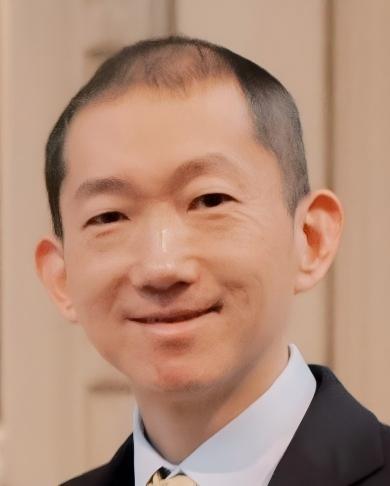
Prof. Dr. Robert Philibert
Department of Psychiatry, University of Iowa Carver College of Medicine, Iowa City, USA
Dr. Philibert completed his MD PhD and Psychiatry training at the University of Iowa. Subsequently, he completed six years of fellowship at the National Institutes of Health, then returned to Iowa, where he maintains a part-time appointments in Psychiatry, Genetics, Molecular Medicine, Neuroscience and Biomedical Engineering, as well as a busy research lab. He has over 200 peer reviewed publications, numerous patents and grants, and has founded or co-founded two companies, including Cardio Diagnostics, which listed on NASDAQ in 2022, and Behavioral Diagnostics, the market leader in holistic epigenetic approaches for assessments of aging, smoking, drinking and cancer prevention.
Dr. Xin Wang
The Kidney and Urinary Tract Center, Nationwide Children’s hospital,700 Children's Dr. Columbus, OH, USA
Xin Wang, Ph.D., is a Senior Bioinformatics Scientist and Bioinformatics Director at the Kidney and Urinary Tract Center, Nationwide Children’s Hospital. He has over a decade of experience in computational biology, specializing in bioinformatics pipeline development and large-scale multi-omics data analysis. His work focuses on genomic, epigenomic, transcriptomic, spatial, single-cell, and proteomic profiling of kidney disease, aging, and cancer. Dr. Wang earned his Ph.D. at KAUST and completed postdoctoral training at Harvard Medical School, Houston Methodist, and Weill Cornell Medicine.
Prof. Dr. Christos Kontos
Department of Biochemistry and Molecular Biology, Faculty of Biology, National and Kapodistrian University of Athens, Athens, Greece
Christos K. Kontos is a tenured Assistant Professor of Molecular Biology at the Department of Biochemistry and Molecular Biology, Faculty of Biology, National and Kapodistrian University of Athens, Athens, Greece. His research interests include alternative splicing of pre-messenger RNA, circRNA biology, tRNA fragments, cancer biomarkers, the efficacy of novel anticancer agents, and the development of novel strategies for analyzing transcriptomes using high-throughput sequencing. He is an Editorial Board Member of several scientific journals, including the International Journal of Molecular Sciences (MDPI), and a reviewer for high-impact scientific journals. To date, he has published 124 publications in international, peer-reviewed scientific journals.
Prof. Dr. Hongyan Xu
Department of Population Health Sciences, Augusta University, Augusta, USA
Dr. Hongyan Xu is Professor in Data Science and Biostatistics at the Department of Biostatistics, Data Science and Epidemiology, School of Public Health, Augusta University. He is the Director of MS in Data Science program at Augusta University. Dr. Xu’s research interest is in genomics, machine learning, data science, and biostatistics. He has carried out methodological and application studies on statistical genetics and genomics. His research also includes epigenetics and integrative genomics. Dr. Xu has extensive experience in statistical analysis of genomics and high-throughput data through collaborative projects.
Prof. Dr. Laurent Metzinger
Biochemistry and Molecular Biology, Faculty of Pharmaceutical Sciences (UFR des Sciences Pharmaceutiques), the University of Picardie Jules Verne, Amiens, France
Laurent Metzinger has completed his PhD in Biological Sciences and Pharmaceutical studies in Strasbourg, France and was a postdoctoral fellow from the University of Oxford in a leading lab on Duchenne muscular Dystrophy (Pr. Kay Davies). He works on microRNA regulation in the HEMATIM team in Amiens, and focuses on anemia and related vascular disorders associated with Chronic Kidney Disease. He has authored some of the first papers showing a role for microRNAs in CKD.
Prof. Dr. Henry H. Heng
Center for Molecular Medicine and Genetics, Department of Pathology and Karmanos Cancer Institute, Wayne State University School of Medicine, Detroit, USA
Dr. Heng proposed the Genome Architecture Theory, a new conceptual framework for genomics and evolution, which led to the platforms to study chromosomal instability in cancer. He is the author of Debating Cancer: The Paradox in Cancer Research and Genome Chaos: Rethinking Genetics, Evolution, and Molecular Medicine. He discovered the two-phased evolution, which departs from the traditional gradual Darwinian model, and demonstrated that genome chaos plays a critical role in information self-creation through large-scale genome reorganization. His concept of karyotype coding—representing system-level inheritance—stands in contrast to gene-based, part-level inheritance and provides a new perspective for pharmacogenomics. In cancer, genome instability and karyotype-level evolution contribute to rapid drug resistance, underscoring the need to study evolution-based mechanisms to guide future pharmacogenomics. (PMID: 31737054; PMID: 34195196; PMID: 39273111).

Event Committee
Rad Center for Precision Medicine, Mount Sinai Medical Center, Miami, USA
Dr. Irman Forghani is the Director of Genetics at Mount Sinai Medical Center and is board-certified by the American College of Medical Genetics and the American Board of Internal Medicine. She earned her medical degree from Isfahan University of Medical Sciences (Iran), completed her internal medicine residency at the University of Oklahoma (Tulsa, OK), and her fellowship in medical genetics at the University of California Medical Center (Los Angeles, CA). Prior to joining Mount Sinai, she was an Associate Professor of Human Genetics at the University of Miami Miller School of Medicine, where she founded and directed the Hereditary Connective Tissue Disorder Clinic and served for seven years as Director of the Cancer Predisposition Syndrome and Von Hippel–Lindau Care Clinic. Her clinical and research interests focus on adult inherited and complex disorders, particularly hereditary connective tissue disorders, vascular malformations, and hereditary cancer syndromes. Dr. Forghani has authored and co-authored multiple peer-reviewed publications and has served as a co-investigator in the NIH-funded Undiagnosed Diseases Network (UDN). She is a member of several professional organizations, including the American Medical Association, the American College of Medical Genetics and Genomics, and the Ehlers-Danlos Society International Consortium Peer Review Panel.
Yu An, Associate Professor at Fudan University. She focuses on rare disease genetics and actively promotes the clinical translation of medical genetics and genomics. She pioneered genetic counseling education in China, edited the textbook Genetic Counseling, and serves as Vice Chair of the Clinical Genetics and Genetic Counseling Professional Committee.
Department of Human Sciences and Quality of Life Promotion, San Raffaele Open University, Roma, Italy,
CEINGE Biotecnologie Avanzate Franco Salvatore Napoli, Italy
Valeria D’Argenio, MD, PhD, is Full Professor of Clinical Biochemistry and Molecular Biology at the San Raffaele Open University Rome (Italy), Principal Investigator (PI) and Responsible for molecular diagnostics activities at CEINGE Biotecnologie Avanzate Naples (Italy). The research activity of Prof. D'Argenio is in the field of translational research and medical biotechnologies, and is focused on technological innovations in laboratory medicine and their application to the study of the molecular basis of human inherited and acquired diseases, also for diagnostic purposes and in the field of personalized medicine. Prof D’Argenio is author of more than 100 articles in international peer reviewed journals and has been invited speaker in more than 30 National and International Meetings in Clinical Biochemistry and Molecular Biology.
Institute of Animal Sciences, Chinese Academy of Agricultural Sciences, Beijing, China
Dr. Xiangyang Miao is a Professor at Institute of Animal Sciences, Chinese Academy of Agricultural Sciences, Beijing, China. He served as a visiting professor at University of Guelph, Harvard University, University of California, and University of Maryland. As a principal investigator and academic leader, he has led more than 30 research projects. He has acted as a review expert for scientific and technological projects from more than 30 different authorities, including the National Key R&D Program, EU projects, as well as provincial and municipal science and technology projects. He serves as Associate Editor of 5 SCI journals and Editorial Board Member of more than 10 SCI journals. He has published numerous peer-reviewed papers, authored one English monograph and several Chinese books, and holds numerous national and international patents.
Department of Clinical Pharmacy, varisano Klinikum Frankfurt Höchst, Frankfurt, Germany,
University Hospital Frankfurt, Goethe University Frankfurt, Frankfurt, Germany
Prof. Dr. rer. physiol. Martina Hahn has been head of the Clinical Pharmacy Department at varisano Klinikum Frankfurt Höchst since 2022. She is also a researcher at the Clinic for Psychiatry, Psychosomatics, and Psychotherapy at Frankfurt University Hospital – Goethe University. Five years ago, she established the special outpatient clinic for pharmacogenetics and pharmaceutical counseling there and is involved in various multicenter national and international studies as a project manager. Together with Prof. Roll, she developed the multi-award-winning Eichberger Model© in 2009. Since 2021, she has been Professor of Clinical Pharmacy at Philipps University in Marburg. Her research group focuses primarily on pharmacogenetics and therapeutic drug monitoring, as well as the pharmaceutical care of psychiatric patients. She also teaches at Goethe University in Frankfurt and universities in Florida, Basel, and Vienna. In addition to her involvement in the editorial boards of CNS Drugs, Pharmacopsychiatry, Drug and Therapy Perspectives, the International Journal of Clinical Pharmacy, and Psychopharmacotherapy (PPT), she has published more than 100 scientific articles and contributed to several national guidelines, including the NVL guideline on depression, and international guidelines, including the CPIC pharmacogenetics guideline for antipsychotics. She is a member of the German Pharmacists' Drug Commission and the G-BA Expert Group.
Department of Molecular and Cellular Biology, Kennesaw State University, Kennesaw, USA
Dr. Dongyu Jia is an Associate Professor of Molecular and Cellular Biology at Kennesaw State University (USA). His research uses Drosophila melanogaster to investigate how signaling pathways and transcriptional networks regulate epithelial differentiation and morphogenesis. His laboratory has clarified how Notch, ecdysone, and JAK/STAT signaling coordinate the transcription factor Broad to control follicle cell fate and squamous epithelial remodeling during oogenesis, with broader relevance to epithelial biology and cancer-related processes. Dr. Jia has secured competitive funding, including NIH R15 support, and employs genetic, molecular, and single-cell approaches to define gene programs underlying cell shape change and migration. He has published in developmental and cell biology journals, mentors undergraduate and graduate researchers, and serves in editorial roles for peer-reviewed journals.
Department of Pathology and Anatomical Sciences, The University at Buffalo, Buffalo, USA
Dr. Rina Kansal is an academic hematopathologist and molecular genetic pathologist with training in anatomic and clinical pathology at the University at Buffalo/Roswell Park Cancer Center, followed by an oncologic pathologic pathology fellowship at Roswell Park Cancer Center and a hematopathology fellowship at the University of Michigan. Rina graduated from Maulana Azad Medical College at the University of Delhi, India, and is U.S. board-certified in anatomic and clinical pathology, hematopathology, and molecular genetic pathology. Before moving to the USA, she trained in internal medicine in the U.K. and India. Rina served as a faculty hematopathologist at the University of Michigan and the University at Buffalo and as the Director of Hematopathology and Flow Cytometry and Director of the Hematopathology Fellowship program at the Medical College of Wisconsin. After taking some time for her family, Rina served as a faculty hematopathologist at Cedars-Sinai Medical Center in Los Angeles, California, and then elected to complete a fellowship at the University of California at Los Angeles to formally train in genomics to apply in pathology and medicine to advance the care of patients with hematologic malignancies. She then served as the Director of Molecular Diagnostic Pathology and Associate Professor of Pathology at Pennsylvania State University and as Associate Medical Director of Molecular Oncology and Genetics at Versiti Blood Center of Wisconsin. She is affiliated with the University at Buffalo and has a strong interest in education and mentorship. Rina is currently working independently on continuous scholarly and voluntary leadership activities with professional organizations for pathology, hematology, flow cytometry, molecular genetic pathology, and digital pathology, toward an academic faculty position. She is serving as a guest editor for a special issue of the journal Genes, inviting submissions of review and original articles on genomics in cancer.
College of Animal Science and Technology, Yangzhou University, Yangzhou, China
Dr. Zheguang Lin is an Associate Professor at Yangzhou University, China. He completed his PhD training at Zhejiang University and served as a visiting scholar at Agroscope. His research focuses on honey bee genetics, breeding, and molecular mechanisms of bee health, with the first proposal of the concept of honey bee breed. He has published dozens of peer-reviewed papers in SCI journals. He has won international and national academic awards for his research and teaching work.
Invited Speakers
Center for Molecular Medicine and Genetics, Department of Pathology and Karmanos Cancer Institute, Wayne State University School of Medicine, Detroit, USA
Genome Chaos Drives Macroevolution: Implications and Challenges for Cancer Pharmacogenomics
Dr. Heng proposed the Genome Architecture Theory, a new conceptual framework for genomics and evolution, which led to the platforms to study chromosomal instability in cancer. He is the author of Debating Cancer: The Paradox in Cancer Research and Genome Chaos: Rethinking Genetics, Evolution, and Molecular Medicine. He discovered the two-phased evolution, which departs from the traditional gradual Darwinian model, and demonstrated that genome chaos plays a critical role in information self-creation through large-scale genome reorganization. His concept of karyotype coding—representing system-level inheritance—stands in contrast to gene-based, part-level inheritance and provides a new perspective for pharmacogenomics. In cancer, genome instability and karyotype-level evolution contribute to rapid drug resistance, underscoring the need to study evolution-based mechanisms to guide future pharmacogenomics. (PMID: 31737054; PMID: 34195196; PMID: 39273111).

Dell Pediatric Research Institute, The University of Texas at Austin, Austin, USA
Distinct mechanisms of DNA structure-induced genetic instability in cancer genomes
Dr. Karen M. Vasquez, Ph.D., Professor and Division Head, of Pharmacology and Toxicology and Jaime N. Delgado Endowed Chair at the University of Texas at Austin, is a leader in the field of genetic instability in cancer. Dr. Vasquez and her group pioneered the role of DNA structure as a source of genomic instability. Dr. Vasquez has been studying mechanisms of DNA structure-induced genetic instability, with a focus on cancer for over 30 years. The Vasquez group also studies the impact of aging and obesity on cancer-associated genetic instability. Dr. Vasquez obtained her Ph.D. degree in Biochemistry from Baylor College of Medicine, and received postdoctoral training in the Department of Therapeutic Radiology at Yale University. She started her independent career as an Assistant Professor in the Department of Carcinogenesis at M.D. Anderson Cancer Center in 2000, and in 2011 was promoted to Full Professor. She was recruited to UT Austin as a Professor in the Division of Pharmacology and Toxicology in the College of Pharmacy in 2011 and has served as Division Head since 2015. Scientific contributions of the Vasquez laboratory include >140 peer-reviewed publications in the area of genomic instability. Website: https://pharmacy.utexas.edu/directory/karen-vasquez.
Sessions
S2. Advances in Diagnosis, Treatment, and Prevention of Genetic Disorders
S3. Microbial Genetics and Metagenomics
S4. Epigenetics and Chromatin Remodeling
S5. Cancer Genetics
S6. Application of Machine Learning and Bioinformatics
S7. Population Genetics and Genetic Epidemiology
S8. Pharmacogenomics
Registration
The registration for IOCGE 2026 will be free of charge! The registration includes attendance to all conference sessions.
If you are registering several people under the same registration, please do not use the same email address for each person, but their individual university email addresses. Thank you for your understanding.
Please note that the submission and registration are two separate parts. Only scholars who registered can receive a link to access the conference live streaming.
The deadline for registration is 26 November 2026.
Instructions for Authors
The 3rd International Online Conference on Genes will accept abstracts only. The accepted abstracts will be available online on Sciforum.net during and after the conference.
Deadline for abstract submission: 4 August 2026.
Abstract acceptance notification: 30 September 2026.
Please note:
An abstract acceptance email only confirms that your abstract has been accepted. Oral or poster presentation invitations are determined separately by the conference chairs, and you will receive an additional email with the presentation result.
Abstract Requirements
1. Types of Submissions
- Accepted: Original research abstracts; systematic reviews or meta-analyses abstracts(must comply with PRISMA 2020).
- Not accepted: Narrative, scoping, comparative, perspective, opinion, or essay-style reviews
2. Content Requirements
- Length: 200–300 words
- Structure: Introduction, Methods, Results, Conclusions
- Language: Clear, publication-ready English
- Originality: Must be original and unpublished; previously published abstracts will not be considered
3. Authorship
- The submitting author must ensure all co-authors approve the content.
- Authors may submit multiple abstracts, but only one abstract per author may be selected for an oral presentation.
- Each abstract must designate one presenter. To change the presenter, please contact us after you receive the oral/poster presentation invitation.
- Only live presentations are accepted.
- Presenters who do not attend the live session will not be eligible for awards or presentation certificates.
Oral Presentation and Slides Preparation
The slot for the oral presentation is 15 mins. We advise that your presentation lasts for a maximum of 12 mins, leaving at least 3 mins for the Q&A session.
Authors are encouraged to prepare presentations using PowerPoint or equivalent software for online display alongside their abstract. If provided, slides will be presented directly on the conference website via the Sciforum.net slide viewer and should be prepared in the same format as a traditional conference presentation of research results. All slides must be converted to PDF format prior to submission to ensure accurate online display.
Each presentation should:
- Communicate the research question or objective, methodology, key results, and scientific novelty;
- Use a clear and logical structure, typically Introduction-Methods-Results&Discussion structure (IMRaD) or a field-appropriate alternative;
- Emphasize the relevance of the work;
- Support key findings with clear figures or tables where appropriate;
- Conclude with a critical interpretation of the results and their impact.
Posters should be designed to allow independent understanding of the research and clearly present the essential elements of the study.
Each poster should include:
- Title, authors, affiliations, and contact details (clearly displayed at the top);
- Brief introduction outlining the research objective;
- Concise methodology summary;
- Main results, supported by clear, well-labeled figures or tables where appropriate;
- Short conclusion summarizing key findings and their relevance.
Technical specifications:
Dimensions (cm): 84.1 × 118.9 (A0 - portrait)
Resolution:300 dpi
Pixel size (portrait, 300 dpi):9933 × 14043 px
Minimum font size:≥24
The poster template can be downloaded HERE. We will reach out to you closer to the dates of the conference with more information.
Note: The uploaded poster may be used as provided and serves as a reference. However, as long as the technical specifications are followed, scholars are welcome to use any poster template of their choice.
It is the authors' responsibility to identify and declare any personal circumstances or interests that may be perceived as inappropriately influencing the representation or interpretation of clinical research. If there is no conflict, please state "The authors declare no conflicts of interest." This should be conveyed in a separate "Conflict of Interest" statement preceding the "Acknowledgments" and "References" sections at the end of the manuscript. Any financial support for the study must be fully disclosed in the "Acknowledgments" section.
MDPI, the publisher of the Sciforum.net platform, is an open access publisher. We believe authors should retain the copyright to their scholarly works. Hence, by submitting an abstract to this conference, you retain the copyright to the work, but you grant MDPI the non-exclusive right to publish this abstract online on the Sciforum.net platform. This means you can easily submit your full paper (with the abstract) to any scientific journal at a later stage and transfer the copyright to its publisher if required.
Publication Opportunities
1. Genes Journal Publication
Participants in this conference are cordially invited to contribute a full manuscript to the conference's Special Issue (to be updated), published in Genes (ISSN: 2073-4425, Impact Factor 2.8), with a 10% discount on the publication fee. Please note, if you have IOAP/association discounts, conference discounts will be combined with IOAP/association discounts. Conference discounts cannot be combined with reviewer vouchers. All submitted papers will undergo MDPI’s standard peer-review procedure. The abstracts should be cited and noted on the first page of the paper.
2. Proceeding Paper Publication
If participants wish to publish an extended proceeding paper (4–8 pages) to Biology and Life Sciences Forum Proceedings (ISSN: 2673-9976), please submit it after the conference.
Authors are asked to disclose that it is a proceeding paper of the IOCGE 2026 conference paper in their cover letter. Carefully read the rules outlined in the 'Instructions for Authors' on the journal’s website and ensure that your submission adheres to these guidelines.
Proceedings submission deadline: 18 January 2027.
Title.
Full author names.
Affiliations (including full postal address) and authors' e-mail addresses.
Abstract.
Keywords.
Introduction.
Methods.
Results and Discussion.
Conclusions.
Acknowledgements.
References.
BLSF proceedings template.docx
Event Awards

To acknowledge the support of the conference's esteemed authors and recognize their outstanding scientific accomplishments, we are pleased to announce the establishment of the Best Oral Presentation Award and Best Poster Award.
The Awards
Number of Awards Available: 6
- Best Oral Presentation Award
Eligibility: Open to all authors selected as oral speakers who have delivered their presentation. Failure to present, delegation of the presentation to another person, or use of AI-generated voice or similar substitutes will result in disqualification.
Criteria: Evaluation considers scientific rigor (clear, literature-supported research question or hypothesis, appropriate methodology, robust analysis and critical discussion of the results), IMRaD/field-appropriate structure, clarity of presented data (clear, well-labeled figures and tables), presentation skills and audience engagement, demonstrated scientific novelty and impact.
Prize: A prize of CHF 200 and a certificate in recognition of your outstanding contribution.
- Best Poster Award
Eligibility: Open to all authors selected as oral speakers who have delivered their presentation. Failure to present, delegation of the presentation to another person, or use of AI-generated voice or similar substitutes will result in disqualification.
Criteria: Evaluation considers scientific rigor (clear, literature-supported research question or hypothesis, appropriate methodology, robust analysis and critical discussion of the results), IMRaD/field-appropriate structure, clarity of presented data (clear, well-labeled figures and tables), presentation skills and audience engagement, demonstrated scientific novelty and impact.
Prize: A prize of CHF 200 and a certificate in recognition of your outstanding contribution.
Winner Announcement: The award winners will be evaluated and selected by the scientific committee after the conference. Results will be announced on the website and all winners will be individually contacted via email.
Sponsors and Partners
For information regarding sponsorship and exhibition opportunities, please click here.
Organizers
Media Partners
Conference Secretariat
S5. Cancer Genetics
Session Chairs
Dr. Xin Wang, The Kidney and Urinary Tract Center, Nationwide Children’s hospital,700 Children's Dr. Columbus, OH, USA
Prof. Dr. Christos Kontos, Department of Biochemistry and Molecular Biology, Faculty of Biology, National and Kapodistrian University of Athens, Athens, Greece