.jpg)
The 3rd International Online Conference on Genes
Abstract Submission Closed.
Free Registration Remain Open.
Instructions for authors are available online.
Accepted abstracts are eligible for publication in a Special Issue of Genes (ISSN: 2073-4425, Impact Factor 3.1), with a 10% discount on the publication fee.
For any inquiries, please contact us at iocge2026@mdpi.com.
the chair
Dear Colleagues,
We are delighted to announce the 3rd International Online Conference on Genes (IOCGE 2026), organized by the open-access journal Genes (ISSN: 2073-4425; Impact Factor: 3.1) and published by MDPI. The conference will be held virtually from 2–4 December 2026.
Building on the success of previous editions, IOCGE 2026 will once again serve as a dynamic global forum for scientists and researchers to share their latest discoveries, foster collaborations, and engage in stimulating discussions on the most pressing topics in genetics.
The scientific program will feature sessions spanning the breadth and depth of the field, including the following:
This event offers a unique opportunity to present novel findings, exchange innovative methodologies, and explore the latest breakthroughs transforming our understanding of genes and their role in health and disease. By bringing together leading experts, early-career scientists, and practitioners worldwide, IOCGE 2026 aims to promote interdisciplinary dialogue and inspire new avenues for both basic research and clinical translation.
All accepted abstracts will be published online on Sciforum.net, ensuring broad visibility and lasting impact.
We warmly invite you to be part of IOCGE 2026 and look forward to your contributions to this exciting scientific exchange.
Download the conference flyer and share it with your colleagues!
Kind regards,
Prof. Selvarangan Ponnazhagan
The University of Alabama at Birmingham, USA
Follow the conference organizer on Social Media


Flyers
- 24CONF-IOCGE 2026-Flyer-A5-Web-1.pdf
Meet Our Chair
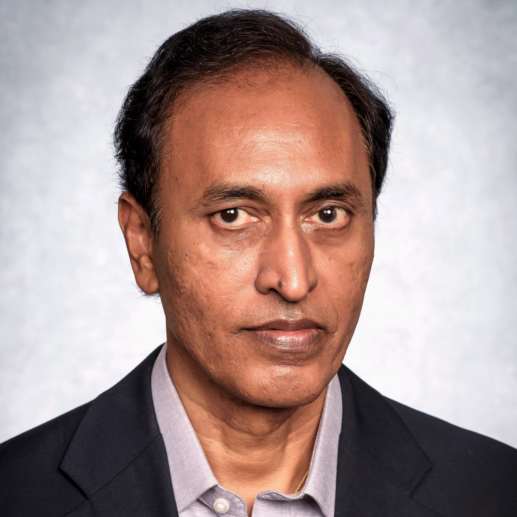
Department of Pathology, The University of Alabama at Birmingham, USA;Dr. Ponnazhagan is a trained molecular geneticist with a focus on cancer. He is currently a Full Professor and holds an Endowed Professorship in Experimental Cancer Therapeutics. The major research areas of Dr. Ponnazhagan’s lab are experimental cancer therapeutics, including stem cell and gene therapy using adeno-associated virus (AAV), tumor microenvironment (TME), and cancer bone metastasis. In reference to cancer-bone interaction, Dr. Ponnazhagan’s lab models breast cancer to adopt strategies that target tumor cells, immune suppression, and aggressive osteoclast functions. To overcome limitations in current therapies, his lab developed novel molecular tools and targeted delivery mechanisms, utilizing mesenchymal stem cells as effective therapeutic vehicles for bone remodeling in breast cancer osteolytic pathology. Towards targeting receptor activator of nuclear factor kappa-B ligand (RANKL) activation using osteoprotegerin (OPG), a decoy receptor for RANKL, without interfering in tumor necrosis factor-related apoptosis-inducing ligand (TRAIL)-mediated apoptosis of tumor cells, his lab developed an OPG mutant by structural protein engineering that lacks TRAIL binding affinity and validated in vivo in a disseminated osteolytic malignancy model. His group is the first one to identify a subset of immature myeloid cells, known as myeloid-derived suppressor cells, in the TME within the bone, directly undergo osteoclast differentiation and serve as osteoclast progenitors to enhance bone damage. Recent studies from his lab established the role of RANKL in activating M2 macrophages in breast cancer microenvironment and that dampening the effects of elevated RANKL using the OPG mutant resulted in a shift in the immune milieu favoring an anti-tumor cytokines and chemokine response.
Important Dates
4 Sep
2026
30 Sep
2026
26 Nov
2026
Meet Our Speakers
-6ad02af5f338d.png)
School of Biomedical Science, Faculty of Health Sciences and Medicine, Bond University, Gold Coast, Australia;Professor Jyotsna Batra is a Professor of Genetics at Bond University specialising in prostate cancer genomics and biomarker translation. Over the past 20 years, she has led cross-disciplinary programs spanning GWAS/post-GWAS discovery, miRNA biology, and risk-stratified screening, with over 200 publications and more than A$20M in competitive and partnered funding. She co‑leads the Queensland node of the PRACTICAL consortium and has held executive roles with the Australian Prostate Cancer BioResource. Her group links molecular genetics with advanced pathology and data science to deliver clinically usable tools, from circulating microRNA panels to polygenic risk models and pharmacogenomic decision support. Distinguished honours include Cure Cancer Australia Researcher of the Year (2018) and the Queensland Tall Poppy Award (2019). A former MTPConnect REDI Industry Fellow at TissueGnostics (Vienna), she maintains active partnerships with diagnostic and biotech companies, patient organisations and clinicians. At Bond, she is establishing a Centre for Genetics and Genomics research to accelerate equitable, data‑enabled precision care.

Drexel University College of Medicine, Philadelphia, USA;Dr Ehrlich is Professor of Microbiology and Immunology, and Otolaryngology-Head and Neck Surgery at Drexel University College of Medicine (DUCoM) in Philadelphia, PA, USA. His scientific career has been characterized by his integration of technologies and ideas across a broad spectrum of academic and clinical disciplines and the continuous development of advances that span a range of disciplines including diagnostics, informatics, artificial intelligence, infectious diseases, genetic diseases, wound healing and evolutionary biology. Dr Ehrlich is an elected a fellow of both the American Association for the Advancement of Science and the American Academy of Microbiology based on his works in the development of molecular diagnostics, genomic technologies, and evolutionary modelling of chronic bacterial pathogenesis. He is also one of the foundational class of fellows for the International Lyme and Associated Diseases Society (ILADS). He has served as a member of the American Society of Microbiology’s Distinguished Lecture (ASMDL) panel and on its subcommittee for elections.
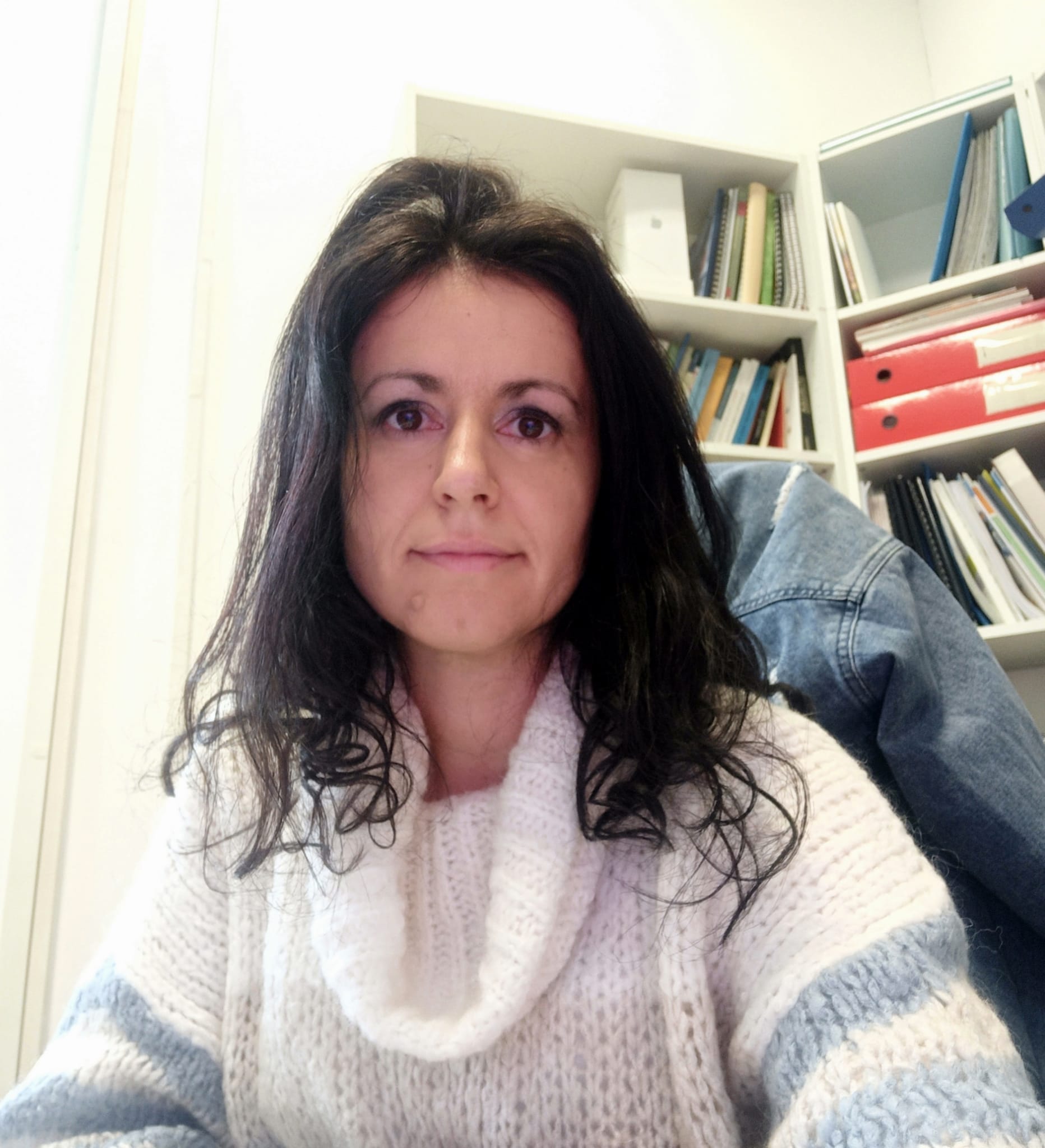
Unit of Microbiome Science and Biotechnology, Department of Pharmacy and Biotechnology, University of Bologna, Bologna, Italy;Silvia Turroni is Associate Professor in Chemistry and Biotechnology of Fermentation, at the Unit of Microbiome Science and Biotechnology, Dept. Pharmacy and Biotechnology, University of Bologna (Bologna, Italy). She has over 15 years of experience in the compositional and functional profiling of the human microbiome and the exploration of its impact on health. She has strong expertise in next-generation sequencing technologies, including 16S rRNA gene sequencing and omics approaches, i.e., metagenomics, metatranscriptomics and, more recently, culturomics, as well as in microbiome-host interaction studies in ex vivo models.
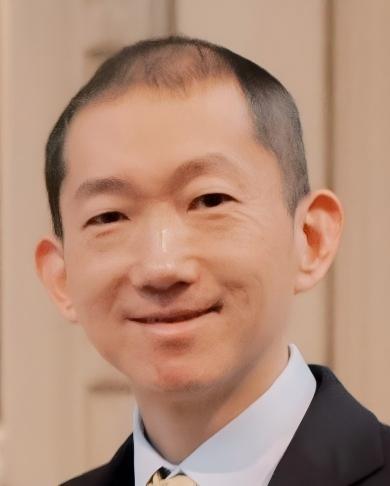
Rollins School of Public Health, Emory University, Atlanta, USA;Dr. Qin has 20 years of independent research experience in Biostatistics and Bioinformatics. His research covers Bioinformatics, Biostatistics, Statistical Genetics as well as Computational Biology. Recently, his research expanded to include Machine Learning, AI, Big Data Analytics, and their applications to translational and precision medicine. Dr. Qin actively collaborates with basic scientists and clinicians, contributing to the understanding of the biological mechanisms underlying cancer and complex diseases.
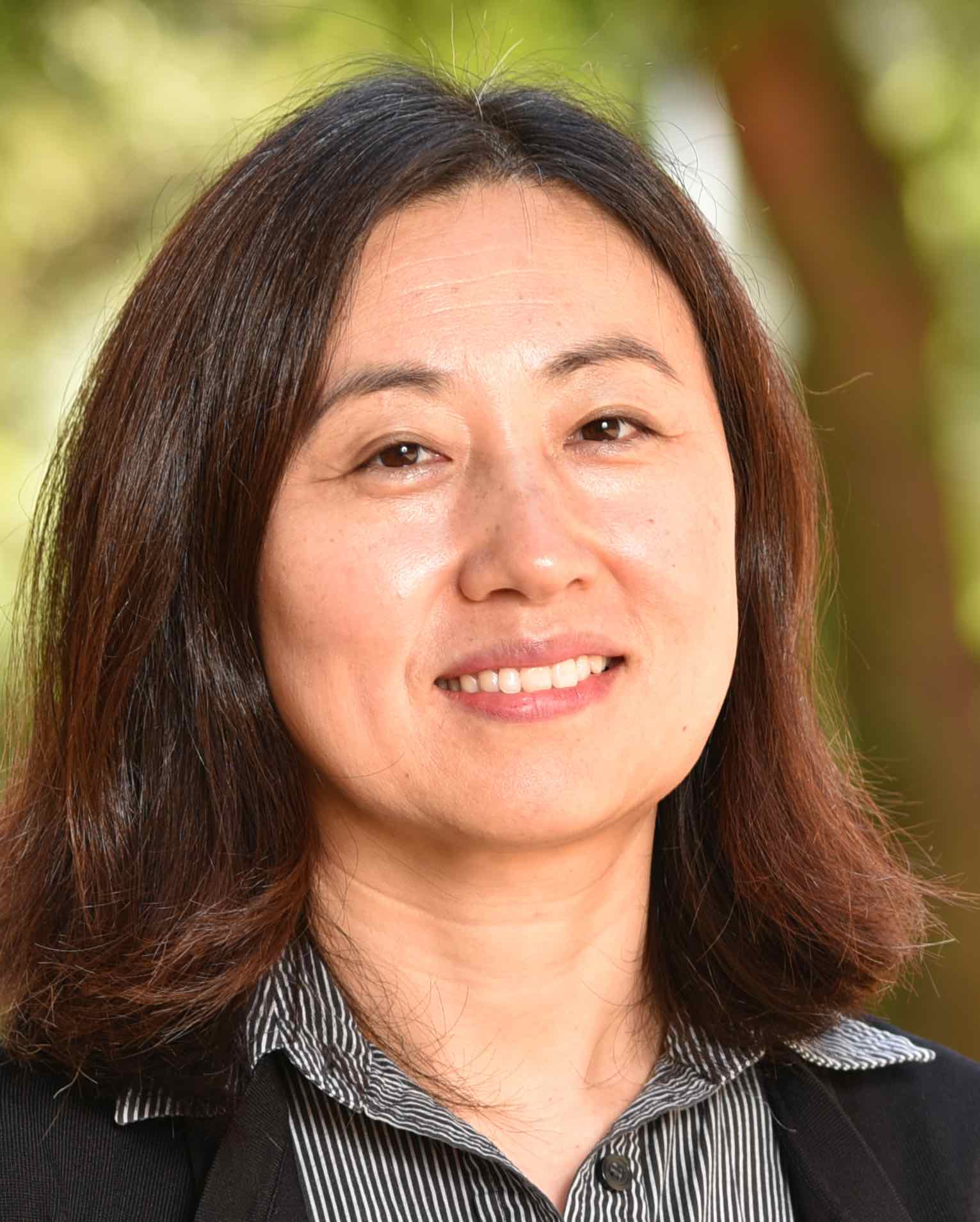
University of California, Los Angeles (UCLA), Los Angeles, USA;Dr. Yang is currently Professor in the Department of Integrative Biology and Physiology and Department of Molecular and Medical Pharmacology at UCLA. She serves as the Vice Chair of the Molecular, Cellular, and Integrative Physiology Ph.D. program and the Vice Chair of the Computational & Systems Biology Undergraduate Program. Her lab specializes in developing computational tools to integrate multiomics data (genetic, transcriptome, epigenome, proteome, metabolome, and microbiome) and model multitissue multiomics networks underlying complex traits such as sex differences and diseases such as cardiometabolic and brain disorders. Her experiences in both industry (Senior Research Scientist at Rosetta Inpharmatics/Merck & Co) and academia (Principal Scientist and Director of Systems Biology at Sage Bionetworks; faculty at UCLA) enable a broad research portfolio from computational tool development to disease mechanism investigations to drug discovery using multiomics computational approaches.
Center for Molecular Medicine and Genetics, Department of Pathology and Karmanos Cancer Institute, Wayne State University School of Medicine, Detroit, USA;Dr. Heng proposed the Genome Architecture Theory, a new conceptual framework for genomics and evolution, which led to the platforms to study chromosomal instability in cancer. He is the author of Debating Cancer: The Paradox in Cancer Research and Genome Chaos: Rethinking Genetics, Evolution, and Molecular Medicine. He discovered the two-phased evolution, which departs from the traditional gradual Darwinian model, and demonstrated that genome chaos plays a critical role in information self-creation through large-scale genome reorganization. His concept of karyotype coding—representing system-level inheritance—stands in contrast to gene-based, part-level inheritance and provides a new perspective for pharmacogenomics. In cancer, genome instability and karyotype-level evolution contribute to rapid drug resistance, underscoring the need to study evolution-based mechanisms to guide future pharmacogenomics. (PMID: 31737054; PMID: 34195196; PMID: 39273111).




Present and Explore Developments in Molecular Science at ISFMS 2027 — Barcelona, Spain
We are pleased to recommend the 6th International Symposium on Frontiers in Molecular Science — Trends in Biochemistry and Molecular Biology (ISFMS2027) will take place in Barcelona, Spain from 14 - 17 September 2027.
This international gathering brings together leading scientists, emerging researchers, and industry pioneers to explore ten cutting-edge themes—from protein structure and enzyme mechanisms to AI-driven drug discovery and precision medicine. ISFMS2027 aims to promote the translation from molecular insights to innovative diagnostic and therapeutic solutions.
Present your latest findings and directly connect with a global community of peers at ISFMS 2027!
Click this link to find out more: https://sciforum.net/event/ISFMS2027