
Sessions & Session Chairs
Sessions
S1. Non-coding RNAs in Health and Diseases
S2. Advances in Diagnosis, Treatment, and Prevention of Genetic Disorders
S3. Microbial Genetics and Metagenomics
S4. Epigenetics and Chromatin Remodeling
S5. Cancer Genetics
S6. Application of Machine Learning and Bioinformatics
S7. Population Genetics and Genetic Epidemiology
S8. Pharmacogenomics

School of Biomedical Science, Faculty of Health Sciences and Medicine, Bond University, Gold Coast, Australia.
Professor Jyotsna Batra is a Professor of Genetics at Bond University specialising in prostate cancer genomics and biomarker translation. Over the past 20 years, she has led cross-disciplinary programs spanning GWAS/post-GWAS discovery, miRNA biology, and risk-stratified screening, with over 200 publications and more than A$20M in competitive and partnered funding. She co‑leads the Queensland node of the PRACTICAL consortium and has held executive roles with the Australian Prostate Cancer BioResource. Her group links molecular genetics with advanced pathology and data science to deliver clinically usable tools, from circulating microRNA panels to polygenic risk models and pharmacogenomic decision support. Distinguished honours include Cure Cancer Australia Researcher of the Year (2018) and the Queensland Tall Poppy Award (2019). A former MTPConnect REDI Industry Fellow at TissueGnostics (Vienna), she maintains active partnerships with diagnostic and biotech companies, patient organisations and clinicians. At Bond, she is establishing a Centre for Genetics and Genomics research to accelerate equitable, data‑enabled precision care.
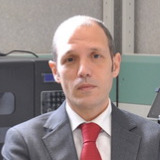
Department of Biomedicine and Prevention, University of Rome “Tor Vergata”, Rome, Italy
Professor Emiliano Giardina focuses on medical and forensic genomics. In the medical field, he specializes in the diagnosis of hereditary ocular and neuromuscular diseases, directing one of the leading laboratories for FSHD. His research explores the genetic and epigenetic mechanisms that drive phenotypic variability in FSHD, integrating advanced technologies such as optical genome mapping and long-read sequencing. In forensic genetics, he works on human identification, complex kinship analyses, and method validation, with a particular interest in analytical robustness, traceability, and the integration of AI-assisted interpretation tools.
Across both domains, his overarching goal is to improve diagnostic accuracy and standardization through high-resolution genomic technologies.
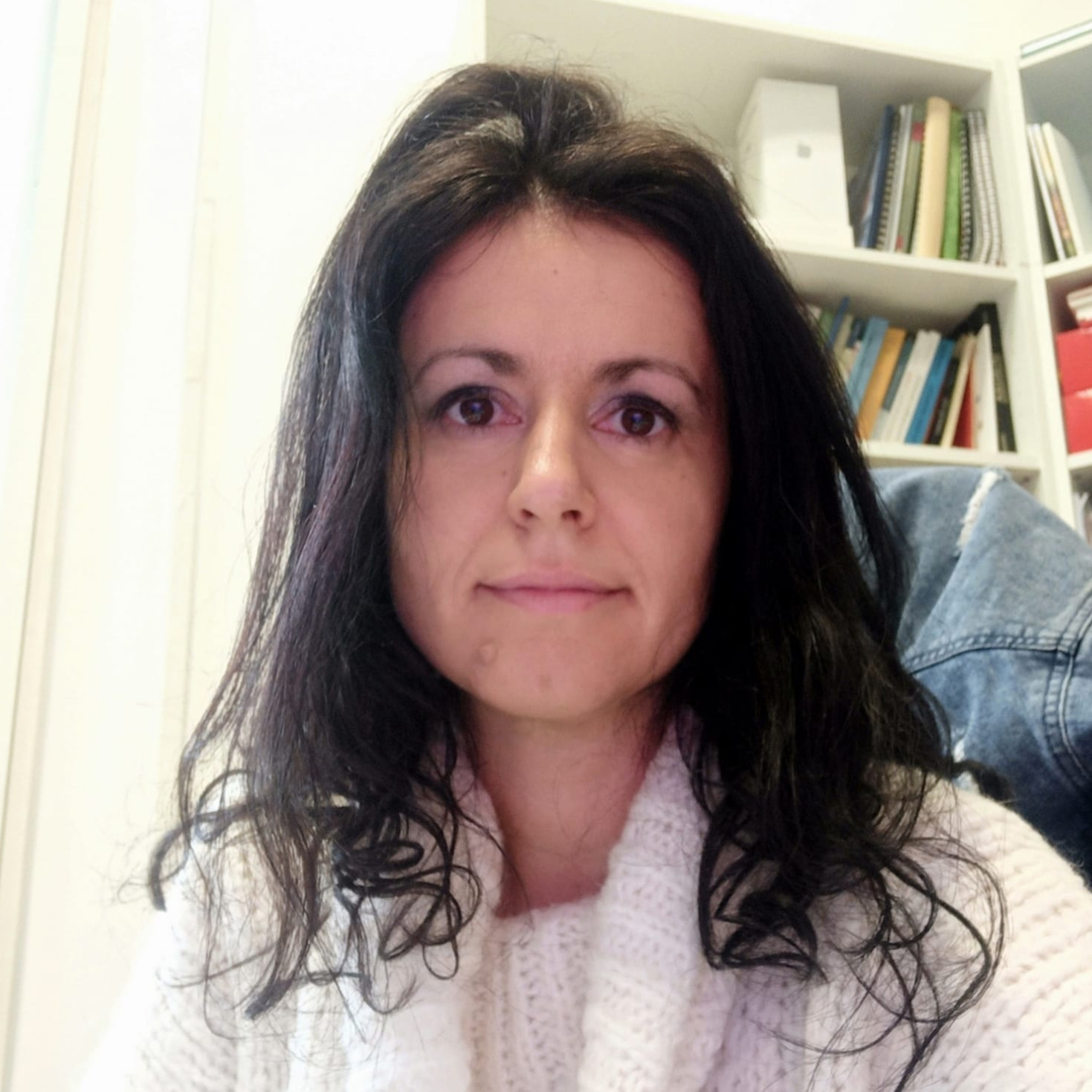
Unit of Microbiome Science and Biotechnology, Department of Pharmacy and Biotechnology, University of Bologna, Bologna, Italy
Silvia Turroni is Associate Professor in Chemistry and Biotechnology of Fermentation, at the Unit of Microbiome Science and Biotechnology, Dept. Pharmacy and Biotechnology, University of Bologna (Bologna, Italy). She has over 15 years of experience in the compositional and functional profiling of the human microbiome and the exploration of its impact on health. She has strong expertise in next-generation sequencing technologies, including 16S rRNA gene sequencing and omics approaches, i.e., metagenomics, metatranscriptomics and, more recently, culturomics, as well as in microbiome-host interaction studies in ex vivo models.

Department of Psychiatry, University of Iowa Carver College of Medicine, Iowa City, USA
Dr. Philibert completed his MD PhD and Psychiatry training at the University of Iowa. Subsequently, he completed six years of fellowship at the National Institutes of Health, then returned to Iowa, where he maintains a part-time appointments in Psychiatry, Genetics, Molecular Medicine, Neuroscience and Biomedical Engineering, as well as a busy research lab. He has over 200 peer reviewed publications, numerous patents and grants, and has founded or co-founded two companies, including Cardio Diagnostics, which listed on NASDAQ in 2022, and Behavioral Diagnostics, the market leader in holistic epigenetic approaches for assessments of aging, smoking, drinking and cancer prevention.

The Kidney and Urinary Tract Center, Nationwide Children’s hospital,700 Children's Dr. Columbus, OH, USA
Xin Wang, Ph.D., is a Senior Bioinformatics Scientist and Bioinformatics Director at the Kidney and Urinary Tract Center, Nationwide Children’s Hospital. He has over a decade of experience in computational biology, specializing in bioinformatics pipeline development and large-scale multi-omics data analysis. His work focuses on genomic, epigenomic, transcriptomic, spatial, single-cell, and proteomic profiling of kidney disease, aging, and cancer. Dr. Wang earned his Ph.D. at KAUST and completed postdoctoral training at Harvard Medical School, Houston Methodist, and Weill Cornell Medicine.

Department of Biochemistry and Molecular Biology, Faculty of Biology, National and Kapodistrian University of Athens, Athens, Greece
Christos K. Kontos is a tenured Assistant Professor of Molecular Biology at the Department of Biochemistry and Molecular Biology, Faculty of Biology, National and Kapodistrian University of Athens, Athens, Greece. His research interests include alternative splicing of pre-messenger RNA, circRNA biology, tRNA fragments, cancer biomarkers, the efficacy of novel anticancer agents, and the development of novel strategies for analyzing transcriptomes using high-throughput sequencing. He is an Editorial Board Member of several scientific journals, including the International Journal of Molecular Sciences (MDPI), and a reviewer for high-impact scientific journals. To date, he has published 124 publications in international, peer-reviewed scientific journals, with more than 2,660 citations (h-index = 29).
Department of Population Health Sciences, Augusta University, Augusta, USA
Dr. Hongyan Xu is Professor in Data Science and Biostatistics at the Department of Biostatistics, Data Science and Epidemiology, School of Public Health, Augusta University. He is the Director of MS in Data Science program at Augusta University. Dr. Xu’s research interest is in genomics, machine learning, data science, and biostatistics. He has carried out methodological and application studies on statistical genetics and genomics. His research also includes epigenetics and integrative genomics. Dr. Xu has extensive experience in statistical analysis of genomics and high-throughput data through collaborative projects.

Biochemistry and Molecular Biology, Faculty of Pharmaceutical Sciences (UFR des Sciences Pharmaceutiques), the University of Picardie Jules Verne, Amiens, France
Laurent Metzinger has completed his PhD in Biological Sciences and Pharmaceutical studies in Strasbourg, France and was a postdoctoral fellow from the University of Oxford in a leading lab on Duchenne muscular Dystrophy (Pr. Kay Davies). He works on microRNA regulation in the HEMATIM team in Amiens, and focuses on anemia and related vascular disorders associated with Chronic Kidney Disease. He has authored some of the first papers showing a role for microRNAs in CKD.
Center for Molecular Medicine and Genetics, Department of Pathology and Karmanos Cancer Institute, Wayne State University School of Medicine, Detroit, USA
Dr. Heng proposed the Genome Architecture Theory, a new conceptual framework for genomics and evolution, which led to the platforms to study chromosomal instability in cancer. He is the author of Debating Cancer: The Paradox in Cancer Research and Genome Chaos: Rethinking Genetics, Evolution, and Molecular Medicine. He discovered the two-phased evolution, which departs from the traditional gradual Darwinian model, and demonstrated that genome chaos plays a critical role in information self-creation through large-scale genome reorganization. His concept of karyotype coding—representing system-level inheritance—stands in contrast to gene-based, part-level inheritance and provides a new perspective for pharmacogenomics. In cancer, genome instability and karyotype-level evolution contribute to rapid drug resistance, underscoring the need to study evolution-based mechanisms to guide future pharmacogenomics. (PMID: 31737054; PMID: 34195196; PMID: 39273111).