
Sessions & Session Chairs
Sessions
S1. Organic Synthesis and Medicinal Chemistry
S2. Natural Products Chemistry and Food Chemistry
S3. Bioorganic Chemistry and Chemical Biology
S4. Inorganic, Coordination, Photo- and Electrochemistry
S5. Materials, Macromolecular and Nanochemistry
S6. Analytical Chemistry and Molecular Sensing
S7. Physical, Computational and Theoretical Chemistry
S8. Applied and Green Chemistry, Sustainable Technologies

Faculty of Pharmacy and Food Sciences, and Institute of Biomedicine (IBUB), University of Barcelona, Spain
Prof. Diego Muñoz-Torrero is Full Professor of Organic and Medicinal Chemistry at the Faculty of Pharmacy and Food Sciences, University of Barcelona (UB). He is Head of the Laboratory of Medicinal Chemistry and belongs to the Governing Board of the Institute of Biomedicine (IBUB). His research focuses on the design and synthesis of new drug candidates against neurodegenerative and parasitic diseases, endowed with innovative mechanisms of action. He belongs to the editorial advisory board of several medicinal chemistry journals and serves as the Editor-in-Chief of the Medicinal Chemistry Section of the MDPI journal Molecules.

Department of Chemistry, Oakland University, Rochester, USA
Professor Dembinski and his students are pursuing at present the synthesis of analogs of natural products, particularly coordination complexes of nucleosides and nucleotides. The abundance of various metals with different coordination numbers, geometry and redox potentials makes their combination with natural products a powerful tool for the construction of modified biomolecules. Novel methodologies for the synthesis of pharmaceutically active classes of heterocycles are being pursued. It is expected that such modified molecules may exhibit interesting biological properties. The ultimate goal of these studies is to synthesize materials that exhibit antiviral, anticancer, antisense properties, serve as bio-probes, and to develop new synthetic methodologies.
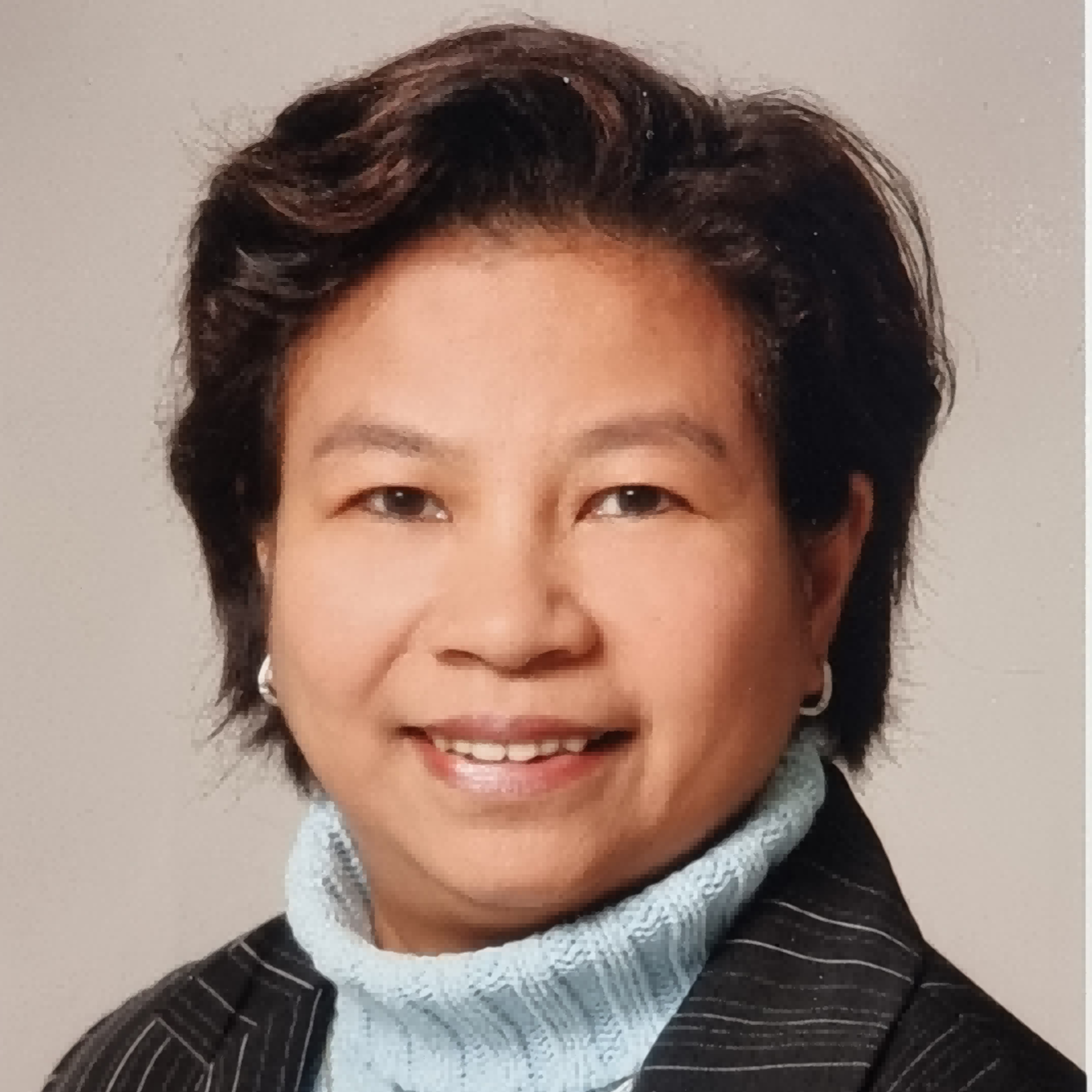
Strathclyde Institute of Pharmacy and Biomedical Sciences, University of Strathclyde, UK
Dr Edrada-Ebel obtained her PhD in Pharmaceutical Biology from the Julius-Maximilian University of Würzburg in 1998 and did her postdoctoral years at the Department of Chemistry, University of California Santa Cruz and University of Oklahoma in 1999 and 2000. She was a Senior Research Fellow at the Institute of Pharmaceutical Biology and Biotechnology, University of Düsseldorf from 2001 to 2007. Dr Edrada-Ebel currently is a Senior Lecturer in Pharmaceutical Analysis, the Director of Postgraduate Taught Courses for Biomedical Sciences, and heads the Natural Products Metabolomics Group at the Strathclyde Institute of Pharmacy and Biomedical Sciences and is currently author of more than 180 publications and two patents on marine natural products.
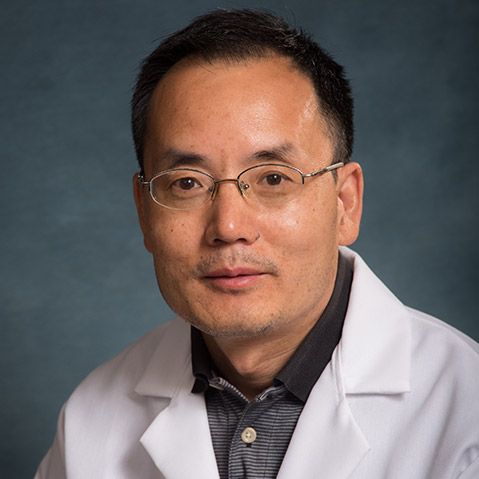
Department of Pharmaceutical and Biomedical Sciences at University of Georgia, Georgia, USA
Professor Y. George Zheng is the Donald Panoz Professor in the Department of Pharmaceutical and Biomedical Sciences at University of Georgia. He received B.Sc. and M.Sc. in Chemistry from Peking University, Beijing, and Ph.D. in Physical Organic Chemistry from University of Miami, Florida, and conducted his postdoctoral training in pharmacology in Johns Hopkins University School of Medicine. Dr. Zheng’s research group innovates cutting-edge chemical biology tools and medicinal chemistry compounds to address critical challenges in the rapidly evolving field of epigenetics that describes gene expression profile changes that are apart from genetic sequence. Particular emphasis is on the mechanistic elucidation and the design of inhibitors of histone modifying enzyme-regulated cellular processes in physiology and pathology. His lab research has been constantly supported by NIH, NSF, and AHA grants. Dr. Zheng has been supervising high school summer-intern students, undergraduate students, Masters and doctoral graduate students, and post-doctoral trainees.
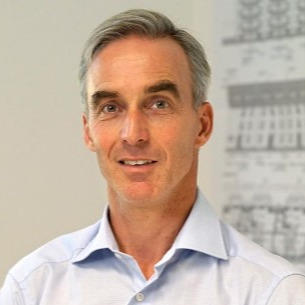
Department of Chemistry and Biochemistry, Institute for Inorganic and Materials Chemistry, University of Cologne, Cologne, Germany
The research interests of Axel Klein spread over various fields including photochemistry and photophysics of transition metal complexes, organometallic catalysis, bioinorganic chemistry, cytotoxic complexes, organic-inorganic hybrid perovskites, and modification of nanomaterials.
Axel Klein is involved in worldwide international collaborations. He is the (co)author of more than 290 research papers, reviews, book chapters, and books.
Axel Klein is currently the Section Editor of Inorganic Chemistry for the journal Molecules (MDPI) and editorial board member (EBM) for the journal Inorganics (MDPI). He has provided over 930 reviews for journals and is an active reviewer for funding agencies worldwide.

the Department of Pharmacy, Health and Nutritional Sciences, University of Calabria, Calabria,Italy
Giuseppe Cirillo is Professor of Pharmaceutical Technology at the Department of Pharmacy, Health and Nutritional Sciences, University of Calabria, Italy. His research focuses on the design, synthesis, characterization, and application of multifunctional polymeric and hybrid materials for drug delivery and biomedical applications. His work is particularly devoted to hybrid platforms combining organic polymers with carbon- and gold-based nanomaterials to obtain innovative materials with enhanced properties. The ultimate goal of his research is to develop multifunctional, stimuli-responsive systems capable of selectively delivering bioactive molecules to diseased tissues through active targeting strategies. He serves as Editor-in-Chief of the Materials Chemistry Section of the MDPI journal Molecules.
Department of Chemistry, McGill University, Quebec, Canada
Dr. Ashok Kakkar is a Professor in the Department of Chemistry, McGill University, Montréal, Quebec, Canada. He obtained his Ph.D. from the University of Waterloo, Waterloo, ON, Canada, and subsequently carried out post-doctoral fellowships at University of Cambridge (UK) and Northwestern University (USA). His Group focuses on developing chemical methodologies for well-defined nanostructures that can help resolve topical problems in nanomedicine. His research utilizes a convergent approach to obtain a detailed understanding of complex architectures for applications in biology, and their efficacy in therapeutic interventions. His group has published extensively in the area of nanoparticles for drug delivery and diagnostics.
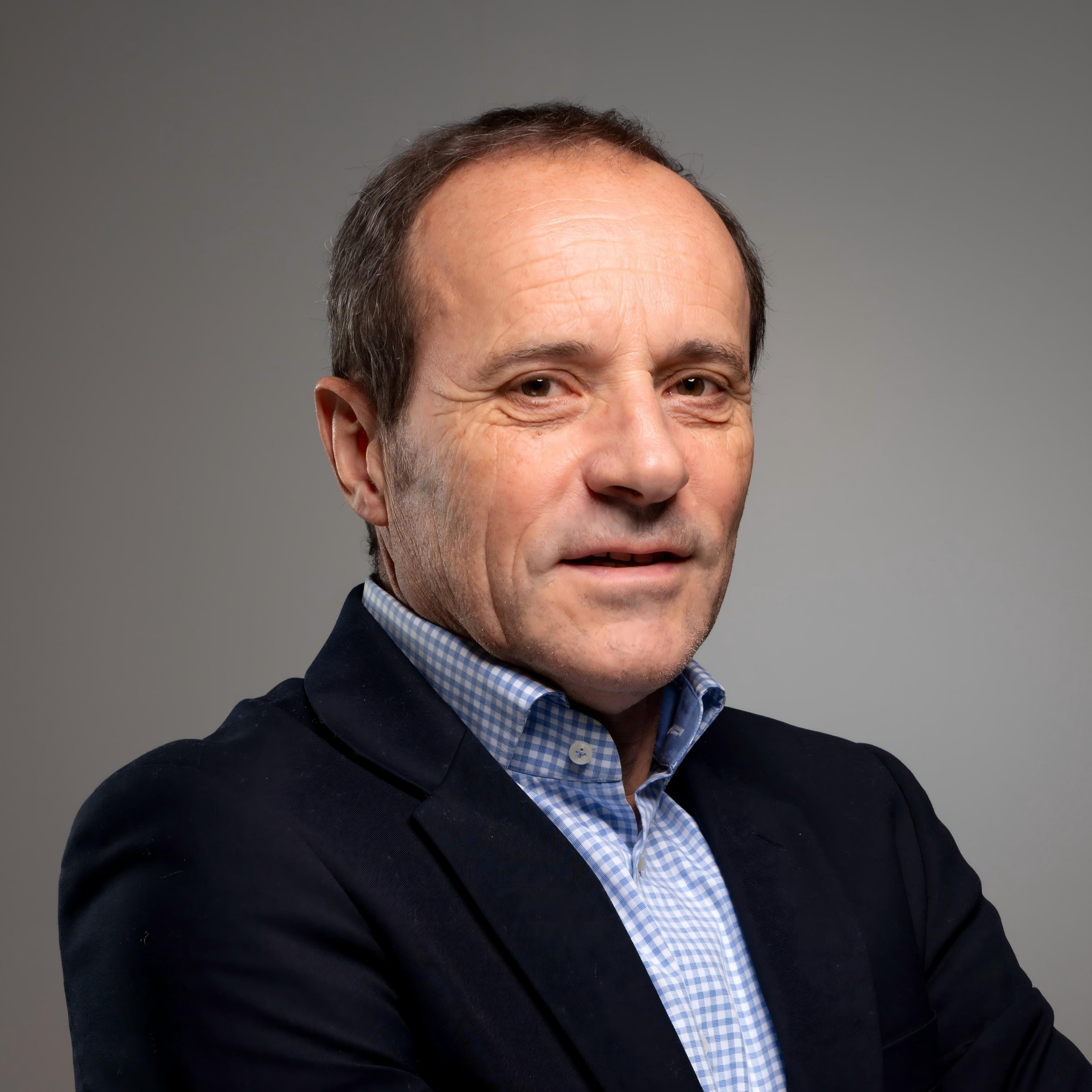
the Institute of Chemistry of Clermont-Ferrand (ICCF), the University Clermont Auvergne,Clermont-Ferrand, France, the Laboratory of Physical Meteorology (LaMP), the University Clermont Auvergne, Clermont-Ferrand, France
Dr. Gilles Mailhot completed his PhD in Photochemistry in 1991 and joined the CNRS as a researcher in October 1992. He is currently a Senior Research Director at both the Institute of Chemistry of Clermont-Ferrand (ICCF) and the Laboratory of Physical Meteorology (LaMP), where he also serves as director. Both laboratories are part of the University Clermont Auvergne in France.
Professor Mailhot has held visiting professorships at the University of California, Berkeley (2000), Fudan University (2013–2014), and Wuhan University (2019). He recently established an International Associated Laboratory (IAL) with Wuhan University. Throughout his career, he has co-supervised 31 PhD students and co-authored 240 scientific publications (Google Scholar : H index = 61, more than 11200 citations)
He has coordinated numerous national and international research projects, many in collaboration with Chinese universities. His scientific work focuses on chemistry and photochemistry in aquatic environments, with applications in water treatment and atmospheric chemistry. His current research centers on the protection and sustainable management of water resources.