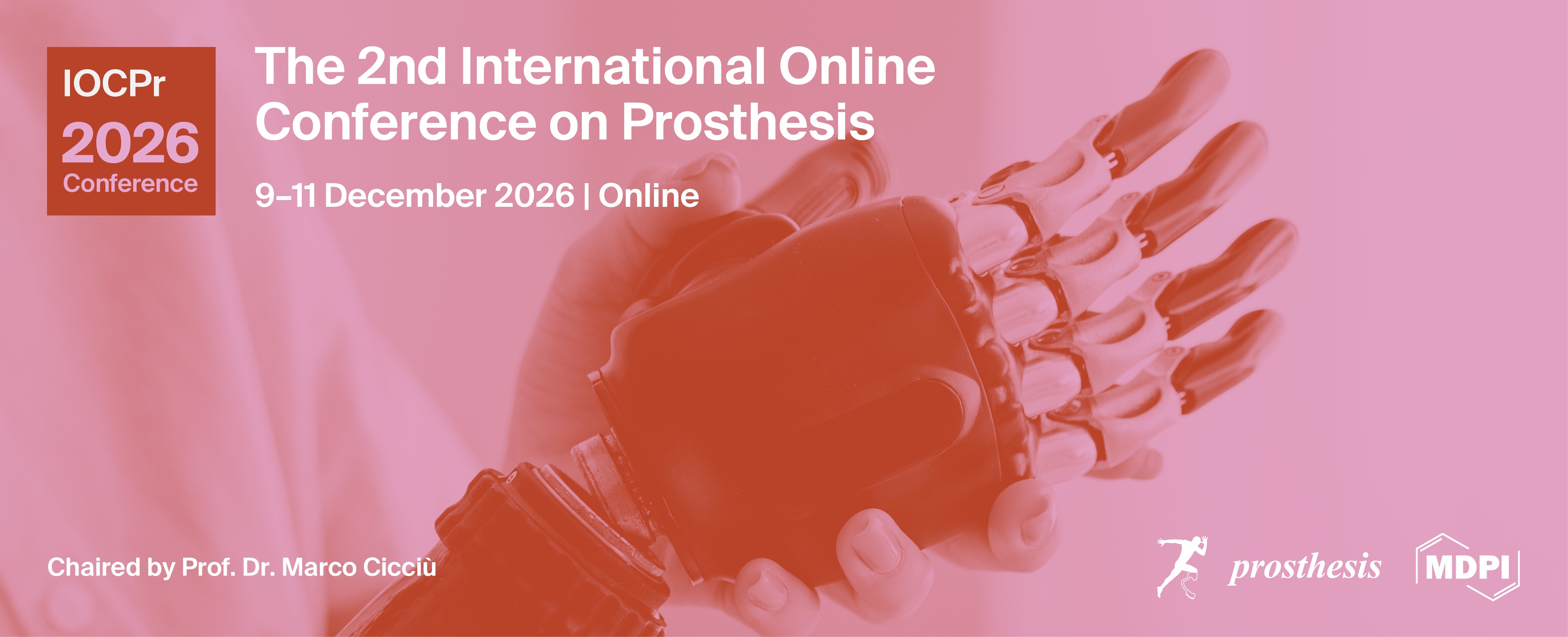
The 2nd International Online Conference on Prosthesis
Registrations are Open till 4 December 2026. Register for Free HERE.
We will notify you about your abstract presentation type by 20 November 2026.
Please check your email frequently to avoid missing notifications. Thank you for your patience.
For any inquiries, please contact us at iocpr2026@mdpi.com.
the chair
Dear Colleagues,
S2. Prosthodontics and Dental Implants
S3. Digital Dentistry
S4. Innovation in Prosthetic Materials
S5. Prosthetics and Orthotics
S6. Prosthetic Devices
Conference Chair:
Prof. Dr. Marco Cicciù
Department of General Surgery and Surgical-Medical Specialties, University of Catania, Italy
Follow the conference organizer on Social Media



Meet Our Chair
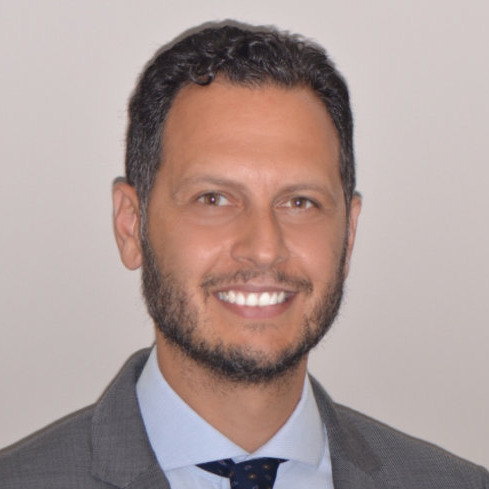
Department of General Surgery and Surgical-Medical Specialties, University of Catania, Italy;Prof. Dr. Marco Cicciu was born in Catania October 18, 1980. He received his scientific high school degree in July 1998. In the academic year 2002/03 he graduated in Dentistry with the score of 110 /110 cum laude at the University of Catania. He completed his PhD in Interceptive Orthodontics in 2006, at the University of Catania. Dr Marco Cicciu, completed two 6-month Fellowship on research at the Loma Linda University (from October 2007 to April 2008 and from November 2009 to May 2010), in order perform, on animals, experimental research of new carriers for the ' clinical application of growth factors, during which he received training to work on animals at the Animal Care Unit at Loma Linda University and Certificate of Research Training in Oral and Maxillofacial Surgery. He’s currently Visiting Professor at LLU. On 10 November 2009, he earned at the University of Milan Specialization in Oral Surgery with a score of 70/ 70 cum laude with a thesis entitled MSc "Using new carriers for the application of rhBMP2 bone defects in the jaw." Prof. Marco Cicciù is currently Associate Editor of the Journal Craniofacial Surgery. and Editor in Chief and of the “Prosthesis – MDPI” Journal. He’s Author of more then 250 international manuscript published on and international journals indexed on SCOPUS and PUBMED. From January 2021 he is Full Professor at the Dental School of the Messina University.
Important Dates
15 Sep
2026
16 Oct
2026
4 Dec
2026
Meet Our Speakers
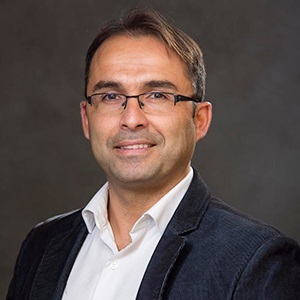
1. Department of Biomechanics, University of Nebraska, Omaha, USA; 2. Facultad de Ciencias de la Salud, Universidad Autónoma de Chile, Santiago, Chile;Dr. Jorge M. Zuniga earned his Master of Science degree from the University of Nebraska at Omaha and his Ph.D. from the University of Nebraska–Lincoln. He is a faculty member in the Department of Biomechanics at the University of Nebraska at Omaha (UNO) and Director of the Additive Manufacturing Laboratory. Dr. Zuniga’s research focuses on advancing additive manufacturing and 3D-printing technologies for biomedical and healthcare applications. His work includes the development of affordable and personalized 3D-printed prosthetic and assistive devices, patient-specific anatomical models for surgical planning and education, biomimetic and soft-robotic prosthetic systems, and antimicrobial materials for additive manufacturing. His research has been supported by federal agencies, including the National Institutes of Health (NIH), NASA, and the National Science Foundation (NSF), as well as industry and foundation partners. He has authored or co-authored more than 130 peer-reviewed publications. In recognition of the impact of his scholarly work, Dr. Zuniga was ranked among the world’s top 2% most-cited scientists in 2024. Dr. Zuniga is the Principal Investigator and Project Director of the NSF EPSCoR E-RISE Nebraska Center for 3D Innovation (NE3D). One of Dr. Zuniga’s recognized innovations is the Cyborg Beast, an open-source, 3D-printed prosthetic hand developed for children with upper-limb differences, which was recognized by MSN.com as one of the top five inventions of 2014. His research and collaborations also earned him recognition as the 2018 Runner-Up for the Science Prize for Innovation, Research, and Education, presented through the U.S. Department of State.His long-term research program seeks to integrate additive manufacturing, biomechanics, biomimetics, and neurorehabilitation to develop accessible, patient-specific technologies while generating quantitative evidence of how prosthetic use and training influence motor function and neuroplasticity.
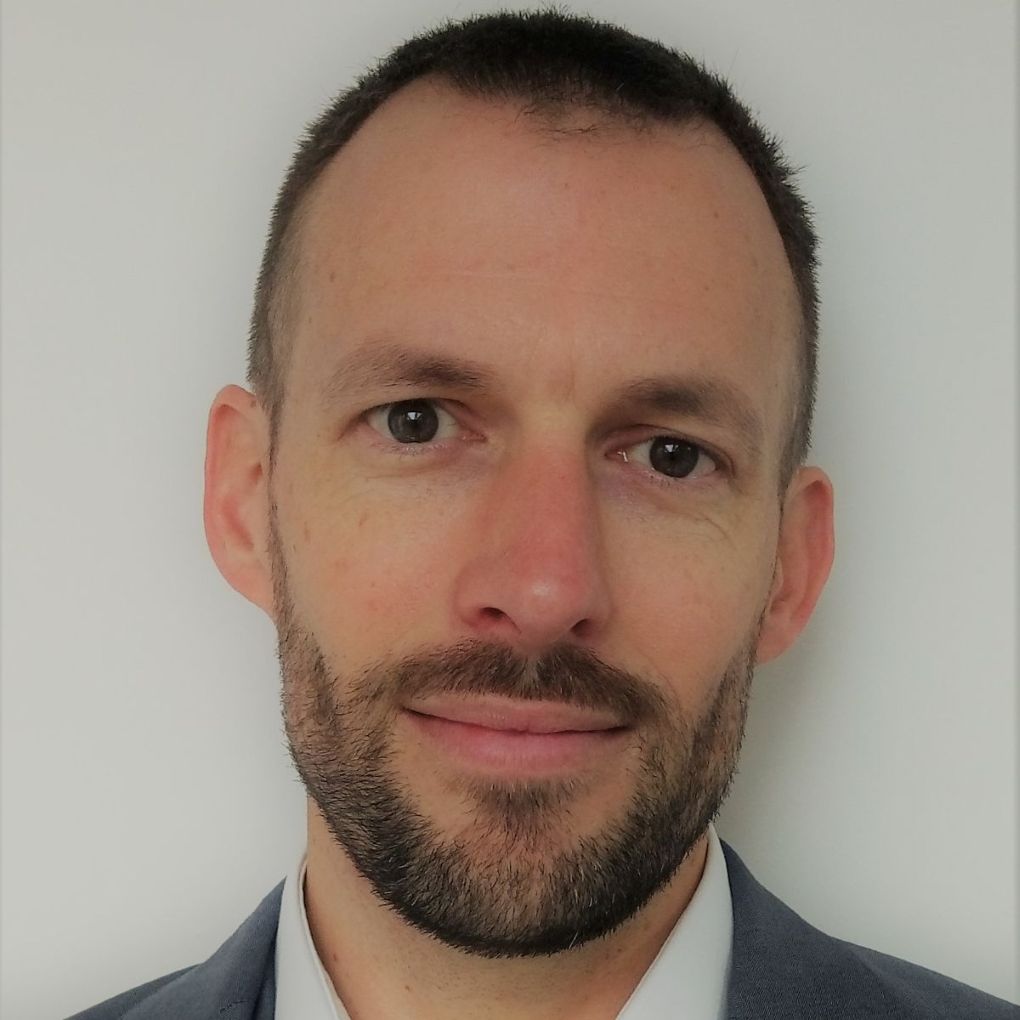
1. Biomedical Engineering Centre, Department of Technology and Innovation, University of Southern Denmark, Denmark; 2. Institute of Biomedical Engineering, Department of Engineering Science, University of Oxford, UK;Dr. Jeroen Bergmann studied at London, Amsterdam, Glasgow and Oxford, and holds or has held (visiting) teaching and/or research positions at some of the top institutions including King’s College London, Imperial College London, University of Oxford, MIT and Harvard. He is co-founder of a RegTech platform company which guides users through the European regulations for medical devices. Throughout his tenure, Jeroen has authored numerous publications, shedding light on the intricate challenges and opportunities within the field of medical device design, validation, and regulatory compliance. His multidisciplinary approach merges engineering principles with medical knowledge, contributing to the creation of cutting-edge solutions that address under-served healthcare needs.
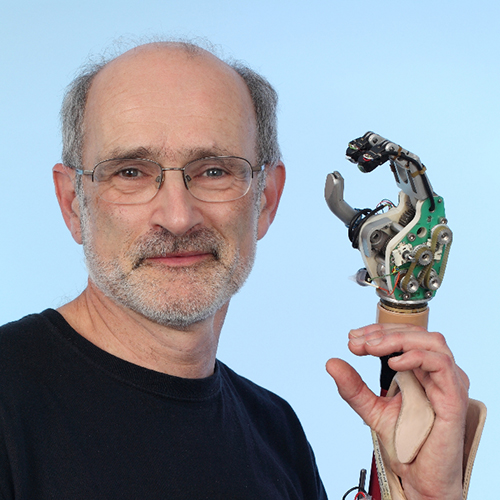
Department of Ortho and MSK Science, University College London, UK;Peter Kyberd received his Ph.D. from Southampton University, Southampton, UK. He studied the control of a multifunction prosthetic hand, and included creating the first ever microprocessor controlled prosthetic limb to be worn by a user in the field. His PhD hand is currently on display in the London Science Museum, Engineers Gallery. Throughout the 1990s, he worked at the Oxford Orthopaedic Engineering Centre, (Oxford University) where he was part of a verity of orthopaedic projects including two projects funded by the European Union, investigating aspects of the design and control of prosthetic arms. The team fitted the first prosthetic limb to be controlled by a local area network, which was then clinically applied in 1998. The successor to this design continues to be in use today. Other projects included measuring micromovement of hip and knee arthroplasties using stereo photogrammetry, the healing of fractures, study of distraction osteogenesis and the recovery from Anterior Cruciate Ligament rupture. From 2000, he was a Lecturer at the Cybernetics Department of Reading University in the U.K. where he was part of a team that performed the first implant of a bi-directional nerve sensor on a healthy human being. In 2003, he took up a prestigious Canada Research Chair in Rehabilitation Cybernetics at the Institute of Biomedical Engineering, New Brunswick, Canada, one of the top centres for prosthetics research in north America. There he conducted research in the clinical application of intelligent prosthetic arms and was part of the Upper Limb Prosthetics Outcome Measures Group (ULPOM), promoting the use of validated and standardised tools of prosthetic assessment. In 2015 he returned to the UK and has headed engineering schools (including Greenwich and Derby Universities). He has chaired three MEC, (Myoelectric Controls Symposium) and three TIPS, (Trent International Prosthetics Symposium) conferences.
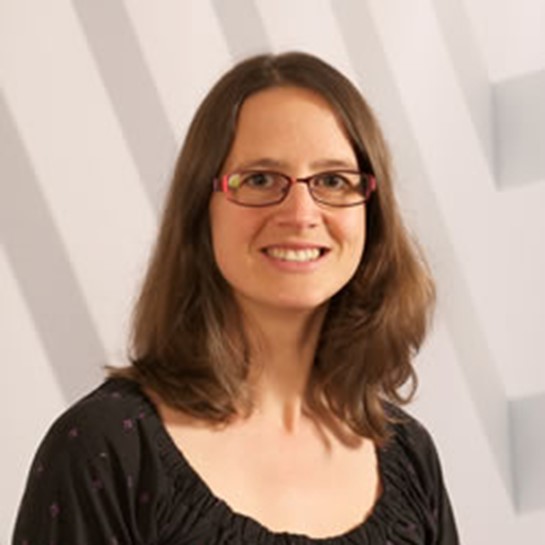
Department of Biomedical Engineering, University of Strathclyde, Glasgow, UK;Mrs Day is a Teaching Fellow within the National Centre for Prosthetics and Orthotics. She teaches biomechanics and clinical skills to undergraduate and postgraduate students to prepare them for work within the Prosthetic and Orthotic industry, and supervises postgraduate engineering students in their research degrees. Her main teaching and research interests are in upper limb prosthetics, focusing on the ways that technology can be integrated with the user to improve quality of life. She is currently researching the link between amputation incidence and prosthetic referral/usage rates, and has a keen interest in fabrication methods and material technology. Sarah has authored two book chapters and has numerous publications in peer-reviewed journals. She is a respected educator and an Auditor of Education Pathways for the International Society for Prosthetics and Orthotics (ISPO). Having spent many years working overseas Sarah is aware of the worldwide skill shortage in Prosthetics and Orthotics and has developed a program of Short Courses and CPD to meet some of these needs.
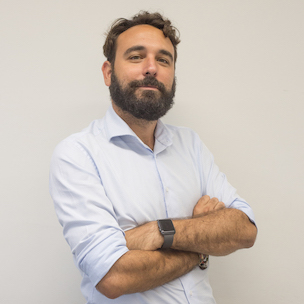
Department of Engineering, University of Messina, Messina, Italy;Dr. Giacomo Risitano is a Full Professor of Machine Design (ING-IND/14) at the University of Messina and Coordinator of the PhD in Bioengineering Applied to Medical Sciences. Research on fatigue and mechanical characterization, additive manufacturing, vehicle engineering (motorsport/cars/motorcycles), biomechanics, vibrations and structural optimization. Author of 190+ papers; supervised 120+ theses. Inventor of the Rapid Test Machine patent (approved 20/09/2022) and Founder/CEO of KnoWow spin-off.
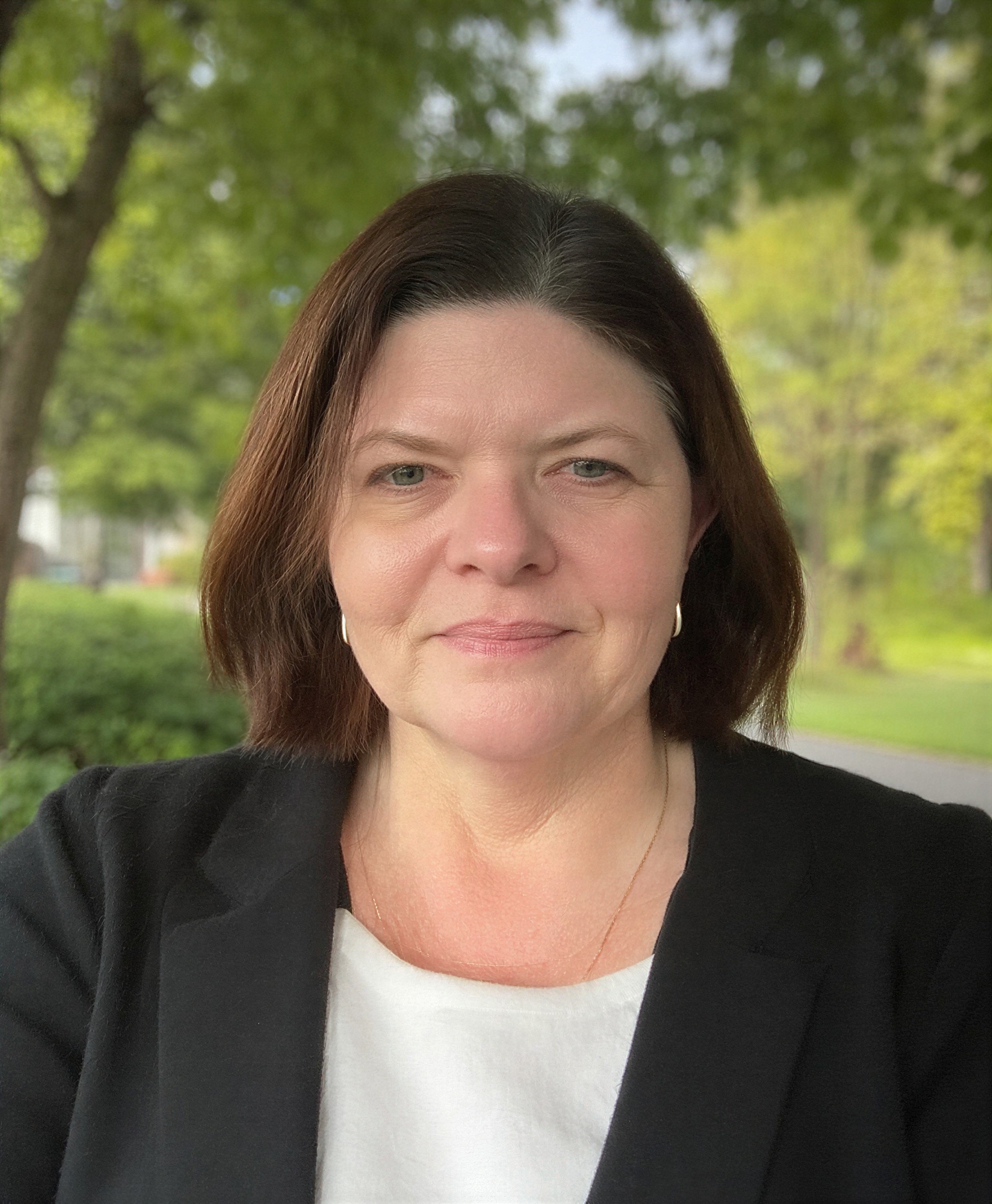
Department of Health Science and Technology, Aalborg University, Gistrup, Denmark;I am currently working as a professor in neural engineering at the Dept. of Health science and Technology at Aalborg University in Denmark. My main research interests include use of implantable neural interfaces in neural prosthesis applications, and the integration of neural prosthesis applications at peripheral and cortical level. My research was initiated within animal work, and most of my work has been carried out in animal models – however since 2013, my work also taken a translational step towards clinical work. All my work is ultimately dedicated to the development of future clinical sensory and motor rehabilitation devices and therapies for use in human patients. Example research projects: Animal model of ischemic stroke, Animal models of neuropathic and phantom limb pain, Direct sensory feedback to alleviate phantom limb pain, Invasive brain computer interfacing.





Ms. Malina Naclad
Mr. Ionut Spatar
Mr. Russell Wang
Email: iocpr2026@mdpi.com
For inquiries regarding submissions and sponsorship opportunities, please feel free to contact us.