1st International Electronic Conference on Actuator Technology: Materials, Devices and Applications
the chairs
Dear Colleagues,
You are cordially invited to participate in the 1st International Electronic Conference on Actuator Technology: Materials, Devices and Applications (IeCAT), sponsored by the MDPI open access journal Actuators. The meeting is an opportunity for researchers in the field of actuator science and technology to present their research and exchange ideas with colleagues. This is an electronic conference, removing the need to travel and eliminating participation expenses.
The conference will be organized around the following general topics, although it may be open to other sessions or subject areas related to the aims and scope of the journal Actuators.
- Actuators for robotics and autonomous applications
- Actuators for biomedical applications
- Actuator materials
- Novel design and device concepts
- Miniaturized and micro-actuators
- Actuators for aircrafts and on- and off-road vehicles/machines
- Assessment and precision measurements
- Actuators for manufacturing
- Actuators for hydraulic systems
- Soft and biohybrid actuators
- Cooperative micro-actuator systems
This will be a virtual conference held at www.sciforum.net, a platform developed and sponsored by MDPI to organize and provide technical support for electronic conferences.
The format of the conference is as follows: After abstract acceptance, the authors will submit a pre-recorded video presentation (within 20 minutes) or a series of narrated slides that will be accessible online, open for discussion, comments, and questions, during the entire conference and will remain available after the e-conference. Authors are requested to submit a full description of their work in a conference paper that will be peer-reviewed and, upon acceptance, published in Proceedings. Paper submission is not a requirement for active conference participation.
The participation is free of charge—both for authors and attendees. Accepted papers will be gathered in the proceedings of the conference and available online on the MDPI website. Selected extended versions of the papers will be published in a Special Issue of the journal Actuators with a discount of 20% on the article processing charge (ISSN 2076-0825; Actuators).
The best conference paper and presentation will receive an award of 500 CHF, as well as an offer to publish an extended paper, free of charge, in the Special Issue of the journal Actuators.
We look forward to engaging in exciting discussions and hearing new ideas and perspectives from experts in the field. All participants are welcome to join the online conference.
Kind regards,
Prof. Dr. José Luis Sánchez Rojas
Prof. Dr. Tatiana Minav
Conference Secretariat
Ms. Cynthia He
Ms. Christian Liang
Email:iecat2020@mdpi.com
Follow us on Twitter @Actuators_MDPI
Follow us on LinkedIn @Actuators MDPI
Important Dates
Abstract Submission Deadline: 1st September 2020 15 September 2020
Notification of Acceptance: 15th September 2020 30 September 2020
Submission of Full Conference Paper and Presentation: 16th November 2020 19th November 2020
Conference Open: 23-27 November 2020
Welcome Speech from the Chairs
Meet Our Chairs
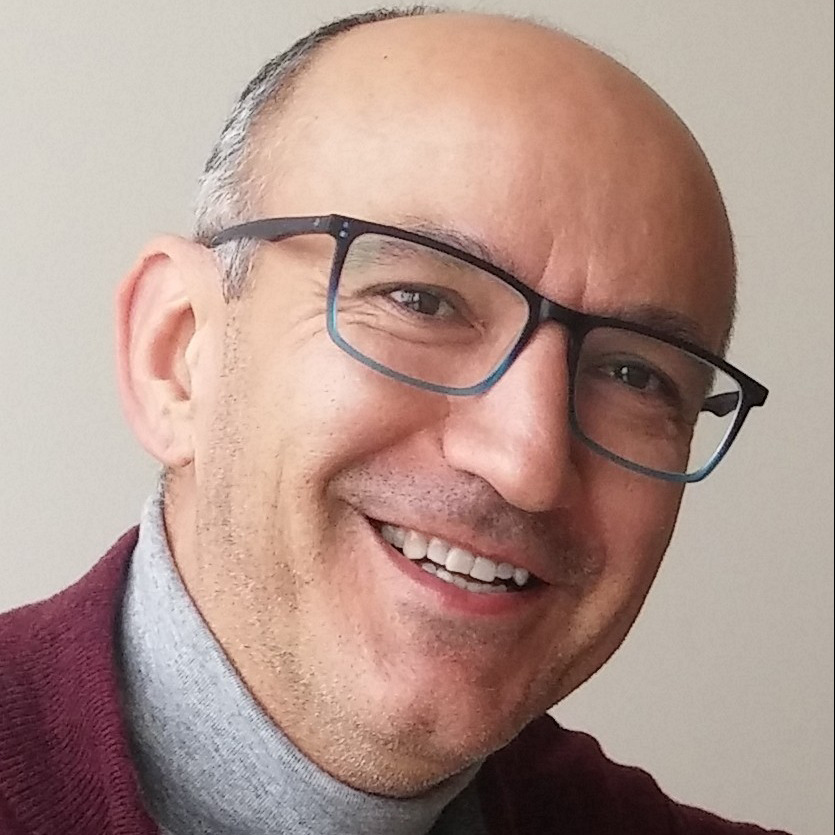
Instituto de Nanociencia, Nanotecnología y Materiales Moleculares, Universidad de Castilla-La Mancha;Prof. J.L. Sanchez-Rojas received the B.E., M.S. and Ph.D. degrees in telecommunication engineering from the Universidad Politécnica de Madrid, Spain. In 1996-97, he was an Invited Postdoctoral Scientist with Cornell University and Colorado University, Boulder. He is currently Full Professor with the Univ. Castilla–La Mancha, Spain. His research interests cover optical and electrical characterization and modeling of semic. devices, miniaturization, design and applications of MEMS/NEMS, sensors and actuators.

Faculty of Engineering and Natural Sciences, Tampere University;Prof. T. Minav, (PI, D.Sc. (Tech.)) is part of IHA-Innovative hydraulics and Automation unit in Tampere University/Finland. She is received Doctor of Science degree (D.Sc.) from Lappeenranta University of Technology (LUT) in 2011. She is expert in electro-hydrostatic systems and actuators, cylinder’s sensorless position motion control, simulation, energy balance and energy recovery systems in off-road mobile machinery.
Important Dates
15 Sep
2020
30 Sep
2020
19 Nov
2020
Meet Our Speakers
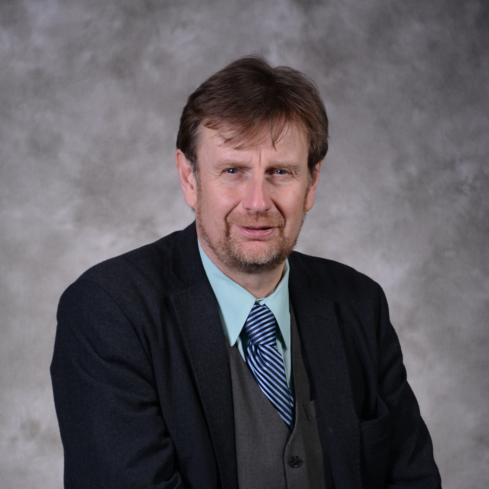
Department of Materials Science and Engineering, The Pennsylvania State University, University Park, Pennsylvania, USA;Clive A. Randall is Professor of Materials Science and Engineering and Director of Materials Research Institute at The Pennsylvania State University. He has a B.Sc. (Honors) in Physics from University of East Anglia, UK (1983), and a Ph.D. in Experimental Physics from University of Essex, UK (1987). He was Director for the Center for Dielectric Studies 1997-2013, and Co-Director of the Center for Dielectrics and Piezoelectrics 2013-2015 (now Technical Advisor). Interests include discovery, processing, material physics, and compositional design of functional materials. Among his awards are Fellow of the American Ceramic Society, Academician of World Academy of Ceramics, IEEE Distinguished Lecturer, and honorary Fellow of the European Ceramic Society. Prof. Randall has a Google h-factor of 81 and over 25,000 citations.
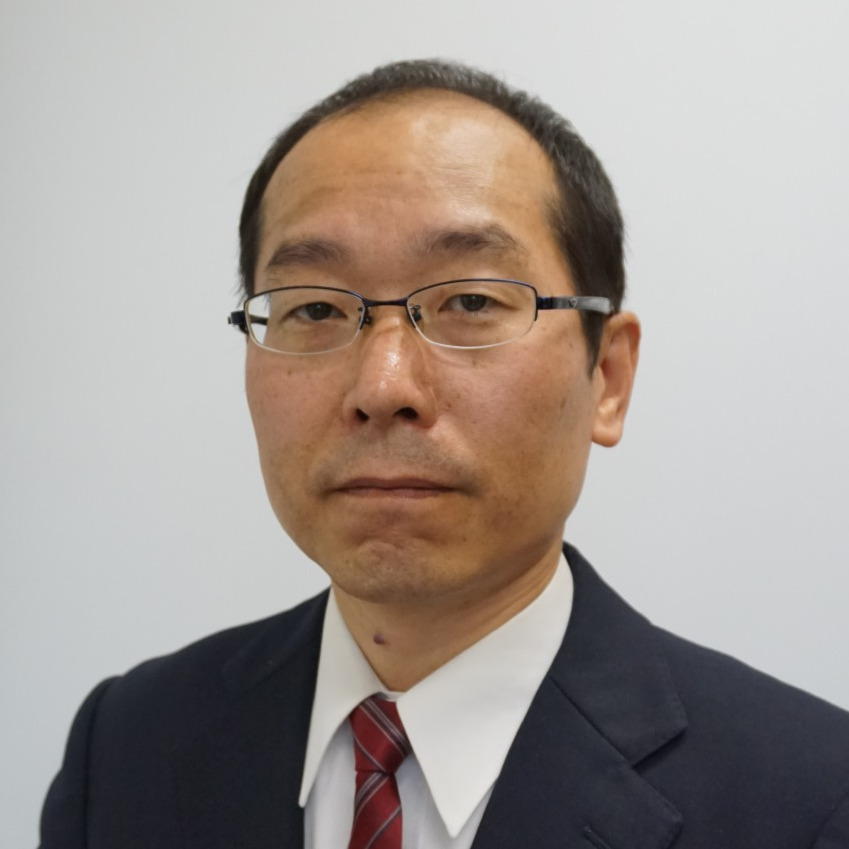
Prof. Dr. Isaku Kanno
Department of Mechanical Engineering, Kobe University, Kobe, Japan;Dr. Isaku Kanno is currently the Professor of the Mechanical Engineering, Kobe University, Japan. He obtained the Ph.D. degree in Engineering in Osaka University, Japan in the year of 1998. During the year of 1991–2002, he worked for Matsushita Electric Ind. Co. Ltd. (Panasonic), Japan as an Engineer. In Panasonic, inkjet printer heads and gyro sensors using piezoelectric thin films were developed and commercialized. After that, he worked as an Associate Professor in Micro Engineering, Kyoto University, Japan from 2002–2011. His research lies in the area of Functional oxide thin film, Piezoelectric MEMS, Sensors and Actuators. He is one of the Associate Editor of Sensors and Actuators A: Physical (Elsevier), a Fellow of The Japan Society of Mechanical Engineering as well as General chair of Piezoelectric MEMS Forum, Japan. He won the METI Industrial Standardization Award, IEC 1906 Award, The Murata Science Foundation Fellowship Award, Excellent paper Award of The Japan Society of AEM, Microsystem Technologies Best poster award and Excellent Innovation Award of Panasonic Technology Symposium during his research life.
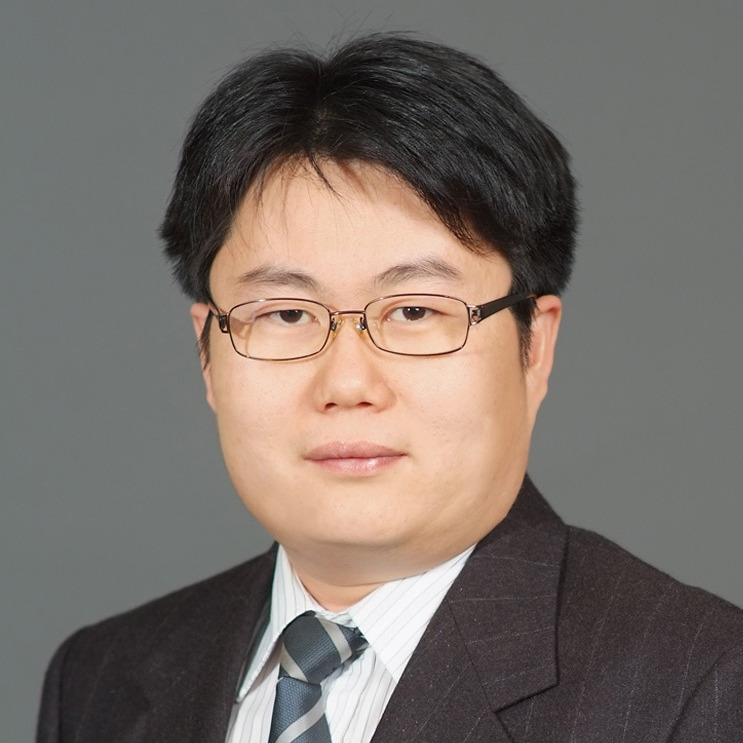
School of Materials Science and Engineering (MSE), Yeungnam University, Gyeongbuk, Korea;Dr. Jungho Ryu is the assistant professor of school of materials science and engineering, Yeungnam university, Korea. He received the B.S. and M.S. degrees in materials science and engineering from Yeungnam University, Korea in 1996 and 1998, respectively. He awarded his Ph.D degree from school of materials science and engineering at Seoul National University, Korea in 2001 on Magnetoelectric composite materials. During his Ph.D work, he had been working at the International Center for Actuators and Transducers (ICAT) of the Pennsylvania State University on magnetoelectric composites and piezoelectric materials. After being awarded his Ph.D degree, Dr. Ryu became a post doctoral researcher at this center continuing his work on high power piezoelectric materials. Prior to joining Yeungnam Univerity in 2018, he was a senior engineer and project leader at Samsung Electro-Mechanics Co. Ltd, Korea (2003~2006) and a principal Researcher at Korea Institute of Materials Science (KIMS), Korea (2006-2018). His current research interests include the development and processing of the piezoelectric and ferroelectric devices, energy harvesting, ceramic processing, smart actuators, and functional thin/thick ceramics film fabrication through aerosol deposition method. He has authored over 240 publications in peer-reviewed international journals and >100 patents in the magnetoelectric, piezoelectric materials and devices, and functional ceramic films. Total number of citation on his research articles are close to 9000 times and h index is over 44 (as of July 2020, Google scholar).
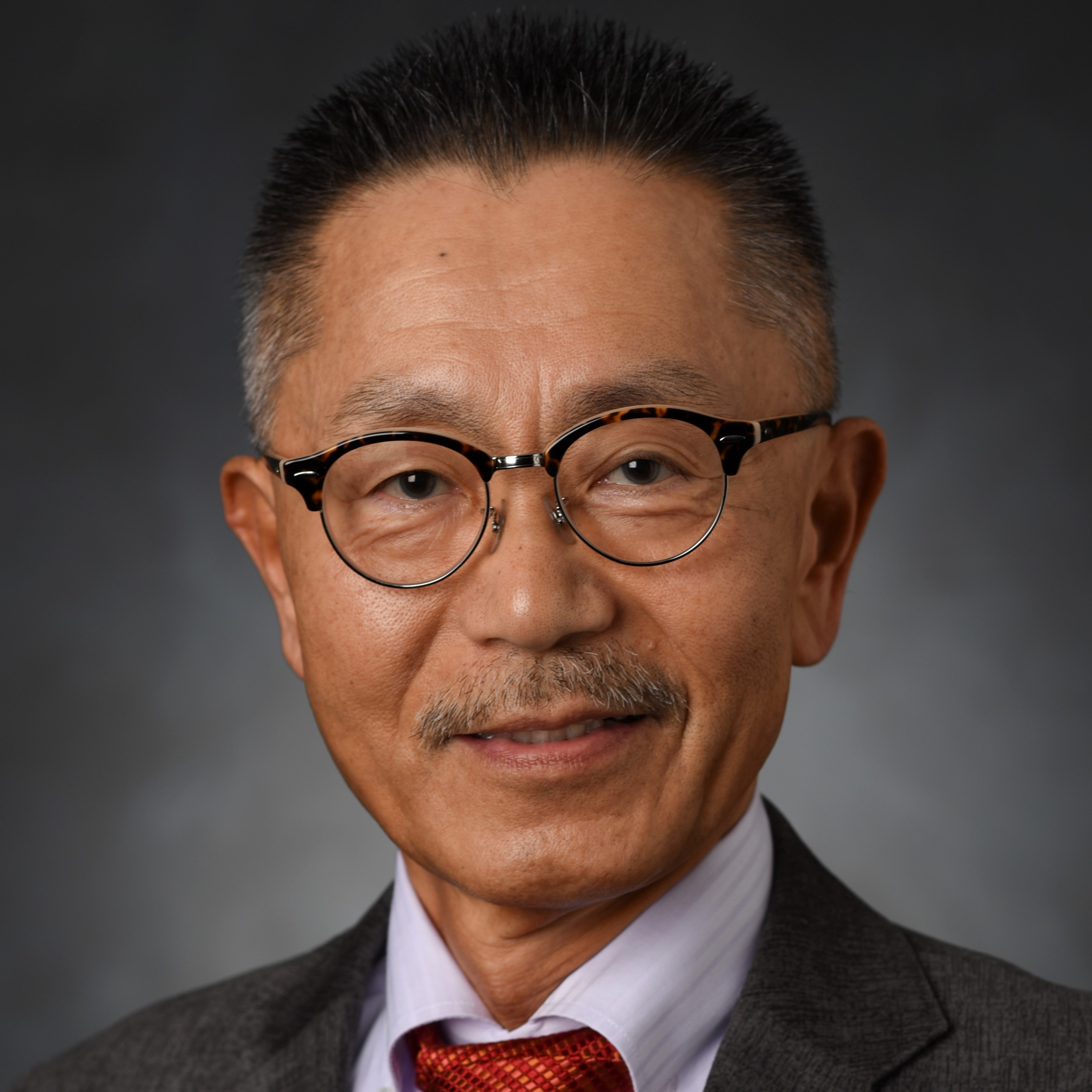
School of Electrical Engineering and Computer Science, The Pennsylvania State University, University Park, Pennsylvania, USA;Kenji Uchino, one of the pioneers in piezoelectric actuators, is Founding Director of International Center for Actuators and Transducers, Materials Research Institute and Professor of EE and MatSE, Distinguished Honors Faculty of Schreyer Honors College at The Penn State University. He was Associate Director (Global Technology Awareness) at The US Office of Naval Research – Global Tokyo Office from 2010 till 2014. He was also the Founder and Senior Vice President & CTO of Micromechatronics Inc., State College, PA from 2004 till 2010. After being awarded his Ph. D. degree from Tokyo Institute of Technology, Japan, he became Research Associate/Assistant Professor (1976) in Physical Electronics Department at this university. Then, he joined Sophia University, Japan as Associate Professor in Physics Department in 1985. He was then recruited from The Penn State University in 1991. He was also involved with Space Shuttle Utilizing Committee in NASDA, Japan during 1986-88, and Vice President of NF Electronic Instruments, USA, during 1992-94. He was the Founding Chair of Smart Actuators/Sensors Committee, Japan Technology Transfer Association sponsored by Ministry of Economics, Trading and Industries, Japan from 1987 to 2014, and is a long-term Chair of International Conference on New Actuators, Messe Bremen, Germany since 1997. He was also the associate editor for Journal of Advanced Performance Materials, J. Intelligent Materials Systems and Structures and Japanese Journal of Applied Physics. Uchino served as Administrative Committee Member (Elected) of IEEE Ultrasonics, Ferroelectrics and Frequency Control (1998-2000) and as Secretary of American Ceramic Society, Electronics Division (2002-2003). His research interest is in solid state physics, especially in ferroelectrics and piezoelectrics, including basic research on theory, materials, device designing and fabrication processes, as well as application development of solid state actuators/sensors for precision positioners, micro-robotics, ultrasonic motors, smart structures, piezoelectric transformers etc.
Department of Energy Technology, Aalborg University, Aalborg, Denmark;Torben Ole Andersen has been a Professor in the Department of Energy Technology, Aalborg University, since 2005, being the Head of the section: Fluid Power and Mechatronic Systems. He has a Ph.D. in Control Engineering (1996), and a M.Sc. in Mechanical Engineering (1992), both from the Technical University of Denmark, DTU, and a B.Sc. in Mechanical Engineering (1989) from the University of Southern Denmark, SDU. Before entering the university, he has worked with Danfoss, R&D, as a Project Manager and University Coordinator. He is Head of research programs related to the development of hydrostatic transmissions for wind turbines and wave energy converters, and offshore mechatronic systems for autonomous operation and condition monitoring. He has authored or coauthored more than 260 scientific papers in international journals and conference proceedings. His research interests include control theory, energy usage and optimization of fluid power components and systems, mechatronic systems, design and control of robotic systems and modelling and simulation of dynamic systems in general.
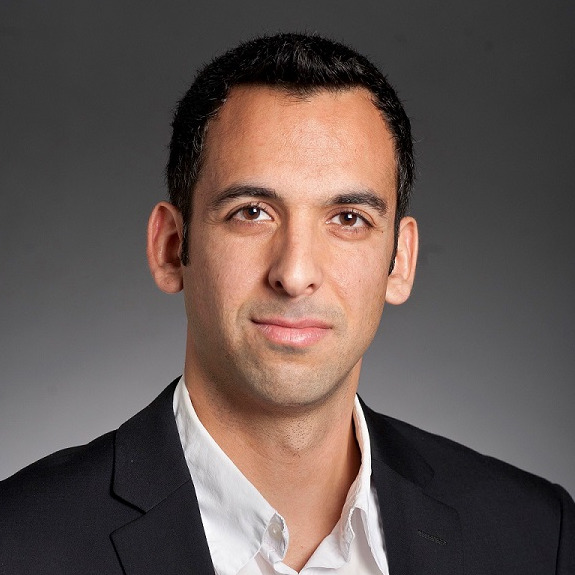
Clarence H. Adamson Professor of Mechanical Engineering, Carnegie Mellon University, Pittsburgh USA 15213;Carmel Majidi is the Clarence H. Adamson Professor of Mechanical Engineering at Carnegie Mellon University, where he leads the Soft Machines Lab. His lab is dedicated to the discovery of novel material architectures that allow machines and electronics to be soft, elastically deformable, and biomechanically compatible. Currently, his research is focused on fluid-filled elastomers that exhibit unique combinations of mechanical, electrical, and thermal properties and can function as “artificial” skin, nervous tissue, and muscle for soft robotics and wearables. Carmel has received grants from industry and federal agencies along with early career awards from DARPA, ONR, AFOSR, and NASA to explore challenges in soft-matter engineering and robotics. Prior to arriving at CMU, Prof. Majidi had postdoctoral appointments at Harvard and Princeton Universities and received his PhD in Electrical Engineering at UC Berkeley.
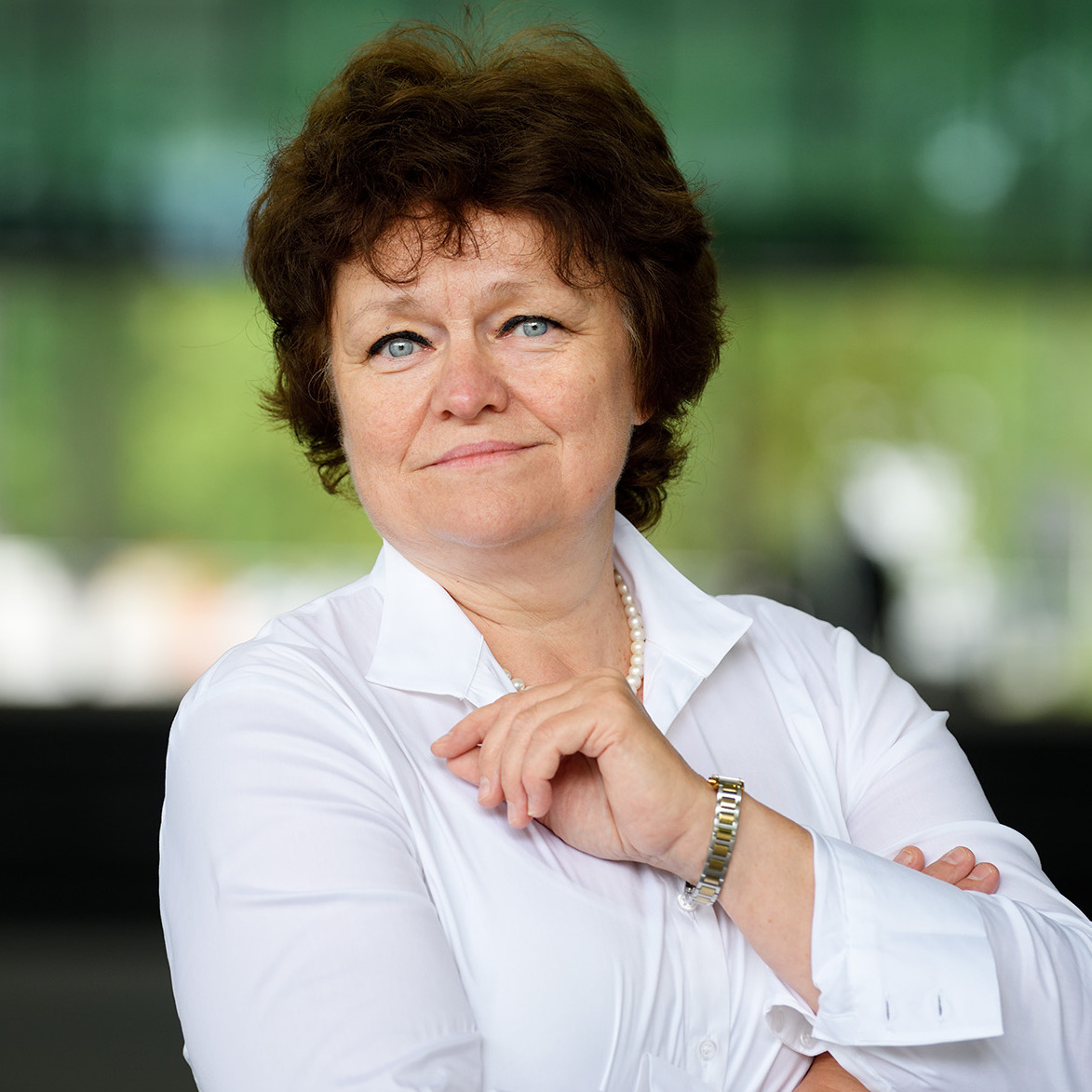
Prof. Dr. Elena Lomonova
Eindhoven University of Technology, Netherlands;Elena Lomonova (1959) studied Electromechanical and Control Systems at Moscow Aviation Institute (State University if Aerospace Technology), Russia. After graduating (cum laude), she started her industrial carrier at the Research and Development Company “Astrophysics”, Moscow, Russia (1982-1987). Afterwards she moved to the Electromechanical and Control Systems Department at State University of Aerospace Technology (MAI), and was active in research, education and industrial projects (1987-1997). She gained her PhD (cum laude, 1993) on researching of autonomous power and control systemns for vehicles with laser equipment. Since 1998 she worked for the Delft University of Technology before joining Eindhoven University of Technology in 2000. In March 2009 she was appointed as a full-time professor. Her chair focuses on fundamental and applied research on enabling energy conversion theory, methods and technologies for high-precision, automotive and medical systems.
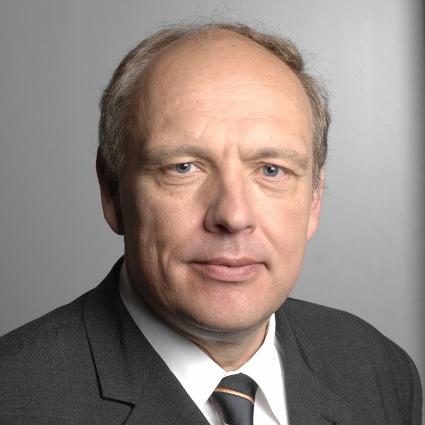
University of Freiburg;Jürgen Rühe studied chemistry at the universities of Münster and Mainz. In 1989 he received his Ph.D. from the Johannes-Gutenberg University, Mainz, working with Prof. Dr. G. Wegner at the Max-Planck-Institute of Polymer Research on electrically conducting polymers, specifically conjugated polyheterocycles. After a postdoctoral stay at the IBM research laboratories in San Jose, California, where he studied ultrathin layers for the improvement of tribological properties of materials, he returned to Germany and in 1991 started to work at the University of Bayreuth as a "Liebig"-fellow of the VCI and a fellow of the German Research Council (DFG) in the area of polymers at interfaces. In 1995 he completed his Habilitation at the faculty of Biology, Chemistry and Geosciences of the University of Bayreuth and rejoined the MPI of Polymer Research, where he held an associate professor position ("C3-Stelle der Max-Planck-Gesesellschaft") and was in charge of a Max-Planck research group on interface chemistry at the MPI-P. From 1998-2001 he has been appointed visiting associate professor at Stanford University and as associate member of CPIMA (Center for Polymer Interfaces and Macromolecular Assemblies). In October 1999 he accepted a full professor position as the chair for chemistry and physics of interfaces at the Department of Microsystems Engineering (IMTEK) at the University of Freiburg. He has been visiting scientist at the Cavendish Laboratories, Cambridge (UK), RIKEN, Tokyo (Japan) and Stanford University (USA). Jürgen Rühe was the Managing Director of the Department of Microsystems Engineering and the founding director of the Freiburg Institute for Advanced Studies (FRIAS). From 2006 to 2014 he served as Vice Rector for Internationalization and Technology Transfer of the University of Freiburg.


We are pleased to announce that IeCAT 2020 has been finished successfully. All comments and discussions on the manuscripts are closed now. We would like to thank all the participants, all the conference chairs, the committee members as well as our keynote and invited speakers for their excellent work.
The next edition of IeCAT is expected to be held on November 2022. We wish that you will continue to keep an eye on our next edition and welcome your participation in the year of 2022!
Please note that the Submission of Full Conference Paper and Presentation has been extended to 19 November 2020, which means you have three more days extension to upload your full submission and presentation. This would be the very last time for you to submit your full papers and presentations. Look forward to receiving your full submissions and presentations!
Live Sessions Schedule:
- Session: Soft and Biohybrid Actuation
Chair: Dr. Aslan Miriyev
Time: 23 November 2020 | 8:20-12:00 am (EST)
Registration link: https://us02web.zoom.us/webinar/register/2016027713395/WN_1PVdSoUTRFaOkh9Skw5Bew
- Session: Miniaturized and micro-actuators
Chairs: Prof. Dr. Manfred Kohl; Dr. Kirill Poletkin
Time: 24 November 2020 | 14:05-17:15 pm (CET)
Registration link: https://us02web.zoom.us/webinar/register/6216027713936/WN_eDIyuiZ2Q_CAAztCX0fNdA
- Session: Actuator Materials
Chair: Prof. Dr. Kenji Uchino
Time: 25 November 2020 | 8:30-10:30 am (EST)
Registration link: https://zoom.us/webinar/register/1816027714421/WN_rl3A93vnTOuTVGrRFkY0bg
- Session: Actuator Applications
Chairs: Prof. Dr. Tatiana Minav; Prof. Dr. José Luis Sánchez Rojas
Time: 26 November 2020 | 9:05-11:35 am (CET)
Registration link: https://us02web.zoom.us/webinar/register/6616027715059/WN_Ldc574RRTbanTXPgzWyCFw
Details are at Program of Online Sessions. Welcome to register and meet us at the live sessions.
Efficient SMA Actuation - Design & Control Concepts
Paul Motzki
Online unbalanced vibration suppression of a flexible rotor supported by active magnetic bearing
Huachun Wu
Below you will find the recordings of all the online sessions held during the e-conference for you to watch, re-watch and share with your colleagues!