.jpg)
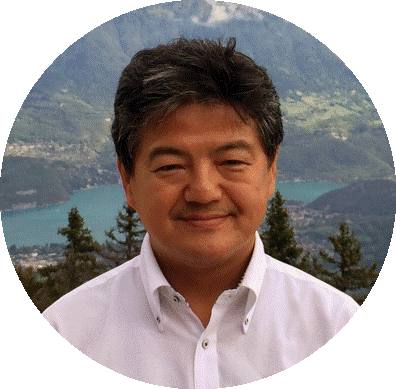




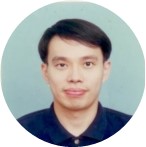

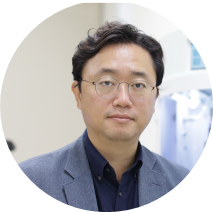 Prof. Sang-Woo Kim |
Yonsei University Prof. Kim has made significant contributions to the field of Tribo/Piezotronics, Triboelectric/Piezoelectric Nanogenerator, and the synthesis of novel two-dimensional nanomaterials. As the Director of the Center for Human-oriented Triboelectric Energy Harvesting, Prof. Kim leads research projects focused on human-oriented technologies like implantable medical devices and pathogen control. |
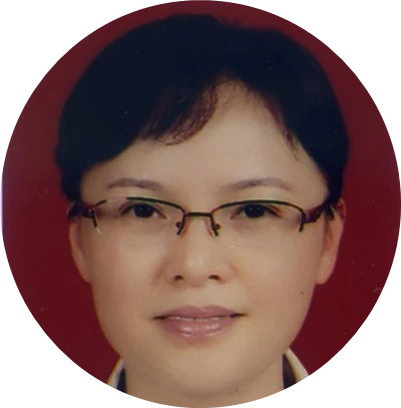 Prof. Chenguo Hu |
Chongqing University Prof. Hu Chen-Guo is a renowned professor and expert in surface/interface physics. She specializes in innovative research on friction nanogenerators, self-powered sensors, and energy storage devices. With over 270 SCI publications and numerous awards, she is a leading figure in the field of energy materials and devices. |
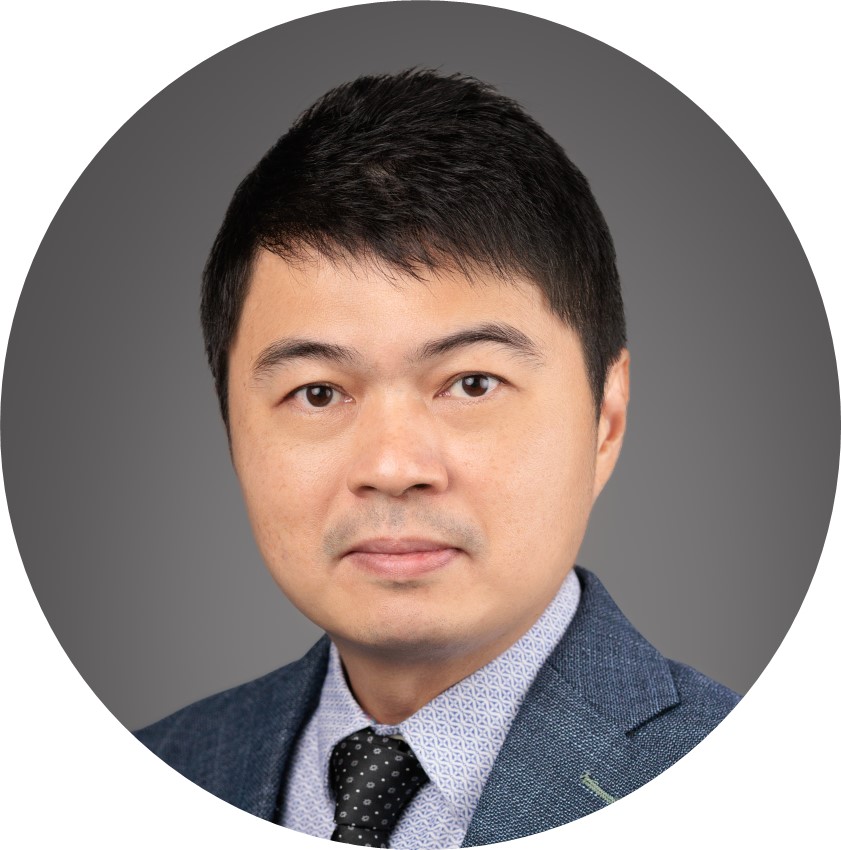
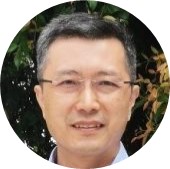 Prof. Jinghua Teng |
A*STAR Research Prof. Jinghua Teng is a Senior Principal Scientist at A*STAR’s IMRE, also serving as Adjunct Professor at NUS and NTU. With over 250 journal papers and 30 primary patents, his research focuses on 2D optoelectronics, nano-optics, and semiconductor materials. A Fellow of OPTICA and SPIE. |
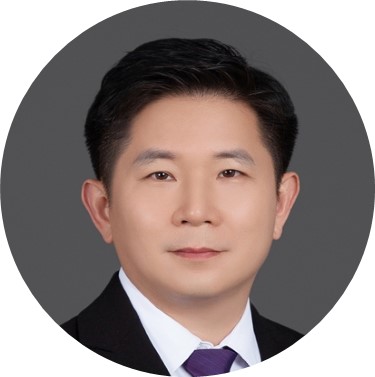 Prof. Ting Zhang |
Chinese Academy of Sciences |
 Prof. Mehmet Rasit Yuce |
Monash University Mehmet Yuce is a Professor of Electrical and Computer Systems Engineering at Monash University. His research focuses on low-power electronics design, IoT sensor technology, implantable medical devices, and wireless body area networks. With expertise in integrated circuits and energy harvesting, he has published extensively in wearable medical devices. |
 Prof. Sheng Xu |
University of California San Diego Professor Sheng Xu, specializes in soft electronics, nano electronics, and energy devices. With a Ph.D. from Georgia Tech, his research focuses on functional inorganic materials for wearable electronics and energy applications. |
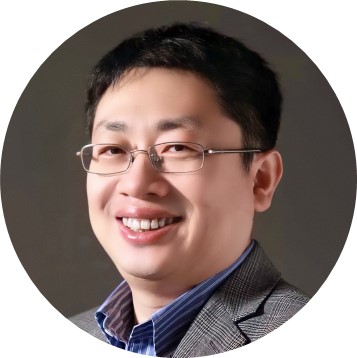 Prof. Xuhui Sun |
Soochow University Porf. Xuhui Sun is a distinguished professor at Soochow University, specializing in one-dimensional semiconductor nanomaterials and carbon nanostructures. With a strong background in material science and extensive research experience, he leads a cutting-edge research group focused on nanoelectronics, sensors, and energy harvesting. |
 Prof. Itoh Toshihiro |
The University of Tokyo Professor Toshihiro Itoh is a renowned expert in Large Area Device Integration at the University of Tokyo's Graduate School of Engineering. His research focuses on Wireless Sensor Networks, N/MEMS, Microsystem Packaging and Integration, and Large Area MEMS. With a Ph.D., Professor Itoh has led various research projects, including developing innovative technologies for livestock health monitoring. |
 Prof. Jae Yeong Park |
Kwangwoon University Jae Yeong Park is a distinguished Professor and Director at Kwangwoon University, leading the Human IoT Focused Research Center and Advanced Sensor and Energy Research Laboratory. He has made significant contributions to the field of wearable physical/electrochemical sensors, bio/healthcare sensors, Triboelectric/Electromagnetic harvesting technologies, and the synthesis of two/three-dimensional nanomaterials. Recognized with numerous awards, he also actively contributes to international standardization committees and academic societies. His innovative work has made a significant impact in the energy harvesting and wearable sensing research field. |
 Prof. Yunfeng Xiao |
Peking University Professor Xiao Yunfeng, based at Peking University, specializes in ultra-high-Q optical microcavities, with achievements recognized in China’s Top Ten Scientific Progress in Universities. His research explores quantum and nonlinear optics, asymmetric microcavities, and precision measurement. |
 Prof. Da-Jeng Yao |
National Tsing Hua University Professor Da-Jeng Yao, serving at National Tsing Hua University, holds a PhD from the University of California, Los Angeles. He is an expert in Nano/Micro Electro-Mechanical Systems (MEMS), focusing on MEMS packaging and reliability, thermoelectric applications, and thin film thermal conductivity measurement. His innovative research aims to advance the field of miniature systems technology, enhancing device efficiency and reliability. |
 Prof. Ying-Hao Chu |
National Tsing Hua University His research is highly focused on complex functional oxides and strongly correlated electron systems. He has extensive experience in the use of advanced characterization techniques to understand and manipulate functional oxide heterostructures, nanostructures, and interfaces. His current goal is to create a pathway to use high quality oxide heteroepitaxy for soft transparent technology. Now, he is a pioneer with the most publication along this research direction. |
 Prof. Huangxian Ju |
Nanjing University Professor Huangxian Ju, has made significant contributions as a chemist. As the director of the State Key Laboratory of Analytical Chemistry for Life Science, he specializes in immunological and cellular analysis, nano biosensing, and clinical molecular diagnostics. His extensive publication record and numerous awards highlight his impactful research and dedication to advancing the field of chemistry. |
 Prof. Tingrui Pan |
University of Science and Technology of China Professor Tingrui Pan is a leading expert in flexible tactile sensing technology, specializing in wearable health and personalized medical devices. His research in iontronic sensing mechanisms has been groundbreaking and he is a Fellow of AIMBE and RSC. Professor Pan is shaping the future of intelligent medical devices by bridging the gap between medical engineering and cutting-edge research. |
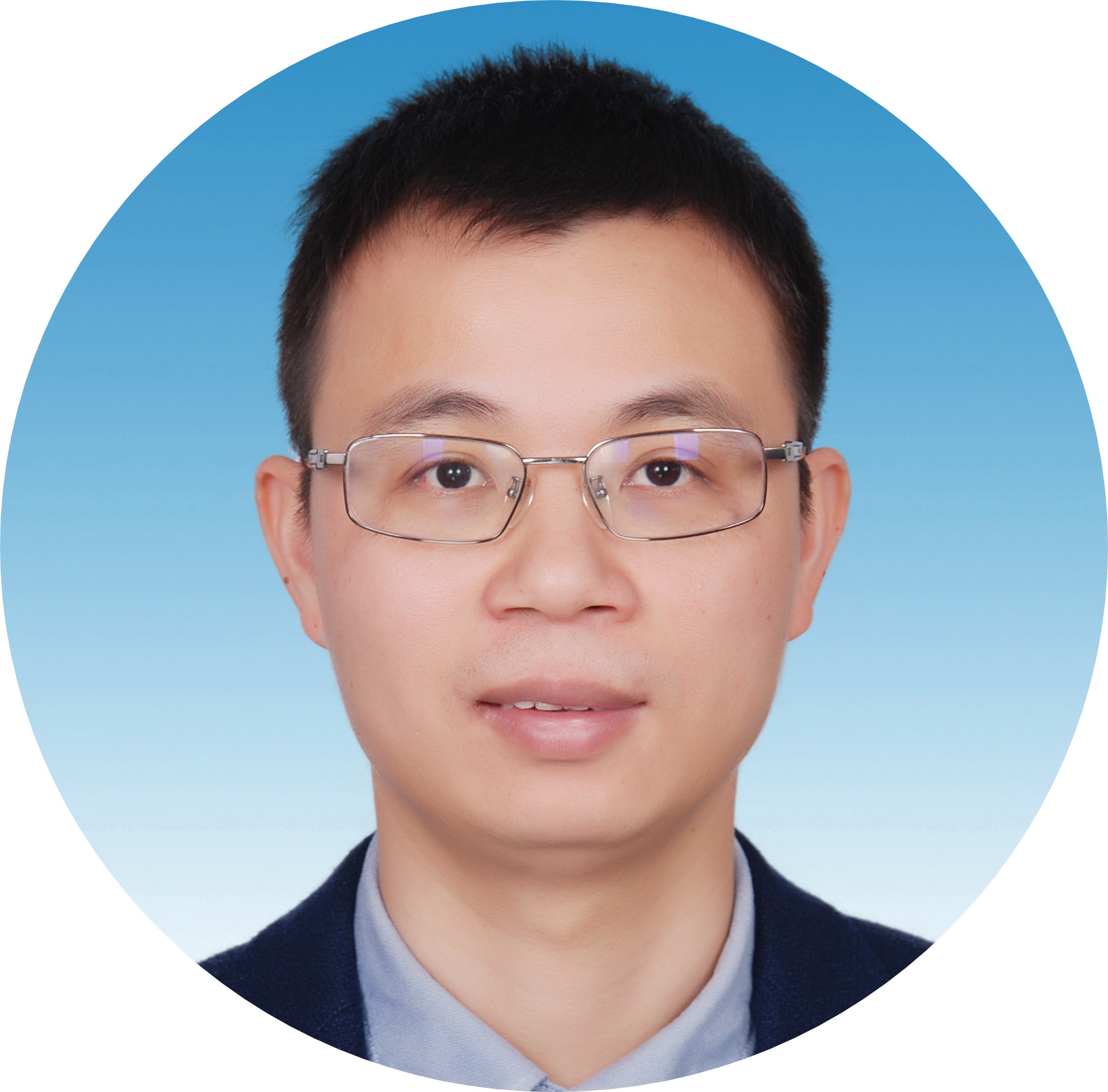 Prof. Jin Xie |
Zhejiang University Professor Jin Xie is a distinguished member of the School of Mechanical Engineering at Zhejiang University. Specializing in MEMS, his expertise extends to the design and manufacturing of microsensors and microactuators, as well as nanotechnology. He has a prolific publication record in these fields, contributing to major conferences and journals. |
 Prof. Nan Wang |
Shanghai University Professor Nan Wang, at Shanghai University's School of Microelectronics, specializes in MEMS technology, focusing on sensors, actuators, and RF-MEMS devices. His research advances 5G and 6G communication systems through innovative MEMS chip manufacturing. He earned his PhD from the National University of Singapore and has led several significant international projects. |
 Prof. Yi-Kuen Lee |
Hong Kong University of Science and Technology Prof. Yi-Kuen Lee is the Associate Director of the Center of Integrated Micro Systems and the Nanosystem Fabrication Facility. His research interests are primarily focused on microelectromechanical systems (MEMS), biomicrosystems, MEMS sensors for construction robotics, AIoT sensors for the Metaverse, and CMOS MEMS sensor platforms. His work is pivotal in advancing integrated microsystems technology. |
 Prof. Guangya Zhou |
National University of Singapore Prof. Guangya Zhou is a tenured associate professor at the National University of Singapore's Mechanical Engineering Department. His research focuses on optical engineering, optical MEMS, micro-optics, and nanophotonics. Prof. Zhou has published over 150 papers, holds several patents in MEMS and optics, and has edited a book on "Optical MEMS, Nanophotonics, and Their Applications. |
 Prof. Po-Liang Liu |
Chung-Hsing University Prof. Po-Liang Liu is a professor at the Graduate Institute of Precision Engineering at National Chung-Hsing University. He specializes in first-principles simulations of semiconductor properties, materials genome technologies, gas sensors, and deep-UV photodetectors. Prof. Liu has chaired and keynoted several international conferences and hosted the International Symposium on Precision Engineering from 2020 to 2023. |
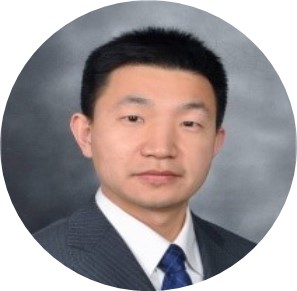 Prof. Zhou Li |
Chinese Academy of Sciences Prof. Zhou Li is a senior researcher and director at the Beijing Institute of Nanoenergy and Nanosystems, Chinese Academy of Sciences. His research focuses on bioelectronic devices, self-powered sensors, and biodegradable medical devices. Dr. Li has published over 140 papers and received numerous awards, including the National Natural Science Foundation Outstanding Young Scientist Fund, contributing significantly to biomedical engineering. |
 Prof. Chuanfei Guo |
Southern University of Science and Technology Prof. Chuan-Fei Guo is a Professor of Materials Science and Engineering at Southern University of Science and Technology (SUSTech). He completed his bachelor's in Material Science at Huazhong University of Science and Technology in 2006 and his PhD in Condensed Matter Physics at the Chinese Academy of Sciences in 2011. After postdoctoral research at Boston College and the University of Houston, he joined SUSTech in 2016. His work focuses on flexible electronics and soft robotics, with over 150 publications and 27 granted patents. He is also an editor for Materials Today Physics. |
 Prof. Xiong Pu |
Chinese Academy of Sciences Prof. Xiong Pu is a young researcher and Ph.D. supervisor at the Beijing Institute of Nanoenergy and Nanosystems, Chinese Academy of Sciences. His expertise lies in flexible energy materials and devices, including nanogenerators and self-charging power sources. With over 100 publications in esteemed journals and multiple awards, Dr. Pu is recognized for his significant contributions to the field of flexible electronics. |
 Prof. Caofeng Pan |
Chinese Academy of Sciences Prof. Caofeng Pan leads a prominent team focusing on atomic manufacturing and intelligent sensing. With expertise in low-dimensional semiconductor materials and devices, Professor Pan's lab pioneers research in electronic skin, sensors, and nanomaterials' optoelectronic properties. Their work contributes significantly to artificial intelligence and robotics, particularly in tactile perception and sensing. |
 Prof. Minyi Xu |
Dalian Maritime University His research focuses on underwater robotics, novel sensing technologies, and ocean energy harvesting. He has led several key research projects, published over 130 papers in prominent journals, and holds numerous patents. Prof. Xu has received various honors for his contributions, including the China National Natural Science Foundation grant, and has chaired or spoken at several international conferences in his field. |
 Prof. Michinao Hashimoto |
Singapore University of Technology and Design Prof. Michinao Hashimoto specializes in microfluidics for biomedical engineering. With extensive experience from prestigious institutions like Harvard and MIT, his research focuses on developing low-cost medical devices and drug delivery systems. Dr. Hashimoto's work aims to make science and technology more accessible, contributing significantly to the field of point-of-care diagnostics and medical device development. |
 Prof. Chia-Hung Chen |
City University of Hong Kong Prof. Chia-Hung Chen, a Professor at the Department of Biomedical Engineering, City University of Hong Kong. Prof. Chen focuses on integrative platforms for biomedical applications. His expertise lies in microfluidic droplets, single cell analysis, and smart hydrogels, enabling rapid and precise diagnosis for personalized medicine. |
 Prof. Yu-Cheng Lin |
National Cheng Kung University Prof. Yu-Cheng Lin, a distinguished professor at National Cheng Kung University, earned his Ph.D. from the University of Illinois at Chicago. Specializing in microfluidic systems, his research spans various areas including capillary electrophoresis chips, PCR chips, and nanobiomedical chips. With expertise in MEMS fabrication and biomedical microfluidic applications, he continues to contribute significantly to advancing bioanalytical technologies. |
 Prof. Jianyong Ouyang |
National University of Singapore |
|
|
Institute of Microelectronics, A*STAR Dr. Luo is a Principal Scientist in IME, A*STAR. His research focuses on silicon photonics and photonics heterogenous integration technologies. He has published over 200 journal and conference papers, and has over 30 patents filed or granted. He is a fellow of Optica for outstanding contributions to silicon photonics integration technology development and commercialization. |
 Prof. Alexander Star |
University of Pittsburgh Dr. Alexander Star is a Professor of Chemistry, Bioengineering, and Clinical and Translational Science at the University of Pittsburgh. The primary focus of his Sensor Technology Advanced Research (STAR) laboratory is the development of chemical sensing applications of carbon nanomaterials. |
 Prof. Sam Zhang |
Harbin Institute of Technology Prof. Sam Zhang excels in Material Science and Technology, focusing on space optothermal radiation control surfaces. He frequently publishes and speaks at international conferences, contributing significantly to the field. Recognized among the world's top 2% of scientists, his expertise and research have positioned him as a leading figure in physical sciences in China, notably ranked 49th among Chinese physicists. |
 Prof. Xin Zhang |
Boston University Prof. Xin Zhang is a professor at Boston University, specialized in the research of Microelectromechanical Systems and Metamaterials. Her research spans Photonic and Optical Applications, Medical Imaging Technologies, and Acoustic Silencing and Noise Reduction. Her achievements include a host of honors and awards, such as the Sigma Xi Chubb Award in 2023. |
 Prof. Sang-Seok Lee |
Tottori University Dr. Sang-Seok Lee is a Professor at Tottori University, specializing in Microelectromechanical Systems (MEMS). Holds a PhD in Information Science from Tohoku University. Research focuses on: MEMS devices for bio/chemical/medical applications; Micro/nano technologies for aerospace systems; Metamaterial design and applications and RF MEMS and power MEMS devices. |
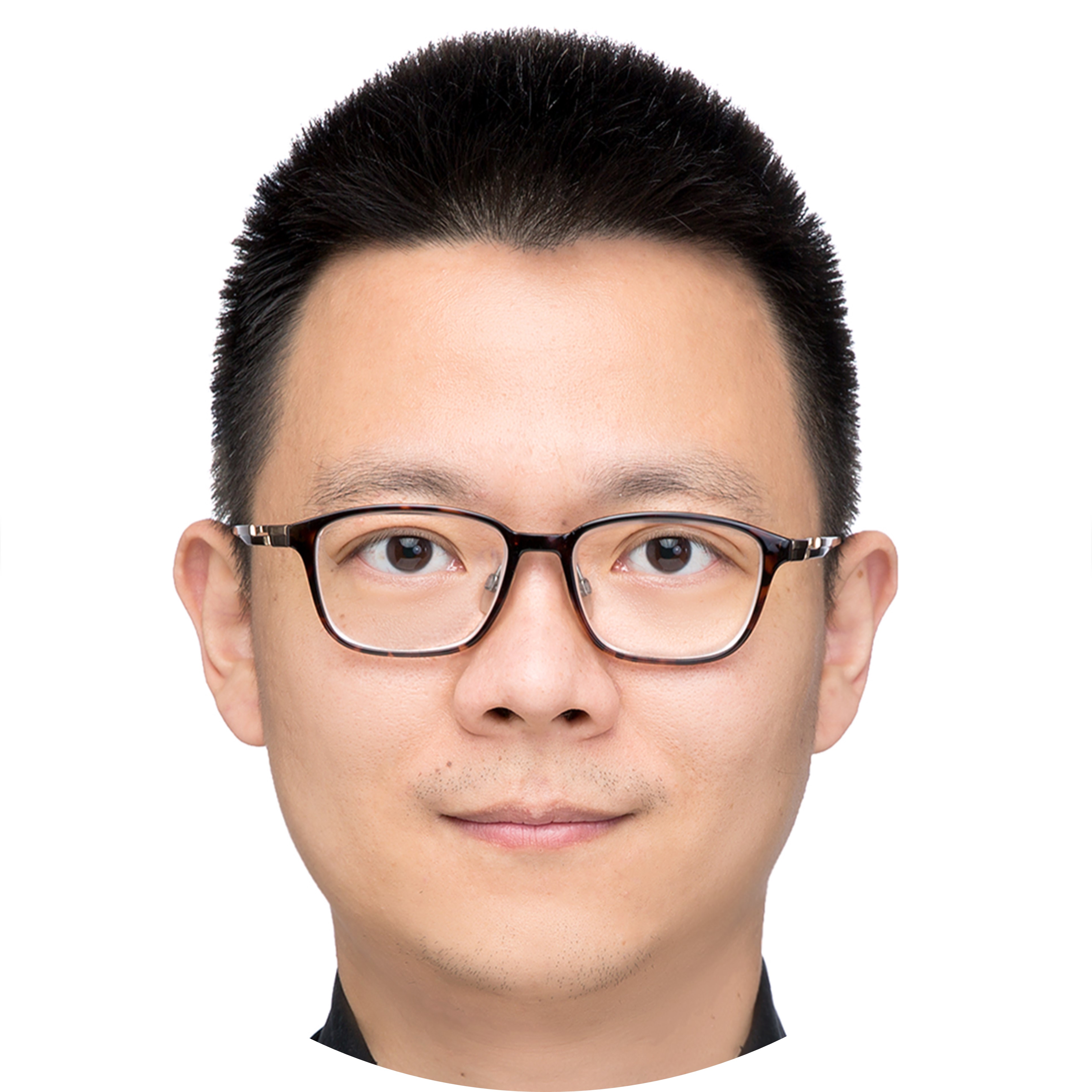 Prof. Yunlong Zi |
The Hong Kong University of Science and Technology (Guangzhou) |
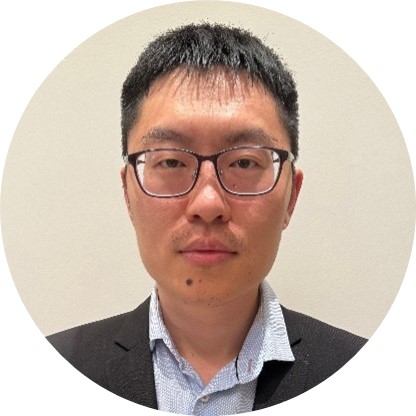 Dr. Huajun Liu |
Institute of Materials Research and Engineering, A*STAR |
 Prof. Swee Ching Tan |
National University of Singapore |
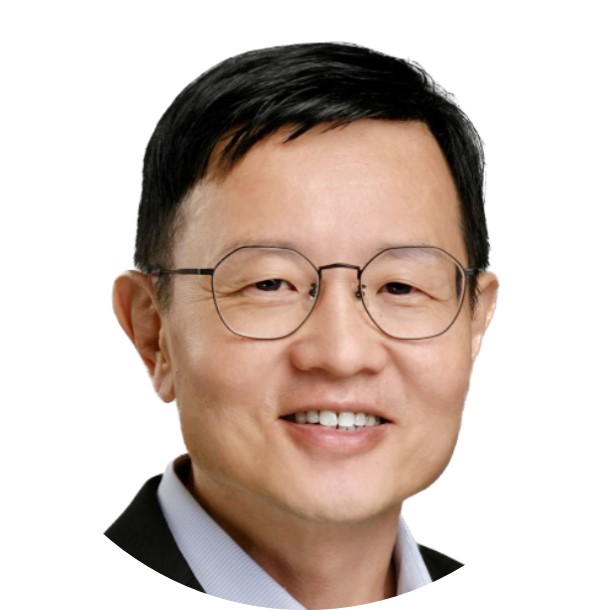 Prof. Chwee Teck Lim |
National University of Singapore |
 Prof. Chengwei Qiu |
National University of Singapore Prof. Cheng-Wei Qiu is a distinguished Dean’s Chair Professor specializing in structured light and metasurfaces at NUS. A Fellow of Optica and SPIE, he has published over 460 journal papers, including in prestigious journals like Science and Nature. Recognized with numerous awards, he mentors academic scientists and entrepreneurs, with many of his mentees becoming esteemed professors themselves. |
 Prof. Inkyu Park |
Korea Advanced Institute of Science and Technology Professor Inkyu Park is a distinguished KAIST Chair Professor and Principal Investigator at the MINT Lab. With expertise in high-performance sensors and hybrid manufacturing technologies, he leads innovative research in bio/chemical sensors and nanomaterial-based devices. His work showcases a blend of excellence in academia and industry. |
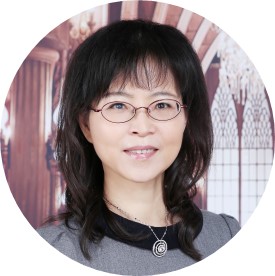 Prof. Ray-Hua Horng |
National Yang Ming Chiao Tung University Ray-Hua Horng is a Professor specializing in optoelectronic devices, power transistors, epitaxial film transfer technology, wafer bonding techniques, next-generation solar cells, and flexible devices. Ray-Hua Horng has conducted research projects focusing on the development of novel wide bandgap single crystal epitaxy technology, as well as deep ultraviolet light sensors. |