 |
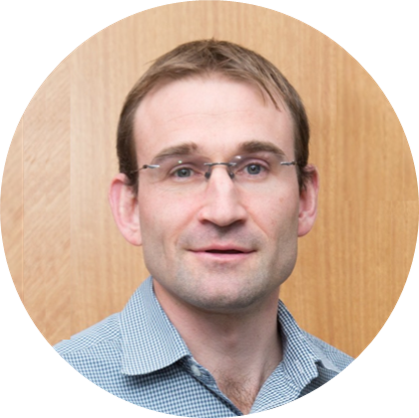
Topic: Defining Complex Drug Mechanisms with MetabolomicsDr. Darren CreekMonash University, Australia(Video) |
Biography: Dr. Darren Creek is a Senior Lecturer and NHMRC Career Development Fellow at the Monash Institute of Pharmaceutical Sciences, and is Director of the Metabolomics Node of the Monash Proteomics and Metabolomics Facility. He completed his PhD at Monash University in 2007, and performed post-doctoral research in Uganda, Scotland and Australia working on antimalarial drug discovery and clinical trials, before focusing on metabolomics studies of tropical parasites. He developed several novel analytical methods and software tools for the metabolomics field, and discovered novel pathways and drug mechanisms in protozoan parasites. Dr Creek’s laboratory currently uses metabolomics and proteomics to understand mechanisms of drug action and resistance for infectious diseases, with a major focus on African trypanosomiasis and malaria. In 10 years since completion of his PhD, Darren has over 75 publications, 10 grants and fellowships from NHMRC, ARC and NIH, and was recently a Director of the International Metabolomics Society.
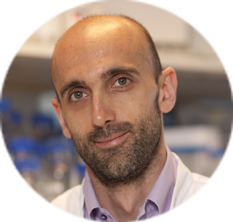 |
Topic: Mitochondrial Dysfunction and Cancer: Metabolites and Beyond (Video)
Dr. Christian FrezzaUniversity of Cambridge, UK
|
Biography: Dr. Christian Frezza is an MRC Programme Leader at the MRC Cancer Unit, University of Cambridge. He studied Medicinal Chemistry at the University of Padova, Italy, and gained his MSc in 2002, after a period of research on mitochondrial toxicity induced by photoactivable anticancer drugs. Christian then joined the laboratory of Luca Scorrano in Padova to start a PhD on mitochondrial dynamics and apoptosis. In 2008, he moved to the Beatson Institute of Cancer Research in Glasgow as recipient of an EMBO Long Term Fellowship, where he investigated the role of mitochondrial defects in tumorigenesis. He moved to the MRC Cancer Unit in 2012, to take up his current position. Christian’s research is focused on understanding the role of altered metabolism in cancer, particularly investigating how small molecule metabolites affect the process of tumorigenesis. The major goal of his team is to exploit this knowledge to pioneer novel tools for cancer diagnosis and therapy.
 |
|
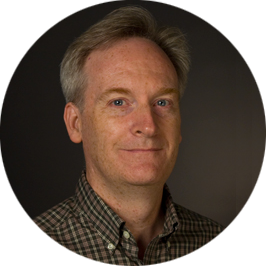
Biography: Dr. Peter D. Karp is the director of the Bioinformatics Research Group within the Artificial Intelligence Center at SRI International. Dr. Karp has authored more than 160 publications in bioinformatics and computer science in areas including metabolic pathway bioinformatics, computational genomics, scientific visualization, and scientific databases. He is a Fellow of the American Association for the Advancement of Science and of the International Society for Computational Biology. He received the Ph.D. degree in Computer Science from Stanford University in 1989, and was a postdoctoral fellow at the NIH National Center for Biotechnology Information.
 |
Topic: Computational Tools for the Identification of UnknownsProf. Dr. David S. WishartUniversity of Alberta, Canada |
 |
|
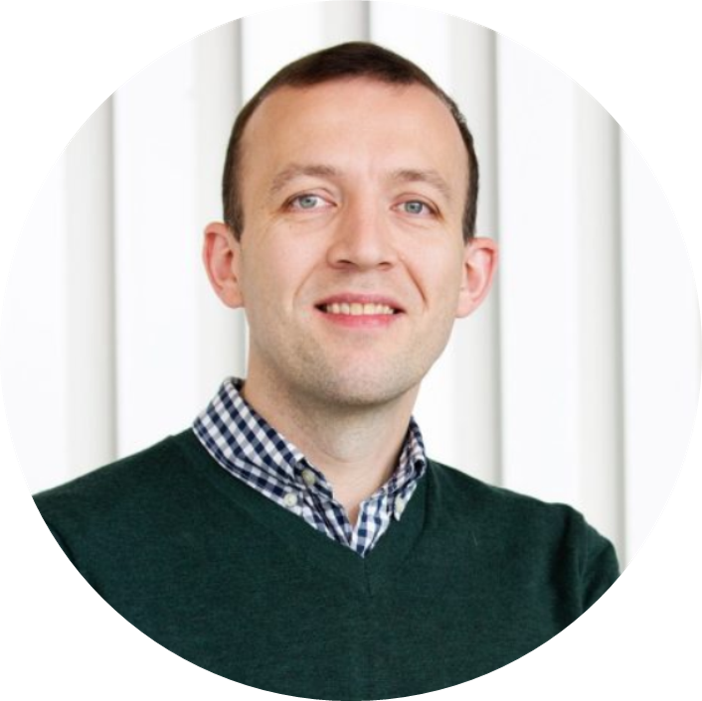
Biography: Oliver Jones is an associate professor of analytical chemistry based at RMIT University in Melbourne. He obtained his MSc and PhD from Imperial College London in 2005 and then held a postdoctoral fellowship in biochemistry at the University of Cambridge until 2009. Oliver then worked at the University of Durham before moving to RMIT in 2012. Oliver’s group conducts research in chromatography and NMR, for a range of applications, predominantly metabolomics and the trace analysis of environmental pollutants. At RMIT he is Deputy Director of both the Water: Effective Technologies & Tools Research Centre and the Environmental Sustainability & Remediation Centre. He also recently developed a mobile app “Chirality-2” to help teach Chemistry. He is currently (2015-date) a member of the Australian Academy of Science National Committee for Chemistry. He is president of the Australian and New Zealand Metabolomics Network; secretary and board member of the Australian and New Zealand Society for Magnetic Resonance and a board member of the Metabolomics Society. Oliver has won several awards including the 2015 ANZMAG Sir Paul Callaghan Medal and the RMIT College of Science Engineering and Health Media Star Award. He has been an invited speaker at several conferences and have helped organise many others (he was a member of the organising committee of the 2017 Metabolomics Conference). He has over 86 peer-reviewed publications, with 3987 total citations and an h-index of 27.
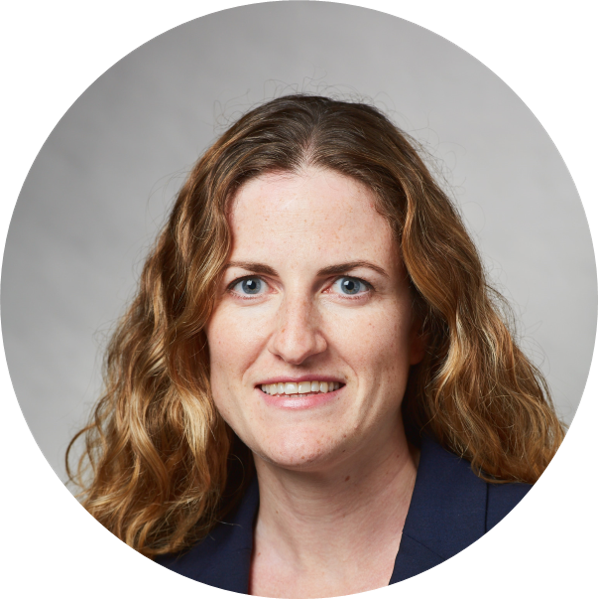 |
Topic: Identifying Sex Differences in Colon Cancer Metabolism (Video)Dr. Caroline H. JohnsonYale University, USA |
Biography: Caroline H. Johnson, PhD, is Assistant Professor of Epidemiology in the Department of Environmental Health Sciences at Yale School of Public Health. She graduated from Imperial College London in 2009 with a PhD in Analytical Chemistry. Since then she has held postdoctoral and staff appointments at the National Cancer Institute and The Scripps Research Institute. Dr. Johnson's research uses mass spectrometry-based metabolomics to understand the role of metabolites in human health. Her primary research interest is to investigate the relationship between genetic and environmental influences (diet, hormones and microbiome) in colon cancer. She is also examining exposures during pregnancy.