Sessions & Session Chairs
Sessions
S1. Metal Surface Treatment and Protective Coatings
S2. Protective Coatings for Extreme Environments and Engineering Applications
S3. Deposition Technologies and Applications
S4. Spraying Technologies and Applications
S5. Laser Cladding and Additive Manufacturing
S6. Bioactive and Food Packaging Coatings
S7. Energy and Functional Coatings
S8. Cultural Heritage Protection and Architectural Coatings
S9. Ceramic Coatings and Applications
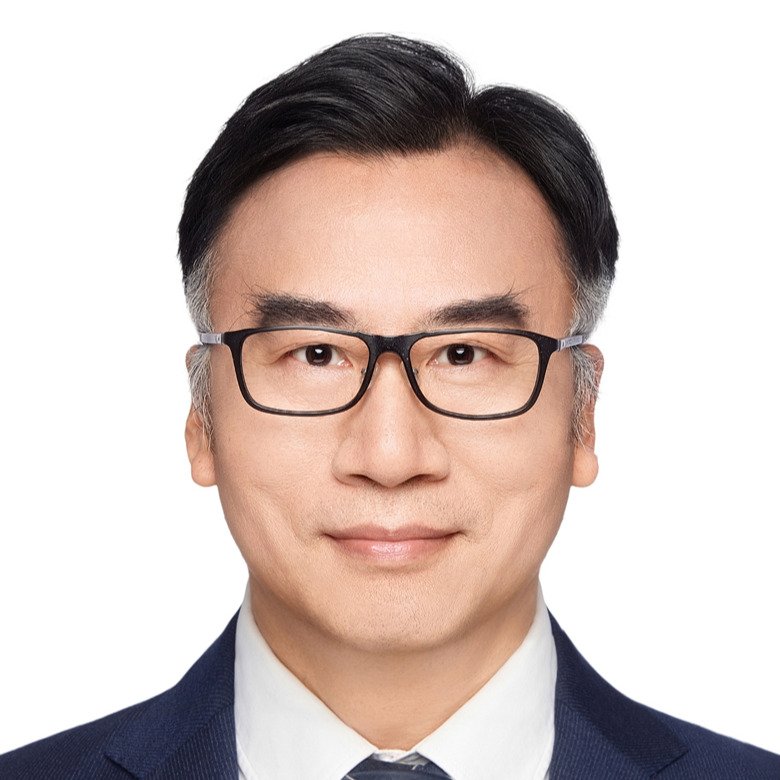
Wuhan University, China
Wanping Chen received his Doctoral degree from Tsinghua University in 1998. He worked at Tohoku University, Japan from 1998 to 2001, and at The Hong Kong Polytechnic University from 2001 to 2004. Since 2005, he has been a professor at the School of Physics and Technology, Wuhan University, China. He has been dedicated to the synthesis and performance research of various metal oxide functional materials. In 2018, he began to explore the tribocatalytic performance of metal oxide semiconductors, and in 2019 his group made the first report on tribocatalytic degradation of organic dyes.
Northeastern University, China
Huazhong University of Science and Technology, China
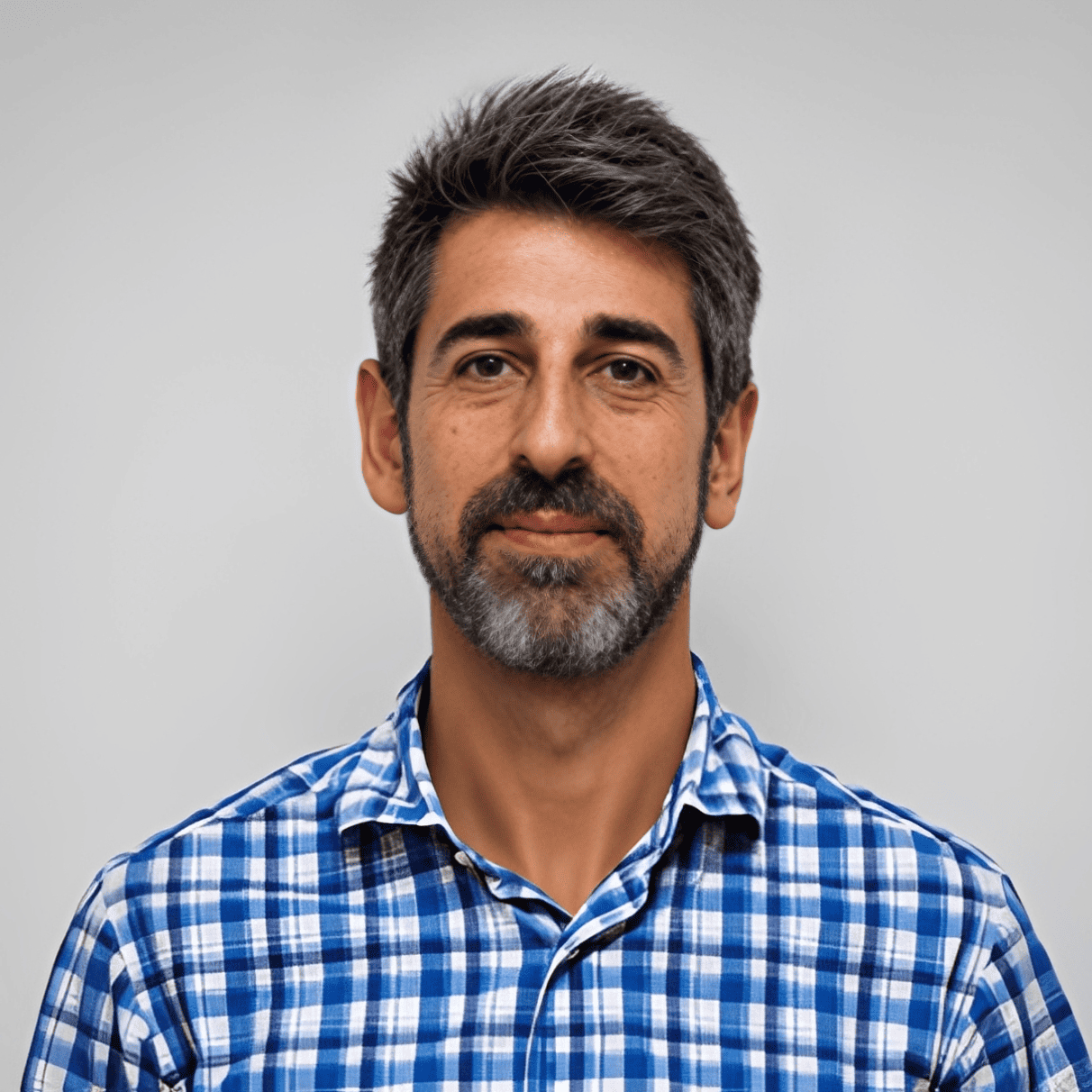
University of Barcelona, Spain
Professor and Director of the Department of Materials Science and Physical Chemistry at Universitat de Barcelona, he has a long teaching and research career. He has published more than 155 papers in high-level and internationally prestigious journals in the field and with an h-index of 39 according to the SCOPUS database, with more than 4500 citations. He is also the President of the ETSA (European Thermal Spray Association) since June 2022. His main research experience is focused on surface engineering, and specifically on the thermal spray field, collaborating with national and international research centres and companies.
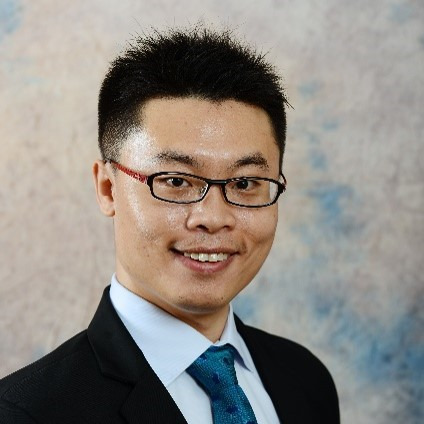
Chongqing University, China
Lidong Sun is a professor at School of Materials Science and Engineering, Chongqing University, China. Dr. Sun received his PhD degree from Nanyang Technological University, Singapore and worked as a postdoctoral research fellow at National University of Singapore. His research interests include electrochemistry for surface science under confined space, with a particular focus on surface modification and functionalization for metal wires/tubes/microchannels by electrochemical approaches. Dr. Sun is the Fellow of the Institute of Materials, Minerals & Mining, UK and the Fellow of the International Association of Advanced Materials.
Northwestern Polytechnical University, China
Jianxi Liu, Professor at the School of Materials Science and Engineering, Northwestern Polytechnical University. He obtained his Ph.D. degree from Karlsruhe Institute of Technology in 2015, Germany. He performed postdoctoral research at the Northwestern University in the United States from 2016 to 2018. Then, he has opened his independent research career at Northwestern Polytechnical University, China. He was appointed as a “Young Changjiang Scholar” by the Ministry of Education of China in 2024. Professor Liu’s current research interests include Nanofabrication, Optical Sensing, Multifunctional Coatings, Biomimetics and Biolubrication. He has published more than 130 papers in peer reviewed journals, such as PNAS, Adv. Mater., ACS nano, Nano Letters, etc.
Shanghai Institute of Ceramics, Chinese Academy of Sciences (SICCAS), China
Prof. Xuebin Zheng was born in Zhejiang Province of China in 1971. He received his Bachelor degree of Chemistry in 1992 from Fudan University and obtained Ph.D. degree of Material Science in 2000 from Shanghai Institute of Ceramics, Chinese Academy of Science (SICCAS). He was appointed as assistant professor (2000) and associate professor (2002) in SICCAS. Now he is a professor and the director of Research Group of Plasma Sprayed Coatings. His current major research interests are biomedical coatings and protective coatings. Bioactivity, biocompatibility, osseointegration as well as antibacterial effect of the coating materials are carried out in his group. More than 200 scientific papers have been published in the scientific journals including Biomaterials, Acta Biomaterialia, Journal of Biomedical Materials Research, Surface & Coatings Technology, etc. by his research group. Besides basic research, he cooperates with the companies of orthopedic implants for the development of better human medical products. His group successfully applies vacuum plasma spray (VPS) technology to manufacture porous Ti coating and bioactive HA coating on orthopedic implants. More than 300,000 bone substitutes (artificial hip joints, spinal implants, etc.) with VPS Ti coating or/and HA coating have been manufactured and applied clinically in these years.
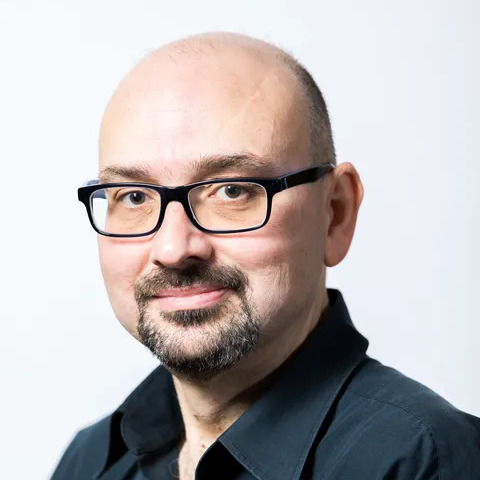
The University of Edinburgh, UK
Vasileios Koutsos, FInstP, FIMMM, CEng MIMechE, FHEA, is a Professor (Chair in Soft Materials and Surfaces) with the Institute for Materials and Processes, in the School of Engineering. Formerly a Marie Curie Post-Doctoral Research Fellow at the Laboratory of Condensed Matter Physics in Collège de France (Paris, France, 1998-2000), he holds a BSc in Physics (Physics Department, Aristotle University of Thessaloniki, Thessaloniki, Greece, 1992) and a PhD in Polymer Science (Chemistry Department & Materials Science Centre, University of Groningen, Groningen, The Netherlands, 1997).
Since joining the University of Edinburgh in 2000, VK has transitioned from Lecturer to Professor, leading an interdisciplinary research group at the intersection of materials science, physics, physical chemistry, and mechanical engineering. With over two decades of academic and research leadership, he has secured £8M in funding and currently directs an advanced AFM facility. A defining feature of his career is a deep-seated, user-oriented approach that bridges the gap between fundamental research and industrial application. He has attracted over £1.5M in direct industrial funding from world-leading partners—including Michelin, SABIC, Ford, Jaguar Land Rover, WES, and Greencoat UK Wind—to tackle complex materials science and engineering challenges.
VK served as Head of the Research Institute for Materials and Processes for a full 5-year term (2014-2019) and as Deputy Head of the Research Institute from 2019 to Feb. 2026; he currently serves as Deputy Director of Mechanical Engineering (since 2024).

University of the West of Scotland, UK
Professor Des Gibson is Director of the Institute of Thin Films, Sensors & Imaging at the University of the West of Scotland, UK. His career combines academic research with industrial leadership, including technical director and CEO positions in established companies, SMEs and technology start-ups. His expertise covers optical thin-film design, deposition processes, plasma sources, infrared coatings and gas-sensing technologies. His research also addresses medical sensing, thin-film photovoltaics and nanostructured functional materials, with an emphasis on translating research into practical applications.
He founded the Institute of Thin Films, Sensors & Imaging in 2014 and Thin Film Solutions Ltd in 2002, and co-founded Applied Multilayers Ltd and Gas Sensing Solutions. His work spans research, patented technologies, product development and commercialisation. He is a Fellow of the Institute of Physics, the Institution of Engineering and Technology, and Optica, and also serves as a Visiting Professor at the University of Glasgow.
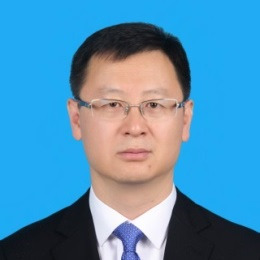
Prof. Dr. Li Ji
Lanzhou Institute of Chemical Physics, Chinese Academy of Sciences, China
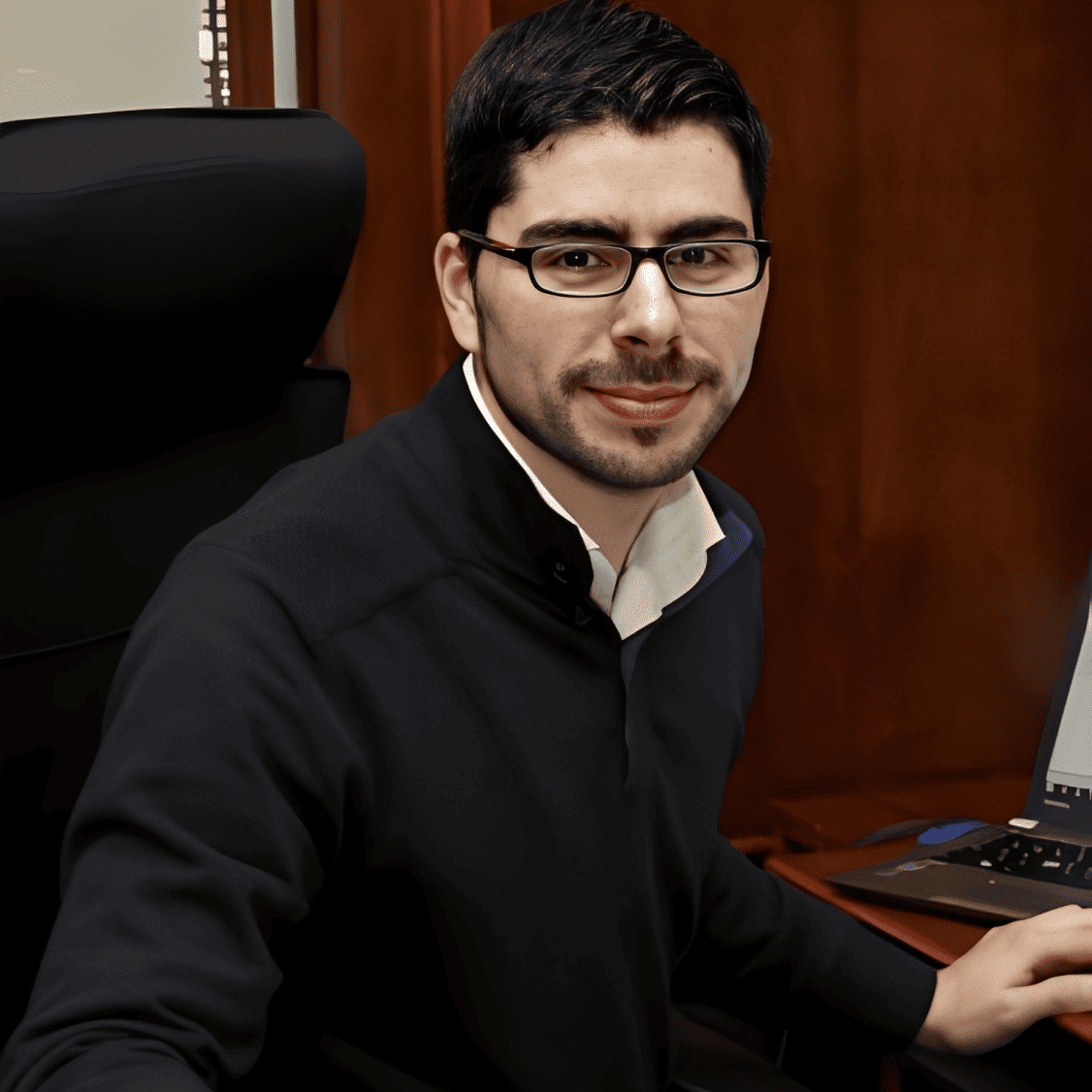
University of Vigo, Spain
Rafael Comesaña Piñeiro is a researcher in the field of materials engineering and manufacturing at the University of Vigo, Spain. His research primarily focuses on advanced manufacturing technologies, materials processing, and laser-assisted processing.
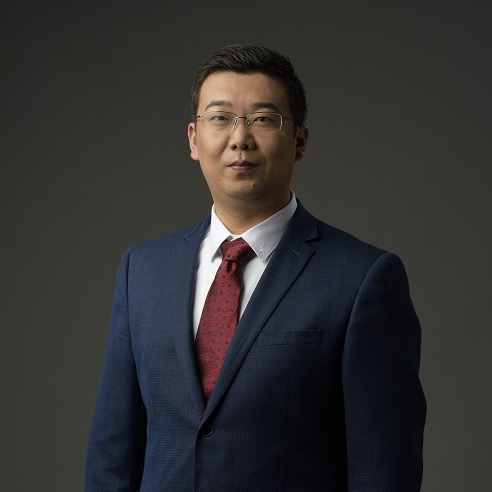
Ningbo University, China
Professor Xinkun Suo is a Ph.D. supervisor, a First-Tier Leading Talent of Ningbo City, and an A-Level Academic Leader at Ningbo University. He serves as Director of the Institute of Multidimensional Additive Manufacturing, a member of the Metallurgical Mechanical and Electrical Standardization Committee of the China Iron and Steel Association, a council member of the Zhejiang Engineers Society, and an expert of the Zhejiang Automotive Engineering Professional Qualification Evaluation Committee. He is also a member of the Editorial Board of Materials Protection and a Young Editorial Board Member of Rare Metals.
In recent years, Professor Suo has received the China Industry-University-Research Cooperation Innovation Award. He has led more than ten national and provincial-level research projects, including those funded by the National Natural Science Foundation of China and the Zhejiang Provincial Key Research and Development Program. He has published over 50 SCI-indexed papers, been granted more than 20 invention patents, and contributed to the development of one local standard and two industry standards.
Leading his research team, Professor Suo has carried out extensive research in the fields of advanced materials development, two-dimensional coatings, and three-dimensional printing. Many of the resulting technological achievements have been successfully applied in sectors such as new energy and related industries.
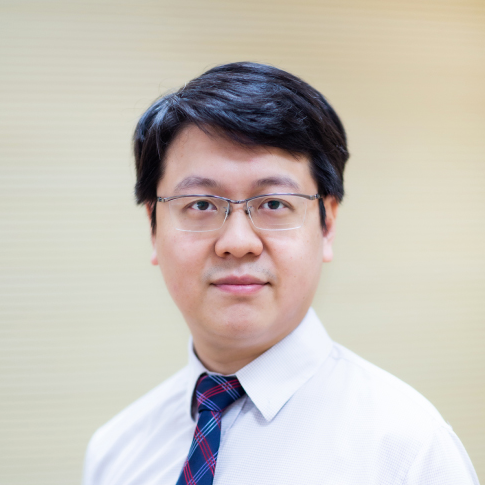
University of Hong Kong, China
Professor James Tsoi is an Assistant Dean (Innovation), Director of Global Hub for Future Dentistry and Associate Professor in Dental Materials Science at HKU Faculty of Dentistry. He received BSc in Applied and Analytical Chemistry and PhD in Dental Materials Science, from the University of Hong Kong. He also holds the Memberships of Royal Society of Chemistry (MRSC) and British Computer Society (MBCS), and Fellow in Advanced HE (FHEA). James is actively engaged in a number of research areas including: Dental materials science (mechanical behaviours, surface/bonding and ceramics), AI+ in dentistry (smart manufacturing, digital dentistry, CAD/CAM and 3D printing) and dental education (basic science and e-learning). He has authored more than 180 peer-reviewed journal articles, published and granted 10 patents, graduated 44 MSc and 14 PhDs, and been awarded 8 times internationally since he joined HKU Dentistry as a faculty member in 2012. He is currently serving several SCI journals’ editorial board (including Dental Materials), being President in IADR-Dental Materials Group, Member-at-large in the Academy of Dental Materials, Committee Member of Guangdong Province Medical Device Standardization Technical Committee (GD/TC 16), and Hong Kong head-of-delegate in ISO/TC 106 (Dentistry).

University of Barcelona, Spain
Dr. Camila Barreneche has an Associate Professor position at Universitat de Barcelona. Within the EIC Pathfinder ThermoDust project, she collaborated as the Industrial Stakeholders Group manager to provide the main results and achievements of the ThermoDust project to the board, as well as to ask for feedback about the proof of concept that we have developed during this 5-year project.
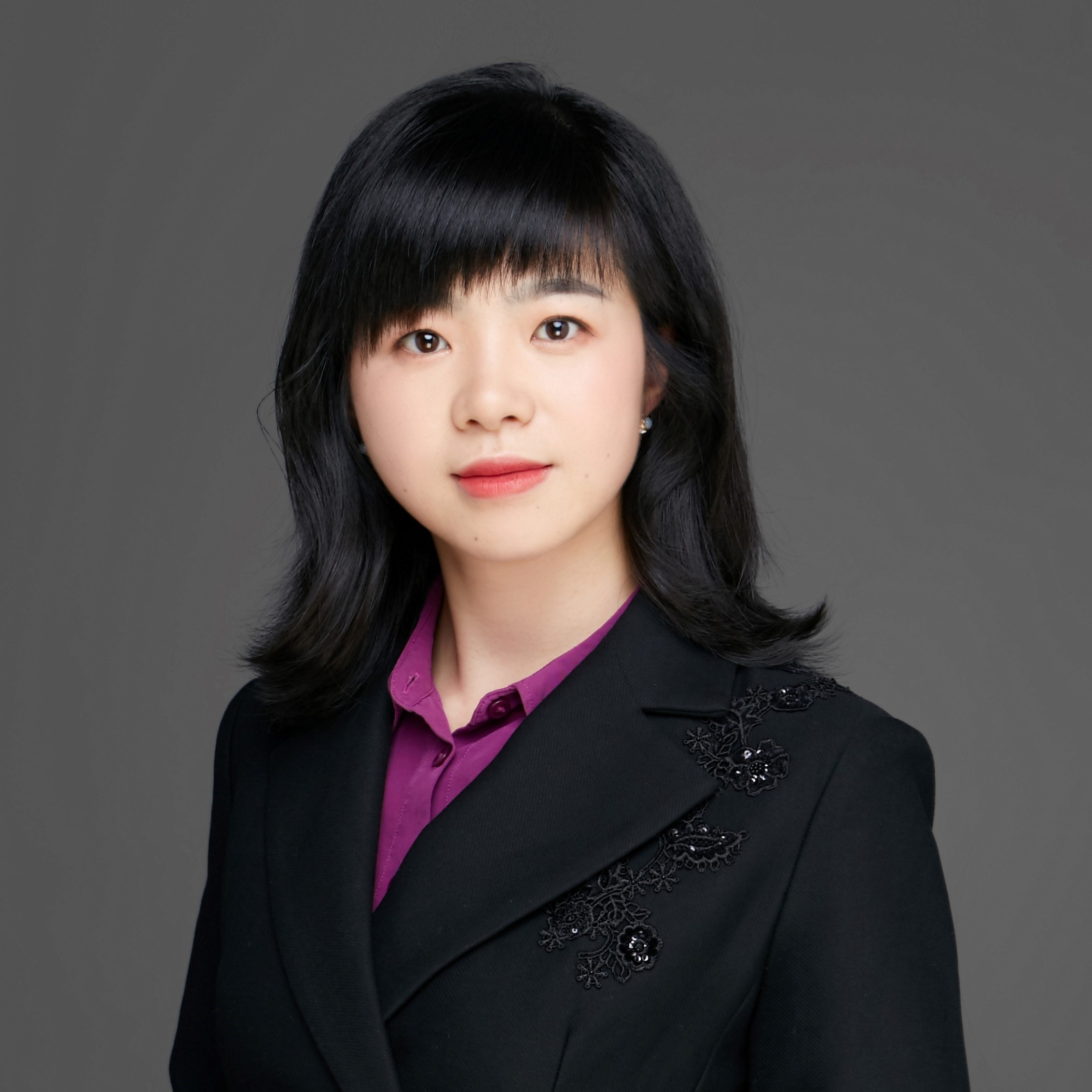
Huazhong University of Science and Technology, China
Heping Li is a professor at Huazhong University of Science and Technology and a recipient of a national-level young talent award. Her research focuses primarily on ceramic coatings and thin films for hydrogen permeation protection and ultra-high-temperature thermal protection. She has led two Young Scientist Projects under the National Key R&D Program of China, as well as projects supported by national defense research funds and the Original Exploration and General Programs of the National Natural Science Foundation of China. She has published more than 50 SCI-indexed papers and holds more than 10 granted Chinese invention patents.
She has been named among Elsevier’s “Highly Cited Chinese Researchers” and appointed as a Huazhong Scholar Distinguished Professor. She serves as a council member of the Chinese Ceramic Society and its Special Ceramics Branch, and as a member of several academic bodies, including the Youth Committee of the Chinese Ceramic Society. She also serves on the editorial boards of several SCI-indexed journals and has delivered 18 plenary or invited presentations at academic conferences in China and abroad.

Politecnico di Milano, Milan, Italy
Mariapia Pedeferri is a Full Professor of Materials Science and Technology at Politecnico di Milano, Italy. She serves within the "Giulio Natta" Department of Chemistry, Materials, and Chemical Engineering.
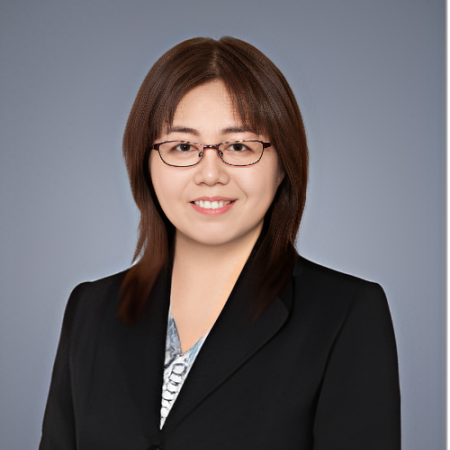
University of Science and Technology Beijing, China
Professor and doctoral supervisor, with primary research interests in cultural heritage conservation, biological deterioration of cultural relics, and the application of biotechnology in heritage preservation. Research focuses on biological damage to both organic and inorganic cultural artifacts, mechanisms of biological corrosion, and ultimately aims to achieve effective conservation and preventive protection of significant cultural relics.
INMA (CSIC-Universidad de Zaragoza), Spain
Miguel Laguna is a Tenured Scientist at INMA (CSIC-Universidad de Zaragoza), Zaragoza, Spain. He received his PhD from the University of Zaragoza in 2005 and conducted research at Imperial College London. His expertise includes ceramic processing, coating technologies, laser-assisted manufacturing, and ceramic machining, with a focus on energy applications such as solid oxide fuel cells, hydrogen technologies, solid-state batteries, membranes, and photocatalysis. He has participated in numerous research and industrial projects, authored around 80 indexed publications, supervised BSc, MSc, and PhD students, and served as an invited speaker at more than 20 conferences. He is also an Editorial Board member of several journals, including Coatings.
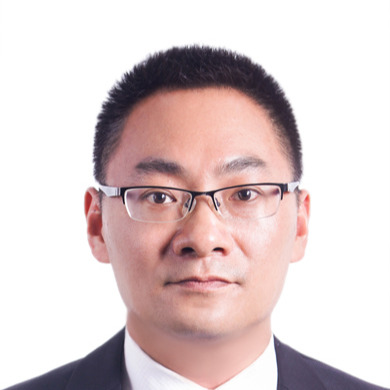
Shanghai Institute of Ceramics, Chinese Academy of Sciences (SICCAS), China
Liang Wang, PhD, is a Professor, doctoral supervisor, and postdoctoral co-supervisor. He leads research in macroscale finite element modeling, artificial intelligence, and experimental characterization in the Research Division of artificial Intelligent for Ceramic Materials at the Shanghai Institute of Ceramics, Chinese Academy of Sciences (SICCAS), where he heads an independent research group as principal investigator (PI). He has been selected as a member of the CAS Youth Innovation Promotion Association, for the inaugural cohort of SICCAS's Outstanding Young Researchers Support Program, and as a specially appointed key research scientist of CAS. He is a member of ASM International; has served on the first and second Young Editorial Boards of the Journal of Inorganic Materials; and serves on the Young Editorial Boards of the Journal of Aeronautical Materials and the Journal of Materials Engineering, the Editorial Board of Materials Protection, the Thermal Protection Materials Committee of the Chinese Society of Rare Earths, and the Academic Committee of the Key Laboratory for Efficient Utilization of Non-Metallic Mineral Resources in Southern Henan. He also mentors through the expert advisory panel of the Shanghai Youth Science Society. His recent research integrates macroscale finite element modeling, artificial intelligence (conventional machine learning and deep learning), and experimental characterization for the structural design, performance optimization, and prediction of in-service performance of specialized high-temperature thermal protection coatings, ceramic- and polymer-matrix composites, structural ceramics, and functional devices. He has led or is leading five projects funded by the National Natural Science Foundation of China (NSFC), including a seed project under a Major Research Plan, an NSAF Joint Fund project, and two General Program projects. His portfolio of more than 20 government- and industry-funded projects also includes three Shanghai Natural Science Foundation projects, the HY Action Plan, two GF basic research projects, one projec