Speakers
Invited Speakers
Name: Janusz Bujnicki
Affiliation: Laboratory of Bioinformatics and Protein Engineering, International Institute of Molecular and Cell Biology, Poland
Biography: Janusz M. Bujnicki is a structural biologist who combines experimental and computational approaches. He serves as Head of the Laboratory of Bioinformatics and Protein Engineering at the International Institute of Molecular and Cell Biology (IIMCB) in Warsaw, Poland. His research focuses on understanding how RNA sequences encode their three-dimensional structures and biological functions. His group integrates computational modeling with structural and biochemical experiments, working on RNA and RNA–protein complexes using approaches such as cryo-electron microscopy, X-ray crystallography, molecular simulations, and biochemical analyses. A current direction of the laboratory is to investigate how RNA modifications influence RNA structure and to identify small molecules that act on structured RNAs involved in disease, including both viral and cellular RNAs. He has authored more than 300 peer-reviewed publications and received numerous awards for his scientific achievements. Janusz is a member of the European Molecular Biology Organization (EMBO), Academia Europaea, and the Polish Academy of Sciences. He has also been active in science advice, serving on the European Commission’s Group of Chief Scientific Advisors and in advisory bodies in Poland, contributions recognized with distinctions such as the André Mischke Prize.
Image:
Name: Pierre Close
Affiliation: Laboratory of Cancer Signaling, GIGA Institute, University of Liège, Belgium
Biography: Pierre Close is FNRS Research Director, Professor, and WELBIO Advanced Investigator at the GIGA Institute of the University of Liège, where he heads the Laboratory of Cancer Signaling. His research focuses on understanding the molecular mechanisms underlying cancer development, with a particular emphasis on mRNA translation, tRNA biology, and RNA modifications. Following postdoctoral training at Cancer Research UK, he established his independent research group in Liège in 2013. His laboratory has made important contributions to the emerging field of cancer epitranscriptomics, particularly through the identification of wobble uridine tRNA modification enzymes as key regulators of tumor initiation, metastatic dissemination, immune evasion, and therapy resistance. In 2022, he co-founded THERAtRAME, a biotechnology company dedicated to developing first-in-class therapeutics targeting tRNA modification pathways for cancer treatment. Through this work, he actively pursues the translation of fundamental discoveries in RNA biology into innovative therapeutic strategies and early clinical development programs. His research has been published in leading international journals and supported by numerous competitive funding programs, including grants from the Belgian Foundation Against Cancer and Worldwide Cancer Research.
Image:
Name: Elisabetta Ferretti
Affiliation: Oncogenomic Research Unit, Department of Experimental Medicine, Sapienza University, Italy
Biography: Elisabetta Ferretti is Full Professor of General Pathology at the Sapienza University of Rome, where she directs the Oncogenomic Research Unit in the Department of Experimental Medicine. Her research focuses on molecular oncology, with particular emphasis on microRNAs and long non-coding RNAs, dysregulated signalling pathways (e.g., Hedgehog/GLI), liquid-biopsy biomarkers (circulating microRNAs and cfDNA), and molecular mechanisms of tumorigenesis in solid tumours (e.g., brain, lung, colorectal, melanoma, thyroid). Under her leadership, her group has contributed to identifying non-invasive biomarkers for cancers including melanoma and medullary thyroid carcinoma, supporting early diagnosis and precision-medicine approaches. She has authored over 185 articles (H-index ≈ 63, >13 000 citations) and is listed among “Top Italian Scientists” in Biomedical Sciences.
Image: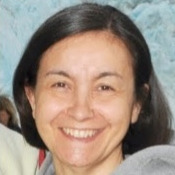
Name: Maite Huarte
Affiliation: DNA & RNA Medicine Division, CIMA, University of Navarra, Spain
Biography: Maite Huarte is Director of the DNA & RNA Medicine Division at CIMA Universidad de Navarra and the Principal Investigator of the “Non-coding RNA and Cancer Genome” research group. After her PhD in Molecular & Cellular Biology from Universidad Autónoma de Madrid (2003), she was an invited lecturer at several international universities, including the Karolinska Institute at the University of Uppsala, the BRIC Institute at the University of Copenhagen, the Curie Institute, the Netherlands Cancer Institute, and the Autonomous University of Mexico. Her research focuses on long non-coding RNAs (lncRNAs) and their role in regulating gene expression and genomic stability in cancer. Under her leadership, the “Non-coding RNA and Cancer Genome” group has identified lncRNAs with oncogenic potential in colon and lung tumours, findings which may pave the way for novel RNA-based therapies.
Image: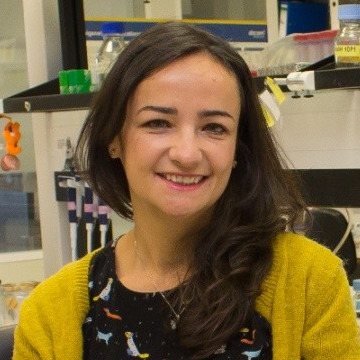
Name: Leonard Lipovich
Affiliation: Biology and Biotechnology, College of Science, Mathematics and Technology, Wenzhou-Kean University, Wenzhou, Zhejiang, China
Biography: Leonard Lipovich is an internationally recognized pioneer in the biology of long non-coding RNAs (lncRNAs) and their roles in human disease. He earned his B.A. cum laude in Genetics and Development from Cornell University and his Ph.D. in Molecular Biotechnology from the University of Washington, Seattle, and completed postdoctoral training at the Genome Institute of Singapore, where he identified the first mammalian lncRNA essential for stem cell pluripotency. He joined Wayne State University in 2007 as an assistant professor, advancing to associate professorship with tenure in 2013 and becoming a full professor in 2019. While there, he developed one of the first comprehensive catalogs of human lncRNA genes, and led an ENCODE Consortium effort that provided the initial direct evidence for translation of lncRNAs’ short open reading frames in human cells. His research earned him a 2014-2019 NIH Director’s New Innovator Award and has been instrumental in demonstrating how primate-specific lncRNAs contribute to diseases as diverse as breast cancer, type 2 diabetes, and epilepsy. His work integrates computational and experimental approaches at the interface of clinical-translational RNA biology, population genomics centered on pinpointing and validating lncRNA-driven disease etiologies from Genome-Wide Association Studies, and precision medicine. In 2024, Prof. Lipovich transitioned to Wenzhou-Kean University, where he is focusing on developing RNA-based therapeutics against primate-specific lncRNA targets, including in nonhuman-primate models.
Image:
Name: Francesco Nicassio
Affiliation: Center for Genomic Science, Italian Institute of Technology (IIT), Italy
Biography: Francesco Nicassio is Senior Researcher and Principal Investigator at the Italian Institute of Technology (IIT) in Milan, where he coordinates the Center for Genomic Science (CGS@SEMM). His research focuses on non-coding RNAs (microRNAs and long non-coding RNAs) and their role in gene-expression regulation, cellular plasticity and cancer. He has pioneered the use of circulating microRNAs as diagnostic biomarkers in cancer and contributed to the discovery of a novel mechanism of microRNA degradation, known as “Target-Dependent miRNA Degradation (TDMD)”. Since 2012, he has led his research group at IIT, and in 2017, he started coordinating the entire Center for Genomic Science, overseeing research, infrastructure and staff.
Image: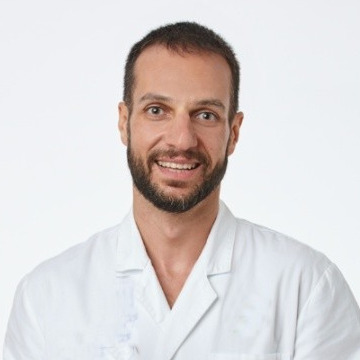
Name: Norbert Polacek
Affiliation: Department of Chemistry, Biochemistry and Pharmaceutical Sciences, University of Bern, Switzerland
Biography: Norbert Polacek is Full Professor of Biochemistry at the University of Bern (Department of Chemistry, Biochemistry and Pharmaceutical Sciences, DCBP), where he heads the Polacek Group. He studied Biology/Genetics at the University of Vienna, obtaining his diploma in 1996 and a PhD in 2000, with doctoral research focusing on the structural dynamics of bacterial rRNA during translation. Following a postdoctoral period in the United States (University of Illinois at Chicago), and subsequent academic positions at Innsbruck Medical University (Austria), he accepted a full professorship at the University of Bern in 2012. His research investigates the functional roles of non-protein-coding RNAs (ncRNAs) in large cellular RNA/protein complexes, exploring their structural, catalytic, and regulatory functions in translation control, cellular stress responses, and apoptosis. His lab employs biochemical, genomic, and bioinformatic approaches, often across diverse model organisms representing bacteria, archaea, and eukaryotes. Under his leadership, the group has produced influential findings, showing that small ribosome-associated ncRNAs (“rancRNAs”) can modulate translation globally in response to stress. He has also contributed to demonstrating that expansion segments of ribosomal RNA in eukaryotes (compared to bacteria) modulate translation fidelity and dynamics, a mechanism thought to underlie increased accuracy of eukaryotic ribosomes.
Image:
Name: Panagiotis Roussos
Affiliation: Icahn School of Medicine at Mount Sinai, USA
Biography: Panos Roussos is the Endowed Chair for Translational Psychiatry and a Professor of Psychiatry, Genetics, and Genomic Sciences at the Icahn School of Medicine at Mount Sinai, where he serves as Director of the Center for Disease Neurogenomics. He is also the Director of the Center for Precision Medicine and Translational Therapeutics at the James J. Peters VA Medical Center. Panos Roussos’s research focuses on understanding the genetic and molecular mechanisms underlying neuropsychiatric and neurodegenerative disorders, including schizophrenia, bipolar disorder, Alzheimer’s disease, and related conditions. His work integrates large-scale human genetics with multi-omics data to identify how genetic risk variants influence brain cell types, gene regulatory networks, and disease-relevant biological pathways. A central goal of his research is to advance precision psychiatry by moving from genetic discovery to biological mechanism and therapeutic insight. He leads and contributes to multiple national and international consortia, developing analytical frameworks and shared resources that enable systematic investigation of disease biology in the human brain. Panos is also committed to mentorship and training, with a strong track record of supporting students, postdoctoral fellows, and early career investigators.
Image:
Name: Frank J. Slack
Affiliation: HMFP Pathology, Harvard, USA
Biography: Frank J. Slack is Shields-Warren Mallinckrodt Professor of Medical Research at Harvard Medical School (HMS) and Director of the HMS Initiative for RNA Medicine (HIRM) at Beth Israel Deaconess Medical Center (BIDMC). He earned his BSc from the University of Cape Town (South Africa) and his PhD in molecular biology from the Tufts University School of Medicine. He began his postdoctoral work in the lab of Gary Ruvkun at HMS, where he co-discovered the microRNA let-7, among the first identified microRNAs. Frank’s research pioneered the role of microRNAs (miRNAs) in gene regulation, development, aging and cancer; key discoveries include demonstrating that miRNAs can regulate multiple targets, suppress oncogenes (like RAS) and act as tumor suppressors. Under his leadership, the Slack Lab explores both fundamental biology of small RNAs and their translational potential as therapeutic agents and biomarkers for age-related diseases and cancer. Through HIRM, he leads efforts to convert RNA-based discoveries into precision diagnostics and therapeutics, overseeing a core facility dedicated to non-coding RNA research, development, and delivery. He has also funded many companies in the small RNA space, including MiraDx, 28/7 Tx, and Impilo Tx.
Image:
Name: Mario Leonardo Squadrito
Affiliation: Vector engineering and in vivo tumor targeting group, San Raffaele Telethon Institute for Gene Therapy (SR-Tiget), Italy
Biography: Mario Leonardo Squadrito is Group Leader at the San Raffaele Telethon Institute for Gene Therapy (SR-Tiget). He obtained his PhD from San Raffaele University in Milan and the Open University (UK), where he used gene transfer technologies and RNA sequencing to identify the microRNA miR-511-3p and uncover mechanisms by which the tumor microenvironment promotes tumor growth. He completed postdoctoral training at École Polytechnique Fédérale de Lausanne (EPFL), studying cell-to-cell communication and microRNA function in macrophages. During this time he also engineered chimeric antigen receptors to enhance antigen uptake by dendritic cells, contributing to antigen-agnostic vaccination strategies. At SR-Tiget, his laboratory develops in vivo gene transfer platforms that combine selective immune-cell targeting with vector engineering. His group integrates tumor mouse models, vector design, and multi-omics approaches to advance gene- and cell-based therapies for cancer and immune-mediated diseases.
Image:
Name: Igor Ulitsky
Affiliation: Weizman Institute of Science, Israel
Biography: Igor Ulitsky is Associate Professor at the Weizmann Institute of Science (Rehovot, Israel), where he leads the Ulitsky Lab. He obtained a BSc (summa cum laude) in Computer Science and Life Sciences (2004) and a PhD in Computer Science (2009) from Tel Aviv University, followed by postdoctoral work at the Whitehead Institute for Biomedical Research (Cambridge, MA) before joining Weizmann in 2013. His research focuses on long non-coding RNAs (lncRNAs) and how they regulate gene expression, cellular identity, development, regeneration, and disease. Igor’s group combines computational and experimental approaches to decode how lncRNAs evolve, how their sequence and structure determine function, and what happens when they are disrupted. He has authored dozens of peer-reviewed publications and been recognised with several major awards, including the Blavatnik Award for Young Scientists (2020), the RNA Society EarlyCareer Award (2020), and the EMBO Young Investigator Award (2016), as well as multiple grants from the European Research Council.
Image: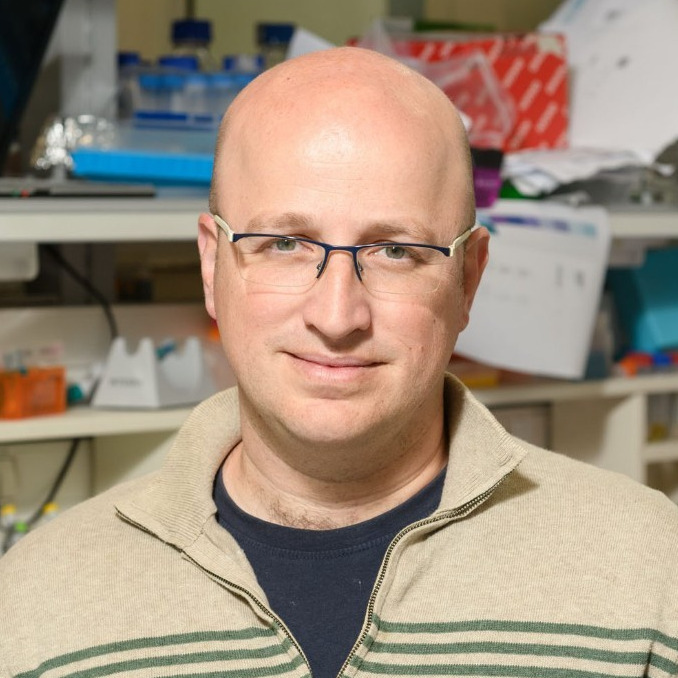
Affiliation: Laboratory of Bioinformatics and Protein Engineering, International Institute of Molecular and Cell Biology, Poland
Biography: Janusz M. Bujnicki is a structural biologist who combines experimental and computational approaches. He serves as Head of the Laboratory of Bioinformatics and Protein Engineering at the International Institute of Molecular and Cell Biology (IIMCB) in Warsaw, Poland. His research focuses on understanding how RNA sequences encode their three-dimensional structures and biological functions. His group integrates computational modeling with structural and biochemical experiments, working on RNA and RNA–protein complexes using approaches such as cryo-electron microscopy, X-ray crystallography, molecular simulations, and biochemical analyses. A current direction of the laboratory is to investigate how RNA modifications influence RNA structure and to identify small molecules that act on structured RNAs involved in disease, including both viral and cellular RNAs. He has authored more than 300 peer-reviewed publications and received numerous awards for his scientific achievements. Janusz is a member of the European Molecular Biology Organization (EMBO), Academia Europaea, and the Polish Academy of Sciences. He has also been active in science advice, serving on the European Commission’s Group of Chief Scientific Advisors and in advisory bodies in Poland, contributions recognized with distinctions such as the André Mischke Prize.
Image:
Name: Pierre Close
Affiliation: Laboratory of Cancer Signaling, GIGA Institute, University of Liège, Belgium
Biography: Pierre Close is FNRS Research Director, Professor, and WELBIO Advanced Investigator at the GIGA Institute of the University of Liège, where he heads the Laboratory of Cancer Signaling. His research focuses on understanding the molecular mechanisms underlying cancer development, with a particular emphasis on mRNA translation, tRNA biology, and RNA modifications. Following postdoctoral training at Cancer Research UK, he established his independent research group in Liège in 2013. His laboratory has made important contributions to the emerging field of cancer epitranscriptomics, particularly through the identification of wobble uridine tRNA modification enzymes as key regulators of tumor initiation, metastatic dissemination, immune evasion, and therapy resistance. In 2022, he co-founded THERAtRAME, a biotechnology company dedicated to developing first-in-class therapeutics targeting tRNA modification pathways for cancer treatment. Through this work, he actively pursues the translation of fundamental discoveries in RNA biology into innovative therapeutic strategies and early clinical development programs. His research has been published in leading international journals and supported by numerous competitive funding programs, including grants from the Belgian Foundation Against Cancer and Worldwide Cancer Research.
Image:
Name: Elisabetta Ferretti
Affiliation: Oncogenomic Research Unit, Department of Experimental Medicine, Sapienza University, Italy
Biography: Elisabetta Ferretti is Full Professor of General Pathology at the Sapienza University of Rome, where she directs the Oncogenomic Research Unit in the Department of Experimental Medicine. Her research focuses on molecular oncology, with particular emphasis on microRNAs and long non-coding RNAs, dysregulated signalling pathways (e.g., Hedgehog/GLI), liquid-biopsy biomarkers (circulating microRNAs and cfDNA), and molecular mechanisms of tumorigenesis in solid tumours (e.g., brain, lung, colorectal, melanoma, thyroid). Under her leadership, her group has contributed to identifying non-invasive biomarkers for cancers including melanoma and medullary thyroid carcinoma, supporting early diagnosis and precision-medicine approaches. She has authored over 185 articles (H-index ≈ 63, >13 000 citations) and is listed among “Top Italian Scientists” in Biomedical Sciences.
Image:
Name: Maite Huarte
Affiliation: DNA & RNA Medicine Division, CIMA, University of Navarra, Spain
Biography: Maite Huarte is Director of the DNA & RNA Medicine Division at CIMA Universidad de Navarra and the Principal Investigator of the “Non-coding RNA and Cancer Genome” research group. After her PhD in Molecular & Cellular Biology from Universidad Autónoma de Madrid (2003), she was an invited lecturer at several international universities, including the Karolinska Institute at the University of Uppsala, the BRIC Institute at the University of Copenhagen, the Curie Institute, the Netherlands Cancer Institute, and the Autonomous University of Mexico. Her research focuses on long non-coding RNAs (lncRNAs) and their role in regulating gene expression and genomic stability in cancer. Under her leadership, the “Non-coding RNA and Cancer Genome” group has identified lncRNAs with oncogenic potential in colon and lung tumours, findings which may pave the way for novel RNA-based therapies.
Image:
Name: Leonard Lipovich
Affiliation: Biology and Biotechnology, College of Science, Mathematics and Technology, Wenzhou-Kean University, Wenzhou, Zhejiang, China
Biography: Leonard Lipovich is an internationally recognized pioneer in the biology of long non-coding RNAs (lncRNAs) and their roles in human disease. He earned his B.A. cum laude in Genetics and Development from Cornell University and his Ph.D. in Molecular Biotechnology from the University of Washington, Seattle, and completed postdoctoral training at the Genome Institute of Singapore, where he identified the first mammalian lncRNA essential for stem cell pluripotency. He joined Wayne State University in 2007 as an assistant professor, advancing to associate professorship with tenure in 2013 and becoming a full professor in 2019. While there, he developed one of the first comprehensive catalogs of human lncRNA genes, and led an ENCODE Consortium effort that provided the initial direct evidence for translation of lncRNAs’ short open reading frames in human cells. His research earned him a 2014-2019 NIH Director’s New Innovator Award and has been instrumental in demonstrating how primate-specific lncRNAs contribute to diseases as diverse as breast cancer, type 2 diabetes, and epilepsy. His work integrates computational and experimental approaches at the interface of clinical-translational RNA biology, population genomics centered on pinpointing and validating lncRNA-driven disease etiologies from Genome-Wide Association Studies, and precision medicine. In 2024, Prof. Lipovich transitioned to Wenzhou-Kean University, where he is focusing on developing RNA-based therapeutics against primate-specific lncRNA targets, including in nonhuman-primate models.
Image:
Name: Francesco Nicassio
Affiliation: Center for Genomic Science, Italian Institute of Technology (IIT), Italy
Biography: Francesco Nicassio is Senior Researcher and Principal Investigator at the Italian Institute of Technology (IIT) in Milan, where he coordinates the Center for Genomic Science (CGS@SEMM). His research focuses on non-coding RNAs (microRNAs and long non-coding RNAs) and their role in gene-expression regulation, cellular plasticity and cancer. He has pioneered the use of circulating microRNAs as diagnostic biomarkers in cancer and contributed to the discovery of a novel mechanism of microRNA degradation, known as “Target-Dependent miRNA Degradation (TDMD)”. Since 2012, he has led his research group at IIT, and in 2017, he started coordinating the entire Center for Genomic Science, overseeing research, infrastructure and staff.
Image:
Name: Norbert Polacek
Affiliation: Department of Chemistry, Biochemistry and Pharmaceutical Sciences, University of Bern, Switzerland
Biography: Norbert Polacek is Full Professor of Biochemistry at the University of Bern (Department of Chemistry, Biochemistry and Pharmaceutical Sciences, DCBP), where he heads the Polacek Group. He studied Biology/Genetics at the University of Vienna, obtaining his diploma in 1996 and a PhD in 2000, with doctoral research focusing on the structural dynamics of bacterial rRNA during translation. Following a postdoctoral period in the United States (University of Illinois at Chicago), and subsequent academic positions at Innsbruck Medical University (Austria), he accepted a full professorship at the University of Bern in 2012. His research investigates the functional roles of non-protein-coding RNAs (ncRNAs) in large cellular RNA/protein complexes, exploring their structural, catalytic, and regulatory functions in translation control, cellular stress responses, and apoptosis. His lab employs biochemical, genomic, and bioinformatic approaches, often across diverse model organisms representing bacteria, archaea, and eukaryotes. Under his leadership, the group has produced influential findings, showing that small ribosome-associated ncRNAs (“rancRNAs”) can modulate translation globally in response to stress. He has also contributed to demonstrating that expansion segments of ribosomal RNA in eukaryotes (compared to bacteria) modulate translation fidelity and dynamics, a mechanism thought to underlie increased accuracy of eukaryotic ribosomes.
Image:
Name: Panagiotis Roussos
Affiliation: Icahn School of Medicine at Mount Sinai, USA
Biography: Panos Roussos is the Endowed Chair for Translational Psychiatry and a Professor of Psychiatry, Genetics, and Genomic Sciences at the Icahn School of Medicine at Mount Sinai, where he serves as Director of the Center for Disease Neurogenomics. He is also the Director of the Center for Precision Medicine and Translational Therapeutics at the James J. Peters VA Medical Center. Panos Roussos’s research focuses on understanding the genetic and molecular mechanisms underlying neuropsychiatric and neurodegenerative disorders, including schizophrenia, bipolar disorder, Alzheimer’s disease, and related conditions. His work integrates large-scale human genetics with multi-omics data to identify how genetic risk variants influence brain cell types, gene regulatory networks, and disease-relevant biological pathways. A central goal of his research is to advance precision psychiatry by moving from genetic discovery to biological mechanism and therapeutic insight. He leads and contributes to multiple national and international consortia, developing analytical frameworks and shared resources that enable systematic investigation of disease biology in the human brain. Panos is also committed to mentorship and training, with a strong track record of supporting students, postdoctoral fellows, and early career investigators.
Image:
Name: Frank J. Slack
Affiliation: HMFP Pathology, Harvard, USA
Biography: Frank J. Slack is Shields-Warren Mallinckrodt Professor of Medical Research at Harvard Medical School (HMS) and Director of the HMS Initiative for RNA Medicine (HIRM) at Beth Israel Deaconess Medical Center (BIDMC). He earned his BSc from the University of Cape Town (South Africa) and his PhD in molecular biology from the Tufts University School of Medicine. He began his postdoctoral work in the lab of Gary Ruvkun at HMS, where he co-discovered the microRNA let-7, among the first identified microRNAs. Frank’s research pioneered the role of microRNAs (miRNAs) in gene regulation, development, aging and cancer; key discoveries include demonstrating that miRNAs can regulate multiple targets, suppress oncogenes (like RAS) and act as tumor suppressors. Under his leadership, the Slack Lab explores both fundamental biology of small RNAs and their translational potential as therapeutic agents and biomarkers for age-related diseases and cancer. Through HIRM, he leads efforts to convert RNA-based discoveries into precision diagnostics and therapeutics, overseeing a core facility dedicated to non-coding RNA research, development, and delivery. He has also funded many companies in the small RNA space, including MiraDx, 28/7 Tx, and Impilo Tx.
Image:
Name: Mario Leonardo Squadrito
Affiliation: Vector engineering and in vivo tumor targeting group, San Raffaele Telethon Institute for Gene Therapy (SR-Tiget), Italy
Biography: Mario Leonardo Squadrito is Group Leader at the San Raffaele Telethon Institute for Gene Therapy (SR-Tiget). He obtained his PhD from San Raffaele University in Milan and the Open University (UK), where he used gene transfer technologies and RNA sequencing to identify the microRNA miR-511-3p and uncover mechanisms by which the tumor microenvironment promotes tumor growth. He completed postdoctoral training at École Polytechnique Fédérale de Lausanne (EPFL), studying cell-to-cell communication and microRNA function in macrophages. During this time he also engineered chimeric antigen receptors to enhance antigen uptake by dendritic cells, contributing to antigen-agnostic vaccination strategies. At SR-Tiget, his laboratory develops in vivo gene transfer platforms that combine selective immune-cell targeting with vector engineering. His group integrates tumor mouse models, vector design, and multi-omics approaches to advance gene- and cell-based therapies for cancer and immune-mediated diseases.
Image:
Name: Igor Ulitsky
Affiliation: Weizman Institute of Science, Israel
Biography: Igor Ulitsky is Associate Professor at the Weizmann Institute of Science (Rehovot, Israel), where he leads the Ulitsky Lab. He obtained a BSc (summa cum laude) in Computer Science and Life Sciences (2004) and a PhD in Computer Science (2009) from Tel Aviv University, followed by postdoctoral work at the Whitehead Institute for Biomedical Research (Cambridge, MA) before joining Weizmann in 2013. His research focuses on long non-coding RNAs (lncRNAs) and how they regulate gene expression, cellular identity, development, regeneration, and disease. Igor’s group combines computational and experimental approaches to decode how lncRNAs evolve, how their sequence and structure determine function, and what happens when they are disrupted. He has authored dozens of peer-reviewed publications and been recognised with several major awards, including the Blavatnik Award for Young Scientists (2020), the RNA Society EarlyCareer Award (2020), and the EMBO Young Investigator Award (2016), as well as multiple grants from the European Research Council.
Image: