The 11ᵗʰ Wuhan International Symposium on Modern Virology & Viruses 2025 Conference
the chairs
Kind regards,
Conference Chairs
Dr. Ke Lan
Wuhan University
Dr. Eric Freed
National Institutes of Health
Dr. Zhi-Ming Zheng
National Institutes of Health
Meet Our Chairs
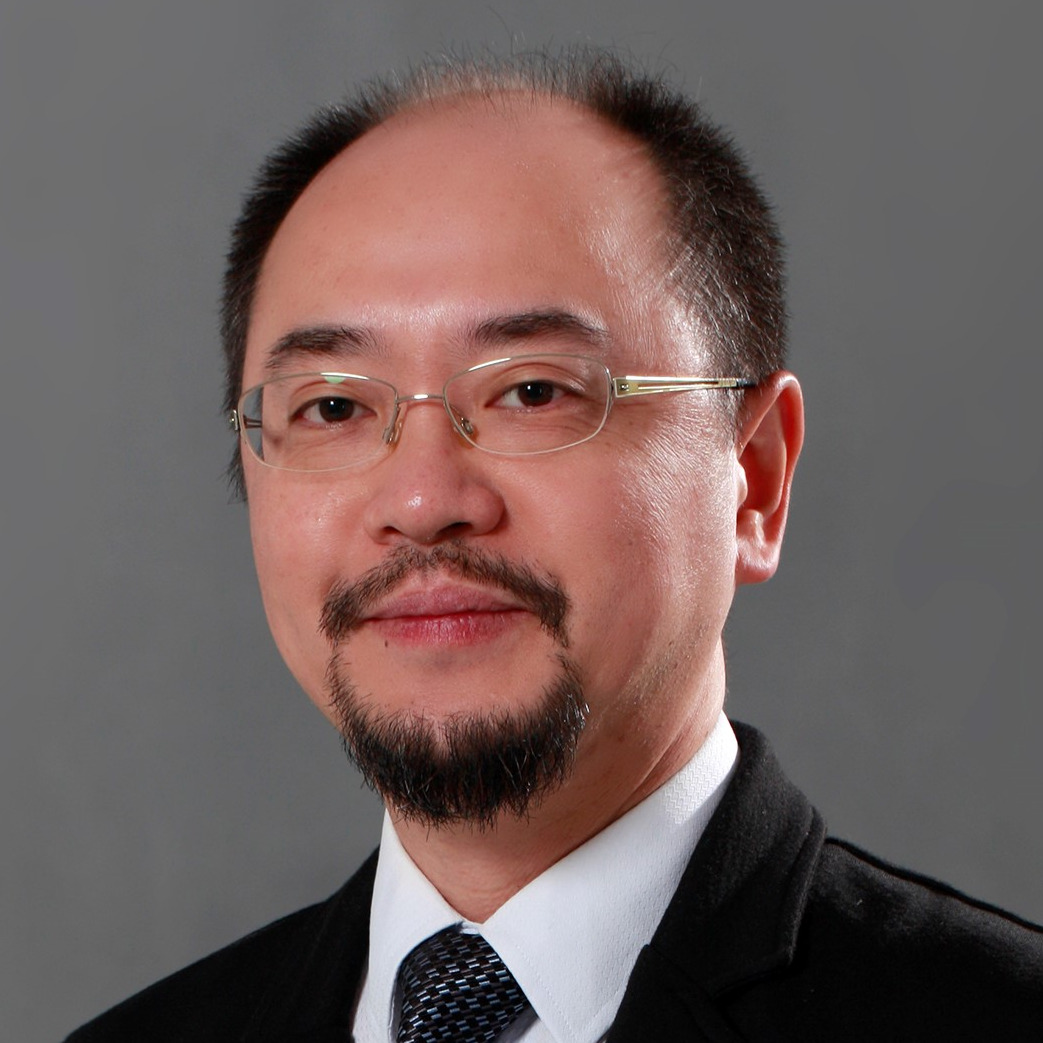
College of Life Sciences, Wuhan University, Wuhan, China;
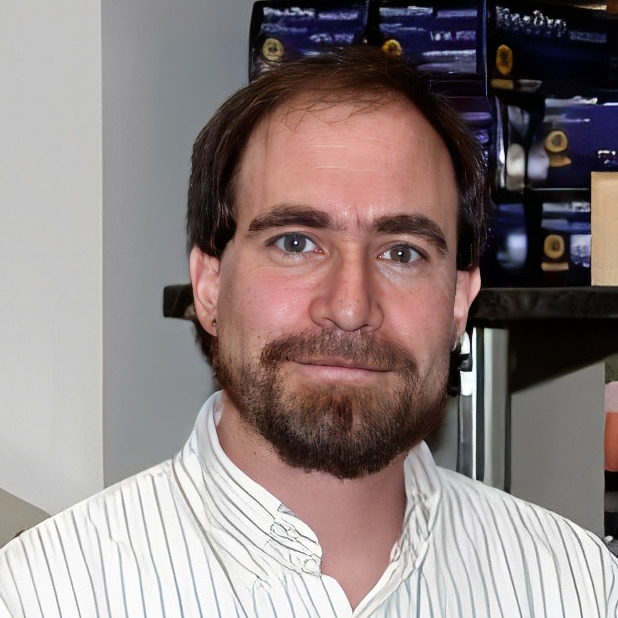
Center for Cancer Research, National Cancer Institute, NIH - Frederick, USA;Dr. Eric Freed received his Ph.D. in 1990 from the University of Wisconsin-Madison with Rex Risser and did postdoctoral work at UW-Madison in 1991 with Howard Temin. In 1992, he joined the National Institute of Allergy and Infectious Diseases (NIAID) at the NIH as a staff fellow. In 1997, Dr. Freed was appointed as a Tenure-Track Investigator in NIAID where he received tenure in 2002. In 2003, he joined the HIV Drug Resistance Program (HIV DRP, renamed the HIV Dynamics and Replication Program) in the National Cancer Institute and since 2015 has served as Director of the HIV DRP. Dr. Freed is also co-director of the Virology Program at the University of Maryland, College Park and is the founding editor-in-chief of Viruses. Dr. Freed is a leader in the study of HIV assembly and maturation and drug resistance. He has received a number of awards and is an elected fellow of the American Academy of Microbiology.
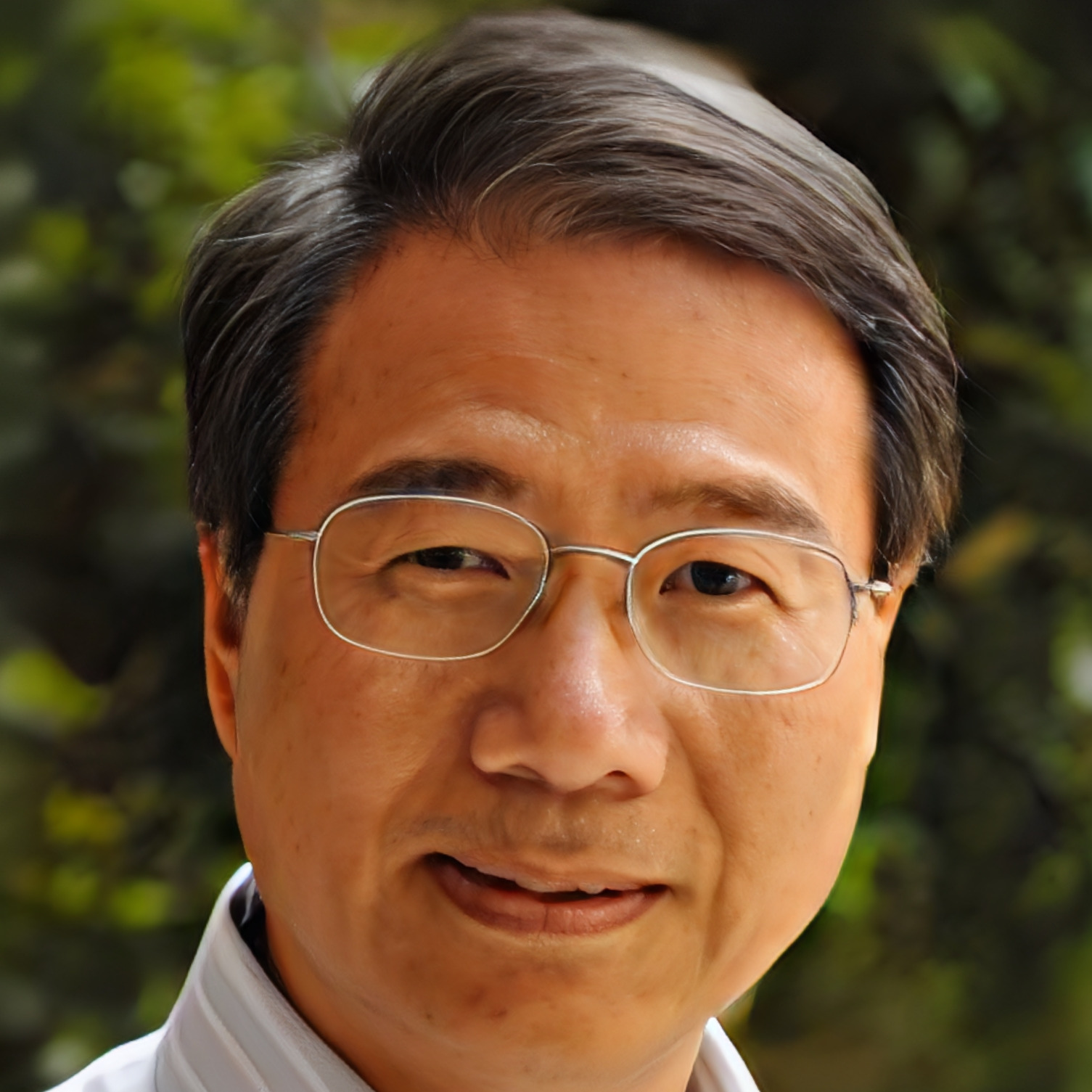
Center for Cancer Research, National Cancer Institute, National Institutes of Health, Frederick, USA;Dr. Zheng received his Ph.D. from the University of South Florida School of Medicine (1994). He was an IRTA fellow and later a senior staff in NCI Laboratory of Tumor Virus Biology. He accepted the offer in 1999 from then the NCI Division of Clinical Sciences to head the Tumor Virus RNA Biology Section and has remained in this position to date at now the NCI Center for Cancer Research. His research centers on RNA processing, RNA-protein interactions, and tumorigenesis of papillomaviruses and Kaposi's sarcoma-associated herpesvirus. He organized the 24th International Papillomavirus Conference and Clinical Workshop, Beijing, China, in 2007 and was a recipient of the 2009 NCI Director's Award, 2010 NIH Award of Merit, 2016 NCI Outstanding Mentor Award, and 2016 NIH Asian and Pacific Islander American Organization Outstanding Scientific Achievement Award. He was elected as a member of the American Academy of Microbiology in 2014. Dr. Zheng first isolated enterovirus type 71 (EV71, ATCC VR-1432) in China in 1989 and identified a new poxvirus named epidemic erythromelalgia-related poxvirus (ERPV, ATCC VR-1431). He and John Huggins at the USAMIID led the intravenous ribavirin phase III trial for hemorrhagic fever with renal syndrome (HFRS) caused by hantavirus infection (1985-1989).
Important Dates
31 Aug
2025
10 Sep
2025
20 Sep
2025
30 Oct
2025
Meet Our Speakers

University of Chinese Academy of Sciences (UCAS), China;Dr. Ralf Altmeyer is the founder and CEO of Medusa Therapeutics and an industry professor at UCAS Hangzhou. He began his virology career with Eckard Wimmer at Stony Brook University and earned his PhD at the Institut Pasteur in Paris. Ralf was the director general of the HKU Pasteur Research Center from 2003-2006 and the the Institute PasteurShanghai – Chinese Academy of Sciences from 2010-2015. His research led to six innovative antiviral candidates across six viral indications, two of which reached clinical trials. In 2021, his team published a pioneering approach to induce phase transition of viral biomolecular condensates to treat viral infections (Risso-Ballester, Nature, 2021), leading to the creation of Medusa Therapeutics.

National Institute of Allergy and Infectious Diseases, NIH, Hamilton, USA;Sonja Best, Ph.D. is currently the Chief of the Laboratory of Neurological Infections and Immunity (LNII) at the Rocky Mountain Laboratories (RML) campus of the National Institute of Allergy and Infectious Diseases (NIAID, NIH) in the USA. Her research group, called the Innate Immunity and Pathogenesis Section, focuses on understanding the host-pathogen interface associated with the intrinsic antiviral response of cells to emerging RNA viruses. Dr. Best earned her Ph.D. from Australian National University in Australia where she examined pathogenesis of myxoma virus. She then joined the RML, NIAID, where she conducted postdoctoral research focusing on the role of host innate immunity in viral pathogenesis prior to establishing her independent laboratory. She is an elected fellow of the American Academy of Microbiologists and an elected member of the Henry Krunkel Society. She currently serves on multiple Editorial boards including Journal of Virology, PLoS Pathogens, and Science Translational Medicine.
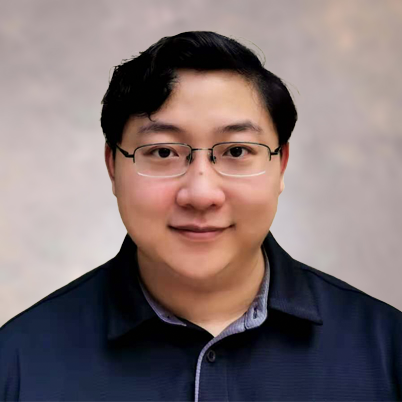
Dr. Yunlong Cao
Changping Laboratory, China;Yunlong Richard Cao is an immunologist and assistant professor at the Biomedical Pioneering Innovation Center (BIOPIC), Peking University. Cao obtained a B.S. in physics from Zhejiang University and a Ph.D. in chemistry from Harvard University. Cao Lab’s research focuses on B-cell adaptive immune response, antibody drugs, and vaccine design. During the COVID-19 pandemic, he made key contributions to understanding the evolution, humoral immunity, and antibody immune evasion of SARS-CoV-2. Cao was listed among Nature’s “Ten people who helped shape science in 2022” (Nature’s 10) and MIT Technology Review’s “35 Innovators Under 35” (China) in 2021, and he was awarded the Xplorer Prize in 2024. He is a member of the WHO Technical Advisory Group on COVID-19 Vaccine Composition (TAG-CO-VAC), the Coalition for Epidemic Preparedness Innovations (CEPI) Scientific Advisory Committee, and serves as an Associate Editor for Emerging Microbes and Infections (EMI).
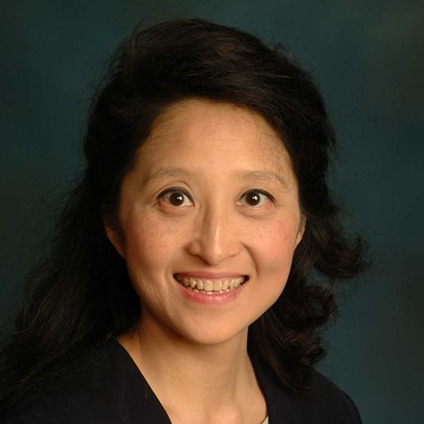
Cancer Virology Program, University of Pittsburgh Cancer Institute, USA;Yuan Chang is a Distinguished Professor in the Department of Pathology and holds the UPMC Endowed Chair in Cancer Virology at the Hillman Comprehensive Cancer Institute, University of Pittsburgh. She earned her undergraduate degree at Stanford University and completed her M.D. at the University of Utah. Following residency training in pathology at UCSF and fellowship training in neuropathology at Stanford, she joined the faculty at the Columbia University College of Physicians & Surgeons. Dr. Chang co-discovered Kaposi’s sarcoma associated herpesvirus (KSHV/HHV8), working in partnership with her husband and scientific collaborator, Dr. Patrick S. Moore. At the University of Pittsburgh, their research group went on to discover Merkel cell polyomavirus (MCV), the most recently identified human tumor virus, which is linked to a highly aggressive form of skin cancer. Dr. Chang is an elected member of the US National Academy of Sciences and the American Academy of Arts and Sciences.
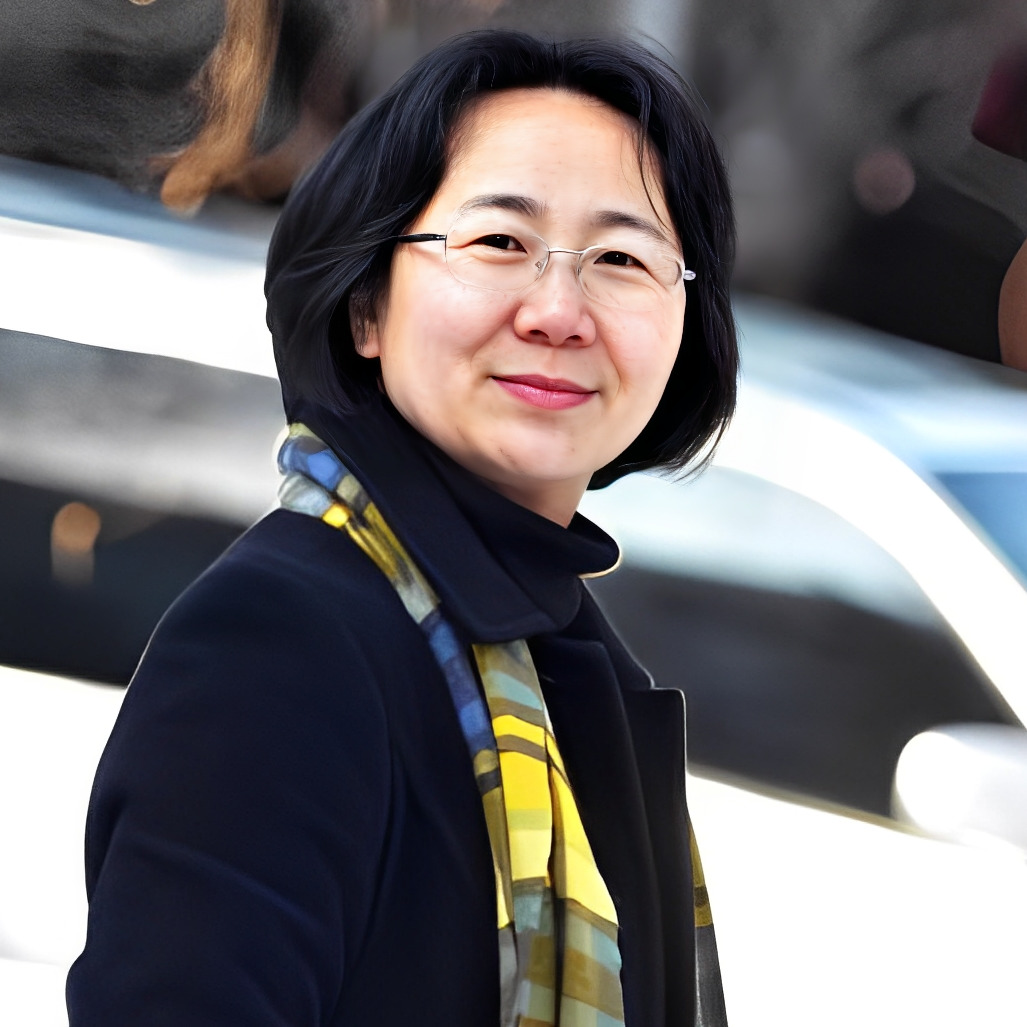
State Key Laboratory for Animal Disease Control, Harbin Veterinary Research Institute, China;
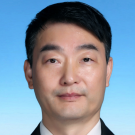
Dr. Mingzhou Chen
School of Life Sciences at Hubei University, China;Mingzhou Chen: Professor, the Dean of the School of Life Sciences at Hubei University. He previously served as the Associate Dean of the School of Life Sciences at Wuhan University and the Deputy Director of the State Key Laboratory of Virology. His academic contributions have been recognized through several prestigious talent programs, including the "New Century Excellent Talents" by the Ministry of Education, the "Chu Tian Scholar" Distinguished Professor of Hubei Provinc. His primary research focuses on elucidating the molecular mechanisms of RNA virus infection and pathogenesis, and developing novel vaccines. He has led numerous competitive grants from the National Natural Science Foundation of China (NSFC), including General Programs, Key Programs, and the Outstanding Youth Science Fund, as well as the Hubei Provincial Innovation Group Project. He has published over 30 papers as a corresponding author in leading international journals such as Cell Host & Microbe, PLoS Pathogens, Protein & Cell, Autophagy, Cell Reports, and Journal of Virology. He is an active member of several professional societies, including the American Society for Virology and the American Society for Microbiology. He also serves as a Standing Council member of the Hubei Association for Biotechnology and is on the editorial boards of the Journal of Virology and Virologica Sinica.
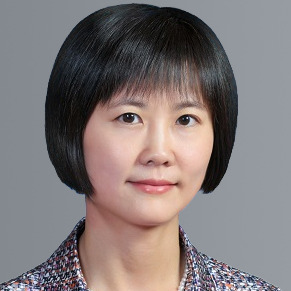
Dr. Hongyu Deng
State Key Laboratory of Biomacromolecules, Institute of Biophysics, Chinese Academy of Sciences, China;Dr. Hongyu DENG is a professor at the Institute of Biophysics, Chinese Academy of Sciences, State Key Laboratory of Biomacromolecules, and University of Chinese Academy of Sciences. Dr. Deng earned her Ph.D. in Microbiology and Immunology from the University of Rochester, followed by postdoctoral training in cancer biology at Albert Einstein College of Medicine and tumor virology at UCLA. Her longstanding interest is to investigate viral replication mechanisms and virus-host interactions, so as to gain insights into viral pathogenesis and to develop better therapeutics. By integrating molecular virology, biochemistry, genetics, bioimaging and structural biology approaches, her team has systematically investigated the mechanisms governing lytic viral replication and morphogenesis of tumor-associated herpesviruses. Ongoing studies in her laboratory aims to understand the assembly mechanisms of enveloped viruses (such as herpesviruses and coronaviruses), to elucidate the interplay between viruses and the host innate immune system, and to develop new vaccine strategies. Dr. Deng is a recipient of the “National Distinguished Young Scholars Grant” from NSFC, among other honors.
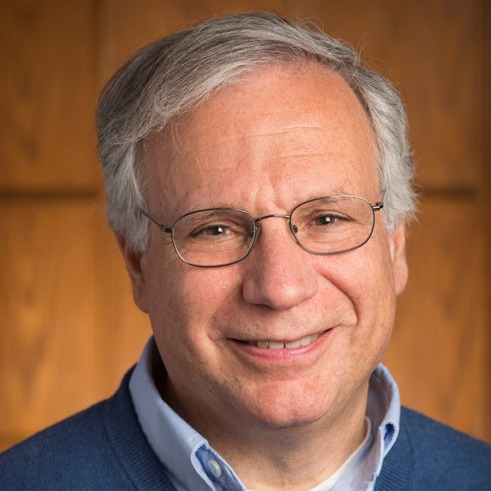
Department of Genetics, Yale University, USA;Daniel DiMaio, Waldemar von Zedtwitz Professor of Genetics at Yale University, graduated from Yale College, earned M.D. and Ph.D. degrees from Johns Hopkins University, and conducted postdoctoral research at Harvard University before joining the Yale faculty in 1983. He studies molecular and viral oncology, with a particular focus on small DNA viruses that cause cancer. He discovered the mechanism of action of the bovine papillomavirus E5 protein and invented artificial proteins modeled on E5 that can affect cell behavior, showed that cervical cancer cells are addicted to human papillomavirus (HPV) oncogenes, and elucidated important aspects of tumor virus entry. He is a Fellow of the American Academy of Microbiology and the American Association for the Advancement of Science. He is the recipient of an Outstanding Investigator Award from the National Cancer Institute, the Outstanding Mentoring Award from the Yale Graduate School, and the Lifetime Achievement Award from the Yale Cancer Center.
Center for Cancer Research, National Cancer Institute, NIH - Frederick, USA;Dr. Eric Freed received his Ph.D. in 1990 from the University of Wisconsin-Madison with Rex Risser and did postdoctoral work at UW-Madison in 1991 with Howard Temin. In 1992, he joined the National Institute of Allergy and Infectious Diseases (NIAID) at the NIH as a staff fellow. In 1997, Dr. Freed was appointed as a Tenure-Track Investigator in NIAID where he received tenure in 2002. In 2003, he joined the HIV Drug Resistance Program (HIV DRP, renamed the HIV Dynamics and Replication Program) in the National Cancer Institute and since 2015 has served as Director of the HIV DRP. Dr. Freed is also co-director of the Virology Program at the University of Maryland, College Park and is the founding editor-in-chief of Viruses. Dr. Freed is a leader in the study of HIV assembly and maturation and drug resistance. He has received a number of awards and is an elected fellow of the American Academy of Microbiology.
CAS Key Laboratory of Pathogenic Microbiology & Immunology, Institute of Microbiology, Chinese Academy of Sciences, China;
Dr. Deyin Guo
Guangzhou National Laboratory, China;Dr. Guo is a professor in microbiology/virology at Guangzhou National Laboratory and the vice-president of Chinese Society for Microbiology. He obtained his PhD in microbiology at Braunschweig University of Technology in Germany in 1995 and finished his postdoctoral training at the University of Helsinki in Finland. He has been a professor in microbiology/virology since 2002 at Wuhan University and Sun Yat-sen University. His work focuses on molecular mechanisms of the infection and pathogenesis of RNA viruses, in particular, the emerging coronaviruses including SARS-CoV-2. He is also interested in antiviral innate immunity and the gene therapy of HIV/AIDS. He has published more than 200 peer-reviewed papers in internationally recognized journals. He was selected as National Distinguished Young Scholar by National Natural Science Foundation of China (NSFC) in 2009 and acts as the chief scientist of the National Basic Research Program (“973” project) in cellular antiviral innate immunity.
Dr. Katharina Höfer
Bacterial Epitranscriptomics, Max Planck Institute for Terrestrial Microbiology, Germany;Katharina Höfer is a full professor of Pharmaceutical Biotechnology at the University of Marburg (UMR), a Fellow of the LOEWE Center for Synthetic Microbiology (SYNMIKRO), and an affiliated Max Planck Research Group Leader at the Max Planck Institute for Terrestrial Microbiology in Marburg, Germany. She has been awarded a LOEWE Top Professorship and is a faculty member of the Pharmacy Faculty at the University of Marburg. Additionally, she serves as the vice-spokesperson for the DFG-funded Research Training Group 2937 and has been recognized as an EMBO Young Investigator and an ERC Starting Grant awardee. Katharina is a biotechnologist renowned for her pioneering discovery and functional characterization of NAD-capped RNAs in bacteria and bacteriophages.
Department of Microbiology and Immunology, The Pennsylvania State University College of Medicine, USA;Professor Jianming Hu, MD, PhD, acquired his MD degree from Wuhan University School of Medicine, MS degree in medical virology from the Institute of Medical Virology, and his PhD degree in molecular biology at Penn State University School of Medicine. He did postdoctoral research at Yale University School of Medicine and Fox Chase Cancer Center. Currently, he is a tenured Full Professor in the Department of Cell and Biological Systems at the Pennsylvania State University College of Medicine. Professor Hu is mainly engaged in the study of hepatitis B virus (HBV) replication, persistence and pathogenesis. His group made significant contributions to the understanding of HBV reverse transcription and assembly, virus-host interactions, and antiviral and biomarker development. Professor Hu was elected a Fellow of the American Academy of Microbiology for his research accomplishments on HBV.
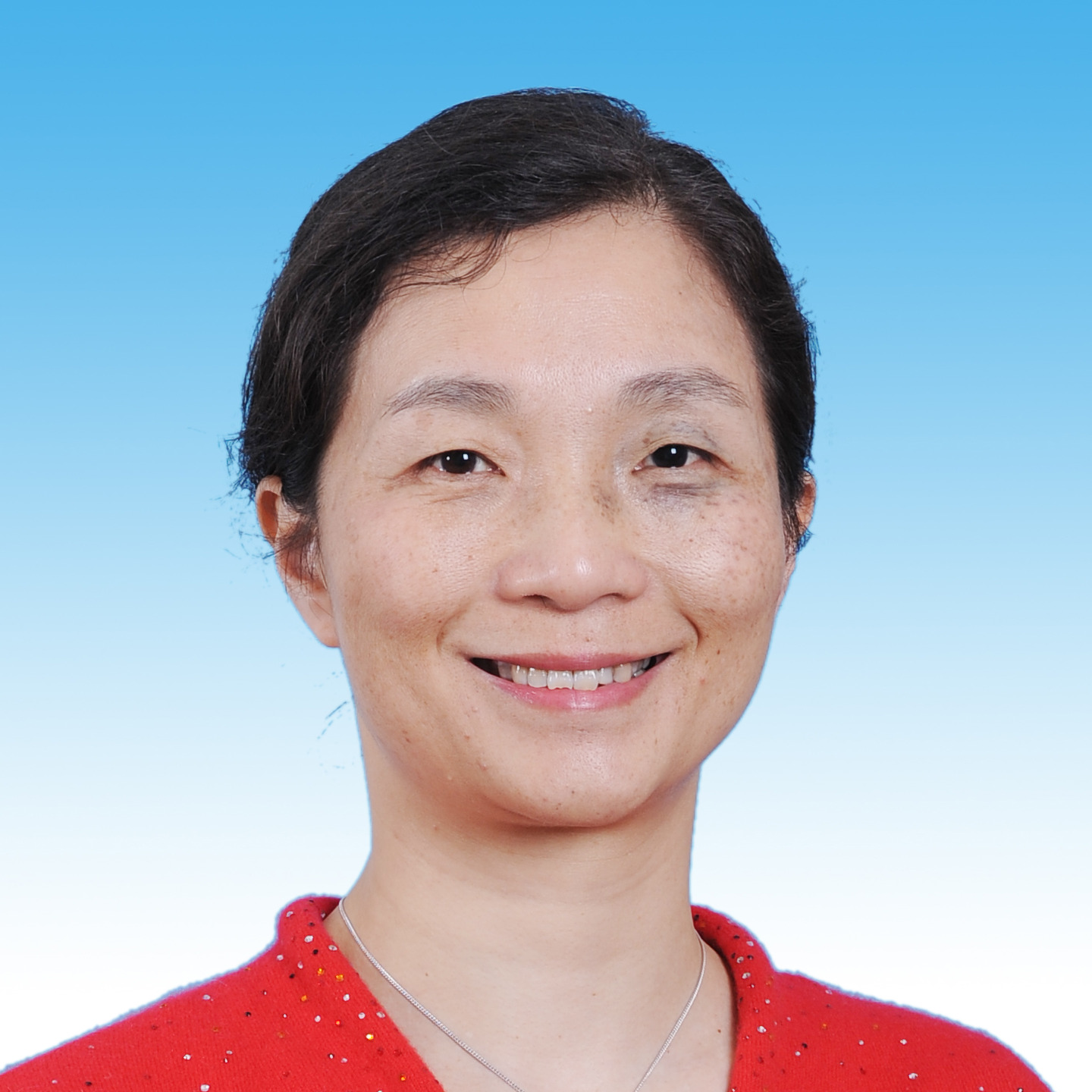
Wuhan Institute of Virology, Chinese Academy of Sciences, China;

Dr. Karla Kirkegaard
Department of Genetics and Microbiology and Immunology, Stanford University School of Medicine, USA;Karla Kirkegaard received her B.S. in Genetics from Berkeley, and her Ph.D. from Harvard, working on topoisomerase biochemistry with James C. Wang. She became a virologist during her postdoctoral work with David Baltimore at the Whitehead Institute. Her first academic position was in the RNA world of the University of Colorado at Boulder. She is currently The Violetta L. Horton Professor of Genetics and Microbiology & Immunology at Stanford University School of Medicine. The Kirkegaard laboratory is developing new approaches for antiviral development to prevents drug-resistance based on years of studying the genetics and biochemistry of positive-strand RNA viruses, primarily focusing on positive-strand RNA viruses. She is grateful for the recognition she has received, including her recent election to the U.S. National Academy of Science.
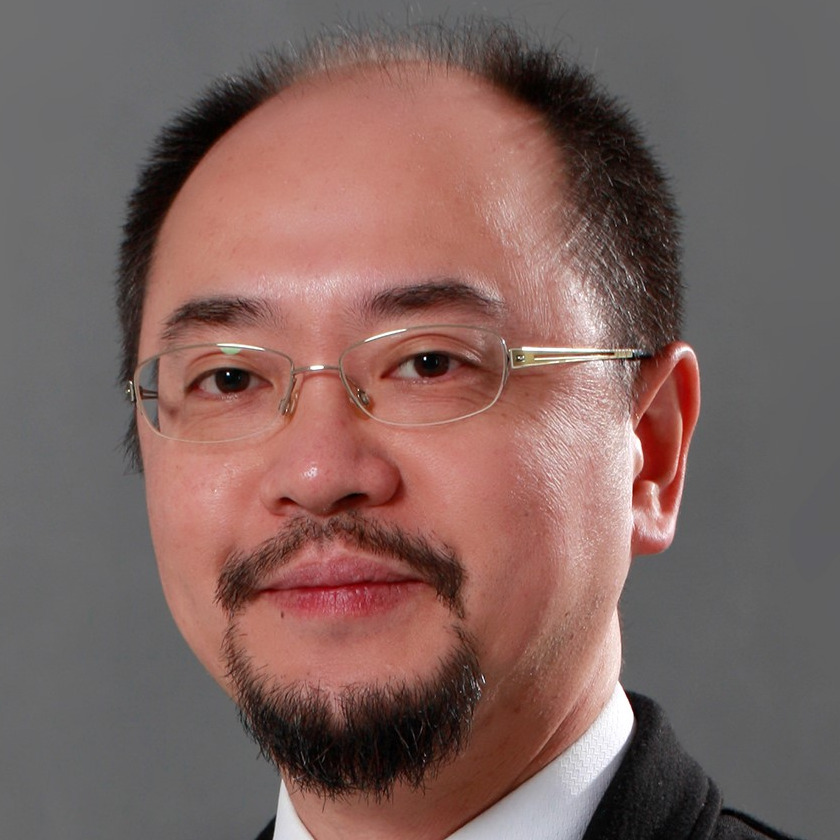
College of Life Sciences, Wuhan University, Wuhan, China;
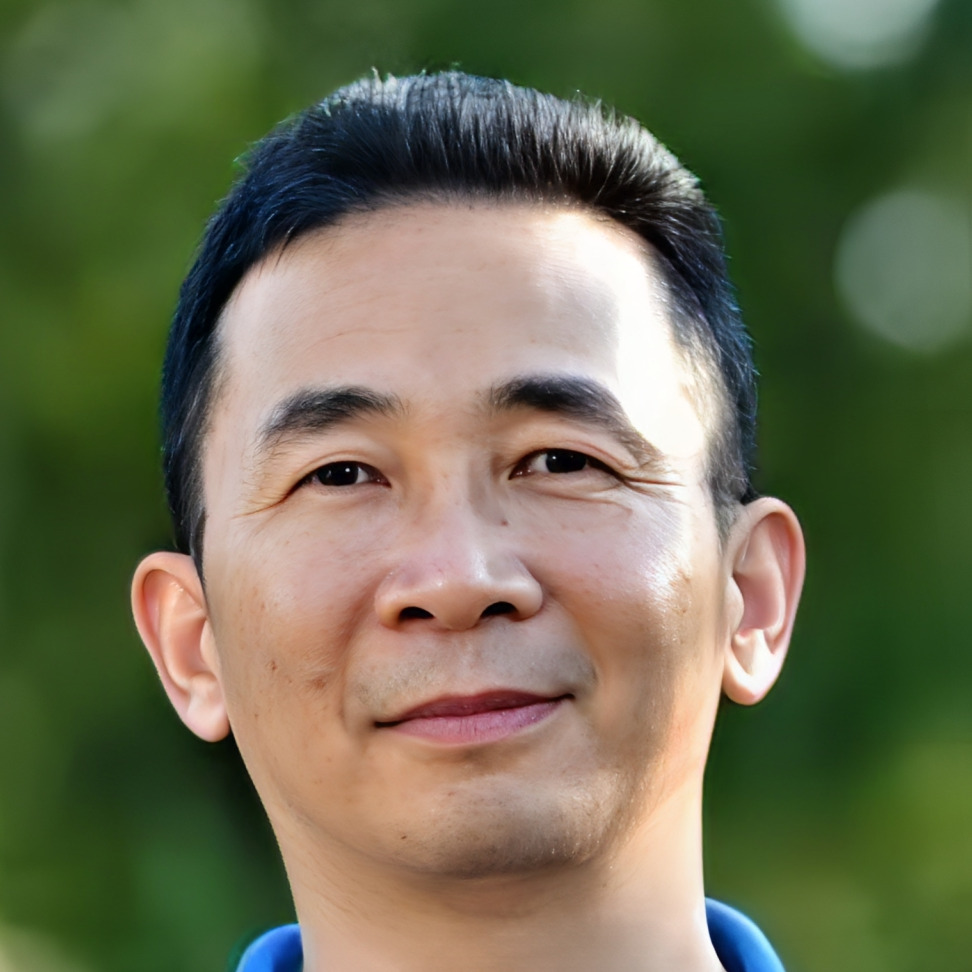
Comprehensive Cancer Center, The Ohio State University, Columbus, USA;
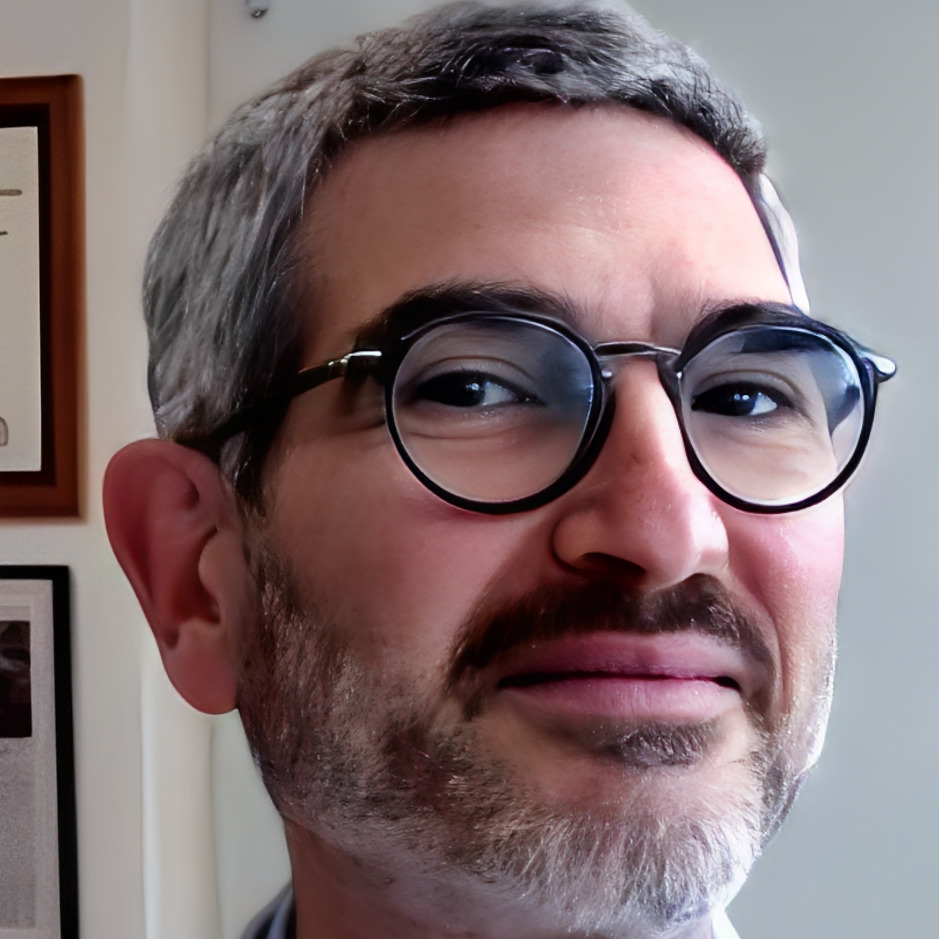
University of Massachusetts Chan Medical School, Worcester, USA;Prof. Luban is a physician-scientist who investigates lethal human pathogens including HIV-1, Ebola virus, SARS-CoV-2, and HPAI H5N1. Since 1990, his work has been continuously funded by the NIH to study HIV-1 replication, pathogenesis, and immunity. A guiding principle of his research is that the simplicity of viral genomes renders their replication dependent on host cell factors. Accordingly, viral pathology and innate immune recognition are largely host driven. His laboratory focuses on identifying and characterizing cellular factors relevant to viral infection. In doing so, they use viruses as probes of fundamental cell biology, elucidating mechanisms of transcriptional regulation, nuclear transport, protein folding, pluripotency, cytokine signaling, and innate immunity. They also develop genetic and biochemical screens, as well as reverse genetic tools and vectors for gene delivery and editing. While basic in nature, this research advances understanding of disease pathogenesis and supports the development of antiviral vectors, drugs, and vaccines. I have held endowed professorships at Columbia University, the University of Geneva, and currently UMass Chan Medical School where I have mentored over 100 students and postdocs.
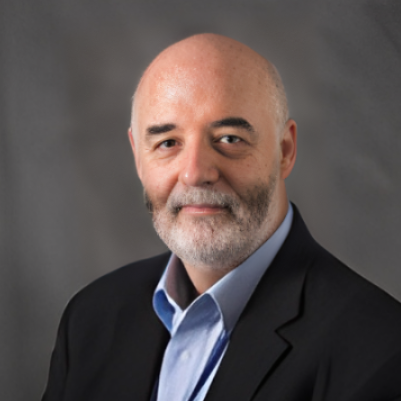
Cancer Virology Program, University of Pittsburgh Cancer Institute (UPCI), USA;Yuan Chang is a Distinguished Professor in the Department of Pathology and holds the UPMC Endowed Chair in Cancer Virology at the Hillman Comprehensive Cancer Institute, University of Pittsburgh. She earned her undergraduate degree at Stanford University and completed her M.D. at the University of Utah. Following residency training in pathology at UCSF and fellowship training in neuropathology at Stanford, she joined the faculty at the Columbia University College of Physicians & Surgeons. Dr. Chang co-discovered Kaposi’s sarcoma associated herpesvirus (KSHV/HHV8), working in partnership with her husband and scientific collaborator, Dr. Patrick S. Moore. At the University of Pittsburgh, their research group went on to discover Merkel cell polyomavirus (MCV), the most recently identified human tumor virus, which is linked to a highly aggressive form of skin cancer. Dr. Chang is an elected member of the US National Academy of Sciences and the American Academy of Arts and Sciences.
Wuhan Institute of Virology, CAS;

Department of Microbiology and Immunology, and Pediatrics, University of Iowa, USA;Dr. Perlman obtained a Ph.D. in Biophysics from M.I.T. and an M.D. from the University of Miami. He completed residency and pediatric infectious diseases training at the Boston Children’s Hospital. He joined the faculty at the University of Iowa in 1983. His laboratory studies the pathogenesis of human and murine coronavirus infections and the host immune responses to these viruses. The laboratory has developed mouse models for SARS, MERS and COVID-19, including the development of mouse-adapted viruses that cause severe disease in mice and cause chronic disease with manifestations of PASC (Post Acute Sequelae of COVID-19). His laboratory has also developed reverse genetics system for murine coronaviruses, SARS-CoV, SARS-CoV-2, and MERS-CoV genomes. The ultimate goal of the work is to understand the interplay of pro and anti-inflammatory factors that result in demyelination and lung destruction. SARS-CoV, SARS-CoV-2, and MERS-CoV cause especially severe infections in aged populations. Mice infected with murine adapted strains of SARS-CoV-2 are used to understand the basis of severe diseases in aged hosts. SARS-CoV-2 causes neurological disease including anosmia in mice and humans. Dr. Perlman also serves on the VRBPAC (Vaccine and Related Biological Products Advisory Committee) of the FDA, the WHO strain selection committee and the COVID Advisory Committee of the ACIP. He is an elected member of the National Academy of Sciences (USA).
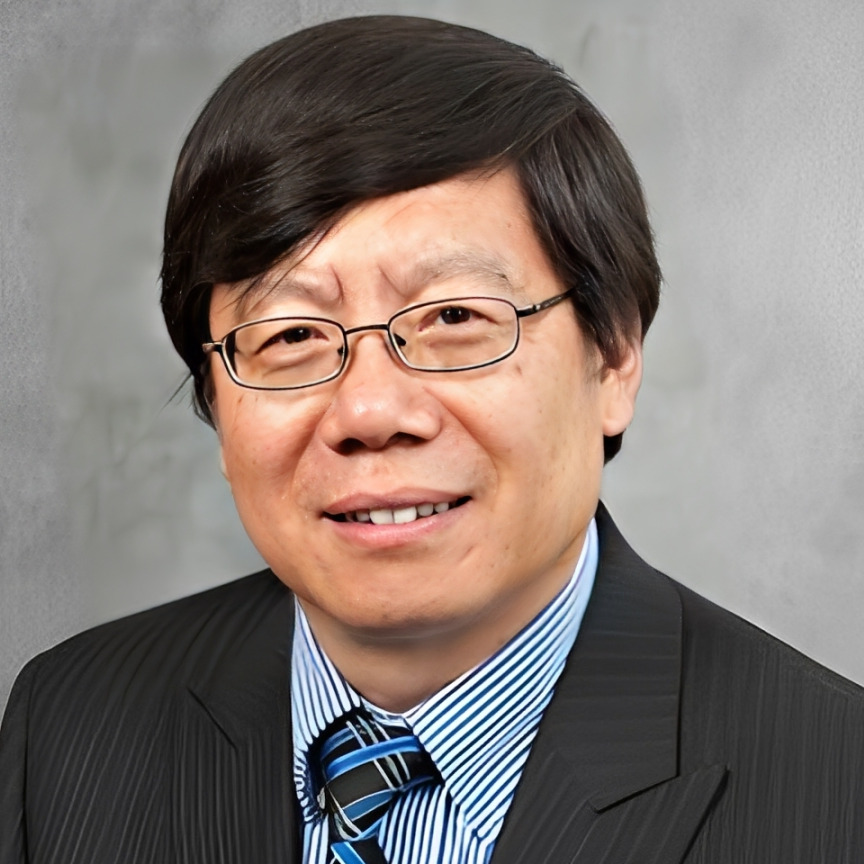
Department of Microbiology and Immunology, University of Illinois, College of Medicine, Chicago, USA;Dr. Lijun Rong is a professor of Department of Microbiology and Immunology, College of Medicine, University of Chicago Illinois (UIC). He received his undergraduate degree at Shandong University of Agriculture (Agronomy), his PhD at Purdue University (Molecular Biology). His postdoctoral training was at University of Pennsylvania (Bacterial Pathogenesis and Molecular Virology). He then joined UIC as an assistant professor and has been promoted to a professor. His current research is focused on emerging viruses including influenza viruses, filoviruses, henipaviruses, and arenaviruses: investigating the entry and replication mechanisms of these viruses, and developing small molecule inhibitors as antiviral therapeutics. He has published more than 160 peer-reviewed papers, and has numerous patents. His research has been supported generously from NIH and the private foundations such as Gates Foundation. He has been serving as associate editors and editorial members for several journals. He is an AAAS fellow.
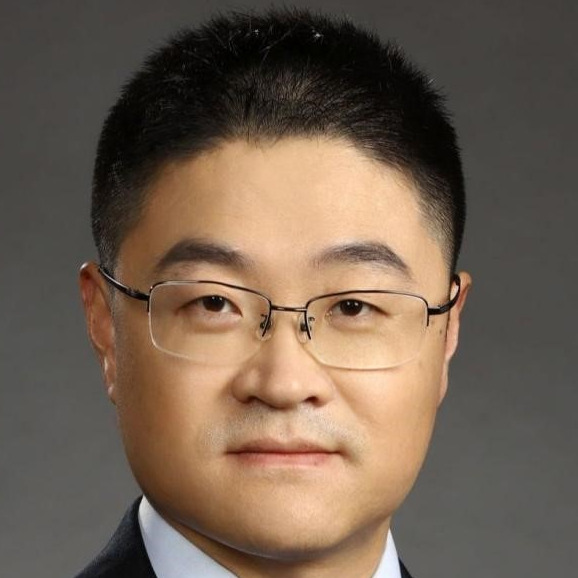
Dr. Weifeng Shi
Shanghai Jiao Tong University, China;Weifeng Shi, Ph.D., Ph.D. Supervisor, Distinguished Researcher at Shanghai Jiao Tong University, Vice President of the Shanghai Institute of Virology. He is a recipient of the National Science Funding for Distinguished Young Scholars, a Young Scholar and Specially Appointed Professor of the Changjiang (Yangtze River) Scholars Program, and a member of the National Ten Thousand Talents Program. He was also honored with the 8th Zhongyuan Concord Life Science Innovation Breakthrough Award. His research focuses on the origins and evolution of viruses, as well as the transmission dynamics and genetic variation of viral infectious diseases. Dr. Shi has published more than 150 SCI-index papers, which have collectively been cited over 60,000 times worldwide (Google Scholar). Among these, more than 100 articles were published as first author or corresponding author (including co-author) in leading journals such as Cell (2021), Nature (2015, 2021, 2024), The Lancet (2013, 2020), Science (2021), The Lancet Microbe (2022a, 2022b, 2023, 2025), Nature Reviews Microbiology (2019, 2023), Current Biology (2021), Nature Communications (2020), Trends in Microbiology (2025), Nature Microbiology (2025), Cell Host & Microbe (2016), and Microbiome (2023).
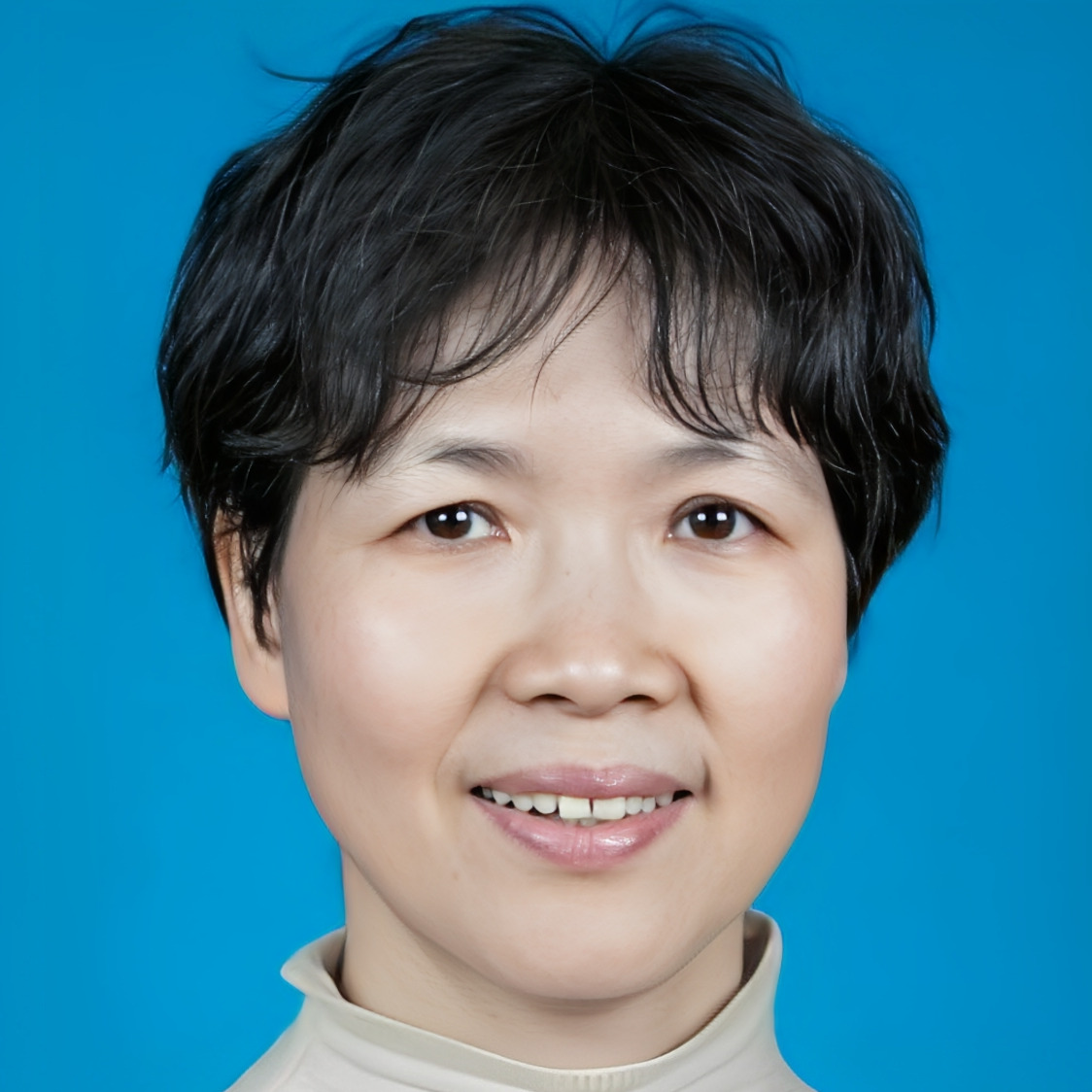
Guangzhou Laboratory, Guangzhou International Bio Island, China;
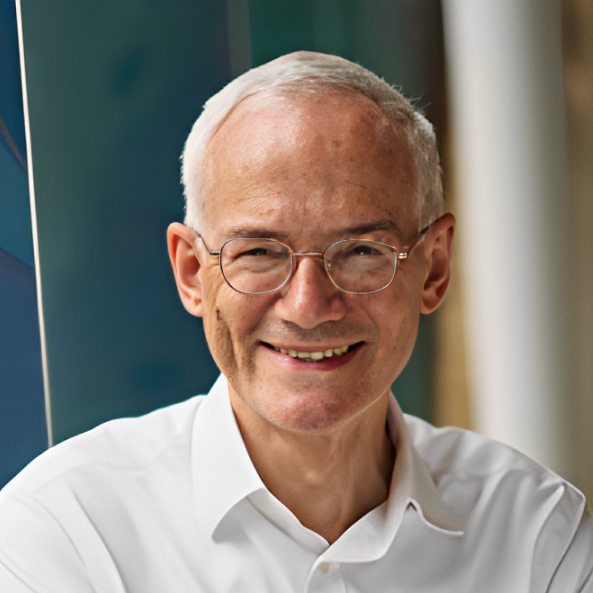
Shanghai Institute for Materia Medica, Chinese Academy of Sciences University of Oxford, China and UK.;Geoffrey Smith obtained his PhD (1981) working with influenza virus in Alan Hay’s laboratory in NIMR, London. Then as a postdoc in Bernard Moss’s laboratory at the NIH, USA (1981-84), he developed vaccinia virus (the smallpox vaccine) as an expression vector and established the principle of using genetically engineered viruses as live vaccines; a principle applied subsequently to many other viruses and microorganisms. He continued studying poxviruses after returning to UK at Cambridge (1985-9), Oxford (1989-2000), Imperial College London (2000-11), Cambridge (2011-22) and again at Oxford from 2023. In 2025 he became Chief Scientist of a Vaccine Research Centre at the Shanghai Institute of Materia Medica, Chinese Academy of Sciences. His research studies the interactions of poxviruses with the host cell and immune system. He has been Chairman WHO Advisory Committee for Variola Virus (smallpox) Research, President International Union of Microbiological Societies, Chairman Scientific Advisory Board of the Friedrich-Loeffler Institute (Germany), and Chairman Scientific Advisory Board of the Pirbright Institute. He was elected a Fellow of the Academy of Medical Sciences (2002), the Royal Society (2003), the European Academy of Microbiology (2008), and a member of Leopoldina - the German National Academy of Sciences (2011).
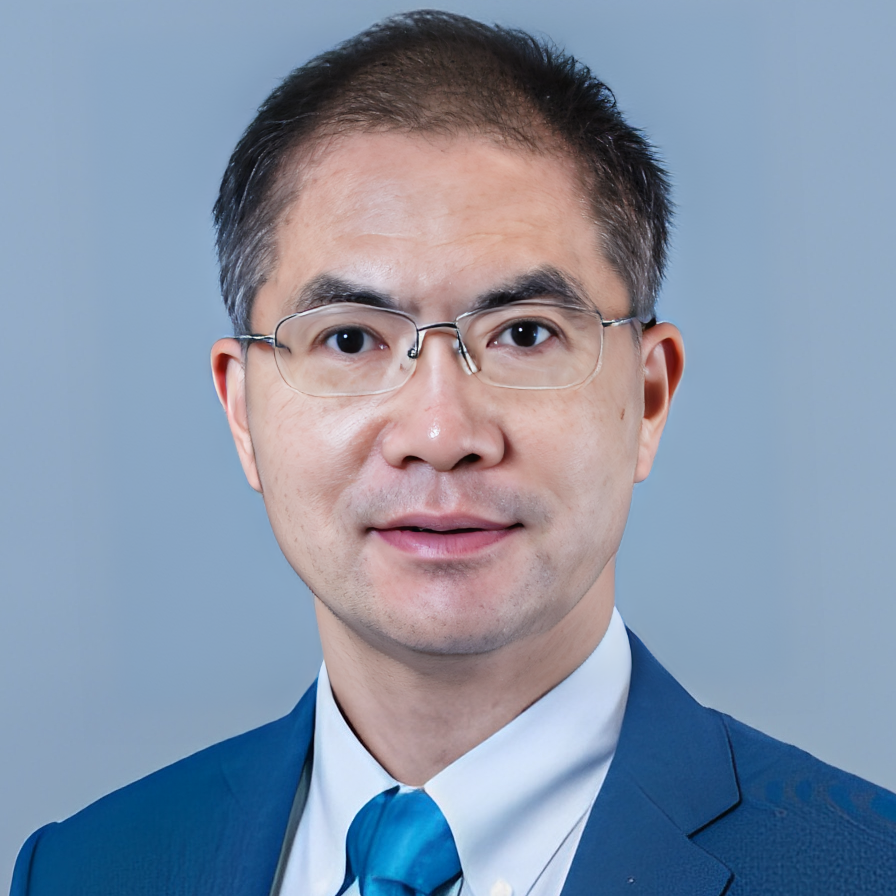
Dr. Ren Sun
Center for Infectious Disease Research, School of Medicine, Westlake University, China;Professor Sun graduated from Fudan University with BS in biology and was trained at the Department of Molecular Biophysics and Biochemistry, Yale University, as a graduate student and postdoctoral fellow. He was an assistant, associate, full and distinguished professor at the University of California, Los Angeles (UCLA) from 1997 to 2020. He served as Senior Associate Dean of David Geffen School of Medicine and Associate Vice Provost of UCLA from 2009 to 2019. From 2020-2021, he was a professor and chair professor in systems biology at the School of Biomedical Sciences, The University of Hong Kong (HKU), when he also served as Senior Advisor to the President of HKU. Prof. Sun currently is a chair professor, Director of Center for Infectious Disease Research, and Senior Advisor to the President at Westlake University.
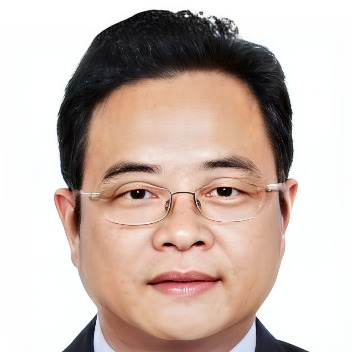
Dr. Jianwei Wang
Chinese Center for Disease Control and Prevention, China;
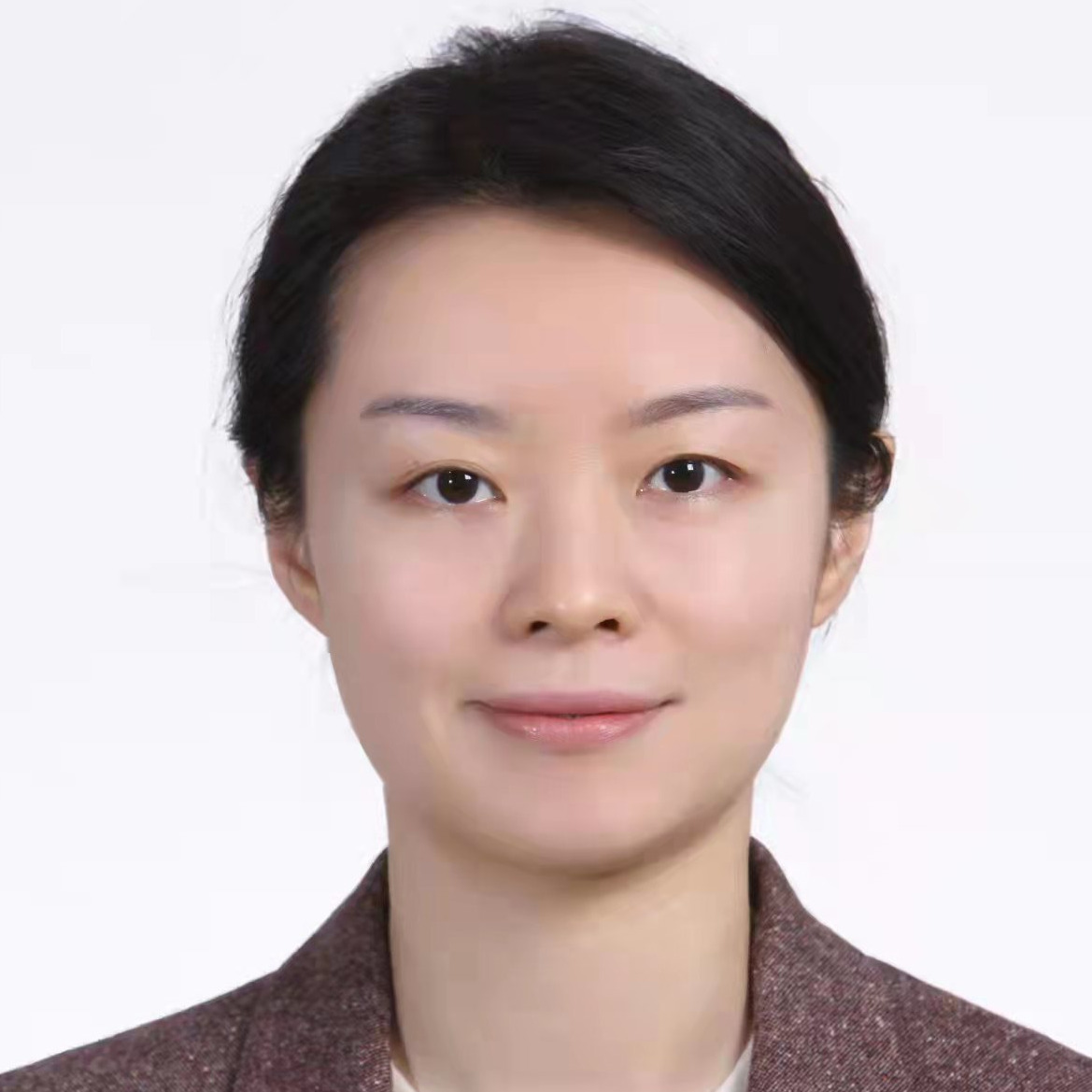
Dr. Yanyi Wang
Wuhan Institute of Virology, Center for Biosafety Mega-science, Chinese Academy of Sciences, China;Dr. Yan-Yi Wang is an investigator and director of Wuhan Institute of Virology, Chinese Academy of Sciences. Dr. Wang received her B.S. in biology from Peking University, M.S. in immunology from University of Colorado Health Sciences Center and Ph.D. in microbiology from Wuhan University. Dr. Wang worked as a lecturer and associate professor at Wuhan University till 2012. She was then recruited to Wuhan Institute of Virology for an investigator position and currently serves as the director of the institute. Dr. Wang’s research career has focused on virus–host interactions. She made important contributions to elucidation of mechanisms on antiviral innate immune responses, immune evasions of HCMV and SARS-CoV2, and signaling by proinflammatory cytokines. In recent years, Dr. Wang’s group has focused on arboviruses, and identified LDLR and PCDH10 as entry receptors for Crimean-Congo hemorrhagic fever virus (CCHFV) and Western equine encephalitis virus (WEEV) respectively. Dr. Wang has published over 60 papers in prestigious international journals, which have been cited for more than 6,000 times. Dr. Wang has been honored with the Chinese Young Women Scientist Award, National Natural Science Award, among others.

Perelman School of Medicine, University of Pennsylvania, USA;Susan Weiss obtained her PhD in Microbiology from Harvard University working on paramyxoviruses and did postdoctoral training in retroviruses at University of California, San Francisco. She came to the University of Pennsylvania as an Assistant Professor in 1980, and is currently Professor and Vice Chair, Department of Microbiology and Director of the Penn Center for Research on Emerging Viruses. She has worked on many aspects of coronavirus biology and pathogenesis over the last forty-five years. Her work focused for many years on the murine coronavirus (MHV) mouse model of hepatitis and more recently also on MERS-CoV, SARS-CoV-2, and the “common cold” coronaviruses. Her work for the last ten years has focused on coronavirus interaction with the host innate immune response, viral antagonists of double-stranded RNA induced antiviral pathways and interactions with the unfolded protein responses. Most recent work utilizes primary nasal epithelial cell cultures to model the nasal epithelium, the earliest site of infection. Her other research interests include activation and antagonism of the double-stranded RNA induced antiviral responses, interferon signaling, the oligoadenylate-ribonuclease L (OAS-RNase L) and PKR pathways. She was elected to the National Academy of Sciences in 2023 and American Academy of Arts and Sciences in 2025.
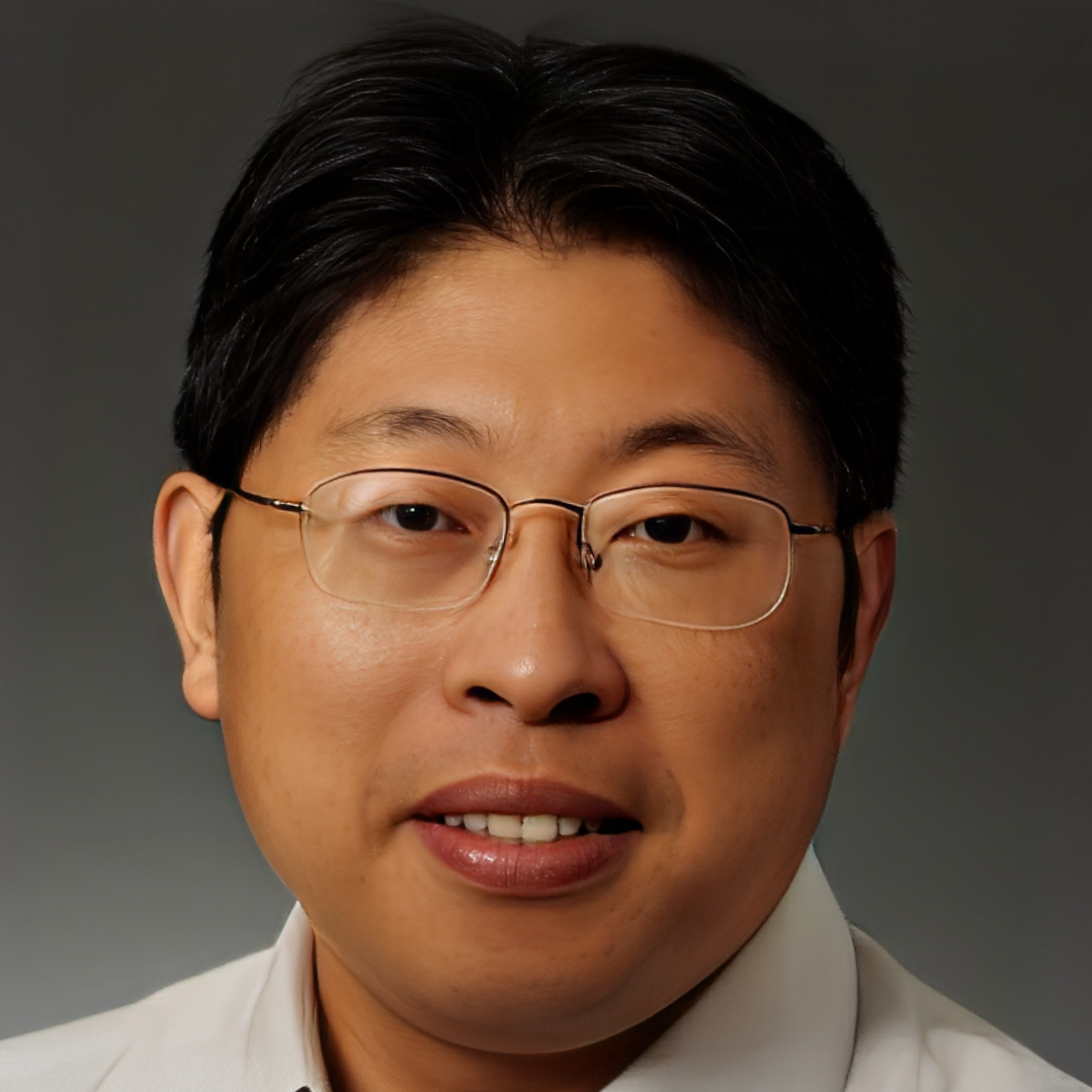
NCBID, George Mason University, Manassas, USA;Yuntao Wu is a professor and co-director at George Mason University’s Center for Infectious Disease Research. He has dedicated over 35 years to virology research, focusing on HIV infection in the past two decades. Wu has published extensively in HIV virology and immunology, including discovering a viral early process of pre-integration transcription in CD4 T cells and macrophages (Science, 2001, 293:1503-6), which has stimulated the development of non-integrating lentiviral vectors. His lab also discovered a function of HIV-mediated chemokine co-receptor signaling for the activation of an actin regulator, cofilin, which promotes HIV infection and pathogenesis (Cell, 2008, 134:782; Science Advances, 2019, 5:eaat7911). Recently, his lab studies a new antiviral host protein, PSGL-1, and elucidated a novel antiviral mechanism of “steric hinderance”, by which virion incorporation of PSGL-1 blocks virus attachment to target cells (Nature Microbiology, 2019, 4:8132; PNAS, 2020, 117:9537). His lab also identified CD34 and a group of related mucin-like host proteins, and named them as the SHREK family of virion inactivators for their shared steric hinderance antiviral mechanism. In addition to studying HIV-host interaction, Wu’s lab also develops new technologies for HIV cure or functional cure, including the development of an HIV Rev-dependent lentiviral vector for targeting HIV reservoirs (Retrovirology, 2007, 4:12; Gene Therapy, 2025, 32:16-24).
Kunming Medical University, China;Dr. Xueshan Xia is a professor, doctoral advisor, and president of Kunming Medical University, recognized as a Yunling Scholar under the Xingdian Talent Program, recipient of the State Council Special Allowance of China, a leading academic-technological figure among young-middle-aged professionals in Yunnan, and an outstanding young-middle-aged expert for significant contributions. He directs the Yunnan Provincial Key Laboratory of Public Health and Biosafety and oversees multiple provincial research platforms in molecular diagnostics and infectious disease genomics. His work focuses on the epidemiology and molecular virology of infectious diseases, with an emphasis on cross-species and cross-border virus transmission, and he develops molecular diagnostics for infectious diseases into industrial application. Dr. Xueshan has led major national-provincial-level research programs, including project under the National Key Research & Development Program and over 12 major national-provincial-level research projects, authored over 300 publications (including 86 SCI papers, 50 in top-tier journals, cumulative impact factor ≥ 100), formulates four local standards and two group standards, and holds more than 20 patents, six of which have been successfully commercialized. A two-time recipient of Science and Technology First-Class Award, and another two-time recipient of Natural Scienc Second-Class Awards of Yunnan, he has mentored over 50 graduate students.
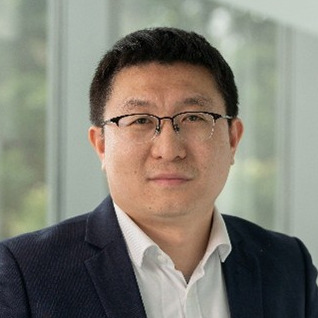
The University of Hong Kong, China;Shuofeng Yuan is currently an Associate Professor at the University of Hong Kong. Dr. Yuan’s work leverages systems-based approaches and state-of-the-art technologies to examine the virus-host interface, identifying targets for antiviral intervention, with a focus on RNA viruses that pose a pandemic threat. Concepts established in his findings are harnessed to design and develop new antiviral drugs, as well as immunization with live attenuated and synthetic vaccines against viral diseases. Dr. Yuan has achieved breakthroughs in identifying novel cellular factors (e.g. SREBP, AP2M1, PMI) and lead compounds for broad-spectrum antiviral therapy. This provides a transformative solution to challenges such as drug resistance, limited coverage, and high costs that are inherent in the traditional “one drug-one bug” approach. His pioneering integration of metabolic rewiring intervention with standard antiviral monotherapy represents a paradigm shift in patient management, particularly for those with delayed admission. His research endeavors are supported by notable funding bodies, including the NIH (USA), NSFC Excellent Young Scientist Fund and National Key Technologies R&D Program (China). Additionally, his team collaborates with prominent pharmaceutical and biotech companies on early-phase drug discovery and vaccine development. Dr. Yuan is the winner of several prestigious awards including the Federation of Asian and Oceanian Biochemists, the MIT Technology Review Innovators Under 35 (Asia Pacific), and the Early Career Award of Hong Kong Research Grants Council.
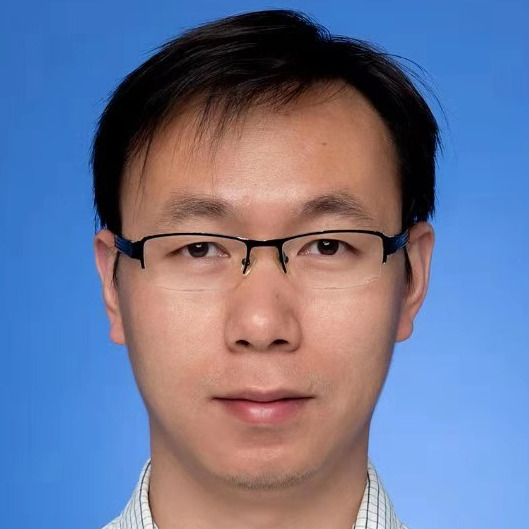
Fudan University, China;

Dr. Wenqing Zhang
Department Epidemic and Pandemic Management, WHO HQ;
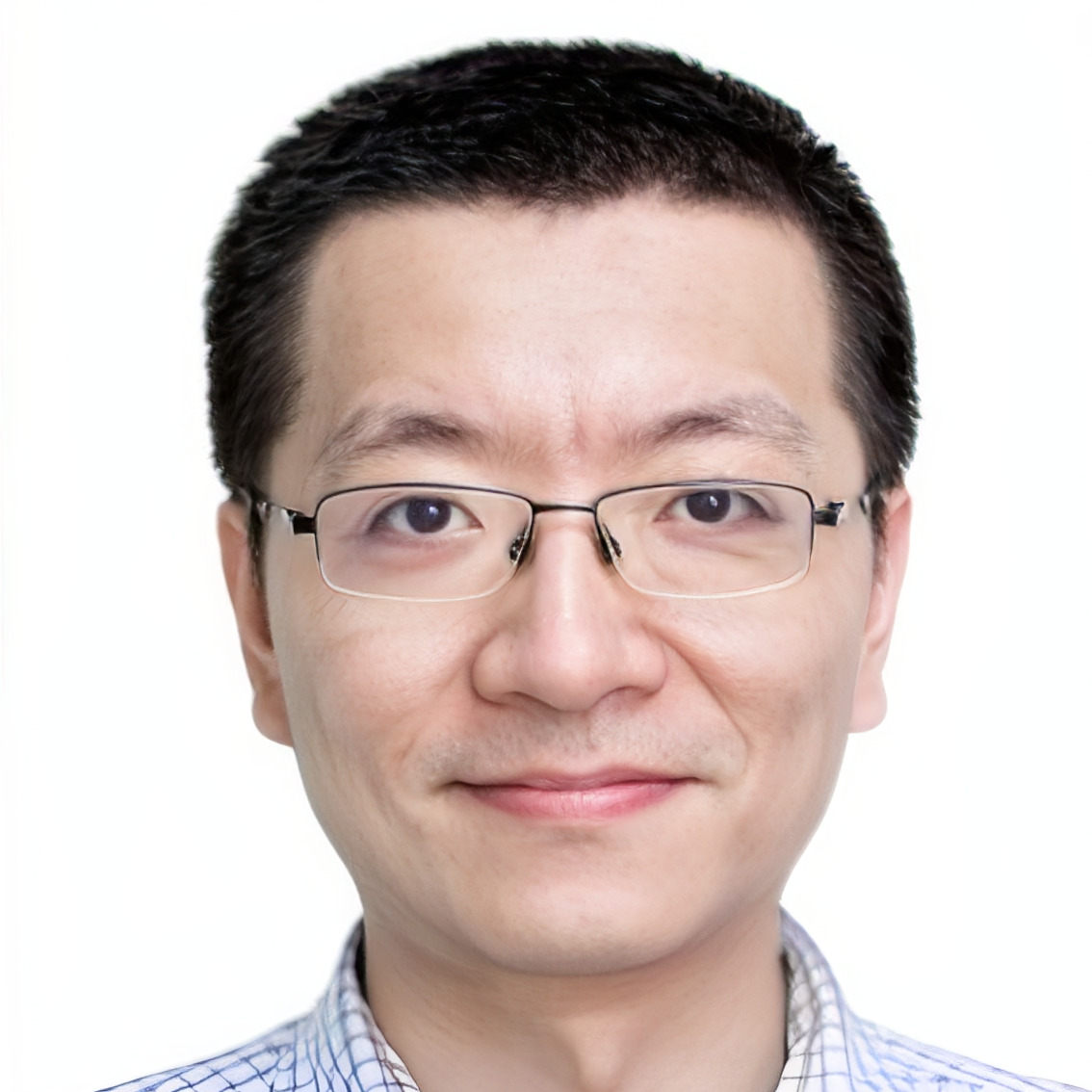
State Key Laboratory of Respiratory Disease, National Clinical Research Center for Respiratory Disease, Guangzhou Institute of Respiratory Health, the First Affiliated Hospital of Guangzhou Medical University, China;Jincun Zhao, Ph.D., is a professor and doctoral supervisor. He serves as Assistant Director of the Guangzhou Laboratory and Director of the State Key Laboratory of Respiratory Diseases at Guangzhou Medical University. He is a recipient of the National Science Fund for Distinguished Young Scholars, a Cheung Kong Scholar Distinguished Professor, and a beneficiary of the Special Government Allowance from the State Council. Dr. Zhao has long been engaged in research on the pathogenesis of emerging and acute respiratory infectious diseases in humans, as well as related prevention and treatment methods. His findings have been published in prestigious journals such as Cell, Nature Immunology, Immunity, The Lancet Infectious Diseases, and Science Immunology. He has been consistently recognized as a Highly Cited Researcher by Clarivate Analytics and ranked among the top 2% of scientists worldwide. Dr. Zhao has received awards including the National Innovation Pioneer Award and the Special Prize for Scientific and Technological Progress of Guangdong Province. He has led several major research initiatives as principal investigator, including projects under the National Key Research and Development Program, major projects of the National Natural Science Foundation of China, and international (regional) cooperation and exchange programs.

Department of Microbiology and Immunology, The University of Illinois Chicago, USA;Jincun Zhao, Ph.D., is a professor and doctoral supervisor. He serves as Assistant Director of the Guangzhou Laboratory and Director of the State Key Laboratory of Respiratory Diseases at Guangzhou Medical University. He is a recipient of the National Science Fund for Distinguished Young Scholars, a Cheung Kong Scholar Distinguished Professor, and a beneficiary of the Special Government Allowance from the State Council. Dr. Zhao has long been engaged in research on the pathogenesis of emerging and acute respiratory infectious diseases in humans, as well as related prevention and treatment methods. His findings have been published in prestigious journals such as Cell, Nature Immunology, Immunity, The Lancet Infectious Diseases, and Science Immunology. He has been consistently recognized as a Highly Cited Researcher by Clarivate Analytics and ranked among the top 2% of scientists worldwide. Dr. Zhao has received awards including the National Innovation Pioneer Award and the Special Prize for Scientific and Technological Progress of Guangdong Province. He has led several major research initiatives as principal investigator, including projects under the National Key Research and Development Program, major projects of the National Natural Science Foundation of China, and international (regional) cooperation and exchange programs.
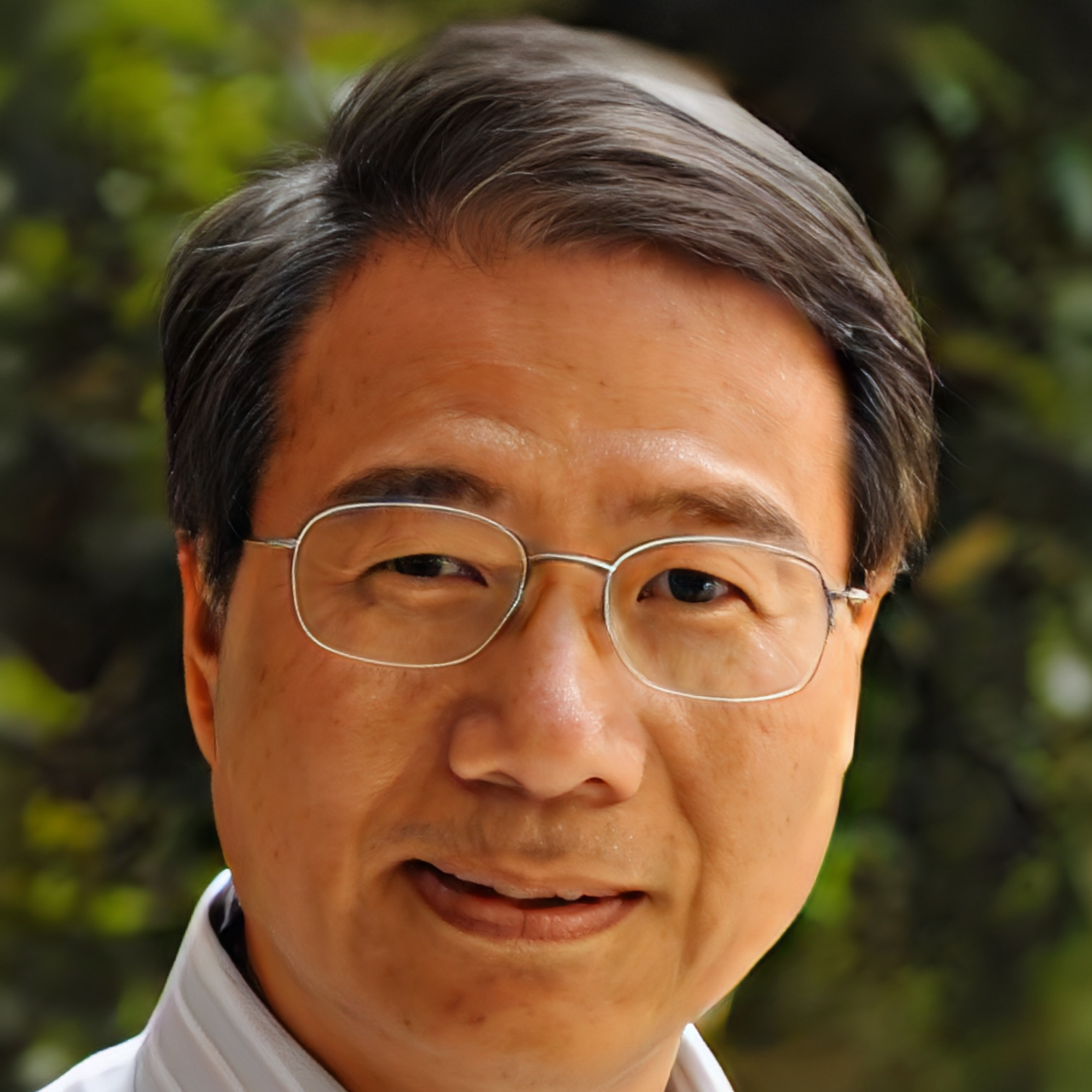
Center for Cancer Research, National Cancer Institute, National Institutes of Health, Frederick, USA;Dr. Zheng received his Ph.D. from the University of South Florida School of Medicine (1994). He was an IRTA fellow and later a senior staff in NCI Laboratory of Tumor Virus Biology. He accepted the offer in 1999 from then the NCI Division of Clinical Sciences to head the Tumor Virus RNA Biology Section and has remained in this position to date at now the NCI Center for Cancer Research. His research centers on RNA processing, RNA-protein interactions, and tumorigenesis of papillomaviruses and Kaposi's sarcoma-associated herpesvirus. He organized the 24th International Papillomavirus Conference and Clinical Workshop, Beijing, China, in 2007 and was a recipient of the 2009 NCI Director's Award, 2010 NIH Award of Merit, 2016 NCI Outstanding Mentor Award, and 2016 NIH Asian and Pacific Islander American Organization Outstanding Scientific Achievement Award. He was elected as a member of the American Academy of Microbiology in 2014. Dr. Zheng first isolated enterovirus type 71 (EV71, ATCC VR-1432) in China in 1989 and identified a new poxvirus named epidemic erythromelalgia-related poxvirus (ERPV, ATCC VR-1431). He and John Huggins at the USAMIID led the intravenous ribavirin phase III trial for hemorrhagic fever with renal syndrome (HFRS) caused by hantavirus infection (1985-1989).



WisomViruses 2025 – Conference Concluded Successfully!
On behalf of the Organizing Committee of the 11ᵗʰ Wuhan International Symposium on Modern Virology & Viruses 2025 (WisomViruses 2025), we would like to express our sincere appreciation to all participants for your valuable contributions and enthusiastic engagement. Your insightful presentations and active discussions greatly contributed to making the conference a remarkable success.
Publication Opportunities
Participants of this conference are cordially invited to submit a full manuscript to Viruses, with a 20% discount on the applicable publication fees. If you wish to publish your presentation as a complete article in Viruses, please contact the Editorial Office (Viruses@mdpi.com, with marisol.wang@mdpi.com or man.luo@mdpi.com cc'ed in) for assistance.
We hope you enjoyed the event! We look forward to welcoming you again at Viruses 2026 – New Horizons in Virology, to be held in Barcelona, Spain, on 11–13 March 2026.
 Best Poster Award
Ahmed Ghonaim - Genomic Characterization and Pathogenicity of Porcine G9P[23] and Bovine G6P[1] Rotavirus A Isolates: Insights into Cross-Species Transmission and Murine Infection Dynamics
Xingwen Yang - Anticodon Engineered Transfer RNA (tRNASUAG) Inhibits Hepatitis B Virus Replication by Promoting the Degradation of Core Protein
Jing Hu - Mucosal vaccination with long-form TSLP induces migratory cDC1-mediated adaptive immunity against SARS-CoV-2 infection
Yixin Huang - Molecular Architecture of Coronavirus Double Membrane Vesicle Pore Complex
S M Rashed Ul Islam - Molecular screening of Head and Neck Squamous Cell Carcinoma patients for Human Papillomavirus
Dongjie Zhang - SCF-FBXO9 exhibits broad-spectrum antiviral activity against human enteroviruses
Zi-Wei Ye - Zika virus-mediated T cell suppression via NS4B-dependent activation of PD-1/PD-L1 immune checkpoint
Ariana Arduini - Divergent ORF8 secretion dynamics between SARS-CoV-2 and SARS-CoV underlie distinct viral pathogenesis strategies
Conference Dates: 30 October - 2 November 2025
Check-In Time: 12:00 - 22:00, 30 October 2025,Thursday, (Beijing Time, UTC+8)
Conference Period: From 31 October to 2 November, 2025
Conference Location: Wuhan East Lake International Convention Center
Day 1 – 31 October 2025 (Friday) | 19:00–21:00 | Qintai Hall Foyer
Day 2 – 1 November 2025 (Saturday) | 19:00–21:00 | Qintai Hall Foyer
Please set up your poster on the designated board by 18:00 on 31 October 2025, and remove it between 21:00 on 1 November and 18:00 on 2 November 2025.
Each presenter will be provided with a vertical poster board. Please note that the maximum poster size is A0, with the following specifications:
90 × 120 cm / 35 × 47 inches (Width × Height)
To ensure a smooth poster session, please follow these guidelines:
-Locate your Poster ID: Please find your assigned Poster ID in the Sciforum notification email or on the poster list displayed onsite.
-Set up your poster: Poster boards are numbered accordingly. Adhesive materials (double-sided tape or pins) will be provided onsite. Please do not use tape or other materials that may damage the boards.
-Remove your poster: Please take down your poster after the session. Posters not removed after the session will be discarded by the organizers.
The poster template can be downloaded HERE. Please print your poster prior to the conference.
By clicking on the icon below, you can view and download the list of posters and locate your Poster ID. Please be aware that this arrangement may undergo minor adjustments. The final document published on the website will supersede any previous versions.

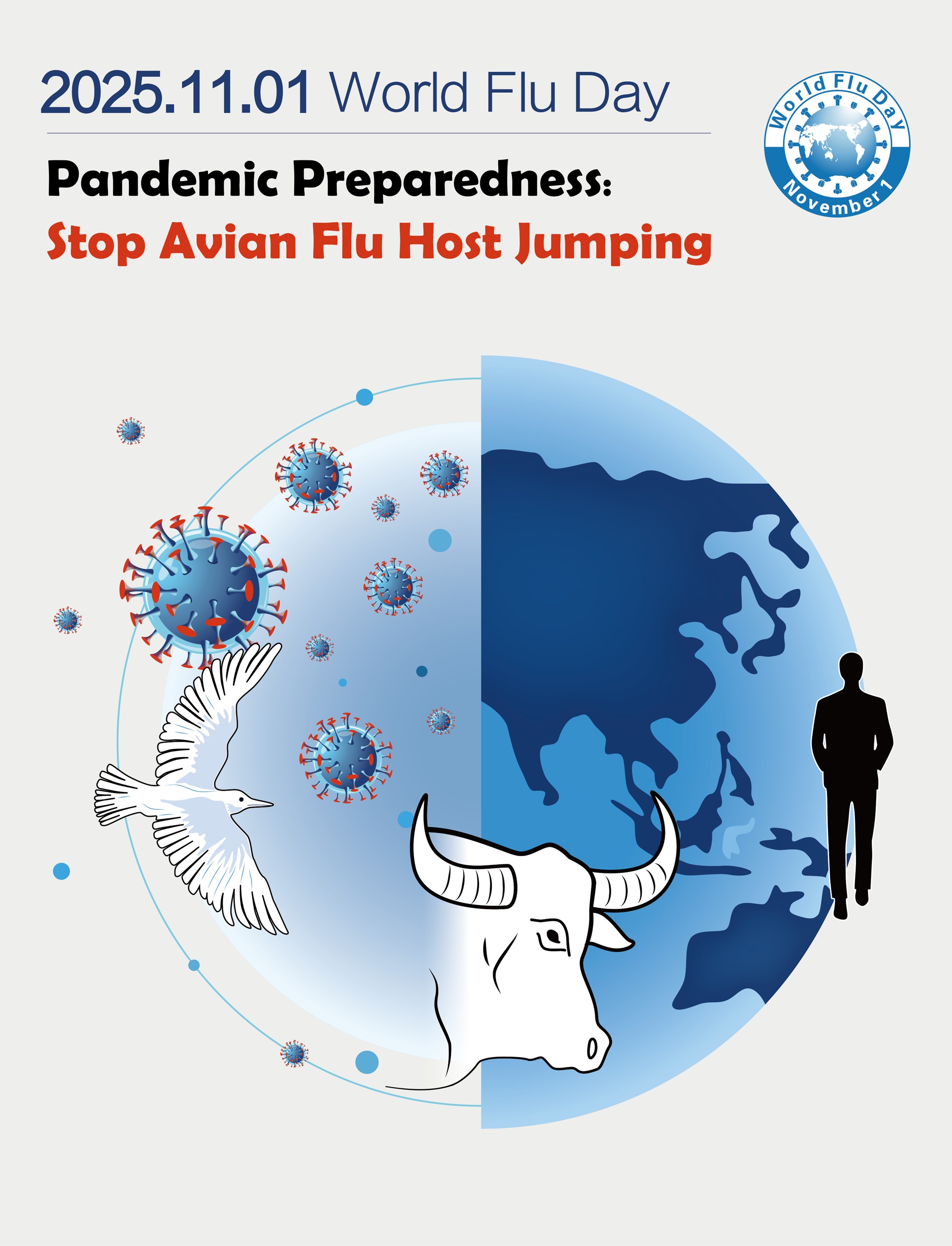
Theme: Pandemic Preparedness: Stop Avian Flu Host Jumping
Time: 8:30-12:00, November 1, 2025 (Beijing Time, GMT +8)
Venue: Wuhan East Lake International Convention Center
November 1st, 2025, will mark the eighth World Flu Day since it was initiated in 2018. With the aim of further improving the awareness of the public, medical and health workers, and scientific researchers regarding the diagnosis, treatment, and prevention of influenza, and promoting a society-wide sense of concern regarding the disease, the World Flu Day 2025 Symposium will be co-sponsored by The Institute of Microbiology, Chinese Academy of Science; Guangzhou Laboratory; The State Key Laboratory of Virology and Biosafety; and the journal Viruses. The Symposium will be held at Wuhan East Lake International Convention Center on November 1st, 2025, at 8:30 am, Beijing Time.
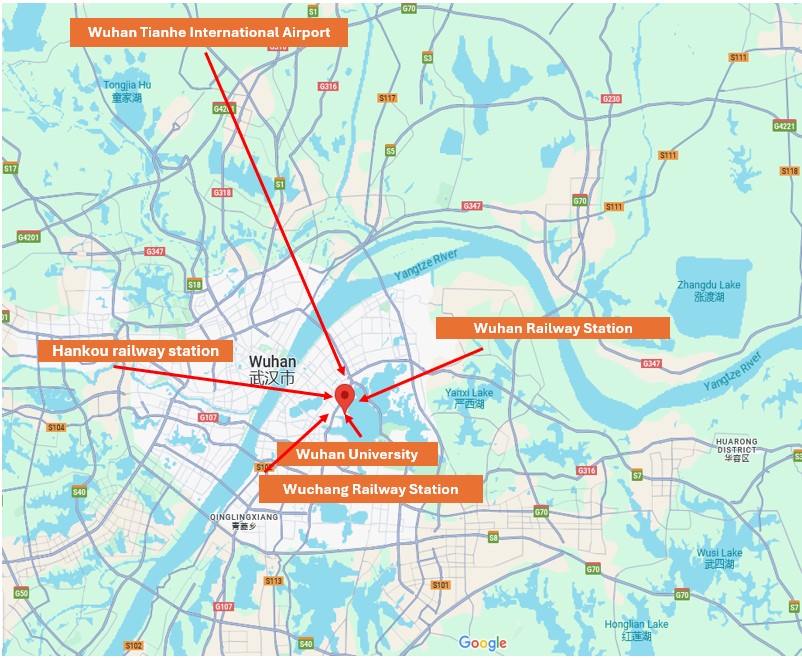
1. Tianhe International Airport
- By Taxi: Approx. 35 km, 45 minutes, around ¥80
- By Metro: Line 2 (towards Fozuling) → transfer at Hongtudadao Station to Line 8 (towards Junyuncun) → get off at Liyuan Station → walk or take a taxi for 1.5 km
2. Wuhan Railway Station (High-Speed Rail Station)
- By Taxi: Approx. 15 km, 30 minutes, around ¥40
- By Metro: Line 4 (towards Bailin) → transfer at Yuejiazui Station to Line 8 (towards Junyuncun) → get off at Liyuan Station → walk or take a taxi for 1.5 km
3.Hankou Railway Station
- By Taxi: Approx. 20 km, 35 minutes, around ¥50
- By Metro: Line 2 (towards Fozuling) → transfer at Hongshan Square Station to Line 4 (towards Wuhan Railway Station) → transfer at Yuejiazui Station to Line 8 → get off at Liyuan Station
4. Wuchang Railway Station
- By Taxi: Approx. 12 km, 25 minutes, around ¥30
- By Metro: Line 4 (towards Wuhan Railway Station) → transfer at Yuejiazui Station to Line 8 → get off at Liyuan Station
5. By Car
- From Hankou direction: Wuhan Avenue / 2nd Ring Road → Xudong Avenue → Liyuan Square
- From Wuchang / Optics Valley direction: Luoyu Road / East Lake Tunnel → Donghu Road → Hubin Road
6. Public Transportation
-
Bus: Routes 402, 411, or 573 → get off at "Donghu Road Liyuan" stop → 10-minute walk to the venue
-
Cycling / Walking: Accessible via the East Lake Greenway with scenic views along the way
Tips
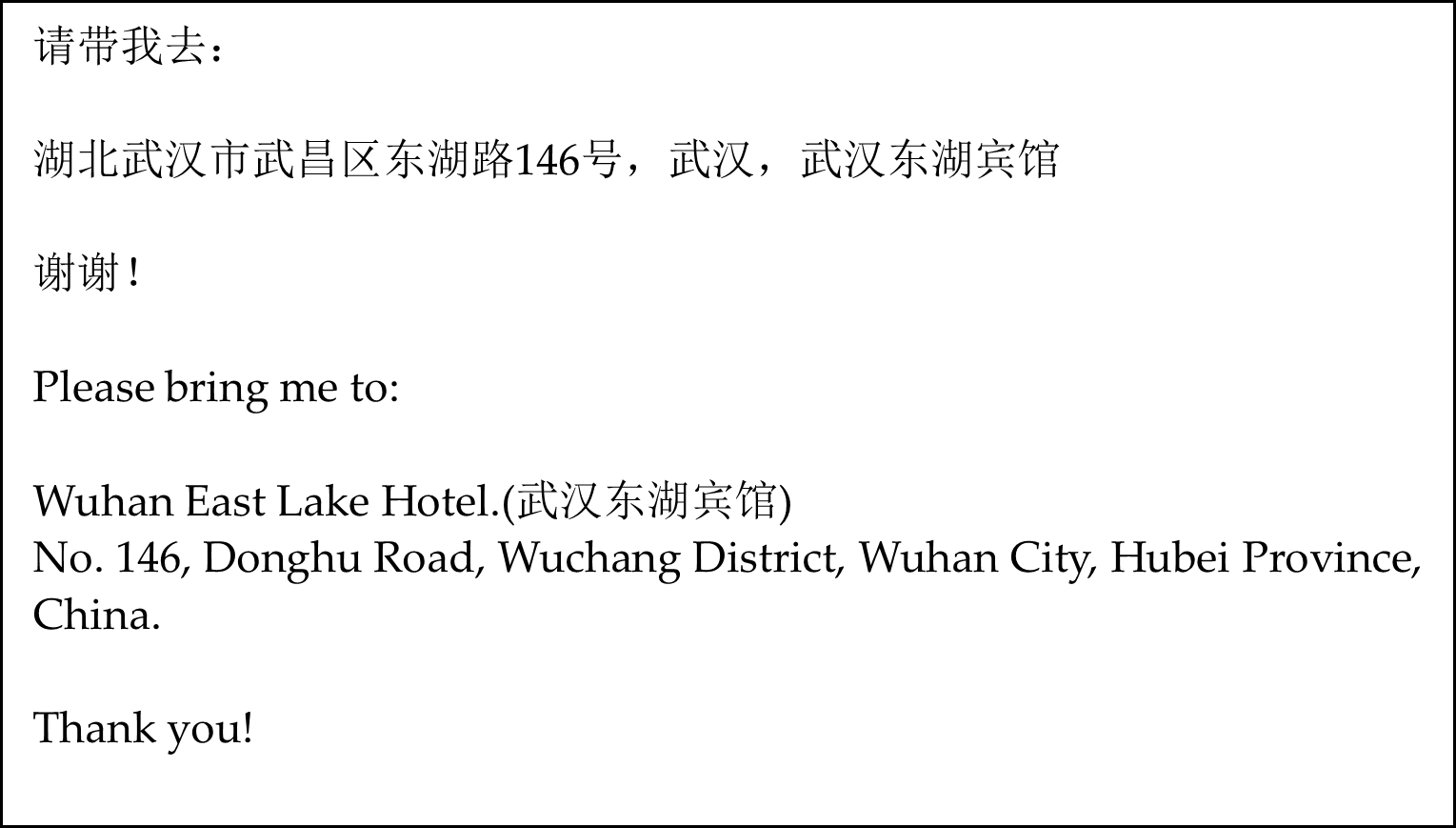
For your convenience, “Bring Me to Hotel” card is available, you can show it to taxi driver and then they will take you to the hotel.
1. Preparations Before Departure
1.1. Credentials/Documents
(a) Passport
(b) Visa if needed
1.2. Daily Necessities
(a) Masks, medicines (e.g., cold medicine/gastrointestinal medicine/anti-inflammatory medicine)
(b) Conversion plug, mobile phone card (open international traffic) 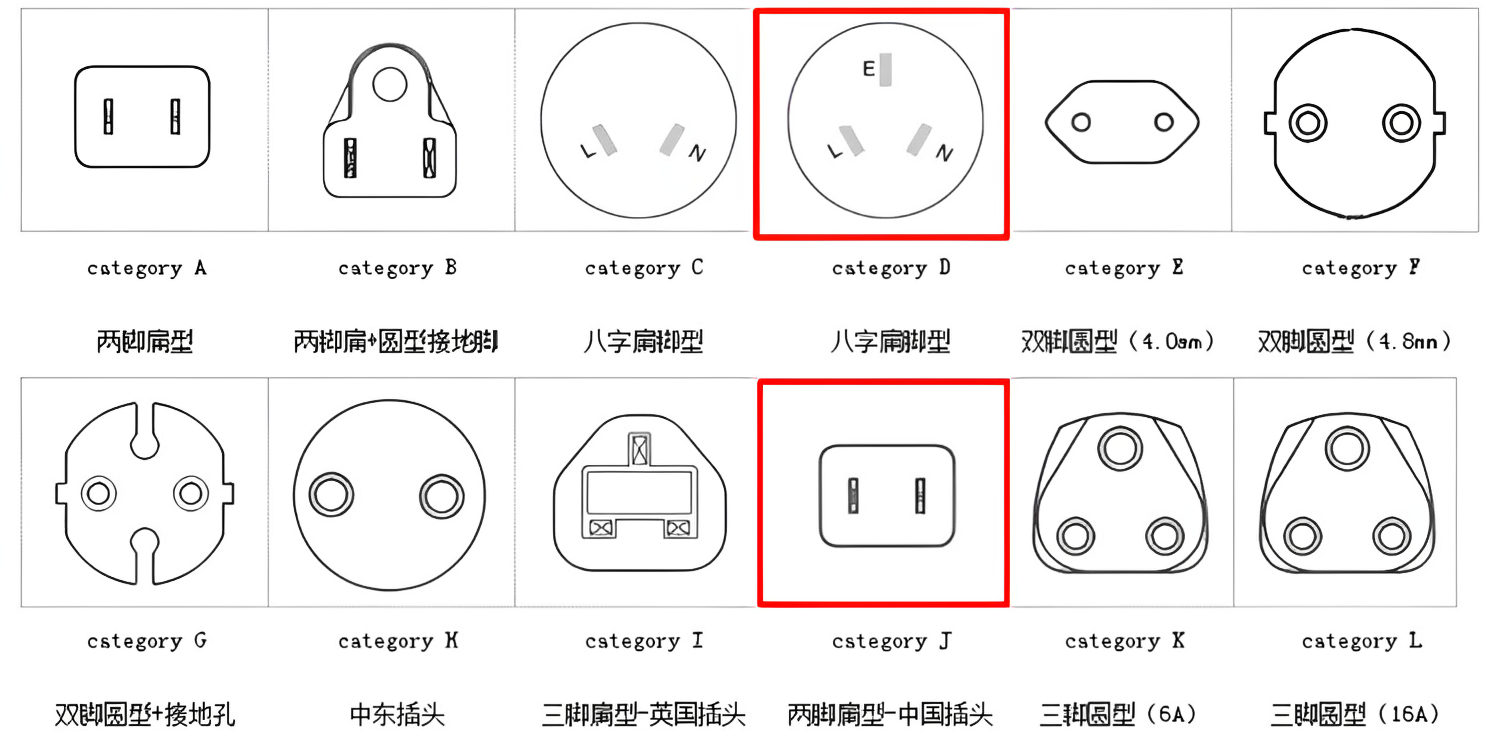
(c) Credit card and some cash; commonly used Alipay and WeChat
1.3. Hotel Information
Hotel: Wuhan East Lake Hotel
Address: No. 146, Donghu Road, Wuchang District, Wuhan City, Hubei Province, China
中文地址:湖北武汉市武昌区东湖路146号
Hotel Contact: T. 027-68881888 E. 3432651980@qq.com
2. Local Life Tips
2.1. Public Safety
Chinese police number: 110
Chinese emergency number: 120
Fire alarm number in China: 119
2.2. Common APP
(a) How to Pay
· In China, you can enjoy convenient payments with just a mobile phone. Payment services such as Alipay and Weixin Pay are available.
Visa, Mastercard, JCB, Diners Club, and Discover cards can all be added.
This is a Alipay guide video: https://youtu.be/JcUKLoNyeUQ?si=rOfa1xkOO6PTrHzh



· Large supermarkets support direct visa/master credit card payment.
· Cash. If you need cash, you can withdraw RMB cash with your bank card at an ATM with logos of the corresponding bank card organizations. You can also directly exchange at bank outlets with currency exchange signs, outlets of qualified financial institutions, or self-service kiosks. Please consult the staff for currencies available.

(b) Transportation
Search routes: Gaode Maps, Baidu Maps
Public transportation: public transportation is well developed, generally take the bus, subway, use Alipay - you can swipe the electronic card to pay for the trip.