.jpg)
The 6th World Sustainability Forum
the chairs
The 6th World Sustainability Forum
27 and 28 January 2017
University of the Western Cape and University of Cape Town, South Africa.
An international scientific conference organized by the University of the Western Cape, University of Cape Town, University of Basel and the National Research Foundation of South Africa and sponsored by MDPI and the journal Sustainability
The World Sustainability Award and the Emerging Sustainability Leader Award will be conferred at the conference dinner. The awards are endowed at USD 100'000 and USD 10'000, respectively.
Welcome by Beverly Damonse
The quest towards and for sustainability in Africa, in its broadest sense, is guided by recent comprehensive global and African policy instruments, which includes the United Nation’s Agenda 2030, the African Union’s Agenda 2063, and especially the Science, Technology and Innovation Strategy for Africa (STISA 2024). These provide context within which progress in attaining sustainable development for improved quality of life can be collectively implemented, measured, and monitored at all levels of society. The role of STI in supporting and catalyzing sustainability cannot be underestimated, and has increasingly been highlighted. Indeed, the successful implementation of the policy instruments mentioned will be directly influenced by the inclusivity, innovation and collective action of science, and the research endeavor, for its success. Public funding agencies, like the National Research Foundation (NRF) of South Africa, play a significant national and increasingly global role in providing an enabling environment for research excellence that supports sustainability. It is in this context that the NRF is delighted and honored to be a strategic partner in hosting the 6th World Sustainability Forum on the African continent.
Science Granting Councils continue supporting researchers to shape the global agenda for sustainability as performers, advisers, and collaborators across all spheres of influence. The 70th General Assembly of the United Nations designated 2017 as the International Year of Sustainable Tourism for Development. Further extrapolated, the approach will provide (1) Inclusive and sustainable economic growth; (2) Social inclusiveness, employment and poverty reduction; (3) Resource efficiency, environmental protection and climate change; (4) Cultural values, diversity and heritage; and (5) Mutual understanding, peace and security – all of which are applicable to any range of disciplines to contribute to society’s development for the future. Using these five key areas as broad guidelines, the NRF will continue to support cutting-edge research in stimulating knowledge creation, in advancing systems of innovation in Africa, and increasingly contribute towards the global knowledge agenda.
As evident from the rich range of abstracts submitted, discussions must also focus on capacity factors for our systems of innovation, especially in the African context. Momentum must be enhanced for our combined and innovative efforts in nurturing the next generation of researchers through harnessing international partnerships, increasing investments in the resourcing of this endeavor, and ensuring the production of ‘fit for purpose’ researchers to support and lead the immense task of addressing sustainability research from transdisciplinary, impact oriented, and collaborative perspectives.
The input of science to the sustainability discourse will only be sustainable in itself when and if the gender dimension cuts across all approaches. This aspect of diversity, among other factors, will contribute to the composition of resourceful research and management teams leading to better research outcomes. By asking gendered research questions, the results, findings, conclusions, and resultant products and services will take into consideration the abilities, needs, and concerns of both women and men, ensuring inclusive research and innovation.
The conference brings together researchers, policymakers, practitioners, private sector and civil society actors – all of them strategic stakeholders to ignite conversations and stimulate actions for our combined efforts in not only knowledge generation, but also capacitating our systems of innovation to effectively contribute to the sustainability discourse; and ultimately to our collective future.
Dr Beverly Damonse
Group Executive Science Engagement and Corporate Relations
National Research Foundation, South Africa
Welcome by Adipala Ekwamu
The 6th World Sustainability Forum is taking place for the first time in Africa – early in the journey towards the 2030 Agenda for Sustainable Development. With over a decade to 2030, we have the opportunity to reflect and set the direction and pace for the accelerated achievement of the set targets. Africa’s population recently surpassed 1 billion people, and is estimated to more than double by the year 2050. Capacity building through higher education, and particularly postgraduate education – and greater knowledge production – will be critical to the articulation and realization of the Sustainable Development Goals.
Education for sustainable development is a dynamic concept that encompasses a new vision for education: an education that can shape the world of tomorrow, equipping individuals and societies with the skills, perspectives, knowledge and value to live and work in a sustainable manner; and an education that seeks to balance human and economic well-being with cultural tradition and respect for all resources. It should therefore be the focus of tertiary education institutions for developing the required behaviour towards sustainability.
Sustainable development is an open-ended process, a vision that society must work towards, which may manifest in different ways and in different contexts. Humanity has the ability to make development sustainable to ensure that it meets the needs of the present without compromising the ability of future generations to meet their own needs.
Higher education has an important responsibility to develop ideas and knowledge for improving Africa’s social and economic conditions for the sustainable development of Africa. Higher education institutions are better suited as agents of change and attaining sustainable development because they are closer to grass roots for education, training, and consultancy functions (Scott and Gough, 2006). The goal of higher education is to develop skills for life-long learning, and it is the institutions’ responsibility to empower students to become active in their paths of discovery, both at the level of subject expertise and the application of knowledge. Collaboratively and individually, education in higher education institutions is not simply about knowledge transfer and skills enhancement – it is also about working with people to take charge of their own lives in a shared world. It is also about emancipation and social relevance in its broadest sense.
Given the development challenges in developing countries such as energy (characterized by over-consumption of low grade traditional energy resources, contributing to soil erosion, reduced soil fertility and desertification encroachment); climate change; corruption; and diseases; the role of higher education in empowering citizens to develop and implement new and innovative strategies that are based on science needs to be better articulated.
The abstracts demonstrate the important contribution that knowledge can make towards sustainable development in Africa, and indeed the World, through innovation. The abstracts also show the importance and relevance of science, technology and innovation to enhancing sustainable development on the continent.
Prof Adipala Ekwamu
Executive Secretary
Regional Universities Forum for Capacity Building in Agriculture (RUFORUM)
Welcome from the Chairs of the 6th World Sustainability Forum
The adoption of the 17 United Nations Sustainable Development Goals and the 2030 Agenda for Sustainable Development in September 2015 was accompanied by what insiders considered an optimism they have not experienced in relation to UN resolutions before. The relative efficiency in the drafting, the lack of trenches between East and West, or between North and South, and the unanimity of support of the 193 countries speak volumes. In stark contrast, sustainability and dealing with it could be the poster child for what Robert Horn called a social mess (2007: 6): “a set of interrelated problems … resistant to analysis and, more importantly, to resolution.” Characteristics of a social mess generally, and sustainability specifically, include an absence of a unique and correct solution, interrelatedness of problems, ideological constraints, multiple possible intervention points, resistance to change, value conflict, and political and economic constraints. While these are excellent ingredients for a thorough academic debate, the issues underpinning the sustainability debate are so urgent that, beyond academic reflection and research, much more is necessary than what academics, political leaders, administrators, industry, nations, communities, and individuals are habitually prepared to do.
Based on the Johannesburg Declaration on Sustainable Development, adopted at the World Summit on Sustainable Development in 2002, sustainability refers to the “collective responsibility to advance and strengthen the interdependent and mutually reinforcing pillars of sustainable development — economic development, social development and environmental protection — at the local, national, regional and global levels.” Conference topics at this forum may include food, nutrition, agriculture, water, mining, technology, energy, economics, sustainable cities, land management, migration, lifestyles and consumption, business and management, and corruption.
The 6th World Sustainability Forum, for the first time held in Africa, contributes to international debates on sustainability and, more specifically, enables exchanges, which sensitise the international community to the urgency, specifics, and existent knowledge base of sustainability on the African continent, and the African research community about international perspectives on sustainability. To do justice to the topic, we included contributions not only from national and international academic perspectives, but we have also attracted a diverse audience that includes members from the political and business sectors. For better or worse, the next few decades will be marked by a profound engagement in sustainability research and policy – and Africa is profoundly influencing and being influenced by global developments. In stark contrast, sustainability seems to go against a changing economic and political tide, where waves of nationalism and protectionism from some of the most powerful countries risk the wellbeing of the rest of the world.
This is an excellent opportunity for researchers, practitioners, and policy makers to engage with this topic, to become aware of the urgency of the issues, and to recognize individual, collective, and national opportunities associated therewith.
Aldo Stroebel, National Research Foundation of South Africa
Thandi Mgwebi, University of the Western Cape
Mark New, University of Cape Town
Manfred Max Bergman, University of Basel
Confirmed Main Speakers
HE Helene Budliger Artieda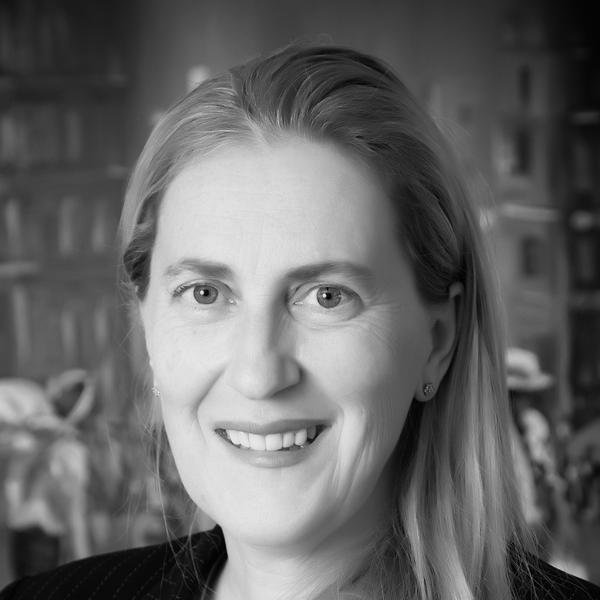
Ambassador of Switzerland to the Republic of South Africa
Prof Jeffrey D. Sachs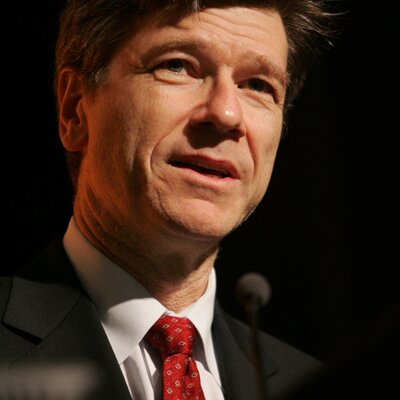
Director of The Earth Institute, Quetelet Professor of Sustainable Development, and Professor of Health Policy and Management, Columbia University, USA
Prof Tyrone Pretorious
Rector and Vice-Chancellor, University of the Western Cape, South Africa
Prof Daya Reddy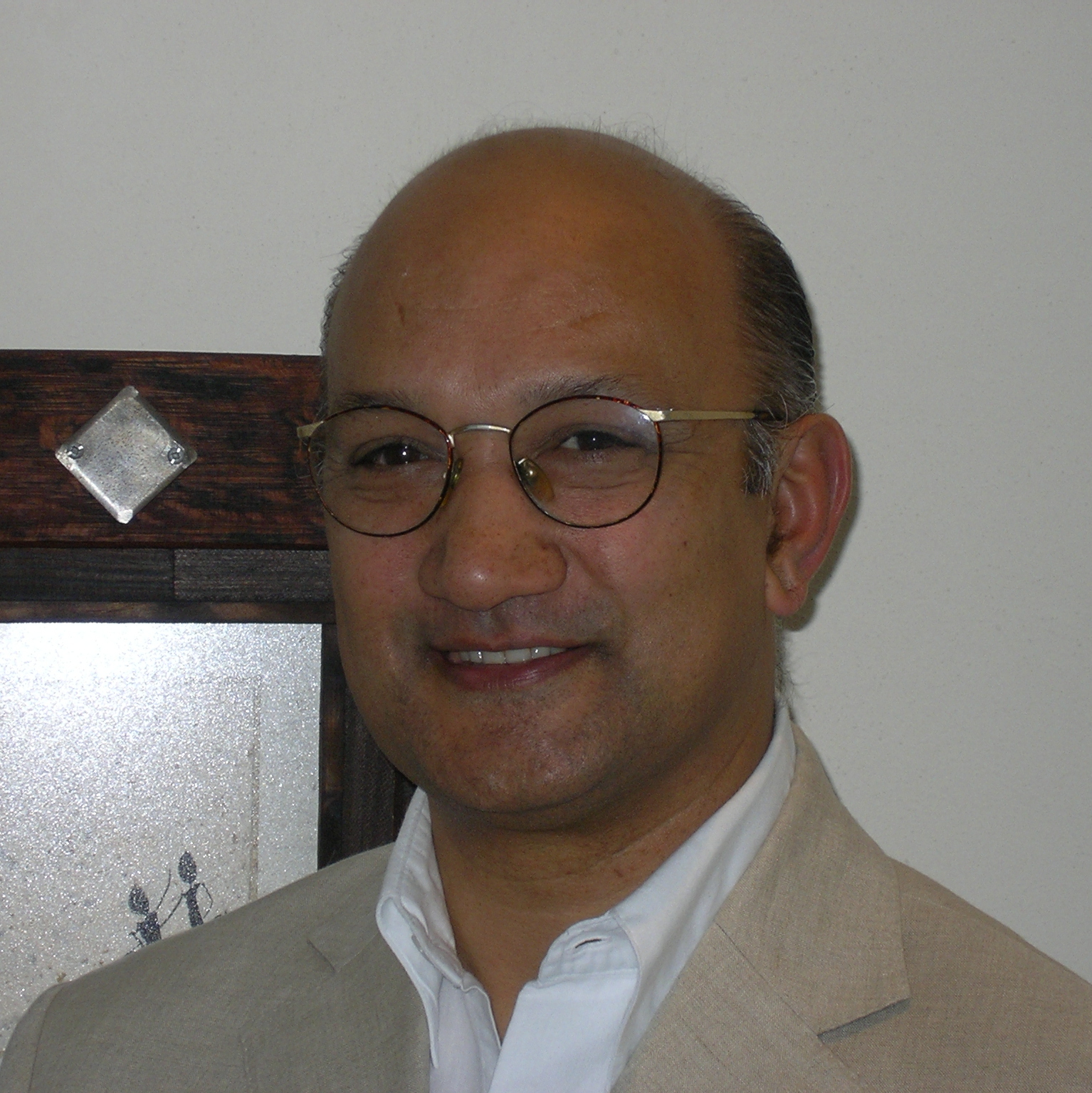 President-elect, International Council for Science (ICSU); Professor of Computation Mechanics, University of Cape Town, South Africa
Prof Frans Swanepoel
Professor Future Africa, Centre for the Advancement of Scholarship, University of Pretoria, South Africa
Ms Joyene Isaacs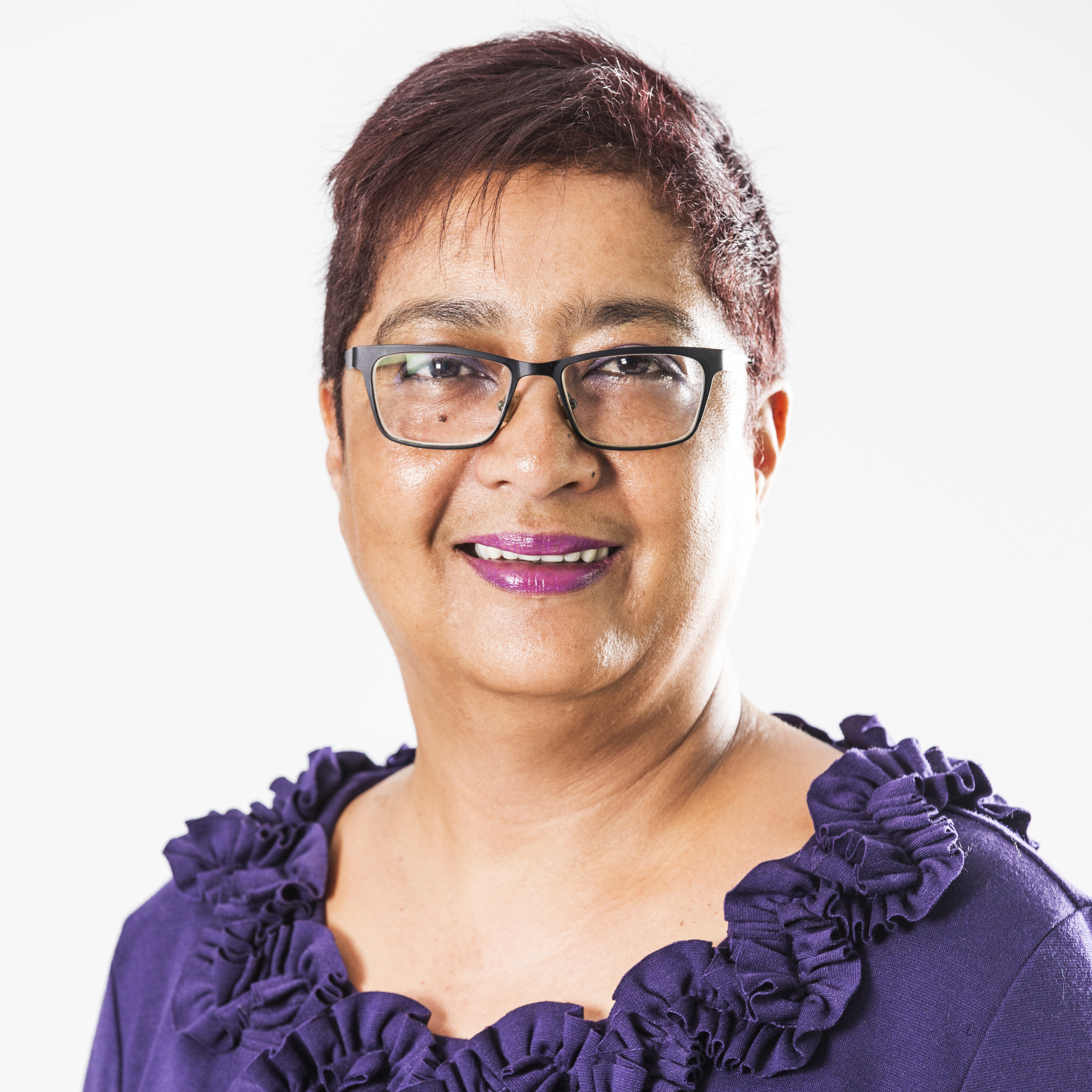
Head of Department, Western Cape Department of Agriculture, South Africa
Prof Lidia Brito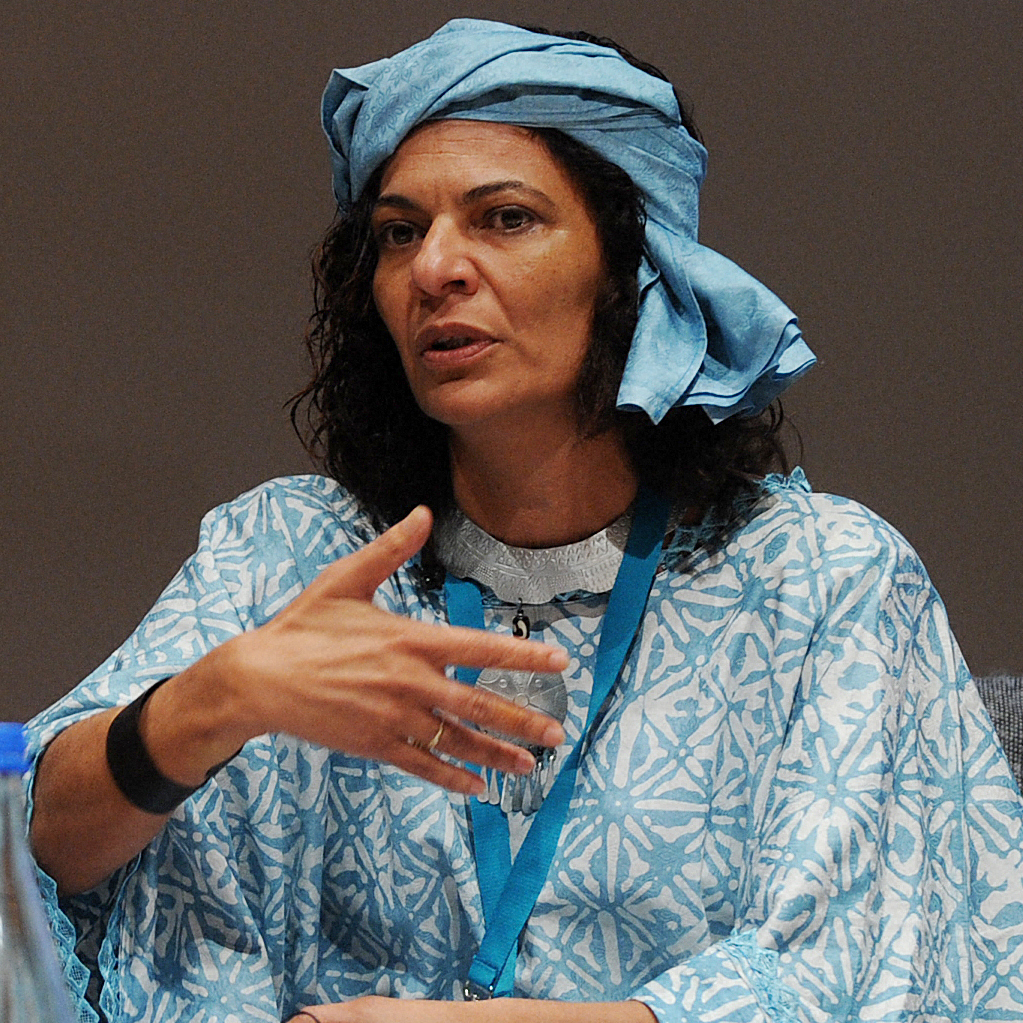
Director of the Division of Science Policy and Sustainable Development, UNESCO, France; Director of Help the Afghan Children (HTAC), Uruguay
Prof Klaus Leisinger
President of the Global Values Alliance Foundation; Professor of Sociology, University of Basel,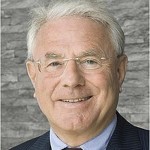 Switzerland
Dr Sylvester Mpandeli
Reserach Manager, Water Utilisation in Agriculture, Water Research Commission, South Africa
Prof Masafumi Nagao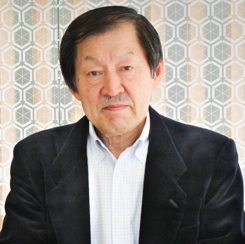
Visiting Professor and Programme Adviser, Institute for the Advanced Study of Sustainability, United Nations University, Japan
Prof Mamokgethi Phakeng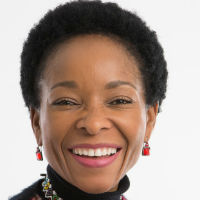 DVC Research and Internationalisation, University of Cape Town, South Africa
Prof Teboho Moja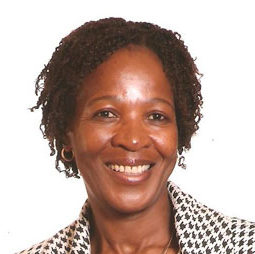
Professor in Higher Education, New York University, USA
Prof Norman Duncan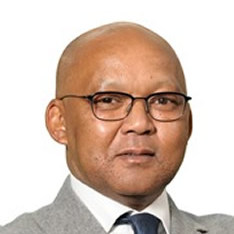 Vice-Principal, University of Pretoria, South Africa
Bongiwe Njobe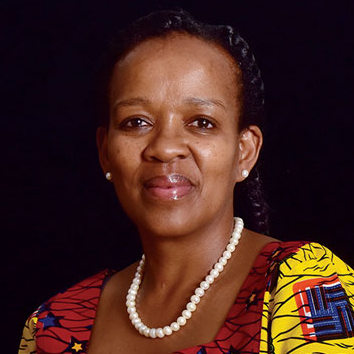 Executive Director (Founder), ZANAC Foundation
Prof Lise Korsten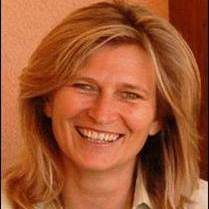
Co-Chair of the Centre of Excellence in Food Security, University of Pretoria, South Africa
Prof Francis Petersen
DVC Institutional Innovation, University of Cape Town; and Vice-Chancellor-designate, University of the Free State, South Africa
Prof Voster Muchenje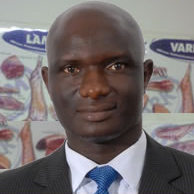
Chair in Food Security, University of Fort Hare, South Africa
Chairs Parallel Sessions
Dr Christian Acemah
Executive Director of the Uganda National Academy of Sciences (UNAS), Uganda
Prof Neil Armitage Head of Department Urban Water Management, University of Cape Town, South Africa
Prof Max Bergman
Professor of Social Research and Methodology, University of Basel, Switzerland; UNESCO National Commission, Switzerland
Prof Terence Centner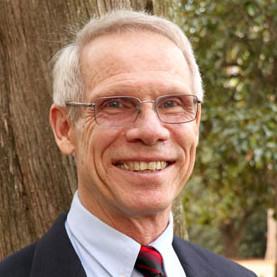
Professor Agricultural and Applied Economics, University of Georgia, USA
Prof Tim Cresswell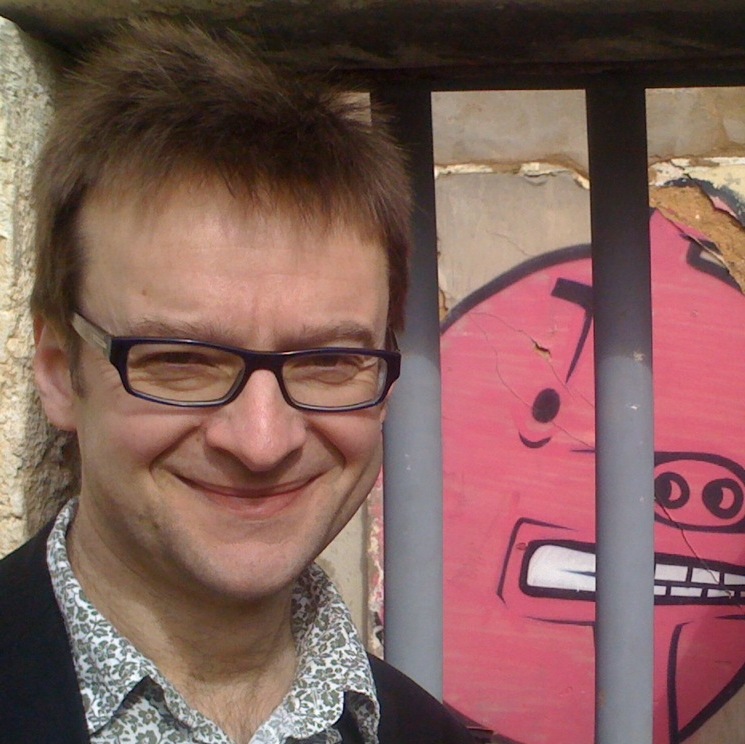 Professor Royal Holloway, University of London
Prof Dee Bradshaw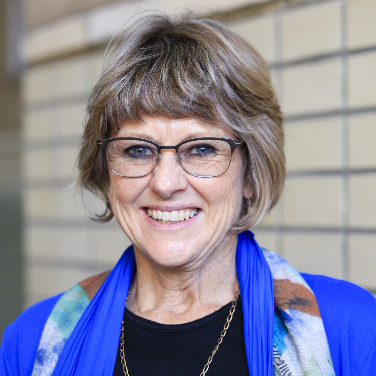
Director, Minerals to Metals, University of Cape Town, South Africa
Prof Kennedy Dzama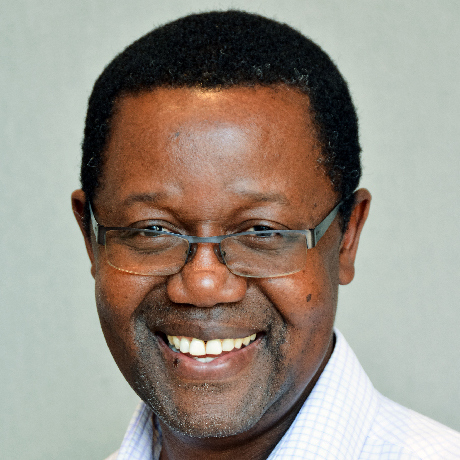
Head of the Department of Animal Sciences, Faculty of AgriSciences, University of Stellenbosch, South Africa
Prof Manfred Fishedick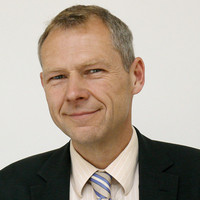
Professor Wuppertal Institut für Klima, Umwelt, Energie, Germany
Prof Antonio Frattari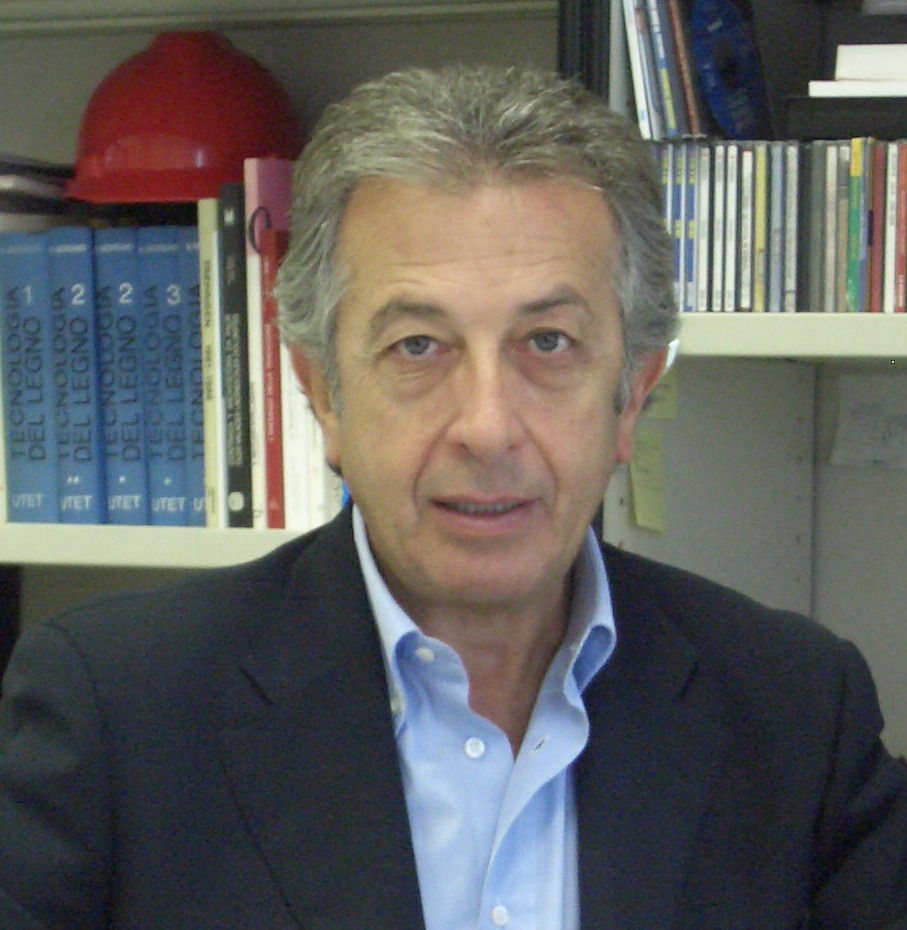
Professor Department of Civil, Environmental and Mechanical Engineering, University of Trento, Italy
Prof Alexandros Gasparatos
Integrated Research System on Sustainability Science (IR3S), University of Tokyo, Japan
Prof Nikolaus Kuhn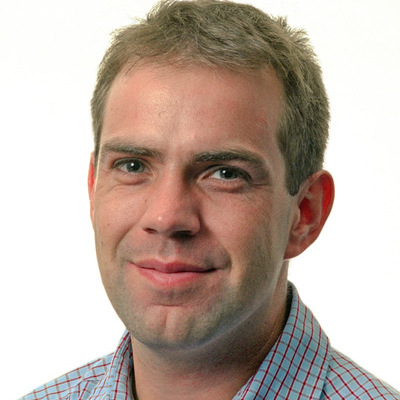
Department of Environmental Sciences, University of Basel, Switzerland
Dr Litha Magingxa Agricultural Economics and Capacity Development, ARC, Pretoria, South Africa
Prof Julian May
Director of the Institute for Social Development (ISD), University of the Western Cape, South Africa
Mr Marcel Mballa-Ekobena
Managing Director Tomagro Coop
Prof Voster Muchenje
Chair in Food Security, University of Fort Hare, South Africa
Prof Felix Muesgens
Professor Brandenburg University of Technology, Cottbus, Germany
Dr Oladoyin Odubanjo The Nigerian Academy of Science, University of Lagos, Nigeria
Prof Suzan Oelofse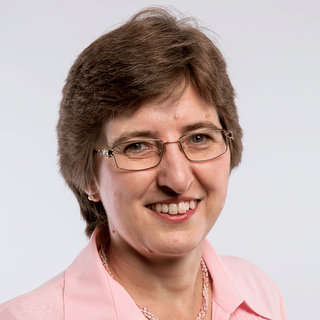 CSIR Principal Researcher, Pretoria, South Africa
Dr. Shola Ololade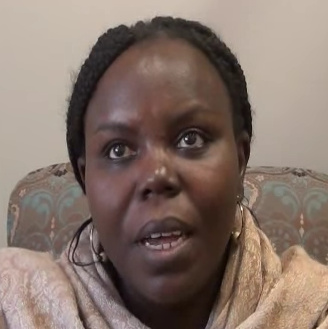
Centre for Environmental Management, University of the Free State, South Africa
Prof Linus Opara
South African Research Chair in Postharvest Technology, Stellenbosch University, South Africa
Prof Marc Rosen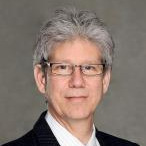
Editor-in-Chief of the Journal Sustainability; Professor at the Faculty of Engineering and Applied Science, University of Ontario, Canada
Dr Henri Rueff
School of Geography and the Environment, University of Oxford
Prof Mary Scholes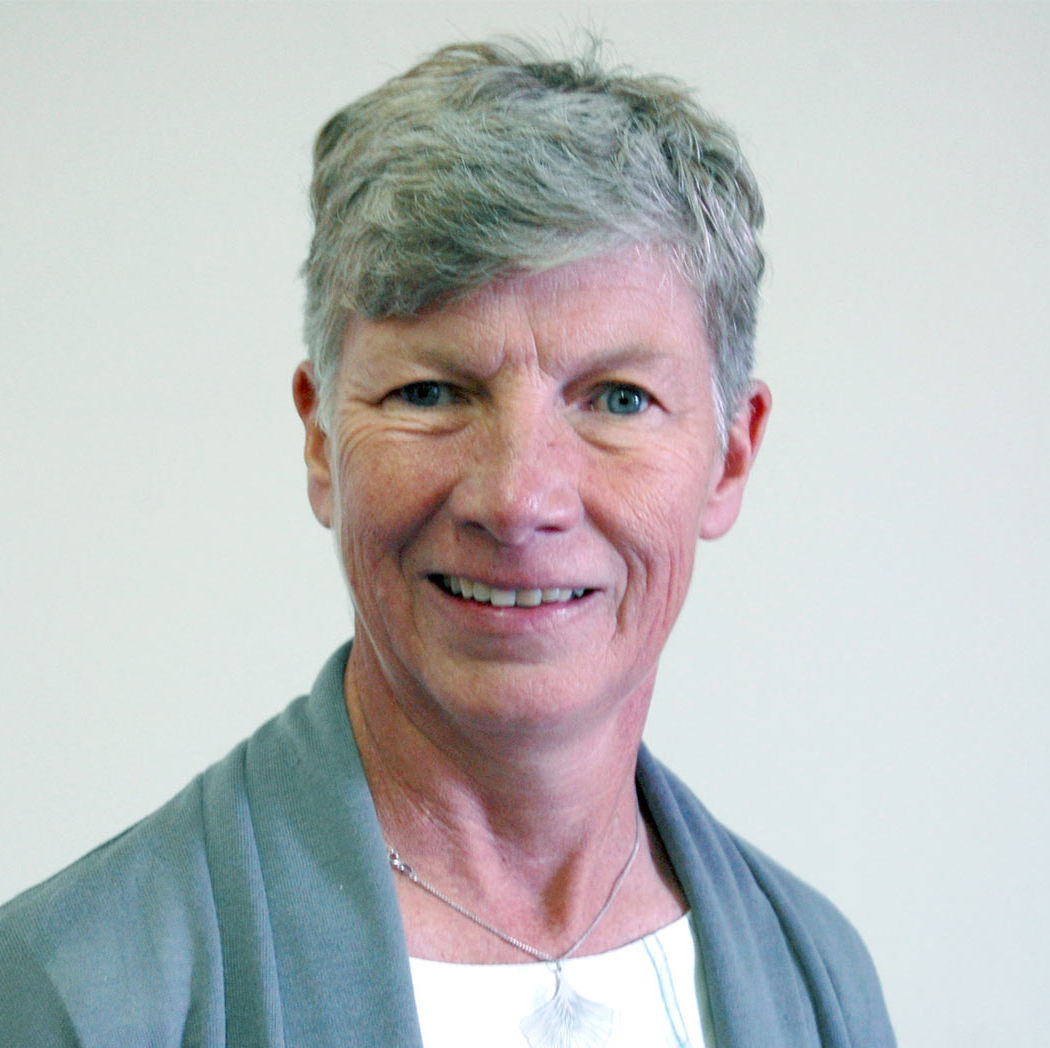
Professor of Botany, University of the Witwatersrand, South Africa
Dr Sally Stansfield
Director in the Social Impact Consulting Practice, Deloitte Consulting, Switzerland
Mr Matthias Stucki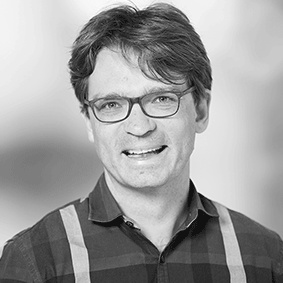
ZHAW School of Life Sciences and Facility Management, Wädenswil, Switzerland
Prof Harro von Blottnitz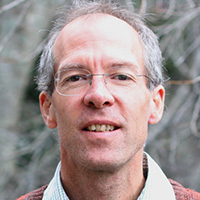
Professor, Department of Chemical Engineering, University of Cape Town, South Africa
Get Updates
Subscribe to the WSF2017 conference news by submitting your email address to the left of this page.
Follow us on Twitter #WSF2017SA |
Executive Committee
Chairs
Dr Aldo Stroebel
Executive Director, National Research Foundation, South Africa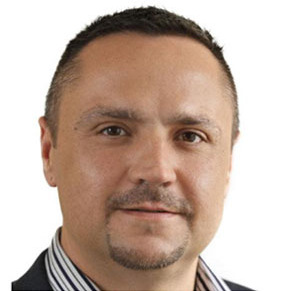
Prof Thandi Mgwebi
Director of Research, University of the Western Cape, South Africa
Prof Mark New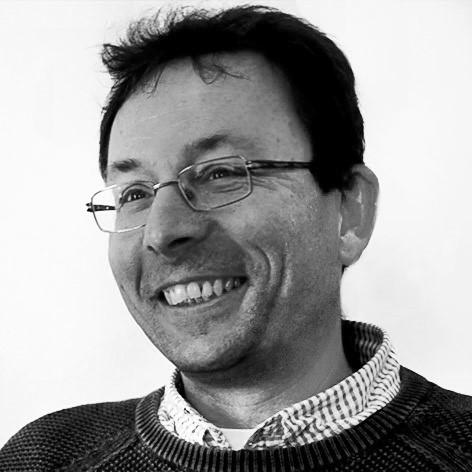
Director and Pro-Vice-Chancellor for Climate Change, University of Cape Town
Prof Max Bergman
Professor of Social Research and Methodology, University of Basel, Switzerland; UNESCO National Commission, Switzerland
Co-Chairs
Dr Bimal Arora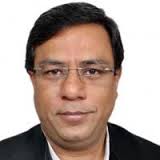
Chairperson, Centre for Responsible Business (CRB), India
Prof Guéladio Cissé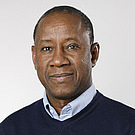
Professor of Sanitary Engineering and Environmental Epidemiology, Swiss Tropical and Public Health Institute, University of Basel, Switzerland
Prof Alice Pell
International Professor of Animal Science, Cornell University, USA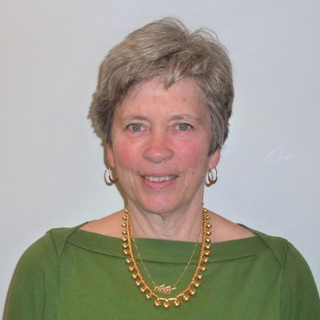
Prof Marc A. Rosen
Editor-in-Chief of the Journal Sustainability; Professor at the Faculty of Engineering and Applied Science, University of Ontario, Canada
Prof Mary Scholes
Professor of Botany, University of the Witwatersrand, South Africa
Prof Frans Swanepoel
Professor Future Africa, Centre for the Advancement of Scholarship, University of Pretoria, South Africa
Meet Our Chairs
'%3e%3cpath%20d='M12.6647%2010.9104C12.4176%2010.325%2012.0589%209.7933%2011.6088%209.34485C11.16%208.89511%2010.6283%208.53653%2010.0432%208.28891C10.038%208.28629%2010.0327%208.28498%2010.0275%208.28236C10.8437%207.69282%2011.3743%206.73252%2011.3743%205.64907C11.3743%203.85423%209.92005%202.40002%208.12522%202.40002C6.33038%202.40002%204.87618%203.85423%204.87618%205.64907C4.87618%206.73252%205.40677%207.69282%206.22296%208.28367C6.21772%208.28629%206.21248%208.2876%206.20724%208.29022C5.62031%208.53783%205.09365%208.89287%204.64167%209.34616C4.19192%209.79496%203.83334%2010.3266%203.58573%2010.9117C3.34247%2011.4846%203.21128%2012.0987%203.19925%2012.721C3.1989%2012.735%203.20135%2012.7489%203.20646%2012.7619C3.21157%2012.7749%203.21924%2012.7868%203.22901%2012.7968C3.23877%2012.8068%203.25045%2012.8148%203.26334%2012.8202C3.27623%2012.8256%203.29007%2012.8284%203.30406%2012.8284H4.09012C4.14776%2012.8284%204.19362%2012.7825%204.19493%2012.7262C4.22113%2011.7148%204.62726%2010.7676%205.34519%2010.0497C6.08802%209.30686%207.07452%208.89811%208.12522%208.89811C9.17592%208.89811%2010.1624%209.30686%2010.9052%2010.0497C11.6232%2010.7676%2012.0293%2011.7148%2012.0555%2012.7262C12.0568%2012.7839%2012.1027%2012.8284%2012.1603%2012.8284H12.9464C12.9604%2012.8284%2012.9742%2012.8256%2012.9871%2012.8202C13%2012.8148%2013.0117%2012.8068%2013.0214%2012.7968C13.0312%2012.7868%2013.0389%2012.7749%2013.044%2012.7619C13.0491%2012.7489%2013.0515%2012.735%2013.0512%2012.721C13.0381%2012.0947%2012.9084%2011.4856%2012.6647%2010.9104ZM8.12522%207.90243C7.52388%207.90243%206.95792%207.66793%206.53214%207.24215C6.10636%206.81636%205.87185%206.2504%205.87185%205.64907C5.87185%205.04773%206.10636%204.48177%206.53214%204.05599C6.95792%203.63021%207.52388%203.3957%208.12522%203.3957C8.72655%203.3957%209.29252%203.63021%209.7183%204.05599C10.1441%204.48177%2010.3786%205.04773%2010.3786%205.64907C10.3786%206.2504%2010.1441%206.81636%209.7183%207.24215C9.29252%207.66793%208.72655%207.90243%208.12522%207.90243Z'%20fill='%235D1EE1'/%3e%3c/g%3e%3c/svg%3e)
[Not defined];

Unibas;
Important Dates
30 Nov
2016
15 Dec
2016
30 Apr
2017


















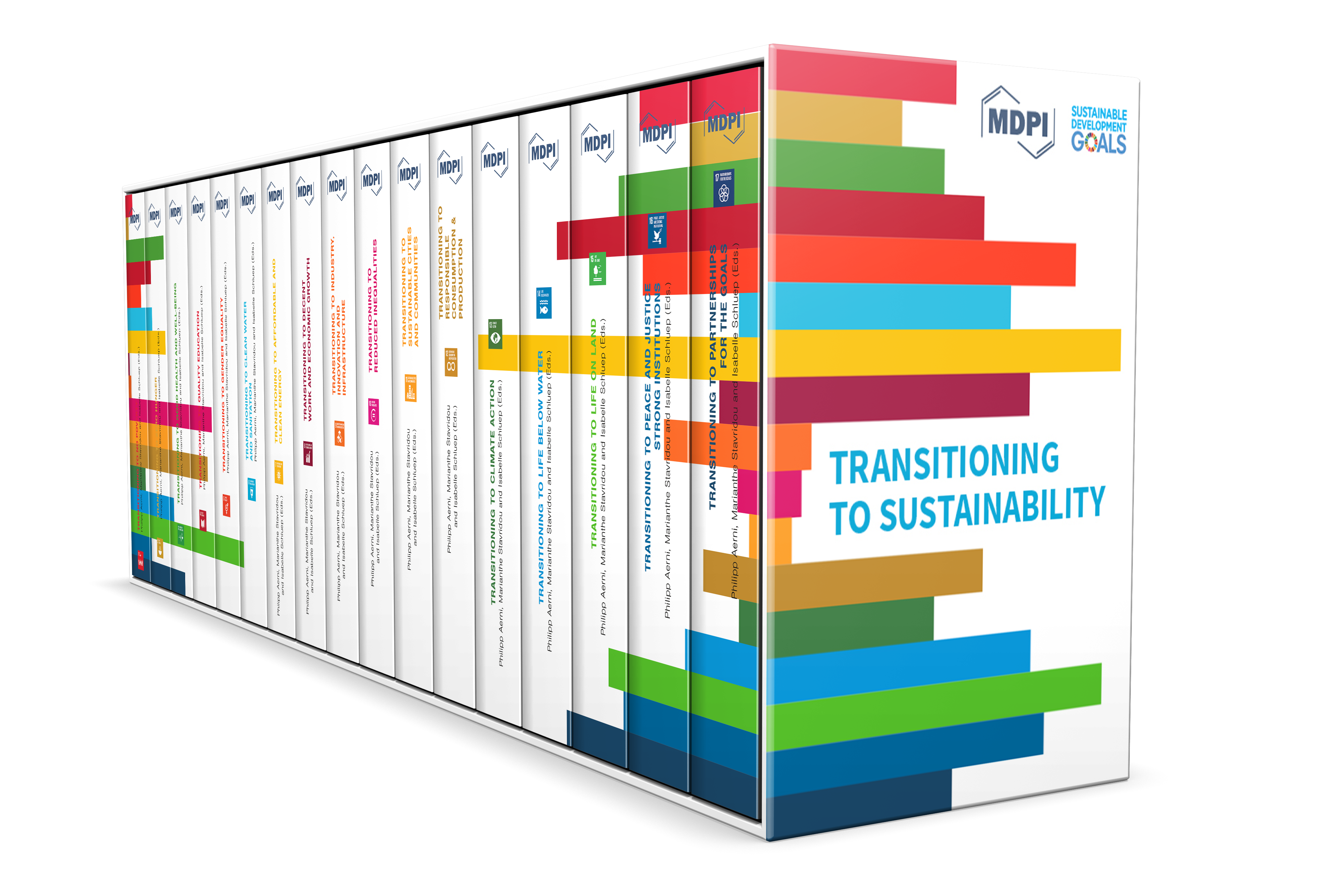
In 17 volumes, Transitioning to Sustainability examines each of the 17 SDGs in its dynamic and multifaceted nature. Each volume will present approaches to, achievements of, and challenges for the respective SDG. Considering the complex links among the SDGs, each volume also highlights complementarities to, as well as trade offs with, other goals. To reflect the diversity of positions, each volume may include theory chapters, chapters presenting empirical research, position pieces, progress on important research programmes, and stakeholder initiatives.
You are welcome to attend WSF2017. You can register and pay when you arrive at the venue on the 27th and 28th January 2017.
Registration Fees
|
Early Registration (until 20 October 2016)
|
|
|
Academic
|
5000 ZAR
|
|
Student
|
3000 ZAR
|
|
Academic, low-income country*
|
3500 ZAR
|
|
Student, low-income country*
|
2000 ZAR
|
|
|
|
|
Late Registration (after 21 October 2016)
|
|
|
Academic
|
6000 ZAR
|
|
Student
|
4000 ZAR
|
|
Academic, low-income country*
|
4500 ZAR
|
|
Student, low-income country*
|
3000 ZAR
|
Gala Dinner, 27 January 2017 350 ZAR
The registration fee includes attendance of all conference sessions, morning/afternoon tea/coffee breaks, lunch, conference bag.
Prices are in South African Rand.
*Reduced fees will be applied to low-income, lower-middle-income and upper-middle-income economies as indicated by the World Bank Classification
'Pay Later' option can be found here: https://sci.fo/2gq
Accommodation
Situated in the heart of Cape Town, the Southern Sun Cape Sun hotel offers world-class hospitality, outstanding service, and breathtaking views of one of the world’s most beautiful cities. Enjoy professionally serviced and efficiently organized conference facilities and hotel accommodation for WSF2017 participants. For comfort, convenience, and safety, we strongly recommend that you stay at the conference venue.
Southern Sun Cape Sun
23 Strand Street, Cape Town, City Centre, 8000
Tel : +27 21 488 5100
Fax : +27 21 488 5798
Email : Nuhaa.Bardien@tsogosun.com
Web : https://www.tsogosun.com
Rates:
Single Standard Room R 1,995.00 per night including bed & breakfast
Double Room R 2,295.00 per night including bed & breakfast
For accommodation booking: https://exbo.co.za/accommodation/wsf2017/NTg=
Visa Requirements
General Information About South African Visas
Visitors’ visas are for international travellers (citizens of other countries) who have permanent residence outside South Africa and who wish to visit the country on a temporary basis for tourism or business purposes for a period of 90 days or less.
A visa simply indicates that your application has been reviewed at a South African embassy, mission or consulate and that the consular officer has determined you are eligible to enter the country for a specific purpose.
The visa will allow you to travel to a South African port of entry where an immigration official will then determine if you are allowed to enter South Africa and for how long you can stay for that particular visit. Visitors are restricted to the activity or reason for which their visas were issued.
On entry to South Africa, a visa is considered to be a visitor's permit. The permit’s period of validity is calculated from the date of entry into the country and will be set out under the heading "conditions" on the visa label. You must ensure that you apply for the correct visa/permit. Entry in the country may be refused if the purpose of visit was not correctly stated.
Requirements for visitor’s visas differ from country to country (click here to see which countries are currently exempt), and the requirements are subject to change. As each application is treated as an individual case and you should make enquiries with your nearest South African mission or consulate abroad or any office of the Department of Home Affairs to see whether or not you are required to apply for a visa.
Remember that there is a fee charged for issuing a visa, and you should check the cost with the office as well as this is updated annually. The fee is payable in different currencies in different countries.
Visas are not issued at South African ports of entry, and airline officials are obliged to insist on visas before allowing passengers to board. If you arrive without a visa, immigration officials are obliged to put you onto a flight back to your home country.
Foreigners with long term status (work permits/permit residence) in the neighbouring countries who transit the Republic to return to their employment or residence are not subject to the transit visa, provided they are in possession of proof of their status.
For more information, see http://www.dha.gov.za/index.php/immigration-services/apply-for-a-south-african-visa
Travel Insurance
Subscription to an insurance plan to protect you from the high costs of illness or accident during your stay in Switzerland is a prerequisite for obtaining your visa. You should obtain adequate travel, health and accident insurance before you depart from your country (e.g. Allianz Schengen Travel Insurance).
The organizers are not responsible for personal injuries, or loss of, or damage to, private property belonging to the congress participants.
Traveling to Cape Town
For a complete overview, see wikitravel.org.
- Domestic flights to Cape Town: You can fly to Cape Town from Johannesburg, Durban and other South African cities, with the following airlines: South African Airways, Mango Airlines, Kulula, Safair, Comair. Depending where you wish to fly from, various charter flights are also available.
- Direct international flights to Cape Town: For more information, see https://www.capetown.travel/content/page/getting-to-cape-town
The World Sustainability Award and the Emerging Sustainability Leader Award are funded to encourage new initiatives and developments in sustainability with the ultimate aim to foster the transfer from sustainability research to sustainable practices and societies. In this spirit, sustainability is understood as the interdependence between economic, social, and environmental concerns for mutually beneficial regional and global development. Sustainability is associated with a multitude of academic disciplines, and it is circumscribed by the United Nations Sustainable Development Goals.
The World Sustainability Award, funded by the MDPI Sustainability Foundation, will be conferred upon individual researchers or research teams who have made an outstanding academic or societal contribution to sustainability in general, or to a sustainability-relevant issue in particular. A joint award, shared by up to three recipients, is possible. The award includes a monetary prize of USD 100'000.
The Emerging Sustainability Leader Award, funded by the MDPI journal Sustainability, will be conferred upon an individual researcher aged 40 or under at the time of the submission deadline, who has made an outstanding academic or societal contribution to sustainability in general, or to a sustainability-relevant issue in particular. The award includes a monetary prize of USD 10'000.
For more information, see https://wsforum.org/instructions
Cape Town, South Africa, 26 January 2017
Sustainability in Africa will take centre stage in world affairs, given its significance for global food security, population growth, migration, urbanization, and international development potential. The 1st Postgraduate Forum on Sustainability in Africa is dedicated to advanced-level education, network development, and capacity building for research and knowledge transfer on sustainability in Africa. The workshops are offered to future sustainability leaders to promote leadership, research capacities, career development, skill development, and, ultimately, future-oriented and policy-relevant sustainability research.
Latest 'Security Information' can be found at sci.fo/2nd
Programme
|
09:00-09:45 |
Registration |
||
|
09:45:09:55 |
Welcome |
Prof Thandi Mgwebi |
|
|
10:00-12:00 |
PARALLEL STREAMS, MORNING SESSION |
||
|
Stream 1 |
Stream 2 |
||
|
12:00-14:00 |
Lunch and visits to the sustainability exhibitions |
||
|
14:00-16:00 |
PARALLEL STREAMS, AFTERNOON SESSION |
||
|
Stream 1 |
Stream 2 |
||
Cost and Registration
Participation is free of charge but requires registration. To register for the 1st Postgraduate Forum on Sustainability in Africa, please email Matthias Burkhalter burkhalter@mdpi.com.
Bursaries for the World Sustainability Forum 2017 in Cape Town, 27-28 January
A limited number of bursaries are available to participants of the 1st Postgraduate Forum on Sustainability in Africa to attend, free of charge, the World Sustainability Forum in Cape Town (WSF2017). If you want to be considered for a bursary, please submit a letter of motivation to Zinette.Bergman@unibas.ch before 30 September 2016.
Organizers and Sponsors
Dr. Thandi Mgwebi, University of the Western Cape
Prof. Mark New, University of Cape Town
Prof. Masafumi Nagao, Education for Sustainable Development in Africa (ESDA)
Prof. Manfred Max Bergman, University of Basel
Ms. Corina du Toit, African Doctoral Academy
National Research Foundation, South Africa
Swiss National Science Foundation, Switzerland
Global Values Alliance, Switzerland
MDPI, Switzerland
United Nations Sustainable Development Solutions Network (SDSN)
Get Updates
Subscribe to the WSF2017 conference news by submitting your email address to the left of this page.
|
Follow us on Twitter |
Since October 2015, university students have organized themselves into a protest movement under the label FeesMustFall as a response to the university fee increases in that year. The protests are ongoing, although they tend to take place on and near university campuses throughout the country. The 6th World Sustainability Forum in Cape Town is taking place at the Cape Sun Southern Sun, a four-star hotel and conference centre, far away from any university campus. We do not expect any FMF-related disruption at the hotel and conference site, nor at restaurants and tourist attractions in Cape Town.
The WSF Organization Team
Registration Information
To register for this conference, please follow this link. If you need assistance, please email Ange.Bukasa@uct.ac.za.
For accommodation booking: https://exbo.co.za/accommodation/wsf2017/NTg=
Follow us on Twitter
#WSF2017
FOR IMMEDIATE RELEASE |
Cape Town to Host the 6th World Sustainability Forum

Cape Town will host the 6th World Sustainability Forum at the Cape Sun Hotel on 27 and 28 January 2017. This prominent event, held for the first time in Africa, will include many illustrious South African and international experts, such as Her Excellency Graça Machel (Sustainable Development Advocate for the United Nations, Mozambique), Joyene Isaacs (HoD Agriculture Western Cape Government), Jeffrey Sachs (Columbia University, USA), Max Bergman (SRaM, University of Basel), Mark New (Pro Vice-Chancellor, University of Cape Town), Frans Swanepoel (FutureAfrica, University of Pretoria) and Francis Petersen (Vice-Chancellor-designate, University of the Free State). The Forum will provide a stage for national and international debates on sustainability in South Africa, the African continent, and about international perspectives on sustainability. It brings together researchers and representatives from government and the business sector to discuss a wide-ranging set of issues associated with sustainability, including food security, water and energy scarcity, mining, poverty reduction, climate change, and urbanisation.
The next few decades will be marked by profound changes in the relationships between global economics, national societies, and the environment. We have entered what some call the Anthropocene, an age in which human activity dominates the climate and the environment. These changes will have numerous consequences on societies around the globe. South Africa and Africa will play a central role, for better or worse, in creating opportunities and risks during these changing times as Africa is profoundly influencing and being influenced by global developments.
The adoption of the 17 United Nations Sustainable Development Goals and the 2030 Agenda for Sustainable Development in September 2015 was accompanied by what insiders considered an optimism they have not experienced in relation to UN resolutions before. The relative efficiency in the drafting, the lack of trenches between East and West, or between North and South, and the unanimity of support of the 193 countries speak volumes. In stark contrast, sustainability seems to go against a changing economic and political tide, where waves of nationalism and protectionism from some of the most powerful countries risk the wellbeing of the rest of the world. The 6th World Sustainability Forum will enable fruitful exchanges, which sensitise South African and international communities to the global urgency and specifics of sustainability.
The Forum will showcase the work of internationally renowned researchers and include more than 150 presentations. During the conference dinner, the World Sustainability Award, associated with a US$ 100 000 prize, will be announced, as well as the Emerging Sustainability Leader Award, associated with a US$ 10 000 prize. The prizes are sponsored by the MDPI Sustainability Foundation and Sustainability, an academic open access journal by MDPI. The World Sustainability Forum is preceded by the Postgraduate Forum on Sustainability, which will introduce more than 100 young scholars from South Africa and the African continent to sustainability research. Both events are organized and sponsored by the University of Cape Town, the University of the Western Cape, the University of Basel, MDPI, and by the National Research Foundation of South Africa.
Contacts:
Scientific Matters: Prof Manfred Max Bergman, Social Research and Methodology Group (SRaM), University of Basel, Switzerland; Email: max.bergman@unibas.ch
Press Accreditation and General Enquiries: Mr Matthias Burkhalter, MDPI AG, Basel, Switzerland; Email: burkhalter@mdpi.com; Tel. +41 61 683 77 34
| Follow us on Twitter #WSF2017SA |
List of Current Presenters - Last Update 23 January 2017 - 15:05
Parallel Sessions – Day One – 27 January 2017 – 14:15-16:15
WEFNL: Water-Energy-Food Nexus: A Local Perspective
Panel chair: Dr Olusola (Shola) Ololade - Venue: VOC-A
List of Accepted Abstracts (6)
Sustainable Resource Use through Water–Energy–Food Nexus Analysis
by Olusola Oluwayemisi Ololade *
Managing the Water–Energy–Food Nexus in a Frontier Economy: The Case of Kenya
by Jeremy Wakeford *
Water Footprint Assessment to Inform Sustainable Food Production in South Africa
by Henry Jordaan *, Frikkie Mare , Enoch Owusu-Sekyere , Morne Scheepers , Pascalina Mohlotsane , Phoka Nkhoua
Rethinking Biofuel Production from Agricultural Wastes in South Africa under Water Availability Constraints
by Olusola Oluwayemisi Ololade *, Bridget Tshikalange , Audrey Dale Levine
A Water–Energy–Food Nexus Perspective for Addressing the Sustainable Development Goals in South Africa
by Tafadzwanashe Mabhaudhi *, Sylvester Mpandeli , Luxon Nhamo , Amos Madhlopa , Albert Thembinkosi Modi
Water–Energy–Food Nexus: Opportunities and Challenges for Southern Africa
by Tafadzwanashe Mabhaudhi *, Sylvester Mpandeli , Luxon Nhamo , Amos Madhlopa , Albert Thembinkosi Modi
SACCW: Sustainable Agriculture: Climate Change and Water-related Issues
Panel chair: Prof Linus Opara - Venue: VOC-B
List of Accepted Abstracts (6)
Small-Scale Farmers' Adaptation to the Impacts of Climate Change: A Case Study of Sagole Women Farmers in Limpopo Province, South Africa
by Agnes Rankoana *
Does Coffee Producers' Transition to Cocoa Respond to a Sustainable Strategy to Cope with Climate Change?: Mapping Probabilities for Crop Diversification in Nicaragua
by Sonia Quiroga *, Cristina Suarez , Juan Diego Solís , Pablo Martínez-Juárez
Vulnerability of Maize Yields to Droughts in Uganda
by Terence Epule Epule *
Patterns of Dekadal Rainfall Variation over a Selected Region in Lake Victoria Basin, Uganda
by Isaac Mugume *
Developing Decision Support Tools for Improving Agricultural Sustainablity in Africa
by Kevin Jan Duffy *, Tirivashe Phillip Masere
The Redesign of Sustainable Agricultural Crop Ecosystems by Increasing Natural Ecosystem Services Provided by Insects
by Astrid Jankielsohn *
DSC: Designing Sustainable Cities
Panel chair: Prof Antonio Frattari - Venue: Paarl
List of Accepted Abstracts (6)
Changing the Way We Treat Death: From Disposal to Positive Contribution
by Meredyth Mellor *
Using Urban Metabolism as a Guiding Concept for Sustainable Infrastructure Planning in Cape Town
by Paul Currie *, Megan Davies *
Assessing Urban Sustainability: Applying the DSR Framework in Urban Areas by Incorporating Remote Sensing Technologies
by Yusuf A. Aina *, Alex Wafer , Habib M. Alshuwaikhat
Designing with a Sustainable Approach for Affordable Housing Solutions for Sub-Saharan Africa
by Olukayode Olawale Alao *
Linking Landscape Based Stormwater Management with Household and Community Livelihoods in Two African Cities
by Kumelachew Yeshitela *, Tatu Limbumba , Liku Workalemahu , Ketema Abebe , Lise Herslund
Green Building Culture and Energy Conservation in the Townships
by Antonio Frattari *, Williams kehinde Kupolati , Federico Berghi
UMT: Understanding Mobility Transitions
Panel chair: Prof Tim Creswell - Venue: Stellenbosch
List of Accepted Abstracts (6)
Mid-Size Urban Areas, Between Local and Global Issues: When the Will for a Sustainable Mobility Turn Faces Local Issues
by Bénédicte Rey *, Fabienne Picard *
An Holistic Approach to Mobility Transitions
by Tim Cresswell *
The 2015 Mobile Lifestyle Aspirations Survey
by Sylvie Landriève *, Christophe Gay *, Marc Pearce *
Sustainable Mobility Transitions and Policy: Assessing Governance Practices for Low-Carbon Mobilities Futures.
by Cristina Temenos *
From Constructed Scarcity and Mobility Austerity towards Mobility Commons?
by Anna Nikolaeva *
(Neo)Liberal Mobility Transitions: Downloading and Distributing Responsibility
by Peter Adey *
PFSD: Policy Frameworks for Sustainable Development
Panel chair: Prof Mary Scholes - Venue: Constantia
List of Accepted Abstracts (5)
Experimentation, Governance and Sustainability Transitions in the REIPPPP: A Transdisciplinary Case Study of the ZF Mgcawa Development Coordination Forum
by Megan Davies *, Mark Swilling
Strategies Used by Activists in Israeli Environmental Campaigns: Policy and Practice Implications
by Edith Blit-Cohen *, Ariella Cwikel *
Policy Relevant Evidence for South African Green Economy and Environmental Sustainability Transitions (PRE-SAGEEST) 2009–2016
by Mapula Tshangela *
Journey towards One Vision, One Plan, and One Value System: The Case of Hessequa Municipality
by Elaine Fouche *, Alan Brent
Review of Sustainability Indicators at the Level of the European Union and the National and Regional Level of the Federal Republic of Germany
by Dorothea Schostok *, Oscar Reutter , Manfred Fischedick
RESTSD: The Role of Education, Science and Technology in Sustainable Development
Panel chair: Dr. Christian Acemah - Venue: Villa
List of Accepted Abstracts (7)
Building an Interdisciplinary Framework for Strong Sustainable Educational Design: A System-Of-Systems View
by Niclas Sandström *, Veijo Hytti
Are Citation Impact Indicators of Research Performance of Any Use in the Developing Countries of Sub-Saharan Africa?
by Desiree Sehlapelo *
The Role of Higher Education Institutions in Achieving Sustainable Development Goals (SDGs) in Developing Countries: A Case Study of Green Campus Initiative (GCI) in Nigeria.
by Adenike Akinsemolu *, Toluwanimi Kolawole *
The Transition to Sustainability as Value Transition—the Role of Universities
by Carolina Suransky *, Henk Antonius Manschot
The Future of NRW—Participation of the Youth as Part of a Social Transformation Towards Sustainable Development
by Mona Treude *, Dorothea Schostok , Oscar Reutter , Manfred Fischedick
Digital Transformation of Non-Formal Education: Can MOOCs Support Under-represented Target Groups Such as Women in STEM?
by Catrina Grella *
Towards Sustainably-Minded Citizens in the Southeastern United States: A Paradigm Shift in Higher Education
by Edwin Akins , Maria Kalamas Hedden *, RC Paul , Vanessa Slinger-Friedman , Roneisha Worthy , Pegah Zamani
Parallel Sessions – Day Two – 28 January 2017 – 10:30-12:30
PCTMISFS: Potentialities of Clean Technologies and Management Implications for Sustainable Food Systems
Panel chair: Matthias Stucki & Prof Harro von Blottnitz - Venue: Stellenbosch
List of Accepted Abstracts (7)
Nitrogen and Phosphorus Lock-In – a Double-Edged Trap Generated by Rigidity and Poverty in Food Systems
by Anna Kuokkanen *, Helena Kahiluoto , Hanna Mäkinen
The Urban End of Food Value Chains in Secondary African Cities
by Lesley Sibanda *, Harro von Blottnitz *
Green Technologies for Food Production: The Mitigation Potential in Cereal, Fruit and Dairy Value Chains
by Matthias Stucki *, Deborah Scharfy
LEAP-FAO Progress on Water Footprints and Water Impact Quantification
by Valentina Russo *
Productive Uses of Energy: Gender and the Informal Sector
by Nthabiseng Mohlakoana *, Jiska de Groot *, Hans Bressers *
The Great African Cook-Off – Exploring User Preferences for Improved Cook Stoves (ICS) Through Participatory Multi-Criteria Analysis
by Jiska De Groot *, Charlotte Ray
Resource-Efficiency and Pollution Reduction Effects of Wood Stoves in Road-Side Food Preparation
by Rissa Niyobuhungiro *, Harro Von Blottnitz
CCPF: Climate Change Policy Frameworks
Panel chair: Prof Manfred Fishedick - Venue: VOC-A
List of Accepted Abstracts (5)
Vision Development towards a Sustainable North Rhine-Westphalia 2030 in Science-Practice-Dialogue. Approach, Results and Lessons Learnt from the Sustainable Strategy Formulation Process in the Federal State of NRW
by Manfred Fischedick , Oscar Reutter , Miriam Müller , Mona Treude , Dorothea Schostok *
Quantitative and Qualitative Effectiveness of Environmental Impact Assessment
by Leila Neimane *
Toward a Theoretical Framework for Studying Climate Change Policies: Insights From the Case Study of Singapore
by Ai Sian Ng *, May Oo Lwin , Augustine Pang
Reviving the Desakota Concept to Address Climate and Disaster Risks in Urbanizing Regions of India
by Sumetee Gajjar *
SSAC: Solutions for Sustainable Agriculture and Conservation
Panel chair: Prof Alexandros Gasparatos - Part 1 - 10:30-12:30 - Dr Litha Magingxa - Part 2 - 16:00-17:30 - Venue: VOC-B
List of Accepted Abstracts (7)
On the Potential of Forest Ecosystems to Supply Forage Resources to Managed Honey Bees: Implications for Sustainable Beekeeping Activities and Pollination-Based Agriculture in Limpopo Province (South Africa)
by Sylvanus Mensah *, Ruan Veldtman , Thomas Seifert
Uptake of On-Farm Processing of Organic Waste
by Anouschka Groeneveld *, Martha Bakker , Jack Peerlings , Wim Heijman
Rethinking African’s Hope of Achieving BioHappiness by 2050 in a Rapidly Changing Time
by Catherine V Nnamani *, Sola A Ajayi , Happiness Ogba Oselebe , Christopher Atkinson
The Challenges of Organic Farming in Arid Regions
by Rhonda R. Janke *, Tamam Khawalda , Rasha Istaiteye
The economics of landscape restoration: Benefits of controlling bush encroachment and invasive plant species in South Africa
by William Stafford *, James Blignaut , Christo Marais
Ecology and Epidemiology of Wild and Domestic Suids With Special Reference to African Swine Fever (ASF), Foot and Mouth Disease (FMD) and Aujeszky Disease (AD) in Ndumo Game Reserve (NGR), South Africa.
by Cynthia Mapendere *, Eric Etter , J. Willem H. Ferguson , Ferran Jori
Seeds Without Borders: Towards Participatory Quinoa Variety Development and Seed Sovereignty in Rwanda, Ecuador, and the USA
by Kevin Murphy *, Leonardo Hinojosa , Nicolas Pichazaca Mayancela , Julianne Kellogg , Cedric Habiyaremye
SC: Sustainable Consumption
Panel chair: Dr Nadine Sonnenberg - Venue: Villa
List of Accepted Abstracts (4)
Assessment of Consumers' Stated Preferences for Water and Carbon Footprint Sustainability Information: Insights from the Gauteng Province of South Africa
by Enoch Owusu-Sekyere *, Yondela Y. Mahlathi , Henry Jordaan
Food Waste in South Africa: Understanding the Magnitude, Water Footprint and Cost
by Suzan Oelofse *
The Pursuit of Subjective Well-Being and Conscientious Decision Making in the South African White Goods Industry
by Lorna Christie , Nadine Cynthia Sonnenberg *
Food Waste – Who's to Blame?
by Nadene Marx-Pienaar , Nadine Cynthia Sonnenberg *, Shandre Candiotes
GEC: Geography and Environmental Change
Panel chair: Prof Nikolaus Kuhn & Dr Henri Rueff - Venue: Paarl
List of Accepted Abstracts (4)
Analysing Landscape Change in the Karoo Rangelands
by Juliane Krenz *, Philip Greenwood , Brigitte Kuhn , Goswn Heckrath , Nikolaus Kuhn
Rangelands – a Closing Sink for Atmospheric Carbon?
by Nikolaus J. Kuhn *
Economics of Dryland No-Till Wheat Supports Climate Change Adaptation
by Henri Rueff *
Sustainability in a Megadiverse Country: Agroforestry Contribution to Biological and Cultural Conservation in Colombia
by Gabriel J. Colorado Z. *
CS: Corporate Sustainability
Panel chair: Prof Max Bergman - Venue: Constantia
List of Accepted Abstracts (5)
Involvement of Chinese Corporations in Africa from the Chinese Perspective
by Lena Berger *, Jin Ding , Laura Lämmli , Manfred Max Bergman *
A Longitudinal Study of the Impact of Corporate Social Responsibility on Firm Performance in SMEs in Zambia
by Progress Choongo *, Enno Masurel , Elco van Burg , John Lungu
Reporting on Long-Term Value Creation: A Longitudinal Analysis of Canadian Public Energy and Mining Companies
by Petra Dilling *
Resilience and Its Application in Corporate Sustainability
by Lorren Haywood *
An Empirical Analysis of DJWSI Data to Determine Industry Specific Global Corporate Sustainability Trends 2005–2016
by Steven T. Barber *, Garrett Macdonald
Parallel Sessions – Day Two – 28 January 2017 – 13:30-15:30
SAFS: Sustainable Agriculture and Food Security
Panel chair: Prof Ken Dzama - Venue: Villa
List of Accepted Abstracts (8)
Sustainable Production of Honeybush Amongst Smal-Scale Producers: Barriers and Opportunities.
by Rhoda Malgas *, Shayne Jacobs , Karen Esler
Indicator Based Sustainability Assessment of the Smallholder Cattle Production System in South Africa
by Tawanda Marandure , Cletos Mapiye *, Godswill Makombe , Kennedy Dzama
Sustainability and Food Security
by Tawanda Marandure *, Kennedy Dzama
Offtake and Genetic Diversity as Indicators of Sustainability for Smallholder Sheep Farming Systems in the Western Cape, South Africa
by Annelin Molotsi *, Simon Oosting *, Schalk Cloete *, Kennedy Dzama *
The Meat Naturally Sustainability Model: Linking Landscape and Livelihood Benefits Through Rangeland Stewardship and Entrepreneurship
by Heidi-Jayne Hawkins *, Nicky McLoed , Sissie Matela , Tennille Rhode , Gerbrand Nel , Halcyone Muller , Nompendulo Mgwali , Nolubabalo Kwayimani , Rosanne Stanway , Sinegugu Zukulu , Ronald Newman , Sarah Rose Frazee
Developing Phosphorus Vulnerability Matrix and demonstrating its application for a developing country, like India
by Madhuri Nanda *, Arun Kansal
Exploring the Untapped Potential of China's Role in African Agriculture Development
by Lawal Marafa *
A Spatial Analysis of Effectiveness of Eradication of Invasive Species in Improving Grazing for Marginal Livestock Economies in Dryland of Matabeleland South Region, Zimbabwe: A Focus on Lantana camara and Opuntia fulgida
by Oliver Dube *, Joy-Noeleen Ndlovu , Ntandoyenkosi A Ncube
RCC: Responding to Climate Change
Panel chair: Prof Voster Muchenje - Venue: Paarl
List of Accepted Abstracts (7)
Coastal Disaster Risk Assessment and Sustainable Development under Climate Change in Taiwan
by Lien Kwei Chien *, Ching-Chieh Hsieh , Wei-Po Huang
Climate Change Predicted to Increase, Decrease, or Not Change Growth and Water Yield Depending on Mean Annual Temperature of Loblolly Pine Forests in Southeastern U.S.
by Carlos Alberto Gonzalez-Benecke *, Robert O Teskey , Timothy A Martin , Heather D Aldridge
Soil and Water Resources Deterioration and Preservation Perspectives in Three Intensively Cultivated Basins of Greece
by Andreas Panagopoulos *, Ioannis Vrouhakis , Andreas Ilias , Sofia Stathaki , Paschalis Dalambakis , Evangelos Hatzigiannakis , Aikaterini Karyoti , Iordanis Pappoutsoglou , Theodore Karyotis , George Arampatzis
Flood: A Threat to Sustainable City Development in South Western Parts of Nigeria
by Akeem Olawale Olaniyi *, Bashiru Adeniyi Adegbite
Effects of 2010 Flood Event on Women in Cotonou City (Benin)
by Blandine Ouikotan *, Hans van der Kwast
Eco-Nest in the Tropical Sunshine
by Shandara Arbab *
Exploring the Role of Institutional and Policy Framework in Water Resource Monitoring and Management in a Sub-Saharan African Context: A Study of the Gauteng Province, South Africa
by Simphiwe Chabalala , Danny Simatele *
SCM: Sustainable Construction and Manufacturing
Panel chair: Prof Marc Rosen - Venue: VOC-A
List of Accepted Abstracts (9)
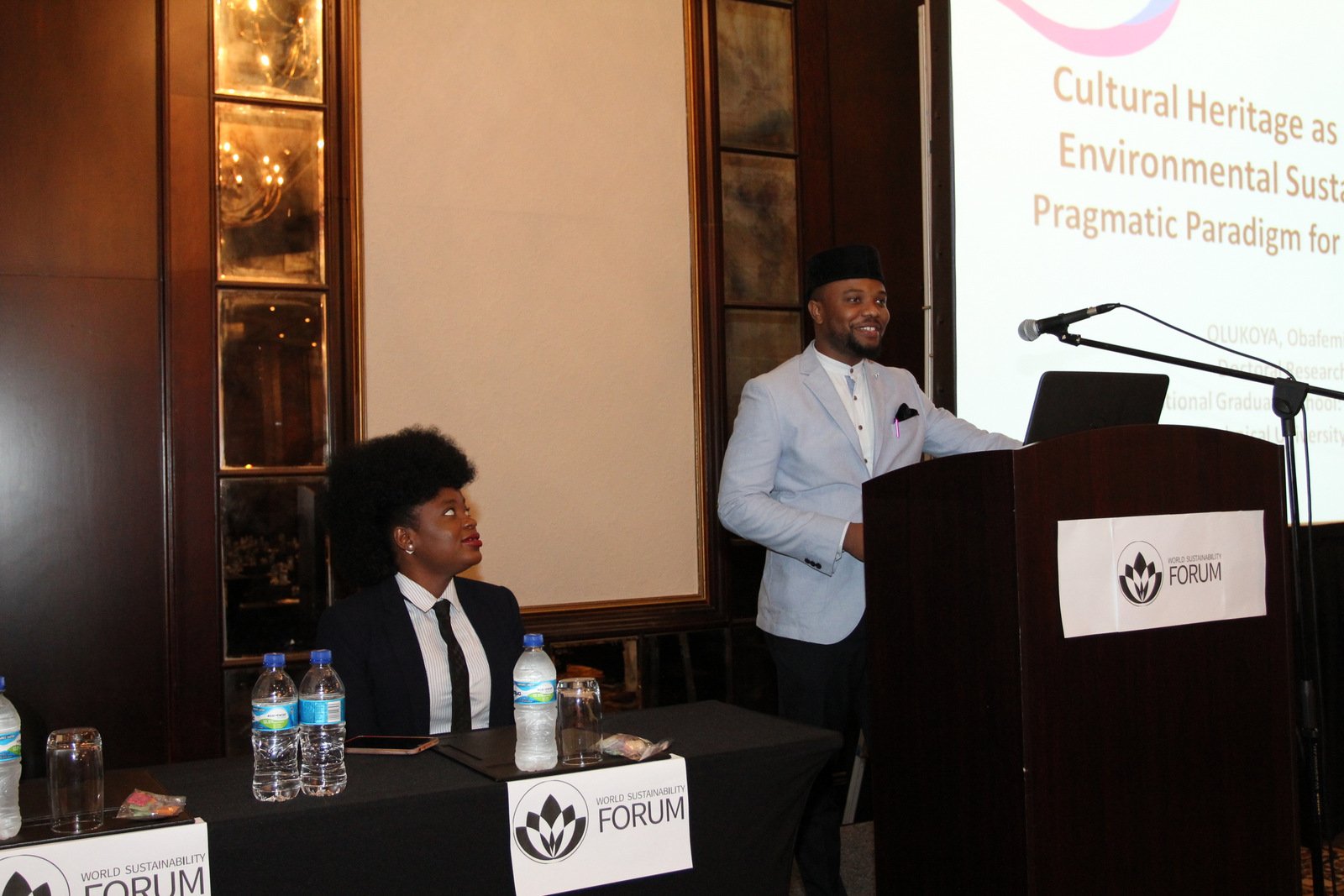
Built Cultural Heritage as a Catalyst of Environmental Sustainability: A Pragmatic Paradigm for Anthropocene
by Obafemi A.P Olukoya *
A Survey on the State of Energy Efficiency Adoption and Related Challenges Amongst Selected Manufacturing SMMEs in the Booysens Area of Johannesburg
by Njabulo Kambule *
Effect of Maintenance on Sustainability of Infrastructures
by Ayodeji Emmanuel Oke *, Clinton Ohis Aigbavboa , Kehinde Olumide Ologuntuyi
Sustainable Approaches to Greywater Recycling
by Manoj Kumar Tiwari *, Raj Shekhar Bose
Thermal Materials for CSP Plants: LCOE Evaluation for Performance Improvement Using Chilean Strategic Lithium Salts
by Raul ORyan *, Gustavo Caceres , Macarena Montané , Shahriyar Nasirov
Treatment of Textile Wastewater in a Combined Hydrodynamic Cavitation, Fenton Process and Nano-Zero Valent Iron (NZVI) System
by Kassim Olasunkanmi Badmus *, Ninette Irakoze , Leslie Petrik
Additive Manufacturing Aided Product Development Processes—Potentials for Economic and Environmental Benefits
by Maija Leino *, Ville Uusitalo
Waste Paper Biochar as a Sustainable Carbon Black Pigment Replacement in Printing Inks
by Steven T. Barber *, Thomas A. Trabold
Cassava Processing Systems and Effluent Management Techniques in Southwest Nigeria: Challenges and Environmental Risk Implications
by Nurudee Samuel Lawal *, Kolawole Ogedengbe , Olukayode Smith Ojo
REH: Renewable Energy and Housing
Panel chair: Prof Felix Muesgens - Venue: VOC-B
List of Accepted Abstracts (5)
The German Energiewende – Promoting Renewable Energy for Worldwide Expansion
by Felix Muesgens *
What Is the Role of Consumers in the Transition Towards Low Carbon Living?
by Anna Claudelin *, Maija Leino , Suvi Konsti-Laakso , Ville Uusitalo
Characteristics of Calabar Tidal Resource: Patterns and Relationship to Sustainable Clean Energy
by Collins Nwaokocha *, Mufutau A. Waheed , Abayomi T. Layeni , Olumuyiwa A. Lasode , Solomon O. Giwa
Assessing the Sustainability of Small Scale Renewable Energy Projects in South Africa by Means of EIA Quality Review
by Isaac Tebogo Rampedi *, Daniel Sarel Boshoff , Olusola Oluwayemisi Ololade
Consumer Values and Attitudes towards Low Carbon Living: Finnish Perspective
by Suvi Konsti-Laakso *, Maija Leino , Anna Claudelin , Ville Uusitalo
MCSD: Mining as a Catalyst for Sustainable Development
Panel chair: Prof Dee Bradshaw - Part 1: 13:30-15:30 - Part 2: 16:00-17:30 - Venue: Stellenbosch
List of Accepted Abstracts (11)
Coal Fly Ash Beneficiation- Vital for Promoting Environmental Sustainability in Southern Africa
by Omotola Babajide , Sammy Nyale *, Nicholas Musyoka *, Leslie Petrik *
Sustainable Communities: Communities and Natural Resource Management
by Michael Solomon *
Integrated Water Management for Mining Operations and Local Communities: South African Case Studies
by Jennifer Broadhurst *
Impact of Gas Flaring on the Vitamin Composition of Selected Edible Vegetables in the Niger Delta Area of Nigeria.
by Doris Akachukwu *, Michael Adedapo Gbadegesin , Philippa Chinyere Ojimelukwe
The Mining Industry as a Driver of Innovation Toward the Transition to a Green Economy
by Corey Beavon *
Human and Social Capital Development Contributions of the Richards Bay Minerals Industry Cluster
by Shuhei Kato *, Anthony Black *, Harro von Blottnitz *
Effectiveness of Biodiversity Offset Strategies in South Africa: Current Perceptions and Views in the Mining Industry
by Isaac Tebogo Rampedi *, Edwynn Walter Louw , Jayne Margaret Rogerson
Synthesis of a Plant-Based Dust Suppressant for Use in Coal Mines in Mozambique
by Isaias Mutombo Mafavisse *, Roberto Wagner Lourenço , Valquíria de Campos
Assessing Mine-Related Water Quality Using Remote Sensing
by Aros Ndlovu *, Solomon Tesfamichael
Mining as a Catalyst for Sustainable Development: Sustainability as a Source of Innovation
by Brian Chicksen *, Dee Bradshaw *
Mining as a Catalyst for Sustainable Development
by Dee Bradshaw *
CSF: Corporate Sustainability and Finance
Panel chair: Marcel Mballa-Ekobena - Venue: Constantia
List of Accepted Abstracts (5)
Ecopreneurship and Green Product Initiative as a Panacea for Sustainable Green Trade Development in Nigeria
by Mayowa Oludele Solaja *
Corporate Environmental Engagement in China
by Cubie Lau , Zinette Bergman *, Manfred Max Bergman
The Nexus between Sustainable and Value Investing
by Florian Schaller *, Lars Kaiser
A Systematic Review and Synthesis of Research and Practice: Linking an Organisation's Strategic Planning with a National Vision for a Sustainable Future - the Case of FNB Namibia
by Chanel Venter *, Nina Louw
Partnership between Commercial Banks and Government in Facilitating Funding Opportunities for Female Entrepreneurs in South Africa
by Zinzi Magoda *
Parallel Sessions – Day Two – 28 January 2017 – 16:00-17:30
WEFNG: Water-Energy-Food Nexus: A Global Perspective
Panel chair: Prof Julian May - Venue: VOC-A
List of Accepted Abstracts (3)
Sustainable Development and Water–Energy–Food Nexus: MuSIASEM vs BIPLOT Perspectives
by Nathalia Diazibeth Tejedor-Flores *
The SustUrbanFoods Project: Challenges in Accounting for the Sustainability of Complex Urban Food Systems
by Esther Sanyé-Mengual *, Francesco Orsini , Giorgio Prosdocimi Gianquinto
Comparing Two Prominent Approaches to Assess Water Use Sustainability and Their Implications for Food Systems
by Anna Kuokkanen *, Maija Leino , Ville Uusitalo
DSWR: Developing Sustainable Water Resources
Panel chair: Prof Neil Armitrage - Venue: Paarl
List of Accepted Abstracts (4)
Dimensions of Future Water Security – a Global Hydro-Economic Classification of Water Challenges
by Sylvia Tramberend *, Günther Fischer , Yusuke Satoh , William Cosgrove , Simon Langan , Taher Kahil , Eva Hizsnyik , Edward Byers , Peter Burek , Martina Flörke , Naota Hanasaki , Somayeh shadkam , Piotr Magnusziewski , Yoshihide Wada
Fe0-Based Filtration Systems for Universal Access to Safe Drinking Water
by Chicgoua Noubactep *
Stormwater as a Resource for Water Supply and Urban Agriculture in Cape Town
by John Okedi , Neil Philip Armitage *, Kirsty Jane Carden
Review on the Analysis of Trace Metals in the Unsaturated Zone of Cemetery Soils
by Francisco Carlos da Silva *, Paulo Sergio Tonello *, Valquíria de Campos *
SH: Sustainability and Health
Panel chair: Dr Sally Stansfield and Dr Oladoyin Odubanjo - Venue: Constantia
List of Accepted Abstracts (2)
Global Health Governance and the 2030 Development Agenda: Opportunities and Challenges for Africa
by Obijiofor Aginam *
Trends of Climatic Variables and Possible Health Impacts: A Comparative Study of Ghana and Nigeria
by Sylvia Ankamah *, Esimai Peju , Sari Kovats , Kaku Sagary Nokoe
SMO: Sustainable Mobility
Panel chair: Prof Alexandros Gasparatos - Venue: Constantia
List of Accepted Abstracts (2)
Sustainable Mobility: Access of Metrorail Commuters in the Western Cape
by Zinette Bergman *, Manfred Max Bergman
Travel Demand Analysis for an Innovative Car Sharing Electric Vehicle System
by Stefano Carrese , Tommaso Giacchetti , Marialisa Nigro *, Sergio Maria Patella
SCRC: Sustainable Consumption Regulation and Communication
Panel chair: Prof Terence Centner - Venue: Villa
List of Accepted Abstracts (3)
Delivering Global Impacts Through Certification and Ecolabelling
by Michael Marriott *, David Agnew *, Catherine Longo *
Relating Sustainability to Regulations Overseeing Food Products
by Terence Centner *
Morality and Climate Change: Detailing the Communication Challenges Based on Survey Data
by Johan Jansson *
Submissions not assigned to panels
List of Accepted Abstracts (4)
Sustainability and Competitiveness at the Regional Level: An Empirical Approach to Analyze the Stakeholders' Relationship of Firms
by M. Isabel Sanchez-Hernandez *
A Management Database for Sustainable Cattle Production by Emerging Cattle Farmers in South Africa
by Obvious Mapiye *
Assessing Water Quality from the Diversity of Benthic Macroinvertebrate Communities in Rivers of the Albertine Rift Region in Western Uganda
by Peace Liz Sasha Musonge *
Benthic Macroinvertebrate Functional Feeding Groups Patterns in Afro-Montane Rivers Relative to Physical Variables Land-Use and Physical Variables in Southwestern Uganda
by Peace Liz Sasha Musonge *
Agenda 2030 for Sustainable Development: Towards a new „Understanding of the Game“ by Prof Klaus Leisinger, President of the Global Values Alliance Foundation; Professor of Sociology, University of Basel, Switzerland
Behind the Scenes of Academic Publishing - A Publisher's Perspective by Dr Franck Vazquez, CEO of MDPI, Basel, Switzerland
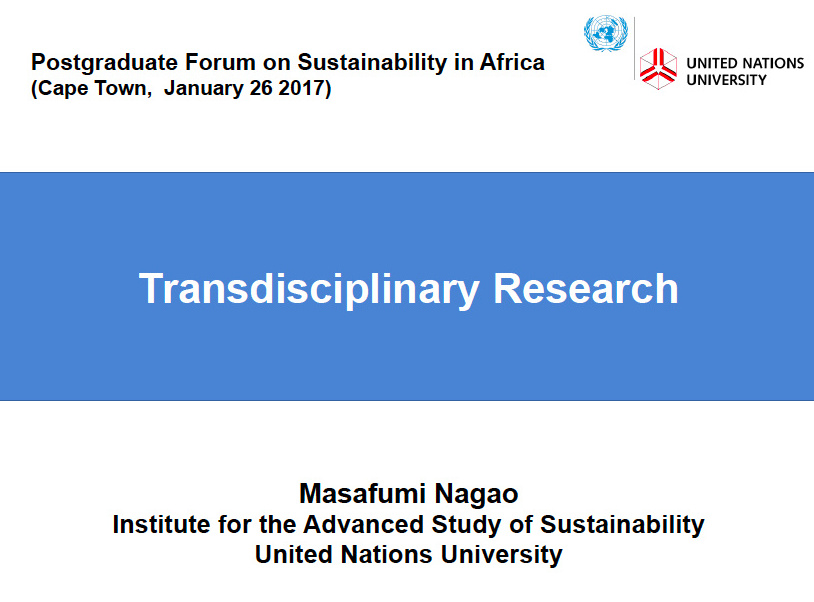
Transdisciplinary Research by Prof Masafumi Nagao, Visiting Professor and Programme Adviser, Institute for the Advanced Study of Sustainability, United Nations University, Japan
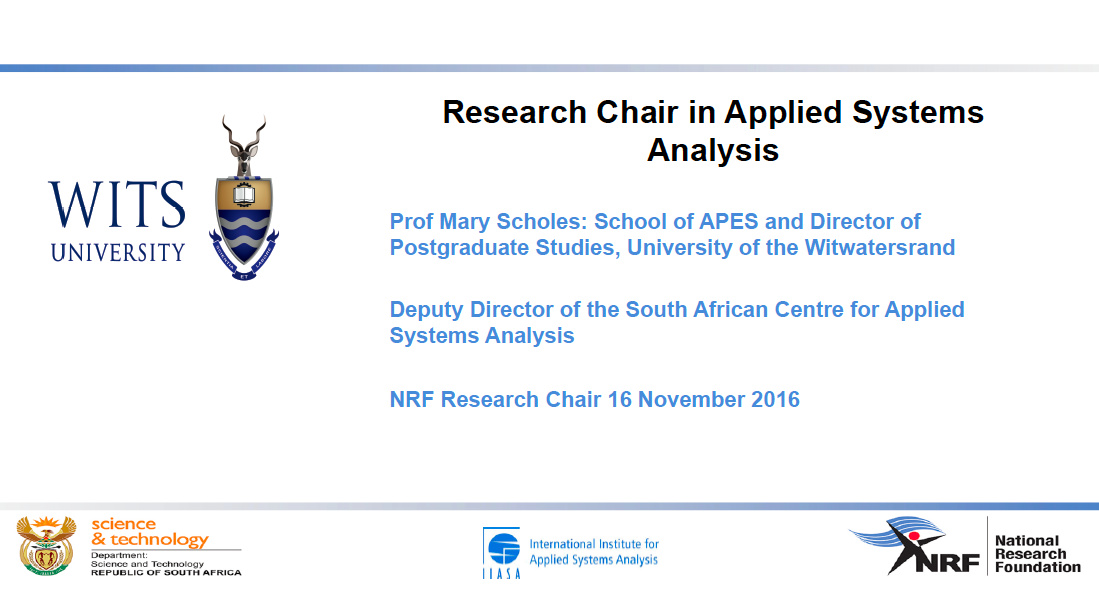
Research Chair in Applied Systems Analysis by Prof Mary Scholes, School of APES and Director of Postgraduate Studies, University of the Witwatersrand Deputy Director of the South African Centre for Applied Systems Analysis
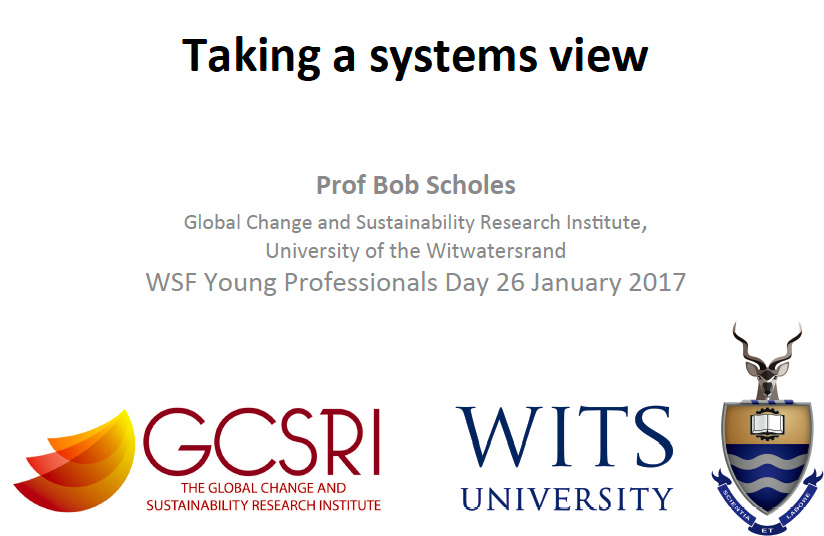
Taking a systems view by Prof Bob Scholes, Global Change and Sustainability Research Institute, University of the Witwatersrand
Cape Town, 26 January 2017
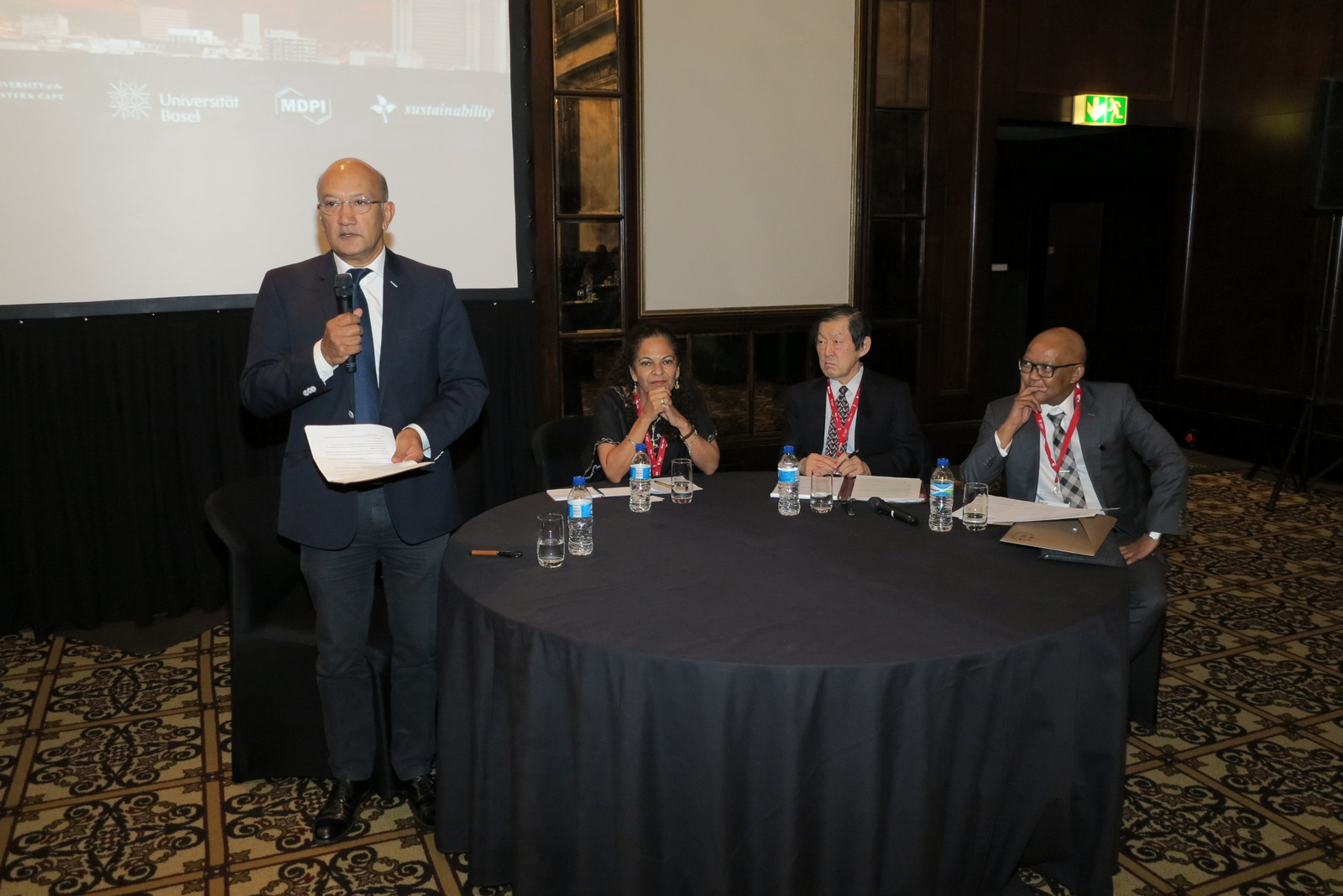
1st Postgraduate Forum on Sustainability in Africa, 26 January 2017, Cape Sun Hotel, Cape Town, South Africa
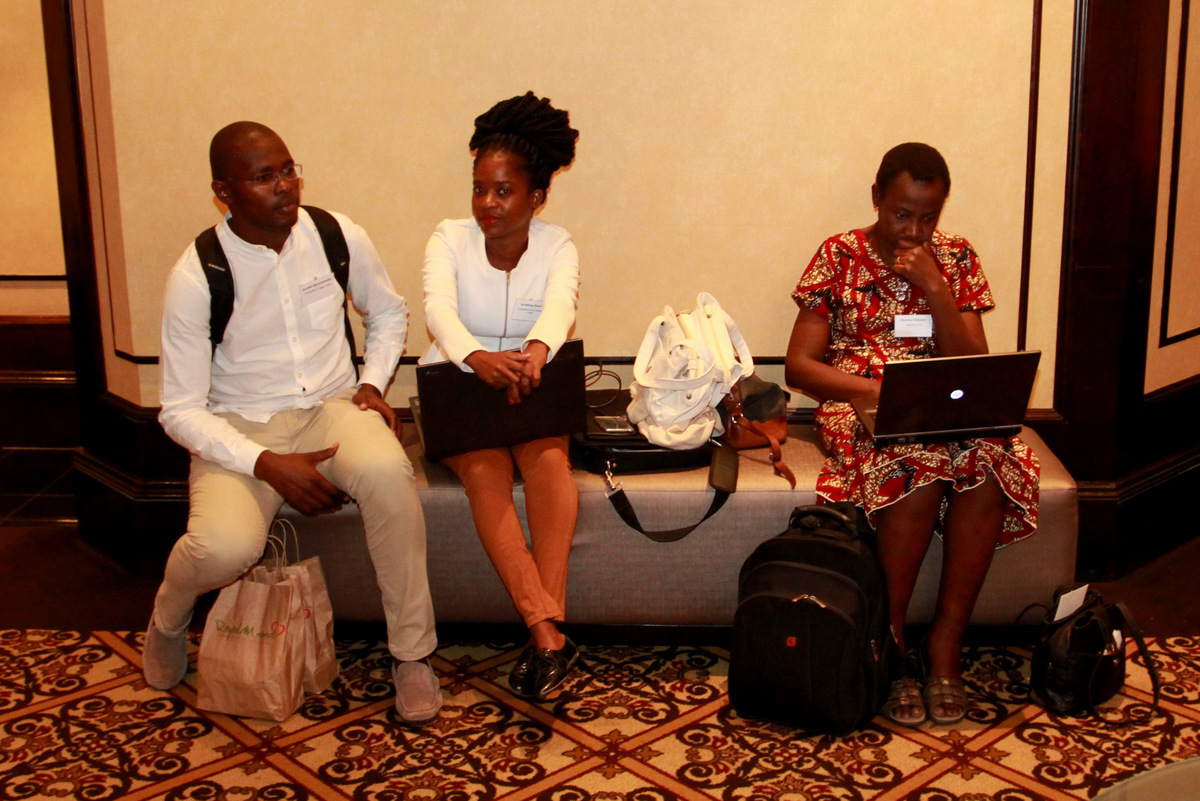
Participants 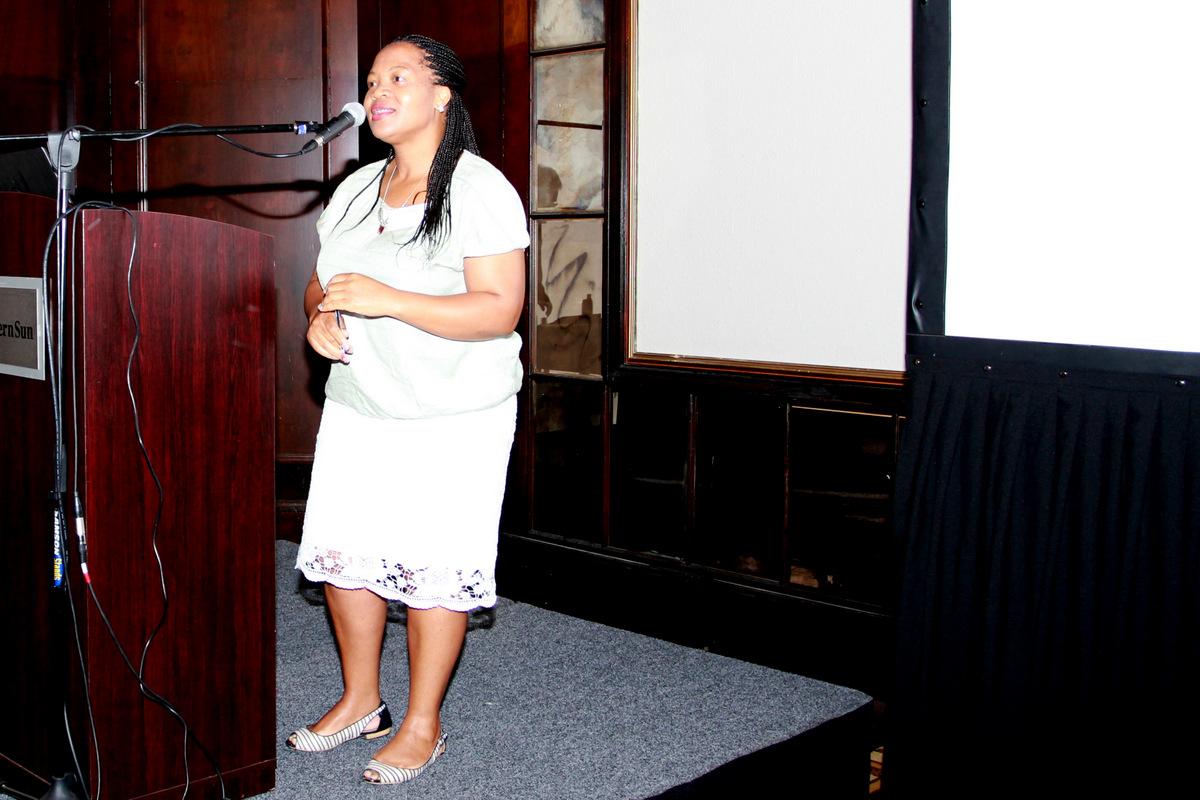
Welcome by Thandi Mgwebi, Director for Research, University of the Western Cape, South Africa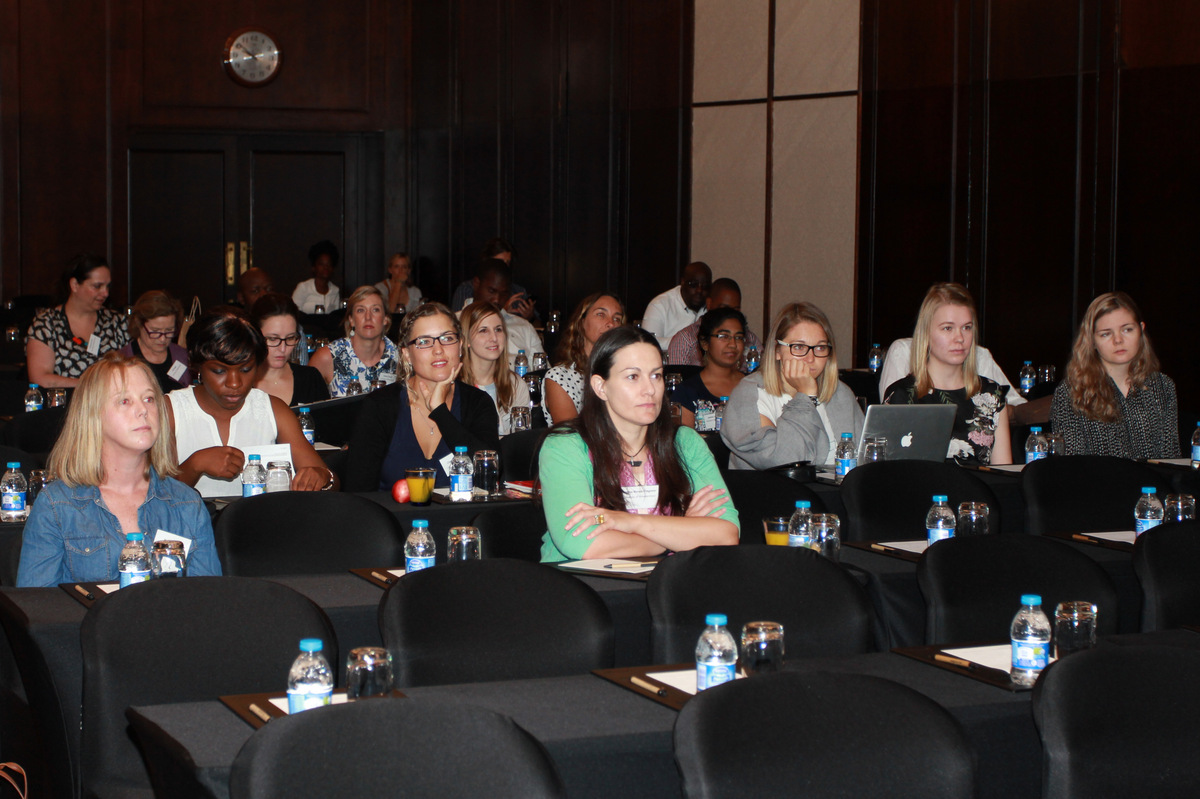
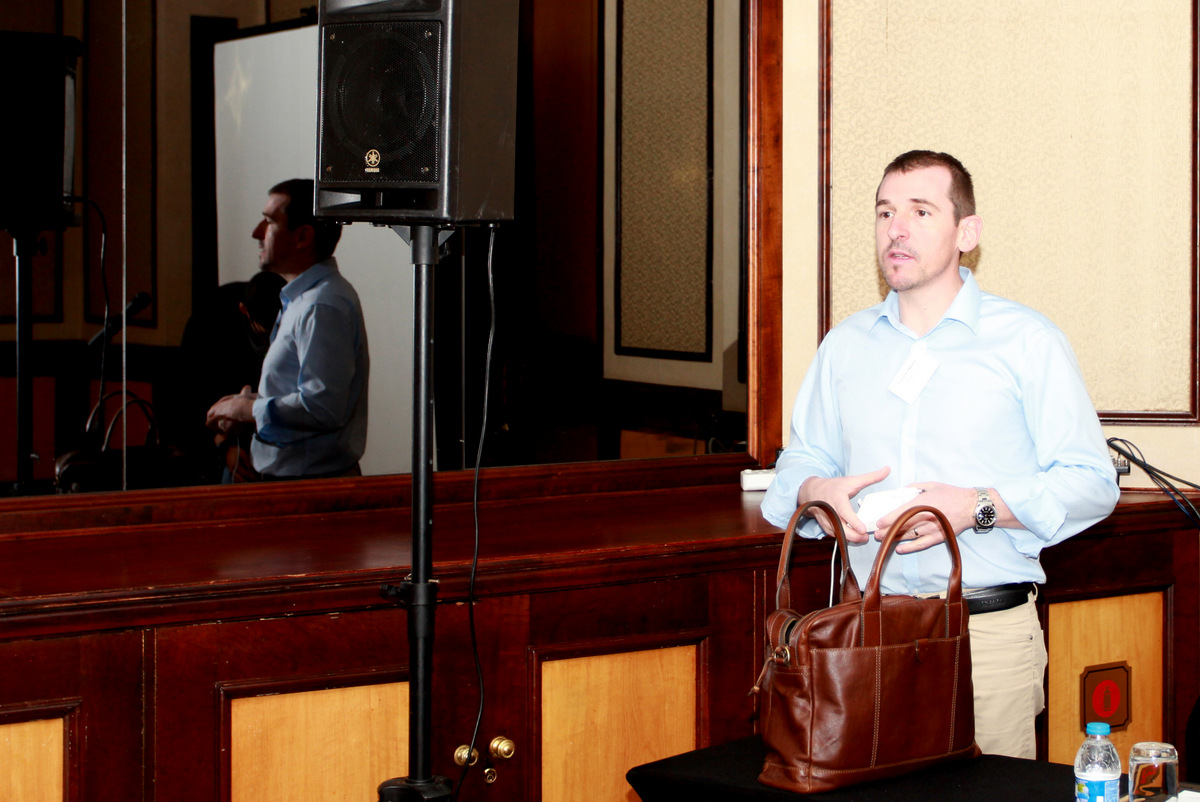
Publishing in peer-reviewed journals by Franck Vazquez, CEO, MDPI AG, Basel, Switzerland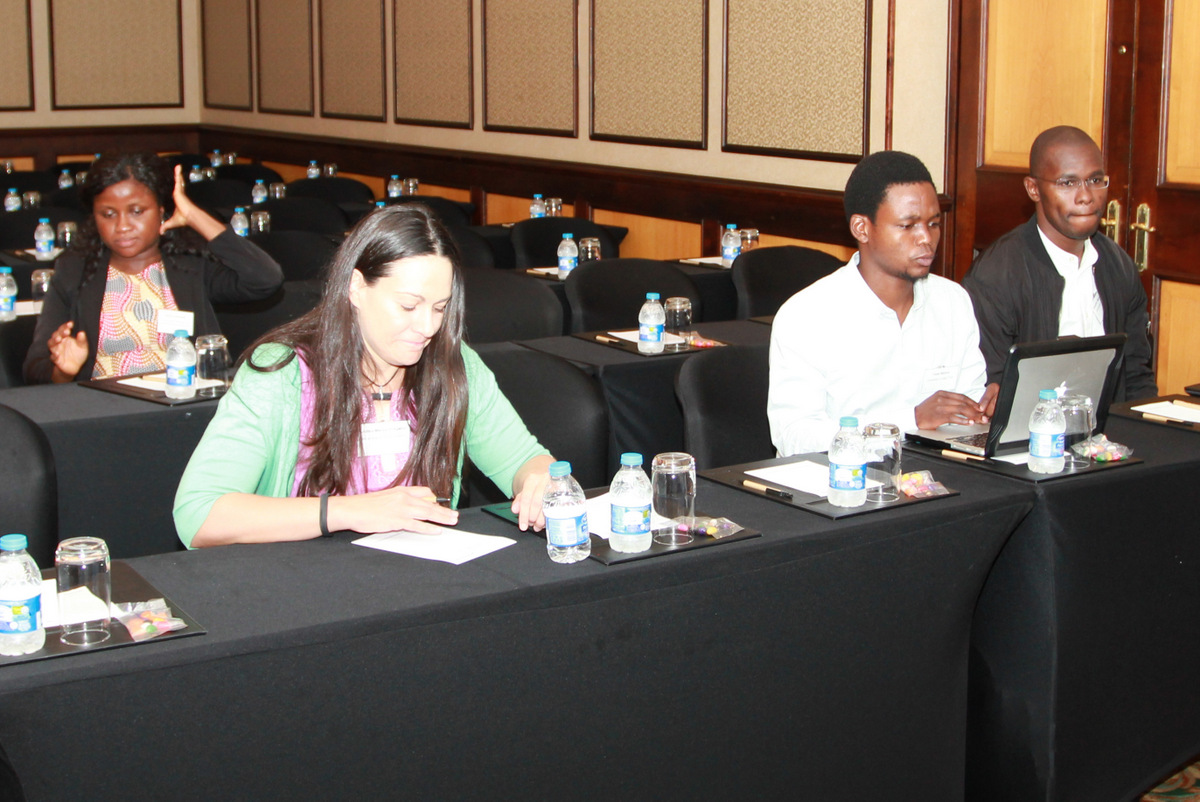
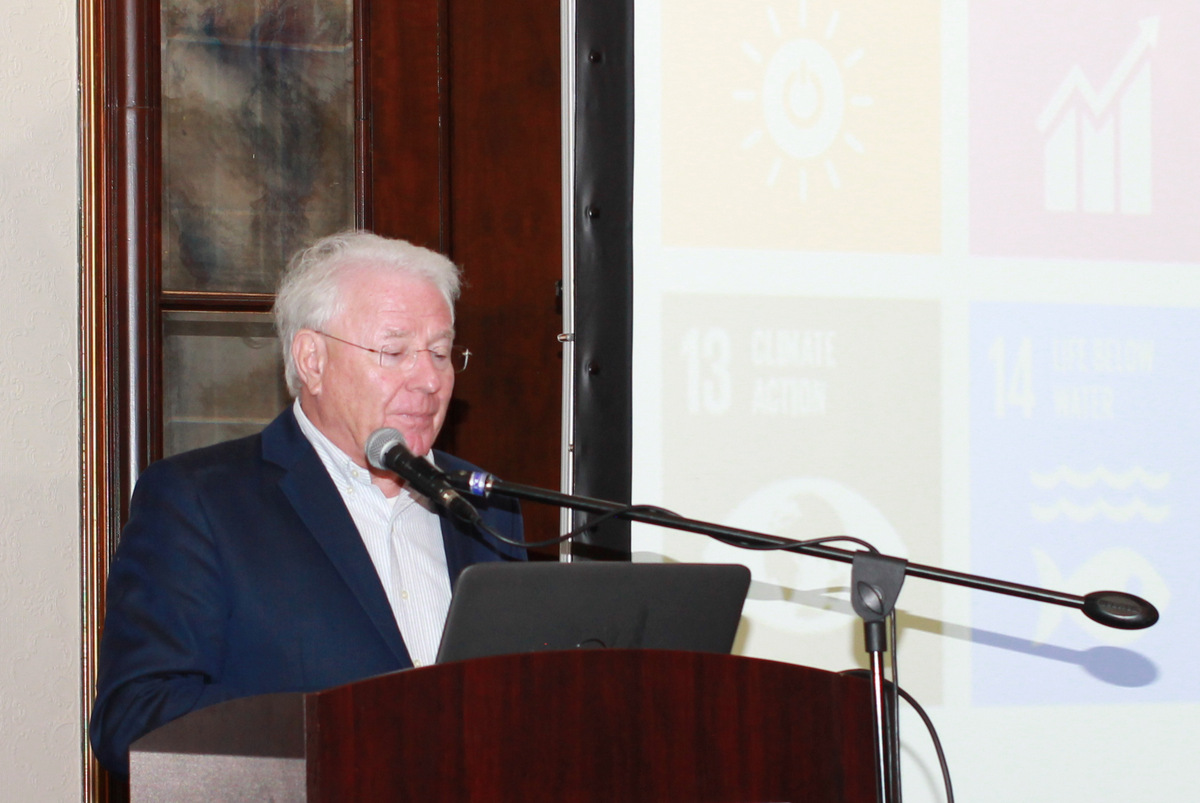
Agenda 2030 and the UN SDGs by Klaus Leisinger, University of Basel and Global Values Alliance, Switzerland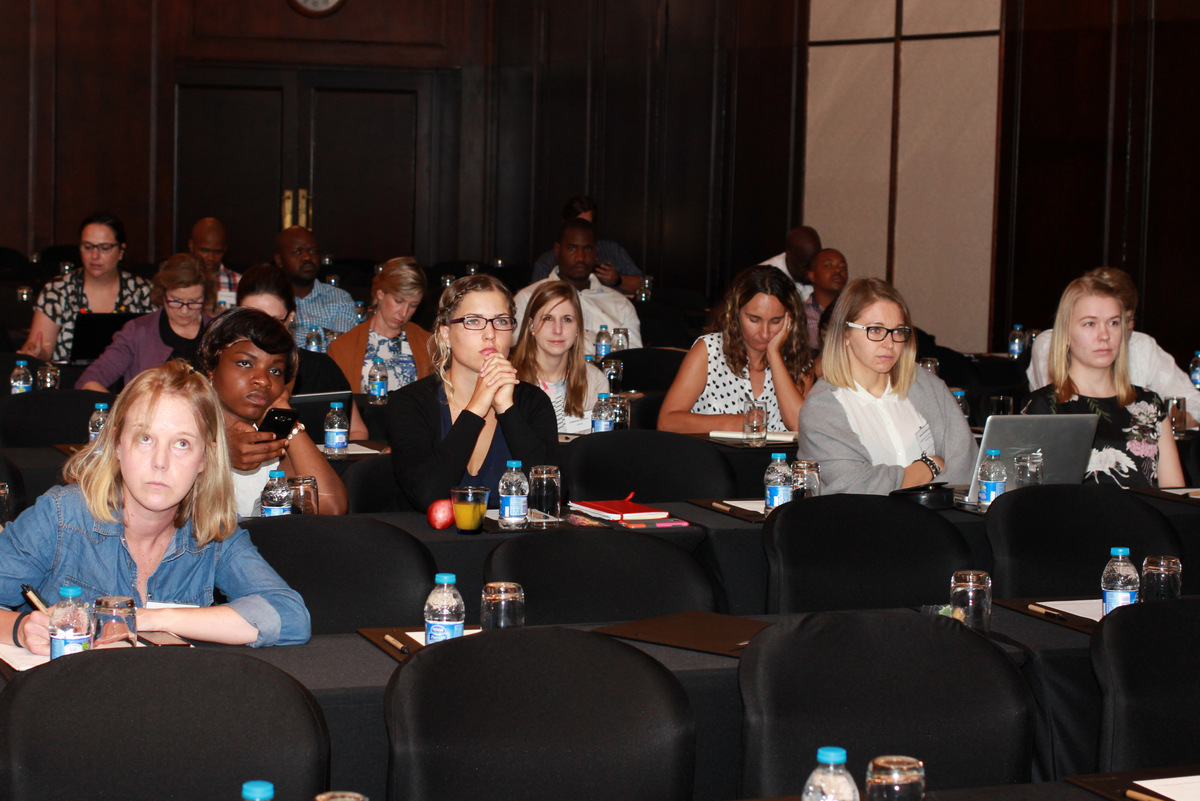
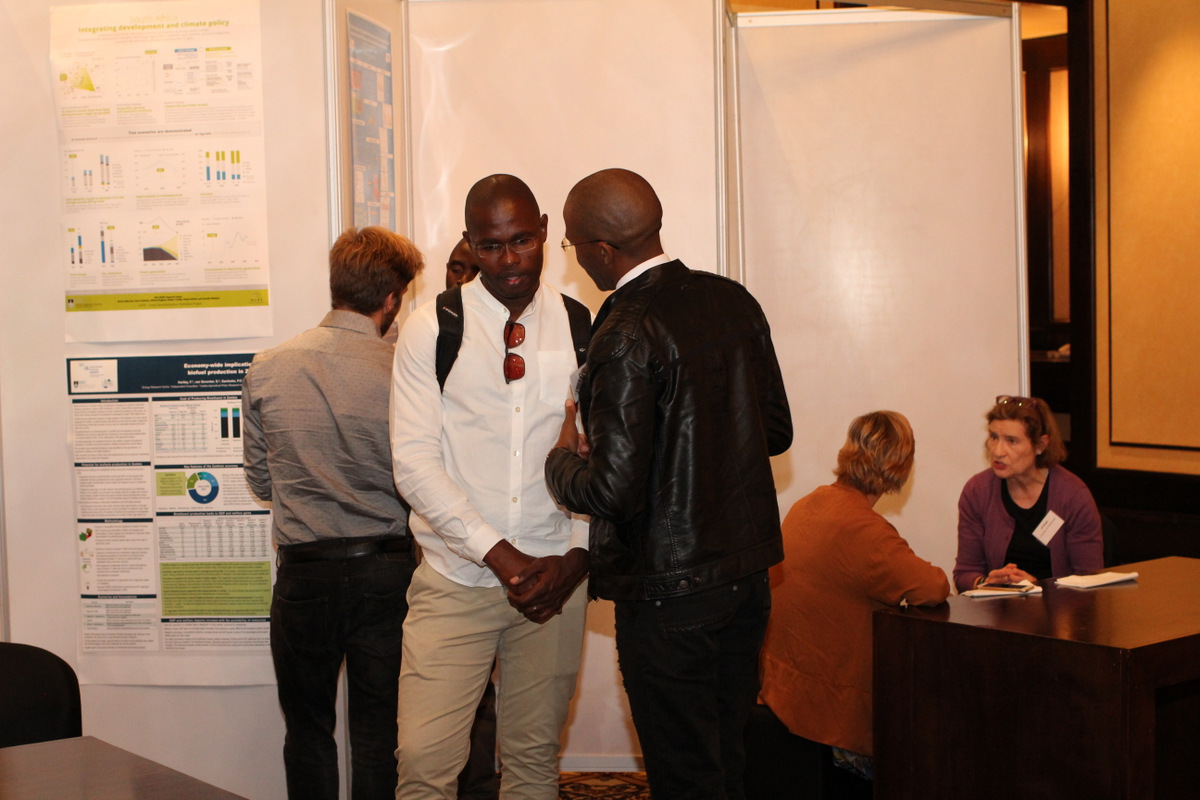
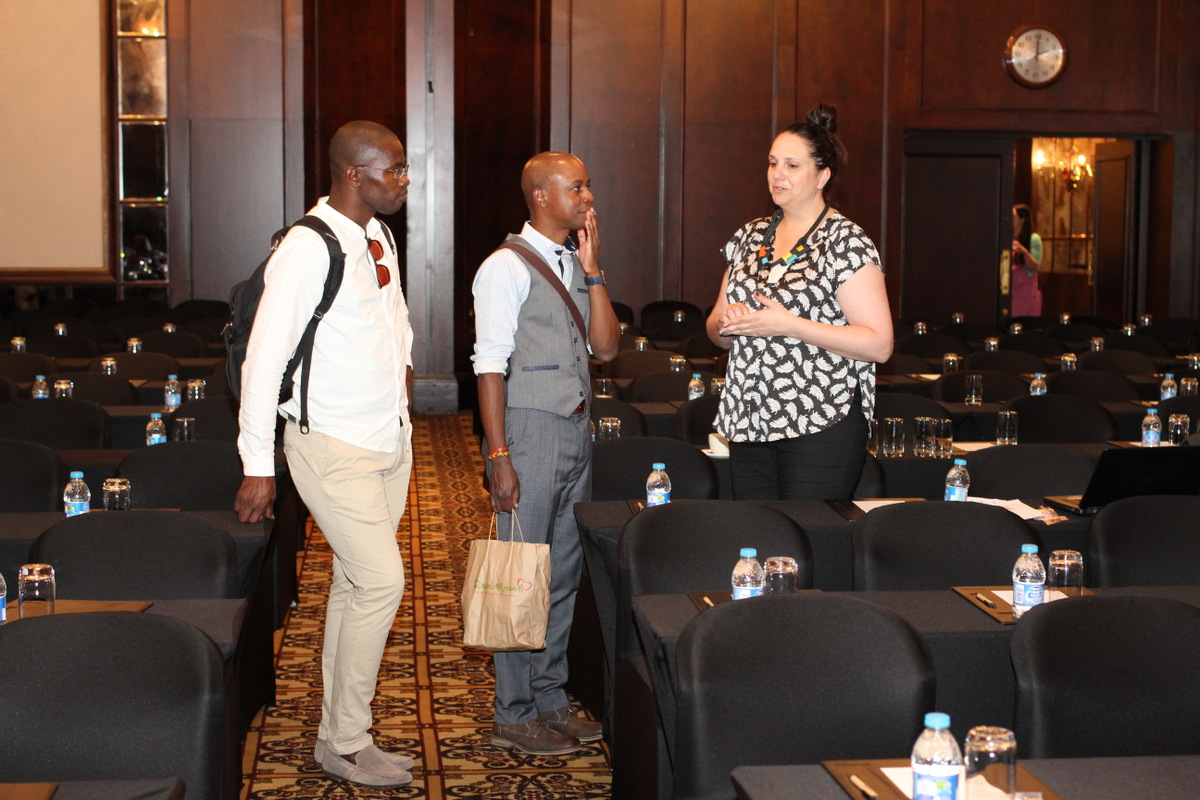
Participants discussing with Corina du Toit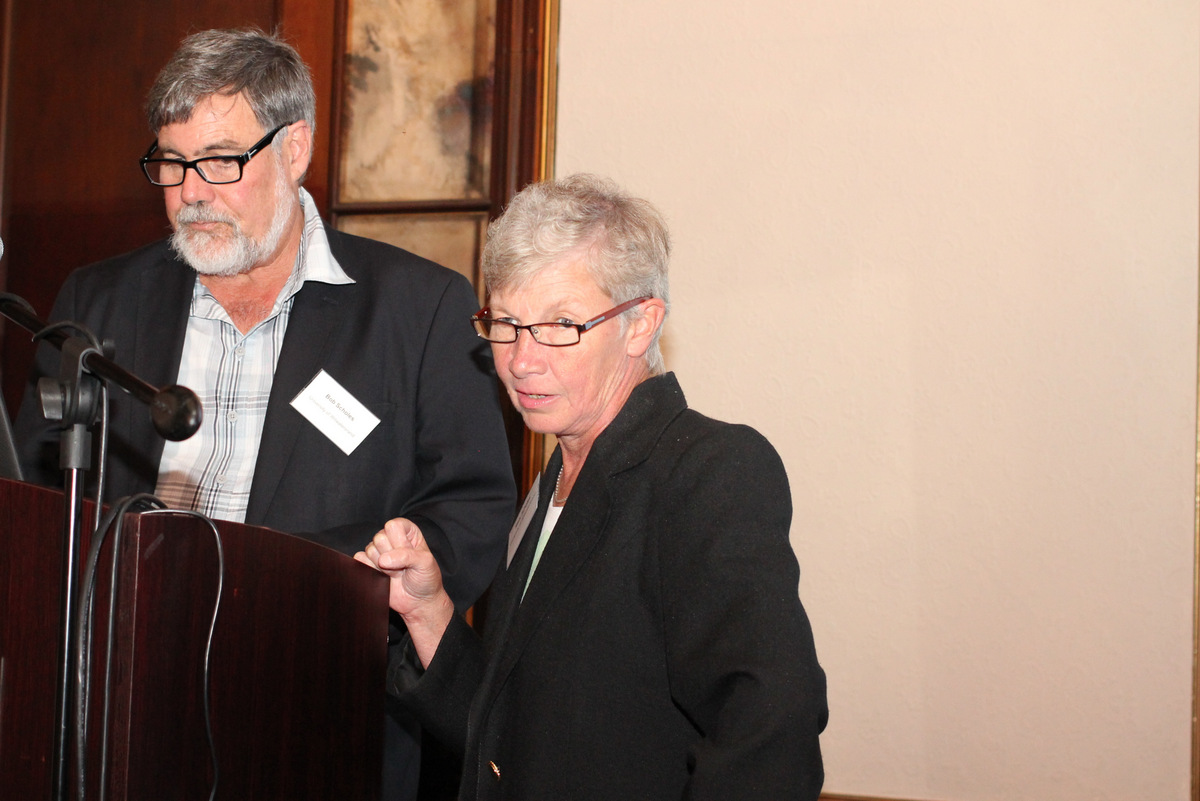
Advanced introduction to applied systems analysis by Mary Scholes and Bob Scholes, University of the Witwatersrand, South Africa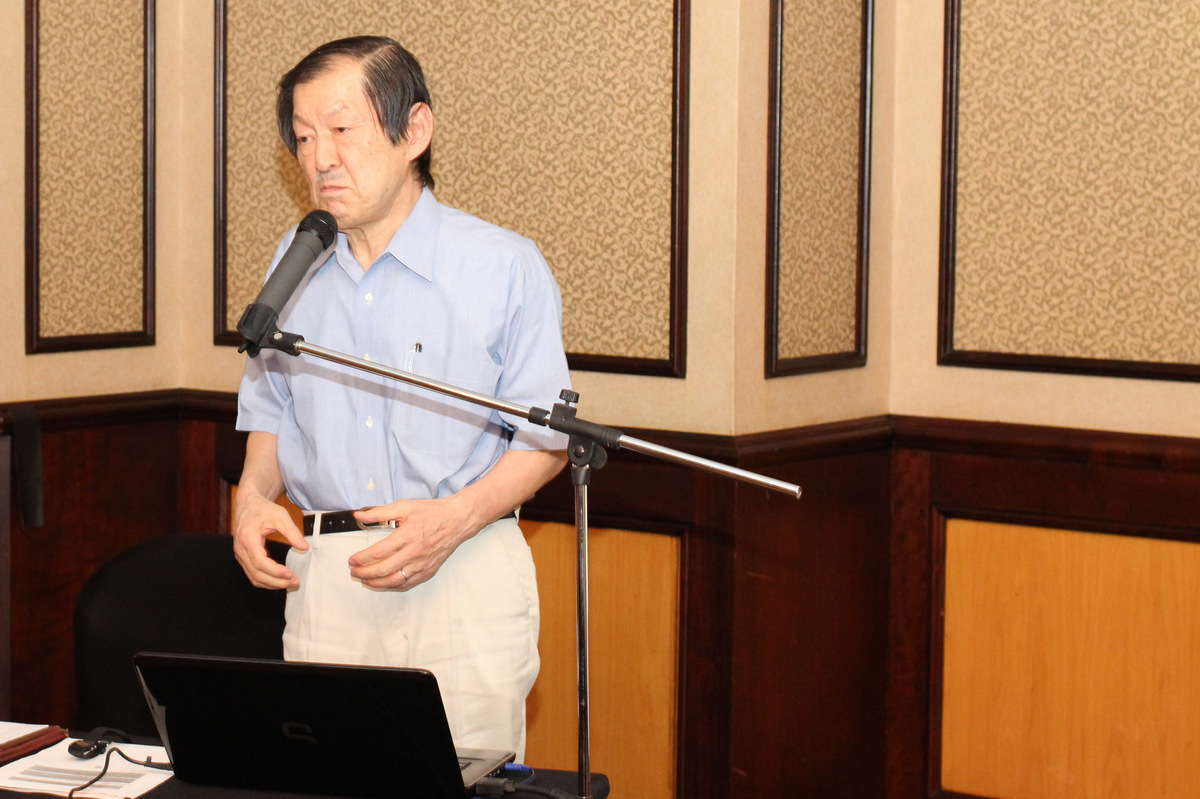
Transdisciplinary research by Masafumi Nagao, Visiting Professor and Programme Adviser, Institute for the Advanced Study of Sustainability, United Nations University, Japan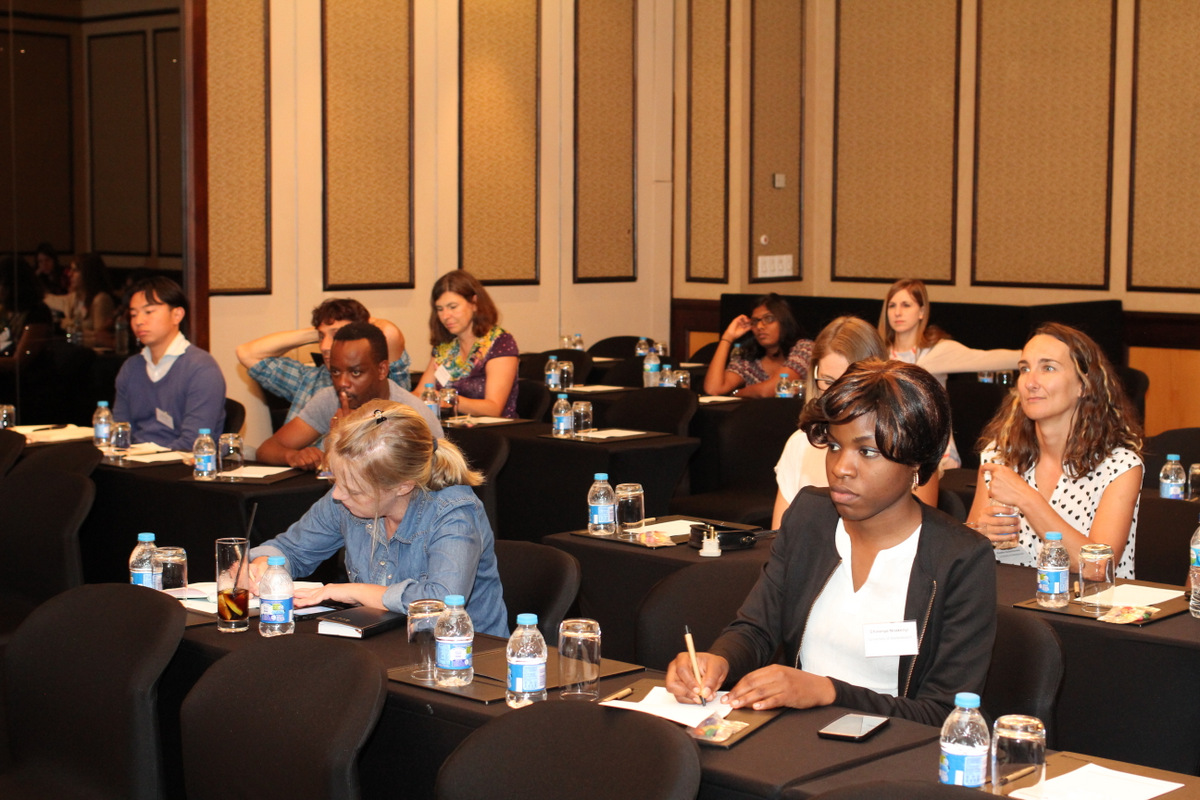
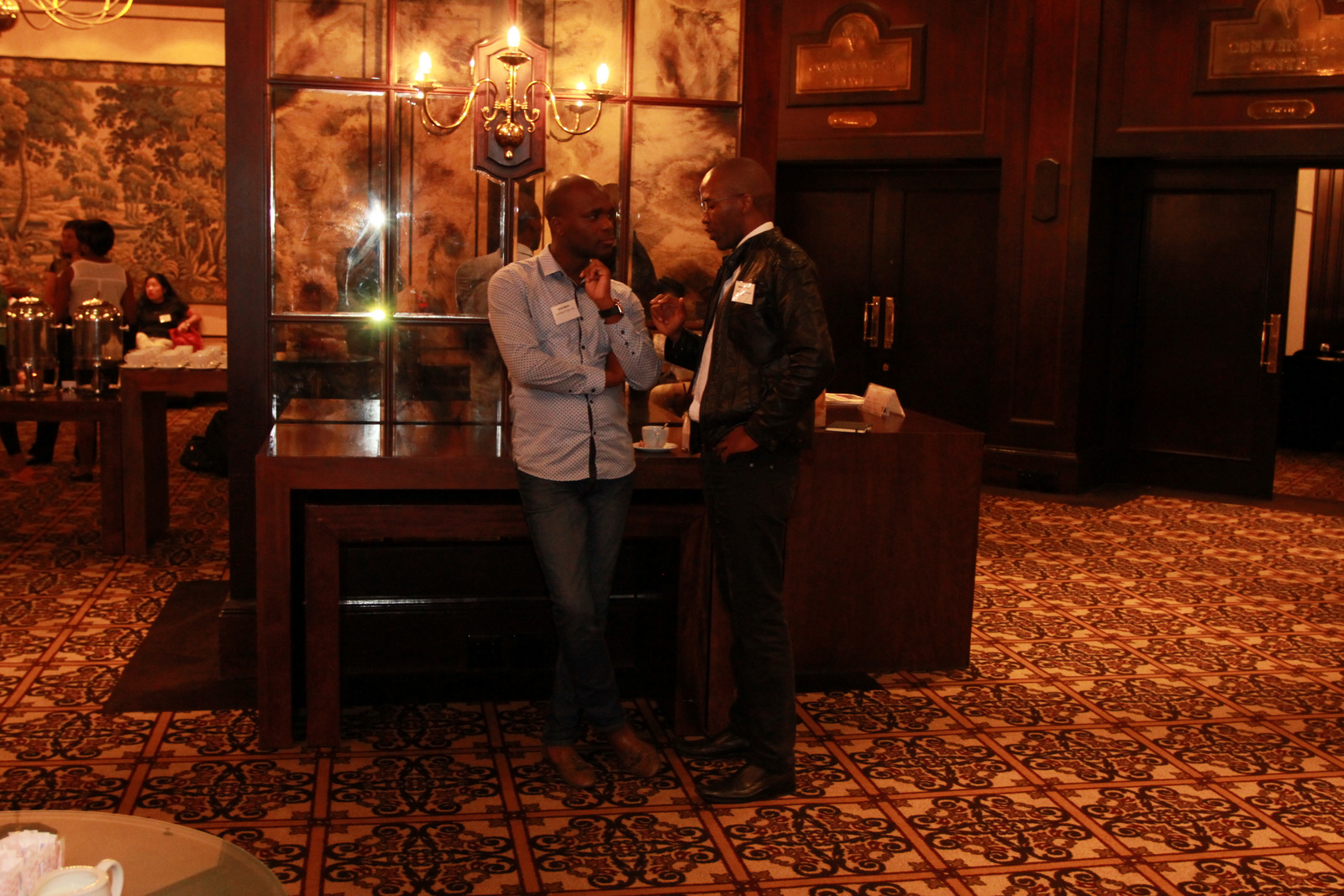
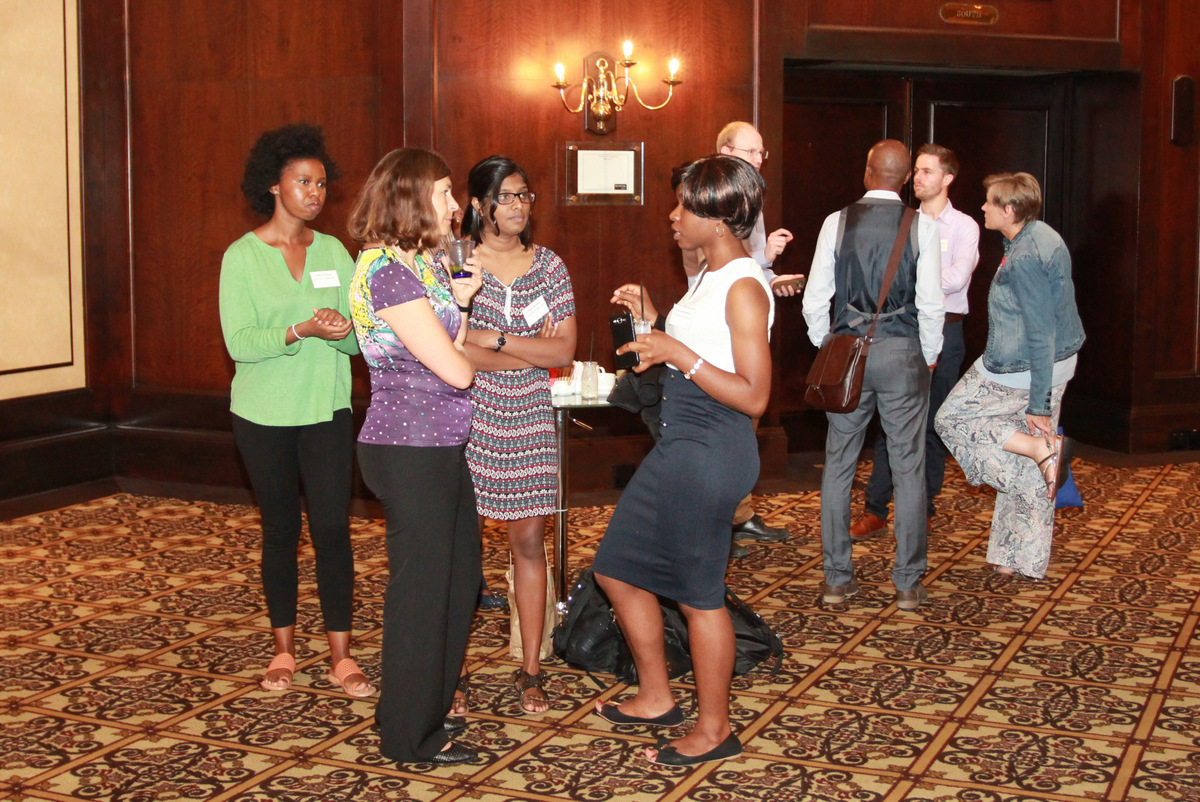
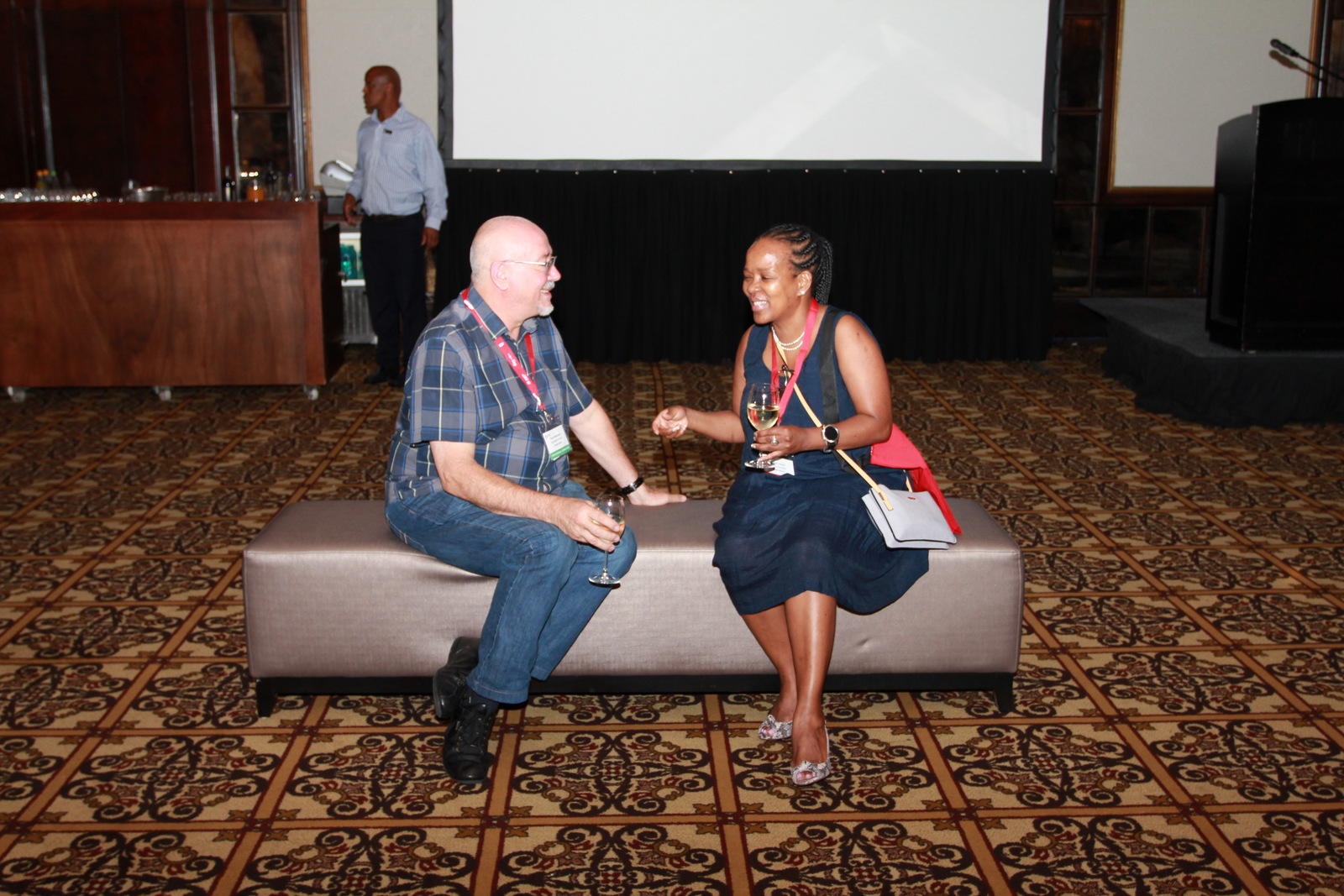
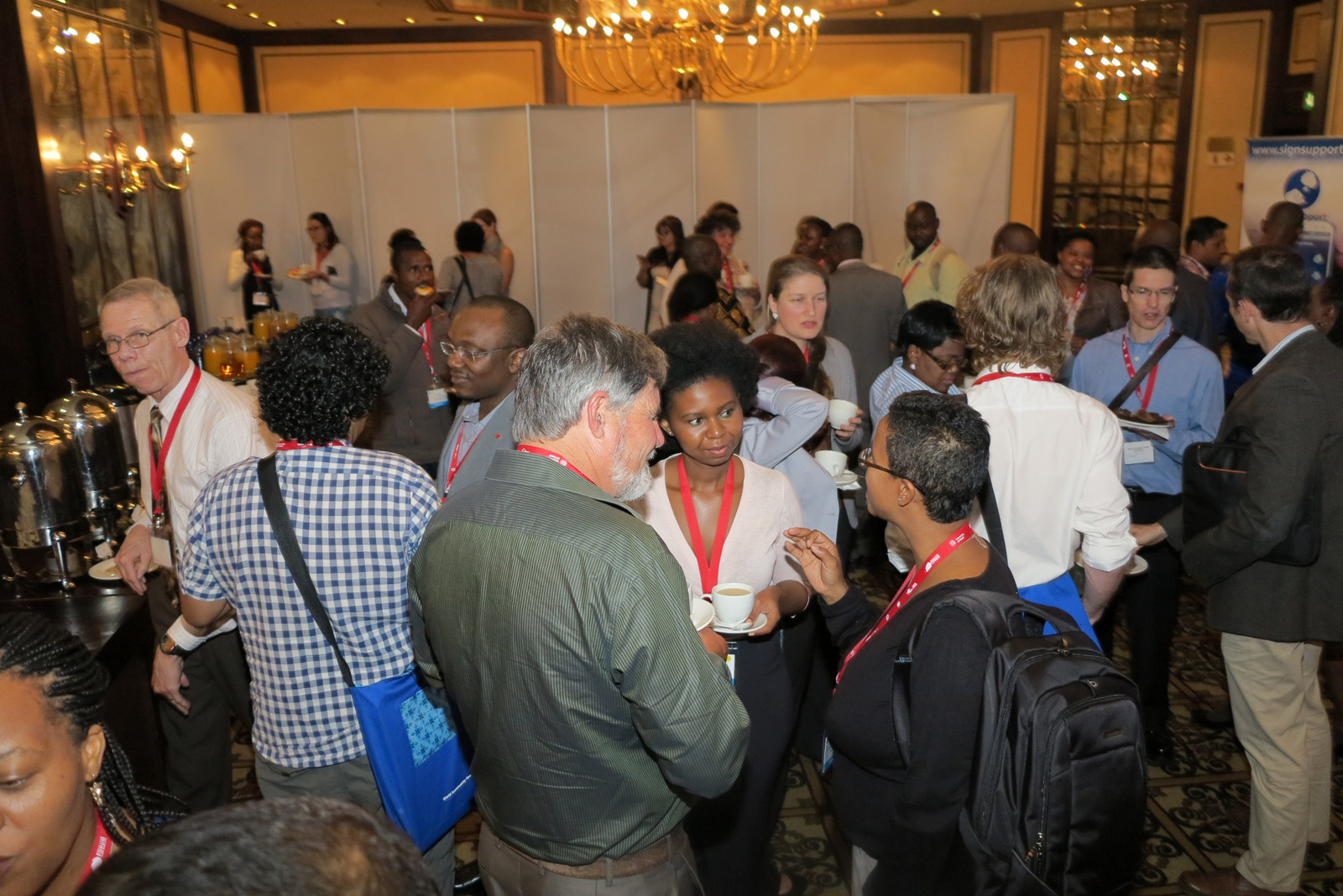
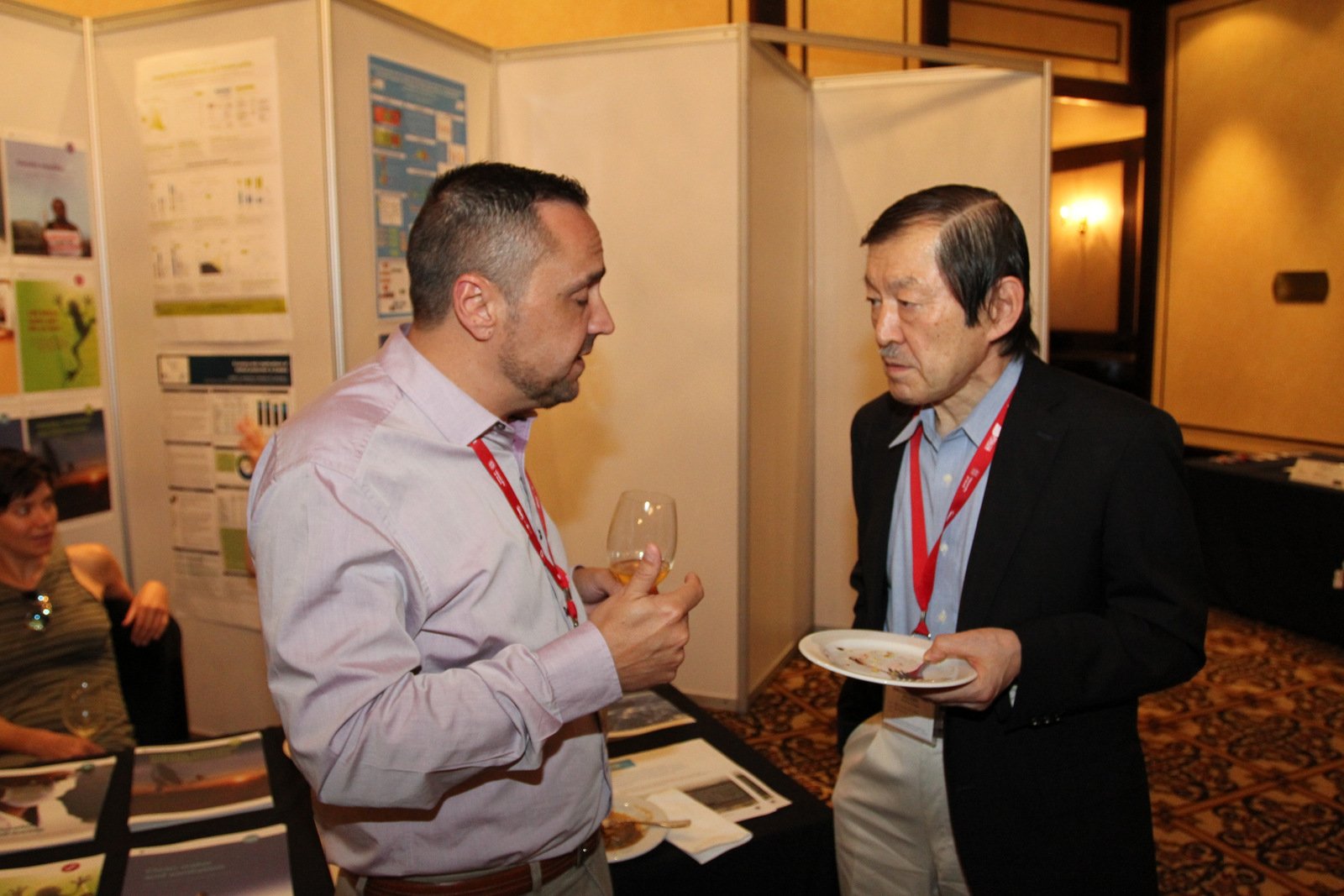
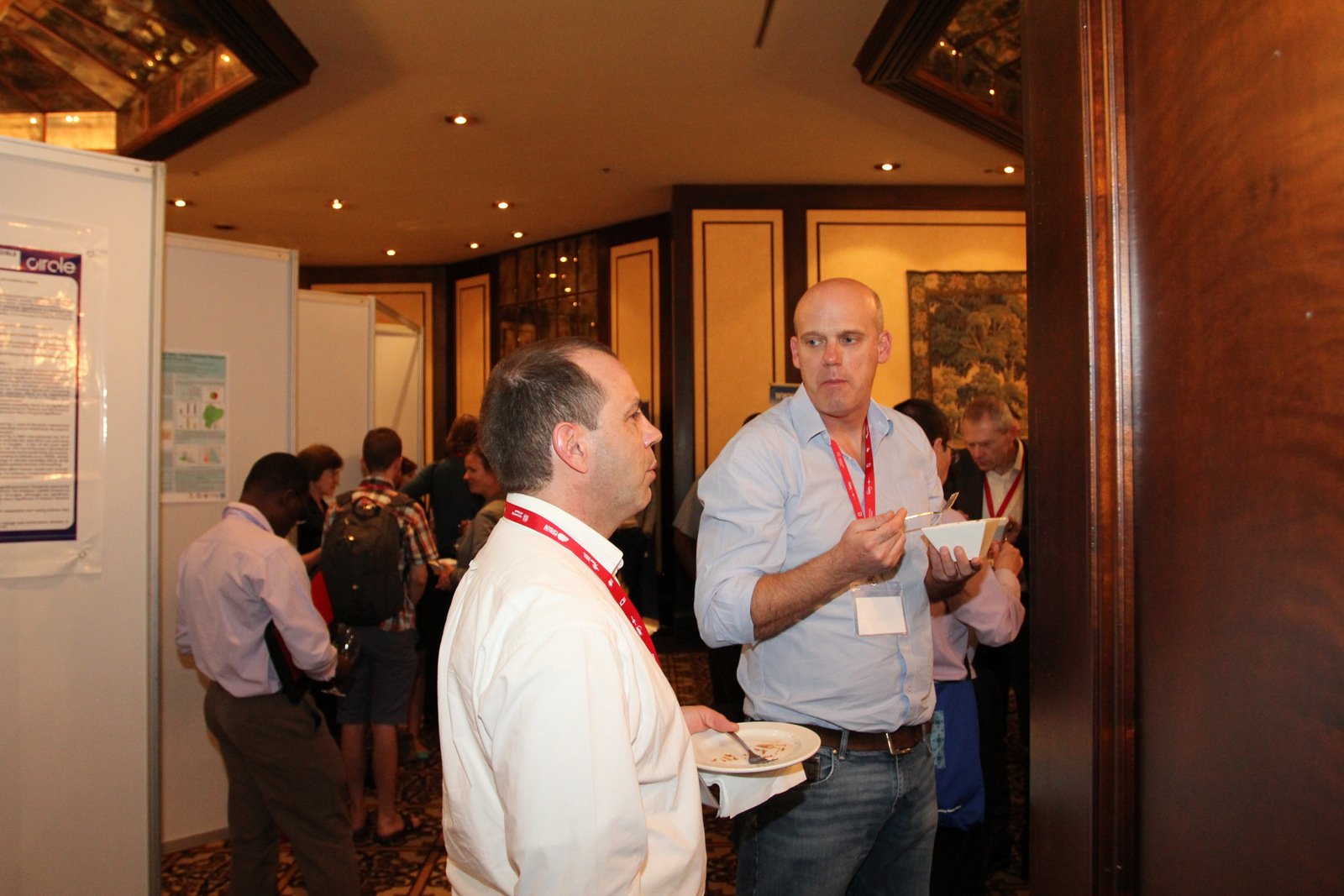
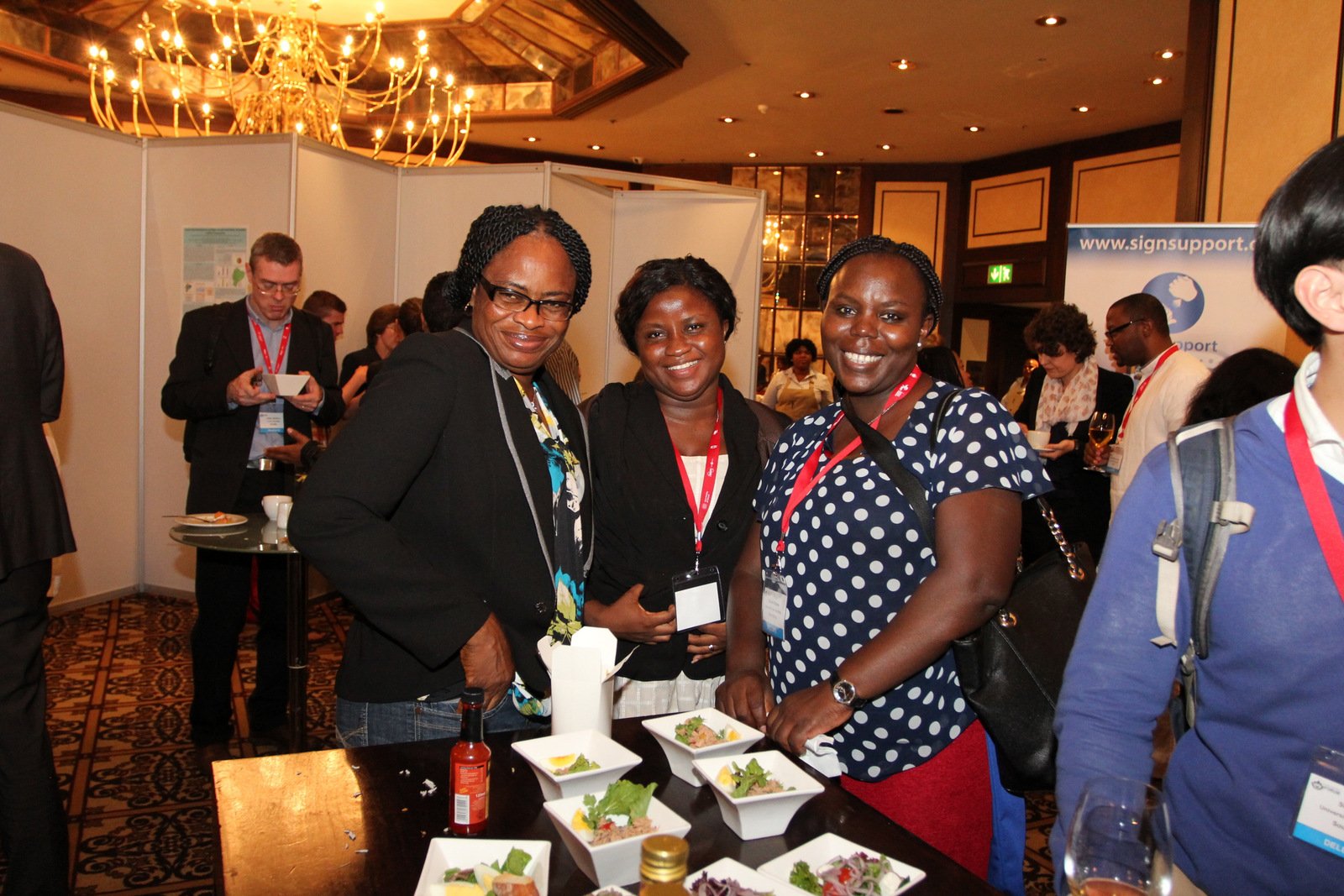
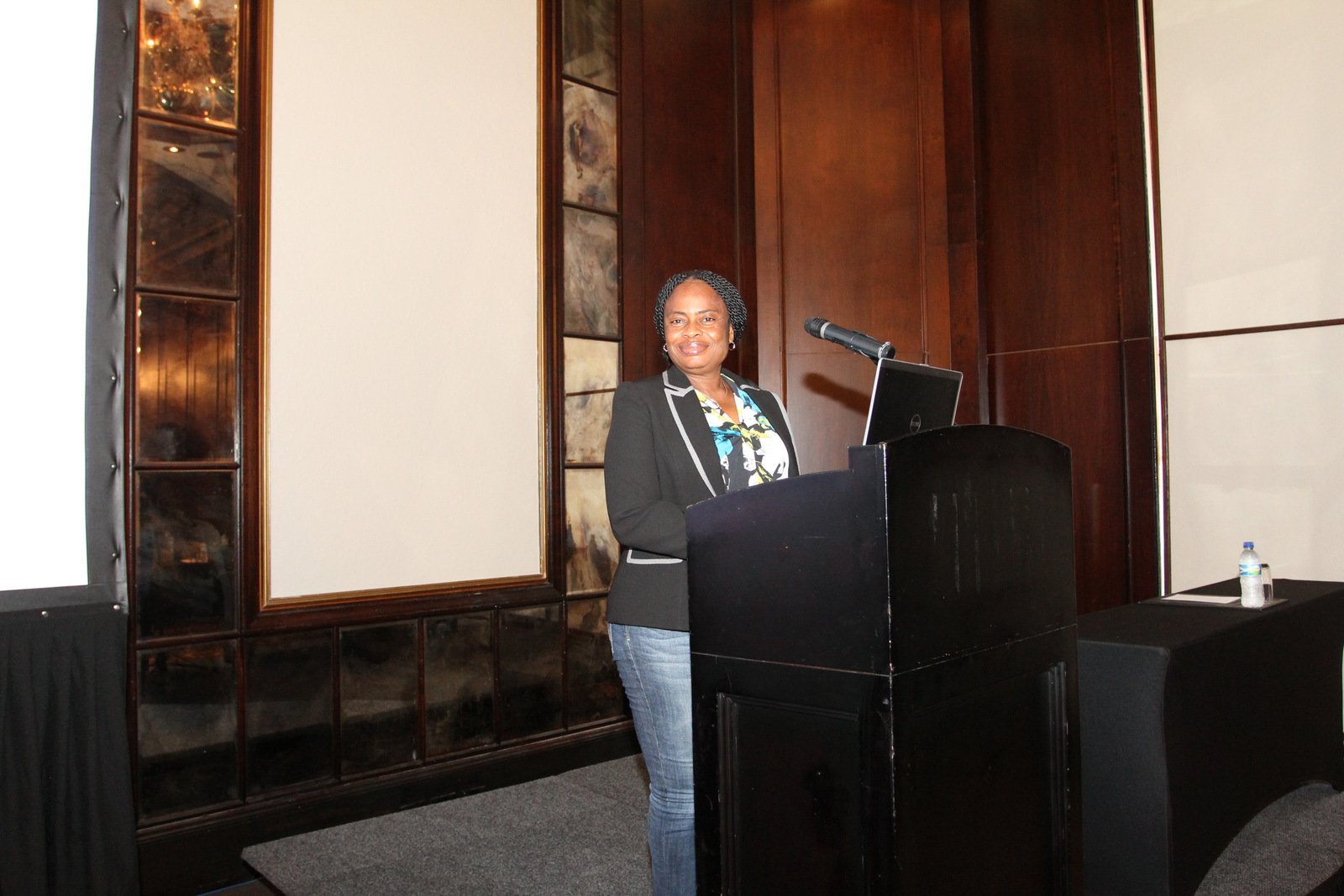
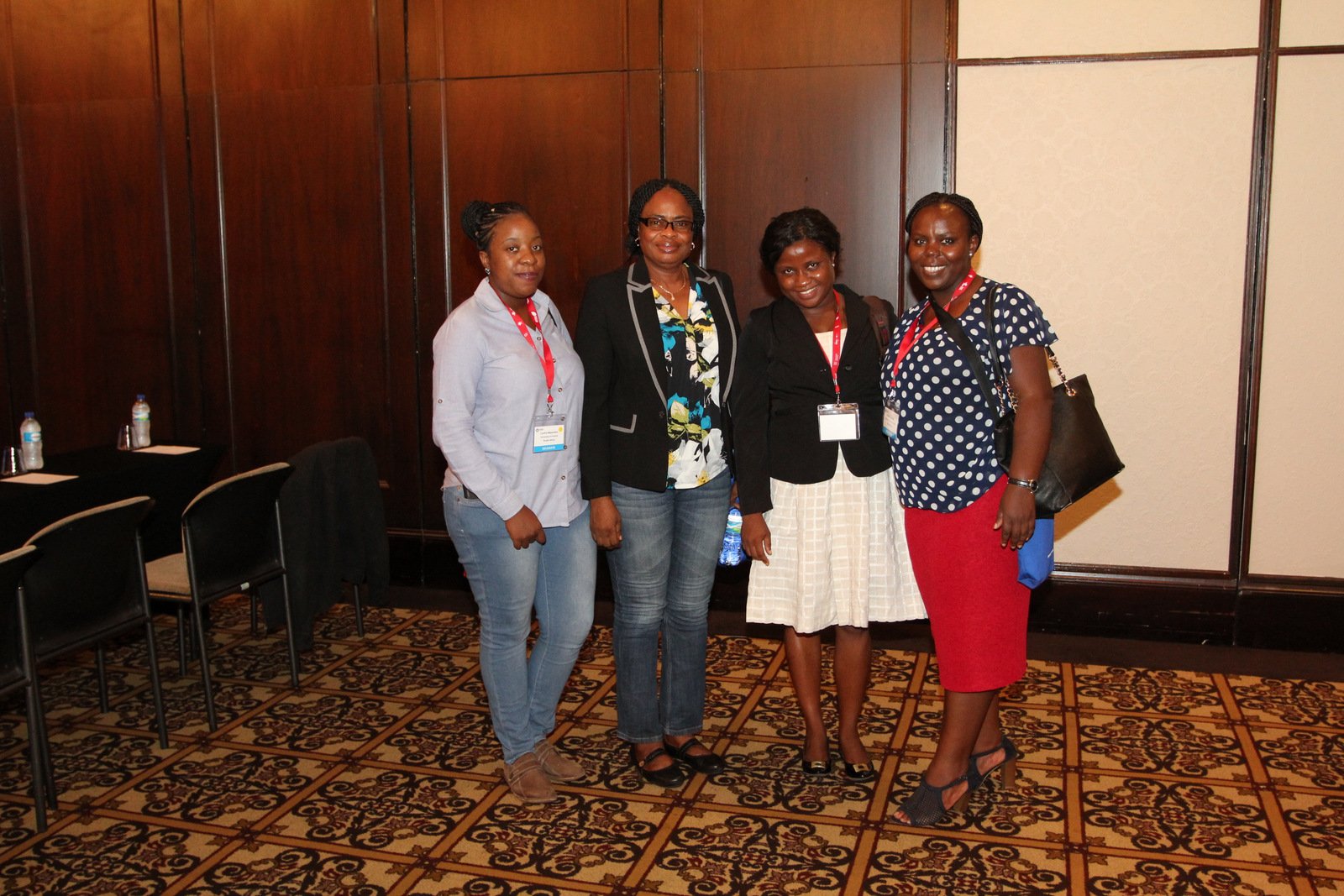
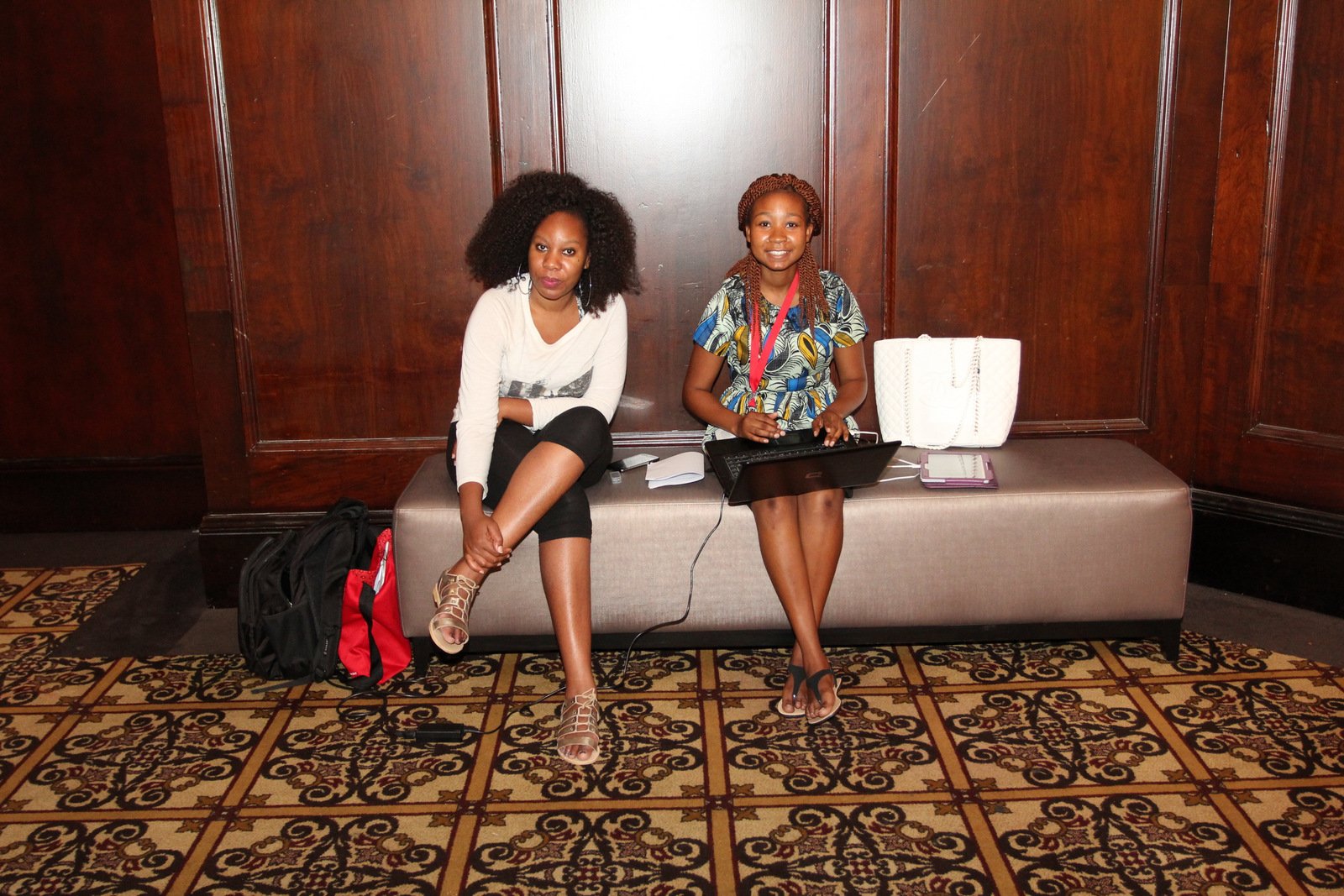
World Sustainability Forum 2017 Cocktail Event, Cape Sun Hotel, Cape Town, South Africa
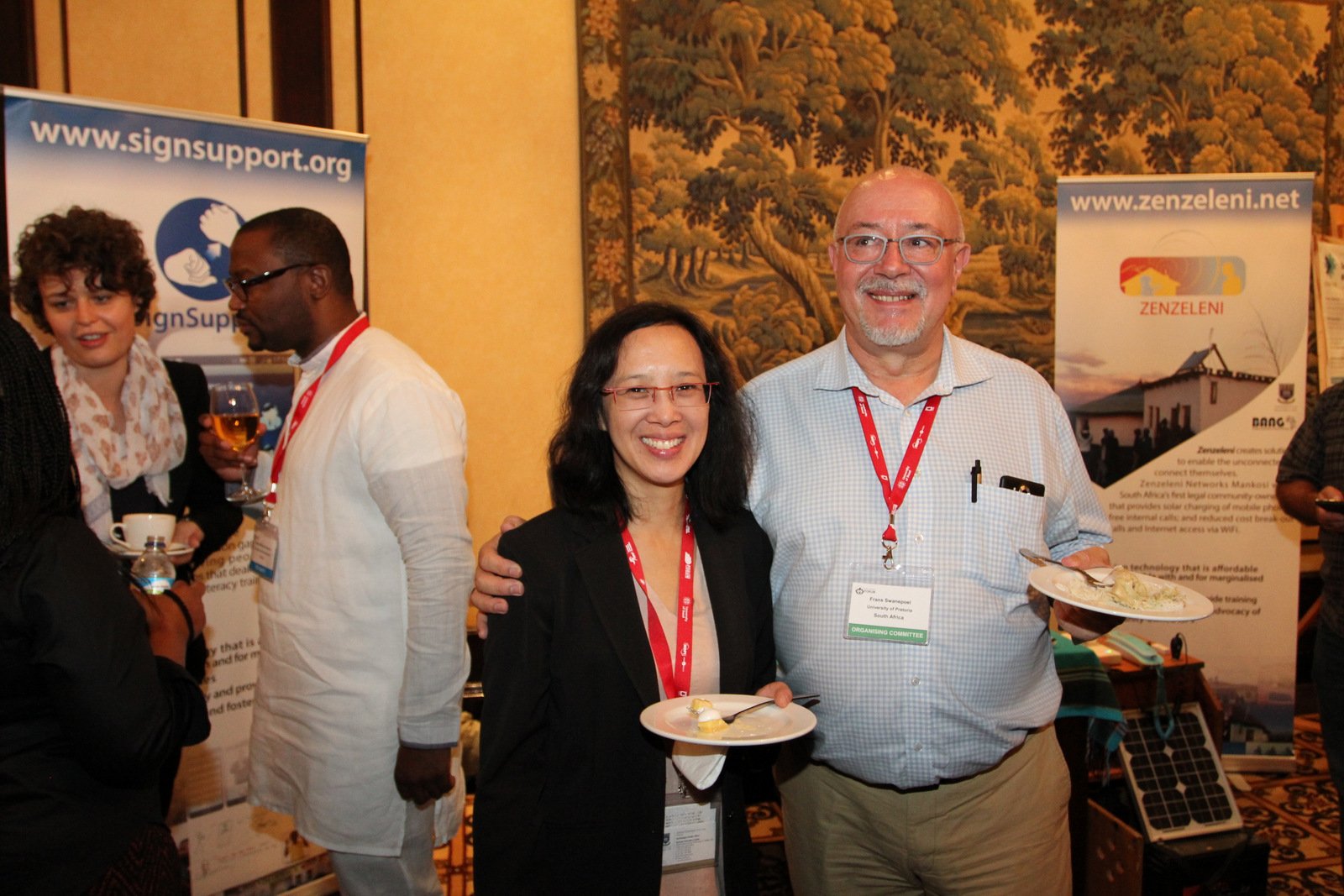
Bongiwe Njobe and Frans Swanepoel at the Cocktail Event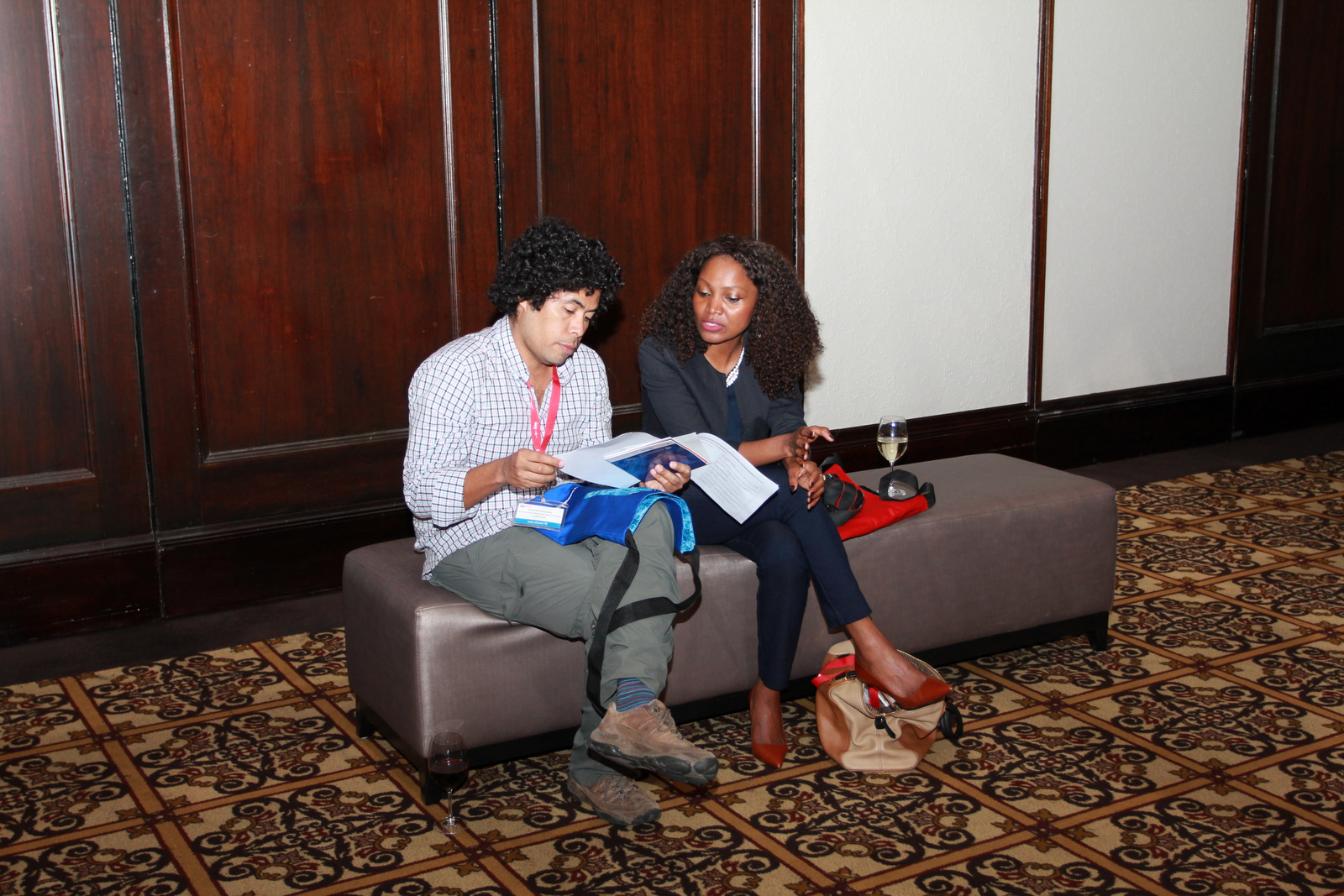
Peace Liz Sasha Musonge and Gabriel Colorado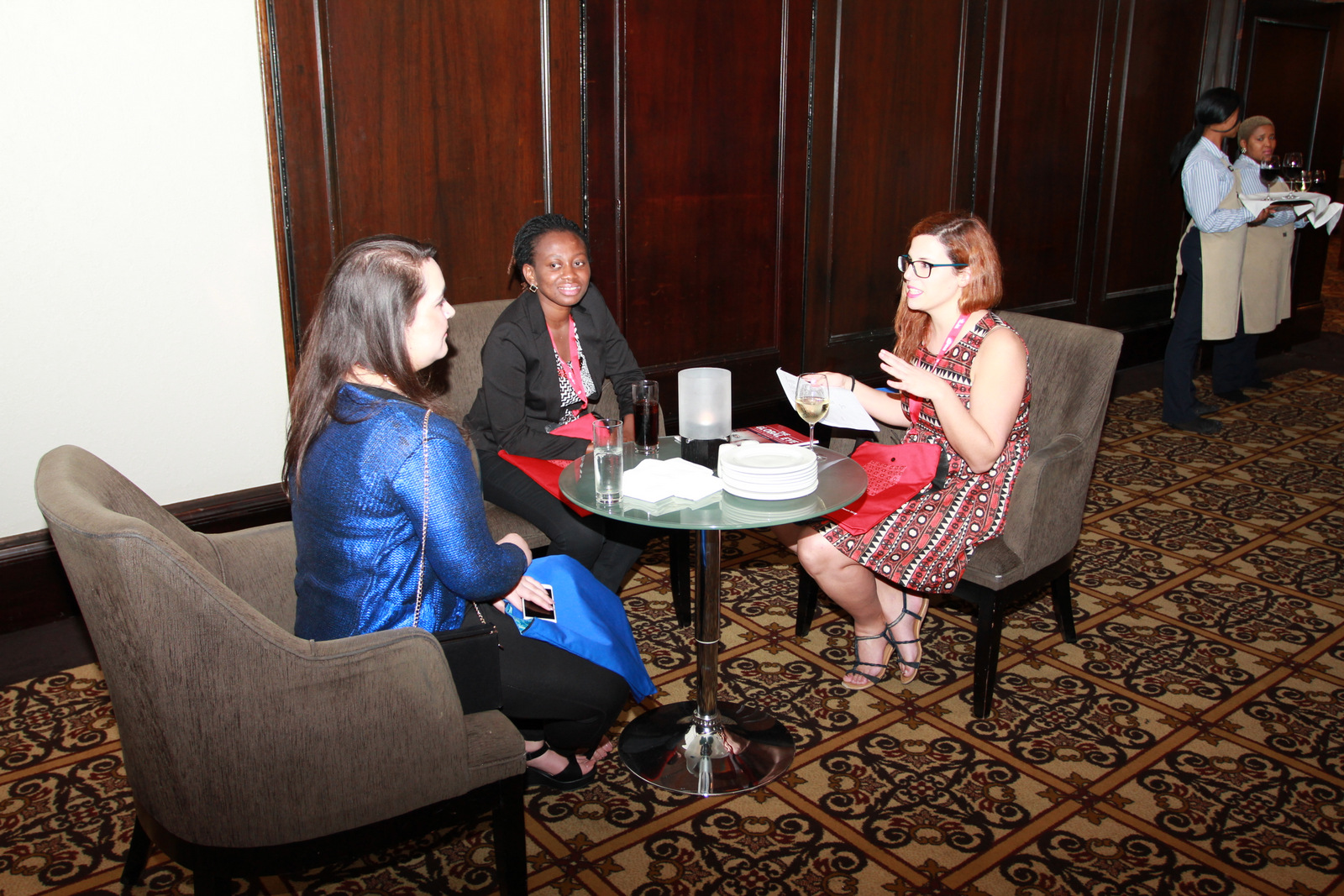
Esther Sanyé-Mengual, Shandara Arbab talking to a colleague
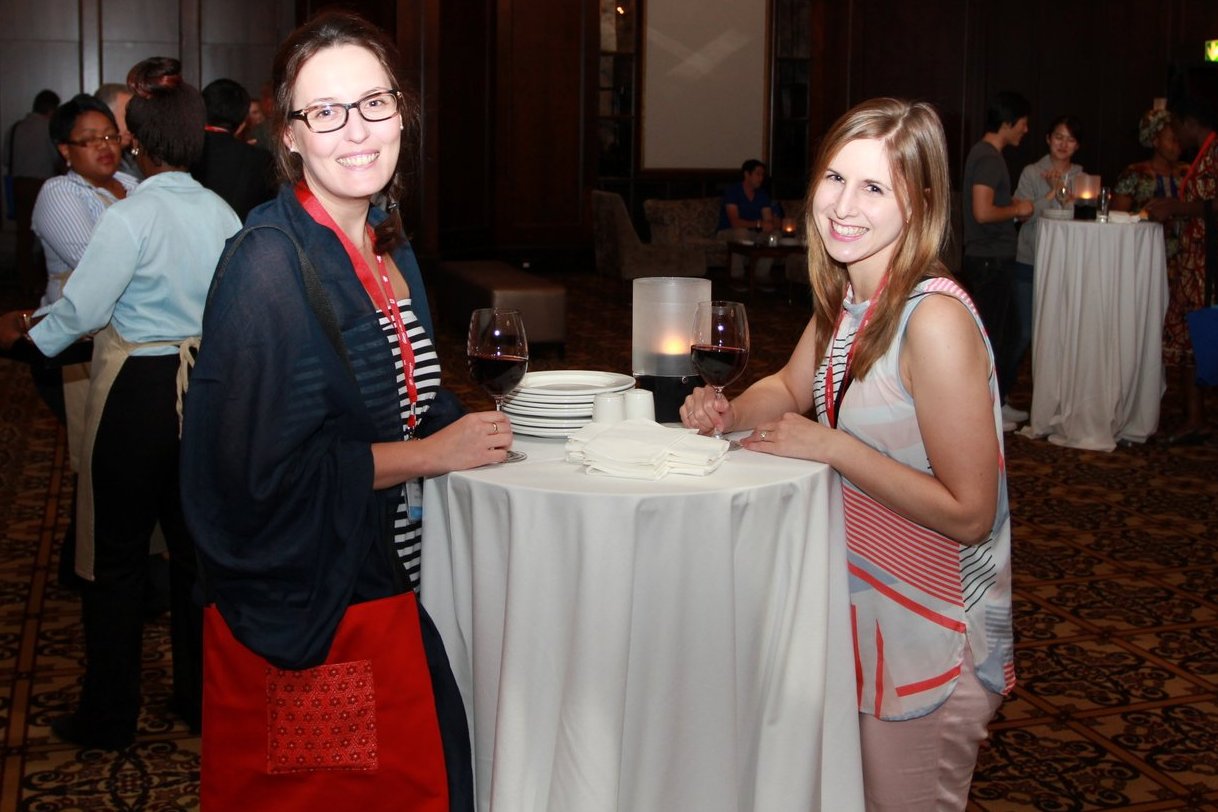
Catherine Le Roux enjoying the event with a colleague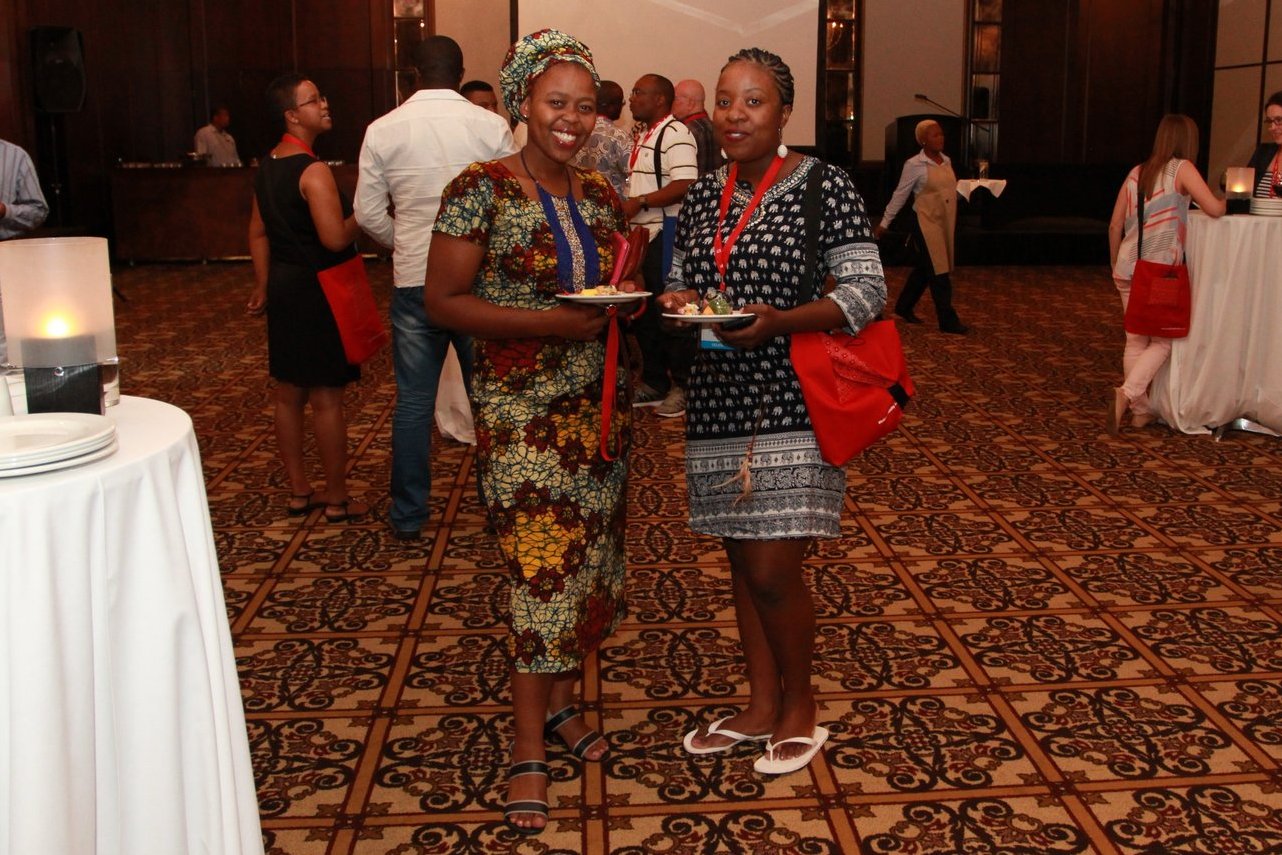
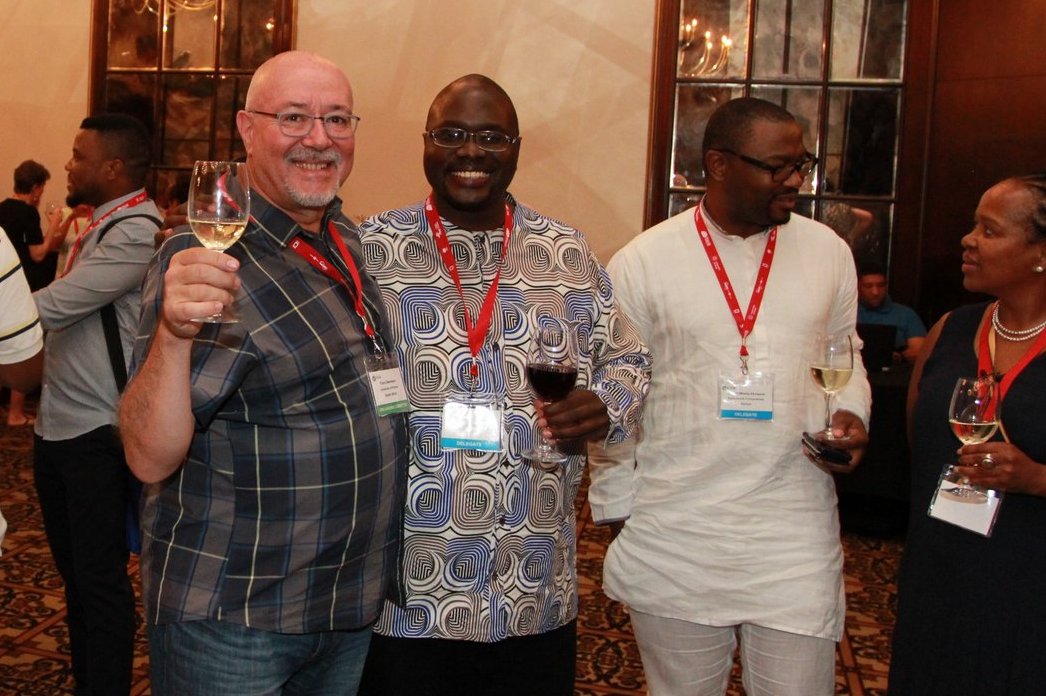
Frans Swanepoel, Christian Acemah, Marcel Mballa-Ekobena and Bongi Njobe 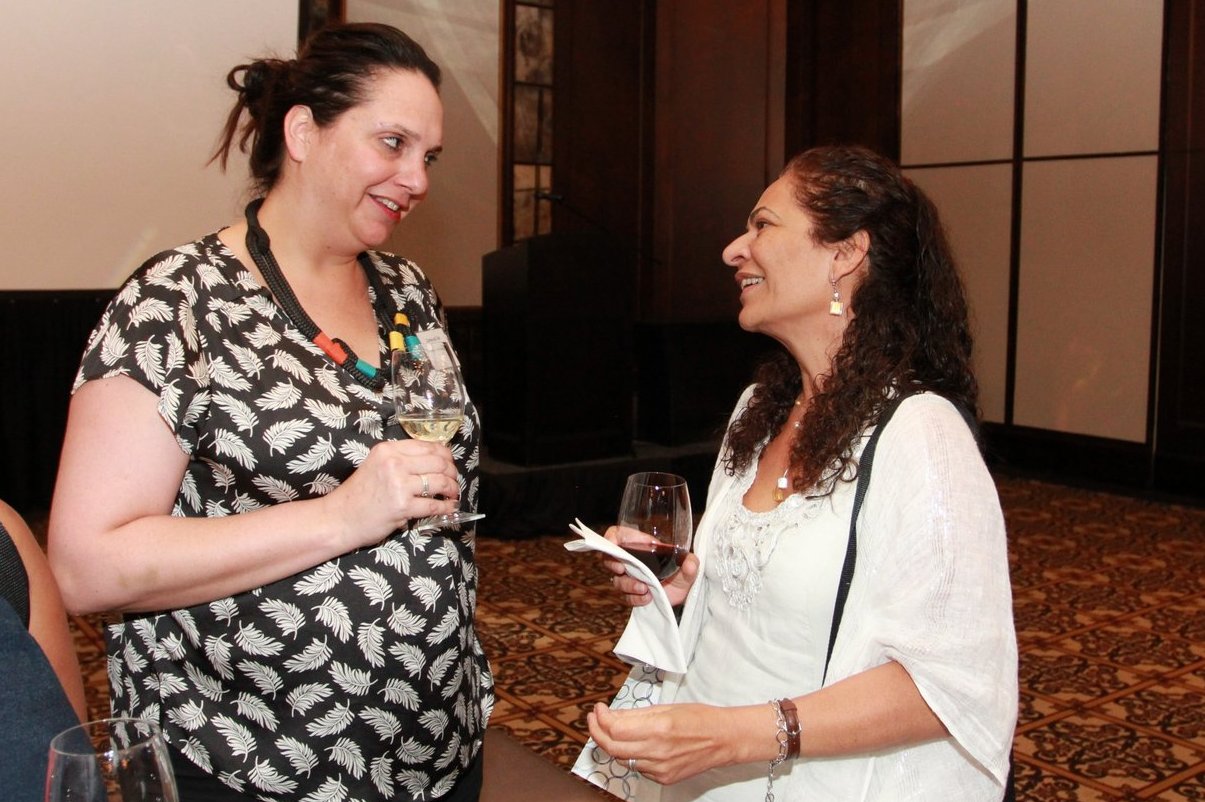
Lidia Brito and Corina du Toit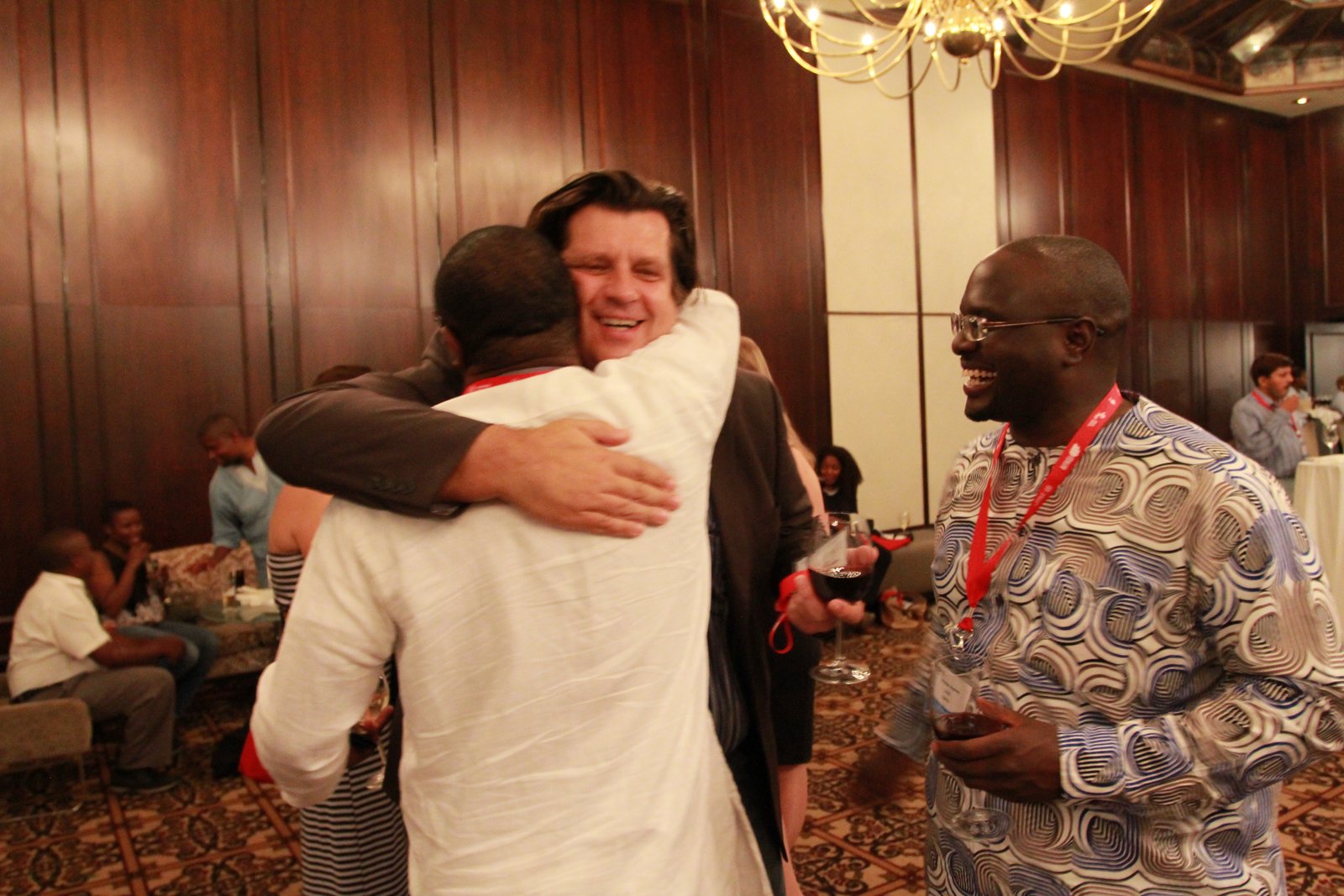
Marcel, Max Bergman and Christian 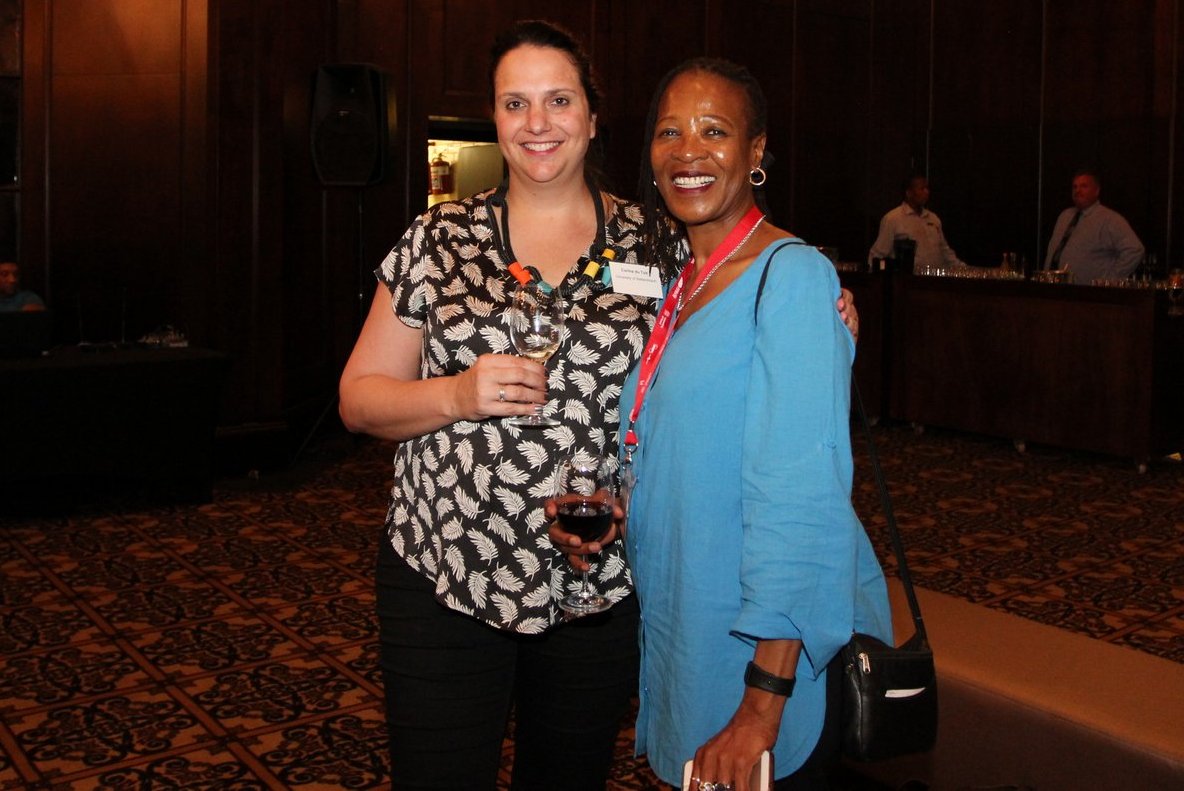
Teboho Moja and Corina du Toit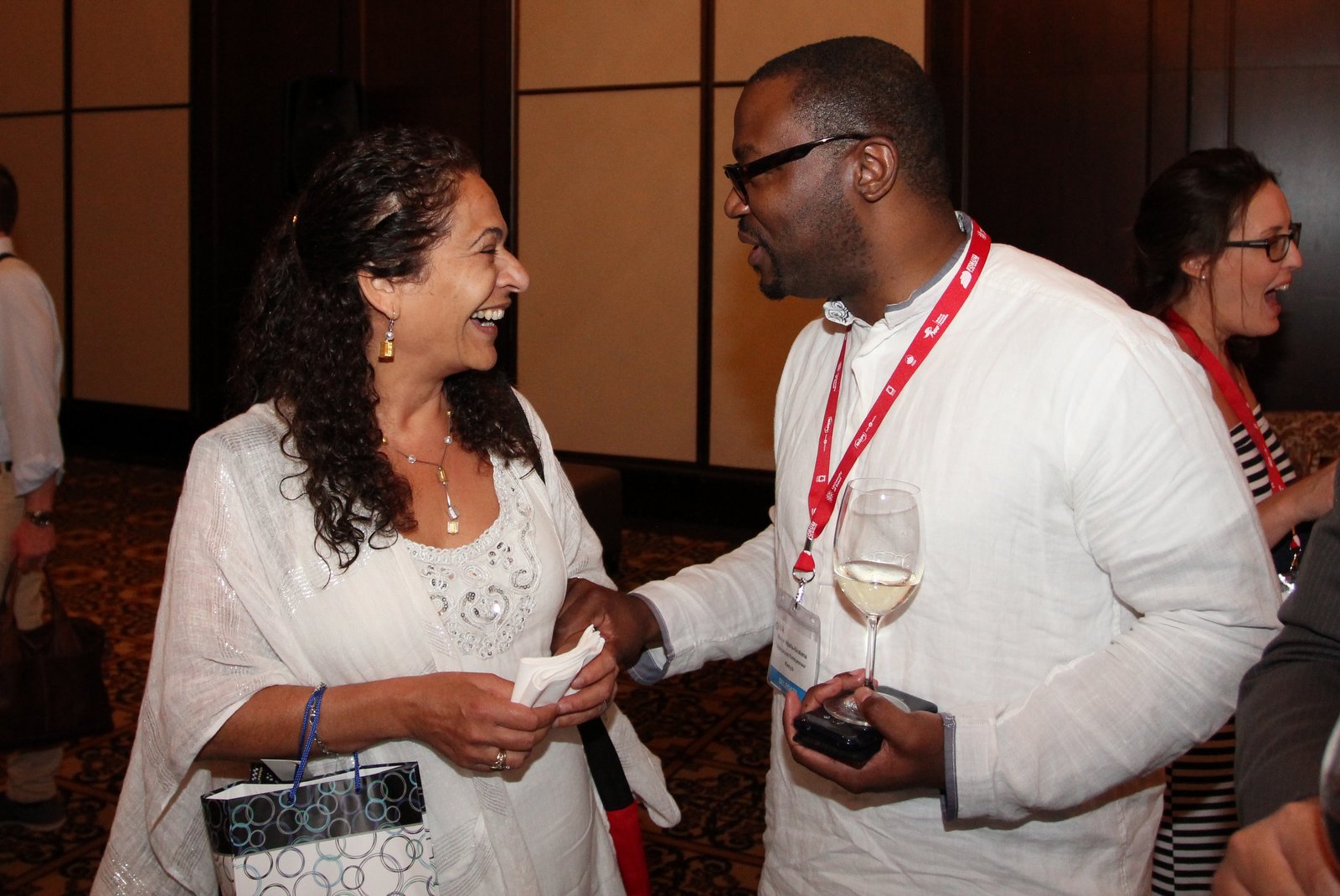
Lidia and Marcel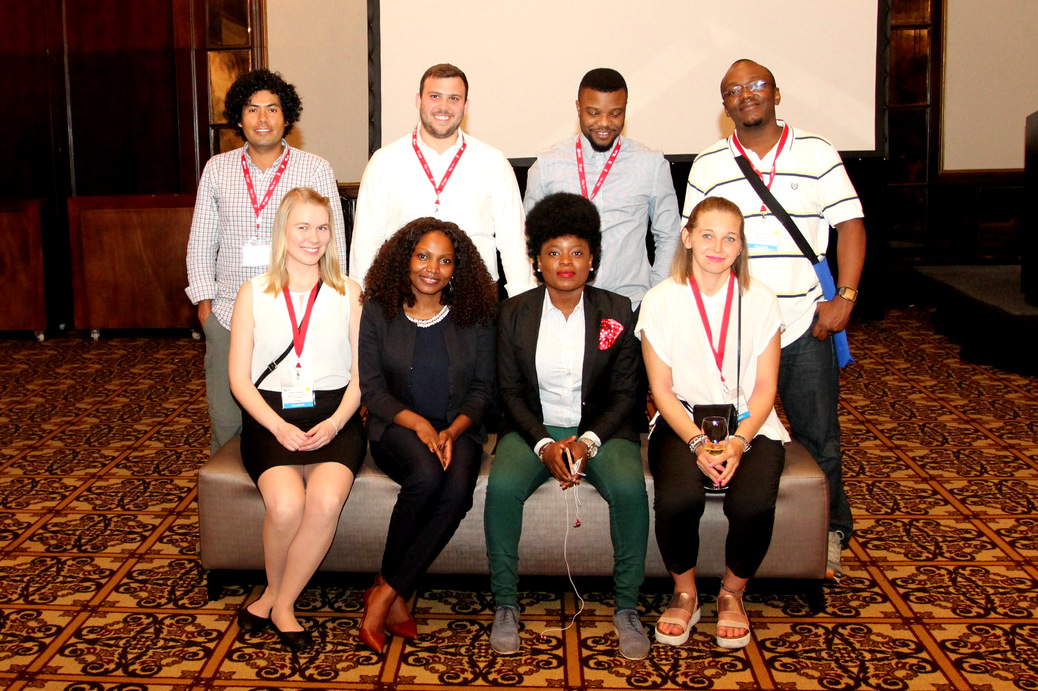
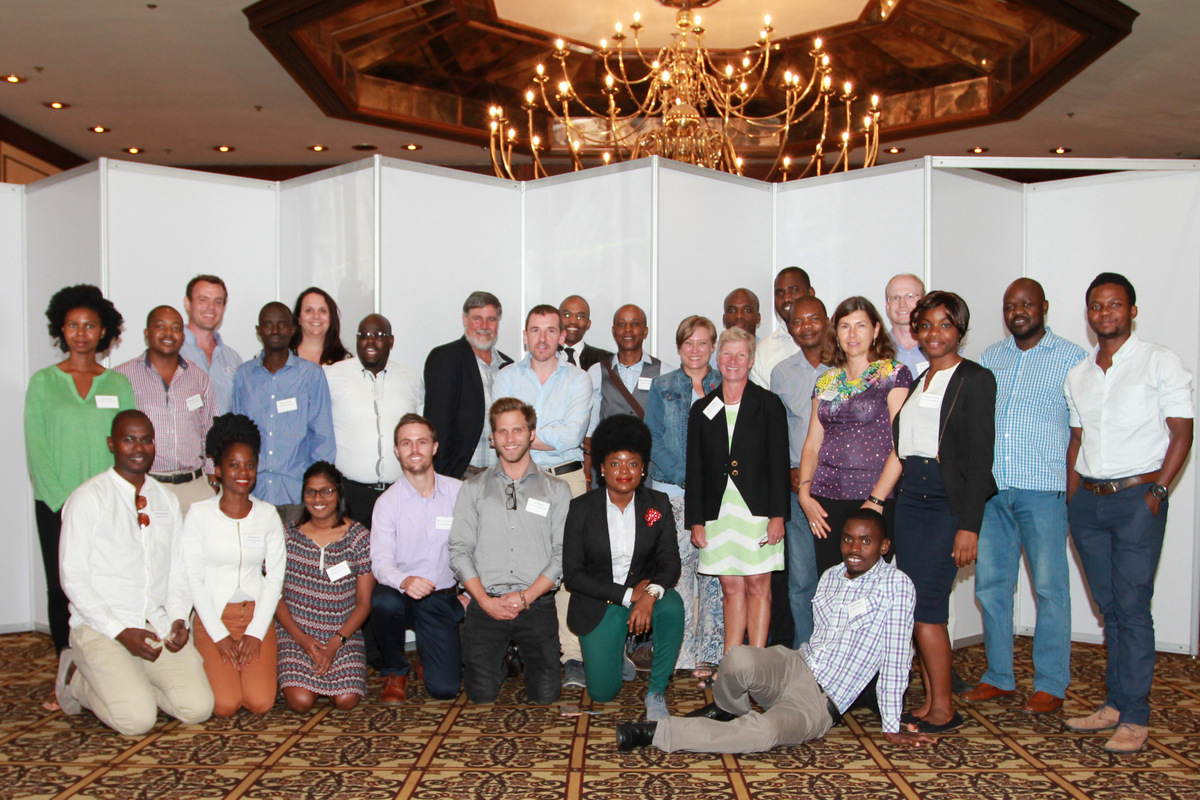
Group Photo with Participants from Colombia, Finland, Nigeria, Germany, Liechtenstein and Belgium
The 6th World Sustainability Forum #WSF2017SA, Day One, 27 January 2017, Cape Town, South Africa
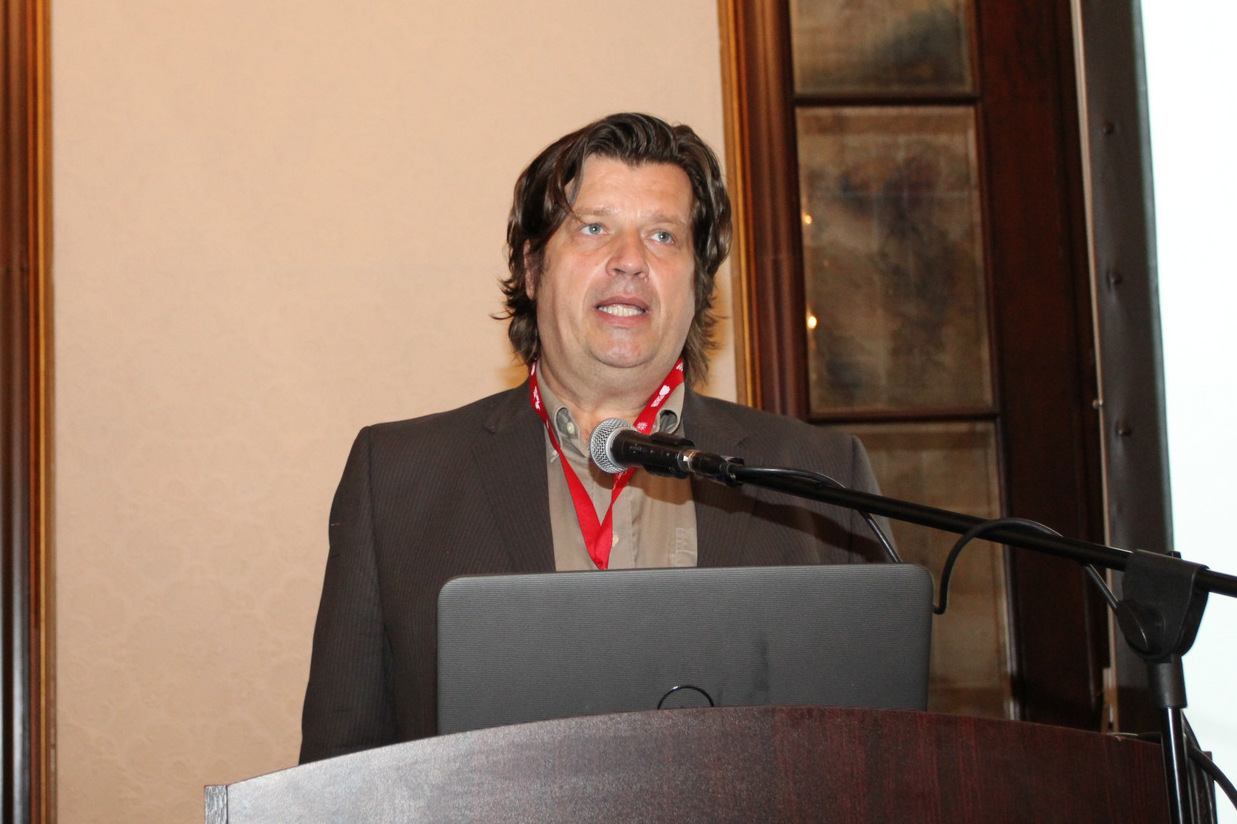
Programme Overview and Introduction of Keynote Speakers by Max Bergman, Social Research and Methodology Group (SRaM), University of Basel, Switzerland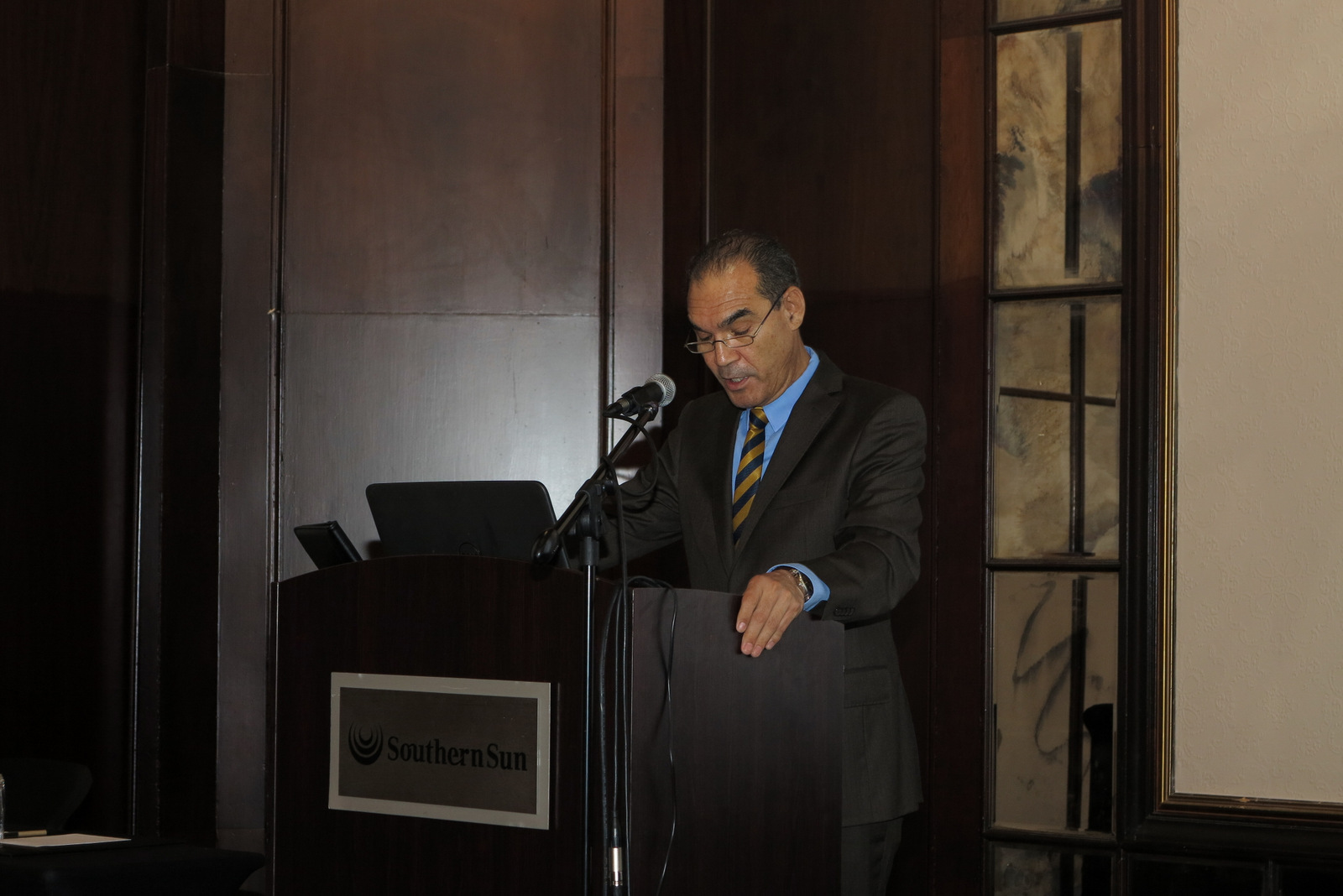
Opening and Welcome by Tyrone Pretorius, Rector and Vice-Chancellor, University of the Western Cape, South Africa
Katrine Claassens with a colleague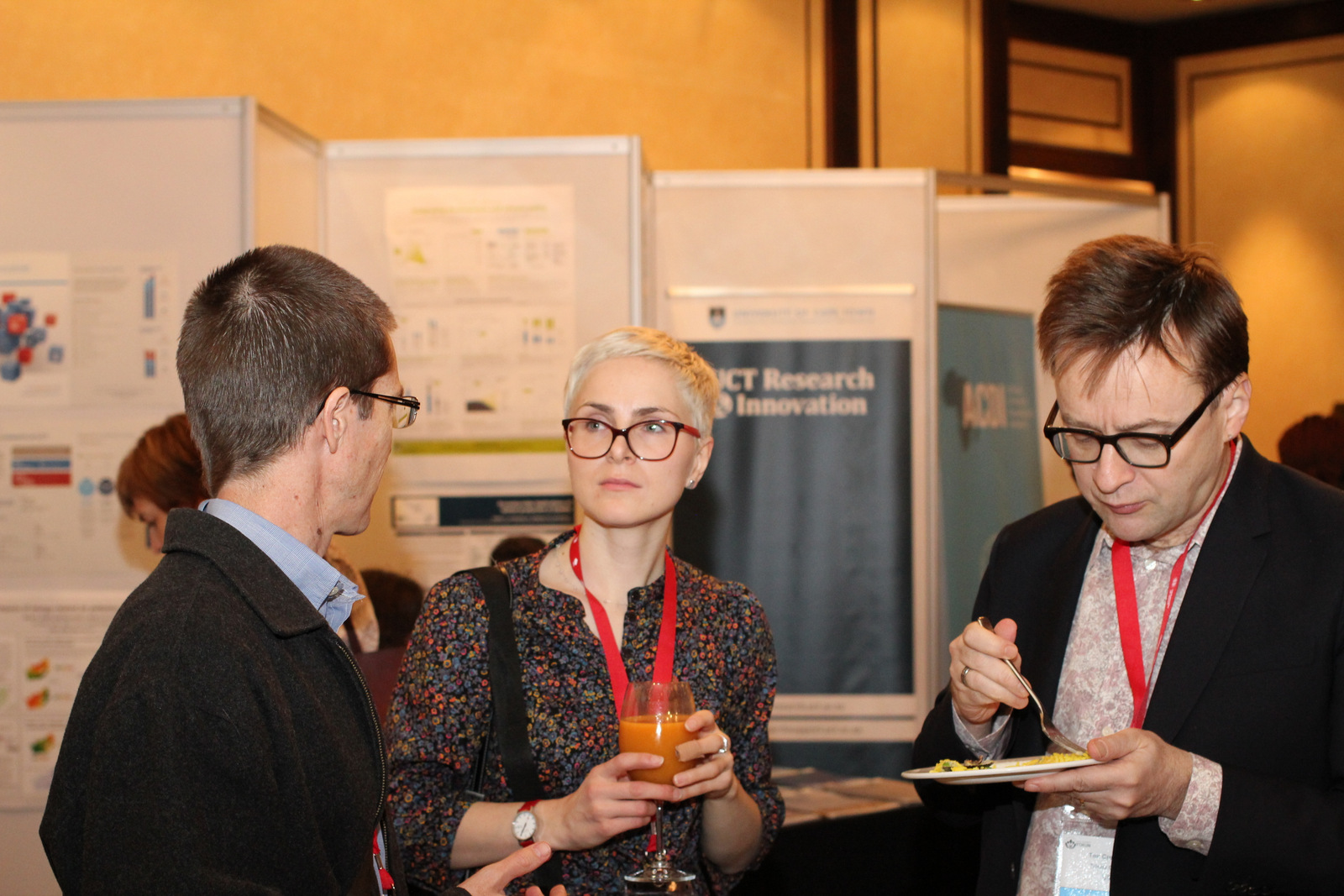
Anna Nikolaeva, Jeremy Wakeford and Tim Cresswell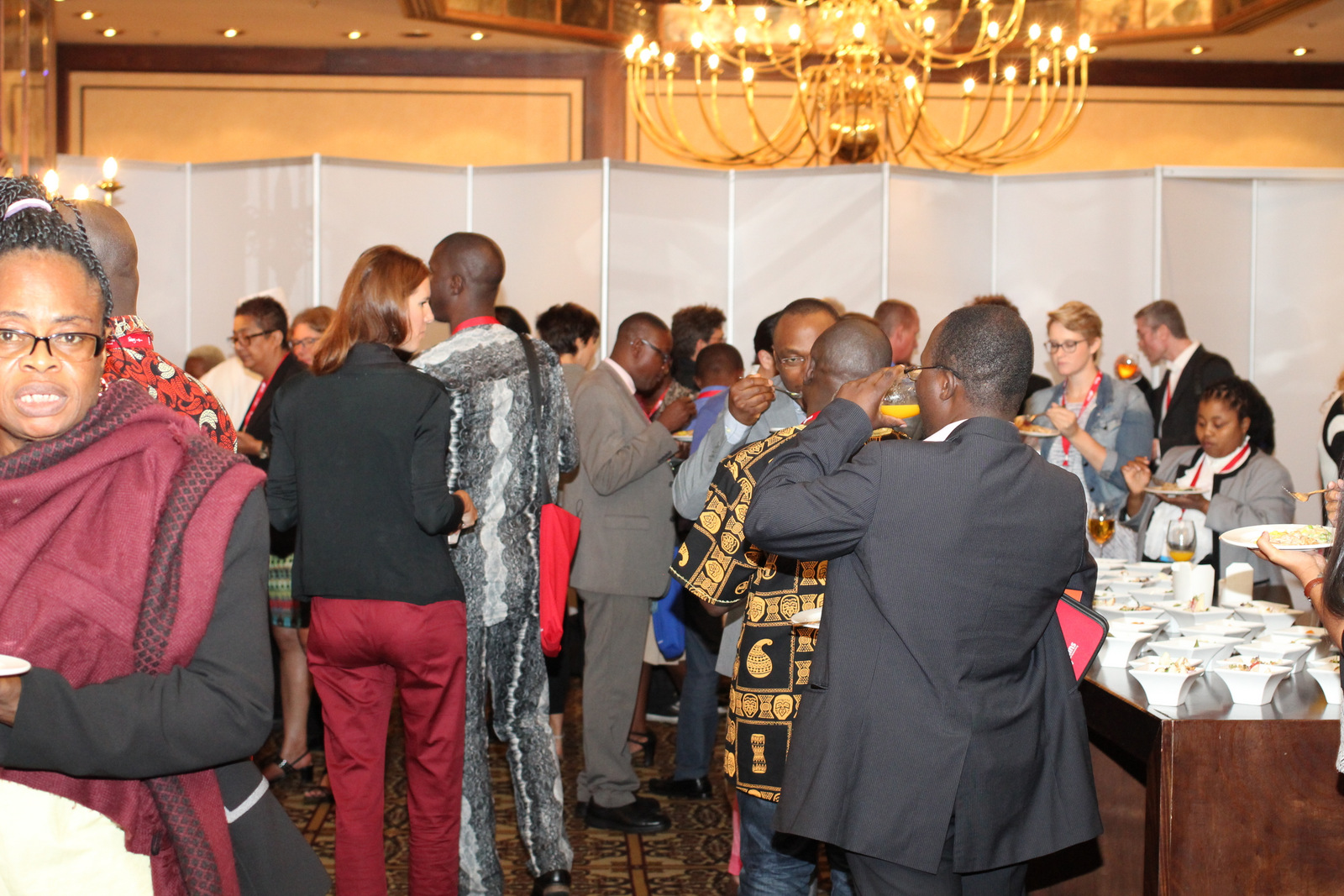
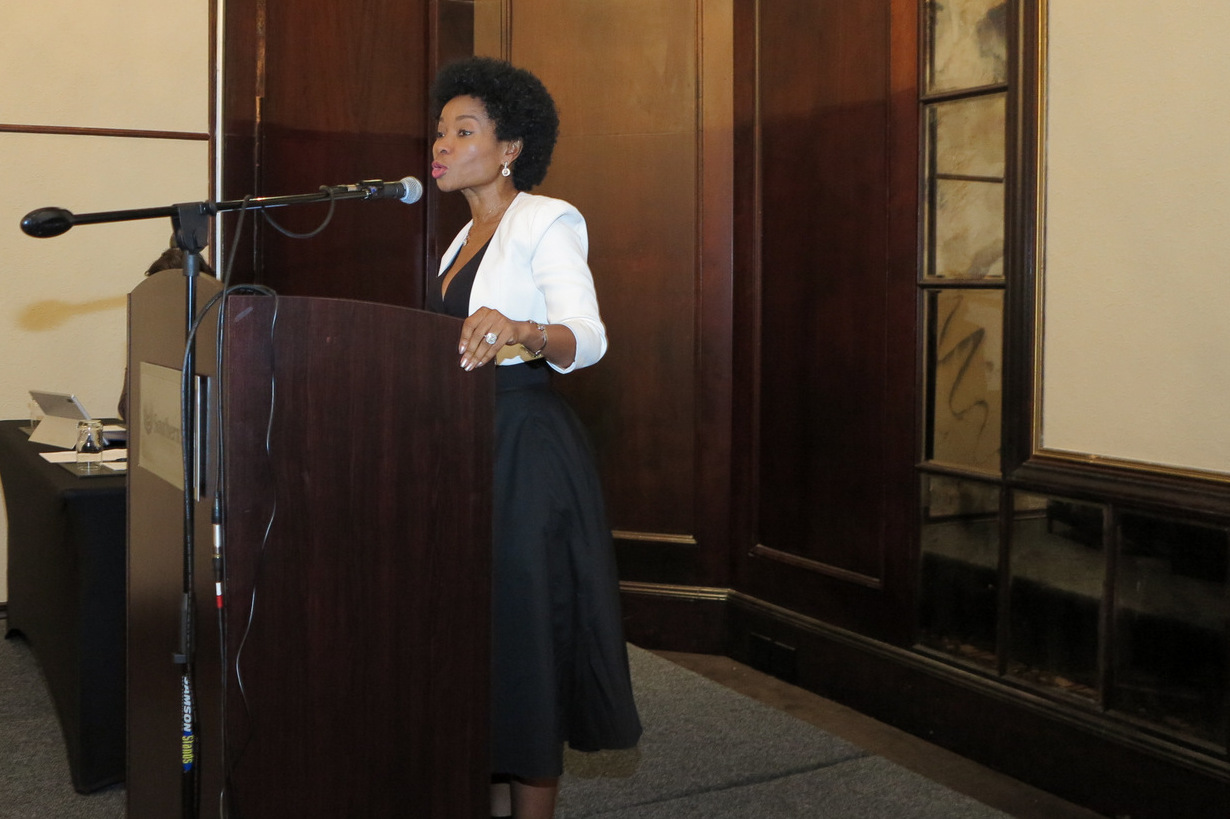
Keynote by Mamokgethi Phakeng, DVC Research and Internationalisation, University of Cape Town, South Africa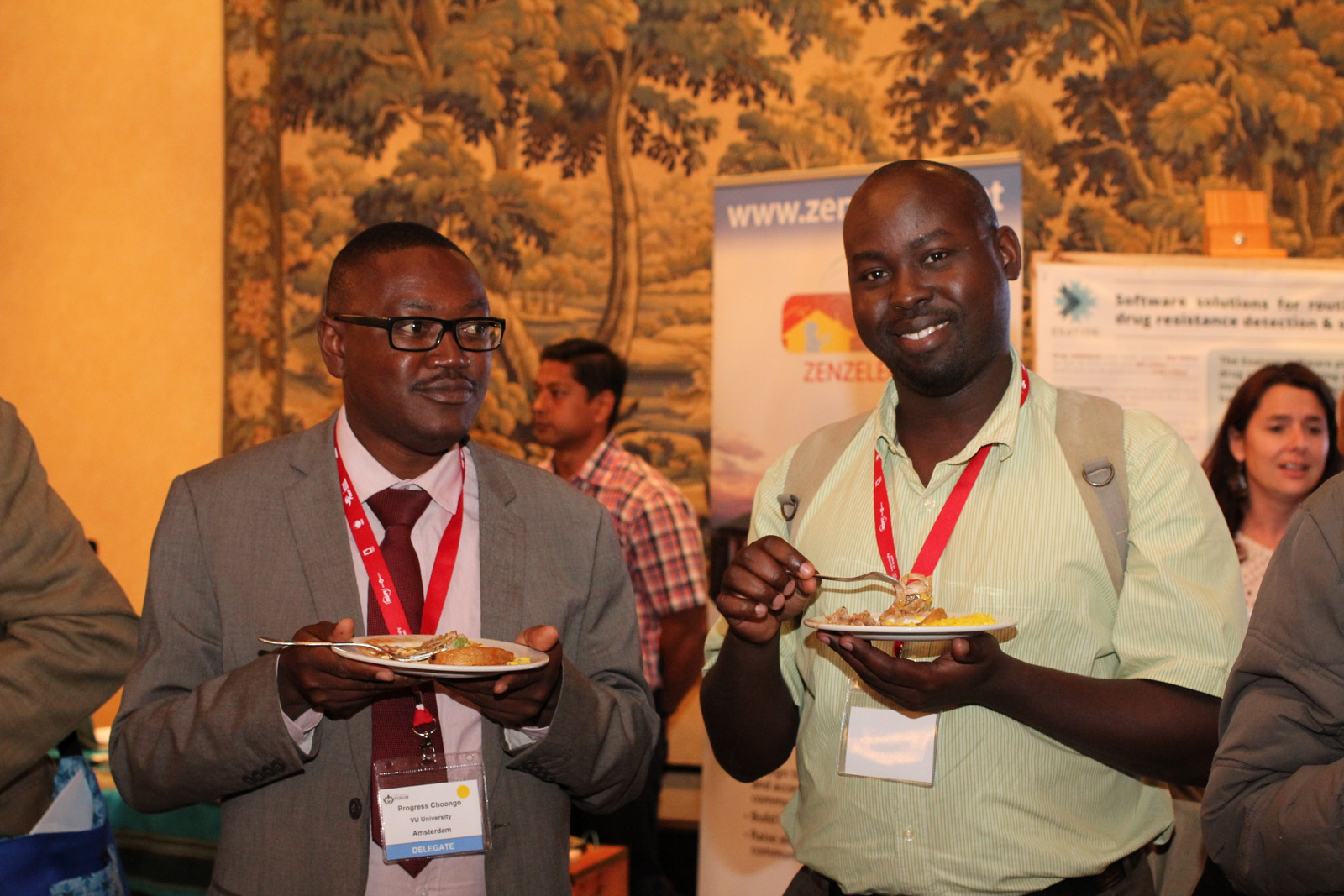
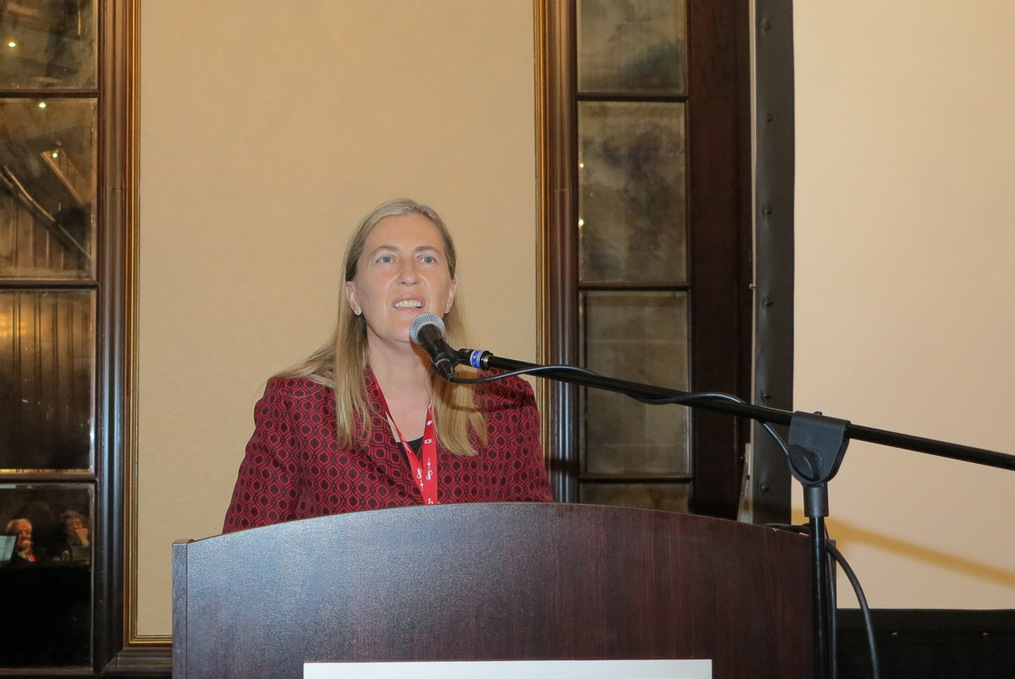
Opening Address by HE Helene Budliger Artieda Ambassador of Switzerland to the Republic of South Africa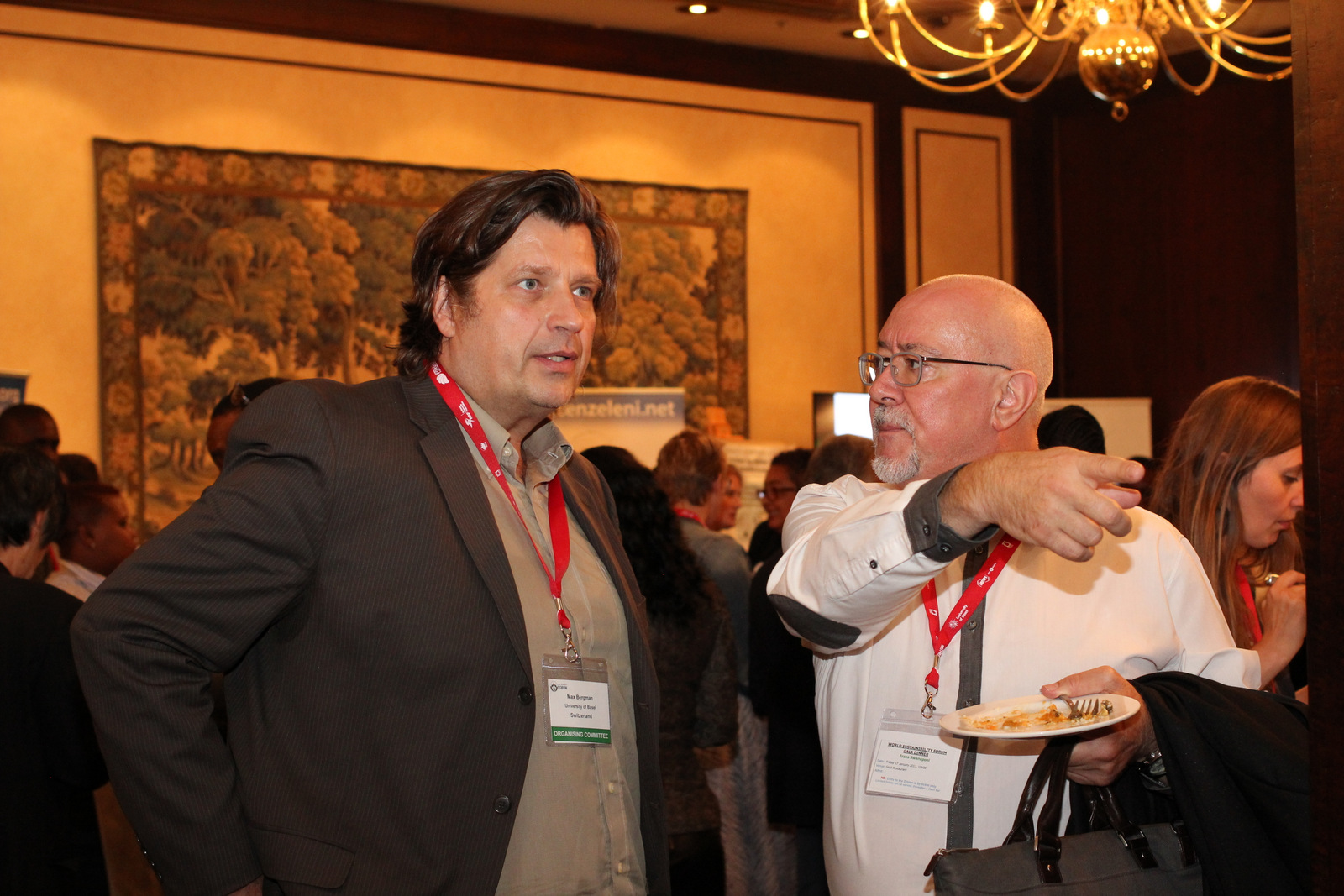
Max Bergman and Frans Swanepoel
Lidia Brito,Director of the Division of Science Policy and Sustainable Development of UNESCO, Latin American and The Caribbean, Uruguay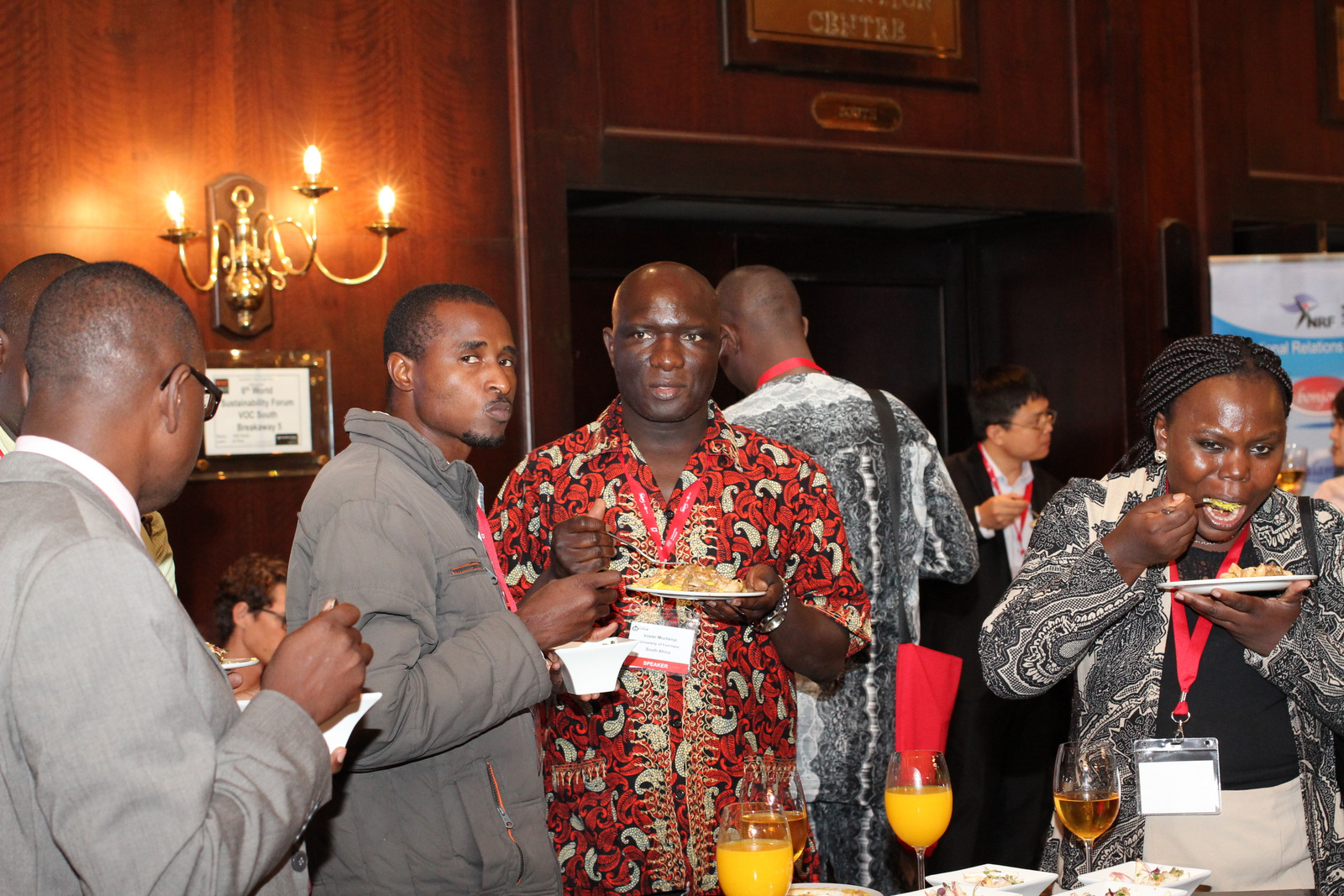
Shola Ololade and Voster Muchjene with delegates
Adenike Akinsemolu and Olukoya Obafemi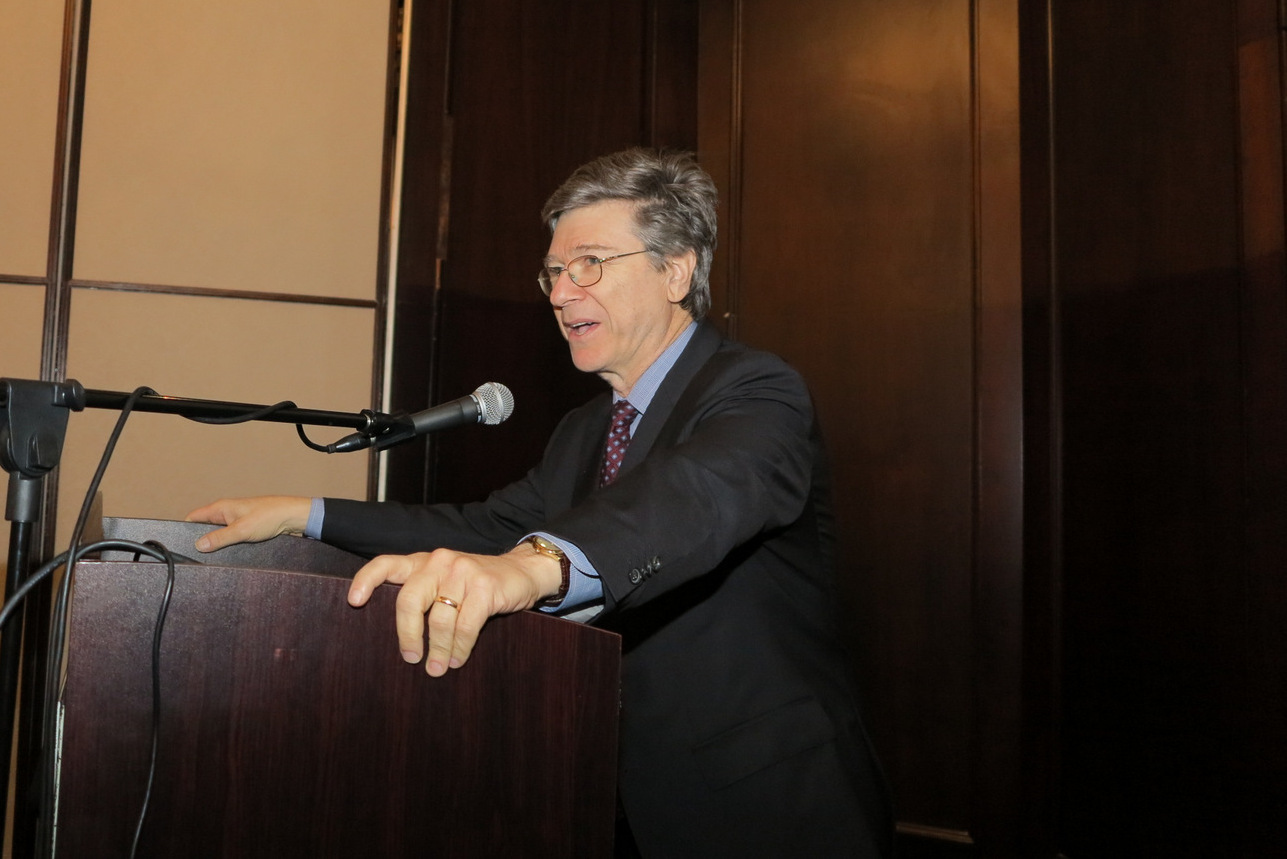
Jeffrey D. Sachs, Director of The Earth Institute, Quetelet Professor of Sustainable Development, and Professor of Health Policy and Management, Columbia University, USA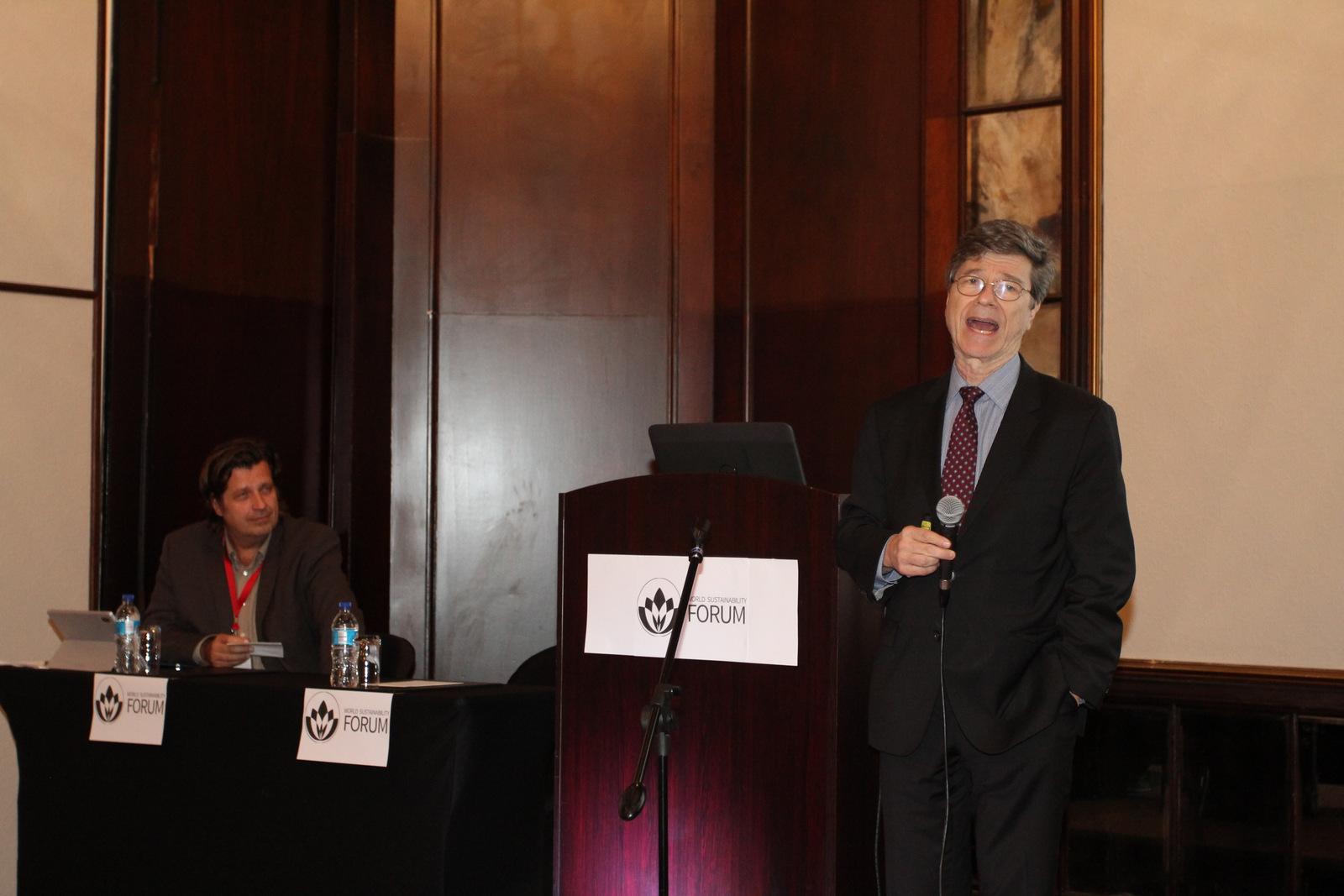
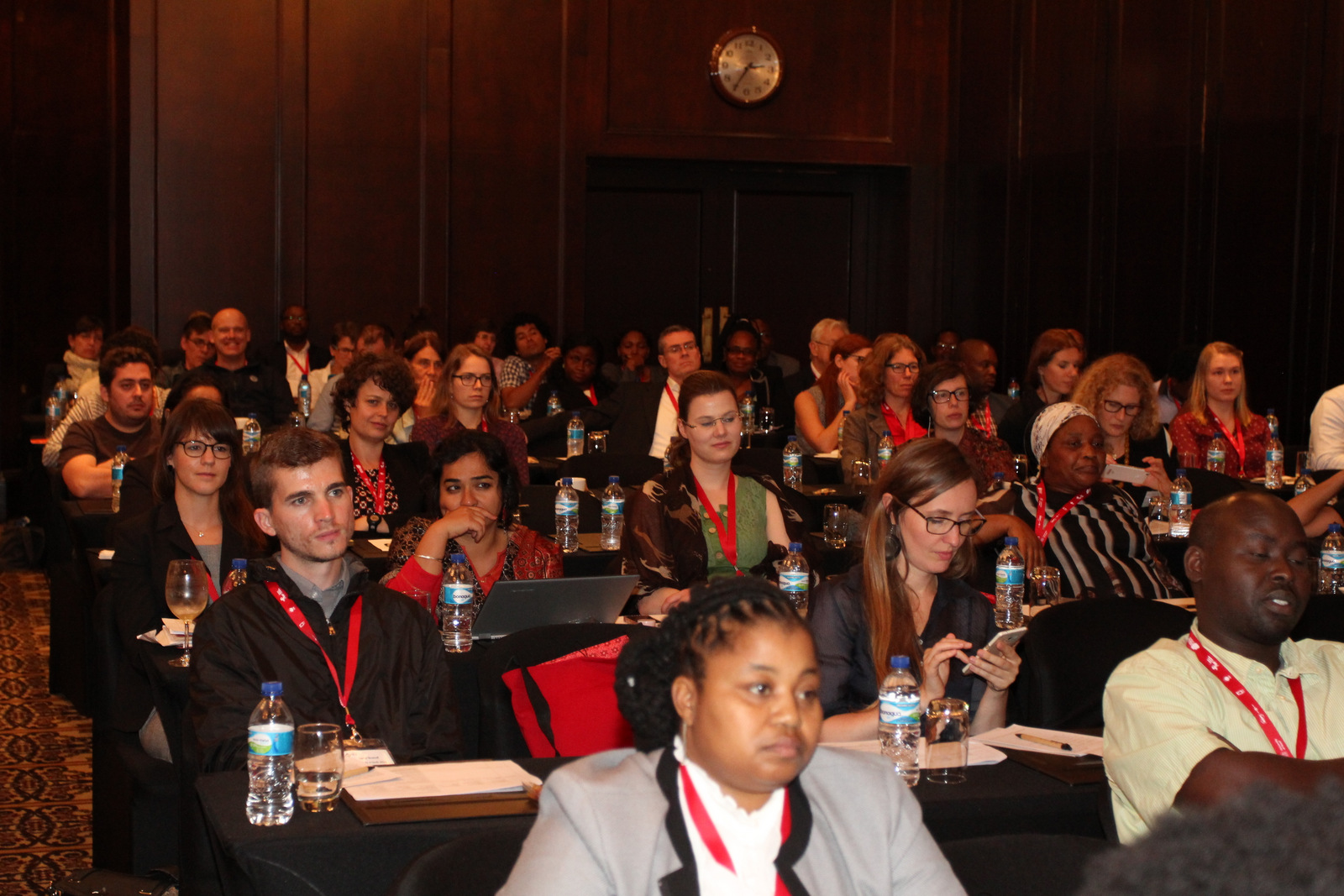
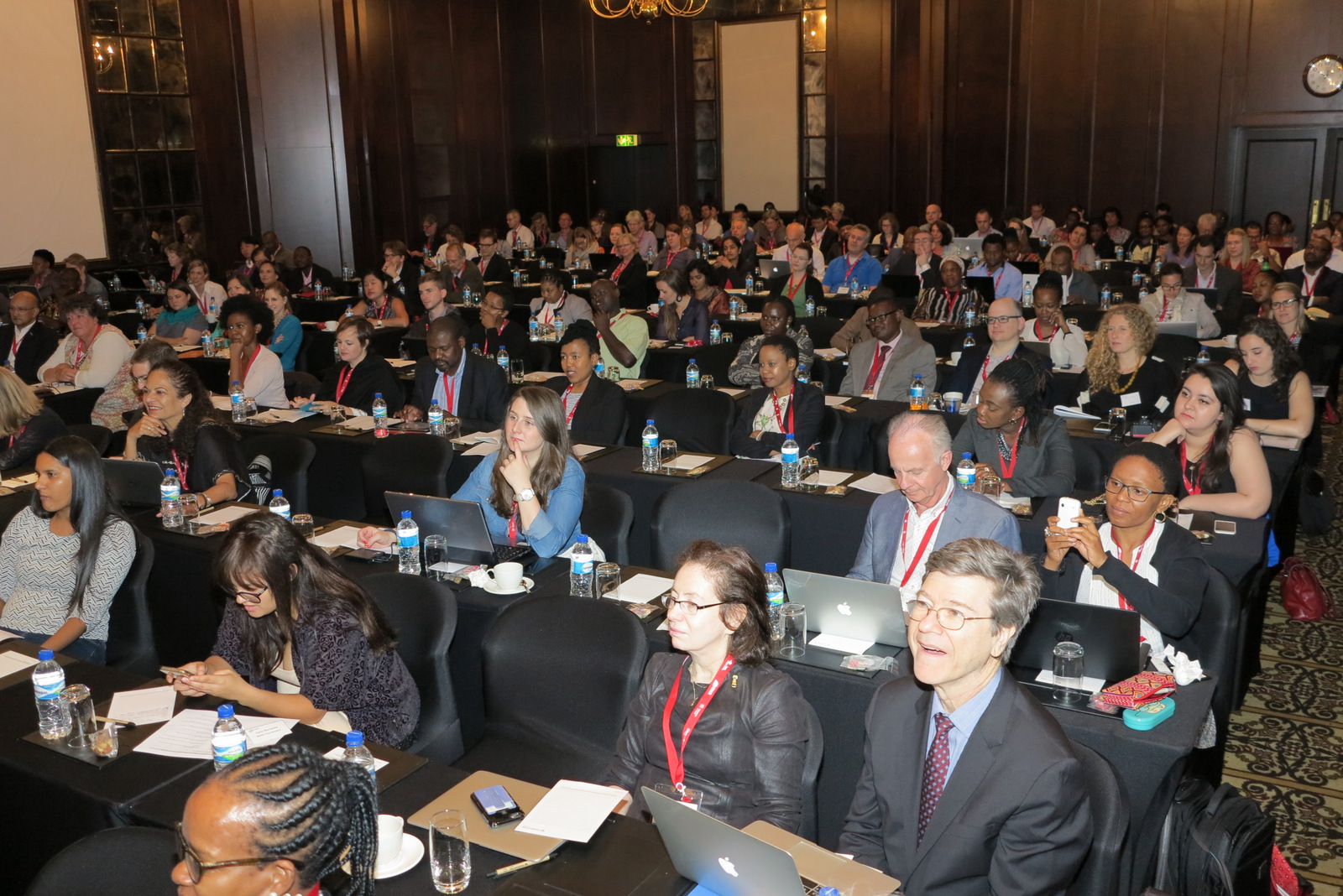
A full plenary during Jeffrey Sach's talk at #WSF2017SA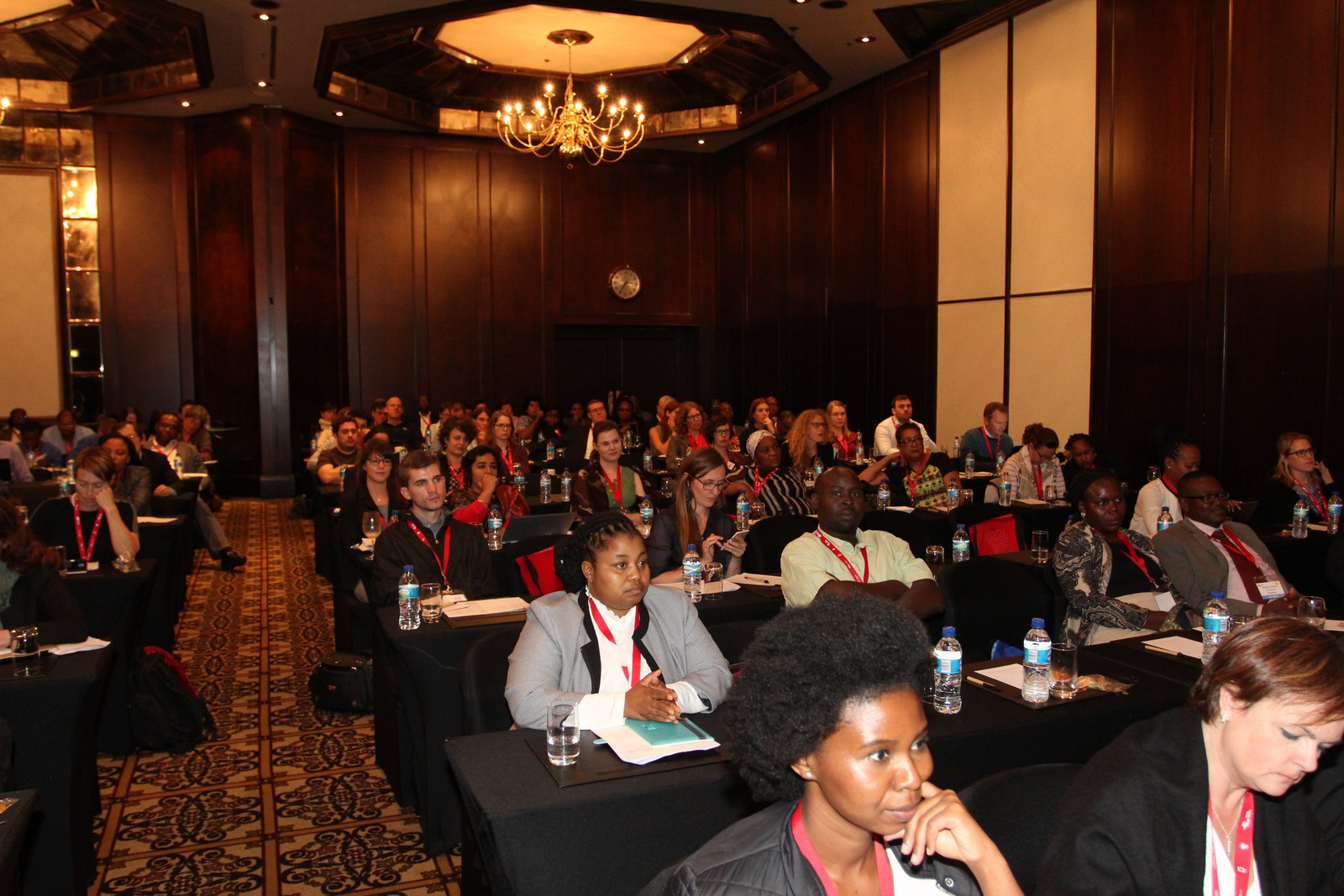
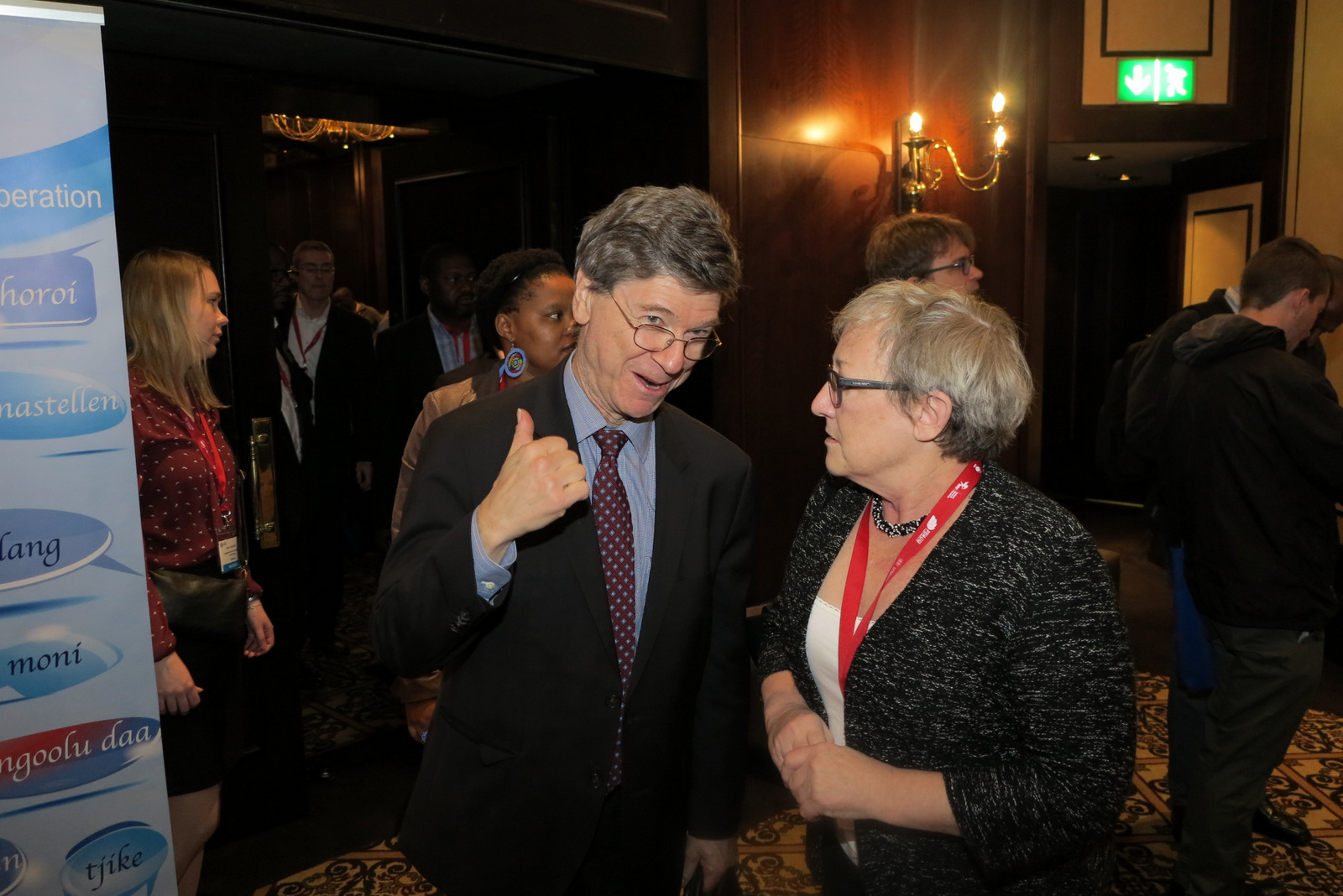
Sally Stansfield and Jeffrey Sachs
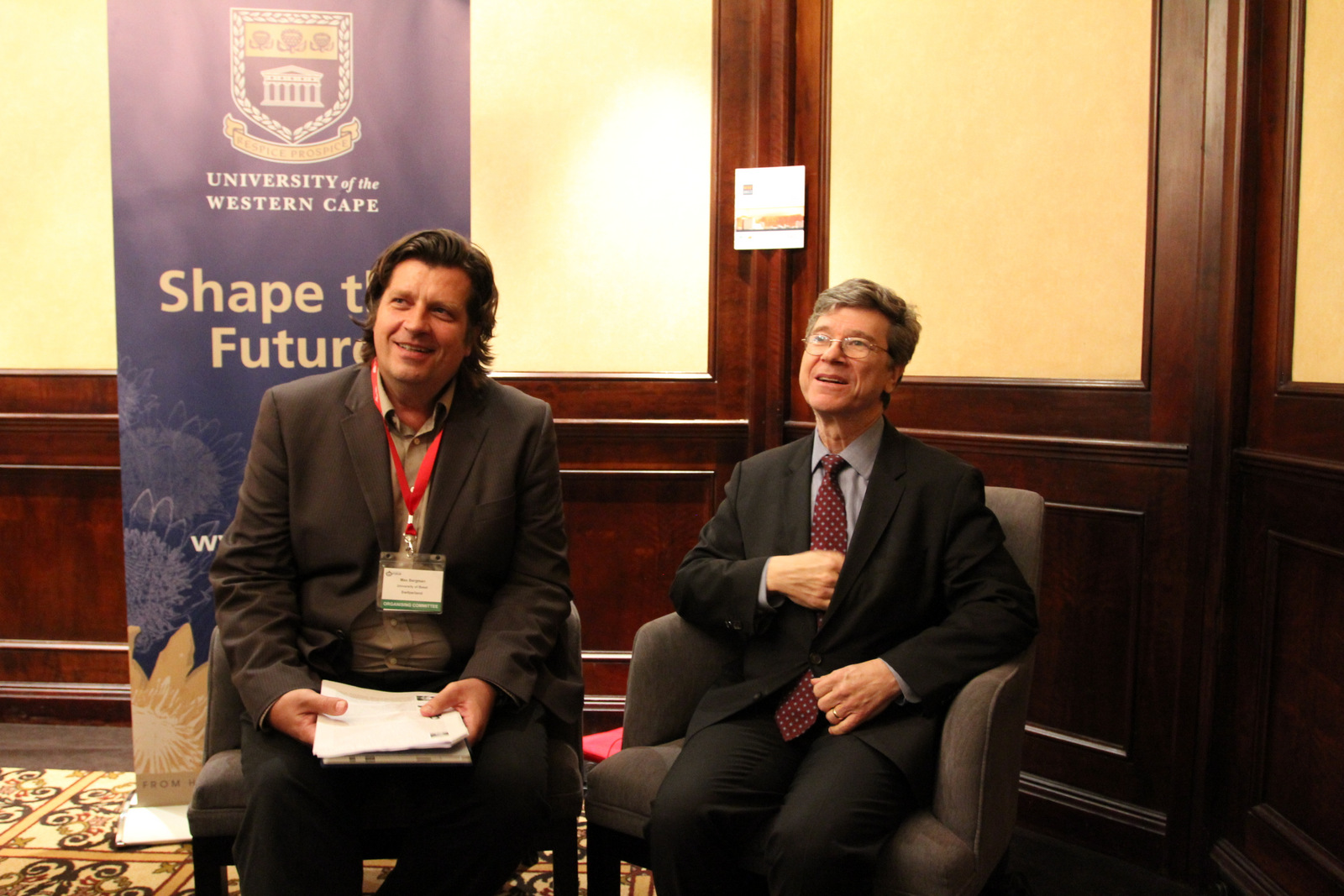
Jeffrey Sachs and Max Bergman during the Q&A session 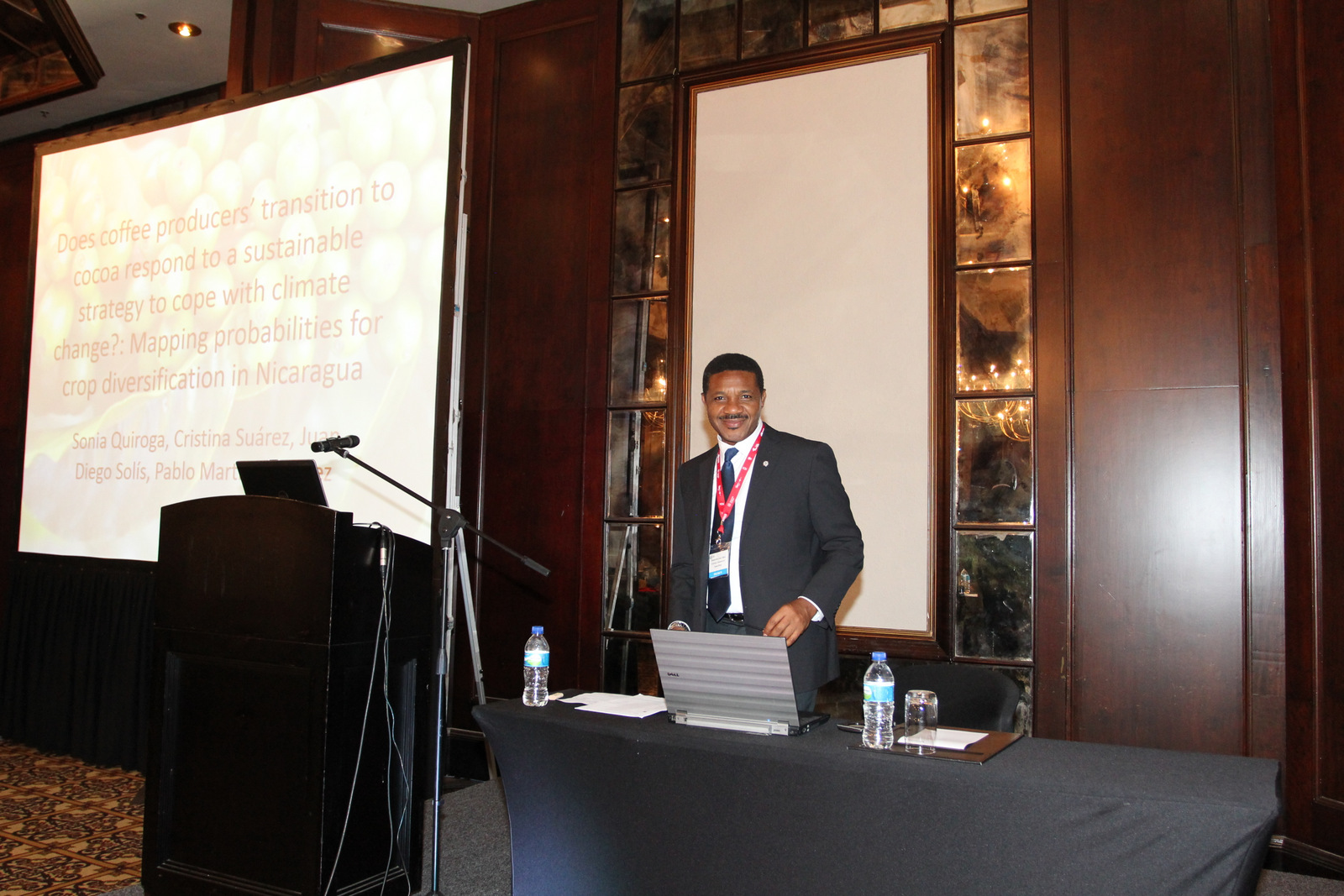
Linus Opara,South African Research Chair in Postharvest Technology, Stellenbosch University, South Africa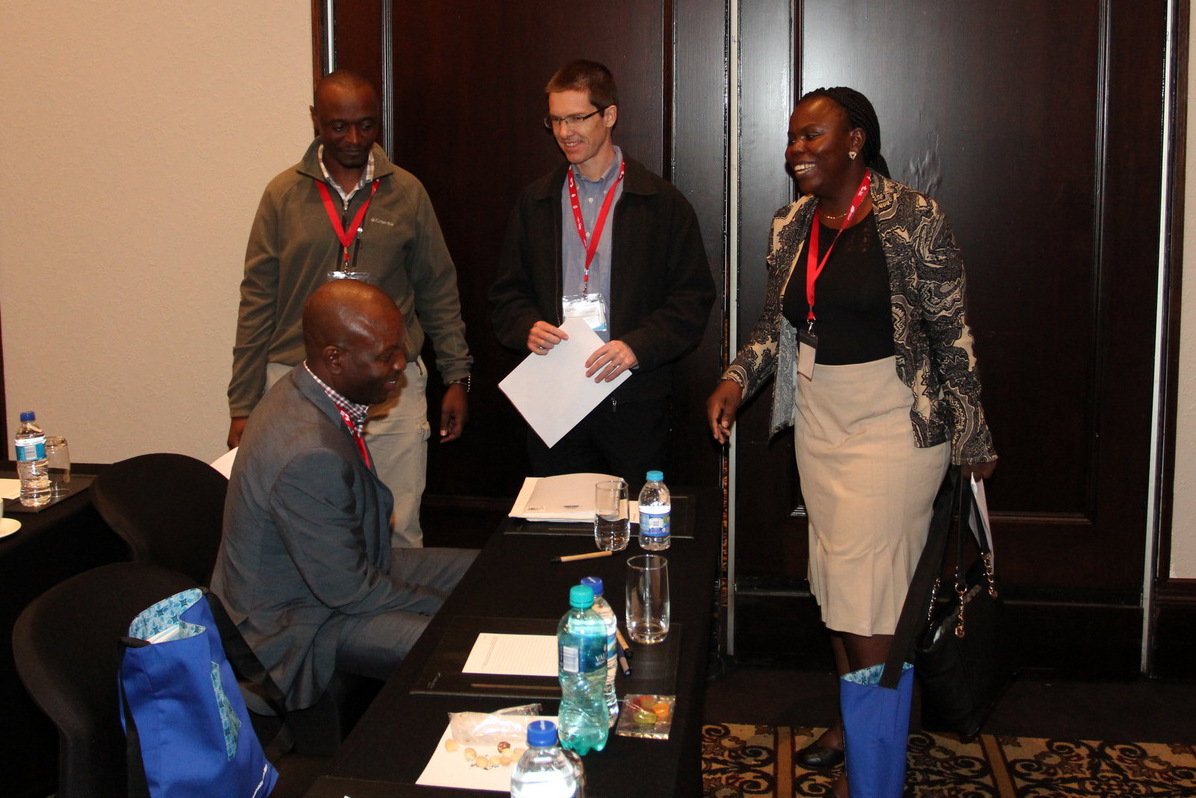
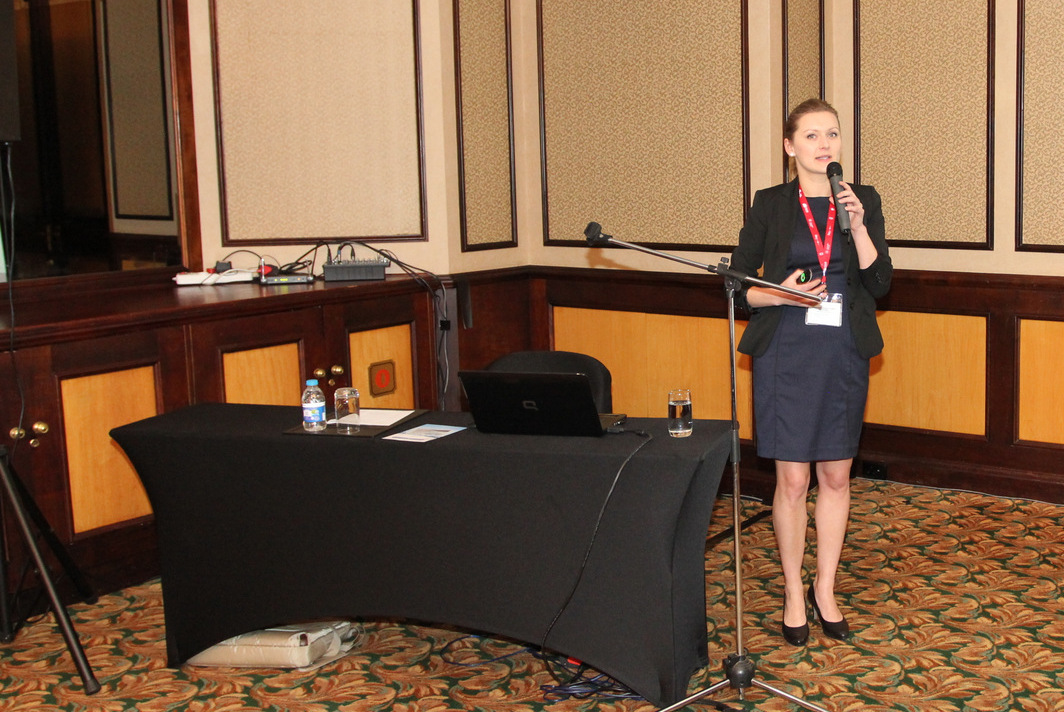
Dorothea Schostok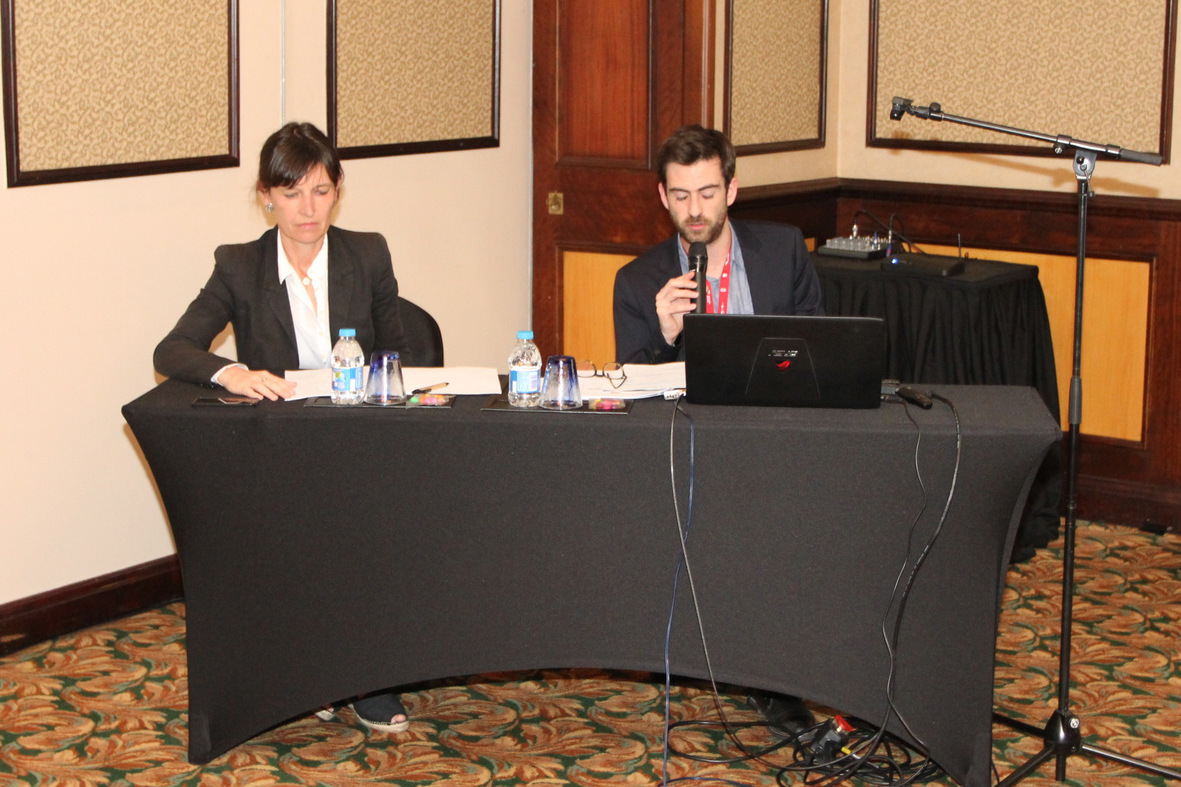
Sylvie Landrieve and colleague from IRE SNCF - Forum Vies Mobiles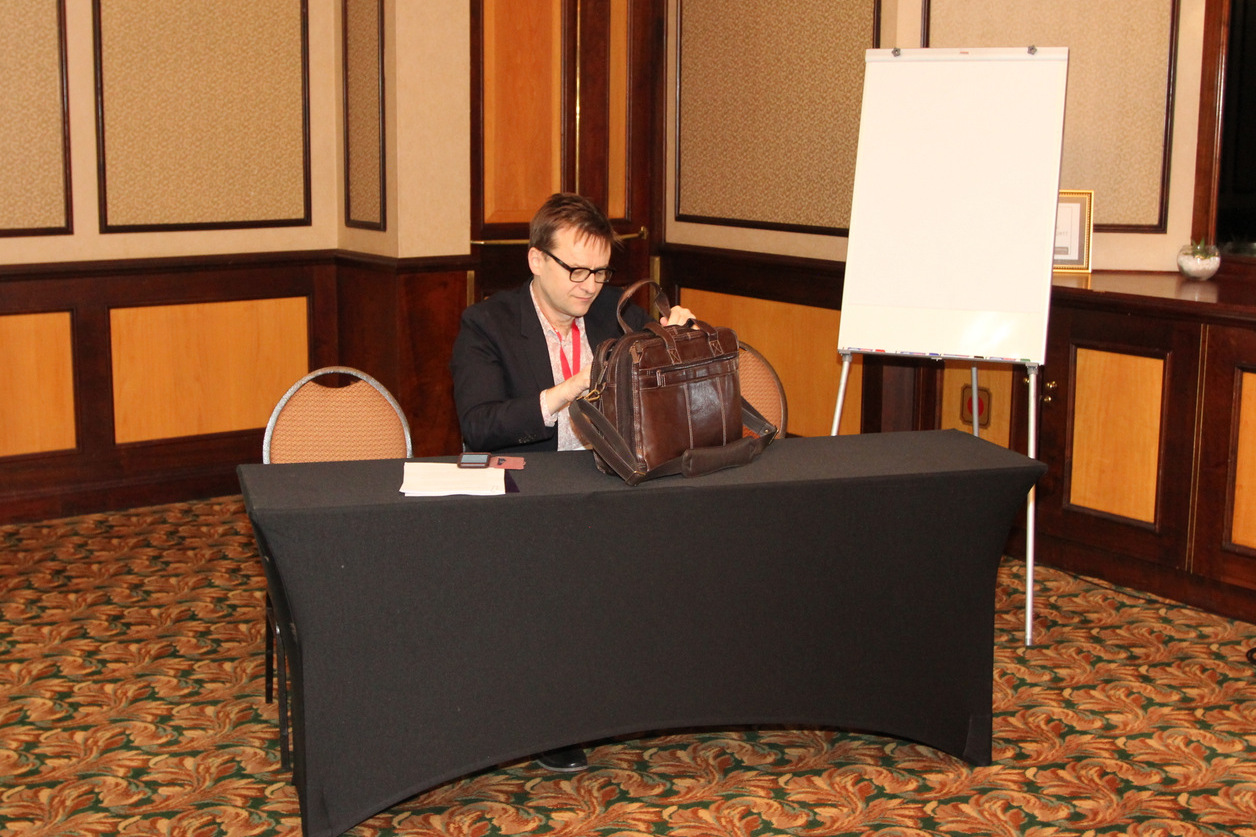
Tim Cresswell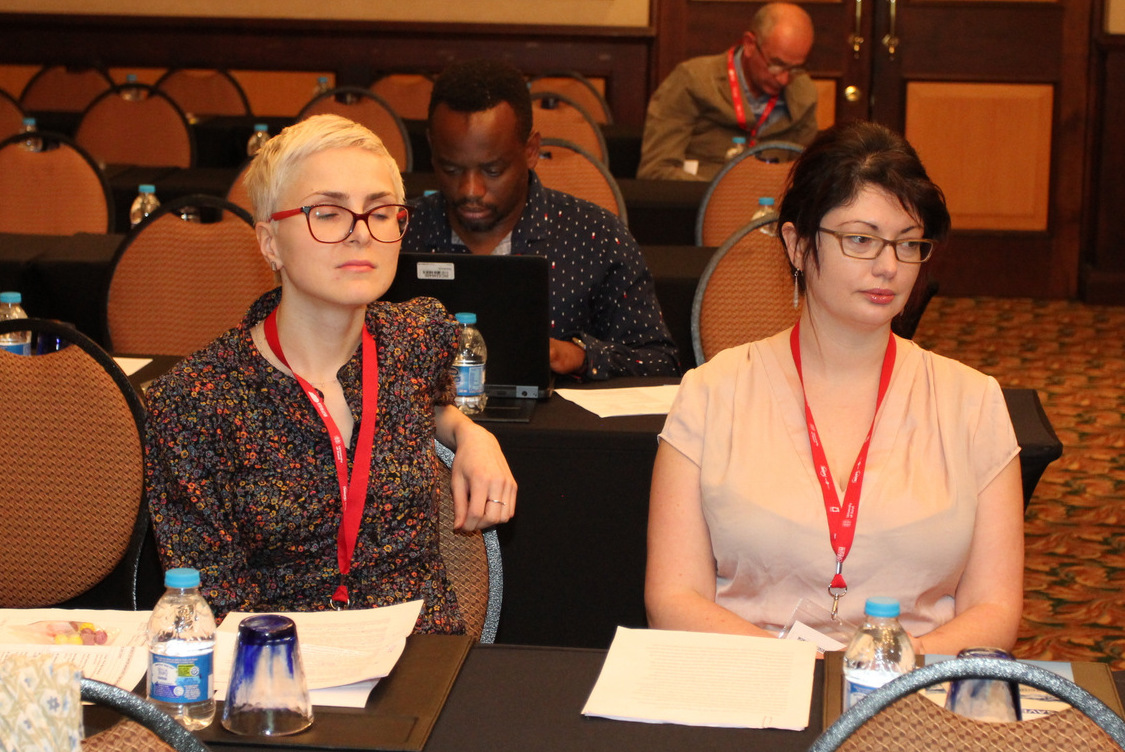
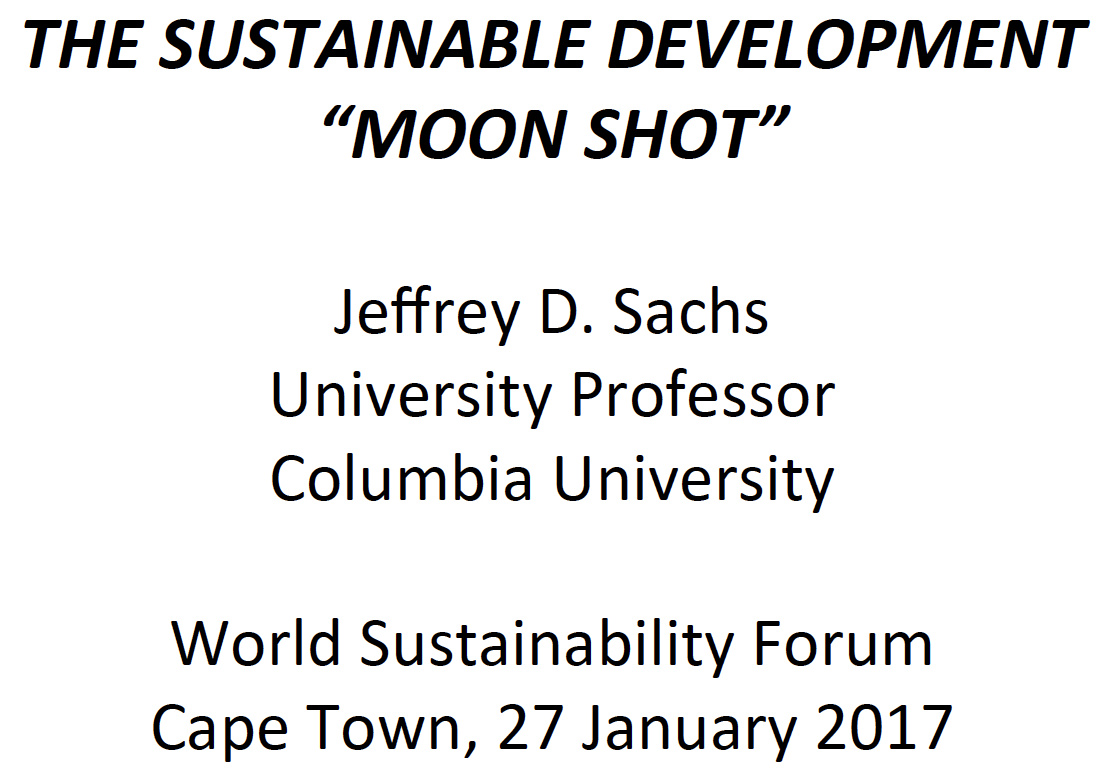
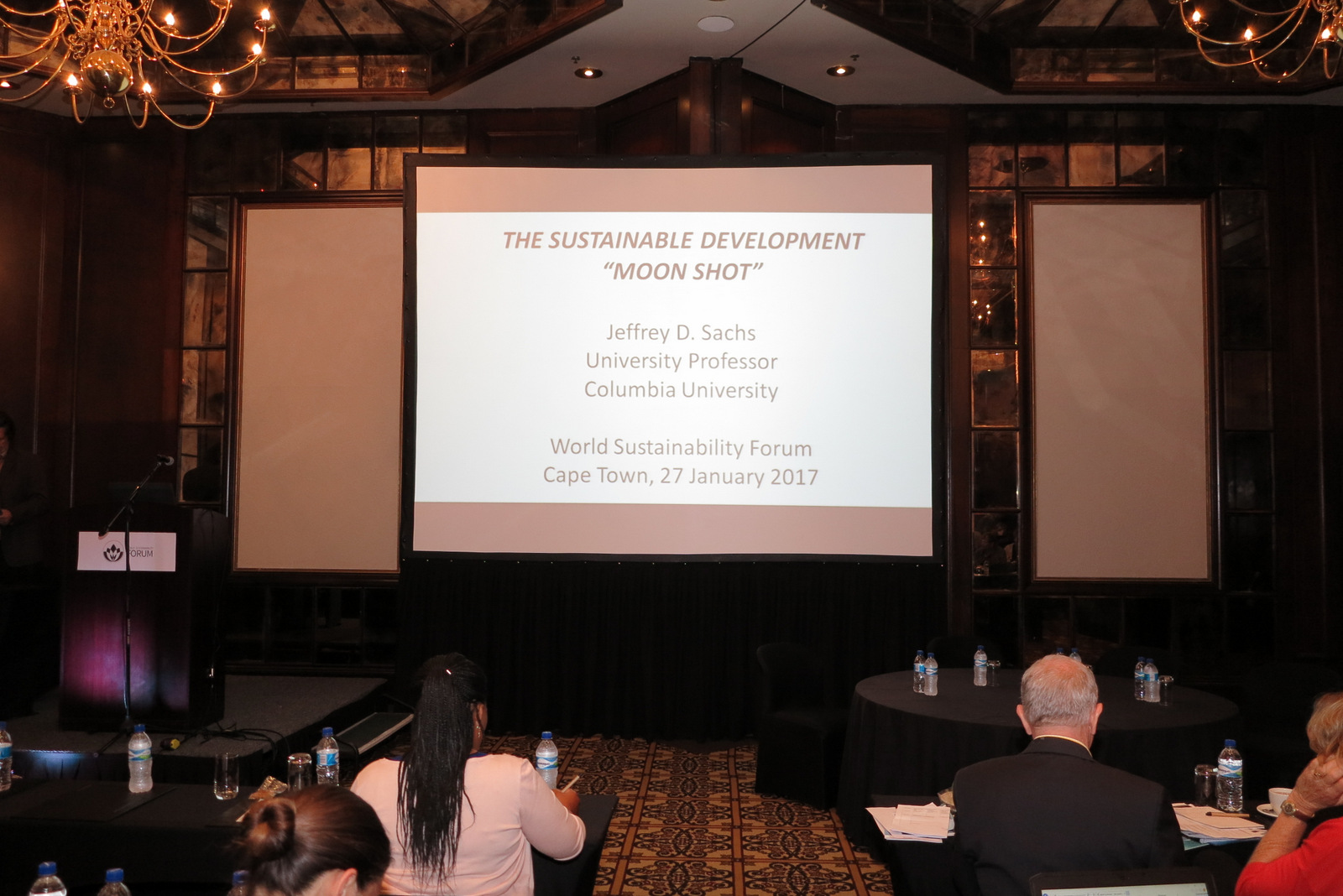 THE SUSTAINABLE DEVELOPMENT “MOON SHOT” by Prof Jeffrey D. Sachs, Director of The Earth Institute, Quetelet Professor of Sustainable Development, and Professor of Health Policy and Management, Columbia University, USA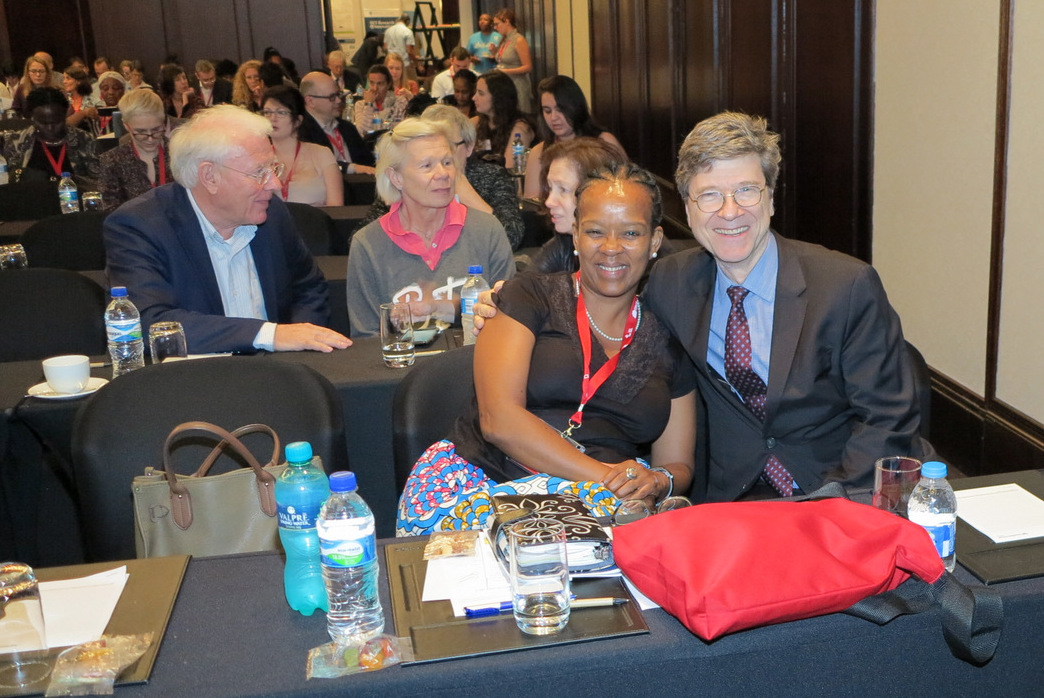
Bongiwe Njobe and Jeffrey Sachs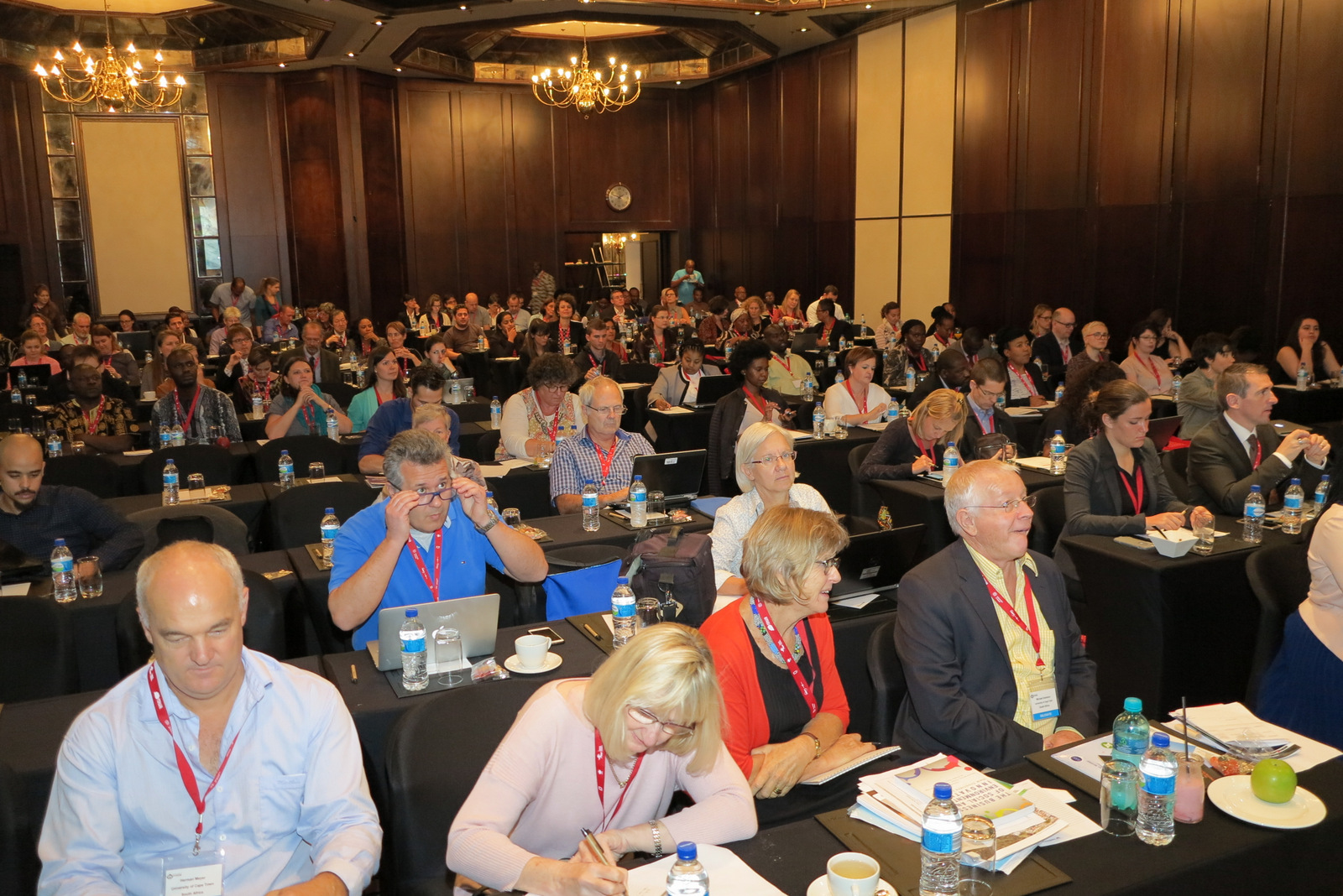
The plenary during Jeff Sach's presentation.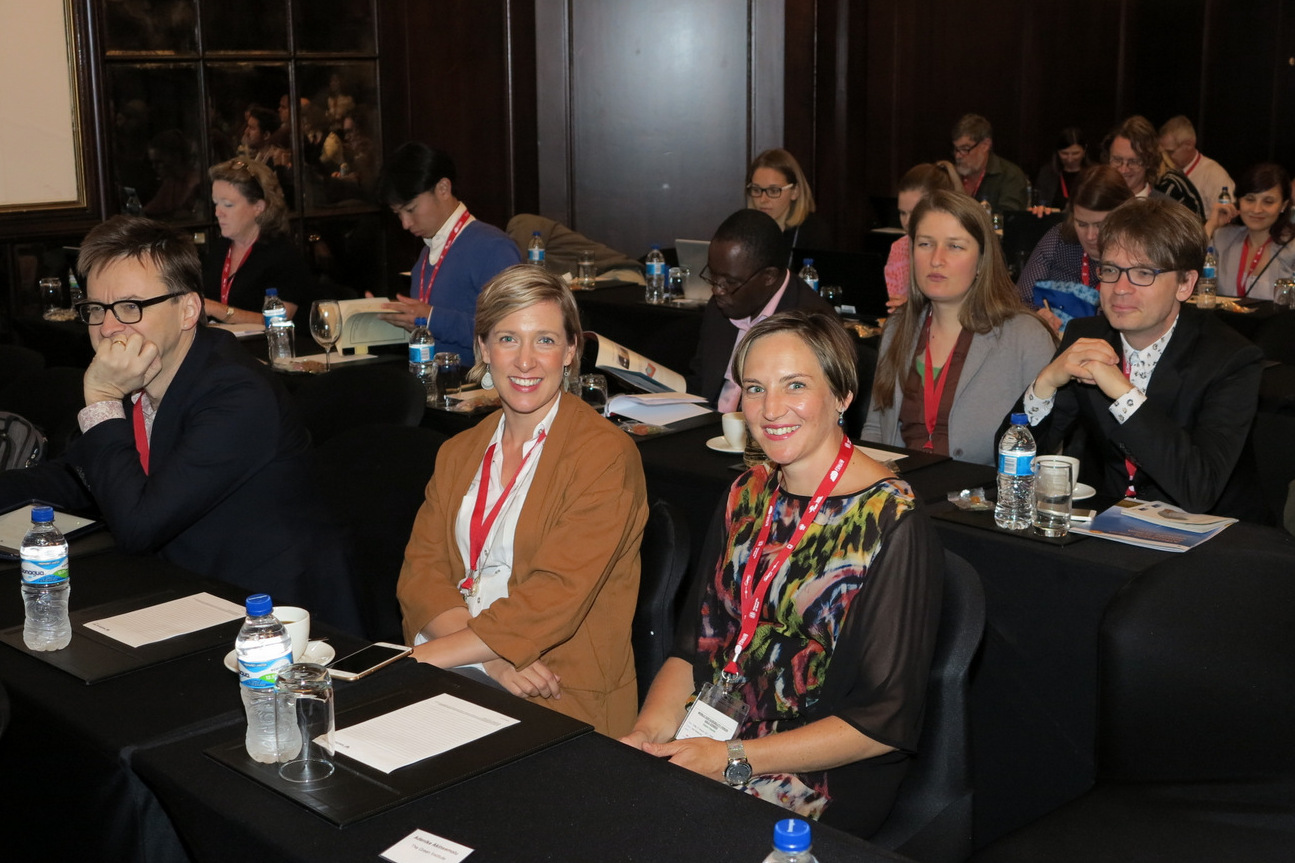
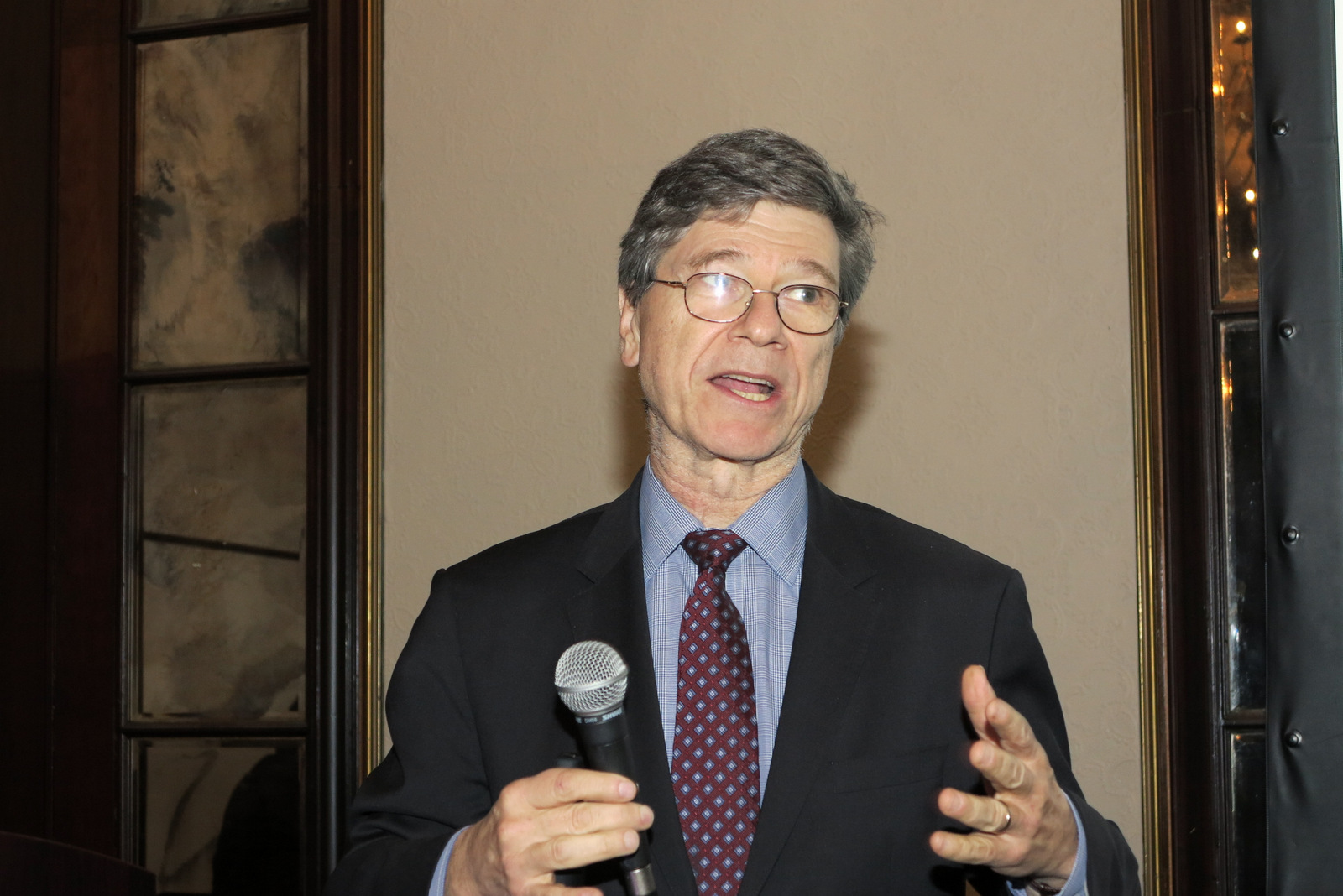
Jeffrey Sachs 'The Sustainable Development “MOON SHOT”'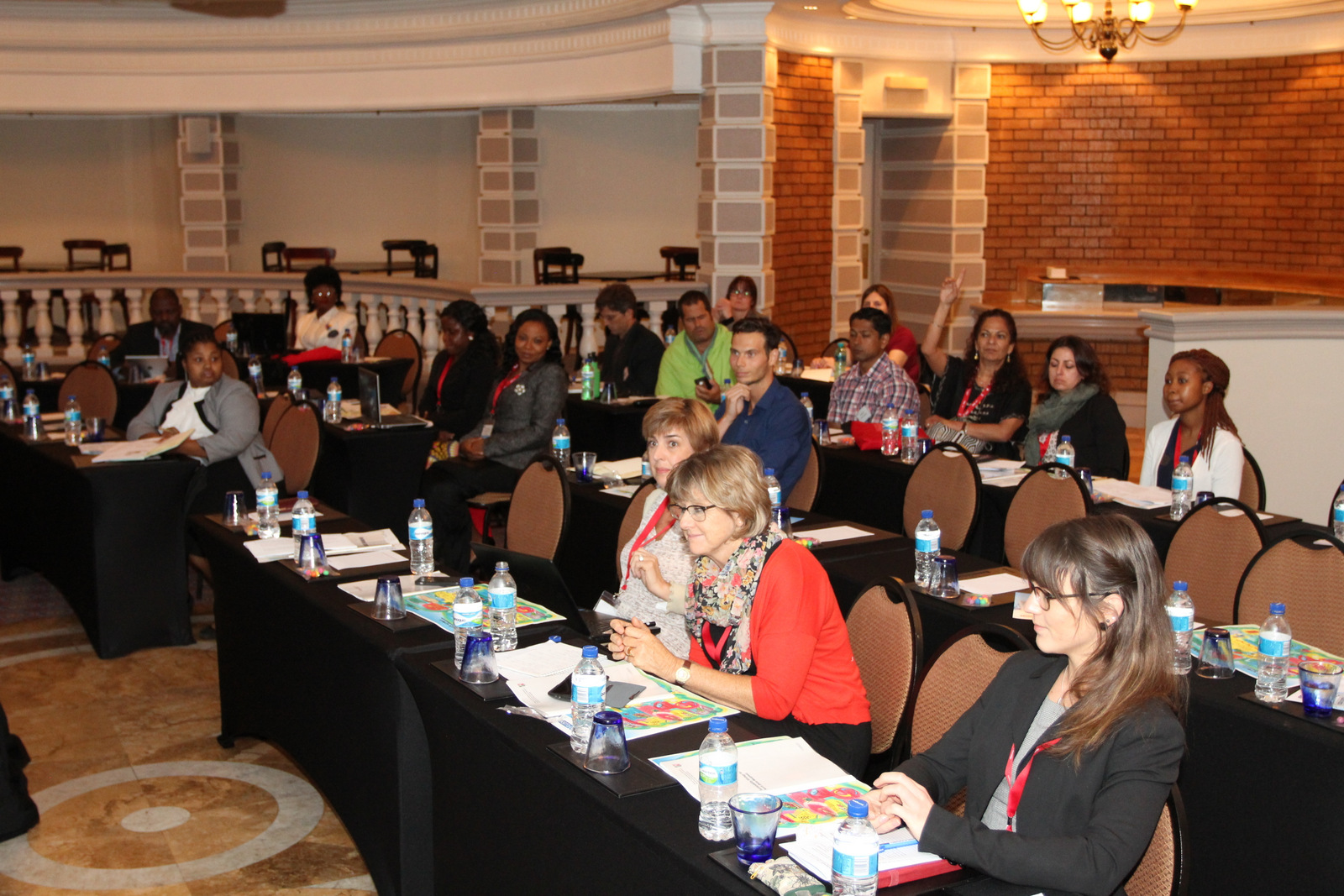
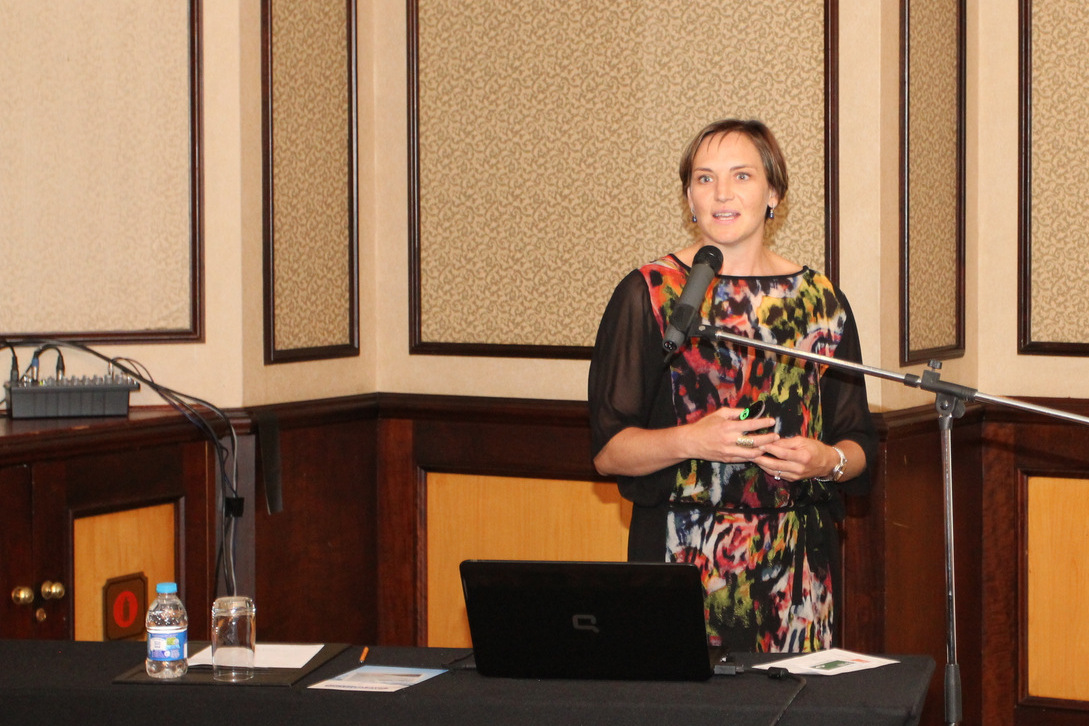
Elaine Fouche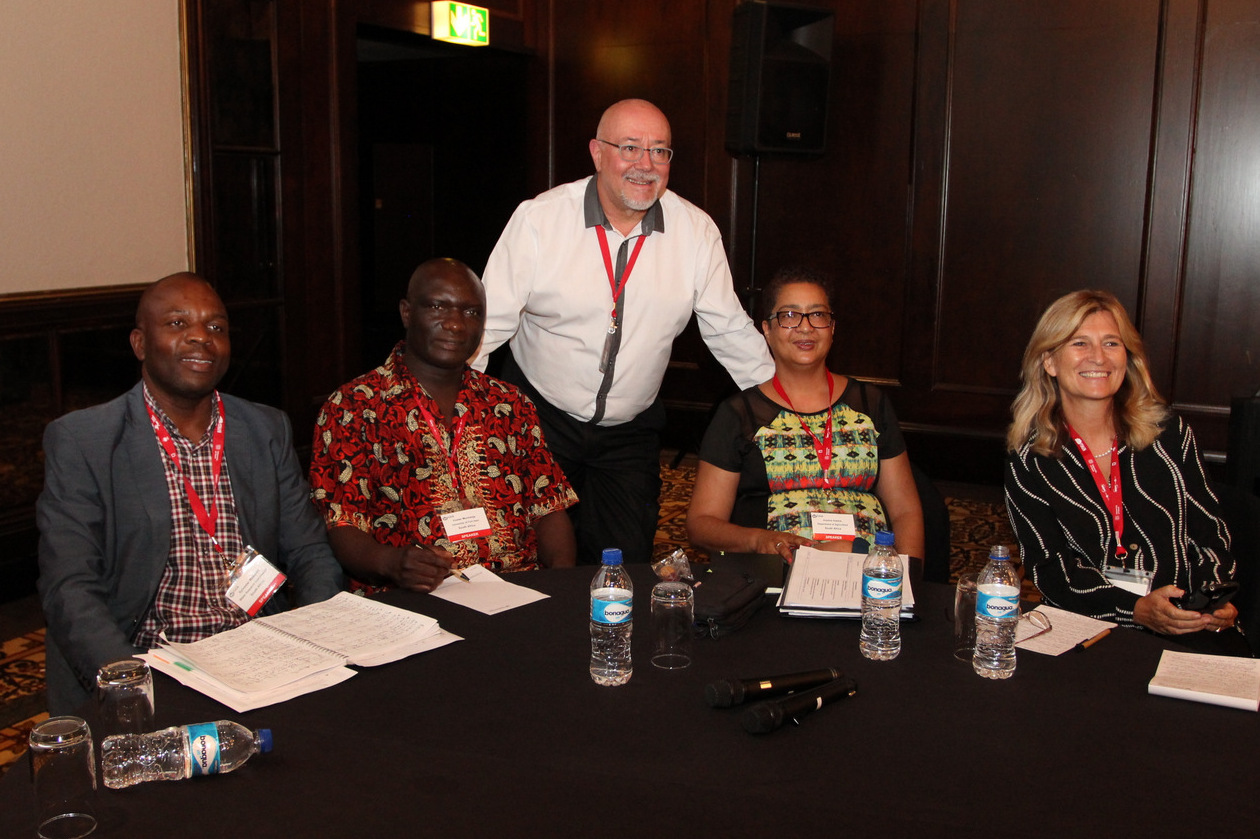
Sylvester Mpandeli, Voster Muchjene, Frans Swanepoel, Joyene Isaacs and Lise Korsten
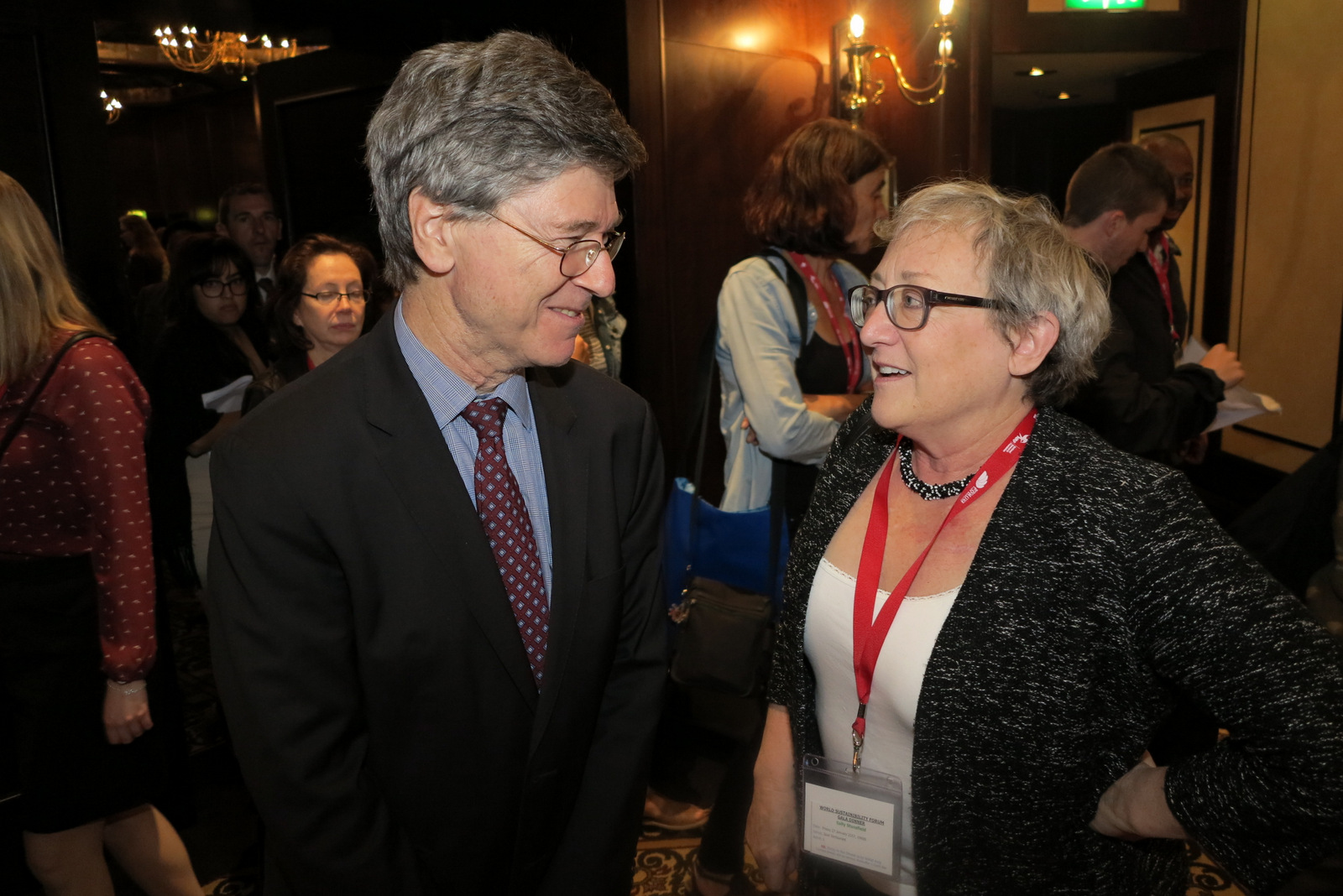
Sally Stansfield and Jeffrey Sachs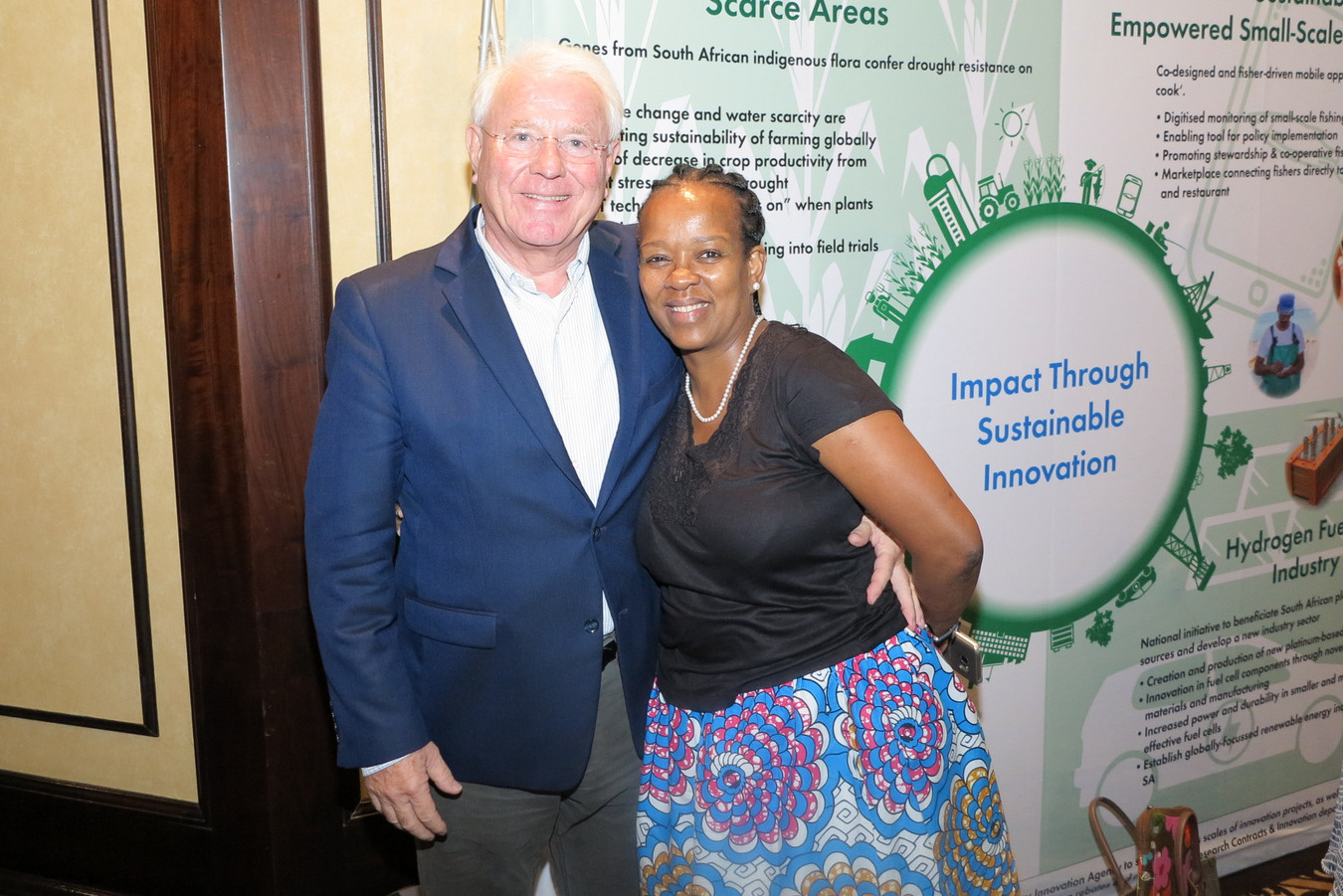
Bongiwe Njobe and Klaus Leisinger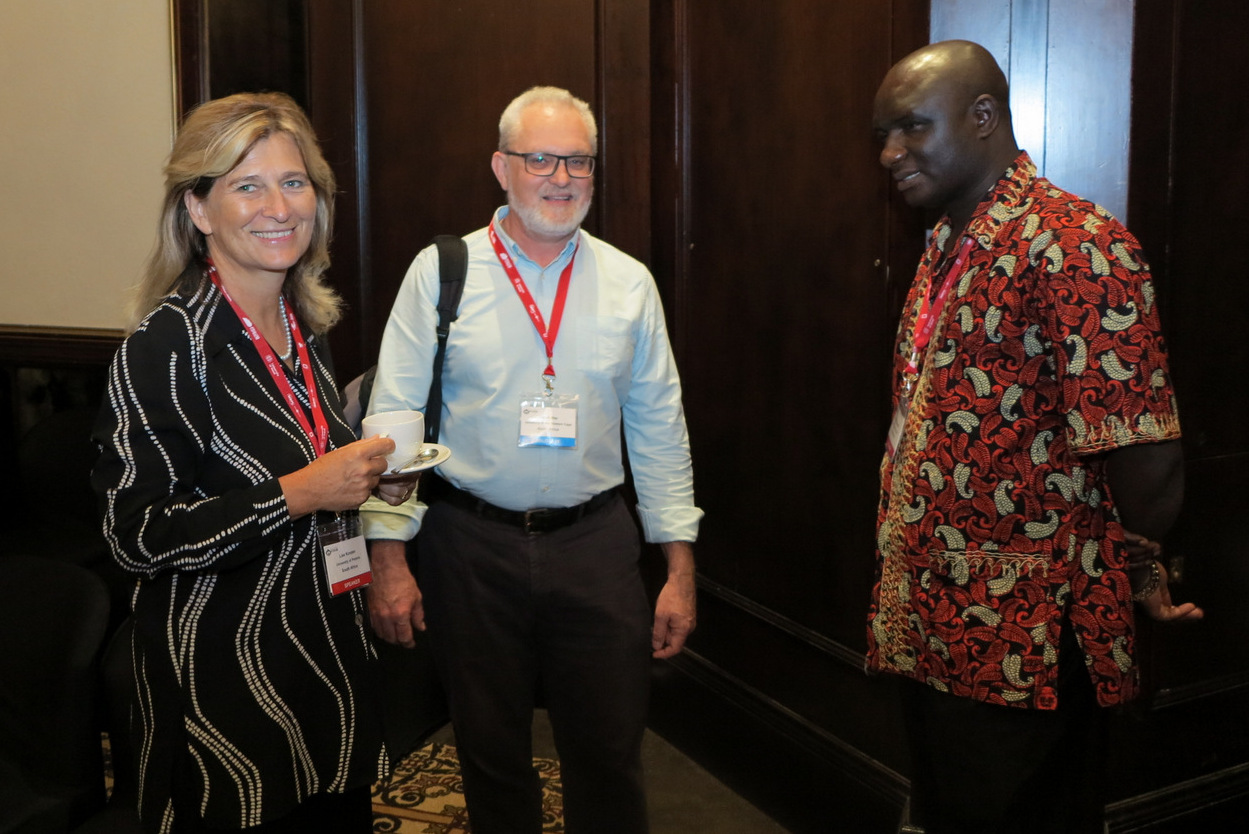
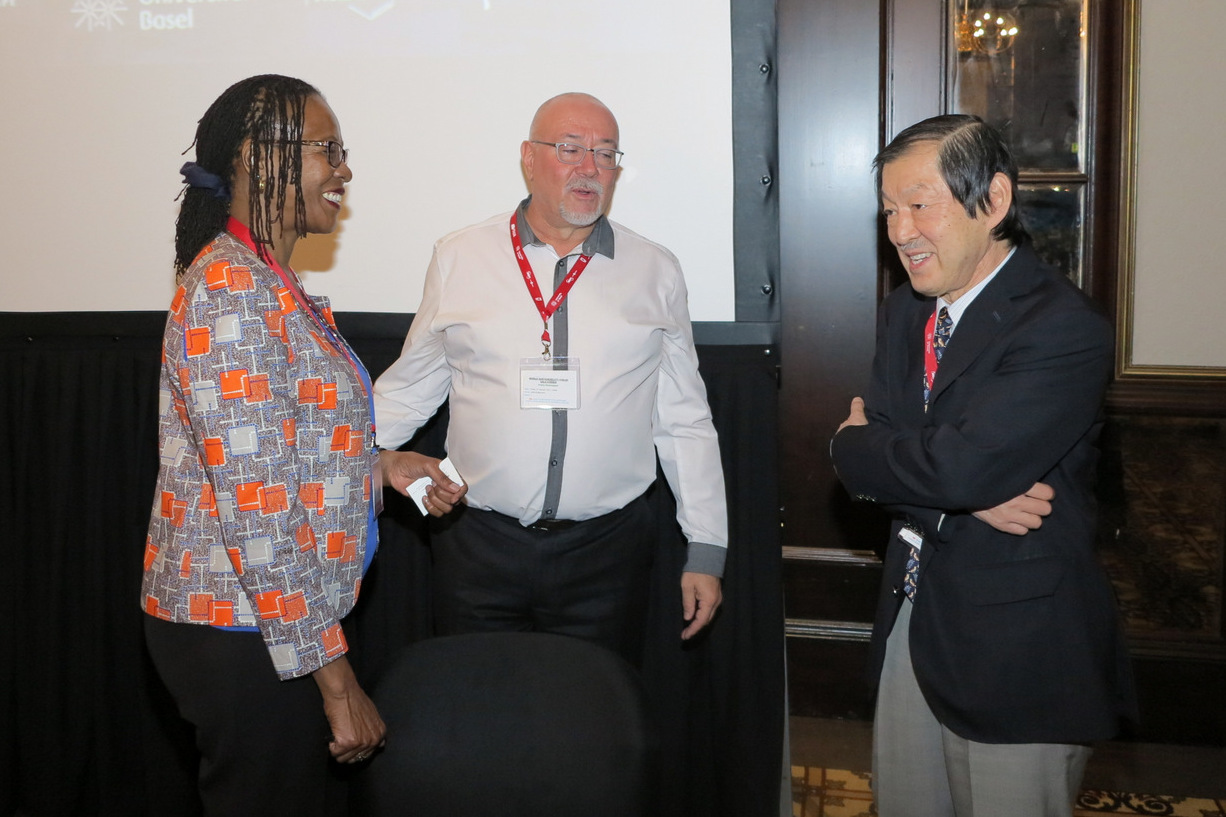
Teboho Moja, Frans Swanepoel and Masafumi Nagao 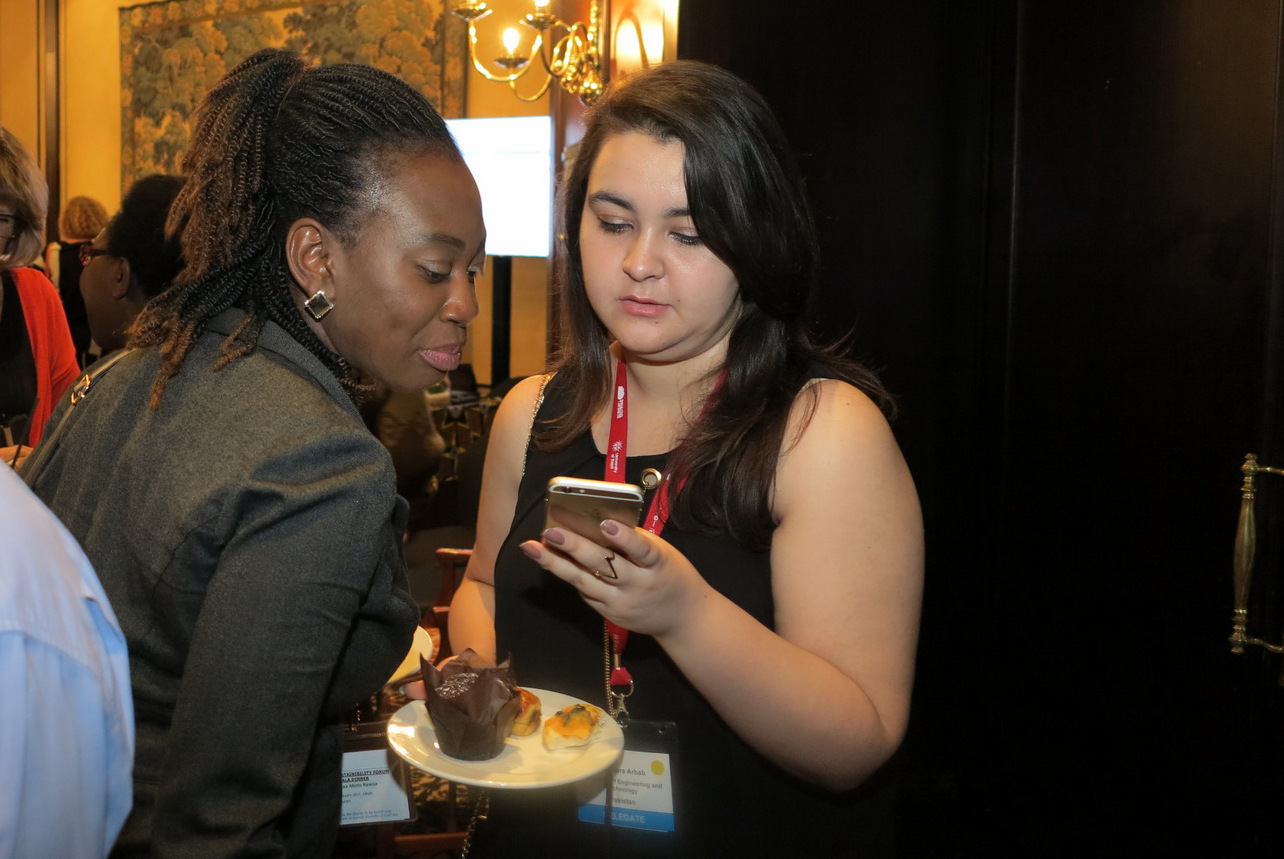
Daya Reddy, Lidia Brito, Masafumi Nagao and Norman Duncan
Cynthia Mapendere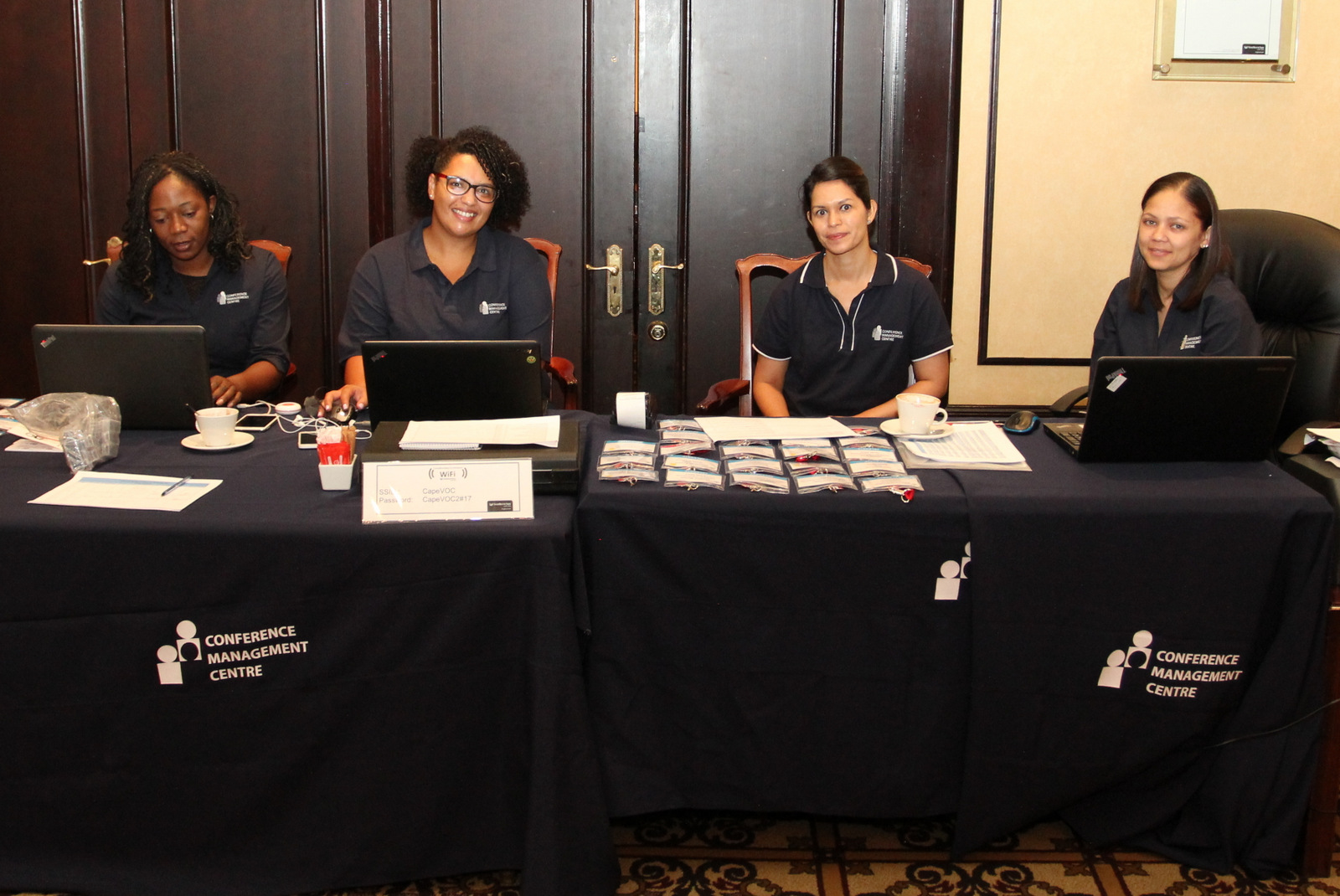
The magnificent four from the conference management centre
Thandi Mgwebi and Frans Swanepoel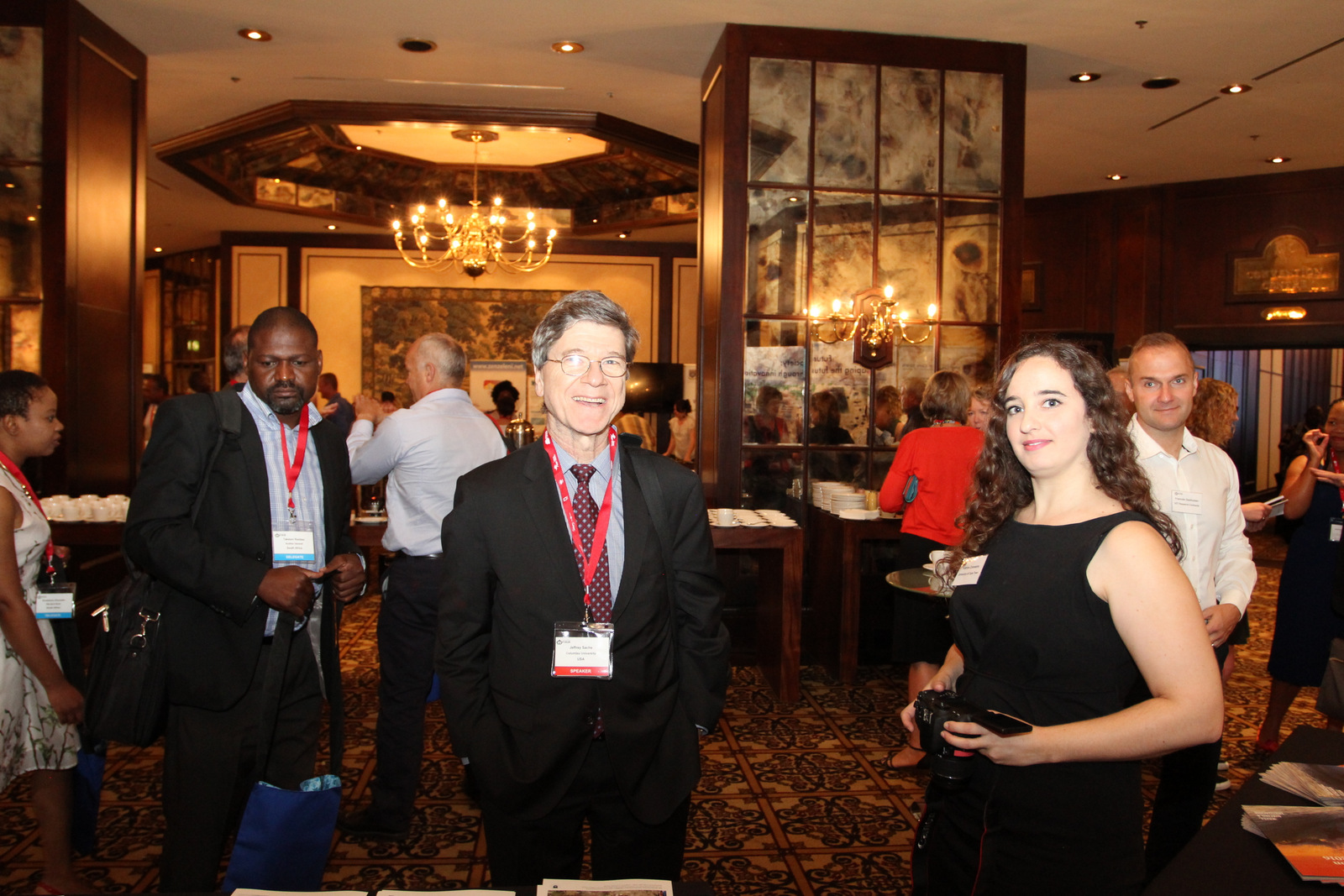
Katrine Claassens with Jeff Sachs
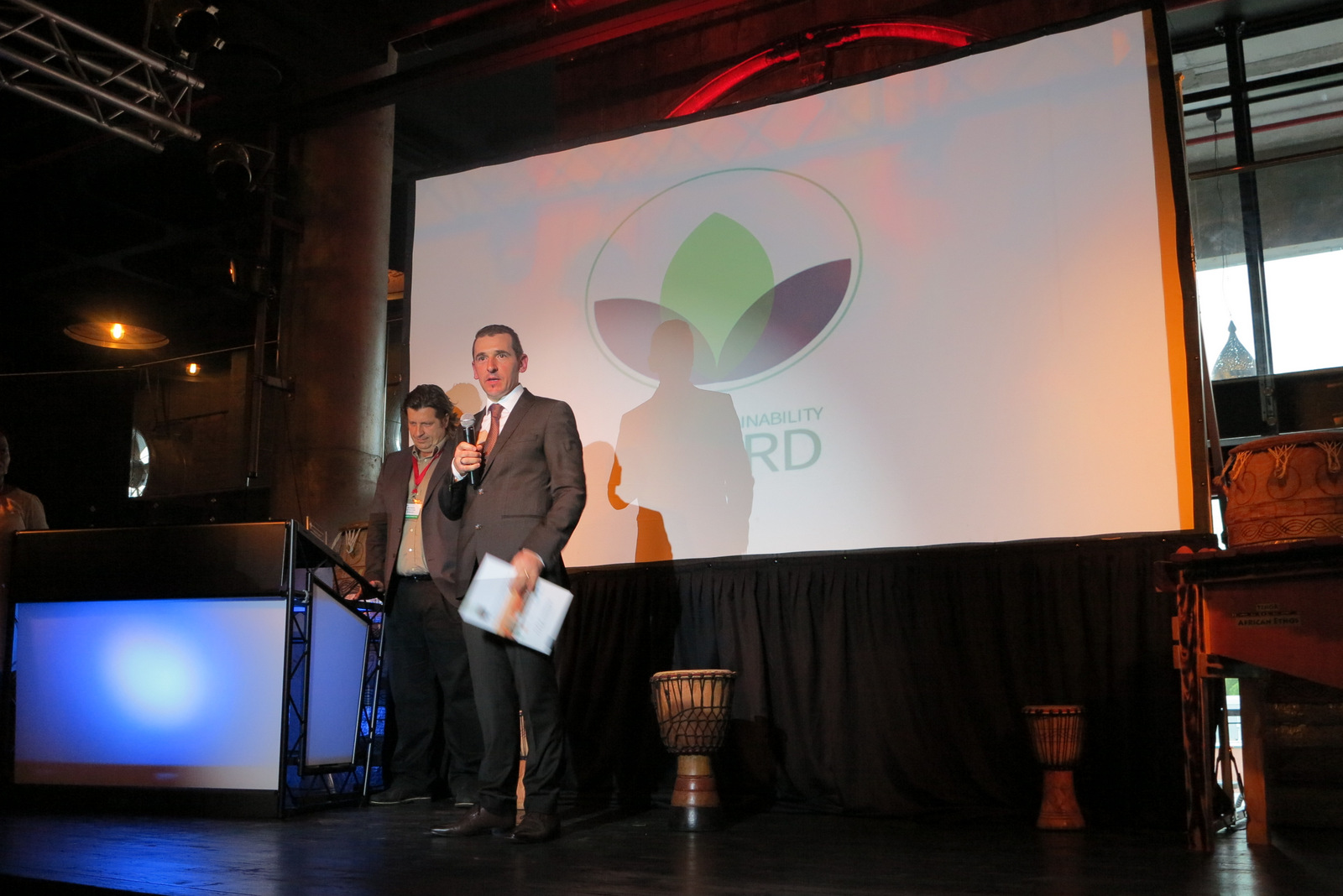
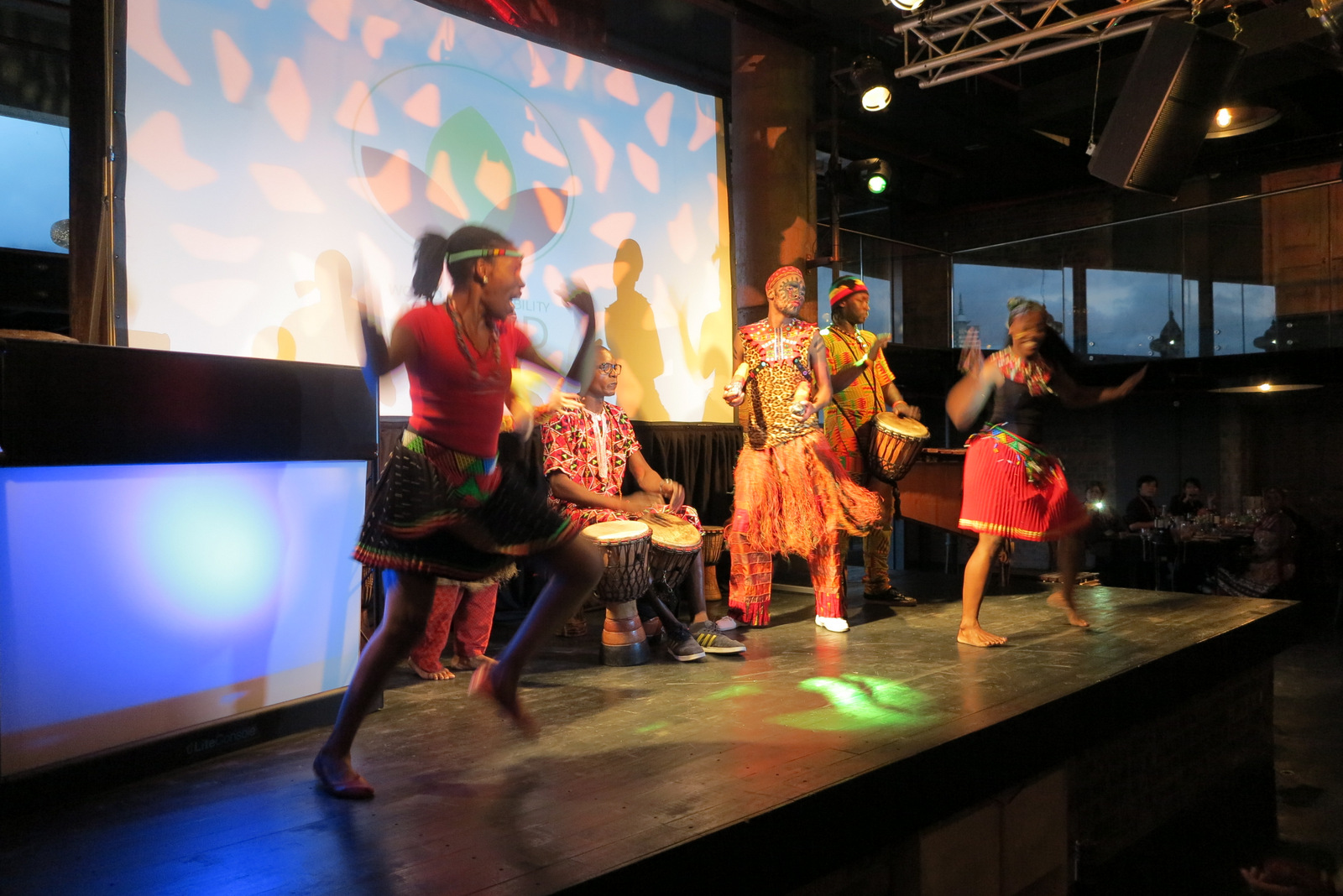
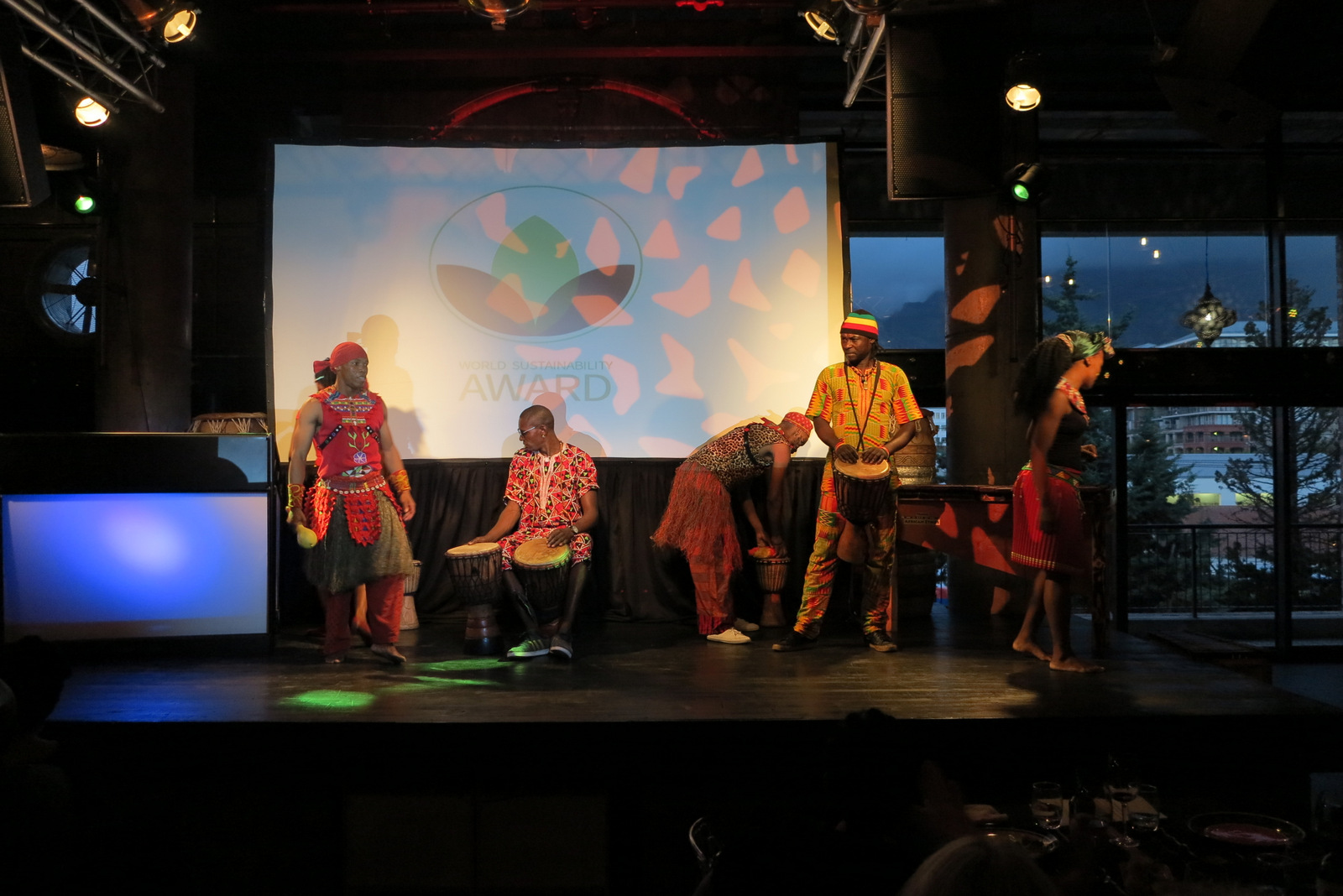
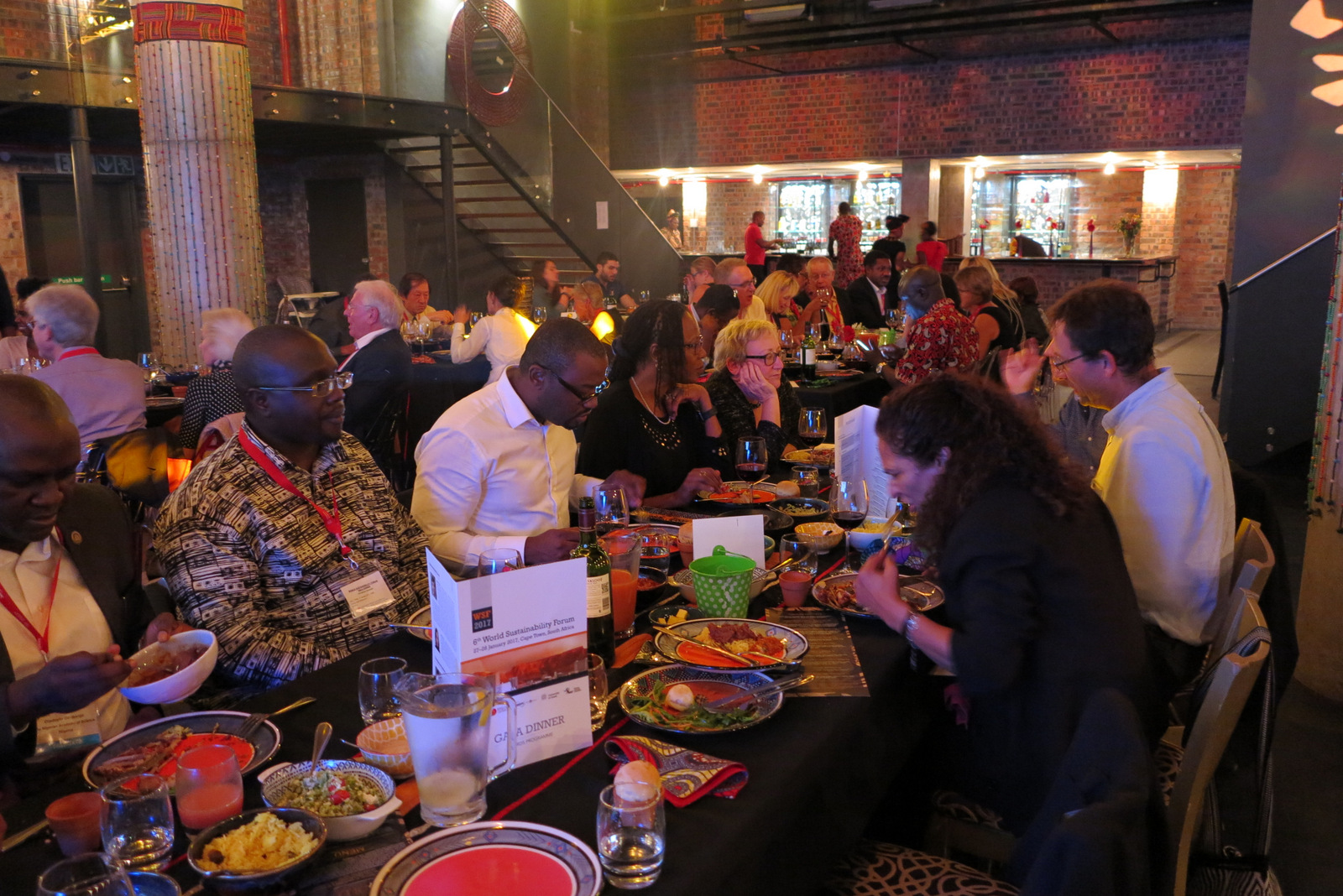
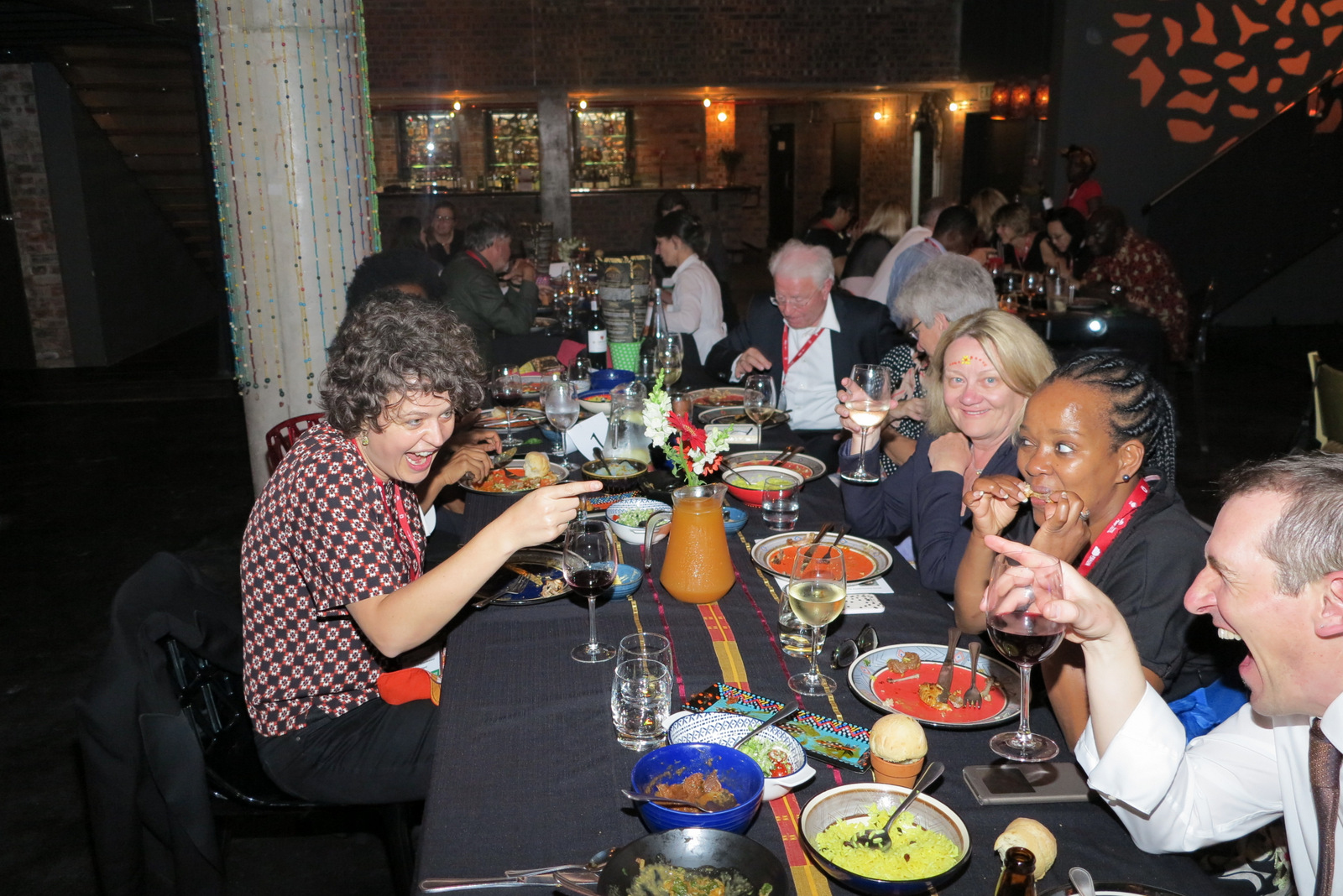
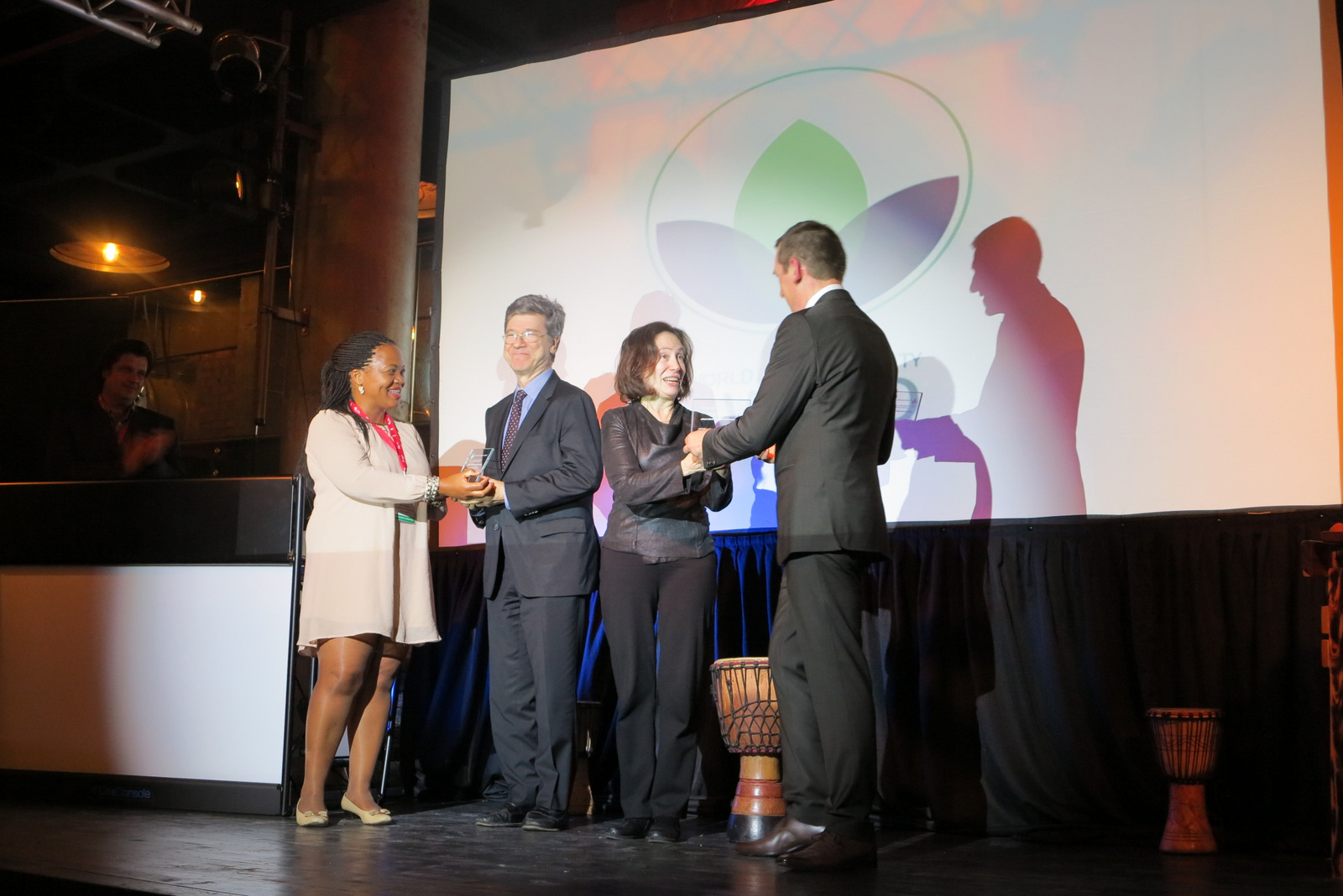
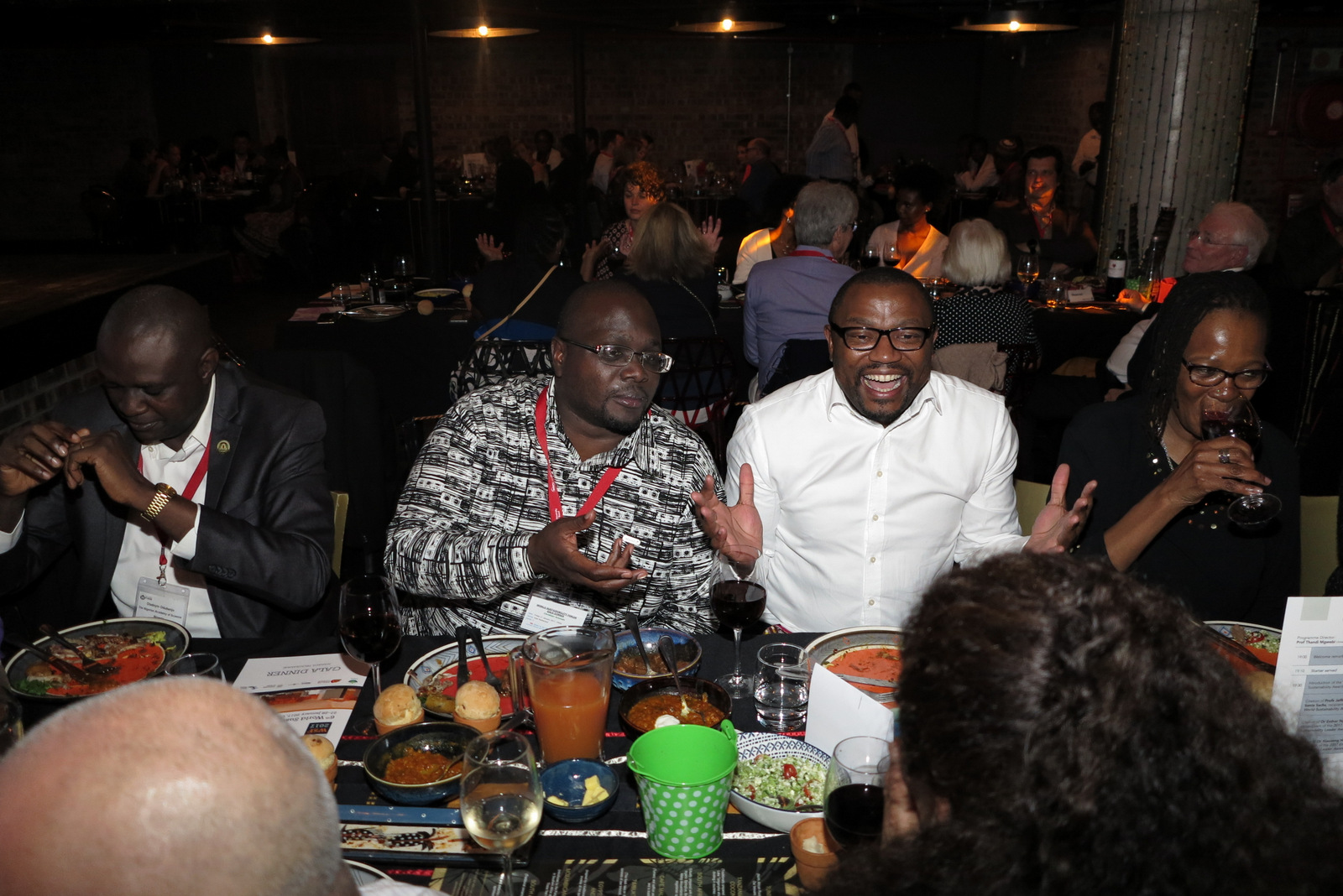
The 6th World Sustainability Forum #WSF2017SA, Gala Dinner at the Gold Restaurant and Award of the World Sustainability Award and the Emerging Sustainability Leader Award funded by the MDPI Sustainability Foundation and the MDPI journal Sustainability, with acceptance speeches from Jeff and Sonia Sachs joint winners of the 1st WSA and video messages from Esther Ngumbi and Xiaosong Hu joint winners of the 1st ESLA.
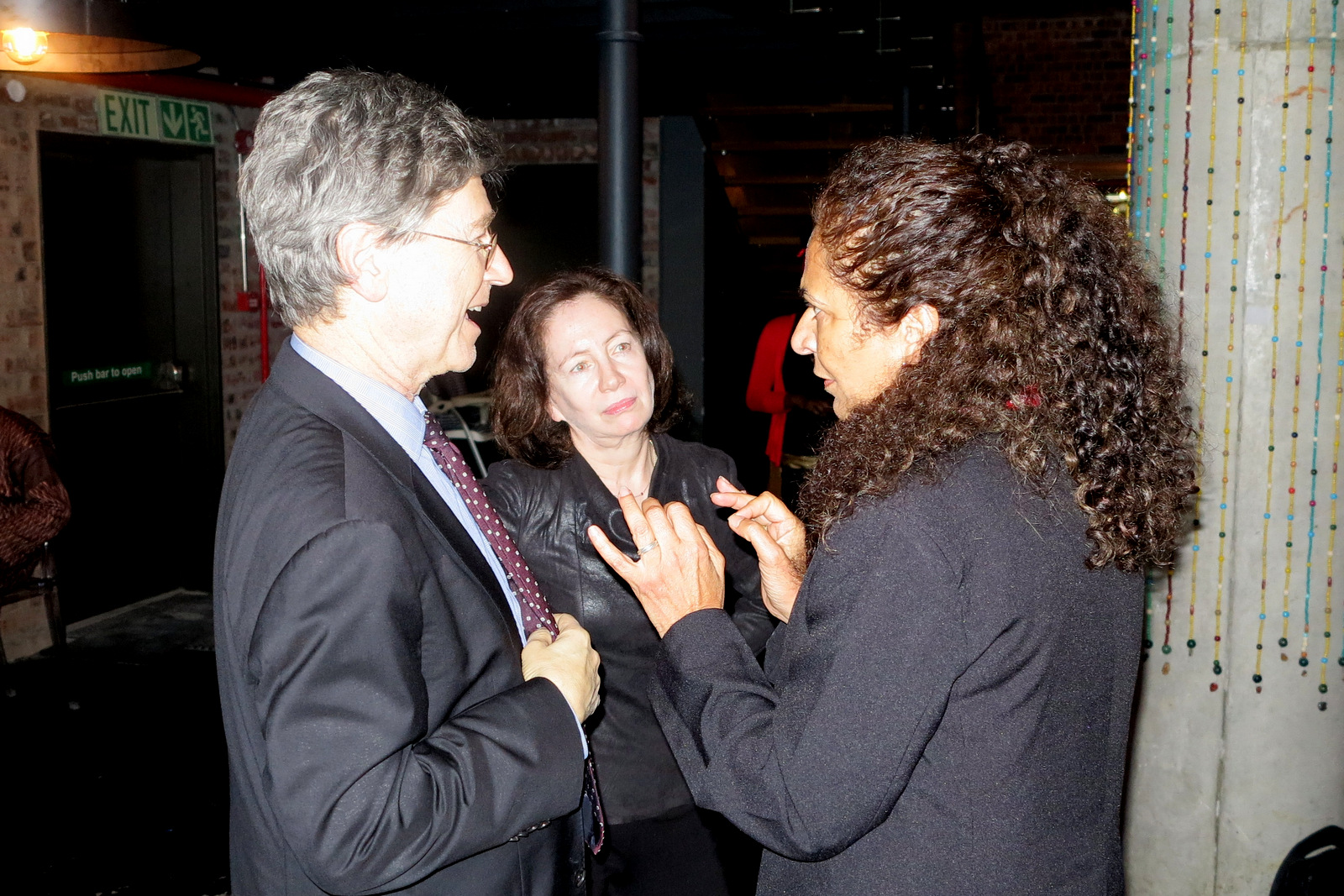
Sonia and Jeff Sachs with Lidia Brito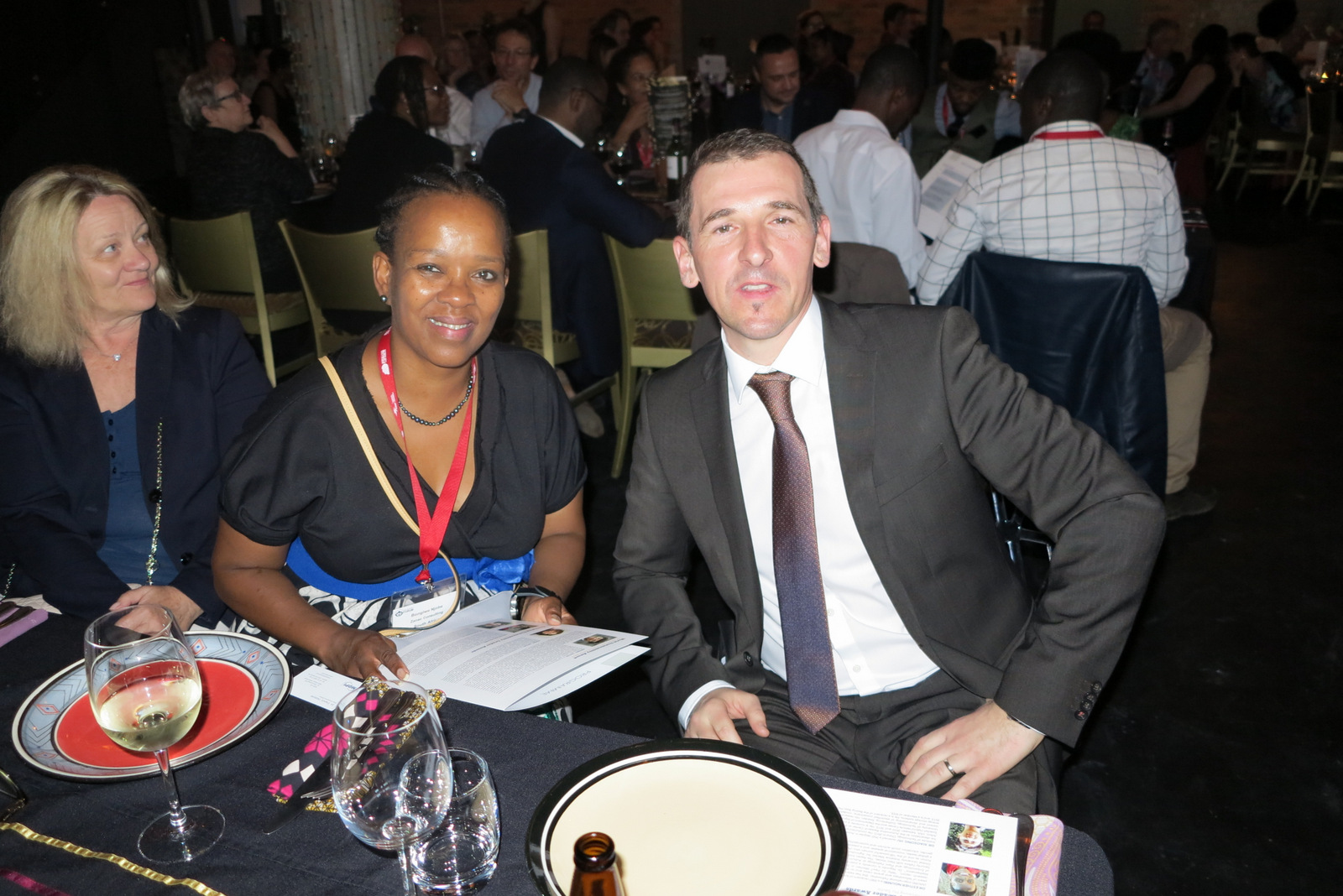
Bongi Njobe and Franck Vazquez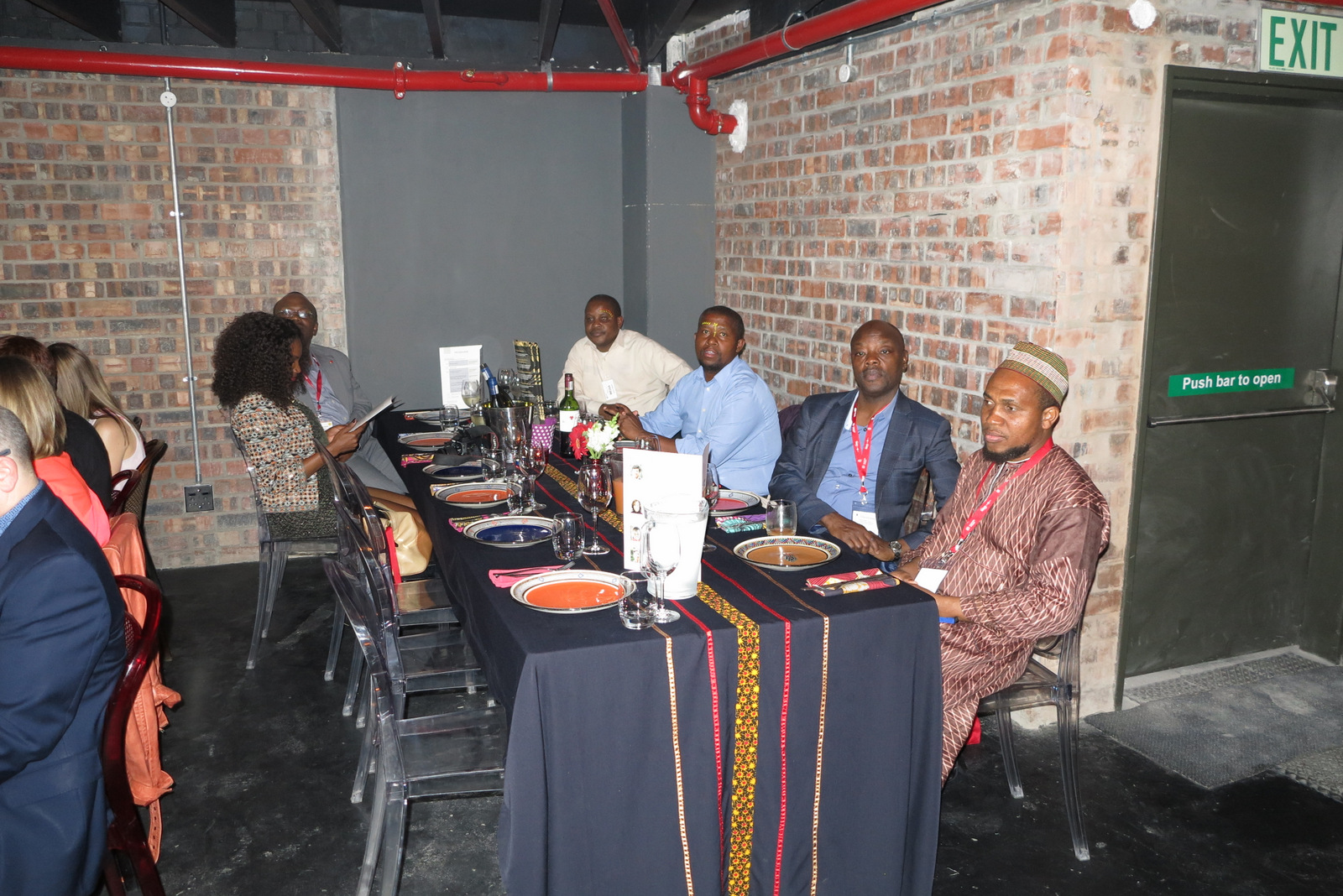
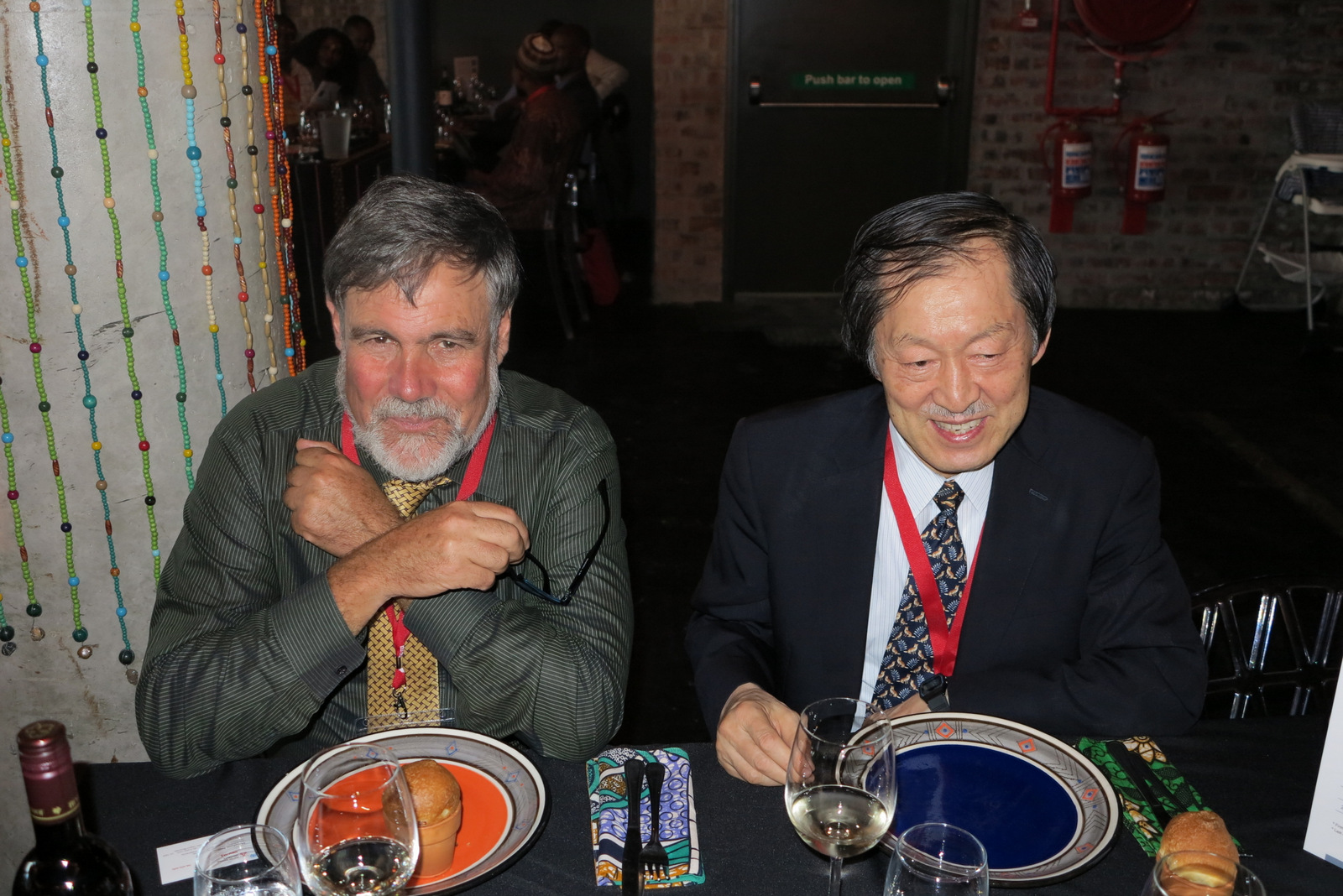
Bob Scholes and Masafumi Nagao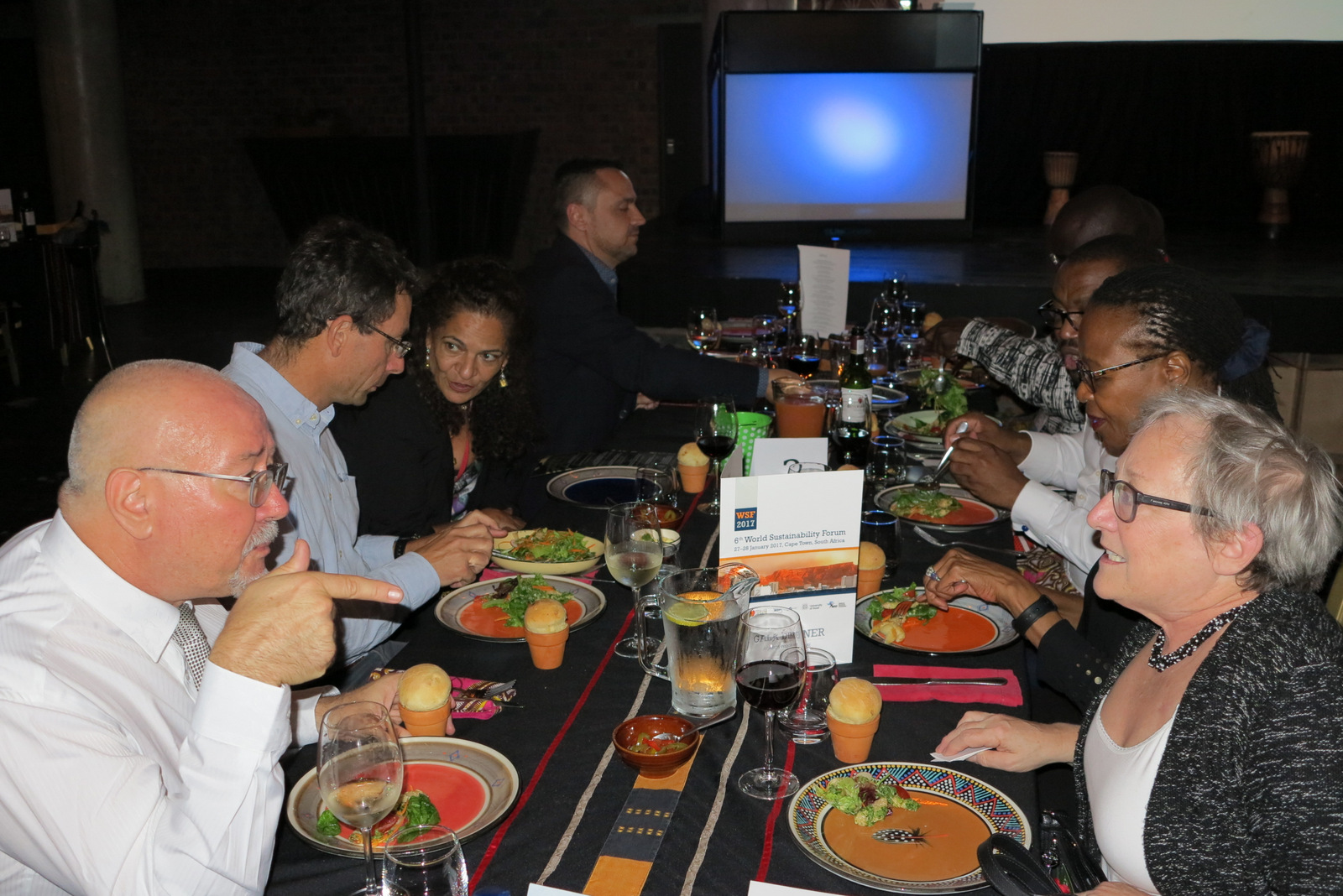
Sally Stansfield and Frans Swanepoel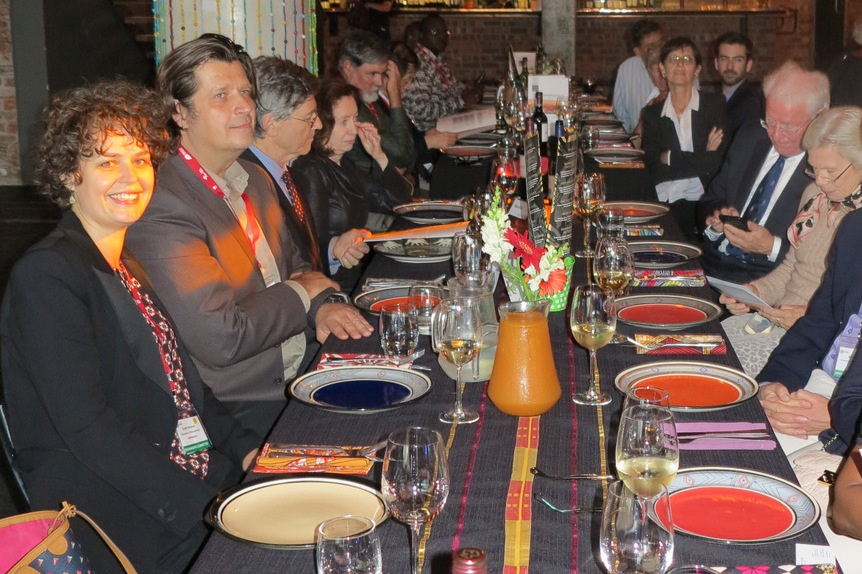
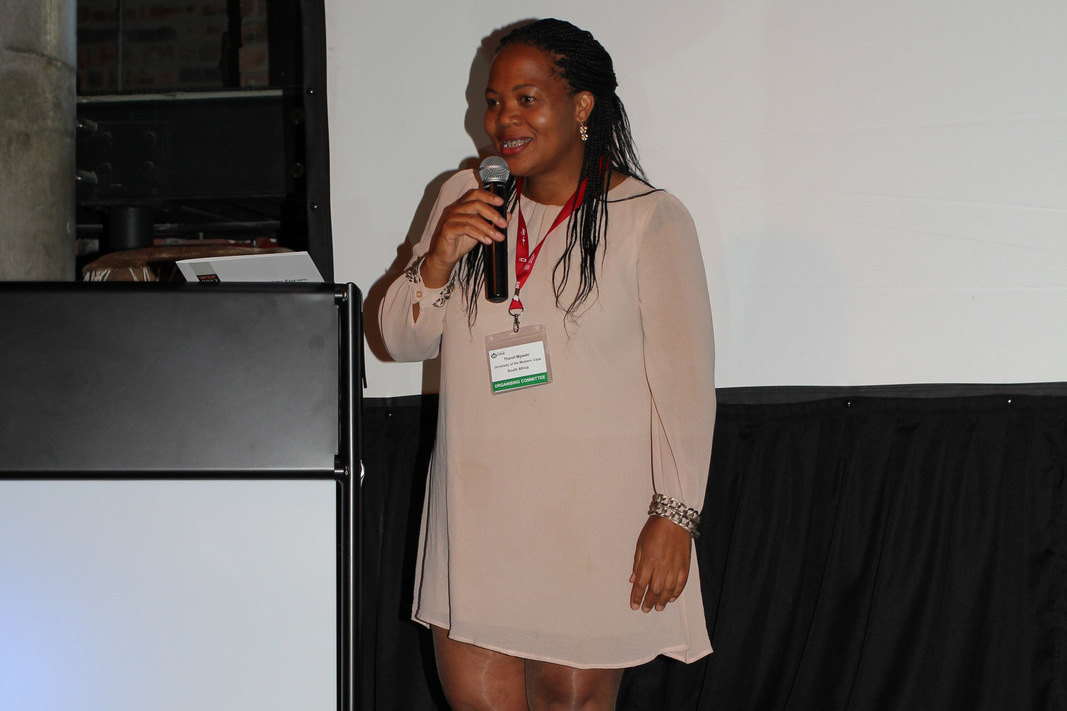
Thandi Mgwebi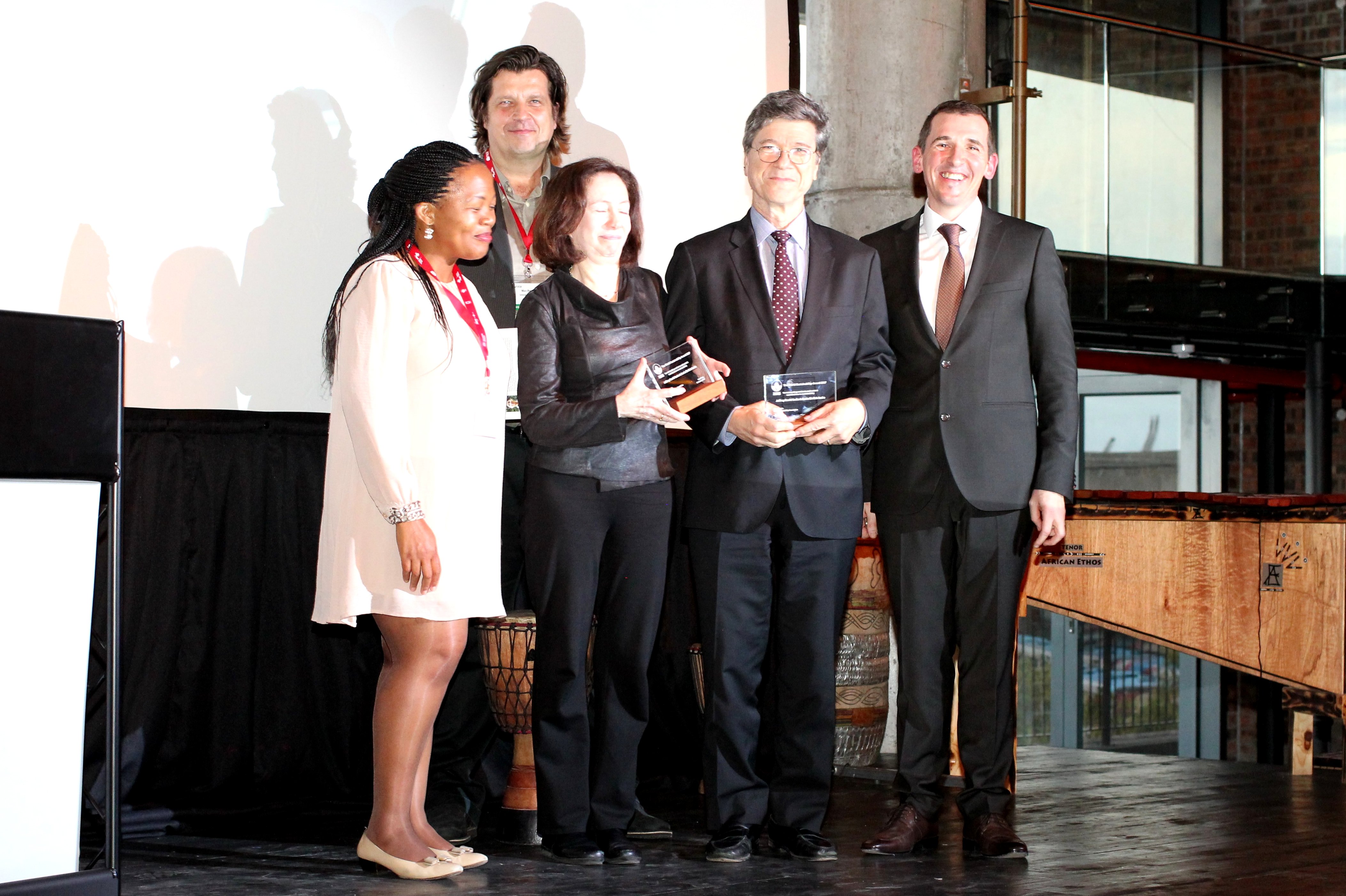
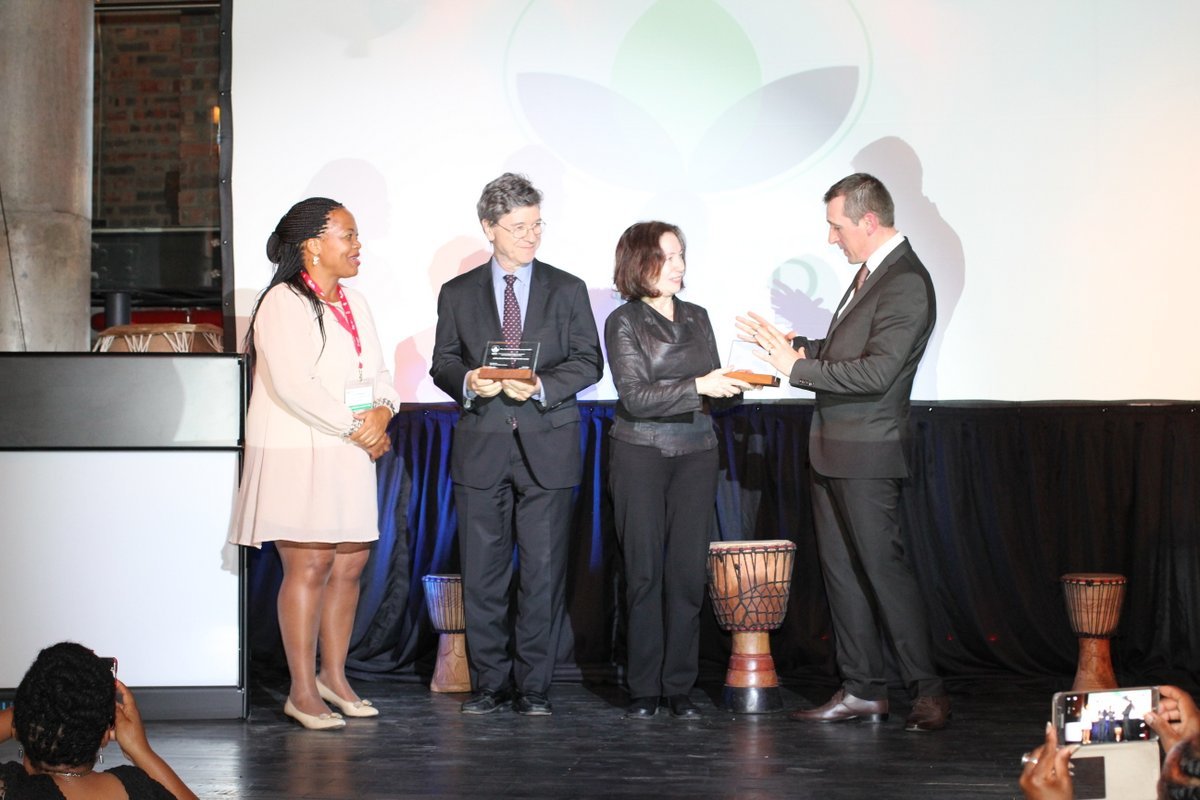
Jeff and Sonia Sachs with Thandi Mgwebi and Franck Vazquez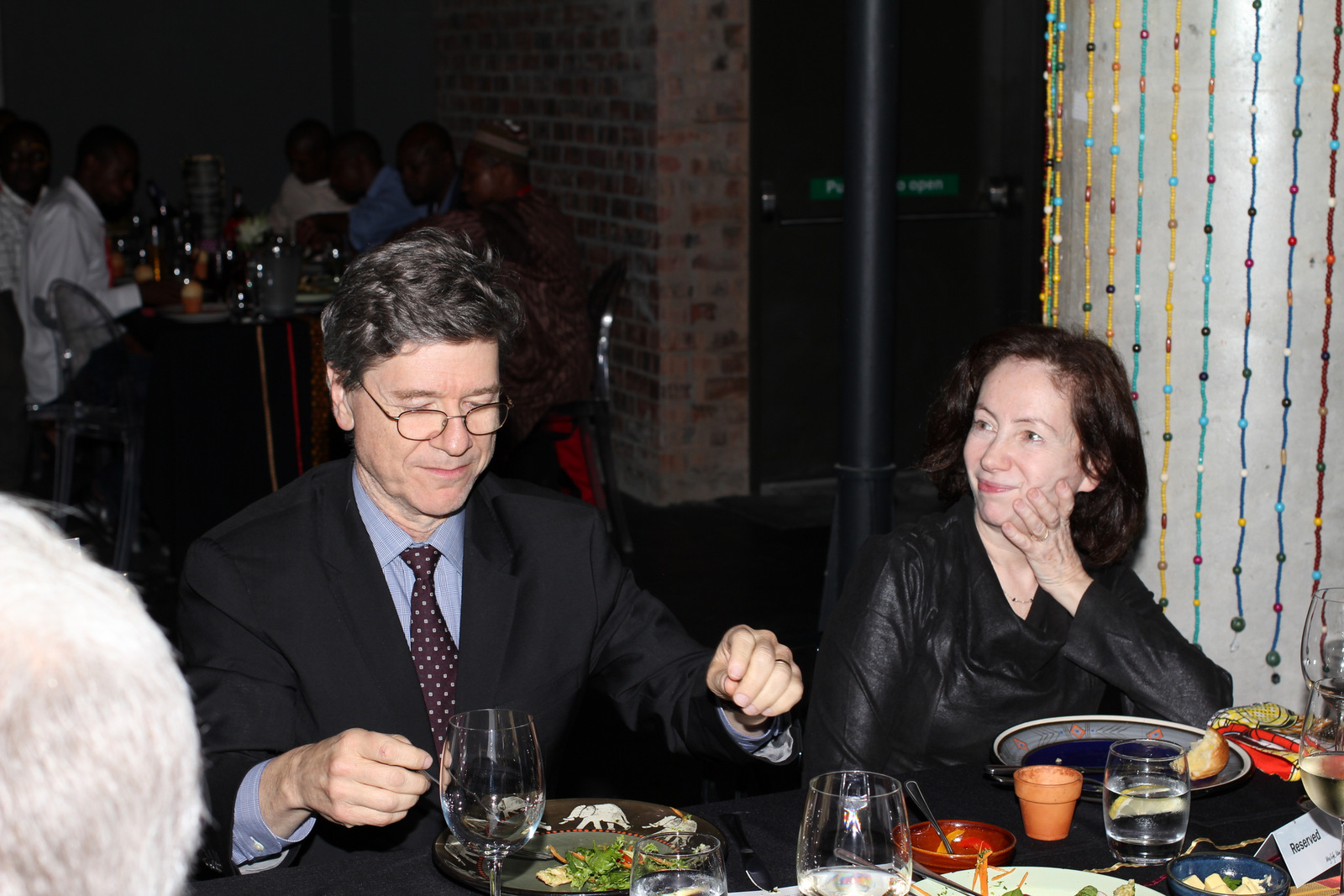
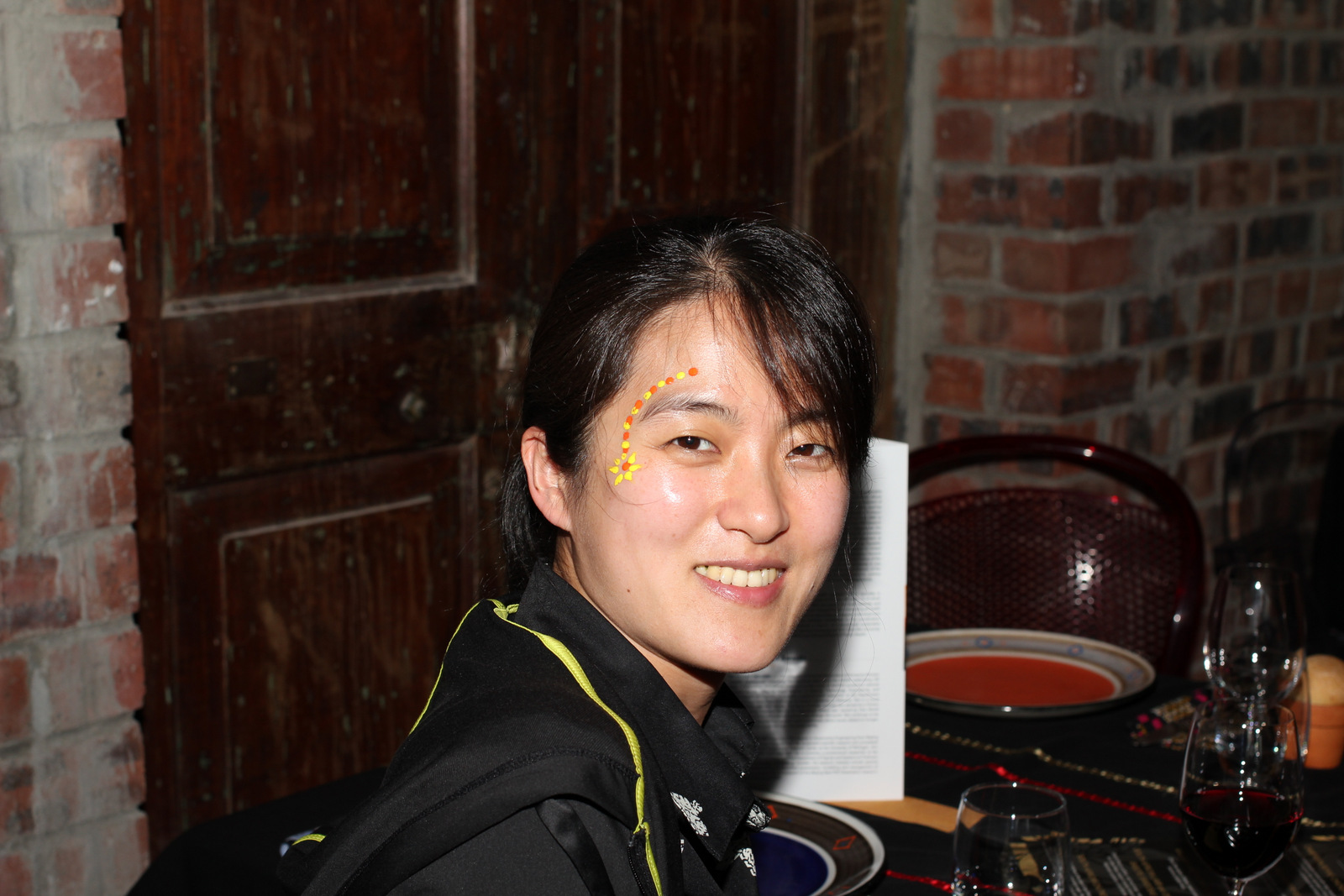
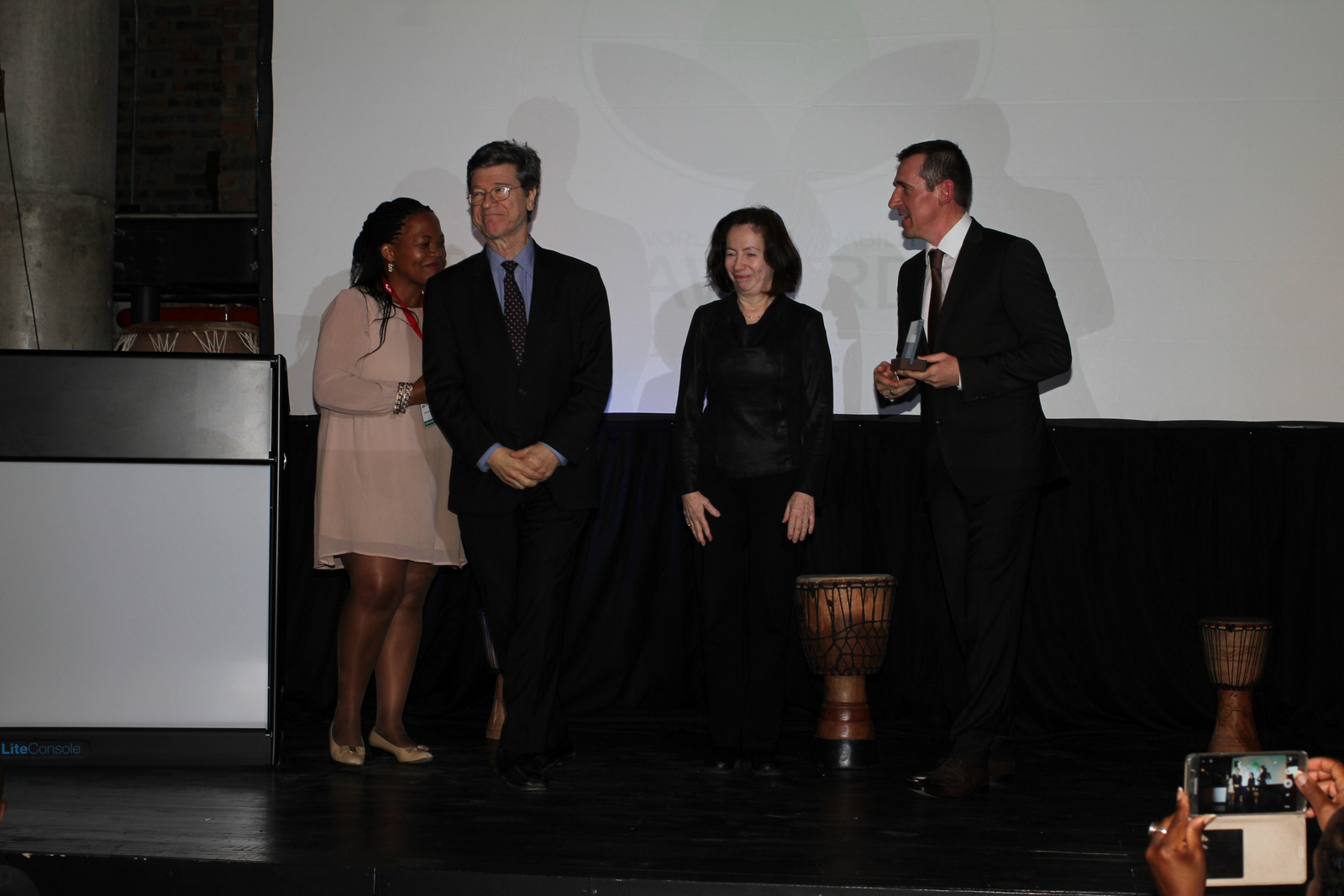
Zinette Bergman and Franck Vazquez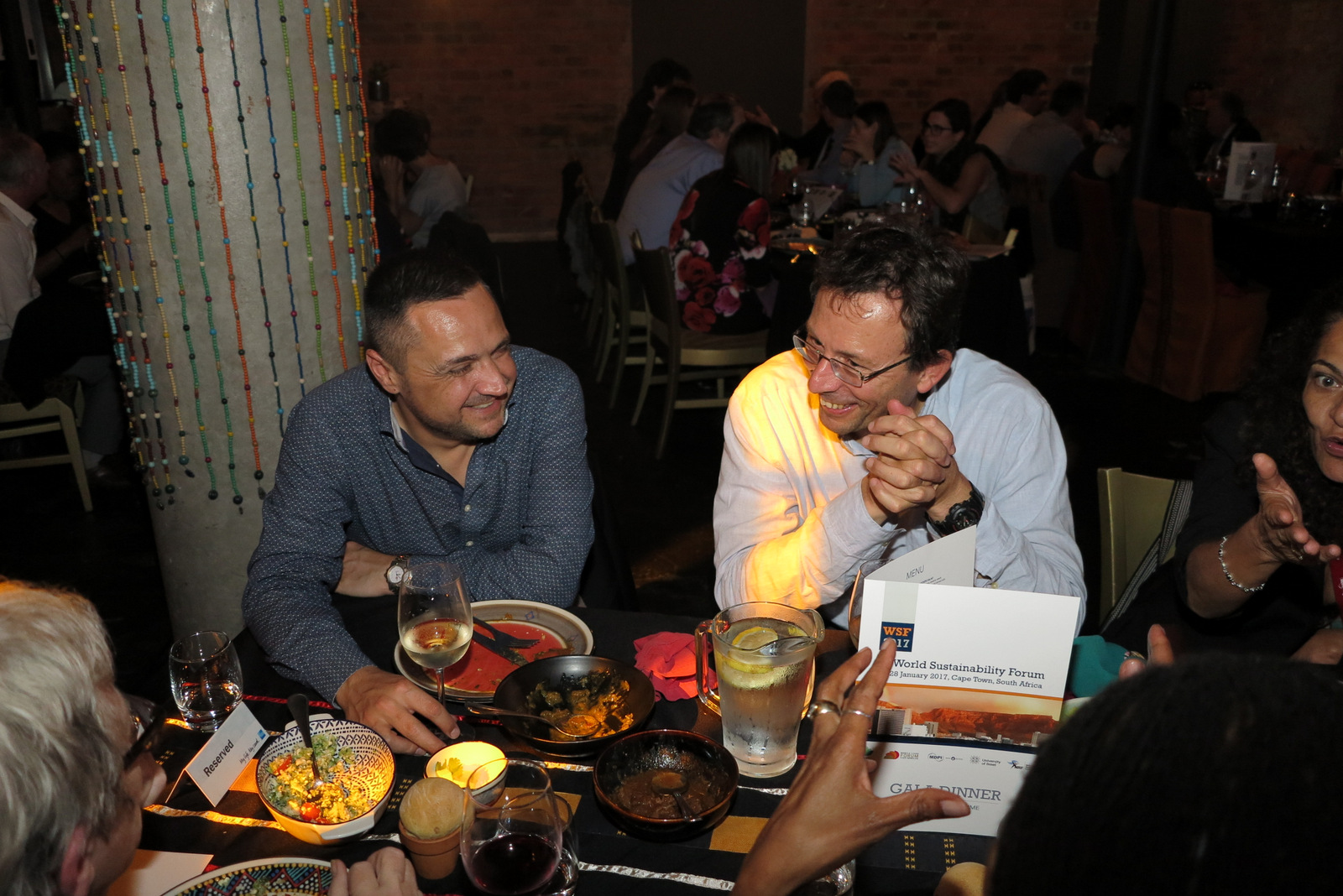
Aldo Stroebel and Mark New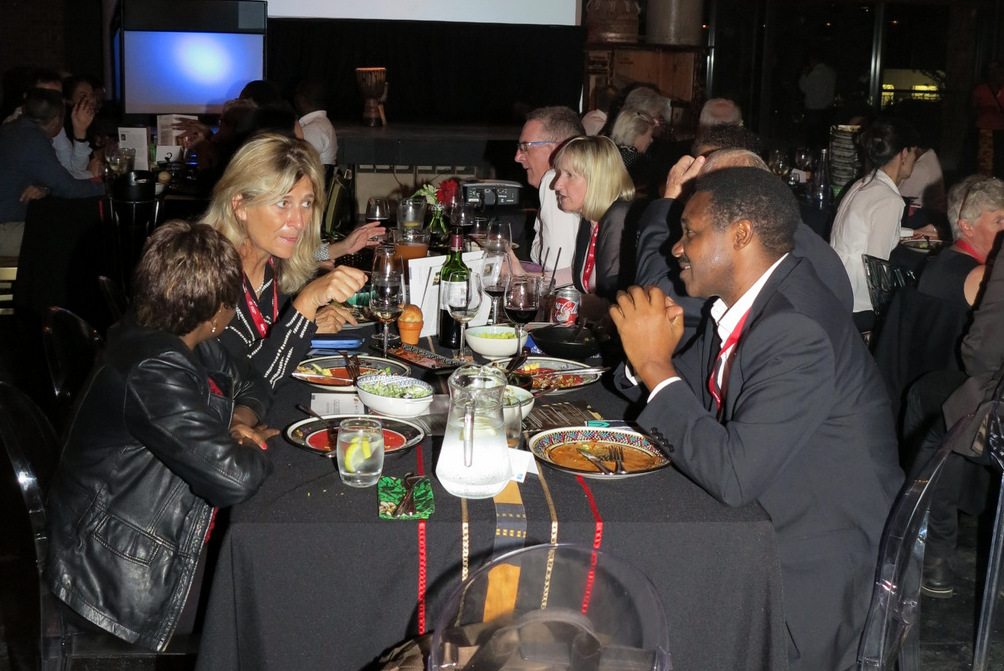
Lise Korsten and Linus Opara
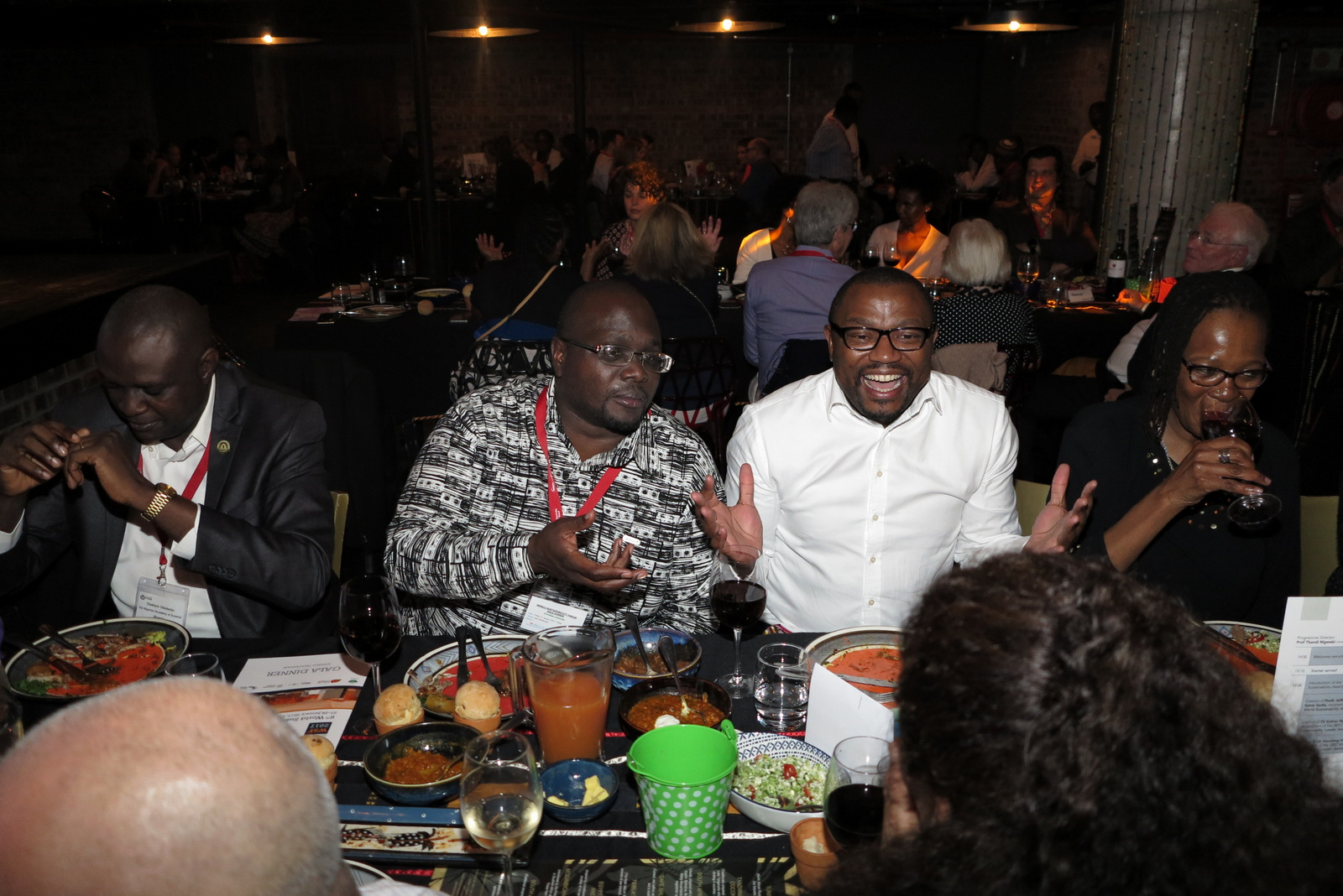
Oladoyin Odubanjo, Christian Acemah, Marcel Mballa-Ekobena and Teboho Moja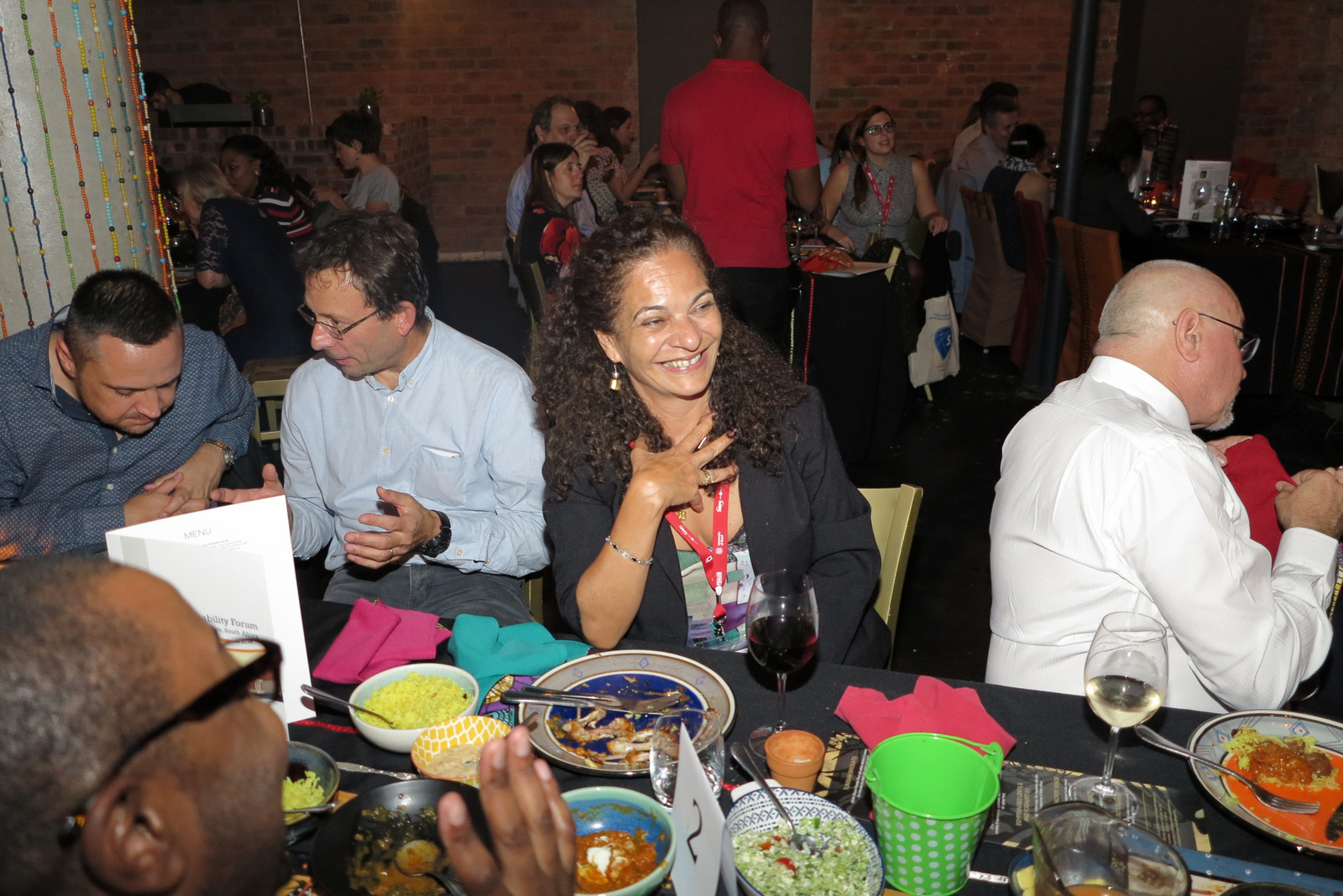
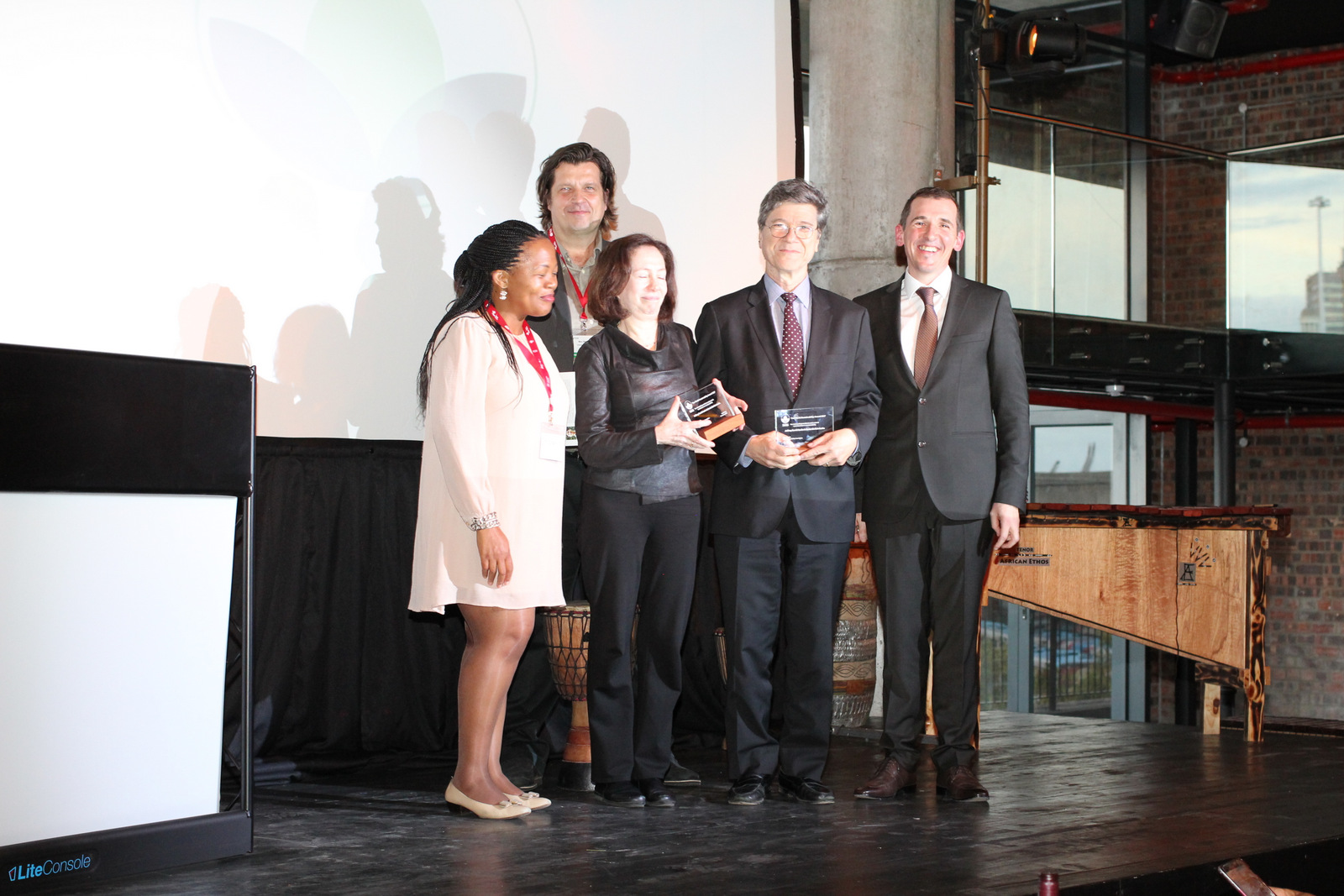
Thandi Mgwebi, Max Bergman, Sonia and Jeff Sachs and Franck Vazquez
The 6th World Sustainability Forum #WSF2017SA, Day Two, 28 January 2017, Cape Town, South Africa
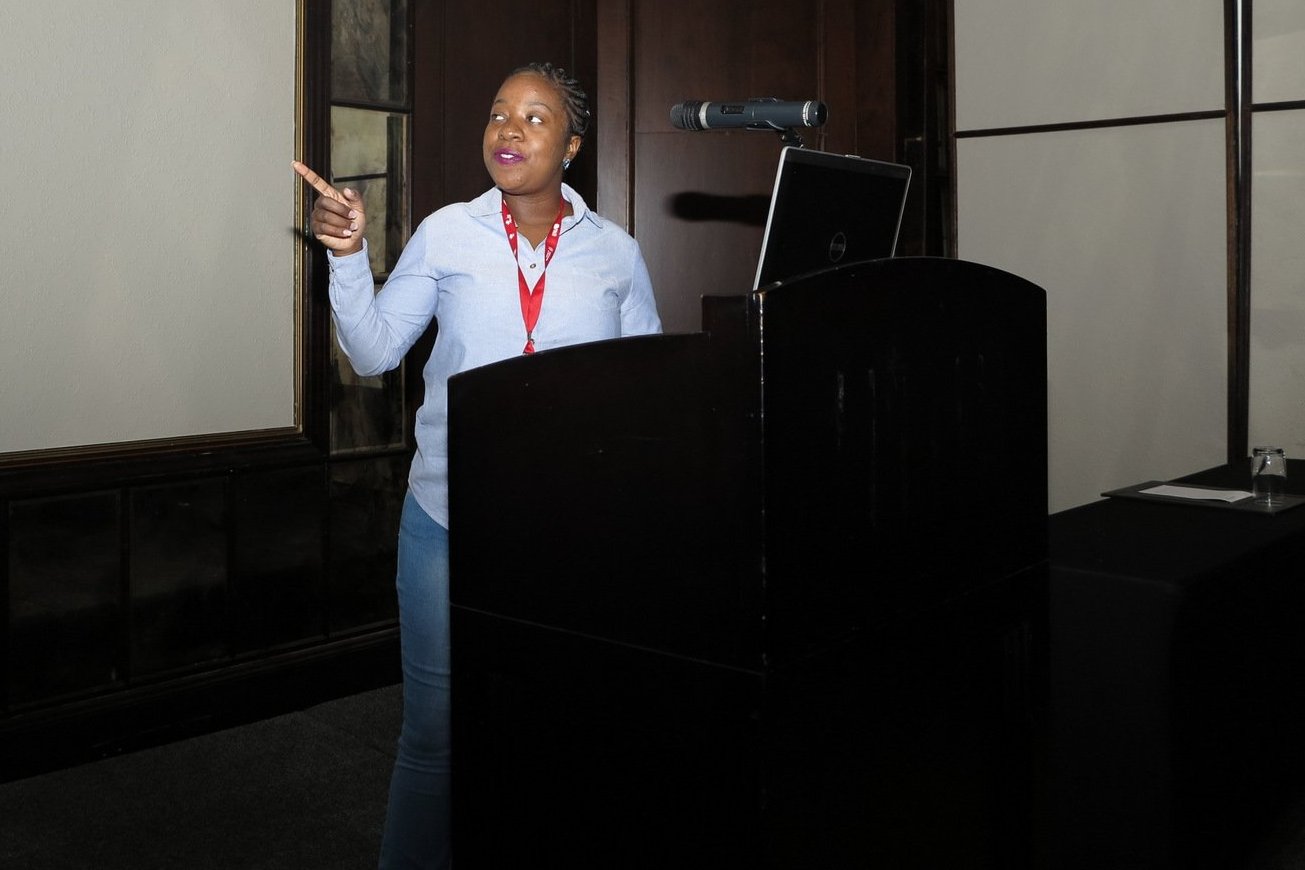
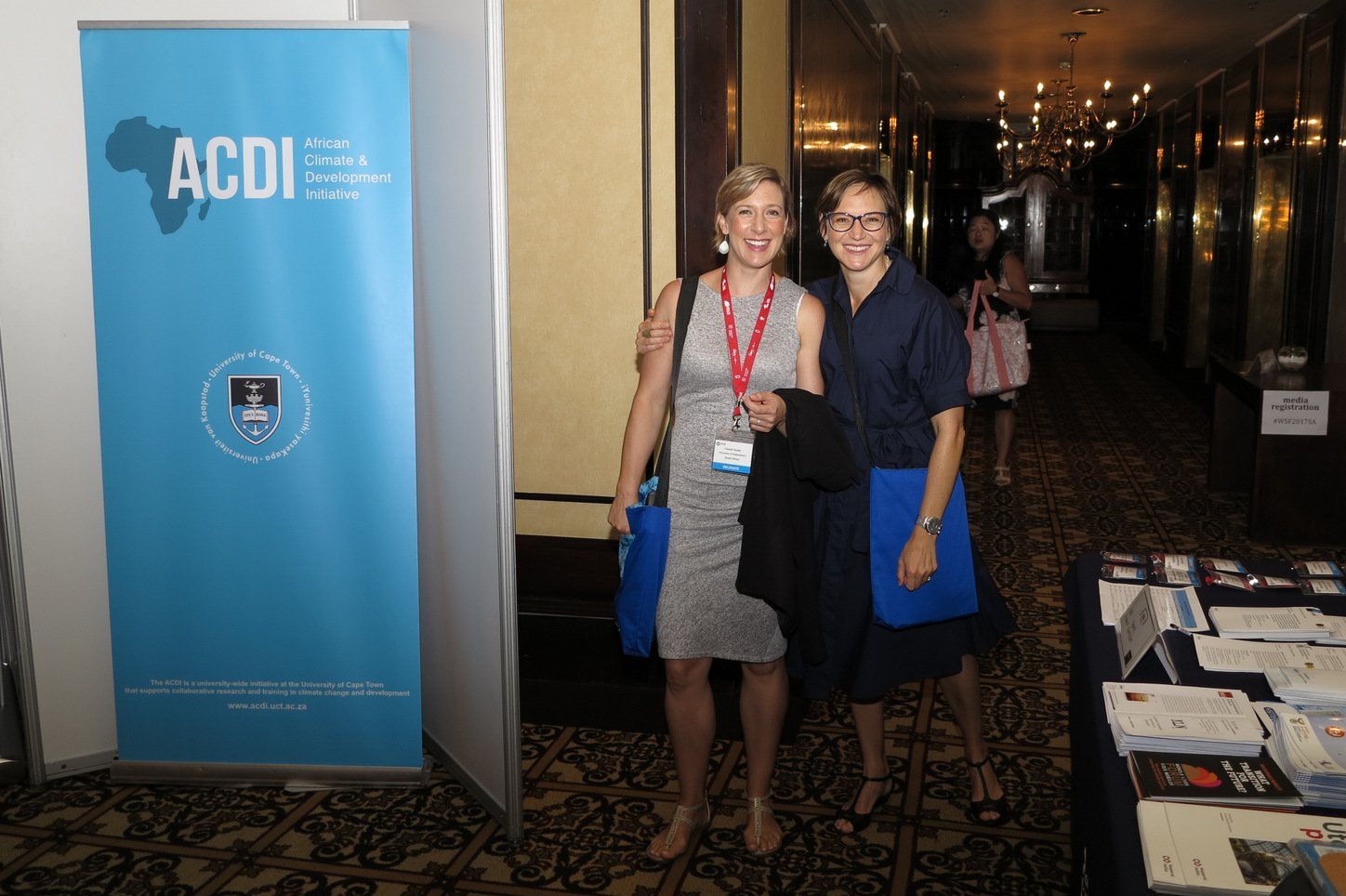
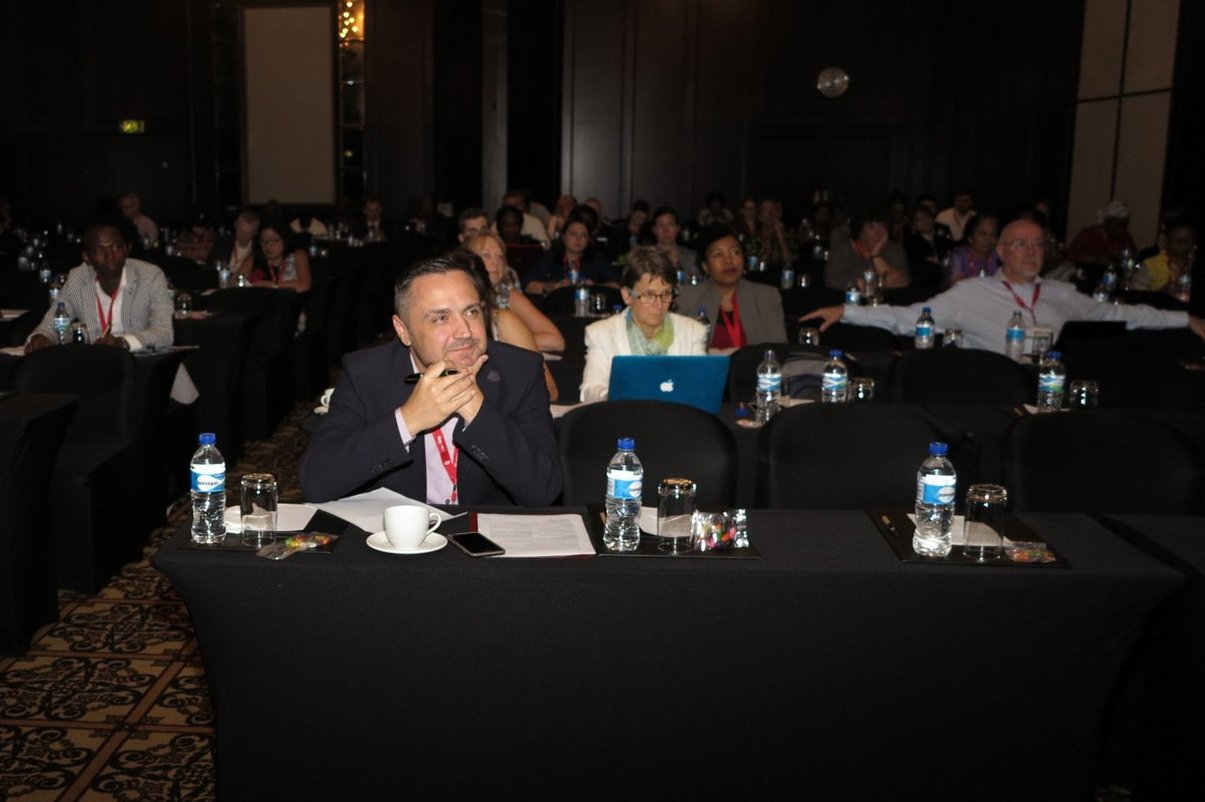
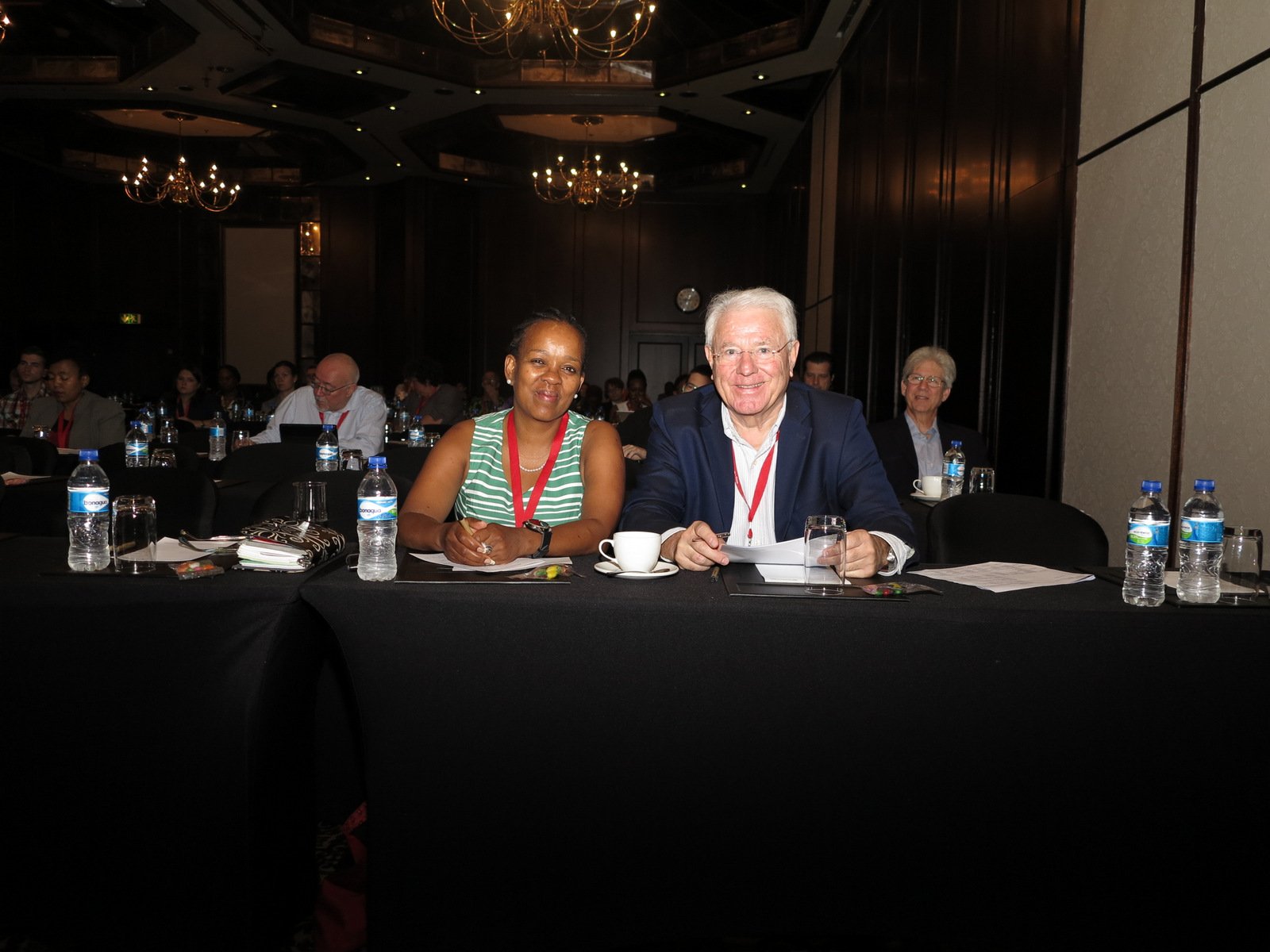
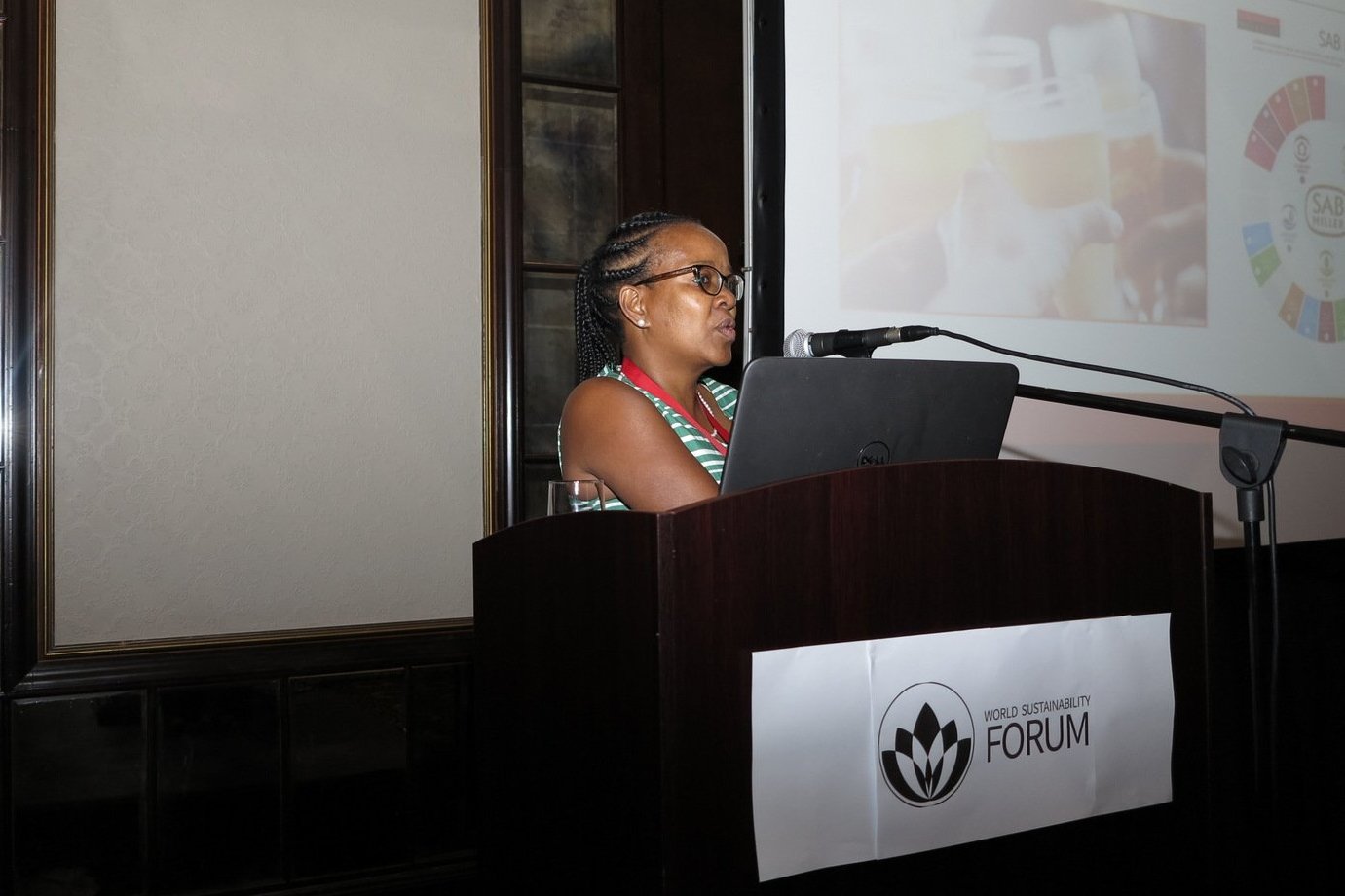
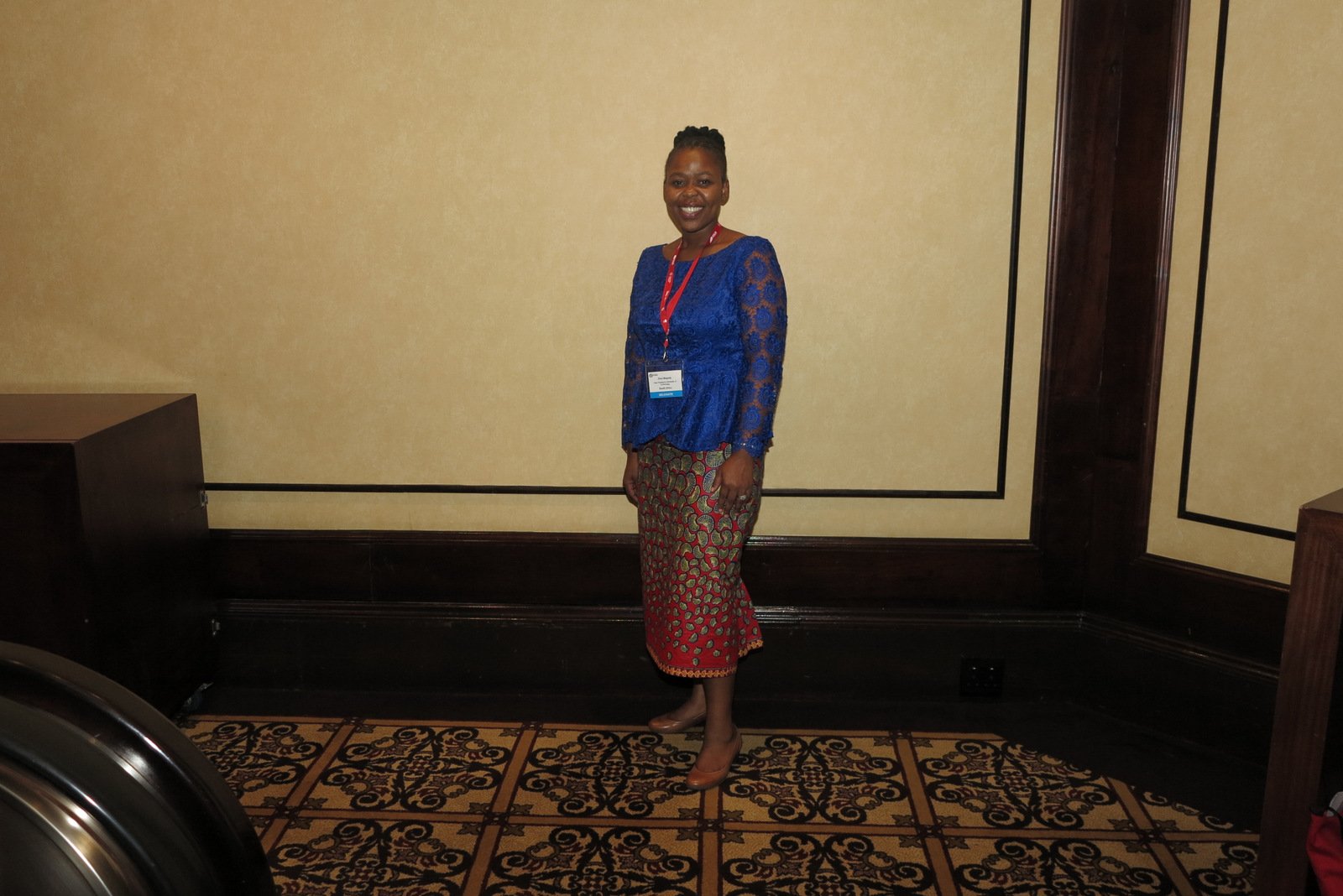
Zinzi Magoda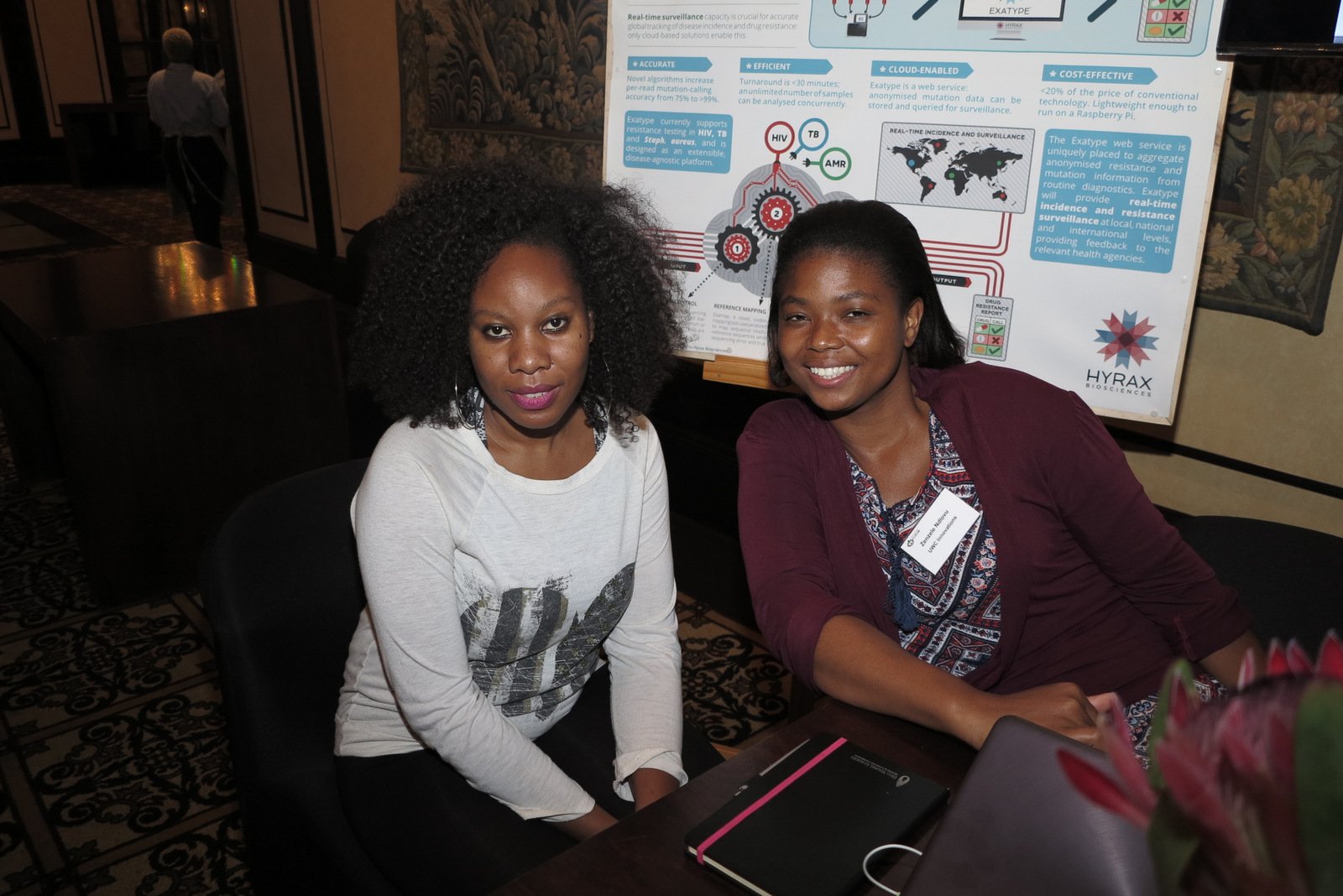
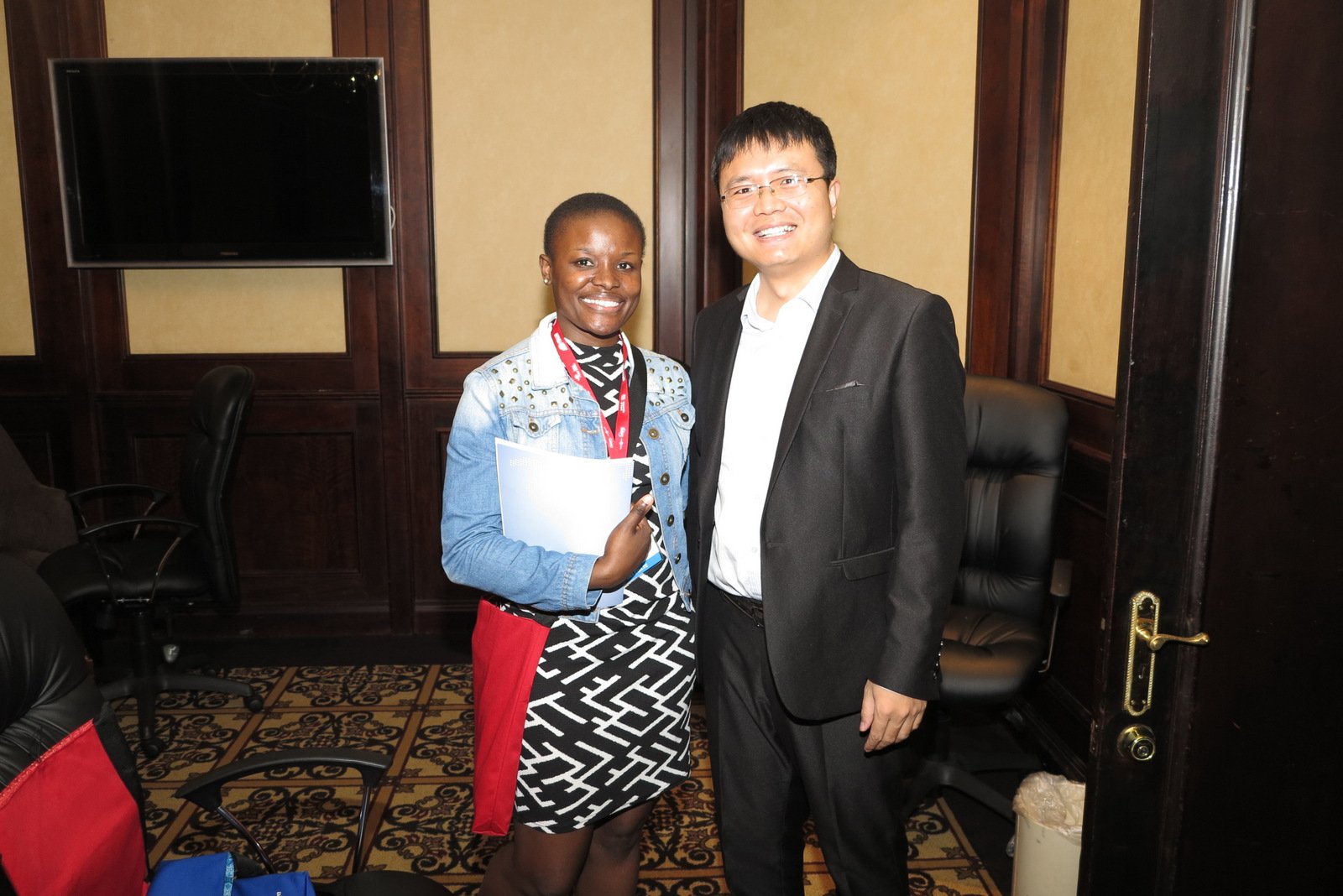
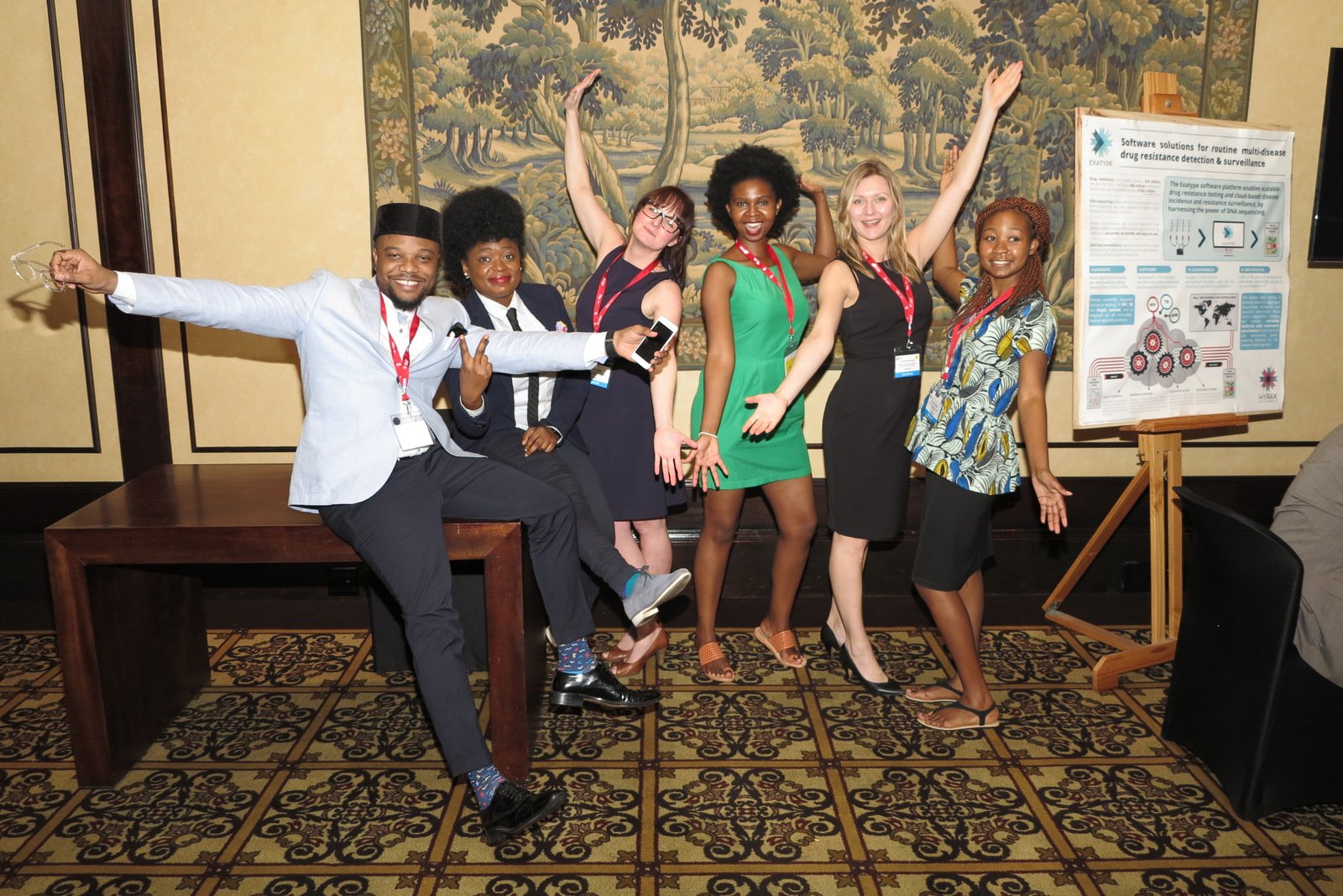
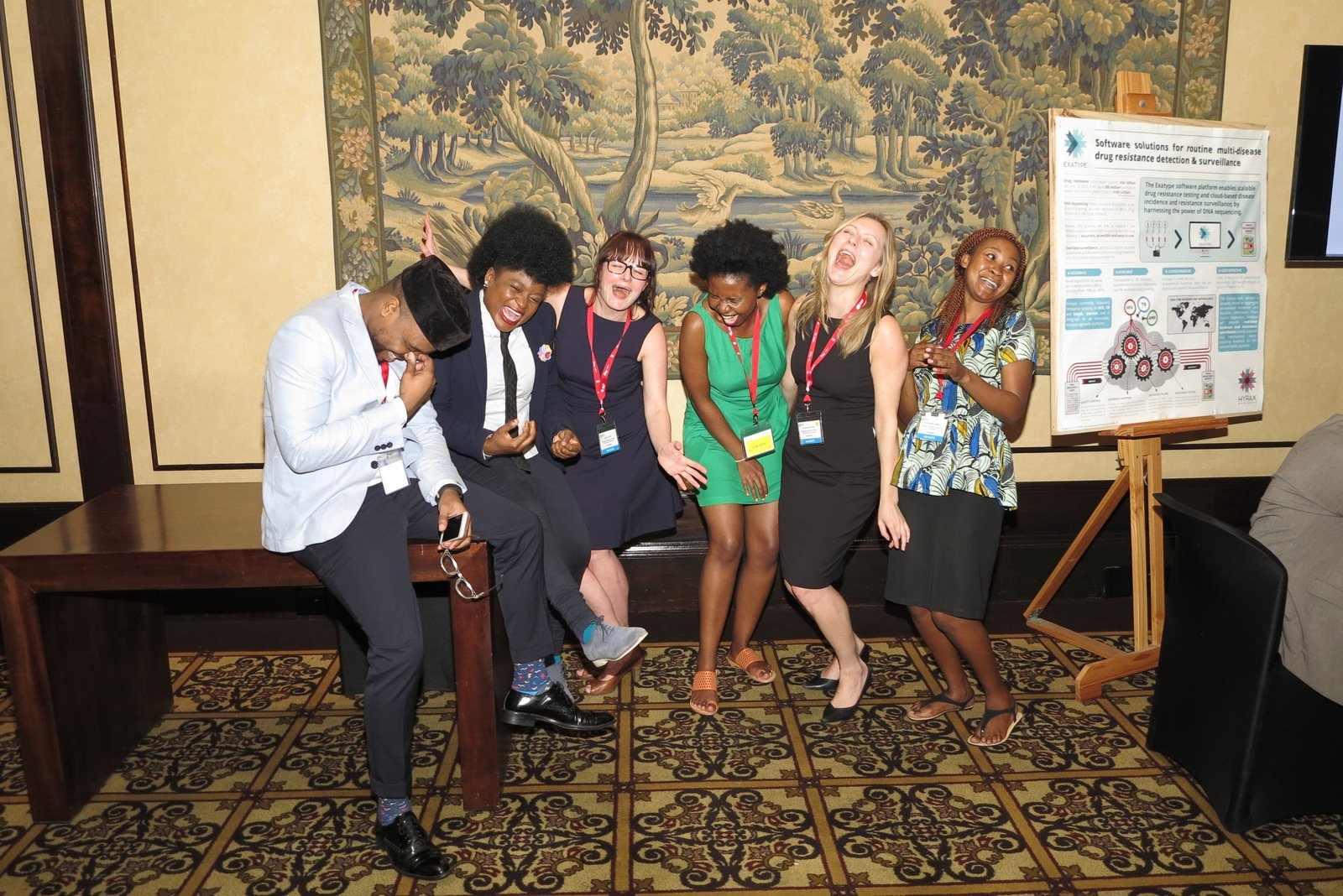
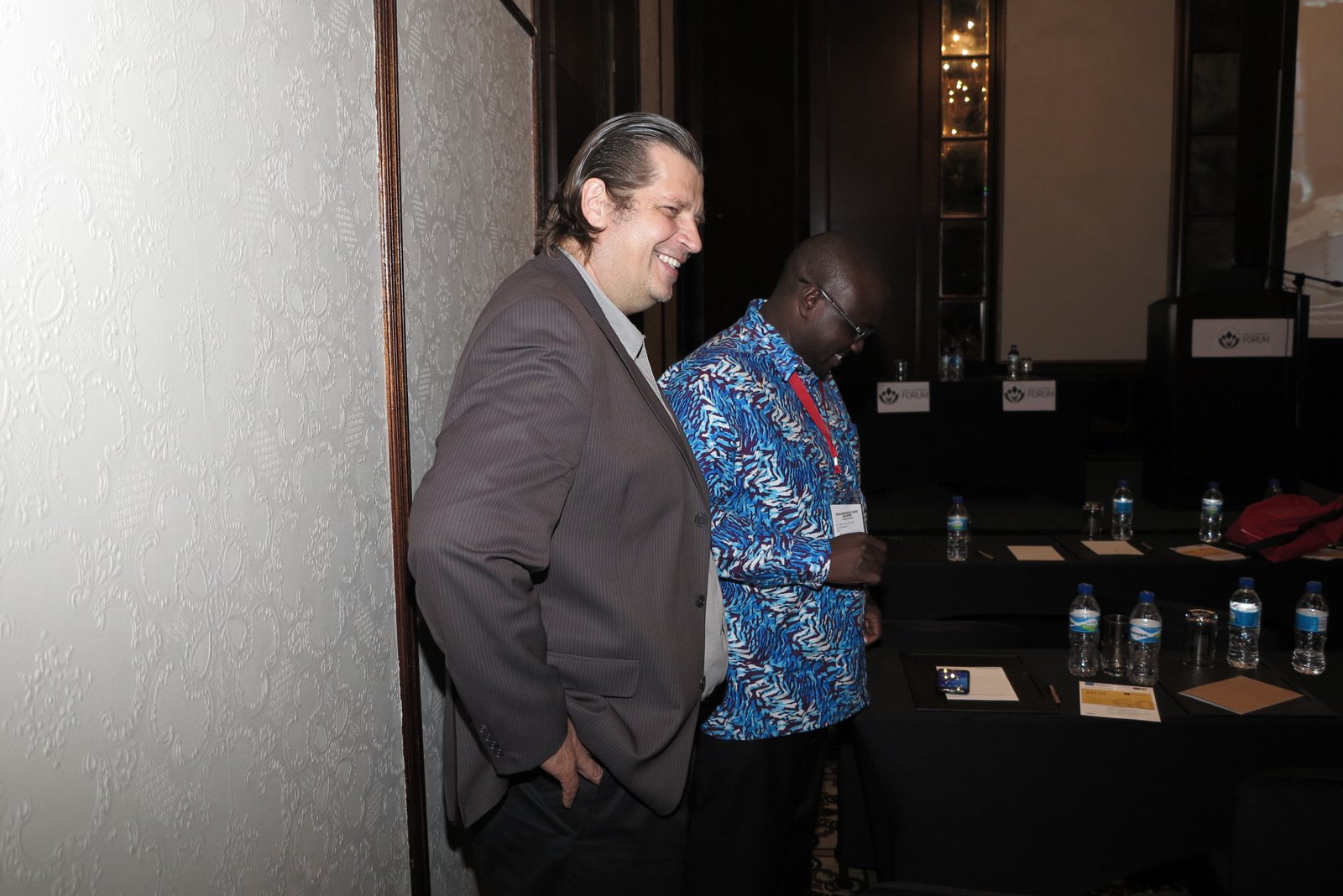
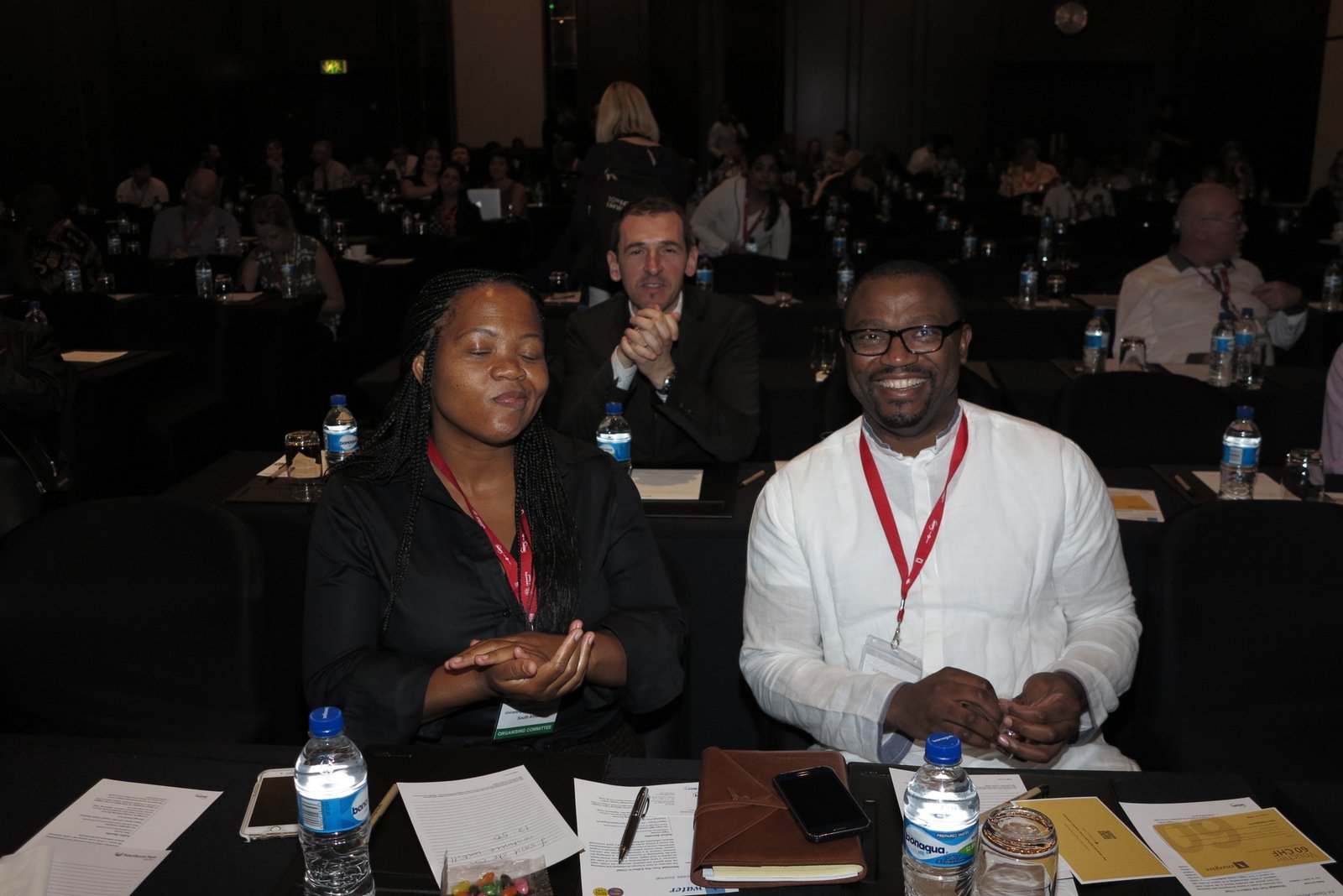
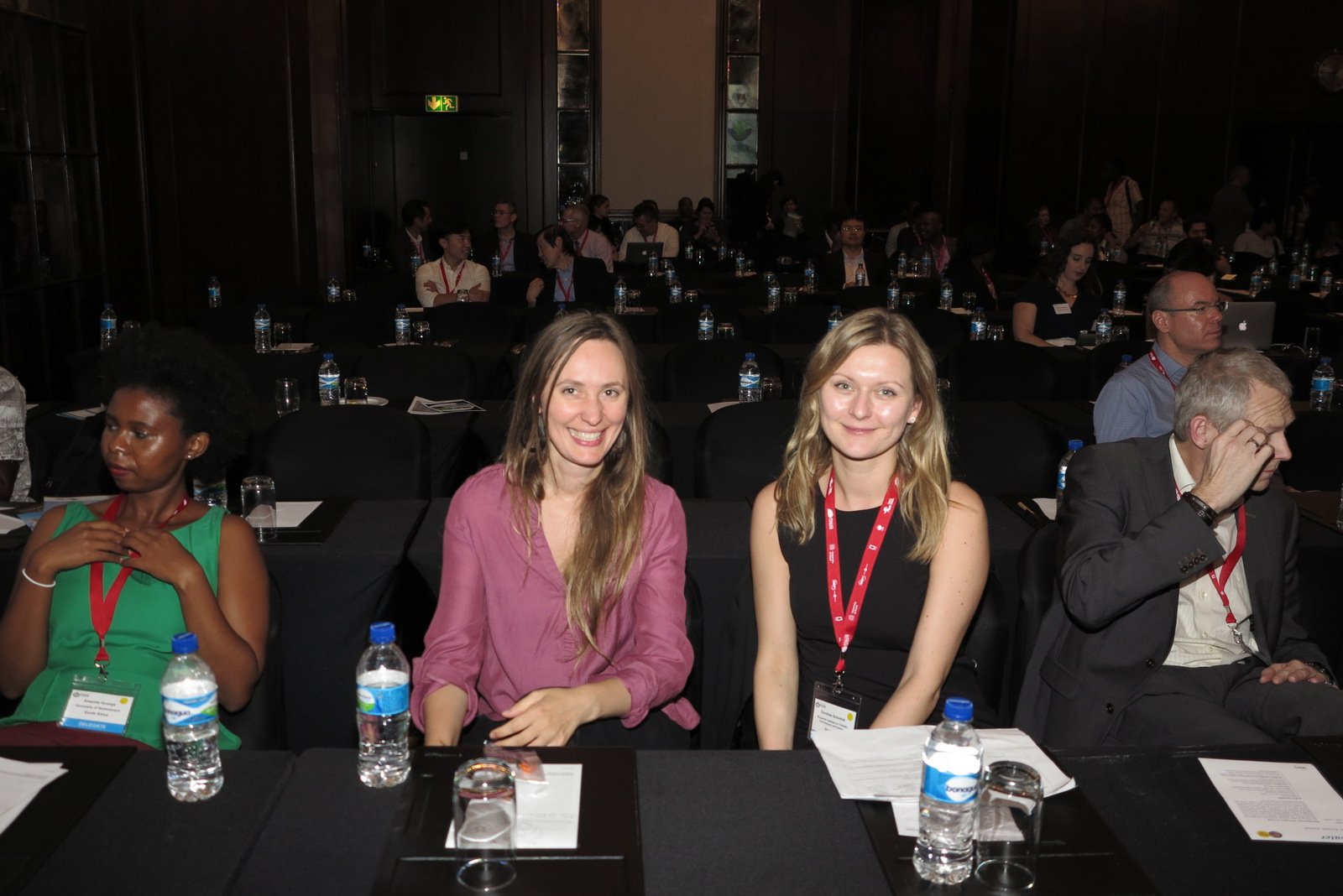
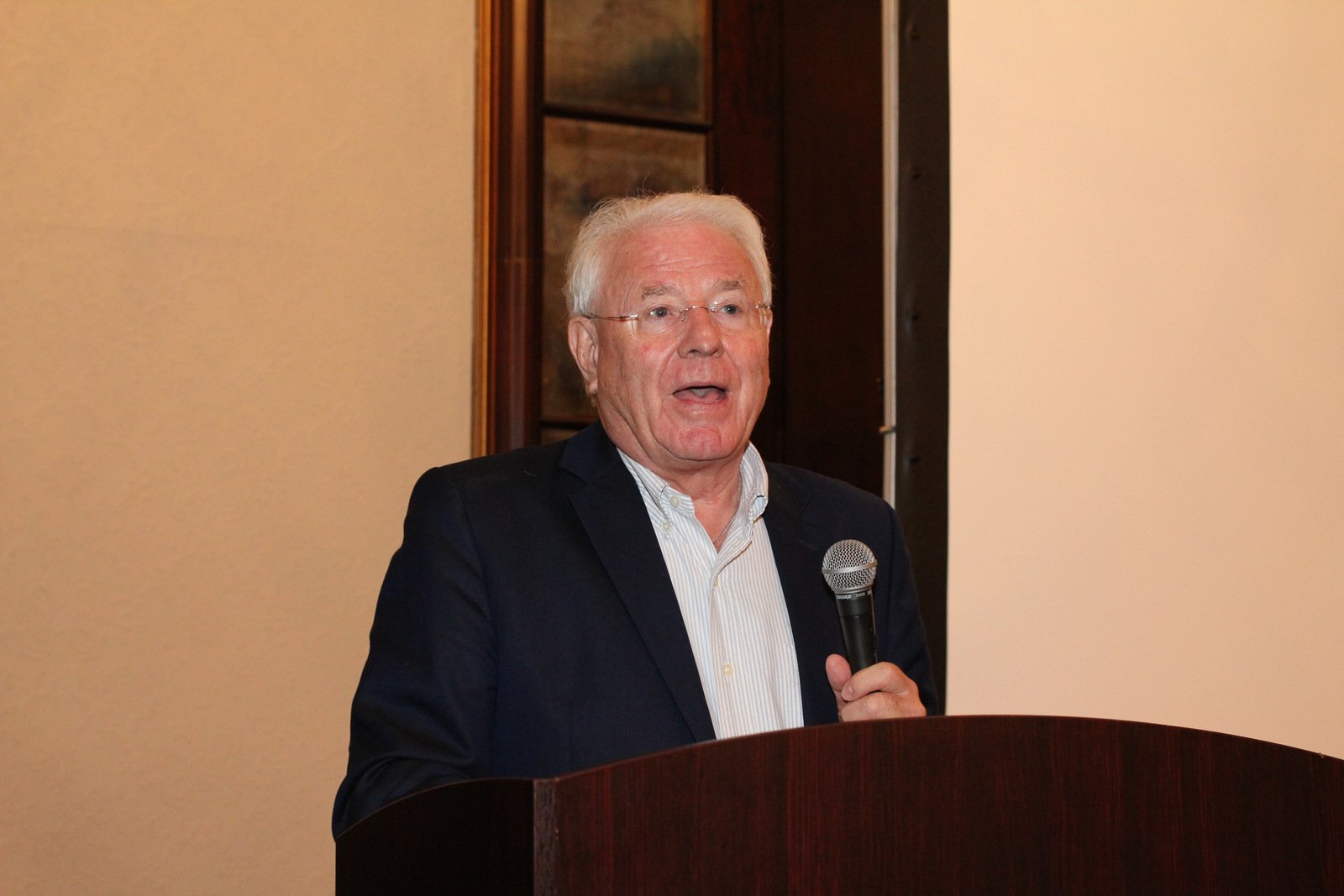
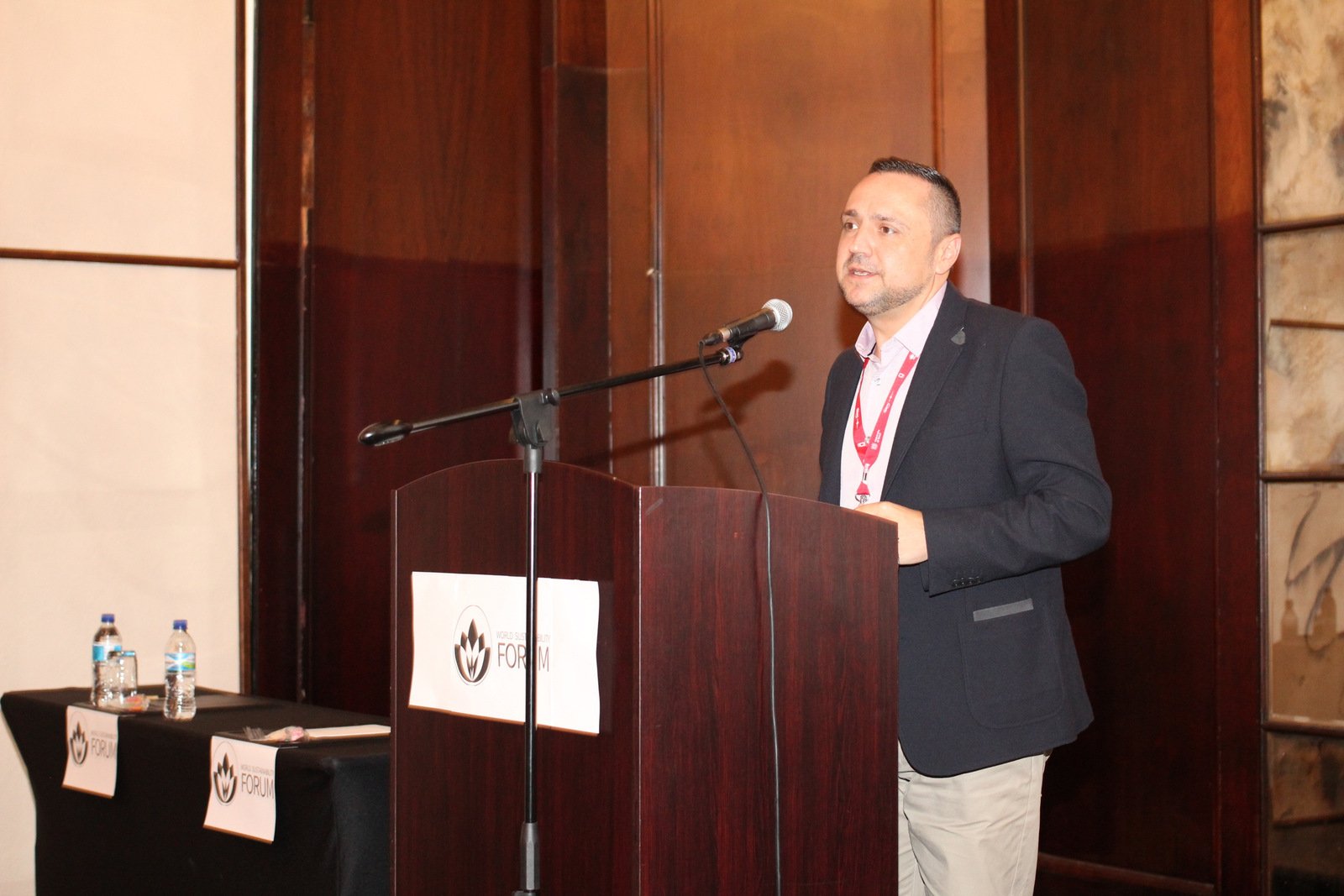
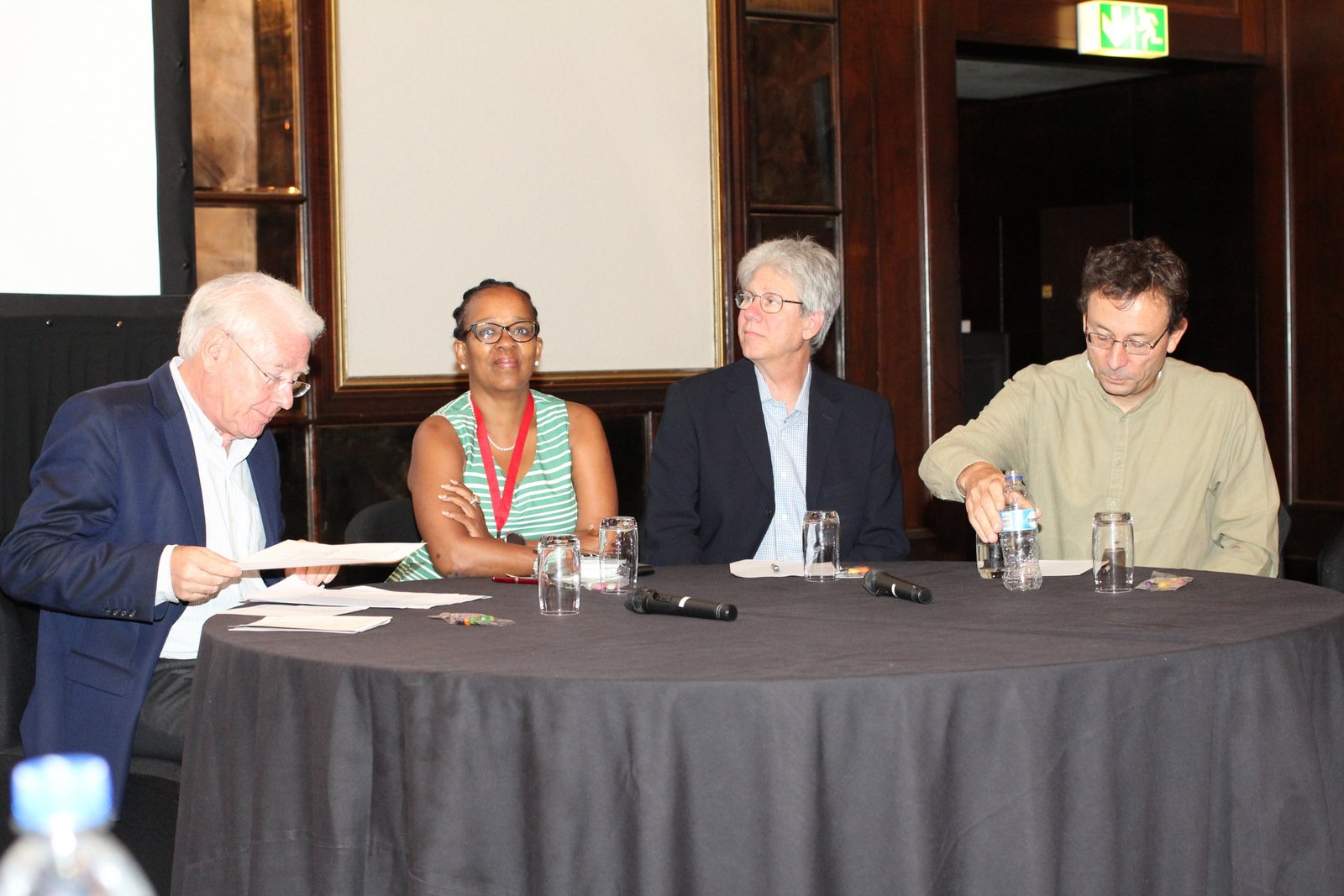
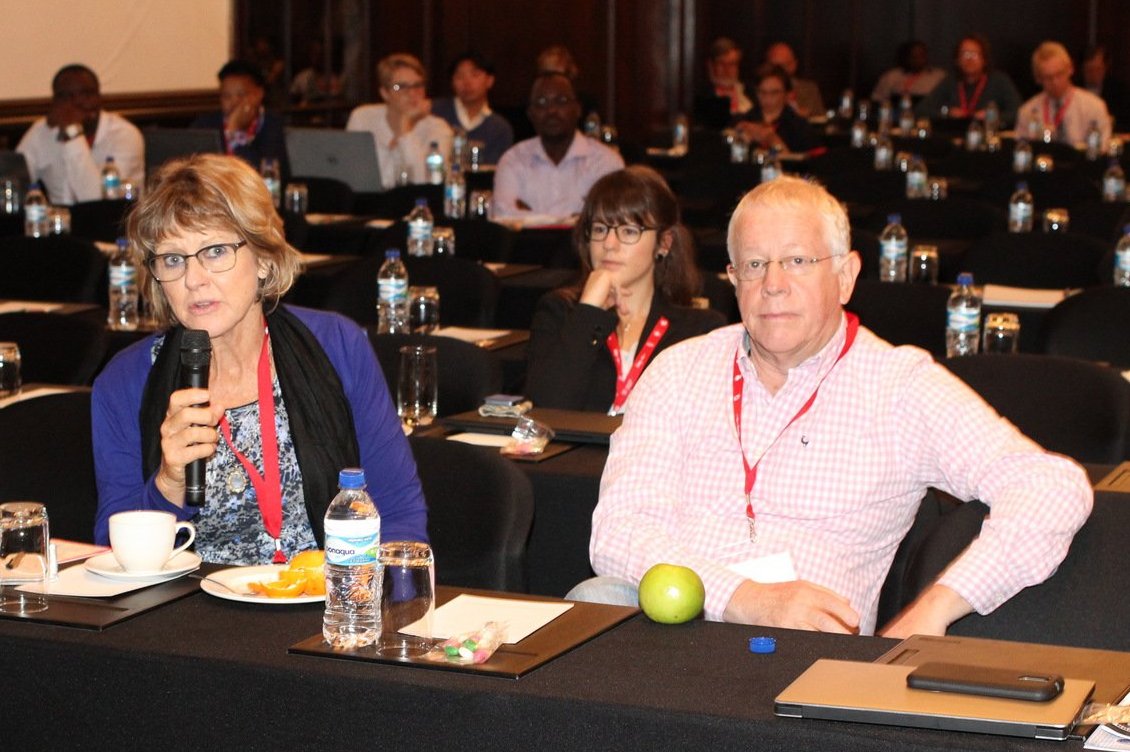
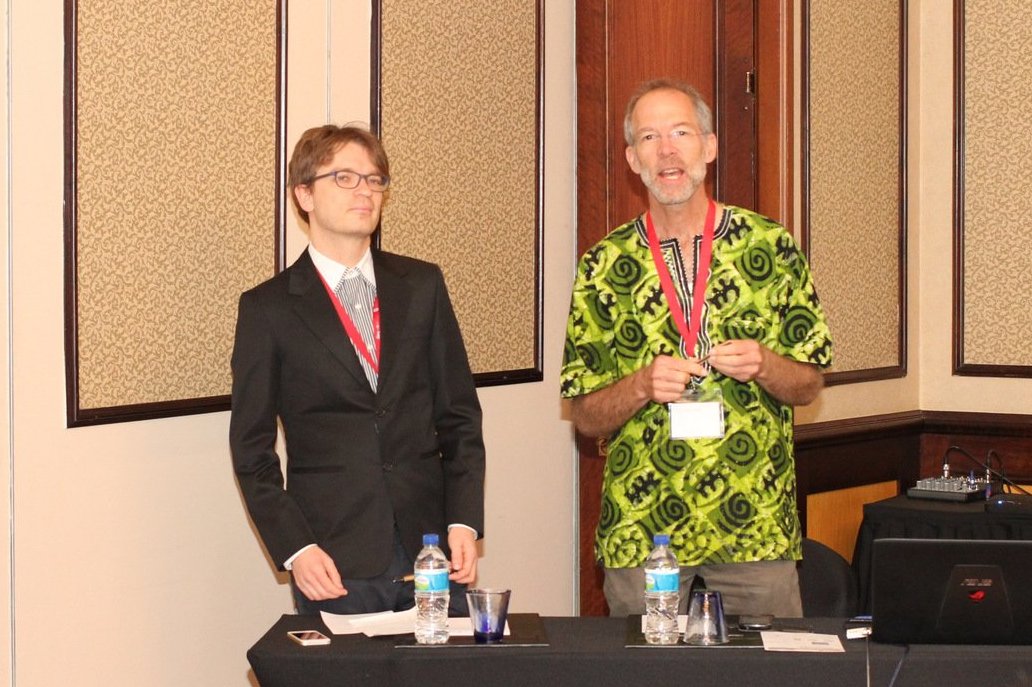
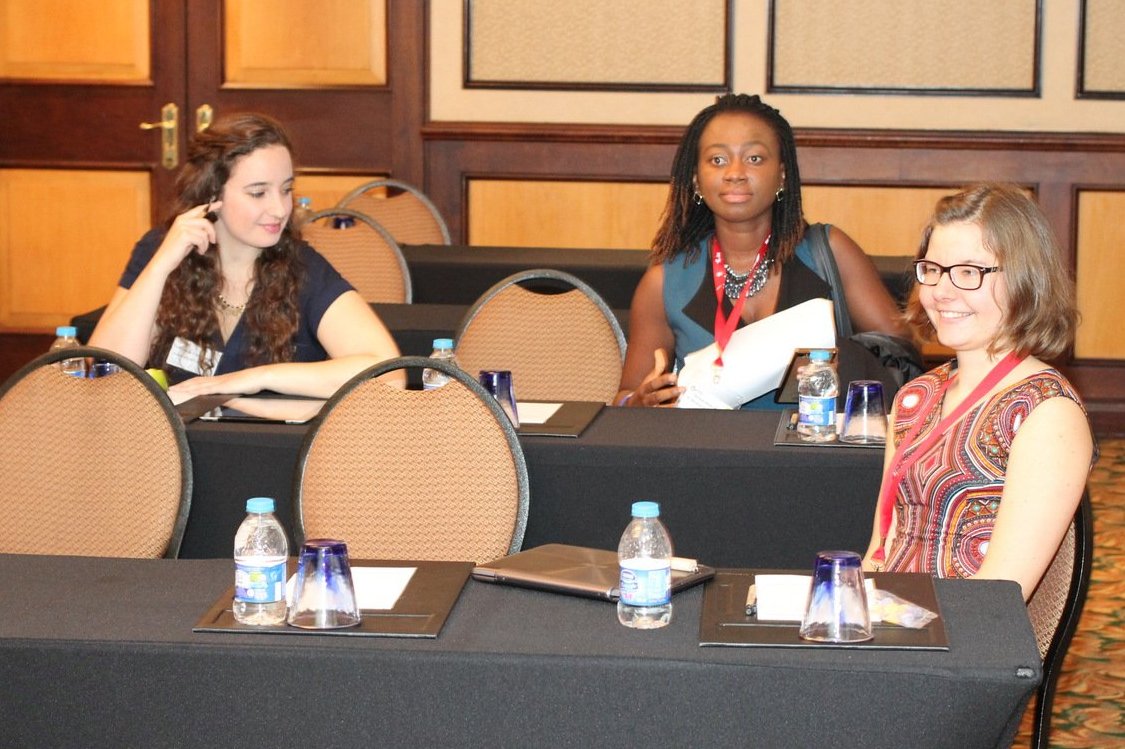
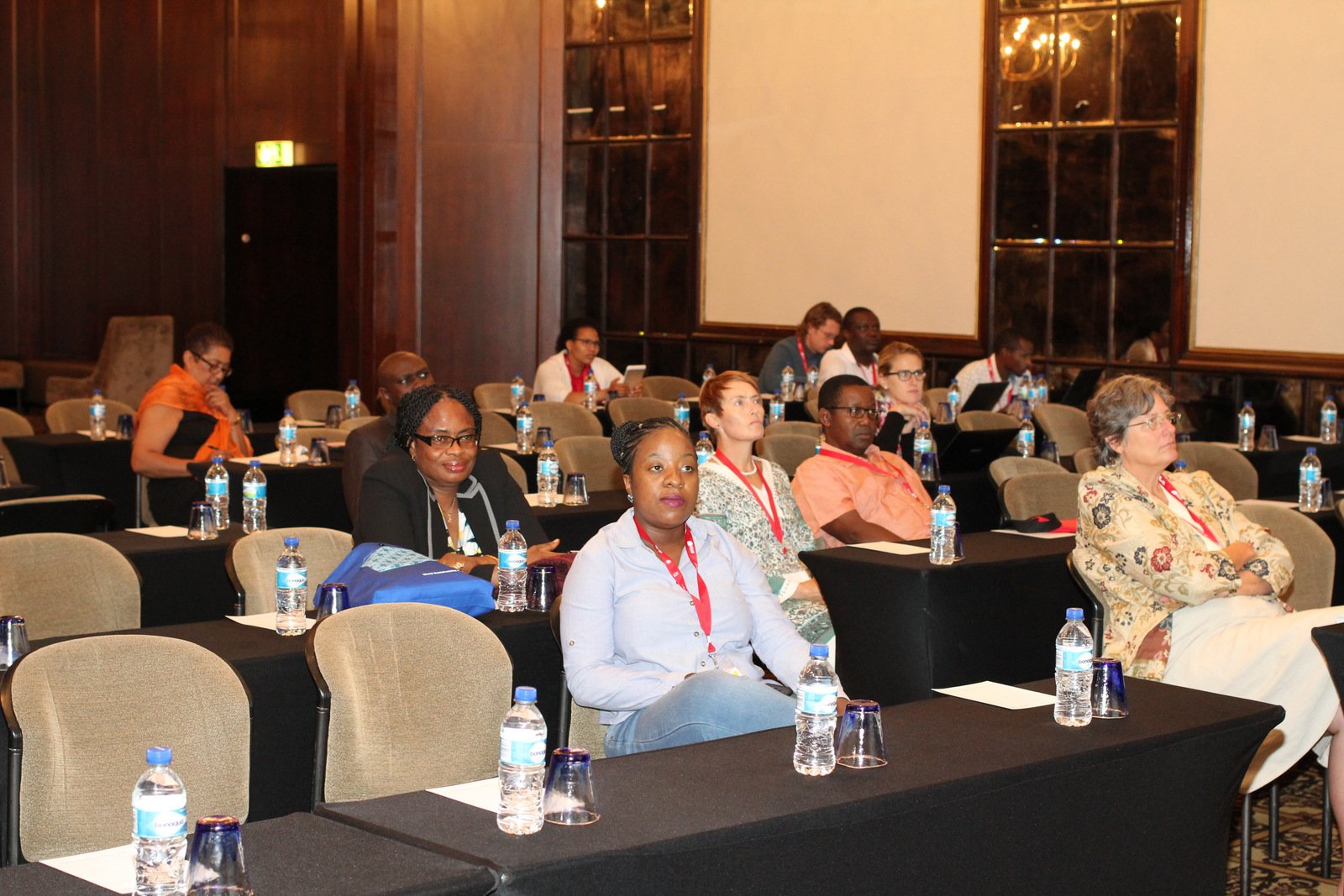
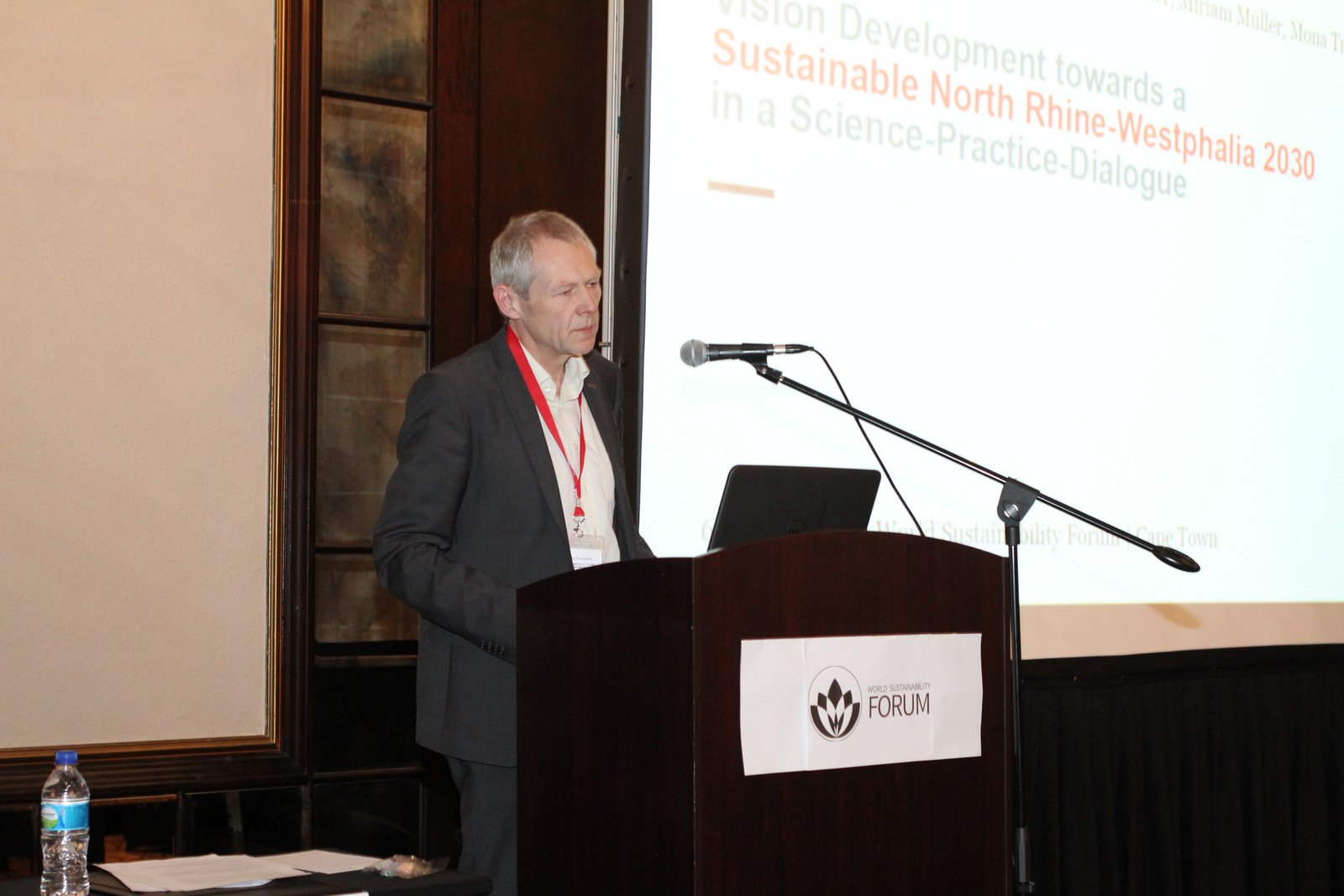
Manfred Fishedick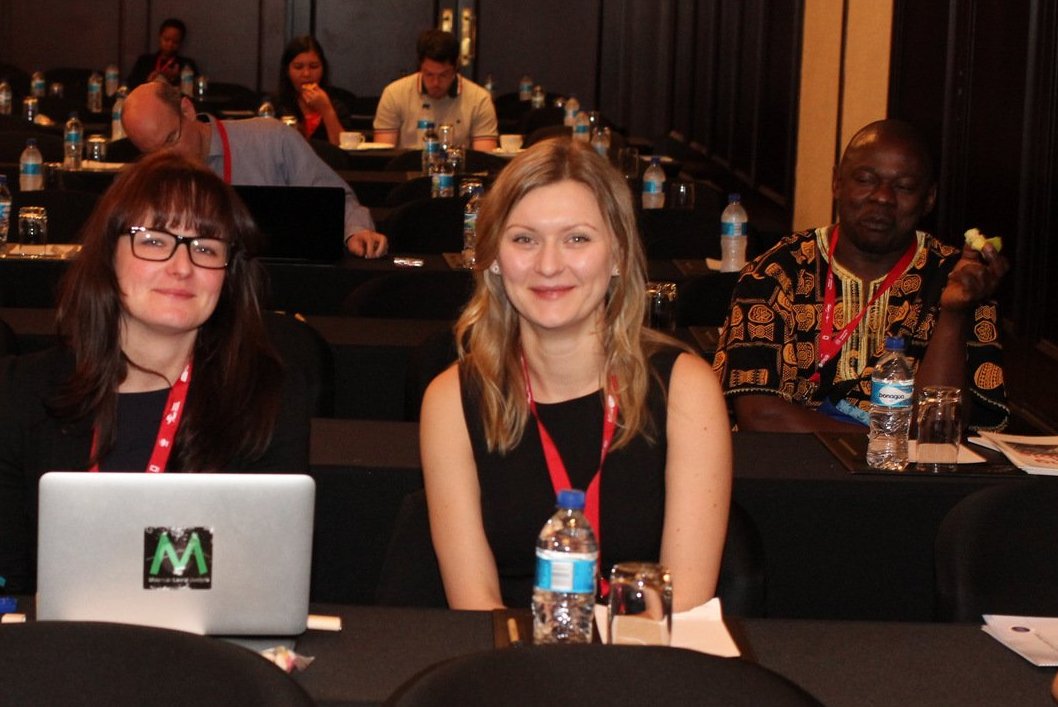
Mona and Doro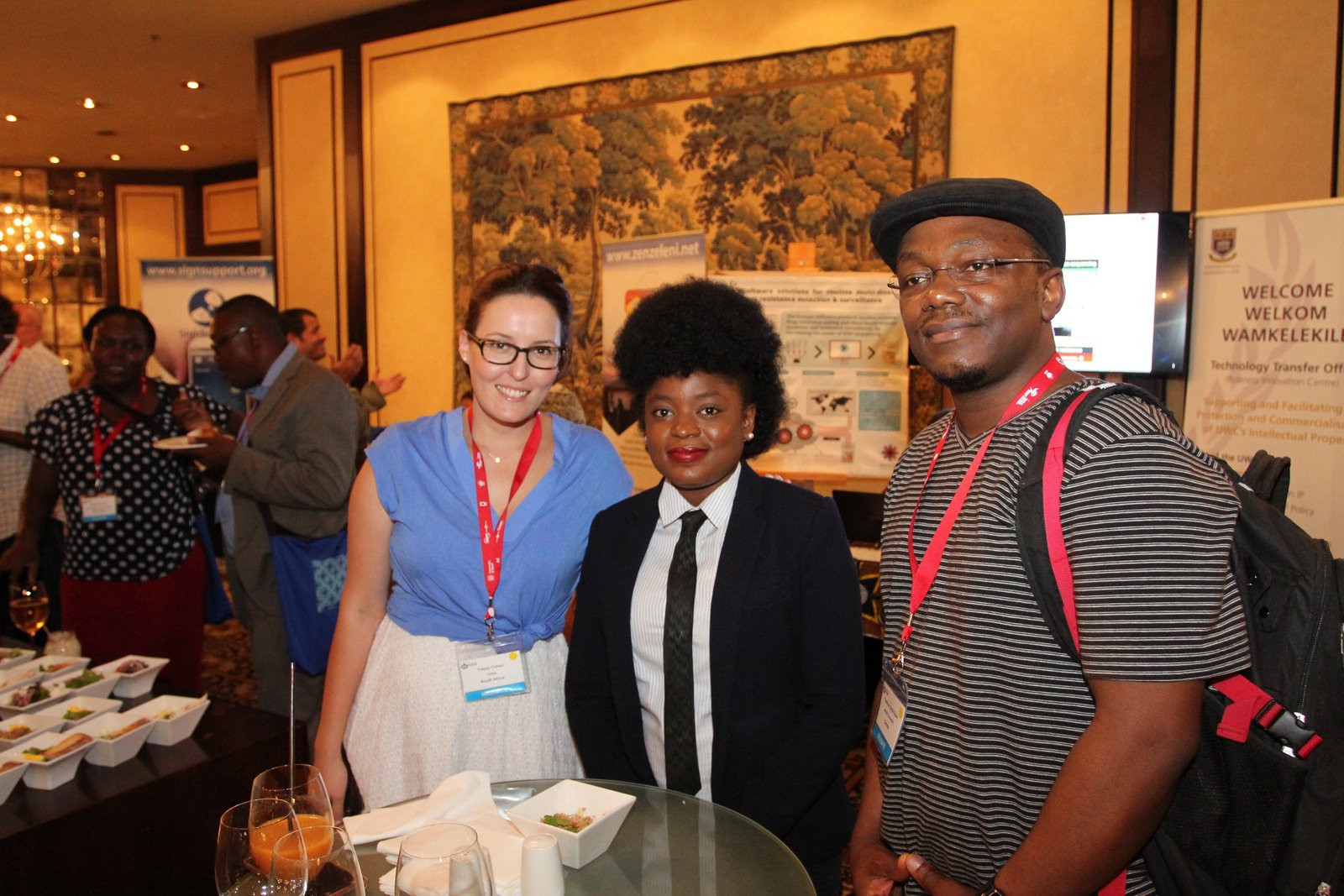
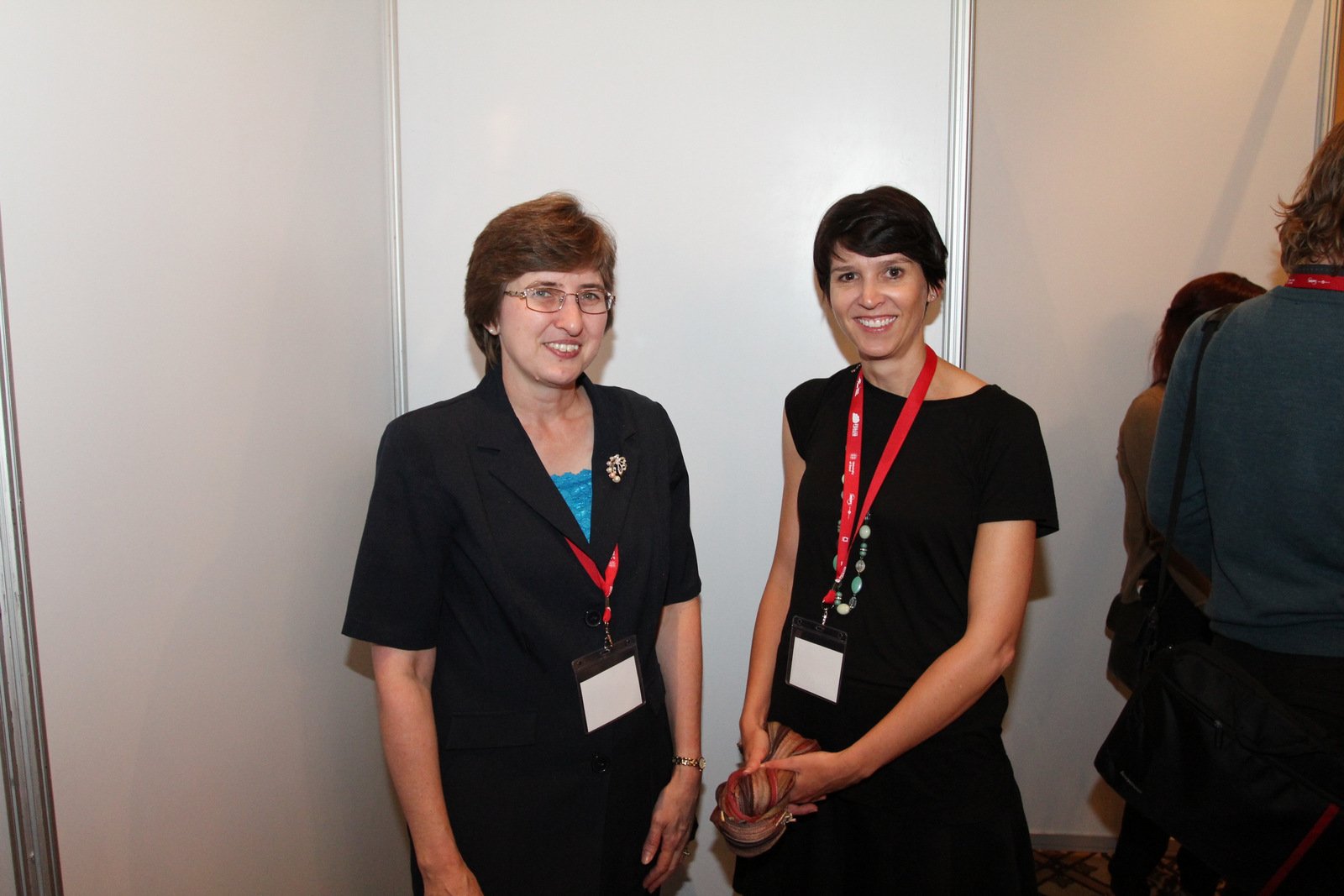
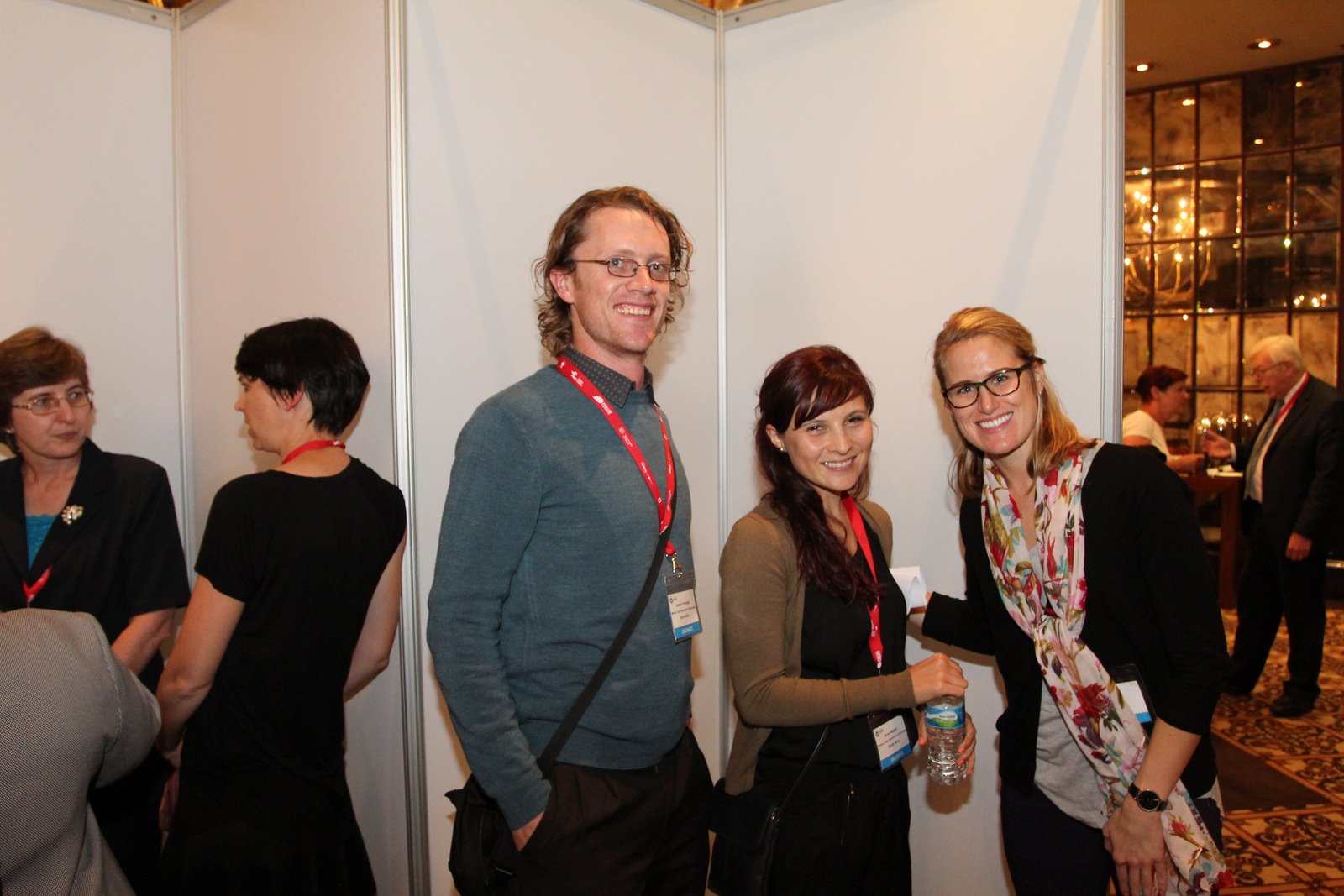
Janine Chantson and Frans Swanepoel
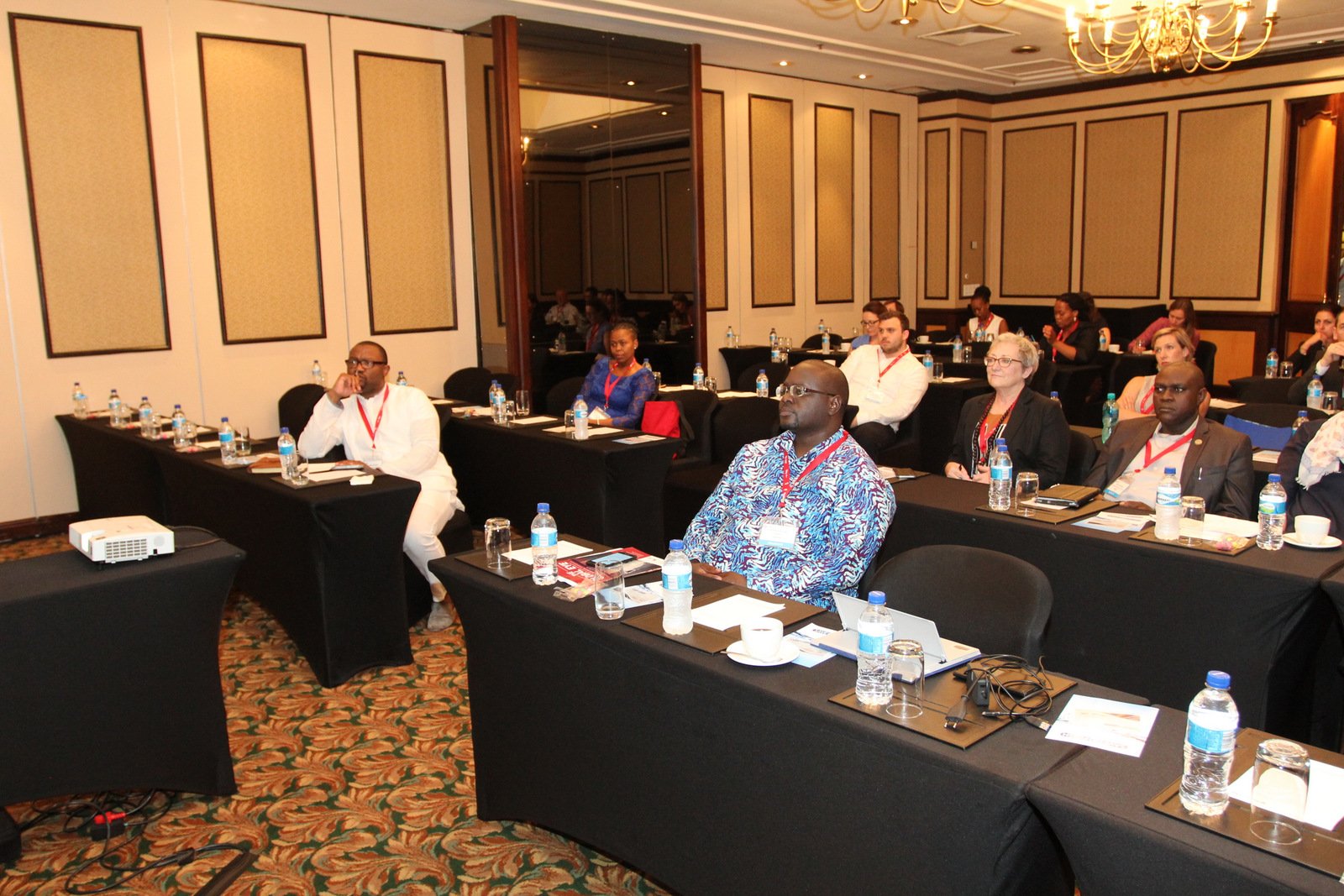
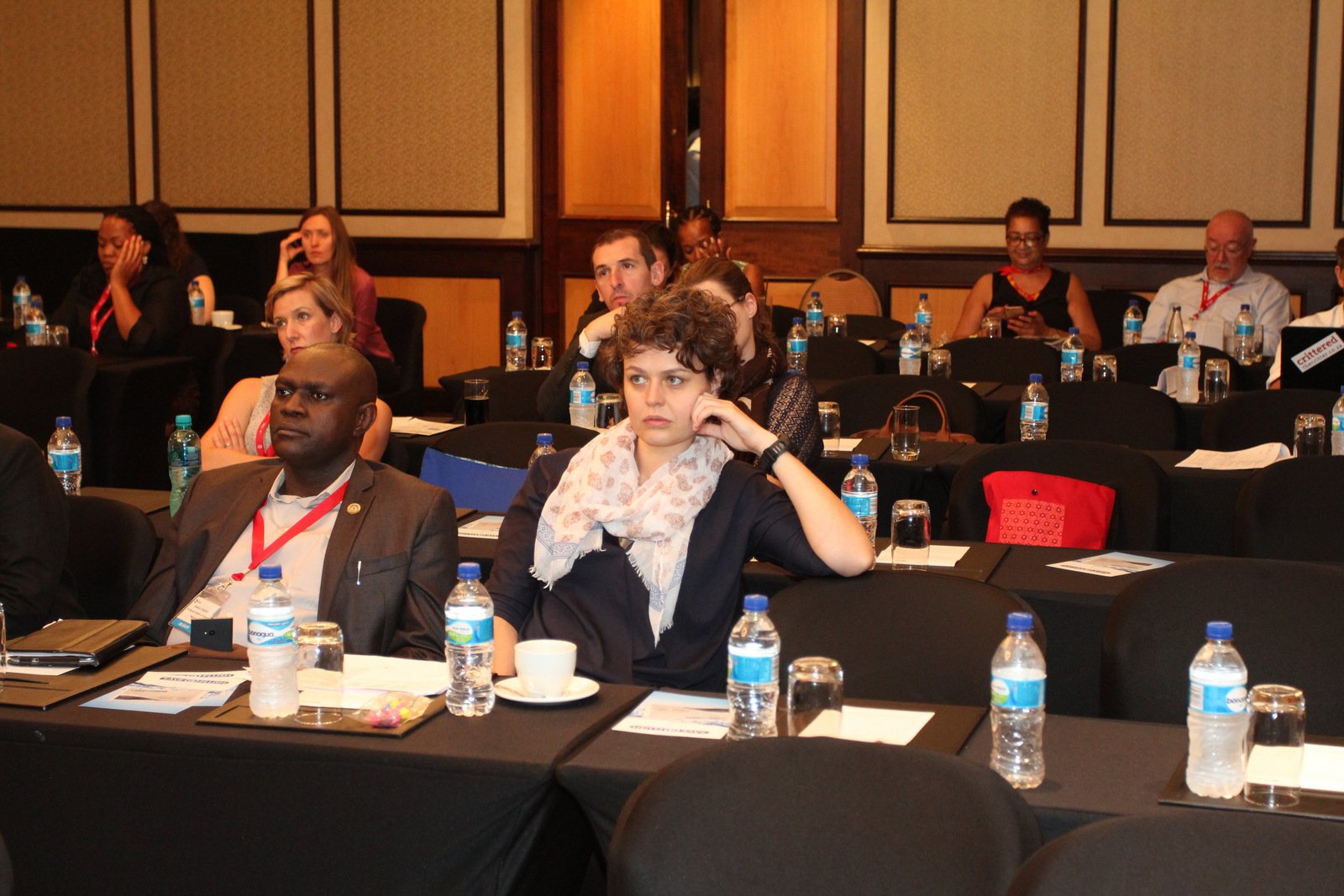
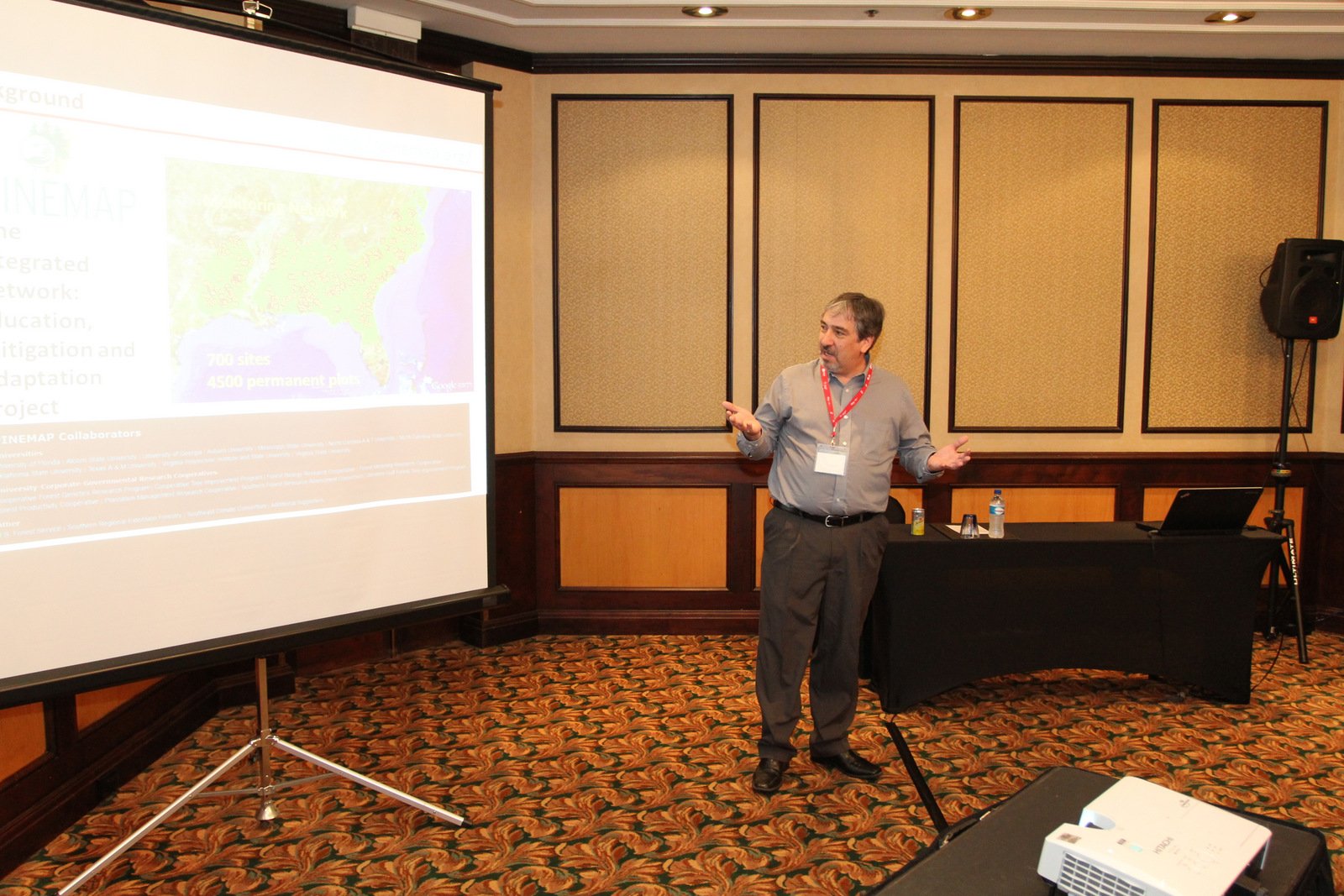
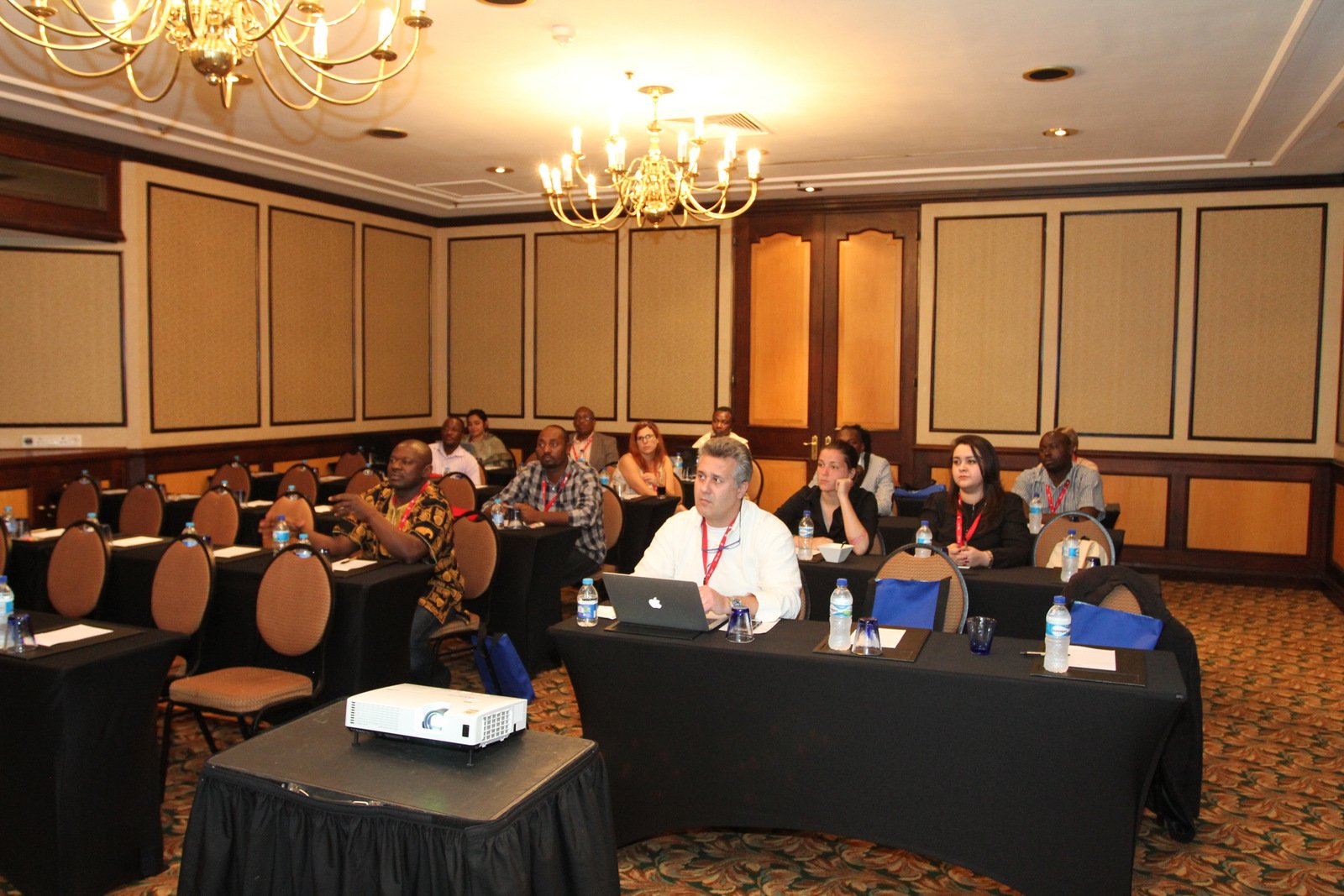
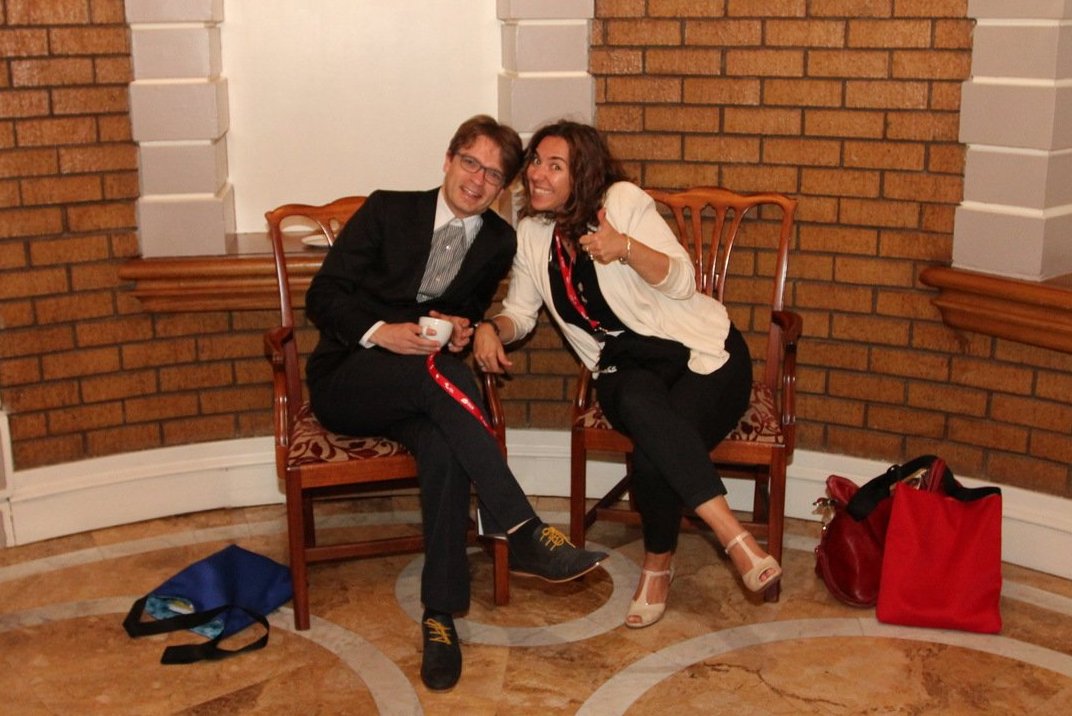
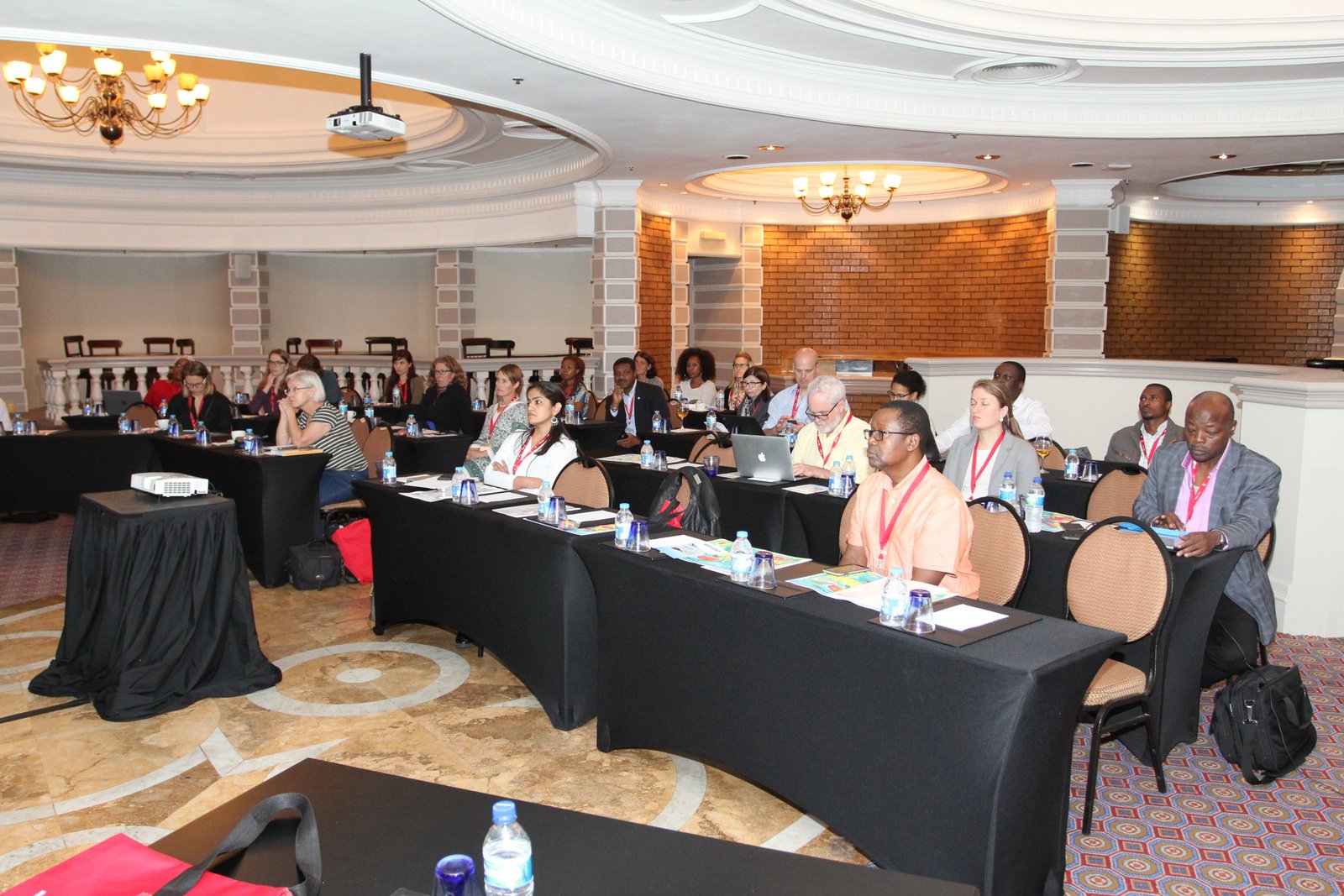
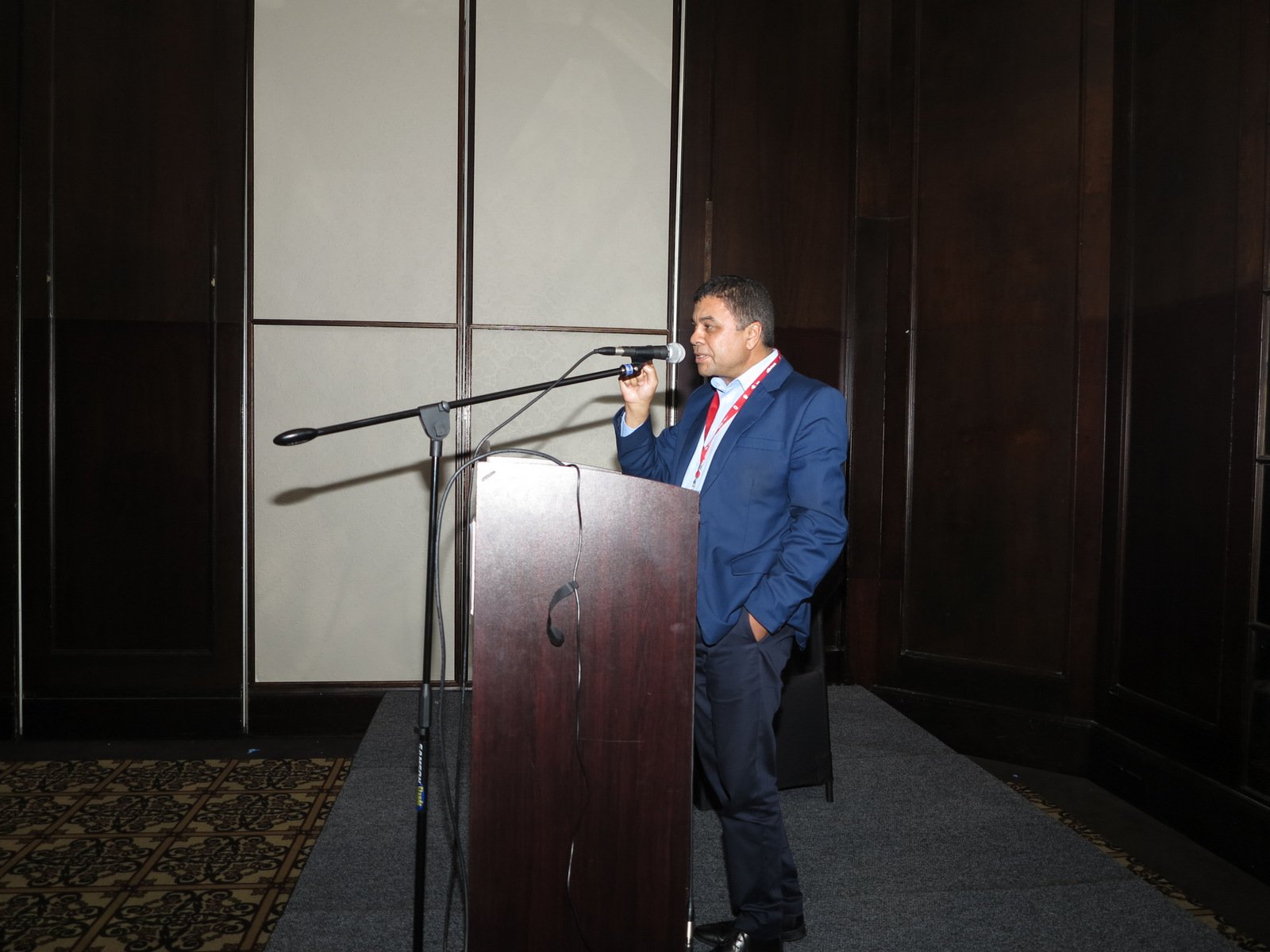
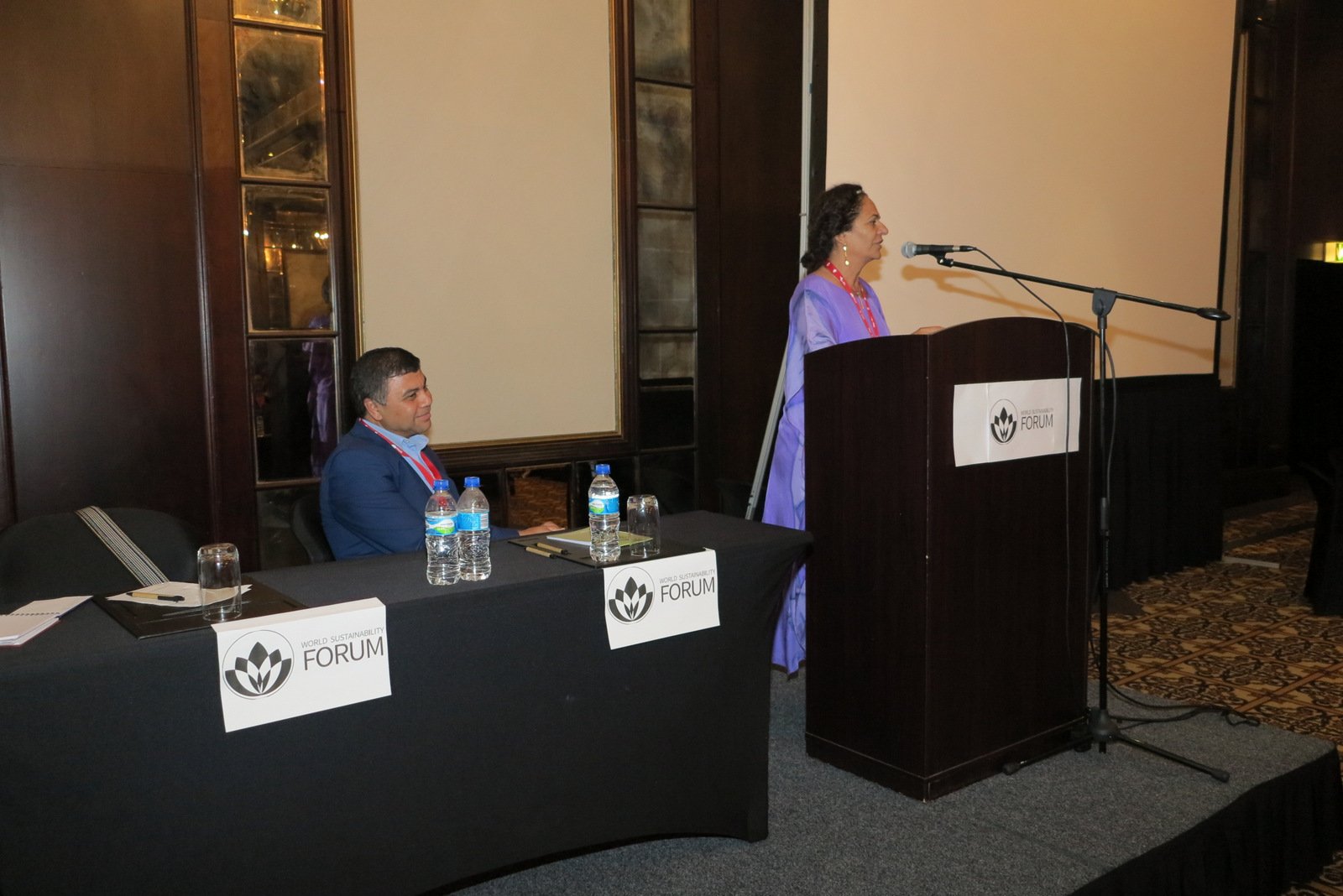
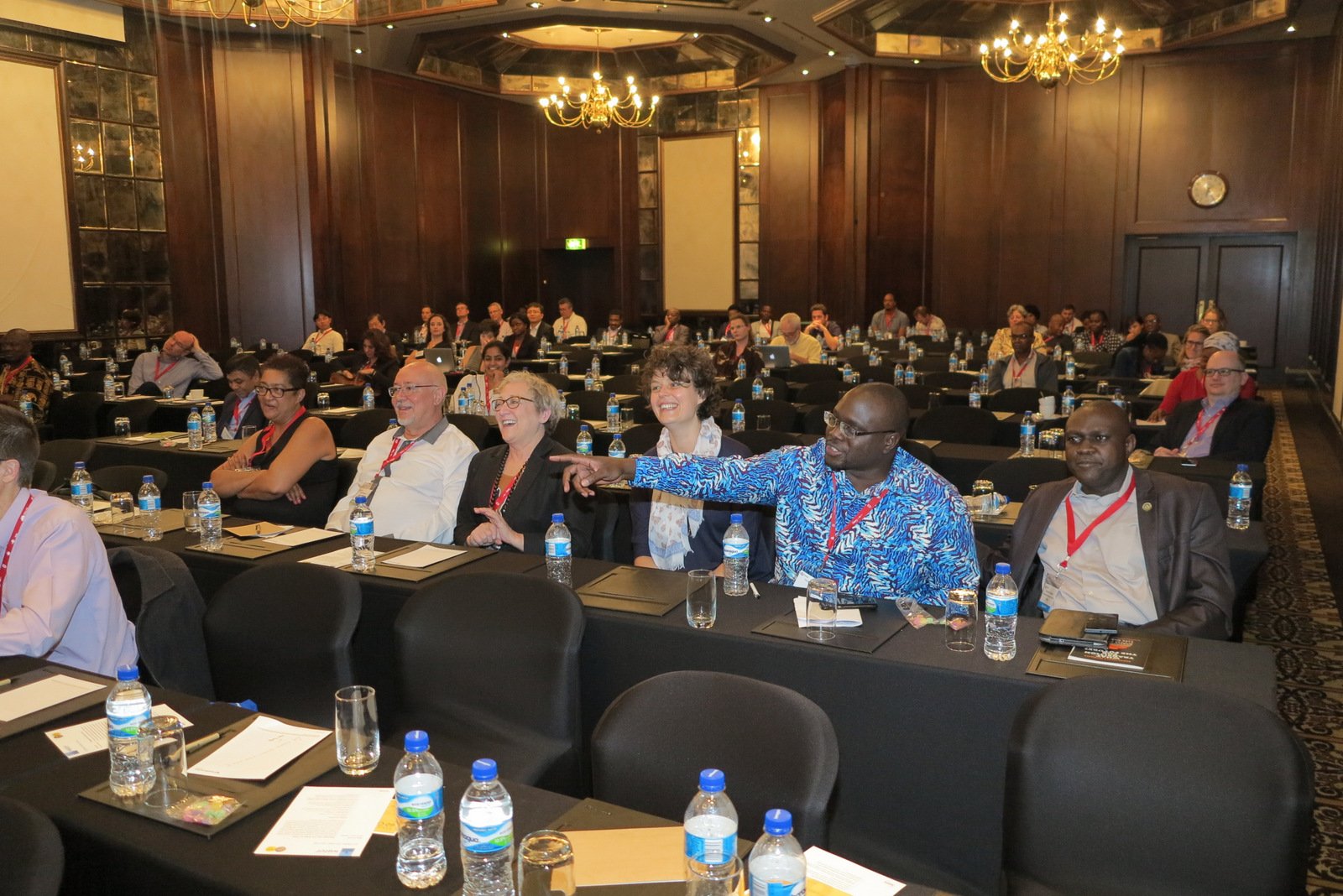
Francis Petersen and Lidia Brito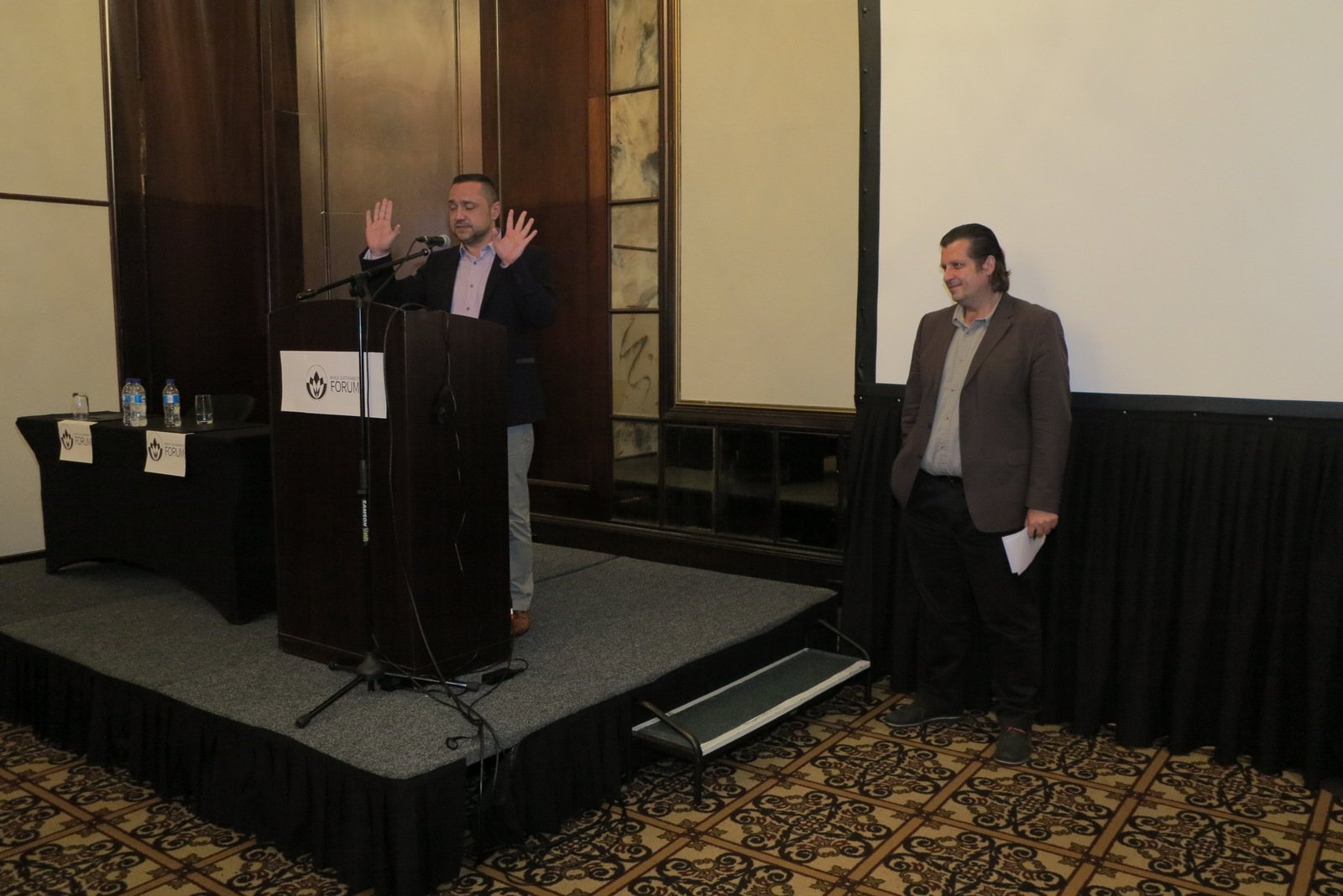
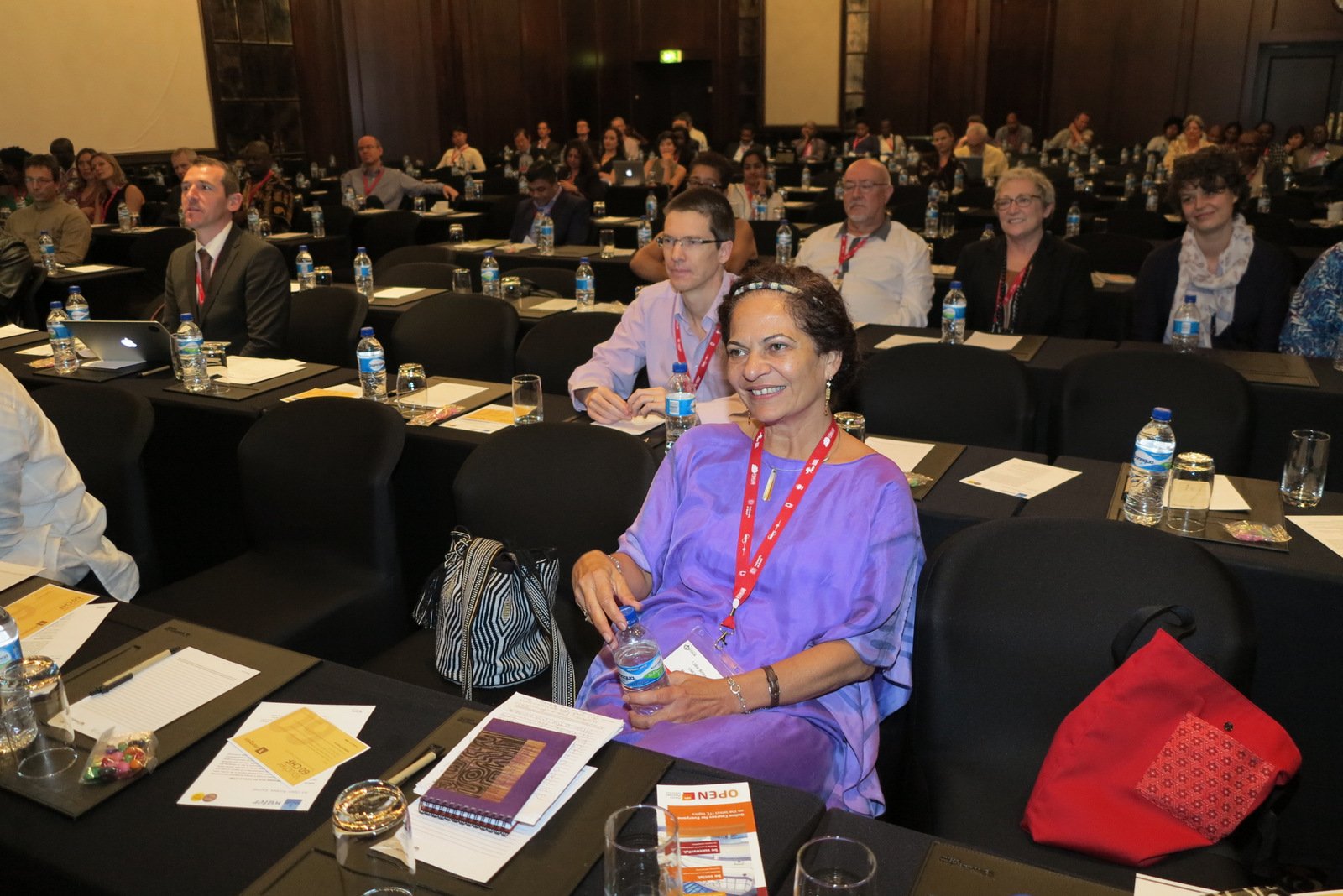
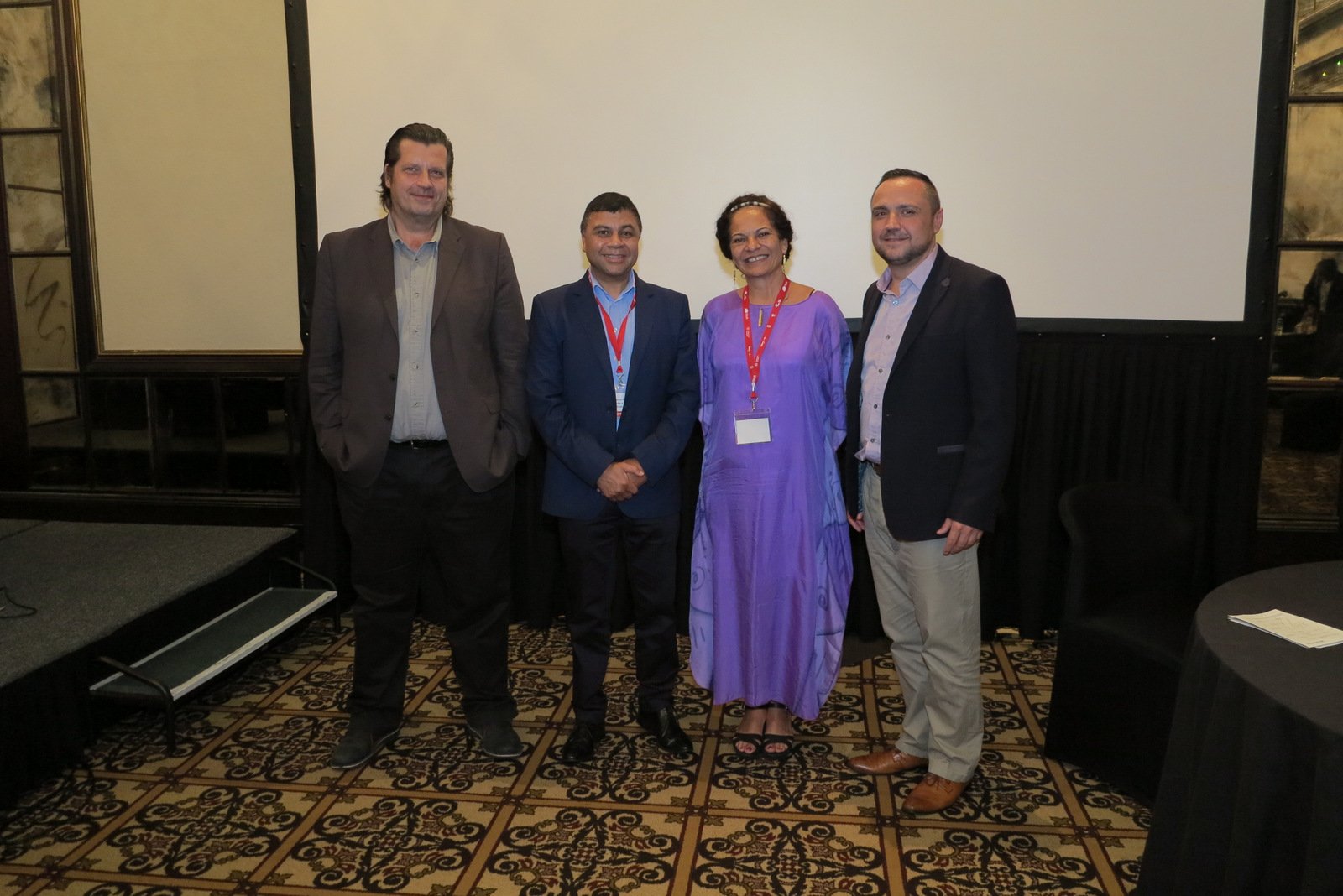
Max Bergman, Francis Petersen, Lidia Brito and Aldo Stroebel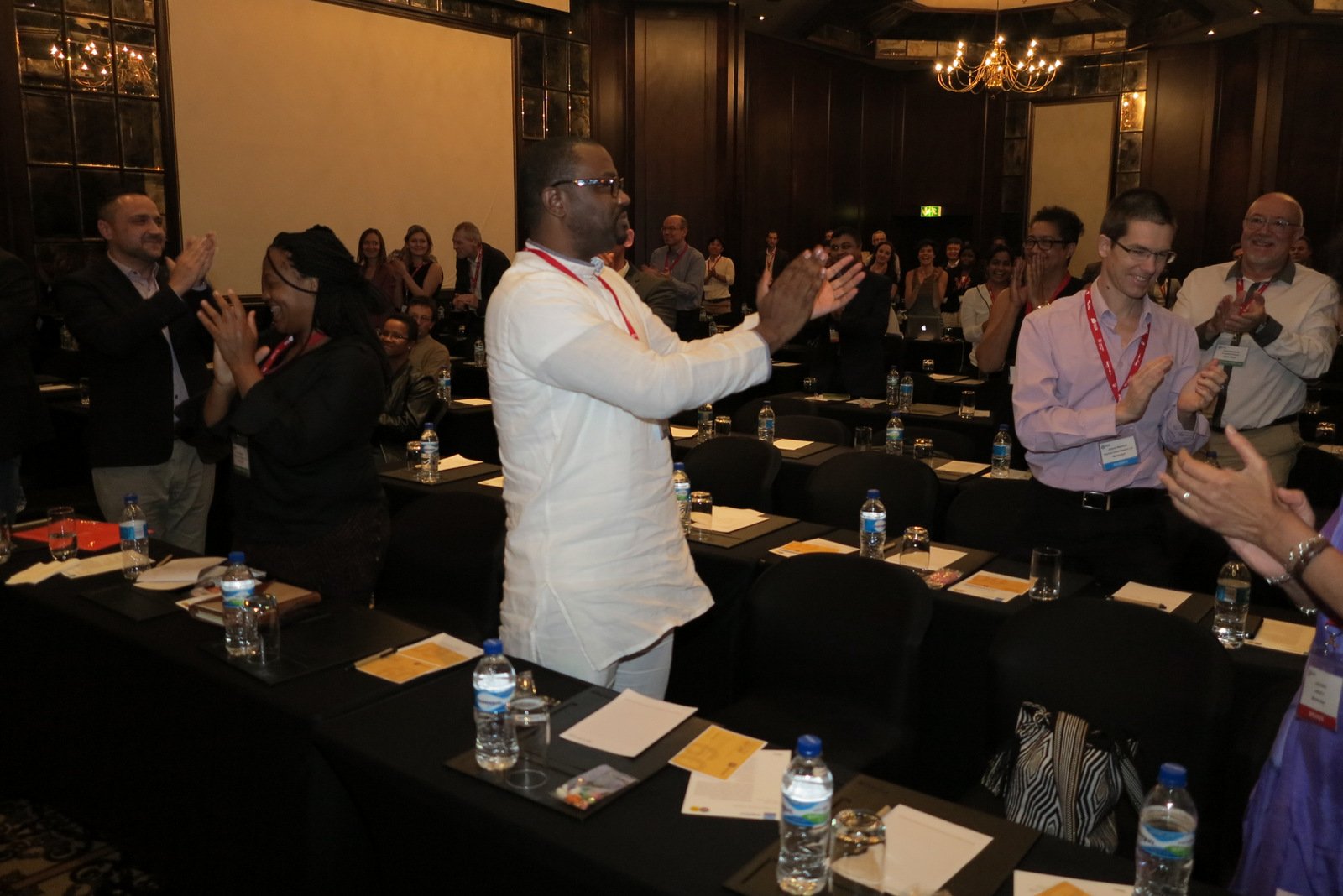
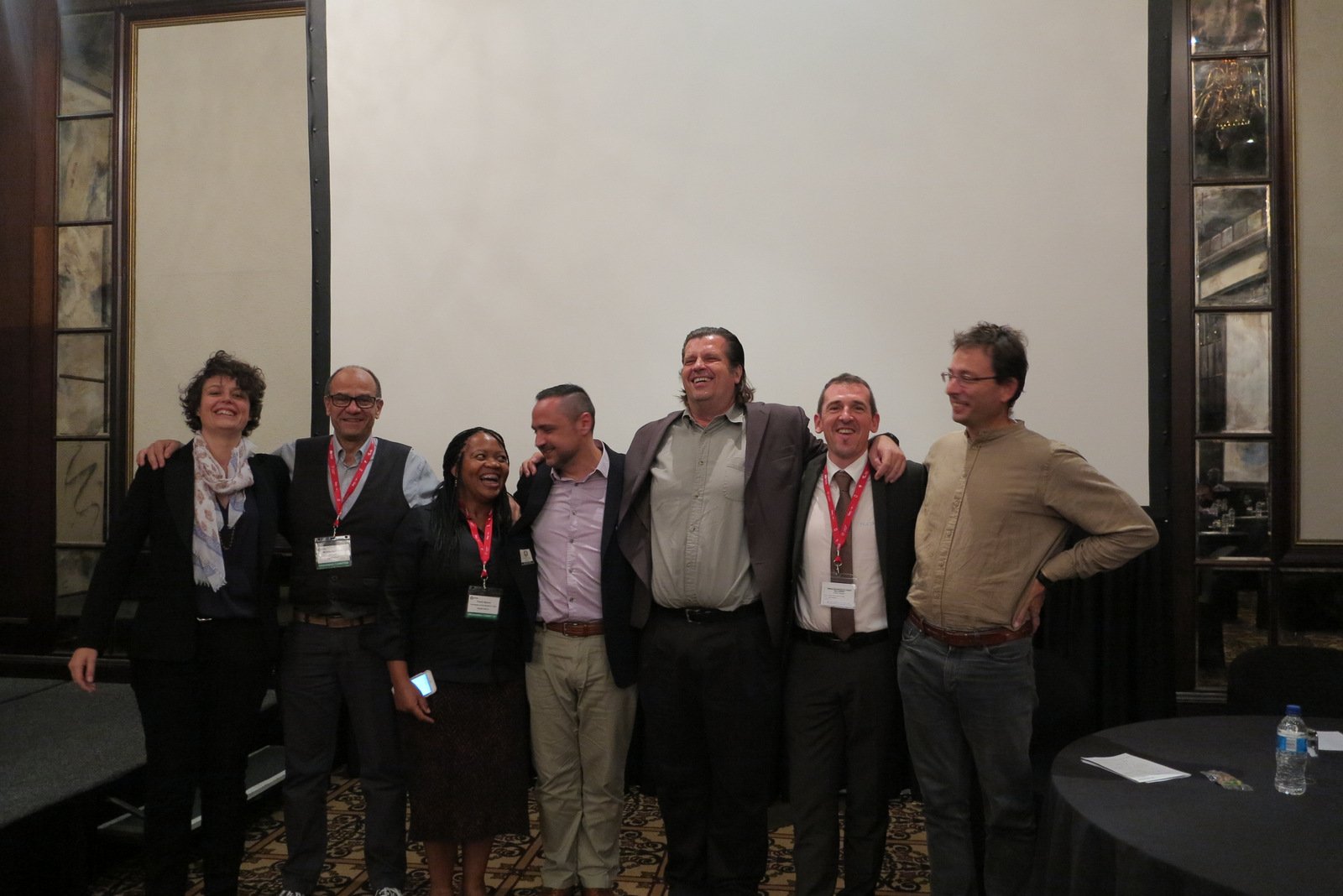
Zinette Bergman, Matthias Burkhalter, Thandi Mgwebi, Aldo Stroebel, Max Bergman, Franck Vazquez and Mark New - The Chairs and Organizers
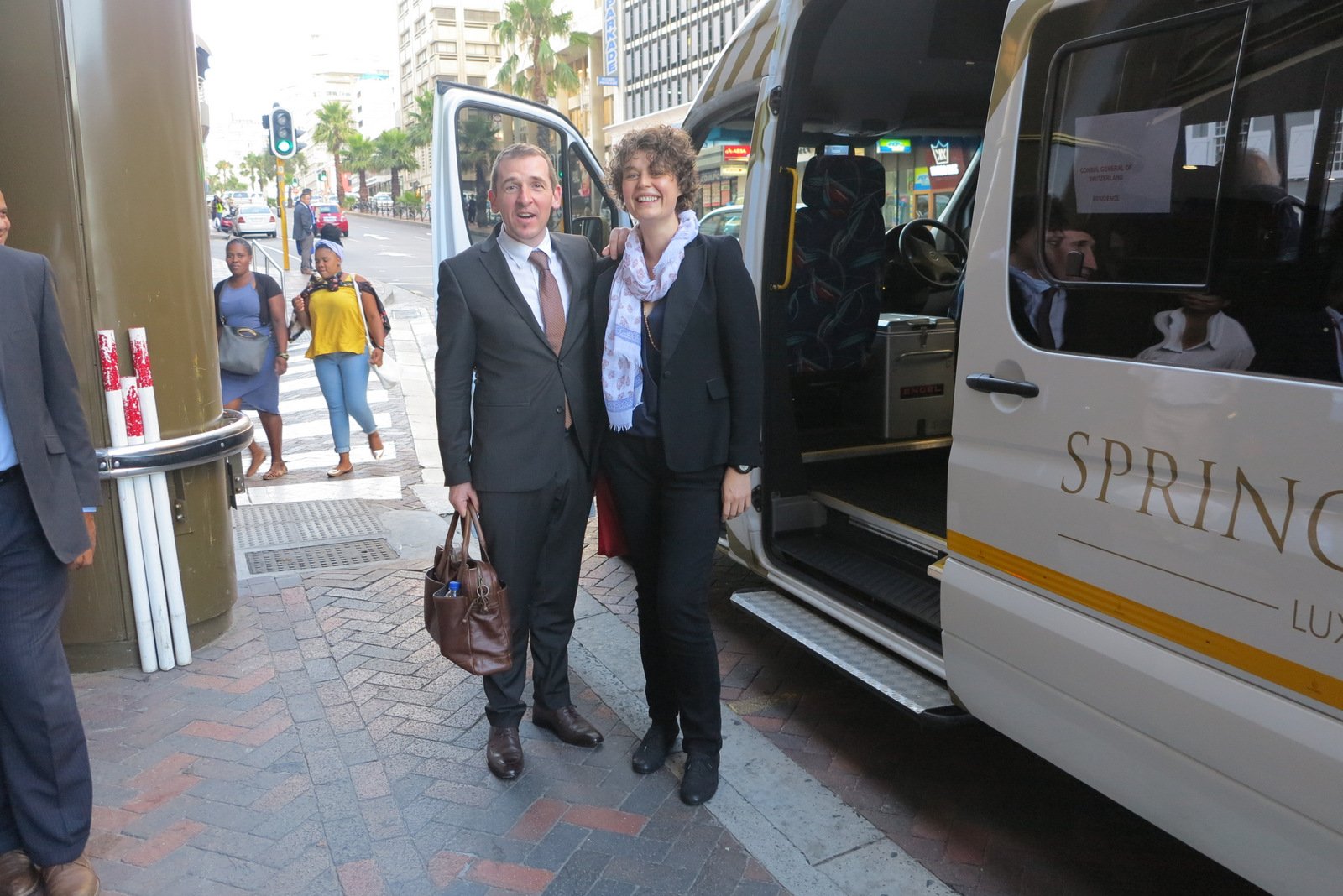
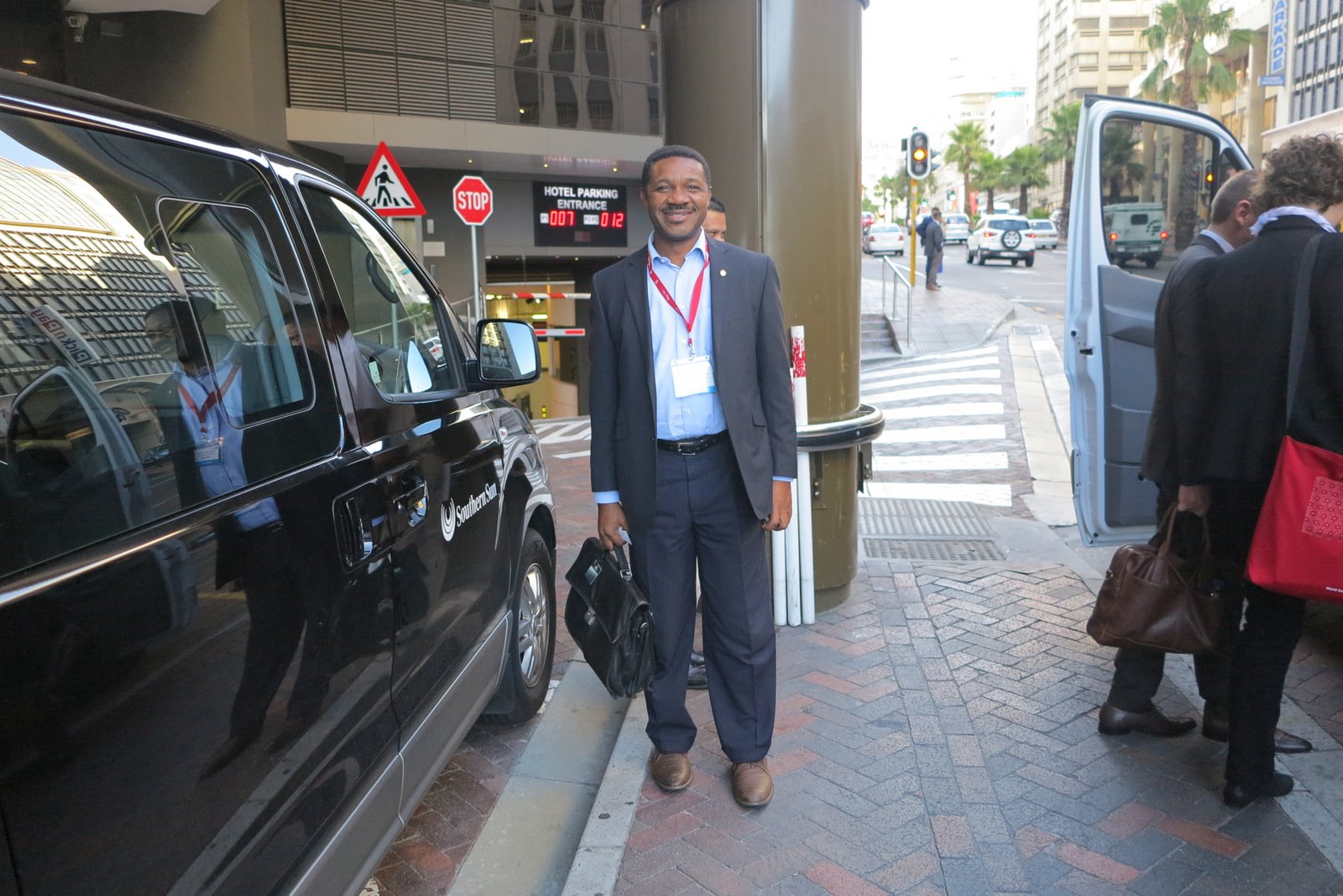
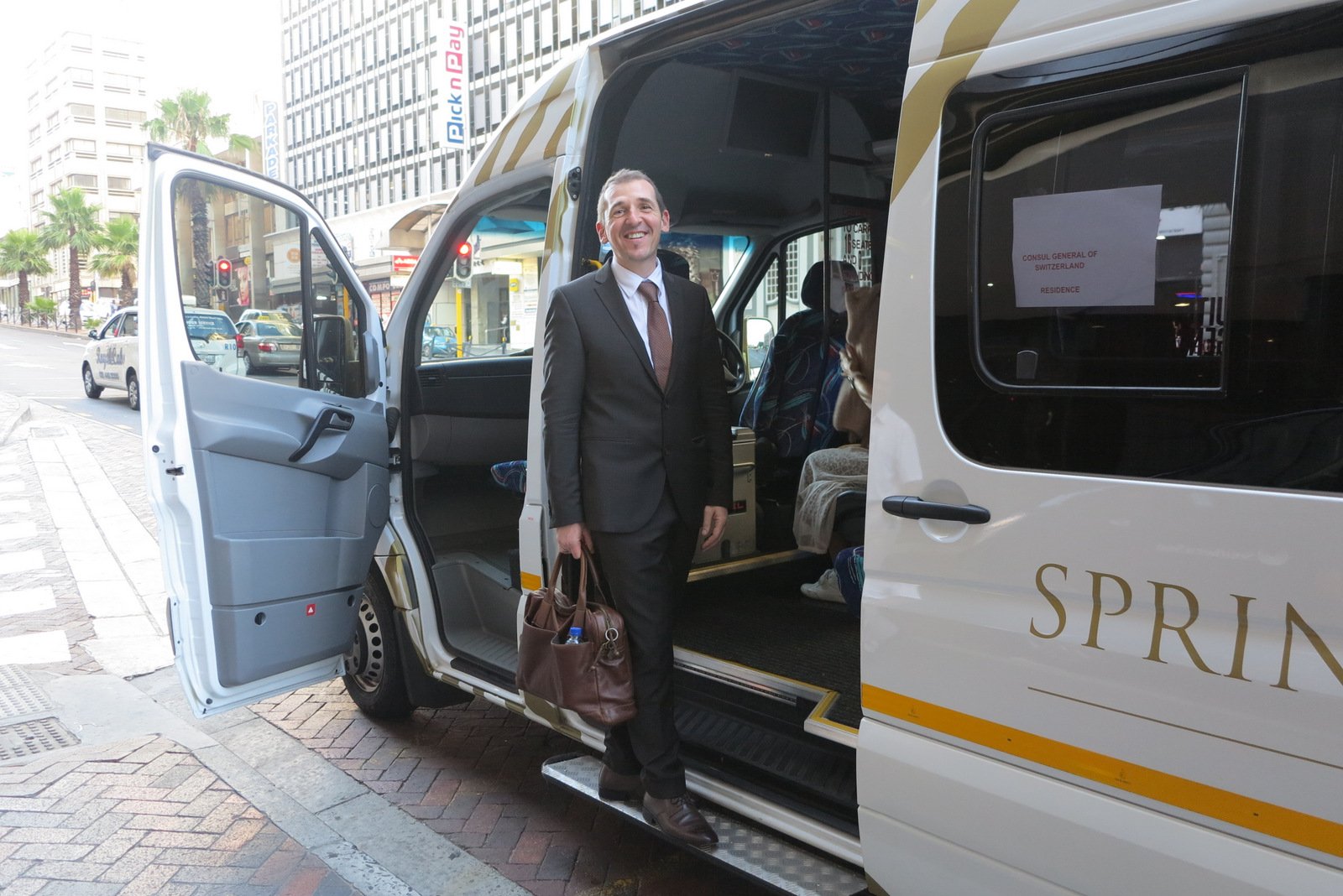
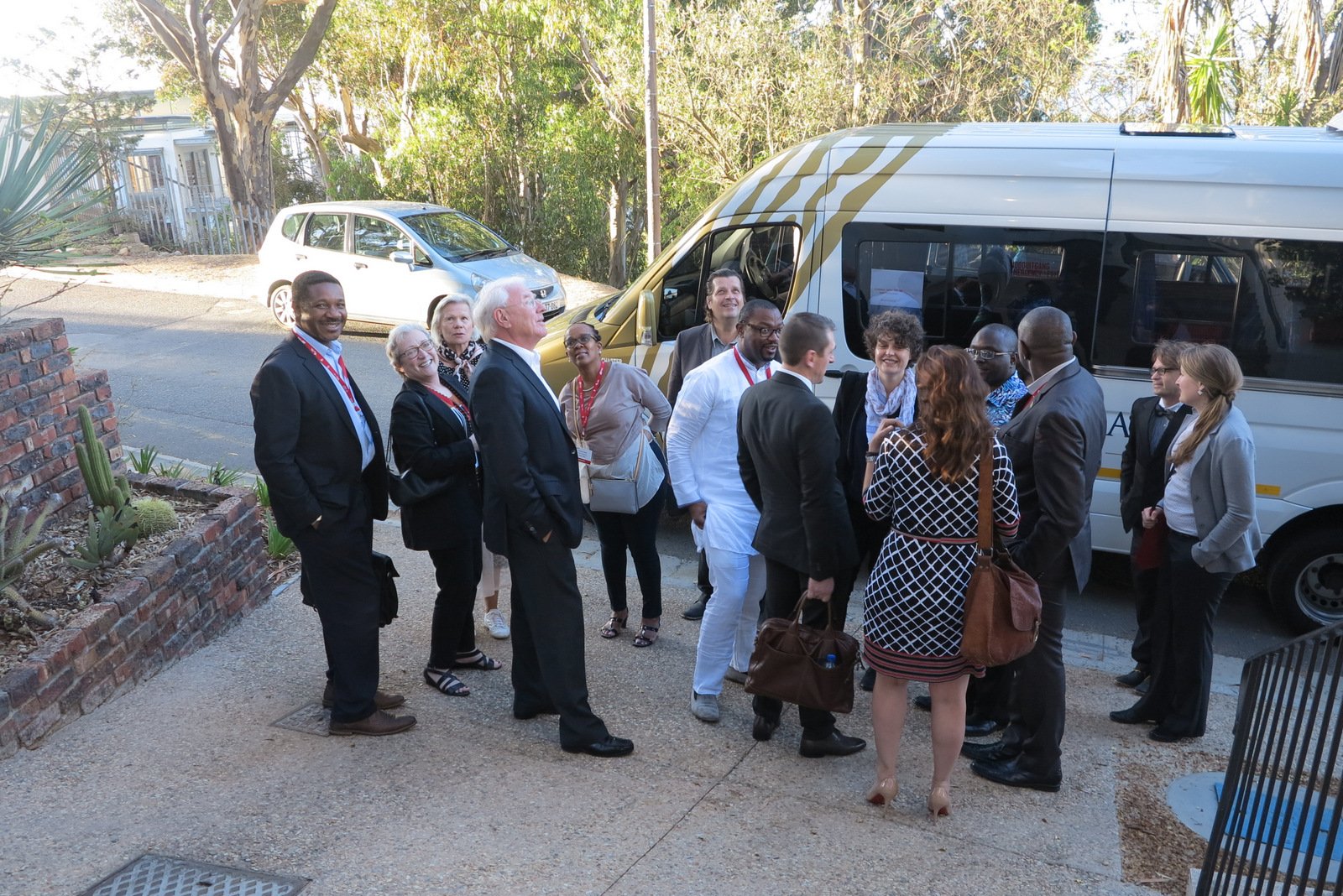
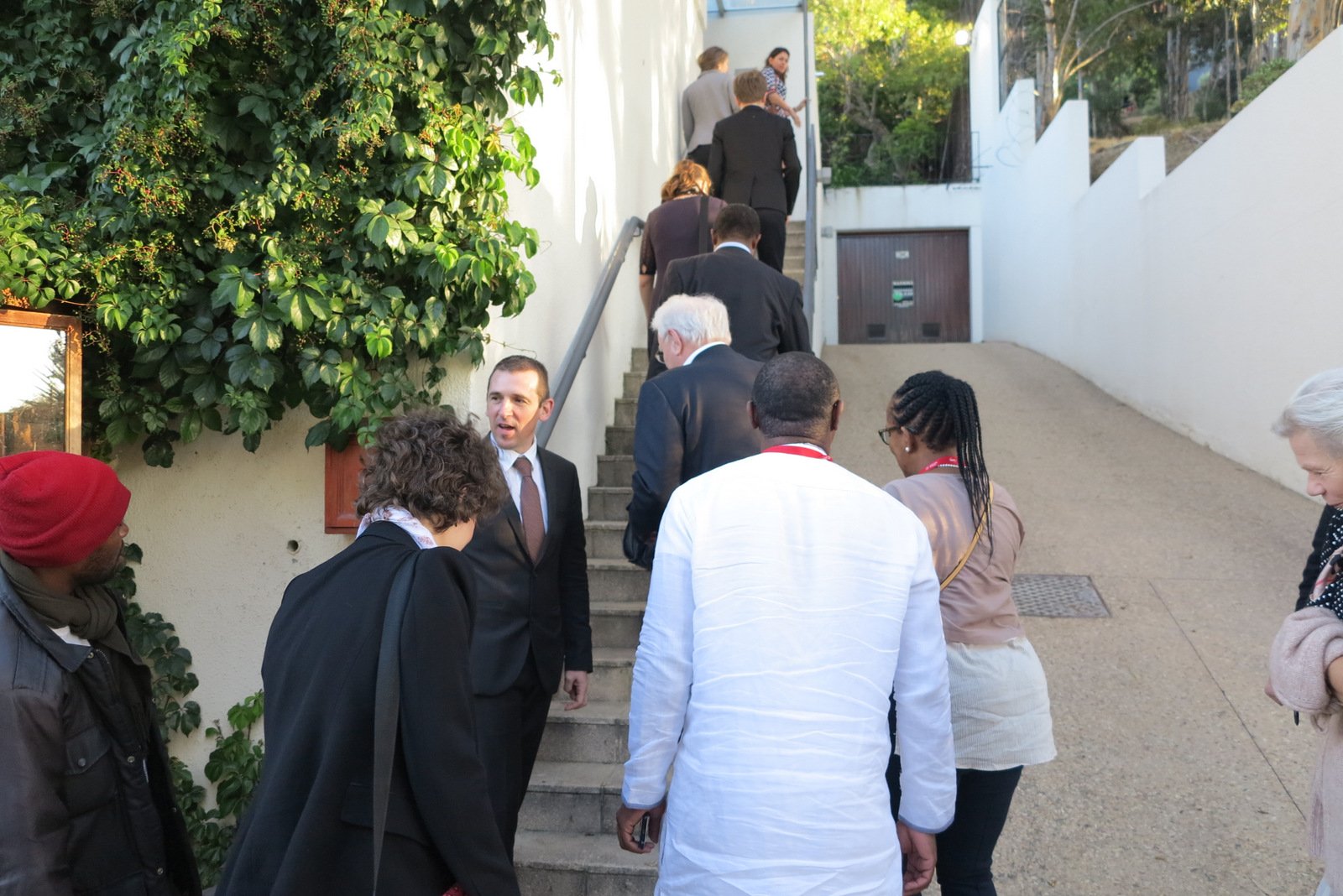
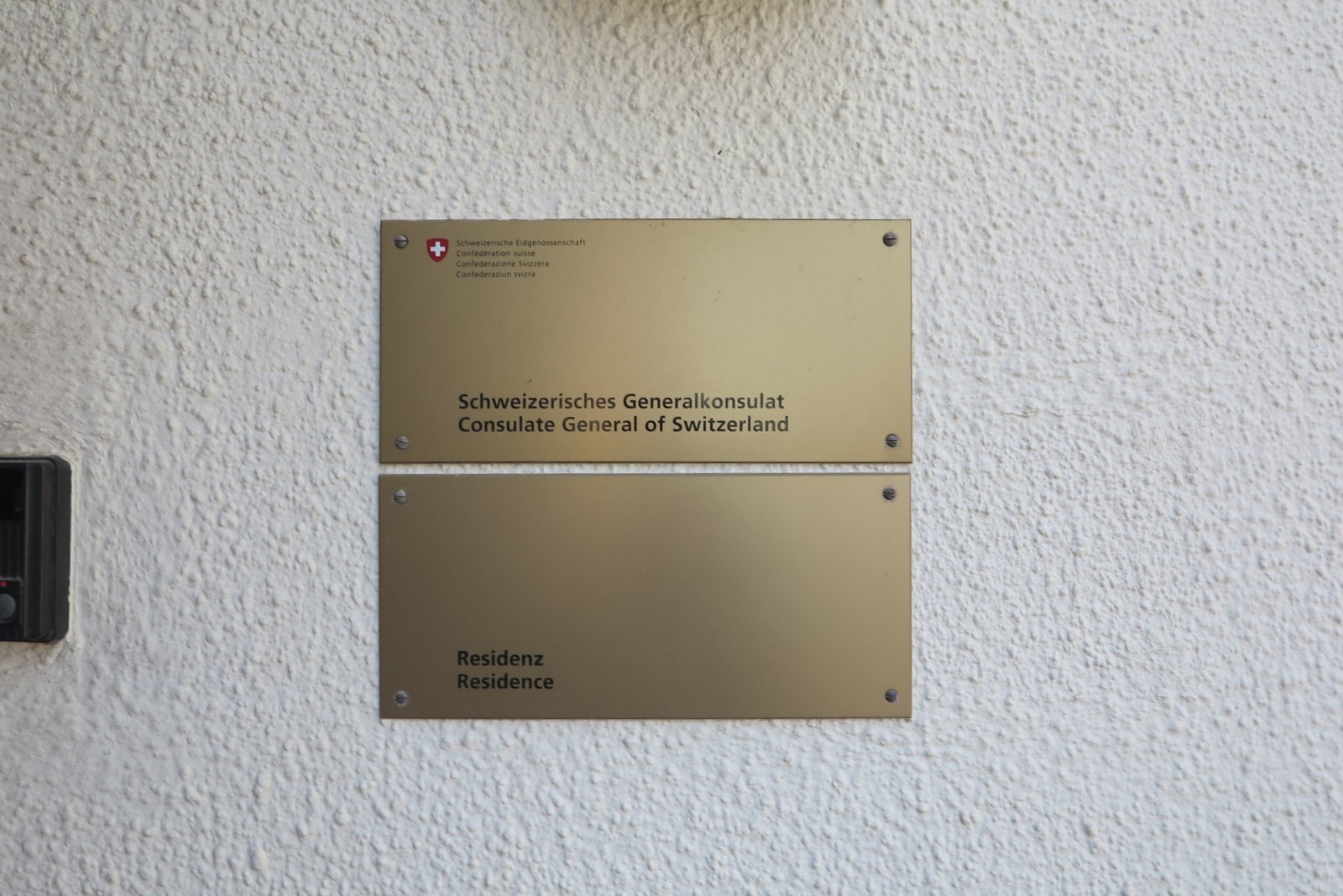
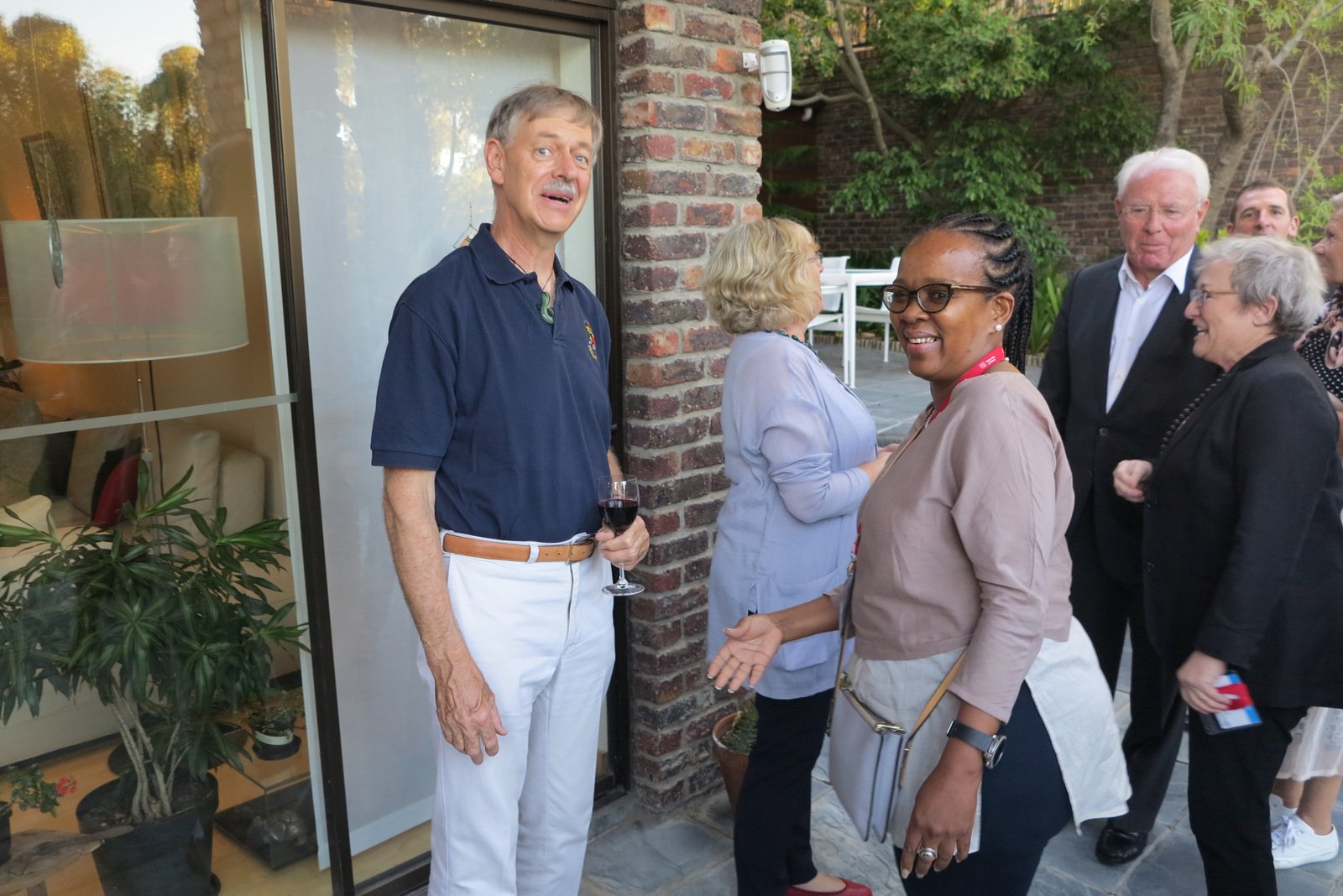
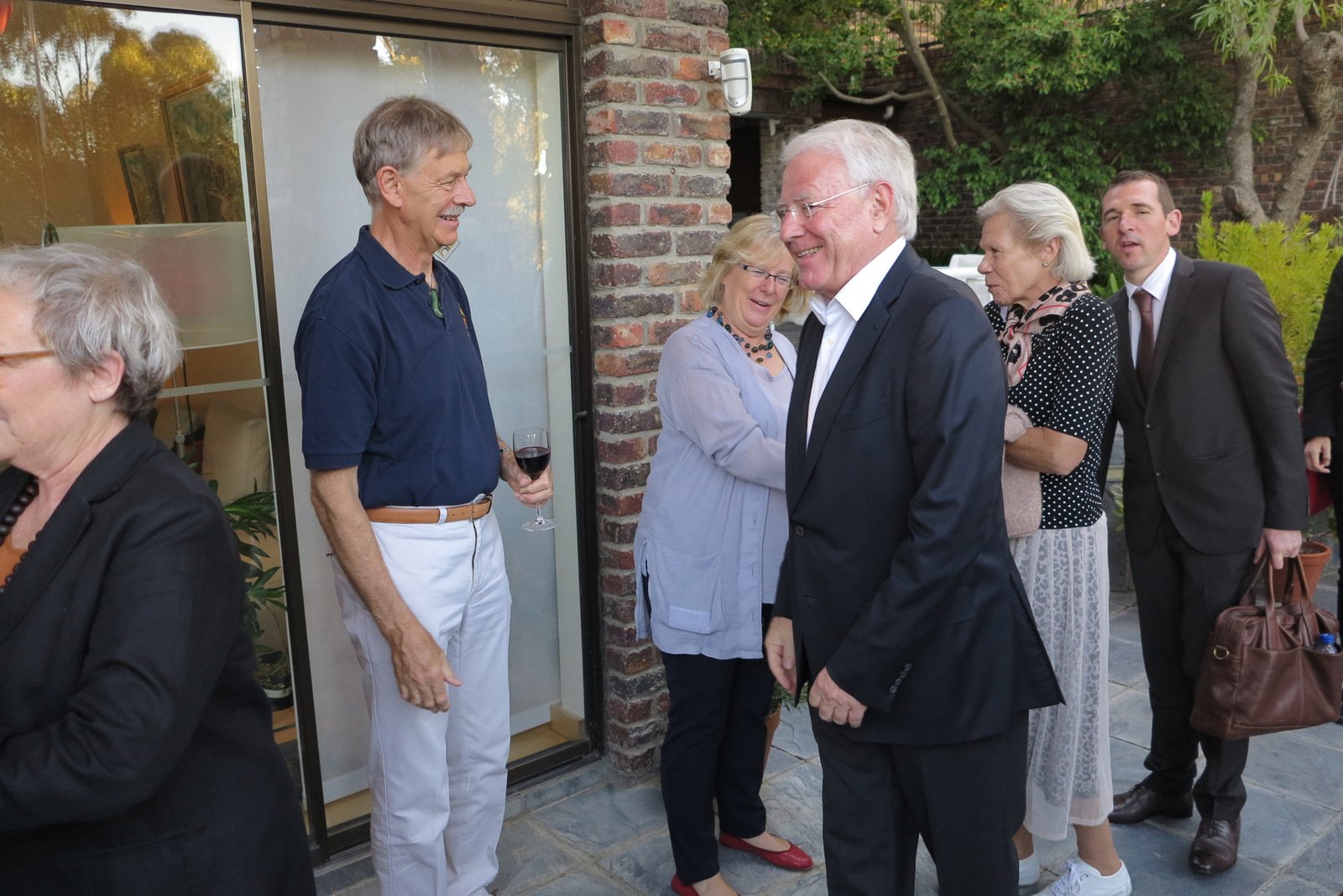
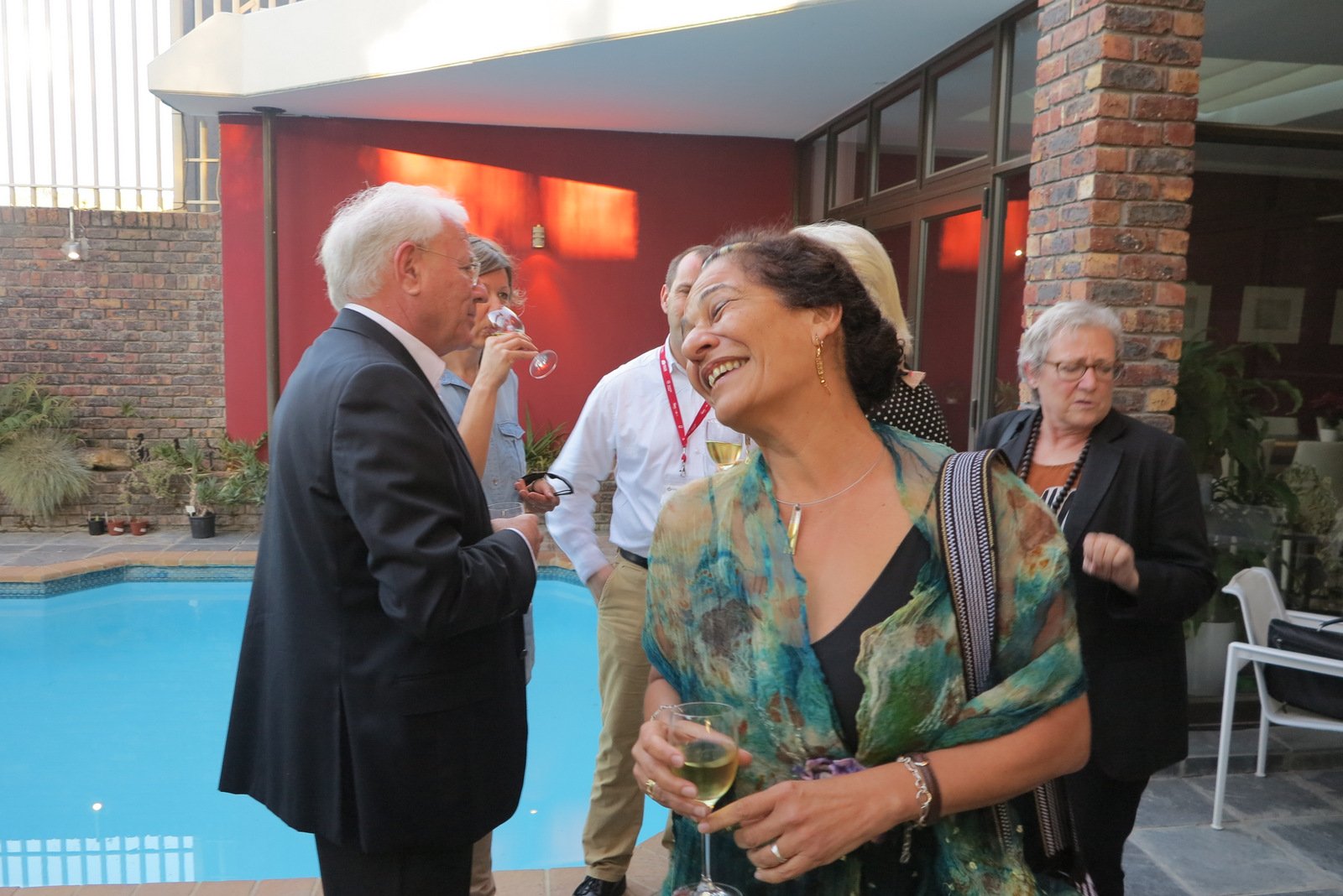
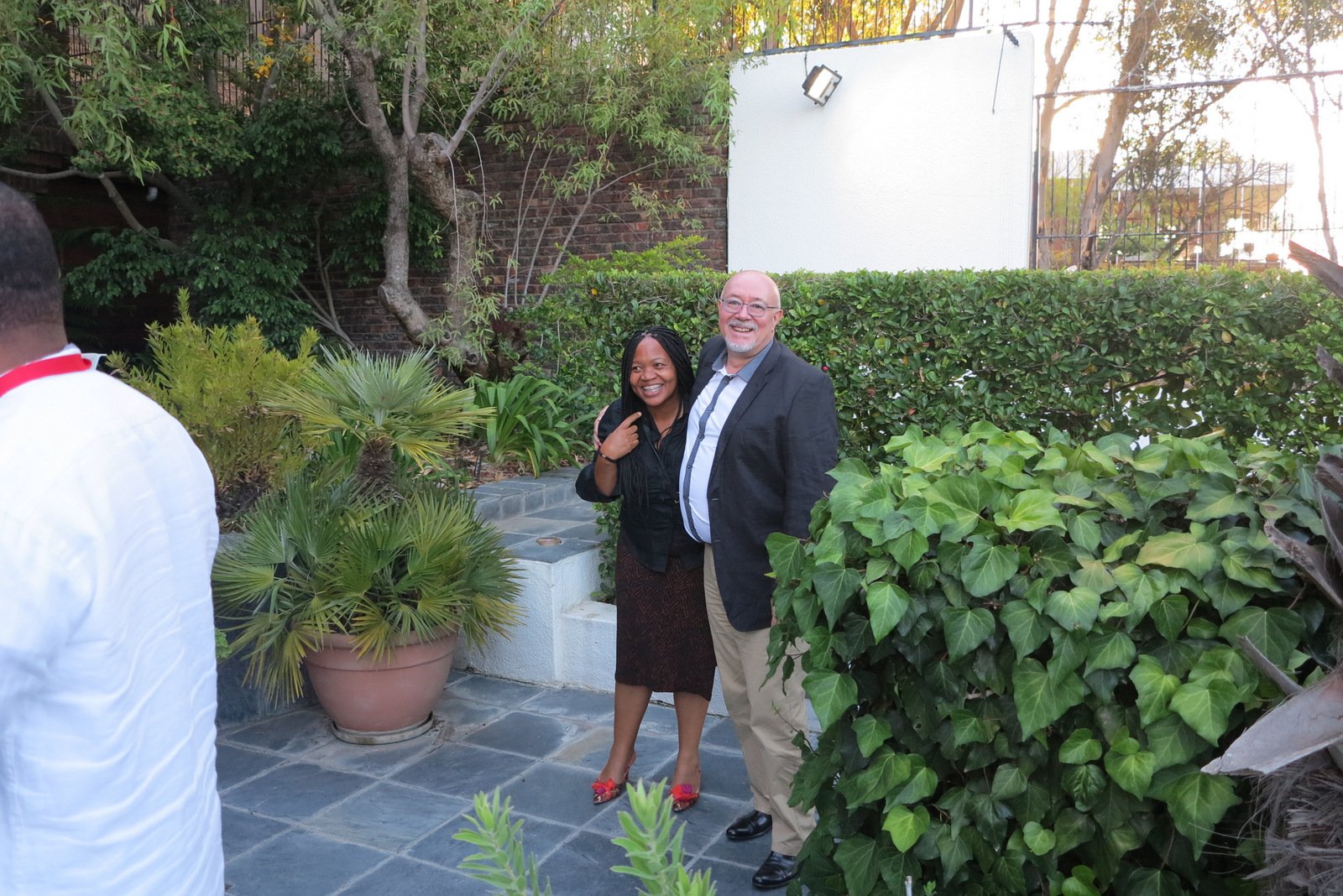
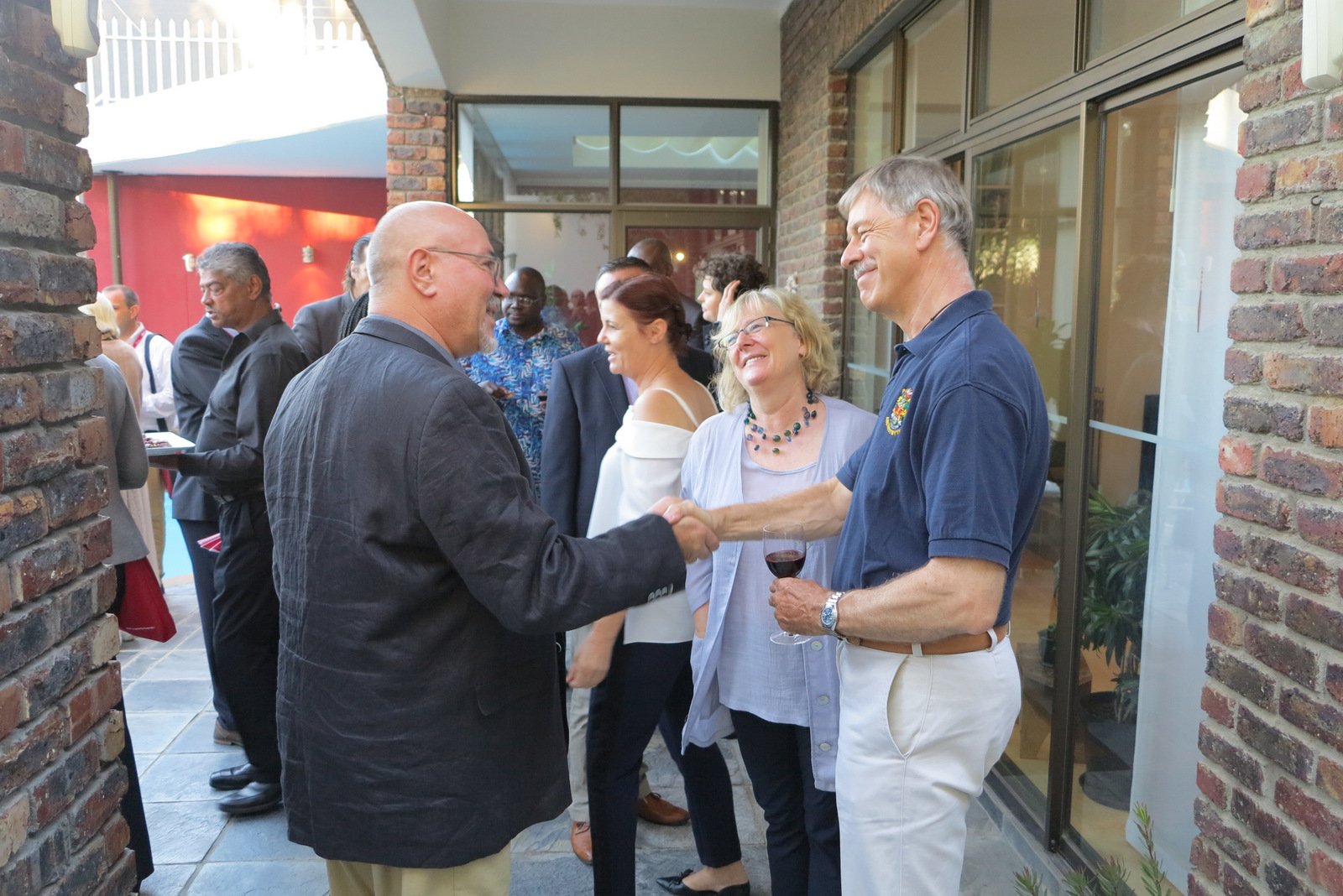
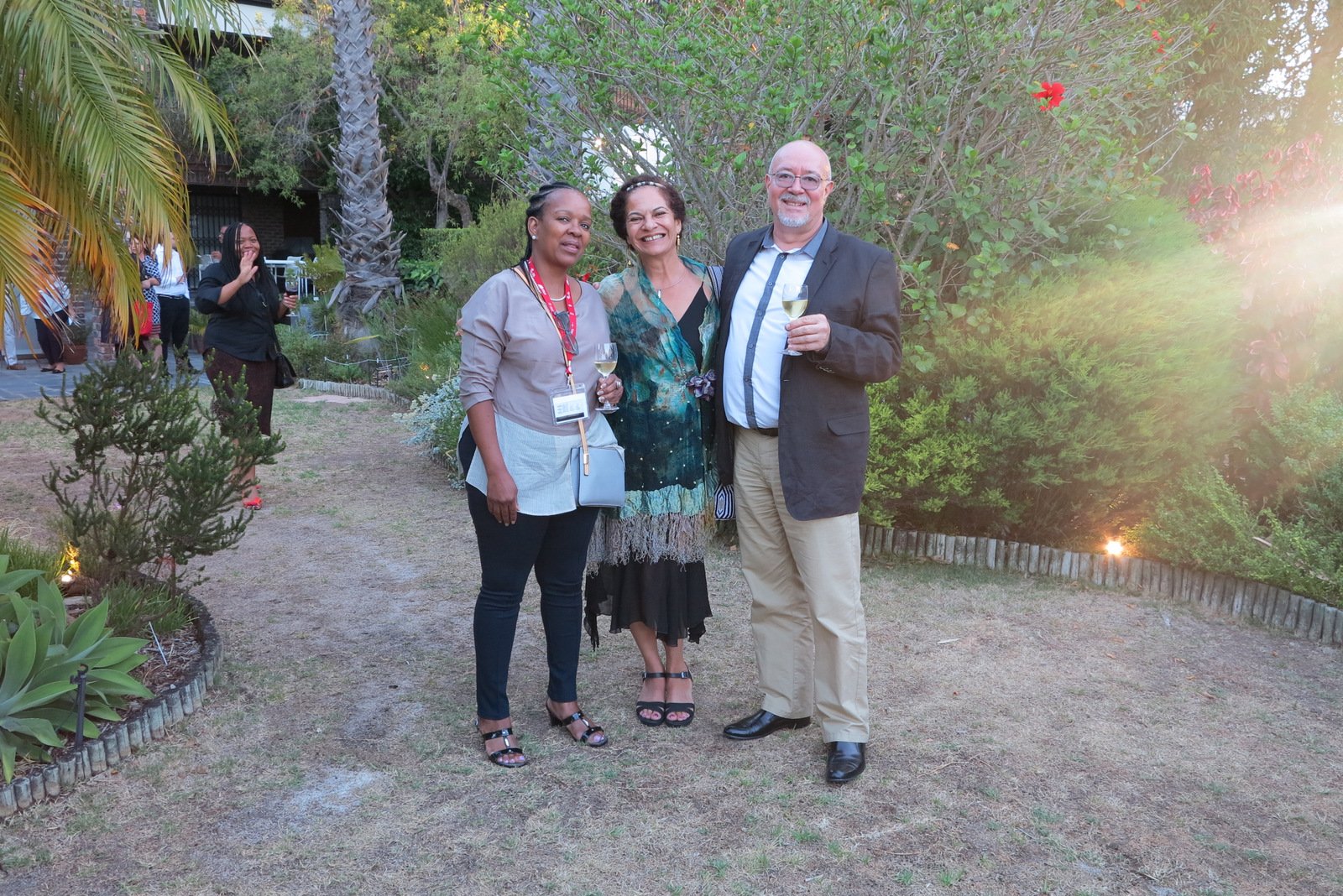
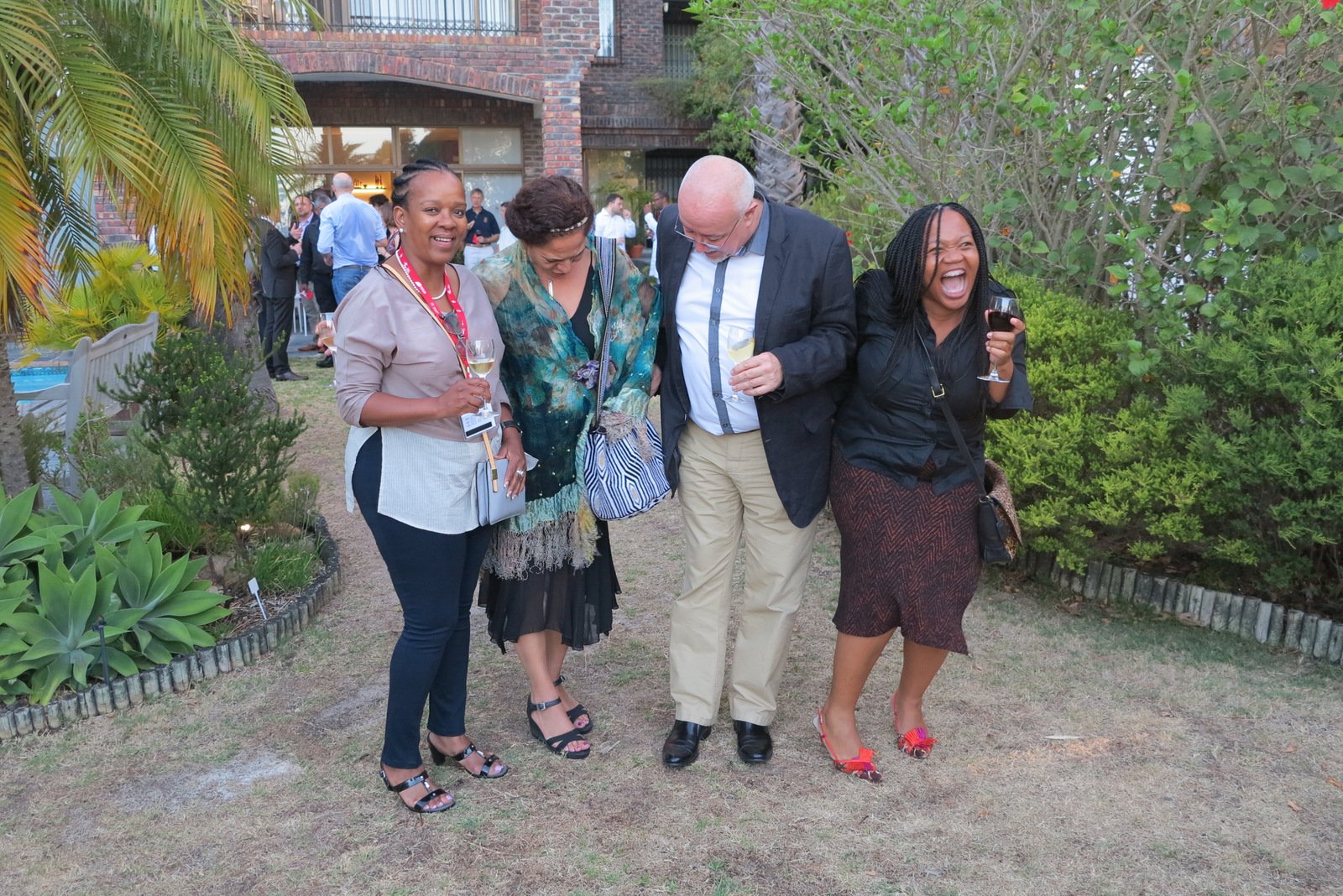
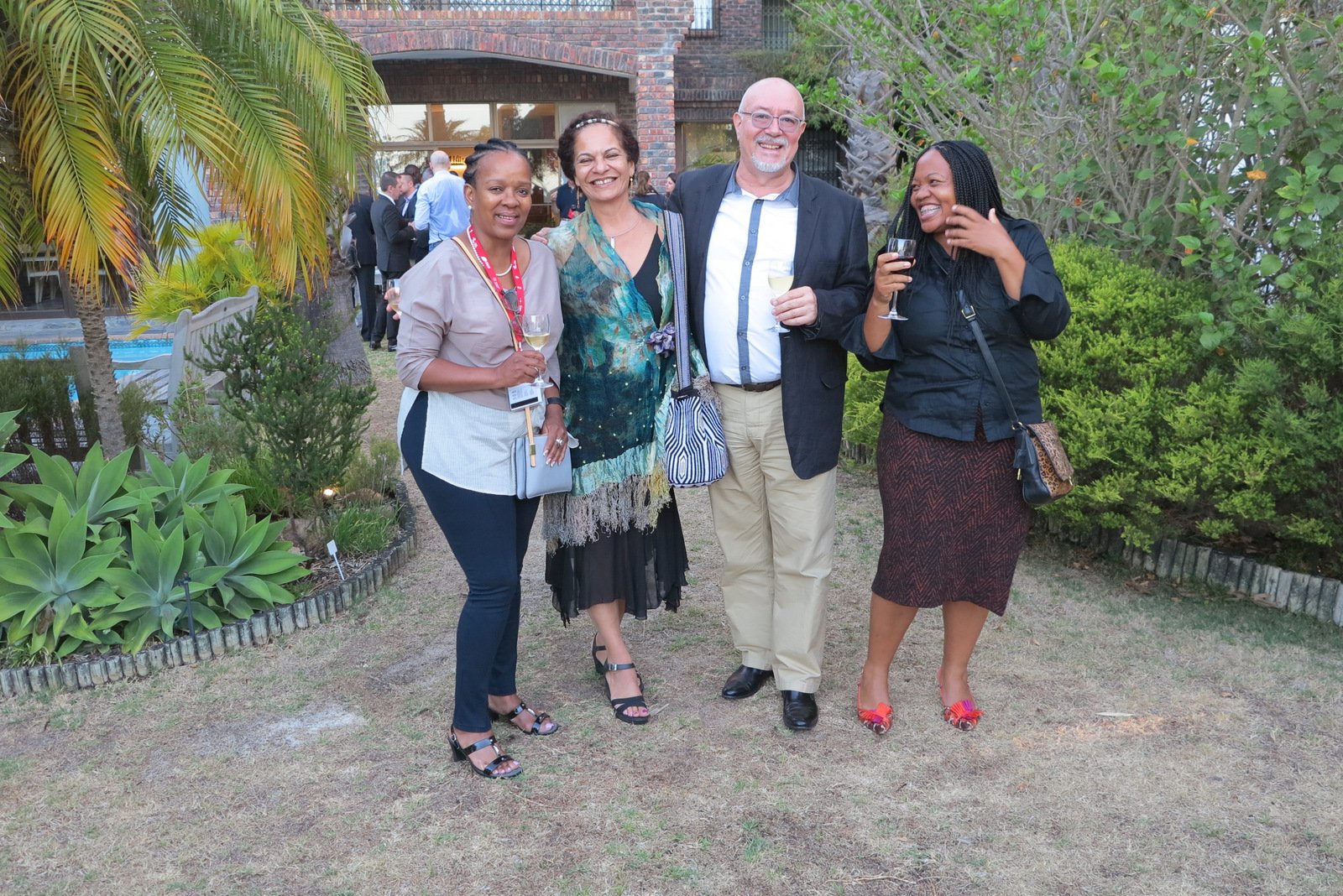
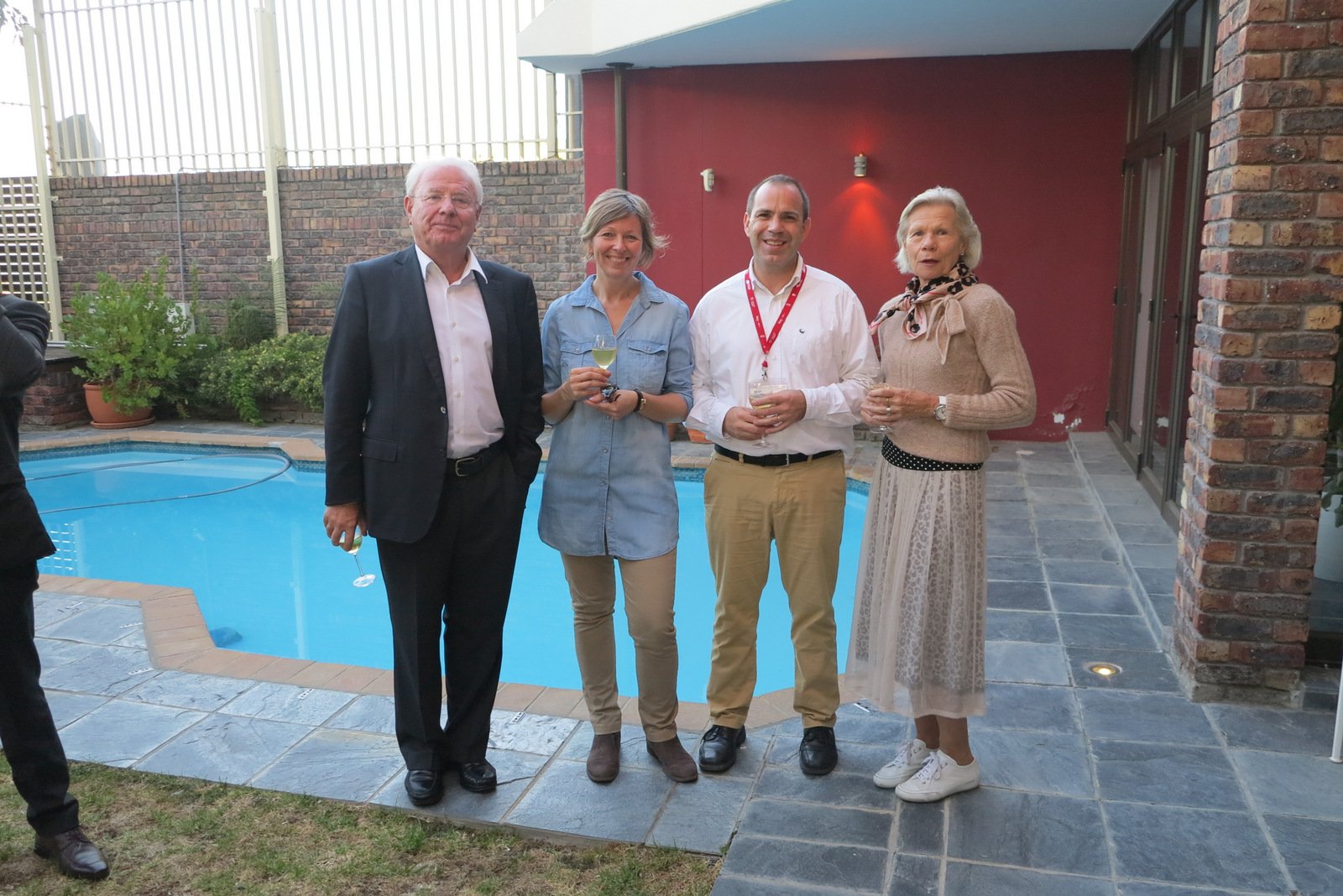
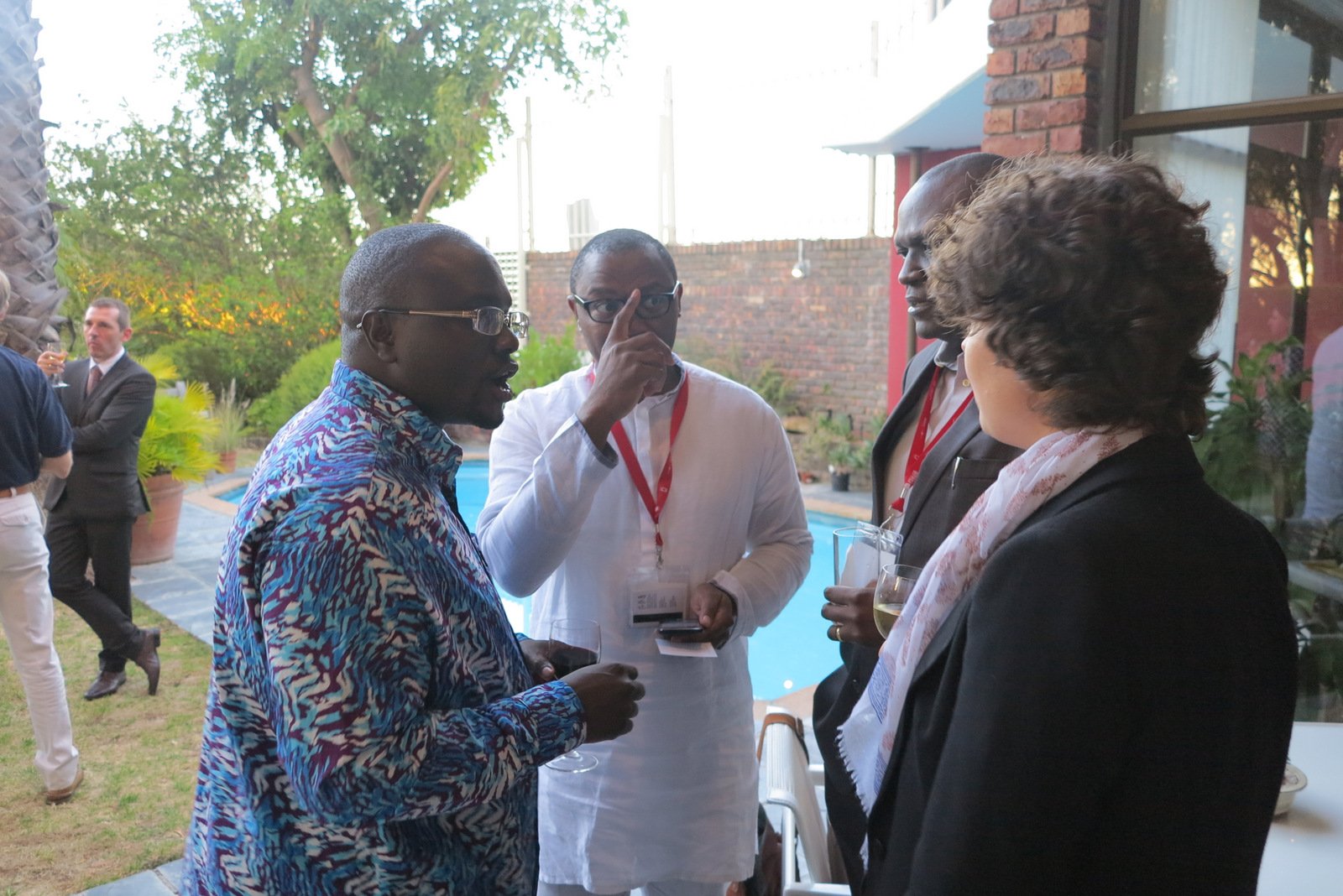
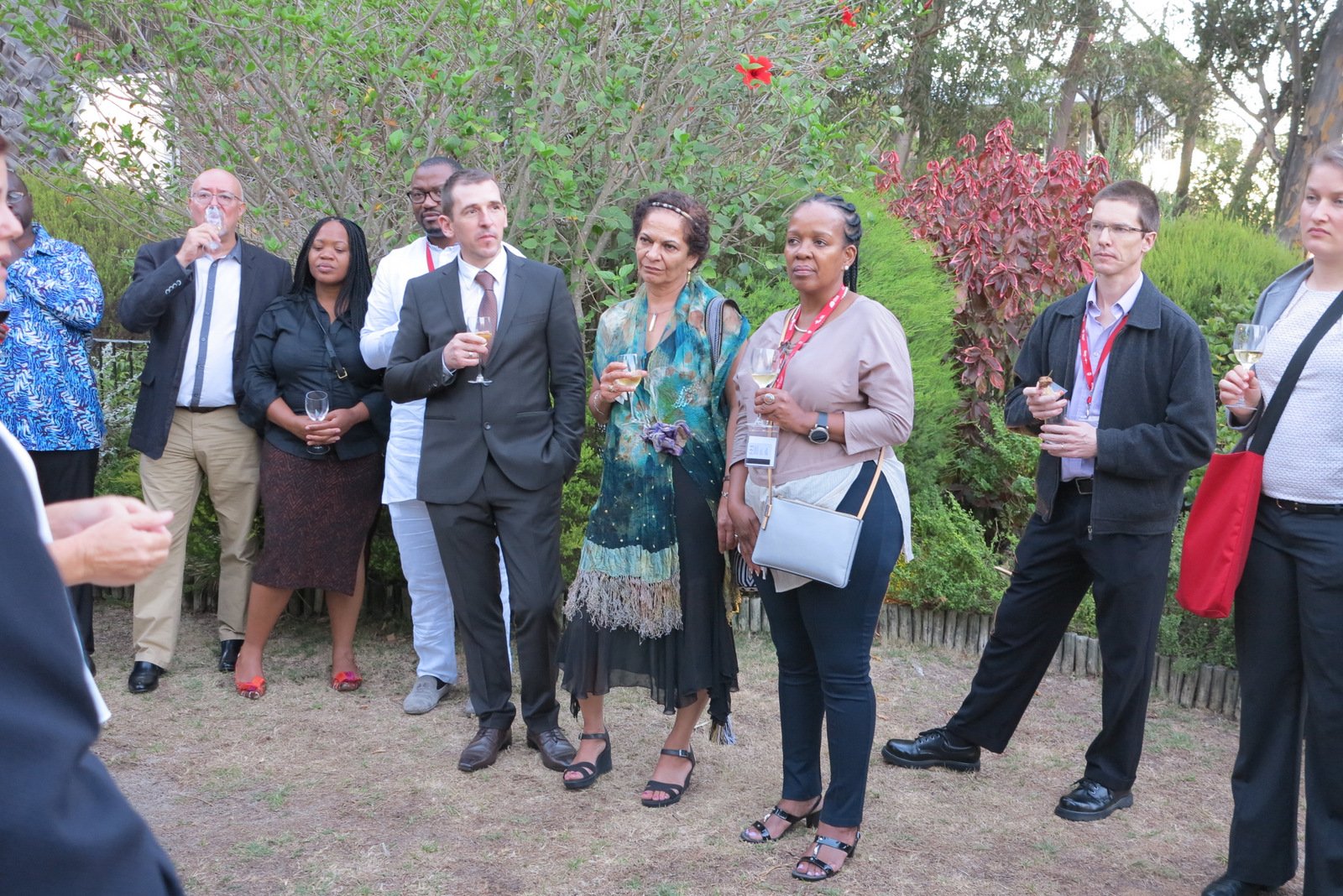
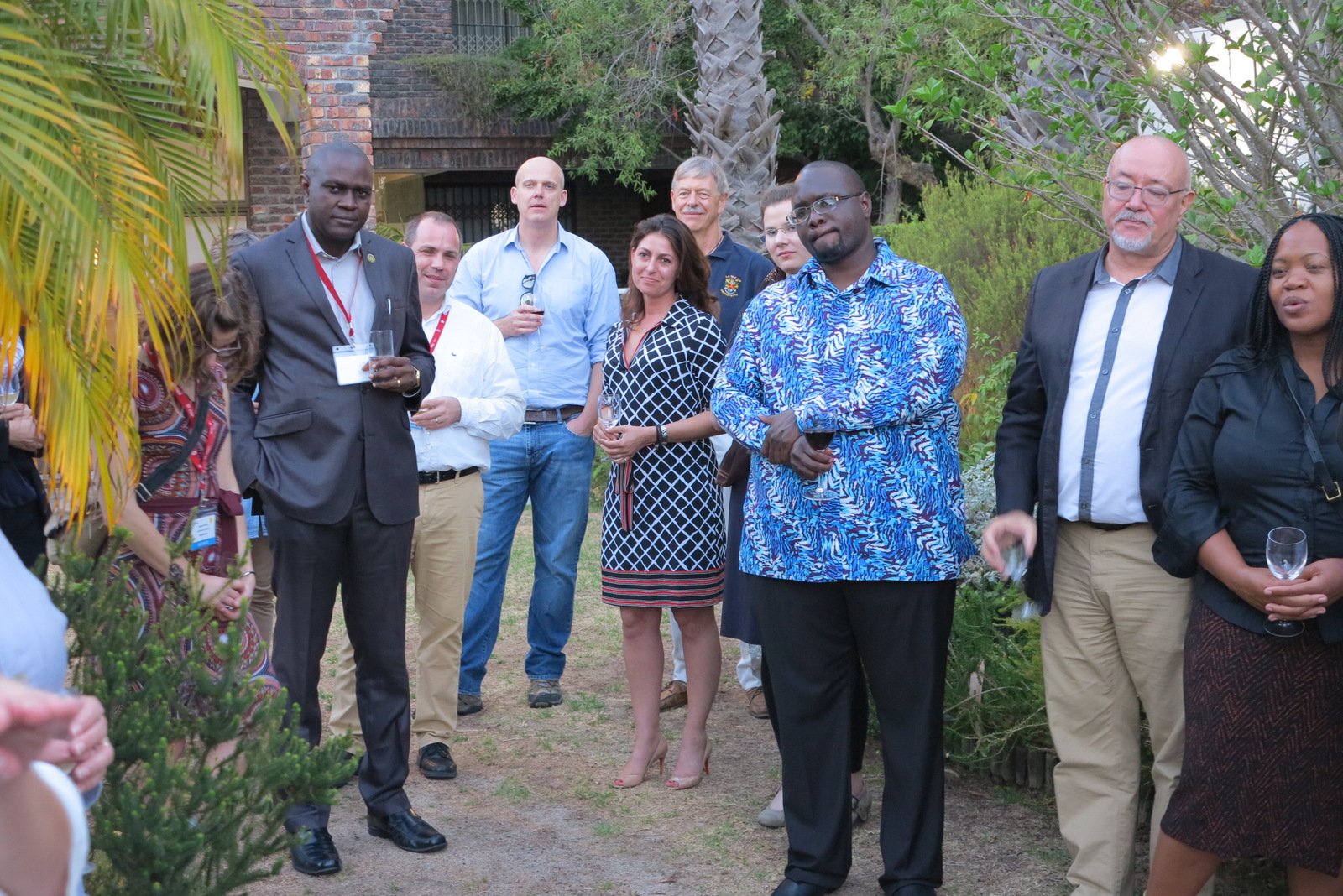
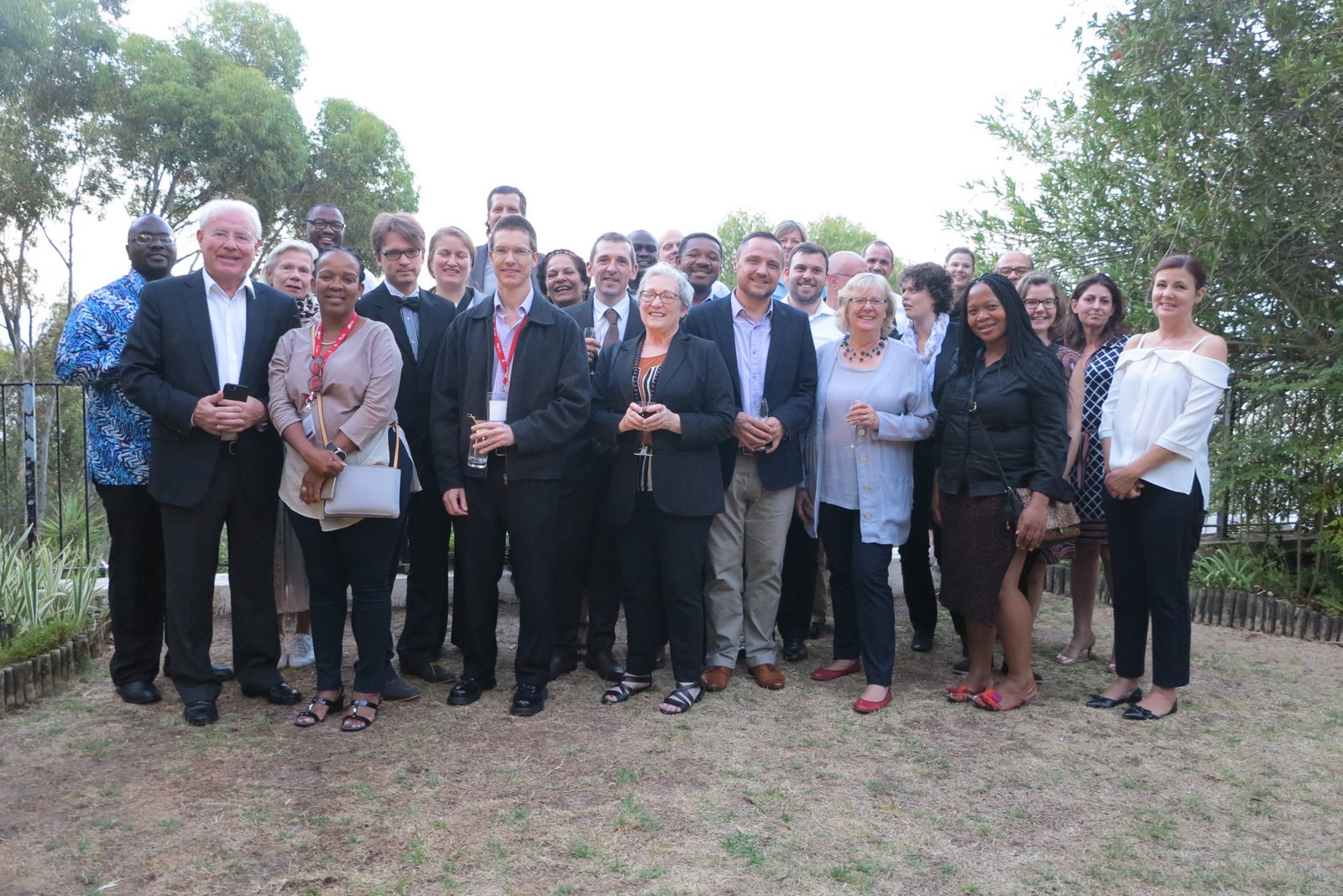
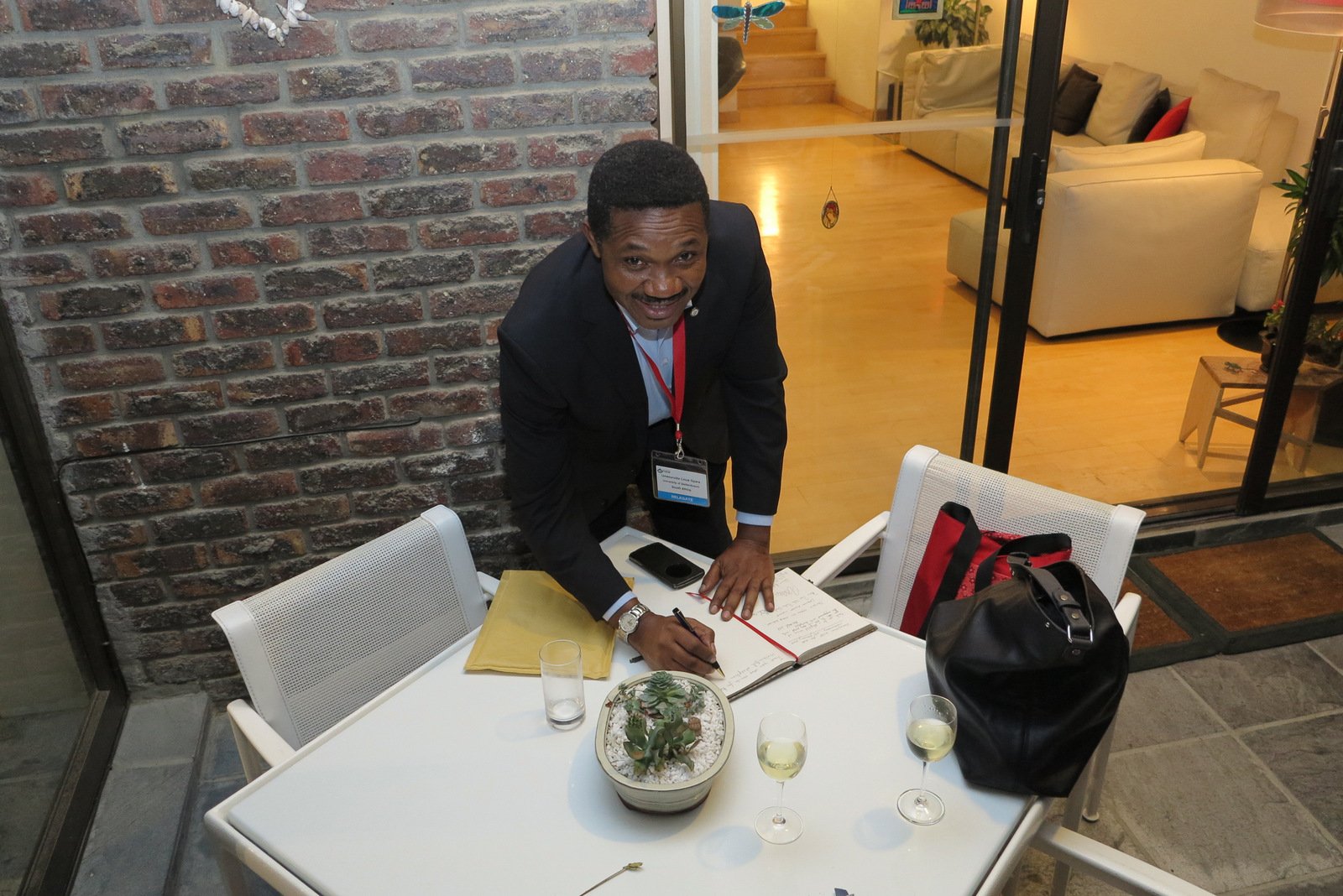
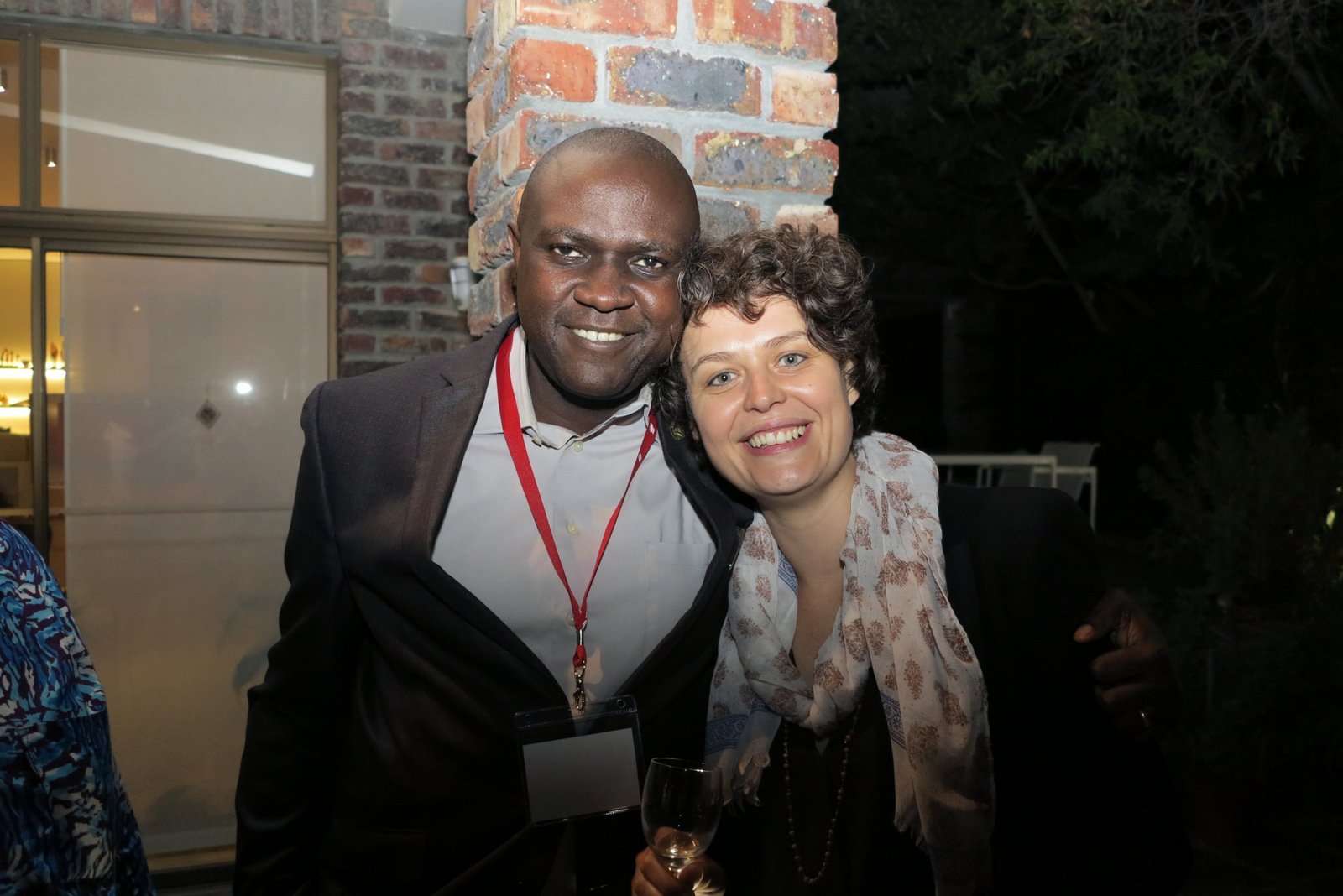
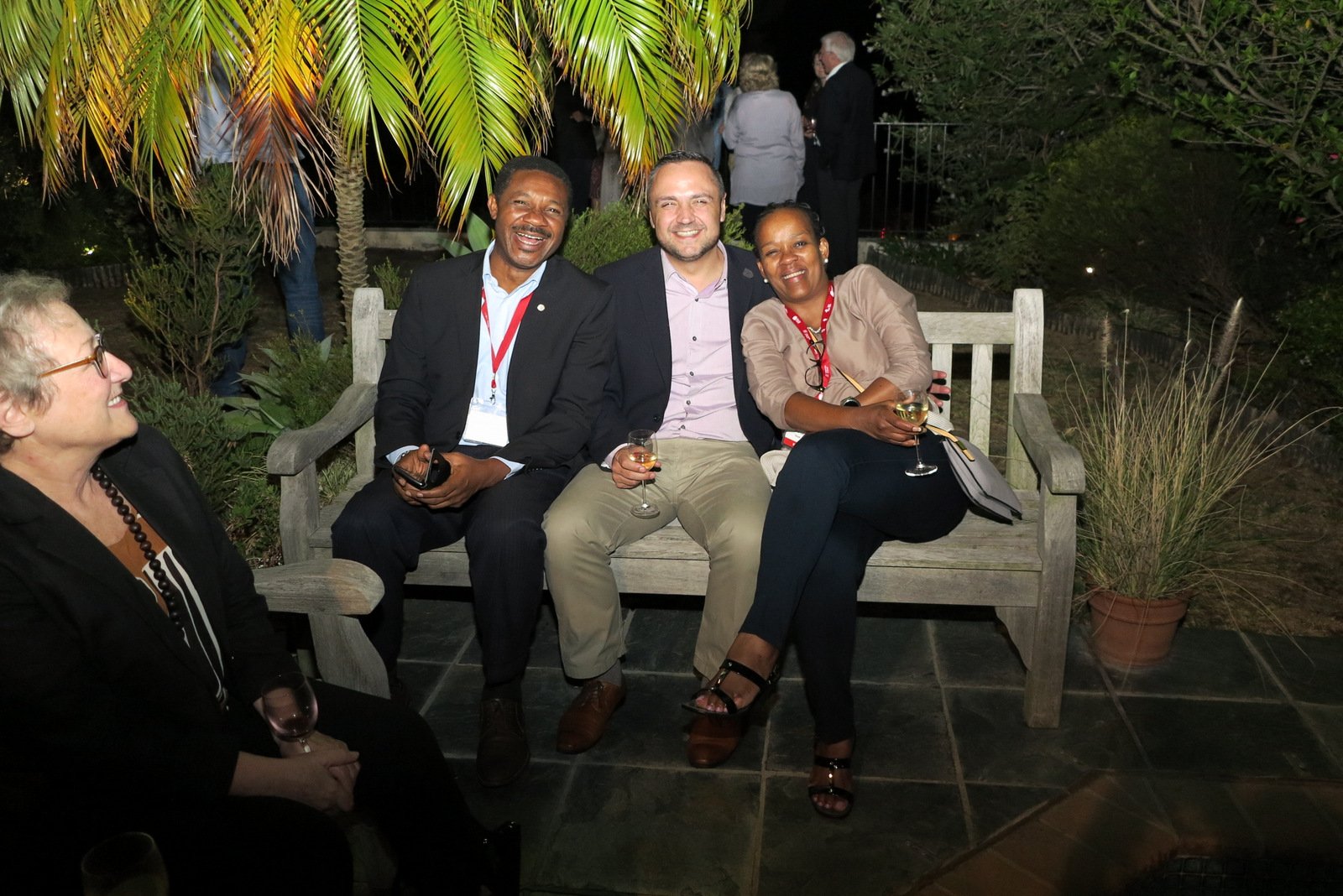
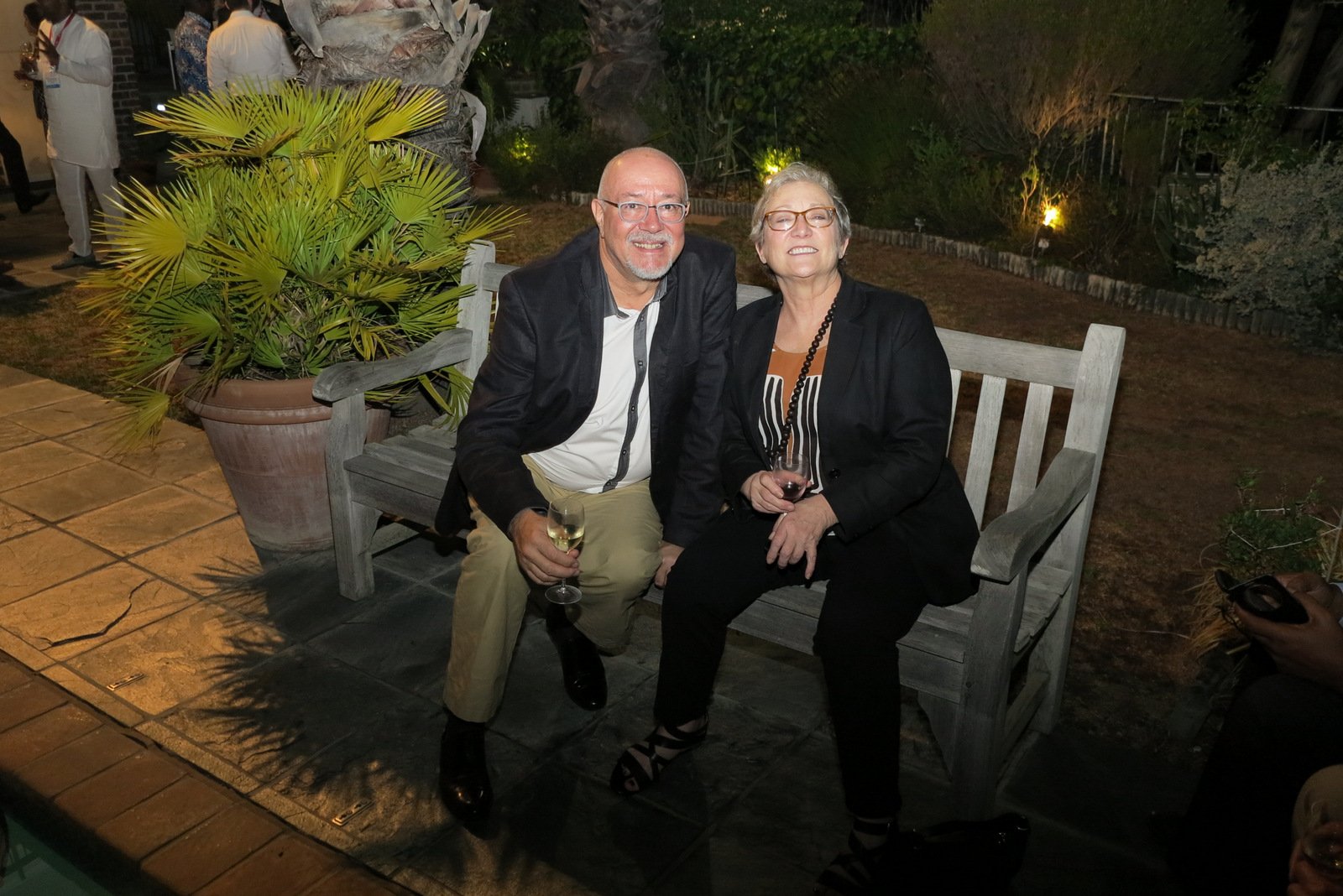
Cocktail Reception for #WSF2017SA Delegates at the Residence of the Consul General of Switzerland, Mrs. Bernadette Hunkeler Brown and Mrs. Jacquelene Friedenthal, Science and Technology Counsellor, Embassy of Switzerland in Pretoria in Cape Town

THE SUSTAINABLE DEVELOPMENT “MOON SHOT” by Prof Jeffrey D. Sachs, Director of The Earth Institute, Quetelet Professor of Sustainable Development, and Professor of Health Policy and Management, Columbia University, USA

Basel, 29 January 2017
The 6th World Sustainability Forum #WSF2017SA: African Universities Critical to Achieving the Sustainable Development Goals
Jeffrey and Sonia Sachs win first World Sustainability Award.
Universities need to take the lead in solving the greatest challenges the world faces today, particularly in Africa. They need to do this not only through education – teaching the next generation to think critically and creatively to find sustainable solutions – but also through research that cuts across a range of disciplines. To ensure these solutions are implemented, they need to partner with the private sector and with government.
This was the key message from the 6th World Sustainability Forum (WSF2017), which took place in Cape Town on 27 and 28 January 2017. Sponsored by MDPI and the journal Sustainability under the patronage of the Universities of the Western Cape (UWC), Cape Town (UCT), University of Basel and the National Research Foundation (NRF) of South Africa, the conference was attended by key national and international speakers, including world-leading economist Professor Jeffrey D. Sachs, senior United Nations (UN) advisor and director of the Earth Institute at Columbia University.
The WSF is an annual sustainability conference which addresses research in a range of areas related to sustainable development and sustainability globally. This was the first WSF to take place on the African continent. Discussions at the 2017 conference were driven by the 17 sustainable development goals (SDGs) adopted as part of the 2030 Agenda for Sustainable Development by the UN in September 2015.
Achieving the SDGs “is the moonshot for our generation,” said Sachs. “Like the moonshot [moon landing] of the 1960s, these are tough, bold and achievable objectives.”
“This is a nasty, tough world we live in, and our world agrees on very little. So when 193 governments agree on something, that is important. And when they agree on something as important as sustainable development, that is really something for us to grab hold of – that is a lifeline.”
There was agreement at the WSF that the SDGs are particularly important for Africa, and that African universities in particular have a role to play in achieving them.
Said Professor Tyrone Pretorius, vice-chancellor of UWC: “The quest for sustainable development can only be met through education. Universities today are the oil that fuels the knowledge economy.”
As part of the drive to develop academic capacity to provide the knowledge needed to meet the SDGs, WSF2017 was preceded by the 1st Postgraduate Forum on Sustainability. “A series of workshops for postgraduate education linked to WSF are important, in order to equip postgraduates with the skills necessary to promote sustainability,” said Professor Thandi Mgwebi, director for research at UWC. A second postgraduate forum will take place alongside the WSF2018 in Beijing.
This capacity development is particularly critical to Africa. Said Sachs: “African universities need to do research to find solutions to Africa’s development challenges, because no other university will.”
The UN set a target of achieving the SDGs by 2030: “I regard this as the breakthrough period to end extreme poverty on the continent,” said Sachs, “and for Africa to become one of the most dynamic centres of the world economy.”
It is a critical time for South African universities, said Professor Mamokgethi Phakeng, deputy vice-chancellor for research and internationalisation at UCT: “Higher education is at a crossroads, and there is much polarisation. We need to think carefully about how this sustainable development agenda is owned by all so that it is inclusionary.”
There was also strong emphasis on public–private partnerships – for universities, business and government to work together to achieve the goals.
Said Professor Francis Petersen, deputy vice-chancellor at UCT and vice-chancellor designate at the University of the Free State: “Business sustainability has become critical, because there is increasing demand and complexity of demand on business from the natural, social and economic environment. Sustainability cannot be a standalone issue, divorced from business as usual. Sustainability needs to be embedded into business.”
Environmental crises and climate change was also high on the WSF agenda. In his keynote address, Sachs noted the irreversibility of the climate- and environmental-related challenges.
“If we don’t get our act together, we lose the chance of safety,” he said.
Said Professor Mark New, pro vice-chancellor and director of the African Climate and Development Initiative at UCT: “We have a fundamental challenge in responding to climate change, and we must go further than just putting a plaster on a wound. We need to address the deep structural issues, to move from our current model of development into climate-compatible development.”
“This requires researchers to find the evidence for the correct development pathways to take, and then support the ability of policymakers at all levels to enable the shift to climate-compatible development planning.”
Said Dr. Aldo Stroebel, executive director of international relations and cooperation at the NRF, in closing: “We have seen over the past two days an urgency towards the next step of thinking, that critical type of framework that we all must engage with, not only from an academic perspective, but further up into the policy environment and into rural-based environments where one can clearly see the links and effectiveness of the work.”
World Sustainability Awards
The first World Sustainability Award and the first Emerging Sustainability Leader Awards were presented by Prof. Thandi Mgwebi, Director of Research at UWC, and Dr. Franck Vazquez, CEO of MDPI, during the ceremony on 27 January 2017 as part of the gala dinner of the 6th World Sustainability Forum in South Africa.after day one of proceedings of the 2017 World Sustainability Forum South Africa.
Professor Jeffrey D. Sachs and Dr. Sonia Ehrlich Sachs are the joint recipients of the first World Sustainability Award. Jeffrey Sachs is a world-renowned economist and senior United Nations (UN) advisor and director of the Earth Institute at Columbia University. Sonia Sachs is a paediatrician and public health specialist, and director of the Health Centre at the Centre for Sustainable Development, also at Columbia University.
The joint recipients of the first Emerging Sustainability Leader Award are Dr. Esther Ngumbi and Dr. Xiaosong Hu. Esther Ngumbi is a postdoctoral researcher at Auburn University in Alabama USA and serves as a 2015 Clinton Global University Mentor for agriculture. Xiaosong Hu is a professor at the Chongqing University in China and specialises in automotive control systems and mechanical engineering.
The World Sustainability Award and the Emerging Sustainability Leader Awards are funded to encourage new initiatives and developments in sustainability with the ultimate aim of fostering the transition to sustainable practices and societies.
The World Sustainability Award is funded by the MDPI Sustainability Foundation, and included a monetary prize of USD 100,000 to Jeffrey and Sonia Sachs. The Emerging Sustainability Leader Award is funded by the journal Sustainability, awarded to researchers under 40, and included a monetary prize of USD10,000.
Issued jointly by: UCT Global Strategy and Visibility, Research Office, UWC Communications & Media and MDPI AG
Conference photos are free available at: https://sciforum.net/conference/wsf-6/page/175 Photo credit: Matthias Burkhalter
|
Carla Bernardo |
Luthando Tyhalibongo |
Matthias Burkhalter |
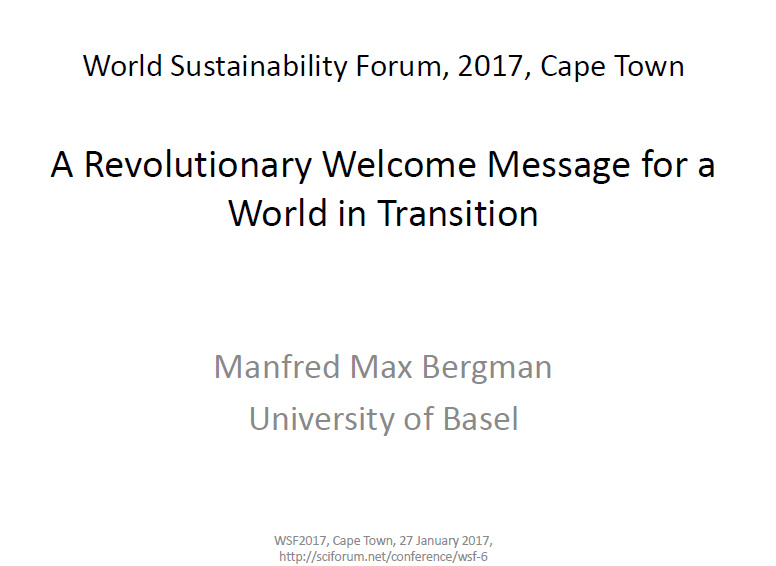
A Revolutionary Welcome Message for a World in Transition by Prof Max Bergman, Professor of Social Research and Methodology, University of Basel, Switzerland; UNESCO National Commission, Switzerland
TV and YouTube
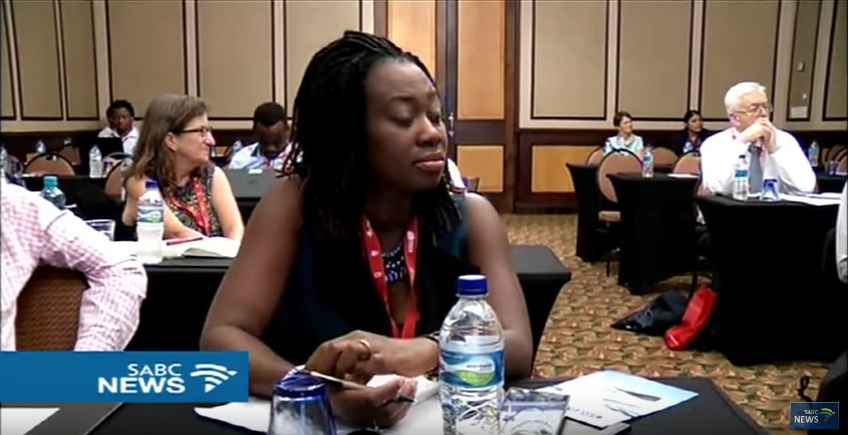
Water Scarcity Dominates 6th World Sustainability Forum, Cape Town, 29 January 2017 on SABC TV
Newspaper Print and Online

Professor Jeffrey Sachs Receives World Sustainability Award

Klaus Leisinger - Interview: Sustainable Development Goals

Auburn Agriculture Alumna Receives International Award

Water Scarcity Dominates 6th World Sustainability Forum Discussions

Follow China's Example and Lift Africa out of Poverty‚ Sustainability Forum Told

In This 'Nasty‚ Tough World' Deal on Sustainable Development a 'Lifeline'

Universities Key in Sustainability Goals

How Africa Should Tackle the Climate Change Challenge

Universities Better Than Governments at Achieving SDGs
University Research Collaboration Is Key to Meeting SDGs
Cape Town Hosts the World Sustainability Forum this Week
Social Media
Get Updates
Subscribe to the WSF2017 conference news by submitting your email address to the left of this page.
| Follow us on Twitter #WSF2017SA |
The first World Sustainability Award and the first Emerging Sustainability Leader Awards were presented by Prof. Thandi Mgwebi, Director of Research at UWC, and Dr. Franck Vazquez, CEO of MDPI, during the ceremony on 27 January 2017 as part of the gala dinner of the 6th World Sustainability Forum in South Africa.after day one of proceedings of the 2017 World Sustainability Forum South Africa.
Professor Jeffrey D. Sachs and Dr. Sonia Ehrlich Sachs are the joint recipients of the first World Sustainability Award. Jeffrey Sachs is a world-renowned economist and senior United Nations (UN) advisor and director of the Earth Institute at Columbia University. Sonia Sachs is a paediatrician and public health specialist, and director of the Health Centre at the Centre for Sustainable Development, also at Columbia University.
The joint recipients of the first Emerging Sustainability Leader Award are Dr. Esther Ngumbi and Dr. Xiaosong Hu. Esther Ngumbi is a postdoctoral researcher at Auburn University in Alabama USA and serves as a 2015 Clinton Global University Mentor for agriculture. Xiaosong Hu is a professor at the Chongqing University in China and specialises in automotive control systems and mechanical engineering.
The World Sustainability Award and the Emerging Sustainability Leader Awards are funded to encourage new initiatives and developments in sustainability with the ultimate aim of fostering the transition to sustainable practices and societies.
The World Sustainability Award is funded by the MDPI Sustainability Foundation, and included a monetary prize of USD 100,000 to Jeffrey and Sonia Sachs. The Emerging Sustainability Leader Award is funded by the journal Sustainability, awarded to researchers under 40, and included a monetary prize of USD10,000.
Professor Jeffrey Sachs Receives World Sustainability Award
Universities Better Than Governments at Achieving SDGs
The first World Sustainability Award and the first Emerging Sustainability Leader Awards were presented by Prof. Thandi Mgwebi, Director of Research at UWC, and Dr. Franck Vazquez, CEO of MDPI, during a ceremony on 27 January 2017 as part of the gala dinner of the 6th World Sustainability Forum in South Africa.
Professor Jeffrey D. Sachs and Dr. Sonia Ehrlich Sachs are the joint recipients of the 1st World Sustainability Award. The joint recipients of the first Emerging Sustainability Leader Award are Dr. Esther Ngumbi and Dr. Xiaosong Hu.
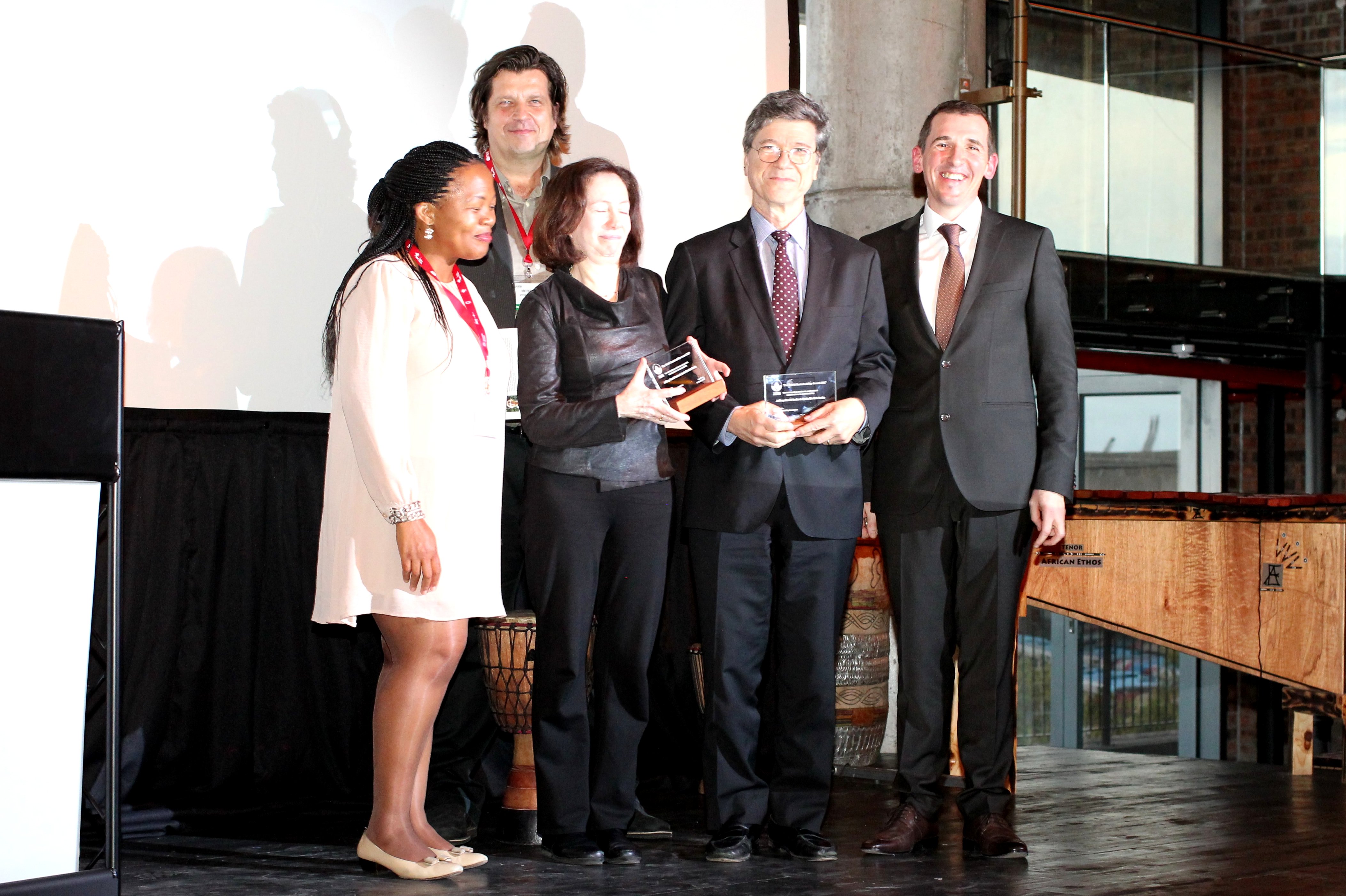
Prof Jeffrey Sachs is a world-renowned professor of economics, leader in sustainable development, senior UN advisor, bestselling author, and syndicated columnist whose monthly newspaper columns appear in more than 100 countries. He is the co-recipient of the 2015 Blue Planet Prize, the leading global prize for environmental leadership, and has twice been named among Time Magazine’s 100 most influential world leaders. Professor Sachs served as the Director of the Earth Institute at Columbia University from 2002 to 2016. During that time, he led a university-wide organization of more than 850 research scientists and policy experts in support of sustainable development, championed the Masters of Development Practice (MDP) program, which is now offered at 30 universities around the world, and helped to introduce the PhD in Sustainable Development at Columbia University. He was appointed University Professor at Columbia University in 2016 and also serves as Quetelet Professor of Sustainable Development and Professor of Health Policy and Management. He was Special Advisor to United Nations Secretary-General Ban Ki-moon on the Sustainable Development Goals, and previously advised Secretary-General Ban Ki-moon and Secretary-General Kofi Annan on the Millennium Development Goals. He is a Distinguished Fellow of the International Institute of Applied Systems Analysis in Laxenburg, Austria. Prior to his arrival at Columbia University in July 2002, Professor Sachs spent over twenty years as a professor at Harvard University, where he served as the Director of the Center for International Development and the Galen L. Stone Professor of International Trade. He received his B.A., summa cum laude, from Harvard College in 1976, and his M.A. and Ph.D. from Harvard University in 1978 and 1980 respectively.
Dr Sonia Sachs is a paediatrician and public health specialist with a specialty in paediatric endocrinology. Prof Sachs practiced medicine for over 20 years, 14 of which at the Harvard University Health Services. In 2004 she joined the Earth Institute and became the health coordinator for the Millennium Villages Project, overseeing all health related interventions and research. The goal is to show that an integrated development approach is scalable and sustainable. She tirelessly contributes to the coordination and work that has made the Earth Institute a beacon of international sustainable development. She received a B.A. from Harvard University, an M.D. from the University of Maryland Medical School, and an MPH from Harvard School of Public Health.
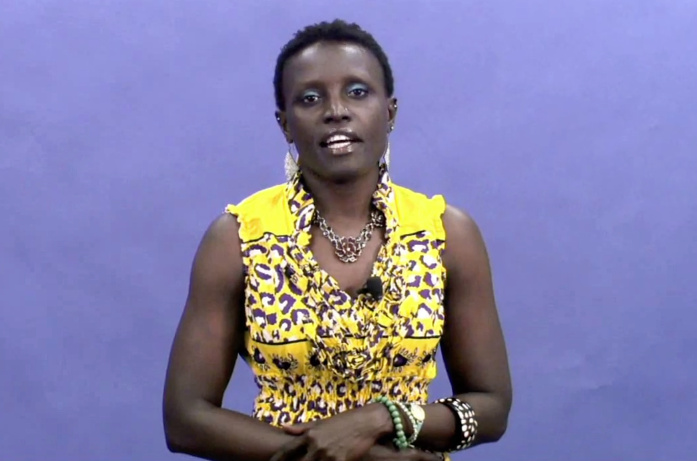
Dr Esther Ngumbi is a 2007 recipient of American Association of University Women (AAUW) International Fellowship. She has been featured in the AAUW celebrating 125 years of fellowships and grants views and on the cover of AAUW’s acclaimed national research report, “Why So Few? Women in Science, Technology, Engineering, and Mathematics”. Dr. Ngumbi is currently a post-doctoral researcher at the Department of Entomology and Plant Pathology at Auburn University in Alabama. She is a Food Security Fellow with New Voices, The Aspen Institute, and has also served as a Clinton Global University Initiative Mentor for Agriculture. Esther was named by One World Action as one of the 100 powerful women who change the world. She continues to be a global leader, motivational speaker and is passionate about issues related to hunger, gender, education, youth activism and sustainability.
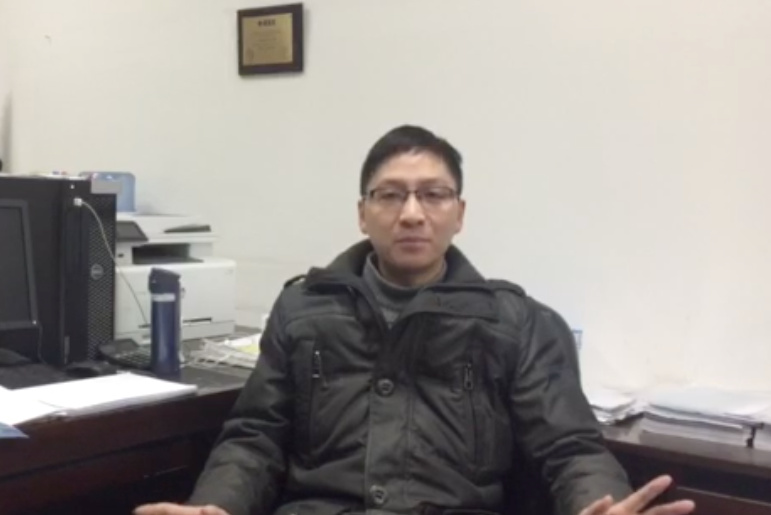
Dr Xiaosong Hu received a PhD degree in Automotive Engineering from Beijing Institute of Technology, China in 2012. He conducted scientific research and completed his dissertation at the Automotive Research Center at the University of Michigan, Ann Arbor, USA, between 2010 and 2012. He is currently a postdoctoral researcher at the Swedish Hybrid Vehicle Center and the Department of Signals and Systems at Chalmers University of Technology, Gothenburg, Sweden. His research interests include optimal control and dimensioning of electrified powertrains, modelling and management of energy storage systems. He is a recipient of the Beijing Best PhD Dissertation Award in 2013, and is a Member of IEEE.
The World Sustainability Award and the Emerging Sustainability Leader Awards are funded to encourage new initiatives and developments in sustainability with the aim of fostering the transition to sustainable practices and societies.
The monetary prize of US$ 100 000 associated with the World Sustainability Award is funded by the MDPI Sustainability Foundation. The monetary prize of US$ 10 000 associated with the Emerging Sustainability Leader Award is funded by Sustainability, an MDPI journal. It is awarded to researchers under 40 who show promise to become future leaders in the field of sustainability.
A committee of seven judges, which included members from academia and representatives from business and government, selected the recipients of the 2017 World Sustainability Award and the Emerging Sustainability Leader Award.
Private Bag X3
Rondebosch 7701, Republic of South Africa
University of the Western Cape
Robert Sobukwe Road
Bellville 7535, Republic of South Africa
The programme of the 6th World Sustainability Forum, Cape Town, is now available in the abstract book (last update Jan, 23)
26 January 2017
|
18:00-19:30 |
World Sustainability Forum 2017 Cocktail Event, Southern Sun Cape Sun Hotel |
27 January 2017
|
08:00-09:30 |
Registration |
|||||
|
09:30-11:00 |
Programme Overview and Introduction of Keynote Speakers
Opening and Welcome
Keynote Speaker
Opening Address |
Chair: Prof Max Bergman Prof Tyrone Pretorius Prof Mamokgethi Phakeng HE Helene Budliger Artieda |
||||
|
11:00-11:20 |
Break |
|||||
|
11:20-12:40 |
Plenary Roundtable: Education for Sustainable Development |
Moderator: Prof Teboho Moja Prof Daya Reddy Dr Lidia Brito Prof Masafumi Nagao Prof Norman Duncan |
||||
|
12:40-13:30 |
Lunch |
|||||
|
13:30-14:10 |
Guest Speaker |
Chair: Prof Max Bergman Prof Jeffrey Sachs |
||||
|
|
Chair: Dr Shola Ololade |
Chair: Prof Linus Opara |
Chair: Prof Antonio Frattari |
Chair: Prof Tim Cresswell |
Chair: Prof Mary Scholes |
Chair: Dr Christian Acemah |
|
16:15-16:45 |
Break |
|||||
|
16:45-18:15 |
Plenary Roundtable: Water-Food-Energy Nexus |
Moderator: Prof Frans Swanepoel Joyene Isaacs Prof Lise Korsten Dr. Sylvester Mpandeli Prof Voster Muchenje |
||||
|
19:15 |
Gala Dinner |
Programme Director: Prof Thandi Mgwebi Award of the World Sustainability Award and the Emerging Sustainability Leader Award funded by the MDPI Sustainability Foundation and the MDPI journal Sustainability, with acceptance speeches by awardees Venue: Gold Restaurant, 15 Bennett St, Green Point, Cape Town |
||||
28 January 2017
|
08:00-08:30 |
Registration |
|||||
|
08:30-10:00 |
Introduction of Keynote Speakers
Keynote Speakers |
Chair: Dr Aldo Stroebel Prof Mark New Bongiwe Njobe Prof Klaus Leisinger Prof Marc Rosen |
||||
|
10:00-10:30 |
Break and Poster Presentations |
|||||
|
|
Chairs: Matthias Stucki and Prof Harro von Blottnitz |
Chair: Prof Manfred Fishedick |
Chair: Prof Alexandros Gasparatos |
Chair: Prof Suzan Oelofse |
Chairs: Prof Nikolaus Kuhn and Dr Henri Rueff |
Chair: Prof Max Bergman |
|
12:30-13:30 |
Lunch |
|||||
|
|
Chair: Prof Ken Dzama |
Chair: Prof Voster Muchenje |
Chair: Prof Marc Rosen |
Chair: Prof Felix Muesgens |
Chair: Prof Dee Bradshaw |
Chair: Marcel Mballa-Ekobena |
|
15:30-16:00 |
Break and Poster Presentations |
|||||
|
|
Chair: Prof Julian May |
Chair: Prof Neil Armitage |
Chair: Dr Litha Magingxa |
Chairs: Dr Sally Stansfield and Dr Oladoyin Odubanjo Chair: Prof Alexandros Gasparatos |
Chair: Prof Dee Bradshaw |
Chair: Prof Terence Centner |
|
17:30-18:00 |
Closing Plenary: A Future Perspective
Closing Remarks |
Moderator: Dr Aldo Stroebel Prof Francis Petersen Dr Lidia Brito Prof Max Bergman |
||||
| Follow us on Twitter #WSF2017SA |