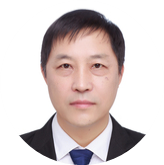
 Prof. Qingan Huang Prof. Qingan Huang |
Southeast University Qing-An Huang is a professor at the Southeast University. He has authored a book Silicon Micromachining Technology (Science Press, 1996), edited a book Micro Electro Mechanical Systems (Springer, 2018), authored or co-authored 4 international book chapters, over 200 peer-reviewed international journals/conference papers, and holds over 100 Chinese patents. He is a Fellow of the IEEE. Dr. Huang was a TPC Member of TRANSDUCERS from 2009 to 2019, the Conference Co-Chair of the SPIE Microfabrication and Micromachining Process Technology and Devices (Proceedings of SPIE, vol. 4601, 2001), the TPC Co-Chair of the 7th IEEE International Conference on Nano/Micro Engineered and Molecular Systems (IEEE NEMS, Kyoto, Japan, 2012), and the TPC Co-Chair (2012) and TPC Chair (2022) of the Asia-Pacific Conference of Transducers and Micro/Nano Technologies (APCOT). He has been serving as the Editor-in-Chief of the Chinese Journal of Sensors and Actuators since 2005. He is an Editorial Board Member of Journal of Micromechanics and Microengineering as well as Sensors & Actuators A. Physical. |
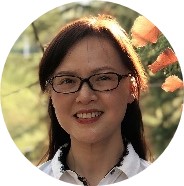 Prof. Chenguo Hu |
Chongqing University Chenguo Hu is a professor of physics in Chongqing University. Associate Editor of Nano Energy. She earned her Ph.D. from Chongqing University in 2003, and worked as a visiting scholar at the Georgia Institute of Technology in 2005-2006. Her research focuses on surface and interface physics, and related functional devices, particularly making innovative contributions in the fields of triboelectric nanogenerators and self-powered sensors. She has published more than 300 papers in Sci. Adv., Nature Commun., Sci. Robotics, Nature Sustain., Adv. Mater., EES, ACS Nano, etc. with more than 25,000 SCI citations. Her h-index is 84. She has won 1 first and 2 second prizes in provincial-level Natural Science Awards. She is an expert who received the state council issued a Special Government Allowances. She was recognized as a Highly Cited Researcher by Clarivate Analytics in 2022-2024. |
 Prof. Guangya Zhou |
National University of Singapore |
|
|
Northwestern Polytechnical University |
 Prof. Itoh Toshihiro |
The University of Tokyo Professor Toshihiro Itoh is a renowned expert in Large Area Device Integration at the University of Tokyo's Graduate School of Engineering. His research focuses on Wireless Sensor Networks, N/MEMS, Microsystem Packaging and Integration, and Large Area MEMS. With a Ph.D., Professor Itoh has led various research projects, including developing innovative technologies for livestock health monitoring. |
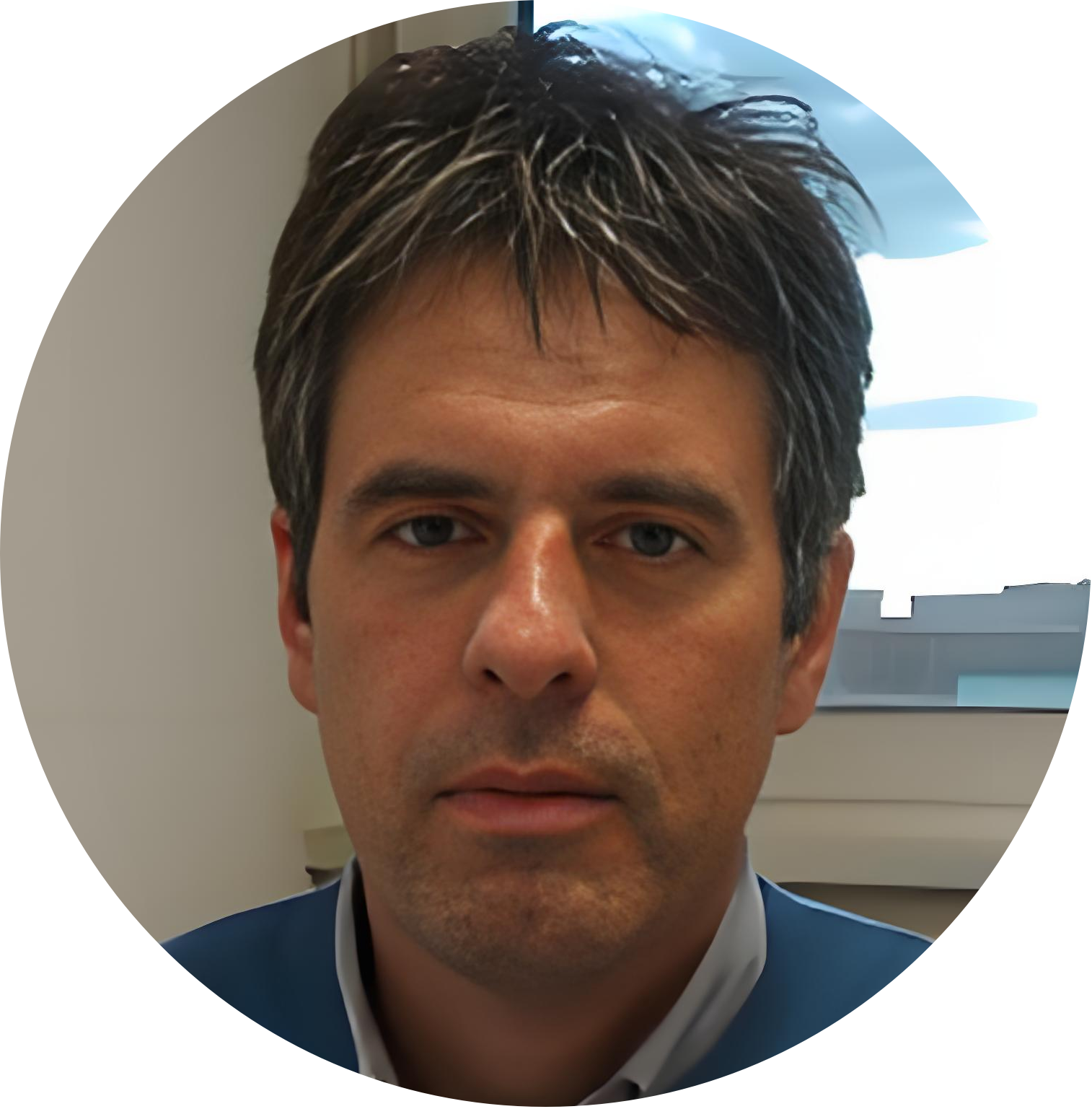 Prof. Vittorio Passaro |
Politecnico di Bari Dr. Vittorio Passaro is a full Professor in Electronics at Politecnico di Bari, leading the Photonics Research Group. Expert in integrated optoelectronic devices, nonlinear optics, and quantum photonics for telecommunications, sensing, and biomedical applications. Collaborates globally with top institutions in advanced photonics innovation. |
 Prof. Kean C. Aw |
University of Auckland |
 Prof. Jinghua Teng |
A*STAR Research
Prof. Jinghua Teng is a Senior Principal Scientist at A*STAR’s IMRE, also serving as Adjunct Professor at NUS and NTU. With over 250 journal papers and 30 primary patents, his research focuses on 2D optoelectronics, nano-optics, and semiconductor materials. A Fellow of OPTICA and SPIE. |
 Prof. Kah Wee Ang |
National University of Singapore |
 Prof. Fei Wang |
Southern University of Science and Technology |
 Prof. Sang-Seok Lee |
Tottori University |
 Prof. Chuanfei Guo |
Southern University of Science and Technology |
 Prof. Jun Wu |
Southeast University |
 Prof. Sanghoon Lee |
Daegu Geongbuk Institute of Science and Technology |
 Prof. Aaron Danner |
National University of Singapore
Aaron Danner is with the Dept. of Electrical and Computer Engineering at the National University of Singapore. He is also Deputy Director of the Center for Teaching, Learning, and Technology there. His group is involved in mainly involved in projects related to chip-based nonlinear photonics with lithium niobate and barium titanate. |
 Prof. Minglu Zhu |
Soochow University
Dr. Minglu Zhu, specializes in triboelectric/piezoelectric nanogenerators (TENGs) and AI-enhanced wearable sensors. A NUS Ph.D. graduate (2022), his pioneering work on haptic feedback gloves and self-powered IoT systems has been published in *Nature Communications* and *ACS Nano*. Awarded China’s Outstanding Self-Financed International Student Scholarship (2021), he welcomes students passionate about human-machine interfaces and energy harvesting technologies. |
 Prof. Inkyu Park |
Korea Advanced Institute of Science and Technology |
 Prof. Zhou Li |
Chinese Academy of Sciences |
 Prof. Ting Zhang |
Chinese Academy of Sciences
Ting Zhang is the Head of i-Lab department and the Head of Nano-X Workstation, the deputy director of SINANO, Chinese Academy of Sciences. He got the National Natural Science Foundation for Distinguished Young Scholars of China, etc. His research mainly focuses on the development of novel nanomaterials, nanofabrication, flexible/MEMS electronic sensing devices. |
 Prof. Qijie Wang |
Nanyang Technological University |
 Prof. Jae Yeong Park |
Kwangwoon University |
 Prof. Wenzhuo Wu |
Purdue University |
 Prof. Dangyuan Lei |
City University of Hong Kong |
 Prof. Huikai Xie |
Beijing Institute of Technology Prof. Huikai Xie is a professor at Beijing Institute of Technology (BIT) and Director of the Chongqing Microelectronics Center. A pioneer in MEMS, CMOS-MEMS integration, and optical microsystems, he is an IEEE/SPIE Fellow with 300+ publications and 18 U.S./40+ Chinese patents. Formerly a tenured professor at the University of Florida, he leads cutting-edge research in inertial sensors, LiDAR, and biomedical imaging technologies. |
 Prof. Jianyong Ouyang |
National University of Singapore |
 Prof. Yunlong Zi |
The Hong Kong University of Science and Technology |
 Prof. Shengxi Zhou |
Northwestern Polytechnical University |
 Prof. Haoyong Yu |
National University of Singapore |
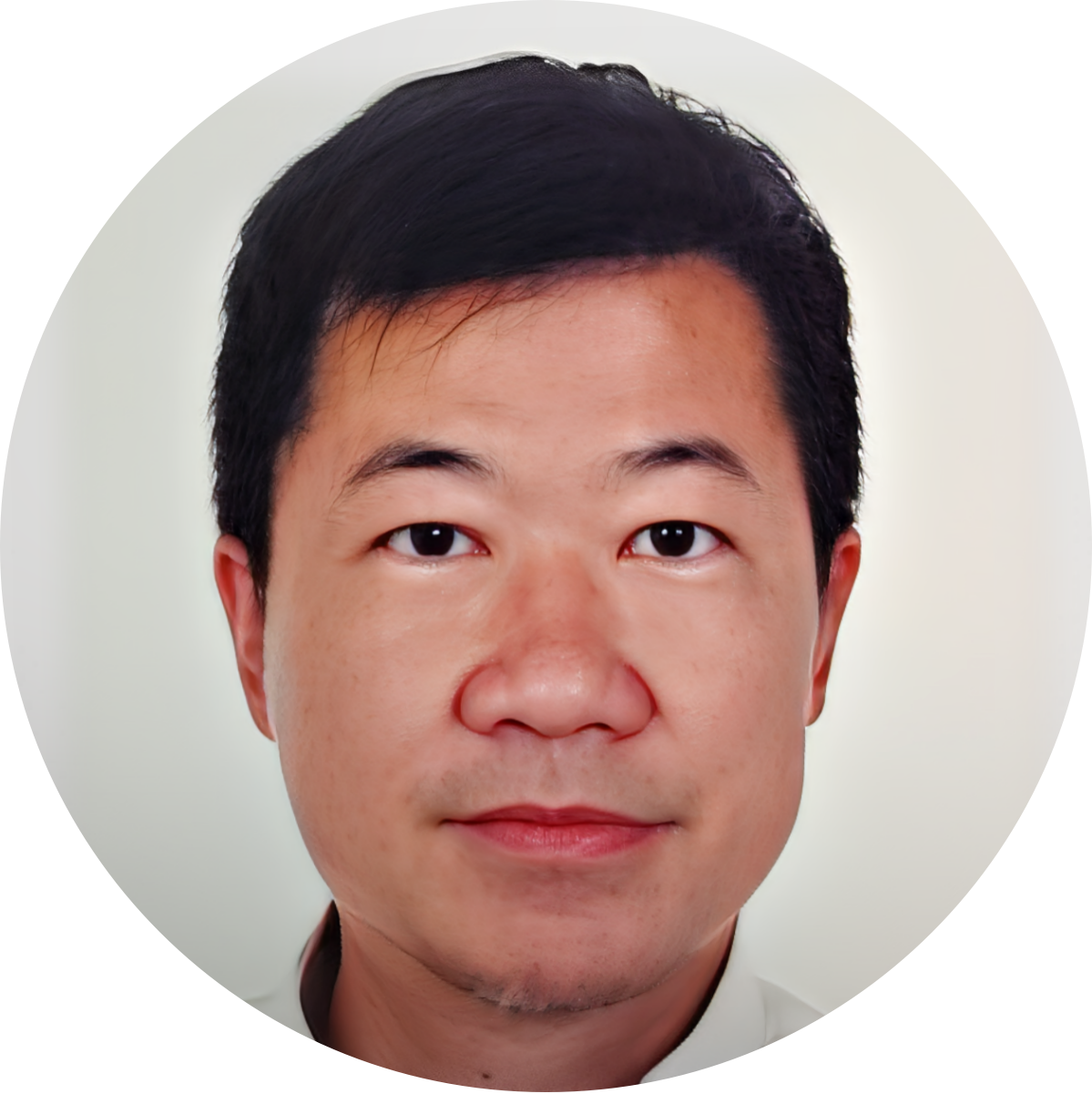 Prof. Chee Kong Chui |
National University of Singapore |
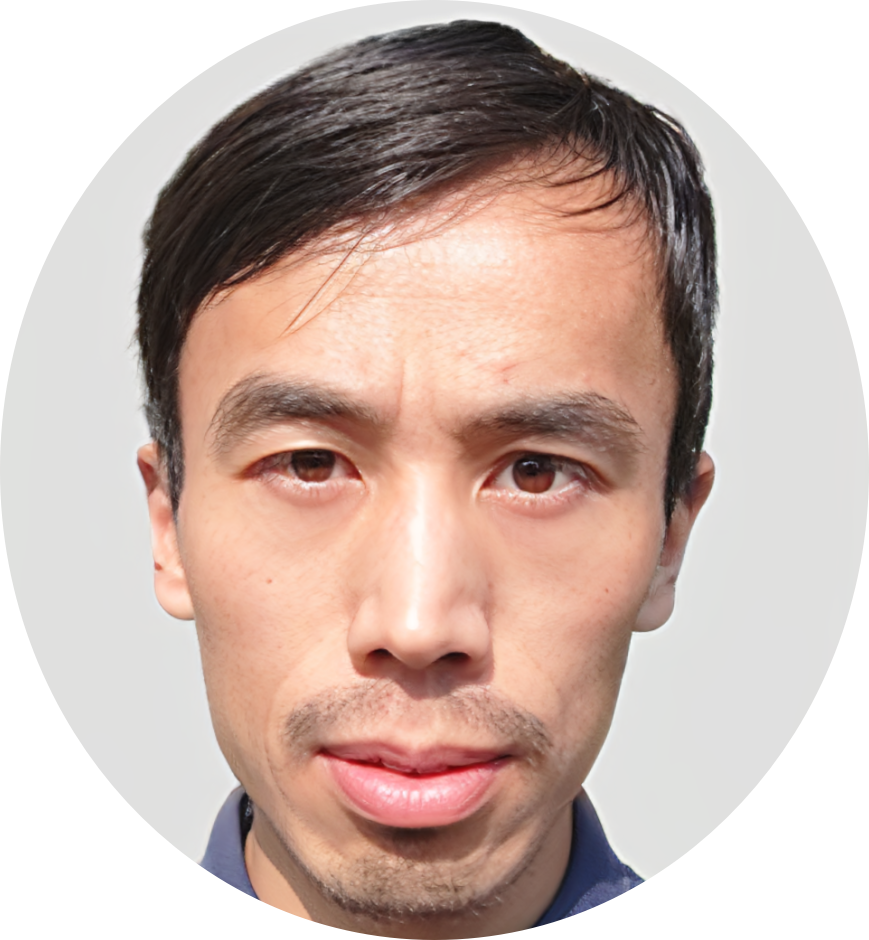 Prof. Zhengbao Yang |
The Hong Kong University of Science and Technology |
 Prof. Chi Zhang |
Chinese Academy of Sciences |
 Prof. J. Andrew Yeh |
National Tsing Hua University
J. Andrew Yeh is the director general of Instrument Technology Research Center of NARLabs as well as the professor in Institue of NanoEngineering and MicroSystems, National Tsing Hua University. He holds more than 70 patents and publishes over 70 journal papers. His current research interests include Optofluidics Microsystem, Breath Biosensors, and Nanostructures in Bulk. |
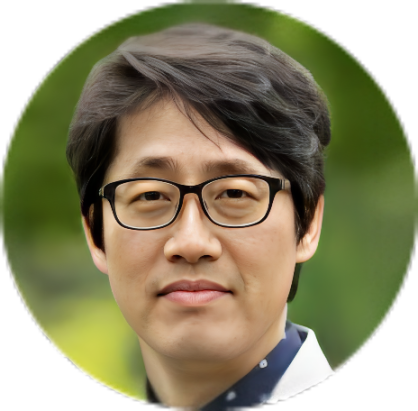 Prof. Sang Sub Kim |
Inha University Prof. Sang Sub Kim, a leading expert in Materials Science at Inha University, is a Fellow of the Korean Academy of Science & Technology and former President (2022) of the Materials Research Society of Korea. His research focuses on thin film processing, nanostructured materials, and surface characterization, supported by extensive international collaborations and editorial roles in prominent scientific journals. |
|
|
Chinese Academy of Sciences Prof. Jian Chen is Full Professor and Deputy Director of the State Key Laboratory of Transducer Technology, Chinese Academy of Sciences. He received his Ph.D. from the University of Toronto in 2011. Then he joined the Chinese Academy of Sciences as an assistant professor and was promoted to associate professor in 2014 and full professor in 2020. His research focuses on exploring microfluidic sensors in the field of single-cell analysis, where he developed new microfluidic platforms enabling high-throughput characterization of single-cell electrical, mechanical and proteomic properties. He contributed to the publications of more than 140 journal papers and filed the applications of more than 50 patents. Among other honors, Prof. Chen was awarded with Leading Talents in the Ten Thousand Talents Plan of Ministry of Science and Technology of China in 2023, Core Member of Innovation Group of National Natural Science Foundation of China in 2021, Excellent Young Scholars of National Natural Science Foundation of China in 2019, Excellent Member of Youth Innovation Promotion Association of Chinese Academy of Sciences in 2019 and Beijing NOVA Star in 2014. |
|
|
National University of Singapore Prof. HUANG Zhiwei specializes in biomedical optical spectroscopy, advanced endoscopic imaging, and multimodal nonlinear microscopy. His research focuses on developing cutting-edge Raman, fluorescence, and coherent anti-Stokes Raman scattering (CARS) techniques for real-time diagnostics and cellular imaging. A prolific researcher, he has published extensively in high-impact journals and teaches modules like Biophotonics and Medical Imaging. His innovations in label-free vibrational imaging and clinical Raman endoscopy advance early disease detection and biomedical applications. |
|
|
Shanghai University Prof. Ting Hu is the Vice Dean of Shanghai University's School of Microelectronics, serves as Chief Scientist of a National Key R&D Program. Specializing in integrated optoelectronics and metasurface optical chips, he has published 80+ SCI papers and holds 15 patents. His CMOS-compatible chip innovations advance 3D sensing, optical communications, and analytical detection technologies. |
|
|
Universiti Putra Malaysia With a PhD from the University of Minnesota, Prof. Siva Balasundram's expertise spans agricultural information systems, spatial variability analysis, and sensor technologies for crop management. He has led RM1 million+ in funded research, published 80+ papers, and supervised 20+ postgraduate students. Recognized for innovations in non-destructive crop monitoring, he holds patents and awards, including international exhibition medals. A dedicated educator and ISPA regional (Asia-Oceania) representative, he bridges academia and industry for sustainable and climate-smart agriculture. |
 Prof. Chang-Po Chao |
National Yang Ming Chiao Tung University Prof. Chao, a Distinguished Professor and University Chair of NYCU, specializes in optoelectronic systems, sensing ICs, next-gen displays, and biomedical imaging techs. With expertise in chip systems, his research spans readouts and hardware accelerators for sensors, drives for advanced displays, security ICs, and innovative projects like wearable PPG sensors and cloud-based cardiovascular modeling for mobile monitoring. |
|
|
Hubei University of Technology Xiaoxing Zhang, doctoral advisor, Professor of the "Yangtze River scholars Award Program" of the Ministry of education, candidate for the national hundred million project, young and middle-aged experts with outstanding contributions, enjoying the special allowance of the State Council, and excellent talents of the Ministry of education in the new century. Currently, he is the dean of the school of electrical and electronic engineering of Hubei University of technology, and is mainly engaged in the research of on-line monitoring and condition assessment of high-voltage electrical equipment insulation, new sensing technology and environmental friendly gas insulation materials. He has presided over more than 10 national projects, including the National Natural Science Foundation of China, and won one second prize for national technological invention, four first prizes for provincial and ministerial scientific and technological achievements, and one second prize for provincial teaching achievements. |
|
|
Beijing Institute of Technology Professor Hailing Fu is a Professor and Doctoral Supervisor at the School of Automation, Beijing Institute of Technology. Specializing in distributed intelligent sensing, energy harvesting, and self-powered systems, he holds a Ph.D. from Imperial College London. A recipient of national youth talent awards, he has published extensively in top journals and collaborates globally. His research focuses on wireless sensing, nonlinear energy harvesting, and smart materials. |
 Prof. Mehmet Rasit Yuce |
Monash University Mehmet Yuce is a Professor of Electrical and Computer Systems Engineering at Monash University. His research focuses on low-power electronics design, IoT sensor technology, implantable medical devices, and wireless body area networks. With expertise in integrated circuits and energy harvesting, he has published extensively in wearable medical devices. |
|
|
The University of Tokyo |
 Prof. Xuhui Sun |
Soochow University |
 Prof. Chwee Teck Lim |
National University of Singapore
|
|
|
Osaka University Prof. Tamiya Eiichi focuses on utilizing nanomaterials(metal nanoparticles, organic nanoparticles, carbon nanotubes, etc.)and microfabrication techniquesto develop biochips and biosensors by integrating advanced biomolecular functions such as genes, antibodies, and enzymes.His research also explores innovative single-cell/single-molecule assay technologies and biomass energy conversion systems. |
|
|
Chinese Academy of Sciences |
|
|
Southeast University |
|
|
Keio University |
|
|
National Chung-Hsing University |
|
|
University of Macau |
 Prof. Huicong Liu |
Soochow University |
|
|
National Tsing Hua University |
|
|
Chinese Academy of Sciences |
|
|
Soochow University |
|
|
Yonsei University |
|
|
National University of Singapore |
 Prof. Michinao Hashimoto |
Singapore University of Technology and Design Prof. Michinao Hashimoto specializes in microfluidics for biomedical engineering. With extensive experience from prestigious institutions like Harvard and MIT, his research focuses on developing low-cost medical devices and drug delivery systems. Dr. Hashimoto's work aims to make science and technology more accessible, contributing significantly to the field of point-of-care diagnostics and medical device development. |
 Prof. Chia-Hung Chen |
City University of Hong Kong Prof. Chia-Hung Chen, a Professor at the Department of Biomedical Engineering, City University of Hong Kong. Prof. Chen focuses on integrative platforms for biomedical applications. His expertise lies in microfluidic droplets, single cell analysis, and smart hydrogels, enabling rapid and precise diagnosis for personalized medicine. |
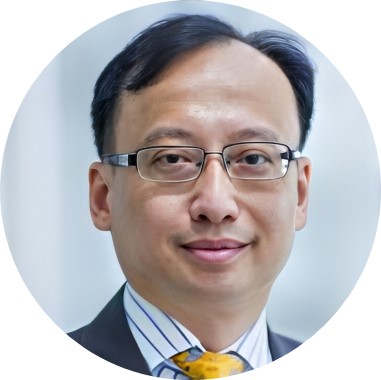 Prof. Peter Chong |
Auckland University of Technology Professor Peter Chong, Associate Head (Research) at AUT, New Zealand. World's Top 2% Scientist (Stanford 2022), IET Fellow. Research focuses on machine learning for 5G-V2X networks, with 300+ publications. Former Head of EEE at AUT/NTU; Honorary Professor (Amity University) and Adjunct Professor (CUHK). |
 Prof. Ying-Chih Lai |
National Chung Hsing University His research focuses on energy harvesting devices, flexible electronics, electronic skin, soft robotics, and self-powered sensing systems. With international experience as a visiting scholar at Stanford University, IMEC, and Georgia Tech, he integrates expertise in semiconductor devices and soft material applications for advanced sensors and sustainable technologies16. |
 Prof. Minyi Xu |
Dalian Maritime University His research focuses on underwater robotics, novel sensing technologies, and ocean energy harvesting. He has led several key research projects, published over 130 papers in prominent journals, and holds numerous patents. Prof. Xu has received various honors for his contributions, including the China National Natural Science Foundation grant, and has chaired or spoken at several international conferences in his field. |
|
|
Chinese Academy of Sciences |
 Prof. Nan Wang |
Shanghai University Professor Nan Wang, at Shanghai University's School of Microelectronics, specializes in MEMS technology, focusing on sensors, actuators, and RF-MEMS devices. His research advances 5G and 6G communication systems through innovative MEMS chip manufacturing. He earned his PhD from the National University of Singapore and has led several significant international projects. |
|
|
Institute of Microelectronics |
 Prof. Xin Zhang |
Boston University Prof. Xin Zhang is a professor at Boston University, specialized in the research of Microelectromechanical Systems and Metamaterials. Her research spans Photonic and Optical Applications, Medical Imaging Technologies, and Acoustic Silencing and Noise Reduction. Her achievements include a host of honors and awards, such as the Sigma Xi Chubb Award in 2023. |
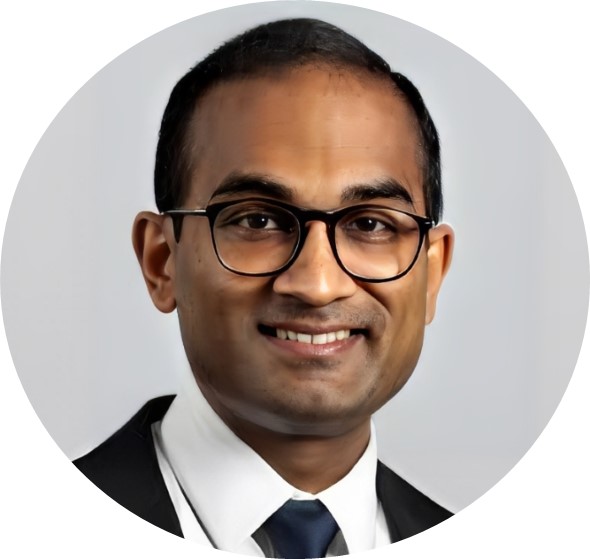 Prof. Siddhartha Ghosh |
Northeastern University |



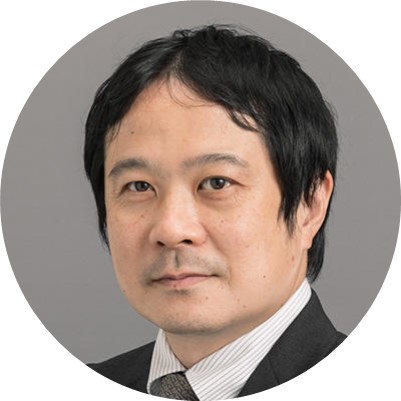





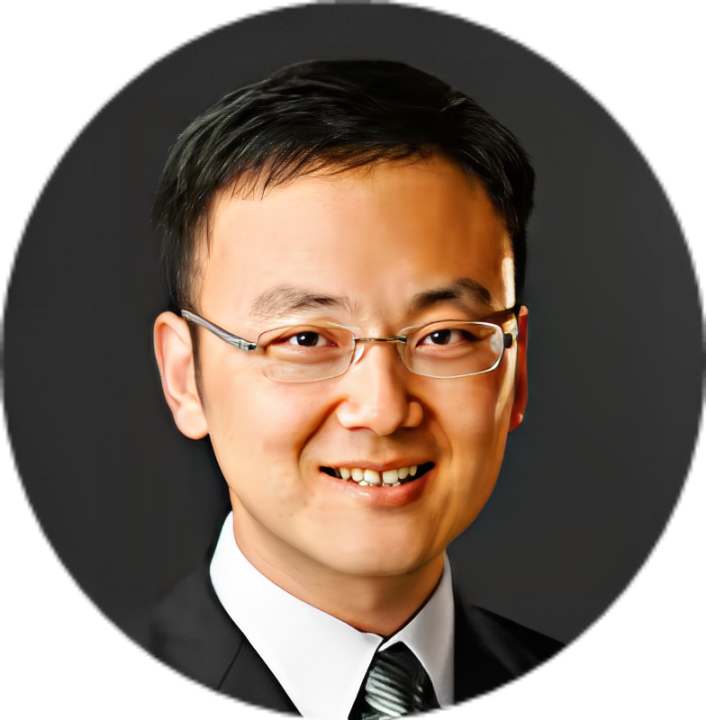

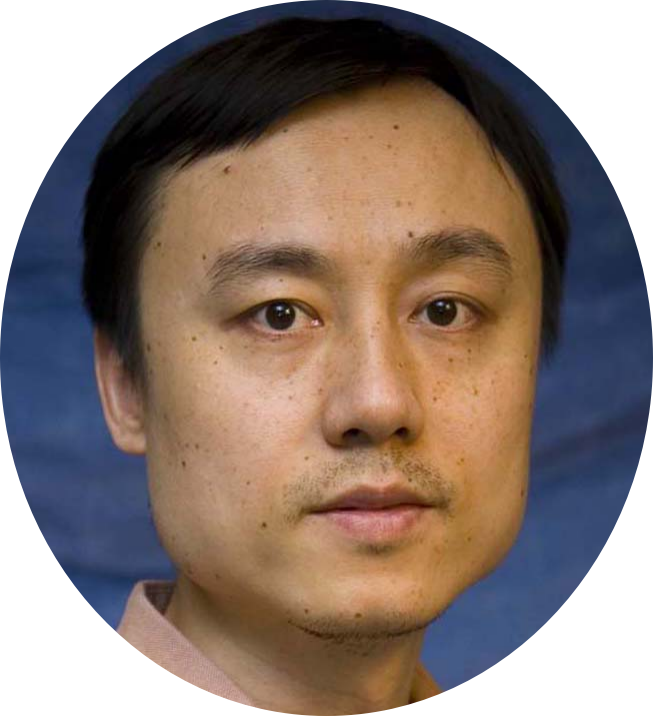 Prof. Xiaogang Liu |
National University of Singapore Prof. LIU Xiaogang, Provost's Chair Professor, at NUS Chemistry, specializes in supramolecular coordination chemistry, photon upconversion, and X-ray photonics. A Northwestern University Ph.D. graduate and MIT postdoctoral fellow, he received the 2024 RSC Centenary Prize and 2016 President’s Science Award for pioneering work in luminescent materials and optical sensors. |
 Prof. Sheng Xu |
University of California San Diego Professor Sheng Xu was appointed in July 2015 as a member of the faculty in the Department of NanoEngineering at UC San Diego. Xu was a postdoctoral research associate in Frederick Seitz Materials Research Laboratory from 2011 to 2015 at University of Illinois at Urbana-Champaign, where he developed advanced wearable electronic systems for healthcare and energy applications. He received his Ph.D. in Materials Science and Engineering in 2010 at Georgia Institute of Technology, and was the recipient of the 2011 IUPAC Prize for Young Chemists for his Ph.D. research on oxide nanowire arrays for energy sciences. He obtained his B.S. in Chemistry and Molecular Engineering from Peking University in Beijing, China in 2006. |
 Prof. Xinge Yu |
City University of Hong Kong Xinge Yu is the Professor of Biomedical Engineering at City University of Hong Kong (CityUHK), Associate Director of Institute of Digital Medicine at CityUHK, Associate Director of Hong Kong Centre for Cerebro-cardiovascular Health Engineering, and Associate Director of the CAS-CityU Joint Lab on Robotics. Prof. Yu is the Member of the Hong Kong Young Academy of Sciences, recipient of RGC Research Fellow. He was selected as Innovators under 35 China (MIT Technology Review), NSFC Excellent Young Scientist Grant (Hong Kong & Macao), New Innovator of IEEE NanoMed, MINE Young Scientist Award, Gold Medal in the Inventions Geneva, CityU Outstanding Research Award, Stanford's top 2% most highly cited scientists etc. Xinge Yu’s research group is focusing on skin-integrated electronics and systems for VR and biomedical applications. Dr. Yu is the Associate Editor of Science Advances, Editroal Board for 10 journals. He has published 200 papers in Nature, Nature Materials, Nature Biomedical Engineering, Nature Machine Intelligence, Nature Communications, Science Advances etc., and 50 patents filed/granted. |
 Prof. Sang-Woo Kim |
Yonsei University Prof. Kim has made significant contributions to the field of Tribo/Piezotronics, Triboelectric/Piezoelectric Nanogenerator, and the synthesis of novel two-dimensional nanomaterials. As the Director of the Center for Human-oriented Triboelectric Energy Harvesting, Prof. Kim leads research projects focused on human-oriented technologies like implantable medical devices and pathogen control. |