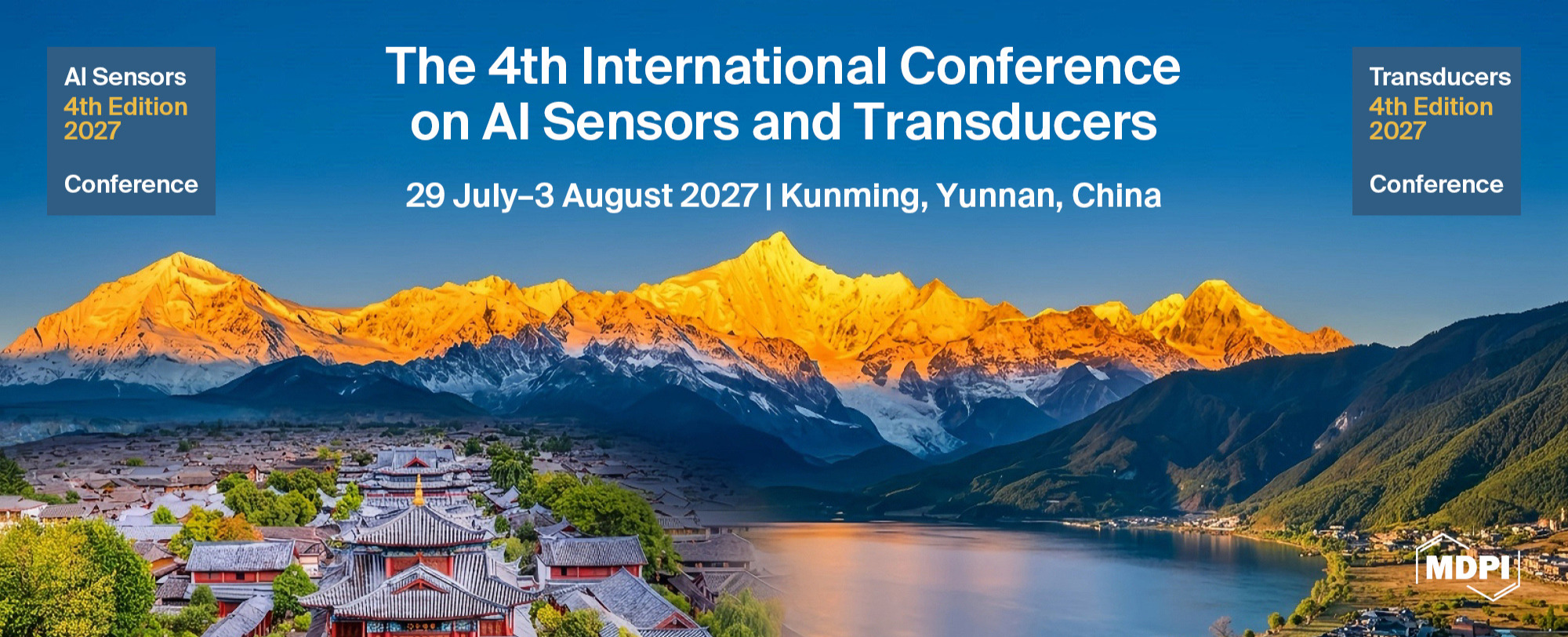
The 4th International Conference on AI Sensors and Transducers
the chairs
Dear All,
We are delighted to invite you to the 4th International Conference on AI Sensors and Transducers (AIS 2027), taking place in Kunming, Yunnan, China, from 29 July to 3 August 2027.
The convergence of artificial intelligence and sensor-transducer technologies stands at the frontier of modern engineering. Intelligent sensing bridges physical signal acquisition and advanced data analytics, underpinning breakthroughs in wearable electronics, biomedical monitoring, robotics, the Internet of Things, and industrial intelligence. This rapidly evolving interdisciplinary field continues to redefine how we perceive, interpret, and interact with the physical world.
Since the inaugural edition held in Singapore (2024), followed by the second conference in Kuala Lumpur, Malaysia (2025) and the recently concluded third edition in Jeju, South Korea (2026), the AIS series has evolved into a premier forum showcasing innovations in AI sensors and transducers. Collectively, these three conferences have attracted nearly 1,350 participants originating from more than 40 countries and regions across the globe.
In 2027, we are honoured to bring the conference to Kunming—a city of mild climate, rich cultural heritage, and stunning landscapes.
We look forward to building on our past achievements and forging new collaborations under the bright skies of Kunming. Join us to shape the future of sensor technology.
Warm regards,
Prof. Eric M. Yeatman, University of Glasgow
Prof. Alexander Star, University of Pittsburgh
Prof. Wen Jung Li, City University of Hong Kong
Prof. Chengkuo Lee, National University of Singapore
Meet Our Chairs

University of Glasgow;Professor Eric M. Yeatman is Vice-Principal and Head of College of Science and Engineering. Professor Yeatman was previously Head of the Department of Electrical and Electronic Engineering at Imperial College London, having been an academic there since 1989, publishing more than 350 papers and patents during his tenure. As Professor of Micro-Engineering, he has led research programmes in photonics, micro-mechanics, smart cities, and micro-robotics for medicine. He is a Fellow of both the Institute of Electrical and Electronics Engineers and the Royal Academy of Engineering, from which he has also received the Silver Medal. He co-founded and served as chairman of Microsaic Systems plc, which led the introduction of the first desktop mass spectrometers to the market. He was also the founder and leader of I‑X, Imperial's cross‑disciplinary AI initiative, which involved 19 academic departments. He also helped to establish Imperial's Centre for Sectoral Economic Performance, a collaboration between the Engineering and Business Schools, supported by the Gatsby Foundation.

University of Pittsburgh;Alexander Star is a Professor of Chemistry, Bioengineering, and Clinical and Translational Science at the University of Pittsburgh, where he leads the Sensor Technology Advanced Research (STAR) laboratory, focused on chemical sensing applications of carbon nanomaterials. Originally from Kazakhstan, he earned his B.Sc. and Ph.D. in chemistry from Tel Aviv University in 1994 and 2000. He then completed a postdoctoral fellowship with future Nobel laureate Sir J. Fraser Stoddart at the California NanoSystems Institute, UCLA, investigating noncovalent functionalization schemes to improve the solution processability and biocompatibility of carbon nanotubes. From 2002 to 2005, he served as Senior Scientist at Nanomix, Inc., developing and commercializing carbon nanotube-based sensors, before joining the University of Pittsburgh in 2005. He has co-authored 165 peer-reviewed publications and five book chapters and holds 17 issued patents. His work has been recognized with the NSF CAREER Award and the NIEHS ONES Award, among others.
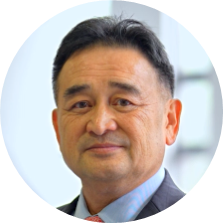
City University of Hong Kong;Prof. Wen Jung Li is Vice President (Talent and International Strategy) and Chair Professor at City University of Hong Kong. He holds a B.S. and M.S. in Aerospace Engineering from USC and a Ph.D. in Aerospace Engineering from UCLA. His industrial background includes positions at the NASA Jet Propulsion Laboratory and The Aerospace Corporation. His research encompasses AI-enabled micro/nano sensing, flexible tactile sensors, and embodied intelligence applications in robotics, rehabilitation, and sports science. Prof. Li has authored over 200 peer-reviewed journal articles published in prestigious venues including Nature Methods, Nature Machine Intelligence, Nature Communications, Science Advances, and the IEEE Internet of Things Journal. He is an International Fellow of the Canadian Academy of Engineering, a Member of the European Academy of Engineering, a Member of the National Academy of Artificial Intelligence (USA), and a recipient of the Chinese Academy of Sciences' "100 Talents" Award.
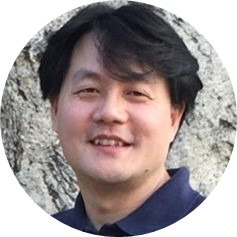
National University of Singapore;Prof. Lee is the director of the Center for Intelligent Sensors and MEMS at the National University of Singapore, Singapore. He is a Fellow of OPTICA. He co-founded Asia Pacific Microsystems, Inc. (APM) in 2001, where he was Vice President of R&D from 2001 to 2005. From 2006 to 2009, he was a Senior Member of the Technical Staff at the Institute of Microelectronics (IME), A-STAR, Singapore. Prof. Lee has trained 40+ Ph.D. students who graduated from the ECE Dept., NUS. He has co-authored 570+ journal articles. He holds 10 US patents. His Google Scholar citation is more than 54000. Furthermore, he is Highly Cited Researcher Designations in 2023, 2024 and 2025 (Clarivate). He is editor-in-chief of AI Sensors (MDPI), associate editor-in-chief of Trans. Nanotechnology (IEEE), editor-in-chief of Sensors International (Elsevier), and editor-in-chief of npj Self-powered Electronics (Springer Nature).
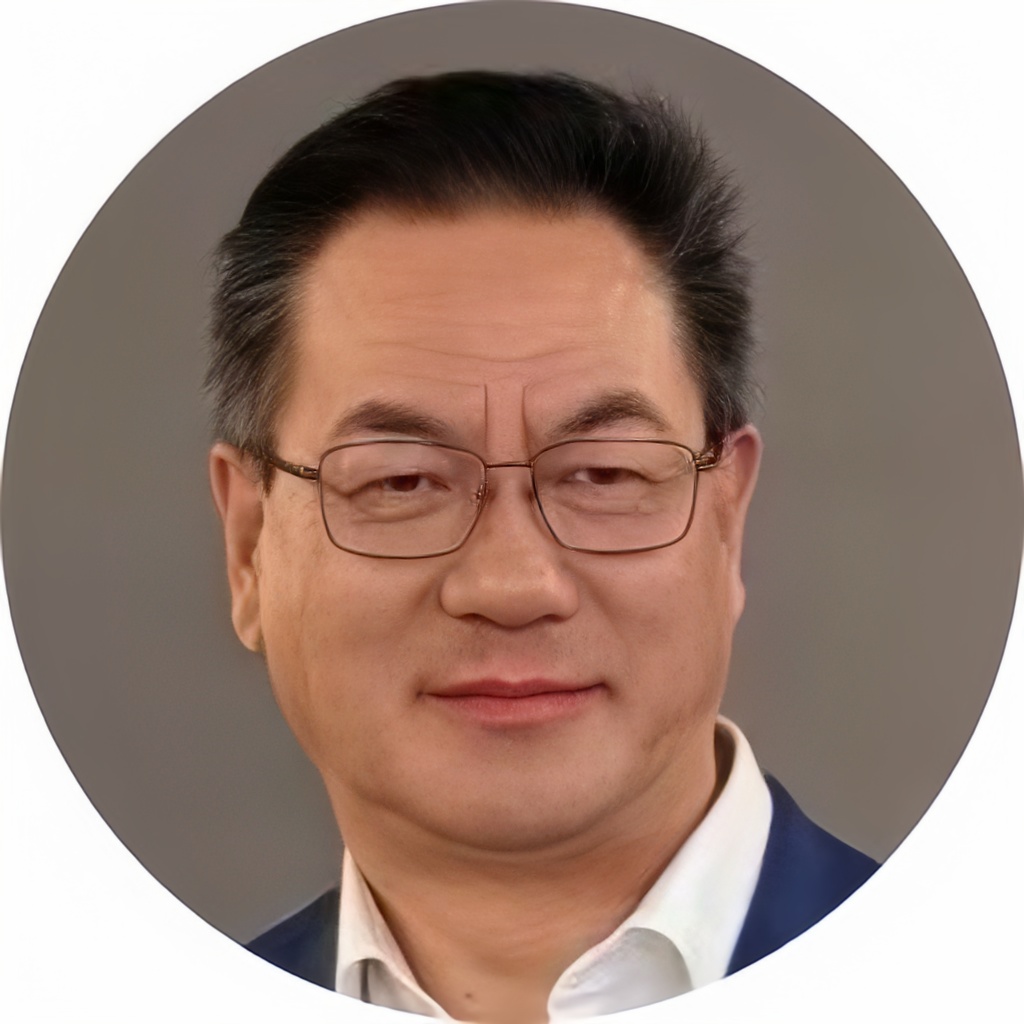 Prof. Zhonglin Wang Beijing Institute of Nanoenergy and Nanosystems |
Dr. Zhong Lin Wang is a preeminent physicist and materials scientist whose groundbreaking work has revolutionized the fields of nanotechnology, energy harvesting, and self-powered systems. He currently serves as the Director of the Beijing Institute of Nanoenergy and Nanosystems and holds the distinguished titles of Regents' Professor and Hightower Chair (Emeritus) at the Georgia Institute of Technology. Dr. Wang is widely recognized as the pioneer of the nanogenerators field, which has enabled advancements in distributed energy, self-powered sensors, and large-scale blue energy. Additionally, he coined and developed the fields of piezotronics and piezo-phototronics, which have significant implications for third-generation semiconductors. Dr. Wang’s scientific impact is unparalleled. Among 230,000 scientists across all fields worldwide (Top 2%)as ranked by Elsevier and Stanford, he is ranked #1 simultaneously for career-long scientific impact and single-year scientific impact consecutively from 2019-2024. He is also ranked #1 respectively in Materials Science and nanotechnology. His research has garnered over 550,000 citations on Google Scholar, with an extraordinary h-index of 353, underscoring his immense influence and contributions to science. Throughout his illustrious career, Dr. Wang has received numerous prestigious awards, including the Global Energy Prize (2023), Celsius-Linnaeus Lecture Laureate (2020), the Albert Einstein World Award of Science (2019), the ENI Award in Energy Frontiers (2018), the James C. McGroddy Prize in New Materials from the American Physical Society (2014), and the MRS Medal from the Materials Research Society (2011). His groundbreaking work has earned him memberships and fellowships in some of the world’s most esteemed scientific academies, including the UK Royal Academy of Engineering, the Chinese Academy of Sciences, US National Academy of Inventors, the European Academy of Sciences, the European Academy of Engineering, the Korea Academy of Science and Technology (as a foreign member), the Academia Sinica, and the Canadian Academy of Engineering (as an International Fellow). Wang’s pioneering contributions to nanogenerators, piezotronics, and self-powered systems have not only advanced fundamental science but also paved the way for transformative technologies in energy harvesting, sensing, and semiconductor development. His exceptional scientific impact, numerous accolades, and leadership in the global scientific community underscore his status as one of the most influential materials scientists of our time. |

Dr. Alina-Andrada Igna
Ms. Alethea Liu
Ms. Carol Yan
Ms. Elara Liu
Ms. Margaery Yan
ais@mdpi.com