The 4th International Online Conference on Clinical Medicine
Immunology and Related Research Integrating Insights Across Disciplines
Part of the International Online Conference on Clinical Medicine series
7–9 December 2026
7 August 2026
7 September 2026
2 December 2026
Immunology, Epidemiology, Chronic Diseases, Artificial Intelligence, Clinical Neurology
- Go to the Sessions
- Event Details
The IOCCM 2026 is Now OPEN for Abstract Submission and Registration.
Instructions for authors are available online.
Submit your abstracts HERE.
For any inquiries, please contact us at ioccm2026@mdpi.com.
Welcome from the Chairs
S1. Immunology & Rheumatology;
By being conducted entirely online, IOCCM 2026 ensures global accessibility and inclusivity, removing geographical and financial barriers while enabling the rapid dissemination of cutting-edge research and fostering meaningful scientific exchange in real time.
We look forward to your participation in this exciting event.
Conference Chairs:
Prof. Dr. Emmanuel Andrès
Internal Medicine Department, University Hospital Strasbourg, France
Prof. Dr. Kent Doi
Department of Emergency and Critical Care Medicine, University of Tokyo, Japan

Event Chairs
Internal Medicine Department, University Hospital Strasbourg, Strasbourg, France
Prof. Dr. Emmanuel Andrès has been the Editor-in-Chief of Journal of Clinical Medicine (JCM) since 2018, bringing extensive expertise and leadership to the role. With a respected reputation in the medical community, he has authored over 600 papers, earning an H-index of 47 on Scopus. Dr. Andrès is deeply involved in the ongoing development and management of JCM, leveraging his vast knowledge of the journal. His research interests are broad and impactful, focusing on areas such as drug-induced cytopenias, anemia, thrombocytopenia, neutropenia, vitamin B12 and cobalamin deficiencies, telemedicine, chronic diseases, and chronic heart failure.
Department of Emergency and Critical Care Medicine, University of Tokyo, Japan

Prof. Dr. Kent Doi earned both his M.D. and Ph.D. from the University of Tokyo, followed by advanced nephrology training at NIH/NIDDK. As a professor in the Department of Emergency and Critical Care Medicine, his research focuses on acute kidney injury, sepsis, and multiple organ failure. A leader in his field, Dr. Doi has published over 250 articles, delivered numerous presentations, and holds key roles in various Japanese medical societies. He also serves as an Associate Editor for several journals.
Session Chairs
Prof. Dr. Robert Flisiak
Department of Infectious Diseases and Hepatology, Medical University of Białystok, Białystok, Poland
Robert Flisiak is Head of the Department of Infectious Diseases and Hepatology at the Medical University of Bialystok, Poland, where he also previously served as Dean (2005–2008) and Vice-Rector (2008–2012). He completed his medical education and specialist training in internal medicine (1988) and infectious diseases (1991) at the same institution, followed by research training at Mount Sinai School of Medicine in New York (1991–1992) and further clinical training in London and Salzburg. He has held numerous leadership roles, including President of the Polish Association for the Study of the Liver (2013–2016), President (2018–2024) and current Vice-President of the Polish Society of Epidemiologists and Infectious Disease Physicians, and President of the Central European Hepatologic Collaboration. He also leads the Polish Expert Group for HBV and has been actively involved in European scientific bodies, including ESCMID and EASL advisory panels. Prof. Flisiak is Editor-in-Chief of Clinical and Experimental Hepatology and has contributed extensively as editor and author to major medical textbooks, including the Polish edition of Harrison – Infectious Diseases. His scientific work focuses on infectious diseases and hepatology, with over 500 publications indexed in Web of Science (h-index 51, nearly 20,000 citations). He has participated in almost 200 clinical trials and coordinated numerous multicenter real-world studies, particularly in viral hepatitis and COVID-19. He has also played an important advisory role in public health, serving on Poland’s Medical Council (2020–2021) and, since January 2024, acting as Chair of the advisory team at the Ministry of Health for monitoring infectious disease threats.
Prof. Dr. Alberto Signore
Department of Surgical-Medical Sciences and Translational Medicine, University of Rome “Sapienza”, Rome, Italy
Full Professor of Diagnostic Imaging, (MED/36 – MEDS-22/A), Head of the Nuclear Medicine Unit, Department of Medical-Surgical Sciences and of Translational Medicine, Faculty of Medicine and Psychology, “Sapienza” University of Rome, Italy. Dean of the Technical Faculty for Radiology and Nuclear Medicine (TSRM) in Sora, Italy and Director of the Specialization School of Nuclear Medicine of “Sapienza” University of Rome, Italy. He graduated in Medicine in 1984, then specialist in Endocrinology (1987) and Nuclear Medicine (1991). He obtained a PhD in 2007 at the University of Groningen, the Netherlands. He has been Visiting Professor in Nuclear Medicine, University of Ghent, Belgium and in Mayo Clinic, Rochester (USA); Consultant of the International Atomic Energy Agency (IAEA) of United Nation Organization (UNO); Past-President of the International Society of Radiolabelled Blood Elements (ISORBE); Secretary and Past-President of the International Research Group in Immunoscintigraphy and Therapy (IRIST); Past-President of the international scientific association Nuclear Medicine Discovery (Nu.Me.D.). From the scientific point of view, he is promoter of 17 PhD students; author of over 400 scientific publications in national and international journals http://publicationslist.org/alberto.signore (H index = 56); editor of 8 books; author of more than 60 book chapters and he deposited 2 national and 3 international patents. Amongst the many awards and recognitions, it is to be mentioned, the award for best Basic-Science publication in the Journal of Nuclear Medicine in 2015; the “Marie Curie” award of the European Association of Nuclear Medicine (EANM), in 2004; the “Masahiro Iio” award of the World Federation of Nuclear Medicine and Biology (WFNMB), in 1994.
Prof. Dr. Francisco Guillen-Grima
1. Department of Preventive Medicine, Clinica Universidad de Navarra, University of Navarra, Pamplona, Spain 2. Navarra Medical Research Institute (IdiSNA), Pamplona, Spain 3. Center for Biomedical Research Network Epidemiology and Public Health (CIBERESP), Madrid, Spain 4. Department of Health Sciences, Public University of Navarra, Pamplona, Spain
TBA
Prof. Dr. Dídac Mauricio
1. Department of Endocrinology and Nutrition, Hospital de la Sant Creu i Sant Pau (IR SANT PAU), Barcelona, Spain 2. Spanish Biomedical Research Center in Diabetes and Associated Metabolic Diseases (CIBERDEM), Instituto de Salud Carlos III, Madrid, Spain 3. Faculty of Medicine, University of Vic & Central University of Catalonia, Catalonia, Spain
Didac Mauricio, MD PhD, is Director of the Department of Endocrinology & Nutrition, Hospital de la Santa Creu i Sant Pau in Barcelona, and Professor with the Faculty of Medicine, University of Vic & Central University of Catalonia (UVic/UCC). He is currently serving as Scientific Director of the Spanish excellence diabetes research network CIBER of Diabetes and Associated Metabolic diseases (CIBERDEM), Instituto de Salud Carlos III, in Spain. He has published over 380 peer-reviewed articles. D. Mauricio has been principal investigator of multiple research projects funded by national and international agencies. He keeps a strong interest on current clinical issues in diabetes management, including randomised clinical trials and clinical research on diabetic complications, as well as in precision diabetes research. D. Mauricio serves as editorial board member of several scientific journals, and is currently a member of the Guideline Oversight Committee and the Global Council of the EASD.
Dr. Milo Frattini
Laboratory of Molecular Pathology, Institute of Pathology, Locarno, Switzerland
TBA
Prof. Dr. Nathan D. Wong
Mary and Steve Wen Cardiovascular Division and Center for Global Cardiometabolic Health and Nutrition University of California, Irvine, California, USA
Dr. Nathan D. Wong is Professor and Director of the Heart Disease Prevention Program, Mary and Steve Wen Cardiovascular Division and Co-Director of the Center for Global Cardiometabolic Health and Nutrition at the University of California, Irvine, USA. Dr. Wong is also a past president of the American Society for Preventive Cardiology. He has published more than 500 peer-reviewed publications and book chapters on various topic in preventive cardiology and cardiovascular epidemiology. His research interests include cardiovascular risk assessment, subclinical atherosclerosis, diabetes and cardiovascular disease, and dyslipidemia.
Dr. Carlos Escobar
Cardiology Service, La Paz University Hospital, Madrid, Spain
Cardiology department. University hospital La Paz, Madrid, Spain. AI applied to health. Spanish Society of Cardiology Investigation Agency. Samira DTX- Digital Therapeutics. Amber Muscle. Aeterna Medical Solutions
Prof. Dr. Alexandra R Lucas
Centers for Personalized Diagnostics and Immunotherapy, Vaccines and Virotherapy, Biodesign Institute, Arizona State University, Tempe, USA
TBA
Scientific Committee Members
Second Department of Internal Medicine, University of Toyama, Toyama, Japan
Hospital Clínic, Institut d'Investigacions Biomediques August Pi i Sunyer (IDIBAPS), Barcelona, Spain
Department of Toxicology, School of Public Health, Nanjing Medical University, Nanjing, China
Melbourne Children's Cardiology/Adult Congenital Heart, Monash University, Clayton, Australia
Centro Cardiologico Monzino, IRCCS, Milan, Italy
Department of Cardiac and Vascular Diseases, Institute of Cardiology, The John Paul II Hospital, Jagiellonian University Medical College, Krakow, Poland
Department of Radiology, Parma University Hospital, Parma, Italy
1. School of Medicine, University of Liverpool, Liverpool, UK 2. Blackpool Teaching Hospitals NHS Foundation Trust, Blackpool, UK
Center for Neuroscience and Cell Biology, University of Coimbra, Coimbra, Portugal
Department of Public Health, School of Medicine, University of Patras, University Campus, Rio, Greece
1. Center for Clinical Epidemiology, Odense University Hospital, Odense C, Denmark
2. Research Unit of Clinical Epidemiology, Department of Clinical Research, University of Southern Denmark, Odense C, Denmark.
Rheumatology Unit, Azienda Ospedaliera Guglielmo da Saliceto di Piacenza, University of Parma, Parma, Italy
School of Public Health, Kyoto University, Kyoto, Japan
First Department of Surgery, General Hospital Papageorgiou, Aristotle University of Thessaloniki, Thessaloniki, Greece
Internal Medicine Service, Hospital Universitari Parc Taulí, University Autonoma of Barcelona and Aptima Centre Clínic-Mutua de Terrassa, Barcelona, Spain
Jesus Usón Minimally Invasive Surgery Centre (JUMISC), Caceres, Spain
Sutton Arthritis Research Laboratory, Kolling Institute, Faculty of Medicine and Health, The University of Sydney at Royal North Shore Hospital, St Leonards, Australia
Institute for Connected Communities, University of East London, London, UK
Department of Cardiac Surgery, Pomeranian Medical University, Szczecin, Poland
General Surgery Unit, Department of Surgery, Cittiglio-Angera Hospital, Varese, Italy
Laboratory of Social Pharmacy and Public Health, School of Pharmacy, University of Coimbra, Coimbra, Portugal
Faculty of Medicine, Imperial College London, London, UK
E.O. Ospedali Galliera, Genoa, Italy
Department of Neurology & Rehabilitation, University of Illinois at Chicago, Chicago, USA
Division of Dermatology, Azienda Sanitaria Universitaria Integrata del Trentino (ASUIT)—Trento Hospital, Trento, Italy
Department of Pharmaceutical Biochemistry, Poznan University of Medical Sciences, Poznan, Poland
School of Public Health, Faculty of Medical & Health Sciences, Tel Aviv University, Tel Aviv, Israel
Neurosurgical Intensive Care Unit, Fondazione Policlinico Universitario A. Gemelli IRCCS, Rome, Italy
Institute of Clinical Physiology, National Research Council, Reggio Calabria, Italy
Amedeo di Savoia Infectious disease Hospital, Turin, Italy
1. Clinic of Psychiatry, Social Psychiatry and Psychotherapy, Hannover Medical School, Hannover, Germany
2. Department of Bioethics, Medical University of Warsaw, Warsaw, Poland
Institute of Medical Sciences, Collegium Medicum, University of Zielona Góra, 65-046 Zielona Góra, Poland
Internal Medicine 2, Sfânta Maria Clinical Hospital, Carol Davila University of Medicine and Pharmacy, Bucharest, Romania
Department of Nuclear Medicine and Molecular Imaging, University of Groningen, University Medical Center Groningen, Groningen, The Netherlands
Lysosomal Disorders Unit, Cambridge University Hospitals NHS Foundation Trust, Addenbrooke’s Hospital, Cambridge, UK
Foundation for the Promotion of Health and Biomedical Research, Valencia, Spain
Section of Clinical and Laboratory Immunology, Department of Clinical and Experimental Medicine, Division of Pediatrics, University of Pisa, Pisa, Italy
Dept. of Medicine and Surgery, University of Parma
Head Division of Paediatric Endocrinology “P. Barilla” Children's Hospital
University Hospital of Parma, Parma, Italy
Faculty of Health Sciences, Ben-Gurion University of the Negev, Beer Sheva, Israel
Department of Thoracic Surgery, Azienda Ospedaliera San Camillo Forlanini, Rome, Italy
Department of Autoimmune Diseases, Hospital Clínic, Barcelona, Spain
Sanz Medical Center-Laniado Hospital IsraelThe institution will open in a new tab, Netanya, Israel
Neurology Unit, Maggiore della Carità University Hospital, Department of Translational Medicine, University of Piemonte Orientale, Novara, Italy
Division for Heart Disease and Stroke Prevention, National Center for Chronic Disease Prevention and Health Promotion, Centers for Disease Control and Prevention, Atlanta, GA, USA
Department of Sciences for Health Promotion and Mother and Child Care, University of Palermo, Palermo, Italy
Rheumatology 2, Clinical Rehabilitation Hospital, Grigore T. Popa University of Medicine and Pharmacy, Iași, Romania
Plenary Speaker
Prof. Dr. Nathan D. Wong
Mary and Steve Wen Cardiovascular Division and Center for Global Cardiometabolic Health and Nutrition University of California, Irvine, California, USA
Cardiovascular Risk Assessment: From Risk Scoring to Opportunistic Evaluation of Subclinical Disease
Dr. Nathan D. Wong is Professor and Director of the Heart Disease Prevention Program, Mary and Steve Wen Cardiovascular Division and Co-Director of the Center for Global Cardiometabolic Health and Nutrition at the University of California, Irvine, USA. Dr. Wong is also a past president of the American Society for Preventive Cardiology. He has published more than 500 peer-reviewed publications and book chapters on various topic in preventive cardiology and cardiovascular epidemiology. His research interests include cardiovascular risk assessment, subclinical atherosclerosis, diabetes and cardiovascular disease, and dyslipidemia.
Keynote Speaker
Department of Infectious Diseases and Neuroinfections, Medical University of Bialystok, Poland
Invited Speakers
1. Research Group in Endocrinology, Diabetes and Nutrition, Institut de Recerca Sant Pau (IR SANT PAU), Barcelona, Spain
2. Spanish Biomedical Research Center in Diabetes and Associated Metabolic Diseases (CIBERDEM), Instituto de Salud Carlos III, Madrid, Spain
NAD+ precursors and the nervous system: implications for diabetic neuropathy
Josep Julve, PhD, is a Senior Scientist and Head of Research Line at the Institut de Recerca Sant Pau in Barcelona, Spain. His research focuses on the molecular and metabolic mechanisms driving tissue damage in obesity, type 2 diabetes, and associated cardiometabolic diseases. Through translational studies spanning experimental models and human cohorts, he investigates novel biomarkers and therapeutic approaches for metabolic dysfunction, with a particular interest in the mechanisms underlying diabetes-related complications and their prevention.
First Department of Surgery, General Hospital Papageorgiou, Aristotle University of Thessaloniki, Thessaloniki, Greece
SM Christianity Hospital Cancer Center Hospital, Pohang, Korea
1. Department of Obstetrics & Gynecology, University of British Columbia, Vancouver, Canada. 2. Department of Family Medicine, University of Calgary, Calgary, Canada
Registration
The registration for IOCCM 2026 will be free of charge! The registration includes attendance at all conference sessions.
If you are registering several people under the same registration, please do not use the same email address for each person, but their individual university email addresses. Thank you for understanding.
Please note that the submission and registration are two separate parts. Only scholars who registered can receive a link to access the conference live streaming. The deadline for registration is 2 December 2026.
Instructions for Authors
The 4th International Online Conference on Clinical Medicine (IOCCM 2026) will accept abstracts only. The accepted abstracts will be available online on Sciforum.net during and after the conference.
2. Abstract Acceptance Notification: 7 September 2026
Please note:
An abstract acceptance email only confirms that your abstract has been accepted. Oral or poster presentation invitations are determined separately by the conference chairs, and you will receive an additional email with the presentation result.
All listed authors must have made substantial contributions to the work, participated in drafting or critically revising the abstract, and approved the final version. The submitting (presenting) author is responsible for ensuring that all co-authors have reviewed and approved the submission, including its content and authorship order.
Requests for changes to authorship (including the addition, removal, or reordering of authors) after submission must be submitted using a signed Authorship Change Form, with written consent from all affected authors. Such requests are subject to review and approval by the Conference Organizing Team. All authors share collective responsibility for the accuracy, integrity, and ethical compliance of the submitted work.
Authors may submit multiple abstracts, but only one abstract per author may be selected for an oral presentation.
Presentation Requirements
1. Each abstract must designate one presenter. To change the presenter, please contact us after you receive the oral/poster presentation invitation.
2. Only live presentations are accepted.
3. Presenters who do not attend the live session will not be eligible for awards or presentation certificates.
Authors are encouraged to prepare presentations using PowerPoint or equivalent software for online display alongside their abstract. If provided, slides will be presented directly on the conference website via the Sciforum.net slide viewer and should be prepared in the same format as a traditional conference presentation of research results. All slides must be converted to PDF format prior to submission to ensure accurate online display.
Each presentation should:
- Communicate the research question or objective, methodology, key results, and scientific novelty;
- Use a clear and logical structure, typically Introduction-Methods-Results&Discussion structure (IMRaD) or a field-appropriate alternative;
- Emphasize the relevance of the work;
- Support key findings with clear figures or tables where appropriate;
- Conclude with a critical interpretation of the results and their impact.
Posters should be designed to allow independent understanding of the research and clearly present the essential elements of the study.
Each poster should include:
- Title, authors, affiliations, and contact details (clearly displayed at the top);
- Brief introduction outlining the research objective;
- Concise methodology summary;
- Main results, supported by clear, well-labeled figures or tables where appropriate;
- Short conclusion summarizing key findings and their relevance.
Technical specifications:
Dimensions (cm): 84.1 × 118.9 (A0 - portrait)
Resolution:300 dpi
Pixel size (portrait, 300 dpi):9933 × 14043 px
Minimum font size:≥24
The poster template can be downloaded HERE. We will reach out to you closer to the dates of the conference with more information.
Note: The uploaded poster may be used as provided and serves as a reference. However, as long as the technical specifications are followed, scholars are welcome to use any poster template of their choice.
Any request concerning abstract or proceedings paper withdrawal should be communicated to the Conference Organizing Team as early as possible, preferably prior to final acceptance and confirmation of the conference program. Please note that once abstracts are published in the Conference Report or once Proceedings papers are published in the Proceedings journal and assigned a DOI, they become part of the permanent scholarly record and cannot be fully removed.
AI policy
The responsible use of generative AI tools in the preparation of abstracts, posters, and presentations is permitted; however, any such use must be clearly disclosed, specifying the tool employed and its role. Authors retain full responsibility for the accuracy and integrity of their work.
Potential Conflicts of Interest
Authors must disclose any financial, professional, or personal relationships that could reasonably be perceived as influencing the integrity, interpretation, or presentation of their work. Failure to provide accurate disclosures may result in the removal of the abstract from the conference program and associated publications.
If there is no conflict, please state "The authors declare no conflicts of interest." This should be conveyed in a separate "Conflict of Interest" statement preceding the "Acknowledgments" and "References" sections at the end of the manuscript. Any financial support for the study must be fully disclosed in the "Acknowledgments" section.
1. Copyright Ownership
In accordance with Swiss copyright law, you, as the author, are the original creator of your work and retain full copyright ownership of your submitted abstract.
2. License Grant
By submitting your abstract for publication on the Sciforum.net platform, you grant MDPI, the platform’s publisher, a worldwide, royalty-free, non-exclusive license to:
- Publish, reproduce, and distribute the abstract online.
- Make the abstract publicly available in connection with the conference.
3. Author’s Retained Rights
This license is non-exclusive. As you retain full copyright, you are free to:
- Reuse, republish, and build upon your work in any way.
- Develop the abstract into a full paper for submission to other journals or publications.
- Enter into subsequent agreements, including granting an exclusive license or transferring copyright to another publisher for a future version of the work.
4. Author’s Responsibility
You remain solely responsible for complying with the policies of any other journal or publisher to which you may submit a subsequent version of your work, particularly concerning prior publication rules. MDPI and Sciforum.net bear no responsibility for any conflicts arising from your future submissions.
Publication Opportunities
1. Journal of Clinical Medicine Journal Publication
Participants in this conference are cordially invited to contribute a full manuscript to the conference's Special Issue (TBA), published in Journal of Clinical Medicine (ISSN 2077-0383, IF: 3.3), with a 20% discount on the publication fee. Conference discounts cannot be combined with reviewer vouchers. All submitted papers will undergo MDPI’s standard peer-review procedure. The abstracts should be cited and noted on the first page of the paper.
2. Proceeding Paper Publication
Authors of accepted abstracts are highly encouraged to submit an extended proceeding paper (ideally 4–8 pages in length) for the conference's dedicated proceedings volume in the Medical Sciences Forum Journal (ISSN 2673-9992) for free, please submit it after the conference. Publication of the proceedings will be free of charge.
Proceedings paper submission deadline: 23 January 2026. (45 days after the conference)
Please click HERE to submit your proceeding paper to Medical Sciences Forum Journal and be sure to disclose the conference information in your cover letter or mention the conference name in your submission.
IOCCM2026_proceeding_paper_template.dot
Publication Notice: Proceeding papers will undergo peer-review procedure. Acceptance at the conference does not ensure final publication.
Event Awards

The Awards
Number of Awards Available: 6
1. Best Oral Presentation Award
Criteria: Evaluation considers scientific rigor (clear, literature-supported research question or hypothesis, appropriate methodology, robust analysis and critical discussion of the results), IMRaD/field-appropriate structure, clarity of presented data (clear, well-labeled figures and tables), presentation skills and audience engagement, demonstrated scientific novelty and impact.
Prize: An award of CHF 200 and a certificate in recognition of your outstanding contribution.
2. Best Poster Award
Terms and Conditions:
There will be six winners selected for these awards. The winner will receive a certificate and 200 CHF each.
Sponsors and Partners
For information regarding sponsorship and exhibition opportunities, please click here.
Organizers
Media Partners
Related Conferences
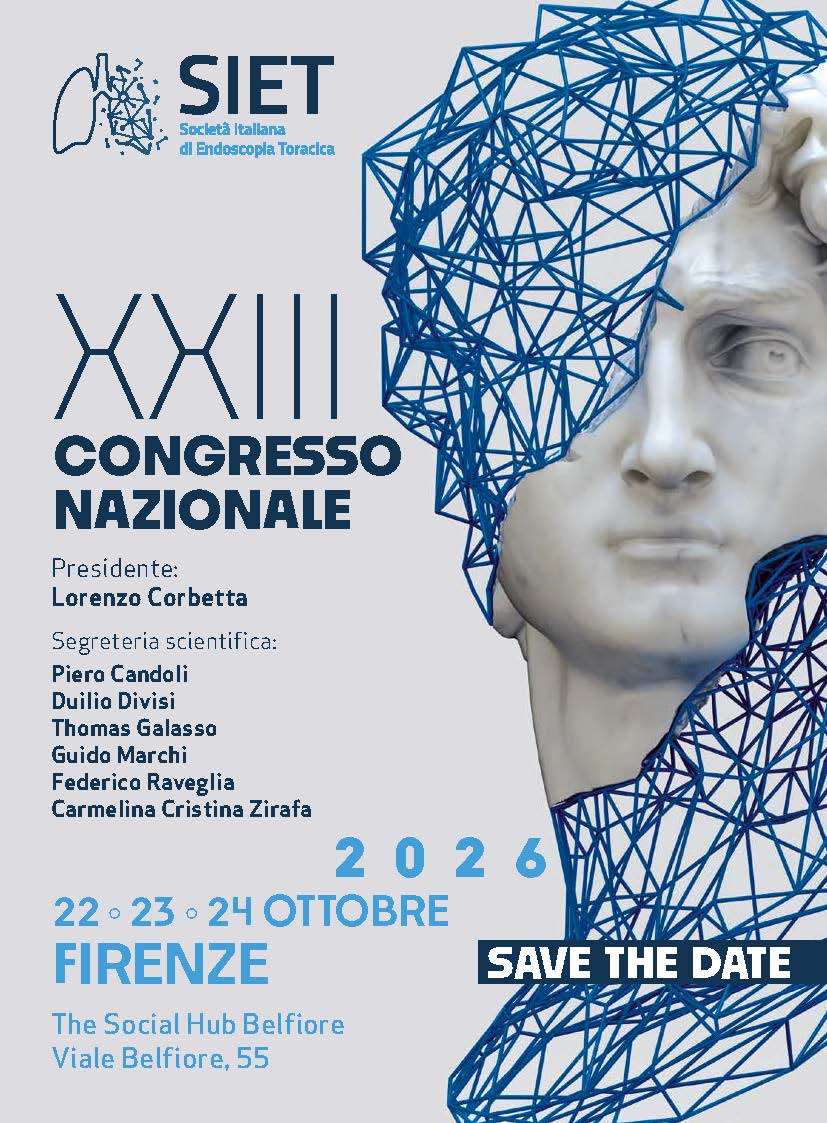
The Italian Society of Thoracic Endoscopy (SIET) National Congress 2026
22-24 October 2026, Florence, Italy
Conference website: https://www.zeroseicongressi.it/event/xxiii-congresso-nazionale-siet-societa-italiana-di-endoscopia-toracica/
17th European Paediatric Neurology Society Congress - EPNS2027
6 – 10 April 2027, Barcelona, Spain
Conference website: https://epns-congress.com/

Conference Secretariat
Mr. Russell Wang
Email: ioccm2026@mdpi.com
For inquiries regarding submissions and sponsorship opportunities, please feel free to contact us.
S5. Metabolism and Chronic Diseases
Session Chair
Prof. Dr. Dídac Mauricio, 1. Department of Endocrinology and Nutrition, Hospital de la Sant Creu i Sant Pau (IR SANT PAU), Barcelona, Spain 2. Spanish Biomedical Research Center in Diabetes and Associated Metabolic Diseases (CIBERDEM), Instituto de Salud Carlos III, Madrid, Spain
S6. Epidemiology & Public Health
Session Chair
Prof. Dr. Francisco Guillen-Grima, 1. Department of Preventive Medicine, Clinica Universidad de Navarra, University of Navarra, Pamplona, Spain 2. Navarra Medical Research Institute (IdiSNA), Pamplona, Spain 3. Center for Biomedical Research Network Epidemiology and Public Health (CIBERE
Show all accepted abstracts (3) Hide accepted abstracts (3)
List of Accepted Abstracts (3) Toggle list
S7. Cardiovascular Medicine
Session Chair
Prof. Dr. Nathan D. Wong, Mary and Steve Wen Cardiovascular Division and Center for Global Cardiometabolic Health and Nutrition, University of California, Irvine, California, USA
Show all accepted abstracts (1) Hide accepted abstracts (1)
List of Accepted Abstracts (1) Toggle list