.jpg)
The 1st International Online Conference on Environments
Environmental Understanding, Managing, Restoring and Policy-Making
Thank you for attending IOCE 2026!
On behalf of the Conference Organizing Committee, we would like to express our appreciation to all the participants for their contributions. From all accounts, the meeting was a success.
The Best Oral Presentation Awards and Best Poster Awards of IOCE 2026 have been evaluated. Please refer to the Winner Announcement.
the chair
S1. Environmental Assessment Methods and Management Technologies;
S2. Environmental Impact and Risk Assessment;
S3. Terrestrial and Marine Biodiversity and Habitat Loss Prevention;
S4. Urban Systems and Ecosystems: Dynamics and Functioning;
S5. Shared Responsibility in Resource Use and Impact Generation;
S6. Ecological, Environmental and Circular Economy.
This conference will be organized as an online event in order to enable participation from all over the world, with no restrictions related to travel effort and expenditure. Furthermore, active participation and attendance in this online conference are free of charge. We extend our warmest welcome to you as participants or attendees of this virtual conference. We hope you can share this enthusiasm and help us to make this first Environments online conference a success.
Prof. Dr. Sergio Ulgiati
Conference Chair



Meet Our Chair
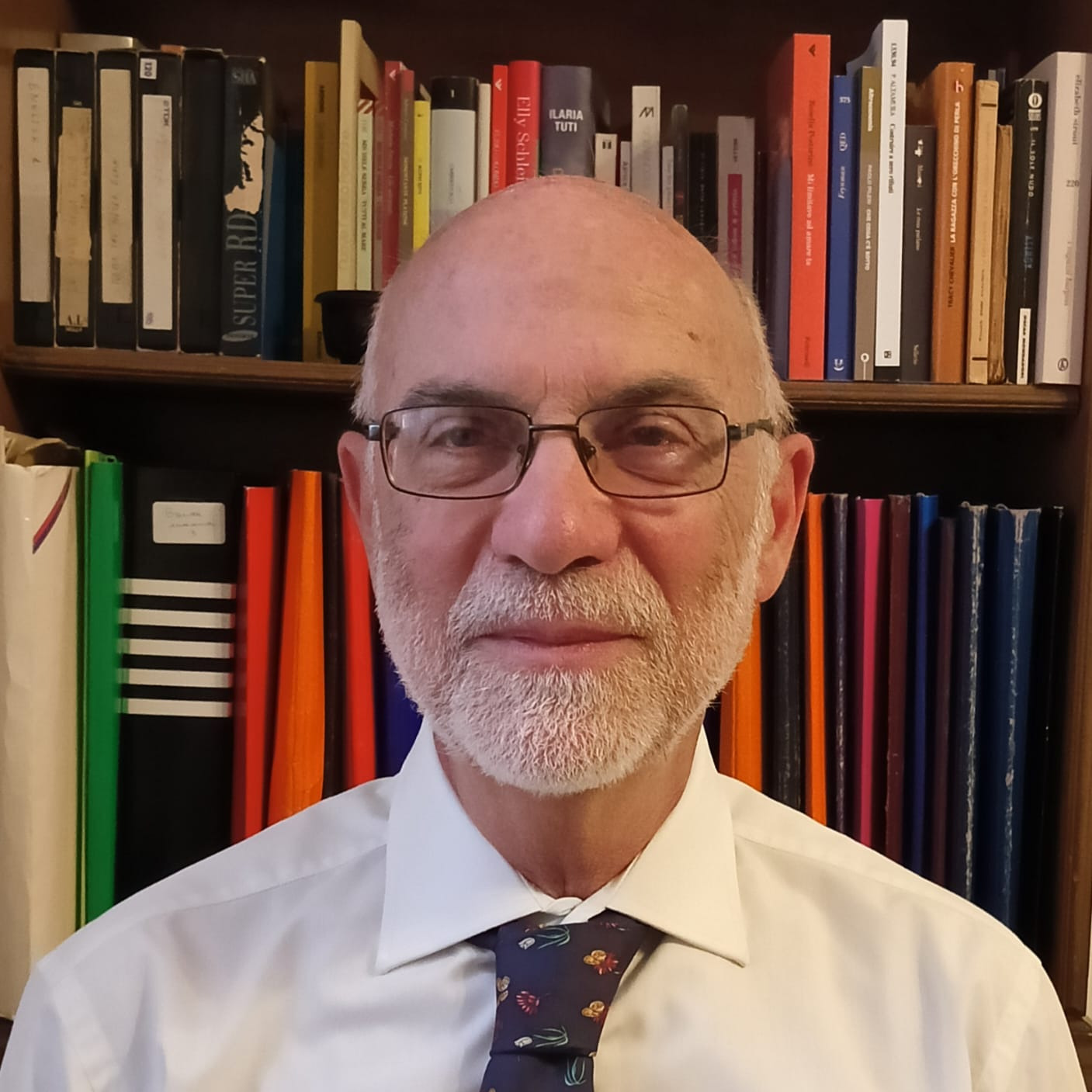
Department of Science and Technology, Parthenope University of Napoli, Napoli, Italy;School of Environment, Beijing Normal University, Beijing, China;
Important Dates
10 Dec
2025
10 Jan
2026
25 Feb
2026
Meet Our Speakers
Department of Chemistry, University of Patras, Patras, Greece;Hrissi K. Karapanagioti is a Professor of Environmental Chemistry at the Department of Chemistry in the University of Patras. She has been studying microplastics since 2004. She has co-edited two books related to plastic and microplastic pollution (from IWA and Springer Nature Publishers), co-authored several papers (Google Scholar >9000 citations, Stanford list of 2% World’s Top Scientists) and co-organized and presented as invited speaker in several conference sessions with GESAMP, UNEP, G20, IAEA, EGU, NOAA, British Council, European Parliament, etc. Her research interests include the degradation of plastics to microplastics and microplastic interaction with microbes and organic pollutants.

Institute of Research on Terrestrial Ecosystem, National Research Council, Pisa, Italy;Meri Barbafieri is a Senior Research Scientist at the National Research Council of Italy (CNR), Institute of Research on Terrestrial Ecosystems (IRET). She has over 25 years of experience in soil chemistry, contaminated land management and phytoremediation. Her research focuses on Nature-Based Solutions, digital plant phenotyping, plant–microorganism interactions, rare earth elements in soils, and innovative remediation technologies. She has coordinated national and international research projects within EU Framework Programmes and NATO initiatives, collaborates with public and industrial stakeholders, and holds international patents. Her work integrates plant processes with applied soil science to support sustainable remediation technologies.
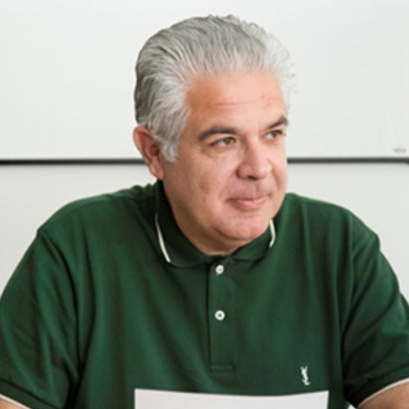
Department of Ecological Economics and Agroecology, National University of General Sarmiento, Los Polvorines, Argentina;Faculty of Architecture, Design and Urbanism of Buenos Aires University, Buenos Aires, Argentina;Updated: Prof. Dr. Walter Alberto Pengue is an Agricultural Engineer, master in Environmental and Territorial Policies and Doctor in Agroecology. Full Professor of Ecological Economics and Agroecology at the National University General Sarmiento (UNGS) and Director of the Landscape and Environmental Ecology Group (GEPAMA) at the University of Buenos Aires (FADU UBA). Reviewer, lead author and coordinator of the Intergovernmental Platform on Biodiversity and Ecosystem Services IPBES (since 2019) and the United Nations Environmental Resource Panel (2007 to 2015). He was lead author of IPCC Round 6 (2019/2022). He is currently Coordinating Leading author in the IPBES NEXUS project (2021 to 2025), which conducts thematic analyses of the interrelationship between food systems, biodiversity, health, water and climate change.
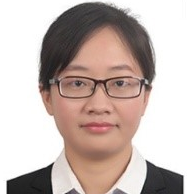
Institute of Geographic Sciences and Natural Resources Research (IGSNRR), Chinese Academy of Sciences, Beijing, China;Mengyao Han, an Associate Professor of the Institute of Geographic Sciences and Natural Resources Research (IGSNRR), Chinese Academy of Sciences (CAS), a Fellow of the Cambridge Centre for Environment, Energy and Natural Resource Governance, a Fellow of the Royal Geographical Society, a Committee Member of the Energy Geographies Research Group, and a Council Member of China’s Energy and Climate Finance Association. The main research interests include energy geographies, low-carbon transition, and sustainable development, especially focusing on the complexity and resilience of multi-regional supply networks towards renewable energy transition.
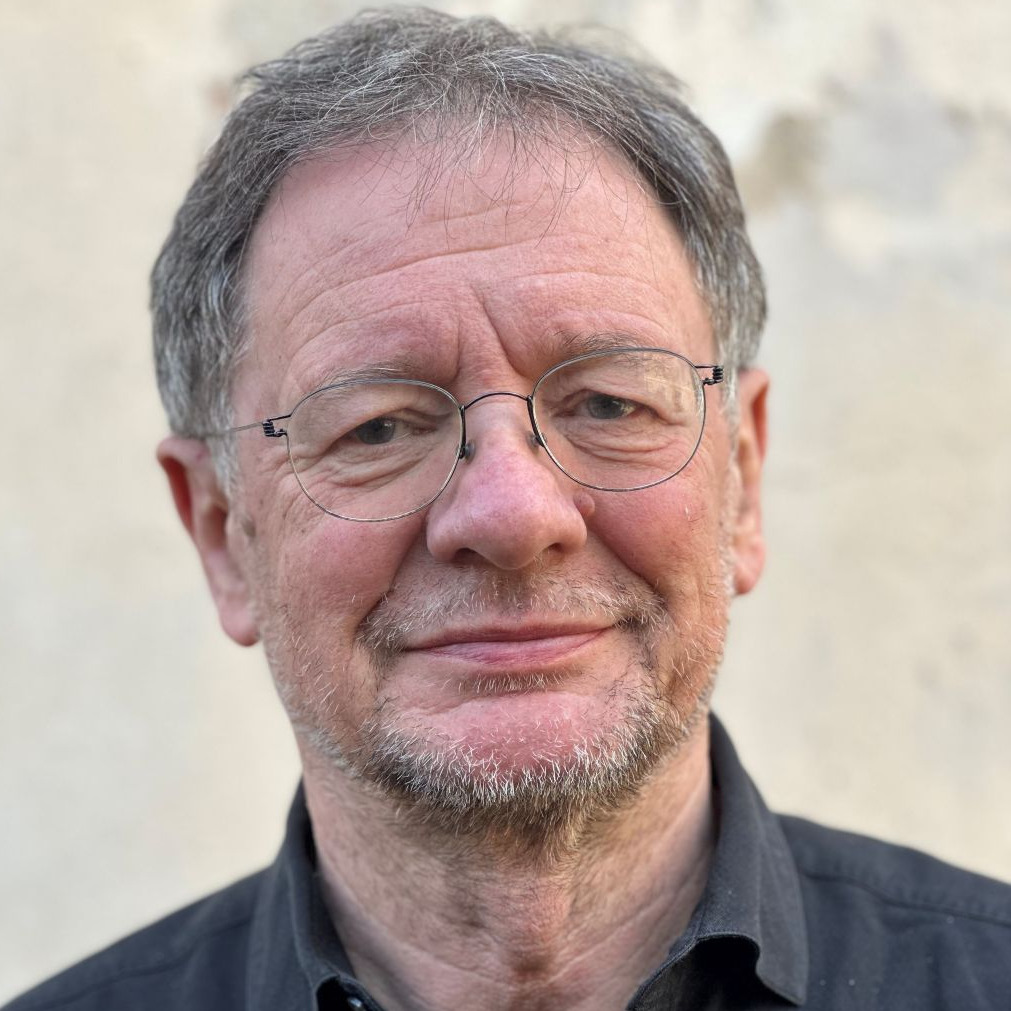
TMG Think Tank for Sustainability, Berlin, Germany;Alexander Müller is a sociologist by training. He began his public service as City Councilor for Social and Environmental Affairs in Marburg and later served as a Member of Parliament in Hessen. He held State Secretary roles both in Hessen and in Germany’s Ministry for Consumer Protection, Food and Agriculture, and was Assistant Director-General of FAO. He led key FAO food security summits, chaired the United Nations System Standing Committee on Nutrition, advised the UN Secretary-General on energy and climate, and directed the TEEBAgriFood initiative on the “The Economics of Ecosystems and Biodiversity for Agriculture and Food”. Since 2016 he is founder and Managing Director of TMG – Thinktank for Sustainability in Berlin/Germany.
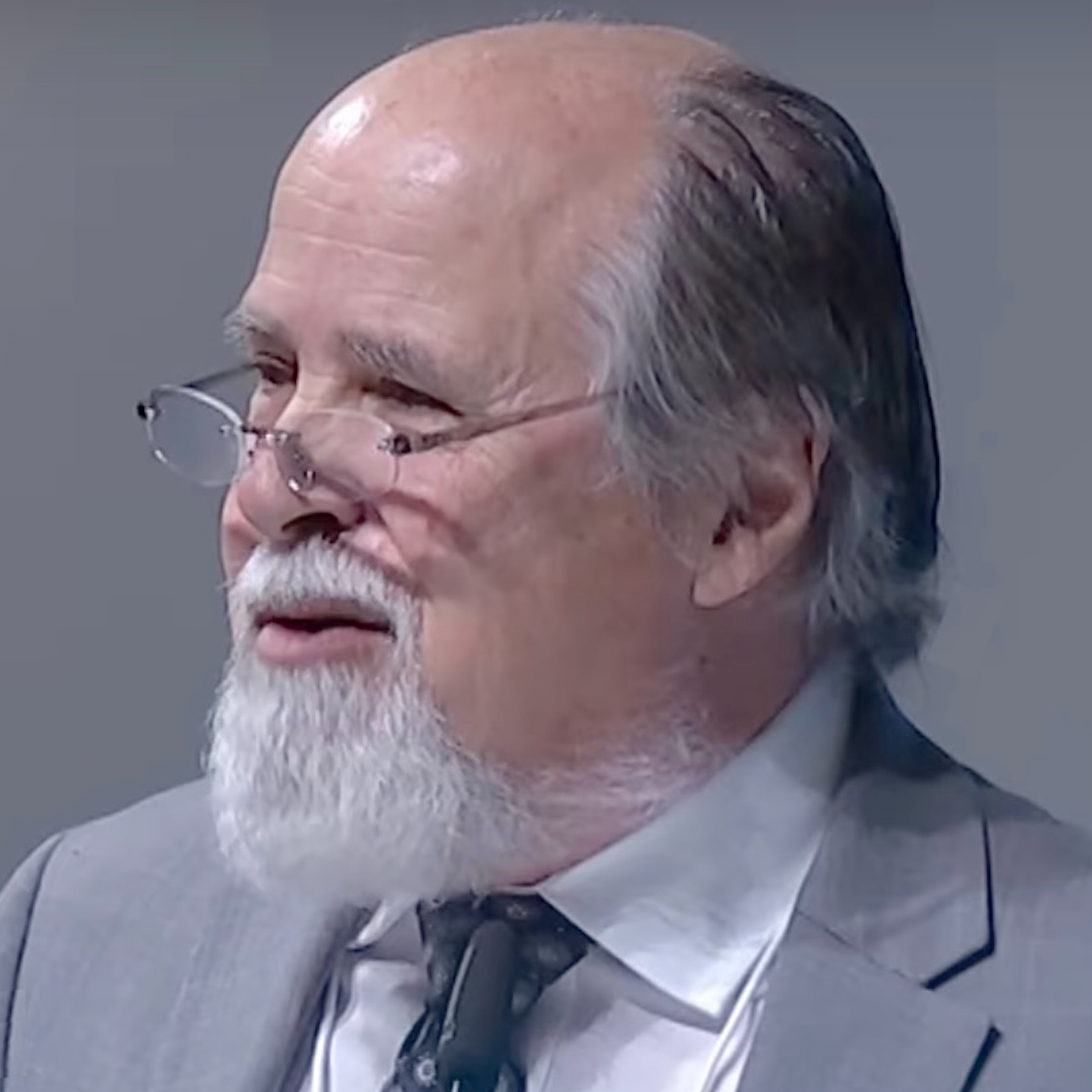
Dr. Michael Mehaffy
Sustasis Foundation, Portland, OR, USA;Michael W. Mehaffy, Ph.D., is a researcher, author, educator, urban planner, designer, and strategic development consultant with an international practice. In addition to his work as an instructor at ASU since 2011, he is currently Executive Director of the Sustasis Foundation, an urban sustainability think tank in Portland, Oregon; Executive Director of the International Making Cities Livable conference series; and President of Structura Naturalis Inc., his consultancy. He has held teaching and/or research appointments at ten graduate institutions in eight countries, and he is on the editorial boards of two international journals of urban design. He is noted for his books, book chapters, research articles and professional articles on urban morphology, urban self-organization, architecture, computer science, and philosophy. He was a consultant to UN-Habitat for the Habitat III conference and its outcome document, The New Urban Agenda, and he has consulted for governments, businesses and NGOs on its implementation and related topics. Among his many leading urban-scale projects was Orenco Station, a pioneering transit-oriented development in the Portland region, for which he served as project manager and co-designer for the master developer. After graduate work in architecture, public policy, management and philosophy of science at UC Berkeley and the University of Texas at Austin, he received his Ph.D. in architecture, with a focus on urban planning and design, at Delft University of Technology in the Netherlands.
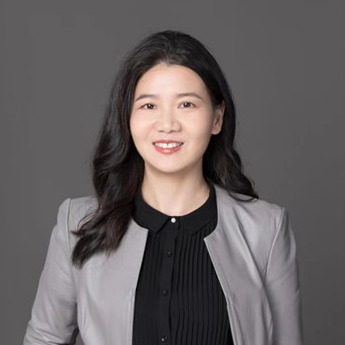
School of Ecology, Environment and Resources, Guangdong University of Technology, Guangzhou, China;Su Meirong is a full Professor and Doctoral Supervisor at the School of Eco‑Environmental Engineering and Resources, Guangdong University of Technology. A Humboldt Scholar and recognized as a National Young Top‑notch Talent, Guangdong Distinguished Young Scholar, and Pearl River Young Scholar, her research focuses on urban and regional ecological planning and management. She has led over ten national-level projects and published more than 150 academic papers, including over 110 SCI-indexed articles. Her work spans urban ecological planning, urban development laws, and regional coordinated management. She holds a B.Sc. in Ecology from Northeast Normal University and a Ph.D. in Environmental Science from Beijing Normal University, with postdoctoral and visiting experience in China, the USA, and Germany.







On behalf of the Event Chair of IOCE 2026, we are pleased to announce the winners of the Best Oral Presentation Awards and Best Poster Awards.
The Best Oral Presentation Awards have been awarded to:
|
ID |
Title |
Authors |
| sciforum - 163217 | Renewable Biofuel Production from Green Hydrogen and Waste Vegetable Oil: Environmental Assessment for Sustainable Management | Wagd Ajeeb, Rui Costa Neto |
| sciforum-150286 | Life as a Race of Survival in the Environment: Balancing Human Progress, Ecological Interdependence and Human Health | Mohammed Shoaibul Islam, Farhana Chowdhury |
The Best Poster Awards have been awarded to:
|
ID |
Title |
Authors |
| sciforum-162724 | From gray water to green solutions: Life Cycle Sustainability Assessment of heavy metals removal using inactive yeast | Isabela Simion, Raluca Maria Hlihor, Petronela Cozma, Alessandra Bonoli |
| sciforum-158364 | Quantifying Dignity in Urban Ecosystems: A Framework for Inclusive and Sustainable Aging in Indian Cities | Mithila Mattoo, Virendra Kumar Paul |
IOCE 2026
Day 1
Session 2. Environmental Impact and Risk Assessment
(Part 1)
Session 2. Environmental Impact and Risk Assessment
(Part 2)
Session 1. Environmental Assessment Methods and Management Technologies (Part 1)
Day 2
Session 4. Urban Systems and Ecosystems: Dynamics and Functioning
Session 6. Ecological, Environmental and Circular Economics
Session 1. Environmental Assessment Methods and Management Technologies (Part 2)
Day 3
Session 5. Shared Responsibility in Resource Use and Impact Generation
Flash Poster Session
Session 3. Terrestrial and Marine Biodiversity and Habitat Loss Prevention
Mrs. Ana-Maria Prodan
Mr. Russell Wang
Mr. Ionut Spatar
Email: ioce2026@mdpi.com
For inquiries regarding submissions and sponsorship opportunities, please feel free to contact us.