
The 3rd International Symposium on Materials Coating Science and Technology (MCST 2027)
 The MCST 2027 is NOW OPEN for Abstract Submission and Registration
Submit your abstracts here: 
中文版网站请访问此处
Security Notice
Please note all official conference emails will be sent exclusively from @mdpi.com and @sciforum.com domain.
Please don't respond to any suspicious email or share personal information through unverified channels.
the chairs
As advanced materials continue to fuel industrial innovation across diverse fields, the demand for high-performance, long-service-life coatings technologies tailored to complex and extreme service conditions has become increasingly urgent.
Key areas of focus for this conference include, but are not limited to, the following:
S1. Metal Surface Treatment and Protective Coatings
S2. Protective Coatings for Extreme Environments and Engineering Applications
S3. Deposition Technologies and Applications
S4. Spraying Technologies and Applications
S5. Laser Cladding and Additive Manufacturing
S6. Bioactive and Food Packaging Coatings
S7. Energy and Functional Coatings
S8. Cultural Heritage Protection and Architectural Coatings
S9. Ceramic Coatings and Applications
We look forward to welcoming you to Xi’an for this exciting symposium, where you will have the opportunity to present your latest advances in coatings science, surface engineering, deposition technologies, or related applications in energy, biomedicine, and functional materials.
Conference Chairs
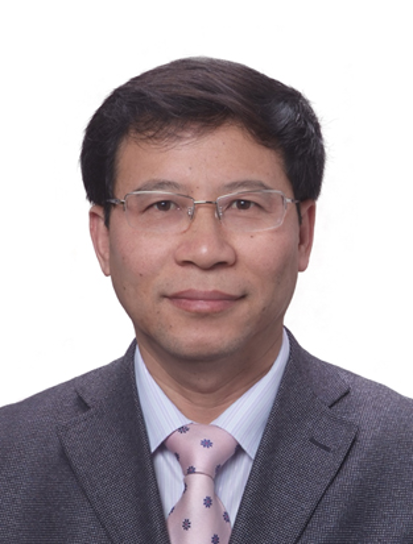
Prof. Dr. Wei Pan, Tsinghua University, China
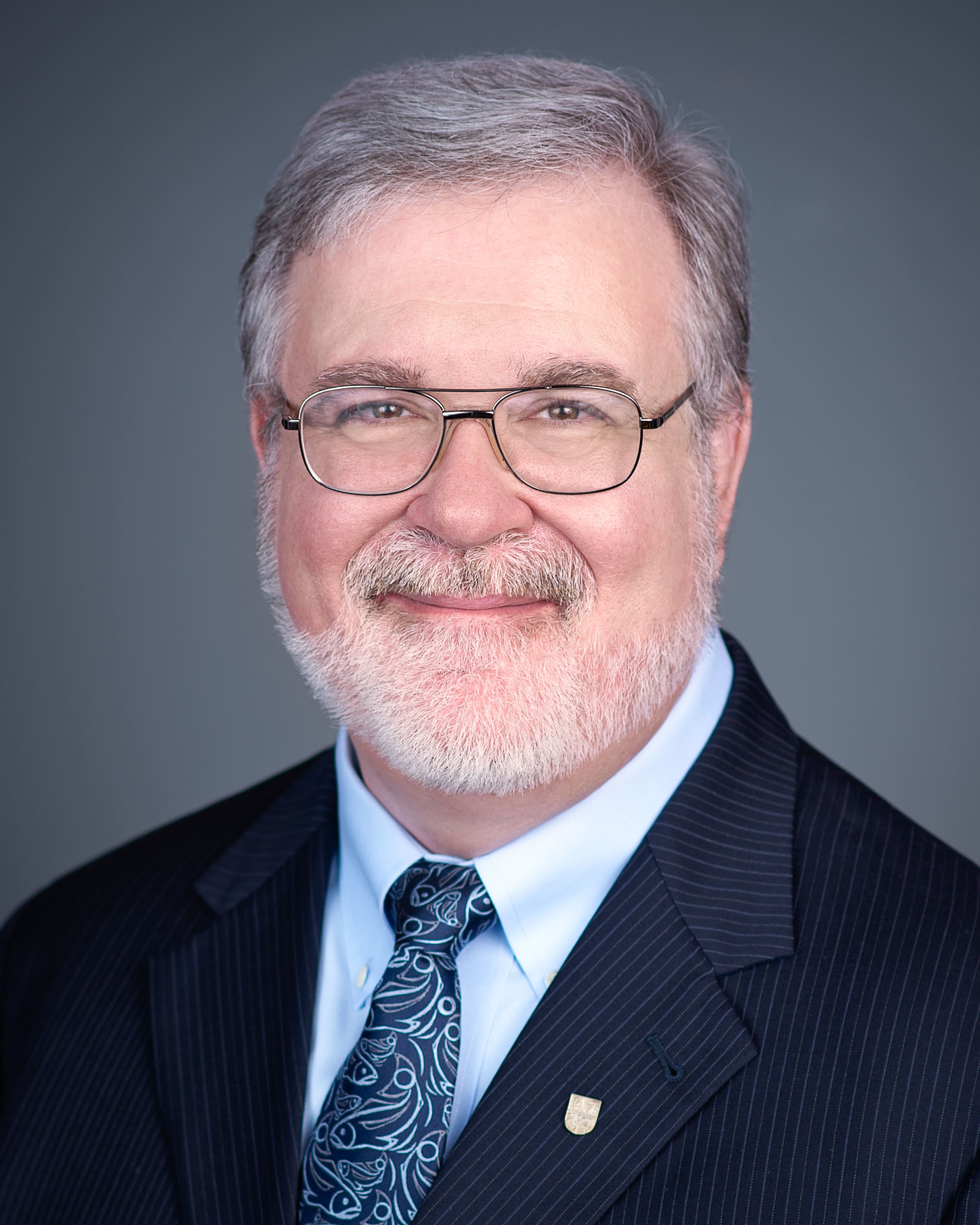
Prof. Dr. Richard J. Spontak, South China University of Technology, China
Prof. Dr. Xiaofeng Zhao, Shanghai Jiao Tong University, China
Prof. Dr. Yongsheng Zhang, State Key Laboratory of Solid Lubrication, Lanzhou Institute of Chemical Physics, Chinese Academy of Sciences, China
Prof. Dr. Rong Tu, Wuhan University of Technology, China



Meet Our Chairs

Tsinghua University, China;Professor Wei Pan is a doctoral supervisor. He has served as a member of the University Council and the Degree Committee of Tsinghua University, Director of the State Key Laboratory of New Ceramics and Fine Processing, Head of the Department of Materials Science and Engineering, and Secretary of the Party Committee of the School of Materials Science and Engineering at Tsinghua University. He also serves as an Executive Council Member of the Chinese Ceramic Society, Executive Vice President of the Special Ceramics Branch of the Chinese Ceramic Society, a member of the International Advisory Committee of the European Ceramic Society, and President of the Asia-Australia Ceramic Alliance. In 2009, he was awarded the title of Fellow of the University of Tokyo, and in 2015, he was elected as a Fellow of the World Academy of Ceramics. His current research focuses on ceramic components for semiconductor equipment, fine structural ceramic materials, high-temperature thermal barrier coatings and functional coating materials and technologies, transparent ceramic materials, and nanoceramic materials and devices. He has led numerous major research projects, including projects under China's National High-Tech Research and Development Program (863 Program) and key projects funded by the National Natural Science Foundation of China (NSFC). He has published more than 460 academic papers, holds 26 granted invention patents, and has authored four books. He has also delivered more than 30 invited presentations at international academic conferences.

Shanghai Jiao Tong University, China;Professor Xiaofeng Zhao received his Ph.D. from the University of Manchester, UK, in 2007. He is currently a Professor and Doctoral Supervisor at the School of Materials Science and Engineering, Shanghai Jiao Tong University. He has been selected for the National High-Level Talent Program and appointed as a Shanghai Oriental Scholar Distinguished Professor. His research primarily focuses on high-temperature materials and protective coatings. The low-thermal-conductivity thermal barrier coating developed by his team has been applied to more than 4,000 aero engines since 2012, contributing to fuel savings of approximately 3.3 million tonnes. He also developed lightweight, low-thermal-conductivity thermal protection coatings for aerospace applications. These coatings have been applied to the Long March-6A, China's first-generation liquid-solid hybrid launch vehicle, addressing critical thermal protection challenges under high heat flux. Since 2022, the technology has supported more than 10 launch missions. Professor Zhao has published more than 240 academic papers and holds over 50 granted invention patents, including two U.S. patents. He has delivered more than 60 invited presentations and contributed to the formulation of two national standards. He also serves as a committee member or council member of four professional societies, including the Chinese Society for Metals, Chinese Materials Research Society, and Chinese Society of Rare Earths.
State Key Laboratory of Solid Lubrication, Lanzhou Institute of Chemical Physics, Chinese Academy of Sciences, China;His research focuses on novel material development, covering tribology, wear, lubrication and sealing. He has won multiple important awards including National Advanced Worker, First class Gansu Provincial Technical Invention Award and Gansu Provincial Patent Award, and is an Outstanding Scholar under the Western Light Talent Program. He has published over 150 papers in leading journals including Advanced Materials and Materials Today.
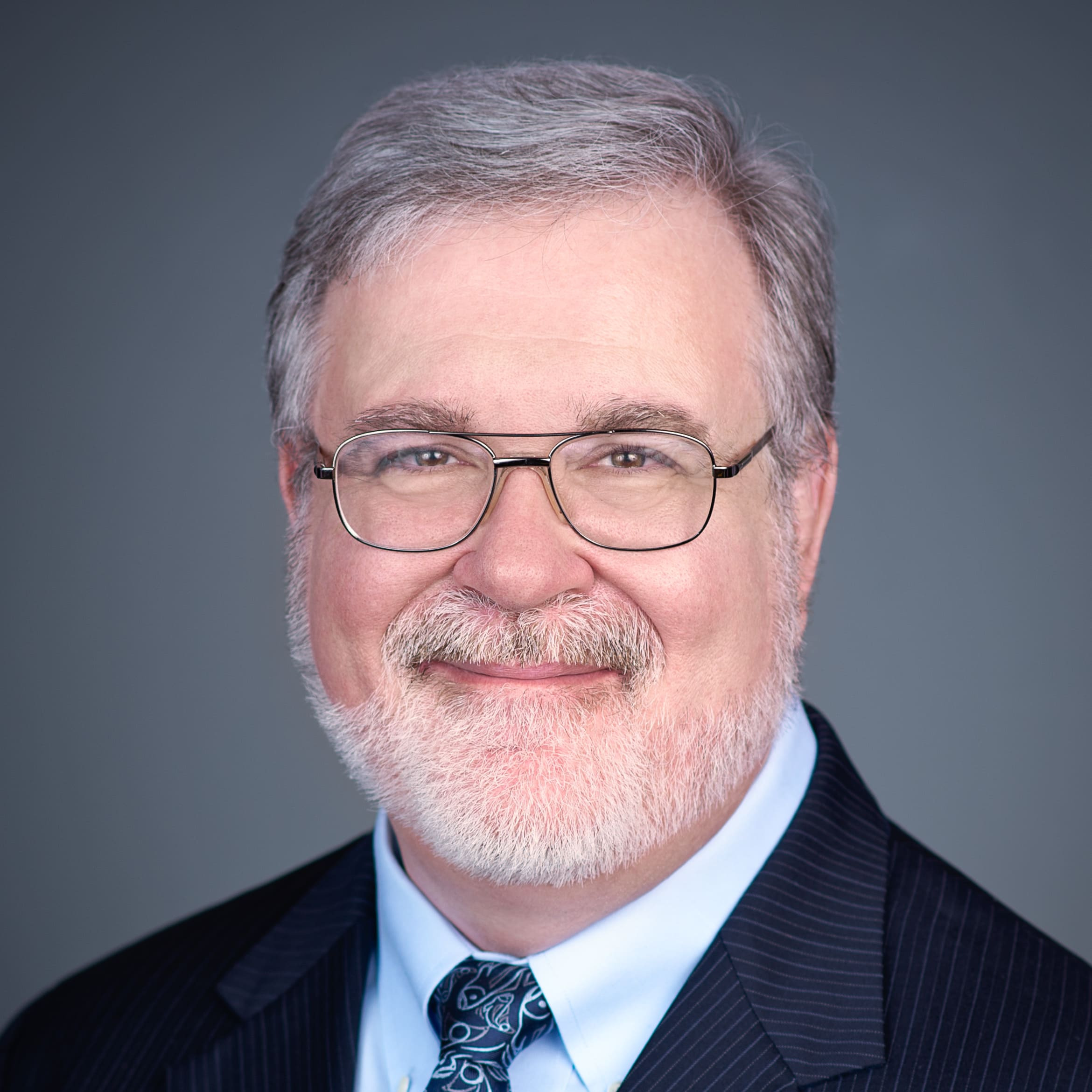
South China University of Technology, China;Dr. Richard Spontak holds a Changjiang Chair in the Institute of Emergent Elastomers at the South China University of Technology after retiring as Distinguished Professor of Chemical & Biomolecular Engineering and Professor of Materials Science & Engineering at NC State University. He has published ~320 peer-reviewed journal papers and delivered ~450 invited lectures worldwide. He is an elected Fellow of several societies including the American Chemical Society and Royal Society of Chemistry. Examples of his professional accolades include the NC State Alexander Q. Holladay Medal for Excellence, the Acta Materialia Hollomon Award for Materials and Society and the Ernst Ruska Prize.
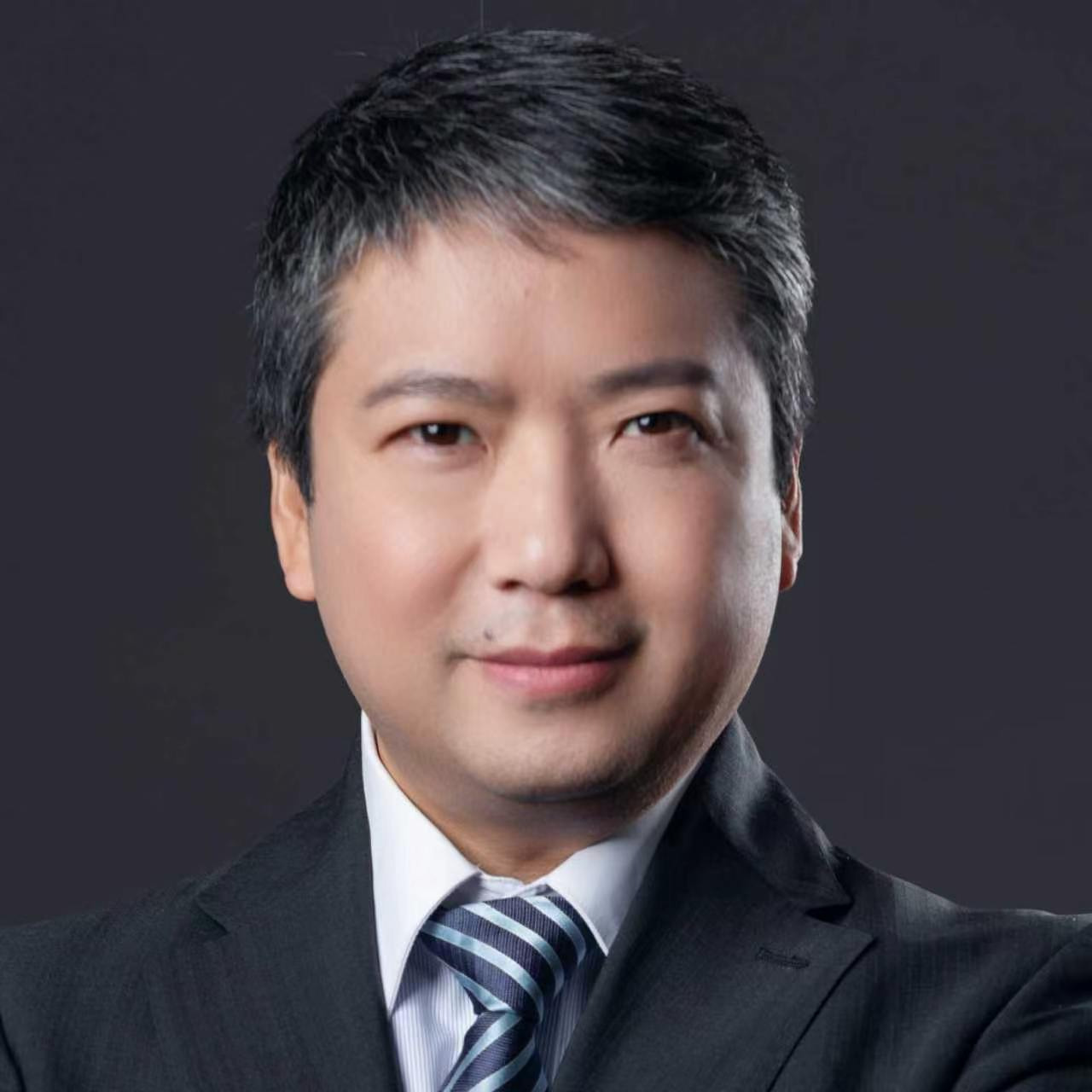
Wuhan University of Technology, China;Rong Tu obtained his Doctor of Engineering degree from Tohoku University, Japan, in 2003. He is currently a Chief Professor at Wuhan University of Technology and a National Leading Talent in Technological Innovation. He has long been dedicated to the research and development of chemical/physical vapor deposition technologies for functional ceramic thin films and coatings. His work covers the fabrication of wide-bandgap semiconductor films, diamond-based thermal management materials, superhard ceramic coatings, bioceramic coatings, and advanced ceramic nanopowders. He has published more than 350 SCI-indexed papers in international journals and holds over 70 authorized Chinese and Japanese invention patents.
Meet Our Speakers

INMA (CSIC-Universidad de Zaragoza), Spain;Miguel Laguna is a Tenured Scientist at INMA (CSIC-Universidad de Zaragoza), Zaragoza, Spain. He received his PhD from the University of Zaragoza in 2005 and conducted research at Imperial College London. His expertise includes ceramic processing, coating technologies, laser-assisted manufacturing, and ceramic machining, with a focus on energy applications such as solid oxide fuel cells, hydrogen technologies, solid-state batteries, membranes, and photocatalysis. He has participated in numerous research and industrial projects, authored around 80 indexed publications, supervised BSc, MSc, and PhD students, and served as an invited speaker at more than 20 conferences. He is also an Editorial Board member of several journals, including Coatings.

University of Barcelona, Spain;Dr. Camila Barreneche has an Associate Professor position at Universitat de Barcelona. Within the EIC Pathfinder ThermoDust project, she collaborated as the Industrial Stakeholders Group manager to provide the main results and achievements of the ThermoDust project to the board, as well as to ask for feedback about the proof of concept that we have developed during this 5-year project.
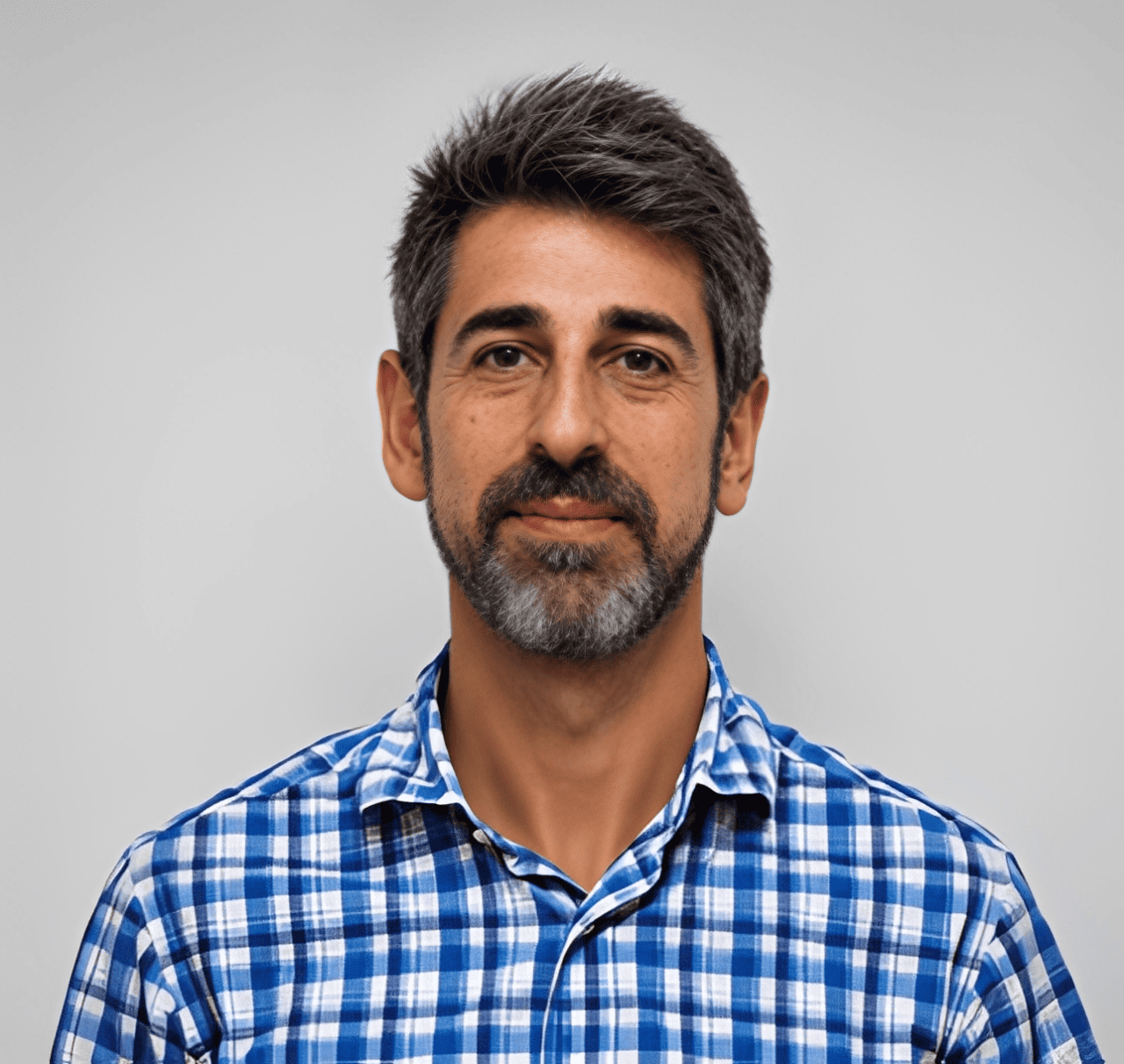
University of Barcelona, Spain;Professor and Director of the Department of Materials Science and Physical Chemistry at Universitat de Barcelona, he has a long teaching and research career. He has published more than 155 papers in high-level and internationally prestigious journals in the field and with an h-index of 39 according to the SCOPUS database, with more than 4500 citations. He is also the President of the ETSA (European Thermal Spray Association) since June 2022. His main research experience is focused on surface engineering, and specifically on the thermal spray field, collaborating with national and international research centres and companies.

Politecnico di Milano, Italy ;Mariapia Pedeferri is a Full Professor of Materials Science and Technology at Politecnico di Milano, Italy. She serves within the "Giulio Natta" Department of Chemistry, Materials, and Chemical Engineering.
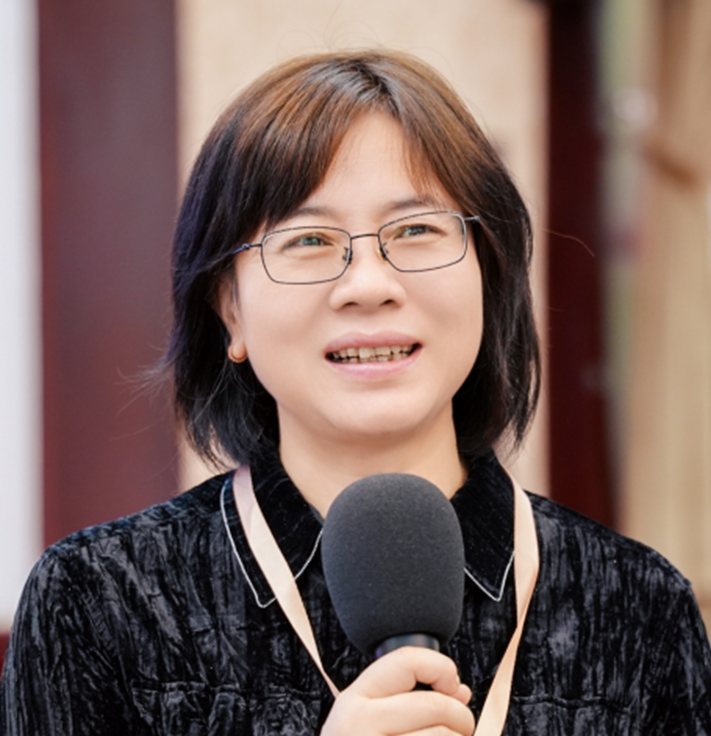
Zhejiang University, China;She received a Ph.D. from the College of Life Sciences, Zhejiang University, with a research focus on biotechnology-based cultural heritage conservation. She is a member of the China Association for Preservation Technology of Cultural Relics (CAPTCR), a committee member of the CAPTCR Professional Committee on Heritage Conservation Education, and a council member of the Zhejiang Archaeological Society.
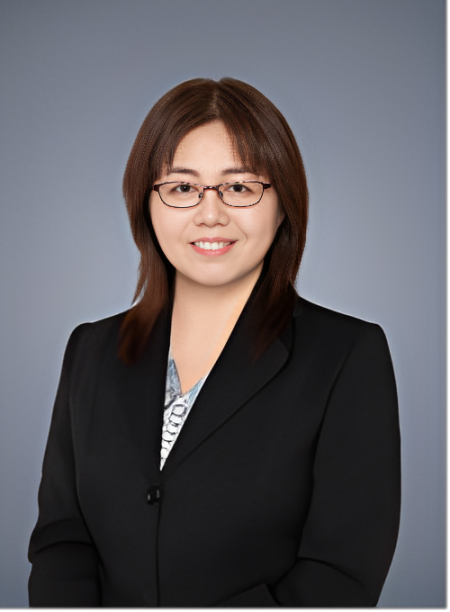
University of Science and Technology Beijing, China;Professor and doctoral supervisor, with primary research interests in cultural heritage conservation, biological deterioration of cultural relics, and the application of biotechnology in heritage preservation. Research focuses on biological damage to both organic and inorganic cultural artifacts, mechanisms of biological corrosion, and ultimately aims to achieve effective conservation and preventive protection of significant cultural relics.
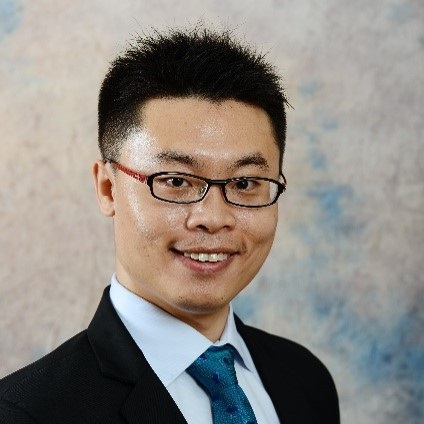
Chongqing University, China;Lidong Sun is a professor at School of Materials Science and Engineering, Chongqing University, China. Dr. Sun received his PhD degree from Nanyang Technological University, Singapore and worked as a postdoctoral research fellow at National University of Singapore. His research interests include electrochemistry for surface science under confined space, with a particular focus on surface modification and functionalization for metal wires/tubes/microchannels by electrochemical approaches. Dr. Sun is the Fellow of the Institute of Materials, Minerals & Mining, UK and the Fellow of the International Association of Advanced Materials.
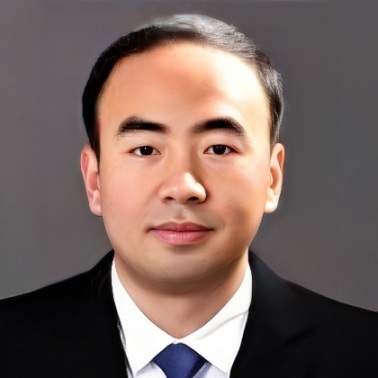
Northwestern Polytechnical University, China;Jianxi Liu, Professor at the School of Materials Science and Engineering, Northwestern Polytechnical University. He obtained his Ph.D. degree from Karlsruhe Institute of Technology in 2015, Germany. He performed postdoctoral research at the Northwestern University in the United States from 2016 to 2018. Then, he has opened his independent research career at Northwestern Polytechnical University, China. He was appointed as a “Young Changjiang Scholar” by the Ministry of Education of China in 2024. Professor Liu’s current research interests include Nanofabrication, Optical Sensing, Multifunctional Coatings, Biomimetics and Biolubrication. He has published more than 130 papers in peer reviewed journals, such as PNAS, Adv. Mater., ACS nano, Nano Letters, etc.

Huazhong University of Science and Technology, China;Heping Li is a professor at Huazhong University of Science and Technology and has been recognized under a national-level young talent program. Her research focuses primarily on ceramic coatings and thin films for protection against hydrogen permeation and for ultra-high-temperature thermal protection. She has served as principal investigator on two Young Scientist Projects under the National Key R&D Program of China, as well as projects supported by national defense research funding and the Original Exploratory Program and General Program of the National Natural Science Foundation of China (NSFC). She has published more than 50 SCI-indexed papers and has been granted more than 10 Chinese invention patents. She has been included in Elsevier’s list of Highly Cited Chinese Researchers and appointed as a Huazhong Scholar Distinguished Professor. She serves as a council member of the Chinese Ceramic Society and its Special Ceramics Branch, and as a member of several academic bodies, including the Youth Committee of the Chinese Ceramic Society. She also serves on the editorial boards of several SCI-indexed journals and has delivered 18 plenary or invited presentations at national and international academic conferences.
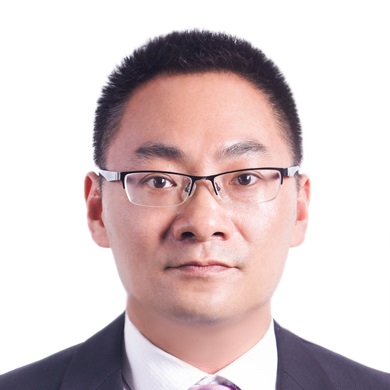
Shanghai Institute of Ceramics, Chinese Academy of Sciences (SICCAS), China;Liang Wang, PhD, is a Professor, doctoral supervisor, and postdoctoral co-supervisor. He leads research in macroscale finite element modeling, artificial intelligence, and experimental characterization in the Research Division of artificial Intelligent for Ceramic Materials at the Shanghai Institute of Ceramics, Chinese Academy of Sciences (SICCAS), where he heads an independent research group as principal investigator (PI). He has been selected as a member of the CAS Youth Innovation Promotion Association, for the inaugural cohort of SICCAS's Outstanding Young Researchers Support Program, and as a specially appointed key research scientist of CAS. He is a member of ASM International; has served on the first and second Young Editorial Boards of the Journal of Inorganic Materials; and serves on the Young Editorial Boards of the Journal of Aeronautical Materials and the Journal of Materials Engineering, the Editorial Board of Materials Protection, the Thermal Protection Materials Committee of the Chinese Society of Rare Earths, and the Academic Committee of the Key Laboratory for Efficient Utilization of Non-Metallic Mineral Resources in Southern Henan. He also mentors through the expert advisory panel of the Shanghai Youth Science Society. His recent research integrates macroscale finite element modeling, artificial intelligence (conventional machine learning and deep learning), and experimental characterization for the structural design, performance optimization, and prediction of in-service performance of specialized high-temperature thermal protection coatings, ceramic- and polymer-matrix composites, structural ceramics, and functional devices. He has led or is leading five projects funded by the National Natural Science Foundation of China (NSFC), including a seed project under a Major Research Plan, an NSAF Joint Fund project, and two General Program projects. His portfolio of more than 20 government- and industry-funded projects also includes three Shanghai Nat
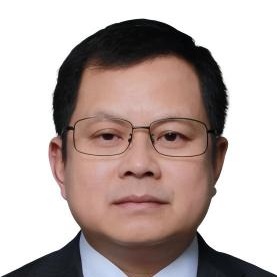
Shanghai Institute of Ceramics, Chinese Academy of Sciences (SICCAS), China;Prof. Xuebin Zheng was born in Zhejiang Province of China in 1971. He received his Bachelor degree of Chemistry in 1992 from Fudan University and obtained Ph.D. degree of Material Science in 2000 from Shanghai Institute of Ceramics, Chinese Academy of Science (SICCAS). He was appointed as assistant professor (2000) and associate professor (2002) in SICCAS. Now he is a professor and the director of Research Group of Plasma Sprayed Coatings. His current major research interests are biomedical coatings and protective coatings. Bioactivity, biocompatibility, osseointegration as well as antibacterial effect of the coating materials are carried out in his group. More than 200 scientific papers have been published in the scientific journals including Biomaterials, Acta Biomaterialia, Journal of Biomedical Materials Research, Surface & Coatings Technology, etc. by his research group. Besides basic research, he cooperates with the companies of orthopedic implants for the development of better human medical products. His group successfully applies vacuum plasma spray (VPS) technology to manufacture porous Ti coating and bioactive HA coating on orthopedic implants. More than 300,000 bone substitutes (artificial hip joints, spinal implants, etc.) with VPS Ti coating or/and HA coating have been manufactured and applied clinically in these years.
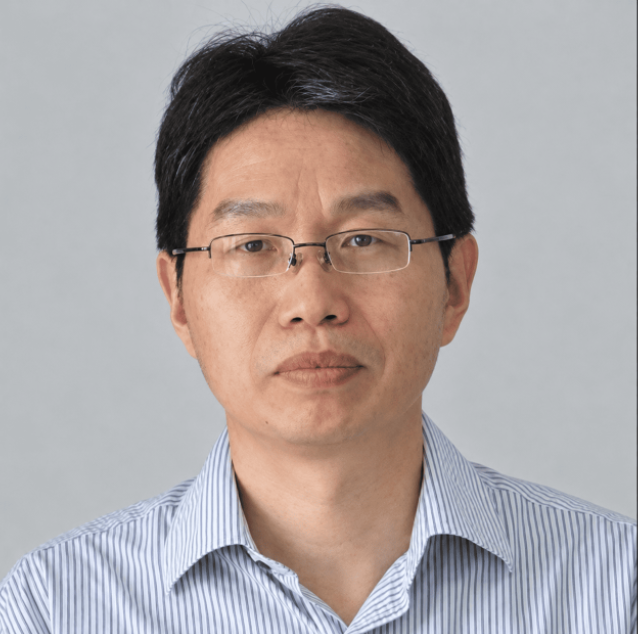
Dr. Shijie Wang
ASTAR – Future Energy Acceleration & Translation (ASTAR FEAT) & ASTAR Institute of Materials Research & Engineering (ASTAR IMRE), Singapore;
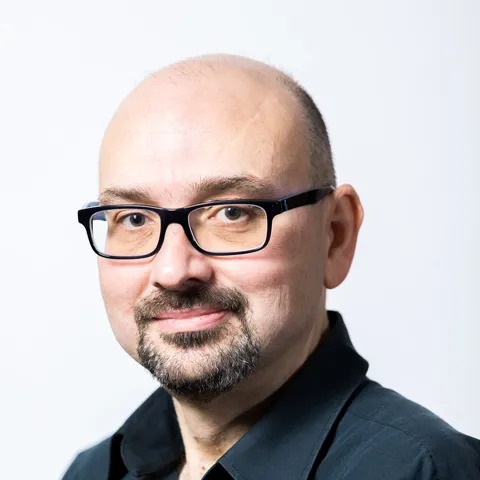
The University of Edinburgh, UK;Vasileios Koutsos, FInstP, FIMMM, CEng MIMechE, FHEA, is a Professor (Chair in Soft Materials and Surfaces) with the Institute for Materials and Processes, in the School of Engineering. Formerly a Marie Curie Post-Doctoral Research Fellow at the Laboratory of Condensed Matter Physics in Collège de France (Paris, France, 1998-2000), he holds a BSc in Physics (Physics Department, Aristotle University of Thessaloniki, Thessaloniki, Greece, 1992) and a PhD in Polymer Science (Chemistry Department & Materials Science Centre, University of Groningen, Groningen, The Netherlands, 1997). Since joining the University of Edinburgh in 2000, VK has transitioned from Lecturer to Professor, leading an interdisciplinary research group at the intersection of materials science, physics, physical chemistry, and mechanical engineering. With over two decades of academic and research leadership, he has secured £8M in funding and currently directs an advanced AFM facility. A defining feature of his career is a deep-seated, user-oriented approach that bridges the gap between fundamental research and industrial application. He has attracted over £1.5M in direct industrial funding from world-leading partners—including Michelin, SABIC, Ford, Jaguar Land Rover, WES, and Greencoat UK Wind—to tackle complex materials science and engineering challenges. VK served as Head of the Research Institute for Materials and Processes for a full 5-year term (2014-2019) and as Deputy Head of the Research Institute from 2019 to Feb. 2026; he currently serves as Deputy Director of Mechanical Engineering (since 2024).
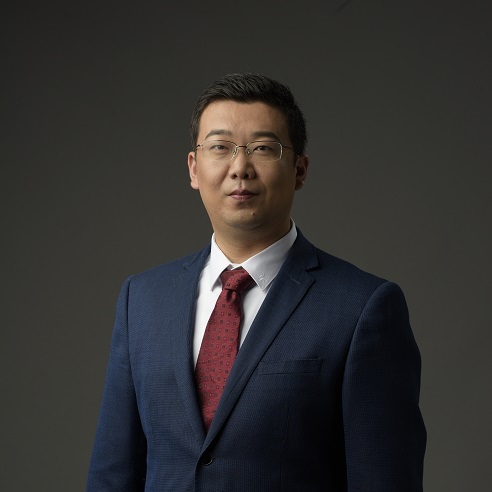
Ningbo University, China;Professor Xinkun Suo is a Ph.D. supervisor, a First-Tier Leading Talent of Ningbo City, and an A-Level Academic Leader at Ningbo University. He serves as Director of the Institute of Multidimensional Additive Manufacturing, a member of the Metallurgical Mechanical and Electrical Standardization Committee of the China Iron and Steel Association, a council member of the Zhejiang Engineers Society, and an expert of the Zhejiang Automotive Engineering Professional Qualification Evaluation Committee. He is also a member of the Editorial Board of Materials Protection and a Young Editorial Board Member of Rare Metals. In recent years, Professor Suo has received the China Industry-University-Research Cooperation Innovation Award. He has led more than ten national and provincial-level research projects, including those funded by the National Natural Science Foundation of China and the Zhejiang Provincial Key Research and Development Program. He has published over 50 SCI-indexed papers, been granted more than 20 invention patents, and contributed to the development of one local standard and two industry standards. Leading his research team, Professor Suo has carried out extensive research in the fields of advanced materials development, two-dimensional coatings, and three-dimensional printing. Many of the resulting technological achievements have been successfully applied in sectors such as new energy and related industries.
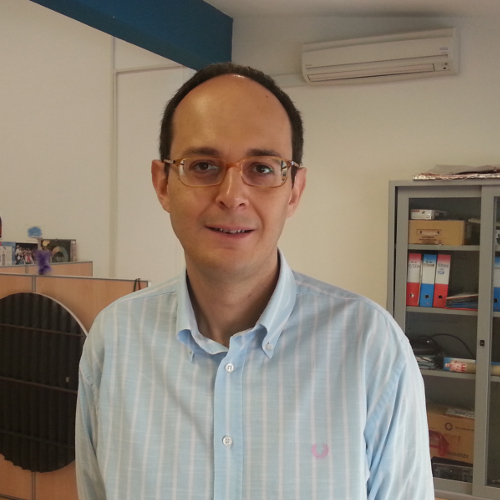
University of Perugia,Italy;
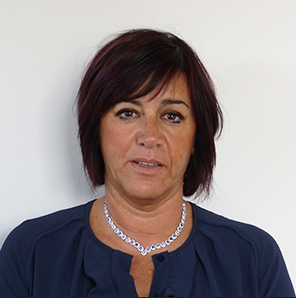
Dr. Raimondo Mariarosa
Consiglio Nazionale delle Ricerche (CNR), Italy;Dr. Mariarosa Raimondo coordinates research on smart surfaces at CNR–ISSMC in Faenza, Italy. She leads publicly and privately funded projects developing multifunctional surfaces for industrial use. Her research focuses on tailoring surface wettability to meet the needs of different applications.
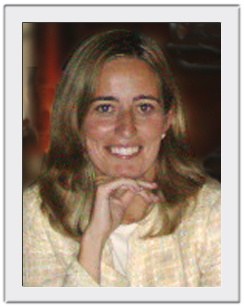
University of Cádi, Spain;Maria J. Mosquera obtained her Ph. Degreee at University of Santiago de Compostela in 1994. Since 1995, she is a professor at Physical-Chemistry Department (University of Cadiz). In 2013, she has got the accreditation as a Full Professor. She has worked in nanomaterials synthesis with application in restoration of Cultural Heritage for 18 years. Regarding to her research results related to this topic, Prof. Mosquera has authored more of 50 papers. She has also supervised 5 Doctoral Thesis and several Master and Degree Projects. She has presented over 60 communications to congress and she has been invited as a speaker for numerous conferences. She has also been the senior investigator of 11 funded projects (9 Spanish projects and 2 Andalusian projects) and 10 relevant research contracts with companies. Regarding to the research transference, Prof. Mosquera is inventor of 7 patents, being 4 of them under exploitation contracts with the companies Tino Stone S.A, Silicalia S.L. and Cosentino S.A. She has also got 4 awards regarding with the transference activities. Finally, Prof Mosquera is in the committee scientific of several international conferences.
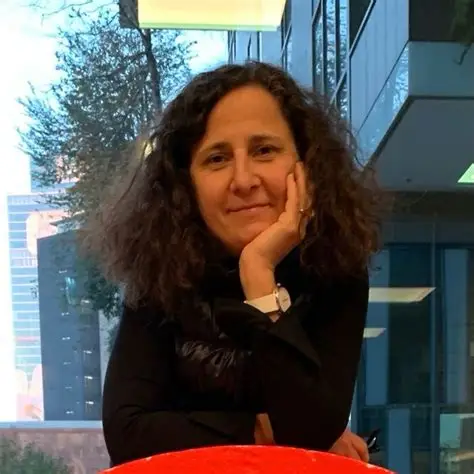
University of Milano-Bicocca, Italy;Professor Claudia Riccardi is a Full Professor of Physics and Head of the Department of Physics “Giuseppe Occhialini” at the University of Milano-Bicocca, Italy. She received her PhD in Physics from the University of Milan in 1993. Her research focuses on plasma physics, plasma sources and diagnostics, and non-thermal plasma applications for materials processing and surface modification. She founded the PlasmaPrometeo Center and co-founded the university spin-off PLUME, promoting the transfer of plasma technologies to industry. Her work connects plasma physics with materials science, chemistry, and biotechnology, with applications in energy, environmental technologies, manufacturing, and biomedicine.
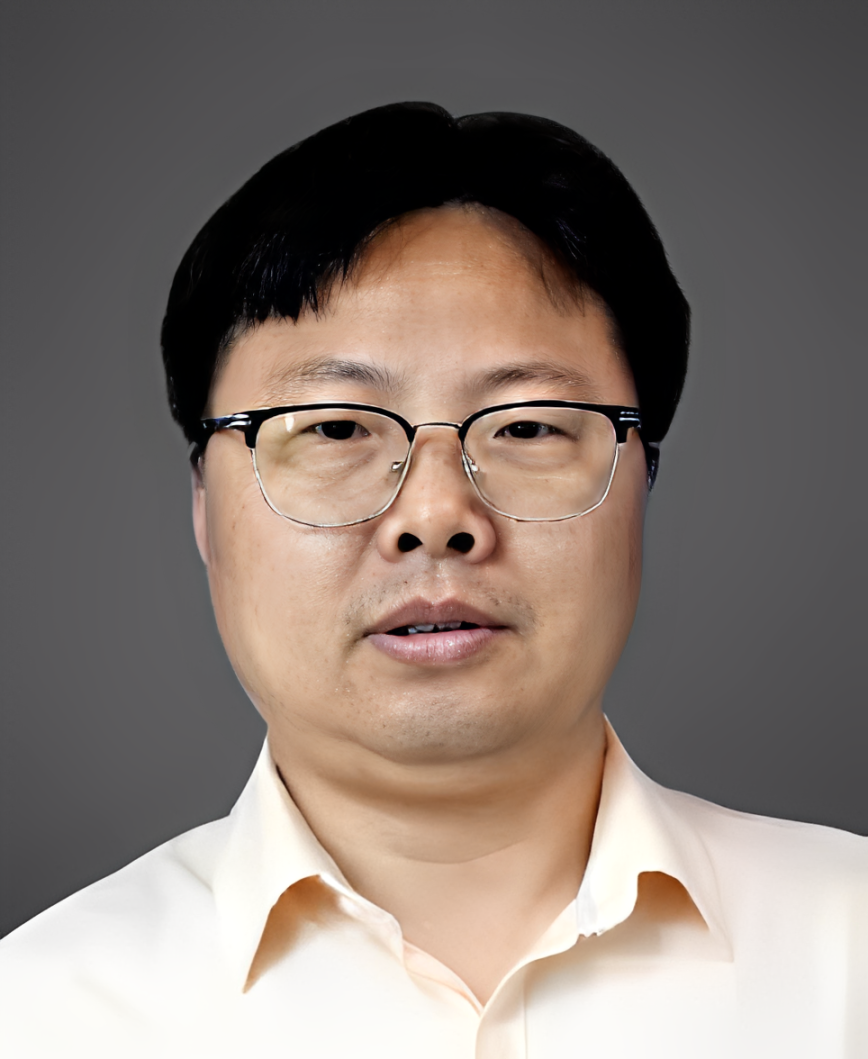
Future Energy Acceleration and Translation (FEAT) Centre, Agency for Science, Technology and Research (A*STAR), Singapore ;Dr Liu Hongfei is a Principal Scientist and Group Leader of Corrosion and Protective Coating (CPC) in the Future Energy Acceleration and Translation (FEAT) Centre at the Institute of Materials Research and Engineering (IMRE), A*STAR, Singapore. He obtained his Ph.D. in Condensed Matter Physics from the Institute of Physics, Chinese Academy of Sciences in 2001, and his B.E. in Semiconductor Physics and Devices from Xi’an Jiaotong University in 1996. His current research focuses on corrosion testing of structural metal alloys and development of protective coatings towards their applications in extreme conditions, including liquid metal, molten salt, and high temperature/high pressure water.
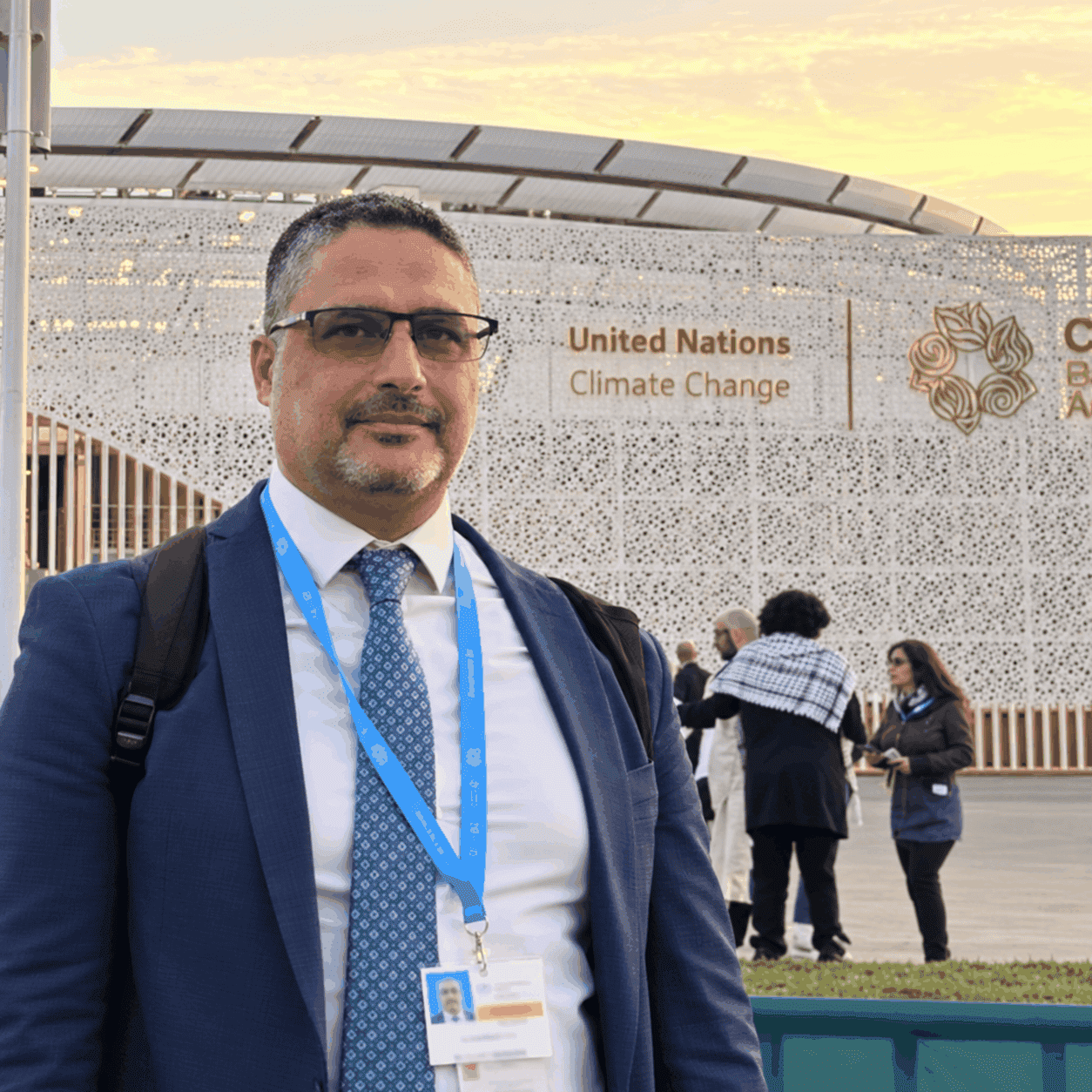
Global Institute for Water, Environment and Health, Switzerland;Dr. Sami Rtimi is Director of Innovation and Technology at the Global Institute for Water, Environment and Health (GIWEH), Switzerland. He holds a PhD in Chemistry and Chemical Engineering from the École Polytechnique Fédérale de Lausanne (EPFL) and a doctorate in Biological Sciences from the University of Carthage, Tunisia. His interdisciplinary expertise spans photochemistry, surface engineering, and microbiology. His research focuses on functional materials and smart coatings, including the design, synthesis, characterization, and evaluation of antibacterial films and nanostructures for environmental and biomedical applications. He also promotes research translation, contributes to scholarly publishing, and engages in international collaboration to advance materials innovation and sustainable development.
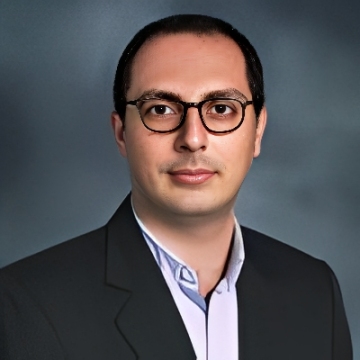
Leibniz-Institut für Festkörper- und Werkstoffforschung - IFW, Germany;Dr. Amin Bahrami leads the Surface-Functionalized Materials Group at the Leibniz Institute for Solid State and Materials Research Dresden (IFW Dresden), Germany. His research focuses on atomic layer deposition (ALD), surface functionalization, and interface engineering for advanced materials. He develops deposition processes and functional coatings for applications in energy conversion and storage, electronics, and biomedicine. His work includes the modification of powders, porous materials, and complex three-dimensional structures to improve their performance, stability, and durability. His group also designs customized ALD systems and reactors and explores spark ablation-based nanoparticle deposition for the fabrication of functional surfaces.
-6ae46ed10a33e.png)
Centre for Energy Research, Hungary;Dr. Csaba Balázsi (MSc-1993, PhD-2000, DSc-2014) is a scientific advisor in HUN-REN Centre for Energy Research, Centre of Excellence of Hungarian Academy of Sciences (HAS). He is President of Fine Ceramics section of the Hungarian Scientific Society of Silicate Industry (SZTE) and Representative of SZTE in International Ceramic Federation (ICF), Member of Council Board and Industrial Working Group Leader (ECerS), Member of the American Ceramic Society (ACerS) since 2004, Member in European Materials Research Society (EMRS), Bolyai Engineering Science Committee Evaluation (HAS). He served as Board Member of the Hungarian Society of Materials Science (MAE), Executive Committee Member of Federation of European Materials Societies (FEMS), Member of PEC (ECerS) and Steering Committee Member of Energy Materials Industry Research Innitiative (EMIRI), Brussels. He organized several international conferences, was acting as chair of CMCEE14, 2024 (Budapest), ECERS2017 (Budapest), FEMS Junior EUROMAT2018 (Budapest), symposium co-organizer in ICACC (ACerS) Daytona Beach, EMRS Fall Meeting Symposia (Warsaw) with topics on ceramics based nanocomposites and co-chair of WoCeram2019 (JECS Trust, Budapest). He holds several awards, fellowships: Bolyai Plaqett (HAS), Fellow of the European Ceramic Society (ECerS), Gabor Dennis award (Novofer Foundation), ACerS Global Amassador (ACerS), Fellow of the American Ceramic Society (ACerS) and Academician of the World Academy of Ceramics.
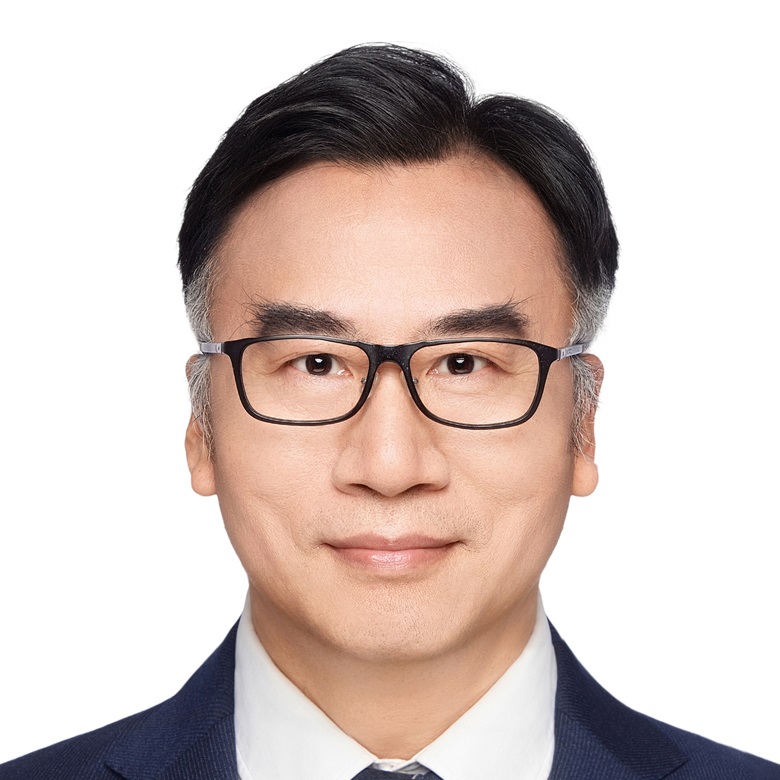
Wuhan University, China;Wanping Chen received his Doctoral degree from Tsinghua University in 1998. He worked at Tohoku University, Japan from 1998 to 2001, and at The Hong Kong Polytechnic University from 2001 to 2004. Since 2005, he has been a professor at the School of Physics and Technology, Wuhan University, China. He has been dedicated to the synthesis and performance research of various metal oxide functional materials. In 2018, he began to explore the tribocatalytic performance of metal oxide semiconductors, and in 2019 his group made the first report on tribocatalytic degradation of organic dyes.

Kansas State University, USA;Professor Mark J. Jackson teaches Mechanical Engineering Technology at Kansas State University in Salina, USA, where he holds the McCune and Middlekauff Endowed Professorship in Mechanical Engineering. His engineering career began in 1983. After earning a doctorate in mechanical engineering from the University of Liverpool, he undertook postdoctoral research at the University of Cambridge. His academic experience also includes research at the University of Oxford and teaching at Liverpool before moving to the United States. His expertise spans manufacturing, materials science, and nanotechnology. He is a co-editor of Advances in Medical and Surgical Engineering, a volume exploring links between engineering and medicine, and his work brings together materials research and manufacturing applications.
University of the West of Scotland, UK;Professor Des Gibson is Director of the Institute of Thin Films, Sensors & Imaging at the University of the West of Scotland, UK. His career combines academic research with industrial leadership, including technical director and CEO positions in established companies, SMEs and technology start-ups. His expertise covers optical thin-film design, deposition processes, plasma sources, infrared coatings and gas-sensing technologies. His research also addresses medical sensing, thin-film photovoltaics and nanostructured functional materials, with an emphasis on translating research into practical applications. He founded the Institute of Thin Films, Sensors & Imaging in 2014 and Thin Film Solutions Ltd in 2002, and co-founded Applied Multilayers Ltd and Gas Sensing Solutions. His work spans research, patented technologies, product development and commercialisation. He is a Fellow of the Institute of Physics, the Institution of Engineering and Technology, and Optica, and also serves as a Visiting Professor at the University of Glasgow.
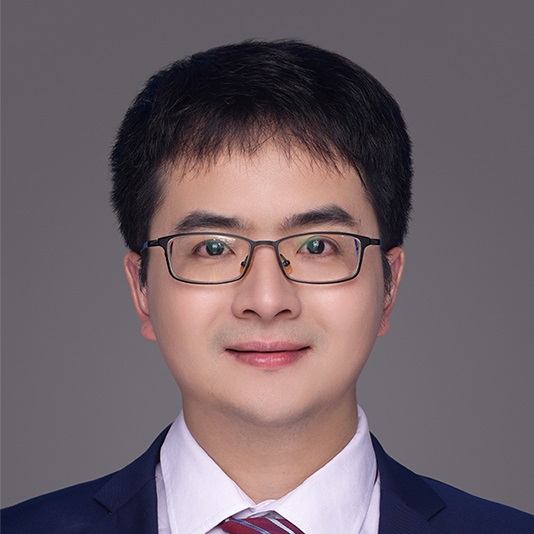
Huazhong University of Science and Technology, China;
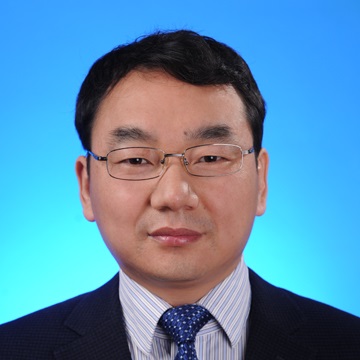
Northeastern University, China;
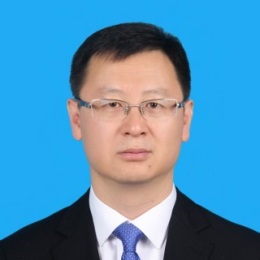
Prof. Dr. Li Ji
Lanzhou Institute of Chemical Physics, Chinese Academy of Sciences, China;
Important Dates
23 Jul
2027
20 Aug
2027
20 Aug
2027
27 Aug
2027
21 Oct
2027




-6ab327a69df59.png)














|
The 2nd Symposium on Materials Coating Science and Technology (MCST 2025)
|
The 1st Symposium on Materials Coating Science and Technology (MCST 2024)
|


Ms. Jennifer Li
Ms. Milly Li
Ms. Tonia Yang
Ms. Amy Cheng
Ms. Cassie Zhao
Dr. Alina-Andrada Igna, Molecular Plant–Microbe Interactions and Omics
Dr. Paula Zhou
For inquiries regarding submissions, registrations and sponsorship opportunities, please feel free to contact us at mcst@mdpi.com.