
- Onward/return ticket;
- Entry facilities to next destination;
- Sufficient funds to stay in China;
- Visa for China (*if applicable).
Visa-free policy
Unilateral visa-free policy: Brunei, France, Germany, Italy, Spain, Holland, Malaysia, Switzerland, Ireland, Hungary, Austria, Belgium, Luxembourg, New Zealand, Australia, Poland, Portugal, Greece, Cyprus, Slovenia, Slovakia, Norway, Finland, Denmark, Iceland, Andorra, Monaco, Liechtenstein, Korea, Bulgaria, Romania, Croatia, Montenegro, North Macedonia, Malta, Estonia, Latvia, and Japan.
Mutual visa-free policy: The United Arab Emirates, Barbados, Bahamas, Bosnia and Herzegovina, Ecuador, Fiji, Grenada, Mauritius, San Marino, Seychelles, Serbia, Tonga, Belarus, Qatar, Armenia, Albania, Dominica, Suriname, Maldives, Singapore, Thailand, Georgia, Kazakhstan, Antigua and Barbuda, Solomon Islands.
List of Agreements on Mutual Visa Exemption Between the People’s Republic of China and Foreign Countries
If, for visa purposes, you require an invitation letter to allow you to travel to China, please email mcst@mdpi.com the following details to the conference secretariat:
- Name (as it appears on your passport);
- Passport number;
- Nationality;
- Date and Place of Birth;
- Place of Issue;
- Date of Issue: dd/mm/yyyy;
- Expiration Date: dd/mm/yyyy;
- Country of departure;
- Job title;
- Organization;
- Mailing address;
- Email.
Discover Xi’an — The Ancient Capital of China
Xi’an, one of the oldest and most historically significant cities in China, served as the capital of thirteen ancient dynasties and has a history spanning more than 3,100 years. As the eastern starting point of the ancient Silk Road, Xi’an is widely recognized as a cultural treasure that preserves the legacy of Chinese civilization while embracing the energy of a modern metropolis.
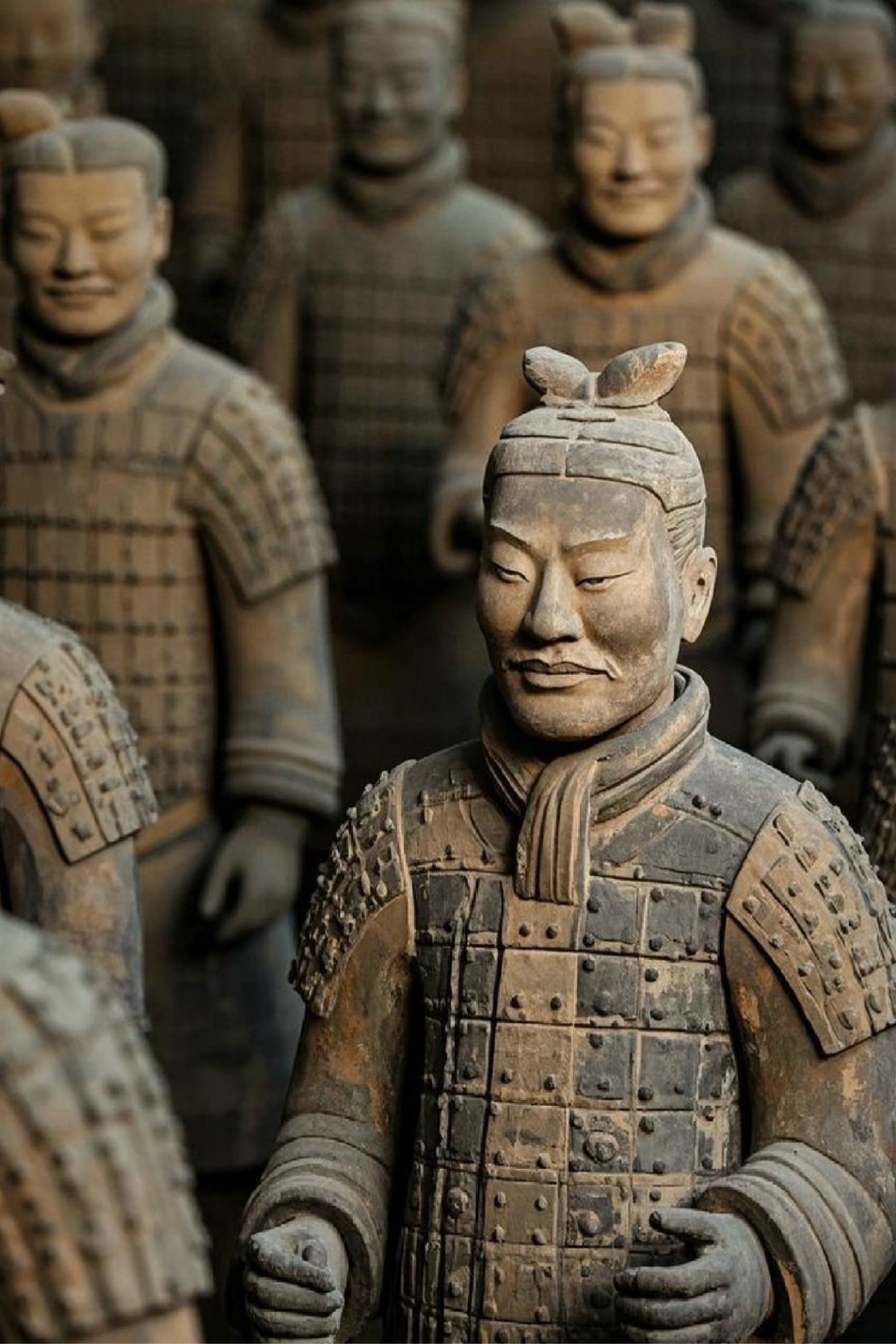
The city is renowned for its remarkable historical heritage, including UNESCO World Heritage Sites, ancient architecture, vibrant cultural districts, and distinctive local cuisine. Visitors can explore the grandeur of the Qin and Tang dynasties, walk along the best-preserved ancient city wall in China, and experience the lively atmosphere of traditional markets and modern entertainment areas.
October is considered one of the best seasons to visit Xi’an. The autumn scenery further enhances the beauty of the ancient capital, offering conference participants an excellent opportunity to combine academic exchange with a memorable cultural experience.
Must-See Attractions



Recommended Sightseeing Routes
Historical Heritage Route: Terracotta Warriors ➠ Huaqing Palace ➠ Xi’an City Wall ➠ Bell Tower & Drum Tower
Tang Dynasty Culture Route: Giant Wild Goose Pagoda ➠ Shaanxi History Museum ➠ Datang Everbright City ➠ Tang Paradise
Religious & Cultural Route: Great Mosque of Xi’an ➠ Small Wild Goose Pagoda ➠ Daxingshan Temple ➠ Guangren Lama Temple
Food & Local Experience Route: Muslim Quarter ➠ Yongxingfang Food Street ➠ Defu Alley ➠ South Gate Night Market
Culinary Experiences
|
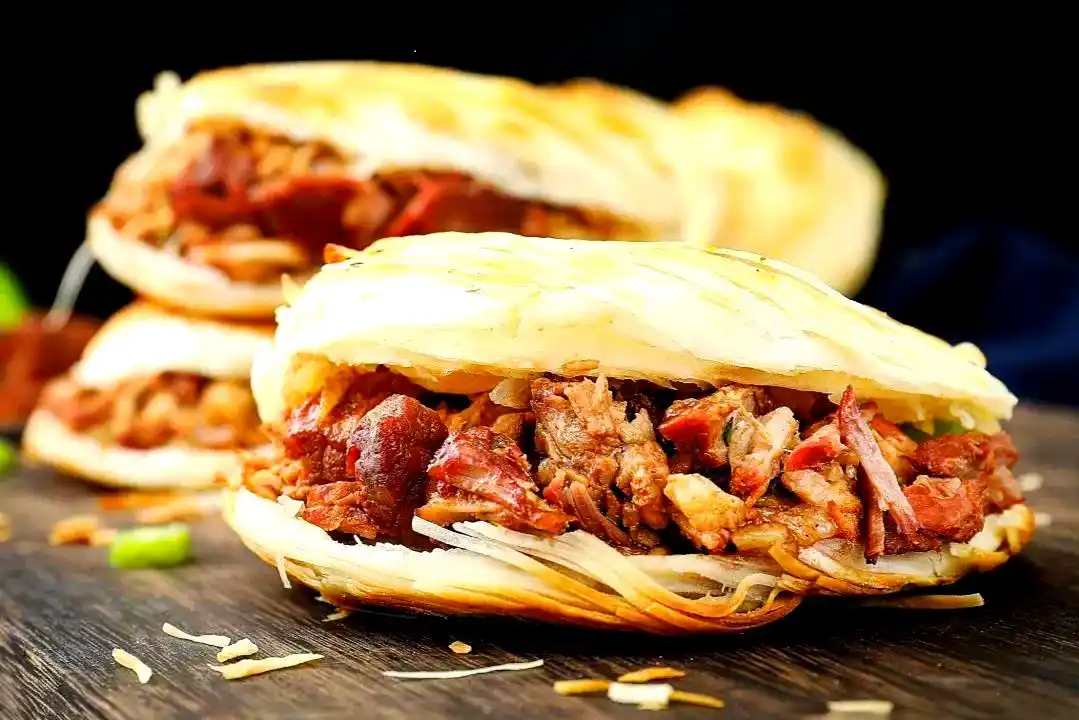
Roujiamo (Chinese Hamburger) is one of Xi’an’s most iconic street foods, consisting of slow-cooked, seasoned meat served in a freshly baked flatbread. Crispy on the outside and flavorful on the inside, it is widely regarded as a must-try local specialty. |
|
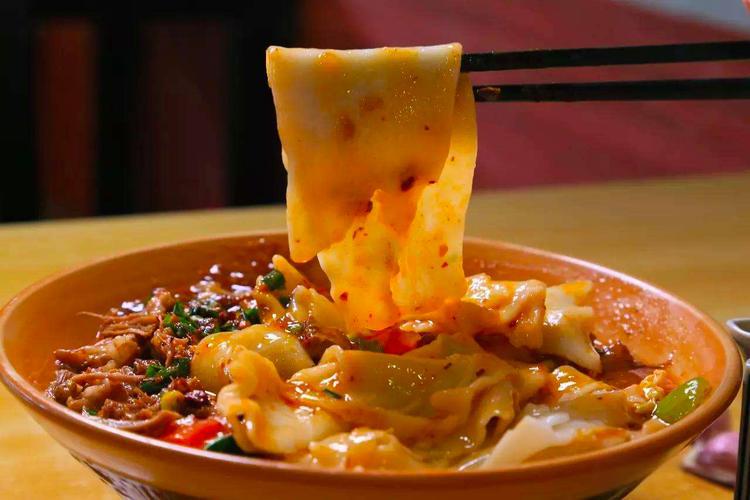
Biangbiang Noodles are renowned for their wide, hand-pulled noodles and bold flavors. Typically served with chili oil, vegetables, and various toppings, this traditional Shaanxi dish offers an authentic taste of Xi’an’s culinary heritage. |
 |
 |
|
|
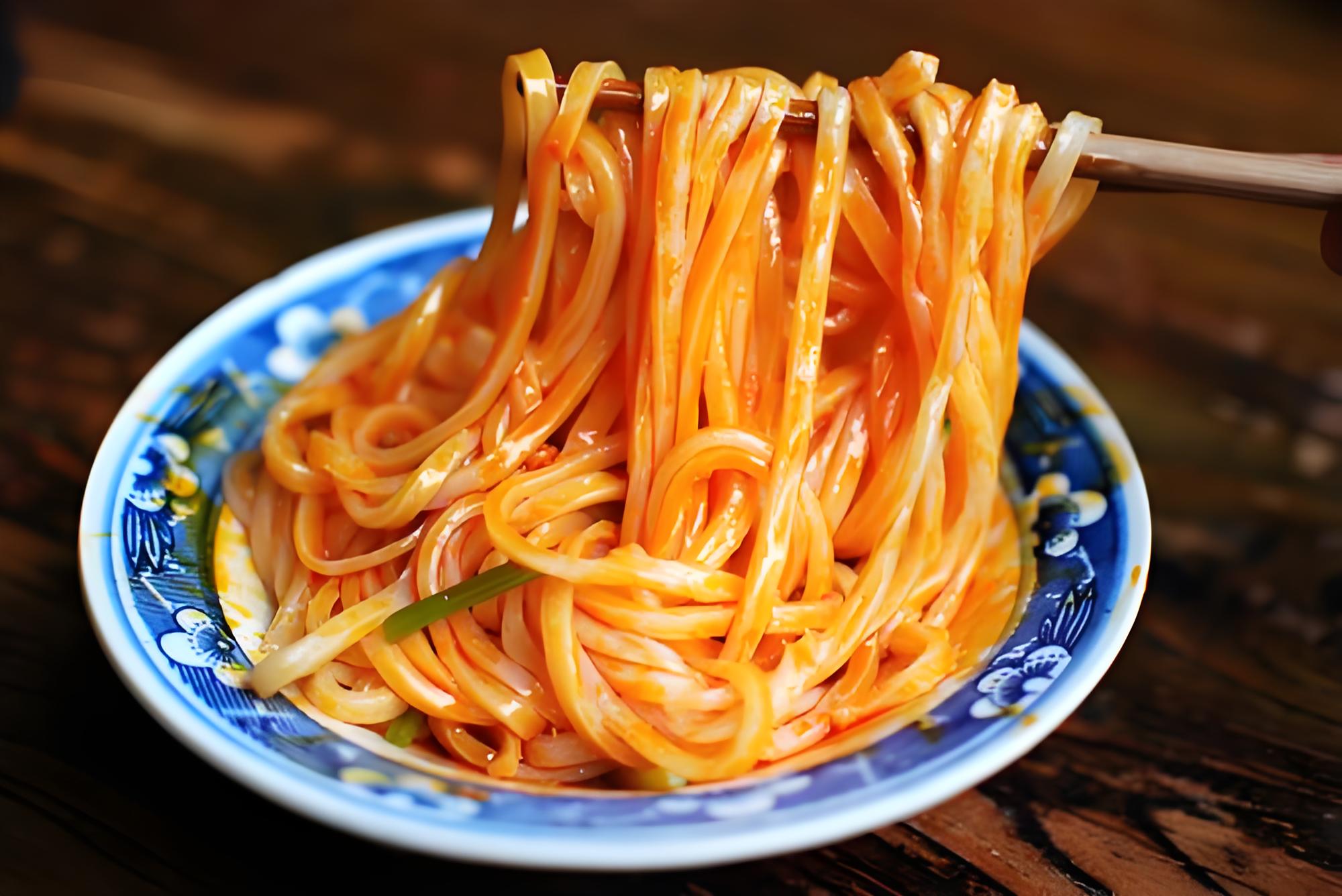
Mipi is a refreshing and popular Xi’an specialty made from soft rice noodles served cold with a tangy sauce. Often accompanied by cucumber, bean sprouts, and chili oil, it offers a light yet flavorful taste. The chewy texture of the noodles combined with the zesty dressing makes Mipi a perfect choice for a quick, satisfying, and authentic local snack. |
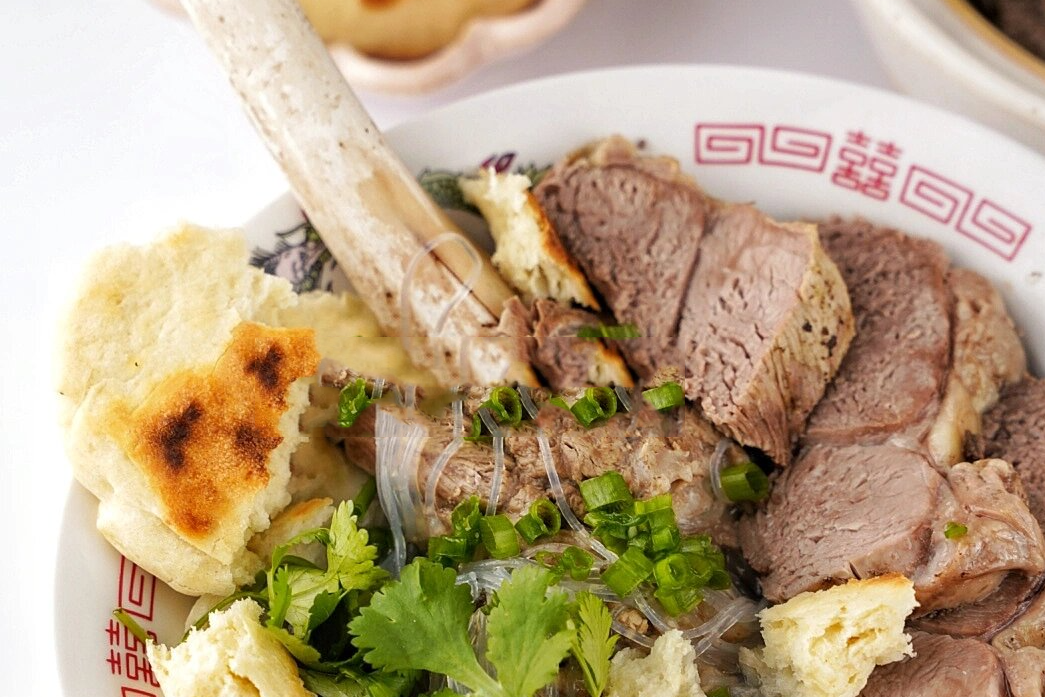
Yangrou Paomo is a traditional Xi’an dish that features shredded flatbread soaked in a flavorful mutton broth. This hearty soup is rich in taste and often served with tender pieces of mutton and aromatic spices. Diners can break the bread themselves to soak up the savory broth, creating a warm and satisfying meal that perfectly showcases the city’s culinary heritage. |
|
 |
 |
1. Preparations Before Departure
1.1. Credentials/Documents
(a) Passport
(b) Visa if needed
1.2. Daily Necessities
(a) Masks, medicines (e.g., cold medicine/gastrointestinal medicine/anti-inflammatory medicine)
(b) Conversion plug, mobile phone card (open international traffic) 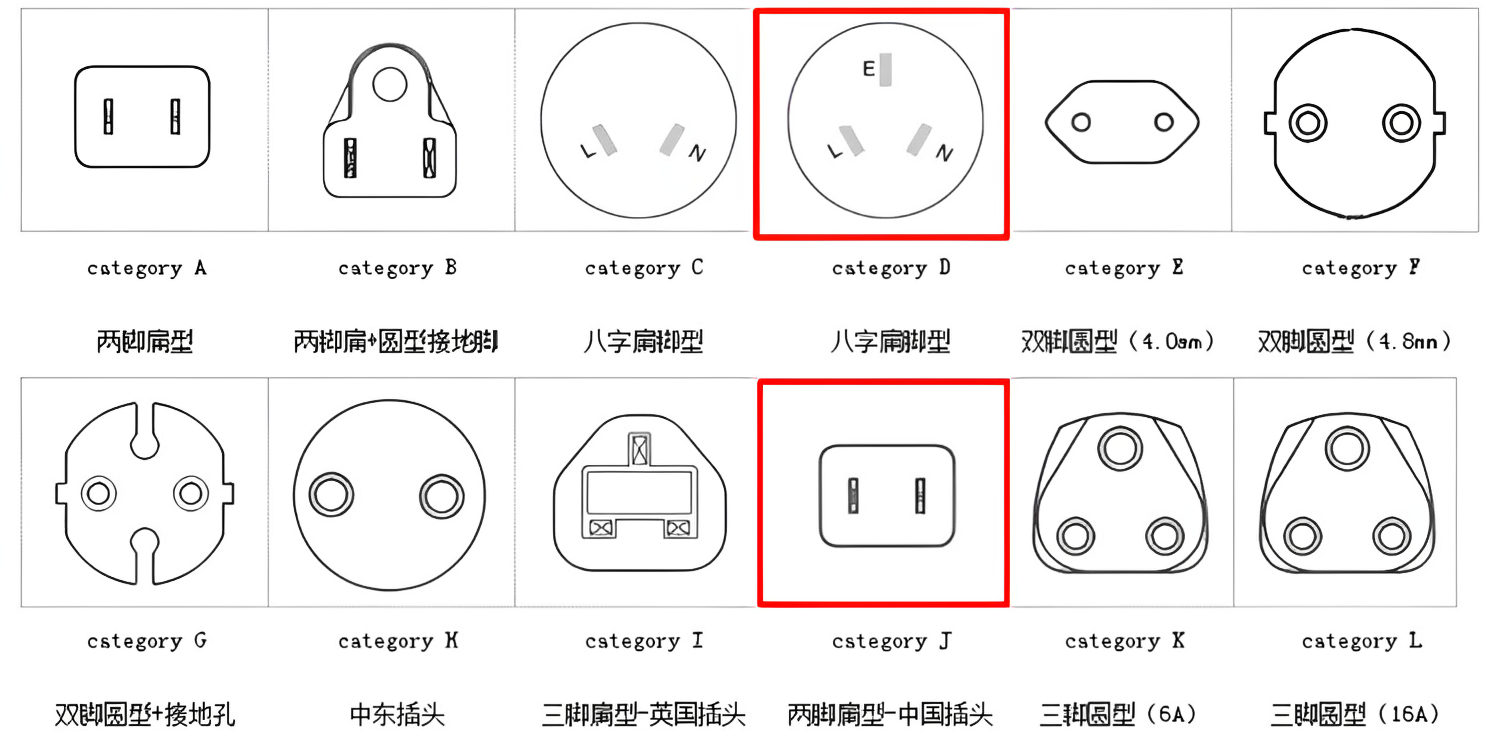
(c) Credit card and some cash; commonly used Alipay and WeChat
2. Local Life Tips
2.1. Emergency Numbers in China
Police: 110
Ambulance: 120
Fire alar: 119
2.2. Common APP
(a) How to Pay
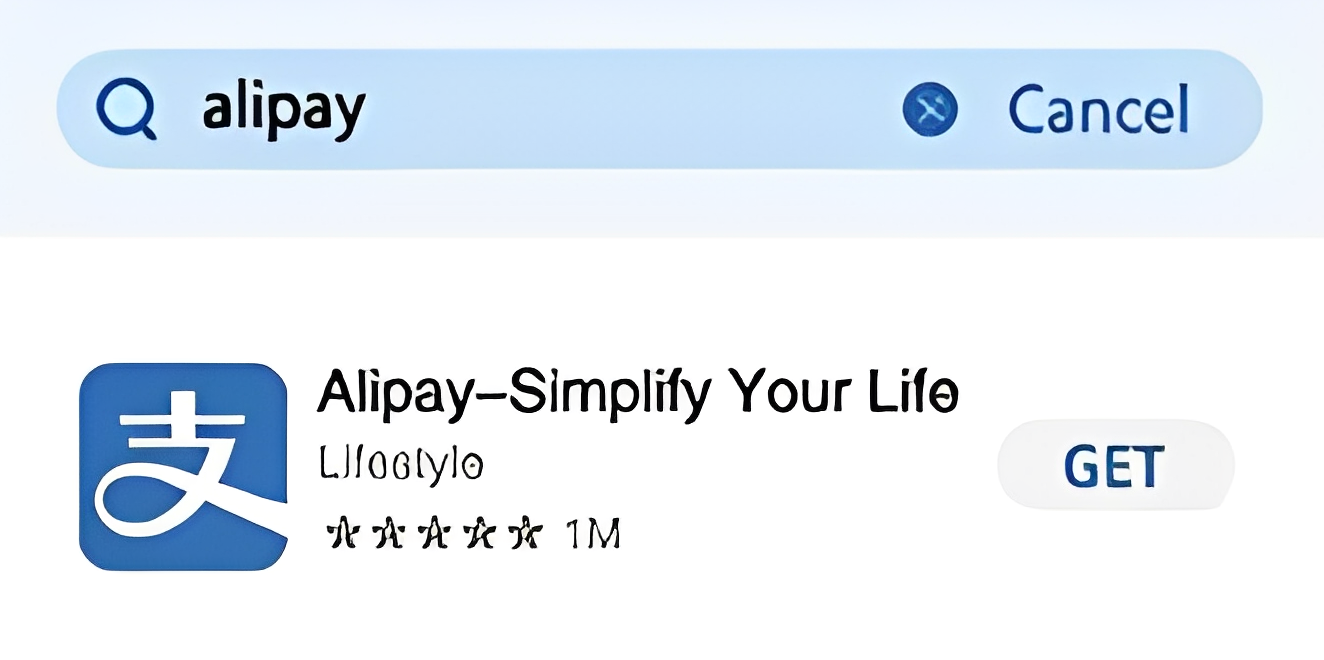
· In China, you can enjoy convenient payments with just a mobile phone. Payment services such as Alipay and Weixin Pay are available.
Visa, Mastercard, JCB, Diners Club, and Discover cards can all be added.
This is a Alipay guide video: https://youtu.be/JcUKLoNyeUQ?si=rOfa1xkOO6PTrHzh


· Large supermarkets support direct visa/master credit card payment.
· Cash. If you need cash, you can withdraw RMB cash with your bank card at an ATM with logos of the corresponding bank card organizations. You can also directly exchange at bank outlets with currency exchange signs, outlets of qualified financial institutions, or self-service kiosks. Please consult the staff for currencies available.

(b) Transportation
Search routes: Gaode Maps, Baidu Maps
Public transportation: public transportation is well developed, generally take the bus, subway, use Alipay - you can swipe the electronic card to pay for the trip.