
































--------------------------------------------------------------------------------------------------------------------------------------
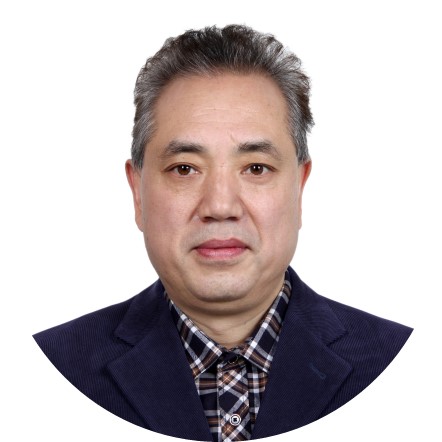
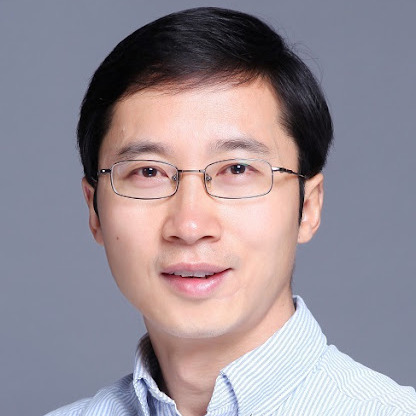
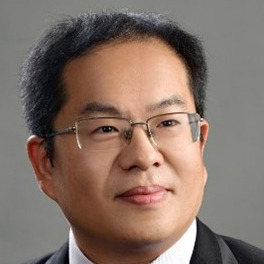
 Prof. Dr. Erfu Dai Institute of Geographic Science and Natural Resources Research, Chinese Academy of Sciences, Beijing, China |
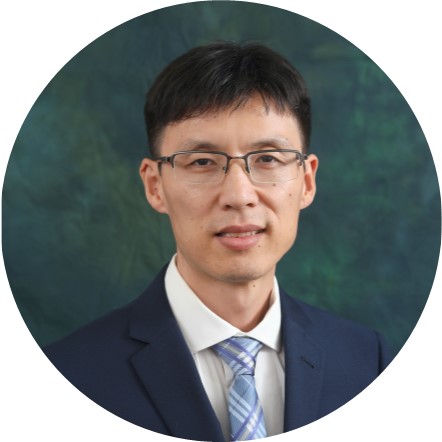
 Prof. Dr. Bin Jiang The Hong Kong University of Science and Technology (Guangzhou), Guangzhou, China |
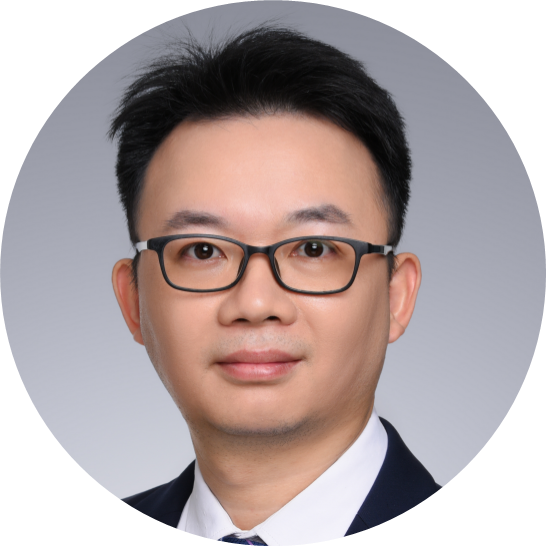
 Asst. Prof. Chaosu Li The Hong Kong University of Science and Technology (Guangzhou), Guangzhou, China |
The session focuses on the collaborative design of urban morphology, green infrastructure, and transportation systems, aiming to explore innovative pathways for systematically reducing urban carbon footprints through spatial planning and technological integration. The session will delve into the organic integration of multi-scale green network planning and public transportation.
Core topics include, but are not limited to: how nature-based solutions can enhance urban resilience and resident well-being; intelligent transportation management and multimodal transport optimization; and the impact of new models such as shared mobility, micro-mobility and active travel on urban spatial demand and carbon emissions. This session will particularly welcome contributions related to AI for Human-Centered Urban Planning and Design.
We cordially invite scholars in related fields to share cutting-edge research, interdisciplinary methods, and empirical cases in building livable and low-carbon urban systems.

--------------------------------------------------------------------------------------------------------------------------------------
Session Chairs
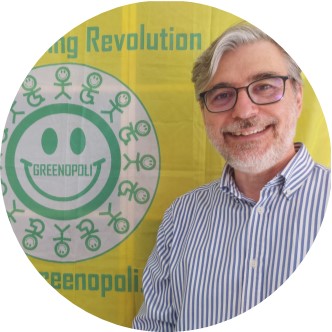
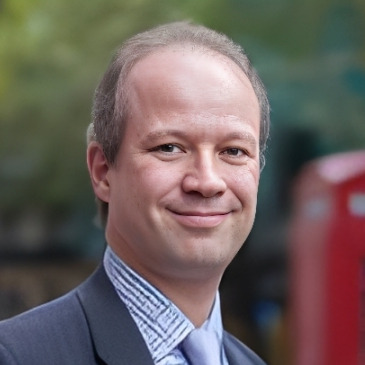
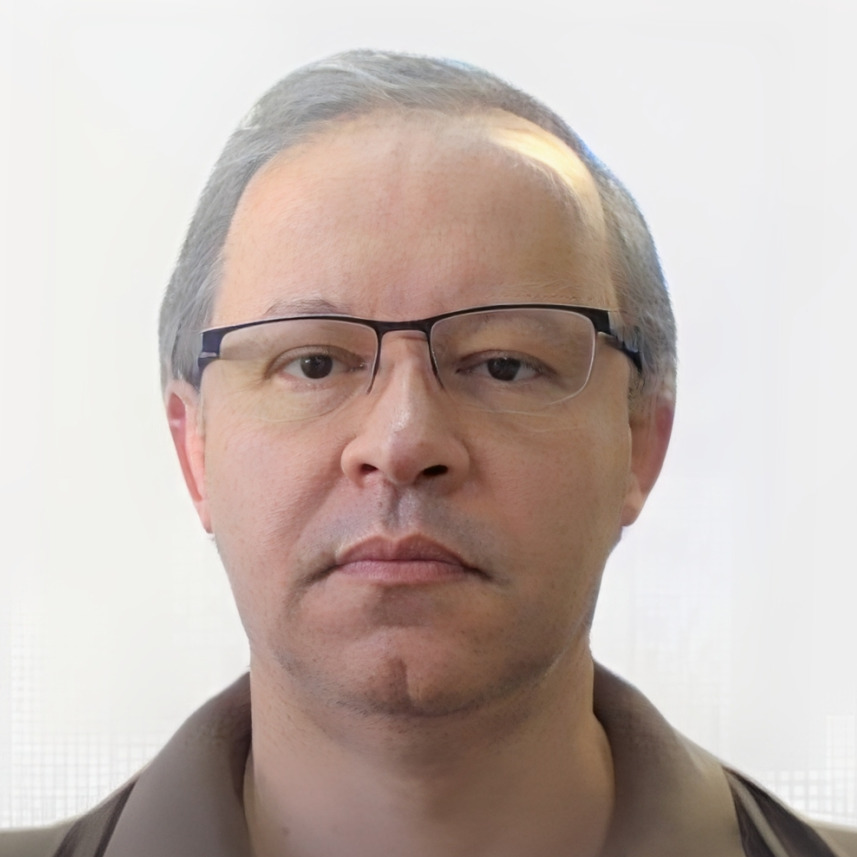
 Assoc. Prof. Giovanni De Feo University of Salerno, Fisciano, Italy |
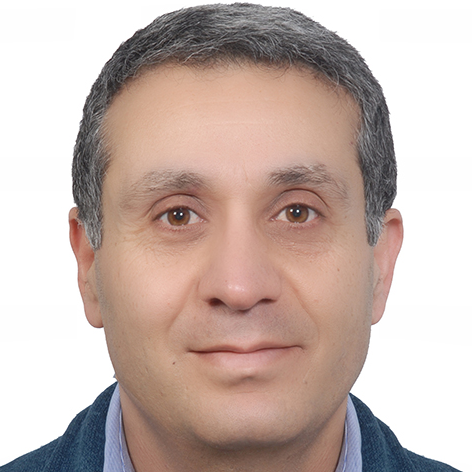
 Prof. Dr. Xiaowei Li Shanghai University, Shanghai, China |
 Assoc. Prof. Elena Cristina Rada Insubria University, Varese, Italy |
The “Circular Economy and Resource Efficiency” session focuses on scientific, technological, and systemic approaches to advancing circular economy and resource efficiency across sectors. Contributions addressing engineering solutions, life cycle thinking, environmental assessment tools (e.g., LCA, MFA, carbon and water footprints), and innovative waste and resource management strategies are welcome.
The session also encourages interdisciplinary perspectives integrating policy, governance, digitalisation, and behavioural change. Particular attention is given to the role of education, communication, and stakeholder engagement in enabling the transition from linear to circular systems.
Both theoretical advances and practical case studies at local, regional, and global scales are invited. Please note that literature reviews will not be accepted.

--------------------------------------------------------------------------------------------------------------------------------------
Session Chairs
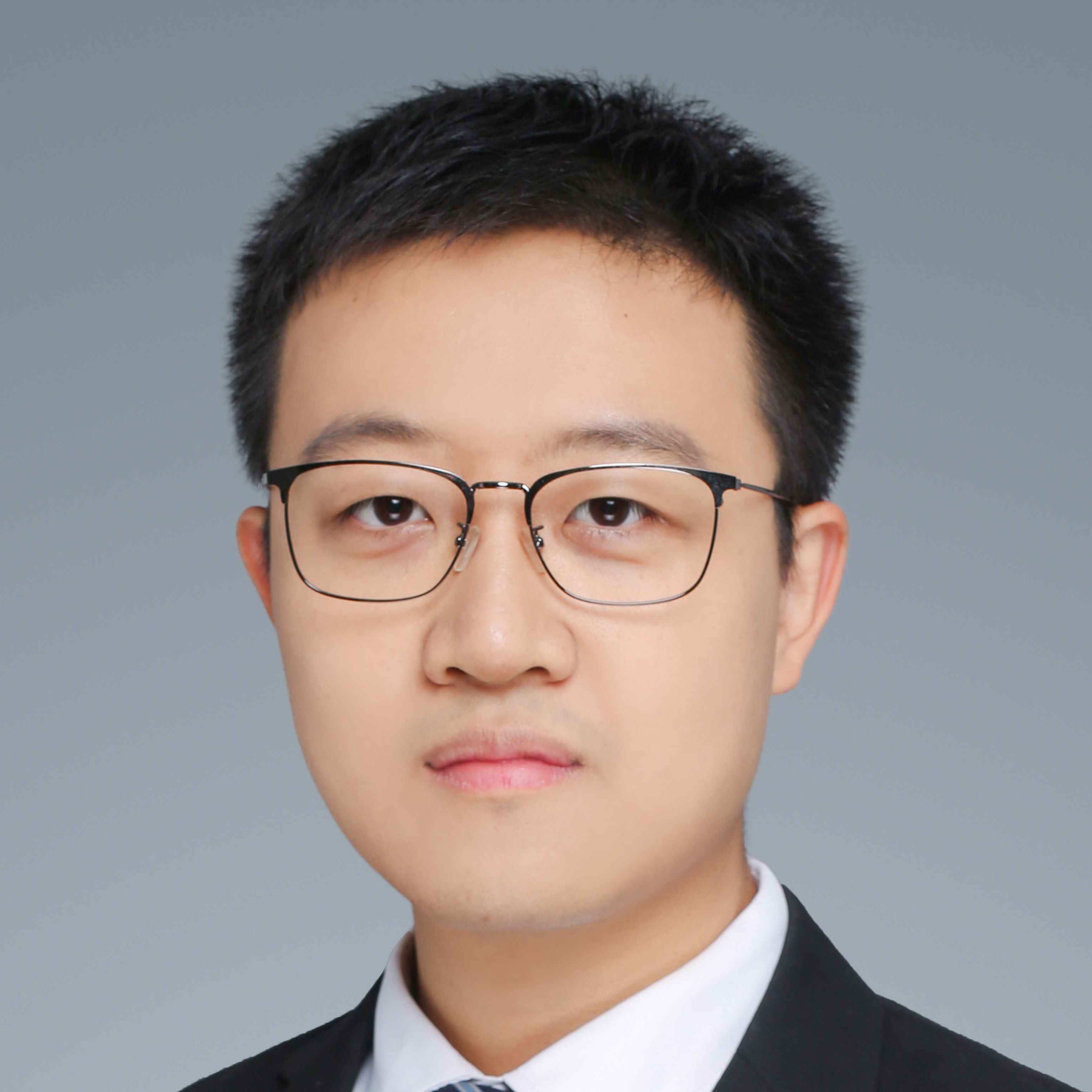
 Prof. Dr. Jianheng Chen China University of Petroleum (East China), Qingdao, China |
 Assoc. Prof. Chuanshuai Dong South China University of Technology, Guangzhou, China |
This session invites abstracts addressing technological, economic, social, and policy aspects of transitioning toward decarbonized, resilient, and intelligent energy systems. It focuses on the integration of high shares of renewable energy into power grids, the application of digital and smart technologies, and strategies to ensure secure, efficient, and equitable energy transitions.
Topics include renewable energy technology innovation; smart grids, AI, digitalization, and cybersecurity; grid stability, flexibility, and renewable energy integration; energy storage systems and hybrid solutions; distributed energy resources, prosumer models, virtual power plants, and peer-to-peer energy trading; electricity market design and regulatory frameworks; grid modernization and infrastructure planning; social acceptance and community engagement; cross-border and interconnected energy systems; climate resilience and adaptation; and economic viability and business models for renewable and smart grid investments.
Submissions may include reviews, case studies, empirical research, conceptual analyses, or preliminary experimental results. For more information about this session topic, please click HERE

--------------------------------------------------------------------------------------------------------------------------------------
Session Chairs
 Prof. Dr. Zongshi Chen Zhejiang University, Hangzhou, China |
 Asst. Prof. Vincent Kok Sin Woon The Hong Kong University of Science and Technology (Guangzhou), Guangzhou, China |
The session focuses on holistic and comprehensive approaches to designing, implementing, and evaluating policies that advance environmental sustainability while ensuring social justice and inclusive prosperity.
We welcome papers that examine policy design, regulatory instruments, and institutional arrangements through the lenses of energy justice, just transition, procedural fairness, and systemic inclusion. Specifically, this session aims to present globally informed yet context-sensitive policy models, fiscal tools, legal innovations, and participatory governance experiments addressing the social dimensions of green transitions. These contributions are intended to reduce inequality, protect vulnerable livelihoods, create quality green jobs, and strengthen democratic accountability in environmental policymaking.
Submission of both theoretical advances and applied case studies at local, national, and transnational scales are welcome.

--------------------------------------------------------------------------------------------------------------------------------------

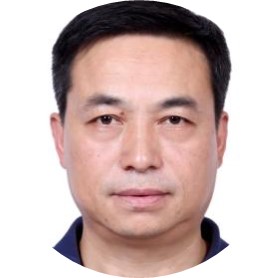
Prof. Dr. Huaping Sun Shandong University of Finance and Economics, Jinan, China |

Prof. Dr. Hui Hu Wuhan University, Wuhan, China |
This session explores the economic logic and financial instruments that underpin sustainable development. We will critically examine traditional growth paradigms and investigate governance frameworks, assessment indicators, and practical challenges associated with alternative economic models, including the circular economy, welfare economy, and inclusive green growth. Core topics include, but are not limited to:
• Natural capital accounting and corporate environmental information disclosure • Socio-economic dimensions of an equitable transition • Policy innovations that incentivize private sector investment in renewable energy, energy efficiency, and ecological restoration
Abstracts may present empirical research, case studies, conceptual frameworks, policy analyses or preliminary and exploratory research papers relevant to Sustainable Economic Models and Green Finance.

--------------------------------------------------------------------------------------------------------------------------------------
Session Chairs
 Prof. Dr. Mark A. Bonn Florida State University, Tallahassee, USA |
 Dr. Roshis Krishna Shrestha Hong Kong Polytechnic University, Hong Kong, China
|
|
The “Tourism, Culture, Heritage and Hospitality: Global Strategies for a Sustainable Future” session will focus on interdisciplinary research addressing sustainable tourism development and management. It will explore how tourism growth can be balanced with environmental protection, cultural and heritage preservation, and community engagement. Particular attention will be given to tourism policy and strategy, heritage tourism management, sustainable hospitality practices, and the role of digitalization, AI, and technological innovation in enhancing sustainability and destination management. Contributions highlighting climate adaptation, collaborative tourism business models, and education and capacity building are especially welcome, with studies ranging from conceptual frameworks to empirical research and case studies across diverse destinations.
Abstracts may present empirical research, case studies, conceptual frameworks, policy analyses or preliminary and exploratory research papers relevant to sustainable tourism, culture, heritage and hospitality.
For more information about this session topic, please click HERE. For the Industry Leadership Panel, please click HERE.

----------------------------------------------------------------------------------------------------------------------------------
Session Chairs
 Prof. Dr. Jun Hou Hohai University, Nanjing, China |
 Assoc. Prof. Gang Lu Jinan University, Guangzhou, China |
|
The session focuses on holistic and comprehensive approaches to securing water sustainability through the integration of ecological integrity, social equity, and effective governance. It seeks to advance feasible strategies and solutions to address the interconnected challenges of water pollution, ecosystem degradation, and inequitable access within socio-hydrological systems.
We welcome papers that examine innovative technologies, policy frameworks, and management practices through the lenses of inclusive governance, environmental justice, and socio-ecological resilience. This session particularly encourages contributions that bridge engineering, natural sciences, social sciences, and community knowledge, and emphasize the critical roles of stakeholder engagement, cross-sectoral collaboration, and nature-based solutions in achieving equitable water security and healthy aquatic ecosystems.
Specifically, this session aims to present globally informed yet context-sensitive approaches, including inclusive policies, collaborative governance models, green infrastructure projects, and community-led restoration initiatives. These contributions are intended to enhance water quality, restore ecological functions, promote sustainable resource use, and strengthen the resilience of water-dependent communities.
Submission of both theoretical advances and applied case studies at local, regional, and global scales are welcome.

More details regarding the sessions, including session chairs, keynote and invited speakers, are being updated continuously. |
|
|
|