The 12th World Sustainability Forum
Innovative Pathways for Sustainable, Resilient Cities and a Greener Planet
Thank you for participating in the WSF conference series!
- Event Certificates:
All registered attendees, including all chairs and speakers, can access the certificates by logging in to your Sciforum account HERE. - Publication Opportunities:
Participants in this conference are cordially invited to contribute a full manuscript to the conference's Special Issue: Innovative Pathways for Sustainable, Resilient Cities and a Greener Planet, published in the Sustainability journal ( ISSN 2071-1050, IF 4.1, Citescore 8.9) with a 20% discount on the publication fee.
Authors of accepted abstracts are highly encouraged to submit an extended proceedings paper (ideally 4–8 pages in length) for the conference's dedicated proceedings volume in the Proceedings ( ISSN 2504-39000) journal by 9 October 2026. Publication of the proceedings will be free of charge. - Award Winners Announcement
You may view the list of winners here.

Join us at WSF-13!
Mark your calendars for next year’s edition in Nice, France, happening from 8-11 June 2027! For more information, please visit the WSF-13 website here.
Event Chair
Prof. Dr. Adel Ben Youssef, Université Côte d'Azur, France
MDPI Sustainability Foundation Awards 2027 are open!
The nominations for the World Sustainability Award (100,000 USD) and Emerging Sustainability Leader Award (20,000 USD) are now open. Award recipients receive international recognition, a monetary prize, and an invitation with attendance support to WSF-13 (2027), where they will be officially honored at the Award Ceremony.
Find out more and submit your nomination here.
the chairs
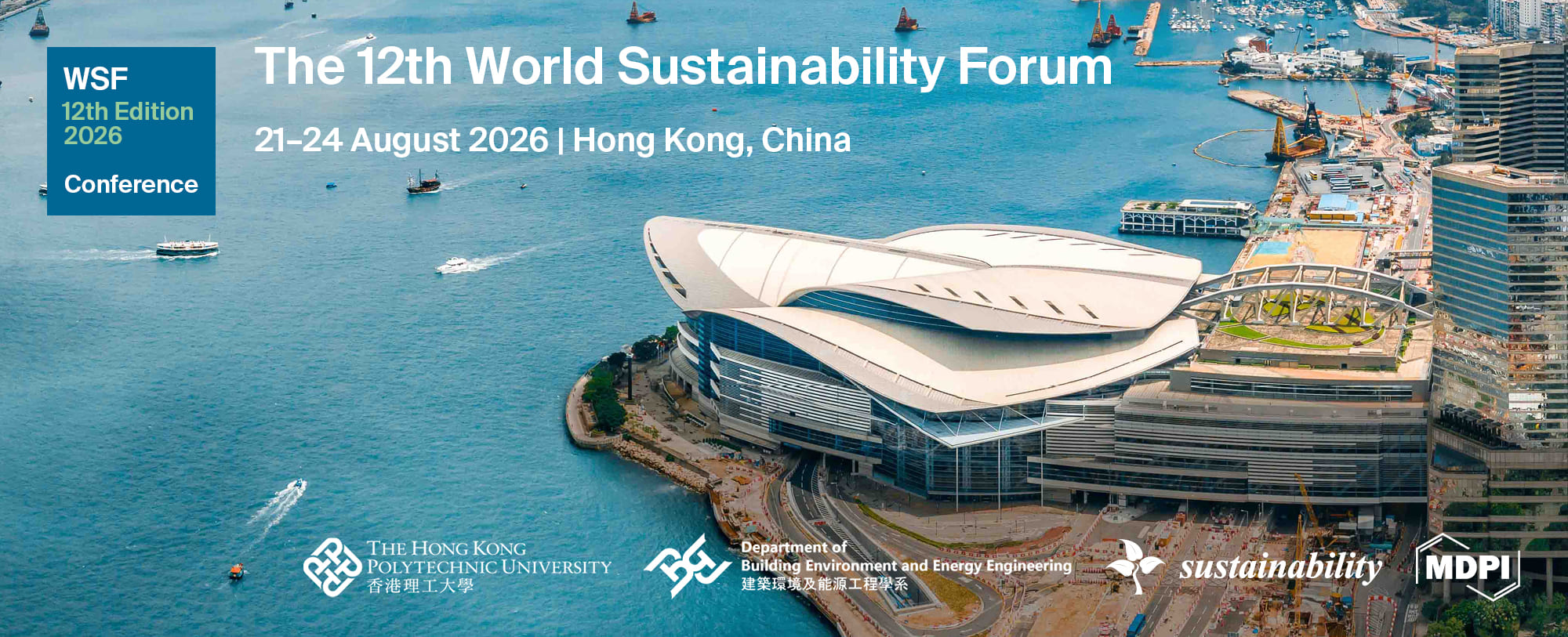
Building on the success of previous editions, we are delighted to announce that the 12th World Sustainability Forum (WSF-12) will be held in Hong Kong from 21–24 August 2026. In a time of rapid climate change, increasingly frequent extreme weather events, and growing resource constraints, the need for integrated, scalable solutions has never been greater.
WSF-12 will bring together global leaders, researchers and innovators to bridge science, policy, and society, fostering integrated solutions and collaborative partnerships that accelerate the transition from vision to action for a resilient and sustainable future. The forum will highlight the critical role of innovation and cross-sector partnerships in accelerating this transition.
This year’s forum will focus on seven key themes:
• Smart and Inclusive Urban Planning, and the Urban Sustainability Nexus (refers to the intersection of urban planning, resource management, and social well-being);
• The Circular Economy–Resource Efficiency Nexus;
• Waste Management, Renewable Energy Integration and Grid Modernization;
• Climate Adaptation and Ecological Conservation;
• Sustainable Transportation and Low-Carbon Mobility;
• Policy Frameworks for Equitable Green Transitions;
• Tourism, Culture, Heritage and Hospitality.
WSF-12 aims to bridge scientific research, societal needs, and policy implementation. We especially encourage contributions that integrate technological advancements with socio-economic perspectives to address the complex challenges of sustainability in a changing world.
We look forward to welcoming you to Hong Kong in 2026 to share your expertise, explore new collaborations, and contribute to a sustainable future.
Conference Chairs
Hong Kong Polytechnic University, Hung Hom, Hong Kong, China



Meet Our Chairs
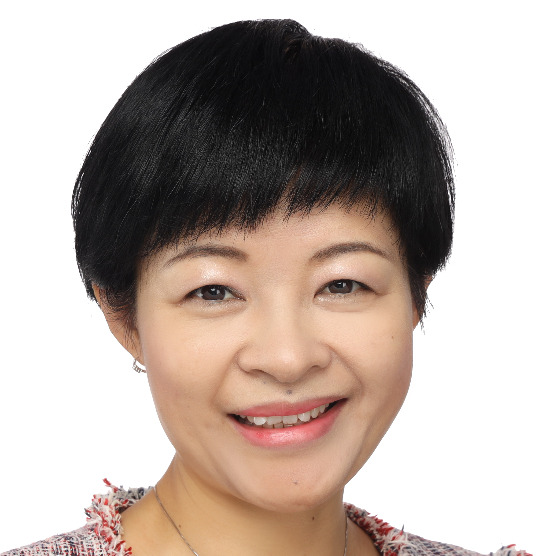
Hong Kong Polytechnic University, Hong Kong, China;Prof. Lu joined the Hong Kong Polytechnic University as an assistant professor in 2006 after working for Parsons Brinckerhoff (Asia) Ltd for 2 years, and was promoted to Professor in July 2018. As a highly cited researcher by Clarivate Analytics in Engineering and a World’s Top 2% Scientist by Stanford University in Energy, Prof. Lu is a well established researcher in renewable energy and building energy engineering. <br><br> Prof. Lu has published 6 books/handbook chapters and over 350 SCI-cited journal papers (including Nature Communications, Advanced Materials, etc.), and her work has been financially supported by the Research Grant Council (RGC) of Hong Kong (GRF, NFSC/RGC JRS, CRF(Co-PI), HKPDF), Hong Kong Innovation and Technology Commission (ITF), Hong Kong Environmental Protection Department (ECF), Hong Kong Policy Innovation and Coordination Office (PPR), Hong Kong Construction Industry Institute (CII), Dept of Science and Technology of Guangdong Province, the Society of Hong Kong Scholars and the China National Postdoctoral Council (Hong Kong Scholars), Hong Kong Electrical and Mechanical Services Department (EMSD) and various industry partners including Sinopec. <br><br> Prof. Lu has received several prestigious awards, primarily as the first awardee, and is the founder of two spin-out startups. Currently, she is serving local government as The Project Management Committee (PMC) for Cleaner Production Partnership Programme, Task Force Member for Energy Management System Certification under Hong Kong Accreditation Service (HKAS) and as Working Group Member for Building Energy Codes (Electrical; Energy Audit; Lighting) under Buildings Energy Efficiency Ordinance.
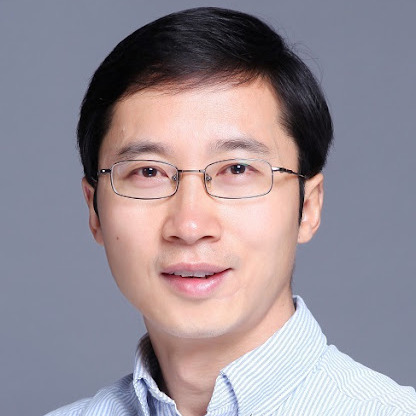
Research Center for Eco-Environmental Sciences, Chinese Academy of Sciences, Beijing, China;Weiqi Zhou received his B.Sc. degree in environmental sciences from Peking University, Beijing, in 2001; his M.Sc. degree in cartography and geographic information systems from the Chinese Academy of Sciences, Beijing, in 2004; and his Ph.D. degree in natural resources from the University of Vermont, Burlington. He is currently working at the State Key Laboratory of Urban and Regional Ecology, Research Center for Eco-Environmental Sciences, Chinese Academy of Sciences as a research professor. He is experienced in urban landscape dynamic analysis using geographic information system and remote sensing technologies, especially with high spatial resolution remote sensing images.
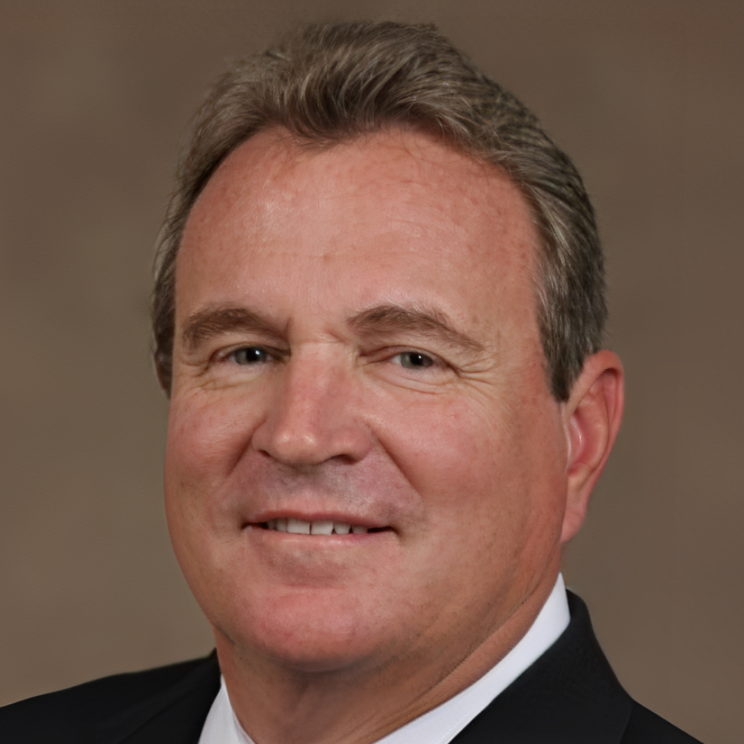
Florida State University, Tallahassee, USA;Mark A. Bonn, Ph.D., is known internationally as one of the most renowned hospitality and tourism researchers, having published well over 125 scientific, scholarly academic journal articles. For over three decades, Dr. Bonn was a faculty member at Florida State University's Dedman School of Hospitality & Tourism Management, where he held the title of the Robert H. Dedman Professor of Services Management. <br><br> Dr. Bonn established and directed Florida State University’s International Center for Hospitality Research & Development. As director, he produced over 500 technical reports and generated nearly $2.5 million in funded contracts and grants. Dr. Bonn developed the Dedman School’s highly successful on-line program in Beverage Management and also founded the Resort & Vacation Rental Management program. <br><br> Dr. Bonn is currently serving a Section Editor-in-Chief for the academic journal, Sustainability: Tourism, Culture and Heritage. He also has served as an associate editor for the Cornell Hospitality Quarterly, and as a member of numerous editorial boards for leading hospitality and tourism journals. <br><br> Dr. Bonn earned his doctorate at Texas A&M University, majoring in resource development with supporting areas of study in organizational behavior, attitude theory and measurement and demographics. His research focuses on hospitality and tourism sustainability, visitor perceptions, satisfaction, revisit intentions, resource quality, supply chain management, strategic market segmentation, and consumer behavior. <br><br> In 2008, Dr. Bonn was inducted into the Florida Tourism Hall of Fame by the Florida Commission on Tourism. He is the only academic researcher to have ever received this honor. <br><br>
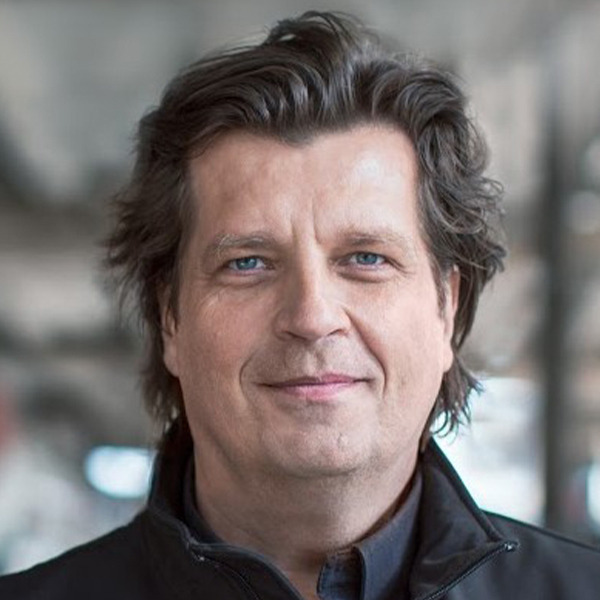
University of Basel, Basel, Switzerland;Professor Max Bergman is currently the Chair Professor of Social Research and Methodology at the University of Basel, Switzerland, and Director of the Social Transformation Research Group. He also serves as a member of the Research Council of the Swiss National Science Foundation, a Fellow of the Ugandan National Academy of Sciences, and a member of the United Nations Sustainable Development Solutions Network (SDSN). He is currently Editor-in-Chief of *World* and President of the Swiss Society for Environmental Research and Ecology, and has served as Chair of the World Social Forum (WSF) and the Basel Forum on Sustainable Development since 2014. His research focuses on sustainable development, social transformation, and the relationship between business and society.
|
|
The MDPI Sustainability Foundation proudly recognizes Professor Zongping Shao as a 2026 World Sustainability Award Winner for his outstanding contributions to sustainable energy research and innovation. Professor Shao is currently a John Curtin Distinguished Professor at Curtin University, Australia, He received his Ph.D. from the Dalian Institute of Chemical Physics, Chinese Academy of Sciences at 2000, and has hold research appointments in IRC-CNRS, France and California Institute of Technology, USA, Nanjing University of Technology, China, and Monash University, Australia during his research career. His research advances next-generation energy storage and conversion technologies, including advanced batteries, fuel cells, solar energy systems, and hydrogen-related technologies. Widely regarded as a global leader in energy materials, Professor Shao has significantly contributed to accelerating the transition toward cleaner and more sustainable energy solutions. He has been recognized as a Highly Cited Researcher by Clarivate for multiple years, in particular in three fields of Chemistry, Materials Science and Environmental and Ecology in 2025, reflecting the international impact and influence of his work. |
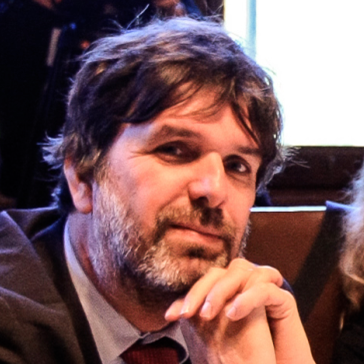 Prof. Dr. Arnold Tukker Leiden University, Institute of Environmental Sciences (CML), Leiden, Netherlands; Netherlands Organisation for Applied Scientific Research TNO, Delft, Netherlands |
Arnold Tukker is the Professor of Industrial Ecology and Distinguished Professor of Inter-and transdisciplinary sustainability research at Leiden University. He served until September 2022 for a maximum 8 year term as Scientific director of Leiden’s Institute of Environmental Sciences (CML, 170 staff, globally leading in Life cycle assessment, Material flow analysis and Environmental Input-Output analysis (IOA)). He retains a small position at the Dutch not for profit research organization TNO and was awarded visiting positions at Universitas Padjadjaran, Indonesia the Paris Institute of Advanced Study, and the Chinese Academy of Sciences. Arnold led a 15 million Euro effort creating the world’s most ambitious and detailed global energy/resource/economic IO database (EXIOBASE). He led a EU Marie Curie Innovative Training Network of 15 PhDs researching the circular economy (Circ€uit). Despite working until fall 2013 outside academia, he authored 6 books and over 220 refereed papers (h-value 78/32000 citations in Google scholar; h-value 59/16500 citations in Scopus). He has been engaged with work of the UN on the Green Economy Initiative, the International Resources Panel, and Sustainable Development Goals and delivered over 100 invited speeches on international conferences. He was awarded an honorary doctorate by Linkoping University, Sweden in 2022. He was appointed as a member of the European Academy of Sciences in 2018, and recognised by the Web of Science group as a highly cited researcher since 2019. His work in the field of sustainable business models is among the highest cited globally. |
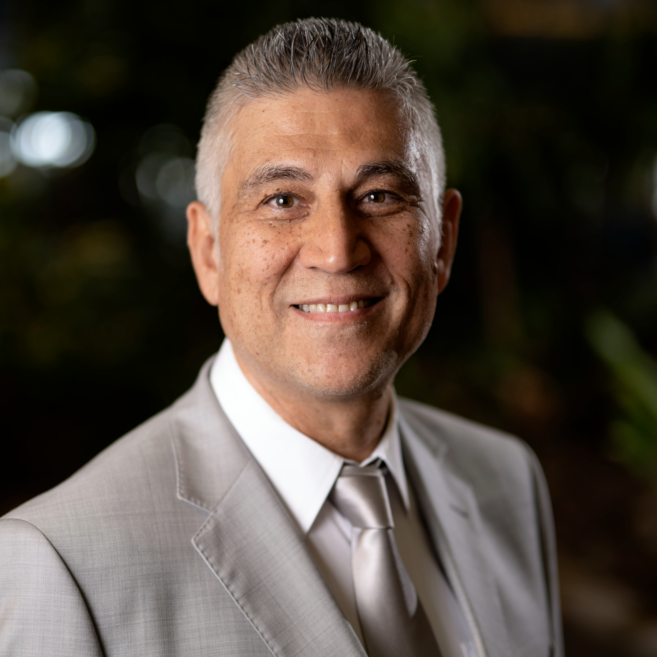 Prof. Dr. Tan Yigitcanlar Queensland University of Technology, Brisbane, Australia |
Professor Tan Yigitcanlar is an internationally recognised scholar in urban studies, sustainability, technology, and planning. He is a Professor at the Queensland University of Technology, Brisbane, a Distinguished Visiting Professor at the University of Johannesburg, South Africa, and an Adjunct Professor at the Sepuluh Nopember Institute of Technology, Indonesia. He directs the QUT Urban AI Hub and QUT City 4.0 Lab, and serves on the Australian Research Council College of Experts. According to the 2025 Science-wide Author Databases of Standardised Citation Indicators, he is ranked first in Australia and among the world’s top-10 scholars in urban and regional planning. |
|
|
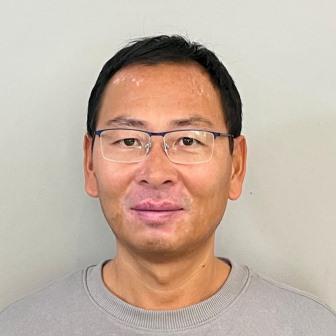
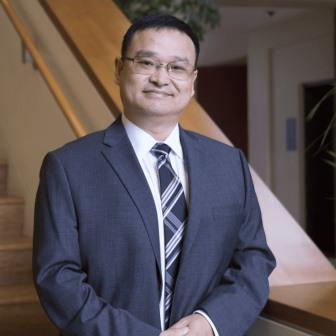
Professor Xiaobo Yin is currently Chair Professor of Sustainability Technology and interim Vice-President and Pro-Vice-Chancellor (Global) of The University of Hong Kong. He received his B.S. and M.S. in Physics from Nanjing University in 1998 and 2001, respectively, and his Ph.D. from Stanford University in 2008. He previously held research positions at the Stanford Photonics Research Center, the University of California, Berkeley, and Lawrence Berkeley National Laboratory. From 2013 to 2021, he served at the University of Colorado Boulder as Assistant Professor and later Associate Professor with tenure in Mechanical Engineering, Materials Science and Engineering, and Physics, and was the Bruce S. Anderson Faculty Fellow of the College of Engineering and Applied Sciences. Professor Yin has published more than 100 journal articles with over 30,000 citations and has been recognized as a Highly Cited Researcher by Clarivate. He is a Fellow of OSA and SPIE, and a recipient of the Kavli Foundation Early Career Lectureship in Materials Science (MRS), the Moore Inventor Fellowship from the Gordon and Betty Moore Foundation, and the Xplorer Prize for the Cornerstone foundation. His research spans both fundamental and applied science, with a focus on advancing cutting-edge technologies in photonics and materials science. |
|
|
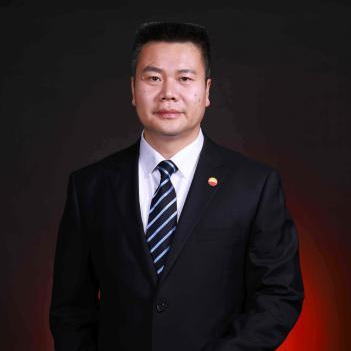
Vice President of CNPC Economics & Technology Research Institute (ETRI), Principal Economist and an expert on corporate strategic research. Mr. Wu served as Director of Development Strategy Division, Director of Overseas Investment Environment Division, in ETRI. He has long been engaged and experienced in strategy, policy and other research areas, including energy security & energy transition, corporate strategy and benchmarking, oil and gas mergers and acquisitions, and transnational operations. |
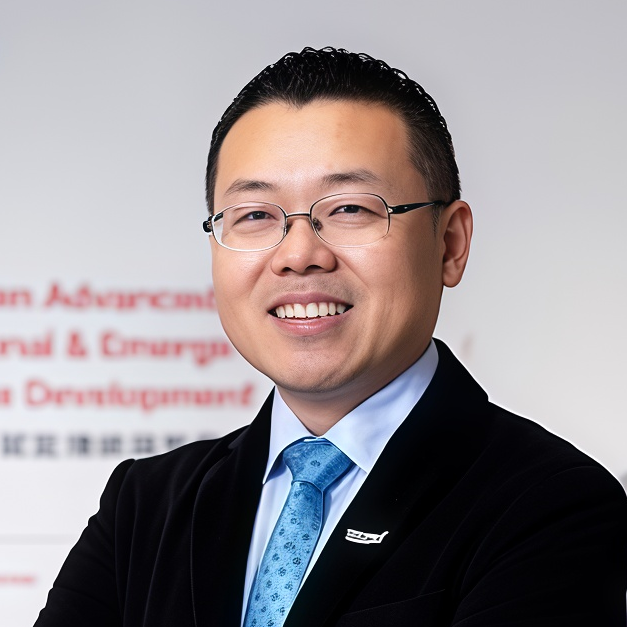 Mr. Yonghai Du Chief Innovation Officer Hong Kong Productivity Council, Hong Kong, China |
Mr. Yonghai Du joined HKPC in 2021, overseeing a wide spectrum of business areas of innovation and research development, technical services and HOKLAS testing operations for smart city, green tech, new energy, future mobility and sustainability accelerations. By strengthening partnerships across Hong Kong, Chinese Mainland, and overseas countries, Mr. Du has been leading the team to achieve both technological breakthroughs and industrial applications in the fields of autonomous driving, intelligent energy and circular economy featured by green transformation, digitalization and on-the-ground commercialisations under his leadership in relentlessly driving full value chain collaborations among government, industry, academia, research institutions and end-users. Mr. Du is appointed as the Director to the National Engineering Research Centre Hong Kong Branch: Marine Eco-Tech Innovation Centre, which was jointly established by HKPC and the National Engineering Research Centre for Advanced Technology and Equipment for Water Environment Pollution Monitoring approved by National Development and Reform Commission. Leading this national-level R&D and technology commercialisation platform, he is committed to maximising Hong Kong’s value and impacts to Chinese Mainland and the rest of the world, facilitating international collaborations and achieving integrated advancements in technological and industrial innovation in marine economy as one of the strategic emerging industries. He is also the General Manager to the Centre of Advanced Power and Autonomous Systems (APAS, the former Automotive Platforms and Application Systems R&D Centre, which has been fully integrated into HKPC since Apr 2025, www.apas.org). |
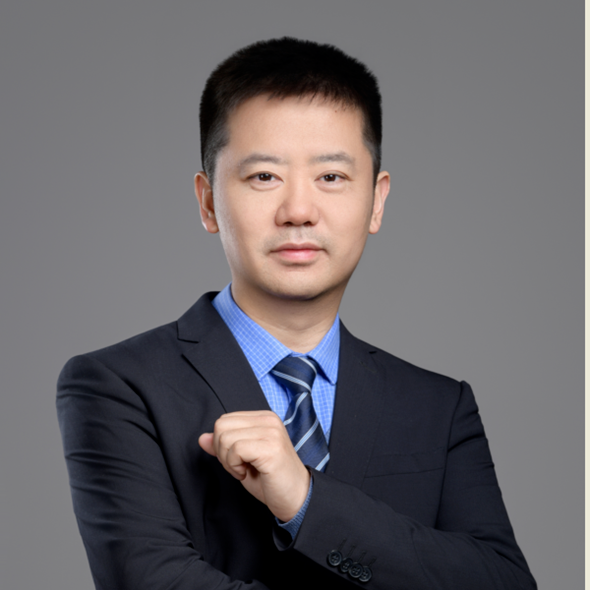 Prof. Dr. Yu Hao Beijing Institute of Technology, Beijing, China |
Prof. Dr. Yu Hao is a full professor of Applied Economics at Beijing Institute of Technology (BIT), China. He obtained his PhD in Economics from the University of Hamburg in 2012 and currently serves as director of the Department of Applied Economics and PhD supervisor. His research focuses on macroeconomics, energy economics, and environmental policy. He is a Clarivate Highly Cited Researcher (2022) and an Elsevier China Highly Cited Researcher (2020–2024), and was listed among the world’s Top 2% scientists (2023). He has published over 100 academic papers in leading journals such as Energy Economics, Ecological Economics, and Energy Policy, with 196 SCI/SSCI papers as first/corresponding author, including 54 ESI highly cited papers and 24 hot papers. Prof. Hao has reviewed for journals including Energy Economics and Ecological Economics, and teaches courses such as Advanced Macroeconomics and Applied Statistics. He has received multiple research grants, including a Major Program of the National Social Science Fund of China and a Sino-German NSFC project, and was awarded the Fok Yingdong Young Scholars Award in 2017. |
|
|
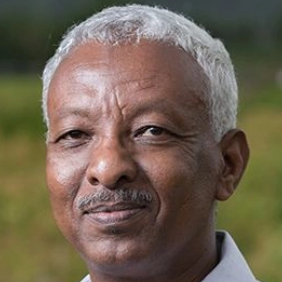
The MDPI Sustainability Foundation proudly recognizes Dr. Abdelbagi M. Ismail as the recipient of the 2025 World Sustainability Award for his outstanding contributions to advancing climate-resilient agriculture and strengthening food and income security for smallholder farmers in vulnerable environments. Dr. Ismail is a Principal Scientist at the International Rice Research Institute (IRRI) with more than 30 years of experience in research, development, and the deployment of solutions supporting smallholder farmers. He received a BSc (First Class) and MSc in Crop Sciences from the University of Khartoum, Sudan, and a PhD in Botany from the University of California, Riverside, USA. At IRRI, Dr. Ismail has led several regional programs on the development and delivery of climate-resilient rice varieties and technologies and coordinated extensive networks of research and development partners. He has also served in senior leadership roles including Associate Deputy Director General, Interim Deputy Director General for Research, and Head of the former Genetics and Biotechnology Division. From June 2017 to December 2025, he served as IRRI’s Regional Director for Africa and subsequently continued contributing to the institute as Senior Advisor–Consultant. His research focuses on enhancing and sustaining crop productivity in areas severely affected by drought, floods, salinity, and heat stress—constraints increasingly intensified by global climate change. His work contributed substantially to strengthening the resilience and sustainability of smallholder farming communities by reducing the impacts of worsening climatic conditions on rice-based systems and enhancing farmers’ capacity to adapt through resilient crop varieties, improved management interventions, strengthened value chains, and supportive policy environments developed in collaboration with governments. Dr. Ismail has authored or co-authored more than 290 peer-reviewed publications, books, and book chapters and has co-supervised over 50 graduate students. |
|
|
The MDPI Sustainability Foundation proudly recognizes Dr. Katrina (Kat) Knauer as the 2026 Emerging Sustainability Leader Award (ESLA) Winner for her visionary leadership in advancing circular plastics and sustainable materials innovation. Dr. Knauer earned her B.S. in Chemical Engineering from Florida State University and her Ph.D. in Polymer Science and Engineering from the University of Southern Mississippi. She has held leadership roles across industry and national research, including BASF, Novoloop Inc., and the National Renewable Energy Laboratory (NREL), where she serves as Chief Technology Officer of the BOTTLE™ Consortium. She is also an Assistant Adjoint Professor and RASEI Fellow at the University of Colorado Boulder. Her work integrates polymer science, engineering, and systems analysis to redesign plastics for circularity. By advancing scalable recycling technologies and circular-by-design materials, she has helped shape strategies that keep plastics in continuous use and out of the environment. The 2026 ESLA recognizes her cross-sector leadership in translating advanced chemistry into practical solutions for a regenerative and economically viable circular economy. |
|
|
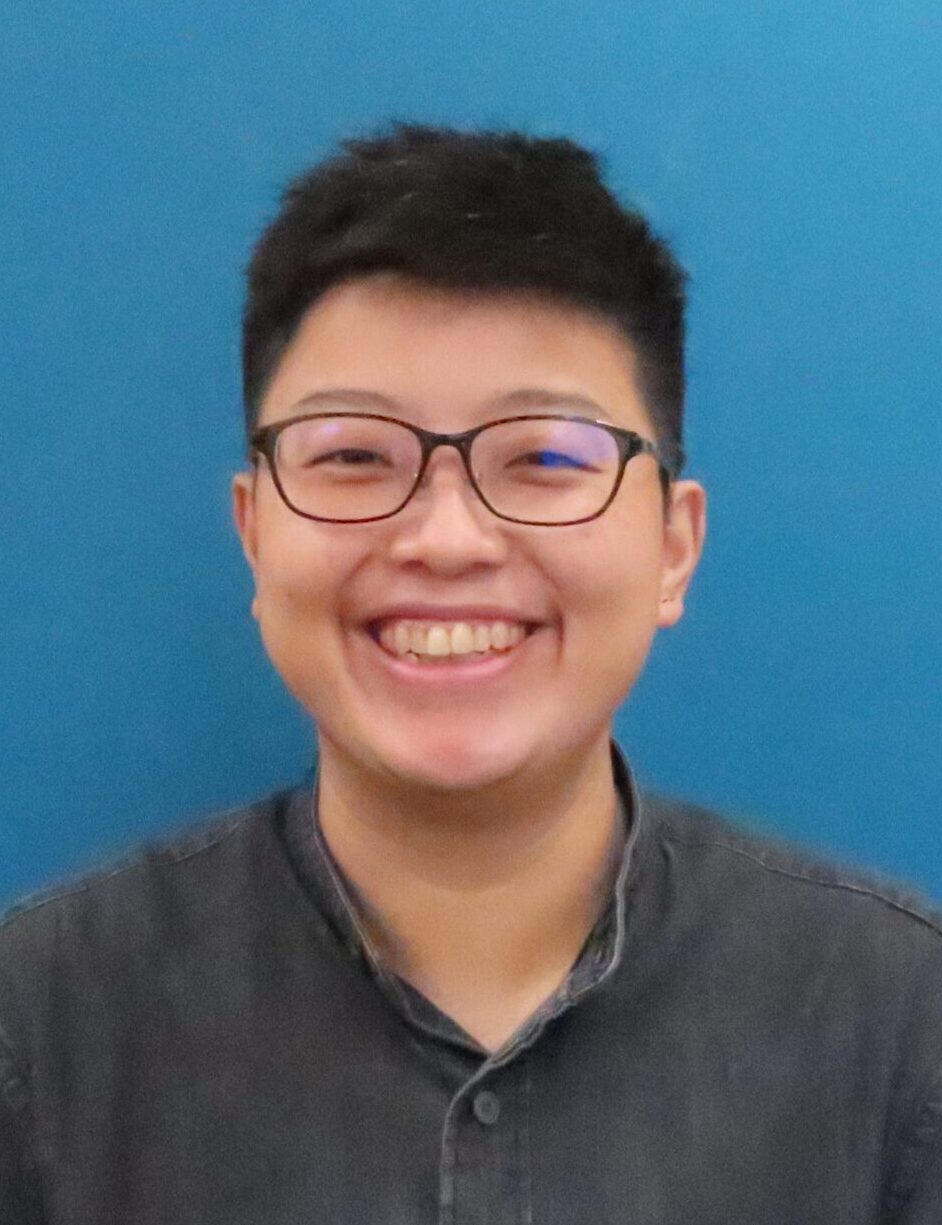
Dr. Jackie Ng Wai Yin is a PolyU alumna who earned her BEng, MEng and PhD in Building Services Engineering. She is currently the Principal Environmental Protection Officer at the Environmental Protection Department, HKSAR Government. Her work spans smart environmental governance, sustainable building design, air-quality modelling and public environmental education. She was first author of a publication on Hong Kong’s city-wide COVID-19 sewage surveillance programme, which applied real-time GIS-based data to support pandemic control. She also serves as President of AABSE and Director of the Federation of PolyU Alumni, strengthening alumni engagement and student development. |

Important Dates
10 Jul
2026
3 Aug
2026
10 Aug
2026
21 Aug
2026
Meet Our Speakers
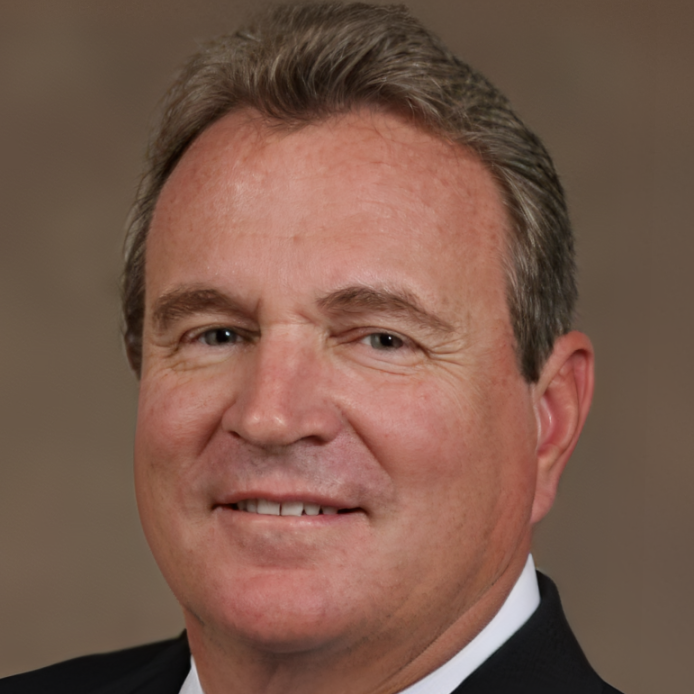
Florida State University, Tallahassee, USA;Mark A. Bonn, Ph.D., is known internationally as one of the most renowned hospitality and tourism researchers, having published well over 125 scientific, scholarly academic journal articles. For over three decades, Dr. Bonn was a faculty member at Florida State University's Dedman School of Hospitality & Tourism Management, where he held the title of the Robert H. Dedman Professor of Services Management. Dr. Bonn established and directed Florida State University’s International Center for Hospitality Research & Development. As director, he produced over 500 technical reports and generated nearly $2.5 million in funded contracts and grants. Dr. Bonn developed the Dedman School’s highly successful on-line program in Beverage Management and also founded the Resort & Vacation Rental Management program. Dr. Bonn is currently serving a Section Editor-in-Chief for the academic journal, Sustainability: Tourism, Culture and Heritage. He also has served as an associate editor for the Cornell Hospitality Quarterly, and as a member of numerous editorial boards for leading hospitality and tourism journals. Dr. Bonn earned his doctorate at Texas A&M University, majoring in resource development with supporting areas of study in organizational behavior, attitude theory and measurement and demographics. His research focuses on hospitality and tourism sustainability, visitor perceptions, satisfaction, revisit intentions, resource quality, supply chain management, strategic market segmentation, and consumer behavior. In 2008, Dr. Bonn was inducted into the Florida Tourism Hall of Fame by the Florida Commission on Tourism. He is the only academic researcher to have ever received this honor.
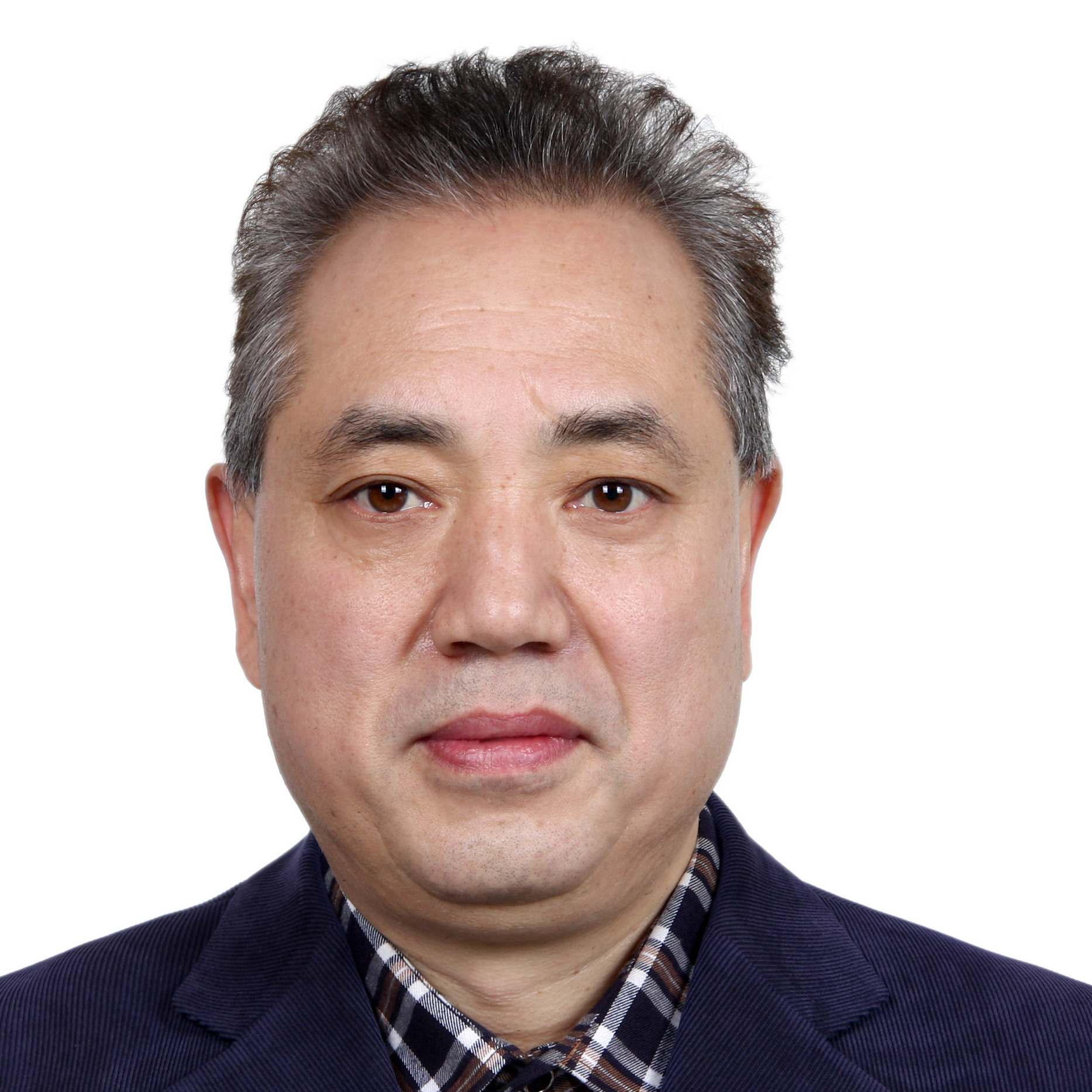
Institute of Geographic Science and Natural Resources Research, Chinese Academy of Sciences, Beijing, China;Dr. Jianming CAI is a full professor at the Beijing Institute of Geographical Sciences and Natural Resources Research (IGSNRR), Chinese Academy of Sciences (CAS), and got his Ph.D. from the University of Hong Kong. He is author and co-author of more than twenty books in Chinese and in English, including Towards Socially Integrative Cities--Perspectives on Urban Sustainability in Europe and China. He has published more than 180 papers so far in academic journals since 1990, both in Chinese and English, as well as many consultant reports, including the reports for World Bank, ADB, Lincoln Institute and Shui On Land. He frequently serves as a senior consultant or expert on urbanization, regional development, urban agriculture and food security issues to both international agencies such as the World Bank, ADB, AIIB, Lincoln Institute and Chinese Government Ministries such as the National Development and Reform Commission, the Ministry of Housing and Urban-Rural Construction and the Ministry of Civil Affairs, local governments and private sector. His current research focuses on sustainable urban development and spatial restructuring of China’s large cities with an emphasis on peri-urban development dynamics and metropolitan governance, as well as urban agriculture,agro-tourism and rural revitalization.
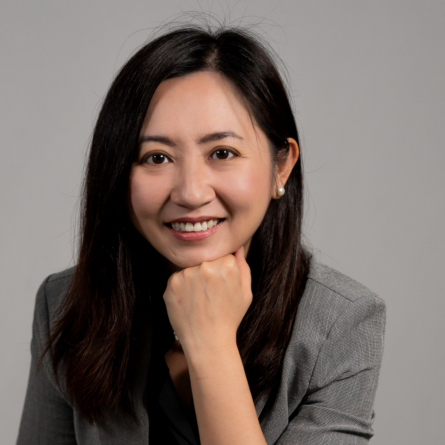
The University of Hong Kong, Hong Kong, China;Prof. Janet Kit Yan Chan is Associate Professor of Teaching at the University of Hong Kong (HKU), Chief Program Leader of the inter-institutional University Climate Ambassador Program (UNICAP), and Program Leader of the HKU Climate Ambassador and ESG Podcast initiatives. A Senior Fellow of Advance HE and a Professional Member of the Hong Kong Institute of Qualified Environmental Professionals, Prof. Chan's research focuses on sustainability education, the Students as Partners model, and bridging the knowledge-action gap in climate action. Her work has been recognized with the Advanced Materials Innovation Award, the HKU Outstanding Teaching Award, and finalist nominations for the QS Reimagine Education Award, Green Gown Awards, PIEoneer Awards, and the Universitas 21 Climate Action Award. She serves as a panel member for the Research Assessment Exercise (RAE) 2026 and advises HKSAR government bodies on environmental policy.
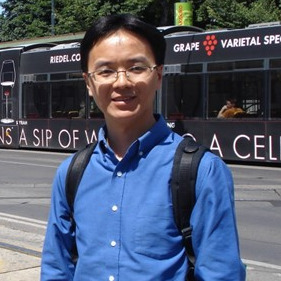
Zhejiang University, Hangzhou, China;Zongshi Chen, Professor in sociology of Zhejiang University, Director of sociological research institute. He obtained his Ph.D from sociology of UC Berkeley. His research interests include economic sociology, organization, and environmental sociology, and his current research focuses on corporate social responsibility, organization, institution and environment. His papers appeared in SSCI journals such as Chinese Sociological Review, Asian Business and Management and top Chinese sociological journals. He has published a book The revival, legitimization and development of private enterprise in China: Empowering state capitalism at Palgrave MacMillan.
Prof. Anthony Cheung
Associate Director, HKU Jockey Club Enterprise Sustainability Global Research Institute; Professor of Practice, The University of Hong Kong.;Professor Anthony Cheung is Associate Director of the HKU Jockey Club Enterprise Sustainability Global Research Institute and a Professor of Practice in Finance at The University of Hong Kong. He serves on the Greenhouse Gas Protocol Independent Standards Board and has longstanding involvement with sustainability standard‑setting and green finance, including service on the GRI Stakeholder Council and other public and advisory bodies. Awarded the Distinguished Sustainability Leadership Award (HKMA, 2025), With a sustained commitment to climate and environmental sustainability, Prof. Cheung combines bridges the financial, cultural, and environmental sectors and serves as a member of LCSD Committee on Venue Partnership (CVP), and as an Expert Adviser for the Arts Capacity Development Funding Scheme (ACDFS).
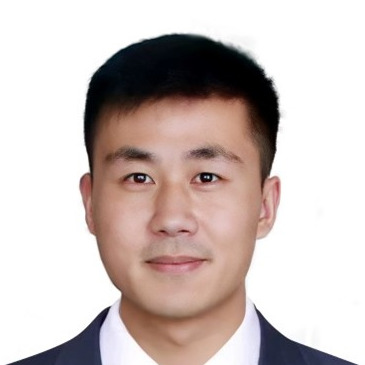
China University of Petroleum (East China), Qingdao, China;Prof. Jianheng Chen is a Professor at China University of Petroleum (East China). He earned his Ph.D. from The Hong Kong Polytechnic University in 2021, followed by postdoctoral research at both The Hong Kong Polytechnic University and City University of Hong Kong. His research primarily centers on radiative sky cooling technologies and low-energy technologies in support of carbon neutrality. He has published over 40 SCI-indexed journal papers and received several prestigious honors, including the ASET International Best Paper Award, ESI Highly Cited Paper Award and World's Top 2% Scientists.
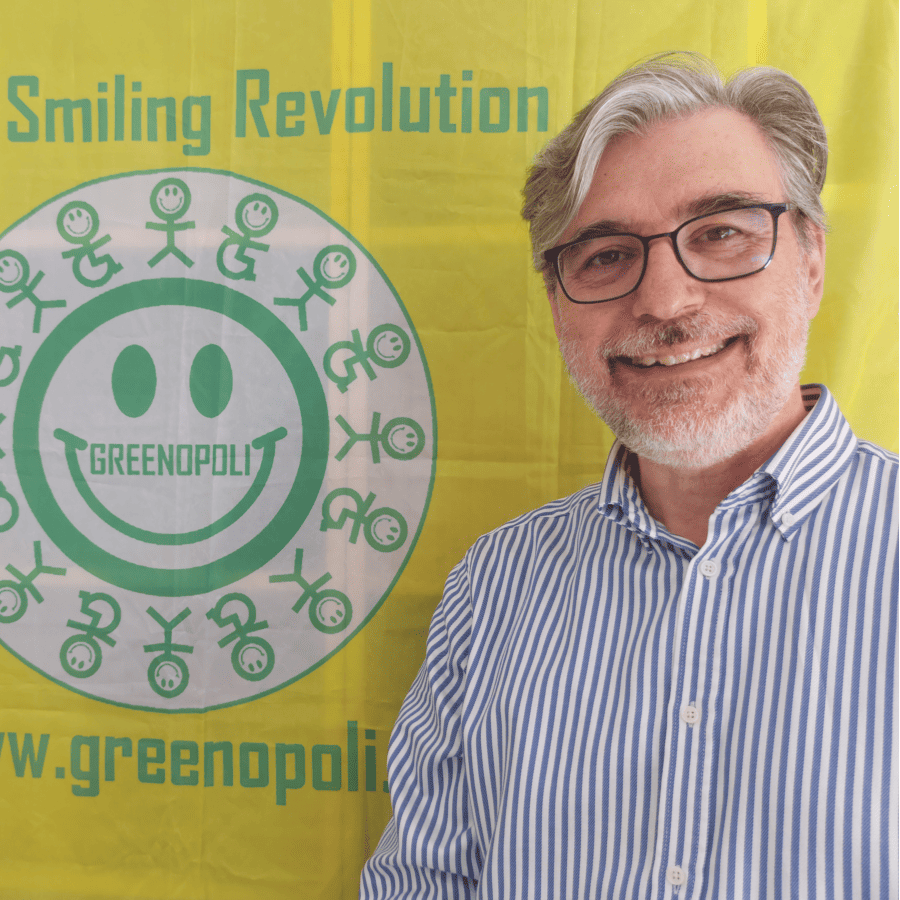
University of Salerno, Fisciano, Italy;Giovanni De Feo is Associate Professor of Environmental and Sanitary Engineering at the University of Salerno (Italy), where he teaches Industrial Ecology in Chemical and Management Engineering programmes. His research focuses on waste management, circular economy, life cycle assessment, water and wastewater systems, and sustainability assessment. He is a member of the PhD Board in Innovative Engineering Technologies for Industrial Sustainability and represents the University of Salerno in national sustainability networks (RUS). He is author of over 230 scientific publications and is the creator of Greenopoli, an internationally recognised environmental education and science communication project.
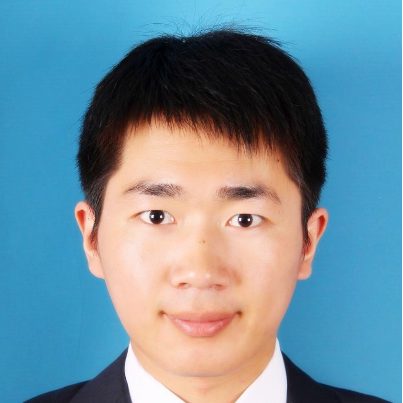
South China University of Technology, Guangzhou, China;Dr. Chuanshuai Dong conducts research primarily on membrane-based heat and mass transfer mechanisms and phase‑change energy storage. In recent years, he has published more than 70 SCI papers in leading journals such as Advanced Functional Materials, Carbon Energy, Physics of Fluids, Chemical Engineering Journal, Chemical Engineering Science, International Journal of Heat and Mass Transfer, and Applied Energy, including over 50 papers in top CAS‑ranked journals. He has led more than 10 national and provincial research projects, including the National Natural Science Foundation of China (General Program and Young Scientists Program) and the Guangdong Outstanding Young Scholar and General Program grants. He has been selected for Guangdong’s “Pearl River Talent Plan” (Overseas Young Talent Program) and the China Association for Science and Technology’s “Young Elite Scientists Sponsorship Program.” He also serves as Assistant Editor of the international journal Experimental and Computational Multiphase Flow and as a committee member of the Thermal Physical Properties Division of the China Metrology and Testing Society.
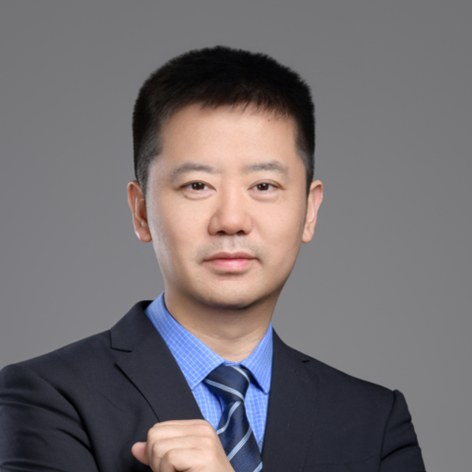
Beijing Institute of Technology, Beijing, China;Prof. Dr. Yu Hao is a full professor of Applied Economics at Beijing Institute of Technology (BIT), China. He obtained his PhD in Economics from the University of Hamburg in 2012 and currently serves as director of the Department of Applied Economics and PhD supervisor. His research focuses on macroeconomics, energy economics, and environmental policy. He is a Clarivate Highly Cited Researcher (2022) and an Elsevier China Highly Cited Researcher (2020–2024), and was listed among the world’s Top 2% scientists (2023). He has published over 100 academic papers in leading journals such as Energy Economics, Ecological Economics, and Energy Policy, with 196 SCI/SSCI papers as first/corresponding author, including 54 ESI highly cited papers and 24 hot papers. Prof. Hao has reviewed for journals including Energy Economics and Ecological Economics, and teaches courses such as Advanced Macroeconomics and Applied Statistics. He has received multiple research grants, including a Major Program of the National Social Science Fund of China and a Sino-German NSFC project, and was awarded the Fok Yingdong Young Scholars Award in 2017.
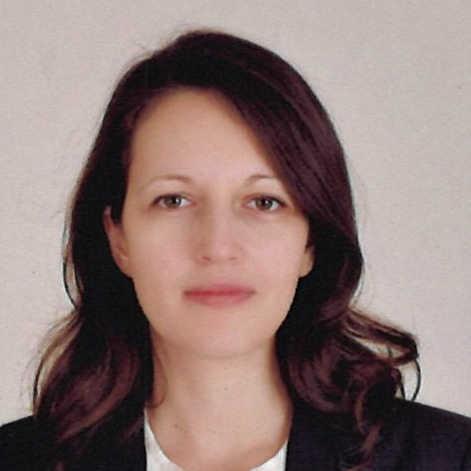
Ege University, Izmir, Turkiye;Çiğdem Coşkun Hepcan is a Professor of Landscape Architecture at Ege University, Türkiye. She received her Ph.D. in 2008, became Associate Professor in 2013, and Full Professor in 2022. Her research focuses on ecosystem services, blue–green infrastructure, nature-based solutions, and climate change adaptation. She has been a visiting scholar at Wageningen University, Arizona State University, and the University of Oregon. She has coordinated and contributed to numerous national and international projects supported by the EU, UNDP, and IUCN. She also serves as a Nature-Based Solutions Expert for UNDP and is a board member of SURE, PAD/IALE_TR. Her work emphasizes interdisciplinary approaches to climate resilience, sustainable urban systems, biodiversity and nature-based solutions, integrating science, policy, and practice.
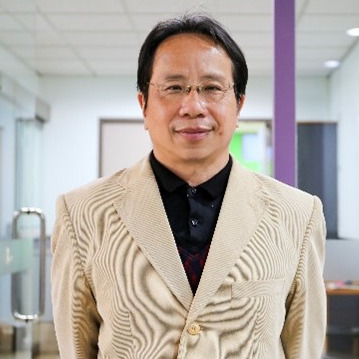
National Central University, Taiwan, China;Dr. Wu-Yuin Hwang is a Distinguished Professor at the Institute of Network Learning Technology, National Central University, Taiwan (since 2010), China and currently serves as Dean of the Faculty of Science and Engineering at National Dong‑Hwa University (2023–2026). His research focuses on AI‑supported learning, text recognition technologies, smart learning in authentic contexts, and multimedia human–computer interaction. He has been listed among Stanford/Elsevier’s Top 2% Scientists in education and educational research (2023–2024). In the field of technology‑enhanced language learning, the Journal of Computer Assisted Language Learning ranked him No. 1 globally for publication impact (2008–2019). He was also ranked among the world’s top 7 scholars in instructional design and technology based on publication performance across 65 SSCI journals (2007–2017). Dr. Hwang has published around 150 SSCI/SCI journal papers in educational technology. His research excellence has been recognized with the Ta‑You Wu Memorial Award (2005) and the Outstanding Research Award from Taiwan’s Ministry of Science and Technology (2021).
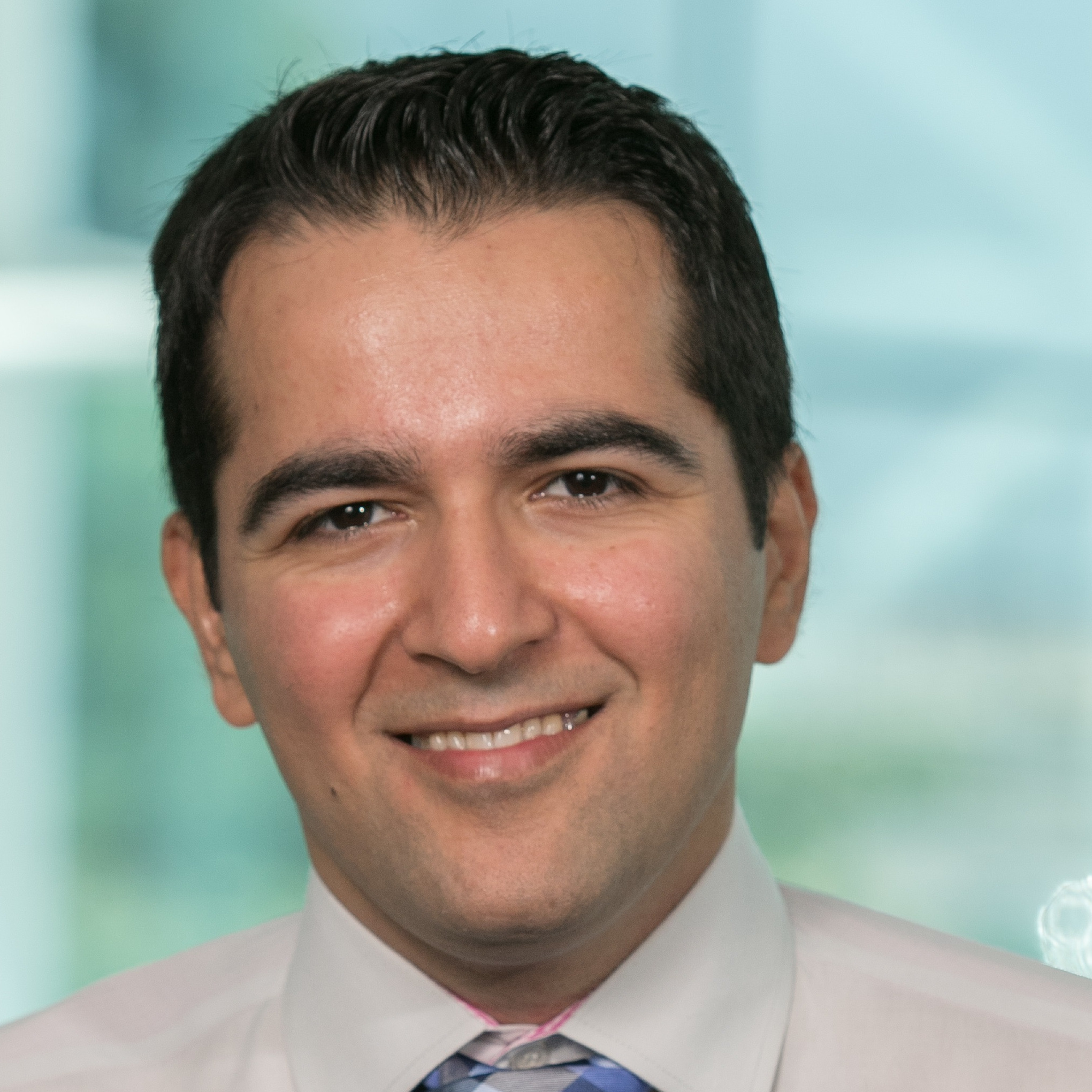
University of Technology Sydney, Sydney, Australia;Amir H. Gandomi is a Professor of Data Science at the University of Technology Sydney. He is also affiliated with Obuda University, Budapest, as a Distinguished Professor. Prior to joining UTS, Prof. Gandomi was an Assistant Professor at the Stevens Institute of Technology and a distinguished research fellow at BEACON Center, Michigan State University. Prof. Gandomi has published over five hundred journal papers and 14 books, which have collectively been cited 80,000+ times (H-index=120+). He has received the Highly Cited Researcher award from the Web of Science for six years, and in a recent study at Stanford University, released by Elsevier, Prof Amir H Gandomi is ranked the 29th most impactful researcher in the AI and Image Processing subfield in 2024! He has received multiple prestigious awards for his research excellence and impact, such as the 2025 IEEE HITC Award for Excellence in Hyper-Intelligence (MCR), 2025 Sigma Xi Young Investigator Award, the 2024 IEEE TCSC Award for Excellence in Scalable Computing (MCR), the 2023 Achenbach Medal, and the 2022 Walter L. Huber Prize, the highest-level mid-career research award in all areas of civil engineering.
Asst. Prof. Quan Gong
The Hong Kong Polytechnic University, Hong Kong, China;Dr. GONG Quan is a Research Assistant Professor in the Department of Building Environment and Energy Engineering at PolyU, and a co-founder of iEnergyX Ltd. He received his Ph.D. from PolyU in 2024. His research focuses on developing spectrally engineered technologies for steering solar photons and thermal radiation, and promoting their integration into sustainable urban energy systems, with the goal of transforming buildings from energy consumers into energy harvesters.
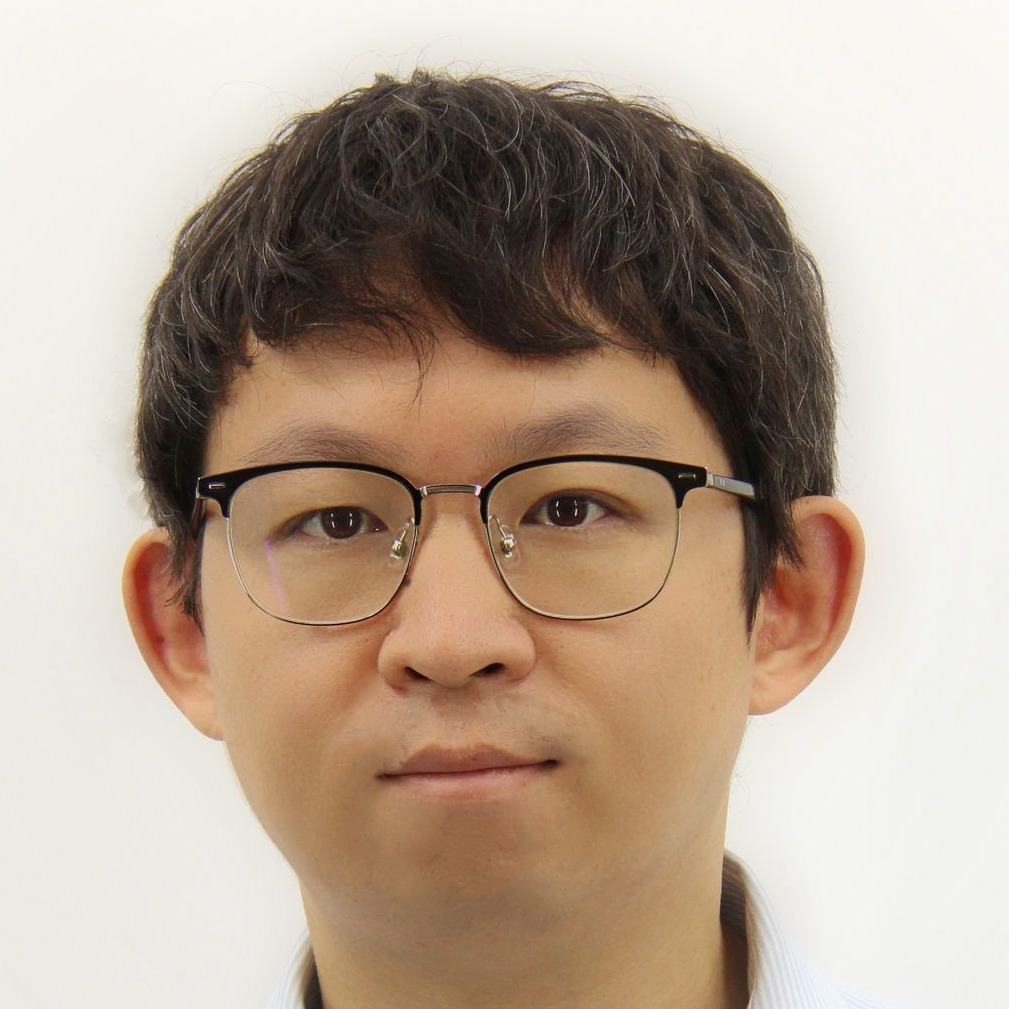
Hong Kong Polytechnic University, Hong Kong, China;GUO Ye received his B.E. and Ph.D. degrees from Tsinghua University. He worked as a Postdoc at Cornell University from 2014 to 2018, an Assistant (2018) and Associate Professor (2021) at Tsinghua-Berkeley Shenzhen Institute, and joined the Hong Kong PolyU in 2025. His research is on the building-grid energy ecosystem. He has published over 100 research papers in prestigious journals and conferences on energy systems. He received the IEEE PESGM Best Paper Award four times in three years in a row (2019-21). He was selected by the National Young Talent Program and secured two consecutive NSFC standard grants.
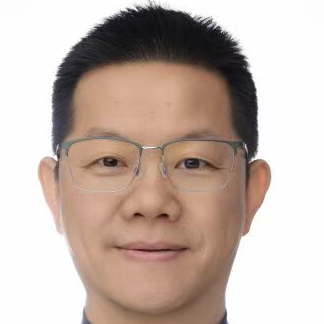
Hohai University, Nanjing, China;"Prof. Jun Hou is a professor and doctoral supervisor, selected for the national high‑level talent program. He is a recipient of the National Science Fund for Excellent Young Scholars and the Jiangsu Province Distinguished Young Scholar Fund, and is also a Jiangsu Distinguished Professor. He was selected for the first cohort of the Young Talent Support Program jointly organized by the China Association for Science and Technology and the China Institute of Water Resources and Hydropower Research. For consecutive years, he has been listed among the world’s top 2% scientists in both the “Lifetime Scientific Influence” and “Annual Influence” rankings published by Stanford University, as well as among the “Top 100,000 Scientists Worldwide” by the Global Scholars Database. His research focuses on river and lake water quality improvement and ecological restoration, eco‑friendly environmental functional materials and pollution control technologies, and the environmental behavior and risk management of emerging contaminants in aquatic systems. In recent years, he has led more than 30 research projects, including one NSFC Regional Joint Key Project, one Excellent Young Scholars project, three General Program projects, one Young Scientists project, one national key R&D program sub‑project, and one Jiangsu Distinguished Young Scholar Fund project. He has published over 100 SCI‑indexed papers as first or corresponding author and holds more than 60 authorized national invention patents. He has received numerous prestigious awards, including the National Science and Technology Progress Award (First Class), the National Technological Invention Award (Second Class), the National Science and Technology Progress Award (Second Class), the Agricultural Water Conservation Award, the First Class Award in Natural Science by the Ministry of Education, and the First Class Award in Technological Invention by the Ministry of Education."
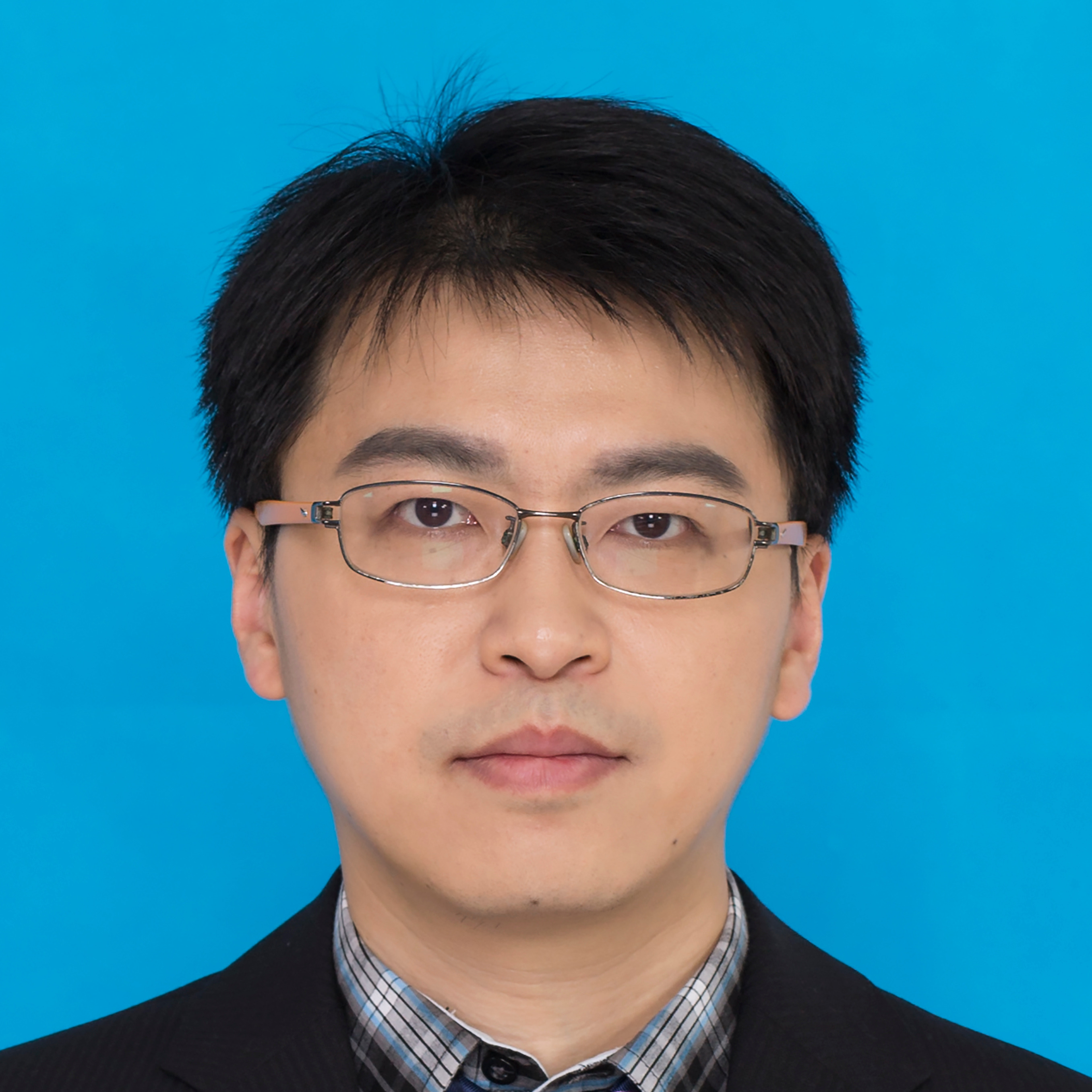
Wuhan University, Wuhan, China;Dr. Hui Hu is a Full Professor and the Deputy Director of the Department of Economics at Wuhan University. He has published over 50 articles in peer-reviewed journals, including the China Economic Review, Journal of Business Research, Journal of Business Economics & Management, Humanities and Social Sciences Communications, Applied Economics, Technological Forecasting & Social Change, Environment Development and Sustainability, Ecological Indicators, Journal of Cleaner Production, Emerging Markets Finance & Trade, and Social Indicators Research.
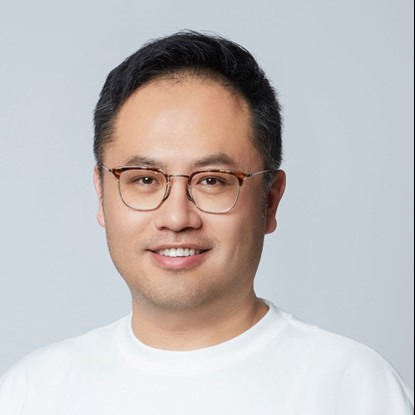
Tongji University, Shanghai, China;Dr. Wei Huang is Professor at the College of Surveying and Geo-Informatics, Tongji University. He is Chair of ISPRS WG IV/6 and Associate Editor of the ISPRS International Journal of Geo-Information. Before joining in Tongji, he worked at Heidelberg University, Germany, and the Ontario Ministry of Transportation, Canada. His research interests include urban spatiotemporal intelligence and human behavior pattern analysis.
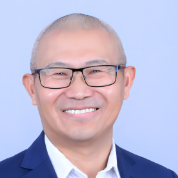
The Hong Kong University of Science and Technology (Guangzhou), Guangzhou, China;Dr. Bin Jiang is Professor at The Hong Kong University of Science and Technology (Guangzhou) [HKUST(GZ)], with dual appointments in Urban Governance and Design, and Computational Media and Arts. He is the founder and director of LivableCityLAB and serves as Acting Master of Residential College 1. He also chairs the International Cartographic Association Commission on Digital Transformation and sits on editorial boards including Computational Urban Science. His research bridges urban informatics, complexity science, and architectural and urban design, advancing living structure theory as a foundation for more sustainable and human-centered cities. He has pioneered quantitative metrics such as the L-score (Living Structure Score) and B-score (Beauty Score), operationalized through the Beautimeter, to scientifically evaluate structural beauty and aliveness in architecture and urban space. These innovations highlight the value of crossdisciplinary approaches that connect spatial analysis, digital technology, and aesthetic theory. Dr. Jiang has held academic roles across Europe and Asia and advises organizations such as Beijing City Lab and the International Society of Biourbanism. His work continues to integrate theory, technology, and design practice to advance the creation of adaptive, livable cities.
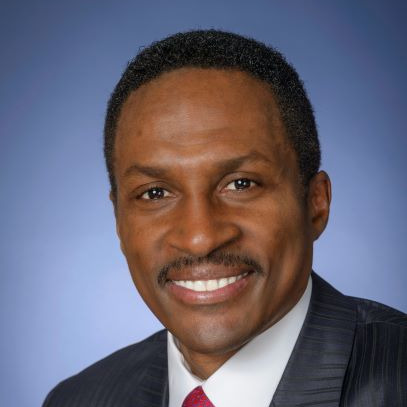
Kennesaw State University, Kennesaw, USA;Dr. Jackson is founding Director of the Hospitality Management program in Kennesaw State University’s Coles College of Business. With over 30 years of corporate and academic experience, he has held senior finance and accounting roles with Hyatt Hotels Corporation and Fairmont Hotels & Resorts, and faculty leadership positions at major universities. His expertise includes community-based entrepreneurship development, ESG, hospitality finance, real estate investment, asset management, revenue management, and feasibility analysis. He holds a Ph.D. from Oklahoma State University, multiple graduate degrees, postdoctoral studies, and certifications from Harvard, Columbia, MIT, Cornell, and AHLEI. Dr. Jackson has published extensively, earned research and teaching awards, and consulted globally.

University of Colorado Boulder, Boulder, USA; National Laboratory of the Rockies (NLR), Golden, USA;The MDPI Sustainability Foundation proudly recognizes Dr. Katrina (Kat) Knauer as the 2026 Emerging Sustainability Leader Award (ESLA) Winner for her visionary leadership in advancing circular plastics and sustainable materials innovation. Dr. Knauer earned her B.S. in Chemical Engineering from Florida State University and her Ph.D. in Polymer Science and Engineering from the University of Southern Mississippi. She has held leadership roles across industry and national research, including BASF, Novoloop Inc., and the National Renewable Energy Laboratory (NREL), where she serves as Chief Technology Officer of the BOTTLE™ Consortium. She is also an Assistant Adjoint Professor and RASEI Fellow at the University of Colorado Boulder. Her work integrates polymer science, engineering, and systems analysis to redesign plastics for circularity. By advancing scalable recycling technologies and circular-by-design materials, she has helped shape strategies that keep plastics in continuous use and out of the environment. The 2026 ESLA recognizes her cross-sector leadership in translating advanced chemistry into practical solutions for a regenerative and economically viable circular economy.
University of Catania, Catania, Italy;Dr. La Rosa is Associate Professor of Urban and Environmental Planning at the Department Civil Engineering and Architecture of the University of Catania (Italy). He teaches spatial planning and urban design in Building Engineering MSc course at the University of Catania. His research interests include sustainable urban planning, Ecosystem Services, GIS applications for urban and landscape planning, environmental indicators, Environmental Strategic Assessment, Land Use science and landscape studies. He is author of more than 100 publications on the above mentioned topics. He has been included in the top 2% scientists list in the years 2020-2024.
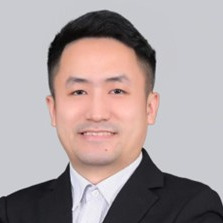
Asst. Prof. Chaosu Li
The Hong Kong University of Science and Technology (Guangzhou), Guangzhou, China;Dr. Chaosu Li is an assistant professor in the Urban Governance and Design Thrust at Hong Kong University of Science and Technology (Guangzhou). Dr. Li received his master's degree in City and Regional Planning from Peking University and his Ph.D. in City and Regional Planning from UNC-Chapel Hill. His current research focuses on 1) how the urban built environment shapes energy consumption and climate resilience, and 2) the application of Large Language Models in urban planning. His work has been published in the Journal of the American Planning Association, Journal of Planning Education and Research, Nature Cities, among others. He currently serves on the editorial board of the Journal of the American Planning Association.

Wuhan University, Wuhan, China;Dr. Huimin Liu is an Associate Professor within the School of Urban Design at Wuhan University and a Hubei Provincial Young Talent. She works at the intersection of urban planning, geography, and remote sensing, with a particular focus on the patterns, causes, and solutions to urban climate change. She has led 10 high-level projects (notably two from the NSFC) and authored more than 40 peer-reviewed publications. She also serves as the Deputy Director of the Institute of Digital and Smart Cities at Wuhan University while also contributing as a Lead Author of China's Fifth National Assessment Report on Climate Change.
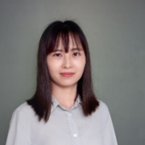
Guangzhou university, Guangzhou, China;Jia Liu is the Associate Professor of the School of Civil Engineering and Transportation in Guangzhou University. She got her PhD from the Hong Kong Polytechnic University majoring in Building Environment and Energy Engineering. Her research focuses on the field of building integrated photovoltaic technologies and design optimization of renewable energy and storage systems for net-zero energy buildings. She is PI of research projects including national and provincial projects, and she has published over 30 SCI papers with a H-index of 21 (two highly cited papers). She was selected in World's Top 2% Scientists list both in 2024 and 2025, and she also serves as the Subject Assistant Editor and Young Editorial Board Member in the journal of Applied Energy.
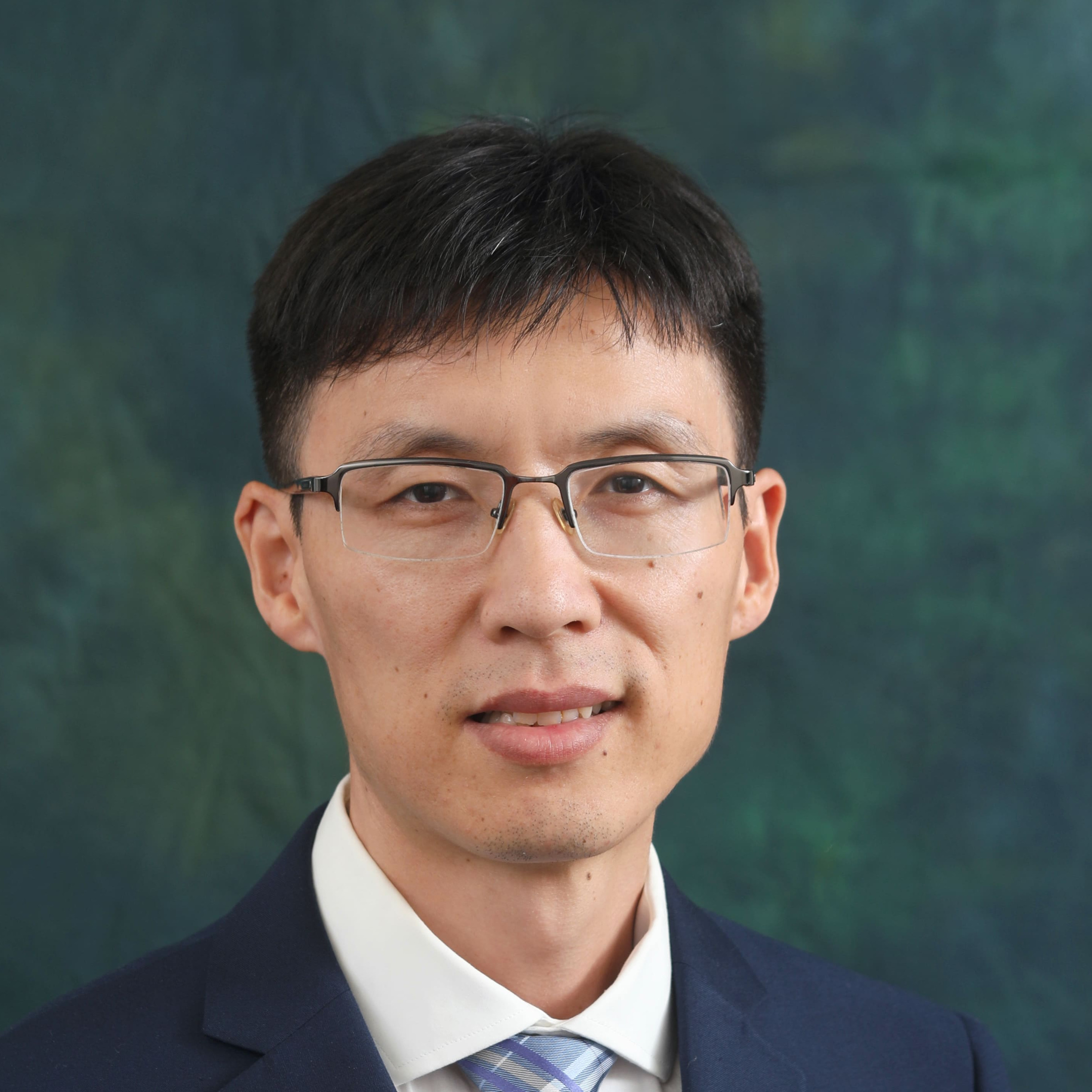
The Hong Kong Polytechnic University, Hong Kong, China;Dr. Xintao Liu is an Associate Professor at The Hong Kong Polytechnic University (HK PolyU). He received his PhD from Royal Institute of Technology (KTH), Sweden and subsequently worked as a postdoctoral fellow and part-time lecturer at Toronto Metropolitan University in Canada. His main research interests include GIScience, Spatial Intelligence, and Complexity Science. His research aims to apply modern technologies to promote smart cities and improve urban quality of life. He has led research projects funded by the NSFC, RGC (ECS, GRF, RIF), ITF, PPR, etc. He has published over 130 academic papers and received the Faculty Outstanding Research Award from HK PolyU.
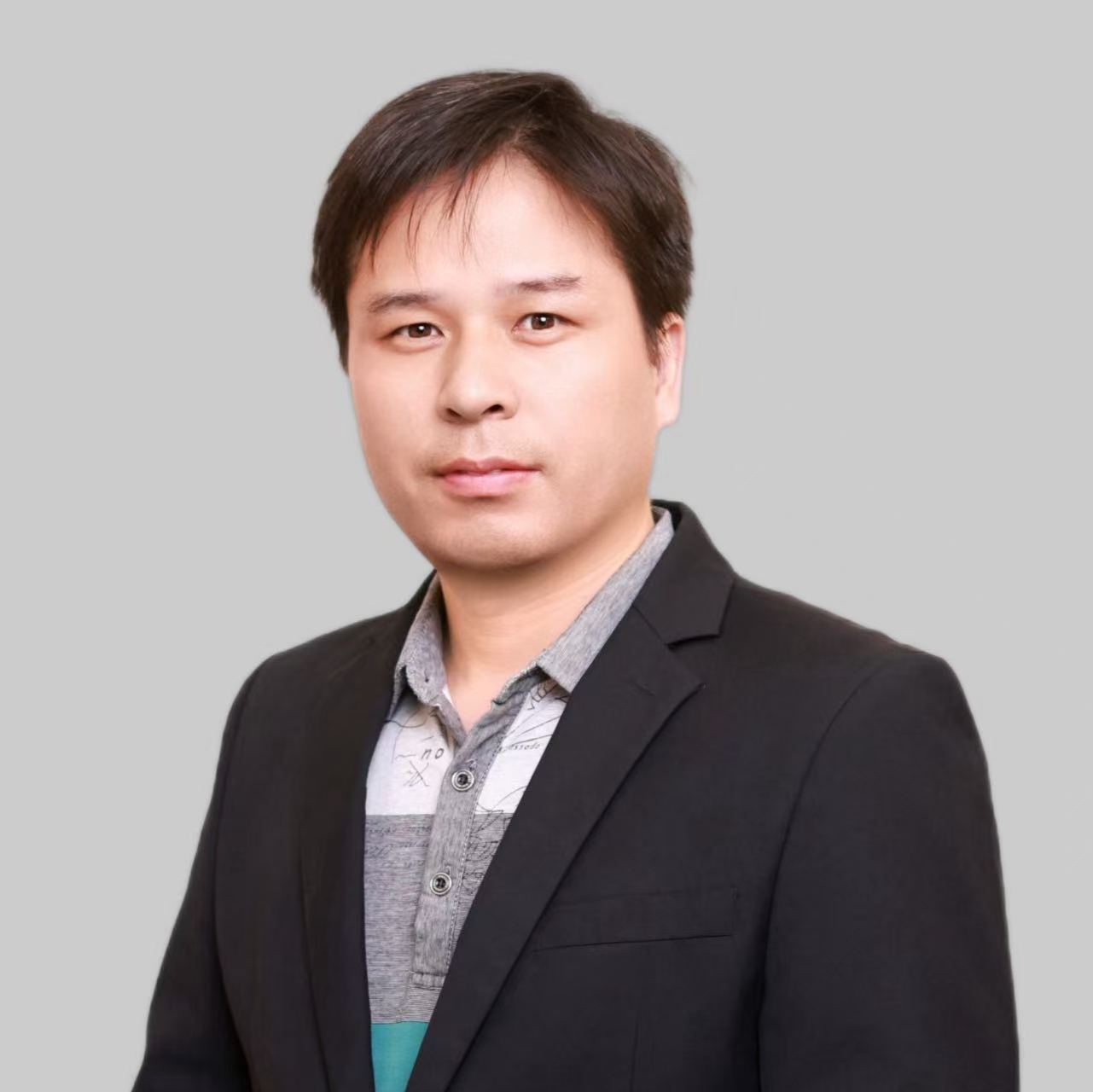
Shanghai University, Shanghai, China;Professor, Associate Director, ranked among the world's top 2% scientists. His research focuses on the harmless treatment and resource recycling of organic wastes (e.g. sludge, food waste). He has led national/municipal projects, published over 80 papers (4 ESI, top citation >775), obtained 5 patents (1 international), and participated in the compilation of 7 books. Recipient of major awards including Top Ten Scientific and Technological Advances in China's Ecological Environment. He serves as committee member of academic associations, editor of 5 journals, and reviewer for over 30 journals.
Jinan University, Guangzhou, China;Gang Lu, Associate Professor, PhD Supervisor, Assistant Dean, and Founder of the Innovation and Entrepreneurship Laboratory for New Engineering in Smart Environment at Jinan University. His research primarily focuses on advanced oxidation processes for high-concentration organic wastewater and the quantitative mechanisms of emerging contaminants toxicity. He has led 11 projects, including those funded by the National Natural Science Foundation of China, published 46 SCI papers, been granted 20 invention patents, and achieved 3 technology transfers. The UV-catalytic wet oxidation processes technology he developed has been applied in over 20 engineering demonstration projects for the treatment of landfill leachate membrane concentrate, with a maximum single-day treatment capacity of 400 m³/d. This work earned him the First Prize of Guangdong Provincial Environmental Protection Science and Technology Progress Award.
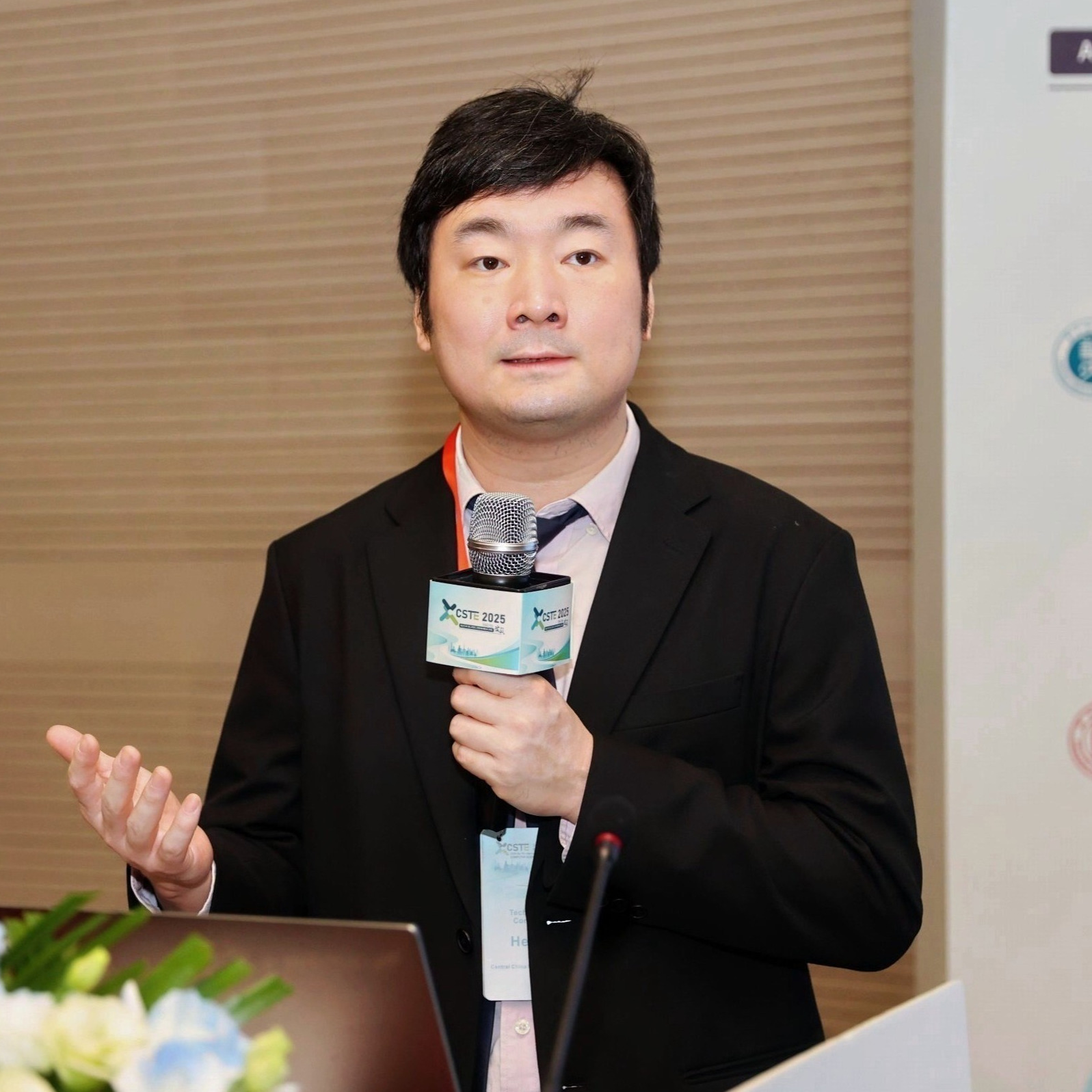
Central China Normal University, Wuhan, China;Dr. Heng Luo is a Professor and Vice Dean at the Faculty of Artificial Intelligence in Education, Central China Normal University. He holds a Ph.D. from Syracuse University and previously worked at Pennsylvania State University. Dr. Luo has led major national research projects and authored over 100 publications in leading journals such as Computers & Education. He is the Program Committee Chair for CSTE 2025-2026 and has served on committees for ICBL and ICoME. His outstanding research has been recognized with prestigious awards including the AECT Design and Development Outstanding Practice Award (2019) and the AERA Outstanding International Collaborative Research Award (2022).
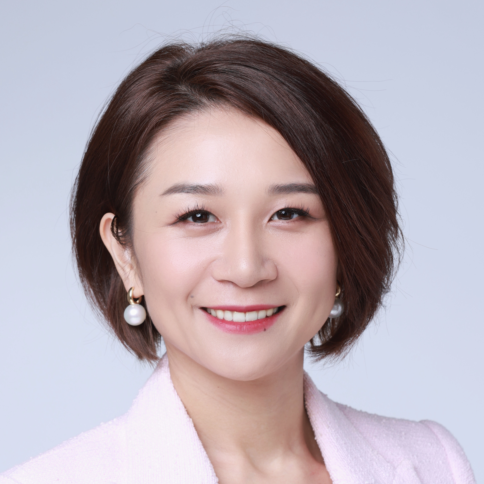
The Hong Kong University of Science and Technology, Hong Kong, China; World Sustainable Development Institute, Otto Poon Center for Climate Resilience and Sustainability, Hong Kong, China;Prof. Mengqian Lu is Director of the Otto Poon Centre for Climate Resilience and Sustainability and the World Sustainable Development Institute at HKUST, and leads the Digital Meteorological Services Innovation Lab at the HKUST Shanghai Centre. She is Professor at HKUST with joint appointments in Civil and Environmental Engineering, Ocean Science, and Finance. She chairs the UNESCO Decade Science Program SEPRESS (2025–2032), endorsed by WMO, and is chairman of IAHR Hong Kong and the founding chair of Climate, Weather and Water Forum (CWWF). Her research integrates AI and physics-based modeling for extreme weather, compound hazards, and sustainable resource management to support climate resilience and informed decision-making across strategic industries including global maritime shipping, renewable energy, agriculture and disaster risk reduction.
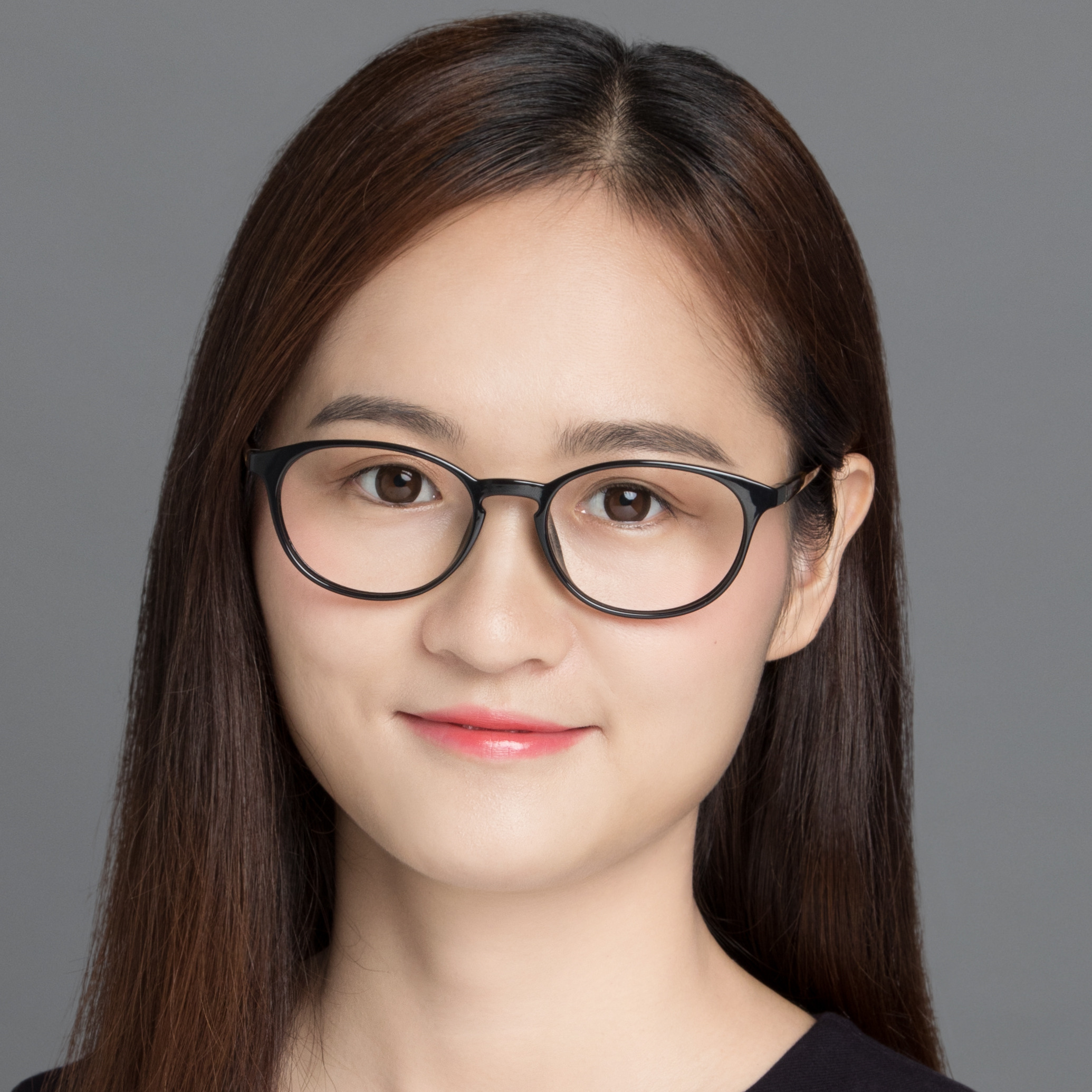
Hunan University, Changsha, China;Dr. Yimo Luo is currently a professor at the College of Civil Engineering, Hunan University. She has led over 10 research projects, including those funded by the National Natural Science Foundation and innovative initiatives under the Ministry of Housing and Urban-Rural Development. She has authored approximately 70 SCI-indexed journal papers and holds more than 10 authorized patents. Dr. Luo also serves as a young editorial board member for journals such as Energy Storage Science and Technology and Building Science. Her research focuses on innovative low-carbon building technologies, including thermal energy storage systems, building-integrated photovoltaics (BIPV), and smart windows for energy efficiency.
Tianjin University, Tianjin, China;Jinlong Ma is a Professor at Tianjin University, China, and Vice President of APEC Sustainable Energy Center (APSEC). At APSEC, he is responsible for advisory and research programs; one of the main research themes concerns energy transition solutions in APEC economies. Prior to the current role, Dr. Ma worked in many Asia and Pacific countries and held senior positions at renowned academic and research institutions, technical and advisory service organizations, and international energy corporations. His areas of expertise include energy system planning, renewables, power sector development, electricity market analysis, energy conservation and efficiency, urban sustainable energy, greenhouse gas inventory and emission abatement strategies. Jinlong holds a PhD in Energy Economics from the University of Melbourne, an M.Eng. in Energy Technology and Planning from the Asian Institute of Technology, and a B.Eng. in Electric Engineering from North China University of Electric Power. He serves as a Fellow of the Australian Institute of Energy (AIE), is a member of International Association of Energy Economics (IAEE) and the Institute of Electrical and Electronics Engineers (IEEE).
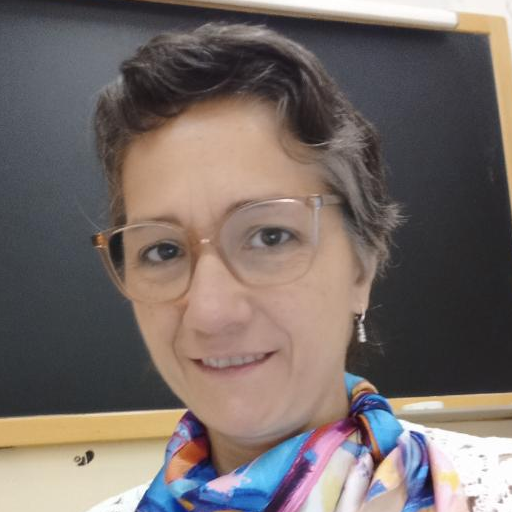
University of Padova, Padova, Italy;Anna Mazzi is Associate Professor at the Department of Industrial Engineering, University of Padova. She’s Director of research group Sustainability Assessment and Management (SAM.lab) at the University of Padova. Master degree in Management Engineering at University of Padova, Postgraduate specialization in Environmental Management and Control at University of Trento, and PhD in Management Engineering at University of Padova, her research experience is focused on methods and metrics to quantify the sustainability and to support ecoinnovation. The research activity of Prof. Mazzi, documented by over than 50 indexed papers and more than 150 other publications is focused on environmental impact evaluation and minimization, through life cycle sustainability assessment, to support process optimization and product innovation for circular economy. Her research experience inlcudes also several European and international research projects related to the implementation of environmental assessment and management tools and standards at industrial and territorial level. Her teaching activity at University of Padova is on Environmental and Health&Safety Management System, Life Cycle Assessment and Risk Assessment. Institutional profile: https://www.unipd.it/en/contatti/rubrica/?detail=Y&ruolo=1&checkout=cerca&persona=MAZZI&key=5C560DCE4C0DDA894684E1DAA414B6F0 Research group website: https://research.dii.unipd.it/sam/ Scholar profie: https://scholar.google.com/citations?user=dgSls_4AAAAJ&hl=it
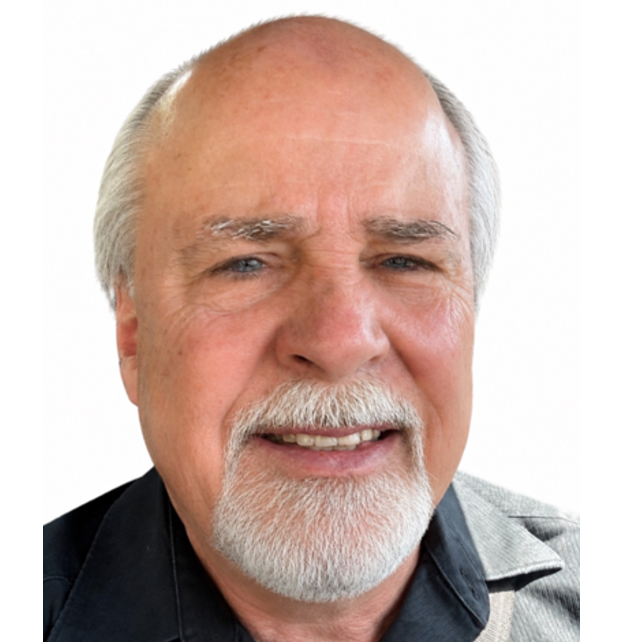
1. Hong Kong University of Science and Technology, Guangzhou, China 2. Arizona State University, Tempe, Arizona USA;Michael W. Mehaffy, Ph.D., is an urban researcher, educator, author, and consultant in sustainable urbanism, urban regeneration, public space, and evidence-based approaches to architecture and urban design. He has held ten academic appointments in eight countries, including at Arizona State University and the Hong Kong University of Science and Technology (Guangzhou). He is Guest Editor (with Professor Bin Jiang) of the MDPI Sustainability Special Issue “Frontiers in Urban Planning, Regeneration, and Sustainable Cities.” He is President of Structura Naturalis Inc., Executive Director of the International Making Cities Livable (IMCL) conference series, and Executive Director of Sustasis Foundation in the USA.
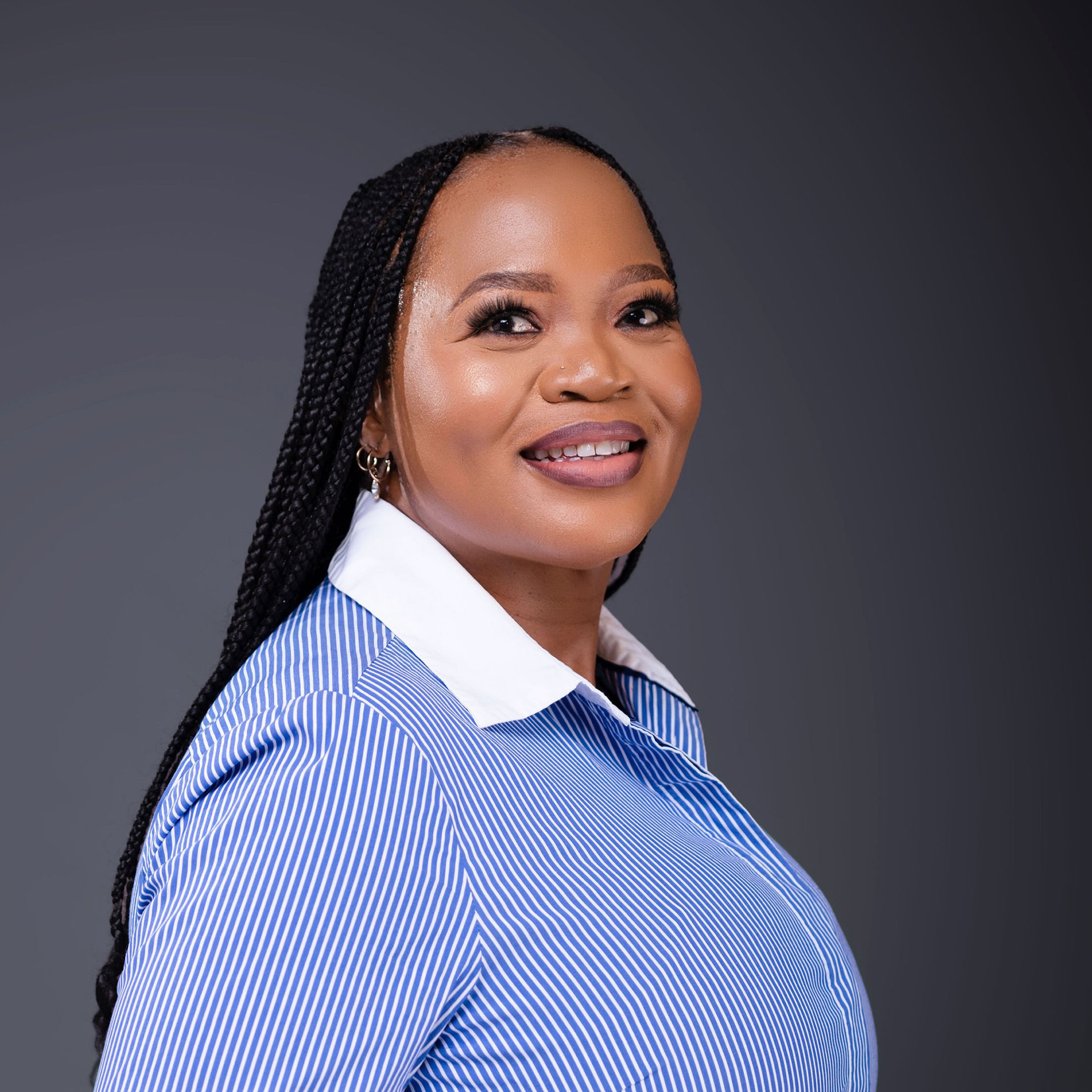
Dr. Thandi Mgwebi
Walter Sisulu University, Mthatha, South Africa;Dr Thandi Mgwebi is the Vice-Chancellor and Principal of Walter Sisulu University in South Africa and a distinguished leader in higher education, research strategy, and science diplomacy. With extensive executive experience at the National Research Foundation and in senior university leadership, she has championed impact-driven research, global partnerships, and equitable knowledge systems. Her work advances sustainability through transformative education, innovation ecosystems, and community-embedded development. A recipient of the 2025 Special Science Diplomacy Award, Dr Mgwebi advocates for Africa-centred solutions to global challenges, positioning universities as catalysts for just transitions, resilience, and inclusive growth in a rapidly changing world.
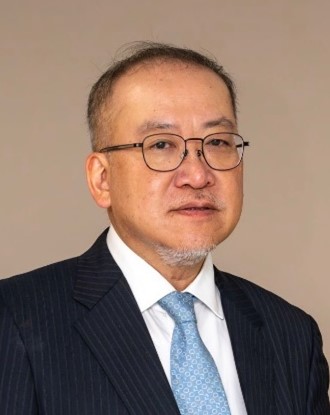
The Hong Kong Polytechnic University, Hong Kong, China;Prof Dr. Artie Ng brings an interdisciplinary research focus on sustainability for the low-carbon economy. He began his professional career in project finance for energy infrastructure before transitioning to academia. Dr. Ng has published in high-impact journals such as Energy Policy, Journal of Cleaner Production, Journal of Sustainable Finance & Investment, Renewable & Sustainable Energy Reviews, Sustainability, Sustainability Accounting, Management & Policy Journal, and Technological Forecasting & Social Change. He has co-edited books on sustainable energy, green finance, and technological innovation for sustainability. He is an Adjunct Professor with the Hong Kong Polytechnic University and a Fellow with the Balsillie School of International Affairs based in Waterloo, Canada.
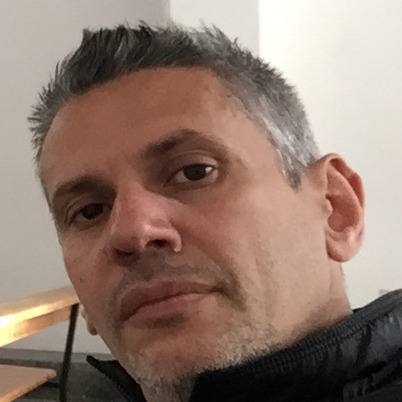
University of Catania, Catania, Italy;Riccardo, PRIVITERA is Associate Professor of Urban Planning at the Department of Civil Engineering and Architecture, University of Catania (Italy) where he teaches courses on Urban and Landscape Design and Spatial and Environmental Planning. He holds a PhD degree in Urban and Regional Planning, he has been visiting Researcher at the University of Sheffield (UK) and visiting Professor at the University of Alexandria (Egypt), Nirma University Ahmedabad (India), Luleå University of Technology (Sweden). His scientific interests include non-urbanised areas planning, urban green infrastructure, climate change adaptation and mitigation strategies, ecosystem services, real estate development processes and transfer of development rights. ORCID 0000-0002-1219-512X
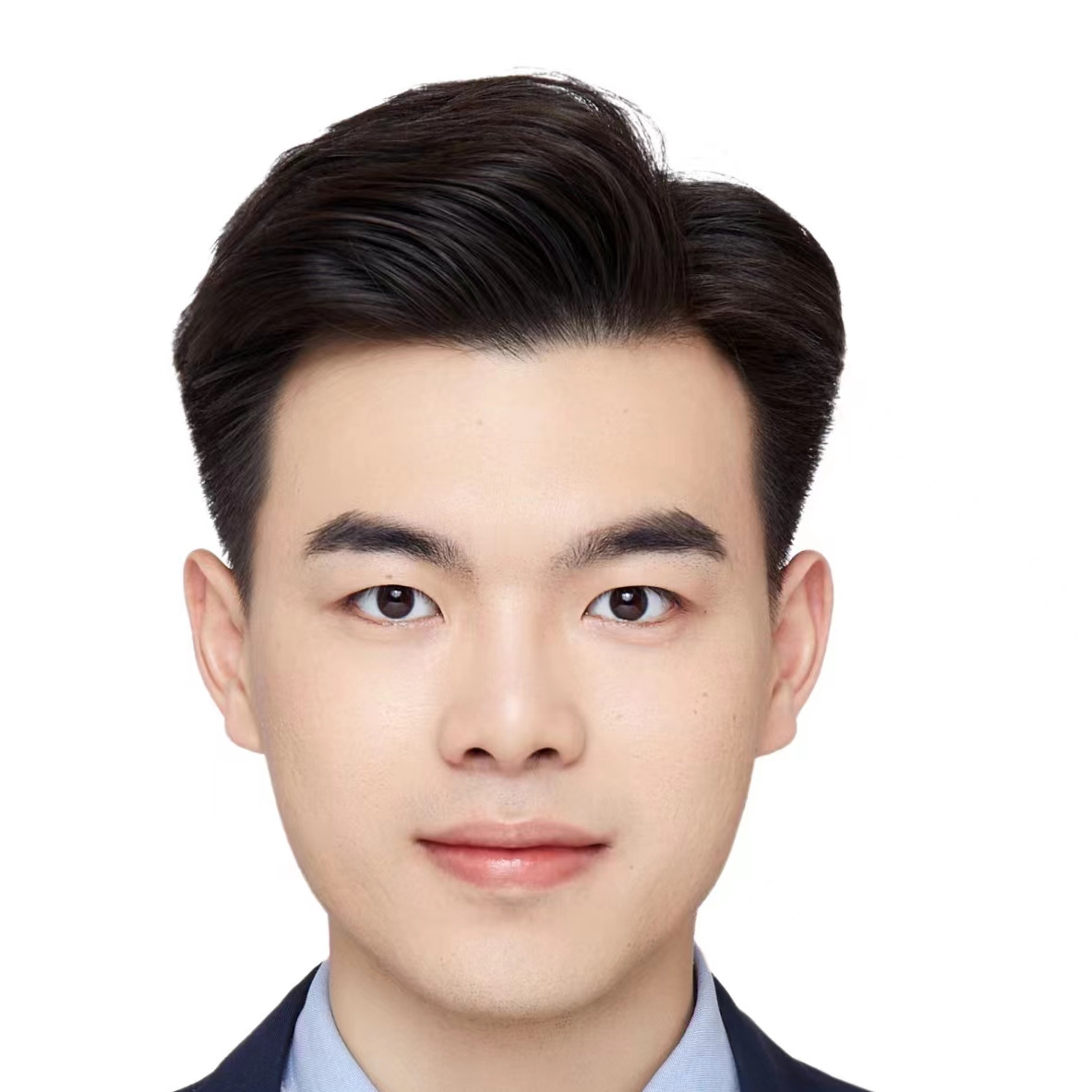
Southwest Jiaotong University, Chengdu China;Pu Jihong is an Associate Researcher at Southwest Jiaotong University, specializing in building energy conservation technologies. He has an h-index of 15 and has published 14 SCI-indexed papers as first/corresponding author in top journals, including Advanced Science and Nano Energy. Among these, three papers have been recognized as ESI Highly Cited Papers, and one as an ESI Hot Paper.
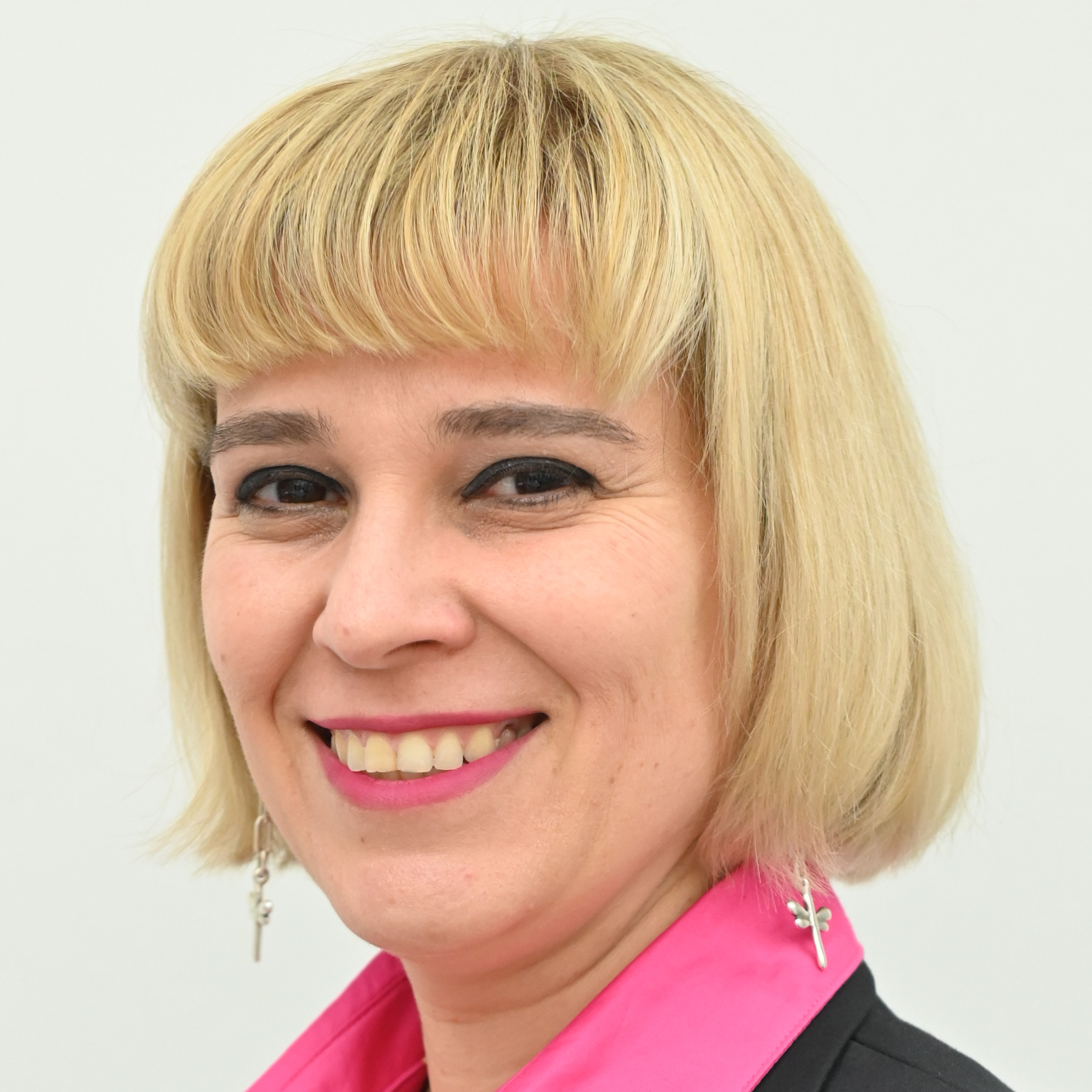
Insubria University, Varese, Italy;Dr. Elena Cristina Rada graduated in Environmental Engineering in 2002. Since 2005 she got three PhD titles, in Environmental Engineering, Energy Engineering and Engineering and Management. Since 2023, she got the Italian National Qualification to function as Full Professor. Member of tens of scientific committees of international conferences, she is Author of co-Author of more than 250 articles in conferences and journals indexed in the SCOPUS® database, Hindex=41. Editor of many Special Issues on International Journals. Presently she is Associate Professor in the University of Insubria, Italy. Ranked in the top 2% scientists list of the World Ranking published by Stanford University. In 2016, she received the Eminent Scientist Medal from the Wessex Institute of Technology.
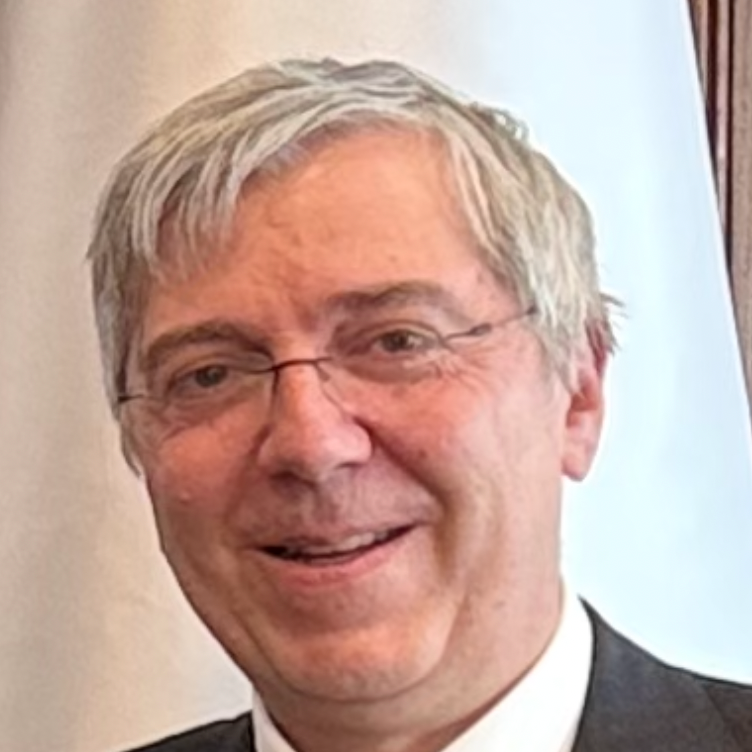
University of Trento, Trento, Italy;Graduated in Civil Engineering in 1988 in the Technical University of Milan he got the Noseda Award in 1988 from the same University. He got a PhD in Sanitary Engineering (1998-1991). In 2006, he received the Ambrogino d’Oro Award from the Municipality of Milan. He is Author or co-Author of more than 500 articles presented in conferences of published in journals. He was scientific secretary of many international conferences on waste and energy. Editor of many Special Issues on International Journals. Presently he is Full Professor in the University of Trento, Italy, where he is Rectoral delegate for Environmental Sustainability.
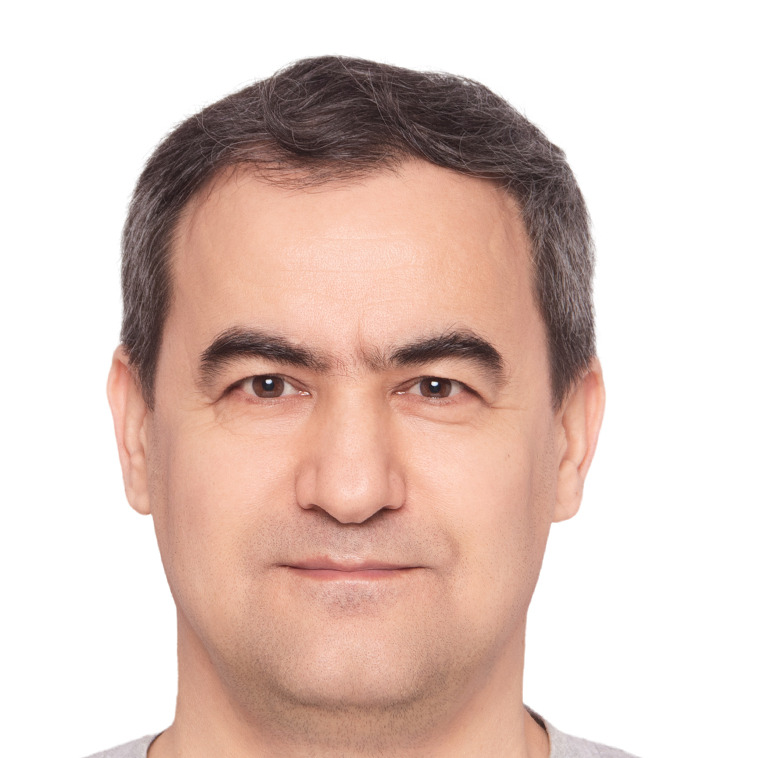
Zhejiang University, Hangzhou, China;Dr. Rustam Shadiev is a Professor at the College of Education, Zhejiang University, China. He is a Fellow of the British Computer Society, a Senior Member of IEEE, and a member of ACM, and was awarded the title of Distinguished Professor of Jiangsu Province in 2019. His research focuses on advanced educational technologies, language learning, and intercultural communication. He has published extensively in leading SSCI journals and has been recognized among the Most Cited Chinese Researchers in Education and the Stanford/Elsevier Top 2% Scientists. He also serves on the editorial boards of several international journals.
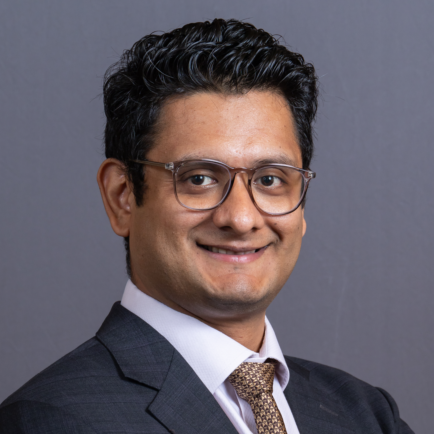
Hong Kong Polytechnic University, Hong Kong, China;Roshis Krishna Shrestha is a Research Assistant Professor at the School of Hotel and Tourism Management, The Hong Kong Polytechnic University. With a PhD in Business and Economics from the Australian National University (2023), he specialises in Indigenous tourism, regenerative sustainability, and cultural heritage tourism. His research has been published in top-tier journals such as Annals of Tourism Research, Tourism Management, and Journal of Sustainable Tourism.
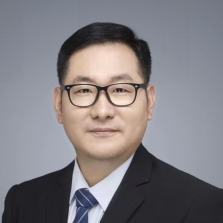
Shandong University of Finance and Economics, Jinan, China;Prof. Huaping Sun focuses on research in energy economics, environmental management, and global value chains. His work systematically examines sustainability issues such as ESG and corporate innovation, as well as low‑carbon economic development. He has published extensively in leading domestic and international journals and has led multiple projects funded by the National Social Science Foundation of China and the National Natural Science Foundation of China. His research has had a significant impact in the fields of energy economics and sustainable development.
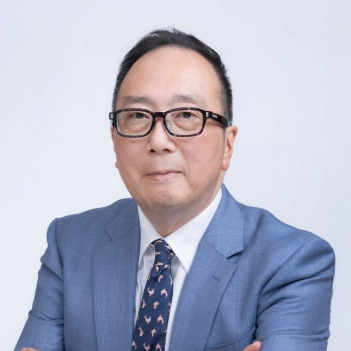
The Education University of Hong Kong, Hong Kong, China;Professor Tsang is an environmental scientist by training, specialising in the application of nanotechnology to remove pollutants from various types of environmental samples. Professor Tsang also specialises in environmental education research, particularly in the evaluation of environmental education programmes, and was one of the pioneers of the Green School initiative. Professor Tsang is active in the community, having been appointed chairman and member of numerous high-level government committees. He also acted as a community leader in promoting green culture through his role as the chairman of Green Power, a major green NGO in Hong Kong, and served as a member of funding bodies, such as the Environment and Conservation Fund, for vetting research applications.
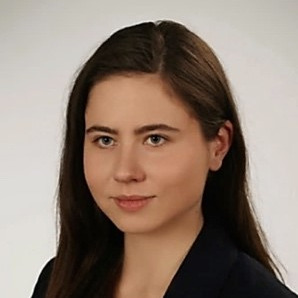
Silesian University of Technology, Katowice, Poland;Katarzyna Turoń is an Associate Professor at the Faculty of Transport and Aviation Engineering, Silesian University of Technology, Poland. Her research focuses on sustainable and urban mobility, open innovation, transport regulation, and the green and digital transformation of transport. She is the creator of the CalmMobility paradigm, promoting human-centred, phased, and socially accepted mobility transitions. Recognized among Stanford University’s Top 2% most influential scientists, she has received awards including Scientist of the Future and Top 100 Women in Engineering. She has held fellowships and collaborated with leading universities, including Oxford University, Shanghai Jiao Tong University, and EFREI Paris, and currently leads a major EU-funded mobility project.
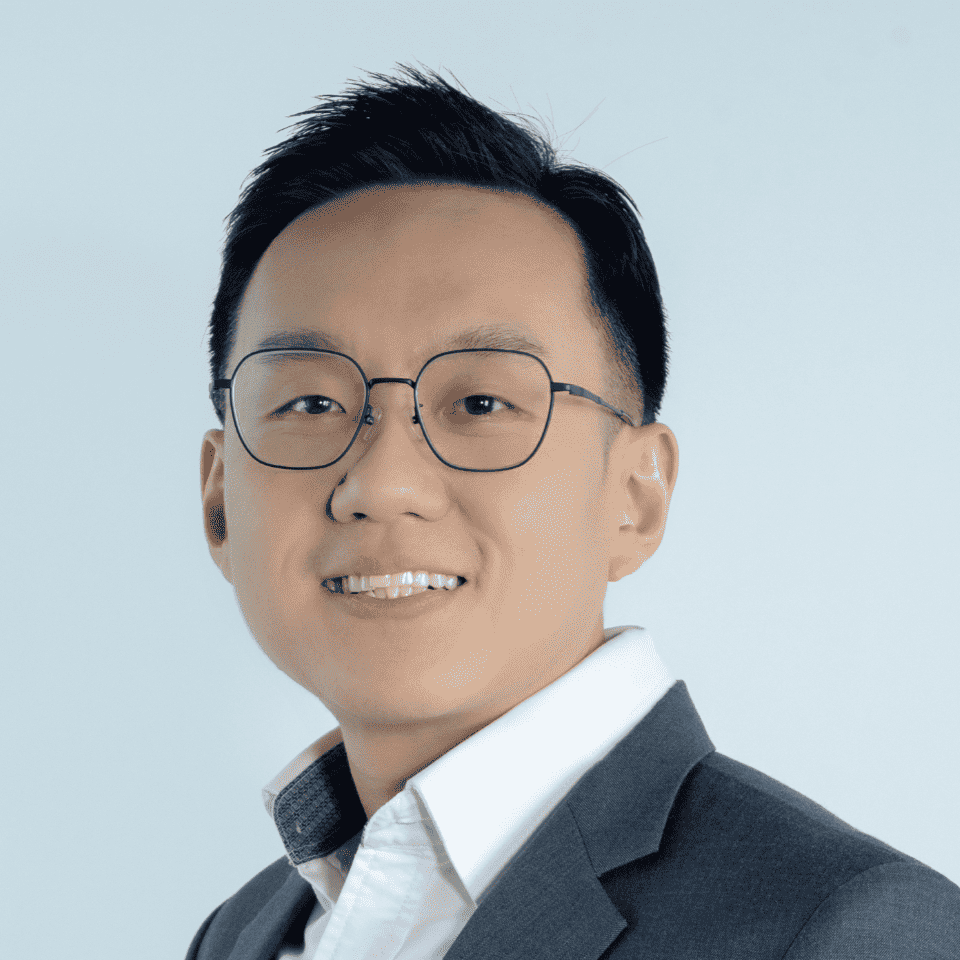
The Hong Kong University of Science and Technology (Guangzhou), Guangzhou, China;Woon is a researcher and educator committed to fostering transformative resilience in climate sustainability by deepening the understanding of the environment-economic-social nexus. Named a 2025 National Champion of the Frontiers Planet Prize, he has published over 100 papers, including in Science, and his work has been featured in Future Earth, The Guardian, and Anthropocene Magazine. Before entering academia, Woon led green architectural designs for townships in Malaysia and Indonesia. He is a 2021 Global Development Network Award recipient, a 2023 SUSI Scholar, the 2025 ACS Energy & Fuel Rising Star, a 2025 Top 2% Scientist by Stanford/Elsevier, and a member of the Global Young Academy. He is currently an Assistant Professor at HKUST(GZ) and an adjunct associate professor at Xiamen University Malaysia.
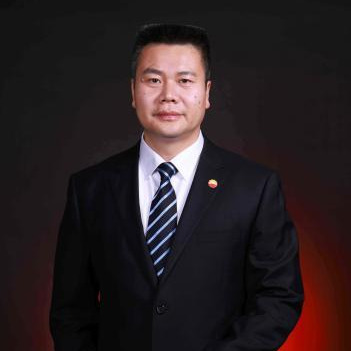
Mr. Mouyuan Wu
Vice President, Vice President of CNPC Economics & Technology Research Institute;Vice President of CNPC Economics & Technology Research Institute (ETRI), Principal Economist and an expert on corporate strategic research. Mr. Wu served as Director of Development Strategy Division, Director of Overseas Investment Environment Division, in ETRI. He has long been engaged and experienced in strategy, policy and other research areas, including energy security & energy transition, corporate strategy and benchmarking, oil and gas mergers and acquisitions, and transnational operations.
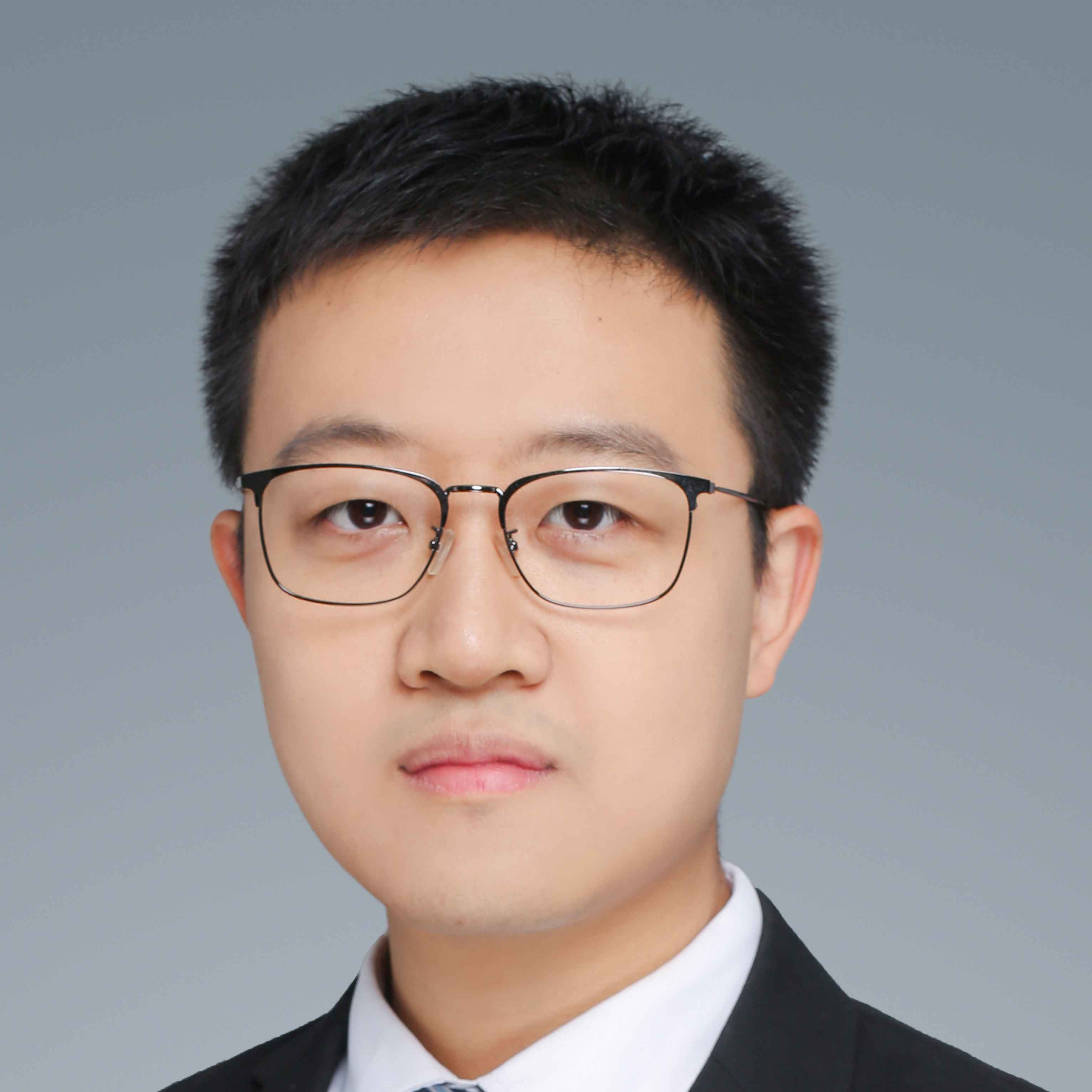
China University of Petroleum (East China), Qingdao, China;Dr. Xing holds a Ph.D. of Civil Engineering and currently works at China University of Petroleum (East China). His research focuses on building energy system optimization and smart operation, specializing in HVAC intelligent control and flexible energy utilization. He has published multiple top-tier technical papers, such as Applied Energy and Energy. He has led/participated in research projects on building intelligence, including national R&D programs and NSFC projects, and contributed to multiple group standards and standard drawings with technical achievements applied in multiple public buildings in China.
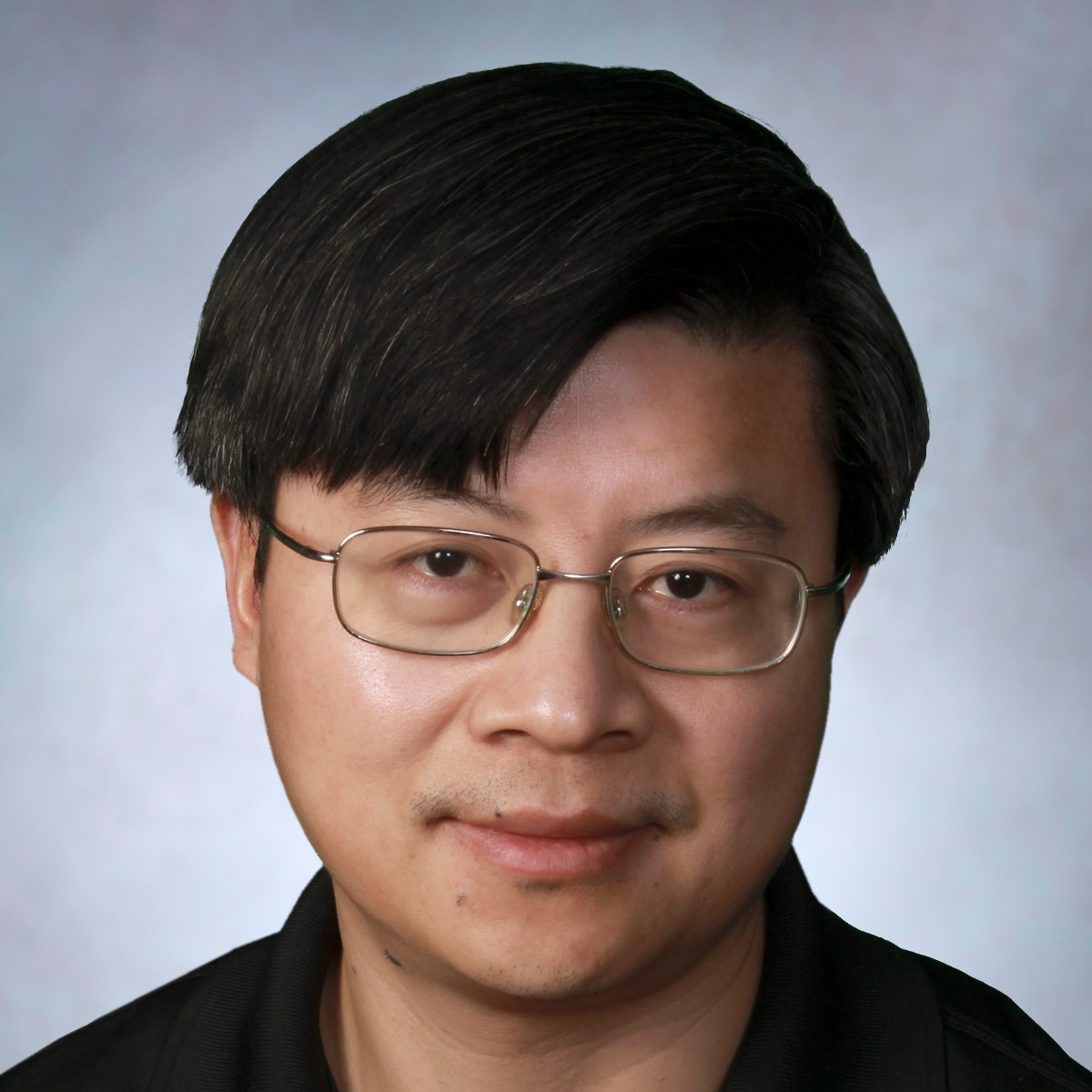
Hong Kong Polytechnic University, Hong Kong, China;Prof. Charles Xu, Fellow of Canadian Academy of Engineering, is currently Chair Professor of Advanced Biorefinery at School of Energy and Environment, City University of Hong Kong. He was a full professor and the NSERC/FPInnovations Industrial Research Chair in Forest Biorefinery at Western University, Canada, with over 20 years of research experience in advanced biorefinery for conversion of biomass and bioresources into bio-based chemicals/materials; resourceful utilization of organic solid waste by hydrothermal liquefaction/carbonization to produce low-carbon fuels or biofuels and bio-carbon materials; green hydrogen production, storage and applications; biomass metallurgy; clean coal technologies and air emission control. He has published 400+ refereed journal papers, having received 28,000+ total citations with an H-index of 87 to date. He is recipient of the Excellent Research Award (1999) from the Japan Energy Society, the Syncrude Canadian Innovation Award (2011) and the Industrial Design and Practice Award (2019) from the Canadian Society of Chemical Engineers, the Changjiang Scholars Chair Professorship (2020) from the Ministry of Education of China, and the 2023 Humboldt Research Award from the Humboldt Foundation, Germany.
Shenzhen University, Shenzhen, China;Tian You, Associate professor under the "Hundred Talents Program" at Shenzhen University and a doctoral supervisor, mainly focuses on research in energy geo-structures and building renewable energy technologies. She has led three national projects and three provincial projects and so on. Besides, she has published over 70 papers. She has received honors such as the First Prize of Technological Invention in Guangdong Province and the First Prize of Construction Science and Technology Progress in Henan Province.
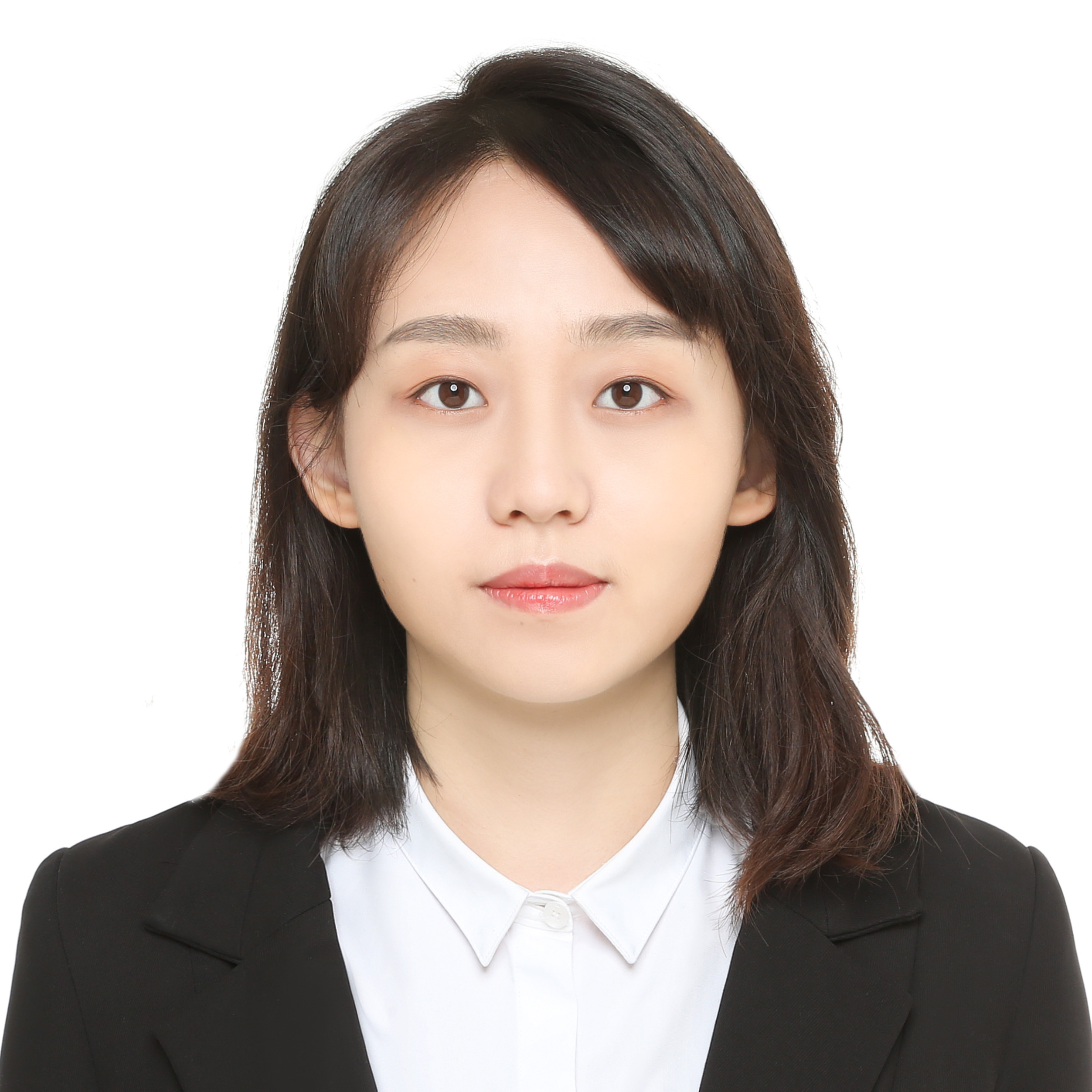
Tongji University, Shanghai, China;Yijie Zhang is an Assistant Professor at Tongji University, specializing in solar energy utilization and distributed energy system design. She received her Ph.D. from The Hong Kong Polytechnic University and has conducted postdoctoral research at both The Hong Kong Polytechnic University and The University of Hong Kong. Her work focuses on solar energy utilization and distributed energy system design. She has published extensively in leading journals such as Energy and Applied Energy, with over 1,000 citations. Dr. Zhang serves as a reviewer for several high-impact journals.
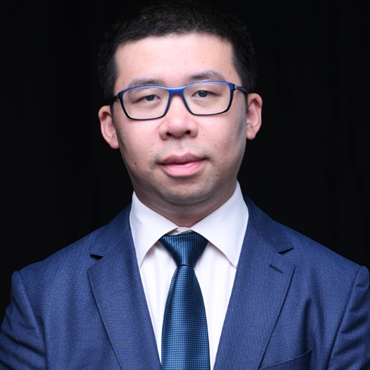
The Chinese University of Hong Kong (Shenzhen), Shenzhen, China;Junhua Zhao, Professor at CUHK-Shenzhen, Fellow of IET and AAIA, Elsevier Highly Cited Chinese Researcher. His research primarily focuses on smart grids, electricity markets, and the low-carbon transition. Demonstrating outstanding academic impact, he has published over 300 papers in top-tier journals and conferences, accumulating more than 21,000 citations. Furthermore, Prof. Zhao has made significant contributions to the field by leading over 40 major research projects, including the Key and General Programs of the National Natural Science Foundation of China (NSFC) and projects funded by the China Southern Power Grid
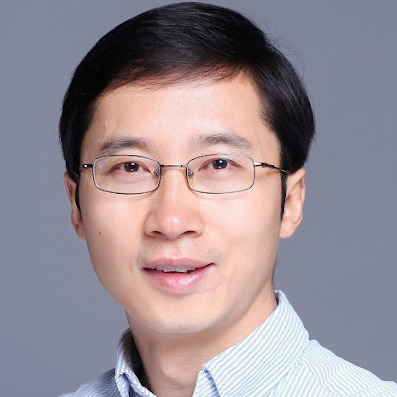
Research Center for Eco-Environmental Sciences, Chinese Academy of Sciences, Beijing, China;Weiqi Zhou received his B.Sc. degree in environmental sciences from Peking University, Beijing, in 2001; his M.Sc. degree in cartography and geographic information systems from the Chinese Academy of Sciences, Beijing, in 2004; and his Ph.D. degree in natural resources from the University of Vermont, Burlington. He is currently working at the State Key Laboratory of Urban and Regional Ecology, Research Center for Eco-Environmental Sciences, Chinese Academy of Sciences as a research professor. He is experienced in urban landscape dynamic analysis using geographic information system and remote sensing technologies, especially with high spatial resolution remote sensing images.
Sessions
Explore more details- S1. Emerging Technologies and Integrated Solutions for Sustainable, Resilient Cities and Planet
- S2. Resilient Urban Energy Infrastructure
- S3. Sustainability Education and Innovative Approaches
- S4. Climate Change and Socio-Ecological Systems
- S5. Sustainable Urban Landscapes and Low-Carbon Mobility
- S7. Renewable Energy and Smart Grids
- S8. Policy Frameworks for Equitable Green Transitions
- S9. Sustainable Economic Models and Green Finance
- S6. Circular Economy and Resource Efficiency
- S10. Tourism, Culture, Heritage and Hospitality: Global Strategies for a Sustainable Future
- S11. Inclusive Strategies for Water Quality Improvement, Ecological Restoration and Water Resource Management

2026 MDPI Sustainability Foundation Award Winners
Curtin University, Perth, Australia
University of Colorado Boulder, Boulder, USA
The awards ceremony will take place at WSF-12, 21–24 August 2026, Hong Kong.
Ms. Amy Cheng
Ms. Cassie Zhao
Ms. Olivia Wong
Ms. Lilya Zhang
Dr. Alina-Andrada Igna
Ms. Flora Li
Email: wsf12@mdpi.com
For inquiries regarding submissions and sponsorship opportunities, please feel free to contact us.