4th ISFMS—Biochemistry, Molecular Biology and Druggability of Proteins
Thank you for your participation in ISFMS2022!
We would like to thank our chairs, committee members, speakers, and all the attendees for making such a great meeting!
You can already download you certificate by accessing your Sciforum account. Once you're logged-in, go to your profile and click on 'My certificates'.
For any question or comment, please send us an email to isfms@mdpi.com.
See you at the next edition!!
the chairs
We look forward to seeing you in Florence.
Claudiu T. Supuran, Paola Gratteri, Silvia Selleri & Clemente Capasso
 Follow the conversation on Twitter with #ISFMS2022
Download the conference poster here.
| Sponsored By |
|
| Media Partner |
|
| A special thanks to our collaborator Orto botanico - Antico giardino dei semplici |
|
Conference Secretariat
Reyna LiAna Sanchis
Email: isfms@mdpi.com
Sponsoring Opportunities
For information regarding sponsorship and exhibition opportunities, please contact:
E-Mail: isfms@mdpi.com
Meet Our Chairs
University of Florence Neurofarba Department, Firenze, Italy;
University of Florence Neurofarba Department, Firenze, Italy;

University of Florence Neurofarba Department, Firenze, Italy;
National Research Council, Napoli, Italy;
Important Dates
24 Jun
2022
15 Jul
2022
20 Jul
2022
11 Aug
2022
Meet Our Speakers
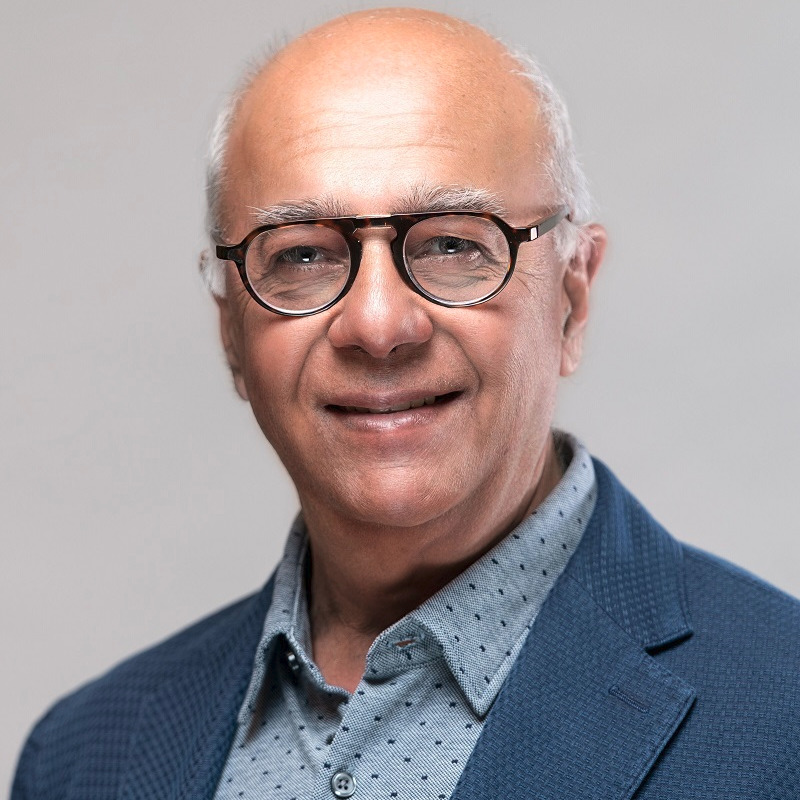
Department of Biochemistry and Molecular Biology, University of British Columbia, Vancouver, BC, Canada;Dr Shoukat Dedhar is a Professor in the Department of Biochemistry and Molecular Biology at the University of British Columbia, Vancouver. He is a Fellow of the Royal Society of Canada. Known for his seminal discovery of Integrin-Linked Kinase (ILK), an essential protein involved in the regulation of cytoskeletal organization and signal transduction, he has also made significant contributions in the field of tumour microenvironment/hypoxia, and co-developed a new inhibitor of CAIX, currently in clinical trials.
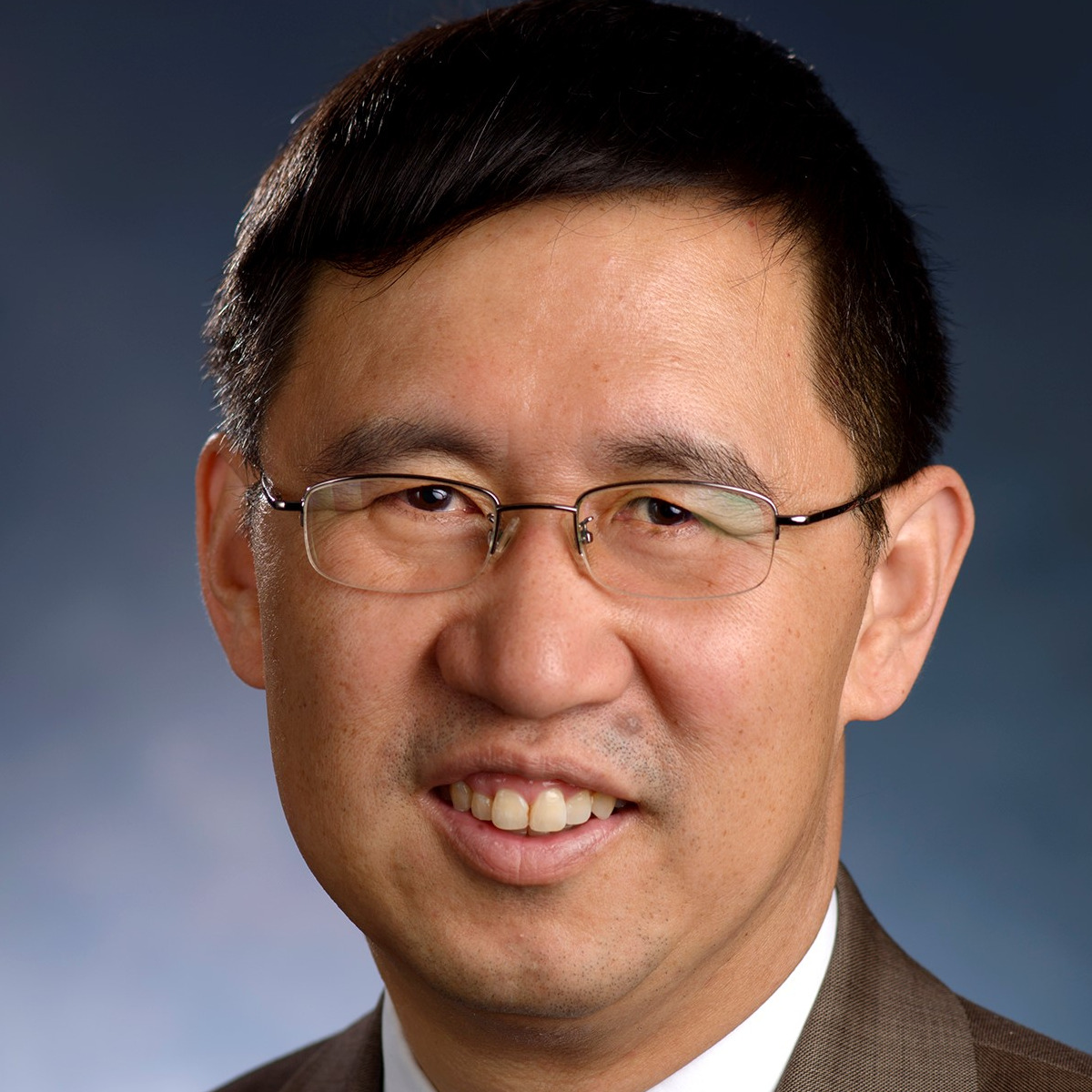
Department of Chemistry, and Center for Diagnostics and Therapeutic, Georgia State University, Atlanta, GA, USA;Dr. Binghe Wang is Regents’ Professor of Chemistry, Georgia Research Alliance Eminent Scholar in Drug Discovery, and Director of Center for Diagnostics and Therapeutics at Georgia State University. Dr. Wang obtained his B.S. degree in medicinal chemistry from Beijing Medical College in 1982, and his Ph.D. degree in medicinal chemistry from the University of Kansas in 1991. He served at the University of Oklahoma and at North Carolina State University before he was recruited to a Georgia Research Alliance Eminent Scholar position at Georgia State University, where he also served as Chair of the Department of Chemistry, Associate Dean for Natural and Computational Sciences, Associate Dean for Research, Graduate Studies, and Innovation, and Interim Dean of the College of Arts and Sciences. Dr. Wang’s research covers drug design, drug delivery, chemosensing, chemical biology, and organic chemistry. He has published over 320 scientific papers and given over 220 invited lectures worldwide. He served for 20 years as the Editor-in-Chief of a high-impact journal, Medicinal Research Reviews between 2000-2019, and founding serial editor of “Wiley Series in Drug Discovery and Development,” which has published over 20 volumes. He has edited books in areas including drug design, drug delivery, pharmaceutical profiling, chemosensing, carbohydrate recognition, and therapeutic applications of carbon monoxide. Internationally, Dr. Wang has served on many panels and editorial boards including his 7-year membership on the Synthetic and Biological Chemistry-A Study Section (SBC-A) at the NIH. He has also led or participated in the organization, and/or presided over more than 40 international symposia and conferences.
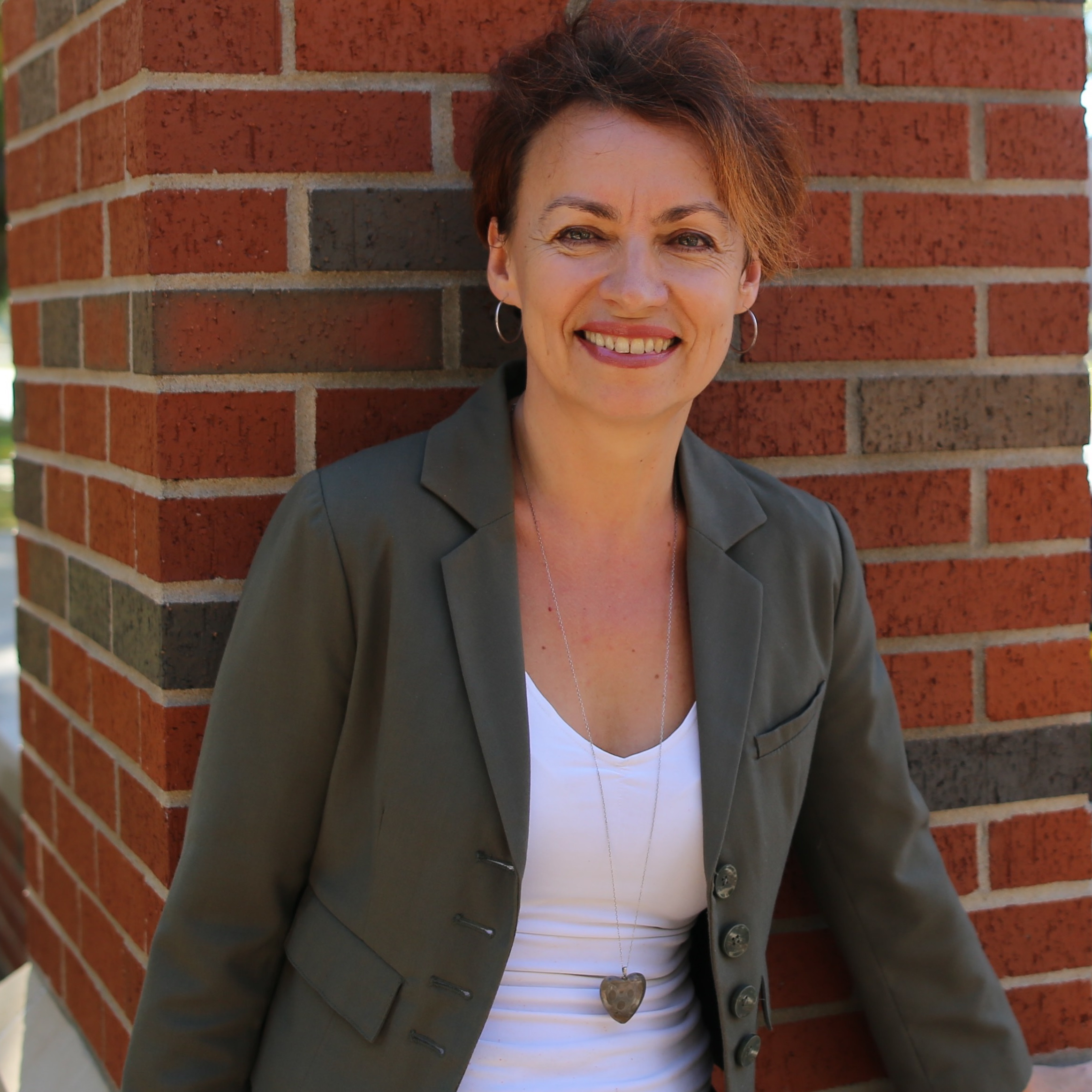
Department of Microbiology and Molecular Genetics, Oklahoma State University, Stillwater, OK, USA;Dr. Patrauchan is a Professor of Microbiology in the Department of Microbiology and Molecular Genetics at Oklahoma State University. She holds a PhD in Microbiology (National Academy of Sciences, Ukraine) and received postdoctoral training in molecular microbiology (Michigan State University, Montana State University, and University of British Columbia). Dr. Patrauchan’s research focuses on understanding calcium signaling in a human pathogen Pseudomonas aeruginosa.
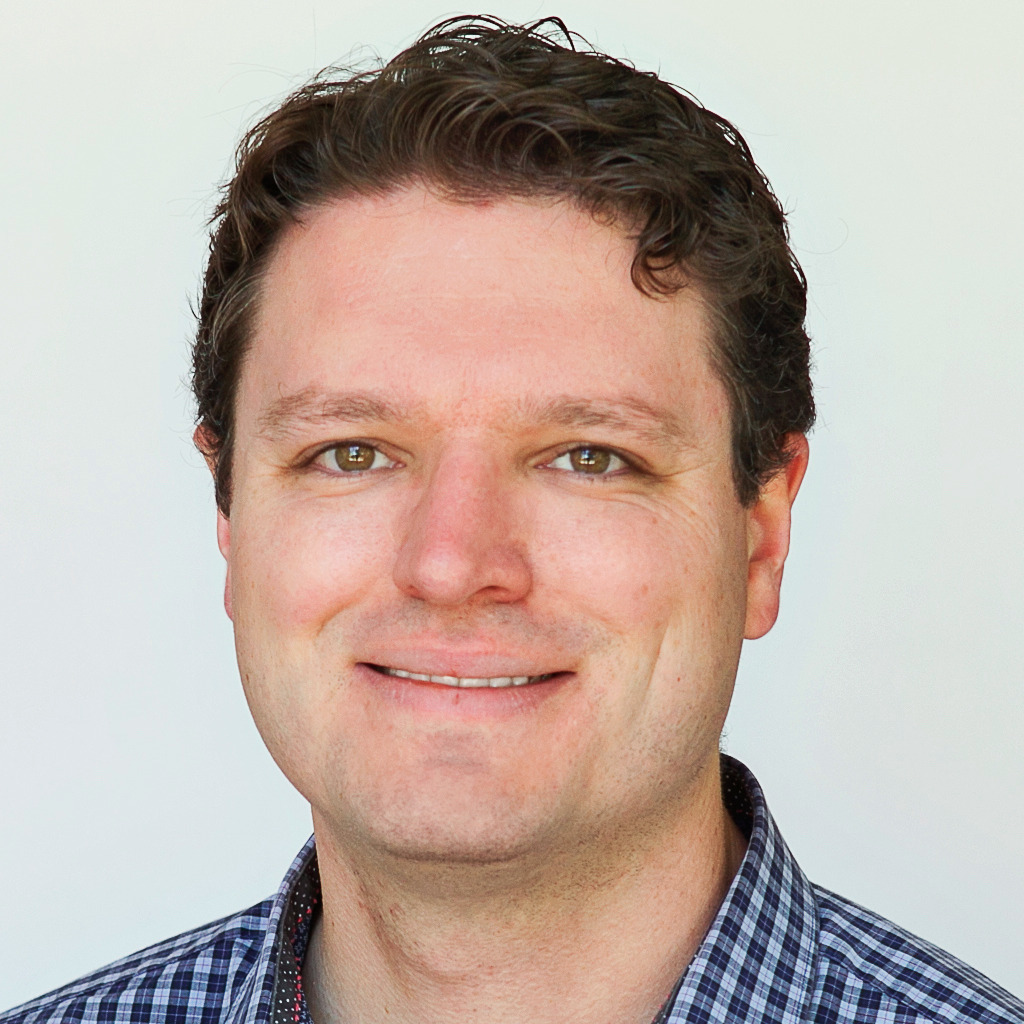
School of Chemistry, University of New South Wales (UNSW) Australia, Sydney, Australia;William A. Donald is an Associate Professor, Australian Research Council Future Fellow, and Scientia Fellow in the School of Chemistry at the University of New South Wales, Sydney. He received his B.Sc. degree in Chemistry from Seattle University in 2005 and a Ph.D. from the University of California, Berkeley in 2010. After a research fellowship at the University of Melbourne, he joined the School of Chemistry at the University of New South Wales in 2013. He is currently an associate editor for the Journal of Enzyme Inhibition and Medicinal Chemistry. His research interests include mass spectrometry and ion chemistry, with an emphasis on developing and applying instrumentation and methods to problems of interest in biochemistry.
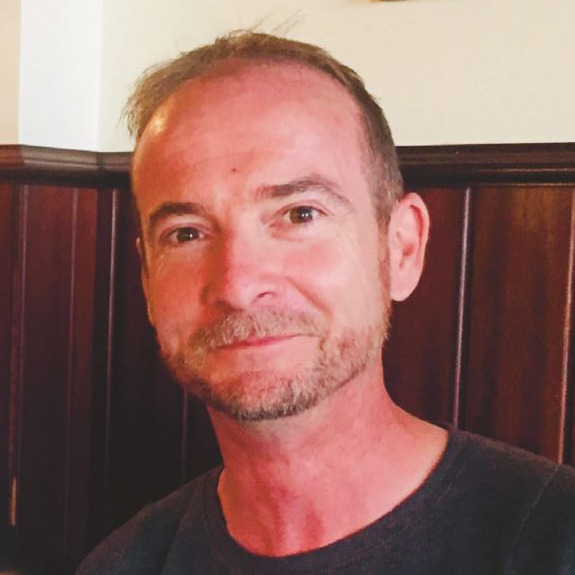
IBMM - Pôle Chimie Balard Recherche, University of Montpellier, Montpellier, France;Jean-Yves Winum received his PhD in chemistry from the University of Montpellier (France) in 1998. He then worked as a postdoctoral fellow in the Chemistry department of Georgetown University (Washington, DC) and of the University of Geneva (Switzerland). In 1999, he joined the University of Montpellier, where he is now Full Professor. His research interests are focused on organic/medicinal chemistry of metalloenzyme inhibitors. He published more than 190 articles (h-index 44) in this field.
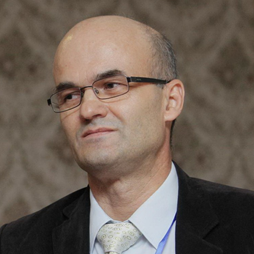
Faculty of Chemistry, “Alexandru Ioan Cuza” University of Iasi, Iasi, Romania;Dr. Mangalagiu is a professor of organic and medicinal chemistry and Vice-Rector with research at “Alexandru Ioan Cuza” University of Iasi, Romania. He has nearly 30 years of experience in the research, focused in the area of Heterocycles Compounds. He has over 200 papers, 15 patents, 3 international chapter books, etc. He was Visiting Professor and/or invited speaker to prestigious foreign universities (Ludwig Maximilianus University Munchen, Technische Universität Braunschweig, University of Florence, Universite D’Angers), awarded with numerous prizes and honours: DAAD and NATO award, “Costin D. Nenitescu Medal” (Romanian Society of Chemistry), “Al.I.Cuza University Award in Research”, Special Award of Croatian Association of Inventors, etc. More information’s to: http://teclu.chem.uaic.ro/mangalagiu; ORCID number 0000-0002-4632-5076
Department of Molecular Medicine, Morsani College of Medicine, University of South Florida, Tampa, USA;
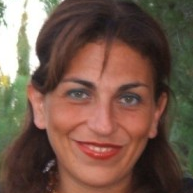
Biostructure and Bioimaging Institute-CNR, Naples, Italy";Giuseppina De Simone graduated in chemistry at the University of Naples Federico II (1993). She worked from August 1994 to January 1995 at the Drug Design Group-Sandoz Pharma AG in Basel, and from September 1995 to February 1996 at the University of Pavia. From November 1996 to January 1997, she was visiting scientist at the Max Plank Institute-Hamburg Germany. In 1998 she received her PhD at the University of Naples. Since 2010, she is Research Director at the Institute of Biostructures and Bioimaging of the Italian National Research Council. Her research activities are focused on the biochemical and structural characterization of enzymes involved in human diseases. She published more than 160 articles (Google scholar h-index 49) in this field.
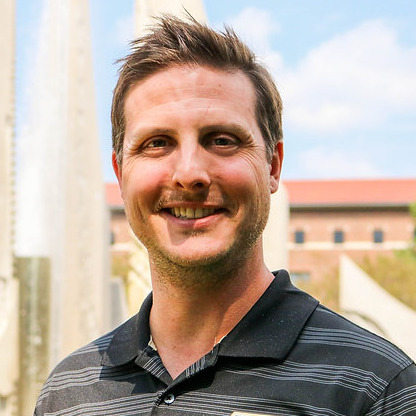
Department of Medicinal Chemistry and Molecular Pharmacology, Purdue University, USA;Dr. Flaherty received his Ph.D. in pharmaceutical sciences at the University of Nebraska Medical Center. He then moved to the University of Kansas and joined an NIH sponsored medicinal chemistry lab under the direction of Dr. Jeffrey Aubé as a post-doctoral researcher and later as a research track faculty. He is now an assistant professor of medicinal chemistry in the Department of Medicinal Chemistry and Molecular Pharmacology at Purdue University focused on drug design for new antibiotics.
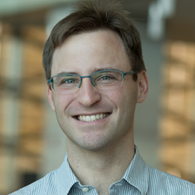
Molecular Diagnostics and Drug Discovery (MD3) Group, Smart-Health Initiative (SHI), Red Sea Research Center (RSRC), Biological and Environmental Science and Engineering (BESE) Division, King Abdullah University of Science and Technology (KAUST), Kingdom of Saudi Arabia;Research in Professor Łukasz Jaremko's Molecular Diagnostics and Drug Discovery (MD3) group focuses on atomic-level insight into essential and topical questions from biochemistry and medicine, such as, e.g., the primary molecular bases of cancer, including leukaemia and lung cancer (Nature, 2021). The team is actively working in the field of targeted drug design and discovery, using structure-dynamics analysis to search for small molecules (ligands) that interact specifically with the disease-associated proteins. Identified lead compounds are then engineered to increase their binding and, thus therapeutic potency against cancer (Nature Chem Biol, 2021). Biomolecular nuclear magnetic resonance (NMR) spectroscopy is the crucial experimental technique used and refined (J Chem Phys B, 2015; Angewandte Chem, 2016; J Biomol NMR, 2018, 2020) to tackle challenging macromolecular assemblies (Nature Chem Biol, 2013, 2021; Science, 2014; Nature Communications, 2016, 2017; Nucleic Acids Res, 2019; Am J Hum Genetics, 2019; Chemical Science, 2020; eLife, 2021; Nature 2021; Mol. Cell 2021). These NMR-based structural studies are then combined with molecular and enzymatic assays as well as other state-of-the-art biophysical techniques such as X-ray crystallography, electron microscopy, circular dichroism and molecular dynamics simulations to get further insights into the complex biological systems essential for human health. Professor Łukasz Jaremko has published over 90 peer-reviewed papers in international journals covering original research of both methods development and application to address and monitor the pivotal biological, biomedical and environmental phenomena.


Posters have been divided in two groups and each poster will be presented in one of the two poster sessions:
- Poster Session 1 – Wednesday 07 September 2022; 18.00-18.45h
- Poster Session 2 – Thursday 08 September 2022; 18.00-18.45h
The session in which each poster will be presented can be found HERE, together with the posters' numbers, titles, and presenters' names. Please contact us if the poster presenter's name is incorrect in the list.
Please print your poster prior to the conference. Note that maximum poster size is limited to 90x140cm, vertical orientation preferred.
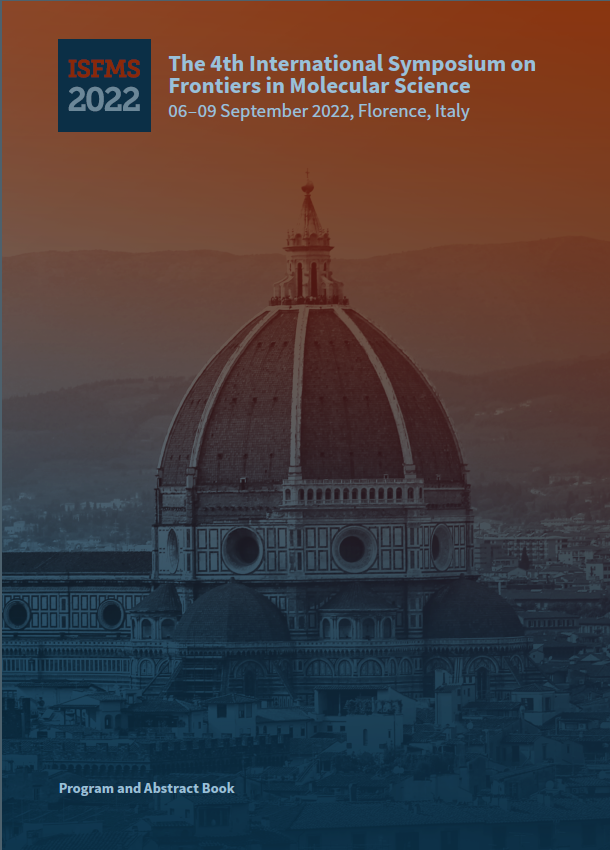
Please find below the ISFMS 2022 Conference Book, including all abstracts (last update 6 September 2022). Click on the cover image to download it:
The Conference Social Dinner will take place on 8 September at 20:30h at Ristorante Il Bargello.
Please note that the conference fee does not include this social event. The price per person to attend the Social Dinner is 50 euro. Anyone wishing to attend the conference social dinner should register and pay at this website before 31 August.
Address: Piazza della Signoria 4/red 50122 Firenze FL