Online Second International Laayoune Forum on Biosaline Agriculture
Dear Colleagues,
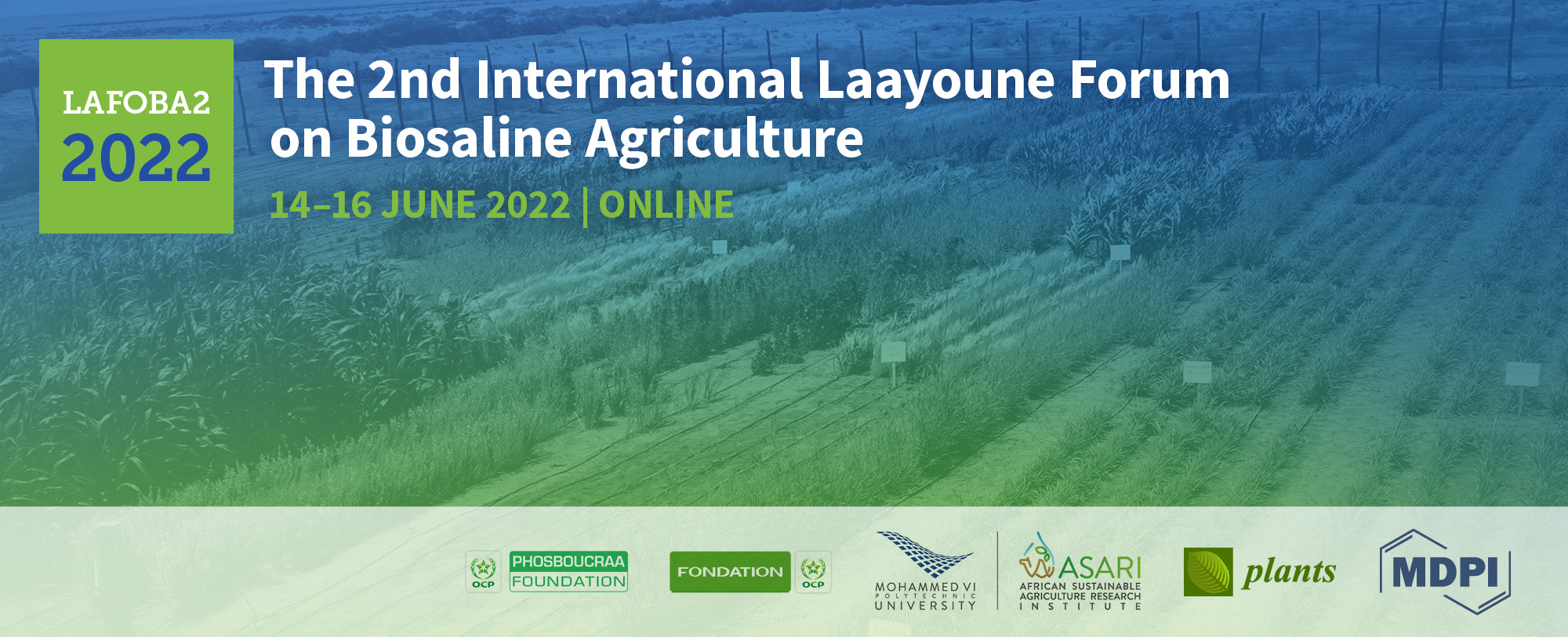
It is a pleasure to announce the Second International Laayoune Forum on Biosaline Agriculture (LAFOBA2). This e-conference is organized jointly by the African Sustainable Agriculture Research Institute (ASARI), Mohammed VI Polytechnic University (UM6P), and the OCP foundation in partnership with Phosboucraa foundation and the International Center for Biosaline Agriculture (ICBA). LAFOBA2 will be held online from June 14 to 16 in 2022 and will be free of charge.
We invite you to submit an abstract of your recent work on biosaline agriculture and other conference themes.
Kind Regards
Conference chairs
Choukr-Allah R. & Hirich A.
the chairs
Dear Colleagues,
It is a pleasure to announce the Second International Laayoune Forum on Biosaline Agriculture (LAFOBA2). This e-conference is organized jointly by the African Sustainable Agriculture Research Institute (ASARI), Mohammed VI Polytechnic University (UM6P) and Phosboucraa foundation in partnership with the OCP foundation and the In ternational Center for Biosaline Agriculture (ICBA). LAFOBA2 will be held online from June 14 to 16 in 2022.
The Forum is organized in view of enormous impact soil and water salinization has on ecosystems, agriculture, livelihoods and food security worldwide. It is important to clearly map the areas already affected by salinity or at risk on a global scale and develop and implement strategies and practices to effectively and efficiently address these effects.
The forum is also a continuation of the previous successful First International Laayoune Forum on Biosaline Agriculture, as salinity still affects many aspects of human life and the concept for the use of saline water for irrigation to increase food production has been advocated by many research scientists, organizations, institutions and authorities for the last more than five decades.
The forum will also look at the progress that has been made in salinity management at national, regional and global levels. As practice and policy on salinity management have been further advanced, the forum will benefit a wide range of stakeholders, including scientists, policymakers and experts, in that it will serve as a platform for exchange of knowledge on the latest advancements and work on salinity.
Salinity management and effective use of saline soil and water resources for food, feed and biofuel production will be the overarching objective of the forum.
The forum will also have the following broad objectives:
- to share examples of successful strategies, policies, measures, projects, and case studies to adapt to and mitigate salinization around the world for current and future scenarios considering climate change
- to form linkages and partnerships between various national, regional, and international initiatives targeting salinization
- to facilitate dialogue between policymakers, donors and development agencies, scientists and experts
- to develop joint proposals of action at national, African, and international levels
LAFOBA2 is a virtual conference sponsored by OCP foundation, Mohammed VI Polytechnic University and Phosboucraa Foundation. Participation is free of charge for authors and attendees. Accepted short papers will be gathered in the proceedings of the conference that will be published online in Environmental Science Proceedings, ISSN: 2673-4931 (https://www.mdpi.com/journal/environsciproc).
After the conference, the Committee will select manuscripts that may be included for publication in Special Issue "Advances in Biosaline Agriculture" (Plants | Special Issue : Advances in Biosaline Agriculture (mdpi.com)) in Plants journal (ISSN: 2223-7747; impact factor: 3.935 (2020), Journal Rank: JCR - Q1 (Plant Sciences) / CiteScore - Q2 (Plant Science)) and undergo full peer review. Conference participants are encouraged to submit a full paper to the dedicated Special Issue. The Sponsoring journal Plants will provide a 10% discount on the Journal’s Article Processing Charges to all conference participants that submit a paper to the Special Issue. Only 1 discount per person and per submitted article will be allowed. Note as well that this journal discount cannot be combined with any other discount type provided by MDPI. Selected best papers (Number not yet determined) will be fully supported by the conference sponsors regarding publication fees.
LAFOBA2 offers you the opportunity to participate in this international, scholarly conference without the concerns or expenditure of travel — all you need is your computer and access to the internet. We would like to invite you to attend this conference and present your latest work.
Meet Our Chairs
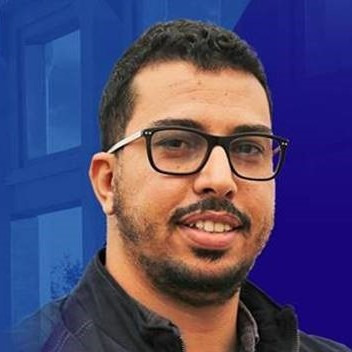
Mohammed VI Polytechnic University (UM6P), African Sustainable Agriculture Research Institute (ASARI), Laayoune, Morocco;Assistant professor of Biosaline agriculture in Mohammed VI Polytechnic University, African Sustainable Agriculture Research Institute in Laayoune, Morocco since January 2020. Prior to his current position he was scientist at the International Center for Biosaline Agriculture, Dubai from 2017 to 2020 and Postdoctoral fellow from 2014-2016. He has PhD in agricultural sciences (IAV HASSAN II, Morocco), MSc in land and water resources management (CIHEAM-IAMB, Italy) and Engineer diploma in Horticulture (IAV HASSAN II, Morocco). His expertise is focusing on Biosaline agriculture, salinity management, horticulture, irrigation management, alternative crops, fertigation...etc. Hirich was leading several projects within the context of biosaline agriculture with a total budget more than 11 Million USD implemented in several countries including Morocco, Egypt, UAE and 7 Sub-Saharan countries. He has more than 75 publications in journals, book chapters and international conferences. Prior to his position with ICBA, Abdelaziz was working as a researcher within the GLOBAQUA and SWUP-MED EU funded projects and horticulture engineer consultant with many private agribusiness companies in Morocco.
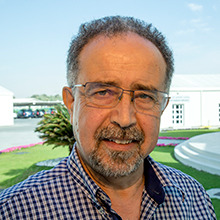
Senior Fellow, International Center for Biosaline Agriculture, BP: 14660, Dubai, UAE;Former Professor at Hassan II Institute of Agronomy and Veterinary Medicine, Rabat, Morocco;is a horticultural, soil, and water environmental expert with more than 35 years of experience in the use of saline water and the use of pretreated sewage in Horticulture. He earned a PhD in environment horticulture at the University of Minnesota, St. Paul, USA. He also served as a technical coordinator of a 12 million project, financed by USAID on the water resources sustainability in Morocco. He served as head of the Horticulture Department from 1983 to 1996 and as head of the salinity and plant nutrition laboratory since 1996. He served at ICBA as a senior fellow scientist in horticulture and a Section Head of Crop Diversification and Genetics. He has produced numerous publications, including edited books, research reports, articles in peer-reviewed international journals, and books in the field of nonconventional water.
Important Dates
10 Jan
2022
21 Jan
2022
30 Mar
2022
7 Jun
2022
Meet Our Speakers
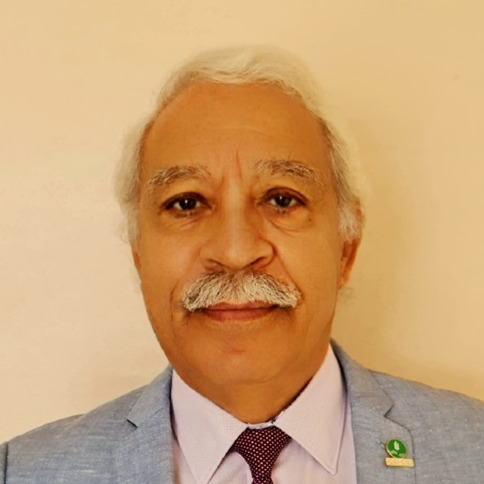
President of the International Commission on Irrigation & Drainage, ICID (2020-2023);Fellow at UK Centre for Ecology & Hydrology, UK;UKCEH Fellow, hydrologist and water resources management specialist. Long experience of being employed by both universities and research centres. Expert in catchment hydrology, irrigation, drainage, soil hydrology, soil physics, soil-water-plant –atmosphere relations, impact of land use and climate, change on water resources, water& food security and drought management. President of the International Commission on Irrigation & Drainage, ICID (2020-2023) and Vice President (2010-2013) of the International Commission on Irrigation & Drainage, ICID (www.icid.org), the Chairman of the Permanent Committee on Strategy and Organization, PCSO of ICID (2010-2014), Chairman of the Working Group on Water & Crops, ICID and was the Chairman of the British National Committee on Irrigation and Drainage, ICID-UK (2007-2011), founder of the WG on the use of poor quality water for food production, ICID. International Adviser to the Brazilian National Institute of Salinity studies and to King Saud University, Saudi Arabia, and UNDP. Lecturer and external examiner to various Universities in and outside the UK. Recipient of several International Awards. Reviewer for more than 15 International Journals and evaluator for several funding organizations. Author and Co-Author of numerous scientific papers and Editor and Co-Editor of several special issues of International Journals as well as Conference Proceedings. Member of the Editorial Boards of four scientific journals. Developed two widely used models, SALTMED for field scale as a tool for integrated management of water, soils, crops and N- fertilizers and IHMS (Integrated Hydrological Modelling System) for catchment/basin scale.
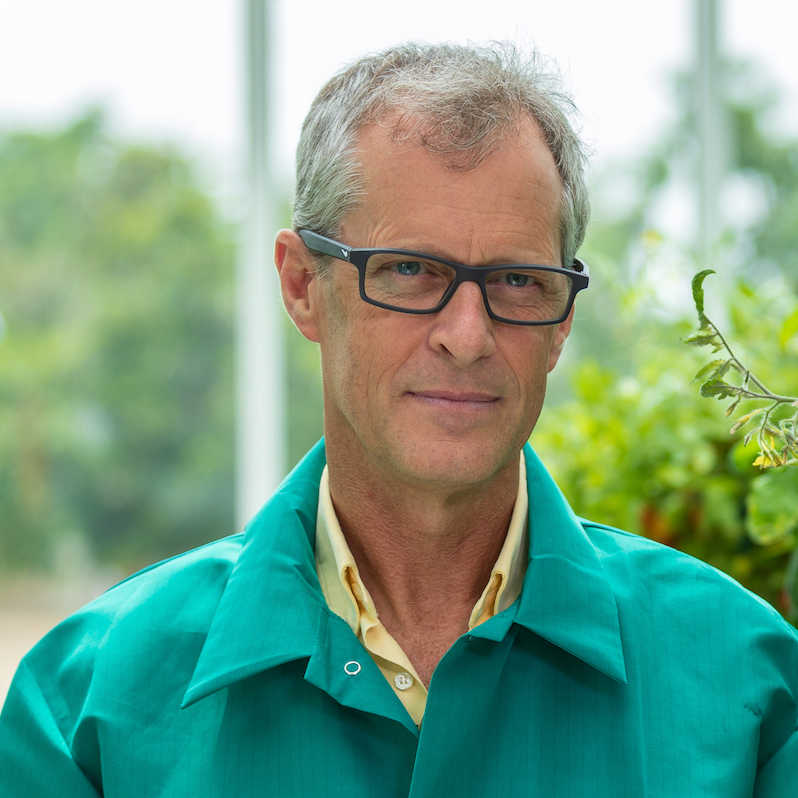
Prof. Dr. Mark Tester
Professor of plant science at King Abdullah University of Science and Technology, Associate Director of the Center for Desert Agriculture;Co-Founder and Chief Scientist of Red Sea Farms LLC;Mark Tester is professor of plant science at King Abdullah University of Science and Technology, Associate Director of the Center for Desert Agriculture and co-Founder and Chief Scientist of Red Sea Farms LLC. In 2019, he was Head of the Food Sector at NEOM. Prior to joining KAUST in February 2013, he was an ARC Federation Fellow and professor of plant physiology at the University of Adelaide, where he established The Plant Accelerator. Previously, he was a Senior Lecturer at the University of Cambridge, where he also received his PhD in 1988. Mark is now enjoying developing saltwater-based agricultural systems, to improve sustainability of food production.
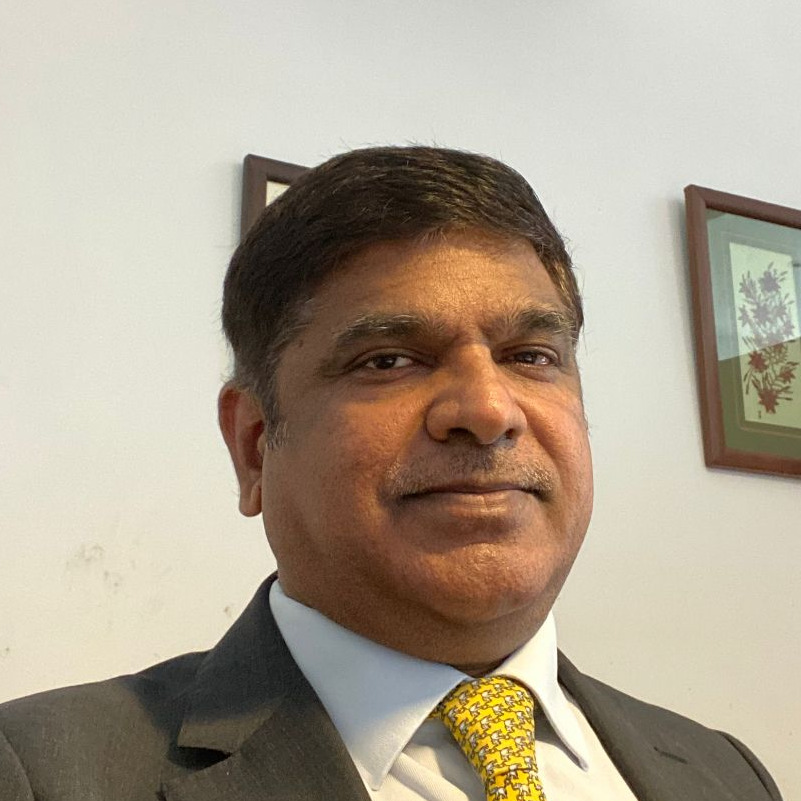
Head of the Research and Extension Unit, Office of Innovation at FAO of the UN;Dr. Selvaraju Ramasamy is currently the Head of the Research and Extension Unit, Office of Innovation at FAO of the UN. He currently leads development of FAO programme on resilient marginal agricultural areas and technical support for strengthening Agricultural Innovation Systems (AIS) and coordinates partnerships with National Agricultural Research Systems and Extension and Advisory Services and their regional networks. Dr Ramasamy manages the Tropical Agriculture Platform (TAP), a multi-stakeholder G20 initiative on capacity development for agricultural innovation. He represents FAO at the CGIAR System Council, Inter-agency task team of UN Technology Facilitation Mechanism (TFM) and the board of the Global Forum on Rural Advisory Services (GFRAS). Since 2007 with FAO, he held many advisory and coordination roles, including the Chair of the Partner Advisory Committee of the Global Framework for Climate Services (GFCS) (2015-2019), FAO’s focal point for UNFCCC Nairobi Work Programme and WMO partnership (2009–2019) and work on resilience to natural hazards (2016-2018). Before FAO, he was a Senior Scientist (climate risk management) with Asian Disaster Preparedness Center, Bangkok (2005-2007), and managed several multi-country research projects on climate forecast applications as the principal investigator (2000-2005). He was a visiting scientist at the Queensland Centre for Climate Applications and University of Western Sydney, Australia, East West Centre, Hawaii and International Research Institute for Climate and Society (IRI), New York (1999-2002). He started as a scientist with Indian Council for Agricultural Research (ICAR) (1994). He holds a PhD in Agronomy (1994) specialized in agroclimatology and crop modelling.
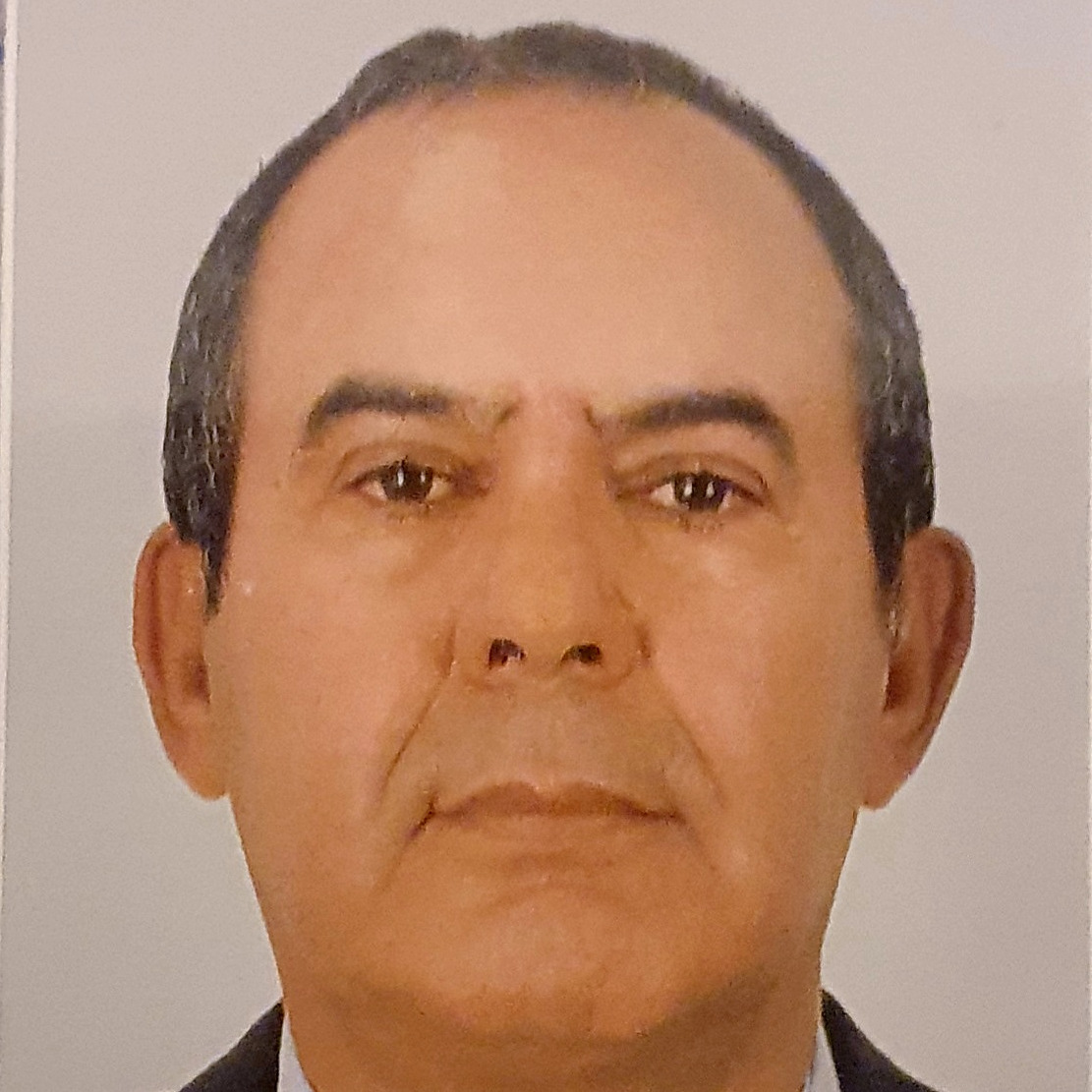
Dr. Rachid Serraj
Director of Strategy at Mohammed VI Polytechnic University, Morocco;Director of Strategy at Mohammed VI Polytechnic University. Prior to his current position, Dr. Serraj was the Delivery Manager of the Regional Initiative on Small Scale Family Farming and Rural Transformation, in Near East and North Africa, Food and Agriculture Organization of the United Nations (FAO) and Senior Project Officer with the Secretariat of the Science Council of the CGIAR. From 2010 to 2012 he was Director of Diversification & Sustainable Intensification of Production Systems (DSIPS) at the International Center for Agricultural Research in the Dry Areas (ICARDA). Dr. Serraj has an extensive experience in research and development and occupied several positions in various international research centres and organizations such as IRRI, IAEA, ICRISAT. He holds a PhD in crop science and agronomy from Montpelier University, France in 1987. He is author of more than 250 publications and several books, international reports, and studies.
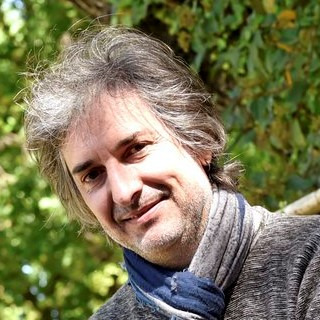
Senior scientist based at CIRAD, Montpellier, France;Dr Didier BAZILE (M) is a senior scientist based at CIRAD, Montpellier France. Agronomist, Didier is an active researcher in agroecology with a focus on agrobiodiversity. He received a Ph.D. in Rural Geography (1998) considering both conservation and sustainable use of agrobiodiversity and he was graduated as Director of Research (HdR) from Montpellier University in 2014. After different international experiences (Africa, Asia, South America), he joined the CIRAD in 2001 as Principal Scientist where he develops an ecosystem approach for in situ conservation of biodiversity and promotes participatory research. From 2008 to 2012, he took the position of Associated Professor at PUCV Chile working for quinoa’s biodiversity characterization and sustainable use. He has coordinated various international research programs on quinoa. For the International Year of Quinoa in 2013, Didier coordinated the book called “The state of the art report on quinoa around the world in 2013”. During 2014-2016, he was invited at FAO-HQ to serve as Visiting Expert and Quinoa International Focal Point. During this time, he gave technical assistance to 31 countries experimenting quinoa. He is the founder and facilitator of the Global Collaborative Network on Quinoa (gcn-quinoa.org). Today, he serves as Cirad Biodiversity Advisor. He wants to integrate his experience on multilevel and multiples actors dialogues for facilitating new partnerships for quinoa development in different geographical regions considering all actors and, in particular women.
Full professor of soil science and program lead of the Center for Soil and Fertilizer Research in Africa (CESFRA) at the Mohammed VI Polytechnic University (UM6P), Morocco;Prof. Fassil Kebede is a full professor of soil science and program lead of the Center for Soil and Fertilizer Research in Africa (CESFRA) at the Mohammed VI Polytechnic University (UM6P), Morocco. He obtained his Doctor of Science degree in soil science from the Department of Soil Science and Geology, Faculty of Science, Gent University, Belgium on 16 September 2002. In addition, he has acquired a postdoc training from same university, Gent University, BELGIUM in 2003 and from the School of Natural Resource Management, Bangor University, UK in 2007. He has more than 25 years teaching, research and leadership experiences starting his career as a lecturer of soil science to a stepwise development of the various academic ranks, viz., assistant professor, associate professor and full professor of soil science in the major public universities of Ethiopia including Haramaya University, Mekelle University, University of Gondar, Jimma University (invited professor) and Addis Ababa University (invited professor). During these years, he was engaged in teaching courses, such as tropical soils, their properties and management; soil fertility and plant nutrition; soil chemistry; managing of salt affected soils and soil testing. Furthermore, Prof. Kebede managed to supervise more than 60 M.Sc. theses and 20 PhD dissertations. He has authored over 70 articles. Besides, he has served in different administrative positions such as an academic dean, an advisor to the Minister of Ministry of Agriculture and Natural Resource of Ethiopia and Director General of the Ethiopian Soil Resource Institute to worthy mention among others.

Founder & Director The Salt Doctors, Netherlands;Arjen de Vos started specializing in saline agriculture in 1999 during his Masters at the VU University in Amsterdam, The Netherlands. After his PhD on saline agriculture, he started working at Salt Farm Texel (the Netherlands), focussing on a practical approach to identify salt tolerant crops. During those years he was working as the Director R&D and tested over 800 varieties of 50 different crops for salt tolerance. We have found salt tolerant varieties of conventional crops and we have also implemented the cultivation in various countries like Bangladesh, Pakistan and Kenya. Besides the research and implementation, Arjen de Vos is also contributing to scientific papers, he was part of the EU Focus Group on Soil Salinization and is an active member of the WASAG-FAO workgroup on saline agriculture, as well as INSAS (International Network of Salt-Affected Soils). Recently, he has started his own company called The Salt Doctors. The Salt Doctors (www.thesaltdoctors.com) is an independent social enterprise from the Netherlands that specializes in creating resilient farming systems for salt-affected areas. We often do this by understanding and adapting to the local conditions, developing cultivation strategies for improving crop yield under saline conditions, and putting the solutions into the hands of farmers at the same time. We achieve this by research and consultancy, providing practical training in the field (Training-of-Trainers) and assisting with the implementation from sowing to harvesting. We implement projects all over the world, with a focus on how to deal with salinity in a sustainable, cost-effective way.
Africa Genome Center, Mohammed VI Polytechnic University (UM6P), Ben Guerir, Morocco;Dr. Hijri obtained his BSc in 1994 in Cell Biology, and his DEA (MSc equivalent) in 1995 in Biochemistry, Molecular and Cell Biology at the University of Burgundy (Dijon, France). He obtained his PhD in Biochemistry, Molecular and Cell Biology (option: Molecular Genetics) at the University of Burgundy (Dijon, France) in 1999. His PhD project aimed to study the organization of the genetic polymorphism of the arbuscular mycorrhizal fungus Scutellospora castanea under the supervision of Prof. Hubert Dulieu at the INRA Dijon. In 1999, Dr. Hijri joined the lab of Dr. Ian Sanders at the University of Basel (Switzerland) as a postdoctoral fellow and worked on molecular genetics and the evolution of arbuscular mycorrhizal fungi. He then moved with the Sanders Lab to the University of Lausanne (Switzerland) in 2000 and continued as a postdoctoral fellow until 2005. Dr. Hijri then joined the IRBV and the Département de Sciences Biologiques of the Université de Montréal in September 2005. Dr Hijri was promoted to associate professor in 2010 and to full professor in 2016 at the Université de Montréal. In 2019, he joined the University Mohammed VI Polytechnic (Um6P) as affiliate Professor, where he co-founded African Genome Center.
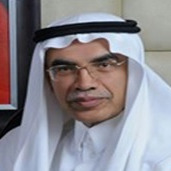
Prof. of Soil and Water Sciences, Soil Science Department, King Saud University, Riyadh, Saudi Arabia;Education: Ph.D. in Soil Science, Orogen State University, USA (1984) MSc. In Water Science University of California, Davis USA (1979) B. Sci in Agriculture King Saud University, Riyadh Saudi Arabia. Publication: over 120 articles and 6 books Editor in-chief of the Journal of the Saudi Society of Agricultural Sciences (2002- present) Member of the Editorial Board of the Arid Land Research and Management, USA (2003-present)
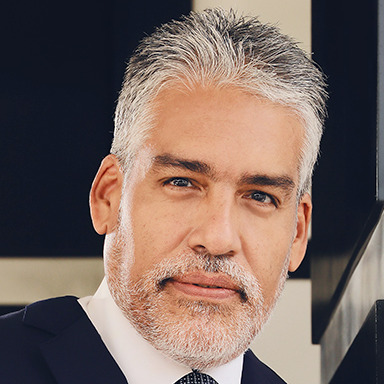
Dr. Augusto Becerra Lopez-Lavalle
Chief Scientist at the International Center for Biosaline Agriculture, Dubai, UAE;Dr. Augusto Becerra Lopez-Lavalle joined ICBA as Chief Scientist in January 2022. A senior agricultural science leader with more than 12 years of experience in the international agricultural research-for-development sector, he has served in diverse scientific leadership roles in the CGIAR System. At the CGIAR, he was an agent for science and innovation for crop improvement, co-leading under the new One CGIAR the Genetic Innovation Action Area, a strategy for enabling tools, technology, and shared services to enhance efficiency and effectiveness of the CGIAR System’s and its partners’ breeding programs. He had been the global crop improvement lead for the research program on roots, tubers and bananas in 2012-2016, and CIAT’s cassava program leader since 2016. Dr. Augusto Becerra Lopez-Lavalle is a trusted leader in building strong multidisciplinary teams and international scientific research networks for cooperation. He is deeply committed to fostering an environment where science, creativity and innovation pave the way for inclusion and fairness. At CIAT, which he joined in 2009, he managed the modern cassava breeding and the cassava program in Asia and Latin America. In particular, he led the development of the crop’s global sustainability strategy to increase and diversify its value chains for improving resource-poor farmers’ livelihoods. Prior to this role, he had worked at the CSIRO since 2001 as a cotton molecular geneticist based in Canberra, Australia. Dr. Augusto Becerra Lopez-Lavalle holds a PhD in plant molecular genetics from the University of Sydney, Australia, and an MSc in cytogenetics from Cayetano Heredia Peruvian University in Lima, Peru.
Sessions
Explore more details- S1. Salinity problem: Global state of art
- S2. The role of biosaline agriculture in achieving food security under marginal environments
- S3. Contribution of international and national agencies in biosaline agriculture development
- S4. Crop responses to salinity and water stress
- S5. Best cropping practices to cope with salinity stress
- S6. Breeding, Introduction and upscaling of new salt tolerant crops
- S7. Salinity mapping and characterization
- S8. Soil amendment, fertilization and microbe’s association under salinity conditions
- S9. Development of new crop value chain
- S10. Saline water management
- S11. Biosaline agriculture: socio-economic and policy aspects
- S12. Genetic improvement of Food crops under saline environments.
- SALAD. Upscaling Food Production on Salt-degraded Lands: Cooperation and Knowledge Exchange between Mediterranean and North Sea Regions