Event submissions
Published
This submission belongs to the session S7. Child and Adolescent Psychiatry of the event The 1st International Online Conference on Behavioral Sciences
Published date
27 Mar, 2026
Academic Editor
'%3e%3cpath%20d='M12.6657%2010.9104C12.4185%2010.325%2012.0599%209.79327%2011.6097%209.34482C11.1609%208.89508%2010.6293%208.5365%2010.0442%208.28888C10.0389%208.28626%2010.0337%208.28495%2010.0285%208.28233C10.8446%207.69279%2011.3752%206.73249%2011.3752%205.64904C11.3752%203.8542%209.92103%202.39999%208.1262%202.39999C6.33136%202.39999%204.87715%203.8542%204.87715%205.64904C4.87715%206.73249%205.40774%207.69279%206.22393%208.28364C6.21869%208.28626%206.21345%208.28757%206.20821%208.29019C5.62129%208.5378%205.09463%208.89284%204.64265%209.34613C4.1929%209.79493%203.83432%2010.3266%203.58671%2010.9117C3.34345%2011.4845%203.21226%2012.0987%203.20023%2012.7209C3.19988%2012.7349%203.20233%2012.7488%203.20744%2012.7619C3.21255%2012.7749%203.22022%2012.7867%203.22998%2012.7968C3.23975%2012.8068%203.25142%2012.8147%203.26431%2012.8202C3.2772%2012.8256%203.29105%2012.8284%203.30504%2012.8284H4.09109C4.14874%2012.8284%204.19459%2012.7825%204.1959%2012.7262C4.2221%2011.7148%204.62823%2010.7676%205.34617%2010.0497C6.08899%209.30683%207.0755%208.89808%208.1262%208.89808C9.17689%208.89808%2010.1634%209.30683%2010.9062%2010.0497C11.6242%2010.7676%2012.0303%2011.7148%2012.0565%2012.7262C12.0578%2012.7838%2012.1037%2012.8284%2012.1613%2012.8284H12.9474C12.9613%2012.8284%2012.9752%2012.8256%2012.9881%2012.8202C13.001%2012.8147%2013.0126%2012.8068%2013.0224%2012.7968C13.0322%2012.7867%2013.0398%2012.7749%2013.0449%2012.7619C13.0501%2012.7488%2013.0525%2012.7349%2013.0522%2012.7209C13.0391%2012.0947%2012.9094%2011.4855%2012.6657%2010.9104ZM8.1262%207.9024C7.52486%207.9024%206.9589%207.6679%206.53312%207.24211C6.10733%206.81633%205.87283%206.25037%205.87283%205.64904C5.87283%205.0477%206.10733%204.48174%206.53312%204.05596C6.9589%203.63018%207.52486%203.39567%208.1262%203.39567C8.72753%203.39567%209.29349%203.63018%209.71927%204.05596C10.1451%204.48174%2010.3796%205.0477%2010.3796%205.64904C10.3796%206.25037%2010.1451%206.81633%209.71927%207.24211C9.29349%207.6679%208.72753%207.9024%208.1262%207.9024Z'%20fill='%235D1EE1'/%3e%3c/g%3e%3c/svg%3e) Michele Roccella
Michele RoccellaCitation
Beatriz De Faria Sousa, Manal Imran, Indirect Digital Exposure to War and Armed Conflict and Mental Health Outcomes in Children and Adolescents: A Systematic Review, in Proceedings of The 1st International Online Conference on Behavioral Sciences, 1 April–3 April 2026, MDPI: Basel, Switzerland
Share
Email
Facebook
Twitter
LinkedIn
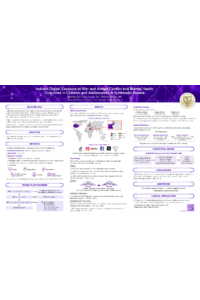
Indirect Digital Exposure to War and Armed Conflict and Mental Health Outcomes in Children and Adolescents: A Systematic Review
'%3e%3cpath%20d='M12.6647%2010.9104C12.4176%2010.325%2012.0589%209.7933%2011.6088%209.34485C11.16%208.89511%2010.6283%208.53653%2010.0432%208.28891C10.038%208.28629%2010.0327%208.28498%2010.0275%208.28236C10.8437%207.69282%2011.3743%206.73252%2011.3743%205.64907C11.3743%203.85423%209.92005%202.40002%208.12522%202.40002C6.33038%202.40002%204.87618%203.85423%204.87618%205.64907C4.87618%206.73252%205.40677%207.69282%206.22296%208.28367C6.21772%208.28629%206.21248%208.2876%206.20724%208.29022C5.62031%208.53783%205.09365%208.89287%204.64167%209.34616C4.19192%209.79496%203.83334%2010.3266%203.58573%2010.9117C3.34247%2011.4846%203.21128%2012.0987%203.19925%2012.721C3.1989%2012.735%203.20135%2012.7489%203.20646%2012.7619C3.21157%2012.7749%203.21924%2012.7868%203.22901%2012.7968C3.23877%2012.8068%203.25045%2012.8148%203.26334%2012.8202C3.27623%2012.8256%203.29007%2012.8284%203.30406%2012.8284H4.09012C4.14776%2012.8284%204.19362%2012.7825%204.19493%2012.7262C4.22113%2011.7148%204.62726%2010.7676%205.34519%2010.0497C6.08802%209.30686%207.07452%208.89811%208.12522%208.89811C9.17592%208.89811%2010.1624%209.30686%2010.9052%2010.0497C11.6232%2010.7676%2012.0293%2011.7148%2012.0555%2012.7262C12.0568%2012.7839%2012.1027%2012.8284%2012.1603%2012.8284H12.9464C12.9604%2012.8284%2012.9742%2012.8256%2012.9871%2012.8202C13%2012.8148%2013.0117%2012.8068%2013.0214%2012.7968C13.0312%2012.7868%2013.0389%2012.7749%2013.044%2012.7619C13.0491%2012.7489%2013.0515%2012.735%2013.0512%2012.721C13.0381%2012.0947%2012.9084%2011.4856%2012.6647%2010.9104ZM8.12522%207.90243C7.52388%207.90243%206.95792%207.66793%206.53214%207.24215C6.10636%206.81636%205.87185%206.2504%205.87185%205.64907C5.87185%205.04773%206.10636%204.48177%206.53214%204.05599C6.95792%203.63021%207.52388%203.3957%208.12522%203.3957C8.72655%203.3957%209.29252%203.63021%209.7183%204.05599C10.1441%204.48177%2010.3786%205.04773%2010.3786%205.64907C10.3786%206.2504%2010.1441%206.81636%209.7183%207.24215C9.29252%207.66793%208.72655%207.90243%208.12522%207.90243Z'%20fill='%235D1EE1'/%3e%3c/g%3e%3c/svg%3e)
Beatriz De Faria Sousa 1
Manal Imran 1
1. Florida International University Herbert Wertheim College of Medicine, Miami FL 33199, USA, USA
Abstract
Introduction:
Children and adolescents are increasingly exposed to war and armed conflict through social-media platforms disseminating real-time graphic content. The psychiatric consequences of indirect, digitally mediated exposure remain poorly defined. This review examined reported associations between digital exposure to war-related content and mental-health outcomes in youth.
Methods:
This exploratory systematic review followed PRISMA guidelines but was not prospectively registered. PubMed, CINAHL, Embase, and Google Scholar were searched for studies published between 2015 and 2025 examining digital or social-media exposure to war, armed conflict, or mass-violence content among individuals ≤18 years. Quantitative, qualitative, and mixed-methods studies were eligible. Outcomes included stress, anxiety, depressive symptoms, post-traumatic symptoms, dissociation, internalizing symptoms, and sleep disturbance. A qualitative, domain-based assessment of study quality and risk of bias was conducted, focusing on study design, measurement methods, and confounding. Due to substantial methodological heterogeneity, no pooled meta-analysis was performed.
Results:
Nine studies published between 2021 and 2025 were included, encompassing approximately 2,000 adolescents aged 11–19 years from the Middle East, Europe, and North America. Most studies were cross-sectional, with one mixed-methods study. Greater exposure to war-related digital media, particularly graphic or frequent exposure, was consistently associated with worse mental-health outcomes, including perceived stress (p = 0.0196), dissociation (r = 0.29), depressive symptoms (β ≈ 0.05, p < 0.001), and post-traumatic symptoms (β ≈ 0.18, p < 0.05). Qualitative findings described intrusive imagery, emotional overload, sleep disruption, and heightened threat perception. Female adolescents consistently demonstrated greater symptom severity than males.
Conclusions:
Indirect digital exposure to war is associated with clinically relevant psychiatric symptoms in adolescents. Interpretation is limited by cross-sectional designs, self-reported exposure, and outcome heterogeneity. Nevertheless, consistent findings support routine clinical screening for digital trauma exposure and targeted media-literacy and child-focused preventive strategies during periods of global conflict.
Keywords
Child and Adolescent Mental Health
Social Media Exposure
War and Armed Conflict
Indirect Trauma Exposure
Posttraumatic Stress Symptoms
Digital Media and Youth
Oral Presentation
War & Media PPT.pdf
Poster
War & Media Poster.pdf
Fluid Intelligence and Working Memory in ASD and ADHD: A Comparative Study with Neurotypical Children
Models of Attachment and Persistence Among First- and Second-Year College Students