The 6th International Electronic Conference on Applied Sciences
Conference Closed and Winner Announcement
On behalf of the conference organizing committee, we would like to express our appreciation to all the participants for their contributions. From all accounts, the meeting was a success.
The Best Oral Presentation Awards and Best Poster Awards of ASEC 2025 have been evaluated. Please refer to the Winner Announcement.
the chairs
- Applied Biosciences and Bioengineering;
- Nanosciences, Chemistry and Materials Science;
- Computing and Artificial Intelligence;
- Electrical, Electronics and Communications Engineering;
- Mechanical and Aerospace Engineering;
- Energy, Environmental and Earth Science;
- Food Science and Technology;
- Applied Physical Science.
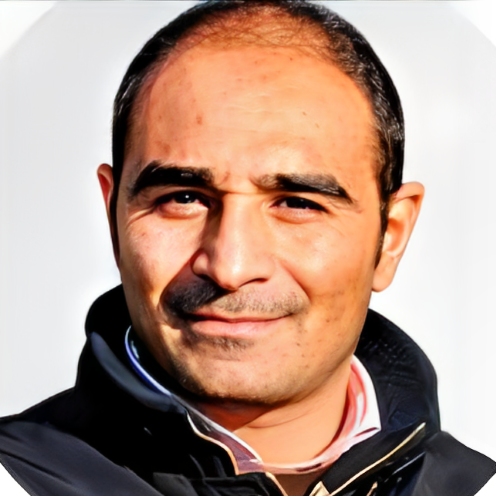
Professor of Electronics at University of Campania Luigi Vanvitelli, Naples, Italy
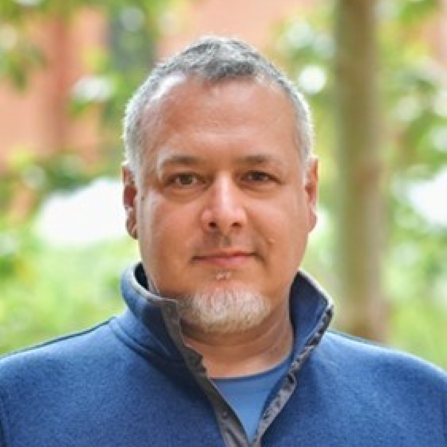
Dr. Stefano Toldo
Robert M. Berne Cardiovascular Research Center, University of Virginia, Charlottesville, USA
The Chairs of the 6th International Electronic Conference on Applied Sciences
More News about MDPI Conferences



Meet the Event Chairs
Important Dates

- Abstract submission deadlineSep 19, 2025
- Abstract acceptance notificationOct 24, 2025
- Registration end dateDec 03, 2025
Meet Our Speakers
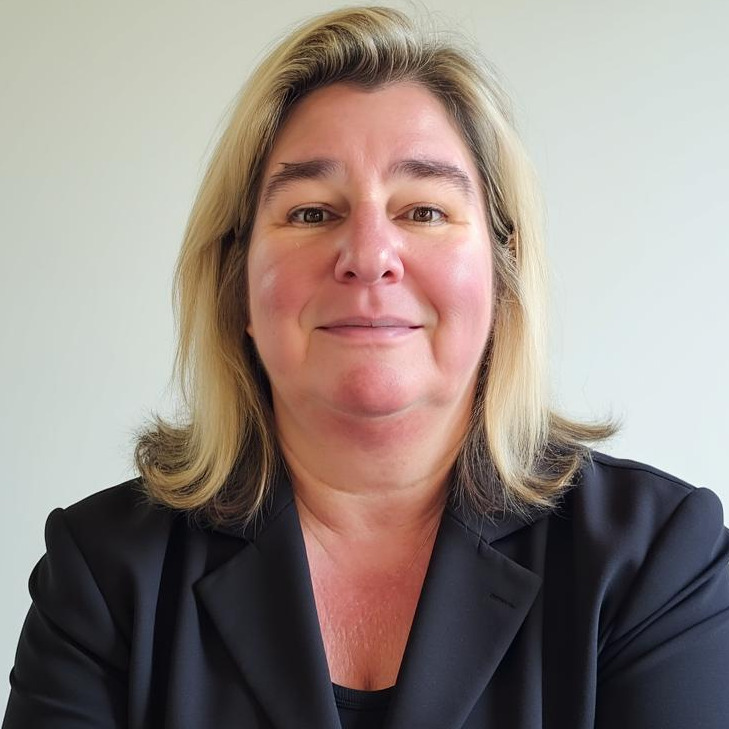
Assoc. Prof. Anja Nohe
Department of Biological Sciences Wolf Hall, University of Delaware, Newark, USA;
Dr. Anja Nohe is an Associate Professor in the Department of Biological Sciences at the University of Delaware. She received her Ph.D. in Chemistry from the Theodor Boveri Institute in Germany, followed by postdoctoral training in Physical Chemistry and Biochemistry at the University of Western Ontario, Canada. Dr. Nohe’s interdisciplinary research focuses on bone morphogenetic protein (BMP) signaling, cartilage and bone regeneration, and nanomedicine. She has led multiple NIH-funded projects developing novel peptide-based therapeutics for osteoarthritis and osteoporosis, including the CK2.1 and CK2.3 mimetics. An internationally recognized expert in cell signaling and regenerative medicine, Dr. Nohe has published over 50 peer-reviewed articles and mentored more than 30 graduate students and postdocs. She also served on NIH and international grant review panels and editorial boards in molecular biology and biomedical engineering.
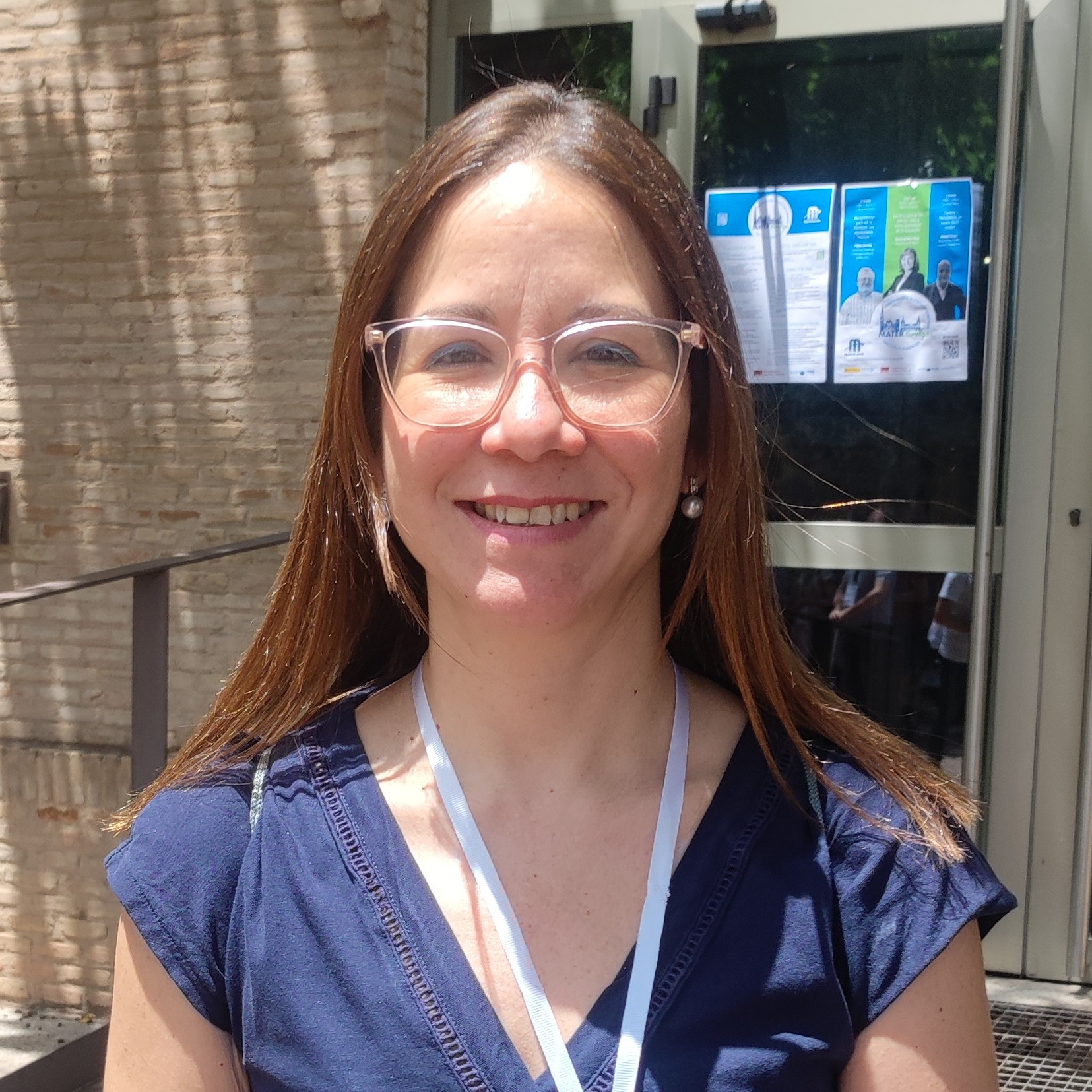
Prof. Dr. Bianca Karelia Muñoz Moreno
Materials Science and Engineering Area, Higher School of Experimental Sciences and Technology, Rey Juan Carlos University, Madrid, Spain;
Bianca K. Muñoz obtained her PhD in 2007 from the Universitat Rovira i Virgili in Tarragona, Spain. She subsequently held postdoctoral research positions at the University of St Andrews in Scotland and at the Laboratoire de Chimie de Coordination (LCC) of the CNRS in Toulouse, France. Following her academic research, she contributed to various industrial R&D projects with companies such as Syngenta, Repsol, and Crysforma, through her work at Eurecat and the Institute of Chemical Research of Catalonia (ICIQ) in Tarragona. In 2023, Dr. Muñoz was appointed as a Tenured Professor in the Department of Materials Science and Engineering (MACIMTE-ESCET) at Universidad Rey Juan Carlos in Madrid. Her current research focuses on the development of solid polymer electrolytes and carbon fiber surface modification for energy storage, and more recently on nanocomposites for biosensing applications. She has authored 30 peer-reviewed publications and has presented her work at numerous national and international conferences, including several invited talks. Her research impact is reflected in an h-index of 18 and over 1,000 citations.

Prof. Dr. Dania Olmos
Department of Materials Science and Engineering and Chemical Engineering, Charles III University of Madrid, Madrid, Spain;
https://www.uc3m.es/uc3m/media/uc3m/doc/archivo/en-doc_cv-dania-olmos_77759.../cv_dania-olmos_eng.pdf
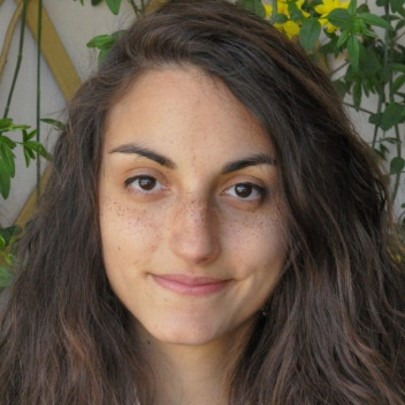
Dr. Camilla Noè
Department of Applied Science and Technology (DISAT), Turin Polytechnic University, Italy;
Dr. Camilla Noè is an Italian researcher specialized in Materials Science and Technology. She holds a PhD and MSc in Materials Science and Technology from Politecnico di Torino. Since 2023, she has been serving as an Assistant Professor at the Politecnico di Torino in the Department of Applied Science and Technology (DISAT). With international research experience, including postdoctoral work at École Polytechnique in France and research fellowships in Spain and Sweden, her work focuses on biobased materials, photopolymerization, anticorrosion coatings, and sustainable polymers and composites.
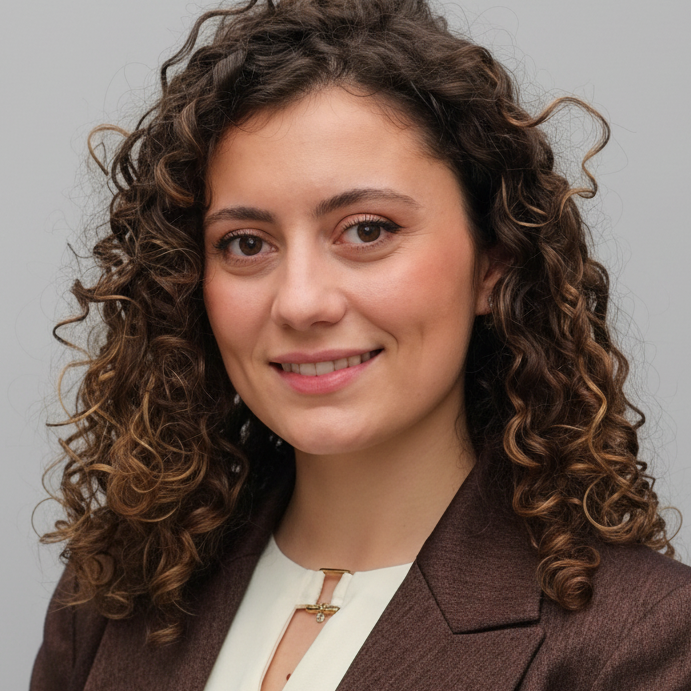
Dr. Rossella Santonocito
Department of Chemical Sciences, University of Catania, Catania, Italy;
Rossella Santonocito was born in Catania, in 1996. She received the master's degree in Chemical Sciences (curriculum Organic and Bioorganic Chemistry) in July 2021 with a score of 110/ 110 cum laude. Then, she received a PhD in Chemical Sciences in February 2025, working on multi-array sensors to detect biomarkers of stress released in extreme environments. She currently has a one-year grant as part of the ‘Sicilian MicronanoTech Research and Innovation Center-SAMOTHRACE’ project, the result of a collaboration between UniCT and the IOR of Bologna, for the validation of a microfluidic device for the screening of biomarkers in biological fluids useful for the preparation and monitoring of prosthetic surgery in the orthopaedic field and the definition of therapeutic protocols in the field of orthopaedic oncology.
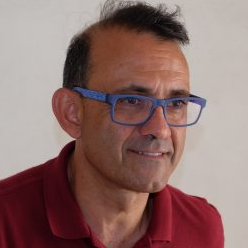
Dr. Giuseppe Amato
Institute of Information Science and Technologies, Italian National Research Council (ISTI-CNR), Pisa, Italy;
Dr. Giuseppe Amato is a research director at CNR-ISTI in Pisa, where he leads the “Artificial Intelligence for Multimedia and Humanities” laboratory (AIMH - http://aimh.isti.cnr.it/ ). He was awarded a PhD in Computer Science at the University of Dortmund, Germany, in 2002. His main research interests are Artificial Intelligence, Extended Reality, Content-Based Retrieval of Multimedia Documents, Access Methods for Similarity Search, Smart Camera Networks. He has published more than 200 papers in peer reviews international journals and conferences in the areas of Artificial Intelligence and Multimedia Information Retrieval. He has participated in several EC and national funded research actions in the areas of Artificial Intelligence, Multimedia Information Retrieval, Computer Vision, Extended Reality, and Cultural Heritage, and he currently coordinates the Social and hUman ceNtered XR (SUN) project (https://www.sun-xr-project.eu/) funded by the Horizon Europe Research & Innovation Programme. More at http://aimh.isti.cnr.it/giuseppeamato/
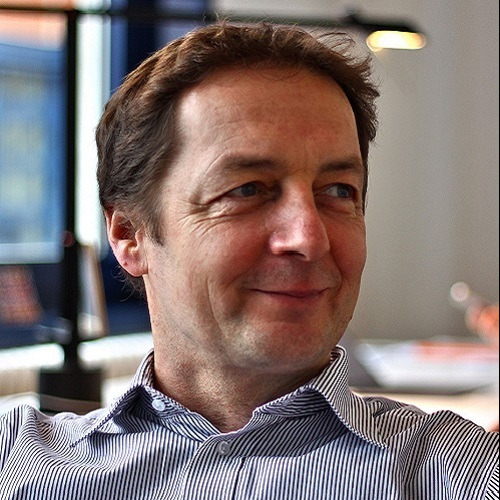
Dr. Miloš Kravčík
Educational Technology Laboratory, DFKI GmbH, Berlin, Germany;
Dr Miloš Kravčík is a Senior Researcher at the Educational Technology Lab (EdTec) of the German Research Center for Artificial Intelligence (DFKI) in Berlin. His research focuses on learning technologies, particularly personalised and adaptive solutions in university and workplace settings. He has successfully acquired funding for, and contributed to, several EU and national projects. These have included projects focusing on developing adaptive learning environments and tools for self-regulated learning, as well as solutions that support personalised competence development, scalable mentoring, and psychomotor training. Dr Kravčík is the editor of various conference and workshop proceedings as well as the author of numerous publications, articles and book chapters.

Prof. Dr. Vincent Frick
ICube Laboratory, University of Strasbourg, France;
Vincent Frick received his Ph.D. degree in Microelectronics and Instrumentation from the University Louis Pasteur of Strasbourg, France, in 2002. From 1999 until 2003, he was with SOCOMEC SA, Benfeld, France, working as a Research Engineer on systems-on-chip dedicated to energy metering. In 2003, he joined the University of Strasbourg (Unistra), France, and the ICube laboratory, UMR 7357 Unistra-CNRS, where he is currently a Full Professor. He is the co-leader of the Electronics, Microelectronics and Modeling of Multidomain systems (EM3). His research topics include the design of ultra-low power mixed-signal integrated systems for energy harvesting and smart sensing, multi-level modelling of devices and systems, signal processing and system control. He supervises large international research projects addressing these fields.
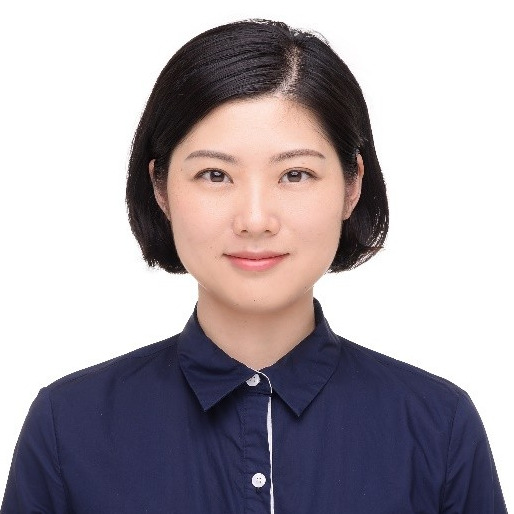
Prof. Dr. Han Peng
State Key Laboratory of Advanced Electromagnetic, Engineering and Technology, School of Electrical and Electronic Engineering, Huazhong University of Science and Technology, Wuhan, China;
Han Peng (Senior Member, IEEE) received the B.S. degrees from Southeast University, Nanjing, China and the Ph.D. degree from Rensselaer Polytechnic Institute, Troy, NY, USA, in 2006 and 2011, respectively, all in electrical engineering. From 2011 to 2017, she was a Lead Electrical Engineer with the Global Research Center, General Electric Company, Niskayuna, NY, USA. Since2018, she has been a Professor with the Huazhong University of Science and Technology, Wuhan, China. She has authored or coauthored more than 100 articles in refereed journals and international conference proceedings. She holds four U.S. patents and four Chinese patents. Her research interests include high-frequency, high-power density power management IC design, high-frequency supply modulators and applications of wide bandgap power devices, energy harvesting, healthcare electronics, electrical aircraft systems, and electric vehicles.
Dr. Peng has been an Associate Editor for IEEE TRANSACTIONS ON POWER ELECTRONICS since 2017. She was the Associate Technical Program Chair for IEEE 11th Annual Energy Conversion Congress and Exposition 2019.
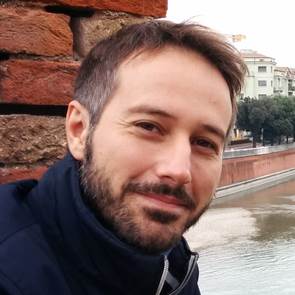
Assoc. Prof. Andrea Lucchini
Department of Structural and Geo-technical Engineering, University of Rome ‘La Sapienza’, Rome, Italy;
Associate Professor of Structural Design, and Scientific Director of the “Testing Laboratory of Materials and Structures” of the Department of Structural and Geotechnical Engineering, Sapienza University of Rome. Research experience in various fields of Earthquake Engineering, primarily focusing on nonlinear modelling and analysis of reinforced concrete structures, tuned mass damper design for earthquake protection, methods for seismic demand estimation in nonstructural components, methods for seismic performance assessment of buildings, and seismic risk analysis. Past Editorial Board Member of the “International Journal of Earthquake and Impact Engineering”, and Associate Editor of the ASCE “Journal of Bridge Engineering”. Member of the Cross-Cutting Committee " Testing Laboratories " of PIARC World Road Association, Italy.
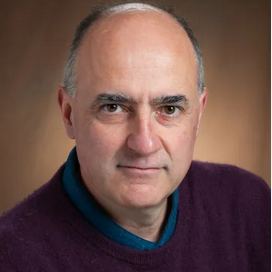
Prof. Dr. Jordi Estevadeordal
Department of Mechanical Engineering, North Dakota State University, Fargo, USA;
Dr. Jordi Estevadeordal is a Professor at North Dakota State University Mechanical Engineering Department where he teaches and performs research in the areas of thermal, fluid, high-speed aerospace, hybrid rockets, advanced measurements, and energy sciences. He focuses in application of advanced laser and optical diagnostics such as Tomographic Particle Image Velocimetry, Filtered Rayleigh Scattering, Schlieren methods, Pressure and Temperature Sensitive Paints, Tunable Diode Laser Absorption Spectroscopy, etc. for advanced studies in those areas. He holds a Ph.D. in Mechanical Engineering from the University of Houston in Mechanical Engineering and his thesis focused on wind tunnel measurements and studies of shear flows transition to turbulence. Throughout his career he has specialized in advanced diagnostics for fluid, thermal, high-speed, and combustion sciences working in industry and academia.
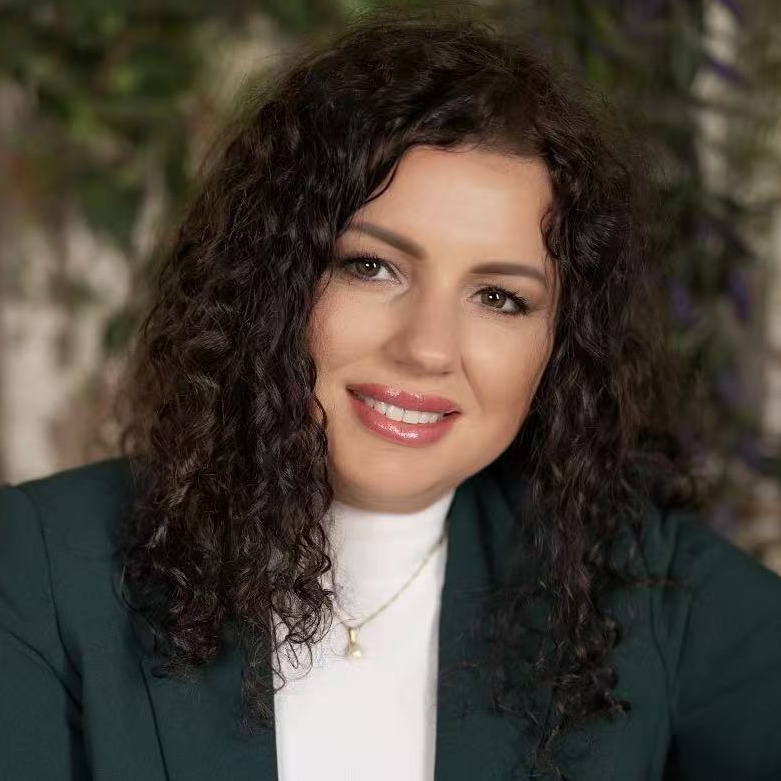
Prof. Dr. Agnieszka A. Pilarska
Department of Hydraulic and Sanitary Engineering, Poznan University of Life Sciences, Poznan, Poland;
Agnieszka Pilarska is an Associate Professor at the Department of Hydraulic and Sanitary Engineering at the Poznań University of Life Sciences, Poland. She completed her MSc in Chemical Technology at the Poznan University of Technology between 1996 and 2001, and pursued her PhD at the same faculty from 2008 to 2012. In 2019, she obtained her habilitation degree in the discipline of Environmental Engineering, Mining and Energy. Her research interests span material chemistry, microbial carriers, biogas production, waste management, wastewater treatment, biosorbents and other aspects of renewable energy. A respected academic at the Poznań University of Life Sciences, she has received numerous awards in recognition of her significant scientific achievements. According to Scopus, her current research metrics include an Hirch Index of 19 and 1,233 citations.
Dr. Angela Sardo
Ecosustainable Marine Biotechnology Department, Stazione Zoologica Anton Dohrn of Naples, Naples, Italy;
Angela Sardo is a Senior Technologist of the Marine Biotechnology Department of the Stazione Zoologica Anton Dohrn of Naples (SZN) from January 2023. She got a permanent position (as Technologist) at SZN in August 2019. Previously (2012-2019), she was a post-doc researcher in the Biomolecular Chemistry Institute of the National Research Council (Pozzuoli, Naples). Angela got her Master Degree cum laude in Environmental Sciences in May 2004, and her PhD in Marine Science and Engineering in February 2008.
She has experience in isolation and maintenance of microalgae, culture media preparation and yield optimization of algal biomass. Angela’s research activity is mainly focused on using of marine microalgae as a source of highly valuable products, such as bioactive molecules and potentially marketable products, such as algal oils and algal flours.
Her expertise includes algal growth in enclosed systems (vertical and inclined photobioreactors) on pre-industrial scale (50-300 L, indoor and outdoor systems), and on industrial scale (outdoor systems, more than 20000 L). Her research is actually aimed at: increasing production and productivity of algal biomass in enclosed systems, and modulating the biochemical composition of algal cultures by tuning the physical (light, temperature) and nutritional parameters (culture media composition, frequent nutrient inputs, nutrient deplete conditions, two-stage cultivation strategies). Angela cooperated with some industries to test the effect of carbon dioxide and nitric oxides of microalgae, determining: growth strategies to optimize growth, the thresholds of tolerance of these air pollutants and their employment as nourishment by direct sparging of flue gases inside cultures.
Dr. Nikolaos D. Andritsos
Department of Food Science and Technology, University of Patras, Agrinio, Greece;
Dr. Nikolaos Andritsos is an Assistant Professor of Food Safety in the Department of Food Science and Technology at the University of Patras, Greece. His research interests are mainly focused on the microbiological quality and safety of animal-originated foods (e.g., meat, milk) and the antibiotic susceptibility testing of major foodborne bacterial pathogens isolated from foods, like Salmonella and Listeria monocytogenes. Nikolaos is also interested in the hygienic conditions prevailing in the domestic setting and the respective food safety practices followed in the household kitchen environment, combined with the food consumer behavior that affects those practices, whereas he is also actively engaged in the research and development of innovative food products with an ecological and eco-friendly footprint for the food industry.
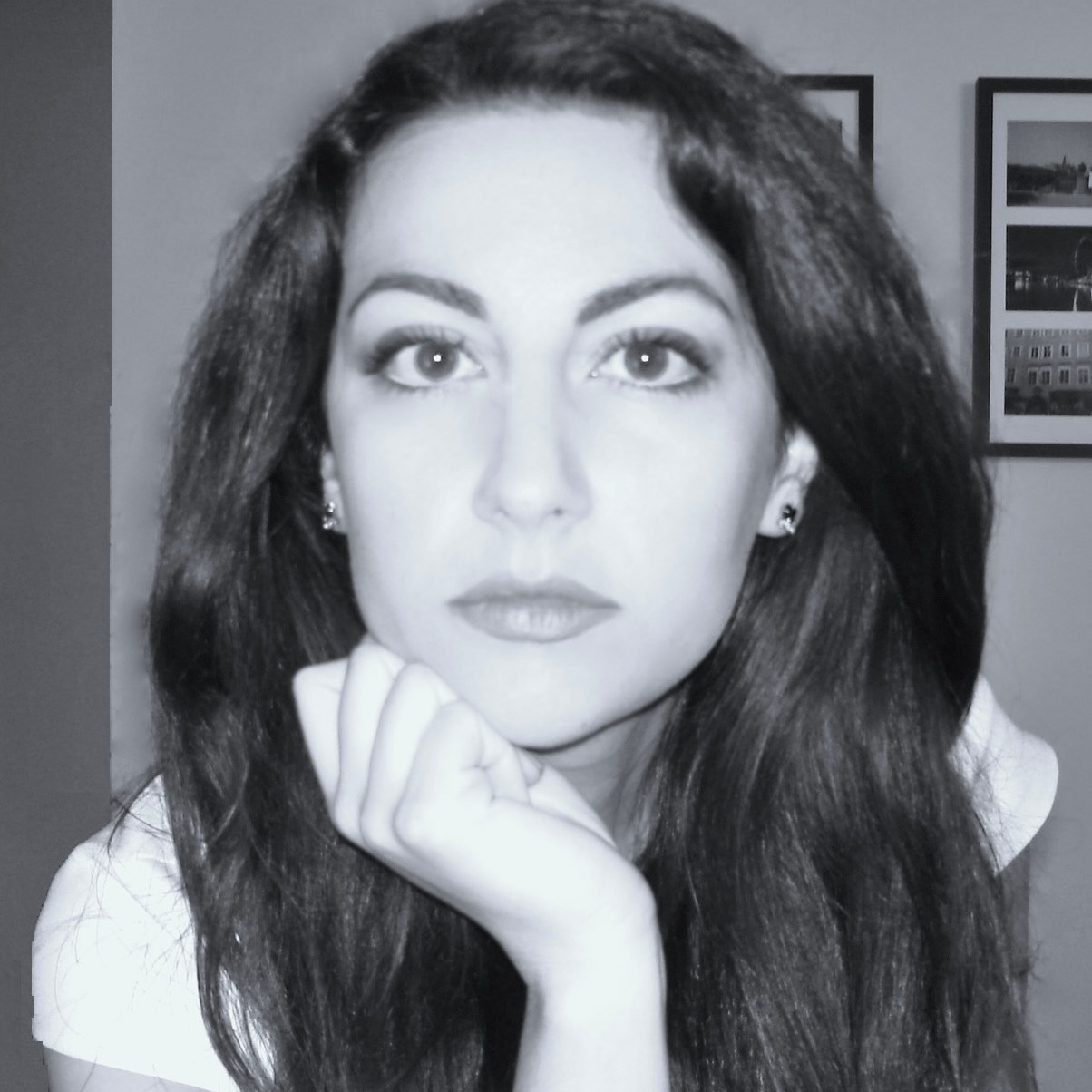
Dr. Olga Malisova
Department of Food Science and Technology, University of Patras, Patras, Greece;
Olga Malisova is an Assistant Professor at the University of Patras in the Department of Food Science and Technology. Her expertise lies in Nutrition, particularly in the link between diet and health. She earned her PhD in Agricultural Sciences from the Agricultural University of Athens, Department of Food Science and Human Nutrition. She also holds a Master's degree and a Bachelor's degree in Food Science and Technology from the same institution. Her research interests focus on the Assessment of hydration and dietary behavior in the general population and in vulnerable population
groups, the Bioavailability of food components, the Mediterranean Diet, Food insecurity and Food and nutrition policies.
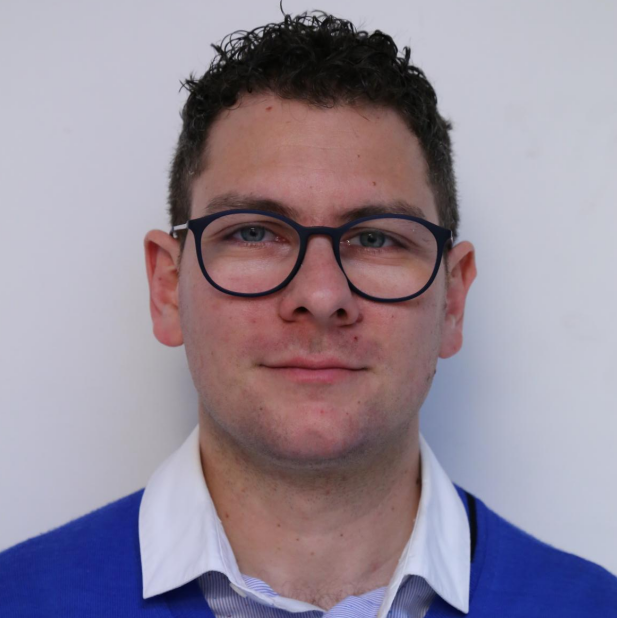
Dr. Pietro Bia
Elettronica SpA, Rome, Italy;
Mr Pietro Bia received the master’s degree in telecommunications engineering and the Ph.D. degree in electromagnetic fields from the Politecnico di Bari in 2010 and 2015, respectively. In 2018 he moved in Elettronica S.p.A. as antenna designer. He currently works as the head of the biodefense group in the R&I department of Elettronica S.p.A. He is involved in several EU and national research projects on quantum technologies, RF & Laser DEW, optical devices, electromagnetic technologies, microwave devices and biodefense. He is a co-author of more than 90 contributions to international journals, conferences and book chapters. He is a recipient of 2 patents.

Prof. Santosh Kumar
Centre of Excellence for Nanotechnology, Department of Electronics and Communication Engineering, Koneru Lakshmaiah Education Foundation, Andhra Pradesh, India;
Santosh Kumar (Senior Member, IEEE) received the Ph.D. degree from Indian Institute of Technology (Indian School of Mines) Dhanbad, Dhanbad, India, in 2014. He is currently a Professor and Advisor-R&D at Koneru Lakshmaiah Education Foundation, Vaddeswaram, India. He is a visiting Professor of Liaocheng University, Liaocheng, China. He has published more than 550 research articles in national and international SCI journals and conferences. His current research interests include optical fiber sensors, nanophotonics and biophotonics, waveguide, interferometers, and Internet of Things. Till now, he has reviewed more than 2600 SCI articles. Dr. Kumar is a Fellow of SPIE and IETE and a Senior Member of OPTICA. He is also an Associate Editor of Scientific Reports, IEEE Internet of Things, and Biomedical Optics Express.
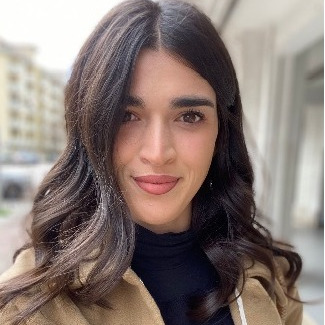
Dr. Rosalba Pitruzzella
Department of Industrial and Information Engineering, University of Campania "Luigi Vanvitelli", Naples, Italy;
Rosalba Pitruzzella graduated in Chemical and Pharmaceutical Technologies (CTF) from the University of Naples "Federico II" in 2022. She is currently a PhD student in Industrial and Information Engineering at the University of Campania "Luigi Vanvitelli". Her current research interests focus on the development and characterization of optical biosensors and optical-chemical sensors for environmental, food, and biomedical applications.

Dr. Raffaele Vallifuoco
Department of Engineering, University of Campania "Luigi Vanvitelli", Naples, Italy;
Raffaele Vallifuoco was born in Italy in 1998. He received the Master's degree (cum laude) in Electrical Engineering from the University of Campania “Luigi Vanvitelli” in 2022. He is currently a PhD student in Industrial and Information Engineering at the same University. His research activities concern the development of distributed optical fiber sensors and interrogators for geotechnical, aerospace and environmental applications. His interests also include electronic devices for biomedical and aerospace applications. He is a Co-Founder of the spin-off company “Echo-Watch srl”, Naples, Italy.
- S1. Applied Biosciences and Bioengineering
- S2. Nanosciences, Chemistry and Materials Science
- S3. Computing and Artificial Intelligence
- S4. Electrical, Electronics and Communications Engineering
- S5. Mechanical and Aerospace Engineering
Sponsors and Partners
Organizer


Co-organizer

Media partner



On behalf of the chairs of ASEC 2025, we are pleased to announce the winners of the Best Oral Presentation Awards and Best Poster Awards.
The Best Oral Presentation Awards have been awarded to:
Elizaveta Kontareva - Proton Beam Irradiation Affects the Way Breast Cancer Cells Take up Nanoparticles in Relation to the Stiffness of their Microenvironment
Erika Saccullo - Biomimetic Catalyst for Solar CO2 Methanation: Harnessing Natural Pigments in a Halloysite–Kojic Acid Composite
Claudio Tosto - Thermo-Mechanical Optimization of Metal Triply Periodic Minimal Surfaces Structures Made by 3D Printing
Hugo Wai Leung MAK - Improved Retrieval and Forecast of Surface Air Quality based on Source Analysis, Numerical Modeling and Hybrid Statistical Dynamic Model
Mimimorena Seggio - Overview on Cytokine Detection at a Single-Molecule Level via Low-cost Plasmonic Alternative Approaches: Pollen-based Disposable Biosensors and Microcuvette-based Device
The Best Poster Awards have been awarded to:
sciforum-151649 - Epigenetic Switches for Next Generation Genomic Intervention: From Synthetic Biology to Personalized Medicine
sciforum-140242 - Evaluation of New Bio-Based Hybrid Composite Materials Reinforced with Basalt Fiber and Recycled Carbon Fiber
sciforum-135992 - Design and Fabrication of a 4D-Printed Human Hand with Electrically Driven Muscle-Like Actuation
Day 1
Session 8. Applied Physical Science
Session 8. Applied Physical Science(Parallel Session)
Session 4. Electrical, Electronics and Communications Engineering
(Parallel Session)
Day 2
Session 3. Computing and Artificial Intelligence
Session 1. Applied Biosciences and Bioengineering
(Parallel Session)
Session 6. Energy, Environmental and Earth Science
Day 3
Session 2. Nanosciences, Chemistry and Materials Science
Session 5. Mechanical and Aerospace Engineering
Session 7. Food Science and Technology (Parallel Session)
Ms. Ann Li
Ms. Carol Yan
Email: asec2025@mdpi.com
For inquiries regarding submissions and sponsorship opportunities, please feel free to contact us.