
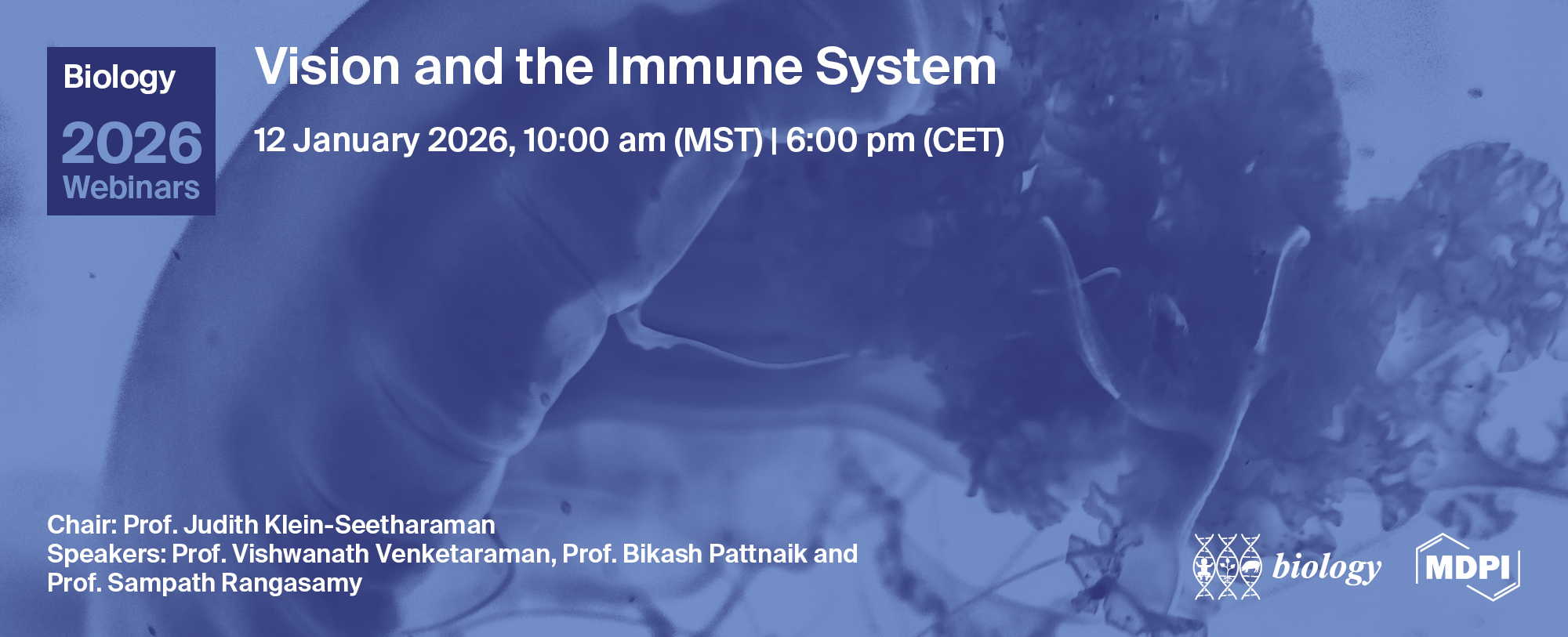
Biology Webinar | Vision and the Immune System
the chair
Vision is one of the most important senses, and loss of vision has devastating consequences on quality of life. Rhodopsin is the primary photoreceptor in mammalian dim-light vision, and mutations in rhodopsin have been associated with retinal degeneration. Over a decade ago, we predicted that rhodopsin interacts with chemokines based purely on the machine learning integration of large-omics datasets. At the time, the prediction seemed absurd, considering the established function of rhodopsin in vision and chemokines in the immune system. Since then, evidence has been mounting that suggests that vision and immune functions are interconnected systems within the human body in general, not only in the case of rhodopsin.
On the one hand, the immune system safeguards the eyes from infections, but on the other, it contributes to allergies, autoimmune disorders, and degeneration of the retina in diseases such as diabetic retinopathy and retinitis pigmentosa. While the retina can attract immune cells, it also produces them. Understanding these systems’ relationships is essential for maintaining eye health and overall well-being. We have invited several high-profile speakers to comment on this topic and provide their insights on the connection between vision and the immune system.
Date: 12 January 2026
Time: 10:00 am MST | 6:00 pm CET | 1:00 am CST Asia
Webinar ID: 894 4670 0845
Webinar Secretariat: journal.webinar@mdpi.com
Meet Our Chair
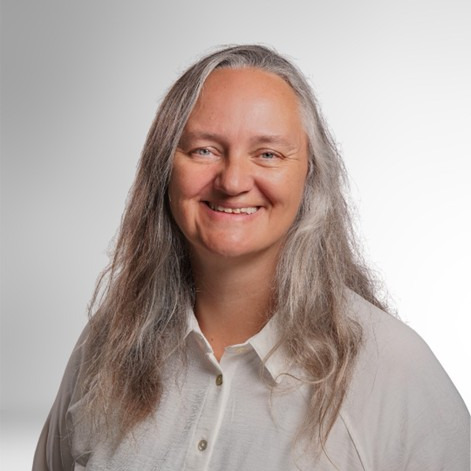
<a href="https://www.asu.edu/">Website</a>;Prof. Judith Klein-Seetharaman is a professor in the School of Molecular Sciences and the College of Health Solutions at Arizona State University. Her prior appointments include Professor of Biomedicine and Systems Biology at the University of Warwick Medical School and Institute for Digital Healthcare in Coventry, UK; Department of Structural Biology, University of Pittsburgh, USA; and Online Professor at New York University Tandon School of Engineering, the Language Technologies Institute at the School of Computer Science at Carnegie Mellon University, and the Research Centre Juelich, Germany. Her research combines computational and experimental approaches to study the biomolecular structure, dynamics, interactions, and functions of proteins and metabolites, using computational structural and systems biology. Her work has received recognition and a number of awards, including the Margaret Oakley Dayhoff Award of the Biophysical Society for her “remarkable work in computational biology embracing the full spectrum of experimental biophysics”. Klein-Seetharaman obtained her PhD with late Nobel Laureate Har Gobind Khorana at the Massachusetts Institute of Technology in Cambridge, USA, and focused on conformational changes and folding in rhodopsin. She holds dual undergraduate degrees in Biology and Chemistry from the University of Cologne, Germany.
Meet Our Speakers
Western University of Health Sciences, USA;Prof. Vishwanath Venketaraman is a Professor and a Discipline Lead for Microbiology and Immunology at the College of Osteopathic Medicine of the Pacific (COMP) at Western University of Health Sciences (WesternU). Dr. Venketaraman’s team studies tuberculosis, mainly in the context of HIV infection and type 2 diabetes. His major research focus is to characterize the host immune responses against Mycobacterium tuberculosis infection by conducting both preclinical studies and clinical trials. His long-term goal is to develop host-directed therapies that can be given as adjunctive treatment for tuberculosis. Dr. Venketaraman and his team have conducted four clinical trials (in subjects with HIV, AIDS, and type 2 diabetes, as well as healthy subjects). Dr. Venketaraman has received funding from the NIH, American Heart Association, Potts Memorial Foundation, Your Energy Systems, and Auro Pharmaceuticals in support of his research program. As an educator, Dr. Venketaraman teaches microbiology, immunology, and infectious disease topics to the first and second-year medical students. Dr. Venketaraman has received seventeen awards for his teaching and scholarly accomplishments from his college, COMP and WesternU. Some notable awards include the Western University Distinguished Teacher Award, Dean’s Award for Faculty Excellence by Student Proclamation, Provost’s Distinguished Scholar Award from Western University of Health Sciences, and Best Professor Award. He obtained his Ph.D. in Immunology from the National Institute for Research on Tuberculosis, Chennai, India. Dr. Venketaraman undertook his postdoctoral research at the University of Ferrara, Italy; the University of Michigan Medical School, Ann Arbor, Michigan; and UMDN-New Jersey Medical School, Newark. Throughout his career, he has published 165 papers.
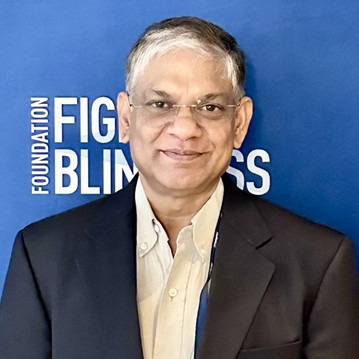
University of Wisconsin-Madison, USA;Prof. Bikash Pattnaik is an Associate Professor in the Division of Neonatology & Newborn Nursery and clinical director of visual electrophysiology at UW-Health in Ophthalmology & Visual Sciences at UW–Madison. Prof. Pattnaik earned his Ph.D. in Biophysics from the University of Delhi, India, and completed his postdoctoral training in Ophthalmology in France and at the Kellogg Eye Institute in Michigan. As the Retina Research Foundation’s Daniel Albert chair at the McPherson Eye Research Institute at UW–Madison, his group studies inherited and developmental blindness, with a particular focus on ion channel mutations, disease models, drug development, and retinal physiology. He has been awarded fellowships and grants for exploring gene editing, nanomedicine, and nonviral delivery approaches, especially for retinal diseases. In his laboratory at the University of Wisconsin–Madison, the primary focus is on genetic channelopathies—mutations in ion channel genes such as KCNJ13 that cause childhood blindness. Traditional gene therapy has offered hope but also hurdles—especially in safety and delivery. To overcome these, his research group is exploring engineered tRNA-based suppression, non-viral gene editing, and nanocarrier delivery systems that correct mutations without permanent DNA alteration.
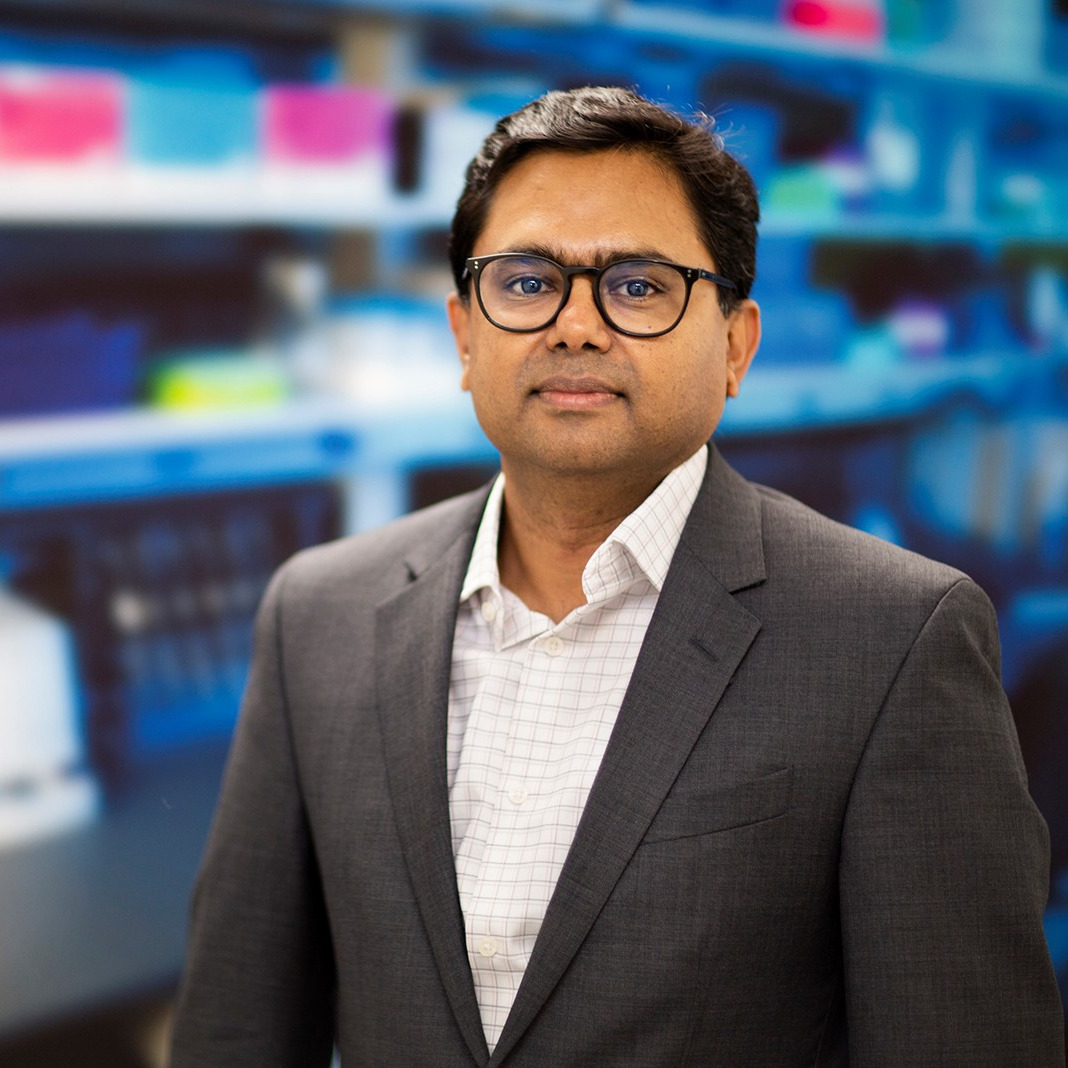
Prof. Sampath Rangasamy
Arizona State University, USA;Prof. Sampath Rangasamy is a Research Associate Professor at Translational Genomics Research Institute (TGen), specializing in rare neurogenetic disorders, primary mitochondrial diseases, diabetic retinopathy, and inflammation. He received his Ph.D. in Biochemistry from the University of Madras, India, under the mentorship of Dr. Balasubramanyam and Dr. Mohan, a world-renowned Diabetologist at the Madras Diabetes Research Foundation, Chennai, India. He later completed postdoctoral training with Dr. McGuire and Dr. Das in the Department of Cell Biology at the University of New Mexico, where he investigated retinal neurovascular dysfunction, focusing on inflammatory pathways. Trained in biochemistry, genetics, and neurobiology, his work bridges mechanistic discovery with therapeutic innovation. Dr. Rangasamy’s early research explored how inflammatory processes affect the blood–retinal barrier (BRB) in diabetic retinopathy. His work identified key pathways—including the CCL2/CCR2 axis, sphingosine-1-phosphate (S1P), and Angiopoietin-2 signaling—that contribute to vascular changes in the diabetic retina. These findings provided a scientific foundation for therapeutic strategies targeting these pathways in diabetic eye disease. His research uses genomic tools and cell-based models to study how changes in metabolism and gene activity drive retinal and mitochondrial disorders.


The webinar was hosted via Zoom and required registration to attend. The full recording can be found below. In order to learn about future webinars, you can sign up to our newsletter by clicking “Subscribe” at the top of the page.