Biomedicines Webinar | Advances in Spinal Cord Injury Translational Research—From Molecule to Man
the chair
26th Biomedicines Webinar
Advances in Spinal Cord Injury Translational Research—From Molecule to Man
Spinal cord injuries (SCIs) are devastating conditions that have a dramatic impact on affected individuals' quality-of-life. For generations, researchers have sought to identify novel therapeutic approaches to improve outcomes following the initial injury, with successes such as acute care management, early surgical decompression, and targeted rehabilitation protocols providing modest functional improvements. However, at present there is still no therapeutic approach capable of restoring function to pre-injury levels for spinal cord injured individuals.
This webinar will provide an overview of exciting emerging research areas that hold promise for restoring significant function in those individuals who have sustained a spinal cord injury. Presentations include:
-an overview of the current state-of-the-art for the clinical management of spinal cord injuries, including recent clinical trials
-a discussion surrounding the challenges and opportunities associated with using neural stem cell technology to repair and regenerate the injured spinal cord
-recent developments in neuromodulation technology and how this will be incorporated into the clinic in the future.
Date: 24 June 2026
Time: 19:00 EDT
Webinar ID: 893 0554 9235
Webinar Secretariat: journal.webinar@mdpi.com
Meet Our Chair
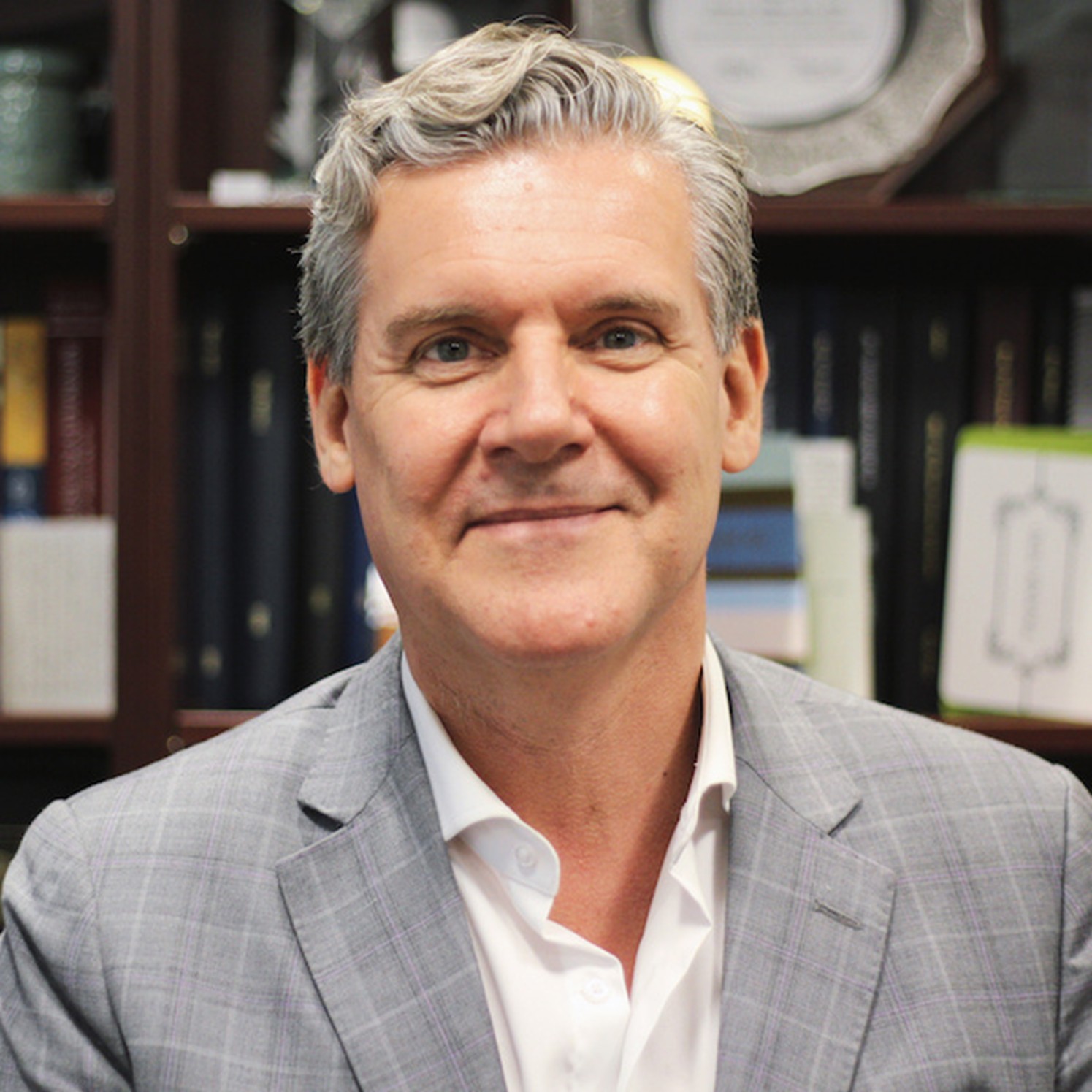
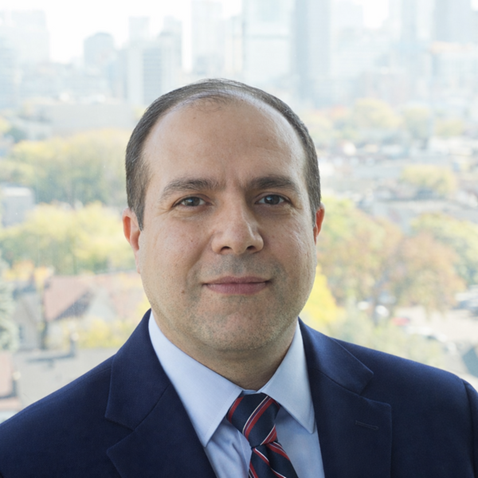
Division of Neurosurgery, Department of Surgery, University of Toronto, Canada;Division of Neurosurgery, Krembil Neuroscience Centre, Toronto Western Hospital, University Health Network, Canada;Division of Genetics and Development, Krembil Brain Institute, University Health Network, Canada;Dr. Fehlings is a Professor of Neurosurgery in the Department of Surgery at the University of Toronto and a Senior Consulting Neurosurgeon at Toronto Western Hospital, University Health Network. Dr. Fehlings holds the Robert Campeau Family Foundation / Dr. C.H. Tator Chair in Brain and Spinal Cord Research at UHN, is a Senior Scientist at the Krembil Brain Institute and is Editor-in-Chief of Spinal Cord. In the fall of 2008, Dr. Fehlings was appointed the inaugural Director of the University of Toronto Neuroscience Program (which he held until June 2012) and is currently Co-Director of the University of Toronto Spine Program. Dr. Fehlings combines an active clinical practice in complex spinal surgery with a translationally oriented research program focused on discovering novel treatments to improve functional outcomes following spinal cord injury (SCI). He has published over 1,200 peer-reviewed articles (h-index 140; cited over 80,000 times) chiefly in the area of central nervous system injury and complex spinal surgery.
In this section, you will find the recordings of this webinar to watch, re-watch and share with your colleagues!
Meet Our Speakers
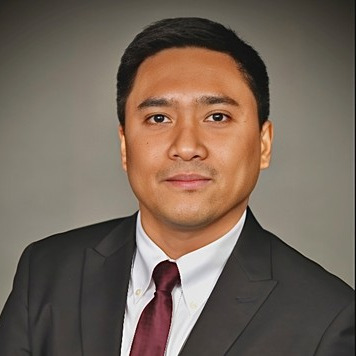
Division of Neurosurgery, Department of Surgery, University of Toronto, Canada;Dr. Pedro is an Assistant Professor in the Department of Surgery, Division of Neurosurgery, at the University of Toronto. Following his medical degree (cum laude) and neurosurgery training at the University of the Philippines, he pursued a spine fellowship at Toronto Western Hospital in 2021. He further specialized in neurotrauma and critical care at Montreal General Hospital & Montreal Neurological Institute -McGill University. Karlo has garnered multiple research awards including the best paper at the Fraser Gurd surgical research forum and the Teuber Graduate Award from McGill University. He aspires to make significant contributions as an academic spinal neurosurgeon and is currently pursuing a PhD degree from the University of Toronto through the Surgeon-Scientist Training Program under the mentorship of Dr. Michael Fehlings. Karlo’s research interest focuses on the application of innovative statistical and modeling techniques to comprehensively analyze the multidimensional clinical signatures and outcomes in spine patients.
Dr. Mohamad Khazaei
Division of Anatomy, Department of Surgery, University of Toronto, Canada;Dr Khazaei is an Assistant Professor in the Department of Surgery, Division of Anatomy, at the University of Toronto. He received his PhD in Molecular Cell Biology from the University of Münster, Germany and completed postdoctoral training at McGill University and University Health Network (UHN), where his work focused on neural stem cells, CNS injury, and regenerative neuroscience. His lab investigates how human brain circuits are disrupted and repaired in the context of traumatic brain injury (TBI), neurodegeneration, and brain cancer. The overarching goal of the lab is to understand why the adult human brain has such limited capacity for repair, and how modern stem cell and regenerative approaches can be leveraged to restore neural function.
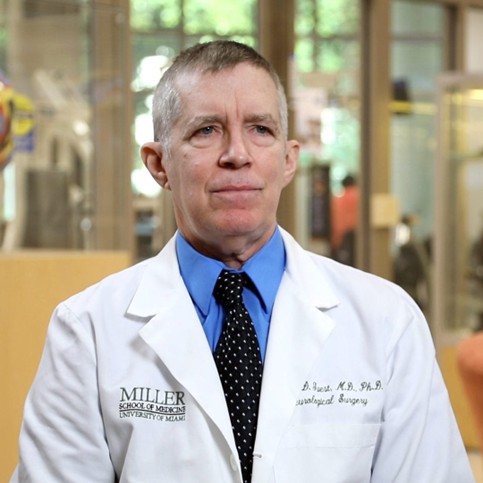
Neurological Surgery and the Miami Project to Cure Paralysis, The University of Miami Miller School of Medicine, USA;Dr. James Guest is a Professor of Neurological Surgery at the University of Miami and The Miami Project to Cure Paralysis, as well as a Research Scientist for the Massachusetts Institute of Technology. He received his MD from the University of Alberta, neurosurgical residency at UBC, and PhD in Neuroscience from the University of Miami. He received Neurosurgical Board certification in Canada and the US and advanced training in spinal neurosurgery at the Barrow Neurological Institute. His research focus is therapeutics translation for SCI, from pre-clinical models through clinical trials. Studies include drugs and biologics for neuroprotection/promotion of axonal regeneration and neuroplasticity as well as neuromodulation, rehabilitation, and combined therapeutics. He has received funding from the DoD and NIH. He serves on the Grants Working Group of the California Institute of Regenerative Medicine and with the FDA to review biologics, cell, and gene therapy projects across a range of diseases. He is co-Chair of the North American Clinical Trials Network and has advised, led, and participated in approximately 20 SCI clinical trials.


Molecular and Translational Medicine
A section of Biomedicines (ISSN 2227-9059).
Section Information
This section of Biomedicines aims to cover the studies concerning disease pathogenesis at the molecular or physiological level; as well as the basic preclinical, clinical, and translational aspects. We encourage scientists to submit results that have potential for application in human disease, and research obtained from human experimentation or animals models of human disease with the potential to shed light on the underlying causes of human diseases and cancer, to develop future human medicines, medical devices and diagnostics.