

Cells Webinar | Type of Cells on Adipose Tissue: New Insights on Cardiovascular Disease Treatment
Meet Our Speaker
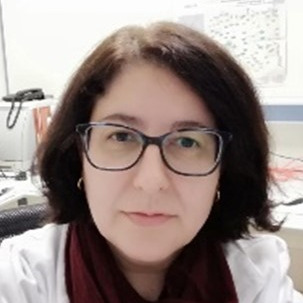
Cardiology Group, Health Research Institute, University Hospital of Santiago de Compostela, Santiago de Compostela, Spain;Group leader of the Translational Cardiology group. Her translational research is focused on epicardial fat (from 2005) as a preclinical model for the discovery of non-invasive biomarkers and new therapies for cardiovascular disease. She has contributed to 60 publications in peer-reviewed journals (h-index = 22, >1500 citations), of which she is the main author of the majority. She is the co-owner of 2 patents based on methods for stratifying patients with atrial fibrillation risk or rehospitalization for heart failure and/or death after catheter ablation or hospital admission for heart failure. She is a reviewer of multiple journals, guest editor of Cells, and editor of World Journal of Diabetes.

On Monday, 11 July 2022, MDPI and the Journal Cells organized the 19th webinar on Cells, entitled "Type of Cells on Adipose Tissue: New Insights on Cardiovascular Disease Treatment".
Cardiovascular diseases are the leading cause of death in the world. Two thirds of them are affected by overweight and obesity. In spite of obesity, measured by BMI, was described as main risk of cardiovascular events, several studies have described obesity paradox in coronary heart disease when obesity was characterized by body fat/lean mass composition. The degree of obesity-related adipose tissues disease (OrAD) differs among patients with obesity, conferring obesity-associated cardiometabolic risk. We should aim to test if they could also predict the response to obesity interventions, to improve personalized obesity management. For example, amount of adipose tissue. Mast cells, through unknown mechanisms, might indicate improved weight-loss response to bariatric surgery. Epicardial, more than subcutaneous fat, contributes to cardiovascular disease. One of the main reasons could be the higher presence of memory T cells, which are closer to the fibrotic regions, and their simillarity to atrial tissue. Healthy subcutaneous adipose-derived mesenchymal stem cells and their released factors and microvesicles have higher proangiogenic properties which can contribute to myocardial regeneration after myocardial infarction.
The presentations were followed by a Q&A and a discussion, moderated by the Chair. The webinar was offered via Zoom and required registration to attend. The full recording can be found here on Sciforum website. In order to stay updated on the next webinars on Cells, be sure to sign up for our newsletter by clicking on "Subscribe" at the top of the page.
Guest Editor: Dr. Sonia Eiras
Deadline for manuscript submissions: 31 October 2022