7th International Electronic Conference on Medicinal Chemistry
Announcement
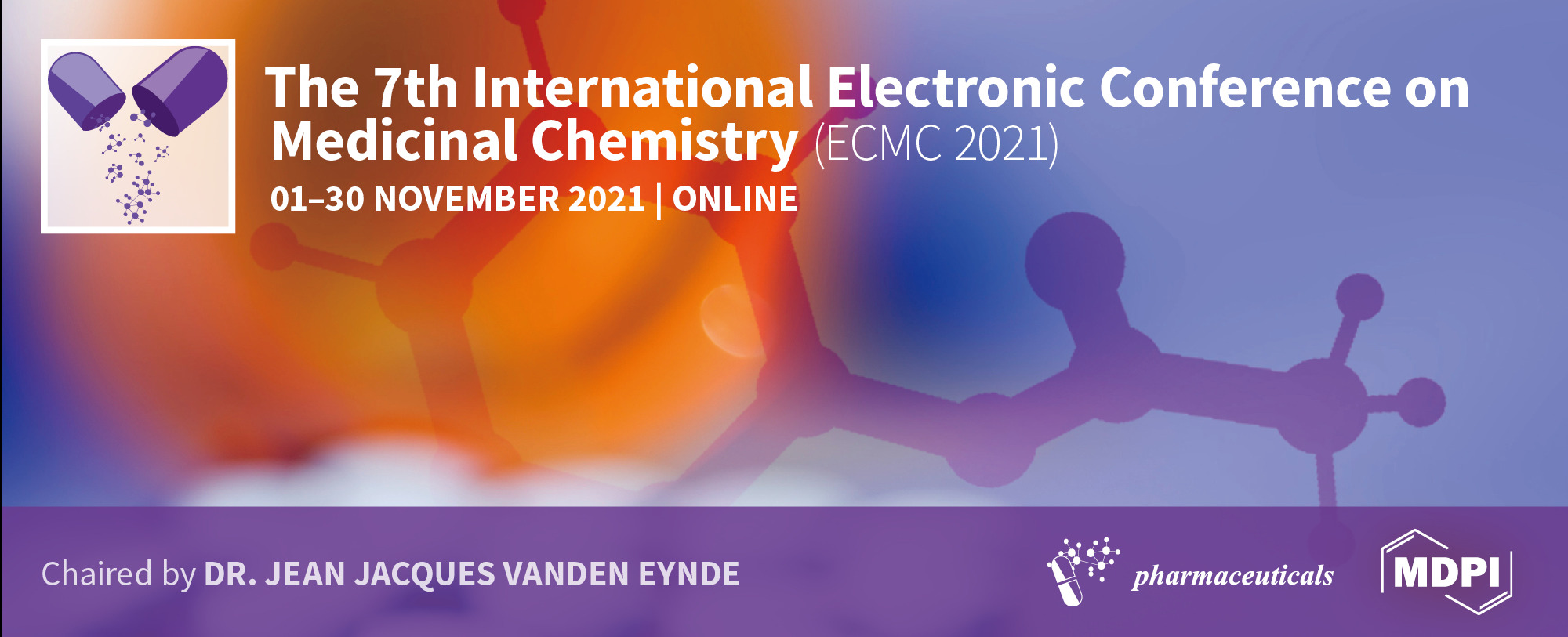
On behalf of the conference team of the 7th International Electronic Conference on Medicinal Chemistry, we would like to thank you for your participation by sending your contributions, being posters, slideshows or flash communications. We hope you've enjoyed it!
the chair
Thus, on behalf of the MDPI journal Pharmaceuticals and of the Scientific Committee, I am delighted to welcome you to this 2021 edition.
If you are not familiar with the series, you could ask: why to participate? The answer is simply because this platform aims to bring together scientists from all over the world. It gives students, researchers, and experts the opportunity to share their results and exchange their ideas in medicinal chemistry, in the broad sense of the domain. In addition, there is no need to worry about safety, time off, flights, or hotels. Indeed, this is a virtual event. And guess what? It is, again, absolutely free of charge for authors and visitors as well.
If you are familiar with the series, then, I would like to thank you for your confidence all through the previous years. The success of the series would not have been possible without you, your contribution, and your support.
Ready to join us? Log in, submit your abstract, and enjoy the Conference!
Meet Our Chair
Editor-in-Chief of Pharmaceuticals, Former Head of the Department of Organic Chemistry, University of Mons-UMONS, Belgium;
Important Dates
18 Oct
2021
25 Oct
2021
30 Oct
2021
Meet Our Speakers
Laboratório de Química Orgânica e Farmacêutica, Faculdade de Farmácia da Universidade do Porto, Porto, Portugal; CIIMAR, Centro Interdisciplinar de Investigação Marinha e Ambiental, Universidade do Porto, Porto, Portugal;

Foodborne Toxin Detection and Prevention Research Unit, Western Regional Research Center, USDA-ARS, 800 Buchanan St., Albany, CA 94710, USA;
Dr. Pauline Loupias
AGIR, UR 4294, UFR de pharmacie, Université de Picardie Jules Verne, Amiens, France;
CQE, Faculdade de Ciências, Universidade de Lisboa, Portugal;
Faculté de médecine, Université Laval, Québec, QC, Canada;
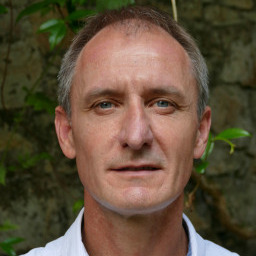
Université de Nantes, Cibles et médicaments des infections et du cancer, IICiMed, EA 1155, F-44000, Nantes, France;

Center for Cancer Research, University of Tennessee Health Science Center, Memphis, TN 38163, USA;
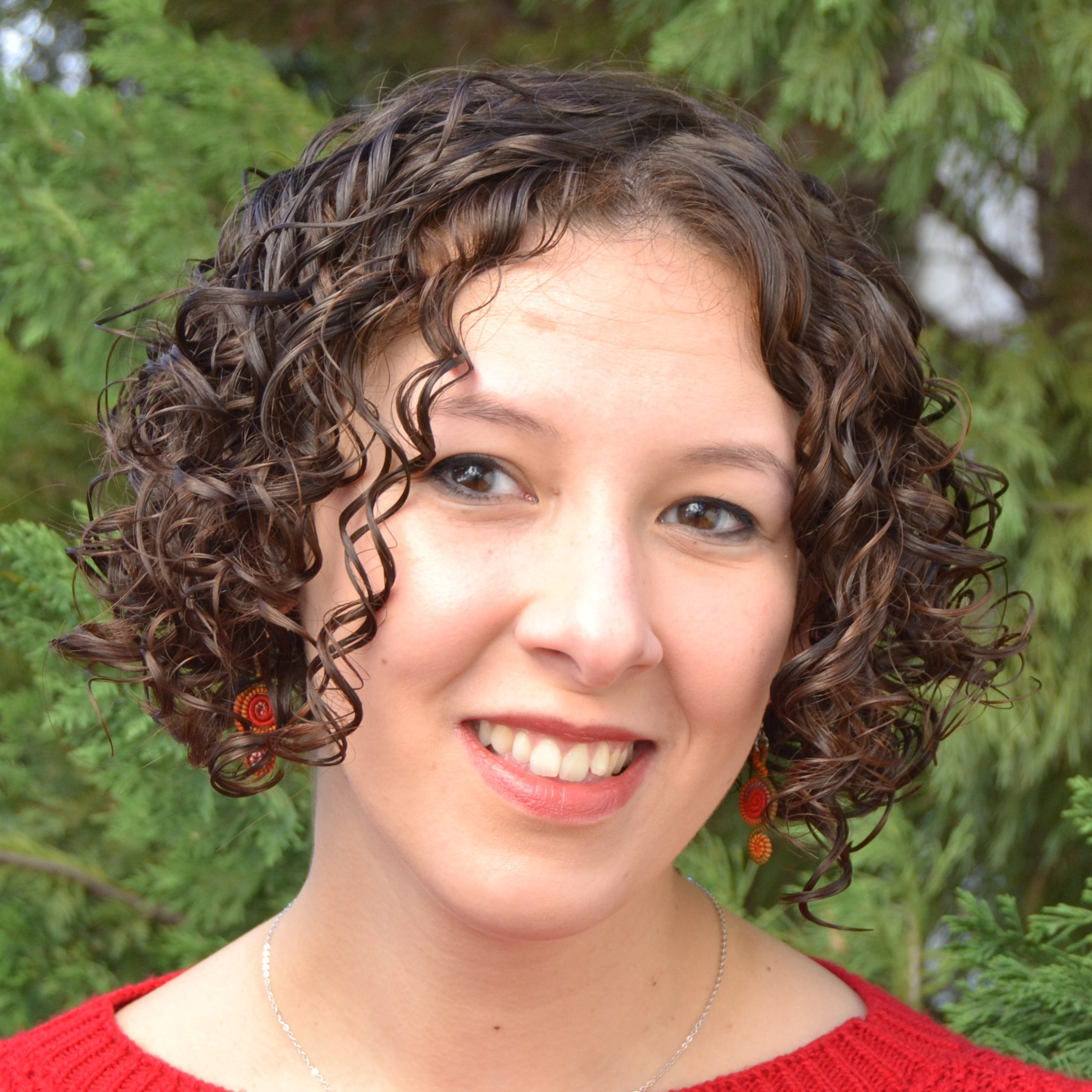
Institute of Parasitology and Biomedicine Lopez-Neyra, CSIC PTS Granada, Granada, Spain;
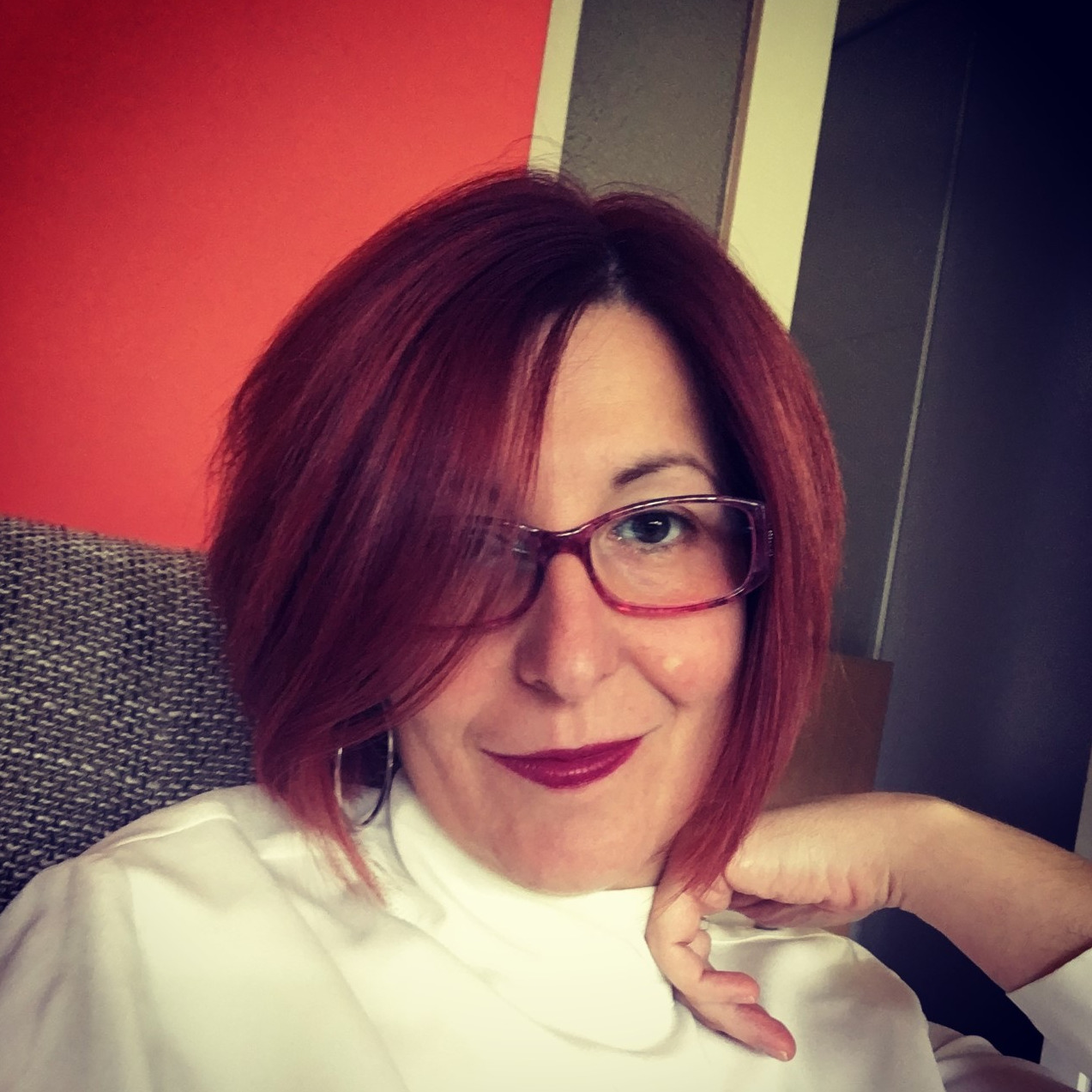
Department of Chemical-Technological Science, State University of Novi Pazar, Vuka Karadžiča bb, 36300 Novi Pazar, Serbia;


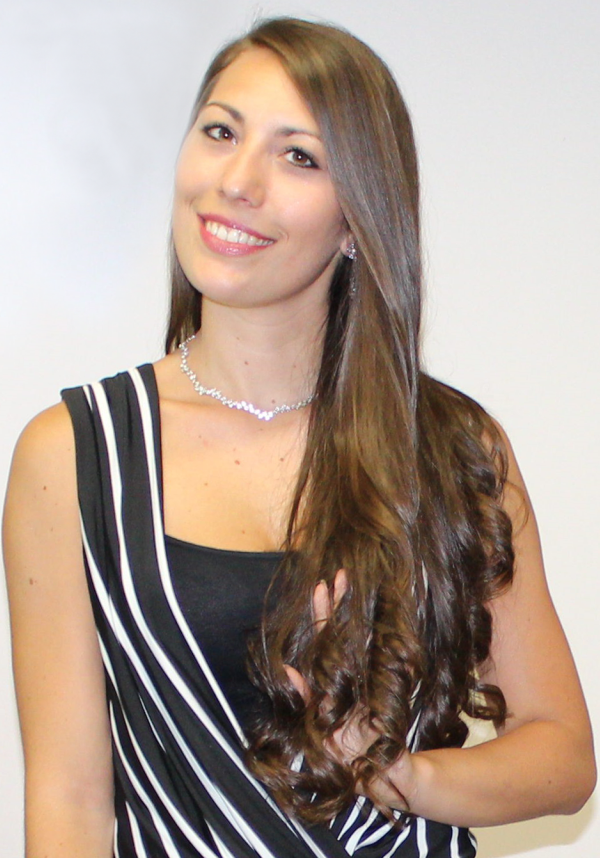
Claudia Riccardi is currently recipient of a postdoctoral fellowship granted by “Fondazione Umberto Veronesi”, under the supervision of Prof. Daniela Montesarchio. She obtained her degree with honors at the age of 23 in Chemistry and Pharmaceutical Technologies at Federico II University of Naples in 2013. She got her Ph.D. in Chemical Sciences in 2017 and then continued her research activities under the supervision of Prof. Montesarchio with fellowships granted by AIRC (Italian Association for the Research on Cancer). Her research interests are mainly devoted to the design, synthesis, and characterization of Ru(III) and Pt(II) complexes as potential anticancer compounds, as well as G-quadruplex-forming aptamers with potential anticancer or anticoagulant properties. She also studied multifunctional nanosystems incorporating anticancer metal-based drugs and/or aptamers for theranostic applications. She was recipient of the “Salvatore Venuta fellowship 2019” prize in Nanomedicine and of two “Best PhD thesis” prizes. She is coauthor of 32 scientific articles published in the period 2015–2021 in international, peer‐review journals, and of ca. 20 oral and poster communications presented at international and national conferences.
Best Invited Lecture
- Beatriz Berzal-Herranz, Cristina Romero-López et al., "The 3’UTR of WNV genome is an excellent target for antiviral drugs".
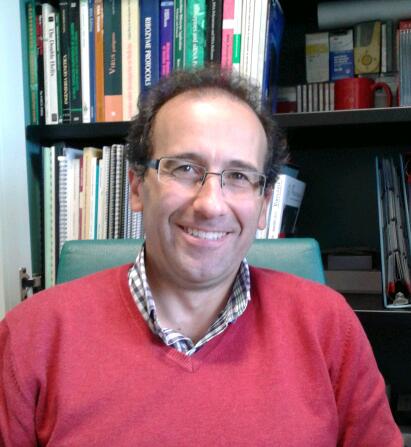
Alfredo Berzal-Herranz received his PhD in Molecular Biology from the Autónoma University of Madrid (1990). After a brief stay at the Department of Microbiology, of the University of Uppsala (Sweden), he moved to the Department of Microbiology, College of Medicine of the University of Vermont (USA). In 1993 he returned to Spain, joining the Instituto de Parasitología y Biomedicina “López-Neyra” (IPBLN), located in the city of Granada. The IPBLN belongs to the Spanish National Research Council (CSIC), where he established his own research group and chaired the Department of Molecular Biology. From November 2005 to March 2014 was the Director of the Institute (IPBLN-CSIC). He is the author of about 100 research articles and book chapters and has edited four special research issues. He is or has been a member of the Editorial Board of more than 15 research journals. His research group is currently interested in understanding the structure/function relationship of viral RNA genomes. He is pursuing the identification of the molecular mechanisms used by the RNA viruses to store all necessary genetic information and studying the potential use of genomic RNA structural domains as potential antiviral targets. In addition, his group is interested in the design and characterization of antiviral RNA molecules (Aptamers, antisense, ribozymes).
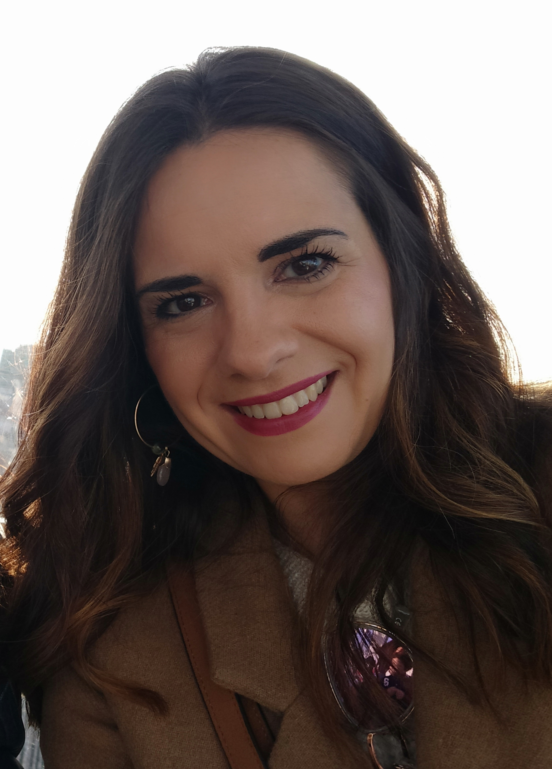
Cristina Romero-López received her PhD degree in Biochemistry and Molecular Biology by the University of Granada in Nov 2005. The thesis project was focused on developing new RNA-based tools able to interfere with the hepatitis C virus translation. An additional point was to make use of these compounds as molecular tools with the aim of studying the functionality of conserved regions in viral RNA genomes. Since then, she has been working as post-doctoral researcher in the Dr. Berzal-Herranz’s lab, in the Instituto de Parasitología y Biomedicina “López-Neyra” (IPBLN), located in the city of Granada (Spain). Throughout these years, her scientific interest has been focused in the RNA structural biology, moving from the research with small catalytic RNA molecules to current investigations about the functionality of conserved structural domains in viral RNA genomes, as well as their implications in virus progression and infectivity. These studies have promoted the implementation of complex high-throughput techniques for the analysis of the RNA folding. During her scientific career she has participated in eighteen research projects, supported by different national and international agencies. She has published around 50 research manuscripts and book chapters, as well as around 80 communications in national and international meetings. She has supervised six master theses and four graduate theses. Currently, she is a member of the editorial board of different research journals.
One free 1-day hands on/testing using microwaves offered by Microwave Technologies Consulting
- Marc Le Borgne et al., "Triazole-indole hybrid molecules as antifungal agents: Design, synthesis and biological activity, and beyond".
Marc Le Borgne obtained his Ph.D. in medicinal chemistry under the supervision of Prof. Guillaume Le Baut at the University of Nantes (France) in 1997. He began his research and academic career in the School of Pharmacy at the University of Nantes. In 2008, he moved to the Université Claude Bernard Lyon 1 as a full professor in medicinal chemistry. He is currently a researcher in the Team Small Molecules for Biological Targets (Cancer Research Center of Lyon). His research interests focus on the design and synthesis of bioactive small molecules as anti-infective compounds or kinase-targeted anticancer therapeutic agents. Collaborative work remains at the heart of his quality research work.
One registration seat to an upcoming Simulations Plus workshop
- Radu Tamaian et al., "Rational design of new antipsychotic virtual derivatives with improved ADMET properties and high binding activity".
Principal Investigator at the National Institute for Research and Development for Cryogenic and Isotopic Technologies – ICSI Rm. Vâlcea. My expertise is in bioinformatics and cheminformatics, with a wide research area including computer-aided drug design (CADD), computational (eco)toxicology, in silico nutrigenomics, and blockchain-enabled healthcare. Outside the lab, as the National Contact Point (NCP), I was involved in coordination and support actions for the EU research infrastructures (included in the ESFRI Roadmap) during The 7th Framework Programme of the European Commission.
Ms. Fendy Fan
Ms. Jennifer Wang
Email: ecmc@mdpi.com