
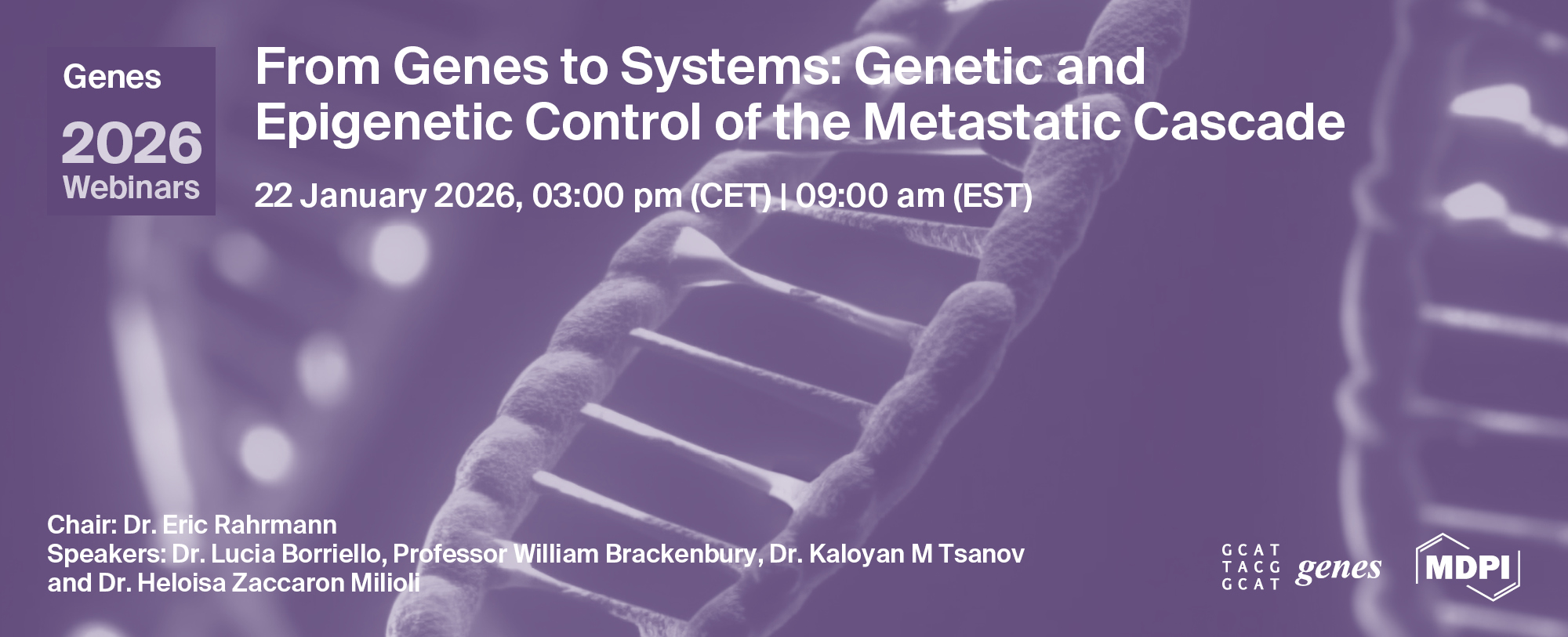
Genes Webinar | From Genes to Systems: Genetic and Epigenetic Control of the Metastatic Cascade
the chair
4th Genes Webinar
From Genes to Systems: Genetic and Epigenetic Control of the Metastatic Cascade
This webinar will bring together leading researchers to discuss the genetic and epigenetic mechanisms that regulate cancer metastasis across the full metastatic cascade. Speakers will highlight new insights into chromatin remodeling, non-genetic evolution, tumor cell plasticity, metastatic niche formation, circulating tumor cell biology, and dormancy, as well as multi-omics approaches that reveal how these processes interact at the systems level. The session will consist of five short presentations (15 minutes + 5 minutes for Q&A), emphasizing mechanistic rigor, emerging concepts, and the interplay between tumor-intrinsic programs and the microenvironment. This event accompanies the Special Issue “From Genes to Systems: Genetic and Epigenetic Control of the Metastatic Cascade” in Genes and aims to foster cross-disciplinary dialogue and inspire high-quality contributions to the field.
Date: 22 January 2026
Time: 3:00 PM CET | 9:00 AM EST
Webinar ID: 875 9609 0190
Webinar Secretariat: journal.webinar@mdpi.com
Meet Our Chair
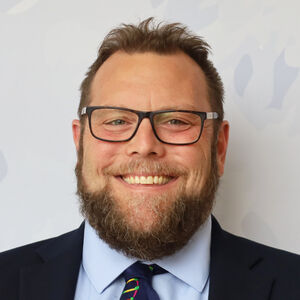
The Hormel Institute, University of Minnesota, Austin, MN 55912, USA;Dr. Rahrmann is an Assistant Professor and Scientific Advisor for Microscopy and Histology at The Hormel Institute, University of Minnesota. He is also Chair of the Minnesota Metastasis Research Network (MnMet). His laboratory studies the cellular and molecular mechanisms that govern epithelial cell movement, tissue remodeling, and metastatic progression. Dr. Rahrmann is internationally recognized for identifying the Sodium Leak Channel Non-Selective Protein (NALCN) as a key regulator of epithelial cell trafficking in both normal physiology and cancer. His work revealed that NALCN-driven cell dissemination can occur independently of malignant transformation, fundamentally reshaping how metastasis and tissue plasticity are understood. These discoveries have uncovered new principles of cancer biology and highlighted NALCN as both a promising therapeutic target and a potential biomarker for disease progression. Through innovative in vivo models, advanced imaging, and multi-omics approaches, Dr. Rahrmann’s research aims to translate fundamental insights into actionable strategies for cancer diagnosis, prevention, and treatment.
Meet Our Speakers
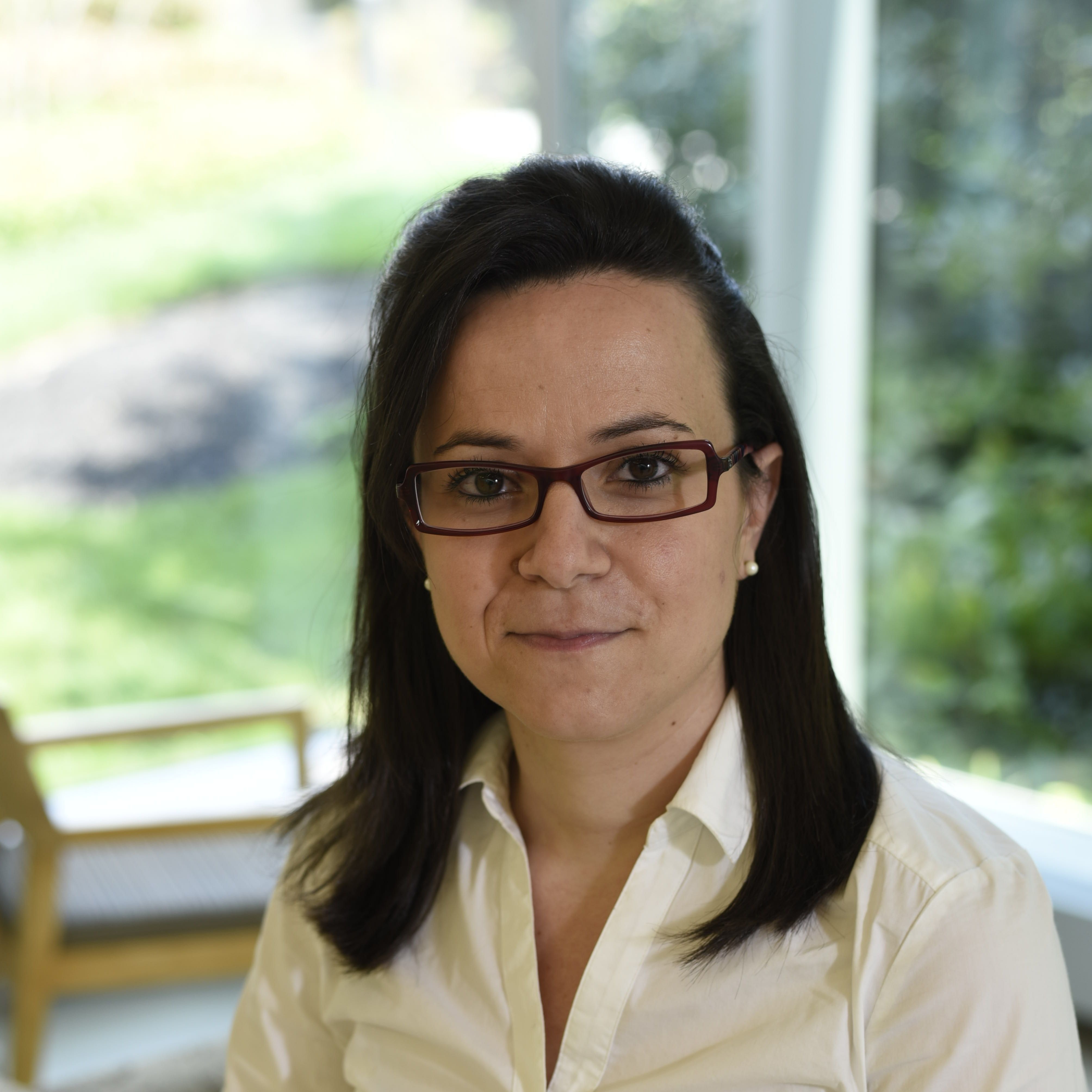
Dr. Lucia Borriello
Lewis Katz School of Medicine, Temple University, New York, United States;Dr. Lucia Borriello is an assistant professor at Fox Chase Cancer Center in Philadelphia. The goal of the Borriello Laboratory is lab to understand how the tumor microenvironment regulates the mechanisms of dormancy and awakening of tumor cells in order to identify new therapies targeting dormant tumor cells and preventing metastatic disease. Their mission is to develop novel therapeutic strategies to eradicate dormant tumor cells and combat mortality from metastasis.
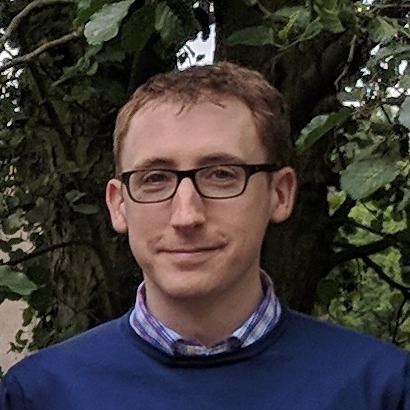
University of York, York, United Kingdom;Professor William Brackenbury is a Professor in Biomedical Sciences at the Department of Biology at the University of York His lab explores the role of ion channels in disease, focusing on how aberrant ion channel signalling can alter cell behaviour to promote the progression of solid tumours, including breast cancer. We are particularly interested in voltage-gated sodium channels (VGSCs), and their role in regulating membrane electrical activity, adhesion, cellular migration, and invasion. Their current focus is on understanding the mechanisms by which VGSCs regulate the invasion of metastatic breast cancer cells, promoting metastasis.
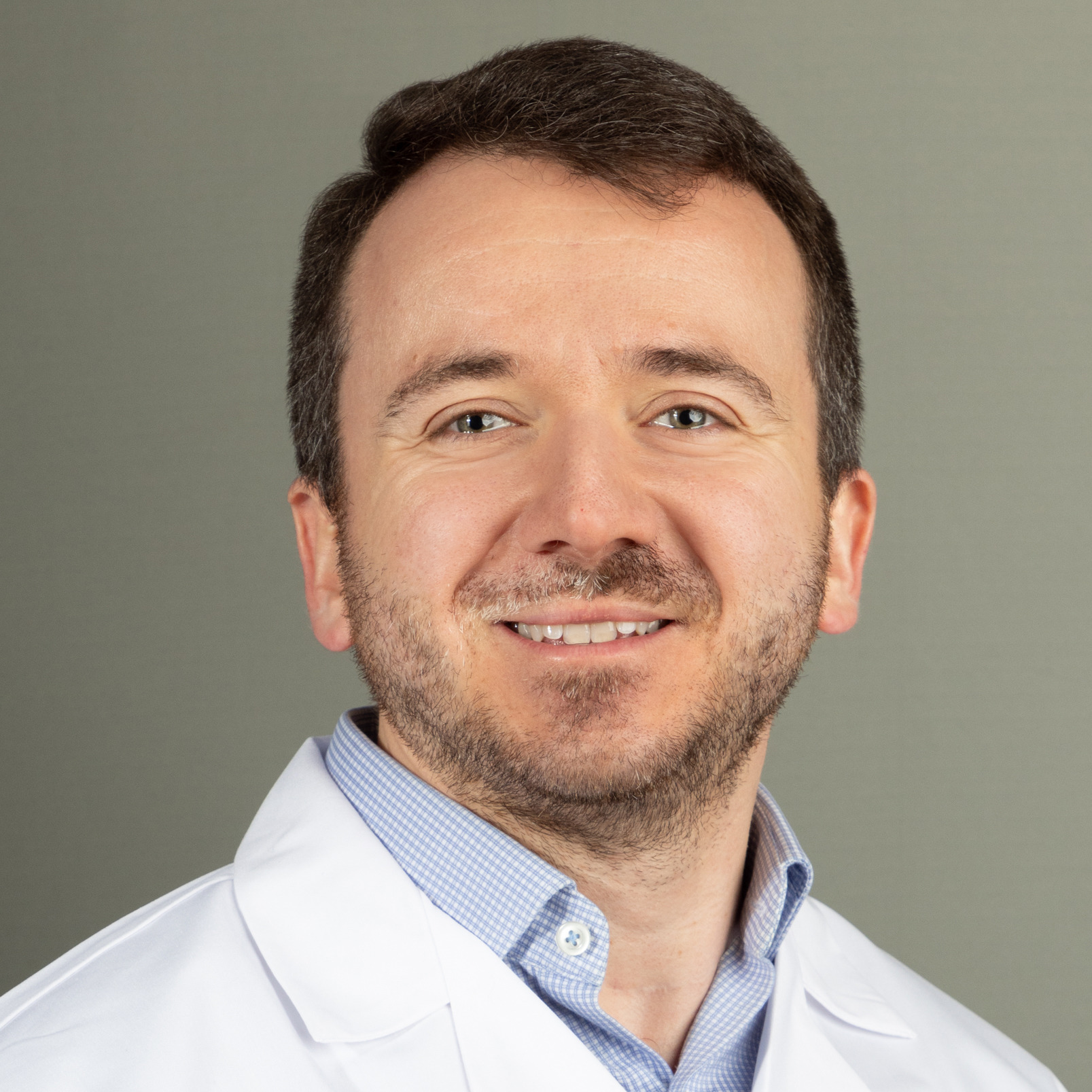
Dr. Kaloyan M. Tsanov
The University of Chicago, Chicago, United States;Dr. Kaloyan M Tsanov is an Assistant Professor of Medicine and Assistant Professor in the Ben May Department of the Cancer Research Committee on Genetics, Genomics, and Systems Biology at The University of Chicago. The overall goal of his lab research is to elucidate mechanisms that sustain metastatic tumors and to identify related vulnerabilities that can be therapeutically targeted. Their work focuses on pancreatic and gastric cancers, and the three most common sites of metastasis (liver, peritoneum, and lungs) across gastrointestinal malignancies.
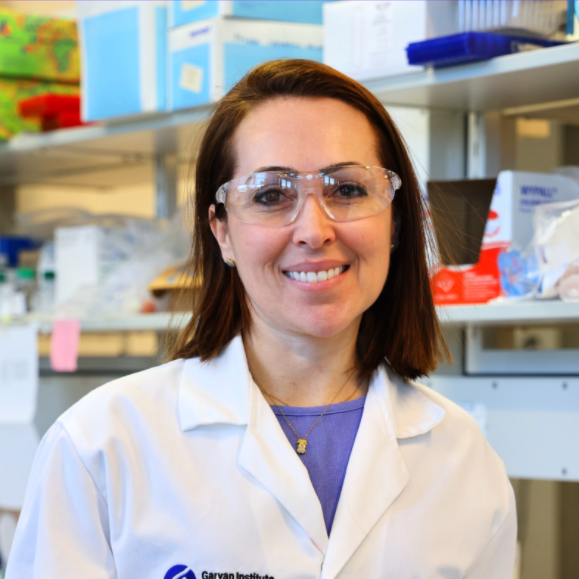
Dr. Heloisa Z. Milioli
Garvan Institute of Medical Research, Sydney, Australia;Dr Heloisa Milioli is a Senior Research Officer in Christine Chaffer’s Laboratory at the Garvan Institute of Medical Research. She integrates molecular biology and computational approaches to investigate the complex mechanisms driving breast cancer development, progression and metastasis. Her research focuses on non-genetic mechanisms governing cell state plasticity and therapy resistance. Her work has been supported by Cancer Institute NSW (2018–2020, Early Career Fellowship), Cancer Council NSW (2023–2026), Tour de Cure (2024) and others. Her research on the context-dependent role of the androgen receptor (AR) in both primary and resistant breast cancer—published in Nature Medicine, Nature Structural & Molecular Biology and MedRxiv—has helped shape ongoing clinical trials (NCT02463032, NCT04947189), underscoring her commitment to improving outcomes for cancer patients in Australia and worldwide.
The Hormel Institute, University of Minnesota, Austin, MN 55912, USA;Dr. Rahrmann is an Assistant Professor and Scientific Advisor for Microscopy and Histology at The Hormel Institute, University of Minnesota. He is also Chair of the Minnesota Metastasis Research Network (MnMet). His laboratory studies the cellular and molecular mechanisms that govern epithelial cell movement, tissue remodeling, and metastatic progression. Dr. Rahrmann is internationally recognized for identifying the Sodium Leak Channel Non-Selective Protein (NALCN) as a key regulator of epithelial cell trafficking in both normal physiology and cancer. His work revealed that NALCN-driven cell dissemination can occur independently of malignant transformation, fundamentally reshaping how metastasis and tissue plasticity are understood. These discoveries have uncovered new principles of cancer biology and highlighted NALCN as both a promising therapeutic target and a potential biomarker for disease progression. Through innovative in vivo models, advanced imaging, and multi-omics approaches, Dr. Rahrmann’s research aims to translate fundamental insights into actionable strategies for cancer diagnosis, prevention, and treatment.
The webinar featured contributions from Dr. Lucia Borriello, Prof William Brackenbury, Dr. Kaloyan Tsanov, and Dr. Heloisa Zaccaron Milioli, examining metastasis across genetic, epigenetic, and systems-level scales. Presentations revealed that metastatic capacity can be programmed early through chromatin remodeling, actively driven by bioelectric mechanisms such as sodium channel function, and profoundly reshaped, rather than eliminated, by chemotherapy. Together, these insights challenge the prevailing view of metastasis as a late complication of cancer and instead frame it as a dynamic, therapy-responsive process that helps explain why current treatments so often fail.
The webinar was hosted via Zoom and required registration to attend. The full recording can be found below. In order to learn about future webinars, you can sign up to our newsletter by clicking “Subscribe" at the top of the page.