IFoU 2018: Reframing Urban Resilience Implementation: Aligning Sustainability and Resilience
the chairs
Research on urban resilience is partly responsible for the urban resilience implementation gap. This is partly because of a lack of agreed and integrated multidisciplinary perspectives, frameworks and metrics to support design and governance for urban resilience. Because of this, the International Forum on Urbanism (IFoU), in partnership with the Universitat Internacional de catalunya (UIC), the Urban Resilience research Network (URNet) and the UN Habitat City Resilience profiling Program, will dedicate its 11th Annual Conference to help bridging this gap between research and practice, and moving towards more integrated perspectives on urban resilience implementation.
In order to reach a global audience involved within the debates, the annual conference has been framed within two interconnected international events: a first congress in Barcelona, taking place during the Barcelona Resilience Week (the week in which the city celebrate its experience in resilience with a range of public activities from 10 to 15 December 2018) and a second one a few months later, in Jakarta, Indonesia.
For more information please visit the 11th International Forum on Urbanism (IFOU) Congress 2018 official website.
Conference Secretariat
- For specific inquiries about conference registration, Sciforum account, support letters, etc., please write to: ifou2018@sciforum.net
- For inquiries about conference topics, papers, special issues, proposals for panels, or side events, etc., please write to the Conference Chairs: Dr. Lorenzo Chelleri, Dr. Carmen Mendoza, Ms. Raquel Colacios.
Meet Our Chairs

Universitat Internacional de Catalunya (UIC), Barcelona, Spain;Lorenzo is a multidisciplinary researcher chairing the Urban Resilience research Network (URNet) and a Senior Research Fellow at the Universitat Internacional de Catalunya (UIC Barcelona). Director of the international Master program in City Resilience Design and Management, his research and teaching activities take a critical look at the governance and planning processes related to city resilience and sustainability synergies and trade-offs.
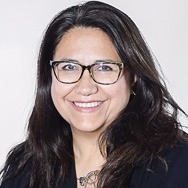
Universitat Internacional de Catalunya (UIC), Barcelona, Spain;Associate professor and assistant director at the UIC Barcelona School of Architecture, she is also co-director of the Master Degree in International Cooperation: Sustainable Emergency Architecture. Her research is based on a comprehensive regeneration of degraded and informal settlements, which is developed under the paradigm of sustainable development through a methodology that delves into the recognition of places with urban significance through community participation.
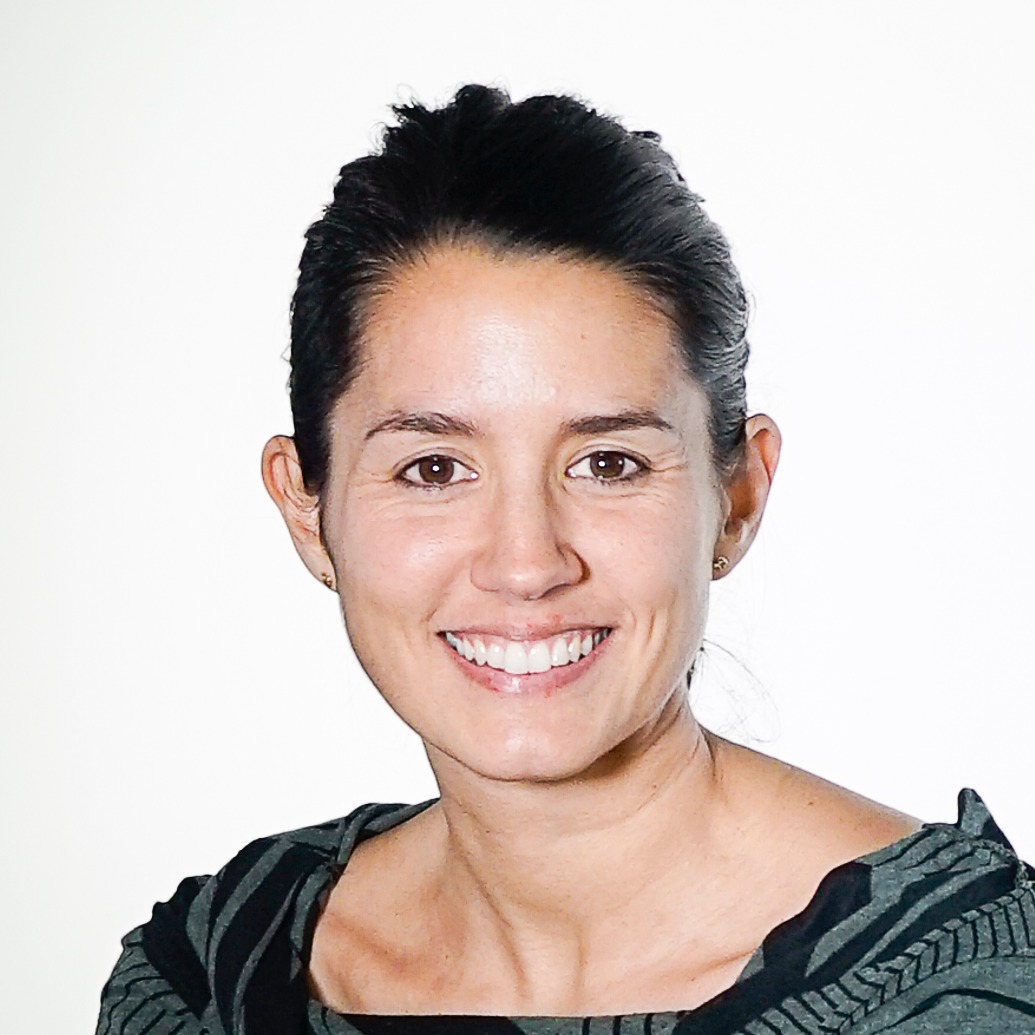
Universitat Internacional de Catalunya (UIC), Barcelona, Spain;Assistant professor at the School of Architecture of the Universitat Internacional de Catalunya and coordinator of the Master Degree in International Cooperation: Sustainable Emergency Architecture at UIC. Her research is focused on the recognition of the social manifestations of community values in physical space by exploring resident’s linkages through a process that combines the social with the physical dimensions, towards a more committed model of urban regeneration.
Important Dates
24 Jun
2018
9 Jul
2018
30 Sep
2018
19 Nov
2018
10 Dec
2018
10 Dec
2018




A series of field trips (free of cost) are organised in order to visit on-site actions and initiatives tackling with resilience. Participants are asked to choose and register in one of the following options. Each field trip has a limit of 50 people. Registration is made when registering to the congress.
FIELDTRIP 01: Barcelona Resilient infrastructures: Underground rainwater retention deposits
Barcelona coping capacities to flooding have been in place since a hundred years, but especially in the last 3 decades could develop hard infrastructure-based responses to flooding within the city centre. This field visit explores the underground rainwater retention deposits, illustrating their structure, functioning and questioning their relationship with sustainability, highlighting a set of resilience trade-offs. More details coming soon.
FIELDTRIP 02: Barcelona Community-led Initiatives for sustainability transitions
Barcelona tension among being a tourist destination, becoming a global city and locals’ needs is expressed also through a variety of community led initiatives, from community gardens, to occupying empty houses within the city centre, co-management of public spaces and co-housing experiments. This field visit will explore those aspects of community resilience for a more liveable and sustainable city. More details coming soon.
FIELDTRIP 03 [CANCELLED]: Barcelona Climate Resilience: strategies for fighting droughts while avoiding saltwater intrusions
Two rivers’ moths close Barcelona Eastern and Western along the Catalan coast, and one of these rivers, namely Llobregat, is a small delta in which the city finds the most conflictive uses as agriculture, the big International Airport, urban sprawl, protected areas, the industrial harbour and city facilities as a big sewage plant. Prone to salt water intrusion, this urban delta recently hosted the European bigger desalination plant, responding to the 2009 drought. The site visit will illustrate conflicts and solutions adopted in coping with drought and saltwater intrusion in this part of the city. More details coming soon.
FIELDTRIP 04: Barcelona urban resilience: the 22@ district from industry to technology
The Barcelona 22@ district is a consolidated compact city model transformed by the 22@ Plan approved in the year 2000 in the Poblenou, from an old industrial area to clean technology . This new urban plan allowed for a new land designation called 22@, which substituted the traditional industrial designation 22a. Today, in this neighbourhood you can find the most innovative companies along with research, training and tech transfer centers, housing, facilities and green areas. This tech district coexists with industrial heritage buildings reconverted to new uses.