The 2nd International Online Conference on Environments
Resources, Ecosystem services, Quality of life for humans and all species
Part of the International Online Conference on Environments series
2–4 March 2027
10 November 2026
18 December 2026
25 February 2027
Urban Versus Rural Systems, Marine Ecosystems, Agriculture and Food Chain, Mountain Areas, Mining and Rare Minerals, Worldwide Mobility, World Population
- Go to the Sessions
-
- S1. Cities and Their Surroundings: Growth, Pressure, and Balance
- S2. Ecosystem Diversity and Human Pressures Across Land and Sea
- S3. Sustainable Farming and the Future of Food Systems
- S4. Resource Recovery: Water, Wastewater and Waste Management
- S5. Minerals Resources: Extraction, Impacts, and Global Challenges
- S6. Global Transport Systems and Environmental Sustainability
- Event Details
The IOCE 2027 is Now OPEN for Abstract Submission and Registration
Following the outstanding success of its first edition, the 2nd International Online Conference on Environments (IOCE 2027) returns on 2–4 March 2027, bringing together researchers worldwide to share cutting-edge insights on today’s most pressing environmental challenges.
Authors are invited to submit their abstracts and register for IOCE 2027.
Submit Your Abstracts - HERE
Register for FREE - HERE
Don’t miss the upcoming IOCE 2027, taking place on 2–4 March 2027!
For any inquiries, please contact ioce@mdpi.com.
Event Chair
Department of Science and Technology, Parthenope University of Napoli, Napoli, Italy,
School of Environment, Beijing Normal University, Beijing, China
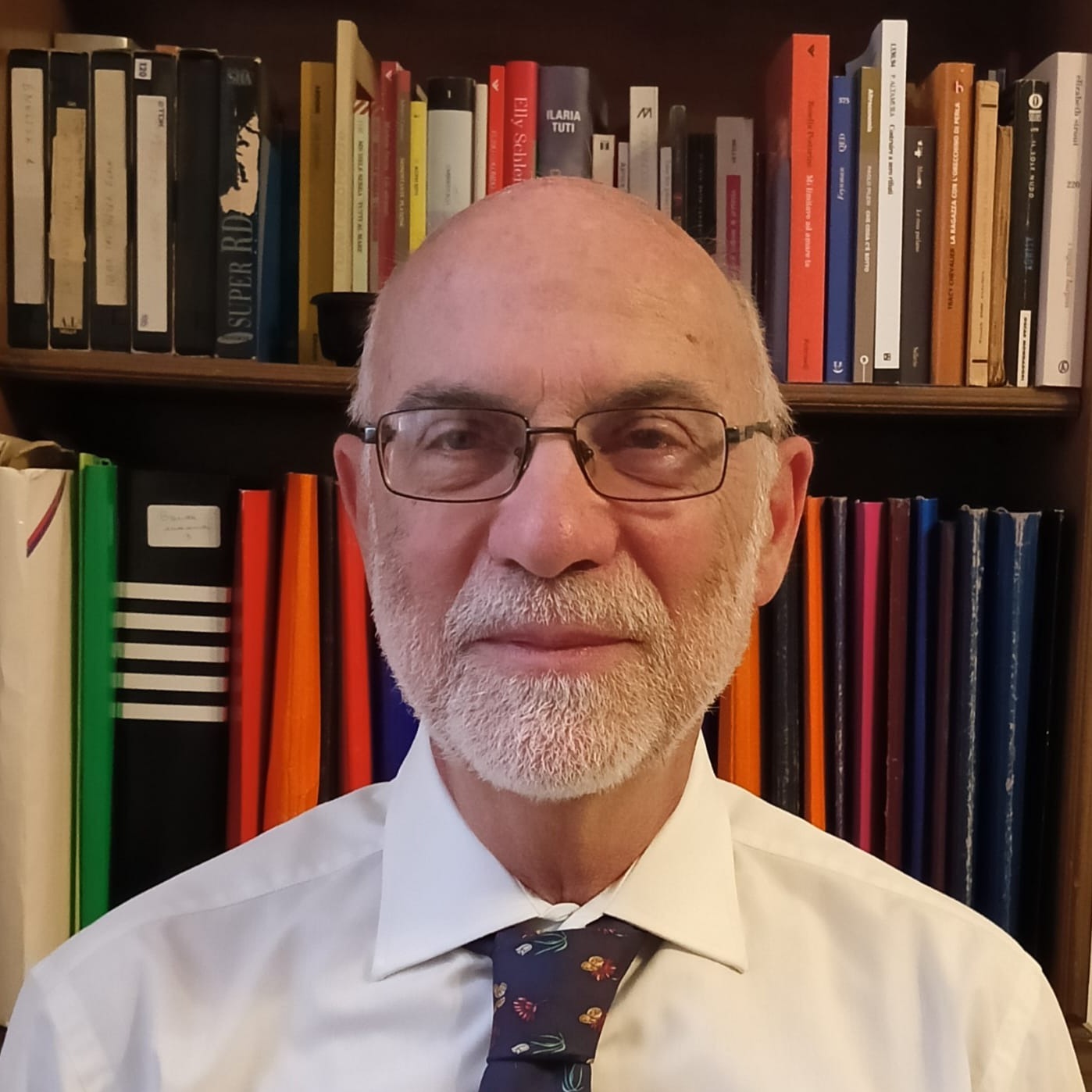
Prof. Dr. Sergio Ulgiati works at Parthenope University of Naples, with an academic background in Physics and Physical Chemistry. He is internationally recognized for his expertise in Life Cycle Assessment (LCA), General Systems Theory, Energy and Emergy Analysis, sustainability indicators and ecological systems analysis. His research focuses on energy conversion systems, sustainable development, and Zero Emission Technologies and Strategies (ZETS), with special interest on recycling processes and biorefinery systems, aiming to extract biochemicals, biomaterials, and bioenergy within integrated agro-industrial frameworks, supporting waste management and circular economy solutions. He has actively organized and coordinated international Conferences and collaborative projects. His long-standing scientific partnerships with several international Universities (Gainesville and Cornell Universities, USA; Beijing Normal, Peking, Shanghai Jiao Tong and Dalian Universities, China; Universidade Paulista, Brazil; Oxford Brookes, Graz, and Sheffield Universities, Europe; among others) have strongly shaped his interdisciplinary approach. In 2018, he co-founded, together with Prof. Gengyuan Liu of Beijing Normal University, the still active “Matteo Ricci Network”, a collaborative association linking 26 Italian and Chinese universities and research centers, inspired by the legacy of scientists and theologist Matteo Ricci, XVI century, fostering scientific cooperation between Italy and China.
Session Chairs
Prof. Dr. Feni Agostinho
Production Engineering Post-Graduate Programme, Paulista University, São Paulo, Brazil
Agricultural Engineering with PhD in Food Engineering from State University of Campinas (UNICAMP), Brazil, 2009. Since 2012 actuating as professor in Industrial Engineering Post-graduation Program at Paulista University (UNIP), São Paulo, Brazil. His subject work is related to Industrial Ecology and Cleaner Production, focusing on sustainability assessment (indicators, methodologies, theories, and modeling). Currently (July/2016), he has 22 peer-reviewed published papers, 2 book-chapters, and integrates de research group of Production and Environment led by Prof. Biagio F. Giannetti. Belongs to International Society for the Advancement of Emergy and works as Subject Editor of Latin American journal Scientia Agropecuaria; he also works as reviewer for several international journals.
Dr. Paola Altamura
Department of Planning Design Technology of Architecture, Sapienza University of Rome, Roma, Italy
Architect, PhD in Environmental Design, Assistant Professor (Tenure Track) in Technological and Environmental Design of Architecture at "Sapienza" University of Rome since 2021 at Planning Design Technology of Architecture Department. Former Research Fellow at ENEA (2020-2021), Department of Sustainability, Resource Valorization Laboratory, and visiting researcher at BRE (UK) in 2012. Since 2009, she conducts research and experimentation on the built environment sustainable transformation with a life-cycle approach, focusing on material resource efficiency and circular design strategies. Author of more than 60 scientific publications. She co-coordinates the ICESP Construction & Demolition WG.
Prof. Gengyuan Liu
State Key Joint Laboratory of Environment Simulation and Pollution Control, School of Environment, Beijing Normal University, Beijing, China
Gengyuan Liu is Professor and Vice Dean of School of Environment, Beijing Normal University. He is the Center Director of Advances in Cleaner Production Network, Regional Center: Asia, Africa and Oceania, and Secretary-in-Chief for China Chapter of International Society for Advancement Emergy Research and Secretary-in-Chief for Education Committee of Chinese Society of Ecology. He was one of the founders and serves as a managing editor of Journal of Environmental Accounting and Management (ESCI journal). He also serves as the guest editor of eight SCI- indexed journals, including Journal of Cleaner Production, Applied Energy and Energy.
Prof. Dr. Xiomar Gómez
Department of Chemistry and Applied Physics, Chemical Engineering Area, University of León, Campus de Vegazana, León, Spain
Prof. Dr. Xiomar Gómez currently works at the Department of Chemistry and Applied Physics, Chemical Engineering Area, University of León, Spain. She holds teaching experience in bioreactors, biotechnological processes, combustion, collaboration in biofuels, bioenergy, fuels and lubricants, chemical process technology and basic operations. Her research interests are the development of research work in the use and recovery of waste through anaerobic digestion and hydrogen production; and the evaluation of fuel mixtures: behavior of gaseous biofuels and use of spectroscopic techniques applied to biological processes to assess the course of the process and determine the key aspects of the biological degradation.
Dr. Xu Tian
School of International and Public Affairs, Shanghai Jiao Tong University, Shanghai, China
Dr. Xu Tian is an Associate Professor at the School of International and Public Affairs (SIPA), Shanghai Jiao Tong University (SJTU), Shanghai, China. Her research centers on environmental management, green trade, and sustainable development, with a focus on low-carbon transitions, resource management, and environmental footprint analysis. She has published widely on topics such as carbon emissions, sustainable industrial systems, and global resource trade, contributing to policy-relevant research supporting China’s environmental goals. Dr. Tian is also affiliated with the SJTU-UNIDO Joint Institute of Inclusive and Sustainable Industrial Development and is an active member of the International Society for the Advancement of Emergy Research.
Dr. Maddalena Ripa
National Centre for Waste and Circular Economy, Italian Institute for Environmental Protection and Research (ISPRA), Rome, Italy
Dr. Maddalena Ripa (she/her) received her Bachelor’s Degree in Biology in 2006 and, later in 2008, she earned her Master’s Degree in Biological Sciences (with honors) from University “Federico II” of Naples, Italy. In 2014 Maddalena obtained a PhD in “Environment, Resources and Sustainable Development” at Parthenope University of Naples (Italy). During her PhD and after, as postdoc researcher, she has collaborated in several international and European projects with academic and business partners from Spain, Germany, Finland, Italy, Netherlands, UK, Norway, among others. She has ten years of experience in academia during which she participated as speaker in international conferences and workshops, edited special issues of international journals, has been involved in teaching activities and supervised Master's and PhD students and has been visiting scholar at Beijing Normal University (China), University of Florida (USA), Technical University of Denmark (Denmark), and Graz University of Technology (Austria). Currently, she is working as researcher at Autonomous University of Barcelona (Spain) where she is co-leading an H2020 project named JUST2CE, whose aim is to explore the economic, environmental, justice, gender and policy implications of CE paradigm in the Global South. By mixing quantitative and qualitative research methods, she researches the epistemological relativism in socioecological transitions and its imbrications with society and natural environment.
Dr. Parisi Maria Laura
Department of Biotechnology, Chemistry and Pharmacy, University of Siena, Siena, Italy
Dr. Maria Laura Parisi is an Associate Professor of Economics in the Department of Economics and Management at the University of Brescia (Italy). Her research focuses on applied economics with particular attention to economic inequality, poverty, material deprivation and social exclusion among households and individuals.
Event Committee
Department of Medicine, Surgery and Dentistry “Scuola Medica Salernitana”, University of Salerno, Baronissi, Italy
Environmental Sciences & Ecology Science & Technology - Other Topics Engineering Energy & Fuels Biodiversity & Conservation
Department of Biological Sciences, Towson University, Towson, MD, USA
Environmental Sciences & Ecology Science & Technology - Other Topics Engineering Energy & Fuels Biodiversity & Conservation
School of Ecology, Environment and Resources, Guangdong University of Technology, Guangzhou, China
Environmental Sciences & Ecology Engineering Science & Technology - Other Topics Energy & Fuels Biodiversity & Conservation
Invited Speakers
Department of Medicine, Surgery and Dentistry “Scuola Medica Salernitana”, University of Salerno, Baronissi, Italy
Dr. Marco Casazza is a physicist specializing in applied physics for life sciences, environmental sciences, and cultural heritage. He earned his degree in Physics from the University of Turin, completed a Specialization in Health Physics, and obtained an international PhD in Environment, Resources, and Sustainable Development from the University of Naples “Parthenope.” He is currently a Tenure-Track Researcher at the University of Salerno and holds the Italian National Scientific Qualification as Associate Professor in Physics for Life Sciences, Environment, and Cultural Heritage. His research focuses on environmental monitoring and modelling, atmospheric aerosol pollution, resource flow analysis, and vibroacoustic characterization of cultural heritage. He has contributed to the development of innovative environmental measurement technologies, including advanced seismometers and the patented PLUDIX microwave pluvio-disdrometer. Dr. Casazza teaches physics applied to medicine and has held academic positions and visiting appointments at several Italian and international universities. He has received international awards, organized scientific conferences, and serves in editorial roles for international journals, including Frontiers in Environmental Science and Frontiers in Sustainable Cities.

Sessions
S2. Ecosystem Diversity and Human Pressures Across Land and Sea
S3. Sustainable Farming and the Future of Food Systems
S4. Resource Recovery: Water, Wastewater and Waste Management
S5. Minerals Resources: Extraction, Impacts, and Global Challenges
S6. Global Transport Systems and Environmental Sustainability
Registration
The registration for IOCE 2027 will be free of charge! The registration includes attendance to all conference sessions.
If you are registering several people under the same registration, please do not use the same email address for each person, but their individual university email addresses. Thank you for your understanding.
Please note that the submission and registration are two separate parts. Only scholars who registered can receive a link to access the conference live streaming. The deadline for registration is 25 February 2027.
Instructions for Authors
IOCE2027 will accept abstracts only. The accepted abstracts will be available online on Sciforum.net during and after the conference.
Important Deadline
1. Deadline for abstract submission: 10 November 2026.
2. Abstract acceptance notification: 18 December 2026.
Please note:
An abstract acceptance email only confirms that your abstract has been accepted. Oral or poster presentation invitations are determined separately by the conference chairs, and you will receive an additional email with the presentation result.
If you do not have an account, please register at www.sciforum.net. After logging in, submit your abstract using the “Submit Abstract” button on the conference homepage. No template is required.
Abstract Requirements
1. Types of Submissions
- Accepted: Original research abstracts; systematic reviews or meta-analyses abstracts (must comply with PRISMA 2020).
- Not accepted: Narrative, scoping, comparative, perspective, opinion, or essay-style reviews
2. Content Requirements
- Length: 200–300 words
- Structure: Introduction, Methods, Results, Conclusions
- Language: Clear, publication-ready English
- Originality: Must be original and unpublished; previously published abstracts will not be considered
3. Authorship
- The submitting author must ensure all co-authors approve the content.
- Authors may submit multiple abstracts, but only one abstract per author may be selected for an oral presentation.
1. Each abstract must designate one presenter. To change the presenter, please contact us after you receive the oral/poster presentation invitation.
2. Only live presentations are accepted.
3. Presenters who do not attend the live session will not be eligible for awards or presentation certificates.
Authors are encouraged to prepare a presentation in PowerPoint or similar software, to be displayed online along with the abstract. Please note that the presentation should be limited to a maximum of 12 slides (excluding the title slide and acknowledgements). Slides, if available, will be displayed directly on the website using the proprietary slide viewer at Sciforum.net. Slides can be prepared in exactly the same way as for any traditional conference where research results are presented. Slides should be converted to PDF format prior to submission so that they can be converted for online display.
- Use a clear and logical structure, typically Introduction-Methods-Results&Discussion structure (IMRaD) or a field-appropriate alternative;
- Emphasize the relevance of the work;
- Support key findings with clear figures or tables where appropriate;
- Conclude with a critical interpretation of the results and their impact.
Posters should be designed to allow independent understanding of the research and clearly present the essential elements of the study.
Each poster should include:
- Title, authors, affiliations, and contact details (clearly displayed at the top);
- Brief introduction outlining the research objective;
- Concise methodology summary;
- Main results, supported by clear, well-labeled figures or tables where appropriate;
- Short conclusion summarizing key findings and their relevance.
Technical specifications:
Dimensions (cm): 84.1 × 118.9 (A0 - portrait)
Resolution:300 dpi
Pixel size (portrait, 300 dpi):9933 × 14043 px
Minimum font size:≥24
It is the author's responsibility to identify and declare any personal circumstances or interests that may be perceived as inappropriately influencing the representation or interpretation of clinical research. If there is no conflict, please state "The authors declare no conflicts of interest." This should be conveyed in a separate "Conflict of Interest" statement preceding the "Acknowledgments" and "References" sections at the end of the manuscript. Any financial support for the study must be fully disclosed in the "Acknowledgments" section.
MDPI, the publisher of the Sciforum.net platform, is an open access publisher. We believe authors should retain the copyright to their scholarly works. Hence, by submitting an abstract to this conference, you retain the copyright to the work, but you grant MDPI the non-exclusive right to publish this abstract online on the Sciforum.net platform. This means you can easily submit your full paper (with the abstract) to any scientific journal at a later stage and transfer the copyright to its publisher if required.
Publication Opportunities
Participants in this conference are cordially invited to contribute a full manuscript to the conference's Special Issue (to be announced) published in Environments ( ISSN: 2076-3298, Impact Factor 3.7), with a 20% discount on the publication fee.
Please note if you have IOAP/association discounts, conference discounts will be combined with IOAP/association discounts. Conference discounts cannot be combined with reviewer vouchers. All submitted papers will undergo MDPI’s standard peer-review procedure. The abstracts should be cited and noted on the first page of the paper.
2. Proceeding Paper Publication
Authors of accepted abstracts are highly encouraged to submit an extended proceeding paper (ideally 4–8 pages in length) for the conference's dedicated proceedings volume in the Environmental and Earth Sciences Proceedings (ISSN: 3042-5743); for free, please submit it after the conference.
Please click HERE to submit your proceeding paper to the Environmental Sciences Proceedings, and be sure to disclose the conference information in your cover letter or mention the conference name in your submission.
IOCE 2027 Proceeding Paper Template
Publication Notice: Proceedings papers will undergo peer-review procedure. Acceptance at the conference does not ensure final publication.
Event Awards

The Awards
Number of Awards Available: 4
To acknowledge the support of the conference's esteemed authors and recognize their outstanding scientific accomplishments, we are pleased to announce the establishment of the Best Oral Presentation Award and Best Poster Award.
The Awards
Number of Awards Available: 4
1. Best Oral Presentation AwardSponsors and Partners
For information regarding sponsorship and exhibition opportunities, please click here.
Organizers
Media Partners
Conference Secretariat
Mrs. Ana-Maria Prodan
Mr. Russell Wang
Mr. Ionut Spatar
Email: ioce@mdpi.com
For inquiries regarding submissions and sponsorship opportunities, please feel free to contact us.
S1. Cities and Their Surroundings: Growth, Pressure, and Balance
The growing difference among urban, rural and forest systems, due to population increase, concentration in large urban systems, increased demands for food, energy and materials, as well as increased land use, and the expenses of rural and forest areas, is becoming a challenge for a number of important aspects, including biodiversity, energy consumption, climate change, heat waves, biodiversity within and outside cities. The sustainability of large populations in urban systems, the inequality of land use and life styles, as well as impact generation to ecosystems and different species generate hard to face problems concerning resource use, pollution, climate resilience, mitigation and global sustainability. Strategies for urban development as well as appropriate relation between urban systems and surrounding areas are crucial for the sustainability of all species.
Session Chairs
Prof. Dr. Feni Agostinho, Production Engineering Post-Graduate Programme, Paulista University, São Paulo, Brazil
Dr. Paola Altamura, Department of Planning Design Technology of Architecture, Sapienza University of Rome, Roma, Italy
S2. Ecosystem Diversity and Human Pressures Across Land and Sea
The diversity of worldwide ecosystems is a special characteristic of our planet, providing habitats for all species. The trend of such diversity towards more homogeneous systems decreases the richness of biosphere and the available living areas for different land, air and water species. The reduction of wetlands and forests are two typical and evident examples of disappearing ecosystem diversity, due to human activities expansion for economic and survival reasons. It is crucial to plan human activities (urbanization, mining, agriculture, trade, tourism, among others) in a way that do not affect the survival of living species on the planet. Considering the increasing population of human species, it clearly appears that the problem will be designing different patterns of production and consumption, in order to mitigate the already existing large-scale impacts (climate change, water availability and quality, land quality) and still allow sustainable life to all species.
S3. Sustainable Farming and the Future of Food Systems
Agriculture and livestock should not only be considered the starting point of the food chain, but instead activities to ensure ecosystems, human and animal health, generating food but also providing ecosystem services (CO2 uptake, land quality control and management, water circulation, biodiversity, pollination, among others). However, intensive agriculture and livestock are affecting both the quality of food, the quality of ecosystems and their biodiversity, and the quality of social life in rural areas. It should not be disregarded that intensive agriculture demands large amounts of energy for machinery and chemicals, with additional impacts on ecosystems and biosphere sustainability. Therefore, strategies for sustainable and resilient agriculture are needed, based on quality of processes, quality of products and maintenance of the ability of agriculture to provide ecosystems services to all species.
Session Chair
Professor Gengyuan Liu, State Key Joint Laboratory of Environment Simulation and Pollution Control, School of Environment, Beijing Normal University, Beijing, China
S4. Resource Recovery: Water, Wastewater and Waste Management
Urban, industrial and agricultural water demand and consumption as well as conversion to wastewater are becoming a crucial problem in a growing population planet, with non-negligible consequences on energy consumption and all species life. Strategies to decrease water consumption as well as to recover wastewater and convert it into still and again usable water (irrigation, hydroelectricity, chemical use), byproducts (fertilizers, biogas, algae), climate mitigation options, are absolutely needed. Same applies to the increased waste generation by cities, industries and agriculture, that require appropriate processes for waste management and conversion to usable products. A circular economy approach applied to waste and wastewater is needed to decrease polluting impacts and make again available large amounts of resources to humans and other species.
Session Chair
Prof. Dr. Xiomar Gómez, Department of Chemistry and Applied Physics, Chemical Engineering Area, University of León, Campus de Vegazana, León, Spain
S5. Minerals Resources: Extraction, Impacts, and Global Challenges
Global demand for energy and minerals, in particular crucial minerals and rare earths supporting the development of modern electronic and digital devices and infrastructures, requires attention to a large number of aspects around the increased mining, the conflicts among countries for mineral appropriation, the impacts generated by the mining and mineral processing on the quality of soil and soil products, on drinkable and irrigation water, on human health, biodiversity and ecosystems development. Not only excess exploitation of mines worldwide affects the environmental quality of nearby and far ecosystems, but also decreases the future availability of crucial minerals to future generations. This clearly means that minerals must be managed with special care, looking both to the present and future consequences. Strategies to prevent conflicts (based on shared benefits), pollution (based on recycling and efficient use) and land degradation (accurate restoration of degraded mine areas) are needed, in order to ensure present and future quality of life.
S6. Global Transport Systems and Environmental Sustainability
Mobility (trade, tourism, business, among others) is affecting all ecosystems worldwide. Marine, land and air traffic are dramatically impacting the living areas of humans and other species (new buildings, new road, new airports and related increase of traffic and pollution). Mobility infrastructures and innovative devices both for people and commodities transport (high speed trains, electric vehicles, local and international flights, marine transport of fuels, minerals and manufactured goods) demand increasing amounts of resources and increasingly affect the environmental sustainability and quality of life. Strategies for more sustainable mobility are needed together with strategies for decreased mobility, in order to ensure decreased consumption of resources and decreased impacts on human quality of life and worldwide biodiversity.
Session Chair
Dr. Xu Tian, School of International and Public Affairs, Shanghai Jiao Tong University, Shanghai, China