The 1st International Online Conference on Earth Science
The IOCEA 2026 conference closed
The Best Oral Presentation Awards and Best Poster Awards of IOCEA 2026 will be announced soon.
You can directly download your electronic Certificate of Attendance HERE.
Click HERE for the abstract book.
Click HERE for the poster gallery.
Accepted abstracts are eligible for publication in the Topic ‘Intelligent Earth System Science: Modeling Interwoven Planetary Dynamics’ published in the participating journals, with a 20% discount on the publication fee.
Click HERE for more details regarding publication opportunities.
the chairs
Dear Colleagues,
It is our pleasure to invite you to join the 1st International Online Conference on Earth Science (IOCEA 2026). The conference will be held online from 2–4 September 2026.
This conference will address a variety of highly relevant research topics specially focusing on the Earth System components and their interactions. The agenda of the conference includes, but is not limited to, the following topics:
S1. AI and Big Data in Earth Science;
S2. Coastal & Ocean Systems: Ecology, Resources & Conservation;
S3. Climate Dynamics, Variability and Change;
S4. Water in a Changing World: Hydrology, Hydro-AI & Resources;
S5. Natural Hazards and Risk;
S6. Landscapes, Geoheritage & Human Interactions;
S7. Air Quality and Climate Pollutants;
S8. Geothermal & Geo-Resources for the Energy Transition.
IOCEA 2026 will enable researchers to share, discuss and exchange ideas on the most recent research findings. The conference will provide a venue for active engagement of the audience in question-and-answer sessions that will take place online without any registration fee.
We hope you will join us, present your work at IOCEA 2026, and be part of this exciting online event.
Best regards,
Conference Chairs
Prof. Dr. Charles Jones, University of California Santa Barbara, USA;
Prof. Dr. Hossein Bonakdari, University of Ottawa, Canada;
Prof. Dr. Riccardo Buccolieri, University of Salento, Italy.



Meet Our Chairs
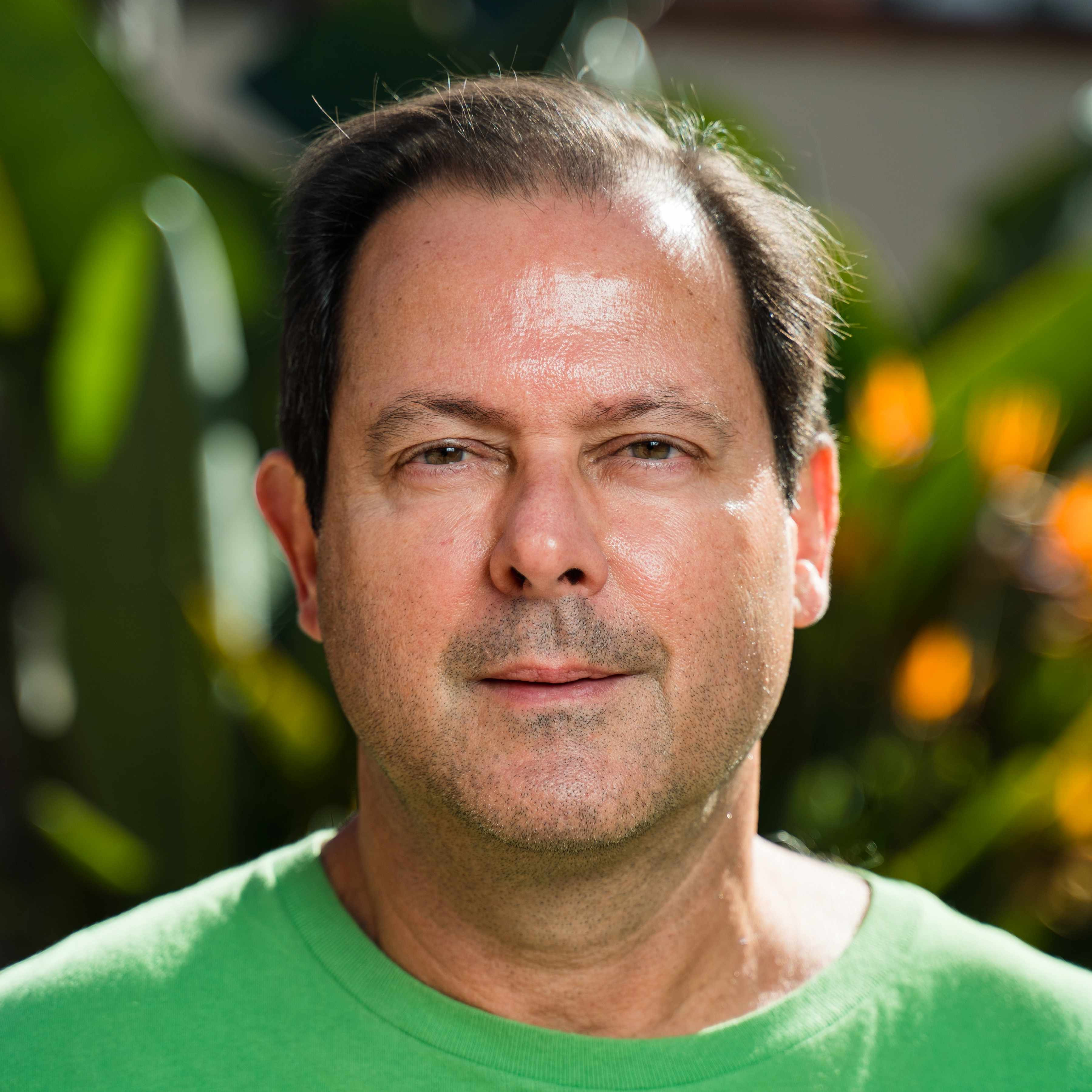
Department of Geography and Earth Research Institute (ERI),University of California, Santa Barbara, CA, USA;Dr. Charles Jones is a Professor in the Department of Geography and Researcher at the Earth Research Institute, UCSB. He has a B.S. in Meteorology from the University of São Paulo, Brazil, M.Sc. in Meteorology from the University of Utah and Ph.D. in Atmospheric Sciences from the University of California Davis. Professor Jones has broad research interests in Atmospheric and Climate Sciences. Research topics including the Madden-Julian Oscillation (MJO), predictability of extreme events including precipitation and high winds, monsoon systems, climate change, regional modeling, wildfires and machine learning. His current research projects include the dynamics of the low-level jet and precipitation variability in South America, regional modeling of downslope windstorms and wildfires, fog variability and predictability of extreme fire weather conditions in California.
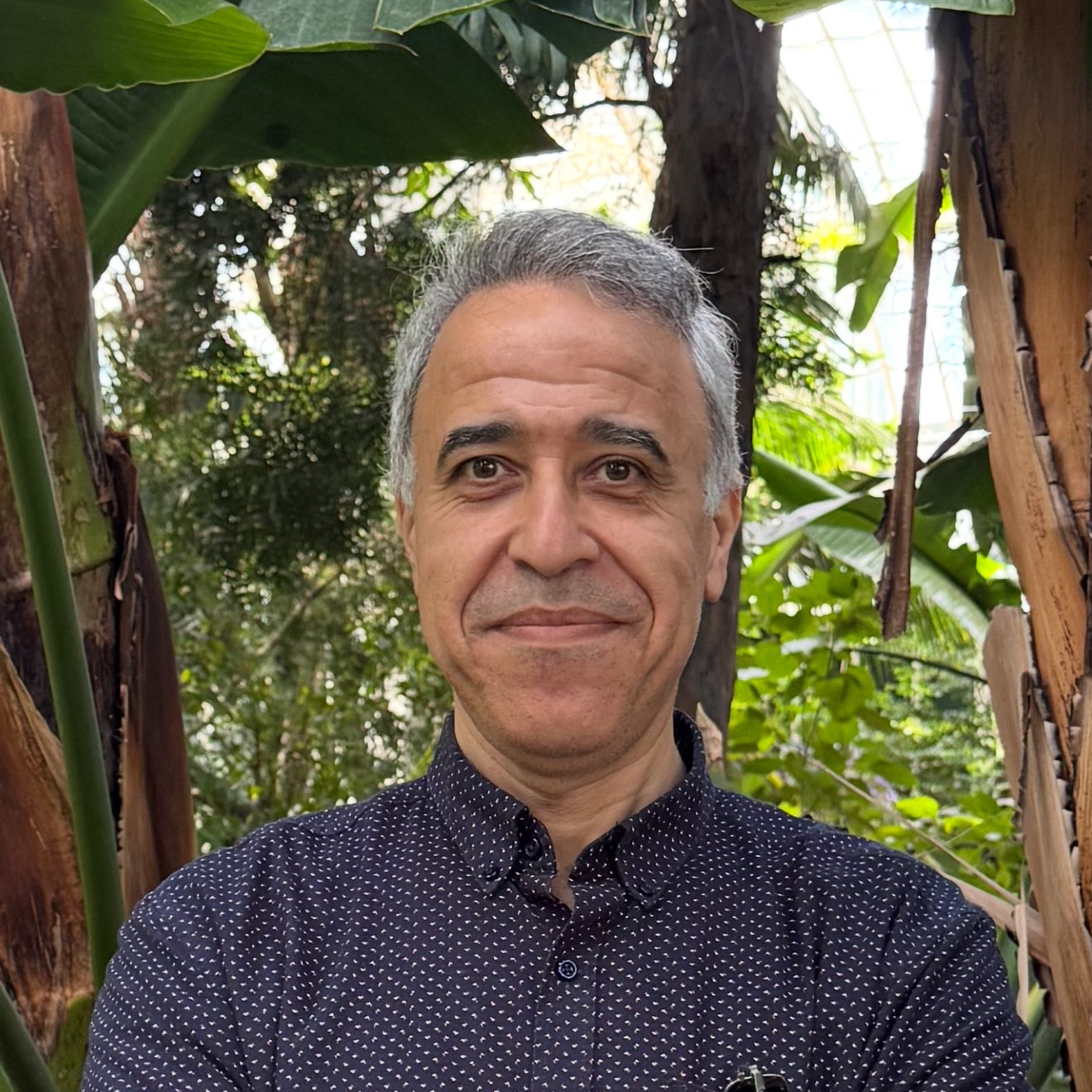
Department of Civil Engineering, Faculty of Engineering, University of Ottawa, Ottawa, Canada;Dr. Hossein Bonakdari, Ph.D., P.Eng., is a Professor of Civil Engineering at the University of Ottawa and a recognized leader in applying artificial intelligence (AI) to address climate change challenges. His research develops advanced models for real-time data analysis and forecasting, improving the management of water resources, environmental systems, and natural hazards. He has authored four books, over 310 peer-reviewed journal articles, and more than 20 book chapters, and has delivered over 100 presentations at national and international conferences. His contributions have earned him global recognition, and since 2019, he has been consistently ranked among the world’s top 2% of scientists.
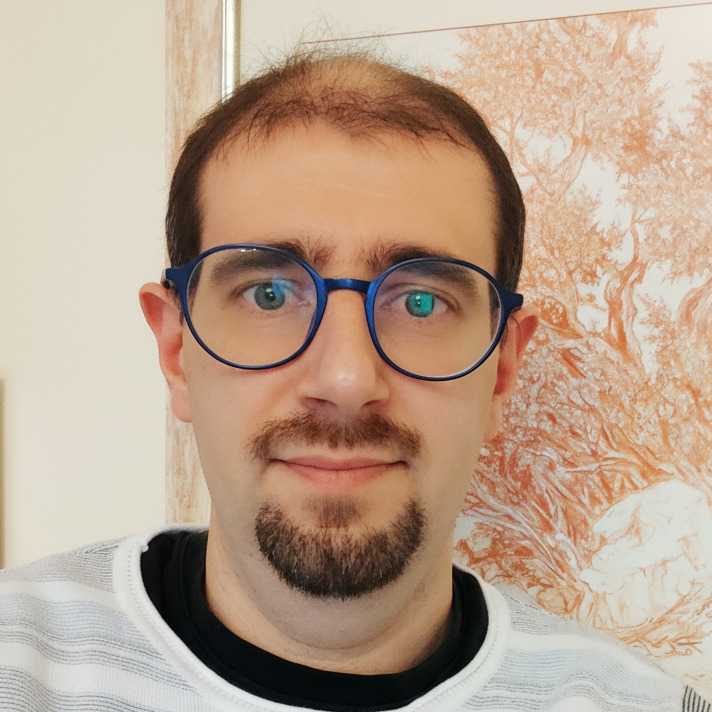
Department of Biological and Environmental Sciences and Technologies, University of Salento, Lecce, Italy;Riccardo Buccolieri is full professor of Atmospheric Physics at the University of Salento in the Micrometeorology Laboratory. His research, both experimental and modelling, deals with the study of the urban microclimate, flow and pollutant dispersion in urban areas. He is co-author of research papers in international journals, conference proceedings as well as book chapters.
Important Dates
5 Jun
2026
6 Jul
2026
27 Aug
2026
Meet Our Speakers

ESS-Watershed Science and Cooperative Institute for Research in the Atmosphere, Colorado State University, Fort Collins, CO, USA;Dr. Steven R. Fassnacht is a Professor of snow hydrology with the Watershed Science Program at Colorado State University, where he has been since 2002. He received his PhD in civil engineering from the University of Waterloo, Canada, in 2000, working on the radar estimation of snowfall for hydrological modeling. From 2000 to 2002, he was a Research Associate at the University of Arizona. He is the founding Editor-in-Chief of Glacies. In 2020, he was a Fellow of the Japanese Society for the Promotion of Science working with the Japan Agency for Marine Science and Technology. In 2023-2024, he was a Fulbright Global Scholar, first at the Universidad de Playa Ancha in Valparaiso, Chile, and then with the Instituto Geologico y Minero de Espana in Granada, Spain. His research uses multiple perspectives to address global water resources issues.
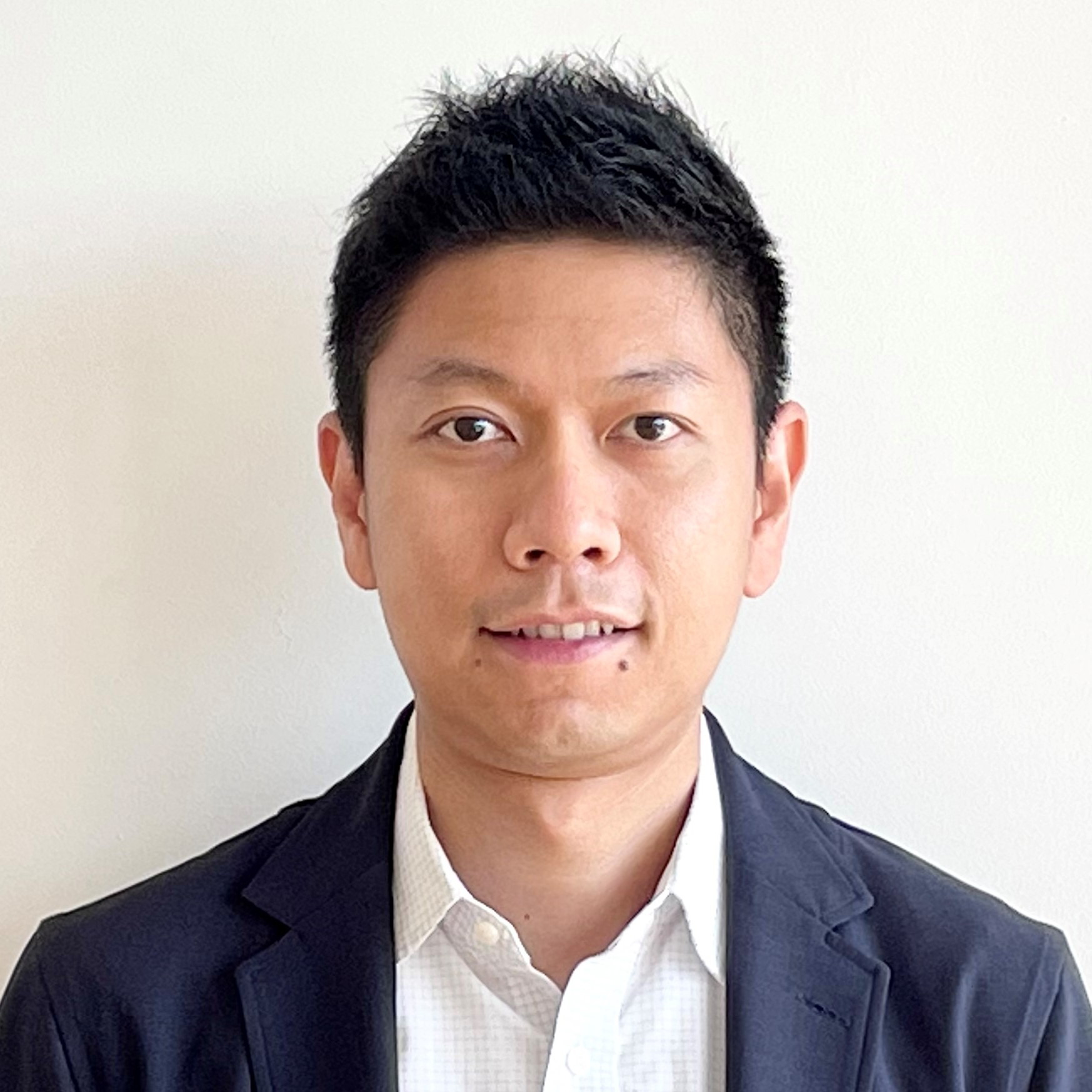
International Research Institute of Disaster Science, Tohoku University;Dr. Anawat Suppasri is ranked No. 1 in “tsunami” publications in SCOPUS database in the last five years and No. 4 for the whole period. He took many of experts and practitioners to the 2011 Japan tsunami affected areas and contributed his knowledge to various stakeholders. His publications received awards from Japan Society of Civil Engineers in 2011 and 2014, Japan Foundation of Ocean Engineering in 2011 and Japan Society for Natural Disaster Science in 2013. His international contribution was awarded by the former Japanese prime minister Yasuhiro Nakasone in 2018 and the Minister of Education, Culture, Sports, Science and Technology in 2022.
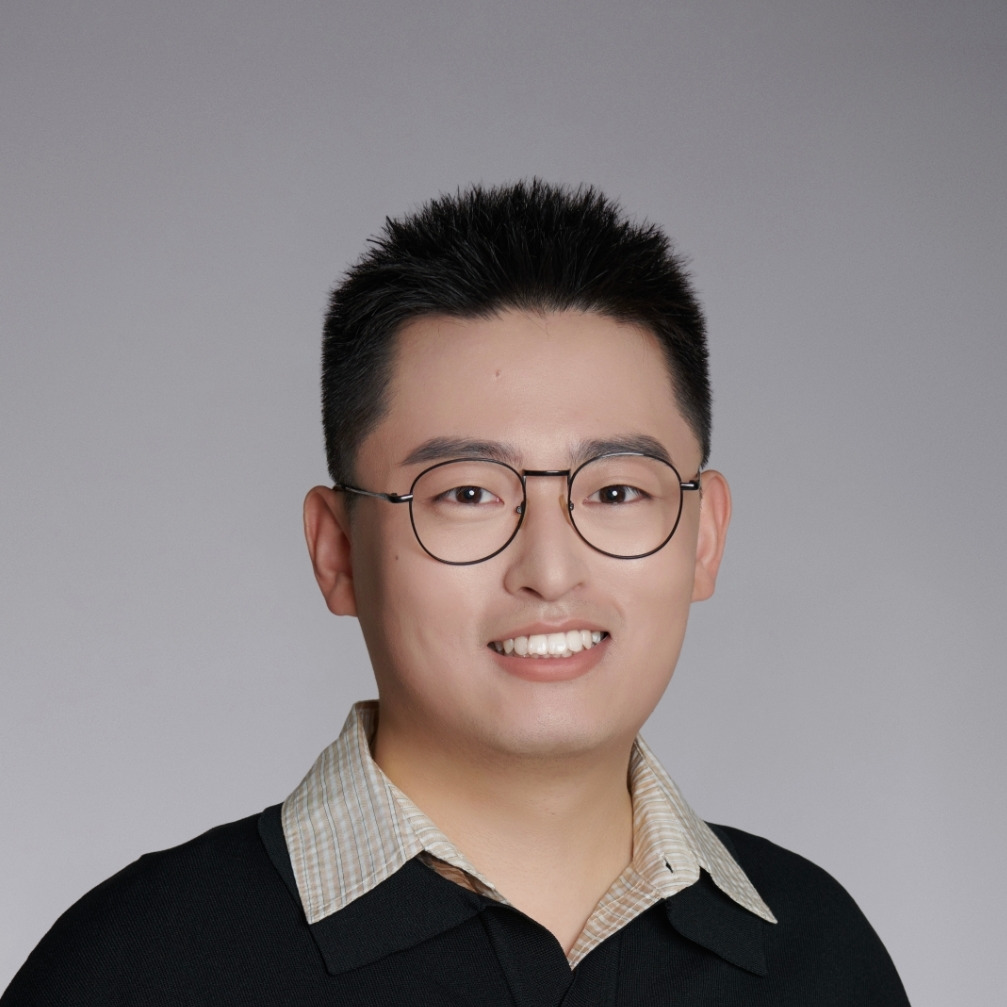
Institute of Space and Earth Information Science (ISEIS), The Chinese University of Hong Kong, Hong Kong;Dr. Yan Zhang is a Postdoctoral Fellow and RGC Junior Research Fellow at the Institute of Space and Earth Information Science, The Chinese University of Hong Kong. He received his Ph.D. from Wuhan University (2023), with joint doctoral training at the National University of Singapore. His expertise lies in GeoAI, social sensing, and human mobility. He has published 40+ papers with 1300+ citations in journals such as ISPRS JPRS, LAUP, and Science Bulletin. He has received the National Scholarship, Geneva Inventions Medal, Valuable Dataset Award, China-U.S. Scholars Program Grant, and ISPRS Travel Award. He also serves as the Guest Editor of IEEE JSTARS.
Prof. Dr. Han-Ping Hong
School of Intelligent Civil and Ocean Engineering, Harbin Institute of Technology, Shenzhen, China;Dr. Hanping Hong received his B.Eng., M.Eng., and Dr.Eng. degrees, all from the National Autonomous University of Mexico. He is currently a Professor in the School of Intelligent Civil and Ocean Engineering at the Harbin Institute of Technology, Shenzhen (HITSZ), China, and a Professor Emeritus in the Department of Civil and Environmental Engineering at the University of Western Ontario, Canada. Dr. Hong's research expertise lies in probabilistic analysis, reliability and risk assessment, natural hazard modelling, and design code calibration. He has made significant contributions to the development of reliability-based and economically efficient structural design codes, as well as natural hazard assessment. He has authored or co-authored over 250 peer-reviewed journal publications and has received several awards and prizes in recognition of his research contributions. Dr. Hong is a Fellow of the Canadian Society for Civil Engineering, a Foreign Fellow of the Mexican Academy of Engineering, and a Fellow of the Canadian Academy of Engineering.































Ms.
Mr. Ionut Spatar
Mr. Russell Wang
For inquiries regarding submissions and sponsorship opportunities, please feel free to contact us.
Email: iocea2026@mdpi.com