The 1st International Online Conference on Education Sciences
15–17 June 2026
16 March 2026
6 April 2026
10 June 2026
Technology-Enhanced Learning, STEM Education, Curriculum Innovation, Teacher Professional Development, Digital Pedagogy, Educational Assessment and Evaluation, 21st Century Skills, Inclusive Education
- Go to the Sessions
- Event Details
-
- Welcome from the Chair
- Program Overview
- IOCES 2026 Detailed Program (DAY1)
- IOCES 2026 Detailed Program (DAY2)
- IOCES 2026 Detailed Program (DAY3)
- Event Chair
- Event Speakers
- Sessions
- Registration
- Instructions for Authors
- Publication Opportunities
- Event Awards
- Sponsors and Partners
- Conference Secretariat
[IOCES2026 Updates]
The Abstract Submission Portal has been closed.
The Acceptance Notification Deadline is on 6 April 2026.
Registration for the event is still open!
Register now at https://sciforum.net/event/IOCES2026?section=#registration
For any inquiries, please contact us at ioces2026@mdpi.com.
Welcome from the Chair
It is my great pleasure to welcome you to the 1st International Online Conference on Education Sciences, taking place from 15 to 17 June 2026. This event is proudly organized by MDPI, an open access journal, in collaboration with the journal Education Sciences (ISSN: 2227-7102, Impact Factor: 2.6). This fully virtual conference will focus on current and emerging research in education, spanning from early childhood to higher education.
The conference will be organized around the following topics:
S1. Technology-Enhanced Education
S2. Higher Education
S3. Curriculum and Inclusive Education
S4. Special and Inclusive Education
S5. STEM Education
S6. Teacher Education
This event presents a unique opportunity for scholars in education and related fields to engage with critical topics, exchange diverse perspectives, and collaborate on innovative solutions. It offers a chance to build new connections, strengthen our global academic community, and advance the field together. IOCES 2026 is completely free and accessible from anywhere in the world.
We are pleased to announce that oral presentations and posters will be considered for conference awards. All poster submissions will be featured in an online gallery, and presenters will be eligible for special recognition. For further details regarding submissions, please click HERE.
In addition, all participants who submit an extended full manuscript to the Special Issue for potential publication in the Education Sciences will receive a 20% discount on the article processing charge. All submissions will undergo MDPI’s standard peer-review process.
We look forward to your valuable contribution and active engagement in this exciting scientific event, and we hope that IOCES 2026 will be a memorable experience for our entire community.
Regards,
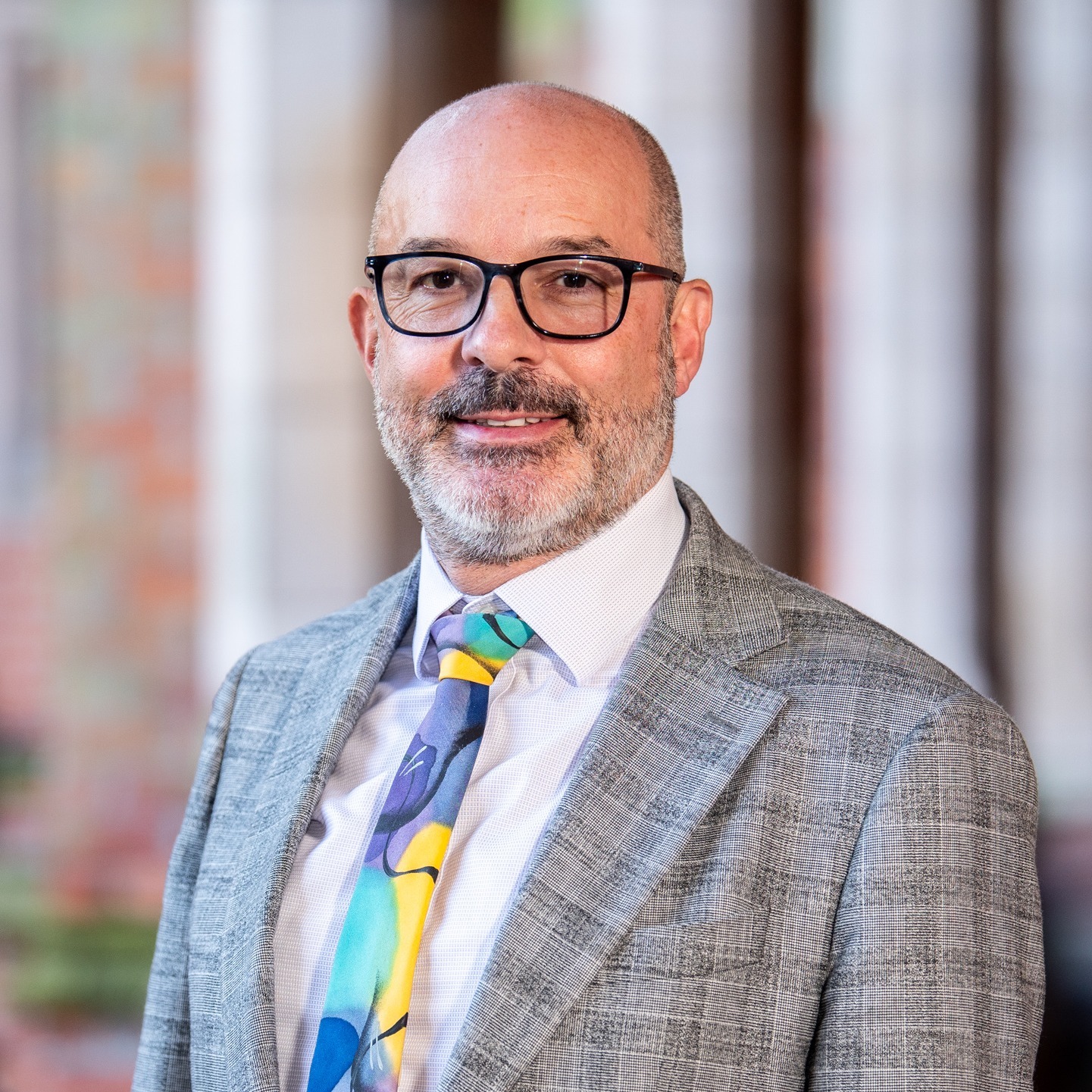
Prof. Dr. Daniel Muijs
Queen’s University Belfast, Northern Ireland, United Kingdom
Chair of the 1st International Online Conference on Education Sciences
Follow the conference organizer on Social Media.

Program Overview
Click here to register for IOCES2026 for free by 10 June 2026!
The registration includes attendance at all conference sessions.

IOCES 2026 Detailed Program (DAY1)
Date: 15 June 2026 (Monday)
Session S1. Technology Enhanced Education
Time: 09:00 CEST, Basel | 03:00 EDT, New York | 15:00 CST, Beijing
| Time (CEST) | Speaker | Title |
|---|---|---|
| 09:00 – 09:10 | Prof. Dr. Daniel Muijs Event Chair |
Opening Ceremony from the Event Chair |
| 09:10 – 09:20 | Prof. Dr. Mike Joy Session Chair |
Welcome from the S1. Session Chair |
| 09:20 – 09:45 | Prof. Dr. Neil Gordon Invited Speaker |
The Agentic University: What Happens When GenAI Runs the Academic Pipeline? |
| 09:45 – 10:10 | Dr. Piet Kommers Invited Speaker |
Conceptual Thinking in the Era of AI Support |
| 10:10 – 10:25 | Samuel Yanes Luis | Use of Retrieval Augmented Generation for the Evaluation of Originality in Engineering Subjects with a Project-Based Learning System |
| 10:25 – 10:40 | Matija Novak | Rethinking Similarity Scores in Programming Education: A Three-Year Study Across Assignments and Detection Tools |
| 10:40 – 10:55 | Ghazal Ershadi-Oskoui | Large Language Models for Generating Interactive Simulations in Anatomy Education |
| 10:55 – 11:10 | Omar Aarab | AI-Assisted Design of Interactive Physics Simulations: A Case Study on Teaching Ohm's Law in the Scientific Common Core |
| 11:10 – 11:25 | Mohamad Firdaus Che Abdul Rani | Prompting Competency in Web Programming Education: Is Prompting a Skill, or Just Typing? |
| 11:25 – 11:40 | Muhammad Hakmal Hussain | Impact of Assessment Strategies in a Digital Language Learning Context on Undergraduates’ English Language Learning |
Date: 15 June 2026 (Monday)
Session S3. Curriculum and Instruction
Time: 13:00 CEST, Basel | 07:00 EDT, New York | 19:00 CST, Beijing
| Time (CEST) | Speaker | Title |
|---|---|---|
| 13:00 – 13:10 | Prof. Dr. Honggang Liu Session Chair |
Welcome from the S3. Session Chair |
| 13:10 – 13:40 | Prof. Dr. Honggang Liu Keynote Speaker |
Pending |
| 13:40 – 14:05 | Dr. Yongliang Wang Invited Speaker |
From Access to Empowerment: Affective Driving Mechanisms in GenAI-Era Inclusive EFL Classrooms |
| 14:05 – 14:20 | Michael Brand | Rewiring Education: Student-Led Curriculum Programs for a More Sustainable and Just World |
| 14:20 – 14:35 | Antonio Peña-Fernández | Gamified Mobile Learning to Strengthen Malaria Diagnostic Competence: A Case Study from Sierra Leone |
| 14:35 – 14:50 | Enrique Ortiz | Exploring Experienced Teachers’ Awareness of Culturally Relevant Pedagogy Through a Personable Culturally Situated Mathematical Modeling Task |
| 14:50 – 15:05 | Guoqiang Dang | Integrating Problem-Posing and Problem-Solving within Mathematics Teaching |
| 15:05 – 15:20 | Rachid Bendraou | Empowering Critical Thinkers: The Role of Critical Pedagogy in Shaping Students' Analytical Skills in Moroccan Classrooms |
| 15:20 – 15:35 | Janelle Benitez | Pedagogical Re-engineering of Literacy and Numeracy Programs through Deweyan Constructivism Framework |
| 15:35 – 15:50 | Andisiwe Zandile Dumako | From Policy to Practice: Systemic Constraints Undermining Construction Learnership Implementation and Effectiveness in South |
IOCES 2026 Detailed Program (DAY2)
Date: 16 June 2026 (Tuesday)
Session S5. STEM Education
Time: 09:00 CEST, Basel | 03:00 EDT, New York | 15:00 CST, Beijing
| Time (CEST) | Speaker | Title |
|---|---|---|
| 09:00 - 09:10 | Prof. Dr. Kelum Gamage Session Chair |
Welcome from the S5. Session Chair |
| 09:10 - 09:40 | Prof. Dr. Kelum Gamage Keynote Speaker |
Towards a Decolonised STEM Education: Equity and Inclusion in Practice |
| 09:40 - 09:55 | Cameron A Straughan | Do → Reflect → Explain → Connect: A Culturally Responsive Framework for STEM Learning |
| 09:55 - 10:10 | Ellendea Yong Jing Foo | Connecting the Curriculum: Investigating the Impact of Competency-Based Curriculum on Concept Integration Across Chemistry Modules and Students' Self-Efficacy |
| 10:10 - 10:25 | Sharon Shannon | Chorus: Amplifying Student Voice through Creative, Sustainable STEAM Engagement |
| 10:25 - 10:40 | Daniel Martínez Pleguezuelos | Exploring Topology in Secondary Education through Game-Based Learning |
| 10:40 - 10:55 | Susanna Puecher | Fostering Scientific Literacy through an educational study: students’ initial perceptions of Science Communication on social media |
| 10:55 - 11:10 | Jinendrika Anushi Weliwita | Synthetic Cognition for STEM Education: A Novel Framework for Simulating STEM Learners and Discovering Misconceptions |
| 11:10 - 11:25 | Maeve Liston | Learning Through Engagement: What Industry Volunteers Reveal About Effective STEM Outreach in University-Industry Partnerships |
| 11:25 - 11:40 | Shirly Idan | From Teaching Model to Success Model: Active Learning in a Core Engineering Course |
Date: 16 June 2026 (Tuesday)
S4. Special and Inclusive Education
Time: 15:30 CEST, Basel | 09:30 EDT, New York | 21:30 CST, Beijing
| Time (CEST) | Speaker | Title |
|---|---|---|
| 14:00 - 14:10 | Prof. Dr. Garry Hornby Session Chair |
Welcome from the S4. Session Chair |
| 14:10 - 14:35 | Dr. Johanna Fitzgerald Invited Speaker |
RISE to Transform: Collaborative Systems Leadership for Inclusive Education: Insights from National Research and Knowledge Engagement Strategy in Ireland |
| 14:35 - 14:50 | Laura Phelan | Are We on the Right PATH? An Exploration of Planning Alternative Tomorrows with Hope in Transition Planning with Autistic Students. |
| 14:50 - 15:05 | Ruoyun Jiao | Emotional Experiences and Support Stability among Teaching Assistants in Inclusive Education |
| 15:05 - 15:20 | Loredana Adriana I. Patrascoiu | The Transformative Impact of Universal Design for Learning Approach within Organizational Level of School: InclusivEduHub as Collaboration Model between Special Schools and Mainstream Schools |
| 15:20 - 15:35 | Ayse Tuna | Improving Communication Skills of Children with Autism Spectrum Disorder and Engage Them: Puppets vs Social Robots |
| 15:35 - 15:50 | Aisling Dempsey | An Exploration of Parent's and Teachers' Experiences of Shared Decision Making and Goal Setting for Students Attending Special Schools and Classes for Students with Moderate to Severe/Profound Levels of Intellectual Disability, in Ireland. |
| 15:50 - 16:05 | Maria Varvarigou | Inclusive Music Pedagogies in Practice: Multisensory and Learner-Centred Approaches |
| 16:05 - 16:20 | Philip Garner | Evidence-Based Policy: A Case Study of Stakeholder Involvement in Inclusive Education |
| 16:20 - 16:35 | Masashi Kawamura | Effects of Parent Training Facilitated by Elementary School Teachers for Parents of Children with Developmental Disabilities: Changes in Parenting Attitudes, Behavioral Problems, and Quality of Life |
IOCES 2026 Detailed Program (DAY3)
Date: 17 June 2026 (Wednesday)
S2. Higher Education (Parallel Session)
Time: 15:30 CEST, Basel | 09:30 EDT, New York | 21:30 CST, Beijing
| Time (CEST) | Speaker | Title |
|---|---|---|
| 15:30 - 15:40 | Prof. Dr. Daniel Muijs Host |
Welcome from the host |
| 15:40 - 16:05 | Prof. Dr. David Mandzuk Invited Speaker |
Beyond Janus Effect: Social Capital and Role Conflict among Deans at Large Canadian University |
| 16:05 - 16:30 | Dr. Pietro Picerno Invited Speaker |
From COVID-19 Emergency to Structured Integration: Which Practice-Oriented Activities in Sport Sciences Can Go Remote? Review of Evidence and Technological Framework for Online Laboratories |
| 16:30 - 16:45 | Hadas Levi Gamlieli | Problem-Based Learning in Engineering Differential Equations: Effects on Achievement, Motivation, and Academic Engagement |
| 16:45 - 17:00 | Alejandra Trillo | Embedding COIL within Comprehensive Tutorial Action Plan: Evidence from Internationalised Mentoring Model in Higher Education |
| 17:00 - 17:15 | Carmen Díaz-López | Framework of Indicators for Education and Sustainability (FIES): A Holistic Approach to Advancing Sustainability in Higher Education |
| 17:15 - 17:30 | D. Ben Ghida | From Architects to Constructors: How AI Undermines Architectural Thinking? |
| 17:30 - 17:45 | Thi Quynh Anh VU | A Longitudinal Analysis of Moodle Log Data during and after COVID-19: Cross-Continental Comparison of Universities in France and Vietnam |
| 17:45 - 18:00 | Regina Ferreira Alves | From Needs Assessment to Training Design: A Project-Based Learning Case Study on University–Community Engagement in Higher Education. |
| 18:00 - 18:15 | Eugene Y.H. Yeung | Use of University Directed Studies and Undergraduate Summer Student Research Programs to Create Enhanced Antibiograms and Improve Antimicrobial Stewardship |
Date: 17 June 2026 (Wednesday)
S6. Teacher Education (Parallel Session)
Time: 15:30 CEST, Basel | 09:30 EDT, New York | 21:30 CST, Beijing
| Time (CEST) | Speaker | Title |
|---|---|---|
| 15:30 - 15:40 | Prof. Dr. Federico Corni Session Chair |
Welcome from the S6. Session Chair |
| 15:40 - 16:10 | Prof. Dr. Eugenio Tufino Keynote Speaker |
When AI Can Solve Problems and Explain Physics: What Should Science Teachers Learn? |
| 16:10 - 16:40 | Dr. Gillian Judson Keynote Speaker |
Cultivating Imagination in Pre-Service Teacher Education: A Brief Introduction to Imaginative Education |
| 16:40 - 16:55 | Steven S. Sexton | What Is Culturally Responsive and Sustaining Teaching Practice through Primary Science in Aotearoa New Zealand? |
| 16:55 - 17:10 | Valeria Cavioni | Promoting Teachers’ Wellbeing through Gamified Learning: Qualitative and Quantitative Evidence from Teaching to Be Project |
| 17:10 - 17:25 | Stefania Moser | The Educational Potential of EduSpaces Laboratories: Multilingual and Interdisciplinary Initiative at Free University of Bozen-Bolzano (Italy) |
| 17:25 - 17:40 | Andrea C Borowczak | From NetLogo to LLMs: Decade of STEM Integration Professional Development and Emerging Verification Competency Model for Educators |
| 17:40 - 17:55 | José Cantó | Proposals for Science Education in Early Years: Implications for Teacher Training |
| 17:55 - 18:10 | Shu-Hua Chao | Cultivating Moral Literacy: Australian In-Service Teacher Perspectives on Ethical Reasoning and Initial Teacher Preparation |
| 18:10 - 18:25 | Kriti Ranjan Sahu | Smartphone-Assisted Pocket Experiments in Teacher Education for Promoting Inquiry-Based Science Learning |
Event Chair
School of Social Sciences, Education and Social Work, Queen's University Belfast, UK
Daniel Muijs is Head of the School of Social Sciences, Education, and Social Work and Professor of Education at Queen’s University Belfast. He is an acknowledged expert in the fields of educational and teacher effectiveness, school improvement, curriculum, and research methods and has published widely in these areas. He is co-editor of the journal ‘School Effectiveness and School Improvement’ and executive editor of ‘Education Sciences’. He has held key advisory posts in a range of academic and professional organisations, and is currently leading a rewrite of the Flemish National Curriculum goals for primary and early years education. He previously held professorial and leadership positions at Academica University of Applied Sciences and the universities of Southampton, Manchester, and Newcastle, and was Director of Research and Evaluation at Ofsted.
Session Chairs
Prof. Dr. Federico Corni
Faculty of Education, Free University of Bozen-Bolzano, Italy
primary physical science education, conceptual metaphors, narrative in science, embodied cognition, pre-service and in-service teacher education in physics, physics teacher training
Prof. Dr. Garry Hornby
Institute of Education, University of Plymouth, UK
inclusive and special education, parental involvement in education, evidence-based practice, teacher education for special needs, educational psychology, bullying
Prof. Dr. Kelum Gamage
School of Engineering, University of Glasgow, UK
educational development and innovation, engineering education, quality assurance and enhancement in engineering programmes, radiation detection and instrumentation
Prof. Dr. Mike Joy
Department of Computer Science, University of Warwick, UK
educational technology, computer science education, higher education, mobile learning
Prof. Dr. Honggang Liu
Department of English, School of Foreign Languages, Soochow University, China
language learning psychology (individual differences in sla), especially language learning motivation, psychology for language learning and teaching
Event Committee
Department of Educational Administration, Foundations and Psychology, Faculty of Education, University of Manitoba, CANADA.
teacher education, educational foundations, sociology of education, higher education
Technology, Instruction and Design in Engineering and Education Research Group (TiDEE.rg), Catholic University of Ávila, Spain
mechanical behavior of materials; failure analysis; fracture; materials; microstructure; fractography; mechanical engineering; materials engineering; tensile testing; corrosion; mechanical properties; metals; material characterization; materials testing;
Department of Education Sciences, European University Cyprus, Cyprus
statistics education, data science education, AI in education, STEM/STEAM education, teacher professional development
Computer Science, School of Digital and Physical Sciences, University of Hull, UK
technology for teaching in higher education; technology enabled flexible pedagogy; blended learning; online learning; technology-enhanced learning and flexible pedagogy; technology adaptation in teaching and learning in the face of the coronavirus
Department of Psychology and Education, Universidade Portucalense Infante D. Henrique, Portugal
active learning methods, higher education, project-based learning, teacher education and training
higher education; engineering education; college student development; economics of education
Executive Vice President of Medical Affairs, Pusan National University, Republic of Korea,
Department of Medical Education, Pusan National University School of Medicine, Republic of Korea,
Department of Family Medicine, Pusan National University Yangsan Hospital, Republic of Korea
medical education
Educational Psychology, Inclusive & Special Education, Mary Immaculate College, Ireland
Inclusive special education, inclusive school improvement and effectiveness, systems leadership, SENCO role, teacher education for inclusive education
Department of Theoretical and Applied Foundations of Information Sciences, University of Zagreb Faculty of Organization and Informatics, Croatia
programming education, automated assessment, source-code plagiarism detection, e-learning, gamification, artificial intelligence in education
computer science education, inclusive education, authentic assessment, assessment and feedback in computer science
Special Education, Southern Illinois University Carbondale, Carbondale, United States
Soochow University
CIPES—Center for Research in Higher Education Policies, Lusófona University, 1749-024 Lisboa, Portugal
Fray Luis de León University School, Catholic University of Ávila, Ávila, Spain
School of Education, Polytechnic Institute of Viana do Castelo, 4901–908 Viana do Castelo, Portugal; Centre for Research and Innovation in Education
Department of Leadership for Learning & Innovation, Faculty of Education, University of Malta.
University of Konstanz, Germany
Department of Physics and Chemistry, University of Palermo Viale delle Scienze, Italy
Nicolaus Copernicus University Toruń, Poland
Department of Methodology of Experimental and Social Sciences, University of Valencia, Spain
Educational Technology, Frederick University Cyprus, Cyprus
Department of Didactics and Educational Organization, University of Seville, Seville, Spain
Associate Professor with Habilitation at ISCTE-University Institute of Lisbon, Portugal
Binghamton University State University of New York, USA
Department of Didactics and School Organization, University of Malaga, 29071 Malaga, Spain
School of Pharmacy, University of Camerino, Via Madonna delle Carceri 9, 62032 Camerino, Italy
Member of Scientific Advisory Board
Prof. Dr. Doris Watson
Department of Educational Psychology, Leadership and Higher Education, University of Nevada, Las Vegas, USA
mentoring and developing doctoral students, working with and in diverse organizations, and issues concerning the preparation of culturally responsive leaders in higher education
Prof. Dr. Federico Corni
Faculty of Education, Free University of Bozen-Bolzano, Italy
primary physical science education, conceptual metaphors, narrative in science, embodied cognition, pre-service and in-service teacher education in physics, physics teacher training
Prof. Dr. Mike Joy
Department of Computer Science, University of Warwick, Coventry CV4 7AL, UK
educational technology; computer science education; higher education; mobile learning
Keynote Speaker
Towards a Decolonised STEM Education: Equity and Inclusion in Practice
Prof. Dr. Kelum Gamage is an academic in engineering education and applied engineering research. His work focuses on STEM education, innovative teaching methodologies, digital learning technologies, engineering systems, and interdisciplinary educational development. He is actively involved in promoting technology-enhanced learning, curriculum innovation, and international collaboration in higher education at the University of Glasgow.
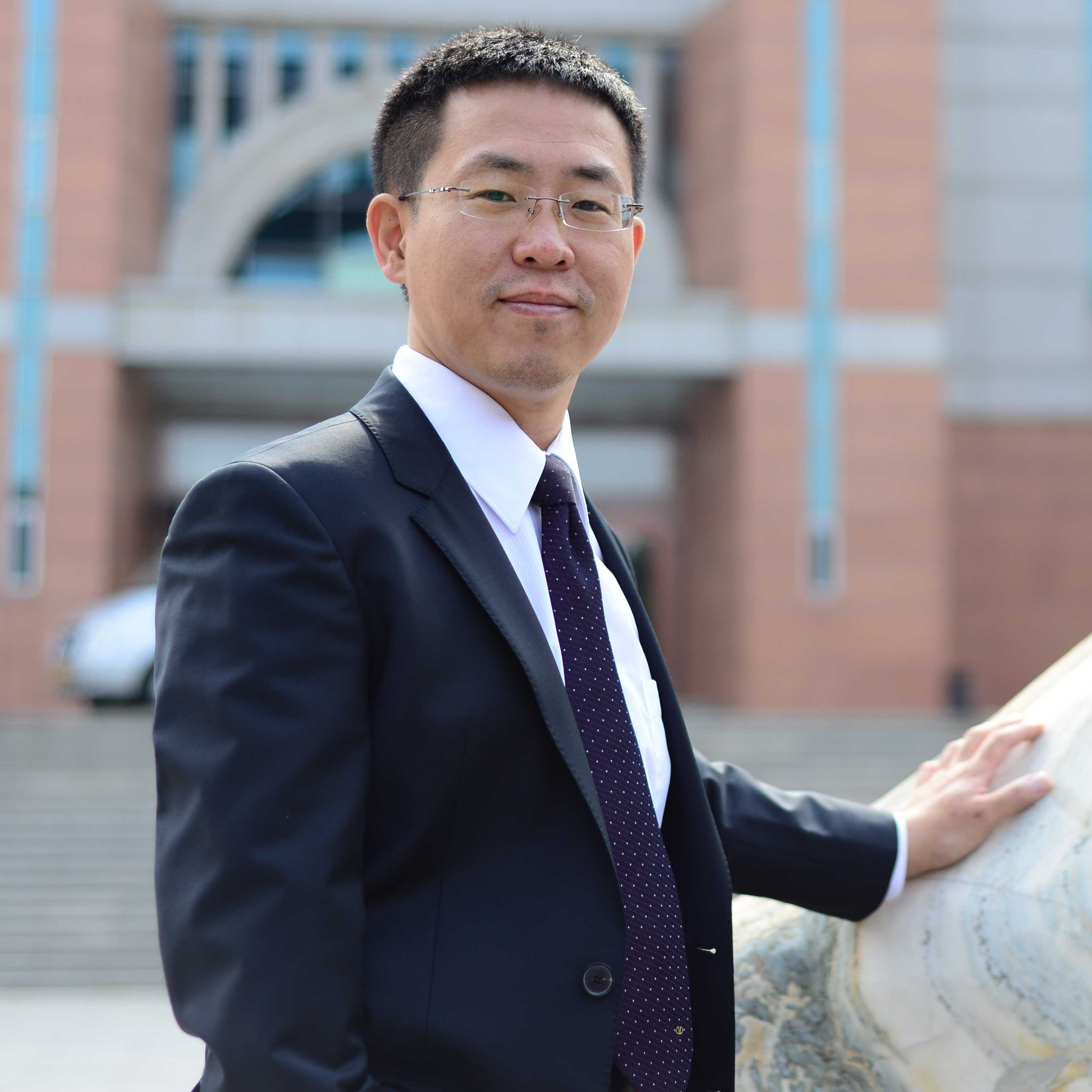
educational development and innovation; engineering education; quality assurance and enhancement in engineering programmes; radiation detection and instrumentation
Department of English, School of Foreign Languages, Soochow University, China
Prof. Dr. Honggang Liu is a scholar in English language studies and applied linguistics. His research focuses on language education, intercultural communication, discourse analysis, translation studies, and digital approaches to language learning. He is committed to advancing innovative teaching methodologies and international collaboration in foreign language education at Soochow University.
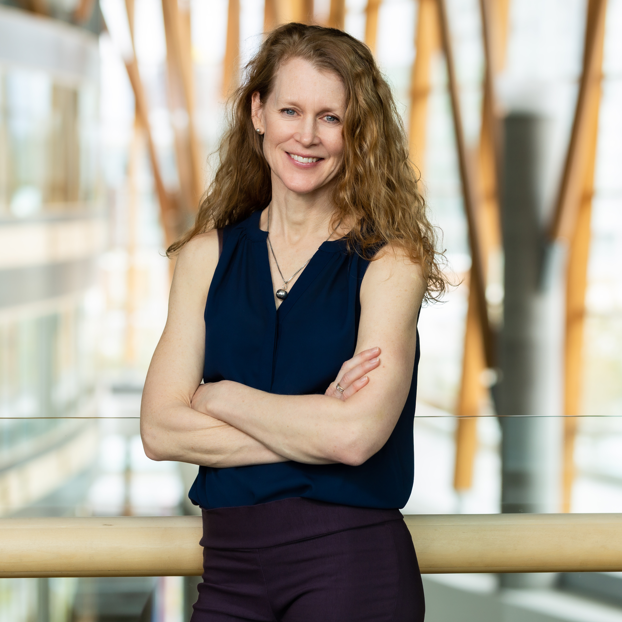
Educational Leadership, SFU Faculty of Education, SFU Surrey Campus, Simon Fraser University, Canada
Cultivating Imagination in Pre-Service Teacher Education: A Brief Introduction to Imaginative Education
Dr. Gillian Judson specializes in educational leadership, imagination in education, creative teaching, environmental education, and inquiry-based learning. Her work focuses on innovative educational approaches that foster engagement, creativity, and meaningful learning experiences at Simon Fraser University.

Department of Physics, Informatics and Mathematics, University of Modena and Reggio Emilia, Italy
When AI can solve problems and explain the physics: What should science teachers learn?
Prof. Dr. Eugenio Tufino specializes in physics education, mathematics education, scientific communication, and interdisciplinary learning. His work focuses on innovative teaching methodologies, conceptual understanding, and the integration of science and mathematics education at University of Modena and Reggio Emilia.

Invited Speakers
Educational Psychology, Inclusive & Special Education, Mary Immaculate College, Ireland
RISE to Transform: Collaborative Systems Leadership for Inclusive Education: Insights from a national research and knowledge engagement strategy in Ireland.
Dr. Johanna Fitzgerald specializes in educational psychology, inclusive education, and special education. Her research focuses on learner diversity, inclusive teaching practices, student wellbeing, educational support systems, and equitable learning environments. She is committed to advancing inclusive educational development and supporting diverse learners through research, teacher education, and evidence-based educational practices at Mary Immaculate College.
Computer Science, School of Digital and Physical Sciences, University of Hull, UK
The Agentic University: What Happens When GenAI Runs the Academic Pipeline?
Department of Educational Administration, Foundations and Psychology, Faculty of Education, University of Manitoba, CANADA.
"Beyond the Janus effect: Social capital and role conflict among deans at a large Canadian university"
UNESCO Learning Technologies, University of Twente, Enschede, Netherlands
Conceptual Thinking in the Era of AI Support.
Dr. Piet Kommers is an expert in learning technologies, artificial intelligence in education, conceptual learning, media-supported learning environments, and innovative educational methodologies. At IOCES2026, Dr. Piet Kommers will deliver a talk entitled “Conceptual Thinking in the Era of AI Support”, addressing the evolving role of conceptual understanding and critical thinking in education within the rapidly developing landscape of AI-assisted learning. In addition, Dr. Kommers will also announce his new book: “Learning Design and Conceptual Development in the Era of AI” Check here for more information: https://link.springer.com/book/10.1007/978-3-032-18806-9
School of Foreign Studies, North China University of Water Resources and Electric Power, Zhengzhou
From Access to Empowerment: Affective Driving Mechanisms in GenAI-Era Inclusive EFL Classrooms
Dr. Yongliang Wang, works as a Ph.D. supervisor in Applied Linguistics Sciences at Macao Polytechnic University, Associate Professor at the School of Foreign Studies of North China University of Water Resources and Electric Power, and master’s supervisor at the School of Foreign Languages and Cultures of Nanjing Normal University. He serves as an editorial board member and a peer reviewer for several accredited international journals in the field of EFL education. He is a world top 2% scientist in languages and linguistics by Stanford University for 2 consecutive years (2024-2025) and his name was selected in the Highly Cited Chinese Researchers for 4 consecutive years (2022-2025) by Elsevier. In recent years, his research interests lie in the interface between positive psychology (PP) and EFL teacher education, technology-assisted language learning, semiotics studies in intercultural communication as well as area studies. Thus far, his academic publications have appeared either in international prestigious journals (SSCI and A&HCI indexed) or Chinese core journals (CSSCI indexed), such as Computers in Human Behavior, System, Journal of Multilingual and Multicultural Development, Applied Linguistics Review, Assessing Writing, Language Teaching Research, Studies in Second Language Learning and Teaching, Thinking Skills and Creativity, Porta Linguarum, and International Journal of Applied Linguistics, etc.
School of Pharmacy, University of Camerino, Via Madonna delle Carceri 9, 62032 Camerino, Italy
From COVID-19 Emergency to Structured Integration: Which Practice-Oriented Activities in Sport Sciences Can Go Remote? A review of the evidence and a technological framework for online laboratories
Registration
If you are registering several people under the same registration, please do not use the same email address for each person, but their individual university email addresses. Thank you for your understanding.
Please note that the submission and registration are two separate parts. Only scholars who registered can receive a link to access the conference live streaming.
The deadline for registration is 10 June 2026.
Instructions for Authors
Important Deadline
1. Deadline for abstract submission: 18 February 2026 16 March 2026
2. Abstract acceptance notification: 16 March 2026 6 April 2026
You will be notified of the acceptance of an oral/poster presentation in a separate email.
1. The abstract structure should include the introduction, methods, results, and conclusions sections of about 200–300 words in length.
2. All abstracts should be submitted and presented in clear, publication-ready English with accurate grammar and spelling.
3. You may submit multiple abstracts. However, only one abstract will be selected for oral presentation.
4. The abstracts submitted to this conference must be original and novel, without prior publication in any journals, or it will not be accepted to this conference.
1. The submitting author must ensure that all co-authors are aware of the contents of the abstract.
2. Please select only one presenter for each submission. If you would like to change the presenter after submission, please email us accordingly.
3. The submitted abstract should be novel and based on original research. For review articles, only systematic reviews and meta-analyses are accepted. MDPI requires authors to include a completed PRISMA checklist and flow diagram (or a similar reporting checklist) as part of the main text or supplementary materials. Relevant registration information (e.g., PRISMA, if available) should be stated in the Methods section for the systematic reviews and meta-analyses. Common types of review articles that are not acceptable:
- Comparative review
- Comprehensive review
- Scoping review
- Literature review/Narrative review
- Perspective/Opinion
- Essay
Certificates of Participation are available in your logged-in area of Sciforum.net, under "My Certificates" after the conference.
Authors are encouraged to prepare a presentation in PowerPoint or similar software, to be displayed online along with the abstract. Slides, if available, will be displayed directly on the website using the proprietary slide viewer at Sciforum.net. Slides can be prepared in exactly the same way as for any traditional conference where research results are presented. Slides should be converted to PDF format prior to submission so that they can be converted for online display
- Size in pixel: 1080 width x 1536 height–portrait orientation.
- Size in cm: 38,1 width x 54,2 height–portrait orientation.
- Font size: ≥16.
- Examples of successful submissions can be viewed here at the following links: (1), (2), (3).
- You can use our free template to create your poster.
The poster template can be downloaded HERE. We will reach out to you closer to the dates of the conference with more information.
It is the author's responsibility to identify and declare any personal circumstances or interests that may be perceived as inappropriately influencing the representation or interpretation of clinical research. If there is no conflict, please state "The authors declare no conflicts of interest." This should be conveyed in a separate "Conflict of Interest" statement preceding the "Acknowledgments" and "References" sections at the end of the manuscript. Any financial support for the study must be fully disclosed in the "Acknowledgments" section.
MDPI, the publisher of the Sciforum.net platform, is an open access publisher. We believe authors should retain the copyright to their scholarly works. Hence, by submitting an abstract to this conference, you retain the copyright to the work, but you grant MDPI the non-exclusive right to publish this abstract online on the Sciforum.net platform. This means you can easily submit your full paper (with the abstract) to any scientific journal at a later stage and transfer the copyright to its publisher if required.
Publication Opportunities
1. Education Sciences Journal Publication
Participants in this conference are cordially invited to contribute a full manuscript to the conference's Special Issue (to be updated), published in Education Sciences (ISSN: 2227-7102, Impact Factor: 2.6), with a 20% discount on the publication fee. Please note, if you have IOAP/association discounts, conference discounts will be combined with IOAP/association discounts. Conference discounts cannot be combined with reviewer vouchers. All submitted papers will undergo MDPI’s standard peer-review procedure. The abstracts should be cited and noted on the first page of the paper.
2. Proceeding Paper Publication
All accepted abstracts will be published free of charge in the conference report of IOCES 2026 in the Proceedings (ISSN: 2504-3900); authors of accepted abstracts are highly encouraged to submit an extended proceeding paper (ideally 4-8 pages in length) for free, please submit it to the same journal after the conference.
Proceeding paper submission deadline: 3 August 2026. (45 days after the conference)
Please click HERE to submit your proceeding paper to the Proceedings and be sure to disclose the conference information in your cover letter or mention the conference name in your submission.
Proceedings Microsoft Word template file
Publication Notice: Conference report and proceeding papers will undergo peer-review procedure. Acceptance at the conference does not ensure final publication.
Event Awards

To acknowledge the support of the conference's esteemed authors and recognize their outstanding scientific accomplishments, we are pleased to announce that the conference will provide 6 awards including the Best Oral Presentation Award and the Best Poster Presentation Award.
The Awards
Number of Awards Available: 6
Best Oral Presentation Award
Eligibility: Open to all authors selected as oral speakers who have delivered their presentation.
Criteria: Evaluation based on content quality, deliver clarity, audience interaction, and overall impact.
Best Poster Award
Eligibility: Open to all authors who have presented their work through posters
Criteria: Evaluation based on scientific merit, creativity, and ability to attract and engage views.
The winners of Best Oral Presentation and Best Poster Award will receive a certificate and a full waiver of the APC in Education Sciences.
Conference Secretariat
Ms. Suriwipa Chuachaina
For inquiries regarding submissions and sponsorship opportunities, please feel free to contact us at ioces2026@mdpi.com.
S1. Technology Enhanced Education
Technology is rapidly evolving, presenting challenges for us as educators. We need to understand how it can be harnessed to effectively support students’ learning—this is not an option; technology is now fundamental to the delivery of education.
This session will focus on the interaction between technology and pedagogy. We seek insights into the novel technologies being used and the success of those interventions. We wish to understand how pedagogy is evolving to provide a solid foundational base for our practice.
For example, the rapid rise of AI has been a game-changer and has challenged our approaches to both delivery and assessment. Although the potential benefits of AI are countless, there is still no consensus on how it can best be harnessed for the benefit of both students and teachers.
While many technologies are becoming pervasive (or at least widely available), such as mobile devices and high-speed networking, their availability may not be ubiquitous. Therefore, societal, cultural, and environmental perspectives on technology-enhanced learning may offer in-depth insights into the effectiveness of those technologies in diverse locations and contexts.
Session Chair
Prof. Dr. Mike Joy, Department of Computer Science, University of Warwick, UK
Show all accepted abstracts (62) Hide accepted abstracts (62)
List of Accepted Abstracts (62) Toggle list
S2. Higher Education
Globally, largely influenced by the civil rights protests of the 1950s and 1960s, the 1960s ushered in a period of increased access, as well as curricular and student diversity, in higher education. The period was marked by great hope and “belief on the part of scholars, administrators, and government leaders that higher education would help build more democratic societies” (Darian-Smith, 2025, p.136). However, over time, the increased diversity has led to greater oversight of higher education institutions, encompassing and negatively impacting all facets of their work. The theme for the 1st International Online Conference in Education Sciences invites scholarly work that addresses and speaks to the intersections of increasing global anti-democratic trends and attacks on academic freedom, including trends in epistemic policing and exclusion impacting higher education worldwide. The theme is a call to advance recognition of the critical importance of these trends, not only in higher education, but also in the economic, political, and socio-cultural well-being of people worldwide. We invite papers that not only address and speak to the theme but also advance and validate historically marginalized methodologies in research. Related topics also include higher education leadership, organizational change, and pedagogical innovation.
Session Chair
Prof. Dr. Doris Watson, Department of Educational Psychology, Leadership and Higher Education, University Nevada Las Vegas, USA
Show all accepted abstracts (56) Hide accepted abstracts (56)
List of Accepted Abstracts (56) Toggle list
S3. Curriculum and Instruction
Session Chair
Prof. Dr. Honggang Liu, Soochow University
Show all accepted abstracts (31) Hide accepted abstracts (31)
List of Accepted Abstracts (31) Toggle list
S4. Special and Inclusive Education
The controversy between full inclusion and special education can be solved by implementing inclusive special education, which combines the philosophy and values of inclusive education with strategies and programs from special education. Inclusive special education involves a commitment to providing optimum education for all children with special educational needs and disabilities, in the most appropriate setting, throughout all stages of a child’s education. Its focus is on effectively including as many children as possible in mainstream schools, along with the availability of a continuum of placement options from mainstream classes to special schools, and involving close collaboration between these options.
Session Chair
Prof. Dr. Garry Hornby, Institute of Education, University of Plymouth, Drake Circus, UK
Show all accepted abstracts (40) Hide accepted abstracts (40)
List of Accepted Abstracts (40) Toggle list
S5. STEM Education
STEM education integrates science, technology, engineering, and mathematics into cohesive, real-world learning experiences, fostering inquiry, creativity, and problem-solving across all levels—from primary to tertiary and informal settings. The STEM education section of the conference promotes research advancing pedagogical practices, digital transformation, inclusivity, and sustainability, emphasizing active, blended, and technology-enhanced learning across diverse contexts. This session invites educators, researchers, and policymakers to explore innovative strategies, emerging technologies, and interdisciplinary approaches that enrich STEM education and address global educational challenges. Join us to share evidence-informed insights and shape the future of inclusive, resilient, and impactful STEM education.
Session Chair
Prof. Dr. Kelum Gamage, School of Engineering, University of Glasgow, UK
Show all accepted abstracts (42) Hide accepted abstracts (42)
List of Accepted Abstracts (42) Toggle list
S6. Teacher Education
Session Chair
Prof. Dr. Federico Corni, Faculty of Education, Free University of Bozen-Bolzano, taly
Show all accepted abstracts (51) Hide accepted abstracts (51)
List of Accepted Abstracts (51) Toggle list