The 1st International Online Conference on Fishes
5–6 November 2026
7 August 2026
8 September 2026
2 November 2026
Aquaculture, Fisheries, Genetic, Habitat Conservation, Biodiversity, Climate Change
- Go to the Sessions
-
- S1. Climate Change Impact and Marine Pollution
- S2. Sustainable Fisheries and Aquaculture Innovations: Combating Overfishing and Advancing Aquatic Health
- S3. Genetics and Genomics
- S4. Behavioral Ecology of Aquatic Animals: Implications for Habitat Conservation and Ecosystem Services
- S5. Biodiversity Protection: Conservation of Endangered Species and Control of Invasive Species
- Event Details
Good News! The Abstract Submission Deadline has been Extended!
Due to the high level of interest and numerous requests from authors, we are pleased to announce that the abstract submission deadline has been extended to 7 August 2026.
Submit your abstract: HERE
Authors with accepted abstracts at this conference will receive a 20% discount on the publication fee for full paper publication in Fishes. Click HERE for more details.
We look forward to receiving your submission and welcoming you to the conference!
Frequently Asked Questions (FAQ)
Q1. Is it possible to submit only an abstract (approximately 250–300 words) without a full paper for presentation?
- Yes, this is possible. A full paper is not required to attend or present at the conference. However, if you are interested in submitting proceedings or a full paper after the conference, we offer special publication opportunities. For more details, please visit: https://sciforum.net/event/IOCF2026?section=#publication_opportunities
Q2. How long does it take after submitting an abstract to receive a decision?
- The official notification deadline is 7 August 2026. However, we will do our best to inform you of the decision earlier via email.
Q3. Why are authors who selected “Talk” as their presentation type assigned as “Poster”?
- Oral presentations have a limited number of slots in each session. The final decision is made by the session chair, and you will be notified via email. Submissions not selected for oral presentation will be assigned as poster presentations. Authors may upload their posters, which will then be displayed in the conference poster gallery.
Q4. Do poster presenters have to attend the live conference sessions?
- There are two types of poster presentations: Flash Poster Presentations and Non-live Poster Presentations.
1) Flash Poster Presentations: Presenters are required to attend the live session and will have a 5-minute presentation without a Q&A session.
2) Non-live Poster Presentations: Attendance at the live session is not required. Attendees may leave comments asynchronously in the poster gallery.
Q5. I cannot find the option or link to upload my poster or oral presentation slides. When and how can I upload them?
- After the abstract has been accepted, only the submitting author can upload the poster or oral presentation via the following link: https://sciforum.net/dashboard/author/submissions. Please note that all uploads must be in PDF format. If your submission has already been published online, you will be unable to upload your file. Please send your presentation to iocf2026@mdpi.com, and we will upload it on your behalf.
Q6. Would it be possible to schedule an early online presentation before the official conference dates?
- Presentations must be delivered during the official conference dates. Pre-recorded or early presentations are not permitted.
Q7. Will the participation certificate indicate the type of presentation (e.g., online oral presentation or poster)?
- There are two types of participation certificates: attendance and presentation certificates. Only authors whose abstracts have been accepted and who upload their posters will receive a poster presentation certificate. Oral presenters must deliver their presentations during the live conference sessions to receive an oral presentation certificate. All participants who register and attend the live sessions on 5–6 November 2026 will receive a certificate of attendance.
Q8. I registered to attend the conference online. Have the access links been sent?
- The Zoom links for the live sessions will be sent a few days before the conference dates (5–6 November 2026). Please also check your spam folder. If you still have not received the Zoom link email, please contact iocf2026@mdpi.com.
Q9. Do you have information about the conference schedule or program?
- The typical schedule for MDPI conferences (Central European Time, CET) is as follows:
Morning Session: 09:00–12:00
Afternoon Session: 14:00–17:00
The final program will be confirmed after the abstract acceptance notification deadline (5 August 2026). We will keep you updated via email as more details become available.
Welcome from the Chair
Session 1 : Climate Change Impact and Marine Pollution
Session 2 : Sustainable Fisheries and Aquaculture Innovations: Combating Overfishing and Advancing Aquatic Health
Session 3 : Genetics and Genomics
Session 4 : Behavioral Ecology of Aquatic Animals: Implications for Habitat Conservation and Ecosystem Services
Session 5 : Biodiversity Protection: Conservation of Endangered Species and Control of Invasive Species
Participation Details:
• Submitted abstracts will be reviewed by the conference committee.
• Upon acceptance, authors may present their work via posters or oral presentations.
• All accepted abstracts will be published as one dedicated volume in the Biology and Life Sciences Forum (ISSN: 2673-9976).
• We also invite you to submit an extended proceedings paper (4–8 pages) or a full manuscript after the conference.
Abstract submission (in English) deadline: 7 August 2026.
For submission guidelines and further details, please visit: https://sciforum.net/event/IOCF2026?section=#instructions
We look forward to your participation and valuable contributions to this important scientific exchange.
Best regards,
Prof. Dr. Maria Angeles Esteban
Department of Cell Biology and Histology, University of Murcia, Spain

Event Chair
Department of Cell Biology and Histology, University of Murcia, Murcia, Spain
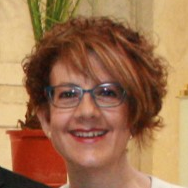
Maria Ángeles Esteban currently works at the Department of Cell Biology and Histology, University of Murcia. Maria does research in Cell Biology, Immunology and Biotechnology and is the head of the team Immunobiology for Aquaculture. Their current projects are related to farmed fish immunology. Editor in chief of the journal FISHES.
Session Chairs
Dr. Pedro Morais
The University of Texas Marine Science Institute, Port Aransas, TX, USA
Pedro Morais, Ph.D., works at the University of Texas Marine Science Institute and has over 25 years of experience studying diverse taxa in all types of aquatic ecosystems in temperate regions. He holds degrees from the University of Algarve, Portugal (Marine Biology and Fisheries, 2000; Ph.D. in Ecology, 2008), and conducted postdoctoral research in Portugal, Czechia, and the United States at the University of California, Berkeley. His research has mostly focused on identifying how river flow modulates estuarine functioning and connectivity. He also investigates the mechanisms underpinning fish life history plasticity and the impact of biological invasions on the functioning of estuarine ecosystems.
Prof. Dr. Wagner C. Valenti
Aquaculture Center, São Paulo State University, São Paulo, Brazil
Wagner is now a Professor and Senior Research Scientist at the São Paulo State University (UNESP), Brazil. He is also the Coordinator of the Brazilian Sustainable Aquaculture Network. He is a fellow of the World Aquaculture Society and received other international recognition. His research includes the assessment of sustainability, integrated aquaculture, nutrient budget, and bioeconomy. Wagner has served the aquaculture profession through teaching, researching, and developing national policies during the past 40 years. He has created and directed new institutions and graduate programs, led research networks, held international positions, and published over 200 peer-reviewed articles, books and book chapters on aquaculture and aquatic biology. He also has patents and founded technological startups. He has organized numerous national and international conferences and has been selected as a keynote or plenary speaker several times. During his career, he served as executive editor of important journals and has advised more than 70 graduate students and post-doctoral fellows. Many of his graduates now hold senior-level positions in academia, government and the private sectors in different countries.
Prof. Eric Hallerman
Department of Fish and Wildlife Conservation, Virginia Polytechnic Institute and State University, Blacksburg, USA
Eric Hallerman is Professor Emeritus of Fish and Wildlife Conservation at Virginia Tech University in the United States, where his group performed research on population genetics of wild and cultured finfishes and shellfishes. He was involved in aquaculture biotechnology for almost 40 years, first producing genetically modified fish, later contributing to biotechnology risk assessment and public policy. He has served on advisory panels for the U.S. Department of Agriculture, National Academies of Science, Engineering, and Medicine, The Food and Agriculture Organization of the United Nations, and several companies. He has helped organize several meetings on fisheries, applied population genetics and animal biotechnology and related oversight issues.
Prof. Dr. Alberto Teodorico Correia
Instituto de Ciências Biomédicas Abel Salazar (ICBAS), Universidade do Porto (UP), Rua de Jorge Viterbo Ferreira 228, Porto, Portugal and Centro Interdisciplinar de Investigação Marinha e Ambiental (CIIMAR), Avenida General Norton de Matos S/N, Matosinhos, Portugal
https://www.cienciavitae.pt/portal/en/5F14-EDA4-E014
Prof. Dr. Joseph Quattro
Department of Biological Sciences, University of South Carolina, Columbia, South Carolina, USA
https://www.sc.edu/study/colleges_schools/artsandsciences/biological_sciences/our_people/directory/quattro_joe.php
Scientific Committee Members
Toxicology, physiology, ecology, marine biology, aquaculture
Neuronal and sensorial toxicity; Mercury toxicokinetics; Physiological effects of contaminants; Fish behavior; Caenorhabditis elegans in neurotoxicology
Ruđer Bošković Institute, Division for Marine and Environmental Research,Bijenička cesta 54, Zagreb, Croatia
environmental pollution, metals, bioaccumulation, biomarkers, metallomics, fishes, freshwater
Department of Ecology and Vertebrate Zoology, University of Lodz, Lodz, Poland
fish ecology; statistical ecology; invasive species
Ruđer Bošković Institute, Division for Marine and Environmental Research, Bijenička cesta 54, Zagreb, Croatia
https://www.irb.hr/Zavodi/Zavod-za-istrazivanje-mora-i-okolisa/Laboratorij-za-bioloske-ucinke-metala/Zaposlenici/Tatjana-Mijosek-Pavin https://www.researchgate.net/profile/Tatjana-Mijosek?ev=hdr_xprf
Ecotoxicology, biomarkers, bioindicators, water quality, environmental pollution assessment, microplastics, metals, fish, acanthocephalans
Ruđer Bošković Institute, Division for Marine and Environmental Research, Laboratory for Biological Effects of Metals, Bijenička cesta 54, Zagreb, Croatia
Ichthyology, Biodiversity, Conservation, Genetics, Freshwater Ecology, Invasive species, Fisheries Management
Molecular Systematics Laboratory (SISMOL), Department of Biochemistry and Molecular Biology; Aquatic One Health Research Center (iARCUS), University of Santiago de Compostela (USC); A Coruña, Galicia, Spain
conservation; phylogeography; genetics and population genetics; genomics; metagenomics, genetic traceability
Area of Genetics, Department of Functional Biology, University of Oviedo, Oviedo, Spain
population genomics; genomics of adaptation; evolutionary biology; fish; conservation genomics
Forest Research Centre, Associate Laboratory TERRA, Instituto Superior de Agronomia, Universidade de Lisboa, Lisboa, Portugal
freshwater fish ecology; freshwater macroecology; ecological restoration; river networks; connectivity; river functioning; ecohydraulics; fishways; fish behaviour
Departamento de Biología y Geología, Campus de Excelencia Internacional CEIMAR, Universidad de Almería, Almería, Spain
aquaculture nutrition; digestive enzymes; alternative ingredients; protein evaluation; algae; feed additives; aquafeeds
Department of Agriculture, University of Ioannina, Arta, Greece
Aquaculture; Applied Hydrobiology; Seafood Quality
Habitat Program, Washington Department of Fish and Wildlife (WDFW), 600 Capitol Way North, Olympia, WA, USA
riparian/wetland; instream-flow; dam; fish habitat/passage; overwater-structure; marine-hydrokinetic; exotic-species; theoretical-ecology (e.g., food-web); science-philosophy concerns
dynamic energy budget theory (DEB); theoretical ecotoxicology; mechanistic modelling; mathematical ecology; aquaculture
Laboratorio de Biotecnología, Instituto de Nutrición y Tecnología de los Alimentos (INTA), Universidad de Chile, Macul,
Santiago, Chile
diet-microbiota-host interaction; nutrition; aditives; probiotics; antibiotics; health; sustainable aquaculture
Laboratório de Aquacultura da Escola de Veterinária da Universidade Federal de Minas Gerais, Av. Antônio Carlos, Belo Horizonte, MG, Brazil
recirculating aquaculture system; aquaponic systems; larviculture and reproduction of freshwater fish; fish physiology
aquatic animal health; fish immunology; shellfish immunology; chronobiology; seasonality; environmental impacts; larval immunology
Reproductive and Molecular Biology Group, Department of Structural and Functional Biology, Institute of Biosciences, São Paulo State University (UNESP), Botucatu, SP, Brazil
fish physiology; fish endocrinology; germ stem cell; molecular biology
genetics and breeding; sex determination and differentiation; early development; population genetics and phylogeny; aquaculture
Department of Fisheries, Faculty of Fisheries and Environmental Sciences, Gorgan University of Agricultural Sciences and
Natural Resources, Gorgan, Iran
aquaculture; immunomodulation; feed additives; aquaculture microbiology; microbiome; fish health
Interdisciplinary Centre of Marine and Environmental Research - University of Porto, Av. General Norton de Matos - Terminal de Cruzeiros do porto de Leixões, Matosinhos, Portugal
estuarine ecology; migratory fish; fisheries biology; biological invasions
CIIMAR—Interdisciplinary Centre of Marine and Environmental Research, University of Porto, Terminal de Cruzeiros do Porto de Leixões, Avenida Norton de Matos s/n, Matosinhos, Portugal.
food webs; stable isotopes; habitat connectivity; aquatic ecology
National Research Council - Institute for the Study of Anthropogenic Impacts and Sustainability in the Marine Environment, CNR - IAS, Capo Granitola, Campobello di Mazara (TP), Italy
Marine ecology; Fishery ecology; Ecological behaviour; Fish reproduction; sustainable management of fish stock.
Integrated Center of Biotechnology, University of Mogi das Cruzes, Mogi das Cruzes, Brazil
selective fish breeding; molecular markers; aquatic genetic resources; population genetics; molecular genetics; sustainable aquaculture
Laboratório de Estudos de Quirópteros da UFPA (LABEQ), Federal University of Pará, Altamira, Brazil
Community Ecology, Landscape Ecology, Tropical Ecology, Metacommunity Dynamics, Riparian Ecology, Bat Diversity, Fish Ecology, Species Distribution Patterns, Microplastic Contamination
Invited Speakers
Department of Biology, Faculty of Marine and Environmental Sciences and INMAR, University of Cádiz, Puerto Real, Spain
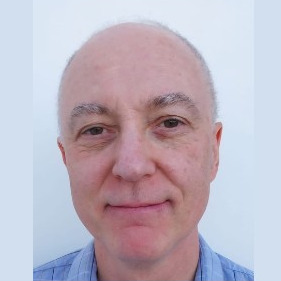
José A. Muñoz-Cueto is a full professor of Zoology at the University of Cádiz (UCA), where he leads the "Fish Physiology and Pathology (RNM-216)" research group. His research focuses on the neuroanatomy, reproductive neuroendocrinology, chronobiology and environmental physiology of fish species that are important for aquaculture, such as sea bream, sea bass and sole. More recently, his team is also researching circadian transcriptomics in echinoderms. This research activity has enabled Prof. Muñoz-Cueto to participate in 26 competitive research projects as PI, funded by the EU, national and regional programmes, and to supervise 12 PhD theses and 10 postdoctoral researchers. He has been an invited professor at University College London (UK), the University of Rennes 1, the University Pierre et Marie Curie Paris VI (France), the National Autonomous University of Mexico (UNAM), the Catholic University of the North (Chile), the University of Havana (Cuba), the University of San Carlos (Guatemala), and the Al-Farabi Kazakh National University (Kazakhstan). He has also taken on management roles at the UCA, serving as General Coordinator of CEIMAR, as well as Rector’s Delegate (Vice-Rector) and General Coordinator of the European University of the Seas (SEA-EU).
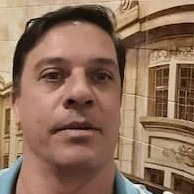
Department of Physiology and Pharmacology, Federal University of Santa Maria, Santa Maria RS, Brazil
Bernardo Baldisserotto is a full professor at the Federal University of Santa Maria, South Brazil. His research focuses on physiology and pharmacology of aquatic animals, mainly fish. His projects are related to the effects of essential oils on anesthesia and growth of fish and crustaceans, as well as to prevent/treating bacterial infection in fish.
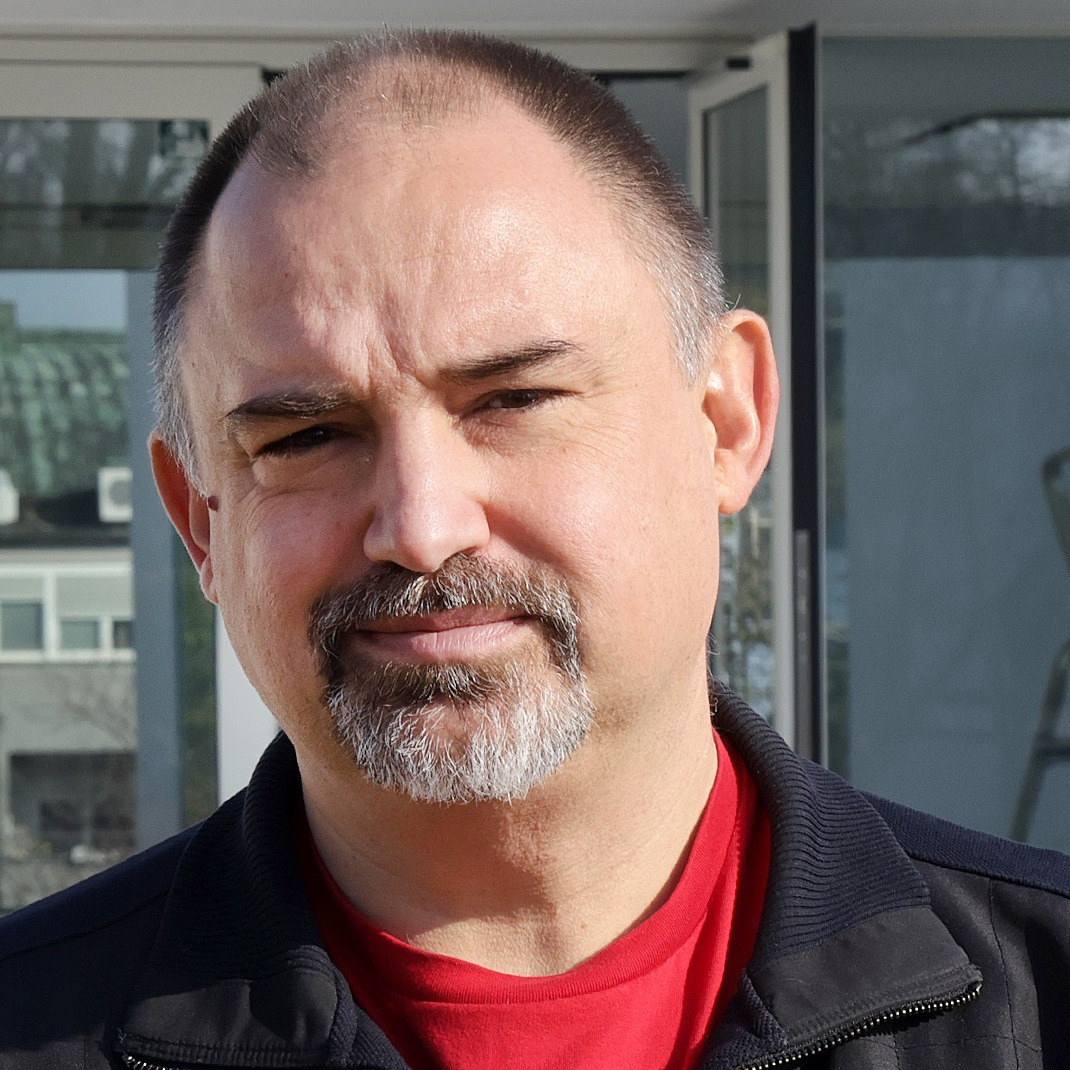
Laboratório de Aquacultura da Escola de Veterinária da Universidade Federal de Minas Gerais, Av. Antônio Carlos, Belo Horizonte, MG, Brazil
Use of recirculating aquaculture systems (RAS) for neotropical fish: a sustainable alternative in the face of climate change.
Ronald Kennedy Luz is a full professor of Aquaculture at the Federal University of Minas Gerais, Brazil. His research focuses on physiology, reproduction, larviculture, animal welfare; live fish transport, and production systems with neotropical freshwater fishes. Member of the Latin American Network SIBIOLATPLUS (https://redsibiolat.cl/sibiolatplus/).
recirculating aquaculture system; aquaponic systems; larviculture and reproduction of freshwater fish; fish physiology
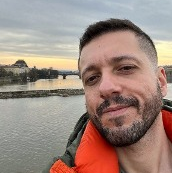
Integrating Mechanistic Modelling and Artificial Intelligence: A Synergistic Approach to Ecological Forecasting
Dr. Tin Klanjšček is a Senior Scientist and Head of the Laboratory for Informatics and Environmental Modelling at the Ruđer Bošković Institute (RBI) in Croatia. He holds an MSc in Physics from the University of Zagreb and earned a PhD in Biological Oceanography through a joint program at the Massachusetts Institute of Technology (MIT) and the Woods Hole Oceanographic Institution (WHOI), followed by postdoctoral training at the University of California, Santa Barbara (UCSB). His research integrates complex systems modelling, focusing on Dynamic Energy Budget (DEB) theory, ecosystem dynamics, and climate change. Dr. Klanjšček has served as PI on ten projects and collaborated numerous others, has co-authored 55 publications with 2,000+ citations and an h-index of 20. He teaches three doctoral courses in Oceanology at the University of Zagreb and has successfully mentored seven PhD students and three postdoctoral researchers. In addition to his research and teaching, Dr. Klanjšček is active in science policy and administration, serving as the Secretary of the European branch of the International Society for Ecological Modelling, on the editorial board of Ecological Modelling and MDPI Fishes, on the managing board of RBI, and as a member of Croatian Technical Working Group for climate change mitigation.
dynamic energy budget theory (DEB); theoretical ecotoxicology; mechanistic modelling; mathematical ecology; aquaculture
Sessions
S2. Sustainable Fisheries and Aquaculture Innovations: Combating Overfishing and Advancing Aquatic Health
S3. Genetics and Genomics
S4. Behavioral Ecology of Aquatic Animals: Implications for Habitat Conservation and Ecosystem Services
S5. Biodiversity Protection: Conservation of Endangered Species and Control of Invasive Species
Registration
The registration for IOCF 2026 will be free of charge! The registration includes attendance to all conference sessions.
If you are registering several people under the same registration, please do not use the same email address for each person, but their individual university email addresses. Thank you for your understanding.
Please note that the submission and registration are two separate parts. Only scholars who registered can receive a link to access the conference live streaming.
The deadline for registration is 2 November 2026.
Instructions for Authors
IOCF 2026 will accept abstracts only. The accepted abstracts will be available online on Sciforum.net during and after the conference.
Important Deadline
1. Deadline for abstract submission: 10 June 2026 7 August 2026.
2. Abstract acceptance notification: 5 August 2026 8 September 2026.
Please note:
An abstract acceptance email only confirms that your abstract has been accepted. Oral or poster presentation invitations are determined separately by the conference chairs, and you will receive an additional email with the presentation result.
Abstract Requirements
1. Types of Submissions
- Accepted: Original research abstracts; systematic reviews or meta-analyses abstracts (must comply with PRISMA 2020).
- Not accepted: Narrative, scoping, comparative, perspective, opinion, or essay-style reviews
2. Content Requirements
- Length: 200–300 words
- Structure: Introduction, Methods, Results, Conclusions
- Language: Clear, publication-ready English
- Originality: Must be original and unpublished; previously published abstracts will not be considered
3. Authorship
All listed authors must have made substantial contributions to the work, participated in drafting or critically revising the abstract, and approved the final version. The submitting (presenting) author is responsible for ensuring that all co-authors have reviewed and approved the submission, including its content and authorship order.
Requests for changes to authorship (including the addition, removal, or reordering of authors) after submission must be submitted using a signed Authorship Change Form, with written consent from all affected authors. Such requests are subject to review and approval by the Conference Organizing Team. All authors share collective responsibility for the accuracy, integrity, and ethical compliance of the submitted work.
Authors may submit multiple abstracts, but only one abstract per author may be selected for an oral presentation.
Presentation Requirements
1. Each abstract must designate one presenter. To change the presenter, please contact us after you receive the oral/poster presentation invitation.
2. Only live presentations are accepted.
3. Presenters who do not attend the live session will not be eligible for awards or presentation certificates.
The slot for the oral presentation is 15 mins. We advise that your presentation lasts for a maximum of 12 mins, leaving at least 3 mins for the Q&A session.
Authors are encouraged to prepare presentations using PowerPoint or equivalent software for online display alongside their abstract. If provided, slides will be presented directly on the conference website via the Sciforum.net slide viewer and should be prepared in the same format as a traditional conference presentation of research results. All slides must be converted to PDF format prior to submission to ensure accurate online display.
Each presentation should:
- Communicate the research question or objective, methodology, key results, and scientific novelty;
- Use a clear and logical structure, typically Introduction-Methods-Results&Discussion structure (IMRaD) or a field-appropriate alternative;
- Emphasize the relevance of the work;
- Support key findings with clear figures or tables where appropriate;
- Conclude with a critical interpretation of the results and their impact.
Each poster should include:
- Title, authors, affiliations, and contact details (clearly displayed at the top);
- Brief introduction outlining the research objective;
- Concise methodology summary;
- Main results, supported by clear, well-labeled figures or tables where appropriate;
- Short conclusion summarizing key findings and their relevance.
Technical specifications:
Dimensions (cm): 84.1 × 118.9 (A0 - portrait)
Resolution:300 dpi
Pixel size (portrait, 300 dpi):9933 × 14043 px
Minimum font size:≥24
The poster template can be downloaded HERE. We will reach out to you closer to the dates of the conference with more information.
Note: The uploaded poster may be used as provided and serves as a reference. However, as long as the technical specifications are followed, scholars are welcome to use any poster template of their choice.
Any request concerning abstract or proceedings paper withdrawal should be communicated to the Conference Organizing Team as early as possible, preferably prior to final acceptance and confirmation of the conference program. Please note that once abstracts are published in the Conference Report or once Proceedings papers are published in the Proceedings journal and assigned a DOI, they become part of the permanent scholarly record and cannot be fully removed.
AI policy
The responsible use of generative AI tools in the preparation of abstracts, posters, and presentations is permitted; however, any such use must be clearly disclosed, specifying the tool employed and its role. Authors retain full responsibility for the accuracy and integrity of their work.
Potential Conflicts of Interest
Authors must disclose any financial, professional, or personal relationships that could reasonably be perceived as influencing the integrity, interpretation, or presentation of their work. Failure to provide accurate disclosures may result in the removal of the abstract from the conference program and associated publications.
If there is no conflict, please state "The authors declare no conflicts of interest." This should be conveyed in a separate "Conflict of Interest" statement preceding the "Acknowledgments" and "References" sections at the end of the manuscript. Any financial support for the study must be fully disclosed in the "Acknowledgments" section.
1. Copyright Ownership
In accordance with Swiss copyright law, you, as the author, are the original creator of your work and retain full copyright ownership of your submitted abstract.
2. License Grant
By submitting your abstract for publication on the Sciforum.net platform, you grant MDPI, the platform’s publisher, a worldwide, royalty-free, non-exclusive license to:
- Publish, reproduce, and distribute the abstract online.
- Make the abstract publicly available in connection with the conference.
3. Author's Retained Rights
This license is non-exclusive. As you retain full copyright, you are free to:
- Reuse, republish, and build upon your work in any way.
- Develop the abstract into a full paper for submission to other journals or publications.
- Enter into subsequent agreements, including granting an exclusive license or transferring copyright to another publisher for a future version of the work.
4. Author's Responsibility
You remain solely responsible for complying with the policies of any other journal or publisher to which you may submit a subsequent version of your work, particularly concerning prior publication rules. MDPI and Sciforum.net bear no responsibility for any conflicts arising from your future submissions.
Publication Opportunities
- Fishes Journal Publication
Participants in this conference are cordially invited to contribute a full manuscript to the conference's Special Issue (to be updated), published in Fishes (ISSN: 2410-3888; Impact Factor: 2.4; CiteScore: 4.4), with a 20% discount on the publication fee. Details of the special issue will be announced here later. Conference discounts cannot be combined with reviewer vouchers. All submitted papers will undergo MDPI’s standard peer-review procedure. The abstracts should be cited and noted on the first page of the paper.
- Proceeding Paper Publication
All accepted abstracts will be published in the conference report of IOCF 2026 in the Biology and Life Sciences Forum (ISSN: 2673-9976); authors of accepted abstracts are highly encouraged to submit an extended proceeding paper (ideally 4-8 pages in length) for free, please submit it to the same journal after the conference.
Proceedings submission deadline: 21 December 2026
Please click HERE to submit your proceeding paper to the Biology and Life Sciences Forum, and be sure to disclose the conference information in your cover letter or mention the conference name in your submission.
Biology and Life Sciences Forum Template
Publication Notice: Conference report and proceedings papers will undergo peer-review procedure. Acceptance at the conference does not ensure final publication.
Event Awards

The Awards
Number of Awards Available: 6
The Best Oral Presentation Awards are given to the paper judged to make the most significant oral contribution to the conference.
The Best Poster Awards are given to the submission judged to make the most significant and interesting poster for the conference.
There will be six winners selected for these awards. The winner will receive a certificate and 200 CHF each.
Best Oral Presentation Award
- Eligibility: Open to all authors selected as oral speakers who have delivered their presentation.
- Criteria: Evaluation based on content quality, delivery clarity, audience interaction, and overall impact.
Best Poster Award
- Eligibility: Open to all authors who have presented their work through posters.
- Criteria: Evaluation based on scientific merit, creativity, and ability to attract and engage viewers.
Sponsors and Partners
For information regarding sponsorship and exhibition opportunities, please click here.
Organizers
Media Partners
Conference Secretariat
S1. Climate Change Impact and Marine Pollution
Environmental and climate change, and other concomitant factors as aquatic pollution, are reshaping the biodiversity and functioning of aquatic ecosystems. This session aims to serve as a platform for advancing our comprehension of these topics by disseminating cutting-edge research that bridges the gap between fundamental and applied research, biodiversity conservation, management of aquatic ecosystems, and stakeholders. This session will showcase works on how aquatic species respond to environmental stressors, marine pollution, and climate change, including aspects linked with conservation, ecosystem restoration, eutrophication, habitat destruction, invasive species, nature-based solutions, ocean acidification, pollution, river flow regulation, water extraction, and other related topics.
Session Chair
Dr. Pedro Morais, The University of Texas Marine Science Institute, Port Aransas, TX, USA
Show all accepted abstracts (2) Hide accepted abstracts (2)
List of Accepted Abstracts (2) Toggle list
S2. Sustainable Fisheries and Aquaculture Innovations: Combating Overfishing and Advancing Aquatic Health
Session Chair
Prof. Dr. Wagner C. Valenti, Aquaculture Center, São Paulo State University, São Paulo, Brazil
Show all accepted abstracts (5) Hide accepted abstracts (5)
List of Accepted Abstracts (5) Toggle list
S3. Genetics and Genomics
Session Chair
Professor Eric Hallerman, Department of Fish and Wildlife Conservation, Virginia Polytechnic Institute and State University, Blacksburg, VA 24061, USA
Show all accepted abstracts (1) Hide accepted abstracts (1)
List of Accepted Abstracts (1) Toggle list
S4. Behavioral Ecology of Aquatic Animals: Implications for Habitat Conservation and Ecosystem Services
Session Chair
Prof. Dr. Alberto Teodorico Correia, Instituto de Ciências Biomédicas Abel Salazar (ICBAS), Universidade do Porto (UP), Rua de Jorge Viterbo Ferreira 228, Porto, Portugal, Centro Interdisciplinar de Investigação Marinha e Ambiental (CIIMAR), Avenida General Norton de Matos S/N, Matosinhos, Portugal