Please login first

The 2nd International Online Conference on Functional Biomaterials

Part of the International Online Conference on Functional Biomaterials series
8–10 July 2026
Event's Timezone: Central European Summer Time
Abstract Submission Deadline
6 April 2026
Abstract Acceptance Notification
27 April 2026

Early Bird Registration Deadline
6 May 2026
Covering Author Registration Deadline
22 May 2026
Registration Deadline
2 July 2026

Dental Biomaterials, Bone Biomaterials, Antibacterial Biomaterials, Tissue Engineering, Drug Delivery, Healthcare and Therapy, 3D Printing, Smart Biomaterials, Implantable Devices
Bookmark
Bookmark event Remove event from bookmarks
Add this event to bookmarks
Event Registration Contact Us Become a Sponsor

Registrations are Open till 2 July 2026. Register HERE.


We will notify you about your abstract presentation type by 2 June.
Please check your email frequently to avoid missing notifications. Thank you for your patience.

For any inquiries, please contact us at iocfb2026@mdpi.com.

Welcome from the Chair

Dear Colleagues,

It is our pleasure to announce the 2nd International Online Conference on Functional Biomaterials (IOCFB2026). The conference is organized by the MDPI open access Journal of Functional Biomaterials (ISSN: 2079-4983, Impact Factor: 5.2) and will be held online from 8 to 10 July 2026.

We warmly welcome you to join us at this conference, where we aim to provide a highly interactive platform for researchers around the world to share novel findings, discuss major achievements, and explore challenges in functional biomaterials development.

The main themes of the conference include:
1. Dental Biomaterials;
2. Bone Biomaterials;
3. Antibacterial Biomaterials and Surfaces;
4. Biomaterials for Tissue Engineering and Regenerative Medicine;
5. Biomaterials for Drug Delivery and Therapy;
6. Biomaterials and Implantable Devices for Healthcare;
7. Bioprinting and Bio-Fabrication;
8. Reactive/Smart Biomaterials.

This conference offers an excellent opportunity for researchers to present their latest work, engage in real-time discussions and participate in live Q&A sessions. Two types of live sessions will be featured: Oral Presentations and Flash Poster Presentations. With an open forum concept, the event provides a fully accessible and inclusive environment—removing geographical and travel barriers and placing all participants in the same interactive space. This setting not only promotes new research connections but also fosters fresh scientific directions through meaningful exchanges.

The conference will be held entirely online, with a modest registration fee and no travel or accommodation costs required.

Outstanding contributions from each session will be considered for conference awards. Additionally, rather than being limited to a single live poster session, participants are also invited to upload and display their work in the online poster gallery on the conference website. As a result, all poster submissions will now be eligible for awards.

We look forward to your participation in IOCFB 2026 and to fostering a vibrant, collaborative environment to advance functional biomaterials research.

Kind regards,
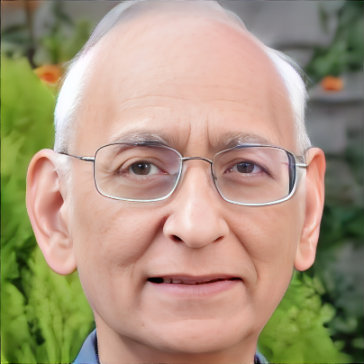
Prof. Dr. Pankaj Vadgama
School of Engineering and Materials Science, Queen Mary University of London, London, UK
On behalf of the IOCFB 2026 Secretariat

Follow the conference organizer on Social Medi


Program Overview


Time in CEST
8 July 2026
Wednesday
9 July 2026
Thursday
10 July 2026
Friday
Morning
9:00-12:30

Chair Welcome Speech
Session 5 (part Ⅰ). Biomaterials for Drug Delivery and Therapy
Flash Poster (Session 5)

Session 7. Bioprinting and Bio-Fabrication
Flash Poster (Session 7)
Session 2. Bone Biomaterials
Flash Poster (Session 2)

Session 1. Dental Biomaterials
Flash Poster (Session 1)
Session 6. Biomaterials and Implantable Devices for Healthcare
Flash Poster (Session 6)

Break
Afternoon
14:00-17:30

Session 5 (part Ⅱ). Biomaterials for Drug Delivery and Therapy
Session 8. Reactive/Smart Biomaterials
Flash Poster (Session 8)
Poster Breakout Session (S5 & S8)

Session 4. Biomaterials for Tissue Engineering and Regenerative Medicine
Flash Poster (Session 4)
Poster Breakout Session (S7 and 2 & S4)

Session 3. Antibacterial Biomaterials and Surfaces
Flash Poster (Session 3)
Poster Breakout Session (S1 and 6 & S3)

IOCFB 2026 Program (Day 1)

8 Jul 2026 (Wednesday) Morning
Time: 09:00 CEST (Basel) | 15:00 CST Asia (Beijing) | 03:00 EDT (New York)

Opening Ceremony
S5. Biomaterials for Drug Delivery and Therapy (part Ⅰ)
CEST (Central European Summer Time) CST Asia
(China
Standard Time)
Speaker Title
09:00–09:10 15:00–15:10 Welcome from the conference chair—Prof. Dr. Pankaj Vadgama
09:10–09:15 15:10–15:15 Welcome from the session chair—Dr. Filippo Rossi
09:15–09:35 15:15–15:35 Invited Talk
Prof. Dr. Giuseppe Perale
The Use of a Xeno-Hybrid Bone Substitute in Pediatric Orthopedic Oncology: A New Clinical Paradigm
09:35–09:55 15:35–15:55 Invited Talk
Prof. Dr. Yuta Kurashina
Applications of Nanosized Drug Delivery Systems Using Ultrasound
09:55-10:10 15:55–16:10 Presentation
Chunxia Li
Functional Nanomaterials for Tumor Immunotherapy
10:10–10:25 16:10–16:25 Presentation
Vinh-Han Dac Le
Layered Double Hydroxide-Engineered Oxidized Hyaluronic Acid/Gelatin/Carboxymethyl Chitosan Injectable Hydrogel Incorporating Salvianolic Acid B and Dexamethasone for Cartilage Regeneration
10:25–10:40 16:25–16:40 Presentation
Bahareh Azimi
Streamlined Nanodrug Delivery Systems for Localized Cancer Therapy via Electrospinning and Electrospray
10:40–10:50 16:40–16:50 Break
10:50-11:05 16:50–17:05 Presentation
Gintaras Matulis
Semi-Solid Extrusion 3D Printing Enhances Epidermal Accumulation of Menthol from PVA-Based Transdermal Biomaterial Films: An Ex Vivo Comparative Permeation Study
11:05-11:20 17:05–17:20 Presentation
Carla Serri
Optimization of Rutin- and Quercetin-Loaded Chitosan Nanoparticles for Enhanced Anti-Inflammatory Delivery
11:20-11:35 17:20–17:35 Presentation
Chris Manglaris
Linking Neuroproteomics to Predictive Brain Drug Delivery: A Physicochemically-Informed Modeling Framework for Silver Nanocarriers in Alzheimer’s and Parkinson’s Disease
11:35-11:40 17:35–17:40 Flash Poster Presentation
Pallavi Rattapal Meshram
Effect of Gelation Route on Pore Architecture, Swelling, and Degradation of Silk Fibroin Lyogels
11:40-11:45 17:40–17:45 Flash Poster Presentation
Berna Ateş
Cardiomyocyte Loaded Polymeric Microsphere Design for Treatment of Cardiac Regeneration after Myocardial Ischemia and In Vitro Evaluation
11:45-11:50 17:45–17:50 Flash Poster Presentation
Roberta Rovelli
Dual-Ion Crosslinked Alginate Hydrogels for Combined Antioxidant and Anti-Inflammatory Delivery in Colon-Targeted Therapy
11:50-11:55 17:50–17:55 Flash Poster Presentation
Ekaterina Naumenko
Prodigiosin-Loaded Microvesicles as a Novel Anticancer Drug
11:55-12:00 17:55–18:00 Flash Poster Presentation
Alicja Tomasiak
Functional Performance and Biocompatibility of PEDOT:GABA Neurotransmitter-Loaded Coatings
12:00-12:05 18:00–18:05 Flash Poster Presentation Q&A


8 Jul 2026 (Wednesday) Afternoon
Time: 14:00 (CEST, Basel) | 20:00 (CST Asia, Beijing) | 08:00 (EDT, New York)

S5. Biomaterials for Drug Delivery and Therapy (part Ⅱ)
S8. Reactive/Smart Biomaterials
CEST (Central European Summer Time) CST Asia
(China
Standard Time)
Speaker Title
14:00–14:05 20:00–20:05 Welcome from the session chair—Dr. Filippo Rossi
14:05–14:25 20:05–20:25 Invited Talk
Dr. Filippo Rossi
Microfluidic-Synthesized pH-Responsive Nanoparticle–Hydrogel Composites for Targeted Osteoarthritis Drug Delivery
14:25–14:40 20:25–20:40 Presentation
Monika Rojewska
Influence of Mucoadhesive Polymer Interactions with Lipid and Mucin on Adhesion: Implications for Drug Delivery Systems
14:40–14:55 20:40–20:55 Presentation
Jurga Bernatonienė
Microstructural and Mechanical Characterization of PVA-Based Drug Delivery Films Containing Menthol: Correlation Between SEM Morphology and Texture Analysis Across Three Manufacturing Methods
14:55–15:10 20:55–21:10 Presentation
Ying Li
Dual-Loaded Curcumin and Phenformin Copolymer Micelles for Targeted Colorectal Cancer Therapy via Mitochondrial Stress and Metabolic Modulation
15:10–15:15 21:10–21:15 Welcome from the session chair—Dr. Serena Danti
15:15–15:35 21:15–21:35 Invited Talk
Dr. Fatemeh Mokhtari
Bioinspired Flexible and Stretchable Coil Structure from Functionalized Piezoelectric Nanofibers for Self-Powered Implantable Devices
15:35–15:55 21:35–21:55 Invited Talk
Dr. Zhao Qin
Multiscale Mechanics of Hierarchical Porous Bone Studied by Physics-Informed AI
15:55–16:10 21:55–22:10 Presentation
João Silva
Piezoelectric 3D-Printed Scaffolds Coupled with Ultrasound Stimulation for Improved Bone Tissue Engineering Strategies
16:10–16:25 22:10–22:25 Presentation
Sara Ferraris
Sustainable Biomaterials for Smart Multifunctional Active Wound Dressings
16:25–16:30 22:25–22:30 Flash Poster Presentation
Ahmad Zarwi
Innovations in Injectable Conductive Hydrogels for Neural Regeneration and Biointerface Compatibility
16:30–16:35 22:30–22:35 Flash Poster Presentation
Aishwarya Devendra Murkar
Investigation of Carbon Dots for Toxic Metal Chelation Therapy Employing Red Blood Cell Membranes as a Biomimetic Model
16:35–16:40 22:35–22:40 Flash Poster Presentation
Ruijie Xu
Biomimetic Patch for Vascular Repair and Patency Diagnosis
16:40–16:45 22:40–22:45 Flash Poster Presentation Q&A
16:45–16:55 22:45–22:55 Break
16:55–17:15 22:55–23:15 Poster Breakout Session
S5 & S8
The Poster Sessions will take place in Zoom break-out rooms.
The poster list will be announced later.

IOCFB 2026 Program (Day 2)

9 Jul 2026 (Thursday) Morning
Time: 09:00 CEST (Basel) | 15:00 CST Asia (Beijing) | 03:00 EDT (New York)

S7. Bioprinting and Bio-Fabrication
S2. Bone Biomaterials
CEST (Central European Summer Time) CST Asia
(China
Standard Time)
Speaker Title
09:00–09:05 15:00–15:05 Welcome from the session chair—Dr. Lidy Fratila-Apachitei
09:05–09:35 15:05–15:35 Keynote Talk
Prof. Dr. Aldo R. Boccaccini
Enhancing Bioinks for Biofabrication by Tailored Additions of Ion Releasing Bioactive Glass Nanoparticles
09:35–09:55 15:35–15:55 Invited Talk
Prof. Dr. Min Wang
Organoid Bioprinting
09:55–10:10 15:55–16:10 Presentation
Xinyang Zhang
New Natural Polymer-Based Bioinks and Their 3D Bioprinting for Liver Tissue Engineering
10:10–10:25 16:10–16:25 Presentation
Xiaodie Chen
3D Bioprinting of New Hydrogel-Based Bioinks into Cell-Scaffold Constructs for Articular Cartilage Repair
10:25–10:30 16:25–16:30 Flash Poster Presentation
Kristin Schüler
Top-Down and Bottom-Up Biofabrication of Biomimetic Cartilage Scaffolds for Regenerative Applications
10:30–10:35 16:30–16:35 Flash Poster Presentation
Elisa Roldan Ciudad
Data-Driven Inverse Design of Electrospun Biomaterials with Controlled Fibre-Diameter Distributions for Tissue Regeneration
10:35–10:40 16:35–16:40 Flash Poster Presentation Q&A
10:40–10:45 16:40–16:45 Welcome from the session chair—Prof. Dr. Elisa Boanini
10:45–11:05 16:45–17:05 Invited Talk
Professor Christele Combes
Amorphous Calcium Pyrophosphate-Based Materials for Bone Reconstruction
11:05–11:25 17:05–17:25 Invited Talk
Dr. Simone Sprio
Self-Hardening Bioactive Apatite Scaffolds for Bone Regeneration
11:25–11:40 17:25–17:40 Presentation
Yujie Zhang
Digital Light Processing for β-TCP/PDLLA-co-TMC Nanocomposite Bone Tissue Engineering Scaffolds with Different β-TCP Concentrations
11:40–11:55 17:40–17:55 Presentation
Paulina Kazimierczak
Bisphosphonate Delivery via a pH-Responsive Bone Implant for Accelerated Repair of Osteoporotic Bone Fractures
11:55–12:10 17:55–18:10 Presentation
Gabriela Graziani
Ionized Jet Deposition of Bone-Mimetic, Complex Biomaterials
12:10–12:15 18:10–18:15 Flash Poster Presentation
Silvia Marino
Compositional Control of Strontium-Substituted Hydroxyapatite Governs Bioactivity and Mechanical Response in Electrospun PCL/Gel Scaffolds
12:15–12:20 18:15–18:20 Flash Poster Presentation
Emilly Bulhões
Surface Modification of n-HAp Increases the Compatibility with PLA Scaffold Composites
12:20–12:25 18:20–18:25 Flash Poster Presentation Q&A


9 Jul 2026 (Thursday) Afternoon
Time: 14:00 (CEST, Basel) | 20:00 (CST Asia, Beijing) | 08:00 (EDT, New York)

S4. Biomaterials for Tissue Engineering and Regenerative Medicine
CEST (Central European Summer Time) CST Asia
(China
Standard Time)
Speaker Title
14:00–14:05 20:00–20:05 Welcome from the session chair—Dr. Piergiorgio Gentile
14:05–14:35 20:05–20:35 Keynote Talk
Prof. Dr. Mark Bradley
Polymer Microarrays for the Control and Manipulation of Stem Cells
14:35–14:55 20:35–20:55 Invited Talk
Prof. Dr. Chiara Tonda Turo
Shaping Cell Response through Engineered Natural-Derived Polymers and Hydrogels
14:55–15:15 20:55–21:15 Invited Talk
Prof. Dr. Ana Ferreira-Duarte
Designing Bioinspired Biomaterials for Functional Tissue Regeneration
15:15–15:35 21:15–21:35 Invited Talk
Prof. Dr. Dimitrios I. Zeugolis
Macromolecular Crowding in Tissue Engineering and Regenerative Medicine
15:35–15:50 21:35–21:50 Presentation
Serena Munaò
From Spontaneous Differentiation to Functional Synaptic Networks: Neurogenic Modulation of SH-SY5Y Cells by Semiconductive P3HT Interfaces
15:50–16:05 21:50–22:05 Presentation
Anna Rossanese
Synthesis and Characterization of Type I Collagen-Based Scaffolds Cross-Linked with Natural Polyphenols Extracted from Green Tea
16:05–16:20 22:05–22:20 Presentation
Giovanni D'Atri
Injectable and Bioprintable RGD-Functionalized Hydrogels Support Chondrogenic Differentiation of Adipose Mesenchymal Stromal Cells
16:20–16:25 22:20–22:25 Flash Poster Presentation
Karen J. Juarez-Navarro
Hybrid 3D-Printed/Electrospun Honeycomb PCL Scaffolds Improve Mechanical Stability and Promote Osteoblast Colonization
16:25–16:30 22:25–22:30 Flash Poster Presentation
Inês Dias
Photodynamic Therapy: A Promising Strategy for Alveolar Bone Regeneration
16:30–16:35 22:30–22:35 Flash Poster Presentation
Anna P. Abelova
Characterization of Cellular and Molecular Responses to Platelet-Rich Plasma (PRP) from Elderly Patients with Acute Inflammatory Conditions in Cell Culture
16:35–16:40 22:35–22:40 Flash Poster Presentation Q&A
16:40–16:50 22:40–22:50 Break
16:50–17:20 22:50–23:20 Poster Breakout Session
S7 and S2 & S4
The Poster Sessions will take place in Zoom break-out rooms.
The poster list will be announced later.

IOCFB 2026 Program (Day 3)

10 Jul 2026 (Friday) Morning
Time: 09:00 CEST (Basel) | 15:00 CST Asia (Beijing) | 03:00 EDT (New York)

S1. Dental Biomaterials
S6. Biomaterials and Implantable Devices for Healthcare
CEST (Central European Summer Time) CST Asia
(China
Standard Time)
Speaker Title
09:00–09:05 15:00–15:05 Welcome from the session chair—Prof. Dr. Gianrico Spagnuolo
09:05–09:25 15:05–15:25 Invited Talk
Prof. Dr. James Kit-Hon Tsoi
GenAI for Prosthodontics
09:25–09:40 15:25–15:40 Presentation
Mohammad Islam
Graphene Oxide–Modified Portland Cement Enhances Bioactivity and Periapical Healing: An In Vitro and In Vivo Study
09:40–09:55 15:40–15:55 Presentation
Fatima Khan
A Multifunctional Injectable Platform for Regenerative Endodontics
09:55–10:10 15:55–16:10 Presentation
Youngjune Kim
A Dual-Action Hydrogel System for Endodontic Repair and Infection Control
10:10–10:15 16:10–16:15 Flash Poster Presentation
Jiale Ma
Microstructurally Refined Ti-6Al-7Nb via High-Pressure Sliding Modulates Osteoblast Adhesion and Proliferation
10:15–10:20 16:15–16:20 Flash Poster Presentation
Niki Karipidou
Design and Physical Characterization of 3D-Printed Collagen Scaffolds for Regenerative Dentistry
10:20–10:25 16:20–16:25 Flash Poster Presentation
Les Kalman
Digital Workflow Development of Pin Reinforced Indirect Zirconia Posterior Restorations
10:20–10:25 16:20–16:25 Flash Poster Presentation Q&A
10:25–10:30 16:25–16:30 Welcome from the session chair—Prof. Dr. Meital Zilberman
10:30–10:50 16:30–16:50 Invited Talk
Prof. Dr. Dennis Douroumis
3D Printing of Personalised Drug Eluting Stents
10:50–11:10 16:50–17:10 Invited Talk
Prof. Dr. Seung-Kyun Kang
Bioresorbable, Self-Deploying Electronics for Minimally Invasive Brain Interfaces
11:10–11:25 17:10–17:25 Presentation
Tom Hanoon kogan
Micro and Nano-Structuring of Hydroxyapatite-MMT Loaded Hydrogels for Bone Regeneration Applications
11:25–11:40 17:25–17:40 Presentation
Pedro Morouço
Biomaterials-Enabled Wearables in Sport: Closing the Validity Gap from Lab to Field
11:40–11:55 17:40–17:55 Presentation
Angelika Banaś
Optimization of Carbon Nanotube Morphology in Self-Supporting Buckypapers for Bioelectronic Interfaces
11:55–12:00 17:55–18:00 Flash Poster Presentation
Kesavamoorthy Muthu
Validation of Clinical CT-Based Volumetric Analysis for In Situ Monitoring of Orthopaedic Implants in Vivo
12:00–12:05 18:00–18:05 Flash Poster Presentation
Szymon Smołka
Multifunctional Bioactive Coatings for Metallic Veterinary Implants
12:05–12:10 18:05–18:10 Flash Poster Presentation Q&A


10 Jul 2026 (Friday) Afternoon
Time: 14:00 (CEST, Basel) | 20:00 (CST Asia, Beijing) | 08:00 (EDT, New York)

S3. Antibacterial Biomaterials and Surfaces
CEST (Central European Summer Time)

CST Asia
(China
Standard Time)

Speaker Title
14:00–14:05 20:00–20:05 Welcome from the session chair—Prof. Dr. John H.T. Luong
14:05–14:25 20:05–20:25 Invited Talk To be announced
14:25–14:40 20:25–20:40 Presentation
Abdullah Abdullah
Electrochemically Synthesized Multifunctional PEDOT–Ceftazidime Films for Electrically Triggered, Advanced Bacteria-Responsive Antibacterial Coatings
14:40–14:55 20:40–20:55 Presentation
Silvia Spriano
Peptoids Impart Antibiofilm and Cell Protective Actions to an Etched Titanium Surface
14:55–15:10 20:55–21:10 Presentation
Frank Eduardo Meléndez Anzures
Gentamicin-Eluting TiO2 Nanotubes on Ti-24Zr-10Nb-2Sn Alloy for Enhanced Antibacterial Performance Against Staphylococcus aureus
15:10–15:25 21:10–21:25 Presentation
Camilla Reggio
Balancing Cytocompatibility and Bacterial Resistance: Insights from Silver-Modified Ti6Al4V Co-Culture Studies
15:25–15:40 21:25–21:40 Presentation
Linjia Li
Rapid and Broad-Spectrum Antimicrobial Behavior of Laser-Cladded Copper Surfaces for Infection-Resistant Biomaterials
15:40–15:55 21:40–21:55 Presentation
António Guiomar
Neat Chitosan Films That Release Polyhexanide for Use in Antibacterial Wound Dressings
15:55–16:00 21:55–22:00 Flash Poster Presentation
Pery Freitas
Functionalized Surface of a Ceramic Carbonated Apatite Substrate with an Antibacterial α-Tocopheryl Phosphate Organic Layer
16:00–16:05 22:00–22:05 Flash Poster Presentation
Julia Lisoń-Kubica
Bacterial Biofilms and Titanium Implants: Current Understanding, Clinical Challenges, and Emerging Surface Modification Strategies
16:05–16:10 22:05–22:10 Flash Poster Presentation
Samir Zergat
Manufacturing of Tear Resistant Probiotic Loaded Membrane Patches for Application on Eardrums in Chronic Otitis Media Treatment
16:10–16:15 22:10–22:15 Flash Poster Presentation
Julia Kolasa
Surface Modification Strategies for Mitigating Biofilm Adhesion on Glaucoma Drainage Devices in the Intraocular Environment: A Systematic Review
16:15–16:20 22:15–22:20 Flash Poster Presentation
Felipe Cordova Lozano
Water-Stable Electrospun PVA Nanofibers via Vapor Crosslinking and Controlled In Situ Silver Nanoparticle Incorporation for Antimicrobial Applications
16:20–16:25 22:20–22:25 Flash Poster Presentation
Ihtisham Ul Haq
Antimicrobial Effects of Sodium Alginate/Poly-L-Lysine Based Films and Their Deposition onto Urinary Catheters Using Ultrasonic Spray Coating
16:25–16:30 22:25–22:30 Flash Poster Presentation Q&A
16:30–16:40 22:30–22:40 Break
16:40–17:00 22:40–23:00 Poster Breakout Session
S1 and 6 & S3
The Poster Sessions will take place in Zoom break-out rooms.
The poster list will be announced later.

Event Chair

School of Engineering and Materials Science, Queen Mary University of London, London, UK

Introduction
Bio
Prof. Dr. Pankaj Vadgama, Emeritus Professor at Queen Mary University of London, is a chemical pathologist specializing in electrochemical biosensors for diabetes and critical care. His work focuses on polymeric barrier materials. He has published 200+ papers and held leadership roles at Manchester and Queen Mary.

Session Chairs

Dr. Serena Danti

Department of Civil and Industrial Engineering, University of Pisa, Pisa, Italy

Introduction
Research keywords
electrospinning; biomaterials; biomedical polymers; piezoelectric materials; smart materials; tissue engineering; advanced in vitro models

Prof. Dr. Gianrico Spagnuolo

Department of Neurosciences, Reproductive and Odontostomatological Sciences, University of Naples “Federico II”, Naples, Italy

Introduction
Research keywords
oral medicine; dental materials; operative dentistry; oral health

Dr. Filippo Rossi

Department of Chemistry, Materials and Chemical Engineering “Giulio Natta”, Polytechnic University of Milan, Milan, Italy

Introduction
Research keywords
colloids; drug delivery; nanogels; tissue engineering; transport phenomena

Dr. Lidy Fratila-Apachitei

BioMechanical Engineering Department, Delft University of Technology, Delft, The Netherlands

Introduction
Research keywords
biomaterials; regenerative medicine; topography-induced cellular responses; surface biofunctionalization of 3D printed implants; cell mechanobiology

Dr. Piergiorgio Gentile

Centre of Biomaterials and Tissue Engineering, Universitat Politècnica de València, Valencia, Spain

Introduction
Research keywords
tissue engineering; surface nanofunctionalisation; scaffold; biopolymers; bioprinting; electrospinning

Prof. Dr. John H.T. Luong

School of Chemistry, University College Cork, Cork, Ireland

Introduction
Research keywords
biosensors; immunoassays; functional biomaterials; nanocomposites; nanopolymers

Prof. Dr. Meital Zilberman

Department of Biomedical Engineering, The Iby and Aladar Fleischman Faculty of Engineering, Tel Aviv University, Tel Aviv, Israel

Introduction
Research keywords
polymeric biomaterials; bioresorbable medical implantable devices; process-structure-property relationships in biomaterials; controlled release of bioactive agents from polymeric matrices; tissue engineering

Prof. Dr. Elisa Boanini

Department of Chemistry “Giacomo Ciamician”, University of Bologna, Italy

Introduction
Research keywords
biomaterials; biomimetic materials chemistry; bioceramics; nanocrystals; hydroxyapatite; octacalcium phosphate; metal nanoparticles; bioactive coatings

Event Committee

Department of Materials Science and Engineering, Seoul National University, Seoul, Republic of Korea

Introduction
Research Keywords
biodegradable materials; bioelectronic devices; wearable electronics; soft electronic materials

Regenerative, Modular & Developmental Engineering Laboratory (REMODEL), University College Dublin, Dublin, Ireland

Introduction
Research Keywords
functional biomaterials; tissue engineering; in vitro microenvironment; in vitro models; cellular agriculture

Department of Science, University of Basilicata, Potenza, Italy

Introduction
Research Keywords
drug delivery systems; antioxidants; cosmetic products; cosmetic formulations; nanomaterials and nanotechnologies; natural products; herbal medicine; antioxidant and radical scavenging; analytical chemistry; chromatography-mass spectrometry; bioactive com

Institute of Science, Technology and Sustainability for Ceramic Materials (ISSMC), National Research Council (CNR), Faenza, Italy

Introduction
Research Keywords
biomineralization; nanomedicine; calcium phosphates; bioceramics; drug delivery; dental materials

Institute of Biomedical Engineering, Chinese Academy of Medical Sciences & Peking Union Medical College, Tianjin, China

Introduction
Research Keywords
tissue construction and regeneration; biomaterials; bioengineering

Institute of Frontier and Interdisciplinary Science, Shandong University, Qingdao, China

Introduction
Research Keywords
rare earth; luminescence materials; nanomedicine; immunotheray; tumor therapy

Department of Chemistry and Chemical Biology, Stevens Institute of Technology, Hoboken, USA

Introduction
Research Keywords
therapeutic peptides; bacteria responsive materials; antibacterial coatings; cell sensing; drug delivery

Department of Mechanical Engineering, The University of Hong Kong, Hong Kong, China

Introduction
Research Keywords
biomedical materials; tissue engineering; materials and systems for the controlled release of drugs/biomolecules/genes; surface engineering; nanotechnologies; electrospinning; additive manufacturing ("3D printing"); biomanufacturing

Biomedical Engineering Research and Development Center, National Yang-Ming Chiao-Tung University, Taipei, Taiwan

Introduction
Research Keywords
functional nanoparticles; surface modifications; drug delivery; tissue engineering

Orthopedic Tissue Engineering and Biomaterials Lab., Department of Mechanical Engineering and Engineering Science, The University of North Carolina at Charlotte, Charlotte, NC, USA

Introduction
Research Keywords
tissue engineering; drug delivery; biomaterials; bioactive ceramic; bone implant; scaffolds; biomechanics

Department of Comprehensive Dentistry, University of Maryland School of Dentistry, Baltimore, USA

Introduction
Research Keywords
bio fabrication; 3D printing; electrospinning; tissue engineering; dentistry

Department of Chemistry and Biochemistry, Worcester Polytechnic Institute, Worcester, MA, USA

Introduction
Research Keywords
biocomposite materials; biomechanics; tissue regeneration; biosensor; stimuli responsive polymers

Institute for Materials Chemistry and Engineering (IMCE), Kyushu University, Fukuoka, Japan

Introduction
Research Keywords
polymer and self-assembly; polymersomes; nanomedicine; biomaterials; biocompatible coatings

Department of Chemistry, Brandeis University, Waltham, USA

Introduction
Research Keywords
biofunctional materials; nanomaterials; biomedicine; molecular drug delivery; cancer therapy; biomedical diagnostics; biomimetics

Department of Materials Science and Engineering, National University of Singapore, Singapore; Department of Materials Science and Engineering, Nanyang Technological University, Singapore

Introduction
Research Keywords
biodegradable implants; controlled drug release; drug delivery; gene deliver

Department of Materials Engineering, Federal University of Piauí, Teresina, Brazil

Introduction
Research Keywords
hydroxyapatite; nanoclays; bioprinting; nanofibers; biomimetic scaffolds

The ADA Forsyth Institute, Cambridge, MA, USA

Introduction
Research Keywords
biomaterials; nanotechnology; tissue engineering; self-healing; additive manufacturing

Biomedical Sciences Group, NanoHealth and Optical Imaging Group, Department of Imaging and Pathology, Leuven, Belgium

Introduction
Research Keywords
nanomedicine; drug delivery; non-viral gene delivery; oncology; tumor therapy

Alternative Translational Models Group, Translational Cell and Tissue Research Unit, KU Leuven, Belgium; Risk and Health Impact Assessment Unit, Department of Chemical and Physical Health Risks, Sciensano, Belgium

Introduction
Research Keywords
in vitro, in vivo and ex vivo toxicology, cancer nanomedicine, drug delivery systems, 3D models, translational models, risk assessment

Centre for Biomaterials and Tissue Engineering (CBIT), Universitat Politècnica de València, Valencia, Spain

Introduction
Research Keywords
antioxidant and antimicrobial materials, polysaccharides (pectin, alginate, chitosan), controlled release and gastrointestinal simulation, edible films and coatings, nutraceutical and bioactive foods

Dipartimento di Chimica, Materiali ed Ingegneria Chimica "Giulio Natta", Politecnico di Milano, Milano, Italy

Introduction
Research Keywords
calcium phosphates; nanostructured coatings; biomaterials; infection; 3D printing and bioprinting; orthopaedics; orthopaedic oncology; tissue models; cultural heritage; stone consolidants

Department of Engineering, School of Science and Technology, Nottingham Trent University, Nottingham, UK

Introduction
Research Keywords
mechanics of biomaterials; smart materials and structures; meta-materials; soft matters; regenerative medicine; 3D and 4D printing technologies

Department of Applied Science and Technology, Politecnico di Torino, Torino, Italy

Introduction
Research Keywords
biomaterials; surface treatments; titanium alloys; antibacterial surfaces; magnesium alloys

Dipartimento di Chimica, Università di Pavia, viale Taramelli, Pavia, Italy

Introduction
Research Keywords
coordination chemistry; supramolecular chemistry; inorganic nanoparticles; surface functionalization; antibacterial inorganic materials; photothermal nanoparticles

Department of Biochemistry and Molecular Biology, Faculty of Biology, University of Bucharest, Bucharest, Romania

Introduction
Research Keywords
nanoparticles; photocatalysts; medical devices; oxidative stress; biomaterials

Department of Applied Science and Technology, Politecnico di Torino, Torino, Italy

Introduction
Research Keywords
antibacterial, silver nanocluster, bone integration, biological functionalization, surfaces, metals

Department of Chemical, Biological, Pharmaceutical and Environmental Sciences (ChiBioFarAm), University of Messina, Messina, Italy

Introduction
Research Keywords
regenerative medicine; bone tissue engineering; osteoconduction; osteoinduction; osteointegration; osteogenic differentiation

Department of Chemistry, Faraday Building, Lancaster University, Lancaster LA1 4YB, UK; Materials Science Institute, Faraday Building, Lancaster University, Lancaster LA1 4YB, UK

Introduction
Research Keywords
bioelectronics; materials chemistry; stimuli-responsive materials; drug delivery

Institute of Polymers, Composites and Biomaterials (IPCB), National Research Council of Italy, Naples, Italy

Introduction
Research Keywords
electrospinning; electro fluid dynamics; morphology; nanoparticles; polymer processing; microgels

School of Mechanical and Power Engineering, East China University of Science and Technology, Shanghai, China

Introduction
Research Keywords
3D bioprinting; bio-inks; bionic scaffolds

ESECS, Polytechnic University of Leiria, Leiria, Portugal

Introduction
Research Keywords
exercise and health; artificial intelligence; machine learning; technology

School of Materials Science and Engineering, Shanghai Jiao Tong University, Shanghai, China

Introduction
Research Keywords
nanoparticle-tissue/cell interaction; nanoparticle-based photodynamic therapy; disinfection by nanomaterials

Faculty of Medicine, Health and Life Science, Swansea University Medical School, Swansea University, Swansea, UK

Introduction
Research Keywords
regenerative medicine; biomaterials; cell bank and stem cell technology; 3D printing/biofabrication

State Key Laboratory of Advanced Technology for Materials Synthesis and Processing, Wuhan University of Technology, Wuhan, China

Introduction
Research Keywords
drug delivery; nanomedicine; biomaterials; biodegradable polymers; molecular imaging

Nanodiagnostics, San Vito, Modena, Italy

Introduction
Research Keywords
nanopathology; nanotoxicology; nanodiagnostics; biomaterials and nanoparticles; functionalized and biomimetic surfaces

Department of Physics and Energy Science and BioFrontiers Center, University of Colorado at Colorado Springs (UCCS), Colorado Springs, CO, USA

Introduction
Research Keywords
materials science/nanomaterials; nanomedicine; photocatalysis; protein corona; biosensors and bioelectronics; disease detection

Multidisciplinary Department of Medical-Surgical and Odontostomatological Specialties, University of Campania “Luigi Vanvitelli”, Naples, Italy

Introduction
Research Keywords
temporomandibular disorders; ted; temporomandibular joint; orofacial pain; dentistry; telemedicine; tele dentistry; implants; prosthesis; oral surgery

Department of Physiology, The “Carol Davila” University of Medicine and Pharmacy, Bucharest, Romania; Department of Radiology and Medical Imaging, “Foisor” Clinical Hospital of Orthopaedics, Traumatology and Osteoarticular TB, Bucharest, Romania

Introduction
Research Keywords
physiology; natural compounds; inflammation; carcinogenesis; molecular signaling; medical imaging; neuroanatomy and neuroimaging; MSK imaging

Microbiology Department, Faculty of Biology, University of Bucharest, Bucharest, Romania

Introduction
Research Keywords
human microbiota; probiotics and prebiotics; antimicrobial strategies; surfaces with anti-biofilm properties

Program of Pharmacy, Department of Life Sciences, School of Sciences, European University Cyprus, Nicosia, Cyprus

Introduction
Research Keywords
formulations; drug delivery; biomaterials; wound healing; nanocarriers; hydrogels; nanotechnology; polymers

Department of Medicine, Surgery and Dentistry, Scuola Medica Salernitana, University of Salerno, Salerno, Italy

Introduction
Research Keywords
oral medicine and interconnected systemic disorders; oral microbiome, dysbiosis and interconnected systemic disorders; periodontology and implantology; applied technologies (disease prevention, teledentistry)

Department of Technical and Natural Sciences; University of Arad, Arad, Romania

Introduction
Research Keywords
phytochemicals; health, analytical, and natural product chemistry; peptides and proteins; drug discovery; drug delivery systems; synthesis/green synthesis of biologically active molecules and nanoparticles

Institute of Endodontics, Faculty of Medicine, University of Coimbra, 3000-075 Coimbra, Portugal

Introduction
Research Keywords
pulp biology and regeneration; biocompatibility; bioactivity; bioceramic materials; endodontics; chlorhexidine; animal models

Department of Medical Sciences, University of Aveiro, Portugal

Introduction
Research Keywords
the development of novel nanotechnological platforms for the treatment of various diseases, including the use of biomaterials as part of the developed nanoplatform's composition

School of Chemical Engineering, Aristotle University of Thessaloniki, Thessaloniki, Greece

Introduction
Research Keywords
Infuse/InductOs; recombinant human BMP-2 (rhBMP-2); collagen scaffold; bone regeneration

Keynote Speakers

Institute of Biomaterials, Department of Materials Science and Engineering, University of Erlangen-Nuremberg, Erlangen, Germany

Introduction
Talk
Enhancing Bioinks for Biofabrication by Tailored Additions of Ion Releasing Bioactive Glass Nanoparticles
Bio
Aldo R. Boccaccini is Professor of Materials Science and Head of the Institute of Biomaterials at University of Erlangen-Nuremberg, Germany. His research activities are in the field of bioactive materials, scaffolds for tissue engineering, nanomaterials for drug delivery, biofabrication and antibacterial coatings. He has been a visiting professor at different universities around the world and has given more than 150 presentations at international conferences. He is listed as one of the most cited researchers in the world in the Stanford List of Highly Cited Researchers. He was member of the Council of the European Society for Biomaterials (ESB) for 8 years (2015-2023), serving as ESB vice-president in 2020-2023. Boccaccini was elected Fellow of Biomaterials Science and Engineering (FBSE) and he was inducted to the College of Fellows of the American Institute for Medical and Biological Engineering (AIMBE). Boccaccini has received multiple international awards, including the ESB George Winter Award (2024) and the Larry L. Hench Lifetime Achievement Award of the American Ceramic Society (2025).
EaStChem School of Chemistry, University of Edinburgh, David Brewster Road, Edinburgh, UK

Introduction
Talk
Polymer Microarrays for the Control and Manipulation of Stem Cells
Bio
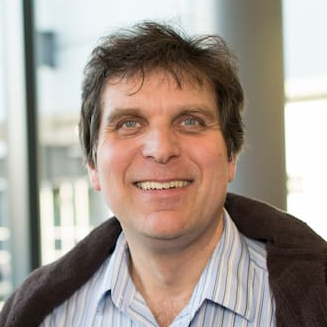
I began my independent academic career with the award of a Royal Society University Research Fellowship that I held at the University of Southampton (1992-2000), where I was awarded a Chair in Combinatorial Chemistry in 1997, and founded the UK’s Combinatorial Centre of Excellence. In 2005, I took up a position in Edinburgh in Chemical Biology. In 2023 I moved to Queen Mary University of London to take up a position inTherapeutic Innovation, in the new Precision Healthcare University Institute. I am now also Vice Principal for Impact and Innovation. The main focus of my group is the development and application of chemistry-based tools and technologies to allow the manipulation, control and understanding of specific biological processes and functions and to address biological and medical questions, problems and needs. This has included key papers in the area of Pd mediated intracellular chemistry; prodrug activation using radiotherapy and in cellulo polymerisation. I have published over 400 papers, have an H-factor of >70, have filed >25 patents and spun out many companies e.g. Ilika Technologies, DestiNA Genomics, BioCaptiva.

Invited Speakers

Department of Mechanical and Aerospace Engineering, Politecnico di Torino, Torino, Italy

Introduction
Talk
Shaping Cell Response through Engineered Natural-Derived Polymers and Hydrogels
Bio
Chiara Tonda Turo (female) is Associate Professor in Biomedical Engineering at Politecnico di Torino. She received a master’s degree (2006) and the PhD (2011) in Biomedical Engineering from Politecnico di Torino. Her research interests are focus on polymer scaffolds for tissue engineering applications and organ models development (https://www.scopus.com/authid/detail.uri?authorId=35086835300). Chiara is currently coordinating a national project (3D -BIOSAME) and WP leader of a EU project (HYDROHEAL). Moreover, she is supervisor of 4 PhD students, 2 Post-docs and several master students.

Division of Advanced Mechanical Systems Engineering, Institute of Engineering, Tokyo University of Agriculture and Technology, Tokyo, Japan

Introduction
Talk
Applications of Nanosized Drug Delivery Systems Using Ultrasound
Bio
Yuta Kurashina earned his B.E. (2012), M.E. (2014), and Ph.D. (2017) from Keio University. He served as a Research Associate at Keio University (2017) and an Assistant Professor at Tokyo Institute of Technology (2018). Since 2022, he has been an Associate Professor at Tokyo University of Agriculture and Technology. He has received several awards, including the ASME IMECE Best Paper Award (2015), PRESM Young Researcher Award (2023), and Young Scientists’ Award in the Commendations for Science and Technology by the Minister of MEXT (2025). His research focuses on biomedical engineering, ultrasonic transducers, and micro/nano fabrication.

Dental Materials Science, Faculty of Dentistry, The University of Hong Kong, Sai Ying Pun, Hong Kong

Introduction
Talk
GenAI for Prosthodontics
Bio
Professor James Tsoi [BSc PhD MBCS MRSC FHEA] is an Assistant Dean (Innovation), Director of Global Hub for Future Dentistry and Associate Professor in Dental Materials Science at HKU Faculty of Dentistry. James is actively engaged in a number of research areas including: Dental materials science, AI+ in dentistry and dental education. He has authored more than 180 peer-reviewed journal articles, published and granted 10 patents, graduated 44 MSc and 14 PhDs, and been awarded 8 times internationally since he joined HKU Dentistry as a faculty member in 2012. He is currently serving several SCI journals’ editorial board, currently Immediate Past President in IADR-Dental Materials Group (2025-2026), Member-at-large in the Academy of Dental Materials, Committee Member of Guangdong Province Medical Device Standardization Technical Committee (GD/TC 16), and Hong Kong head-of-delegate in ISO/TC 106 (Dentistry).

CIRIMAT, Toulouse INP, Université de Toulouse, Toulouse, France

Introduction
Talk
Amorphous Calcium Pyrophosphate-Based Materials for Bone Reconstruction
Bio
Christèle Combes received her PhD in Materials Science at the Institut National Polytechnique de Toulouse (INPT, France) in 1996. In 1997, she held a postdoctoral position at the Ecole Polytechnique de Montréal (Canada) dedicated to the development of polysaccharide based hydrogels for cartilage substitution and repair. Since 1998, she has been a teacher-researcher at the Ecole Nationale Supérieure des Ingénieurs en Arts Chimiques et Technologiques (ENSIACET). She has been the head of the ‘‘Phosphates, Pharmacotechnics, Biomaterials’’ group of the CIRIMAT laboratory from 2007 to 2015 and the head of the Materials Science and Engineering Department of ENSIACET-Toulouse INP from 2015 to 2025. Her research focuses on calcium phosphate and calcium carbonate based biomaterials and biomineralizations to substitute and/or repair bone defects and to go towards better understanding the formation of normal and pathological calcifications. She has been the treasurer of the GRIBOI association from 2010 to 2024 and in the scientific committee of the International Society for Ceramics in Medicine since 2014. Professor Christèle Combes has over 120 scientific papers published in international peer-reviewed scientific journals and 8 patents.

School of Life and Health Sciences, Department of Health Sciences, Pharmacy, University of Nicosia, Athens

Introduction
Talk
3D Printing of Personalised Drug Eluting Stents
Bio
Dr Dennis Douroumis is a professor in Pharmaceutical Technology and Process Engineering at the University of Nicosia (UNIC – Athens) His research activities focus on emerging technologies including: (a) Continuous manufacturing processes for the development of medicinal products, (b) 3D printing technologies for novel medical devices (microneedles, bioresorbable scaffolds), and (c) Nanomaterial synthesis and surface modification for cancer treatment. Dennis has established several national and international collaborations with world-class colleagues/researchers while his research has received support from pharmaceutical companies and several EU/UK grants. He received the prestigious award of Eminent Fellowship of the Academy of Pharmaceutical Sciences for the excellence in the pharmaceutical sciences over a prolonged period with an emphasis on advocacy and leadership. He has also received several awards from the American Association of Pharmaceutical Sciences (AAPS) and the American Chemical Society (ACS).

Faculty of Biomedical Sciences, University of Southern Switzerland,  Lugano, Switzerland; Industrie Biomediche Insubri SA, Mezzovico-Vira, Switzerland

Introduction
Talk
The Use of a Xeno-Hybrid Bone Substitute in Pediatric Orthopedic Oncology: A New Clinical Paradigm
Bio
In 2002 I obtained my Master degree at the Politecnico di Milano (Italy) in Biomedical Engineering, with curriculum courses from the Medicine Faculty of University of Milan. In 2006 I got my Ph.D. degree in Industrial Bioengineering, at the Politecnico di Milano. I live in Switzerland since 2012 and I joined USI Lugano in 2019 as professor at the Biomedical faculty where I also lead the neuroregeneration research laboratory. I'm also permanent visiting professor at the Boltzmann Institute for Experimental and Clinical Traumatology in Vienna. My scientific and research interests are focused on regenerative medicine, tissue engineering and controlled drug delivery systems.

School of Engineering, Newcastle University, Newcastle, UK

Introduction
Talk
Designing Bioinspired Biomaterials for Functional Tissue Regeneration
Bio
Ana Marina Ferreira-Duarte is a Reader (Assoc. Prof.) in Regenerative Engineering and Director of the Newcastle University Centre of Research Excellence (NUCoRE) in Biomedical Engineering, UK. Her research focuses on the design of bioinspired biomaterials for tissue engineering and regenerative medicine, spanning collagen-based matrices, injectable hydrogels, and advanced biofabrication strategies for skin, bone, and musculoskeletal repair. She leads a multidisciplinary programme integrating biomaterials, tissue engineering, and device-enabled therapies, supported by major UK and international funding, including the recent EC HydroHeal project. She is also co-founder of two spin-out companies translating biomanufacturing technologies toward clinical and industrial impact.

Department of Materials Science and Engineering, Seoul National University, Seoul, Republic of Korea

Introduction
Talk
Bioresorbable, Self-Deploying Electronics for Minimally Invasive Brain Interfaces
Bio
Seung-Kyun Kang is an Associate Professor of Materials Science and Engineering at Seoul National University (SNU), where he has been a faculty member since 2019. He received his B.S. and Ph.D. in Materials Science and Engineering from SNU, completing his undergraduate degree with honors in six semesters and earning his doctorate in 2012 with a focus on the mechanics of multiscale materials. He conducted postdoctoral research in bioelectronics and biomedical materials under Professor John A. Rogers at the University of Illinois at Urbana–Champaign and Northwestern University. Before joining SNU, he was an Assistant Professor in the Department of Bio and Brain Engineering at KAIST. His research integrates materials science, electronics, mechanics, and bioengineering, with interests spanning wearable, implantable, and bioresorbable medical devices, neuromorphic systems, and soft robotics.

Regenerative, Modular & Developmental Engineering Laboratory (REMODEL), University College Dublin, Dublin, Ireland

Introduction
Talk
Macromolecular Crowding in Tissue Engineering and Regenerative Medicine
Bio
I am Director of the Regenerative, Modular & Developmental Engineering Laboratory (REMODEL), Chair of the Endorsement Committee of the Global and member of the Meetings & Sponsorship Committee of the EU Chapter of the Tissue Engineering and Regenerative Medicine International Society (TERMIS), Irish Ambassador of the European Orthopaedic Research Society (EORS), Council Member of Matrix Biology Ireland (MBI) and Fellow of International Orthopaedic Research (FIOR) of the International Combined Orthopaedic Research Societies (ICORS) College of Fellows. I am Editor-in-Chief of Biomaterials and Biosystems (Elsevier). I am Director of REMODEL Scientific Services, Ireland. I have authored > 160 journal articles.

Department of Civil and Environmental Engineering, Syracuse University, Syracuse, USA

Introduction
Talk
Multiscale Mechanics of Hierarchical Porous Bone Studied by Physics-Informed AI
Bio
Dr. Zhao Qin is an Associate Professor in the Department of Civil and Environmental Engineering at Syracuse University, USA. His research focuses on multiscale computational mechanics, bioinspired materials, sustainable composites, and AI-assisted design. His group integrates experimental characterization, computational modeling, and advanced manufacturing to understand and design functional materials across length scales, with applications in resilient infrastructure, biomaterials, and sustainable engineering systems. Dr. Qin is particularly interested in the structure-property relationships of natural and engineered materials, including mycelium-based composites, hierarchical biological materials (e.g., bamboo and bone), and multifunctional polymer/nanoparticle systems. He got an NSF Career Award in 2022. He published more than 150 research papers with more than 10,000 citations, and an H-index of 54.

Department of Mechanical Engineering, The University of Hong Kong, Hong Kong, China

Introduction
Talk
Organoid Bioprinting
Bio
Dr. Min Wang has been a full professor at The University of Hong Kong (HKU) since 2008 (https://meweb.hku.hk/~memwang/). Currently, he is an elected member of HKU’s Senate and also Chairman of the Board of the Faculty of Engineering at HKU. He embarked on biomaterials research in 1991 and began his work on tissue engineering in 1999. His group started research on additive manufacturing in tissue engineering in 2004 and has employed/developed several AM and bioprinting technologies to create advanced tissue engineering scaffolds and cell-scaffold constructs for regenerating different body tissues (bone, osteochondral tissue, blood vessels, uterine tissue, liver, etc.), as well as living structures for biomedical applications. He is an elected fellow/academician of several professional societies/academy (FBSE, 2011; FAIMBE, 2012; WAC Academician, 2013; FRSC, 2020; FCSBM, 2023; FACerS, 2024; etc.).

Institute of Science, Technology and Sustainability for Ceramics (ISSMC), National Research Council (CNR), Faenza, Italy

Introduction
Talk
Self-Hardening Bioactive Apatite Scaffolds for Bone Regeneration
Bio
Director of Research at the Institute of Science, Technology and Sustainability for Ceramics of the National Research Council (ISSMC-CNR), Faenza, Italy. More than 25 years of experience in bioceramics science and technology. Scientific responsible of the Research Group on Bioceramics at ISSMC-CNR with a focus on new synthetic processes for the development of innovative, highly bioactive calcium phosphate bone scaffolds and smart drug delivery systems. Main fields of investigation include the design and development of bio-inspired porous ceramic scaffolds for bone regeneration; biomorphic transformation processes; apatitic porous scaffolds and cements; antibacterial materials; drug delivery systems; magnetic bioceramic scaffolds and pastes for application in orthopedics and dentistry. Author of >150 peer-reviewed papers and book chapters. Inventor of 9 funded international patents. 25 Invited Lectures at International Conferences. Editor of a thematic book on bio-inspired materials for regenerative medicine. Organizer of international conferences and symposia. Scientific Responsible or WP Leader in national and EC-funded projects. Supervisor of various M.Sc., Ph.D students and young fellow researchers.

Department of Materials Engineering, KU Leuven, Leuven, Belgium

Introduction
Talk
Bioinspired Flexible and Stretchable Coil Structure from Functionalized Piezoelectric Nanofibers for Self-Powered Implantable Devices
Bio
Dr. Mokhtari graduated in materials science from the University of Wollongong in 2020. She was awarded the Alfred Deakin Postdoctoral Research Fellowship in 2022 at Deakin University and, in 2024, joined KU Leuven as a Marie Skłodowska-Curie Postdoctoral Fellow. Her research centers on smart materials and functional polymer composites, advancing sustainable materials and renewable energy. She focuses on enhancing functionality and developing scalable fabrication techniques for flexible, high-performance energy generators and sensors that harvest ambient energy. Her work is grounded in understanding structure–property–performance relationships across energy systems, structural sensing, and biomedical devices.

Department of Chemistry, Materials and Chemical Engineering “Giulio Natta”, Polytechnic University of Milan, Milan, Italy

Introduction
Talk
Microfluidic-Synthesized pH-Responsive Nanoparticle–Hydrogel Composites for Targeted Osteoarthritis Drug Delivery
Bio
Fippo Rossi is associate professor in Applied Physical Chemistry at the Department of Chemistry, Materials and Chemical Engineering “Giulio Natta” at Politecnico di Milano (Milano, Italy). He received M.Sc. in Chemical Engineering (2007) and then Ph.D. in Industrial Chemistry & Chemical Engineering (2011) both from Politecnico di Milano. For his research activities I have been awarded with several international prizes and appointed as Fellow of the /Global Young Academy/, Full Member of/Sigma Xi/and Fellow of the/Accademia Petrarca di lettere, arti e scienze/. He is author of more than 150 papers, 4 books, 15 book chapters and 8 applications of international patents. He is now serving as Section Editor-in-Chief for/Gels/(MDPI) and Editorial Board Member of/Expert Opinion on Drug Delivery/(Taylor & Francis) and/ BMEMat/ (Wiley) among others.

Registration


Participation to the conference is considered final only once the registration fees have been paid.

When registering, please provide us with your institutional email address. This will accelerate the registration process. If you are registering several people under the same registration, please do not use the same email address for each person, but their individual institutional email addresses. Thank you for your understanding.

Registration Categories

Paid Registration
Paid registration provides full access to the conference program and associated benefits, including:
- Abstract submission.
- Eligibility for event awards competition (if applicable).
- Certificate of Presentation or Participation.
- 20% Discounted on APC of conference's Special Issue, published in Journal of Functional Biomaterials (all submissions undergo MDPI’s standard peer-review process).
- Complimentary publication in the Materials Proceedings (all submissions undergo MDPI’s standard peer-review process).

Listener Registration (Complimentary)
Complimentary (non-paid) listener registration is offered on a limited, availability-based basis and includes:
- Access to live-streamed sessions only.
This category does not include participation in submissions, certifications, or other conference benefits.

To ensure timely finalization of the scientific program, at least one author per abstract (designated as the Covering Author) must complete a paid registration. Abstracts will be withdrawn if the required payment is not completed by 22 May 2026.
Early Bird
Until 6 May 2026
Regular
Until 2 July 2026
Supported documents
Authors, Reviewers, Topical Advisory Panel Members, Review Board Members, Guest Editors 30.00 CHF 50.00 CHF
Student 30.00 CHF 50.00 CHF Please upload the front and back of your valid Student lD card.
Academic 50.00 CHF 70.00 CHF
Non-Academic 100.00 CHF 150.00 CHF
Free Registration Options
Conference chairs/Session chairs/Committee members of the conference/Keynote speakers/Invited speakers/MDPI Guests
Listener (Access to live-streamed sessions only)

Cancellation policy

Cancellation of paid registration is possible under the terms listed below:
2 weeks before the conference Full refund
< 2 weeks before the conference No refund
Disclaimer
We will endeavour to present the program advertised. However, MDPI and its partners reserve the right to alter or cancel, without prior notice, arrangements, timetables, plans, or other items relating directly or indirectly to The 2nd International Online Conference on Functional Biomaterials. MDPI and its partners are not liable for any loss or inconvenience caused as a result of such cancellation.

Beware of Unauthorized Registration
Note that Sciforum is the only official registration platform to register to IOCFB 2026. Beware that entering into financial agreements with non-endorsed companies can have costly consequences.

Insurance
The organizers do not accept liability for personal accident, loss, or damage to private property incurred as a result of participation in the event.

Payment methods

Wire transfer, Credit card

Currencies accepted by this event

Swiss francs (CHF) ,  Euros (EUR) ,  US dollars (USD) ,  Pounds sterling (GBP) ,  Japanese yen (JPY) ,  Canadian dollars (CAD) and Singapore dollars (SGD)

Instructions for Authors

Procedure for Submission
IOCFB 2026 will accept abstracts only. The accepted abstracts will be available online on Sciforum.net during and after the conference.


Important Deadline
1. Deadline for abstract submission: 6 April 2026.
2. Abstract acceptance notification: 27 April 2026.

Please note:
An abstract acceptance email only confirms that your abstract has been accepted. Oral or poster presentation invitations are determined separately by the conference chairs, and you will receive an additional email with the presentation result.

Abstract Submission
If you do not have an account, please register at www.sciforum.net. After logging in, submit your abstract using the Submit Abstract button on the conference homepage. No template is required.

Abstract Requirements
1. Types of Submissions
- Accepted: Original research abstracts; systematic reviews or meta-analyses abstracts (must comply with PRISMA 2020).
- Not accepted: Narrative, scoping, comparative, perspective, opinion, or essay-style reviews

2. Content Requirements
- Length: 200–300 words
- Structure: Introduction, Methods, Results, Conclusions
- Language: Clear, publication-ready English
- Originality: Must be original and unpublished; previously published abstracts will not be considered

3. Authorship
All listed authors must have made substantial contributions to the work, participated in drafting or critically revising the abstract, and approved the final version. The submitting (presenting) author is responsible for ensuring that all co-authors have reviewed and approved the submission, including its content and authorship order.

Requests for changes to authorship (including the addition, removal, or reordering of authors) after submission must be submitted using a signed Authorship Change Form, with written consent from all affected authors. Such requests are subject to review and approval by the Conference Organizing Team. All authors share collective responsibility for the accuracy, integrity, and ethical compliance of the submitted work.

Authors may submit multiple abstracts, but only one abstract pe author may be selected for an oral presentation.
Presentation Requirements
1. Each abstract must designate one presenter. To change the presenter, please contact us after you receive the oral/poster presentation invitation.
2. Only live presentations are accepted.
3. Presenters who do not attend the live session will not be eligible for awards or presentation certificates.
Oral Presentation and Slides Preparation
The slot for the oral presentation is 15 mins. We advise that your presentation lasts for a maximum of 12 mins, leaving at least 3 mins for the Q&A session.

Authors are encouraged to prepare presentations using PowerPoint or equivalent software for online display alongside their abstract. If provided, slides will be presented directly on the conference website via the Sciforum.net slide viewer and should be prepared in the same format as a traditional conference presentation of research results. All slides must be converted to PDF format prior to submission to ensure accurate online display.

Each presentation should:
- Communicate the research question or objective, methodology, key results, and scientific novelty;
- Use a clear and logical structure, typically Introduction-Methods-Results&Discussion structure (IMRaD) or a field-appropriate alternative;
- Emphasize the relevance of the work;
- Support key findings with clear figures or tables where appropriate;
- Conclude with a critical interpretation of the results and their impact.
Poster Presentation

Posters should be designed to allow independent understanding of the research and clearly present the essential elements of the study.

Each poster should include:
- Title, authors, affiliations, and contact details (clearly displayed at the top);
- Brief introduction outlining the research objective;
- Concise methodology summary;
- Main results, supported by clear, well-labeled figures or tables where appropriate;
- Short conclusion summarizing key findings and their relevance.

Technical specifications:
Dimensions (cm): 84.1 × 118.9 (A0 - portrait)
Resolution:300 dpi
Pixel size (portrait, 300 dpi):9933 × 14043 px
Minimum font size:≥24

The poster template can be downloaded HERE. We will reach out to you closer to the dates of the conference with more information.

Note: The uploaded poster may be used as provided and serves as a reference. However, as long as the technical specifications are followed, scholars are welcome to use any poster template of their choice.

Poster Breakout Session
  • For presenters: Each presenter will have a dedicated Zoom breakout room to share, introduce, and discuss their poster with attendees.
  • For attendees: Attendees can choose which rooms to join based on their research interests and engage in direct conversation with presenters.

Please make sure you have the Zoom Desktop client or mobile app, version 5.3.0 or higher.

Withdrawal Policy

Any request concerning abstract or proceedings paper withdrawal should be communicated to the Conference Organizing Team as early as possible, preferably prior to final acceptance and confirmation of the conference program. Please note that once abstracts are published in the Conference Report or once Proceedings papers are published in the Proceedings journal and assigned a DOI, they become part of the permanent scholarly record and cannot be fully removed.

AI policy

The responsible use of generative AI tools in the preparation of abstracts, posters, and presentations is permitted; however, any such use must be clearly disclosed, specifying the tool employed and its role. Authors retain full responsibility for the accuracy and integrity of their work.

Potential Conflicts of Interest

Authors must disclose any financial, professional, or personal relationships that could reasonably be perceived as influencing the integrity, interpretation, or presentation of their work. Failure to provide accurate disclosures may result in the removal of the abstract from the conference program and associated publications.

If there is no conflict, please state "The authors declare no conflicts of interest." This should be conveyed in a separate "Conflict of Interest" statement preceding the "Acknowledgments" and "References" sections at the end of the manuscript. Any financial support for the study must be fully disclosed in the "Acknowledgments" section.

Copyright Policy

1. Copyright Ownership
In accordance with Swiss copyright law, you, as the author, are the original creator of your work and retain full copyright ownership of your submitted abstract.

2. License Grant
By submitting your abstract for publication on the Sciforum.net platform, you grant MDPI, the platform’s publisher, a worldwide, royalty-free, non-exclusive license to:
- Publish, reproduce, and distribute the abstract online.
- Make the abstract publicly available in connection with the conference.

3. Author’s Retained Rights
This license is non-exclusive. As you retain full copyright, you are free to:
- Reuse, republish, and build upon your work in any way.
- Develop the abstract into a full paper for submission to other journals or publications.
- Enter into subsequent agreements, including granting an exclusive license or transferring copyright to another publisher for a future version of the work.

4. Author’s Responsibility
You remain solely responsible for complying with the policies of any other journal or publisher to which you may submit a subsequent version of your work, particularly concerning prior publication rules. MDPI and Sciforum.net bear no responsibility for any conflicts arising from your future submissions.

Publication Opportunities

1. Journal of Functional Biomaterials Journal Publication
Participants in this conference are cordially invited to contribute a full manuscript to the conference's Special Issue, published in Journal of Functional Biomaterials (ISSN: 2079-4983, Impact Factor: 5.2), with a 20% discount on the publication fee.

Conference discounts cannot be combined with reviewer vouchers. All submitted papers will undergo MDPI's standard peer-review procedure. The abstracts should be cited and noted on the first page of the paper.

2. Proceeding Paper Publication
All accepted abstracts will be published in the conference report of the 2nd International Online Conference on Functional Biomaterials in the Materials Proceedings (ISSN: 2673-4605); authors of accepted abstracts are highly encouraged to submit an extended proceeding paper (ideally 4-8 pages in length) for free, please submit it to the same journal after the conference.

Proceedings paper submission deadline: 24 August 2026.

Please click HERE to submit your proceeding paper to the Materials Proceedings, and be sure to disclose the conference information in your cover letter or mention the conference name in your submission.
materproc-template.dot

Publication Notice: Conference report and proceedings papers will undergo peer-review procedure. Acceptance at the conference does not ensure final publication.

Event Awards

To acknowledge the support of the conference's esteemed authors and recognize their outstanding scientific accomplishments, we are pleased to announce the establishment of Best Oral Presentation Award and Best Poster Award.

The Awards
Best Oral Presentation Award and Best Poster Award

Number of Awards Available: 6

1. Best Oral Presentation Award
Eligibility: Open to all authors selected as oral speakers who have delivered their presentation. Failure to present, delegation of the presentation to another person, or use of AI-generated voice or similar substitutes will result in disqualification.
Criteria: Evaluation considers scientific rigor (clear, literature-supported research question or hypothesis, appropriate methodology, robust analysis and critical discussion of the results), IMRaD/field-appropriate structure, clarity of presented data (clear, well-labeled figures and tables), presentation skills and audience engagement, demonstrated scientific novelty and impact.
Prize: An award of CHF 200 and a certificate in recognition of your outstanding contribution.

2. Best Poster Award
Eligibility: Open to all authors who have presented their work through posters. Failure to present, delegation of the presentation to another person, or use of AI-generated voice or similar substitutes will result in disqualification.
Criteria: Evaluation considers scientific rigor (clear, literature-supported research question or hypothesis, appropriate methodology, robust analysis, and critical discussion of the results), IMRaD/field-appropriate structure enabling independent understanding, clarity of presented data (clear, well-labeled figures and tables), presentation skills (if orally presented), demonstrated scientific novelty and impact.
Prize: An award of CHF 200 and a certificate in recognition of your outstanding contribution.

Winner Announcement: The awards winners will be evaluated and selected by the science committee after the conference. Results will be announced on the website and all winners will be individually contacted via email.

Sponsors and Partners

For information regarding sponsorship and exhibition opportunities, please click here.

Organizers


Media Partners

Conference Secretariat

Ms. Ann Li
Ms. Valerie Lai
Email: iocfb2026@mdpi.com

For inquiries regarding submissions and sponsorship opportunities, please feel free to contact us.
Top