The 1st International Online Conference on Inventions
Energy Security and Sustainable Development
The IOCIV 2026 conference closed and winner announcement.
Download your Certificate: HERE
Poster Gallery: HERE
Abstract Book (registrants only): HERE
Accepted abstracts are eligible for publication in a Special Issue of Inventions (ISSN: 2411-5134,
Impact Factor: 2.4), with a 20% discount on the publication fee.
Click Here for more details.
the chair
Dear Colleagues,
It is with great enthusiasm that we announce the 1st International Online Conference on Inventions - Energy Security and Sustainable Development (IOCIV 2026). The conference is organized by the MDPI open access journal Inventions (ISSN: 2411-5134; Impact Factor: 2.4; CiteScore: 5.7) and will be held online from 25–26 June 2026.
The conference offers a great platform to explore the latest advancements and future directions in the dynamic field of inventions. Scientists worldwide can share their research, exchange ideas, and collaborate to shape a better future. As a virtual event, it is convenient and provides an engaging international experience. Another advantage is that you do not need to travel to attend. You can take advantage of this opportunity from wherever you live.
The main topics and sessions of the conference are as follows:
Session 1: Energy transition, decarbonization and environmental policy;
Session 2: Advanced sustainable energy conversion systems;
Session 3: Energy system analysis and modelling;
Session 4: Advances and challenges in extracting offshore energy.
Registration for the conference is completely free of charge. All submitted abstracts will be reviewed by the conference committee before being published and displayed on the conference website.
To acknowledge the support of the conference's esteemed authors and recognize their outstanding scientific accomplishments, we are pleased to announce that the conference will provide four awards including Best Oral Presentation Awards and Best Poster Awards.
Lastly, we would like to express our sincere gratitude for your unwavering support and participation. We look forward to a successful and inspiring conference!
Kind regards,
Conference Chair
Prof. Dr. Eugen Rusu
Department of Mechanical Engineering, University Dunarea de Jos of Galati, Galati, Romania



Meet Our Chair
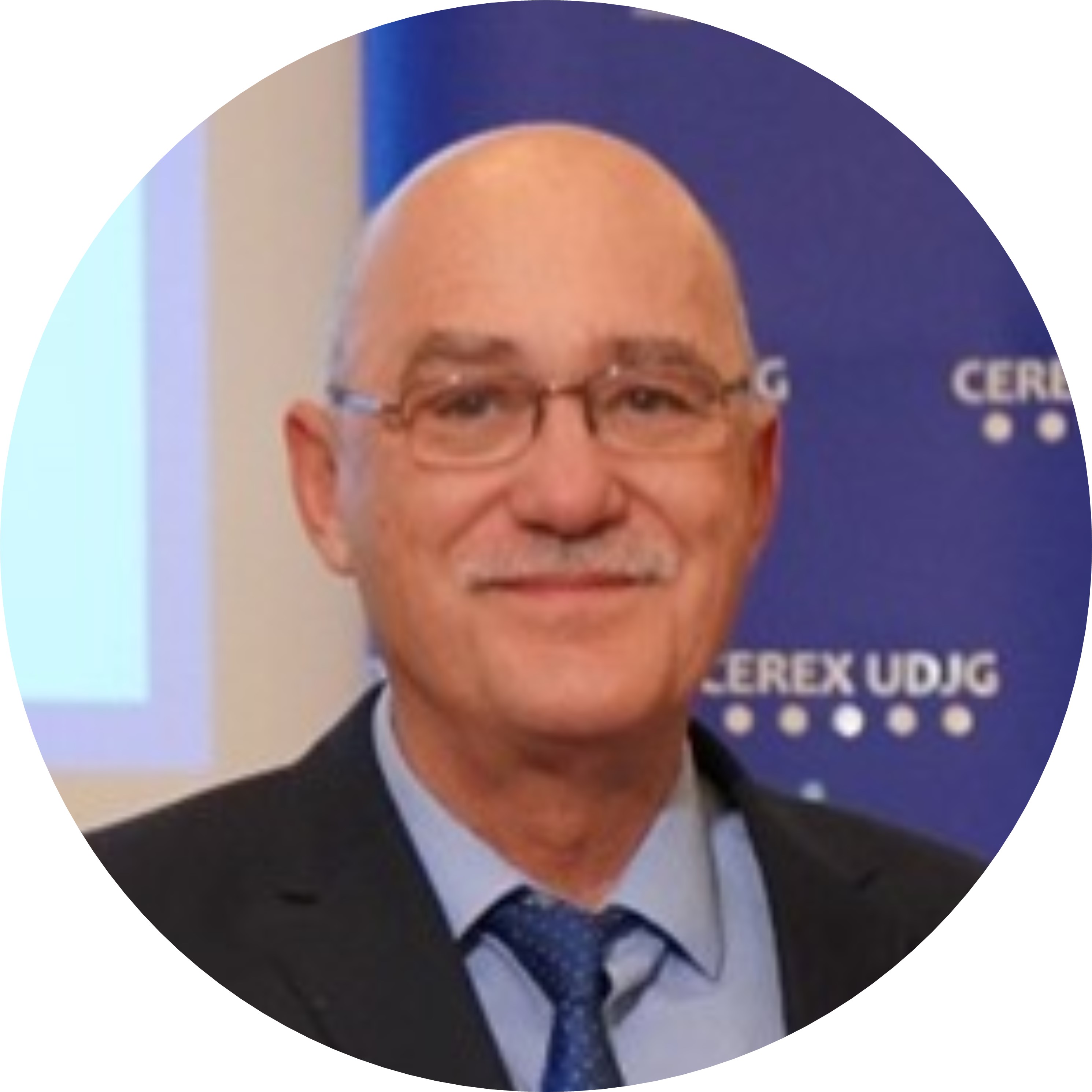
Department of Mechanical Engineering, University Dunarea de Jos of Galati, Galati, Romania;Eugen Rusu is a Professor at the Department of Mechanical Engineering, Dunărea de Jos University of Galati Romania and a Corresponding Member of the Romanian Academy since 2018. His scientific interests include renewable energy, especially offshore renewable energy, wind energy, energy policies, and energy storage and transport. Eugen Rusu published more than 200 relevant scientific works, most of them related to the subject field of energy. In 2005 Eugen Rusu worked as consulting scientist at the NATO Undersea Research Centre, La Spezia, Italy, presently the NATO Centre for Maritime Research and Experimentation. Since 2007 he is also professor (collaborator) at CENTEC - Centre for Marine Technology and Ocean Engineering, University of Lisbon, Portugal, and since 2012 he acts as an expert evaluator for the European Commission in the area of renewable energy. In 2019 Eugen Rusu was appointed reviewer by the United Nations for the 2nd World Ocean Assessment, the chapter related to offshore renewable energy, and in 2023 external reviewer for the European Marine Board, Future Science Brief 9 - European offshore renewable energy: Towards a sustainable future. Since 2024 he is member of the energy steering panel of EASAC (European Academies' Science Advisory Council).
Important Dates
25 Mar
2026
28 Apr
2026
22 Jun
2026
Meet Our Speakers
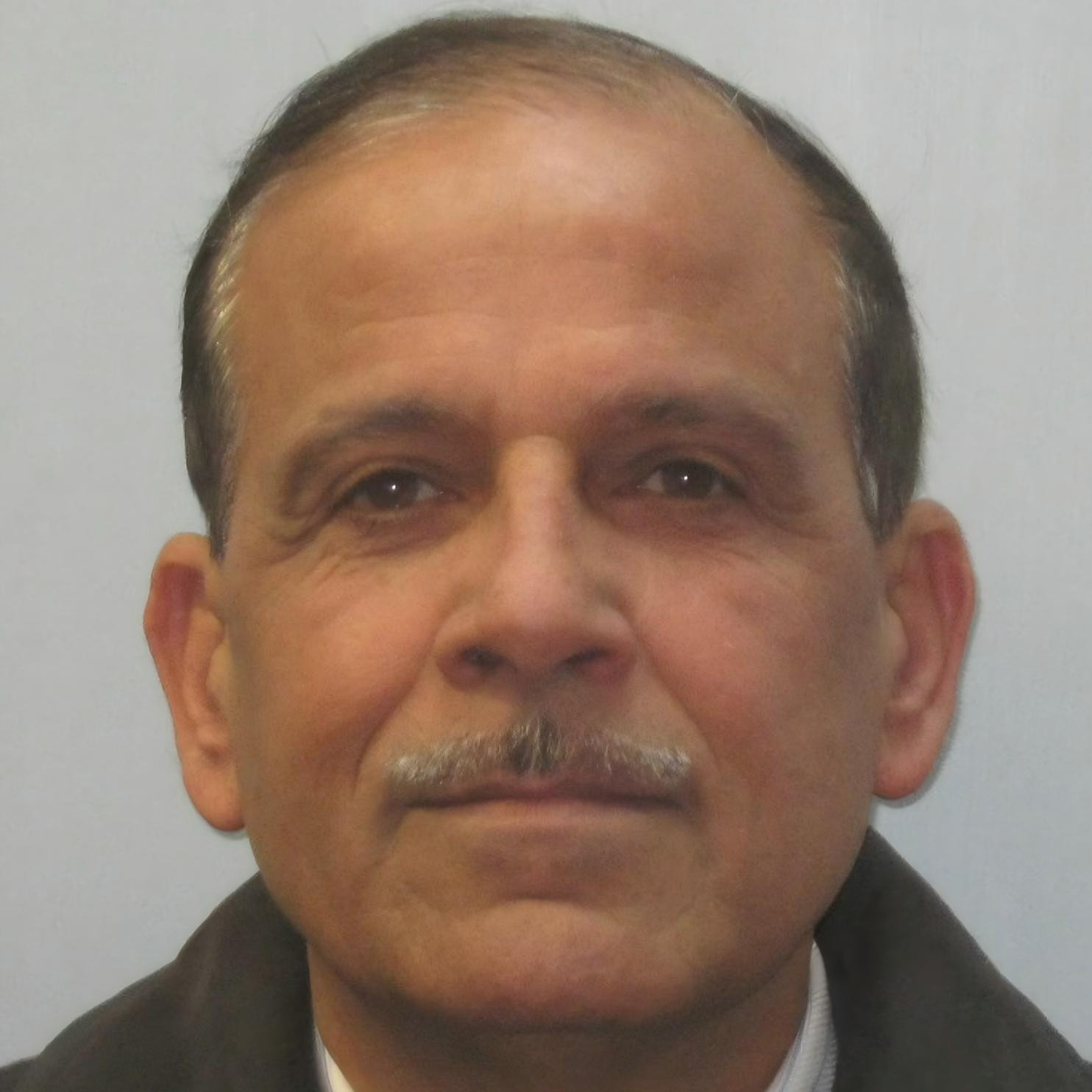
CTO, PhaseFoam Ltd, Auckland, New Zealand;Department of Chemical and Materials Engineering, The University of Auckland, Auckland, New Zealand;Mohammed Farid has been Professor of Chemical and Materials Engineering at the University of Auckland since 1997. In 2022, he has established the company PhaseFoam Ltd based on his 40 years of experience in energy storage, Mohammed is an international figure and world leader in Energy Storage and has received many international awards. He is a fellow of the Institution of Chemical Engineers and was the NZ representative of the International Association of Engineering and Food (IAEF) for more than 20 years. He has published more than 400 papers in renowned international journals and was invited to give keynote/plenary talks in major international conferences. He was successful in publishing 8 patents, 5 books and 11 chapters in books and achieved a high h-index of 83 and 29952 citations.
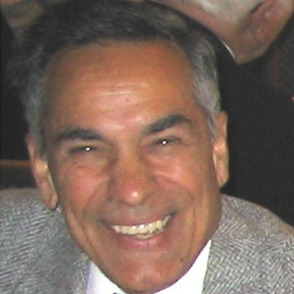
Department of Electrical and Software Engineering, University of Calgary, Calgary, Canada;Professor Om P. Malik has done pioneering work in the development of controllers for application in electric power systems and wind power generation over the past over 50 years. After extensive testing, the adaptive controllers developed by his group are now employed on large generating units. His other interests include digital protection, control of renewable power generation and micro-grids, and AI applications in power system control. Professor Malik graduated in 1952 from Delhi Polytechnic. After working for nine years in electric utilities in India, he obtained a master’s degree from Roorkee University in 1962, a Ph.D. from London University and a DIC from the Imperial College, London in 1965. He has published over 800 papers including over 425 papers in international Journals and is the coauthor of four books. He was teaching and doing research in Canada from 1966 to 1997 and continues to do research as Professor Emeritus at the University of Calgary. Over 100, including 59 Ph.D., students have graduated under his supervision. Professor Malik is a Life Fellow of IEEE, and a Fellow of IET, the Engineering Institute of Canada, Canadian Academy of Engineering, Engineers Canada, and World Innovation Foundation. He is a registered Professional Engineer in the Provinces of Alberta and Ontario, Canada, and has received many awards. He was Director, IEEE Region 7 and President, IEEE Canada during 2010-11 and President, Engineering Institute of Canada, 2014-2016.
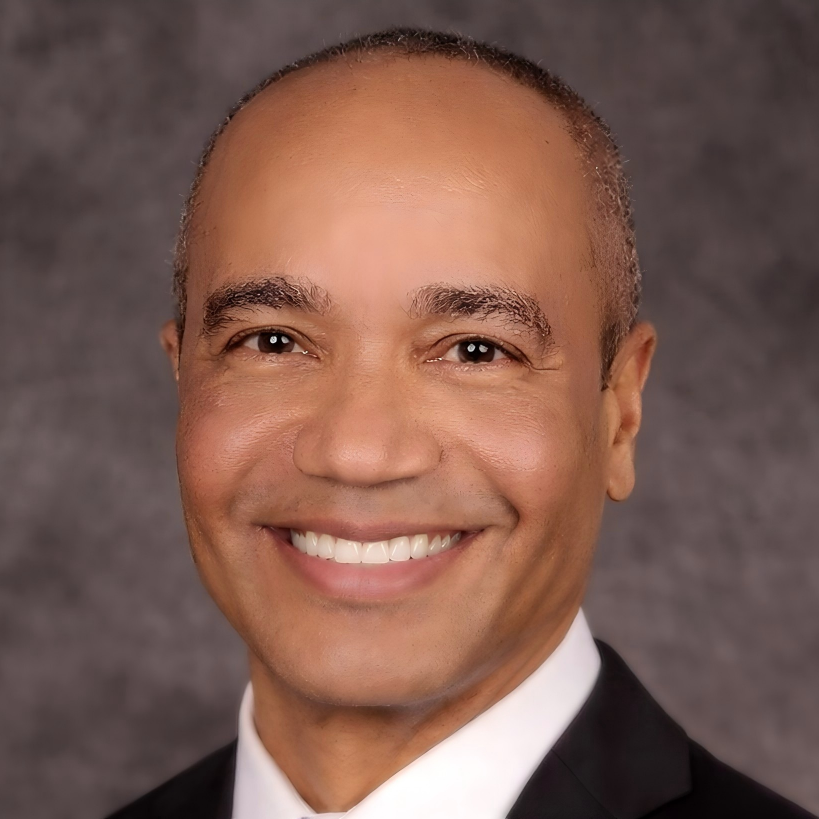
Department of Mechanical Engineering, College of Engineering and Architecture, Howard University, Washington, USA;Dr. Achille Messac received his BS, MS, and PhD in Aerospace Engineering from MIT. His leadership roles have included Dean at Howard University and Mississippi State University; Department Chair and Distinguished Professor in the Department of Aerospace Engineering at Syracuse University; and Acting Chair in the Department of Mechanical, Aerospace and Nuclear Engineering at Rensselaer Polytechnic Institute. He also served as Associate Professor at Northeastern University and as Senior Member of the Technical Staff at The Charles Stark Draper Laboratory, where he led research involving the Space Shuttle, Space Station, and related aerospace systems. Dr. Messac is a Fellow of the American Society of Mechanical Engineers (ASME), a Fellow of the American Association for the Advancement of Science (AAAS), a Fellow of the American Institute of Aeronautics and Astronautics (AIAA), and served on the AIAA Board of Trustees. He has authored more than 240 publications, including the book Optimization in Practice with MATLAB: For Engineering Students and Professionals, published by Cambridge University Press. His work has received more than 10,300 citations with an h-index of 46. He received the American Institute of Aeronautics and Astronautics Multidisciplinary Design Optimization Award, the highest honor in the field of Multidisciplinary Design Optimization. His expertise includes dynamics, structures, control, optimization, renewable energy systems, and multidisciplinary design optimization (MDO). He has also served on several national boards and received numerous honors, including the National Science Foundation CAREER Award. LinkedIn Profile: https://www.linkedin.com/in/achille-messac





|
|
The College of Electrical and Power Engineering, Taiyuan University of Technology traces its origins to 1918, when the Electrical Engineering Program was first established under the Western Studies Division of Shanxi University Hall (山西大学堂西学专斋). The College currently comprises four departments—the Department of Electrical Machines, the Department of Automation, the Department of Thermal Engineering, and the Department of Energy Network Engineering (official English title to be confirmed)—as well as the Division of Electrical Engineering Fundamentals and the Electrical and Electronic Experimental Center. At present, the College has 170 faculty and staff members, including 139 full-time academic staff, among whom 24 are doctoral supervisors. The College is home to one Member of the Chinese Academy of Sciences, two experts receiving the State Council Special Allowance, and one scholar recognized under both the National Science Fund for Distinguished Young Scholars and the Chang Jiang Scholars Program. In addition, the College has five scholars selected for the Shanxi Province Hundred Talents Program, two leading talents under the "131" Leading Talent Program of Higher Education Institutions in Shanxi Province, three Shanxi Province Academic and Technical Leaders, six Shanxi Province Distinguished Teachers, and twenty-two outstanding young and middle-aged innovative talents from higher education institutions in Shanxi Province. The College hosts a number of prestigious research platforms, including one Key Laboratory of the Ministry of Education, one Discipline Innovation and Talent Introduction Base under the Ministry of Education and the Ministry of Science and Technology (the "111 Program"), one National and Local Joint Engineering Research Center, four Key Laboratories of Shanxi Province, one Shanxi Provincial Joint Graduate Training Base for Industry-Education Integration, one National Defense Innovation Engineering Center (official English title to be confirmed), and two Shanxi Provincial Engineering Technology Research Centers. The College currently offers programs in three disciplines: a doctoral program in the first-level discipline of Electrical Engineering, a master's program in Control Science and Engineering, and a master's program in Power Engineering and Engineering Thermophysics. At present, the College has a total enrollment of 2,680 students, including 1,948 undergraduate students, 702 postgraduate students, among whom 62 are doctoral candidates, as well as 30 international students. The undergraduate programs in Electrical Engineering and Automation and Automation are both recognized as National First-Class Undergraduate Programs and have repeatedly passed engineering education accreditation. Thermal Engineering is recognized as a Shanxi Provincial First-Class Undergraduate Program. Fore more details: https://dlxy.tyut.edu.cn/English/Home.htm |