The 3rd International Online Conference on Universe
IOCU 2026 Conference Closed and Award Winners Announced - Thank You for Your Participation!
The winners of the Best Oral Presentation Awards and Best Poster Awards of IOCU 2026 have been evaluated. Please refer to the Winner Announcement section.
Click HERE for the abstract book (registrants only).
Click HERE for the poster gallery.
Accepted abstracts are eligible for publication in a Special Issue, published in the Universe journal (ISSN: 2218-1997, Impact Factor: 2.6), with a 20% discount on the publication fee. Click HERE for more details.
For any inquiries, please contact us at iocu2026@mdpi.com.
the chair
Ministero dell’Istruzione e del Merito, Bari, Italy



Important Dates
- Abstract submission deadlineDec 17, 2025
- Abstract acceptance notificationJan 12, 2026
- Registration end dateMar 01, 2026
Meet Our Speakers
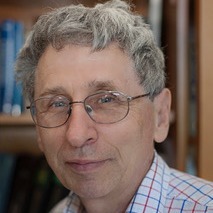
Prof. Dr. Victor Flambaum
School of Physics, University of New South Wales, Australia;
Flambaum has produced 576 publications in atomic, nuclear, particle, molecular, condensed matter, statistical physics, astrophysics and general relativity. He started his scientific career at the Institute of Nuclear Physics, Novosibirsk, Russia, where he attained his PhD and Doctor of Science degrees and appointed as a Junior, then promoted to Senior and Leading Scientist. Simultaneously, he was appointed at the Novosibirsk University as an Assistant, Docent, then Professor. Since 1991 Flambaum is Professor of Theoretical physics at University of New South Wales, Sydney, Australia.
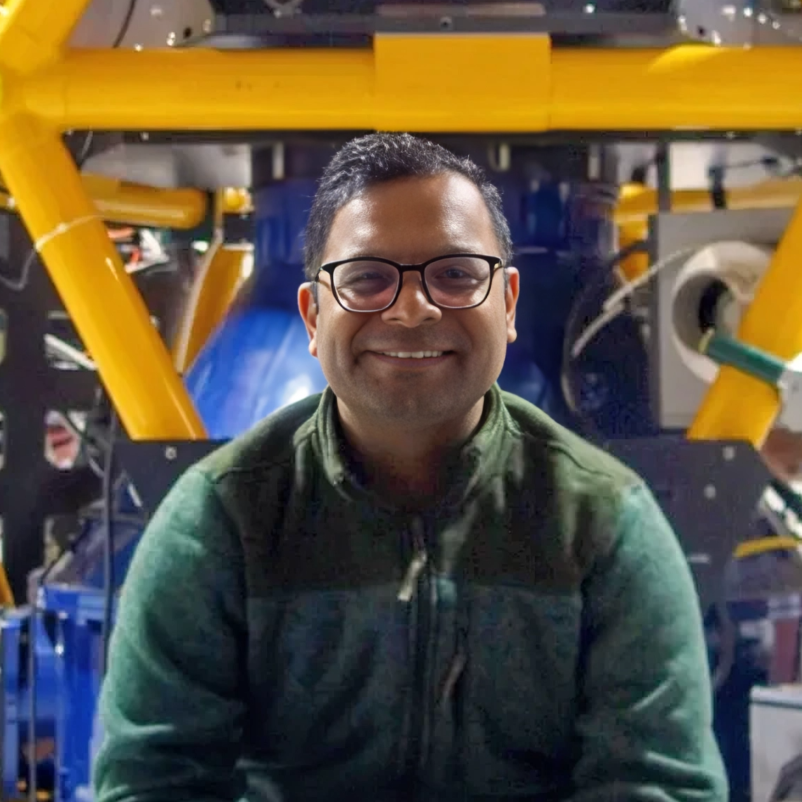
Dr. Swayamtrupta Panda
International Gemini Observatory, NSF NOIRLab, Chile;
Dr. Swayamtrupta Panda is a Science Fellow at the International Gemini Observatory (NSF NOIRLab) in La Serena, Chile, where he works with facility instruments and supports time-domain and spectroscopic follow-up programs for the Rubin Observatory and DESI/DESI-II. His research focuses on accreting supermassive black holes and the physics of the accretion disk and broad-line region in active galaxies, combining optical and infrared spectroscopy with photoionization modeling. He completed his PhD with distinction (2021) from the Center for Theoretical Physics (Warsaw, Poland), and has held prize postdoctoral research positions in China (KIAA/PKU) and Brazil (LNA). Dr. Panda is a full member of the Rubin Observatory LSST AGN Science Collaboration and actively contributes to the Dark Energy Spectroscopic Instrument (DESI) and multiple other collaborations.
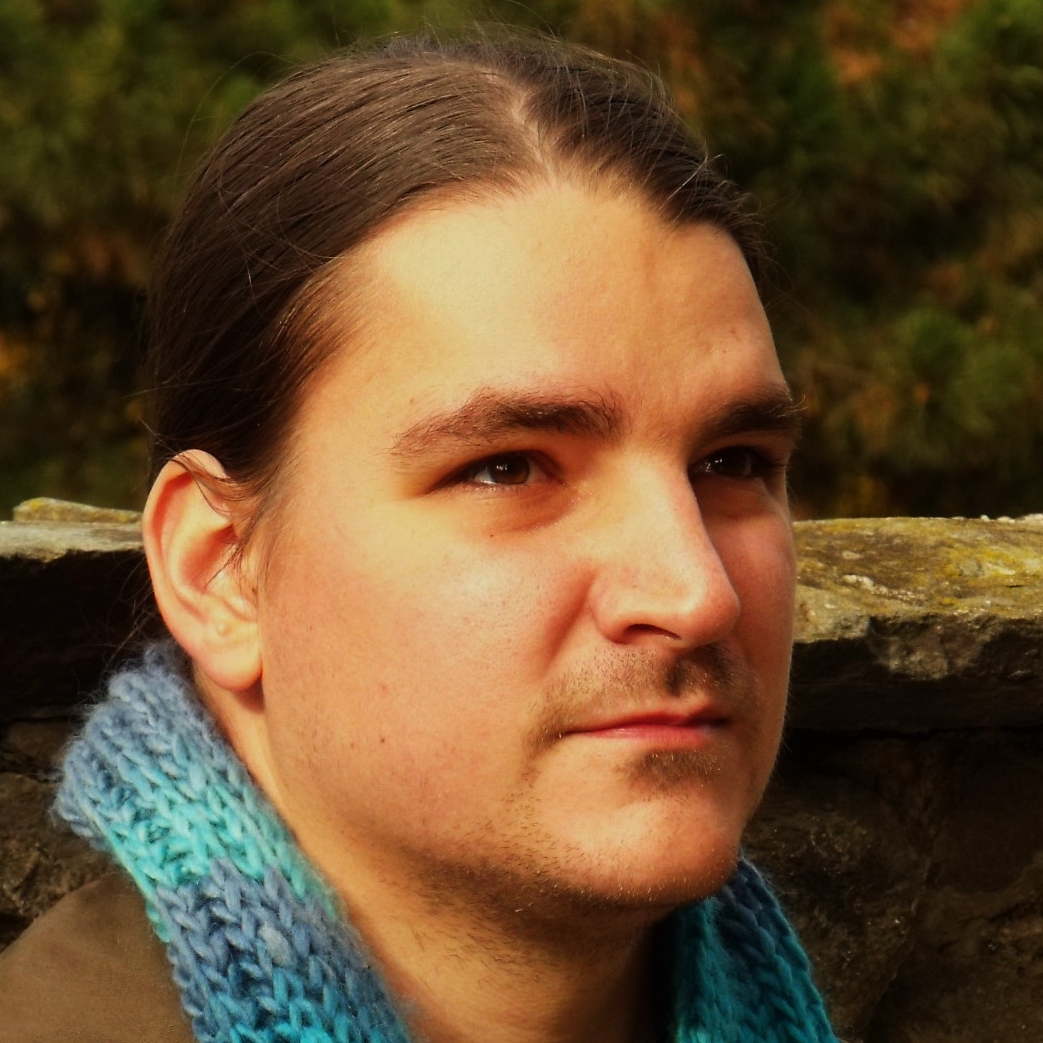
Dr. Sándor Lökös
Institute for Nuclear Physics, Polish Academy of Sciences, Poland, Hungarian University for Life Sciences, Hungary;
I started my research on the filed of relativistic hydro modelling of QGP that is created in heavy ion collisions. Later I have joined the PHENIX Collaboration and performed Levy-type of HBT analysis. Recentl, I joined the ALICE Collaboration where I investigated quantum effects in the initial state.

Prof. Dr. Carl Bender
Physics Department, Washington University in Saint Louis, USA;
Carl M. Bender is the Wilfred R and Ann Lee Konneker Distinguished Professor Emeritus of Physics at Washington University in St. Louis. He received his AB from Cornell and his PhD from Harvard. Before coming to Washington University, he was a member of the Institute for Advanced Study in Princeton and an Assistant and Associate Professor at MIT. At Washington University his research was supported by continuing grants from the US Department of Energy. He received Research Fellowship awards from the Sloan, Fulbright, Guggenheim, Lady Davis (Israel), Leverhulme (UK), Rockefeller, and von Humboldt (Germany) Foundations, the Los Alamos National Laboratory (Ulam), Particle Physics and Astronomy Research Council (UK), and the Engineering and Physical Sciences Research Council (UK). He is a Fellow of the American Physical Society and the UK Institute of Physics. In 2017 he was awarded the Dannie Heineman Prize in Mathematical Physics and in 2025 he was elected to the American Academy of Arts & Sciences.
Prof. Dr. Renxin Xu
School of Physics, Peking University, China;
The study of gravity-compressed baryonic matter, produced after supernovae of massive evolved stars, is one of the central topics of multi-messenger astronomy. In contrast to the conventional view of neutron stars, Renxin Xu proposed that the remnant left behind after supernovae should be strangeon stars.
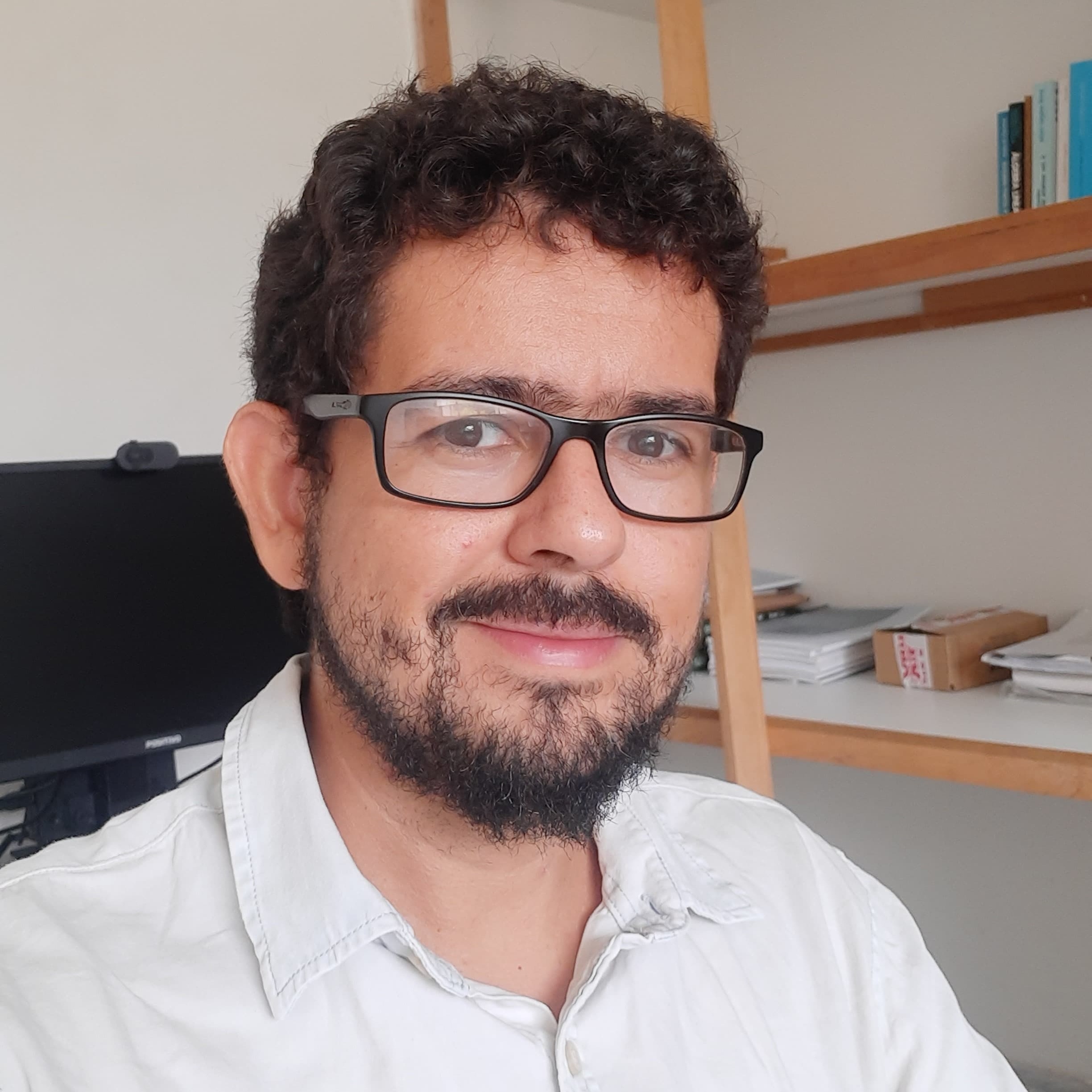
Dr. Iarley P. Lobo
Physics Department, Federal University of Paraíba, Brazil;
Iarley P. Lobo earned his PhD from Sapienza University of Rome in 2017 and is an associate professor at the Federal University of Paraíba in Brazil. His research focuses on quantum gravity phenomenology, particularly the deformation and violation of Lorentz symmetry and their signatures in UV and IR physics. Additional interests include black hole physics and cosmology in modified gravity. He leads the Quantum Gravity Phenomenology group in his department.
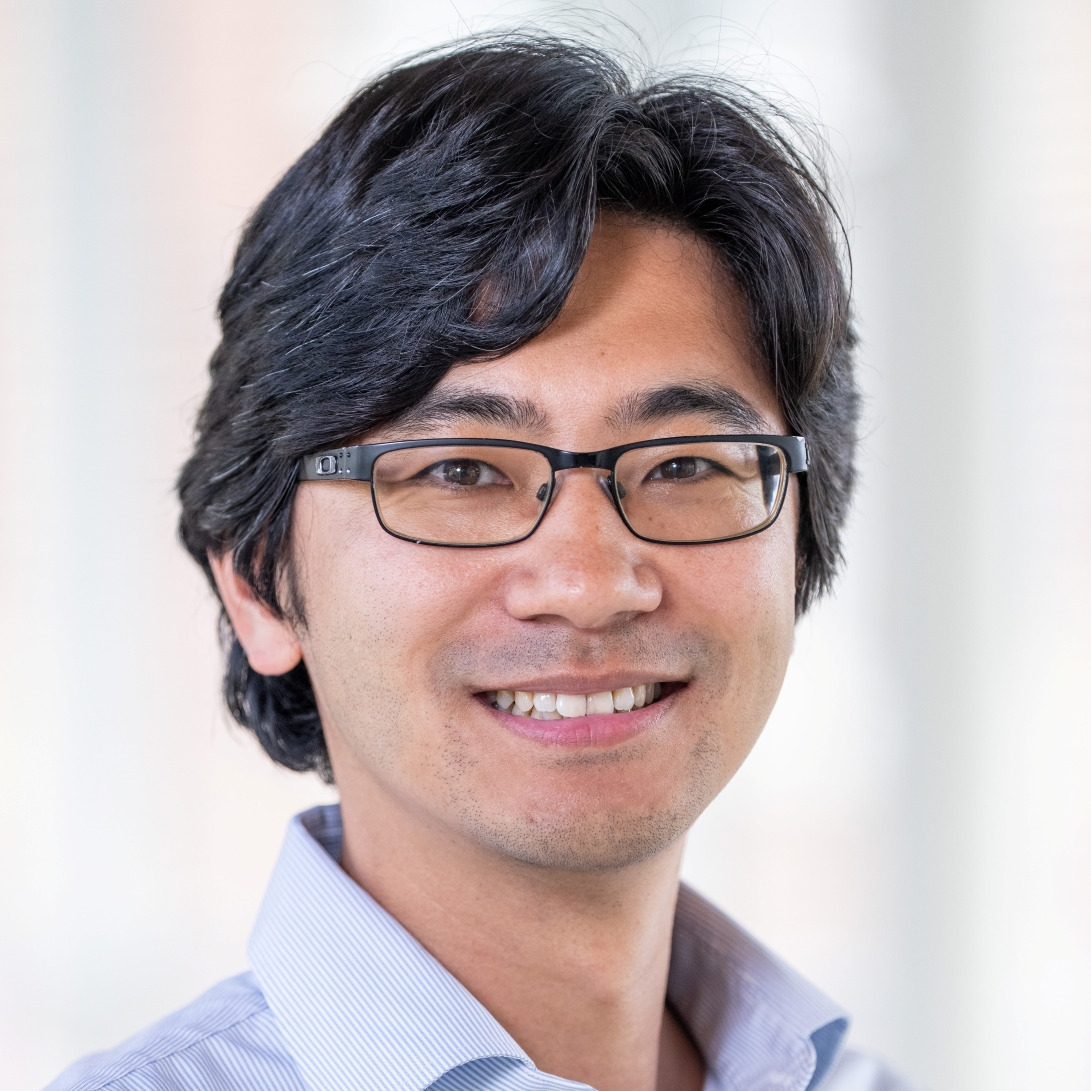
Dr. Kent Yagi
Department of Physics, University of Virginia, USA;
Yagi’s research explores strong-field gravity and the physics of dense matter through gravitational-wave and multimessenger astronomy. He earned his PhD from Kyoto University in 2012, followed by postdoctoral appointments at Montana State University and Princeton University. He joined the University of Virginia faculty in 2017. His work has been recognized with several honors, including the Sloan Research Fellowship, the IUPAP Young Scientist Prize, and an NSF CAREER Award.
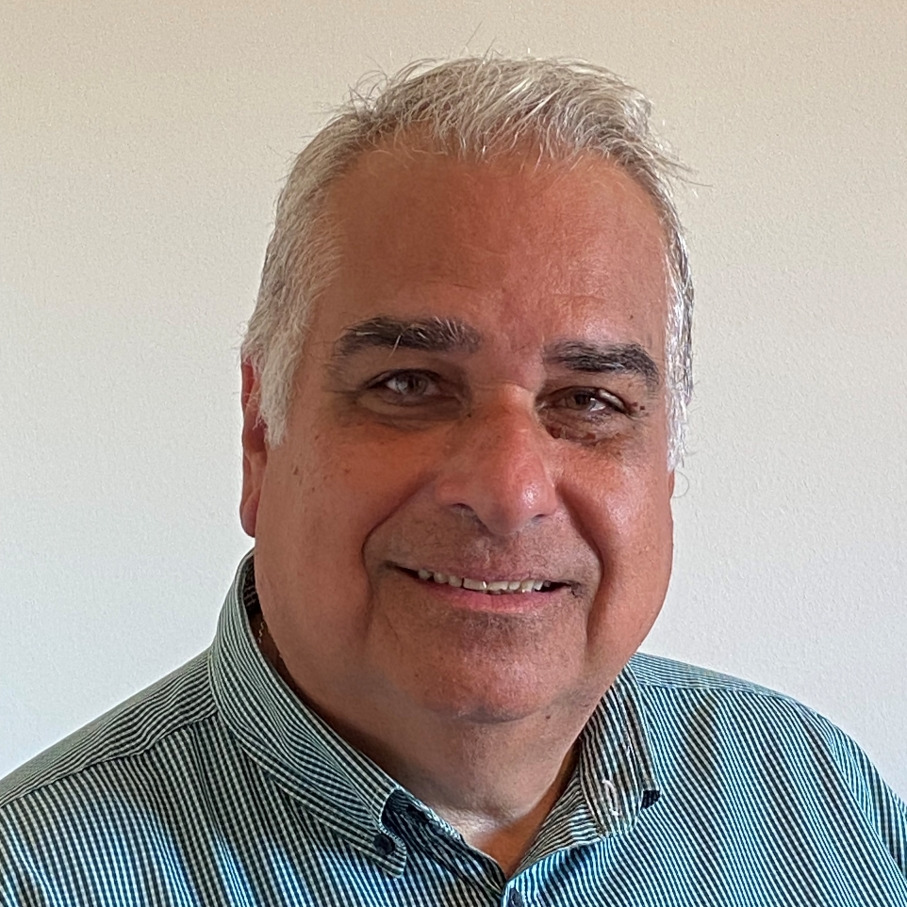
Prof. Dr. Nick E. Mavromatos
Physics Department, King’s College London, UK, Physics Division, School of Applied Mathematical and Physical Sciences, National Technical University of Athens, Greece;
BSc from Athens University with 1st Class Hons, D Phil from oxford University. I am a theoretical Particle Physicist, with expertise on Quantum Field Theories beyond the Standard Model, in both flat and curved spacetimes, with applications to Cosmology and Astroparticle Physics, General Relativity and Black-Hole Physics, and Quantum-Gravity Phenomenology. I am the recipient of the 2023 IOP John William Strutt, Lord Rayleigh Medal and Prize, for fundamental contributions to theoretical physics, especially the suggestion of quantum gravity-induced modifications of the vacuum optical properties, a proposition that led to a new arena of theoretical and experimental investigation.
Dr. Silvia Toonen
Anton Pannekoek Institute for Astronomy, University of Amsterdam, The Netherlands;
Silvia Toonen is a Dutch astrophysicist and associate professor at the Anton Pannekoek Institute for Astronomy in Amsterdam. She previously held an assistant professorship at the Institute for Gravitational Wave Astronomy in Birmingham and has been awarded both the Veni and Vidi fellowships.
Toonen studies how stars live and evolve, particularly in systems with close companions. She is an expert in modelling the complex interactions that can give rise to spectacular cosmic events, such as electromagnetic transients and gravitational-wave signals. In addition to her work on stellar binaries, she has pioneered research into the evolution of triple star systems, opening up a new frontier in our understanding of the dynamic lives of stars.

Prof. Dr. Andrea Addazi
Center for Theoretical Physics, College of Physics Science and Technology, Sichuan University, China;
Andrea Addazi is a Tenured Associate Professor of Physics at Sichuan University and an Associate Researcher at INFN LNF. His expertise in theoretical particle physics, cosmology, and quantum gravity is demonstrated by his authorship of more than 120 peer-reviewed journal articles. His work has been recognized with prestigious awards, including the Sichuan Talent Program, the Tianfu Talent Program, and grants from the National Science Foundation of China.
Dr. Adrià Gómez-Valent
Institute of Cosmos Sciences of the University of Barcelona, Spain;
Dr. Gómez-Valent completed his PhD at the University of Barcelona and subsequently held postdoctoral positions at the Institute for Theoretical Physics in Heidelberg and at the INFN section of the University of Rome Tor Vergata. He is currently a Junior Leader ‘la Caixa’ Postdoctoral Fellow at the Institute of Cosmos Sciences of the University of Barcelona, and will soon take up a Ramón y Cajal Fellowship at the same institution. His research focuses on dynamical dark energy and modified gravity theories, as well as on constraining these models using a wide range of available observations, particularly in relation to current cosmological tensions. He has also worked on the application of model-agnostic methods to extract information from cosmological data while minimizing model-dependent assumptions, on improving the interpretation of cosmological fitting analyses, and on achieving a better characterization of the large-scale structure of the Universe.
Prof. Dr. Saibal Ray
Centre for Cosmology, Astrophysics and Space Science (CCASS), GLA University, India;
Graduated (physics) from IIT, Kharagpur and PhD (mathematics) from Jadavpur University, India Prof. Ray working on astronomy, astrophysics, cosmology as well as history and philosophy of science. He has supervised a dozen PhD students and has published around 250 research papers in internationally reputed journals. Prof. Ray is in the List of 2% World Ranking scientists from 2020 in Theoretical Astrophysics based on the survey by Stanford University.
Prof. Dr. Sergey Rubin
Moscow Engineering Physics Institute, National Research Nuclear University MEPhI, Russia, N. I. Lobachevsky Institute of Mathematics and Mechanics, Kazan Federal University, Russia;
Prof. Dr. Konstantin Zioutas
Physics Department, University of Patras, Greece, CERN, Switzerland;
Since 1999 CAST spokesperson at CERN. Interdisciplinary work of: solid, nuclear, particle, acceleration and dark matter(DM) physics. Two Proposals in bio-medicine with new results inspired by DM; my first bio-paper in PLB (1990) with title: " EVIDENCE OF DARK MATTER FROM BIOLOGICAL OBSERVATIONS". Work on the OPEN ACCESS initiative supported by CERN. (Co-)organizer of the international PATRAS WORKSHOP on dark matter since 2005. On my papers with INSPIRE: https://inspirehep.net/authors/981986?ui-citation-summary=true
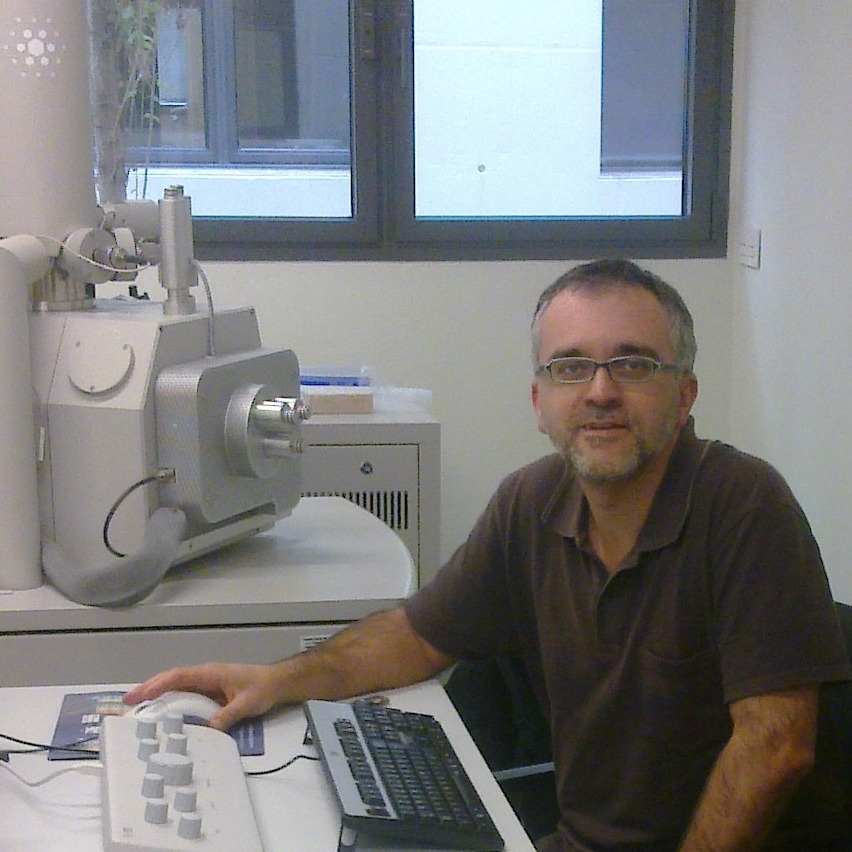
Prof. Dr. Josep Maria Trigo-Rodríguez
Institute of Space Sciences (CSIC/IEEC), UAB, Catalonia, Spain;
Prof. Trigo-Rodriguez leads laboratory and remote sensing studies on the structure of asteroids and comets, the study of their fragments in space (meteoroids), and as surviving rocks arrived to the Earth's surface (meteorites). The study of meteorites and returned materials provide complementary ways to gain insight on the compositional, reflective, mechanical and physical properties of these challenging bodies.

Prof. Dr. Arman Shafieloo
Korea Astronomy and Space Science Institute (KASI), Republic of Korea, University of Science and Technology (UST), Republic of Korea;
Prof. Shafieloo works on advanced and innovative statistical methods of data analysis to robustly compare theory and observations. His focus is predominantly on investigating important areas in astrophysics and cosmology from the nature of the primordial seeds of structure to the current cosmic acceleration.
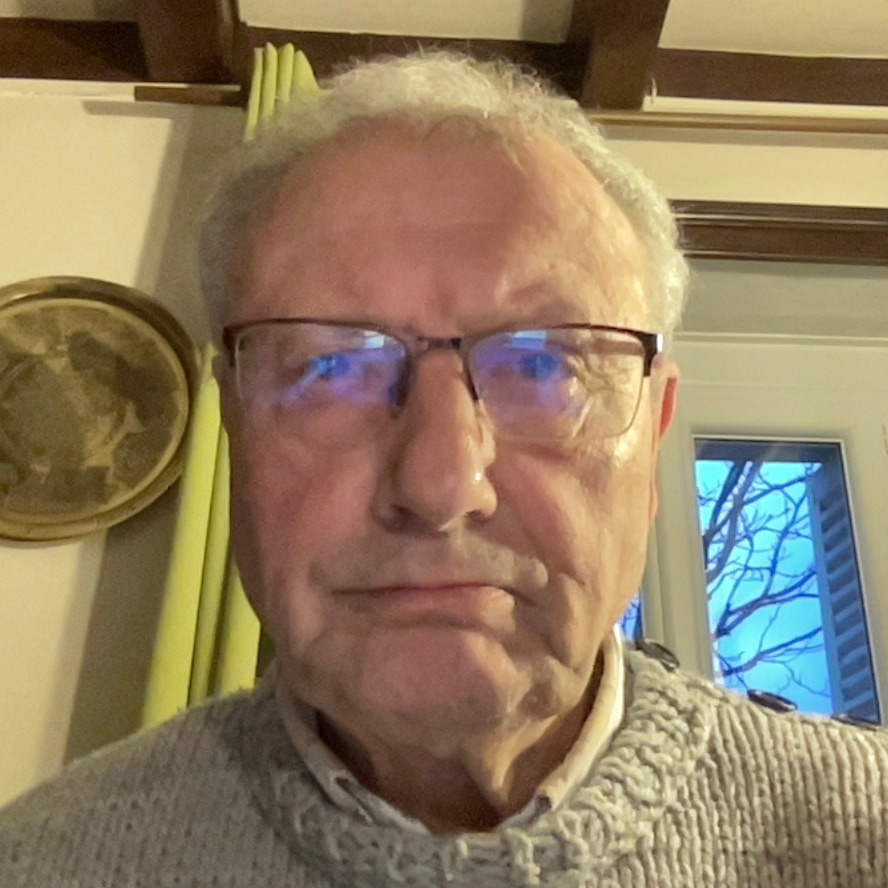
Prof. Dr. Jean-Pierre Gazeau
Université Paris Cité, CNRS, Astroparticule et Cosmologie, France, Faculty of Mathematics, University of Bialystok, Poland;
Jean-Pierre Gazeau is Emeritus Professor of Physics at Université Paris Cité and Invited Professor at the University of Białystok, Poland. A leading authority in theoretical and mathematical physics, he has contributed for over five decades to coherent states, group representations, quantization, aperiodic systems (quasicrystals), and quantum field theory in curved spacetime. Author of more than 250 publications and several reference monographs, he has held visiting positions at UCLA, Université de Louvain-la-Neuve, and the Centro Brasileiro de Pesquisas Físicas. His research and teaching, spanning all continents, reflect a unique combination of mathematical rigor and global scientific engagement.
Prof. Dr. Konstantin Belotsky
National Research Nuclear University MEPhI, Russia;
I graduated from the National Research Nuclear University MEPhI in 1997, studying in the Department of Particle Physics. Since then, I've always been involved in research. My research interests include dark matter physics, cosmic rays, particle physics, and primordial black holes.
- S1. Gravitation and Cosmology
- S2. Quantum Gravity and Field Theory
- S3. High Energy Nuclear and Particle Physics
- S4. Foundations of Quantum Mechanics
- S5. Space and Planetary Sciences







|
ID |
Title |
Authors |
|
sciforum-161902 |
Barrow Entropy and Quantum-Induced Fractality of Black Hole Horizons |
Ritabrata Biswas |
|
sciforum-163953 |
Apsidal motion in binaries: probing the interiors of stars using tides |
Sophie Rosu |
|
ID |
Title |
Authors |
|
sciforum-158743 |
Deliquescence probability under varying dust and climate conditions on present-day Mars |
Bernadett D. Pál |
|
sciforum-163618 |
The 'forgotten' neutrons: implications for the propagation of high-energy cosmic rays in magnetized astrophysical and cosmological structures |
Qin Han, Ellis Richard Owen, Kinwah Wu, Yoshiyuki Inoue, Tatsuki Fujiwara, Hayden Ng |
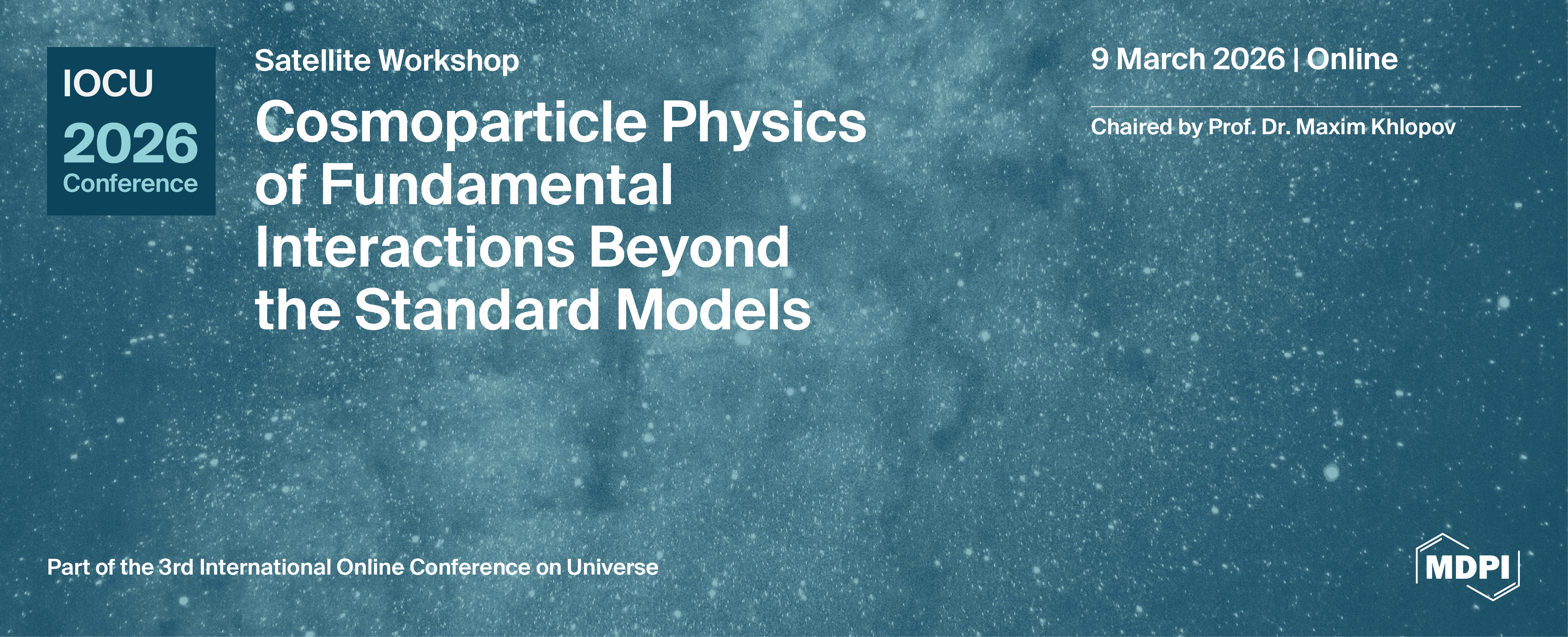
The Satellite Workshop "Cosmoparticle Physics of Fundamental Interactions Beyond the Standard Models" will feature extended talks from invited speakers, along with selected contributions from Session 8: Cosmology and Particle Physics of IOCU 2026. The workshop will be held on the Zoom platform on Monday, 9 March 2026 (after the main conference dates). A detailed program of the workshop is available here.
The aim of this workshop is to consider various aspects of physical, astrophysical, and cosmological manifestations of the theory of fundamental interactions beyond standard models (BSM, including modified gravity and extradimensions) with special emphasis on the possibilities to search for evidence for messengers of cosmological scenarios based on BSM physics by means of multi-messenger astronomy. The list of such messengers includes but is not limited to gravitational waves, multicomponent dark matter, decaying dark matter, primordial black holes, antimatter in baryon asymmetrical Universe.
Chair of the Satellite Workshop: Prof. Dr. Maxim Khlopov (Virtual Institute of Astroparticle Physics, France)
Invited Speakers:
- Prof. Dr. Victor Flambaum (University of New South Wales, Australia)
- Prof. Dr. Andrea Addazi (Sichuan University, China)
- Prof. Dr. Sergey Rubin (National Research Nuclear University MEPhI and Kazan Federal University, Russia)
- Prof. Dr. Saibal Ray (GLA University, India)
- Prof. Dr. Konstantin Zioutas (University of Patras, Greece)
- Prof. Dr. Konstantin Belotsky (National Research Nuclear University MEPhI and Novosibirsk State University, Russia)
IOCU 2026 | Day 1
Session 8: Cosmology and Particle Physics
Session 1: Gravitation and Cosmology
Session 1: Gravitation and Cosmology
IOCU 2026 | Day 2
Session 7: Solar and Stellar Physics
Session 5: Space and Planetary Sciences
Session 6: Galaxies, Clusters and Compact Objects
IOCU 2026 | Day 3
Session 3: High Energy Nuclear and Particle Physics
S2. Quantum Gravity and Field Theory
S4. Foundations of Quantum Mechanics
IOCU 2026 | Satellite Workshop
Part 1
Part 2
Ms. Coco Hou
Email: iocu2026@mdpi.com