Please login first

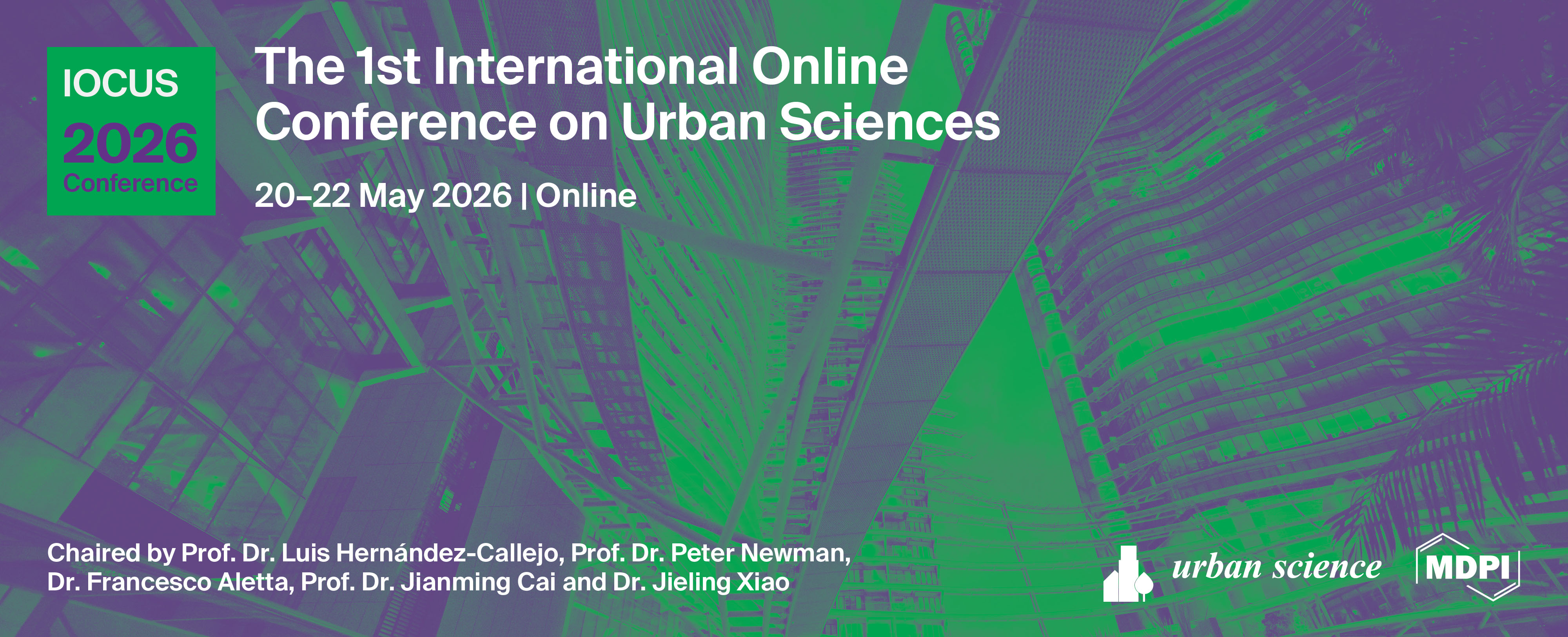
The 1st International Online Conference on Urban Sciences

Part of the International Online Conference on Urban Sciences series
20–22 May 2026
Event's Timezone: Central European Summer Time
Abstract Submission Deadline
2 March 2026
Abstract Acceptance Notification
30 March 2026

Registration Deadline
18 May 2026

Urban Science, Urban Planning, Urban Environment, Urban Economy, Urban Resource Management, Urban Resilience, Urbanization
Bookmark
Bookmark event Remove event from bookmarks
Add this event to bookmarks
Event Registration Contact Us Become a Sponsor

Registrations are Open till 18 May 2026. Register for Free HERE.


We will notify you about your abstract presentation type by 8 May.
Please check your email frequently to avoid missing notifications. Thank you for your patience.

For any inquiries, please contact us at

Welcome from the Chairs

We are thrilled to extend a warm welcome to you for the upcoming 1st International Online Conference on Urban Sciences (IOCUS 2026), proudly sponsored by the MDPI open access journal Urban Science (ISSN 2413-8851; IF: 2.9).

This conference offers a platform for scholars, researchers, and experts in the field of urban science to come together, exchange ideas, and showcase cutting-edge research. The conference will cover a wide range of topics in urban science, including, but not limited to, the following:

S1. Urban Planning and Design;
S2. Urban Environments and Sustainability;
S3. Urban Economies and Resource Management;
S4. Urban Mobility and Transportation;
S5. Urban Resilience and Adaptation;
S6. Urbanization and Social Development.

The event will take place virtually on Sciforum.net, a platform developed and sponsored by MDPI to organize and provide technical support for electronic conferences. The virtual format offers the distinct advantage of eliminating the need for travel and its associated expenses, allowing you to engage in quick and direct exchanges regarding the latest research findings and innovative ideas.

We would like to express our sincere gratitude for your unwavering support and participation!

Thank you for joining us on this journey of discovery and innovation in urban science.

Kind regards,
Prof. Dr. Luis Hernández-Callejo
University of Valladolid, Campus Duques de Soria, Soria, Spain
Prof. Dr. Peter Newman
Curtin University, Perth, Australia
Prof. Dr. Francesco Aletta
University College London, London, UK
Prof. Dr. Jianming Cai
Chinese Academy of Sciences, Beijing, China
Dr. Jieling Xiao

Birmingham City University, Birmingham, UK

Follow the conference organizer on Social Media

Program Overview

20 May
21 May
22 May
Morning - 09:00 AM CEST
Session 1. Urban Planning and Design
Session 5. Urban Resilience and Adaptation
Session 2. Urban Environments and Sustainability
Afternoon - 14:00 PM CEST
Afternoon - 13:00 PM CEST
Afternoon - 14:00 PM CEST
Session 4. Urban Mobility and Transportation
Session 6. Urbanization and Social Development
Session 2. Urban Environments and Sustainability
Session 3. Urban Economies and Resource Management

Event Chairs

Department of Agricultural and Forestry Engineering, University of Valladolid, Campus Duques de Soria, Soria, Spain

Introduction
Bio
Luis Hernández-Callejo received the degree in electrical engineering from the University of Valladolid in 1996, the degree in computer engineering and the master's degree in communication, network, and content management from European Higher Education from UNED University in 2004 and 2011, respectively, and the Ph.D. degree in telecommunications engineering from the University of Valladolid in 2014. He is currently a Professor/Researcher with the University of Valladolid. His research interests include renewable energy, microgrids, smart grids, smart metering, and artificial intelligence.
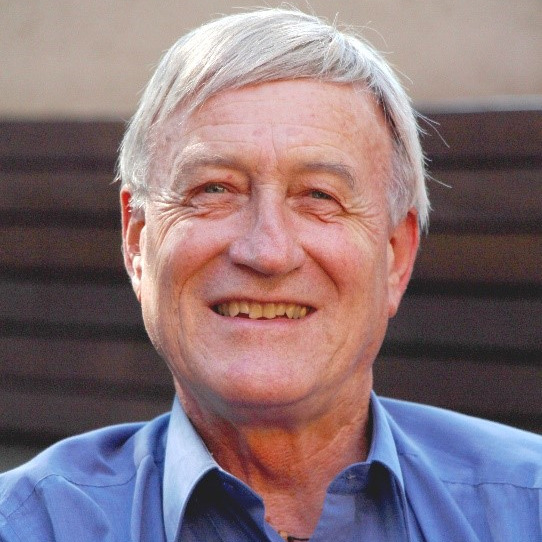
Curtin University Sustainability Policy (CUSP) Institute, Curtin University, Perth, Australia

Introduction
Bio
Peter Newman is an environmental scientist and the Professor of Sustainability at Curtin University in Perth, Australia. Peter has written 23 books and over 400 papers on sustainable cities and has worked to deliver his ideas in all levels of government, having been an elected councillor, seconded to advise three Premiers and on the Board of Infrastructure Australia 2008-14. He is the Co-ordinating Lead Author for the UN’s IPCC on Transport. In 2014, he was awarded an Order of Australia for his contributions to urban design and sustainable transport. In 2018/19, he was the WA Scientist of the Year.

UCL Institute for Environmental Design and Engineering, Bartlett School of Environment, Energy and Resources, University College London, London, UK

Introduction
Bio
Dr. Francesco Aletta is a Lecturer in Building Physics and Soundscape at University College London. He earned his Master’s degree in Architecture (2010) and PhD in Environmental Design (2014) from the University of Campania “Luigi Vanvitelli” (formerly known as the Second University of Naples). In 2013, he joined the Acoustics Group of the School of Architecture at the University of Sheffield as a Research Associate to work on developing soundscape methods within the EU-funded network “SONORUS”. He moved to Belgium in 2016 to work as a post-doctoral researcher at the WAVES Group, in the Department of Information Technology of Ghent University. There, he collaborated on several projects, including AcustiCare and C3Places, relating to both soundscapes and public spaces. He was a visiting lecturer at Birmingham City University and the Polytechnic Institute of Turin in Italy, teaching about environmental acoustics and soundscapes at both undergraduate and postgraduate levels. In 2018, he joined UCL IEDE as a Research Associate to work with Prof. Jian Kang on the Soundscape Indices project, funded by the ERC Advanced Grant scheme.
Institute of Geographic Sciences and Natural Resources Research, Chinese Academy of Sciences, Beijing, China

Introduction
Bio
Dr. Jianming CAI is a full professor at the Beijing Institute of Geographical Sciences and Natural Resources Research (IGSNRR), Chinese Academy of Sciences (CAS), and got his Ph.D. from the University of Hong Kong. He is author and co-author of more than twenty books in Chinese and one book in English as co-editor, entitled as Towards Socially Integrative Cities--Perspectives on Urban Sustainability in Europe and China. He has published more than 170 papers so far in academic journals since 1990, both in Chinese and English, as well as many consultant reports, including the reports for World Bank, ADB, Lincoln Institute and Shui On Land. He frequently serves as a senior consultant or expert on urbanization, regional development, urban agriculture and food security issues to both international agencies such as the World Bank, IDRC, DGIS, GTZ, Lincoln Institute and Chinese Government Ministries such as the National Development and Reform Commission, the Ministry of Housing and Urban-Rural Construction and the Ministry of Civil Affairs, local governments and private sector (e.g. the Shui On Corporation). His current research focuses on sustainable urban development and spatial restructuring of China’s large cities with an emphasis on peri-urban development dynamics and metropolitan governance, as well as urban agriculture,agro-tourism and rural revitalization.

School of Architecture and Design, Birmingham City University, Birmingham, UK

Introduction
Bio
Dr. Jieling Xiao is a Reader in Architecture and Sensory Environments at the College of Architecture, Birmingham City University, UK. She co-leads the Urban Cultures research cluster. Her expertise lies in the theories and creative practices of place-making and environmental design that interpret and play with people’s sensory experiences, particularly in relation to soundscapes and smellscapes. She has led a Research Topic in Frontiers on “Smells, wellbeing and the built environment” and co-edited a handbook of research called “Perception Driven Approaches to Urban Assessment and Design”. Most recently, she has organised a symposium on “Inclusive Design with Multi-senses”, which looks at sensory sustainability and addresses the climate crisis and the impacts of the COVID-19 pandemic on communities. Jieling is interested in the new opportunities brought about by the challenges of climate change, the activist's approach to bringing ambience into design practice, and innovating using vernacular knowledge and artistic interventions.

Session Chairs

Prof. Dr. Sergio Nesmachnow

Instituto de Computación, Facultad de Ingeniería, Universidad de la República, Montevideo, Uruguay

Prof. Dr. Vanessa de Almeida Guimarães

Federal University of Rio de Janeiro, Rio de Janeiro, Brazil

Prof. Dr. Gang Xu

School of Resource and Environmental Sciences, Wuhan University, Wuhan, China

Prof. Dr. Lori Pennington-Gray

SmartState Center for Economic Excellence in Tourism and Economic Development, College of Hospitality, Retail and Sport Management, University of South Carolina, Columbia, SC, USA

Prof. Dr. Eusébio Z. E. Conceição

Faculty of Science and Technology, University of Algarve, Faro, Portugal

Prof. Dr. Peter Newman

Curtin University Sustainability Policy (CUSP) Institute, Curtin University, Perth, Australia

Dr. Teodoro Georgiadis

Institute of the Bioeconomy Italian National Research Council (IBE-CNR), Bologna, Italy

Prof. Dr. Bernhard Müller

School of Architecture and Design, China University of Mining and Technology (CUMT), Xuzhou, China

Keynote Speaker

Department of Land Surveying and Geo-Informatics, The Hong Kong Polytechnic University, Hong Kong, China

Introduction
Bio
Qihao Weng, a Foreign Member of The Academy of Europe (Academia Europaea), is currently a Chair Professor at the Hong Kong Polytechnic University, and worked as the Director of the Center for Urban and Environmental Change and a Professor of Geography at Indiana State University, 2001-2021, and a Senior Fellow at the National Aeronautics and Space Administration from 2008 to 2009. He received his Ph.D. degree in geography from the University of Georgia in 1999. Weng is the Lead of GEO Global Urban Observation and Information Initiative, 2012-2022, and an Editor-in-Chief of ISPRS Journal of Photogrammetry and Remote Sensing.

Research Keywords
remote sensing; GIS; land use and land cover change; urban environment and ecosystem

Invited Speakers

College of Hospitality, Retail and Sport Management, University of South Carolina, Columbia, SC, USA

Introduction
Bio
Lori Pennington-Gray is a leader in tourism crisis management. She currently is the director of the Richardson Family SmartState Center for Economic Excellence in Tourism and Economic Development. She has a strong commitment to enhancing the industry and aiding in strategic policy decisions. Pennington-Gray's work converts research into practice. She has experience working with a variety of stakeholders from the public and private sector to non-government and community-based organizations. Much of her work has been featured by top media outlets such as the New York Times.
Research Keywords
Tourism crisis management, Destination resilience, Crisis preparedness, Stakeholder networks, Visitor assistance programs and incident management, Safety climate and perceptions of safety, Destination management and marketing

Department of Architecture Engineering, The British University in Egypt, Egypt

Introduction
Talk
Spatially Enabled Environmental Impact Assessment Using AI and GIS
Bio
"Dr. Walaa Salah Eldeen Ismaeel is an Associate Professor of Architectural Engineering and Environmental Design at the British University in Egypt. She holds a PhD in Sustainable Building Engineering from Politecnico di Milano, Italy, and a Master’s degree with distinction in Landscape Design and Environmental Urban Planning from the Scuola Superiore di Catania. Her academic and professional work focuses on sustainable building design, environmental assessment, climate-responsive architecture, and digital tools for sustainability in the built environment. She is a LEED Accredited Professional and an active researcher with an extensive portfolio of journal publications, conference papers, and book chapters addressing topics such as indoor environmental quality, life-cycle assessment, sustainable materials, urban resilience, and green building systems. Dr. Ismaeel has received several research awards, including the BUE High-Impact Researcher Award, the Mohamed Farid Khamis Research Excellence Award for SDG13 Climate Action, and the National Women’s Encouragement Award in Water, Energy, and Environmental Sciences. Her work is supported by international grants and collaborations, including projects funded by the British Council. She combines academic rigor with professional practice experience in architecture, landscape design, and sustainability consulting across Egypt, the UAE, Saudi Arabia, Qatar, and Italy, aiming to bridge research, teaching, and real-world application in the built environment."
Research Keywords
climate change adaptation, climate change mitigation, energy efficiency, environmental impacts, green buildings, green buildings rating systems, Indoor Air Quality, life cycle assessment, nature-based solutions, Sustainable Materials, sustainable sites

School of Architecture Design and the Built Environment, Nottingham Trent University, Nottingham, UK

Introduction
Talk
Harnessing green infrastructure for urban heat island mitigation
Bio
Dr. Yangang Xing’s research in Architectural Science and Urban Sustainability spans a wide spectrum, including nature-based solutions, intelligent building technologies, smart cities, mental health, smart cities, heritage, biophilia, and biomimicry. His work focuses on developing innovative, holistic solutions grounded in building physics and interdisciplinary research tools, complemented by systemic modelling and assessment of future post-carbon built environments. Beyond academia, Dr. Xing brings industrial experience from architectural and engineering consultancy firms, where he specialized in identifying economically viable low- and zero-carbon building design and urban planning solutions.
Research Keywords
heat island; climate change.; urban climate; heatwaves; local climate adaptation; mediterranean cities; nature based solutions; architectural science; sustainable built environment; healthy buildings; nature-based solutions; Heritage; zero carbon technolo

Institute on Comparative Regional Integration Studies Belgium, United Nations University, Brugge, Belgium; School of Earth, Environment & Society, McMaster University, Hamilton, Canada

Introduction
Talk
Bluebelts for Urban Sustainability: NYC's Nature-Based Stormwater Resilience
Bio
Prof. Dr. Nidhi Nagabhatla is a Senior Fellow and Cluster Coordinator for Nature, Climate, and Health at the United Nations University Institute on Comparative Regional Integration Studies (UNU-CRIS) in Bruges, Belgium, and a Research Professor at Ghent University. With over 25 years of experience as a sustainability science specialist and systems analyst, she has led transdisciplinary projects across Asia, Africa, Europe, and the Americas, collaborating with organizations like IWMI, WorldFish, IUCN, and UNU-INWEH on water security, ecosystem restoration, and climate adaptation. Nagabhatla served on the IPBES Technical Committee (2013–2018) as a lead author for the Global Assessment Report and chaired the FAO's YPARD Steering Board (2011–2018). She currently co-leads FAO's Water and Migration Working Group, chairs UNEP's Partnership for Environment and Disaster Risk Reduction, and contributes to three UN Decades on Ecosystem Restoration committees (2021–2030). Her work bridges science-policy interfaces, including hydro-diplomacy, nature-based solutions, and SDGs, with affiliations at Oxford and Leibniz Universities.She has authored over 250 publications, including peer-reviewed articles, policy briefs, and book chapters, and serves on editorial boards for international journals.
Research Keywords
environmental governance and policy; sustainable development goals (SDGs); climate change adaptation; environmental migration; nature-based solutions; transboundary waters and hydro diplomacy; science policy interfaces; decision support systems; policy su

Ion Mincu University of Architecture and Urbanism, Bucharest, Romania; Technical University of Moldova, Chisinau, Moldova; National Institute for Research and Development in Constructions, Urbanism and Sustainable Spatial, Development URBAN-INCERC, Bucharest, Romania.

Introduction
Talk
Challenges of green infrastructure planning: experience from comparative international studies
Bio
Born 1975, Alexandru-Ionuţ Petrişor earned from the University of Bucharest a BS in Ecology (1997) and PhD in Geography (2011), from the University of South Carolina a MSPH in Biostatistics (2000) and PhD in Ecology (2004), from Bucharest Academy of Economic Studies a certificate degree in Project Management (2012), and from the Romanian Ministry of Education a Habilitation in Urban Planning (2014) and highest research rank in Biology (2013) and Geography (2017). He is professor and Director of the Doctoral School of Urban Planning at Ion Mincu University of Architecture and Urbanism in Bucharest, Professor at the Technical University of Moldova, and Senior Researcher, Rank I at the National Institute for Research and Development in Constructions, Urbanism and Sustainable Spatial Development URBAN-INCERC in Bucharest, Romania. His work in over 80 research grants yielded over 800 publications, 550 presentations, and environmental studies for 40 spatial plans, recognized by memberships including Sigma Xi, the Society for Urban Ecology and International Association for Landscape Ecology, and awards in international invention shows, including Geneva International Exhibition of Inventions. He is member of many editorial boards and Chief Editor of Urbanism Architecture Constructions (Scopus). His research interests include different urban/landscape ecology topics and predatory publishing.
Research Keywords
environmetrics; systems ecology; spatial ecology; geostatistics; urban ecology; landscape ecology; land cover and use; land cover and use changes; sustainable spatial development

Department of Transportation Engineering, São Carlos School of Engineering, University of São Paulo (EESC-USP), São Carlos, Brazil

Introduction
Talk
The Challenges of Combining Resilience and Sustainability in Urban Mobility
Bio
Dr. Antônio Nélson Rodrigues da Silva is a full professor at the University of São Paulo (USP), where he has taught since 1990. He received a degree in Architecture from Universidade Santa Úrsula (1984), and earned his M.Sc. (1990) and Ph.D. (1993) in Transportation Engineering from the São Carlos School of Engineering (USP), where he currently serves as Deputy Dean. His academic work focuses on transportation planning, sustainable urban mobility, and engineering education. Dr. Rodrigues da Silva has supervised over 60 graduate students and 65 undergraduate research and capstone projects. He has completed sabbaticals at the University of Wisconsin-Madison (USA), Eindhoven University of Technology (the Netherlands), and the University of Minho (Portugal), and has been a visiting scholar in Venezuela, Malaysia, Germany, Belgium, and Austria. His publications focus extensively on accessibility, resilience, and mobility challenges in developing countries.
Research Keywords
sustainable urban mobility; sustainable urban planning; active mobility

Department of Civil, Construction and Environmental Engineering (DICEA), School of Polytechnic and Basic Sciences, University of Naples Federico II, Naples, Italy

Introduction
Talk
Digital Twins and BIM for Smart Transportation Infrastructure Management
Bio
Salvatore Antonio Biancardo is an Associate Professor at the Department of Civil, Construction and Environmental Engineering of the University of Napoli Federico II. He is co-founder of the academic spin-off VIASTRATA srl, focused on the development of digital methods and tools for transportation infrastructure management (infraBIM). He has served as a member of Scientific Committees and as Chair of several international conferences, and he is an Editorial Board Member and reviewer for indexed international journals. His primary research interests center on BIM for transportation infrastructure, mobility networks, and the digitalization of infrastructure planning, construction, and management.
Research Keywords
building information modelling; smart infrastructure; sustainable materials; transportation systems

Faculty of Engineering and Architectural Science, Toronto Metropolitan University, Ontario, Canada

Introduction
Talk
Building envelope Thermal Performance during Concurrent Heatwave–Urban Heat Island Conditions Using a Citywide Local Climate Zone Analysis
Bio
Dr. Berardi is the current President of the International Association of Building Physics (IABP). Dr. Berardi has been Canada Research Chair in Building Science (from 2021 to August 2024) and Full Professor and Director of the BeTOP center at Toronto Metropolitan University in Toronto, Canada (from August 2014 to August 2024). His main research interests are related to the study of innovative solutions and new materials for improving the performance within the built environment. Dr. Berardi has an extensive publication record, including 250 peer-reviewed journals, 250 international conference papers, and ten books. He is the Associate Editor of the Journal of Building Engineering and Editor in Chief of Energies.
Research Keywords
energy-efficient buildings; nearly zero-energy buildings; energy storage; advanced mate-rials; nanotechnologies; phase change materials; climate change; resilient buildings

Translational Health Research Institute, Western Sydney University, Penrith, Australia

Introduction
Talk
Housing, Built Environment, and Health Equity: Implications for Urbanisation and Social Development
Bio
Dr Kritika Rana is an interdisciplinary researcher specialising in housing and the built environment. She currently leads the Sustainable Housing, Architecture and Planning for Environmental and Social Wellbeing (SHAPES) research initiative under the Philanthropy Research Collaboration. She recently completed her PhD from Western Sydney University, which examined housing and the built environment as critical infrastructures for health equity, with a focus on migrant and refugee communities in Australia. Dr Rana is also a trained architect with dual specialisation in sustainable design and high-performance buildings. Bridging architecture, urban studies, and public health, her research focuses on how housing and the built environment shape health, wellbeing, and social equity. Her work has been cited over 3,000 times and she holds an h-index of 13.
Research Keywords
housing; built environment; social determinants of health; public health

Institute of Space and Earth Information Science (ISEIS), The Chinese University of Hong Kong, Hong Kong, China

Introduction
Talk
Urban Representation Learning and Human Mobility Research
Bio
Dr. Yan Zhang is a Postdoctoral Fellow at the Institute of Space and Earth Information Science, The Chinese University of Hong Kong (CUHK), and an Assistant Researcher at the CUHK Shenzhen Research Institute. He received his Ph.D. in Cartography and Geographic Information Systems from Wuhan University, and a joint Ph.D. student at the National University of Singapore. His research focuses on multimodal representation learning for GeoAI, utilizing spatiotemporal big data to reconstruct human mobility trajectories and understand environmental exposure inequalities in high-density cities. Dr. Zhang has published over 20 first or corresponding author papers in top-tier journals, including the ISPRS Journal of Photogrammetry and Remote Sensing and Landscape and Urban Planning. He serves as a Principal Investigator for several research projects, and actively translates his research into open-source tools and datasets for evidence-based urban planning.
Research Keywords
urban sensing and computing; environmental exposure; GeoAI

School of Public Affairs and Administration, University of Electronic Science and Technology of China, Chengdu, China

Introduction
Research Keywords
geoInformatics; urban planning; urban renewal; real estate; GIS/RS; AI/ML; social equity; land development; urbanization; space value modelling; post-productivism transformation; social sensing; GeoAI; land management; land policy

Department of Finance and Financial Policy, Faculty of Economics, University of Tuzla, Tuzla, Bosnia and Herzegovina

Introduction
Bio
Meldina Kokorović Jukan, PhD is a Full Professor of Finance and Financial Policy at the University of Tuzla, Bosnia and Herzegovina, and former Dean of the Faculty of Economics, where she led strategic institutional development and academic innovation. With over 20 years of academic and research experience, her work bridges economic development, tourism systems, and sustainability transitions. Her research focuses on the development of sustainable and regenerative tourism programs, with particular emphasis on strengthening the role of tourism in urban economies, resource management, and community resilience. She has played a key role in advancing tourism higher education, including collaboration with the UN Tourism TedQual Academy on the certification and quality assurance of tourism study programs, contributing to aligning curricula with global standards and sustainability principles. Professor Kokorović Jukan holds a Professional Certificate in Sustainable Tourism from the Global Sustainable Tourism Council (GSTC), reflecting advanced expertise in applying international sustainability frameworks in tourism development. Her extensive experience in project evaluation—working with organizations such as USAID, UNDP, IOM, and GIZ—supports her evidence-based approach to designing and assessing tourism and development initiatives. She is currently a Fulbright Visiting Professor at the School of Hospitality and Tourism Management (HRSM), University of South Carolina, where her research focuses on the revitalization of tourism higher education programs in Bosnia and Herzegovina, with an emphasis on innovation, sustainability, and alignment with global industry needs.

Event Scientific Committee

Faculty of Architecture and Urban Planning, Politehnica University of Timisoara, Timisoara, Romania

NATO Science & Technology Organization, Collaboration Support Office, Neuilly-sur-Seine, France

Engineering Faculty, Universidad la Gran Colombia, in Bogotá, Colombia

Final International University, Kyrenia, Cyprus

Department for Research Management, “Ion Mincu” University of Architecture and Urbanism, Bucharest, Romania

School of Architecture and Urban-Rural Planning, Fuzhou University, Fuzhou, China

School of Mechanical and Aerospace Engineering, Oklahoma State University, Oklahoma, USA

Department of Ecology and Sustainable Agriculture, Agricultural High School, Polytechnic Institute of Viseu, Viseu, Portugal

Department of Civil Engineering, University of Colorado Denver, Denver, CO, USA

Department of Human Geography, University of Granada, Granada, Spain

Department of Chinese Trade and Commerce, Sejong University, Seoul, Republic of Korea

Department of Botany and Plant Physiology, Faculty of Sciences, Universidad de Málaga, Málaga, Spain

Department of Informatics, Athens University of Economics and Business, Athens, Greece

Faculty of Geodesy and Cartography, Warsaw University of Technology, Warsaw, Poland

Materials and Manufacturing Engineering Department, Politehnica University Timișoara, Timișoara, Romania

Department of Engineering and Architectural Studies, Ara Institute of Canterbury, Christchurch, Canterbury, New Zealand

Department of Applied Physics and Electronics, Umeå University, Umeå, Sweden

Civil and Environmental Engineering, Carnegie Mellon University, Pittsburgh, USA

School of Architecture, Southeast University, Nanjing, China

Department of Building Energetics, Vilnius Gediminas Technical University, Vilnius, Lithuania

School of Architecture Design and the Built Environment, Nottingham Trent University, Nottingham, UK

Faculty of Automation, Computers, Electrical Engineering and Electronics, Dunărea de Jos University of Galati, Galati, Romania

Faculty of Agriculture, “Ion Ionescu de la Brad” Iasi University of Life Sciences, Iasi, Romania

Department of Hydrology and Water Management, Adam Mickiewicz University, Poznań, Poland

National Research Council (CNR), Institute of Methodologies for Environmental Analysis (IMAA), Tito Scalo, Italy

Department of Civil Engineering, University North, Varaždin, Croatia

Department of Construction Management, Cracow University of Technology, Cracow, Poland

Bartlett School of Environment, Energy and Resources, University College London, London, UK

Department of Physics and Chemistry, Technical University of Cluj-Napoca, Cluj-Napoca, Romania

Dipartimento di Ingegneria dell’Informazione, delle Infrastrutture e dell’Energia Sostenibile, Università degli Studi di Reggio Calabria, Reggio Calabria, Italy

Institute for Sustainable Industries & Liveable Cities and College of Engineering and Science, Victoria University, Melbourne, Australia

Introduction
Research Keywords
urban water; wastewater and stormwater systems; decentralised systems; hydraulic and hydrology; integrated urban water management; sustainability assessment; water resources; water sensitive urban design

Department of Civil, Construction and Environmental Engineering (DICEA), School of Polytechnic and Basic Sciences, University of Naples Federico II, Via Claudio 21, 80125 Naples, Italy

Introduction
Research Keywords
building information modelling; smart infrastructure; sustainable materials; transportation systems

Registration


The registration for IOCUS 2026 will be free of charge! The registration includes attendance to all conference sessions.

If you are registering several people under the same registration, please do not use the same email address for each person, but their individual university email addresses. Thank you for your understanding.

Please note that the submission and registration are two separate parts. Only scholars who registered can receive a link to access the conference live streaming. The deadline for registration is 18 May 2026.

Instructions for Authors

Procedure for Submission
IOCUS 2026 will accept abstracts only. The accepted abstracts will be available online on Sciforum.net during and after the conference.

Important Deadline
1. Deadline for abstract submission: 2 March 2026.
2. Abstract Acceptance Notification: 30 March 2026.

Please note:
An abstract acceptance email only confirms that your abstract has been accepted. Oral or poster presentation invitations are determined separately by the conference chairs, and you will receive an additional email with the presentation result.
Abstract Submission

If you do not have an account, please register at www.sciforum.net. After logging in, submit your abstract using the Submit Abstract button on the conference homepage. No template is required.

Abstract Requirements
1. Types of Submissions
- Accepted: Original research abstracts; systematic reviews or meta-analyses abstracts (must comply with PRISMA 2020).
- Not accepted: Narrative, scoping, comparative, perspective, opinion, or essay-style reviews.

2. Content Requirements
- Length: 200–300 words.
- Structure: Introduction, Methods, Results, Conclusions.
- Language: Clear, publication-ready English.
- Originality: Must be original and unpublished; previously published abstracts will not be considered.

3. Authorship
- The submitting author must ensure all co-authors approve the content.
- Authors may submit multiple abstracts, but only one abstract per author may be selected for an oral presentation.
Presentation Requirements

1. Each abstract must designate one presenter. To change the presenter, please contact us after you receive the oral/poster presentation invitation.
2. Only live presentations are accepted.
3. Presenters who do not attend the live session will not be eligible for awards or presentation certificates.

Oral Presentation and Slides Preparation
The slot for the oral presentation is 15 mins. We advise that your presentation lasts for a maximum of 12 mins, leaving at least 3 mins for the Q&A session.

Authors are encouraged to prepare presentations using PowerPoint or equivalent software for online display alongside their abstract. If provided, slides will be presented directly on the conference website via the Sciforum.net slide viewer and should be prepared in the same format as a traditional conference presentation of research results. All slides must be converted to PDF format prior to submission to ensure accurate online display.

Each presentation should:
- Communicate the research question or objective, methodology, key results, and scientific novelty;
- Use a clear and logical structure, typically Introduction-Methods-Results&Discussion structure (IMRaD) or a field-appropriate alternative;
- Emphasize the relevance of the work;
- Support key findings with clear figures or tables where appropriate;
- Conclude with a critical interpretation of the results and their impact.
Poster Presentation
Posters should be designed to allow independent understanding of the research and clearly present the essential elements of the study.

Each poster should include:
- Title, authors, affiliations, and contact details (clearly displayed at the top);
- Brief introduction outlining the research objective;
- Concise methodology summary;
- Main results, supported by clear, well-labeled figures or tables where appropriate;
- Short conclusion summarizing key findings and their relevance.

Technical specifications:
Dimensions (cm): 84.1 × 118.9 (A0 - portrait)
Resolution:300 dpi
Pixel size (portrait, 300 dpi):9933 × 14043 px
Minimum font size:≥24

The poster template can be downloaded HERE. We will reach out to you closer to the dates of the conference with more information.

Note: The uploaded poster may be used as provided and serves as a reference. However, as long as the technical specifications are followed, scholars are welcome to use any poster template of their choice.
Potential Conflicts of Interest

It is the author's responsibility to identify and declare any personal circumstances or interests that may be perceived as inappropriately influencing the representation or interpretation of clinical research. If there is no conflict, please state "The authors declare no conflicts of interest." This should be conveyed in a separate "Conflict of Interest" statement preceding the "Acknowledgments" and "References" sections at the end of the manuscript. Any financial support for the study must be fully disclosed in the "Acknowledgments" section.

Copyright

MDPI, the publisher of the Sciforum.net platform, is an open access publisher. We believe authors should retain the copyright to their scholarly works. Hence, by submitting an abstract to this conference, you retain the copyright to the work, but you grant MDPI the non-exclusive right to publish this abstract online on the Sciforum.net platform. This means you can easily submit your full paper (with the abstract) to any scientific journal at a later stage and transfer the copyright to its publisher if required.

Publication Opportunities

1. Urban Science Journal Publication
Participants in this conference are cordially invited to contribute a full manuscript to the conference's Special Issue, published in Urban Science (ISSN 2413-8851, Impact Factor 2.9), with a 20% discount on the publication fee. Please note if you have IOAP/association discounts, conference discounts will be combined with IOAP/association discounts. Conference discounts cannot be combined with reviewer vouchers. All submitted papers will undergo MDPI’s standard peer-review procedure. The abstracts should be cited and noted on the first page of the paper.


2. Proceeding Paper Publication
All accepted abstracts will be published in the conference report of The 1st International Online Conference on Urban Sciences in Environmental and Earth Sciences Proceedings (ISSN 3042-5743); authors of accepted abstracts are highly encouraged to submit an extended proceeding paper (ideally 4-8 pages in length) for free, please submit it to the same journal after the conference.

Proceedings paper submission deadline: 10 July 2026.

Please click HERE to submit your proceeding paper to the Environmental and Earth Sciences Proceedings, and be sure to disclose the conference information in your cover letter or mention the conference name in your submission.
eesp-template.dot

Publication Notice: Conference report and proceedings papers will undergo peer-review procedure. Acceptance at the conference does not ensure final publication.

Event Awards

To acknowledge the support of the conference's esteemed authors and recognize their outstanding scientific accomplishments, we are pleased to announce that the conference will provide 4 awards including Best Oral Presentation Awards and Best Poster Awards.

The Awards
Best Oral Presentation Awards and Best Poster Awards

Number of Awards Available: 4

1.Best Oral Presentation Award
Eligibility: Open to all authors selected as oral speakers who have delivered their presentation. Failure to present, delegation of the presentation to another person, or use of AI-generated voice or similar substitutes will result in disqualification.
Criteria: Evaluation considers scientific rigor (clear, literature-supported research question or hypothesis, appropriate methodology, robust analysis and critical discussion of the results), IMRaD/field-appropriate structure, clarity of presented data (clear, well-labeled figures and tables), presentation skills and audience engagement, demonstrated scientific novelty and impact.
Prize: A prize of CHF 200 and a certificate celebrating your achievement.

2.Best Poster Award
Eligibility: Open to all authors who have presented their work through posters.
Criteria: Evaluation considers scientific rigor (clear, literature-supported research question or hypothesis, appropriate methodology, robust analysis, and critical discussion of the results), IMRaD/field-appropriate structure enabling independent understanding, clarity of presented data (clear, well-labeled figures and tables), presentation skills (if orally presented), demonstrated scientific novelty and impact.
Prize: A prize of CHF 200 and a certificate celebrating your achievement.

Winner Announcement: The award winners will be evaluated and selected by the scientic commitee afer the conference. Results will beannounced on the website and all winners will be individually contacted via email.

The winners of Best Oral Presentation and Best Poster Award will receive a certificate and a full waiver of the APC in Urban Science.

Sponsors and Partners

For information regarding sponsorship and exhibition opportunities, please click here.

Organizers


Media Partners

Conference Secretariat

Ms. Alethea Liu
Ms. Ann Li

Ms. Cassia Mao

Email:

For inquiries regarding submissions and sponsorship opportunities, please feel free to contact us.

Top